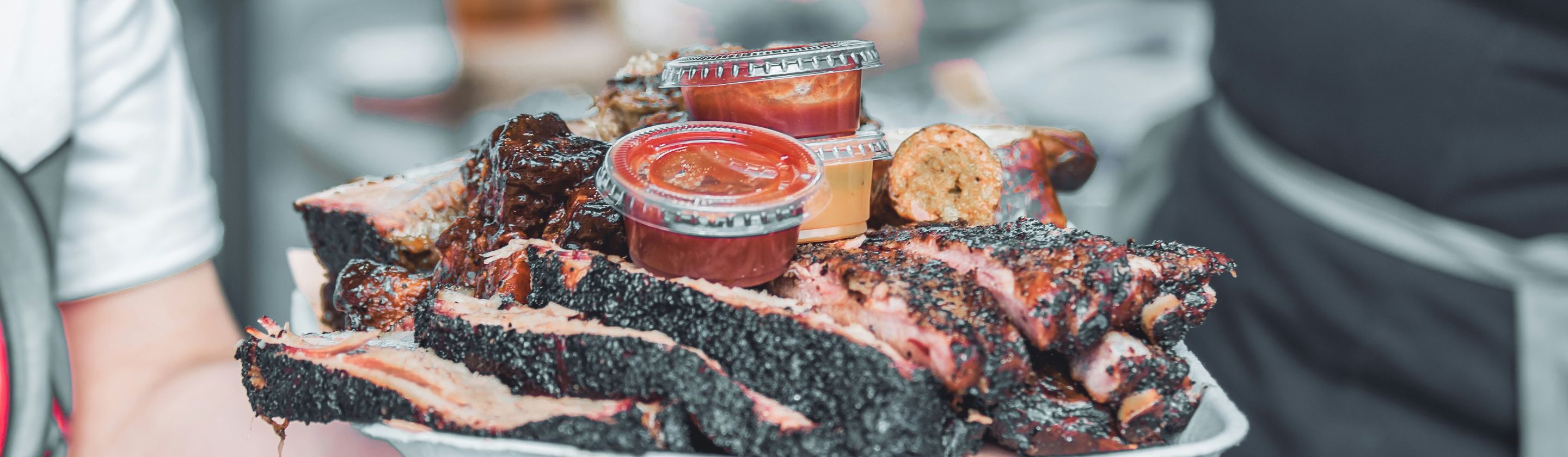
Old Traditions Still Have A Place At The Table
Modern restaurant menus might feature creative techniques and unexpected combinations, but many of their basic ideas have surprisingly deep cultural roots. Sharing several small dishes, preserving seasonal ingredients, cooking over fire, serving foods in a particular order, and gathering around communal plates all developed within distinct communities long before they became restaurant trends. From communal dining to centuries-old preservation methods, these 20 cultural food traditions continue to shape what and how people eat today.
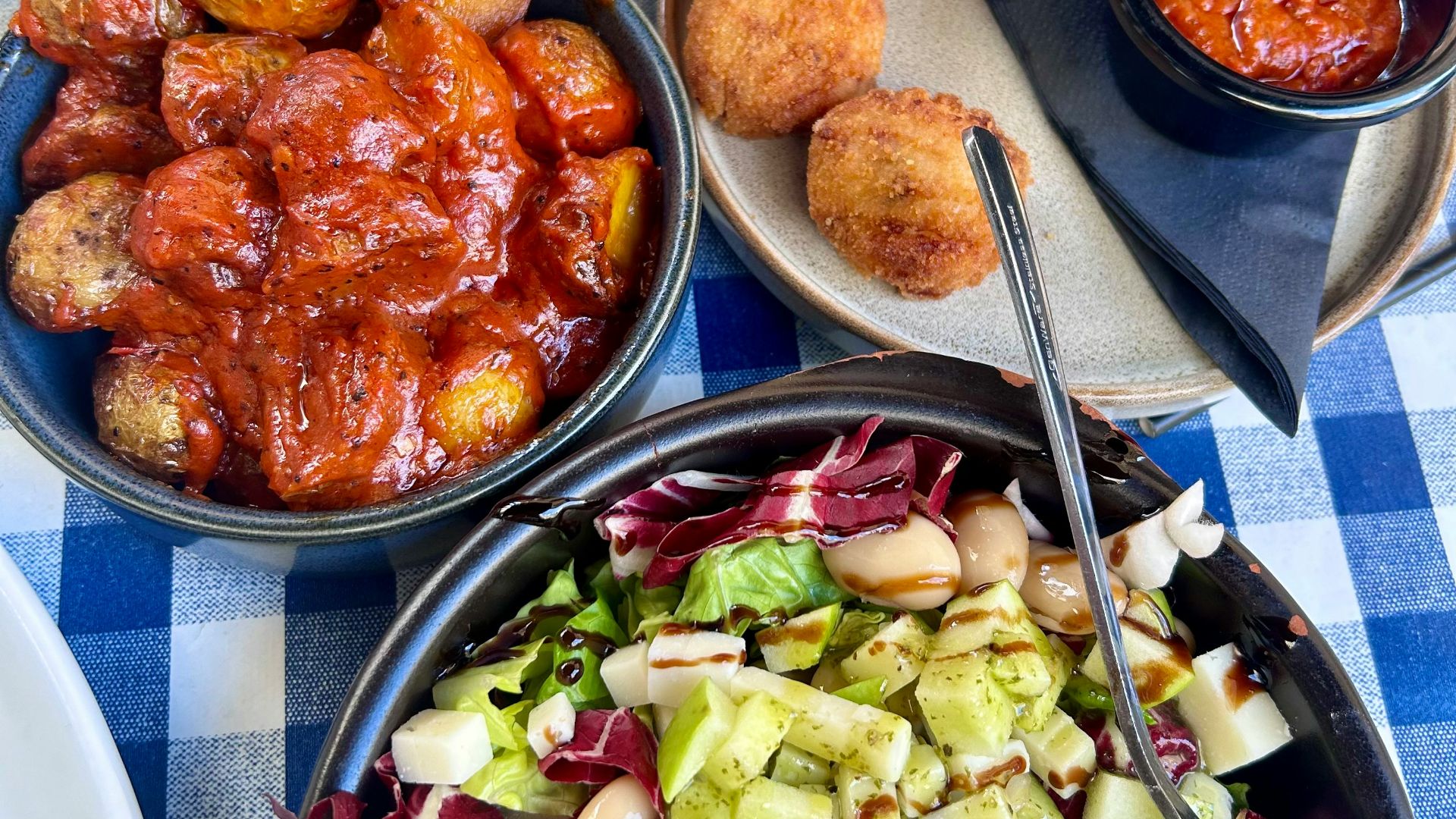
1. Mediterranean Communal Dining
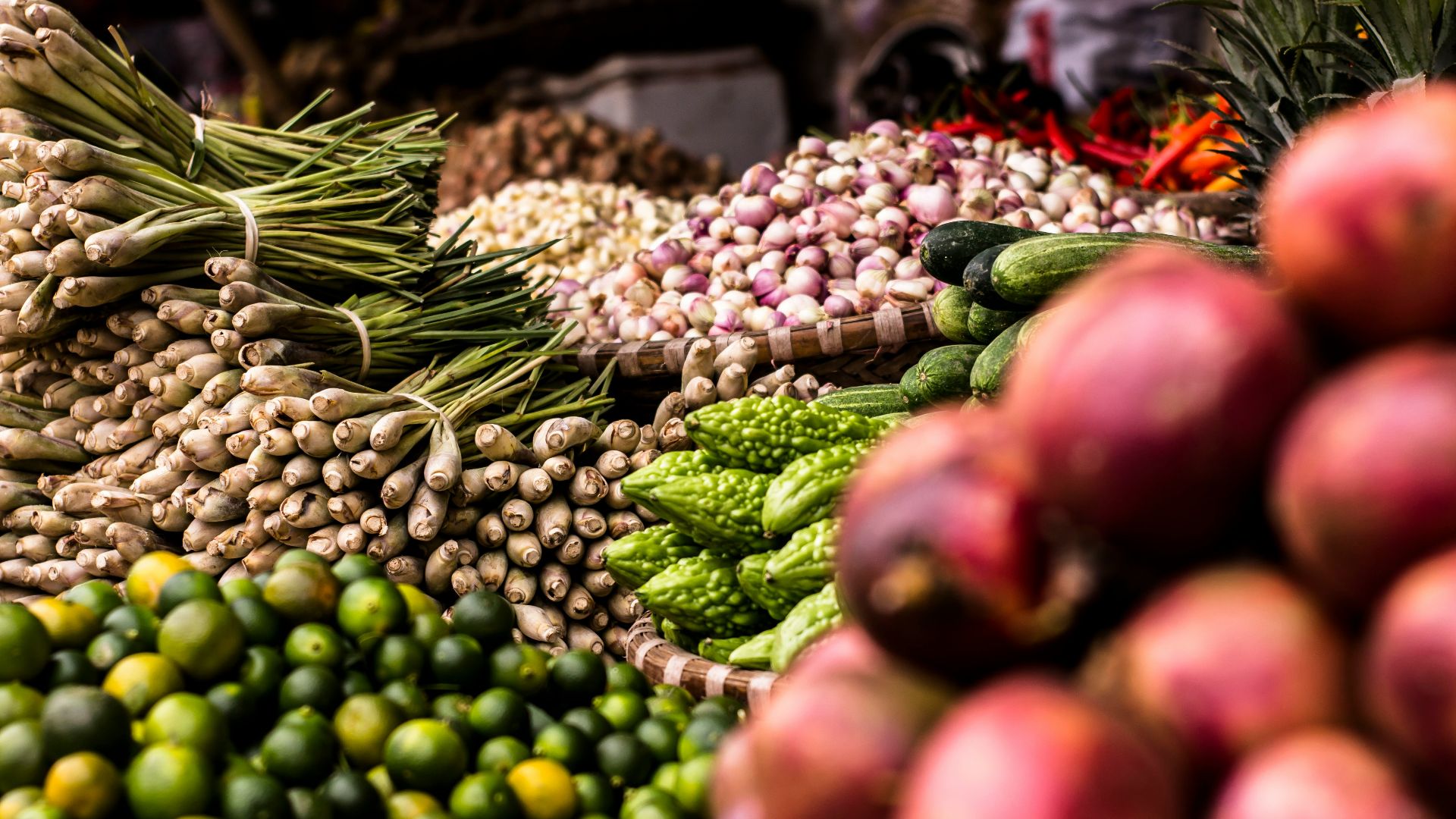
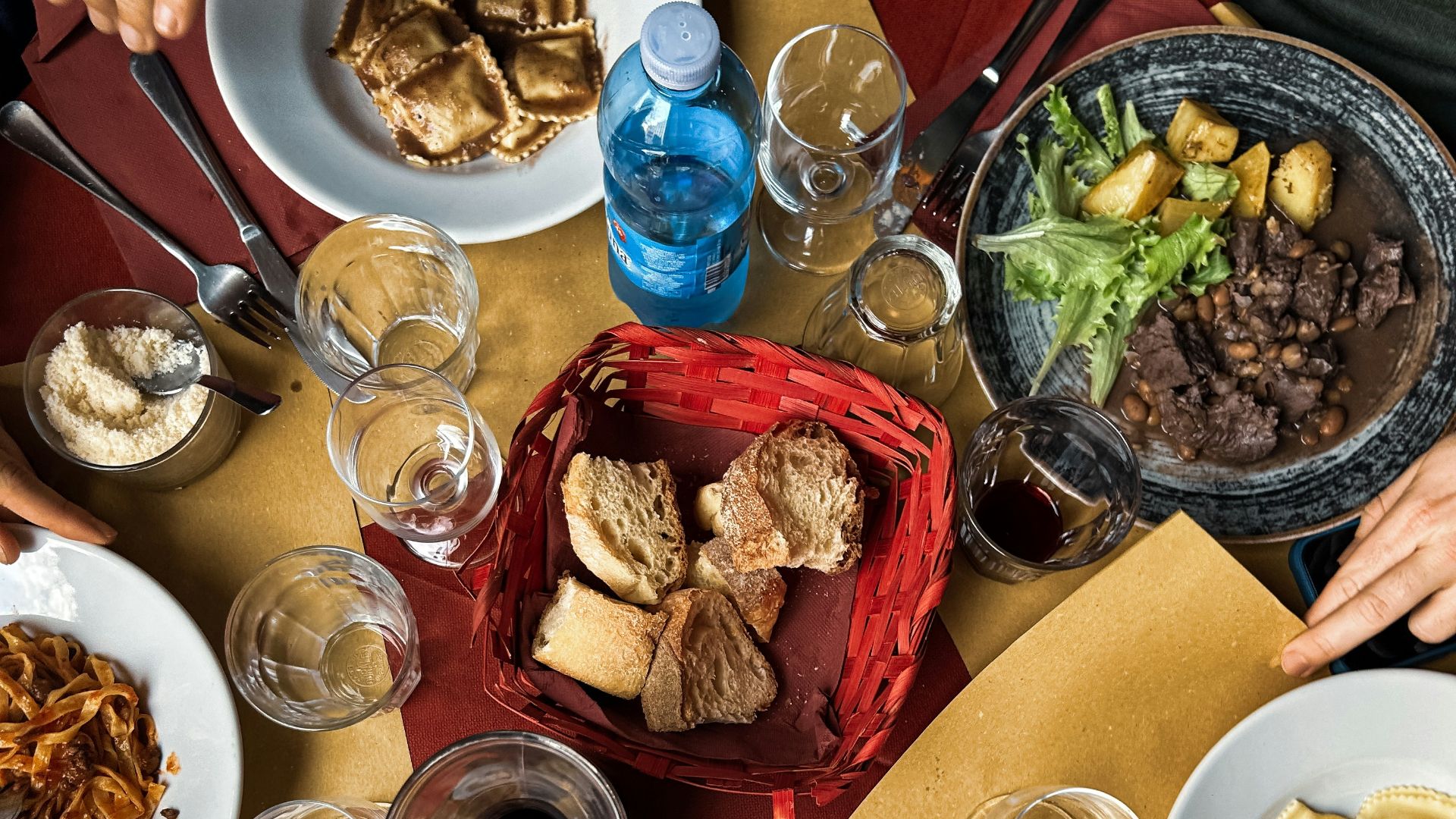
Across Mediterranean communities, meals have traditionally served as important opportunities for family and social connection rather than simply occasions to eat. Shared dishes encourage diners to spend time together while sampling several foods throughout the meal.
 Charles-Albert Clarysse on Unsplash
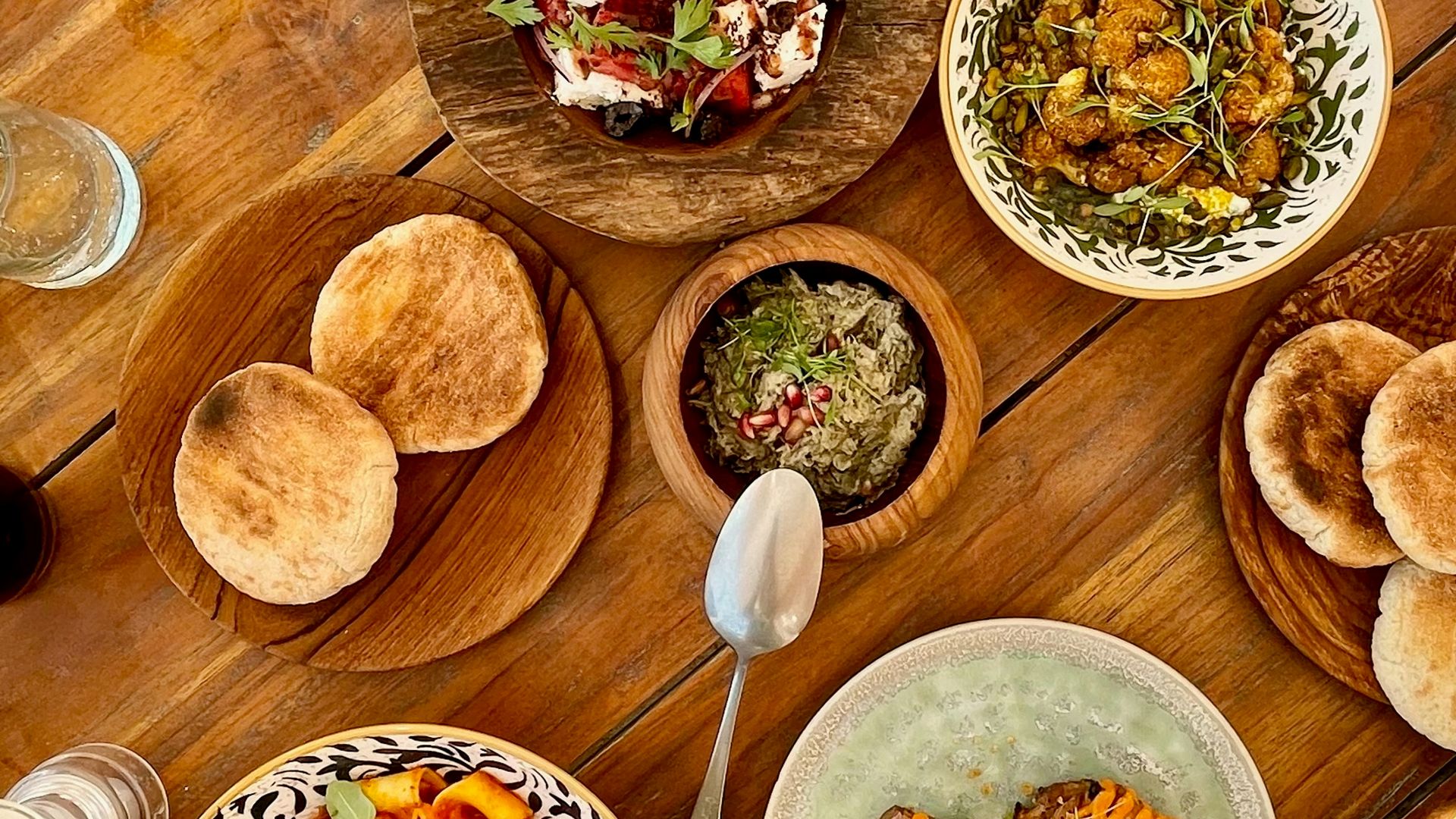
2. Middle Eastern Mezze
Mezze traditions found across the Middle East and neighboring regions center on serving an assortment of relatively small dishes. Hummus, salads, vegetables, breads, dips, and other preparations can appear together rather than following a rigid one-dish format.
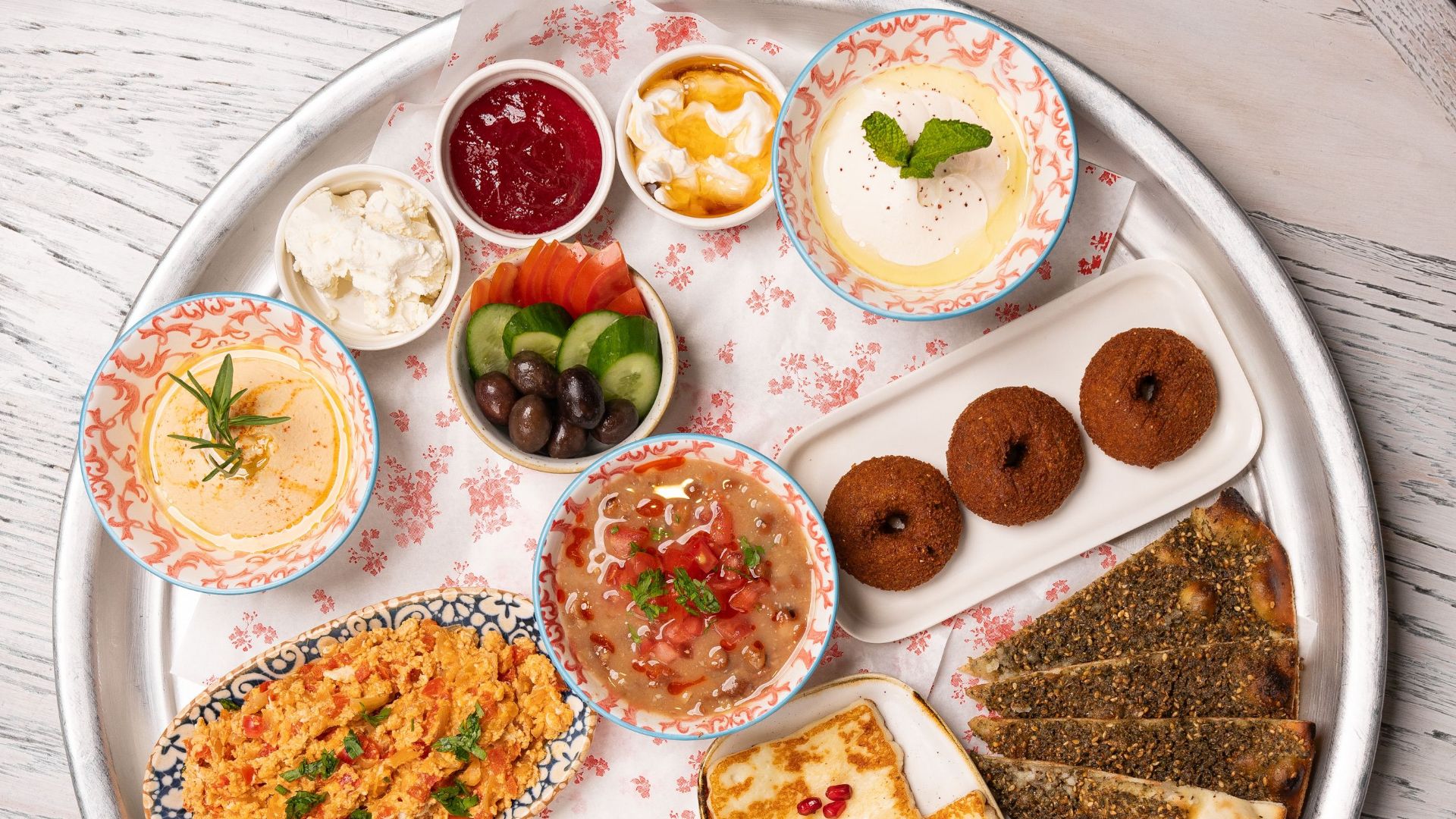
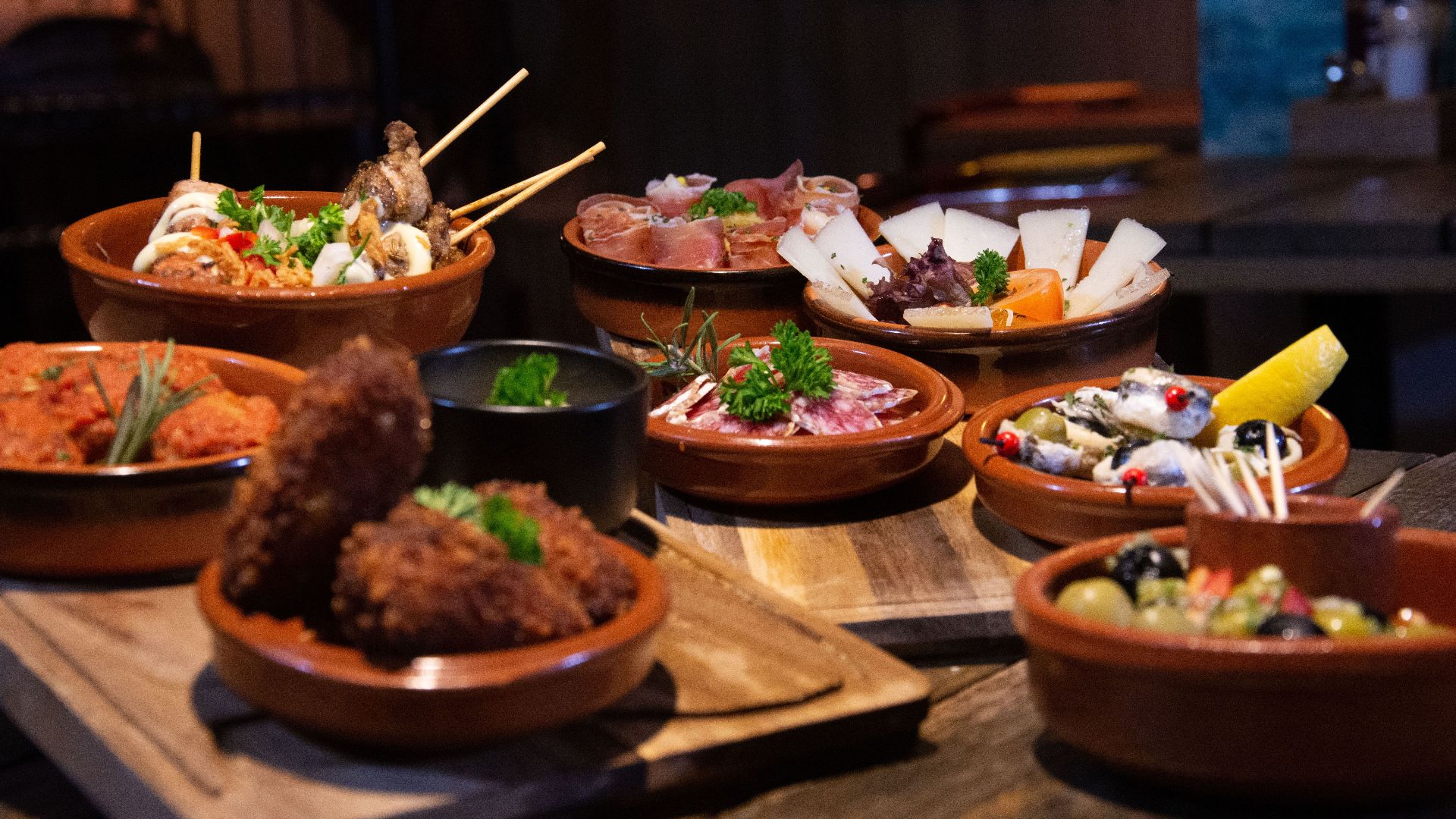
3. Spanish Tapas
Spain's tapas tradition turned small servings of food into an important part of social dining culture. Specific dishes vary considerably by region, ranging from olives and cured meats to seafood and cooked specialties.
4. Chinese Family-Style Meals
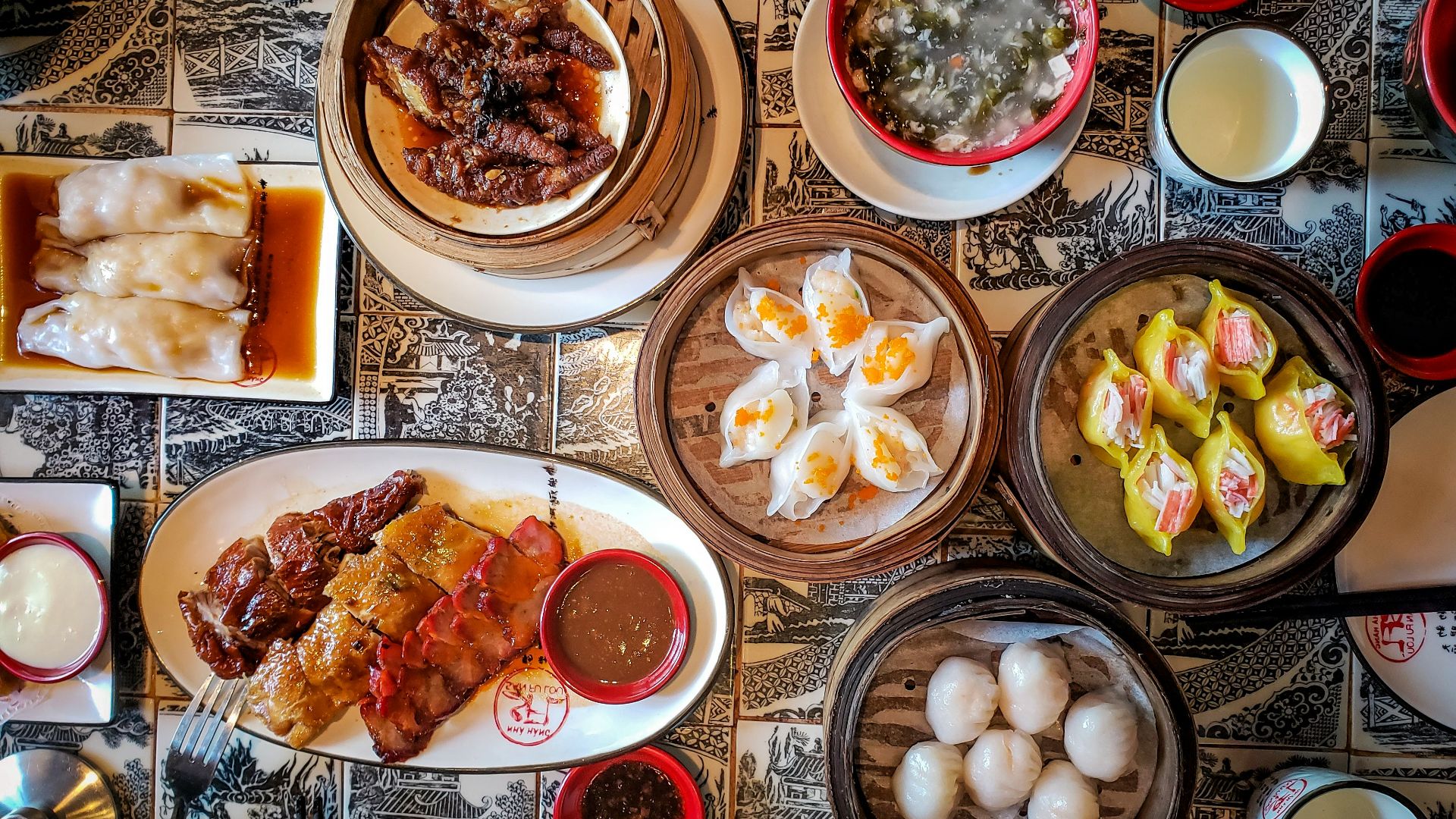
Many Chinese meals traditionally place several dishes at the center of the table so diners can share them rather than receiving entirely separate entrées. This format allows contrasting vegetables, meats, seafood, soups, and other preparations to appear during one meal. Family-style service remains common in Chinese restaurants and has become popular across other cuisines as well.
5. Cantonese Yum Cha
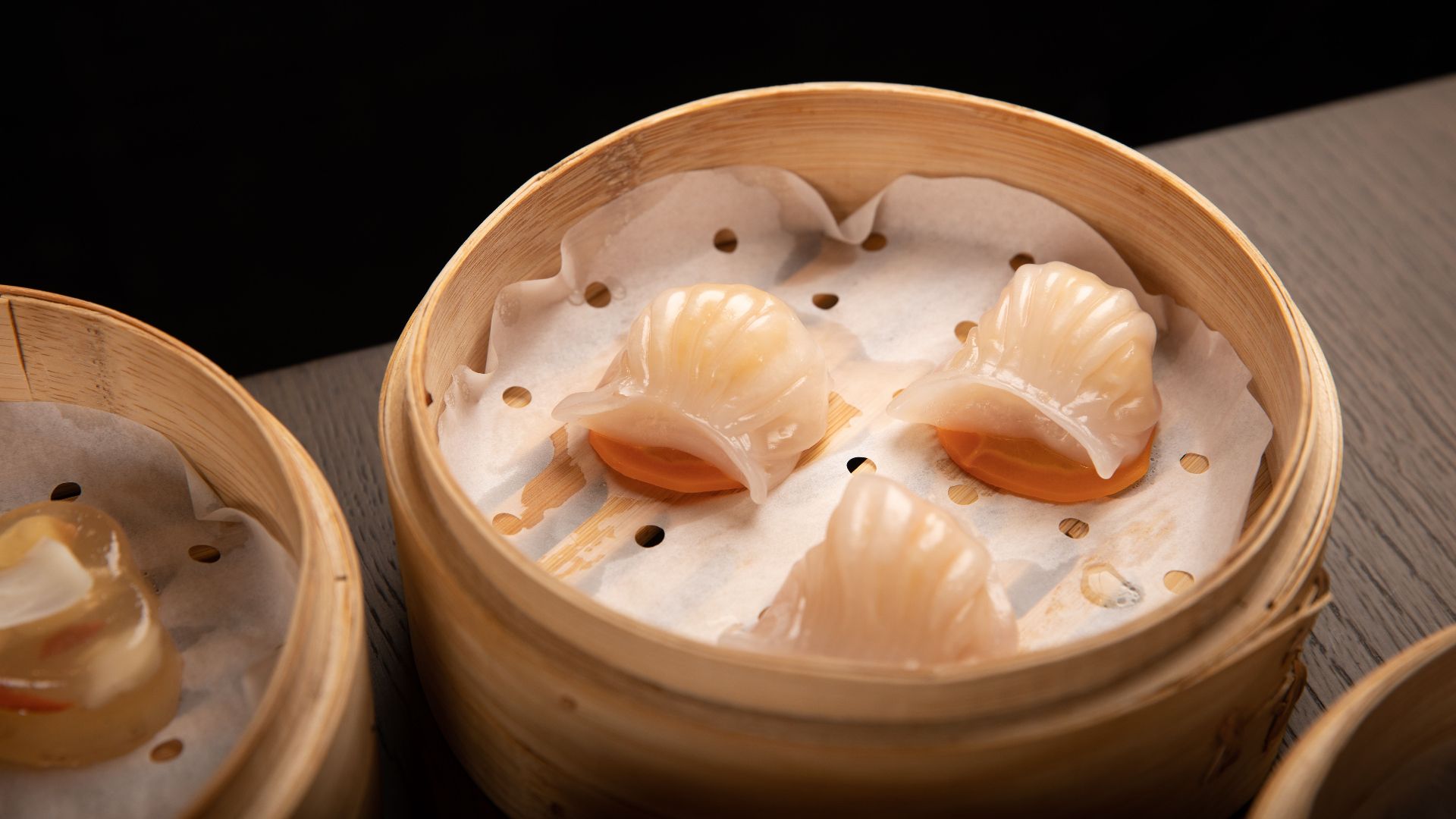
The Cantonese tradition of yum cha combines drinking tea with eating dim sum, including dumplings, buns, rolls, and numerous other small preparations. Diners can select multiple dishes and share them around the table. Contemporary dim sum restaurants continue this social approach, sometimes combining traditional favorites with inventive fillings and presentation.
6. Japanese Seasonal Eating
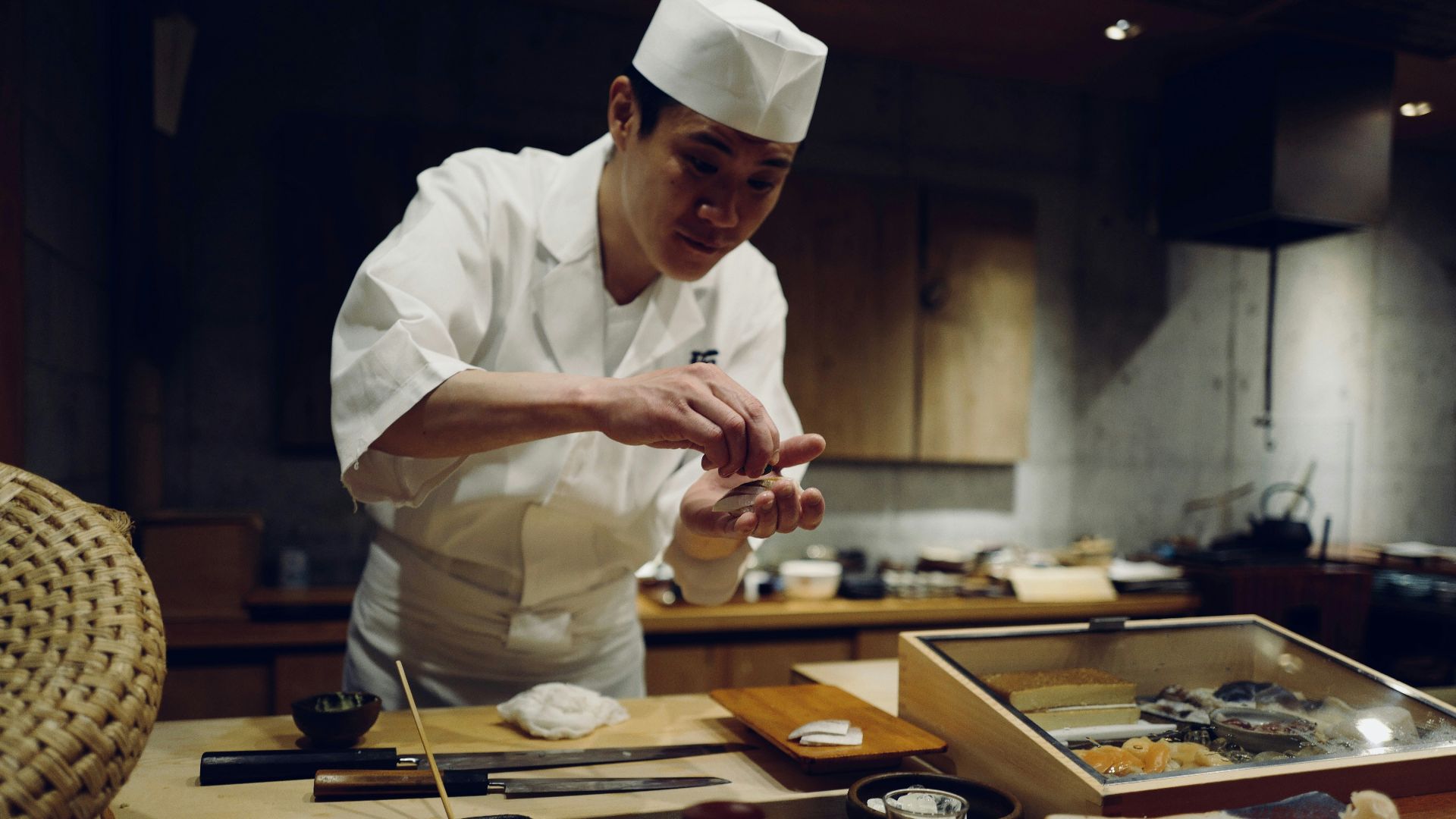
Japanese washoku places considerable importance on seasonality, ingredients, preparation, and presentation. Traditional meals frequently reflect the time of year through produce, seafood, garnishes, colors, and serving vessels.
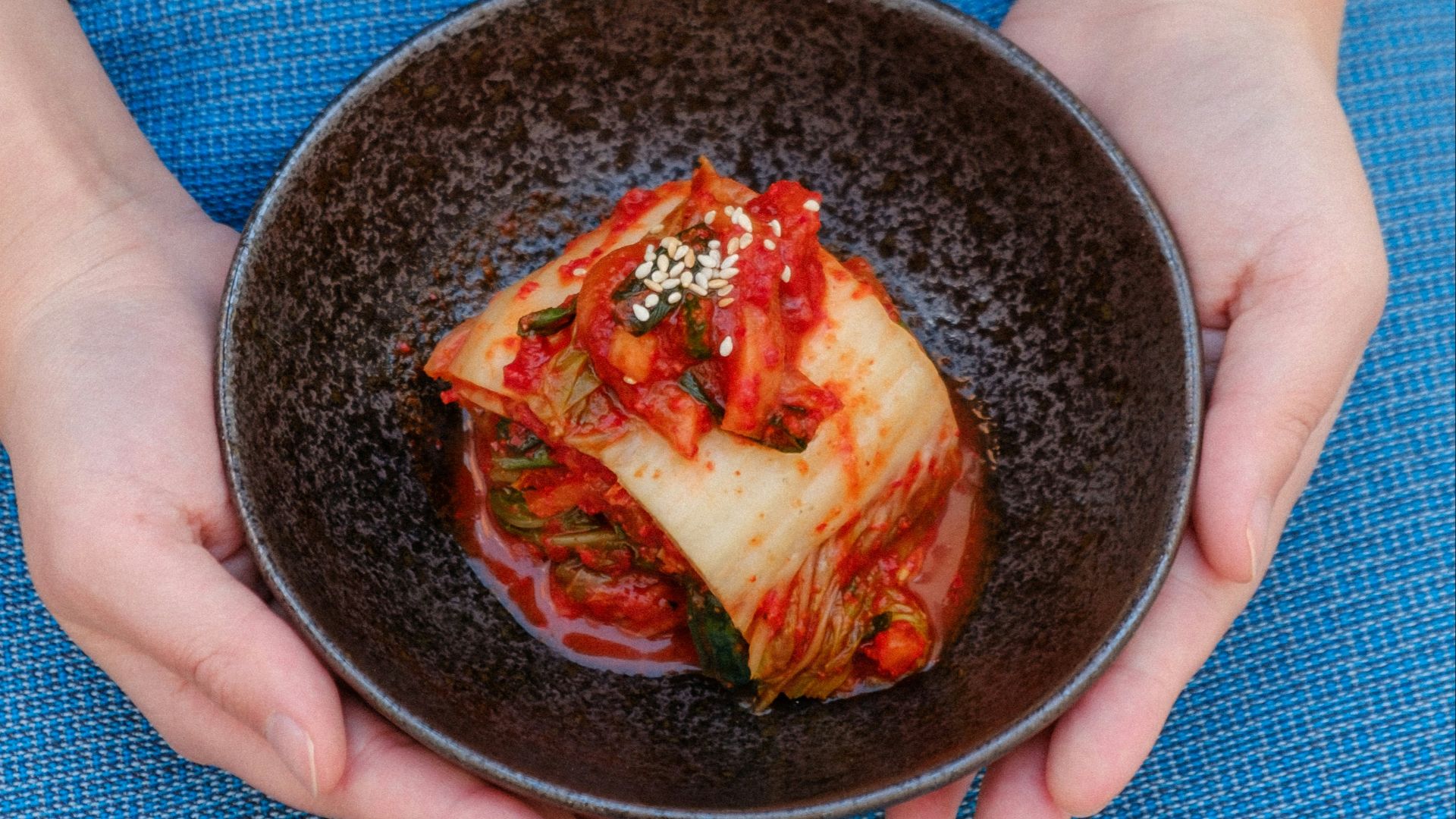
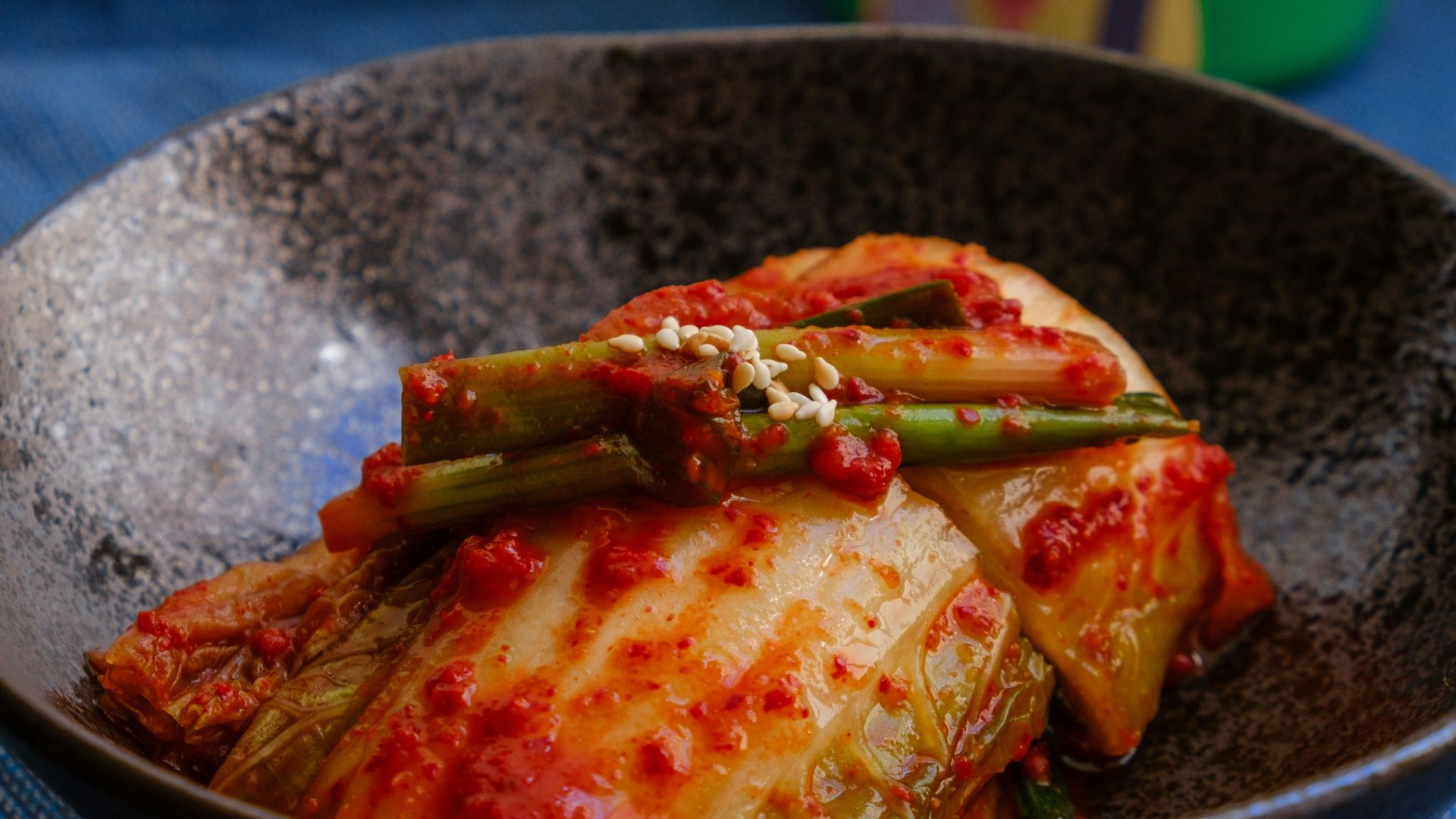
7. Korean Kimjang
Kimjang is the Korean tradition of preparing and sharing large quantities of kimchi, historically helping households preserve vegetables for colder months. Fermented foods have become increasingly visible on contemporary menus, while kimchi itself now appears in everything from traditional meals to modern restaurant creations.
 Portuguese Gravity on Unsplash
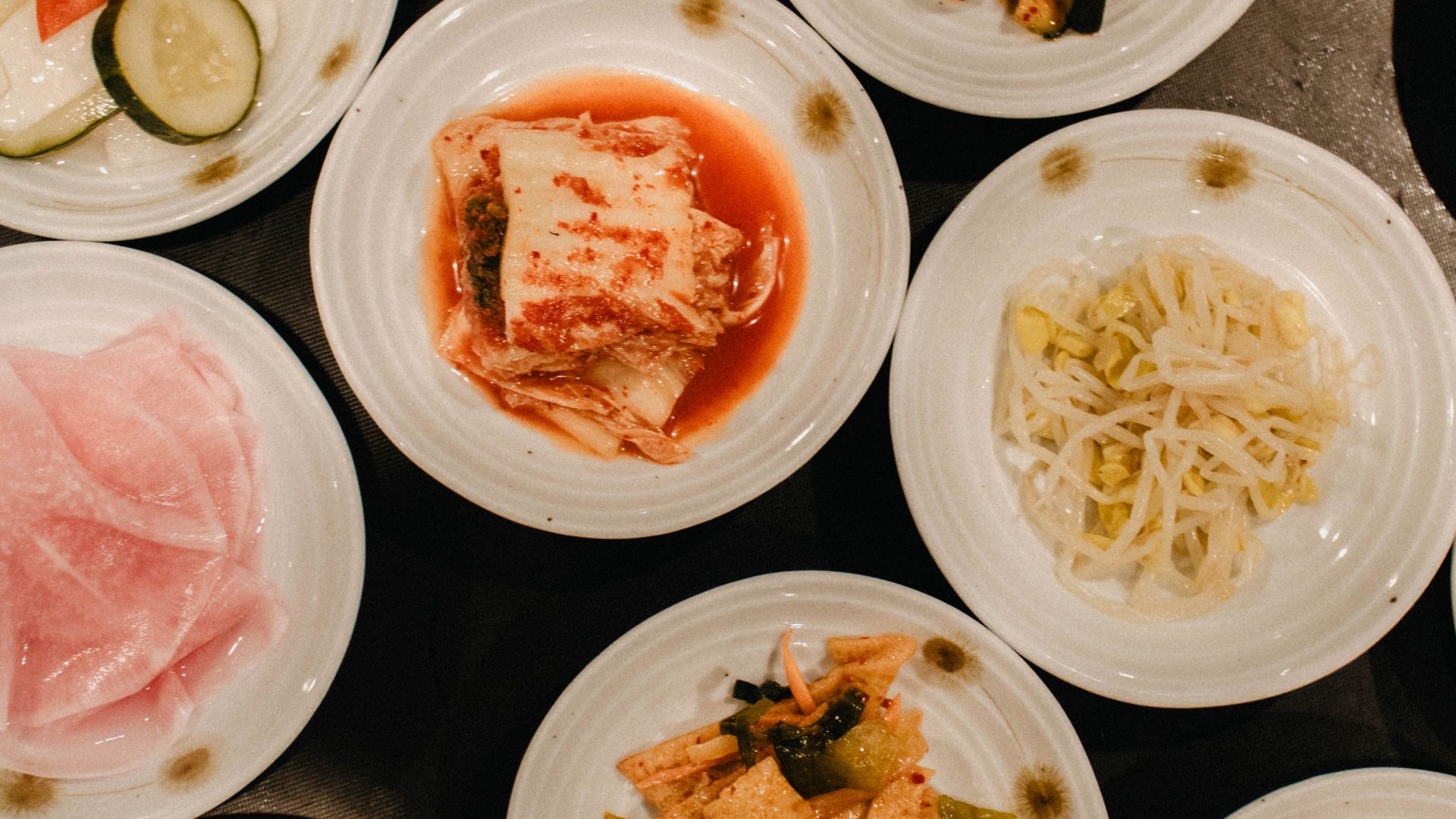
8. Korean Banchan
A Korean meal can include an assortment of banchan, or side dishes, served alongside staples such as rice. These small preparations create variety through different vegetables, fermented foods, proteins, seasonings, and textures. Restaurants continue the tradition, while the concept also demonstrates that side dishes don't necessarily have to play a minor role.
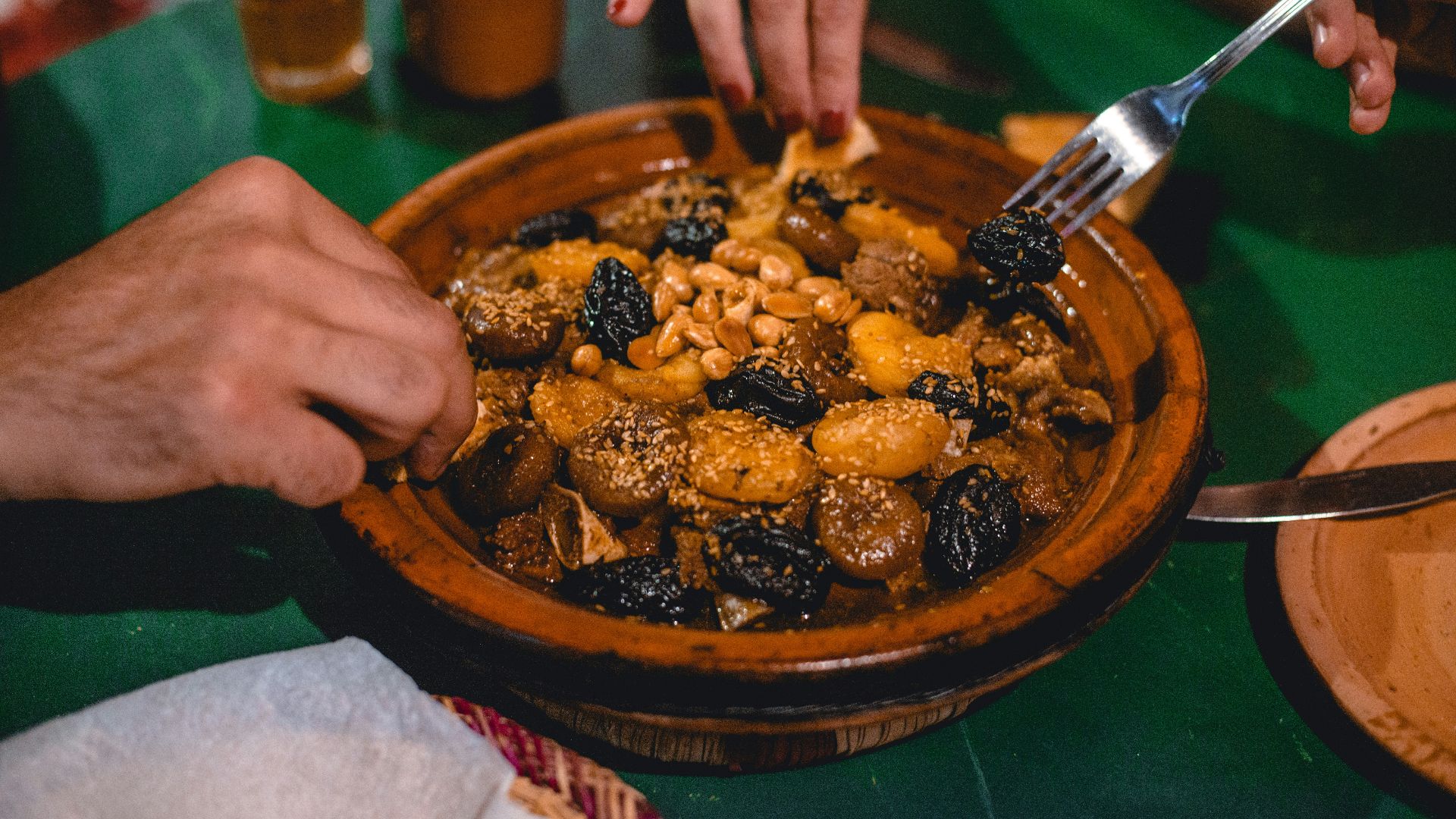
9. North African Couscous Traditions
Couscous preparation carries deep cultural significance across Algeria, Mauritania, Morocco, and Tunisia, where knowledge surrounding its production and consumption has been passed between generations. It commonly accompanies vegetables, meats, legumes, or flavorful broths.
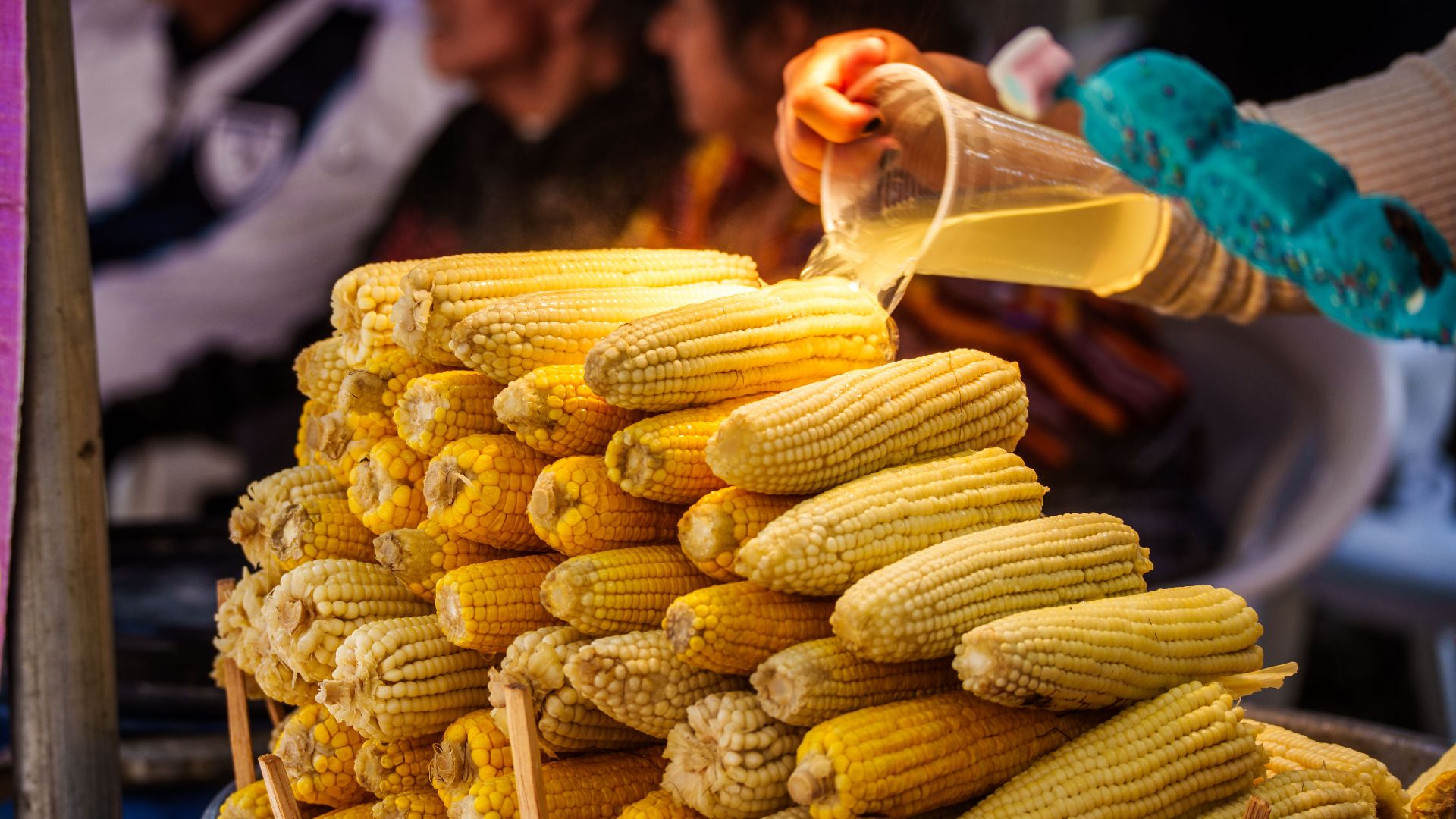
10. Mexican Nixtamalization
Indigenous peoples in the Americas developed nixtamalization, an alkaline process used to prepare corn and improve its culinary and nutritional qualities. The technique remains fundamental to producing masa for foods including tortillas and tamales. Modern Mexican restaurants may experiment endlessly with fillings and presentations, but traditionally prepared corn still provides the foundation for many menus.
11. Indigenous Seasonal Foodways
Indigenous food traditions across the Americas are extraordinarily diverse, reflecting local ecosystems, seasons, and generations of ecological knowledge. Contemporary Indigenous chefs are increasingly bringing these foodways into restaurants while emphasizing that they're living traditions rather than historical curiosities.
12. Japanese Tea Ceremony
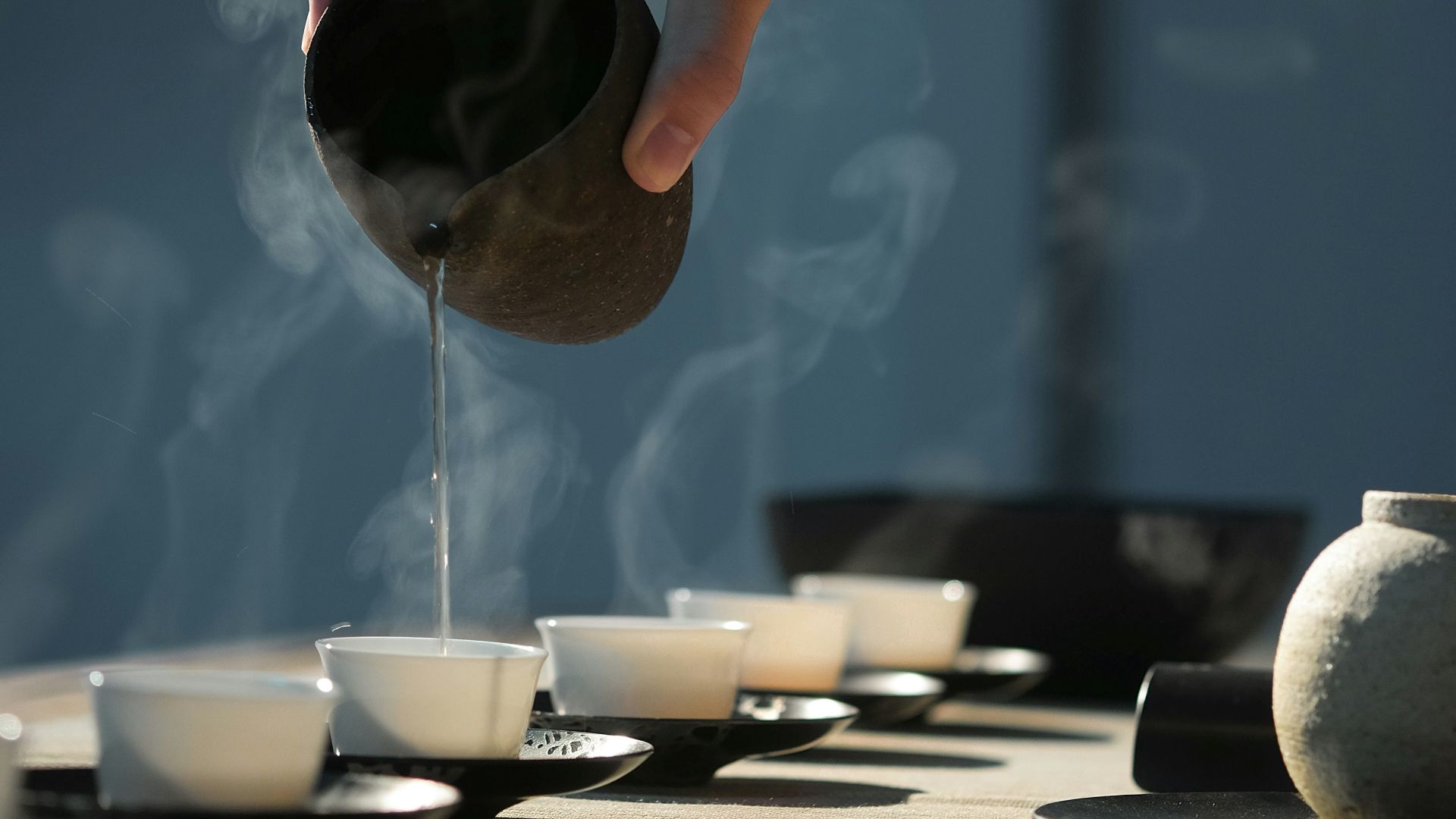
Japan's tea ceremony developed into an intricate cultural practice involving hospitality, preparation, objects, architecture, and carefully considered presentation. Food can also accompany formal tea gatherings, particularly through meals connected with the ceremony.
13. Ethiopian Communal Platters
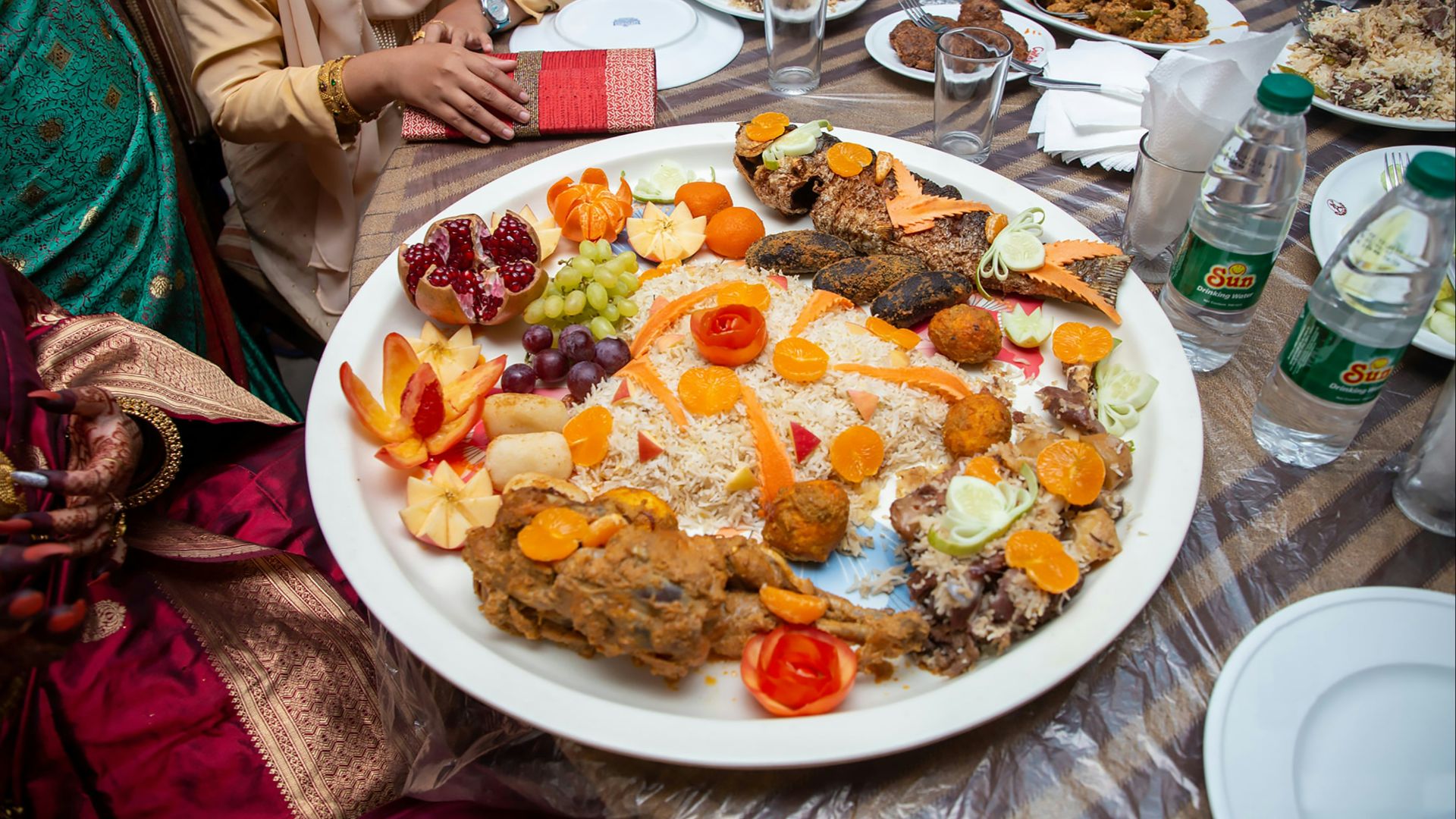
Ethiopian dining often brings several dishes together on injera, a fermented flatbread that functions as both food and an essential part of the meal. Diners traditionally eat from the shared arrangement, using pieces of injera to pick up stews and vegetables.
14. Indian Thali Service
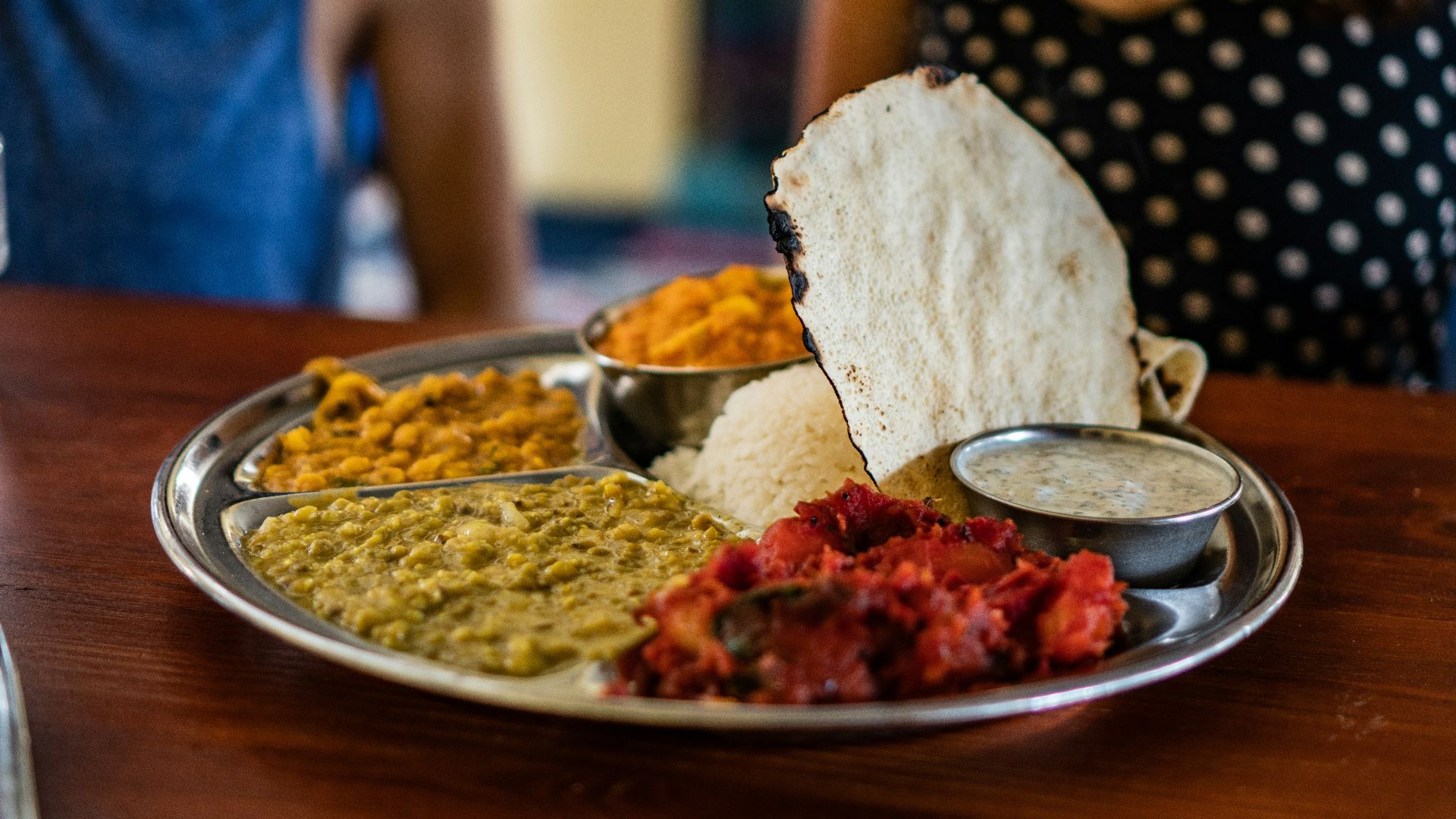
A thali brings multiple components of a meal together, commonly presenting several dishes alongside rice, breads, pickles, or other accompaniments. Its exact composition differs dramatically among India's many regions and communities.
15. Italian Multi-Course Dining
Traditional Italian meal structure can separate foods into stages such as antipasti, primi, secondi, and dolci rather than placing everything on one enormous plate. Not every everyday meal follows the complete sequence, but the structure remains culturally familiar.
16. French Course-Based Service
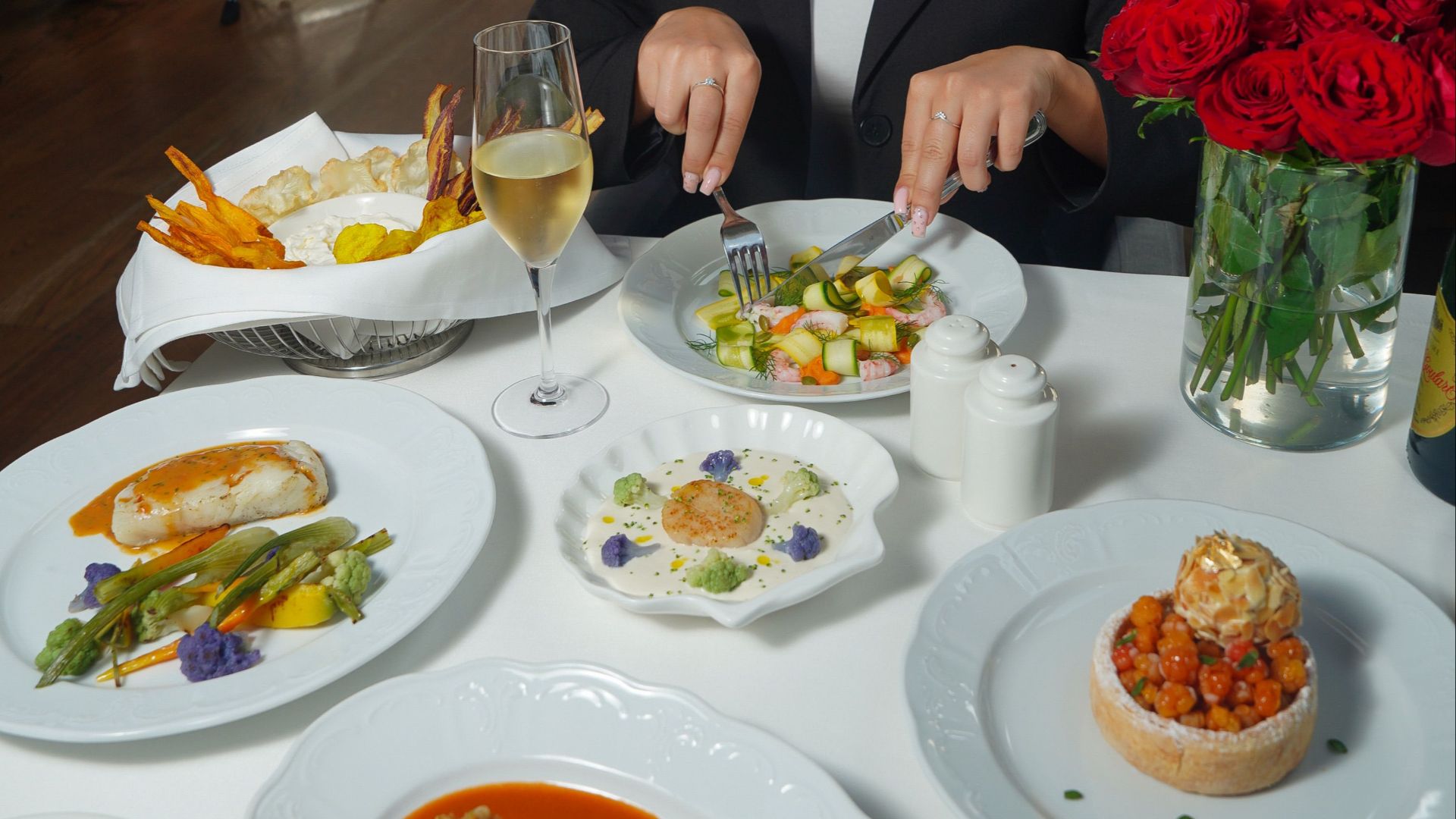
French dining traditions played an important role in shaping formal restaurant menu structure and the idea of progressing through distinct courses. Appetizers, main dishes, cheese, and desserts can each occupy their own place in a longer meal.
17. British Afternoon Tea
Afternoon tea became fashionable in nineteenth-century Britain and developed its own conventions involving tea accompanied by light savory and sweet foods. Sandwiches, scones, cakes, and pastries became familiar elements of the experience.

18. African American Soul Food Traditions
African American foodways developed through a complex history combining African culinary knowledge, experiences under slavery, regional Southern ingredients, migration, and family traditions. Foods associated with soul food became especially important expressions of community and cultural identity during the twentieth century.
 José Roberto Oliveira on Pexels
19. Southern Barbecue
Barbecue traditions in the American South developed through multiple cultural influences and eventually produced distinctive regional approaches to slowly cooking meat with smoke and fire. Sauces, preferred cuts, woods, and seasonings differ substantially from place to place.
20. Food Preservation Through Fermentation
Long before refrigeration, communities around the world used fermentation to preserve ingredients while creating distinctive flavors and textures. Kimchi, yogurt, pickles, fermented soybean products, breads, cheeses, and countless other foods developed within different cultural traditions.
 Portuguese Gravity on Unsplash
KEEP ON READING

20 Worst Foods for Your Liver