10 Condiments Ruining Your Otherwise Healthy Meals & 10 That Actually Add Nutritional Value
10 Condiments Ruining Your Otherwise Healthy Meals & 10 That Actually Add Nutritional Value
Good Sauce, Bad Sauce
Sure, that plate of leafy greens you just threw together is pretty healthy-looking; it certainly has all the ingredients that would make a nutritious meal. But pour Thousand Island or Caesar dressing over it, and you've just ruined a perfectly good salad. Of course, that's not to say that all condiments aren't automatically unhealthy, but some pack surprising amounts of added sugar, sodium, saturated fat, or calories into relatively small servings, especially when you use more than the suggested tablespoon or two. Thankfully, there are much better ones to reach for, and a lot of them you can easily make yourself. Promise us, though: throw that bottle of mayo.
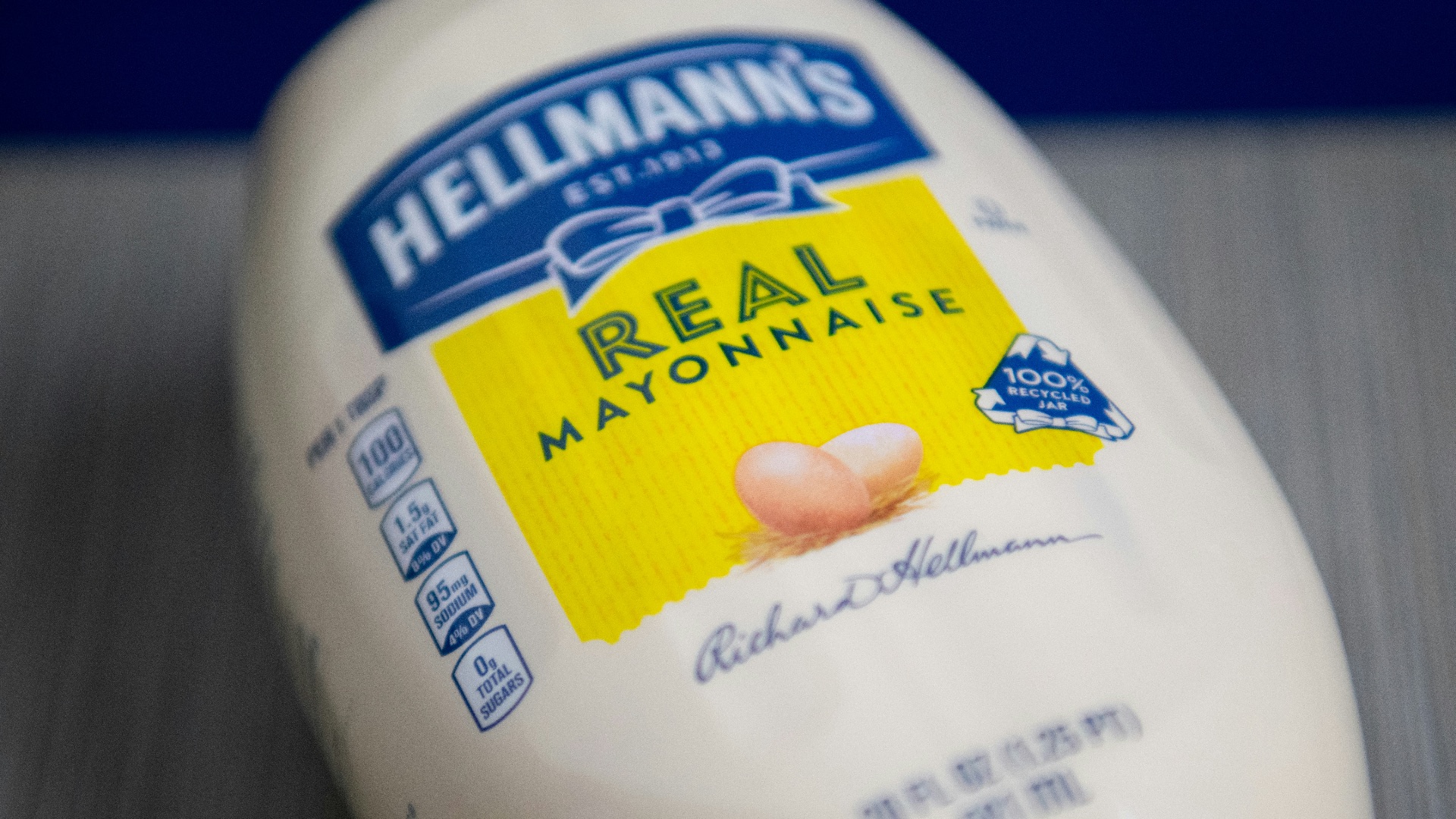
1. Regular Mayonnaise
Traditional mayonnaise is primarily made from oil and egg yolks, which means a small serving can contain a substantial number of calories and fat. Although much of that fat may be unsaturated depending on the oil used, mayonnaise is easy to spread far beyond the standard serving size on sandwiches, wraps, burgers, and salads. If you're trying to keep calories in check, a thick layer can turn an otherwise balanced lunch into a much heavier meal. Using a smaller amount or choosing a condiment with more nutritional benefits can make the meal work better for your goals.

2. Sugary Barbecue Sauce
Barbecue sauce can make grilled chicken or vegetables more appealing, but many bottled varieties contain considerable amounts of added sugar. Ingredients such as corn syrup, molasses, brown sugar, or concentrated sweeteners may appear near the top of the ingredient list, and several spoonfuls can add up quickly. The sauce can also be fairly high in sodium, so generous portions increase two nutrients many people are already advised to limit. Checking labels for lower-sugar options lets you keep the smoky flavor without adding as much sweetness.
 Addilyn Ragsdill @clockworklemon.com on Unsplash
3. Ranch Dressing
A salad loaded with leafy greens, tomatoes, cucumbers, and other vegetables starts out nutrient-dense, but a heavy pour of ranch can dramatically increase its calorie and saturated-fat content. Creamy bottled versions commonly rely on oil, buttermilk, mayonnaise, or similar ingredients to create their rich texture. Ranch isn't something you have to eliminate, although pouring it freely makes portion size difficult to judge. Measuring a serving or dipping vegetables into the dressing instead of coating them can help you use less.

4. Sweet Chili Sauce
Sweet chili sauce often gets treated as a light alternative to creamy condiments because it has little or no fat, yet sugar is usually a major component. A few tablespoons drizzled across rice bowls, chicken, spring rolls, or vegetables can contribute a notable amount of added sugar without offering much protein, fiber, or other nutrition in return. Sodium levels can also be significant depending on the brand. If you enjoy it regularly, consider using it as an accent rather than covering the entire meal.

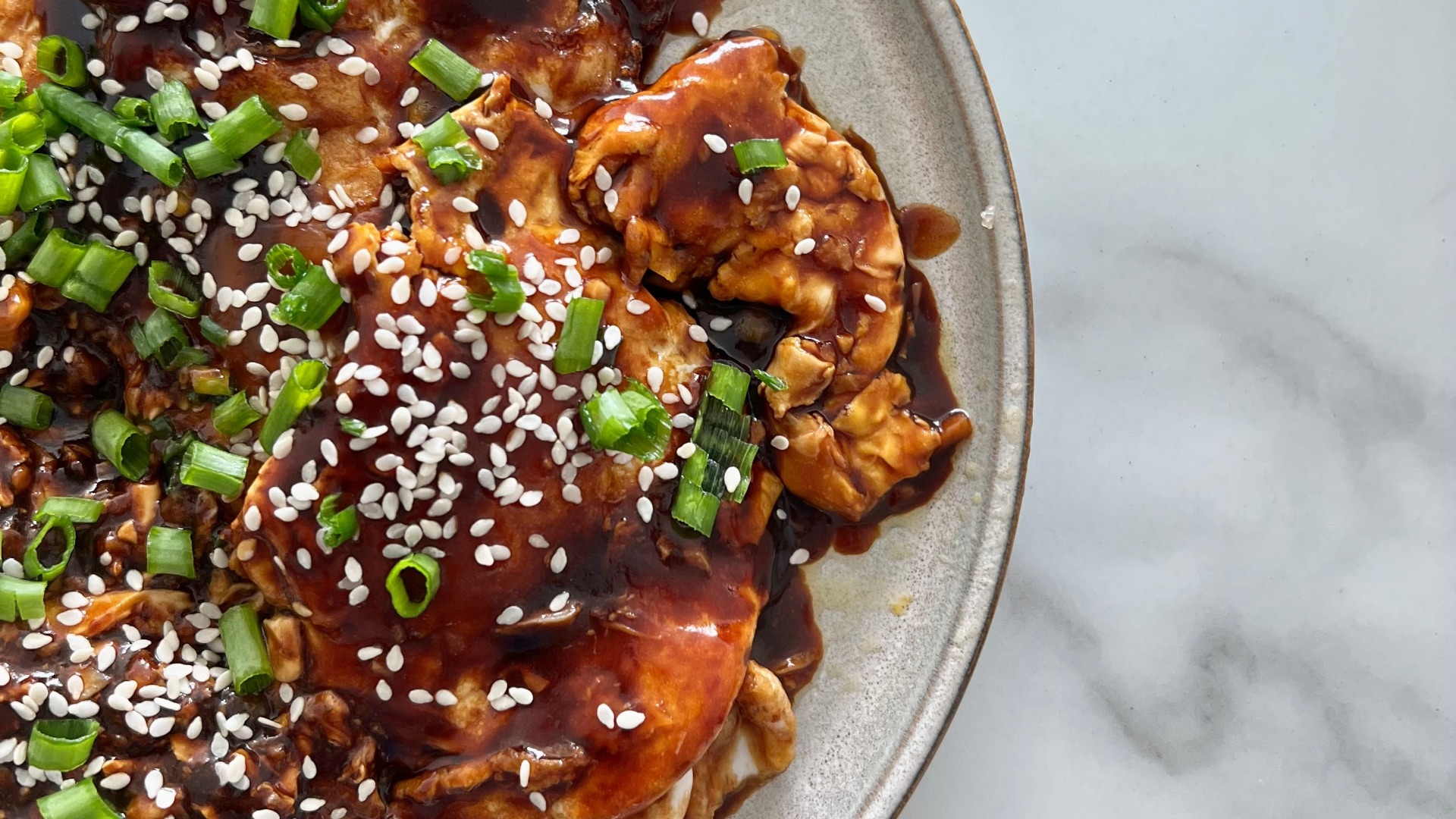
5. Teriyaki Sauce
Teriyaki sauce brings plenty of flavor to salmon, chicken, tofu, and vegetable dishes, but commercial versions can be extremely sodium-dense. Many recipes and bottled sauces also include sugar, honey, or another sweetener, creating a combination of sodium and added sugar that becomes more substantial as portions increase. This matters especially when the rest of the meal already includes salty ingredients such as seasoned rice, noodles, or packaged proteins. Reduced-sodium teriyaki or a lighter homemade version gives you more control over what you're adding.
6. Honey Mustard
The word "mustard" can make honey mustard sound similar nutritionally to plain mustard, but the two condiments can be very different. Honey mustard dressings and dipping sauces frequently combine sweeteners with oil, mayonnaise, or other creamy ingredients, increasing both calories and added sugar. Dunking chicken, spreading it generously on sandwiches, or using it as salad dressing can easily turn a modest serving into several. Plain mustard is usually a lighter option when you're primarily looking for tanginess rather than sweetness.

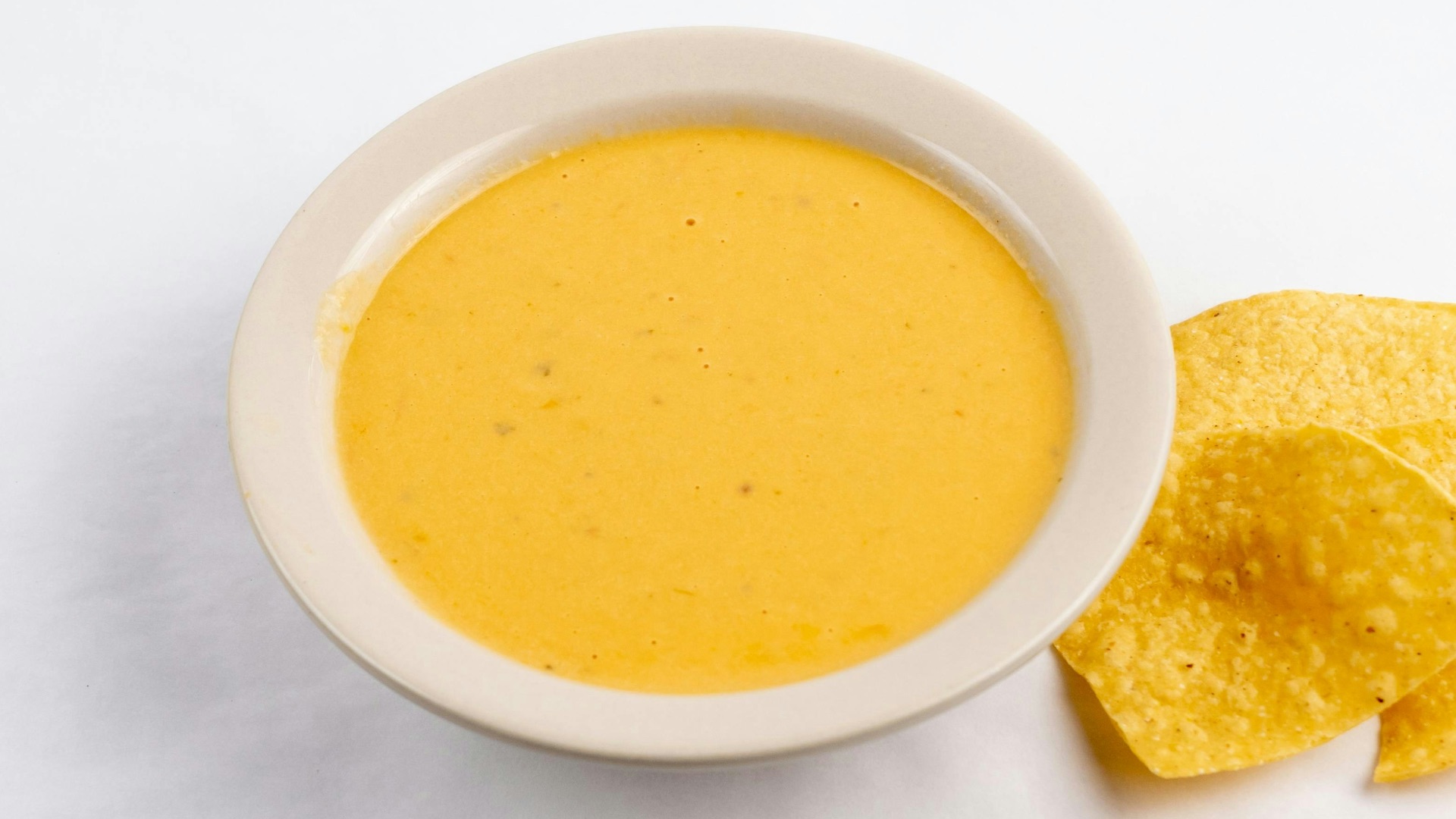
7. Cheese Sauce
Broccoli, cauliflower, baked potatoes, and other nutritious foods can take on significantly more sodium, saturated fat, and calories once they're covered in processed cheese sauce. Some prepared varieties also contain relatively little actual cheese compared with the collection of oils, starches, flavorings, and stabilizers used to create the texture. That doesn't mean you can't enjoy cheese, but a large amount of sauce can overwhelm the nutritional advantages of a vegetable-centered dish. A smaller portion of real shredded cheese may provide similar satisfaction along with protein and calcium.
8. Thousand Island Dressing
Thousand Island dressing usually combines a creamy base with sweeter ingredients such as ketchup or relish, making it more calorie-dense than its mild flavor might suggest. Depending on the recipe, it can supply notable amounts of fat, sodium, and added sugar in only a few tablespoons. It becomes particularly easy to overdo when it's used both as a salad dressing and as a sandwich or burger sauce throughout the day. If it's a favorite, measuring it rather than pouring directly from the bottle can keep portions reasonable.
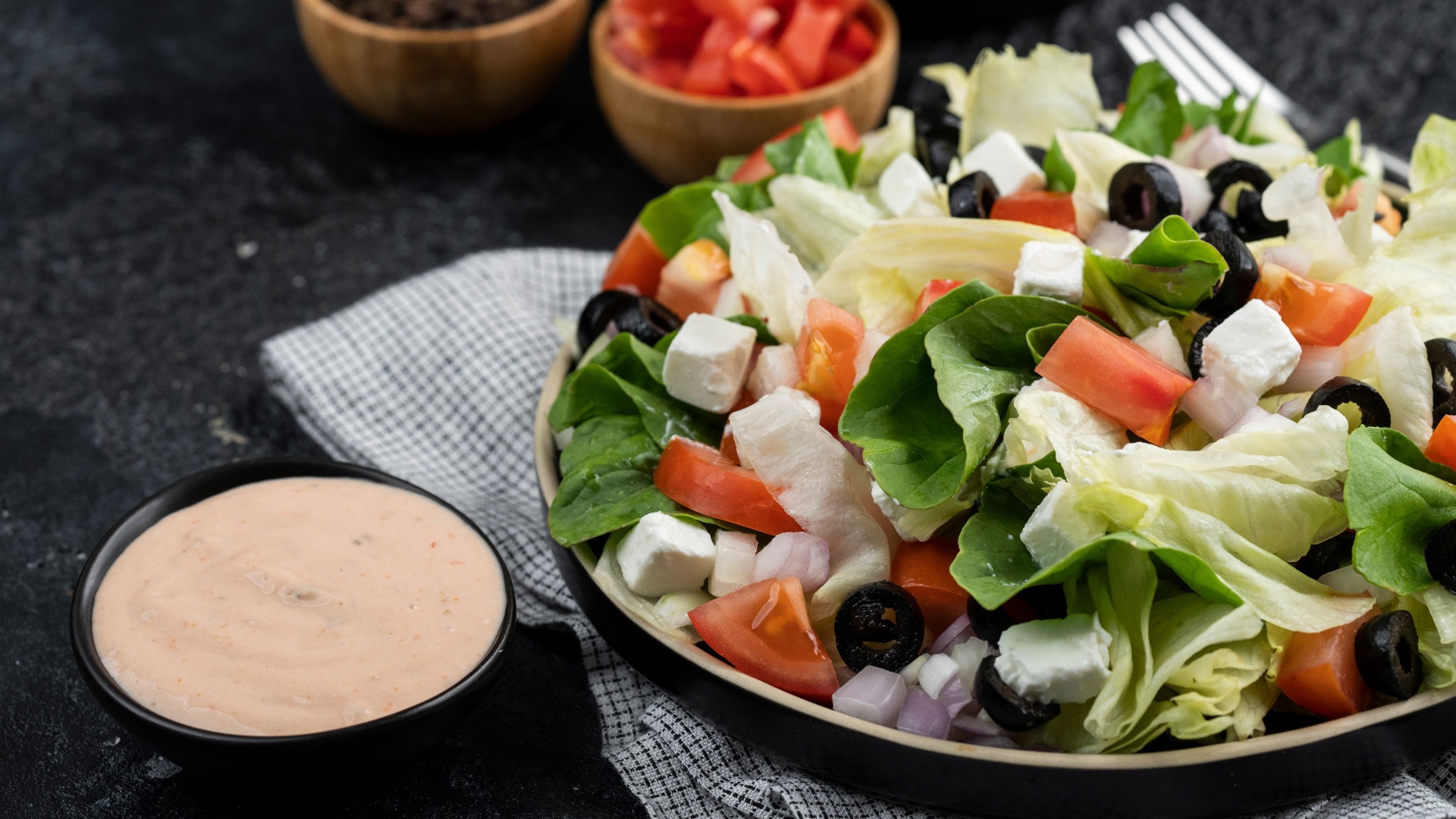
9. Bottled Sweet-and-Sour Sauce
The bright flavor of sweet-and-sour sauce comes largely from a combination of sugar, vinegar, and salty seasonings. Commercial versions can contain substantial added sugar per serving, and dishes served with large containers of dipping sauce encourage you to consume far more than the listed portion. Because the condiment offers little fiber or protein, those extra calories aren't especially filling either. Using a modest amount alongside protein and vegetables gives you the flavor without making the sauce a major component of the meal.
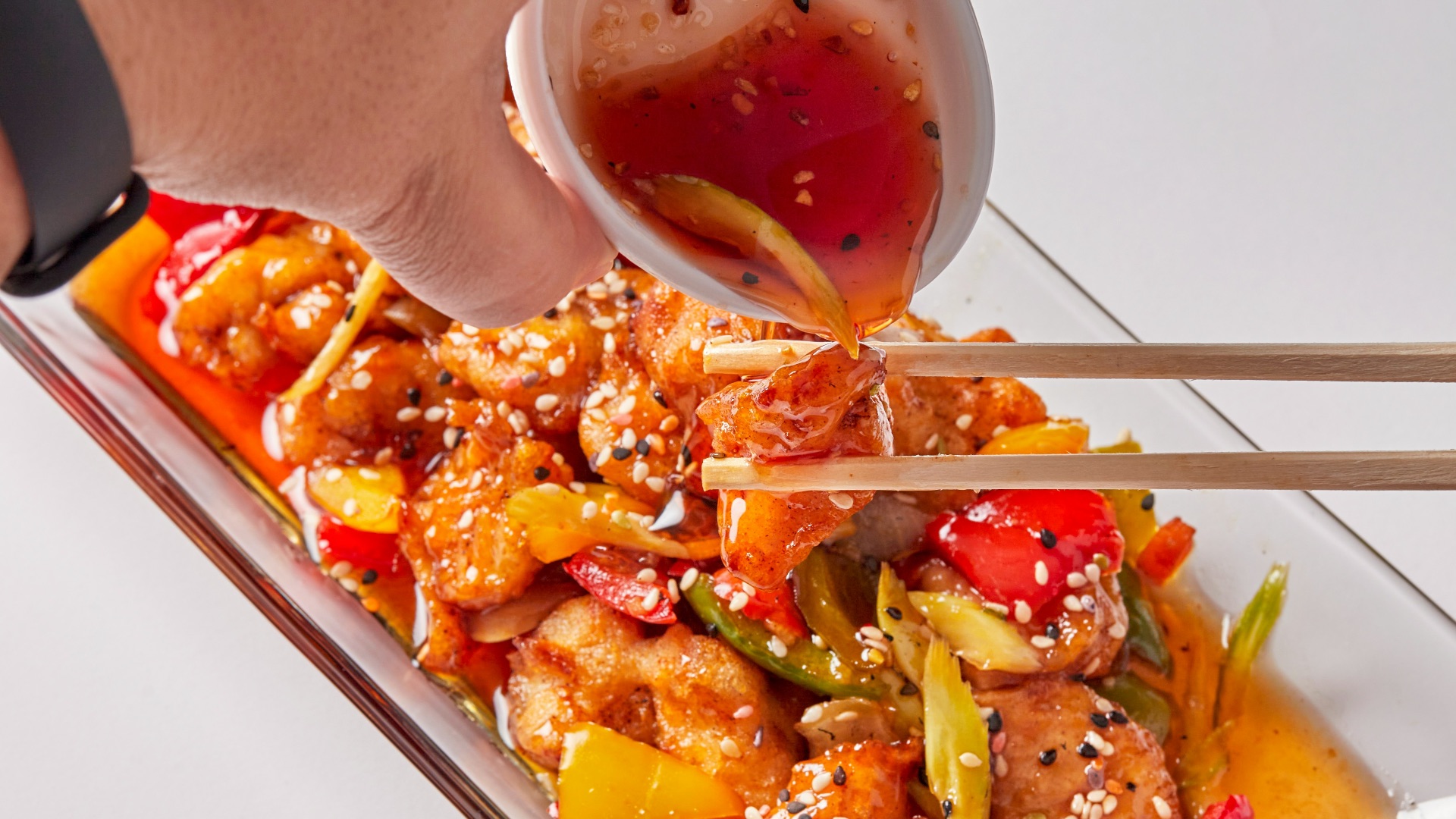
10. Full-Fat Creamy Caesar Dressing
Caesar salad has a healthy reputation because lettuce is at its center, but the dressing can be one of the most calorie-dense parts of the dish. Traditional and bottled versions may contain oil, cheese, egg, and plenty of sodium, and restaurants often use considerably more than a standard serving. Add croutons and additional Parmesan, and a salad that looked relatively light can become much richer than expected. Asking for dressing on the side or using less lets the vegetables remain the main part of the plate.
Fortunately, condiments don't have to be nutritional liabilities. Several flavorful options provide useful nutrients or plant compounds while helping you add variety to healthy foods, particularly when you choose versions with simple ingredient lists and reasonable sodium or sugar levels. Here are some healthier picks:
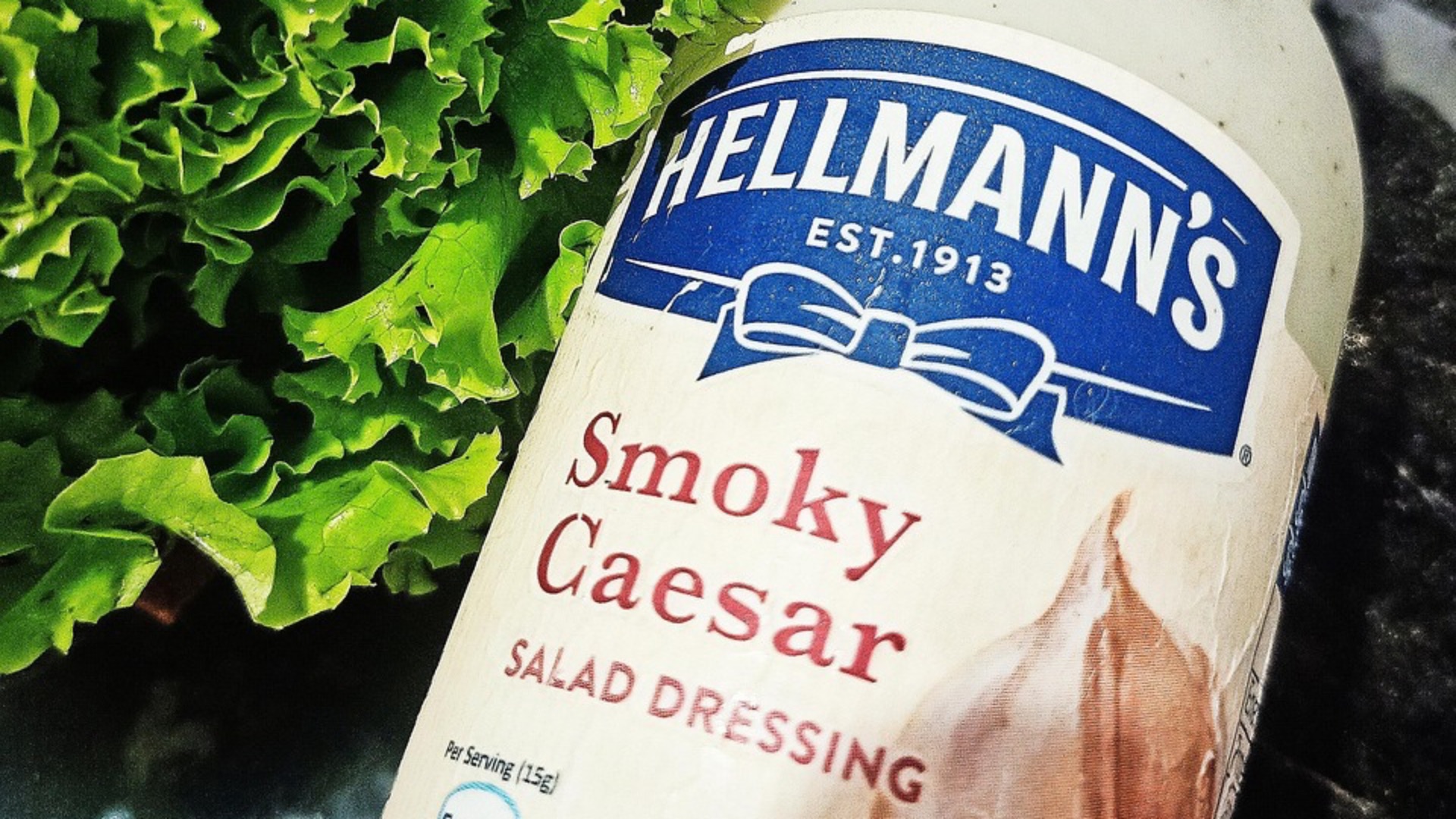
1. Salsa
A simple tomato-based salsa can add substantial flavor for relatively few calories while contributing vegetables to your meal. Tomatoes provide vitamin C, potassium, and lycopene, while ingredients such as onions, peppers, cilantro, and lime add additional plant compounds and micronutrients. Spoon it onto eggs, grilled fish, beans, tacos, or grain bowls when you want moisture and acidity without relying on a creamy sauce. Sodium can vary widely between brands, so checking the label is still worthwhile.
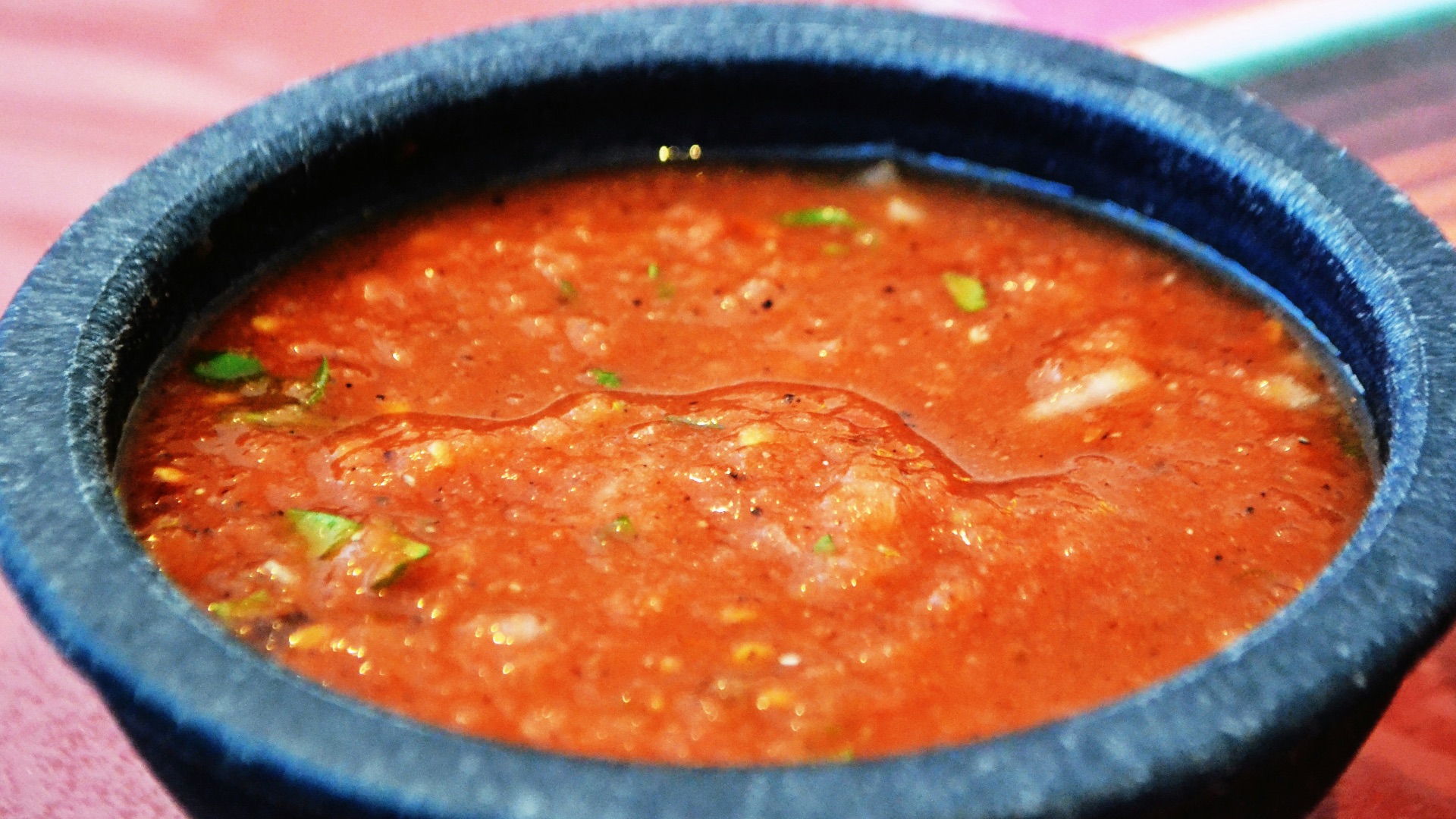
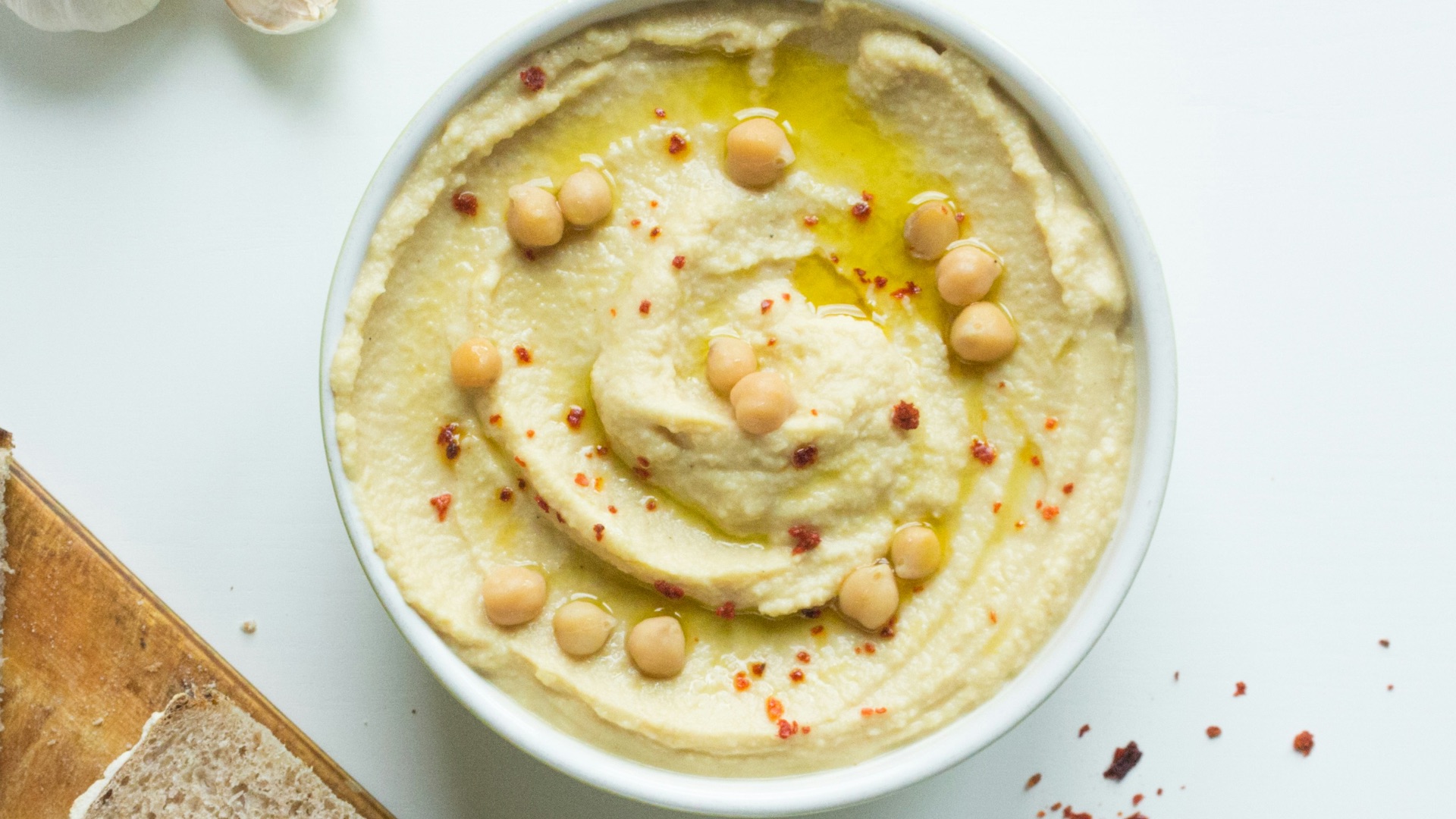
2. Hummus
Hummus combines chickpeas and tahini, giving it more nutritional substance than many spreads made primarily from oil or sugar. It can contribute plant-based protein, fiber, unsaturated fats, and minerals while adding a creamy texture to sandwiches, wraps, vegetables, and bowls. Because hummus is fairly calorie-dense, portions still matter, particularly if you're eating it straight from a large container. A couple of tablespoons, however, can make a balanced meal more satisfying without being nutritionally empty.
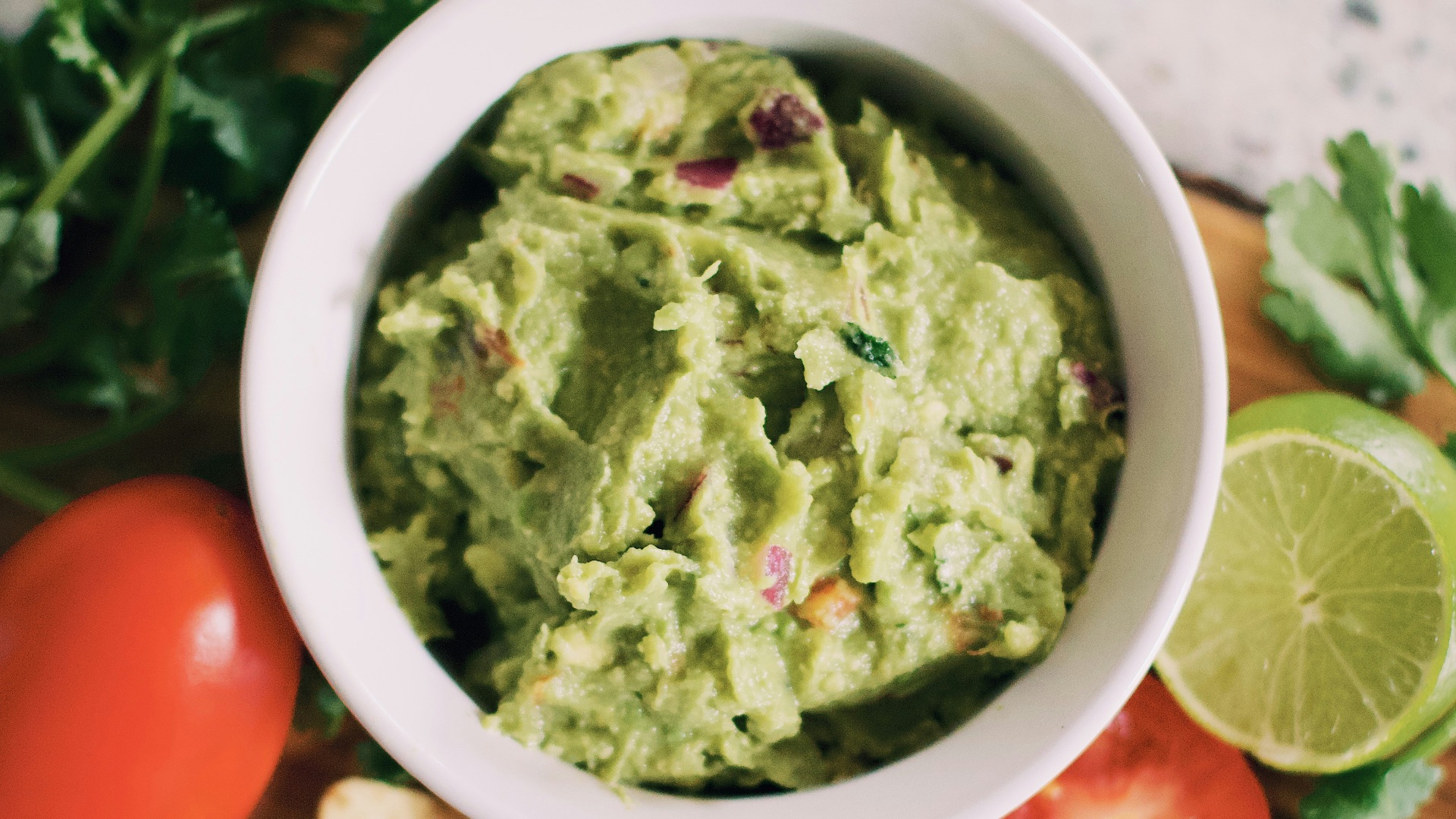
3. Guacamole
Avocado gives guacamole its rich texture along with monounsaturated fat, fiber, potassium, folate, and several other nutrients. Ingredients such as tomatoes, onions, lime juice, and herbs can add even more flavor and plant-based nutrition without requiring sugar. Guacamole works especially well as a replacement for heavier creamy spreads on sandwiches, tacos, or burgers. Since avocados are calorie-dense, a moderate scoop is generally enough to get the benefits.
4. Plain Mustard
Basic yellow, Dijon, and whole-grain mustards tend to be very low in calories while delivering strong flavor from a small serving. Mustard seeds contain naturally occurring plant compounds, and choosing mustard can help you reduce reliance on sugary or creamy sauces when seasoning sandwiches, roasted vegetables, or proteins. Most varieties contain little or no added sugar unless they're specifically sweetened. Sodium is the main feature to watch, especially if you're already eating several salty foods in the same meal.
 Addilyn Ragsdill @clockworklemon.com on Unsplash
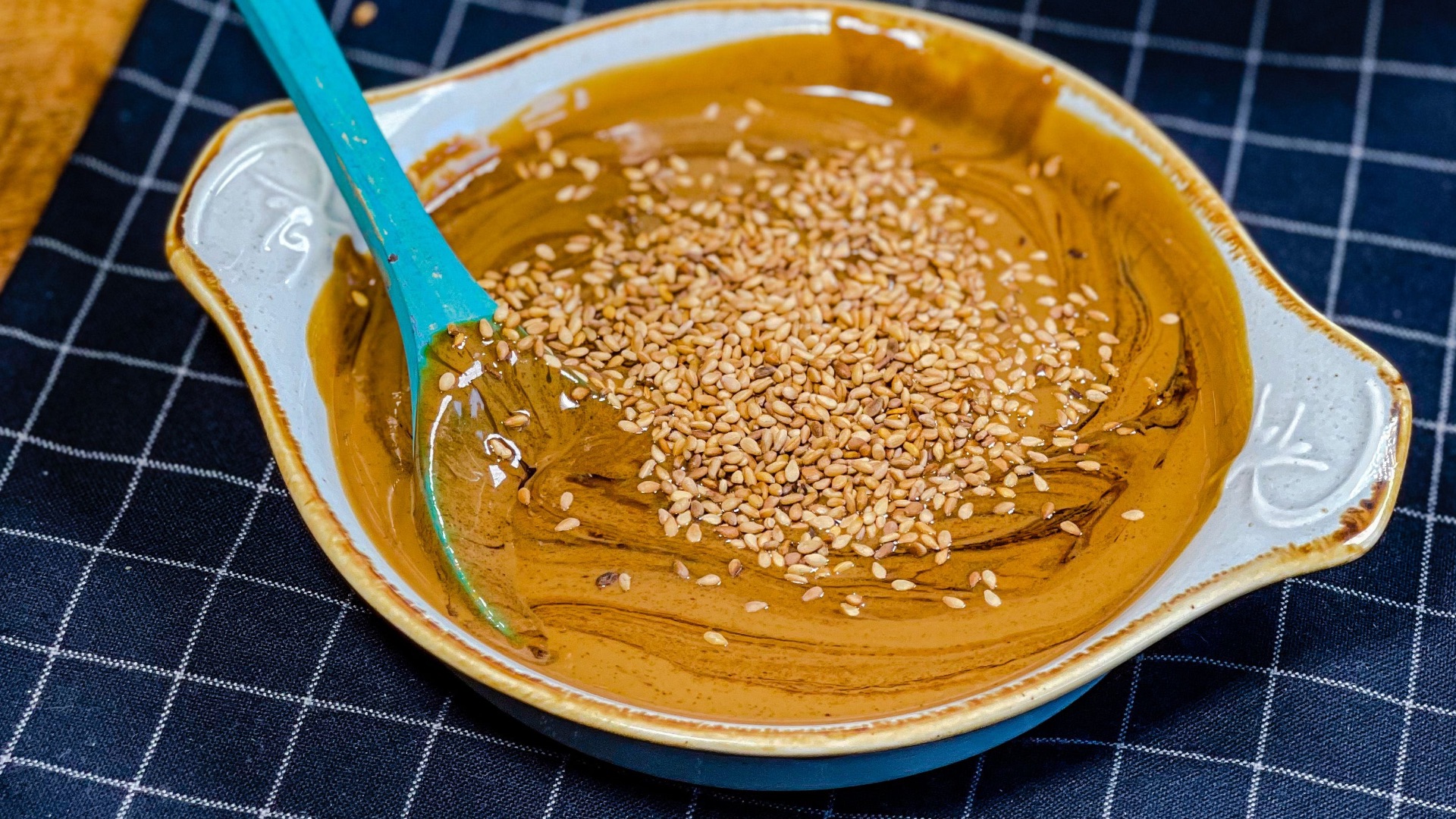
5. Tahini
Made from ground sesame seeds, tahini supplies unsaturated fats, protein, and minerals including calcium, iron, magnesium, and phosphorus. Its nutty flavor works well in dressings, sauces, grain bowls, roasted vegetables, and dips, making it a nutrient-dense alternative to many heavily processed creamy toppings. A tablespoon goes a long way because tahini has a concentrated flavor and texture. It is calorie-dense, however, so nutritional value doesn't make unlimited portions necessary.
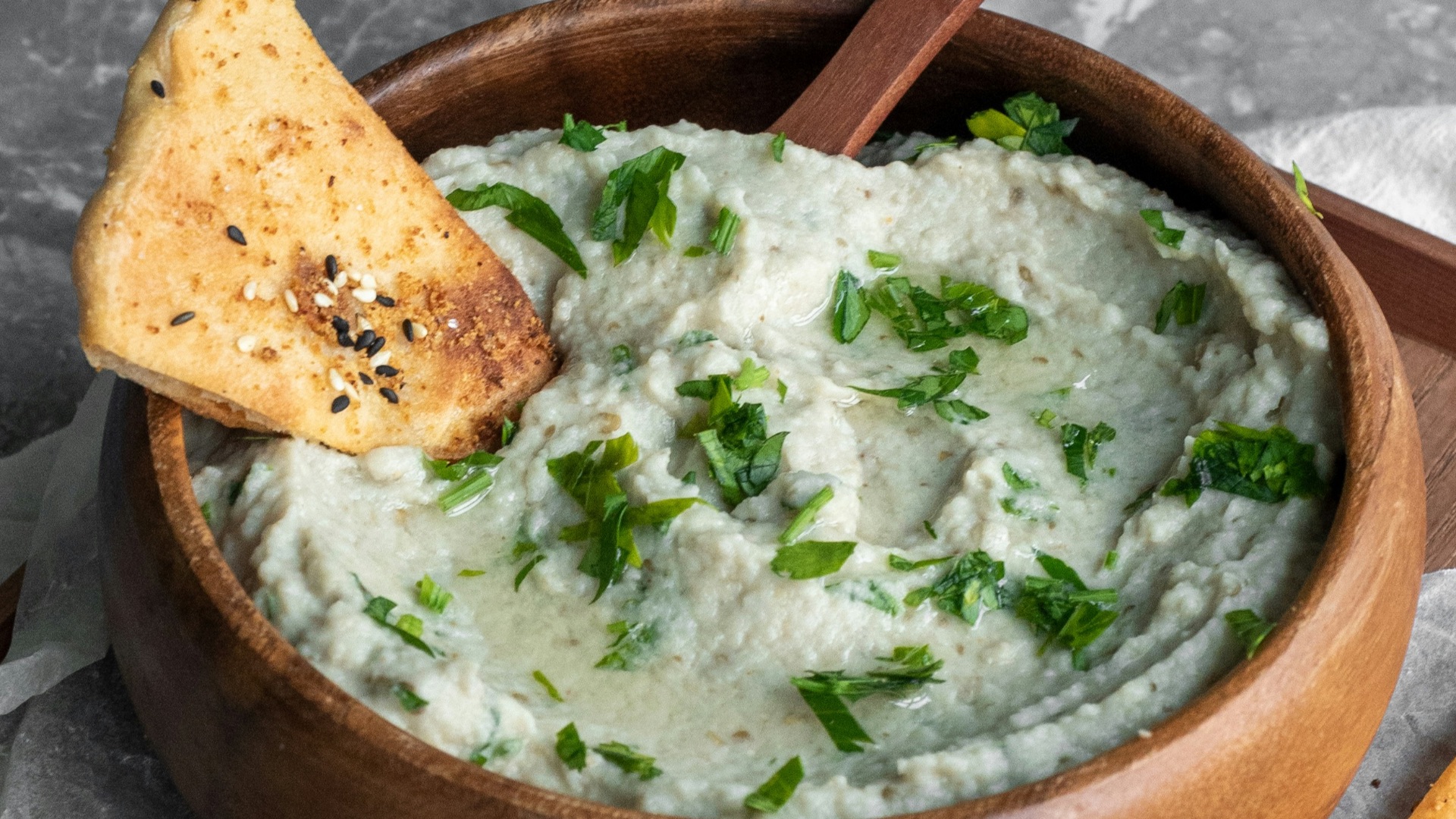
6. Tzatziki
Traditional tzatziki is made with yogurt, cucumber, herbs, garlic, and lemon, giving it a lighter nutritional profile than many mayonnaise-based dips. Yogurt contributes protein and calcium, and varieties made with live cultures may also provide beneficial bacteria. You can use tzatziki with grilled meats, vegetables, wraps, potatoes, or grain bowls when you want something creamy without relying entirely on oil. Choosing a version with moderate sodium and minimal unnecessary additives keeps the ingredient list straightforward.
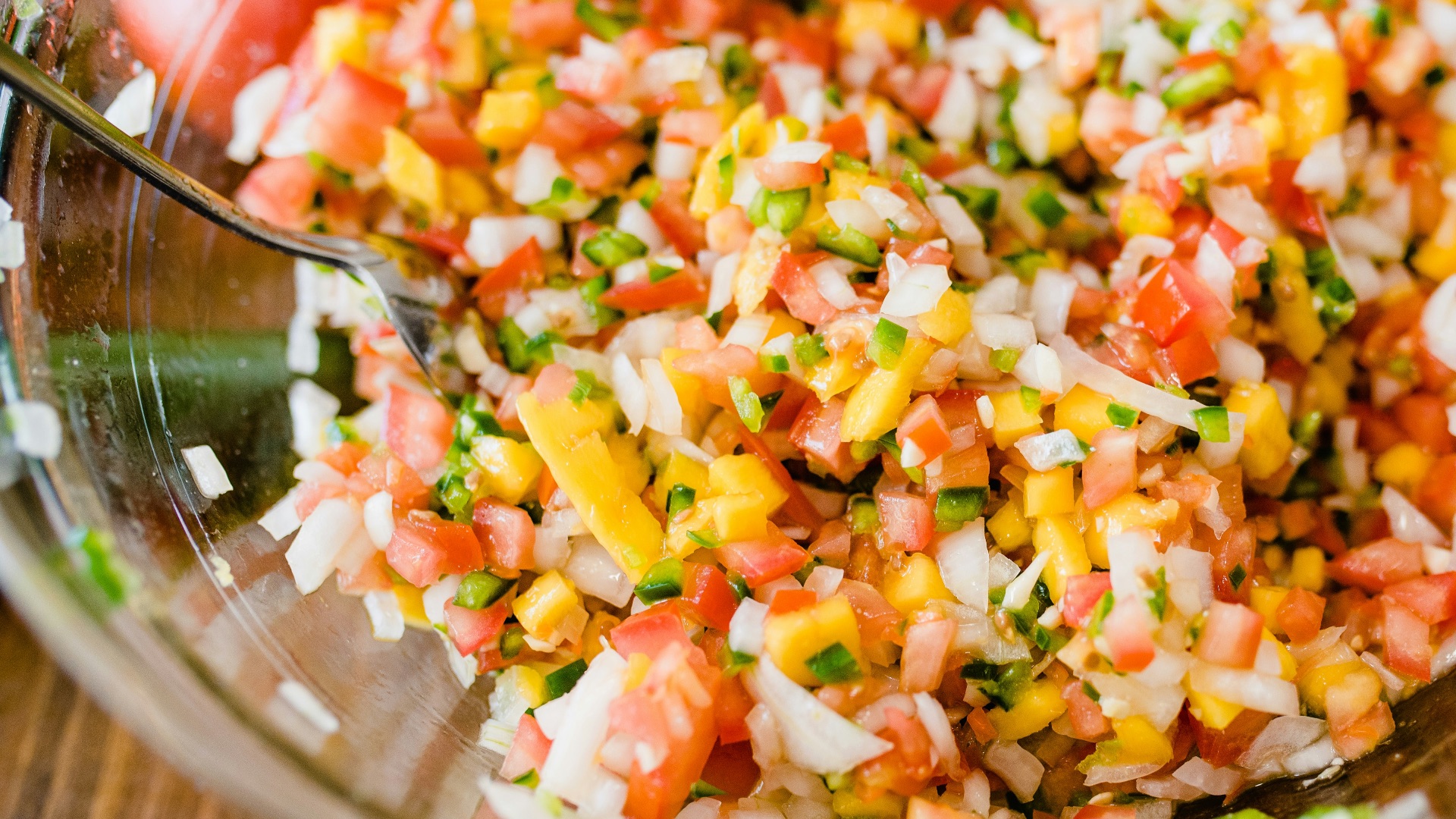
7. Fresh Pico de Gallo
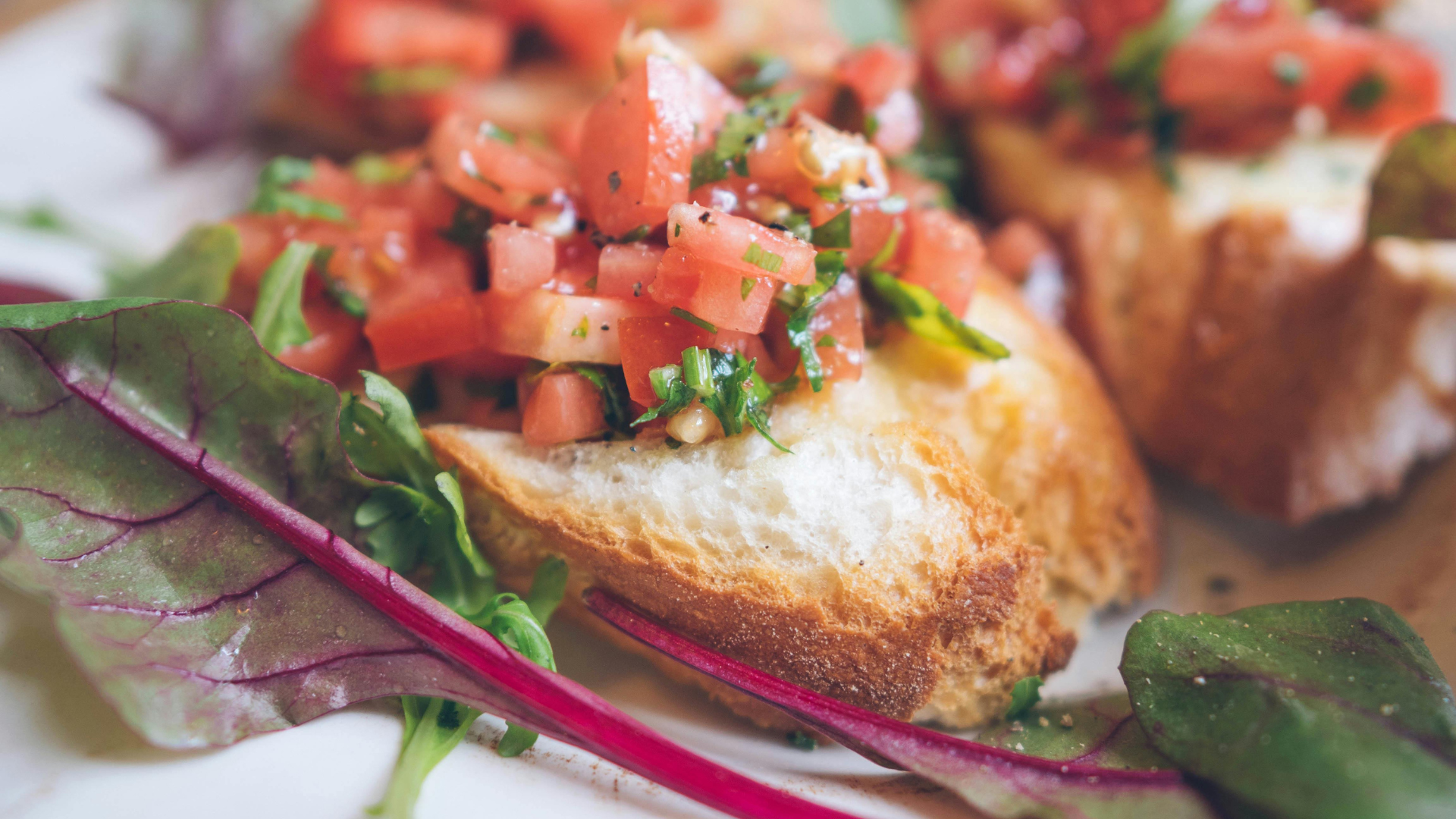
Pico de gallo is essentially a mixture of chopped tomatoes, onions, peppers, cilantro, and citrus juice, so much of the condiment is made from fresh produce. It provides vitamin C and various antioxidant plant compounds while adding very few calories to a meal. Unlike many bottled sauces, it usually doesn't need added sugar or large amounts of fat to create flavor. Pair it with eggs, beans, grilled chicken, fish, tacos, or avocado for an easy nutritional upgrade.
8. Extra-Virgin Olive Oil Vinaigrette
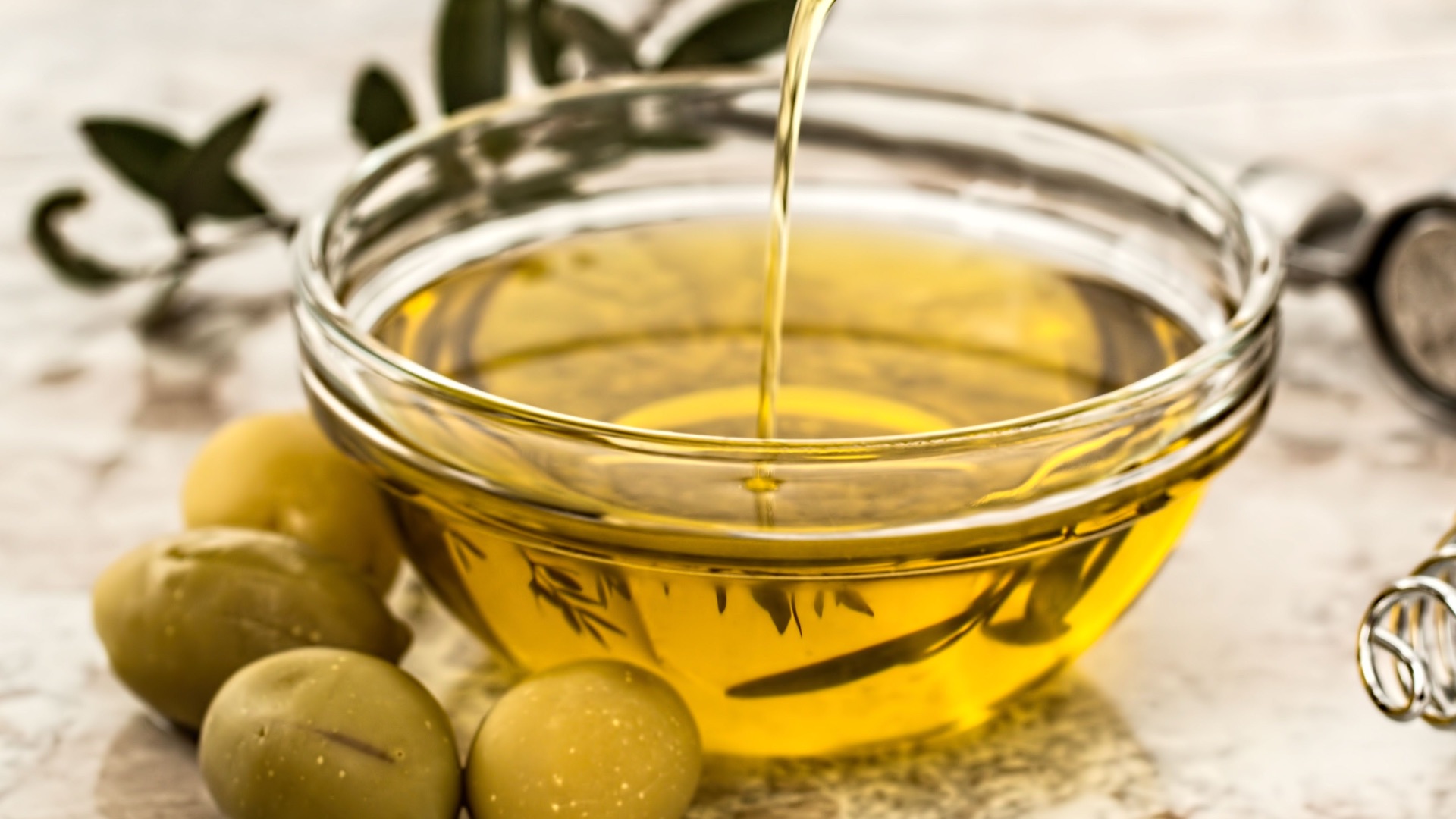
A vinaigrette made primarily with extra-virgin olive oil and vinegar can provide heart-friendly monounsaturated fats as well as antioxidant compounds found naturally in the oil. Dietary fat also helps your body absorb certain fat-soluble nutrients and carotenoids found in vegetables, which is one reason a little dressing can be useful on a salad. The key is keeping the ingredient list simple rather than choosing versions loaded with sugar and sodium. Because oil is energy-dense, you don't need to drench the salad to get the benefits.
9. Fermented Hot Sauce
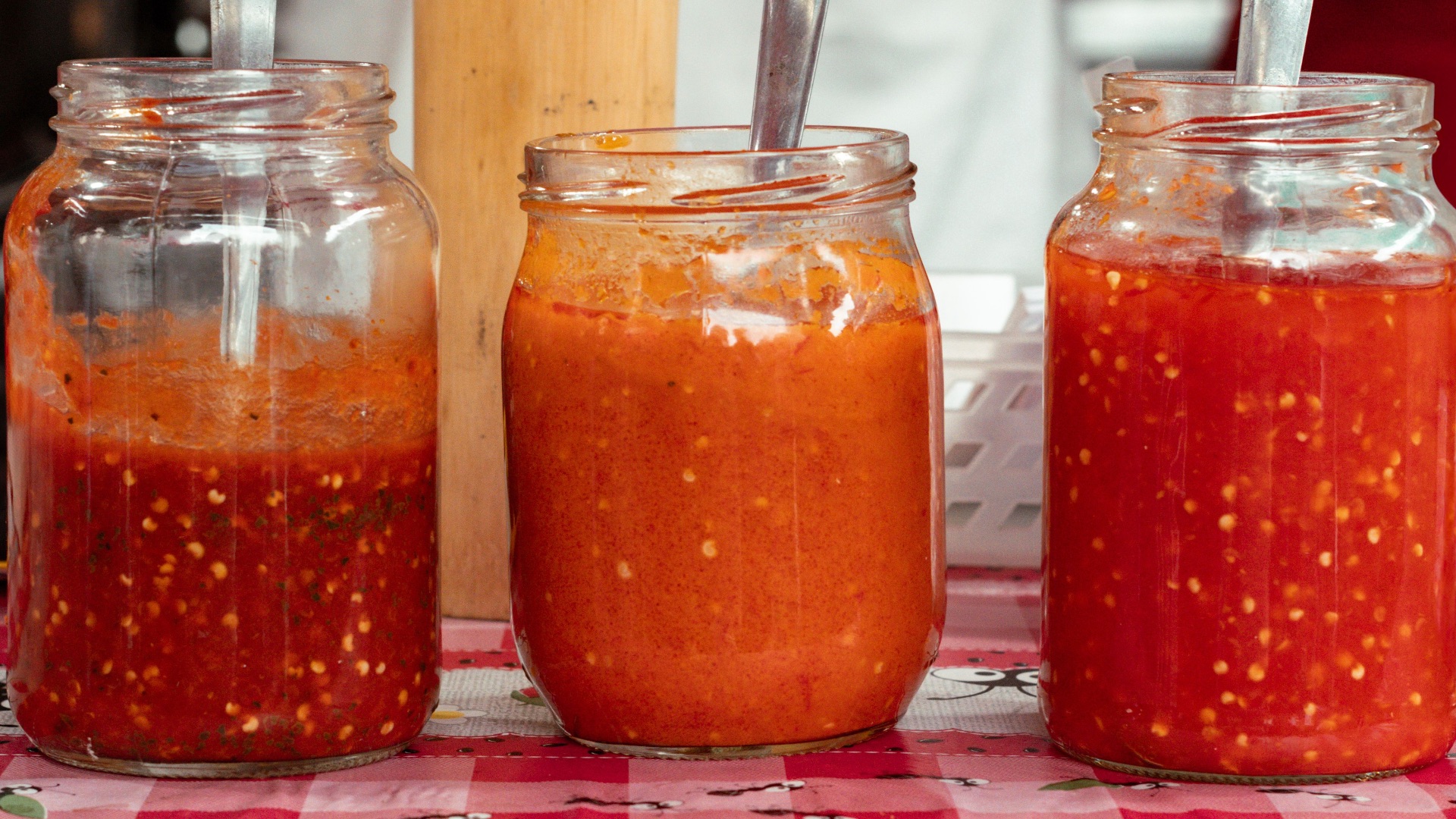
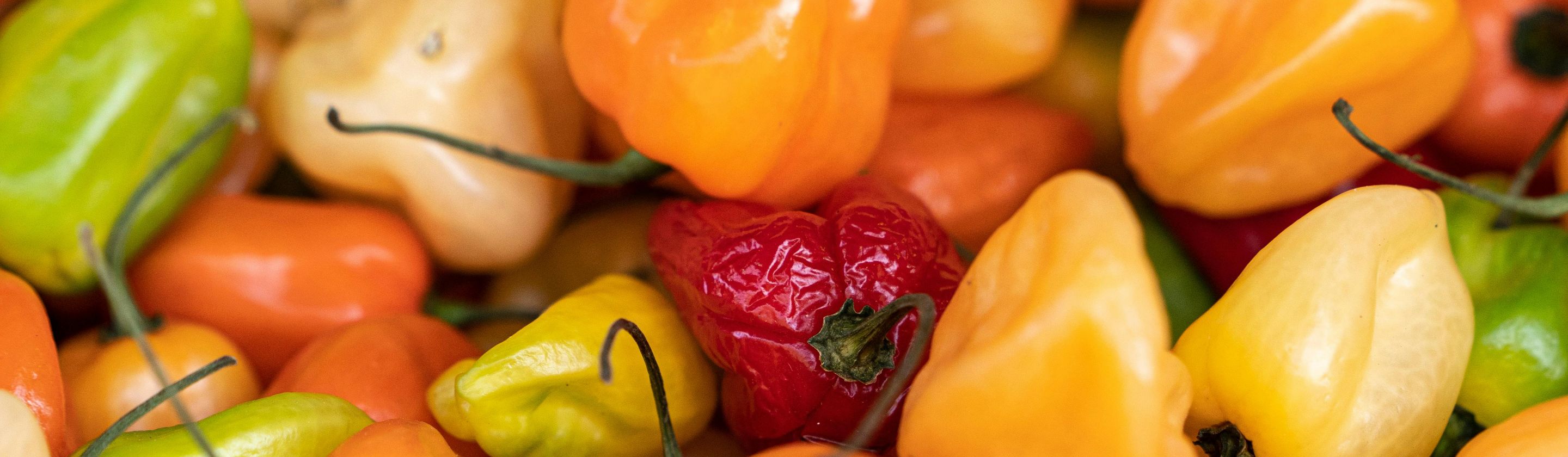
Hot sauce made from fermented peppers can provide capsaicin and other plant compounds while adding a great deal of flavor for very few calories. Fermentation may also introduce beneficial microorganisms during production, although not every bottled sauce contains live cultures by the time you eat it because processing methods differ. A few dashes can make eggs, beans, vegetables, soups, and grain bowls more interesting without adding sugar or fat. Sodium levels vary substantially, so people watching their salt intake should compare brands.
10. Plain Greek Yogurt-Based Sauce
Plain Greek yogurt makes a useful base for homemade sauces because it supplies protein, calcium, and other nutrients while delivering the creamy texture people often want from mayonnaise or sour cream. Mixing it with herbs, garlic, lemon juice, cucumber, spices, or a little mustard gives you plenty of ways to customize the flavor without adding much sugar. It works as a dip, sandwich spread, salad dressing, taco topping, or sauce for roasted vegetables. Choosing unsweetened yogurt ensures that the condiment stays savory and keeps unnecessary added sugar out of the recipe.

KEEP ON READING


20 Dishes That Built Modern American Cuisine