Even The Dog Says No
Every country has at least one dish locals are weirdly proud of and everyone else can't get near. Sometimes it's the smell that clears a room before the plate even lands on the table. Sometimes it's a texture that fights back, or an ingredient that makes you double-check the menu translation. None of these dishes are jokes to the people who grew up eating them, but plenty of visitors have tapped out after one bite, or one whiff. Here's 20 dishes with a reputation strong enough to make even the family dog back away from the bowl.
1. Surströmming
Sweden's fermented herring gets canned before it's finished fermenting, so the tin keeps building pressure right up until someone cracks it open. Most people recommend opening it outdoors, or at least far from anything you care about the smell of. The taste, oddly, gets defended by plenty of Swedes as worth the ordeal.

2. Balut
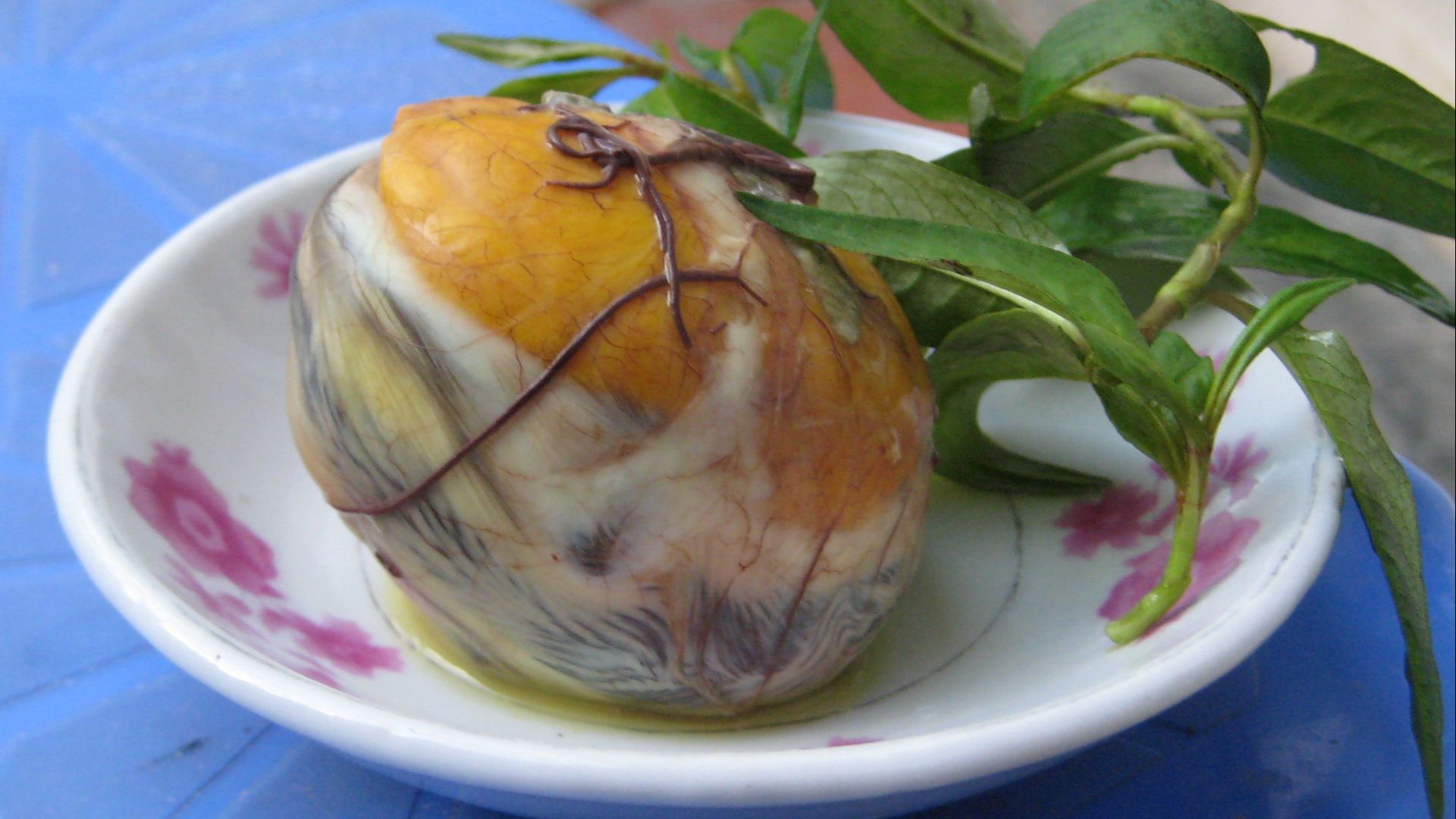
Balut is a fertilized duck egg boiled just late enough that the embryo has started developing bones and feathers. Street vendors across the Philippines sell them as a beloved snack, cracked open and eaten straight from the shell with a pinch of salt. First-timers tend to need a minute before that first bite.
 Aterux at Vietnamese Wikipedia on Wikimedia
3. Century Egg
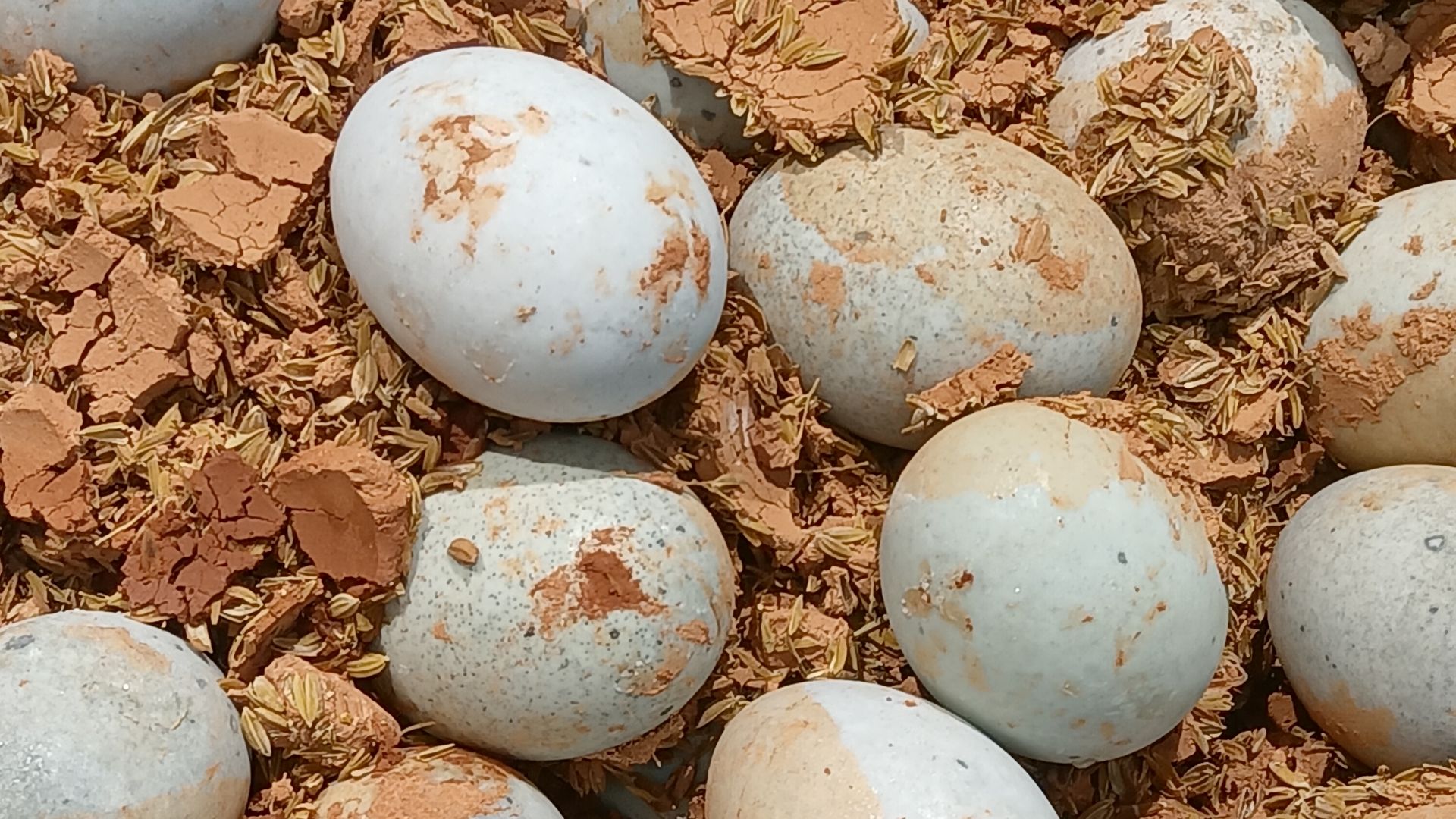
A century egg spends weeks buried in a mix of clay, ash, and salt, which turns the yolk a deep green-gray and the white into a dark, jelly-like mass. Nothing about a fresh egg prepares you for what comes out of the shell. Chinese cooks have been perfecting the process for generations, and the flavor is far milder than the color suggests.
 Fumikas Sagisavas on Wikimedia
4. Casu Marzu
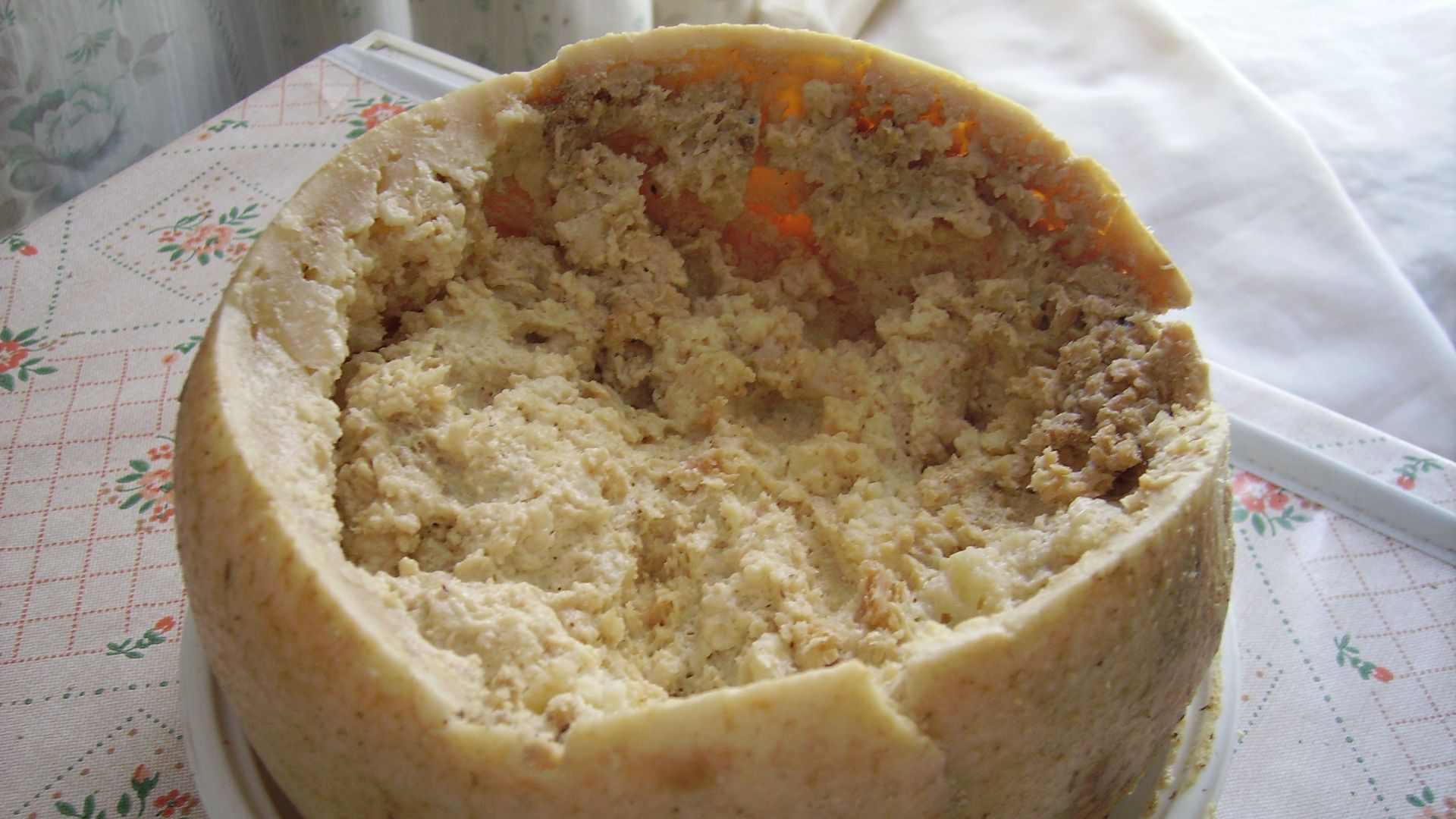
Casu marzu starts as an ordinary Sardinian sheep's cheese, then gets left open to cheese flies until live maggots take over the inside. The larvae break the cheese down into a soft, almost liquid paste, and some people eat it with the maggots still moving. It's technically illegal to sell in several countries, which only adds to the legend.
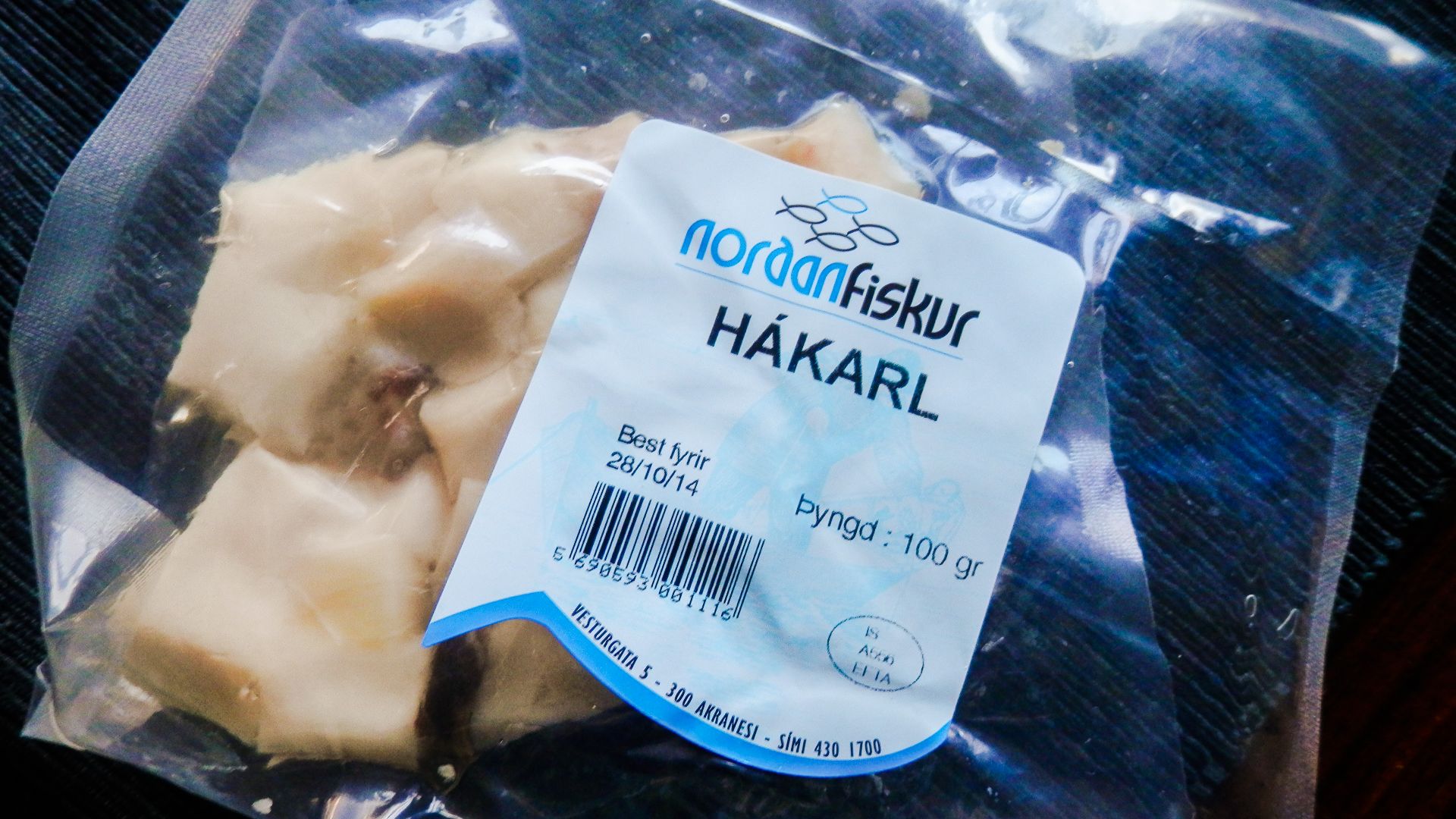
5. Hákarl
Hákarl is Greenland shark that's been buried, pressed, and hung to dry for months, a process needed because the fresh meat is toxic. What comes out the other side smells strongly of ammonia, closer to a cleaning product than dinner. It's infamous enough that Anthony Bourdain once named it among the worst things he ever ate, though Icelanders still serve it with pride at celebrations.
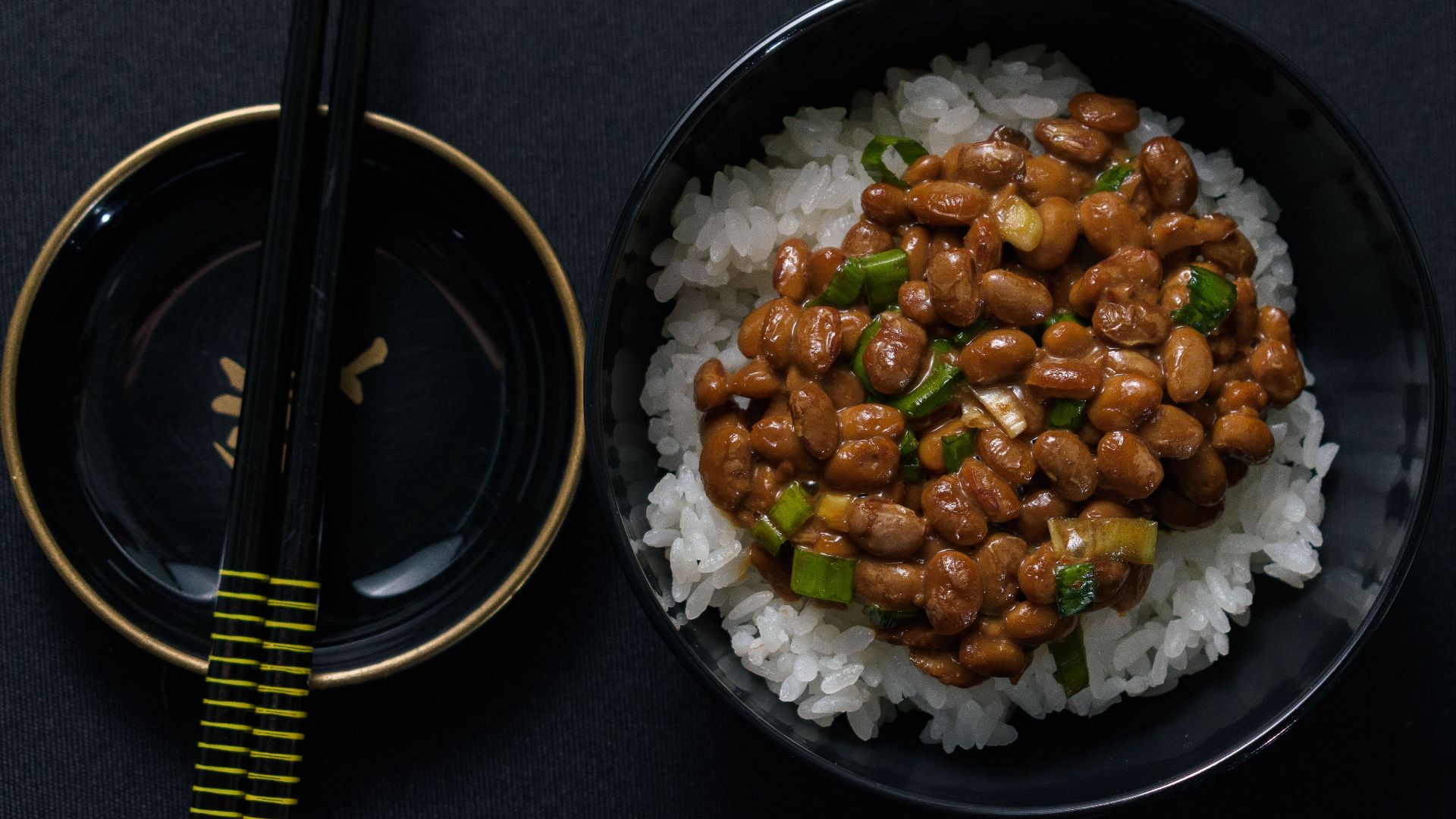
6. Natto
Natto is fermented soybeans with a sticky, stringy texture that stretches into thin webs the moment a spoon touches it. The smell leans pungent, somewhere close to old socks, which is exactly why so many first-time visitors struggle with their first bowl. In Japan, it's a completely normal breakfast, usually mixed with rice, mustard, and a raw egg.
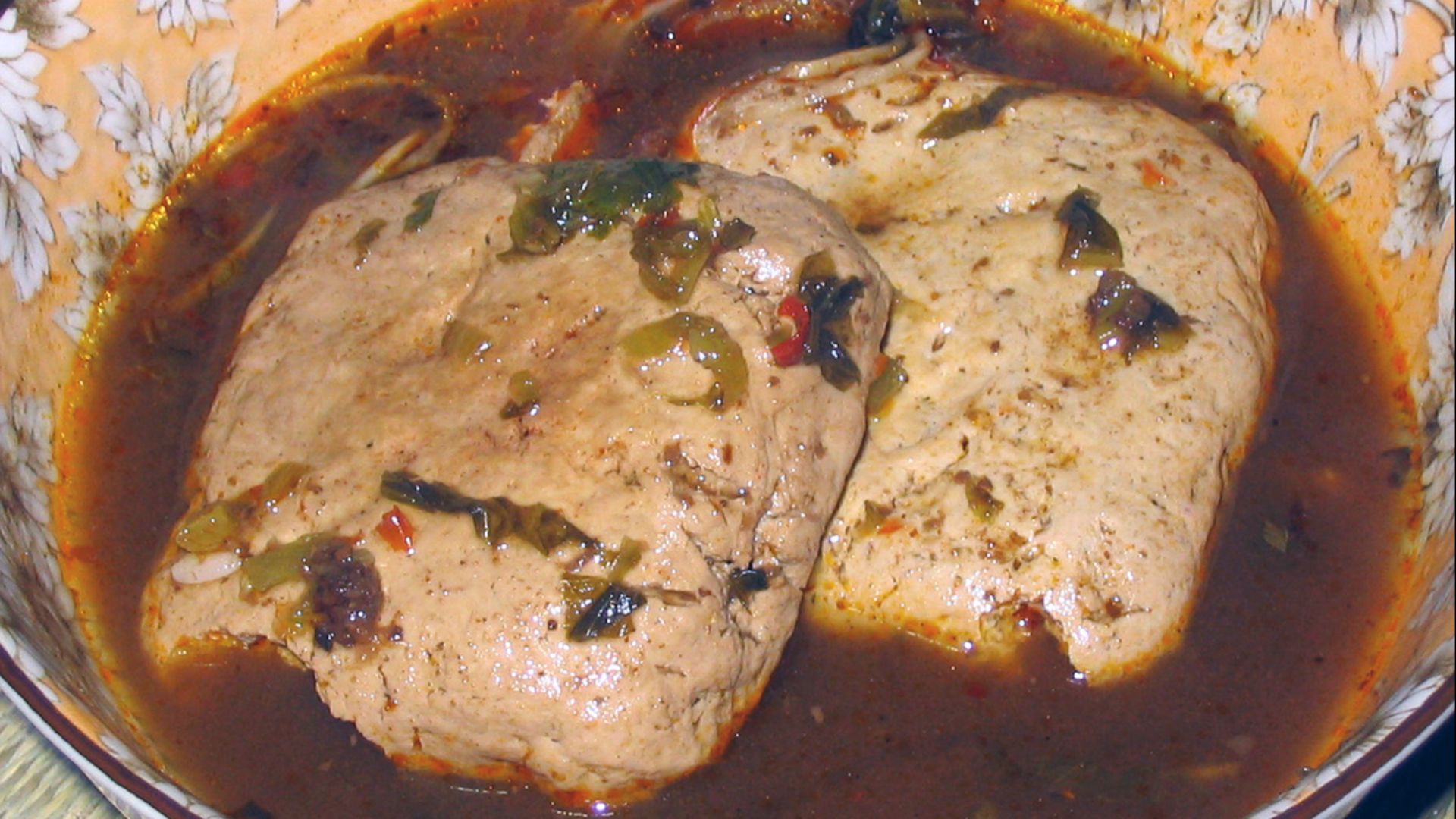
7. Stinky Tofu
Stinky tofu earns its name honestly, fermenting in a brine of vegetables, milk, and sometimes meat for weeks before it ever reaches a street cart. The smell hits from half a block away, somewhere between old cheese and a gym bag left in the sun. Fans insist the crispy fried version tastes far better than it smells, and the crowds lined up for it in Taiwan suggest plenty of people agree.
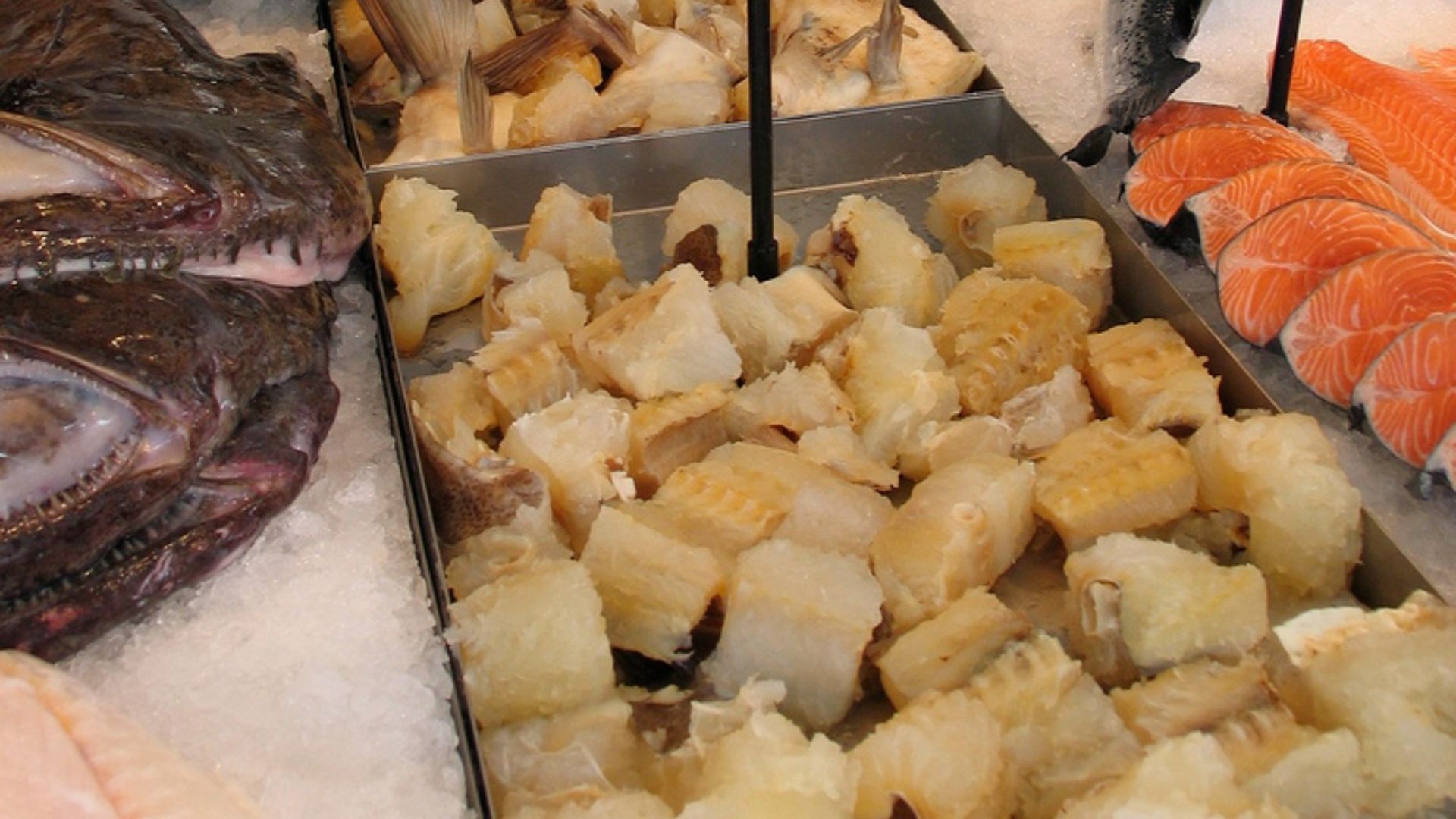
8. Lutefisk
Lutefisk starts as dried whitefish soaked first in water, then in lye, until it turns into a jelly-like, almost translucent block. The texture is the real obstacle, somewhere between fish and gelatin, and it slides around the plate more than it sits still. Norwegian and Scandinavian-American families still serve it every Christmas, largely out of tradition rather than craving.
9. Rocky Mountain Oysters
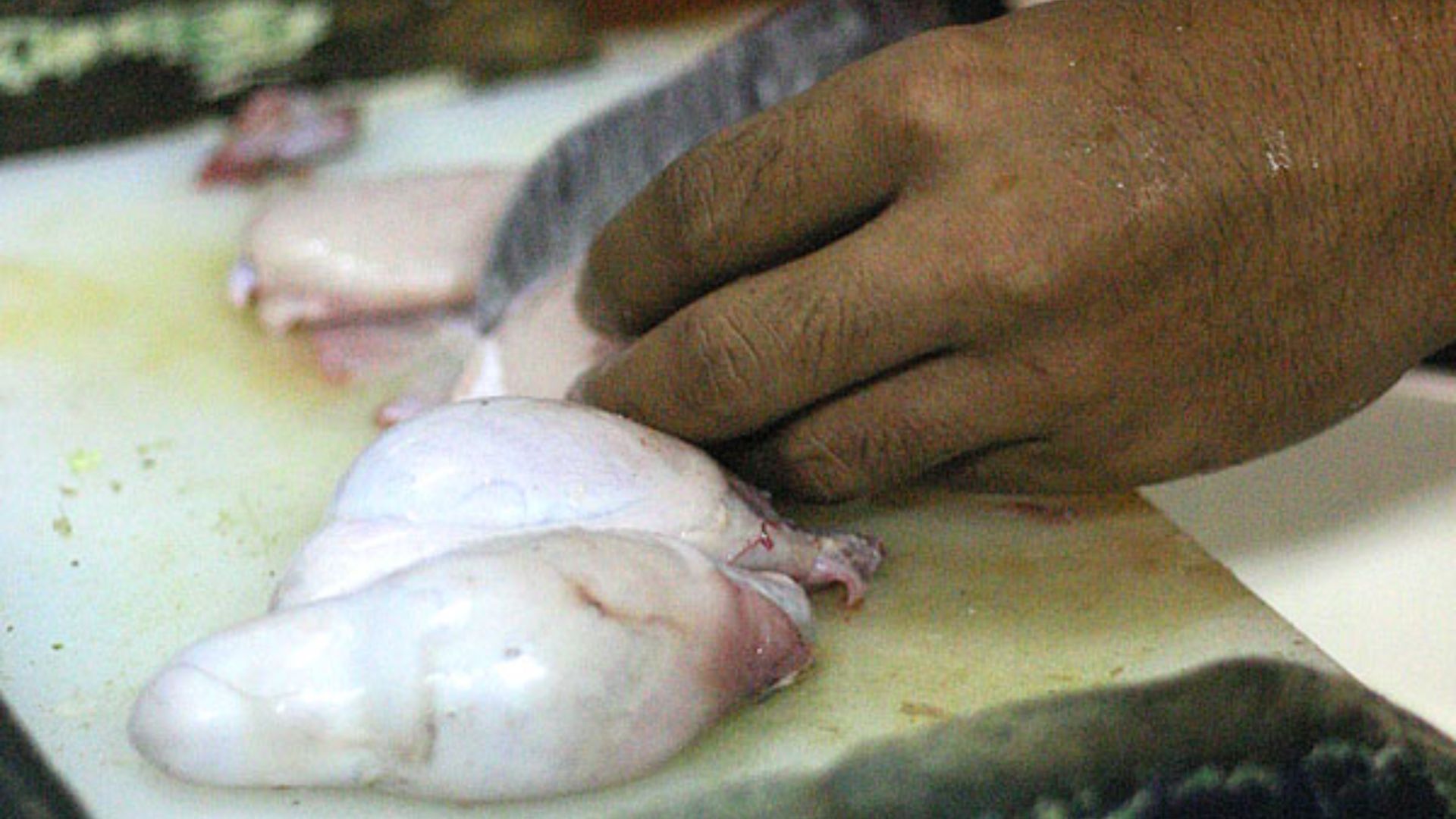
Rocky Mountain oysters are deep-fried bull testicles, sliced thin, breaded, and served with a dipping sauce like any other bar snack. Ranching communities across the American West have served them for generations, often at branding events where nothing goes to waste. The taste gets compared to chicken more often than most people expect, which doesn't make the concept any easier to sit with.
10. Haggis
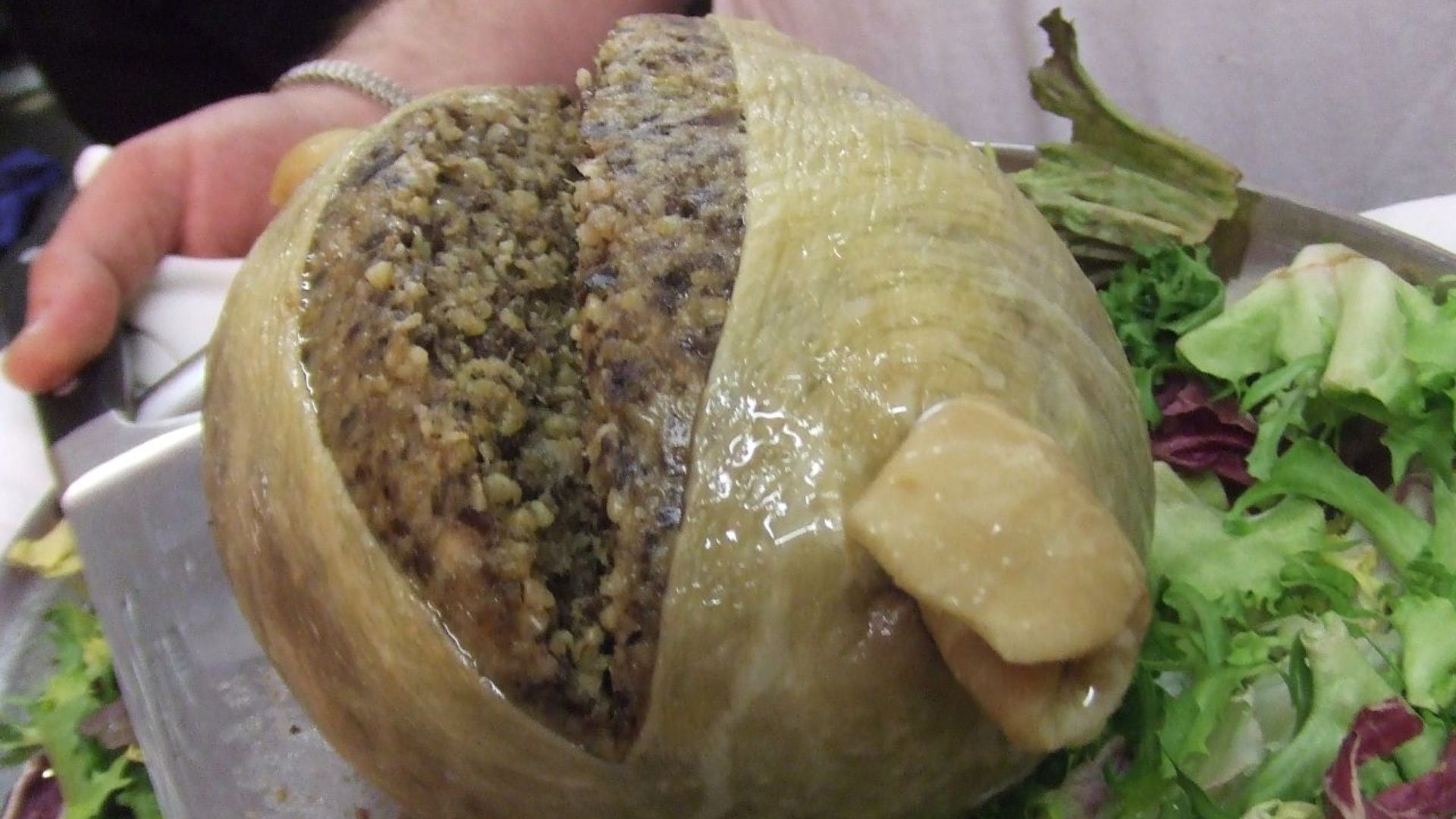
Haggis packs a sheep's heart, liver, and lungs into its own stomach lining along with oats and spices, then simmers the whole thing for hours. Scotland treats it as a national dish, especially around Burns Night, when it gets piped into the dining room with real ceremony. The flavor lands somewhere between sausage and liver pâté, which is more approachable than the ingredient list implies.
11. Escamoles
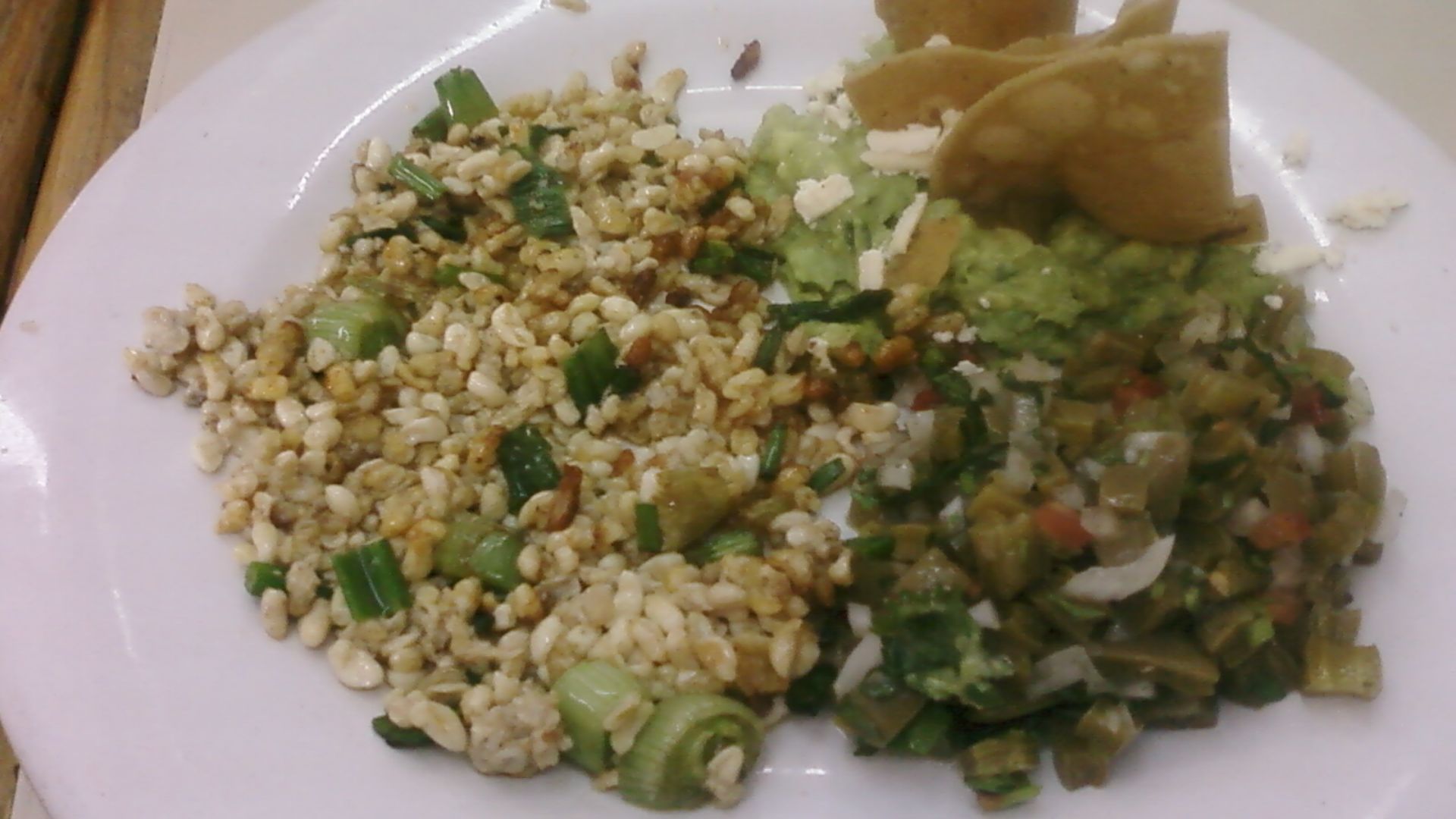
Escamoles are the larvae and pupae of giant black ants, harvested from the roots of agave plants in central Mexico. Cooked in butter, they take on a nutty, slightly crunchy texture that's often compared to cottage cheese with a bite. Some menus list them as "insect caviar," which does a lot of work to make the dish sound fancier than it is.
12. Fesikh
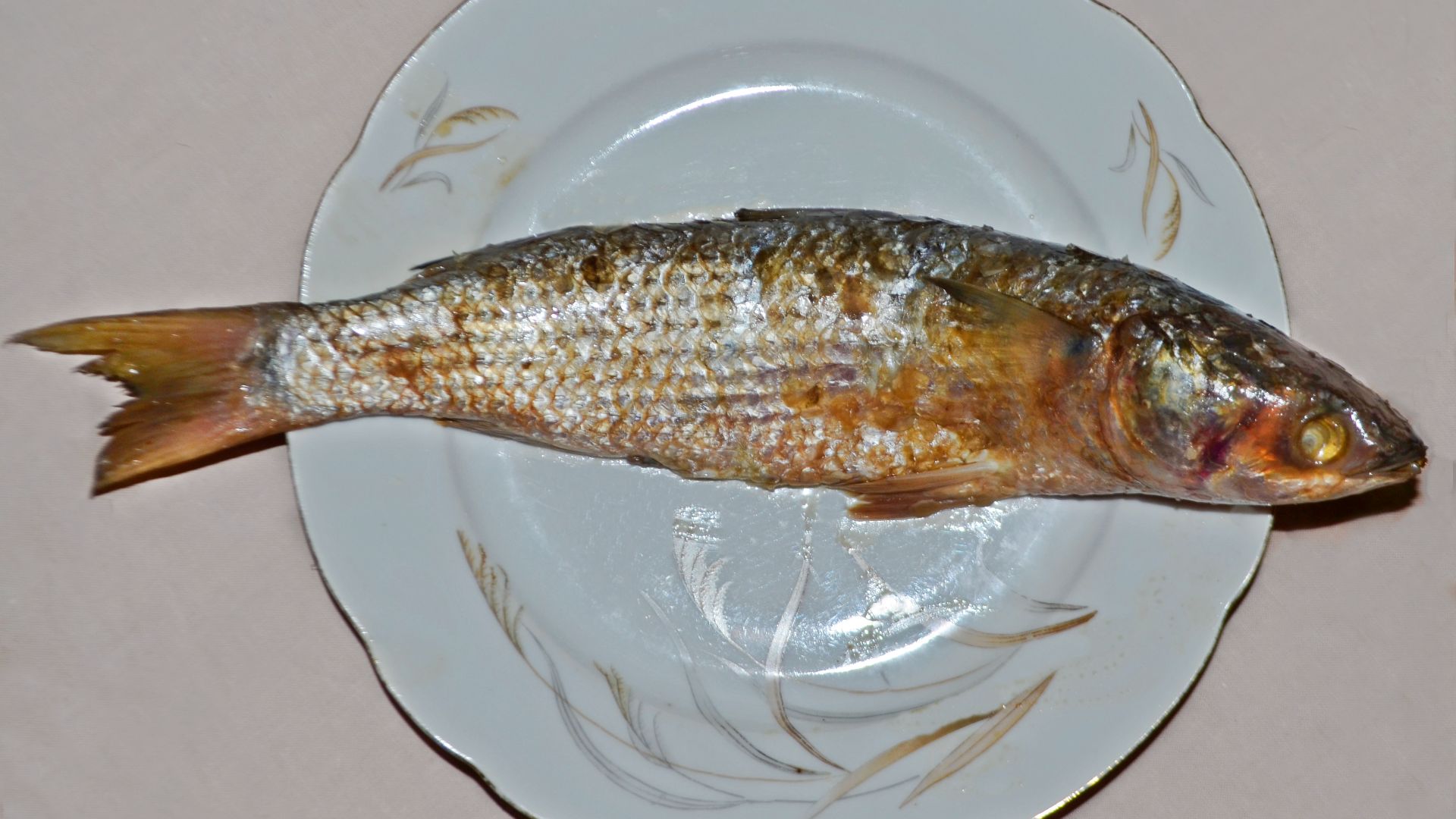
Fesikh is mullet that's been salted and left to ferment for weeks, sometimes buried, until it develops a smell strong enough to warn the neighbors. Egyptian families still prepare it every spring for the Sham el-Nessim holiday, treating the smell as part of the tradition rather than a flaw. Hospitals also report a spike in food poisoning cases most years tied to fish that fermented a little too long.
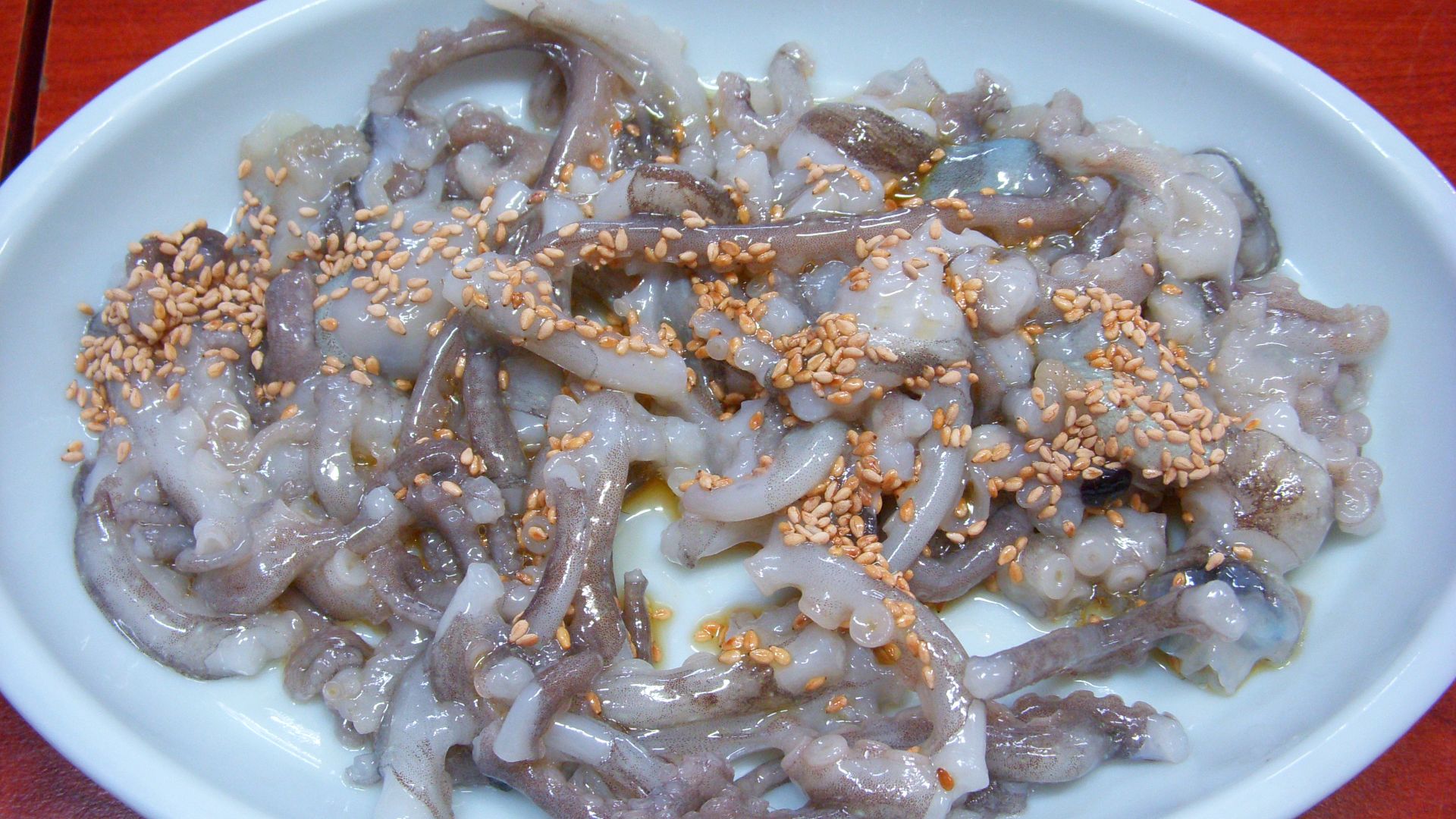
13. Sannakji
Sannakji is octopus that's freshly killed and chopped, then served while the tentacles are still moving and the suckers are still gripping. Diners in Korea need to chew thoroughly, since the suckers can still latch onto the throat on the way down. A few choking deaths have been reported over the years, which hasn't stopped it from staying a popular order.
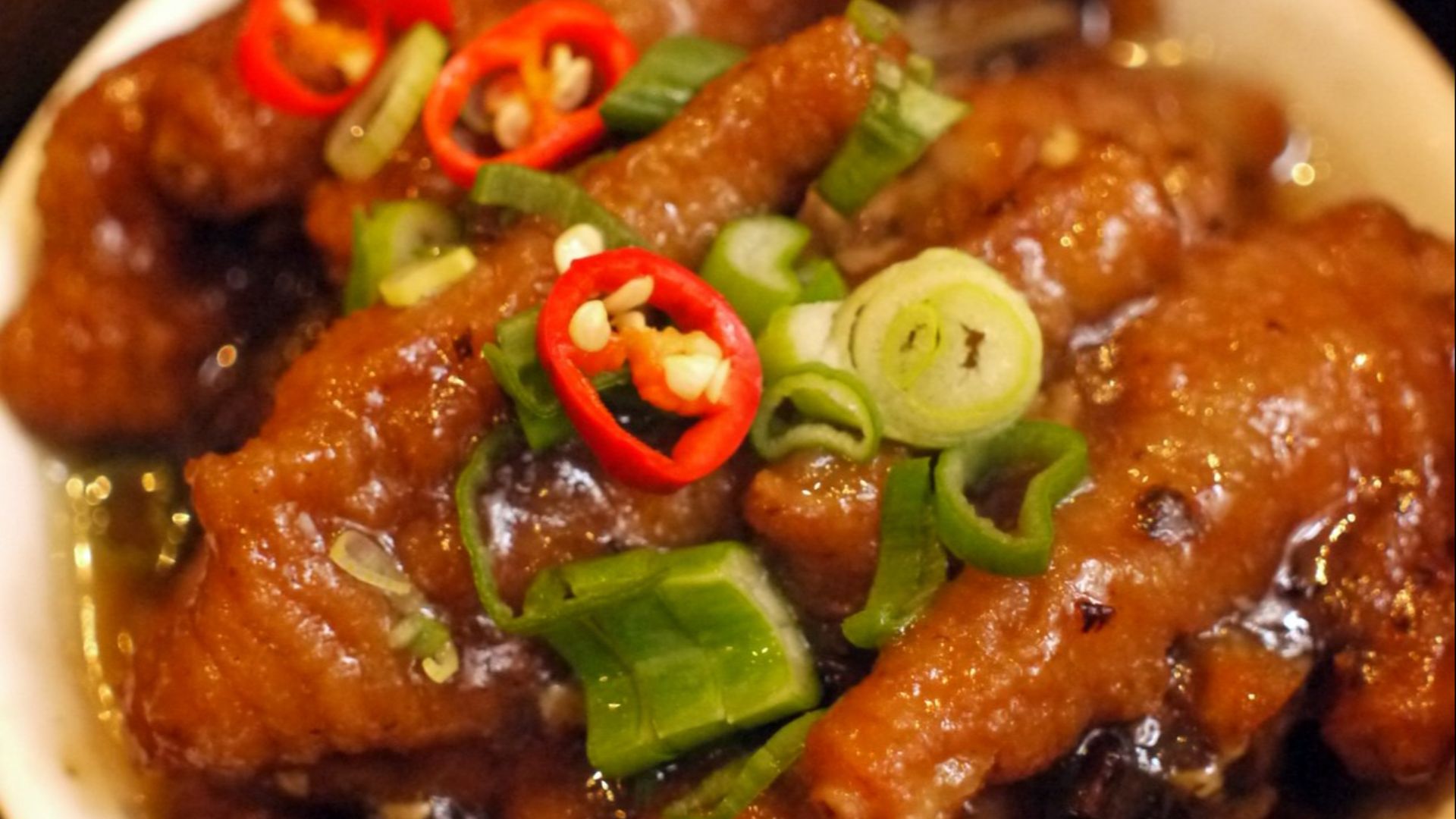
14. Chicken Feet
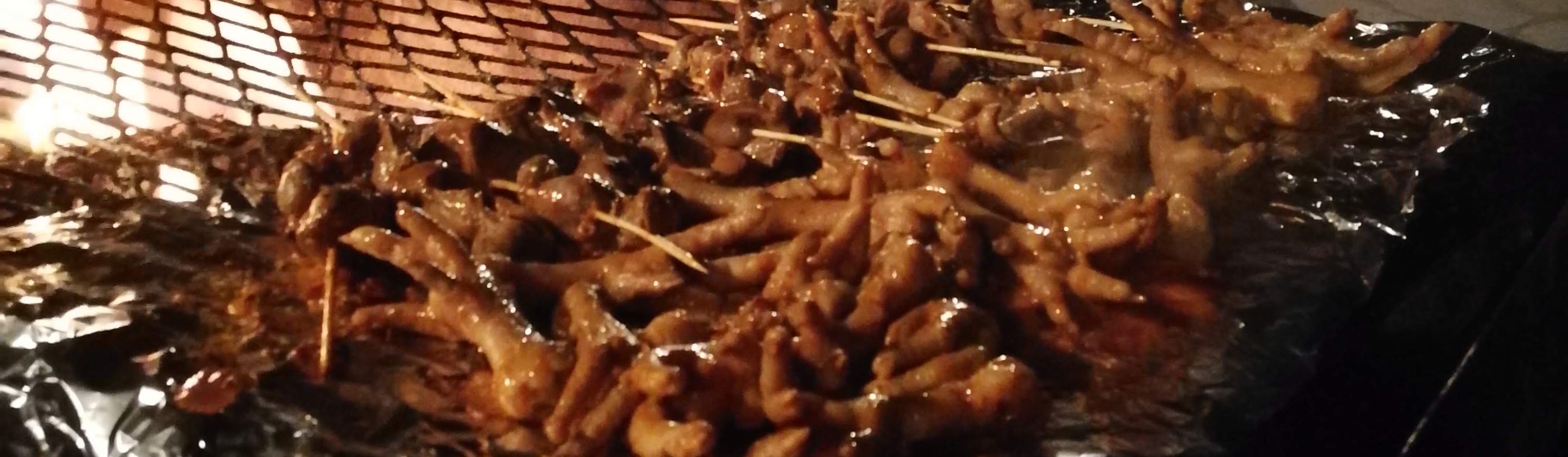
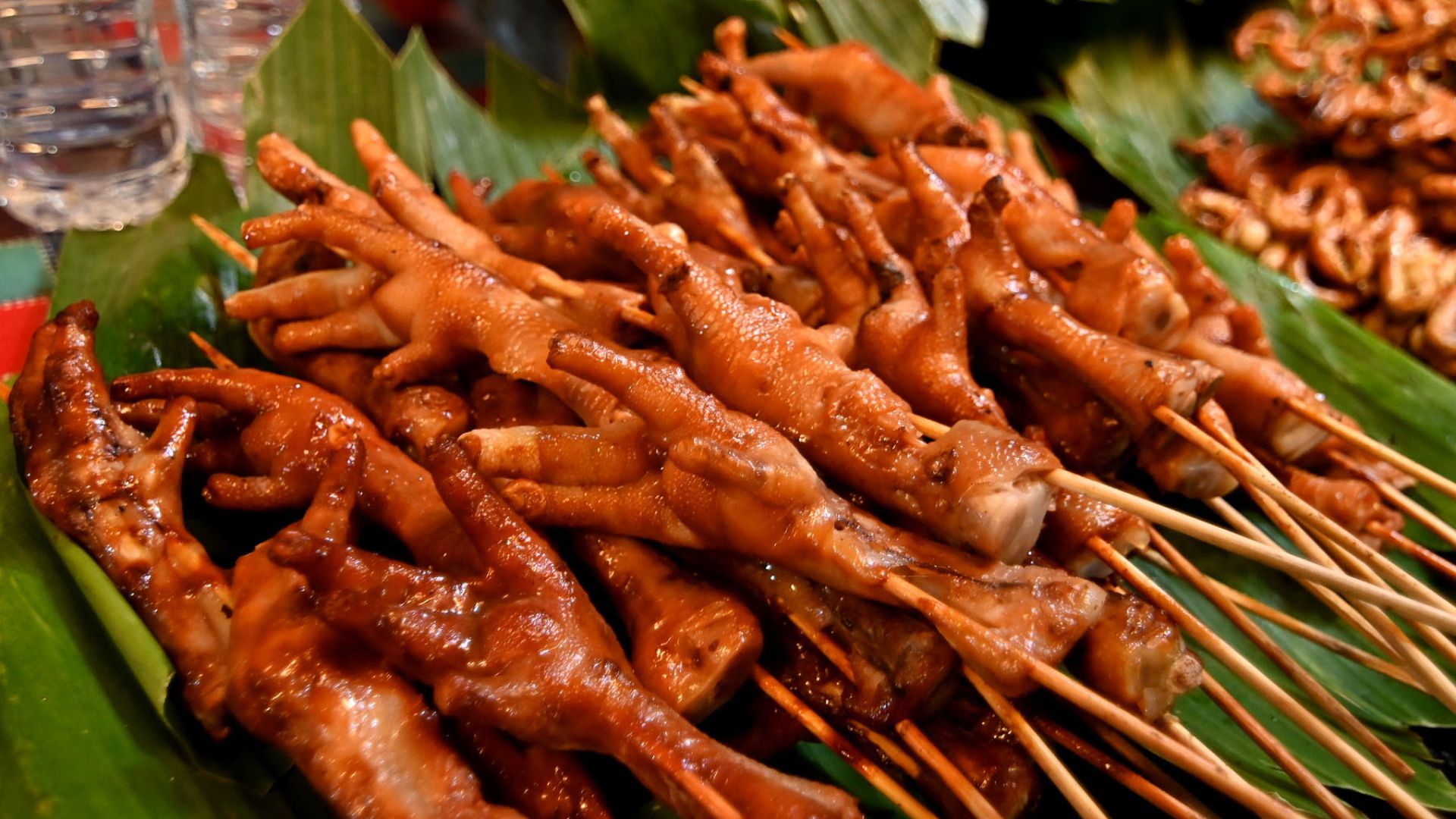
Chicken feet show up at dim sum steamed or braised in black bean sauce, until the skin turns soft and slightly gelatinous. There's barely any meat involved, so the appeal comes down almost entirely to texture and the sauce clinging to the skin.
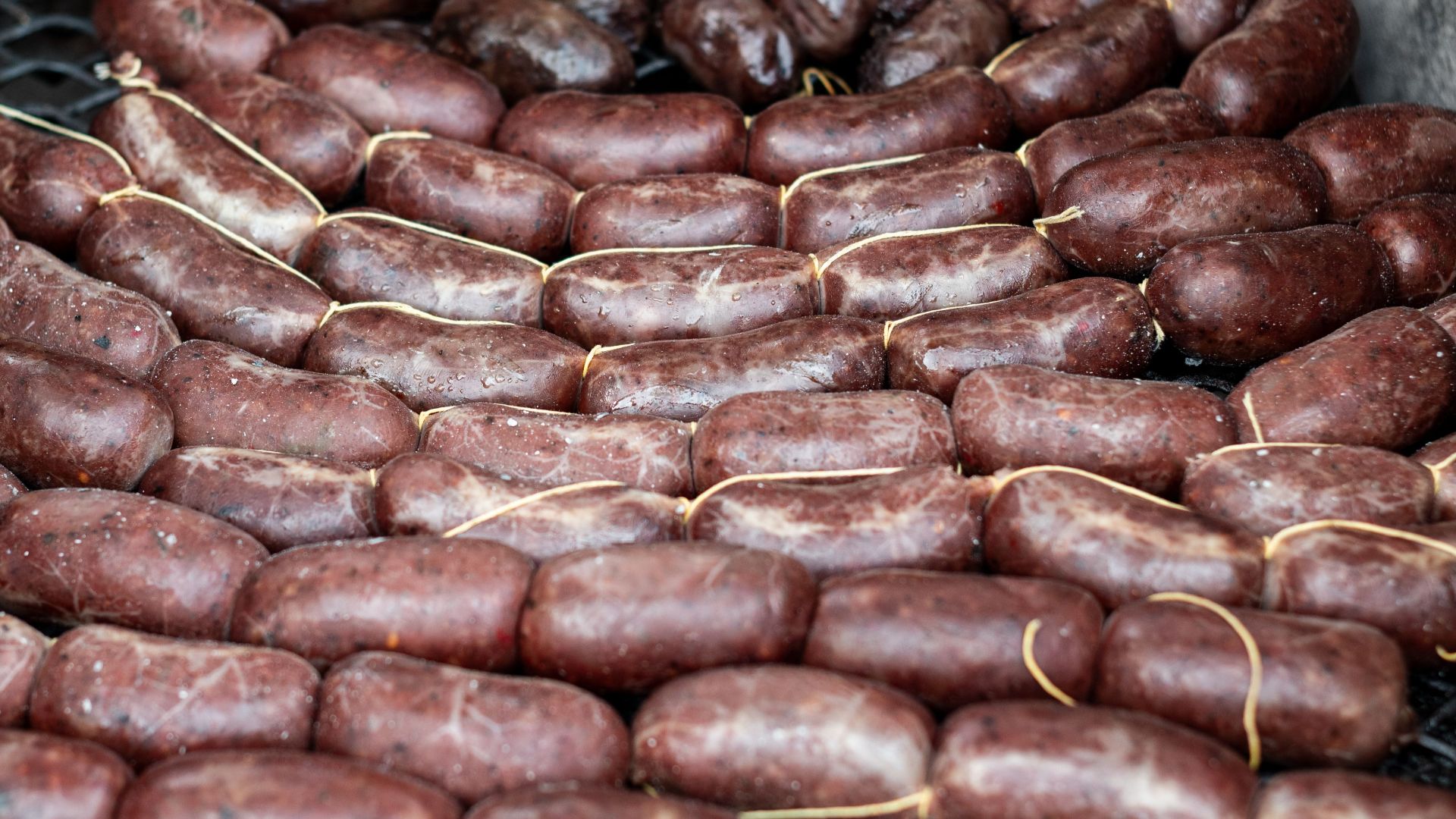
15. Blood Sausage
Blood sausage mixes pig's blood with fat and grain filler, then stuffs the mixture into a casing and cooks it until it firms into dense, dark slices. Versions of it show up across Europe, from British black pudding to Spanish morcilla, each with its own regional spin. The color tends to be the bigger hurdle than the actual flavor, which usually leans rich and savory.
16. Jellied Eels
Jellied eels are chopped eel simmered in stock until the natural gelatin sets, then served cold in that same jelly the next day. East London markets have sold them for generations, often alongside mashed potatoes and a green parsley sauce called liquor. The texture, cold and wobbly, tends to trip people up more than the fish itself.
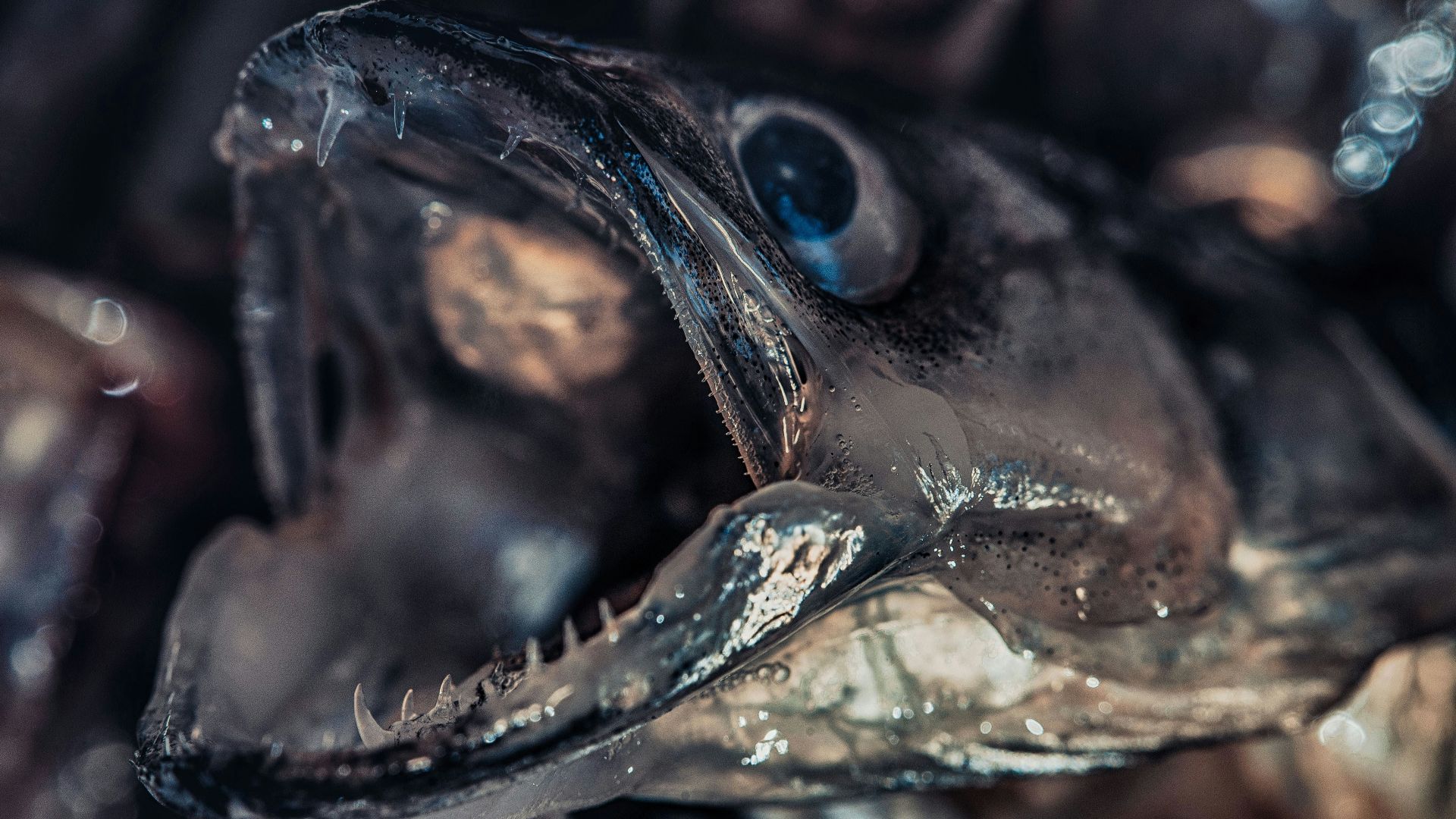
17. Fried Tarantula
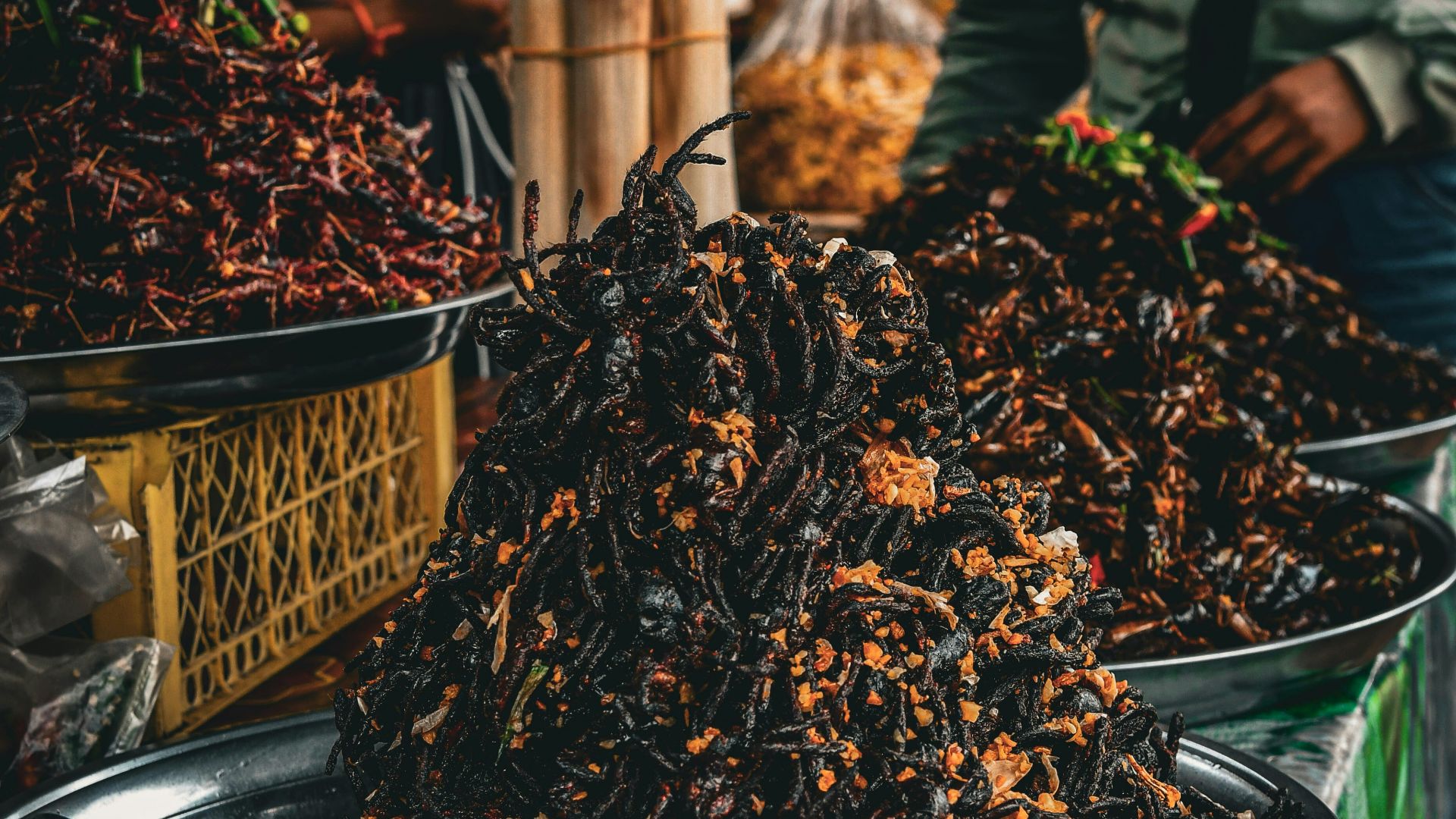
Fried tarantula is exactly what it sounds like, legs and all, deep-fried until the exterior turns crisp and the body inside stays surprisingly soft. Cambodian street vendors sell them by the skewer, a tradition that traces back to a period of famine decades ago. The legs get eaten first, mostly because they're the part that looks least like a spider.
18. Kiviak
Kiviak involves stuffing dozens of whole seabirds into a hollowed-out sealskin, then burying the whole thing for months to let it ferment in its own fat. Greenlandic Inuit communities open it for special occasions, pulling out birds that have essentially pickled from the inside. The smell alone has ended more than a few documented attempts by outside visitors to finish a bite.
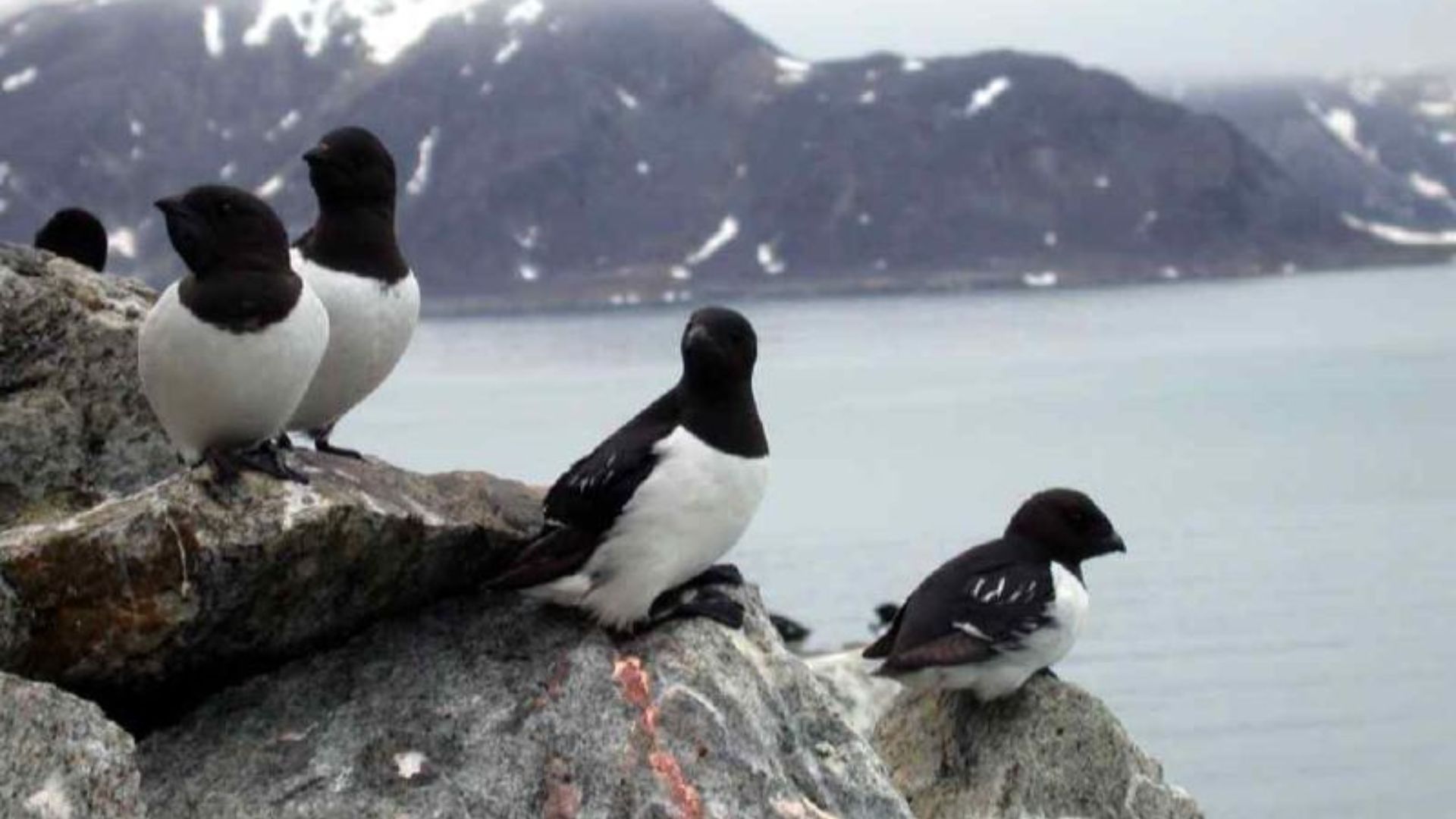 Alastair Rae from London, UK on Wikimedia
19. Tuna Eyeball
Tuna eyeballs turn up on menus in coastal Japan, usually simmered until the surrounding fat softens and the whole eye can be scooped out with a spoon. The texture leans somewhere between gelatin and hard-boiled egg white, with very little actual fish flavor.
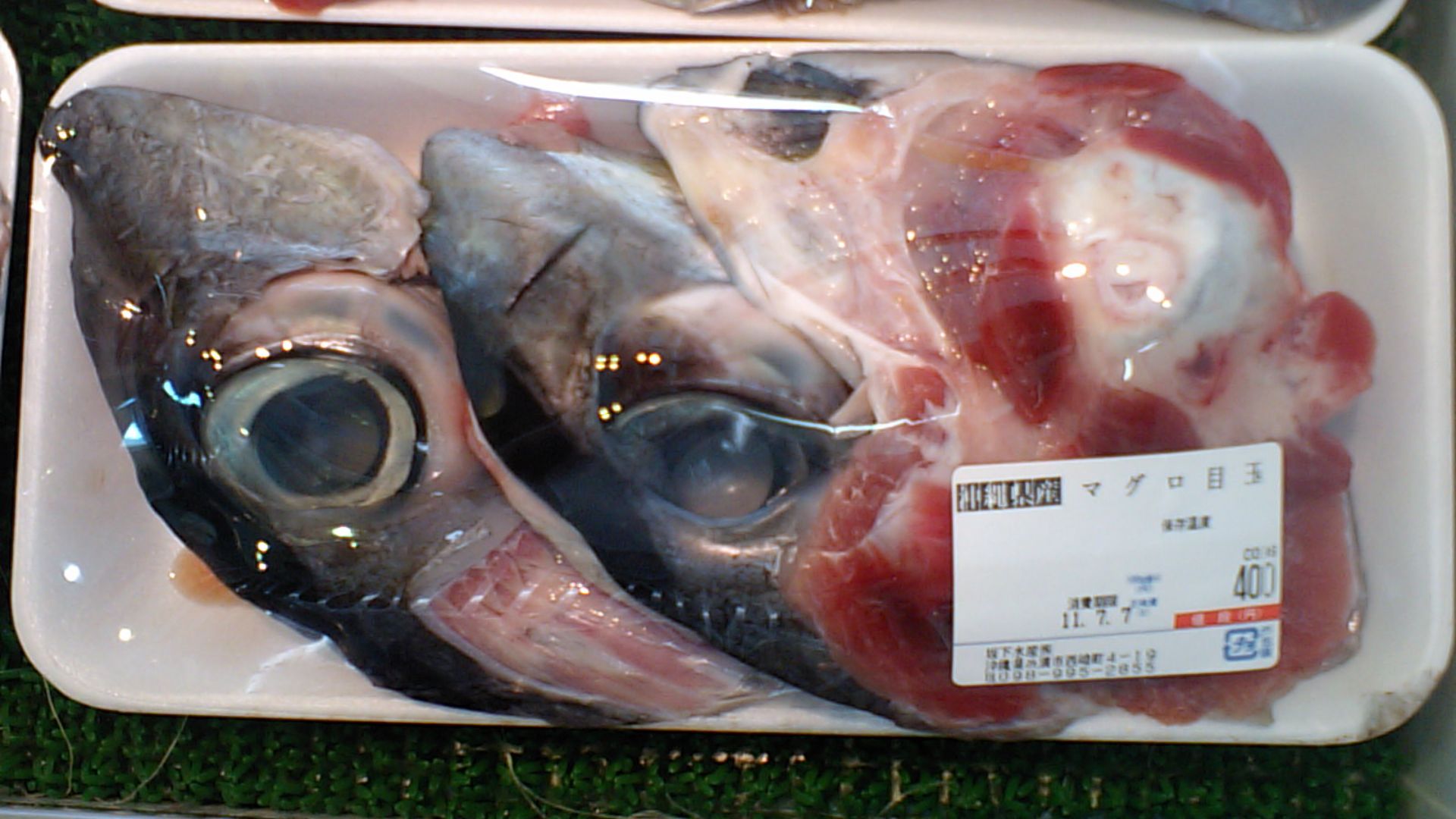 commons.wikimedia.org on Google
20. Mopane Worms
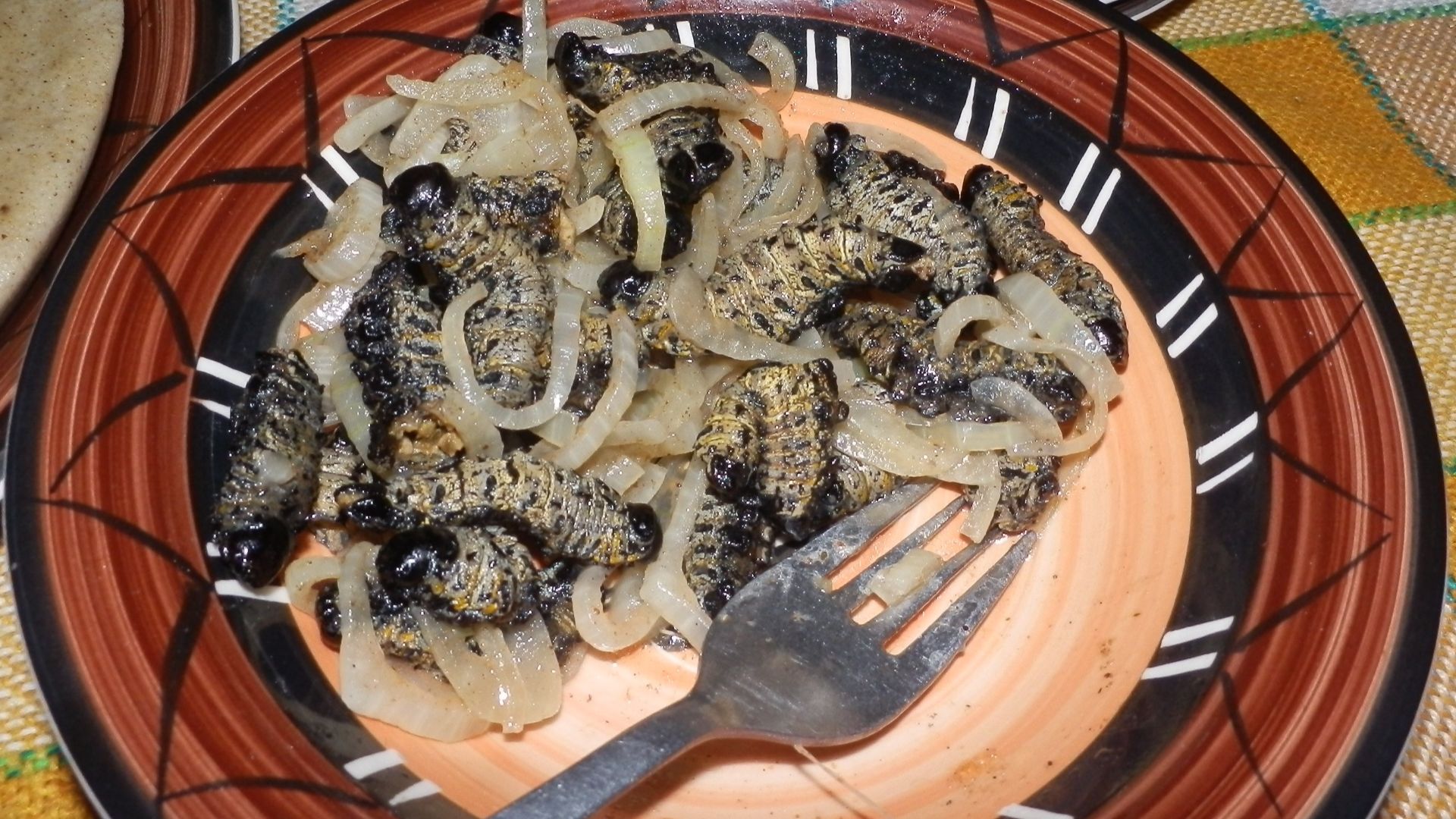
Mopane worms are the dried caterpillars of the emperor moth, a staple snack across parts of Southern Africa, usually fried or stewed with onion and tomato. Dried, they're crunchy enough to eat like chips, straight out of the bag. Cooked, they take on a chewy, slightly earthy texture that first-timers tend to describe as somewhere between jerky and a mistake.
KEEP ON READING