A Look Inside the Average 1970s Kitchen
If you grew up in the 1970s, you probably remember a kitchen pantry stocked with canned goods, boxed dinners, and ingredients that could last for months without spoiling. Convenience was becoming a big selling point, and families appreciated anything that made getting dinner on the table a little easier. Some of these foods are still popular today, while others are closely tied to the decade's memorable cooking trends. Here are 20 pantry staples you would've found in countless American kitchens during the 1970s.
1. Canned Cream of Mushroom Soup
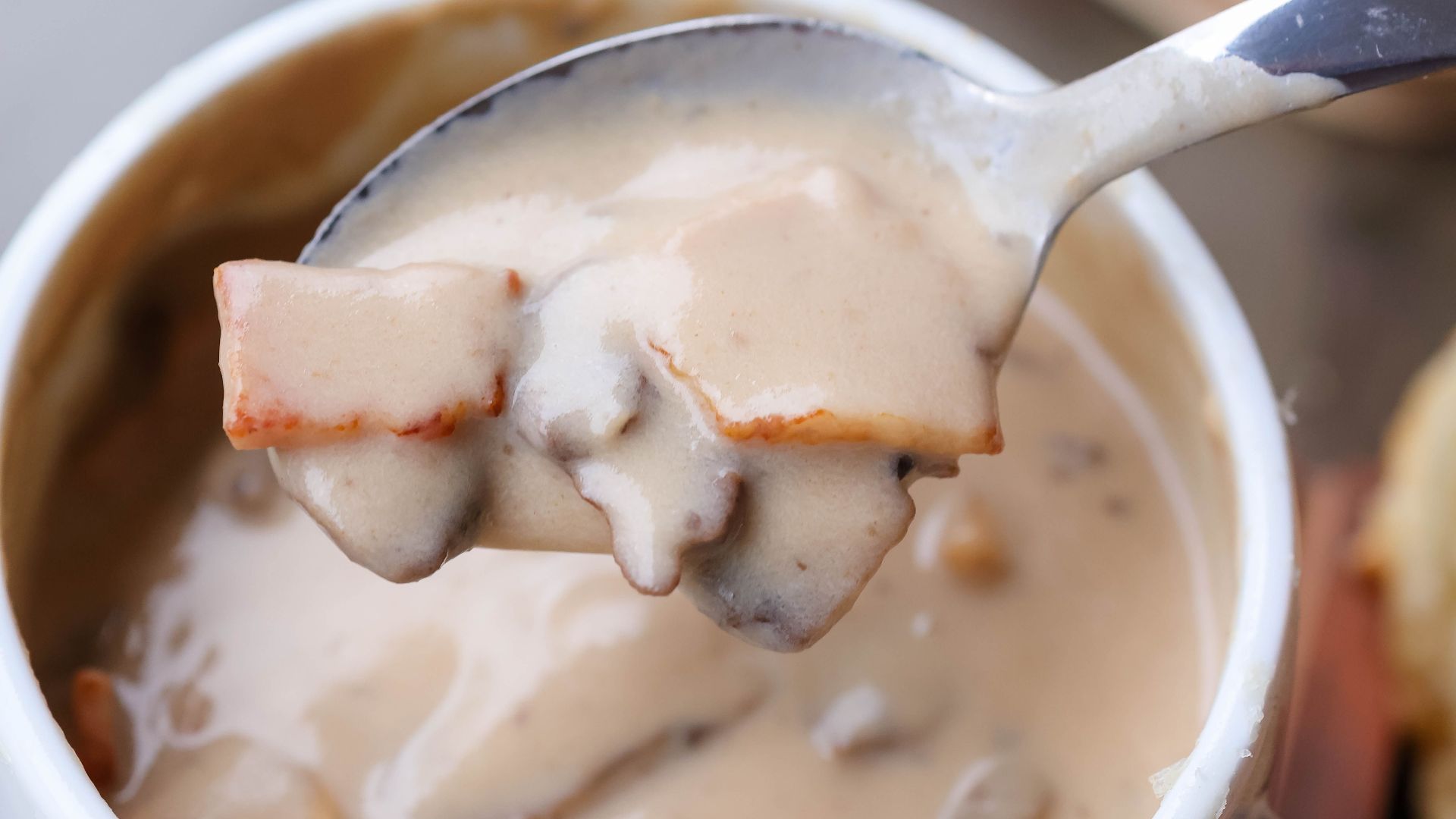
Campbell's cream of mushroom soup was a must-have ingredient in countless 1970s casseroles. Home cooks combined it with chicken, rice, vegetables, and just about anything else that needed a creamy sauce. Green bean casserole was especially popular around the holidays, although plenty of families enjoyed similar dishes year-round. Having a few cans in the cupboard meant an easy dinner was never too far away.
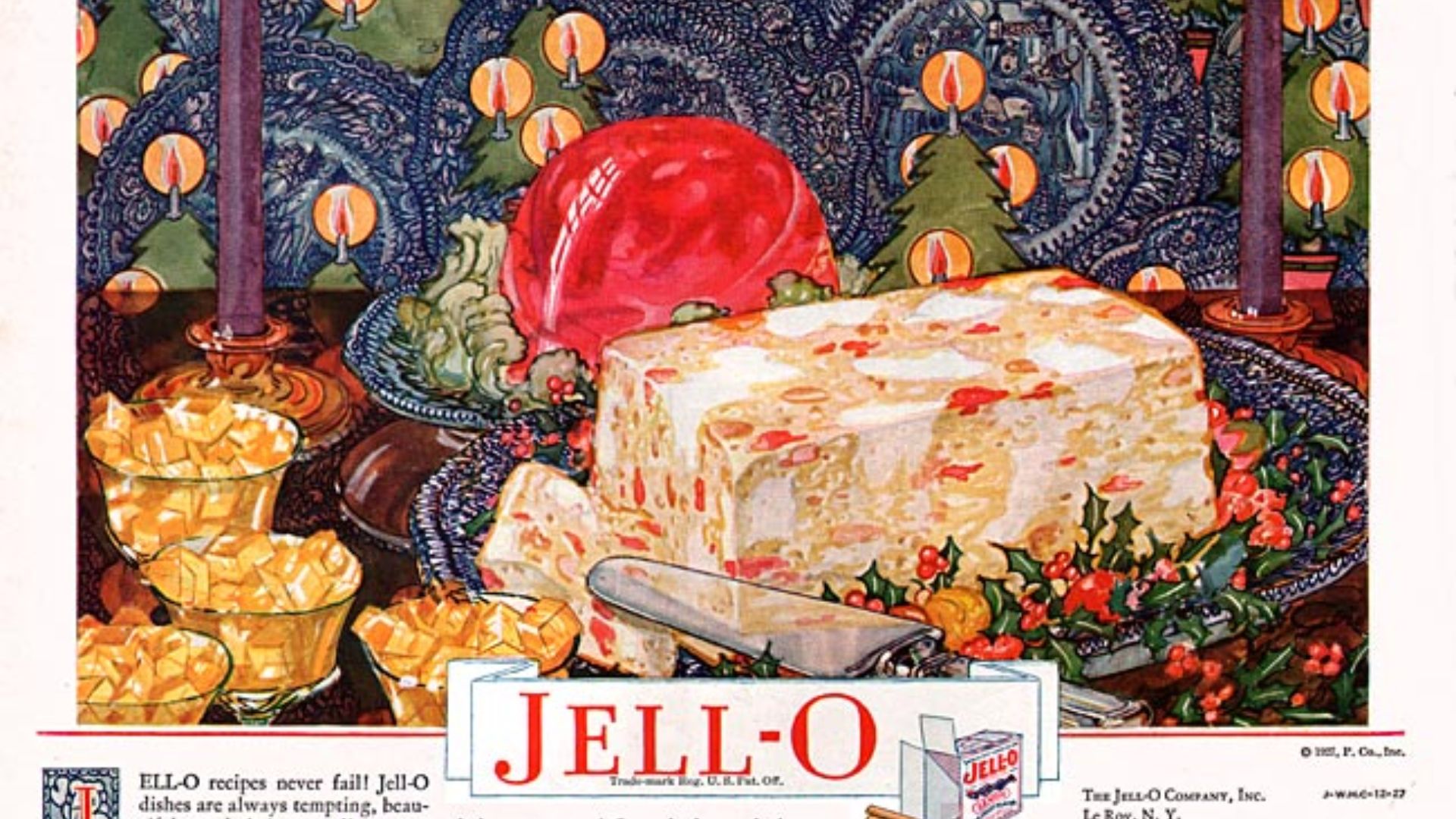
2. Jell-O Gelatin
Few pantry products were as recognizable during the 1970s as Jell-O. Colorful gelatin desserts appeared at birthday parties, family gatherings, and neighborhood potlucks, sometimes featuring some pretty unusual ingredients. Depending on the recipe, you might find canned fruit, shredded carrots, or even vegetables mixed right in. Strawberry, lime, and orange were among the classic flavors that regularly ended up on grocery lists.
3. Hamburger Helper
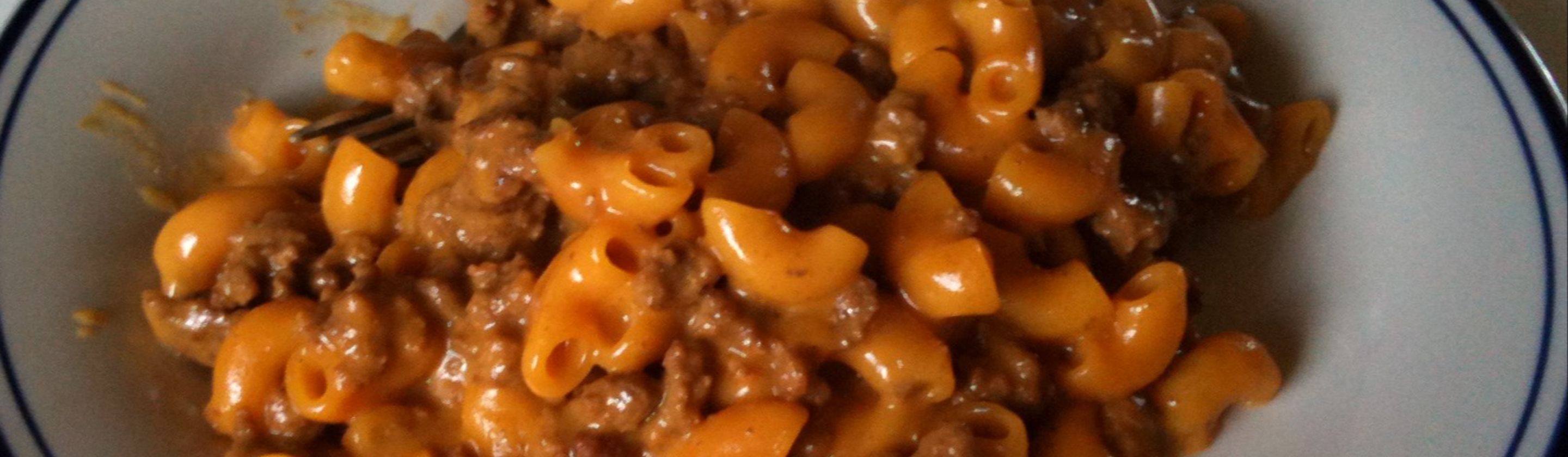
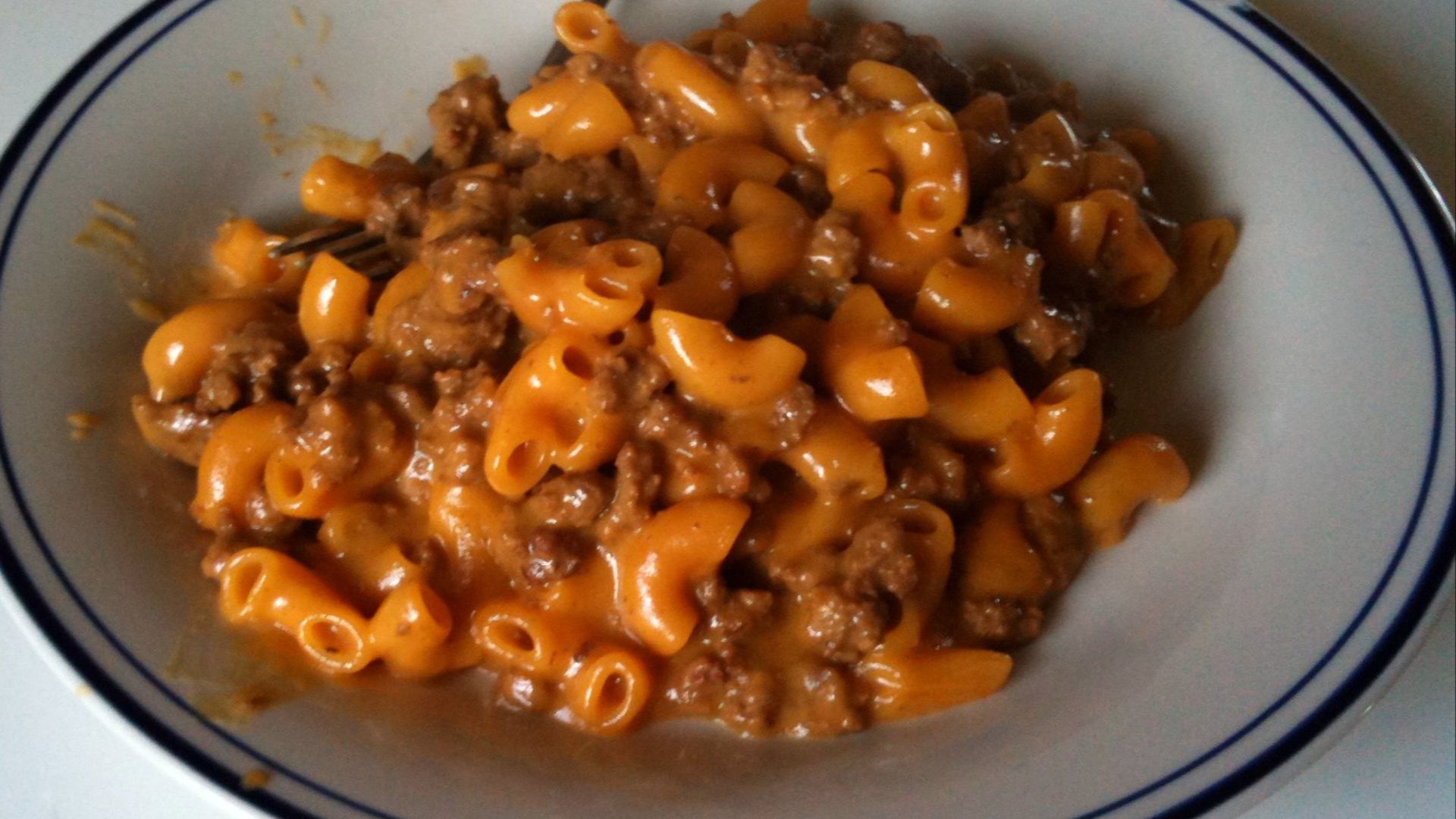
Introduced in 1971, Hamburger Helper quickly became a go-to option for families looking to simplify weeknight dinners. All you needed was a box, some ground beef, and a few basic ingredients to put together a filling meal. Its different flavors gave households an affordable way to add some variety to dinner without much extra effort. For busy parents, keeping a box in the pantry made perfect sense.
4. Canned Pineapple
Pineapple rings and chunks were surprisingly useful ingredients in the typical 1970s kitchen. They showed up in upside-down cakes, gelatin desserts, fruit salads, and savory dishes inspired by Hawaiian-style cooking. Some families even arranged pineapple rings over baked ham for special occasions. Since fresh pineapple wasn't always affordable or easy to find, the canned version was a convenient substitute.
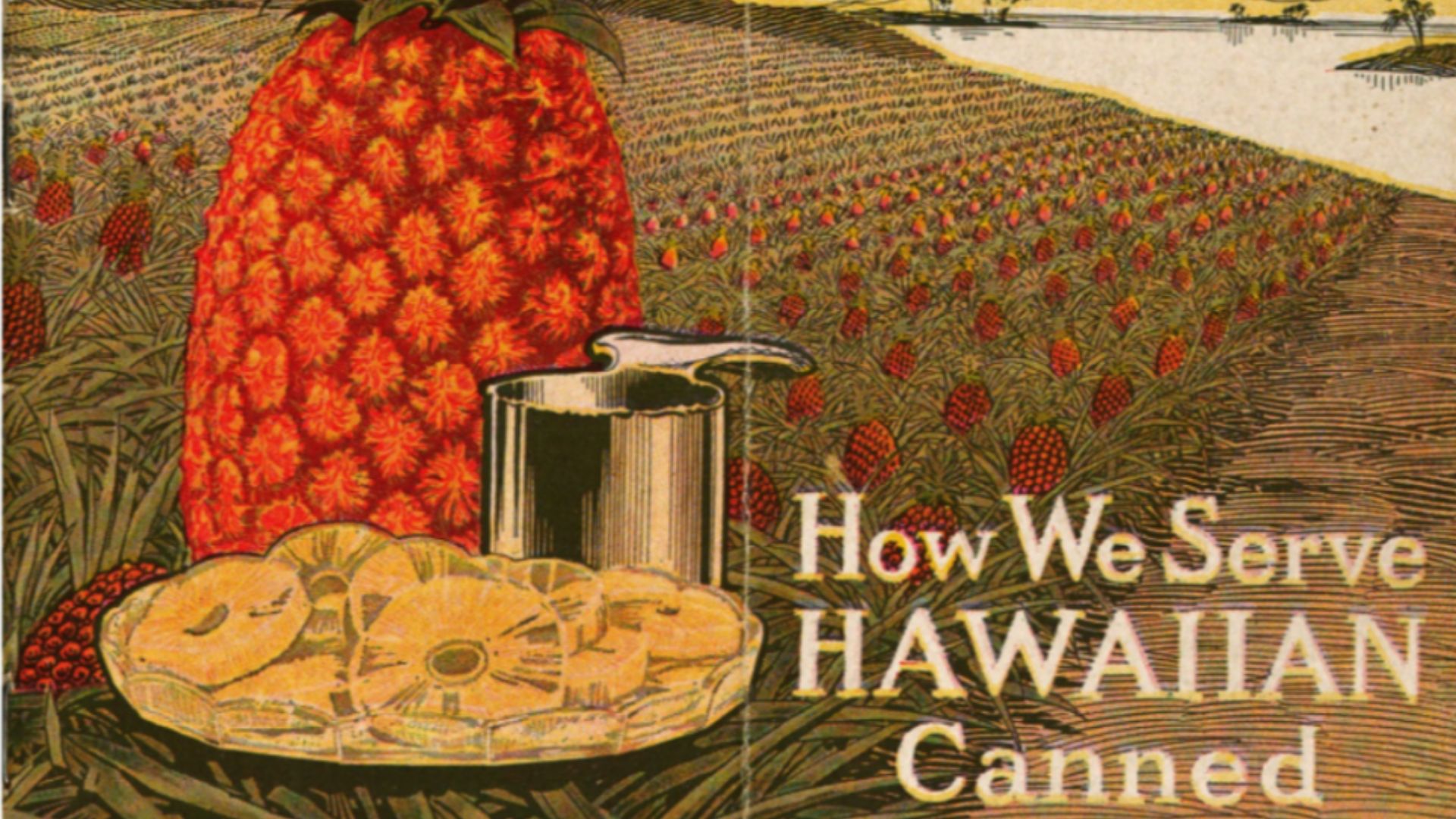 Hawaiian Pineapple Packers' Association (Life time: n/a) on Wikimedia
5. Instant Mashed Potatoes
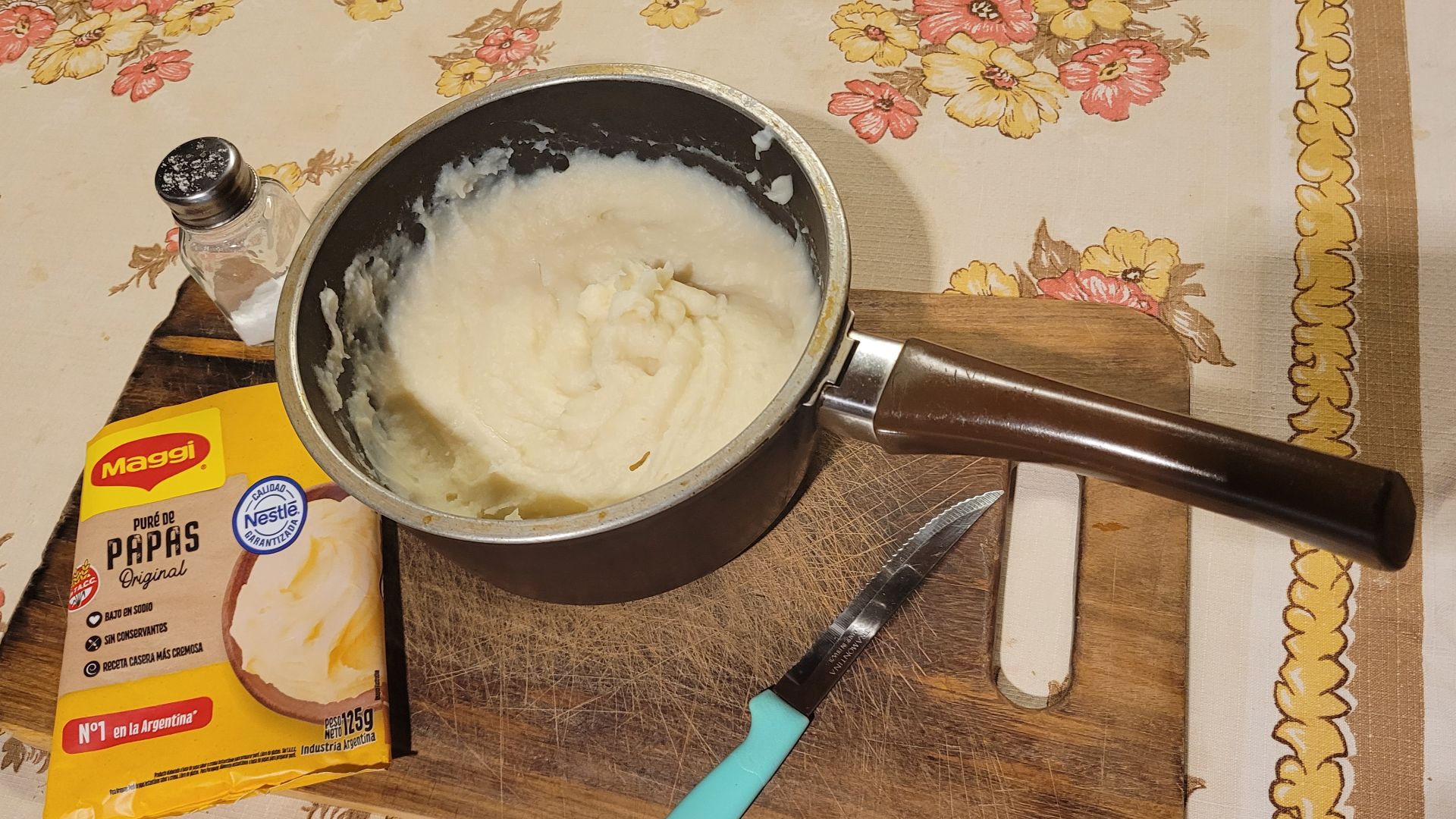
Making mashed potatoes from scratch wasn't always worth the effort when instant potato flakes were already in the pantry. Brands such as Hungry Jack helped make the idea of preparing a familiar side dish with less work increasingly appealing. You could simply add hot liquid and have potatoes ready without peeling, boiling, or mashing a thing. They came in especially handy on evenings when dinner needed to be ready fast.
6. Spam
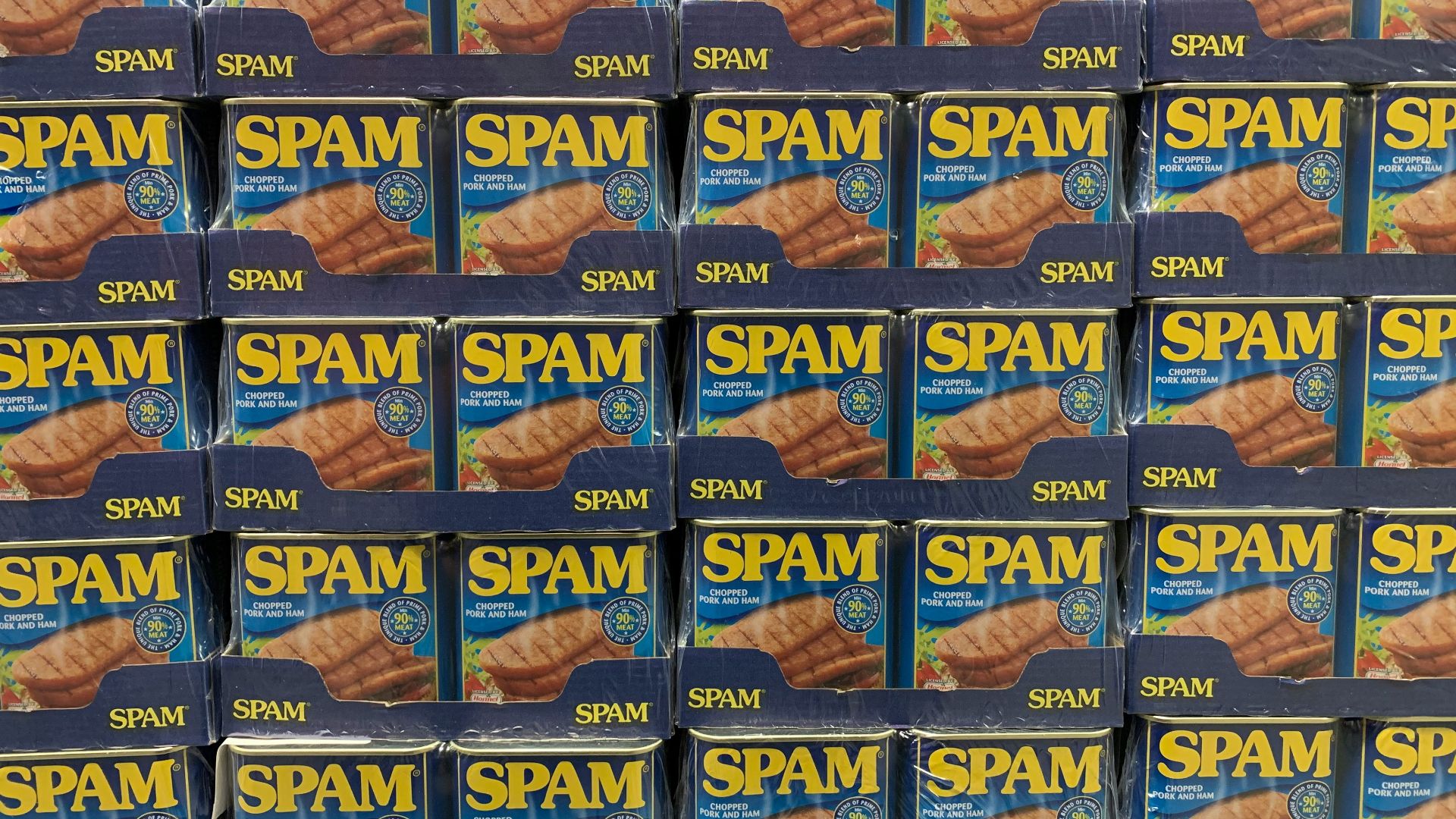
Although Spam had been around for decades, it was still a dependable pantry staple throughout the 1970s. The canned meat could be sliced, fried, tucked into sandwiches, or added to budget-friendly family meals. Its long shelf life made it especially appealing to households that liked keeping extra food available. Not everyone was a fan of its distinctive flavor, but plenty of families had their favorite ways to serve it.
7. Canned Peaches
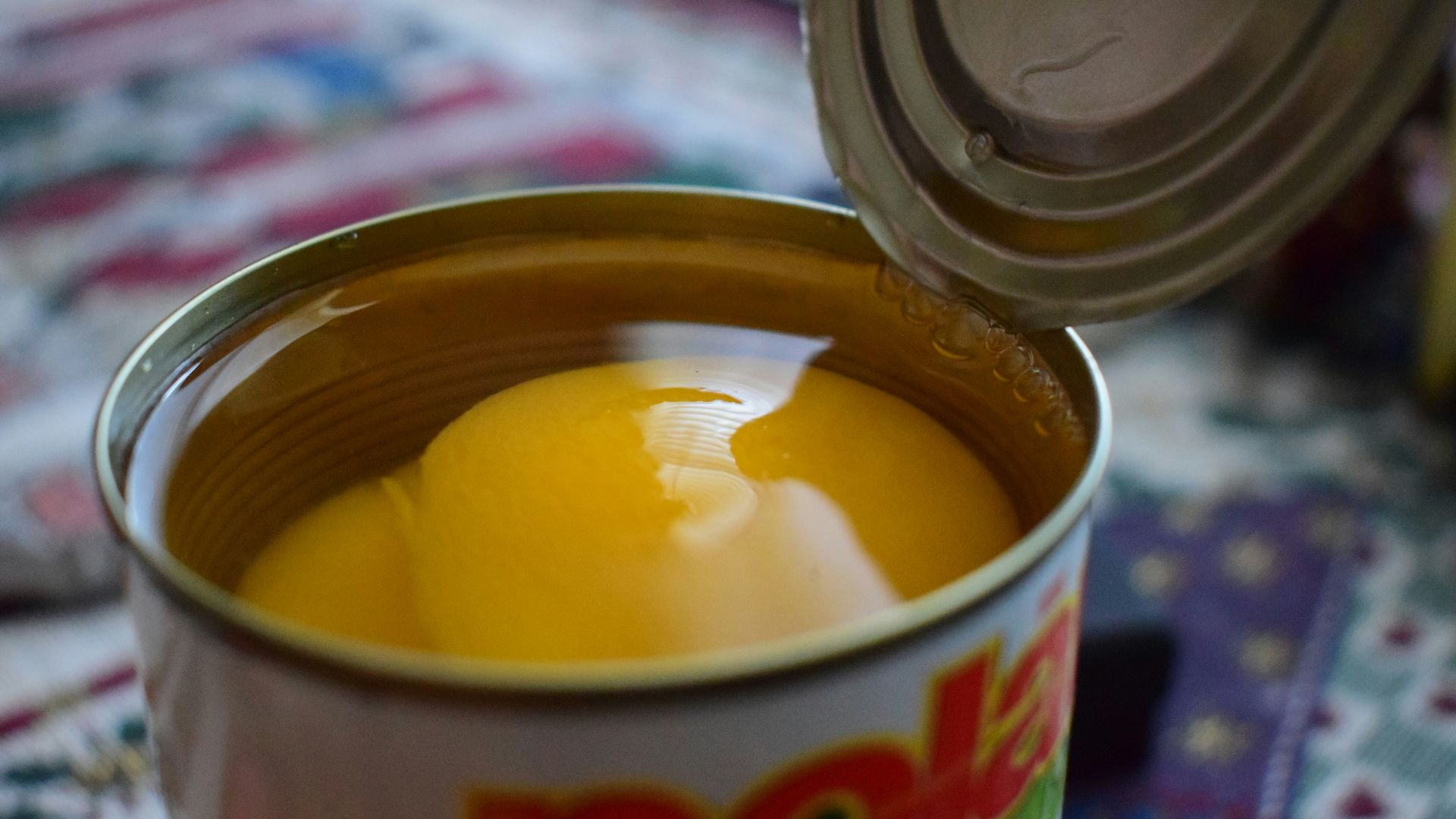
A can of sliced peaches made enjoying fruit easy, regardless of what was actually in season. During the 1970s, families often served them as a simple dessert, sometimes topped with cottage cheese or whipped topping. They were also great for cobblers, fruit salads, and homemade cakes. The sugary syrup was part of the attraction, especially for kids who weren't particularly excited about eating fresh fruit.
8. Rice-A-Roni
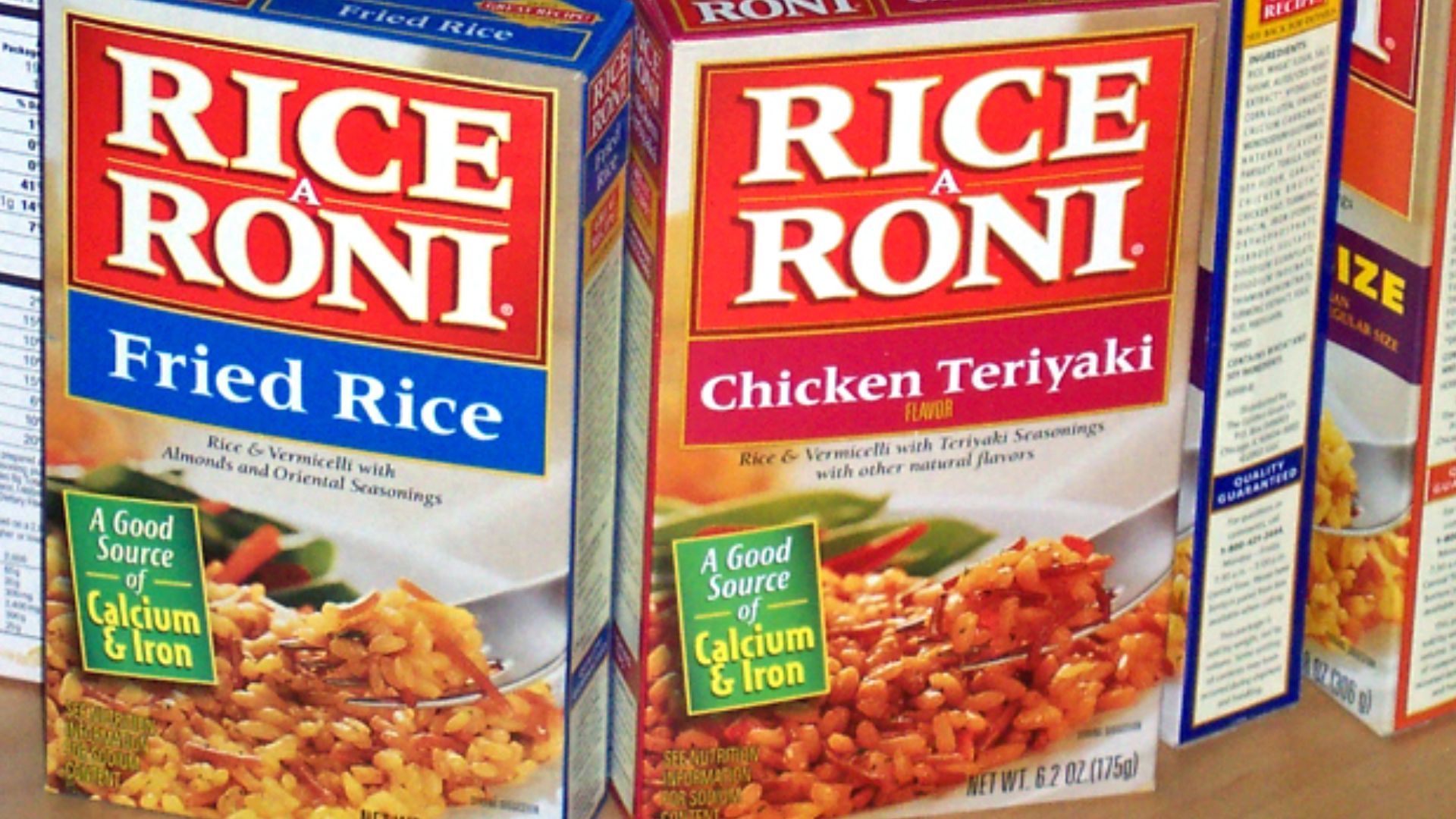
Rice-A-Roni was already a familiar American pantry product by the time the 1970s rolled around. Its seasoned rice and pasta mixtures made preparing a tasty side dish easy without requiring much cooking experience. Chicken and beef varieties were especially popular with families looking for something a little different from ordinary rice. The brand's memorable San Francisco advertising also helped cement its place in American kitchens.
9. Powdered Drink Mixes
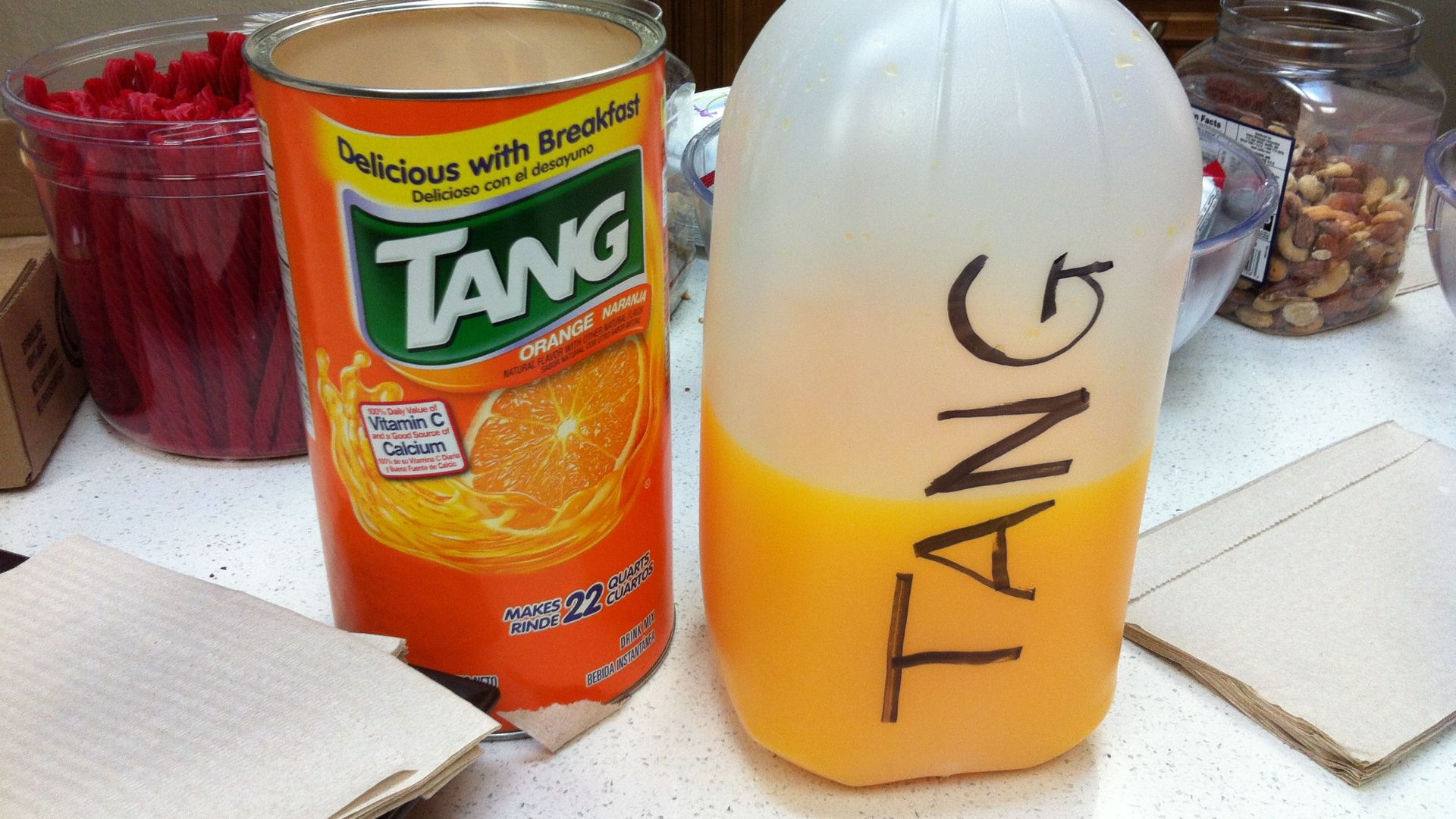
Before refrigerators were constantly stocked with bottled drinks, powdered mixes provided an affordable way to prepare refreshments at home. Kool-Aid was a particular favorite among kids, while Tang remained a recognizable breakfast beverage thanks to its space-age associations. Parents could mix up large pitchers for birthday parties, hot summer afternoons, or everyday meals. Since the packets barely took up any space, stocking several flavors was never much trouble.
10. Canned Tuna
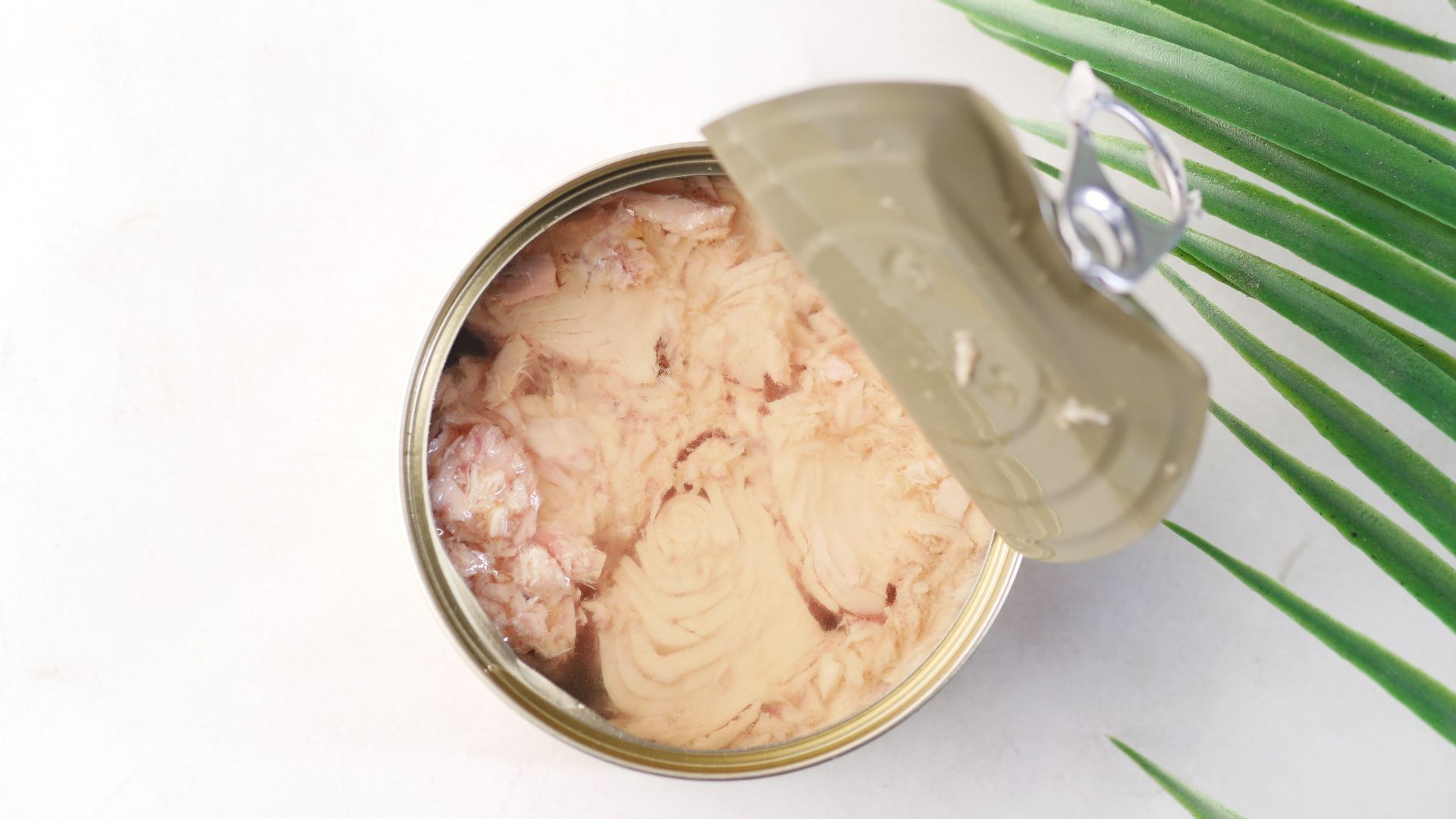
Tuna was one of those dependable pantry ingredients that could easily become several different meals. In the 1970s, tuna noodle casserole was a familiar dinner choice, often made with canned soup and finished with a crunchy topping. Tuna salad sandwiches were also regular fixtures in lunchboxes and family kitchens. Keeping a few cans around meant you could put together a satisfying meal without another trip to the grocery store.
11. Stove Top Stuffing
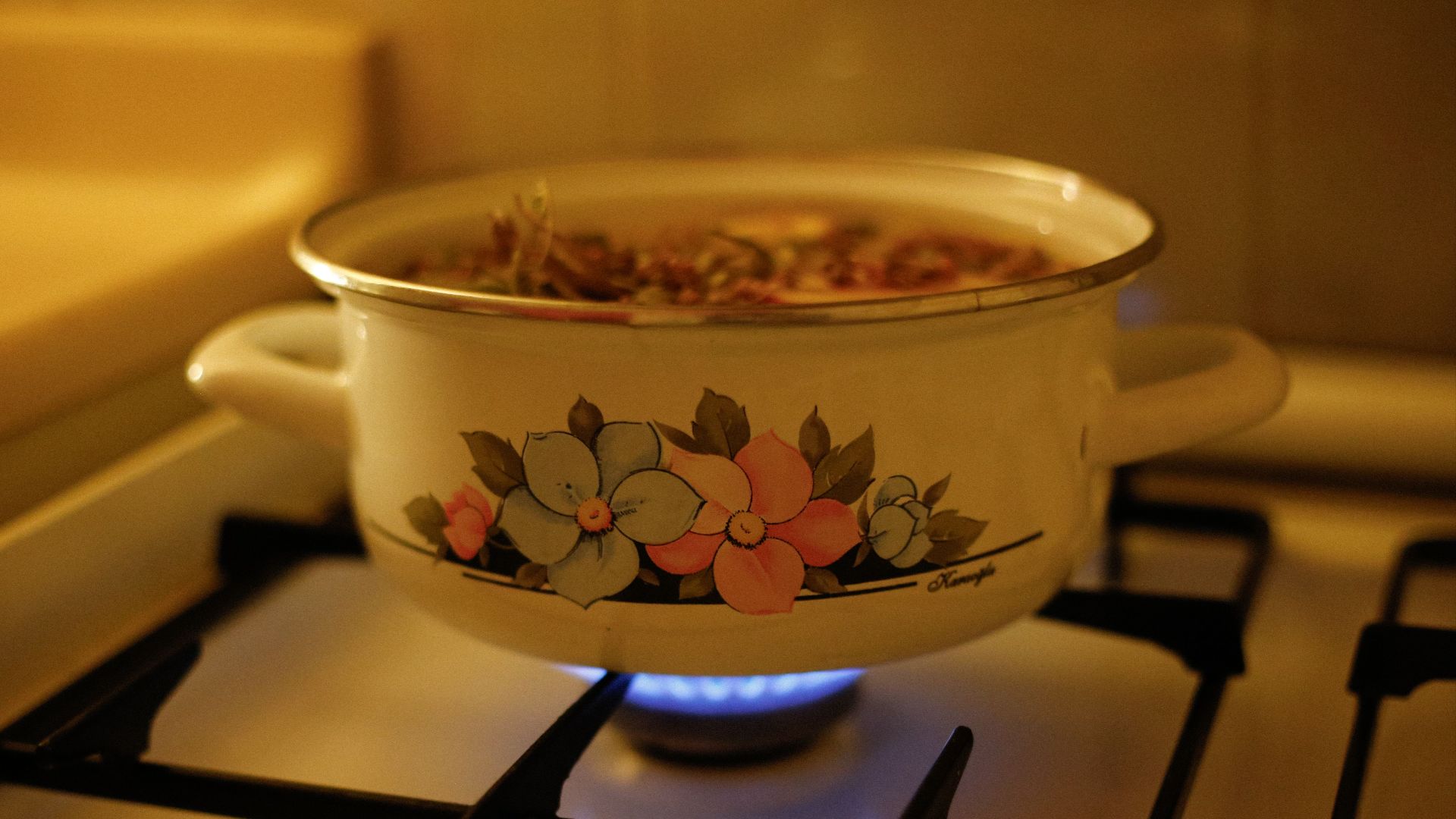
When Stove Top Stuffing hit grocery shelves in 1972, it offered home cooks an easier alternative to preparing stuffing from scratch. The boxed mixture came together quickly, making it practical for ordinary weeknight dinners rather than just Thanksgiving. Many families paired it with chicken, pork chops, or other everyday main courses. Its blend of dried bread and seasonings took care of much of the preparation that traditional stuffing required.
12. Canned Vienna Sausages
Small cans of Vienna sausages were a common sight in plenty of American kitchens during the 1970s. These ready-to-eat sausages needed almost no preparation and could be paired with crackers, added to simple dishes, or eaten straight from the can. Their low price and long shelf life made them a practical choice for households keeping a close eye on grocery spending. They were also handy for camping trips and other occasions when refrigeration wasn't available.

13. Bisquick Baking Mix
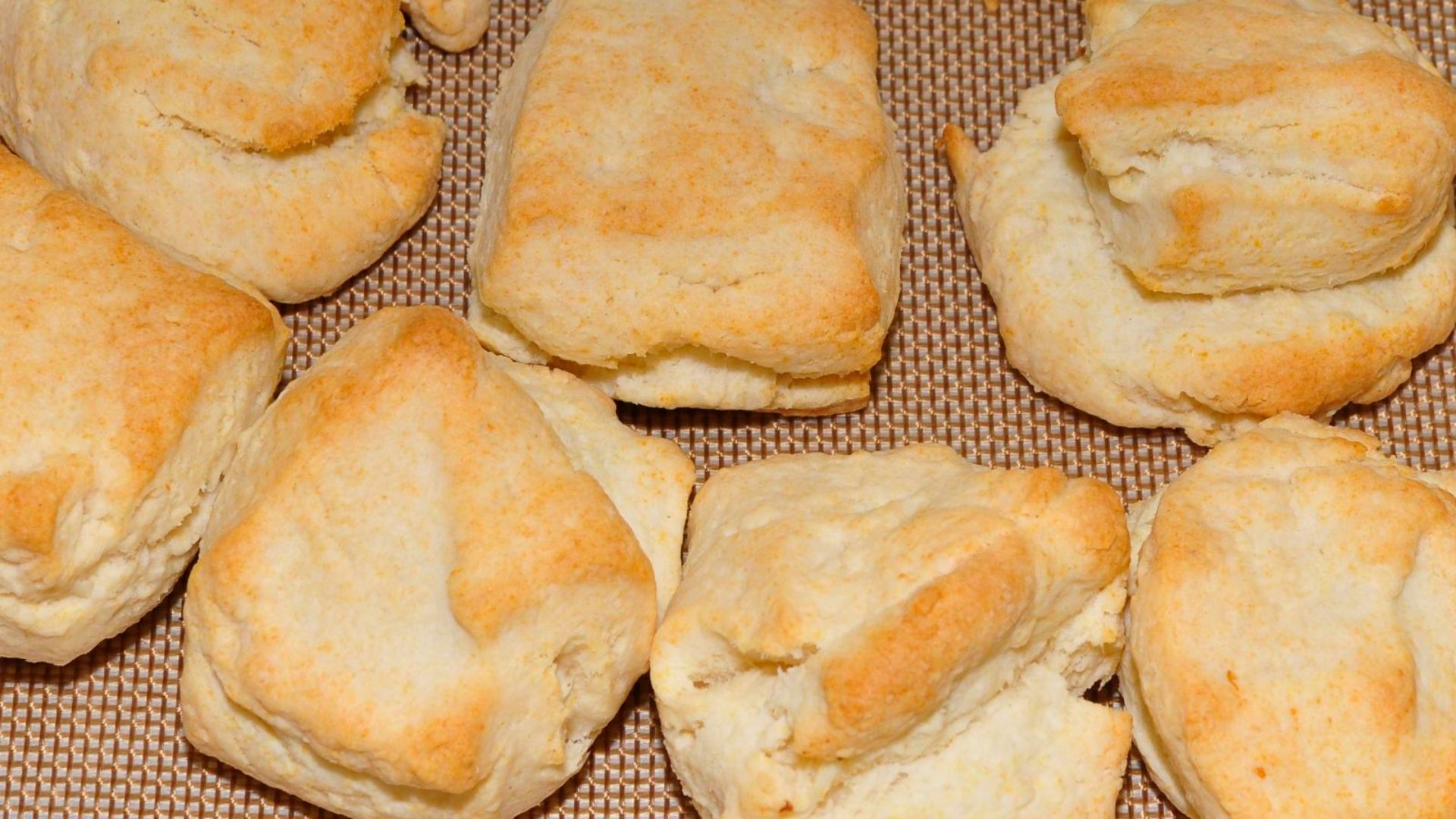
Bisquick allowed home cooks to make biscuits, pancakes, and other baked goods without measuring out several separate dry ingredients. The versatile mix was also useful for dumplings, coffee cakes, and easy dinner recipes. Throughout the 1970s, products like this became increasingly appealing to families juggling cooking with busy daily routines. One familiar yellow box could take care of an impressive number of recipes.
14. Canned Corned Beef Hash
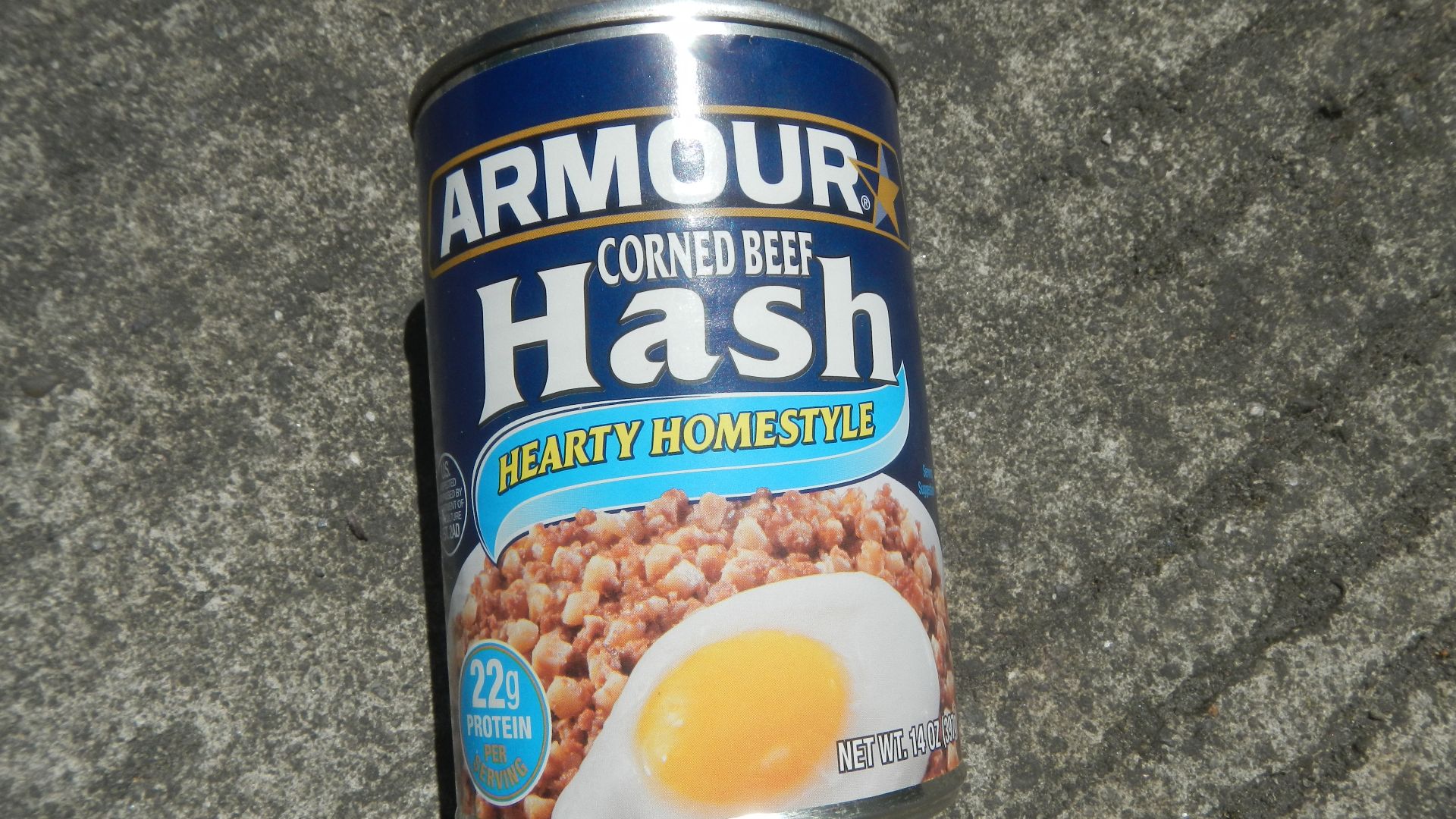
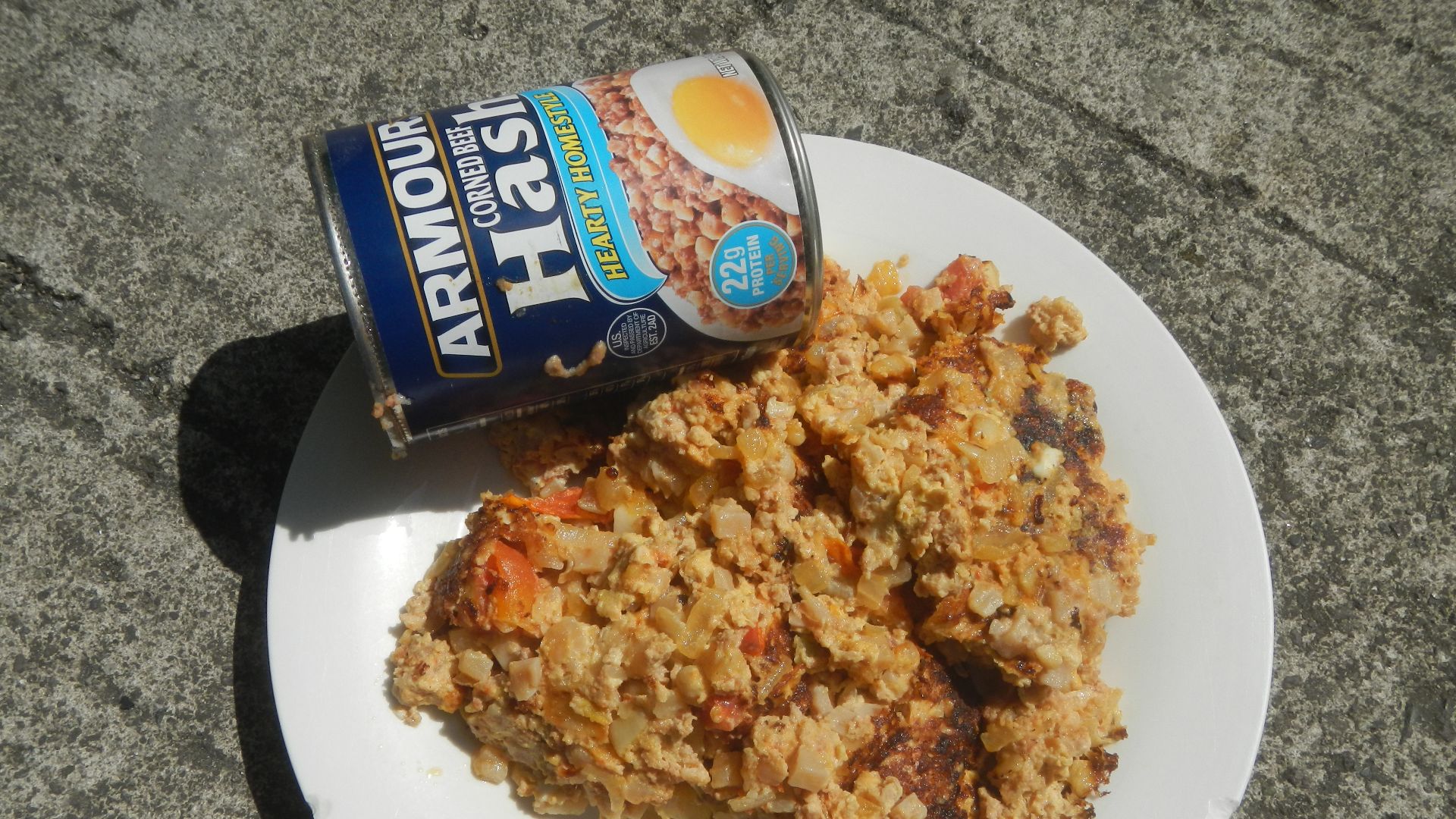
For families who wanted a hearty meal without spending much time preparing it, canned corned beef hash was an easy choice. Frying it in a skillet made for a filling breakfast, particularly with eggs and toast on the side. Some households also relied on it for quick lunches or inexpensive dinners. With meat and potatoes already combined, it was especially convenient when the refrigerator was looking a little empty.
15. Instant Pudding Mix
Making dessert was much simpler when you had a couple of boxes of instant pudding tucked away in the cupboard. Jell-O pudding mixes came in popular flavors like chocolate, vanilla, and butterscotch, so there was usually something everyone could enjoy. Instead of just serving pudding in bowls, home cooks also added it to layered desserts, pies, and other sweet treats. Being able to whip up dessert without turning on the stove was a pretty big selling point.
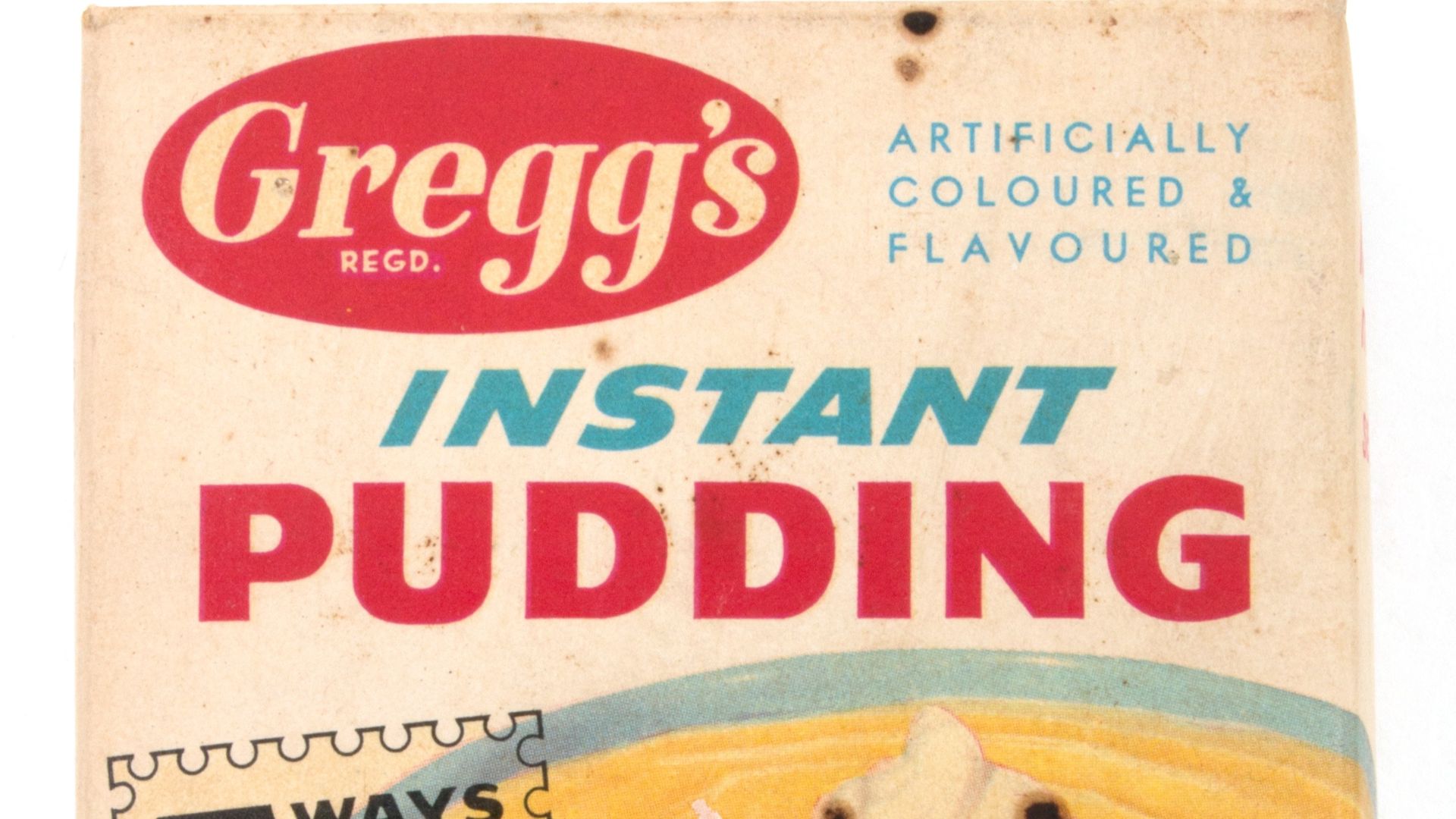 W. Gregg & Company Limited on Wikimedia
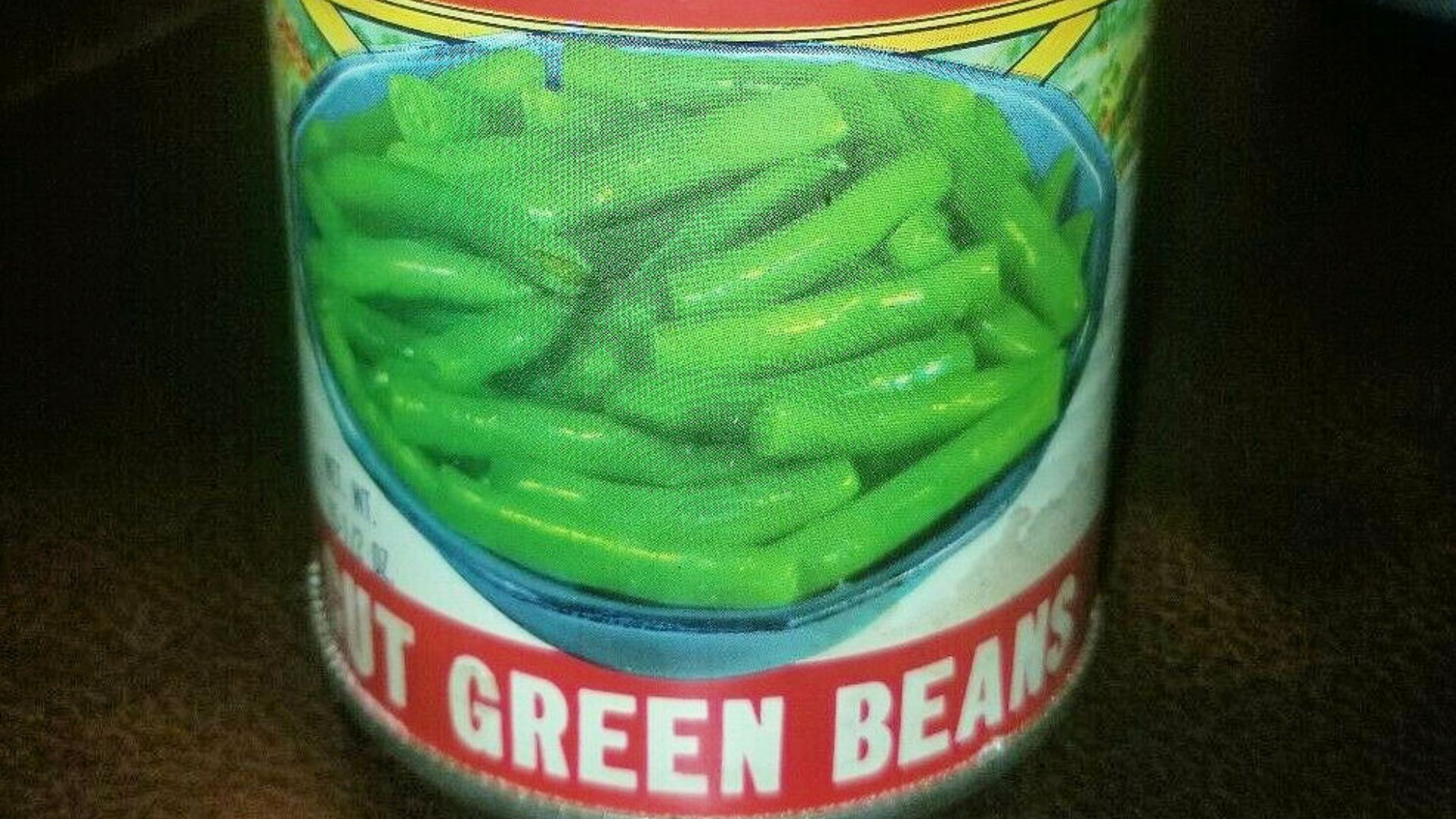
16. Canned Green Beans
Canned green beans were an everyday vegetable choice for families looking for something inexpensive and easy to keep on hand. They could be heated straight from the can, dressed up with butter, or mixed with other ingredients for a more interesting side dish. Their role in green bean casserole also made them a regular part of holiday meal planning. Even when fresh produce wasn't available, a couple of cans made it easy to get something green onto the dinner table.
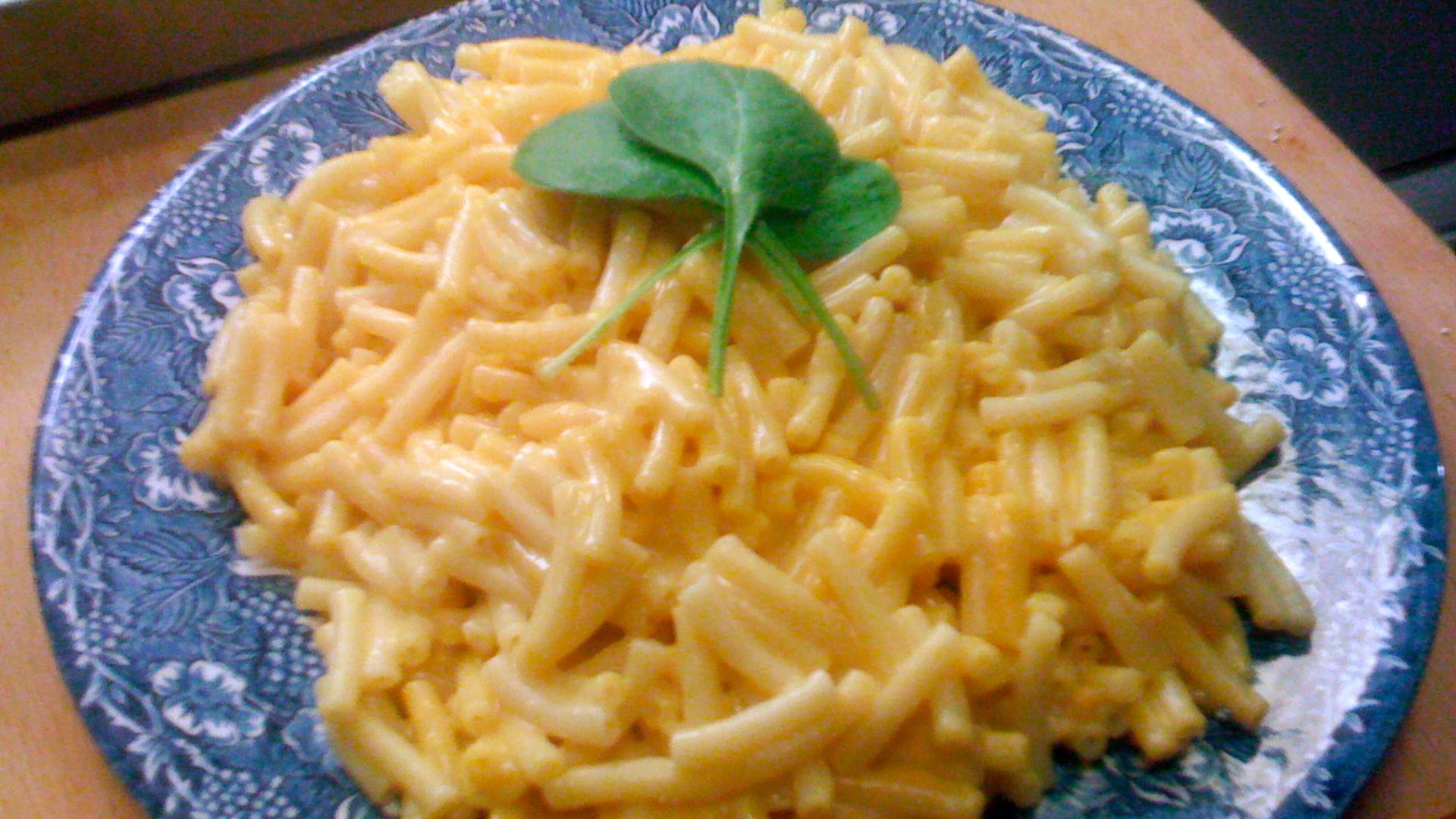
17. Kraft Macaroni & Cheese
Kraft's boxed macaroni and cheese had been around long before the 1970s, but it remained a household favorite throughout the decade. Its bright orange cheese sauce and simple instructions appealed to kids and parents alike. Some families enjoyed it as a side dish, while others tossed in hot dogs, canned tuna, or vegetables to make it a complete meal. Not many boxed foods could compete with its combination of low cost, convenience, and familiar flavor.
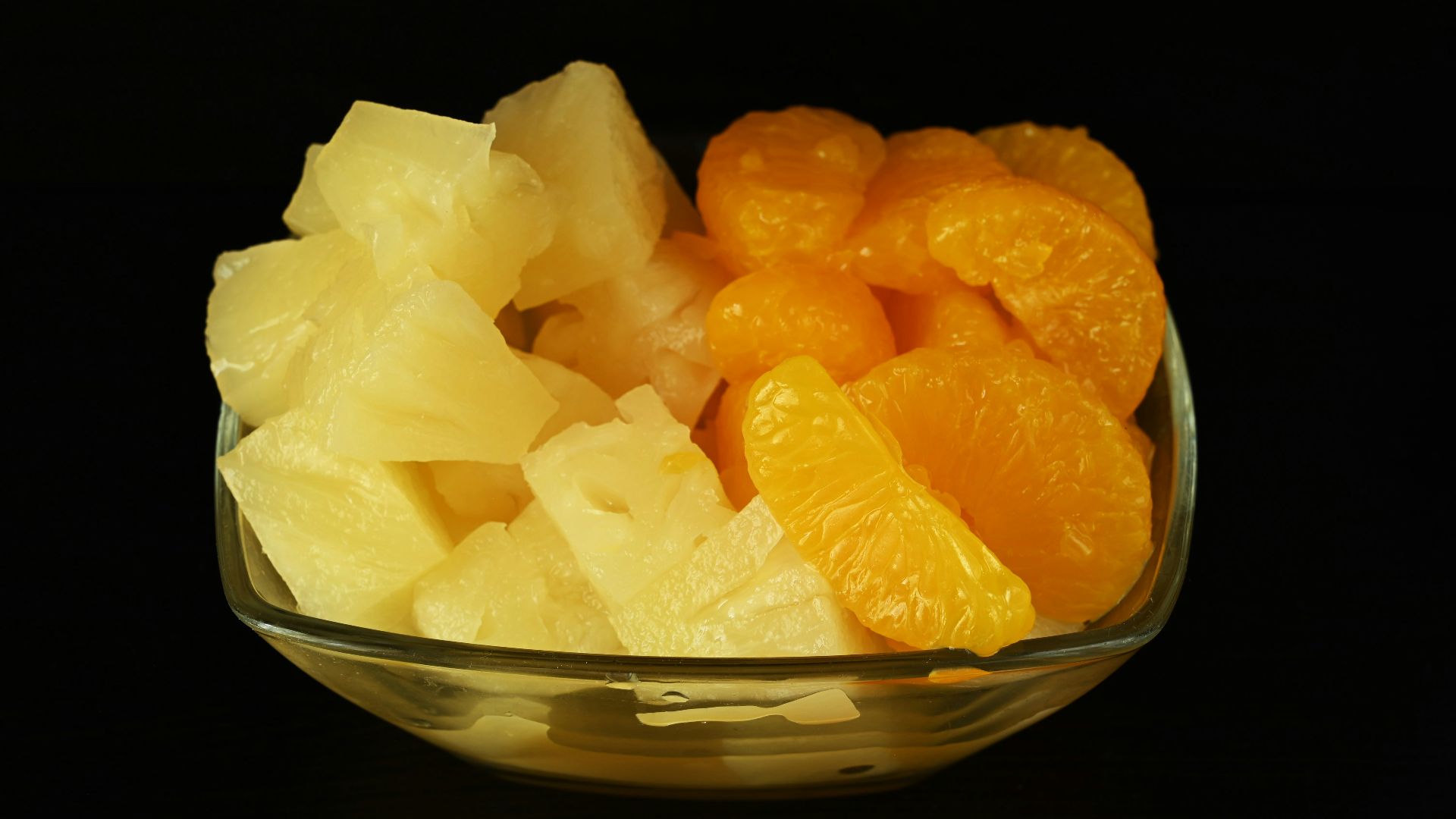
18. Canned Fruit Cocktail
Fruit cocktail was a popular ingredient in 1970s desserts, especially when families were expecting guests. The mixture of peaches, pears, pineapple, grapes, and cherries could be enjoyed on its own or added to gelatin salads and other sweet recipes. Many households kept a can tucked away in case someone dropped by unexpectedly. Its colorful appearance also made it a favorite for dishes brought to potlucks and family celebrations.
19. Evaporated Milk
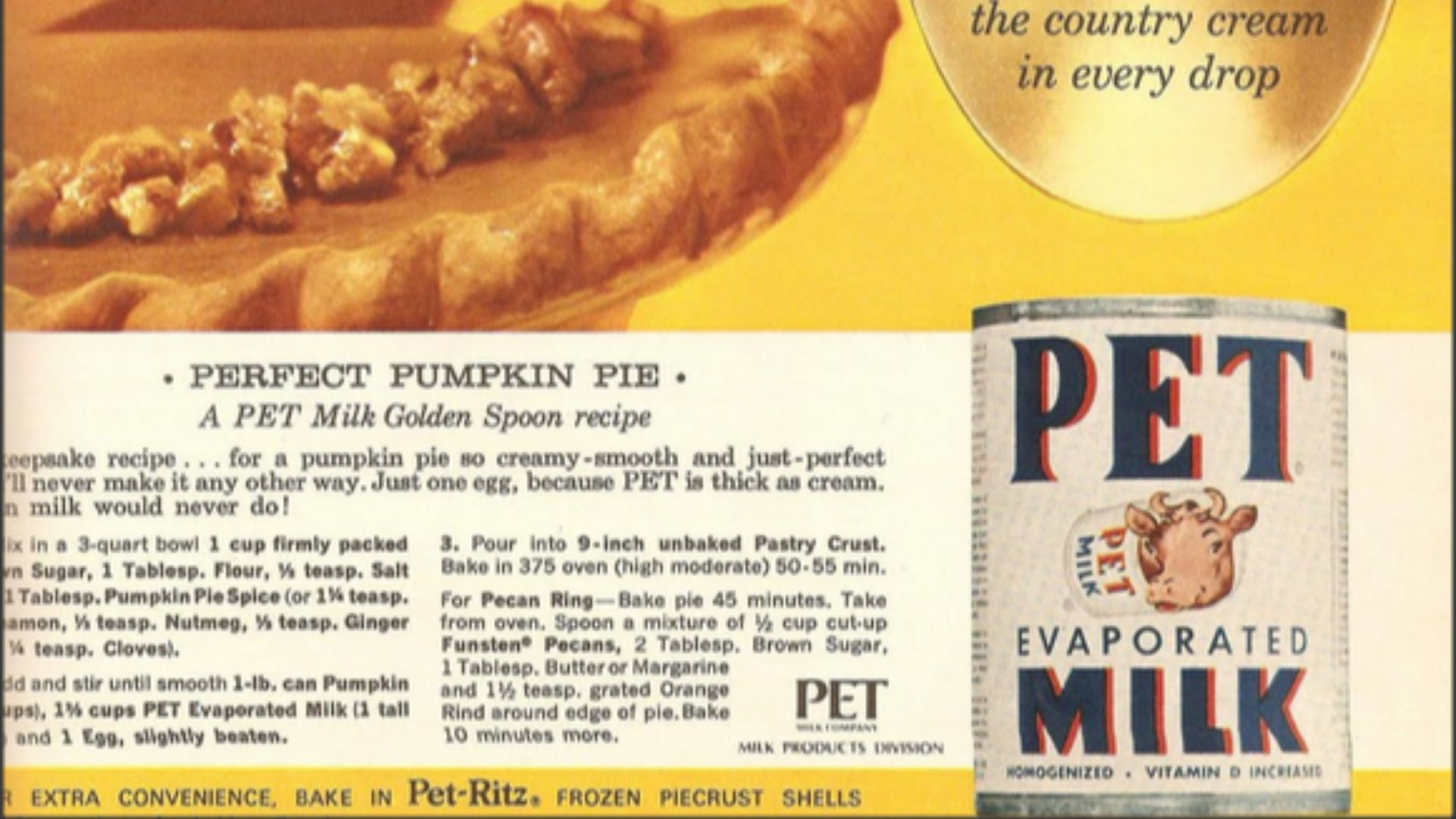
Evaporated milk was another useful ingredient that deserved its spot on pantry shelves. Because it came in a shelf-stable can, families could store it without taking up precious refrigerator space until it was opened. Pumpkin pie, creamy sauces, casseroles, and plenty of homemade desserts regularly called for it. Home cooks liked having a convenient alternative to fresh milk or cream, especially when a recipe needed a little extra richness.
20. Saltine Crackers
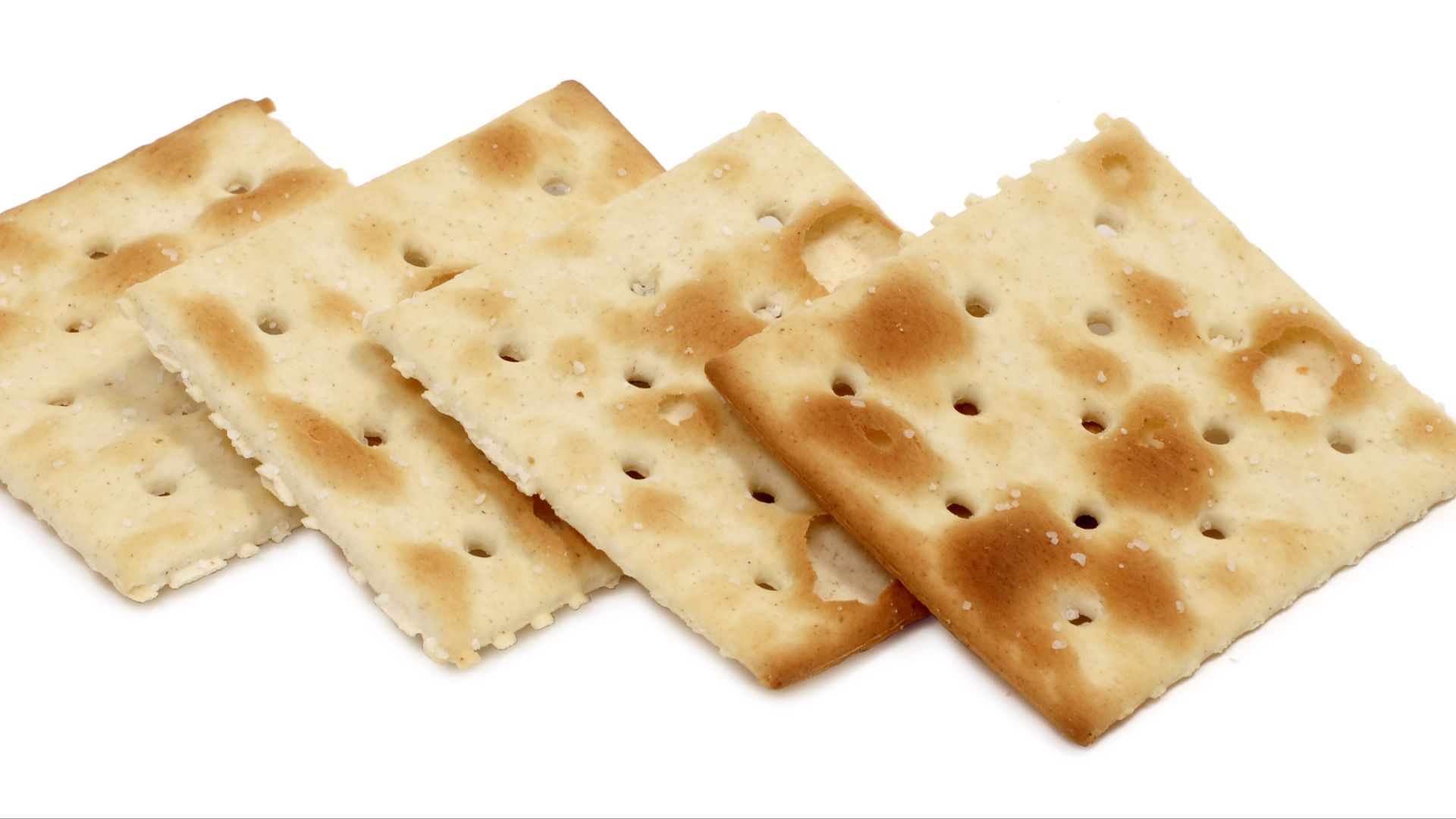
Just about every 1970s pantry seemed to have a box of saltine crackers somewhere on the shelf. They were often served with soup, crumbled into recipes, or paired with cheese and peanut butter for a quick snack. Crushed saltines could also be used to coat certain baked dishes or help hold meatloaf together. With so many uses, it's easy to understand why they remained a grocery-store staple well beyond the decade.
KEEP ON READING

The Most Popular Signature Dishes Around the World