10 Ingredients That Used To Be Common But Are Now Hard To Find & 10 Making A Comeback
10 Ingredients That Used To Be Common But Are Now Hard To Find & 10 Making A Comeback
Forgotten Staples and Returning Favorites
Ingredients move in and out of everyday kitchens for all kinds of reasons, including changing agriculture, convenience foods, shifting tastes, and the disappearance of older regional recipes. Some foods that earlier generations regularly cooked with have become specialty purchases, while ingredients once considered old-fashioned are appearing again in restaurants, bakeries, farmers markets, and grocery products. From native fruits to heritage grains, these are 10 ingredients that used to be common but are now hard to find and 10 that are making a comeback.
1. American Chestnuts
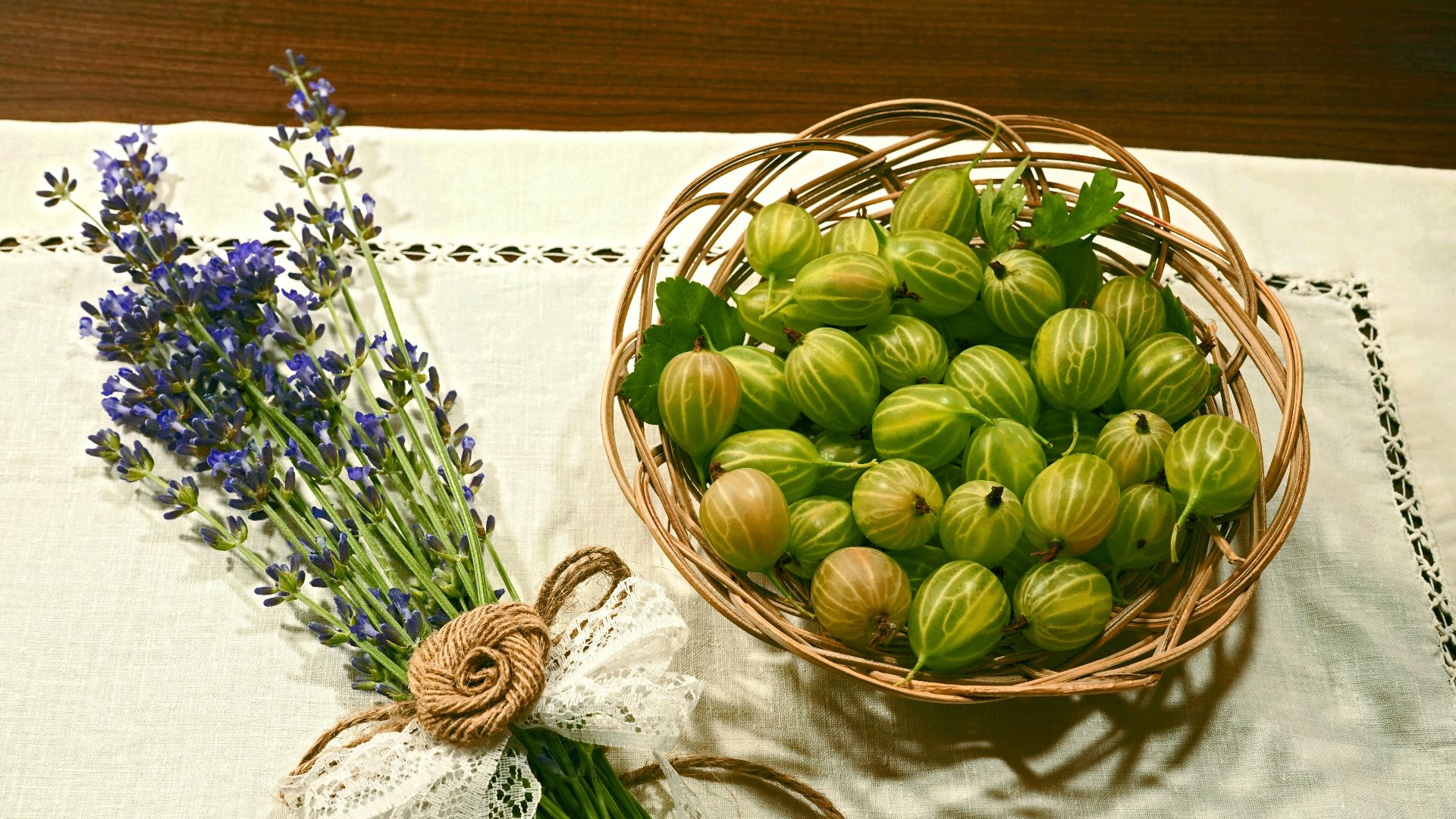
American chestnuts once grew abundantly across eastern North America and provided nuts for people, livestock, and wildlife. Chestnut blight devastated the species during the 20th century, dramatically reducing the supply from native trees. Chestnuts are still available today, but finding genuinely American-grown examples from the original species is far more difficult than it once was.
2. Pawpaws
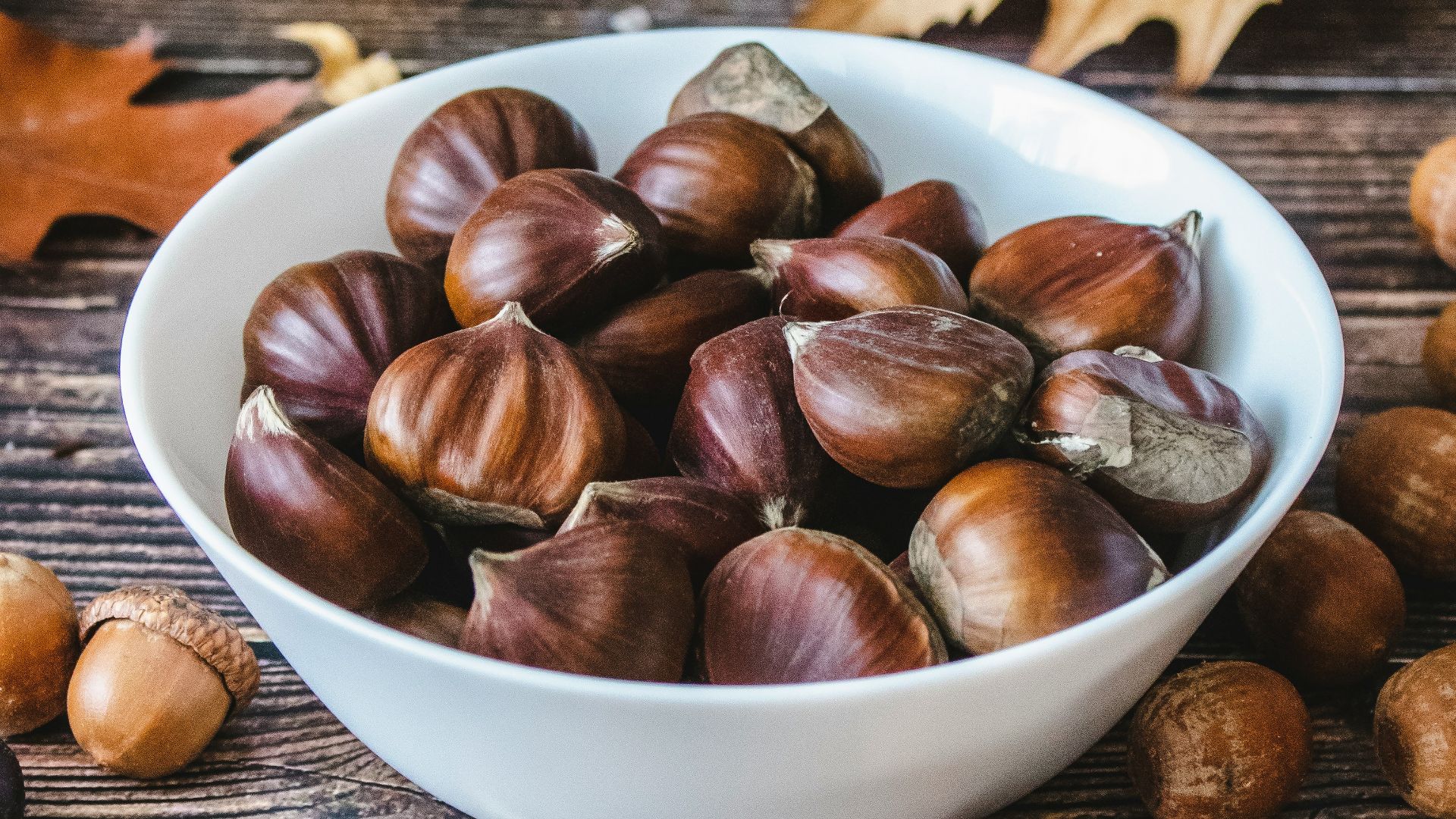
Pawpaws have been eaten in North America for centuries and were familiar to many communities long before modern supermarkets existed. You'll occasionally find pawpaws at farmers markets or specialty growers, but they're rarely sitting beside apples and oranges in an ordinary produce aisle.
3. Salsify
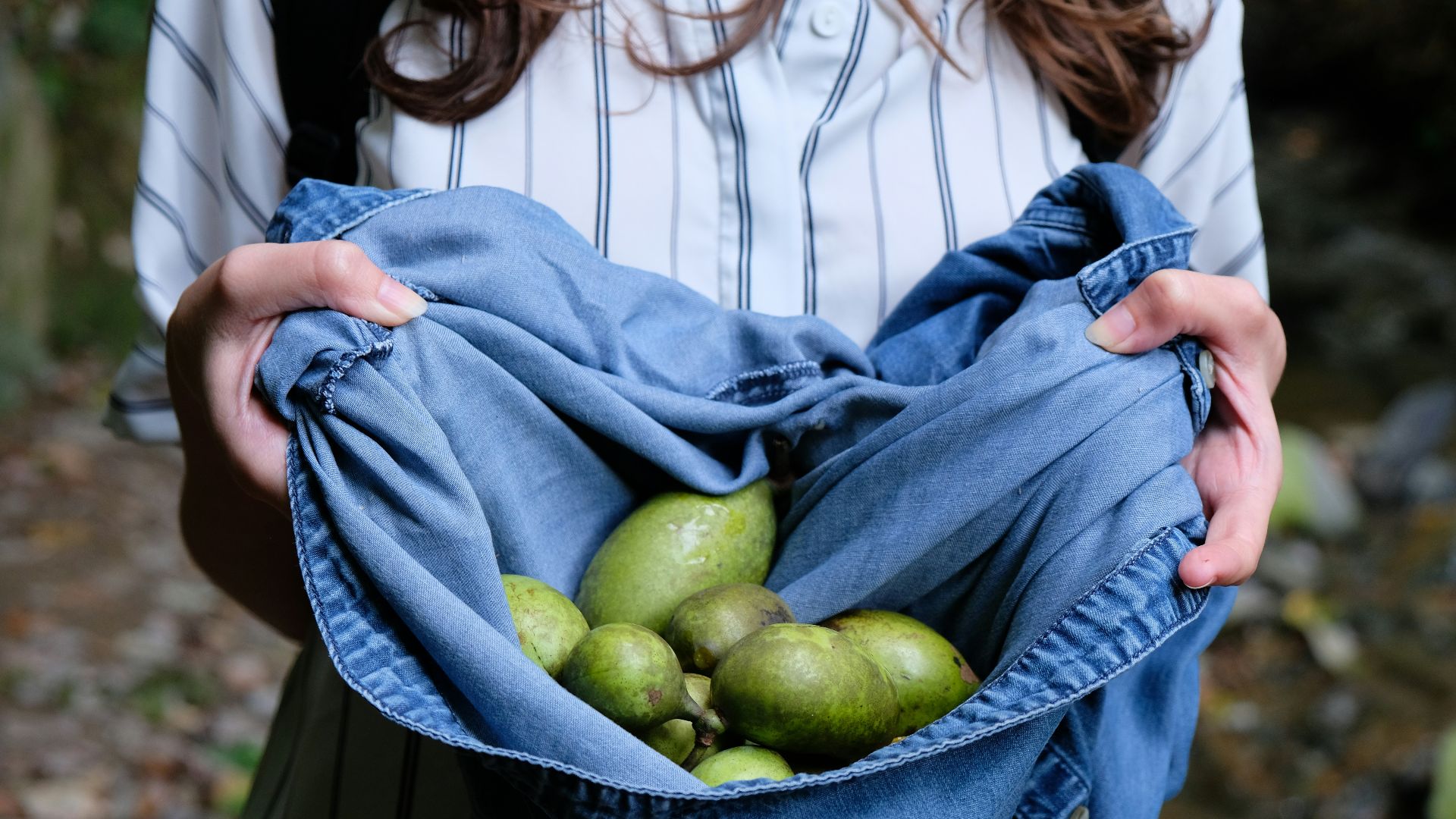
Salsify appeared regularly in older European and American cookbooks, where its long root was boiled, mashed, fried, or added to soups. As supermarket produce selections became increasingly standardized, the vegetable gradually disappeared from many everyday kitchens.
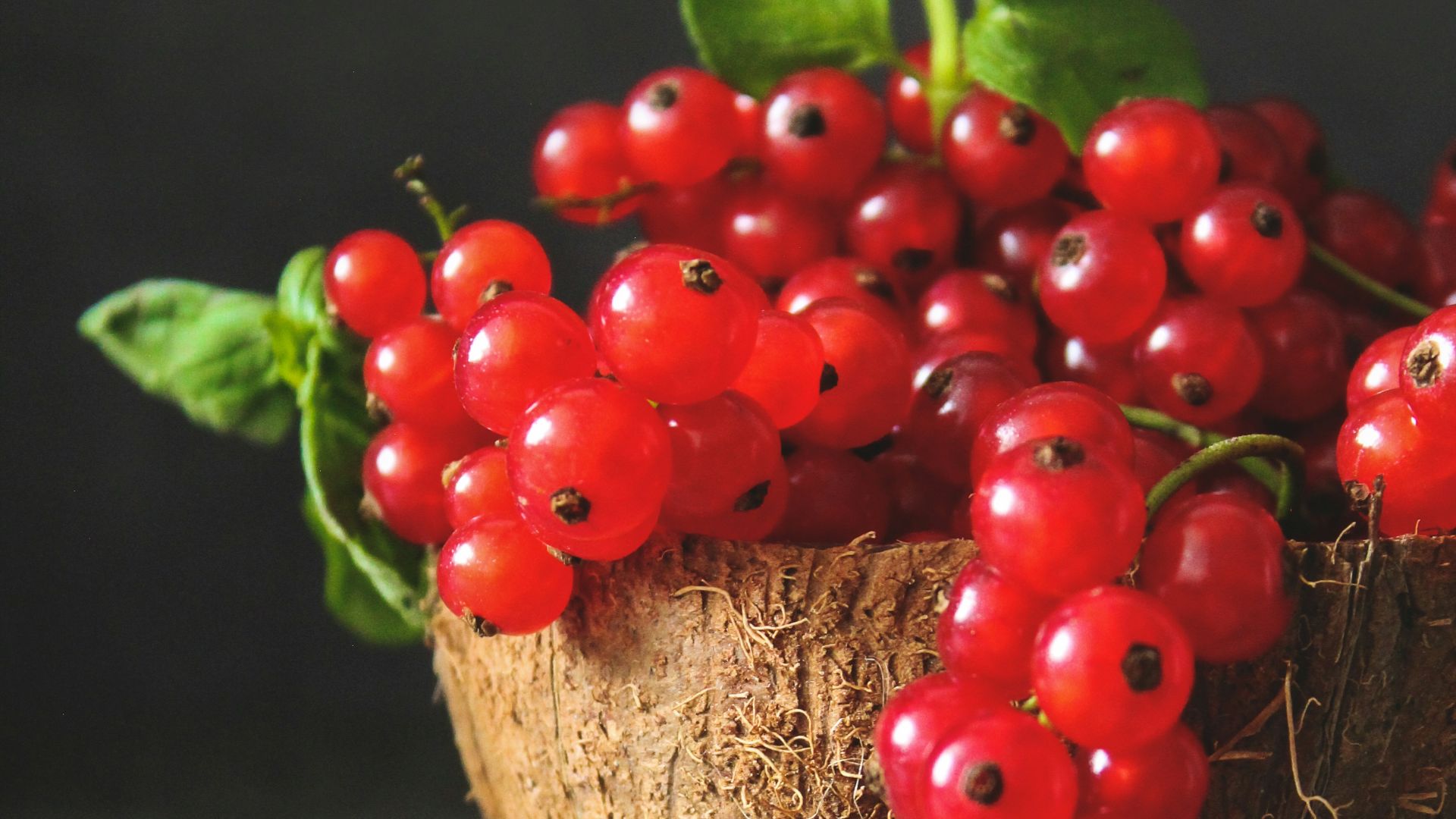
4. Fresh Currants
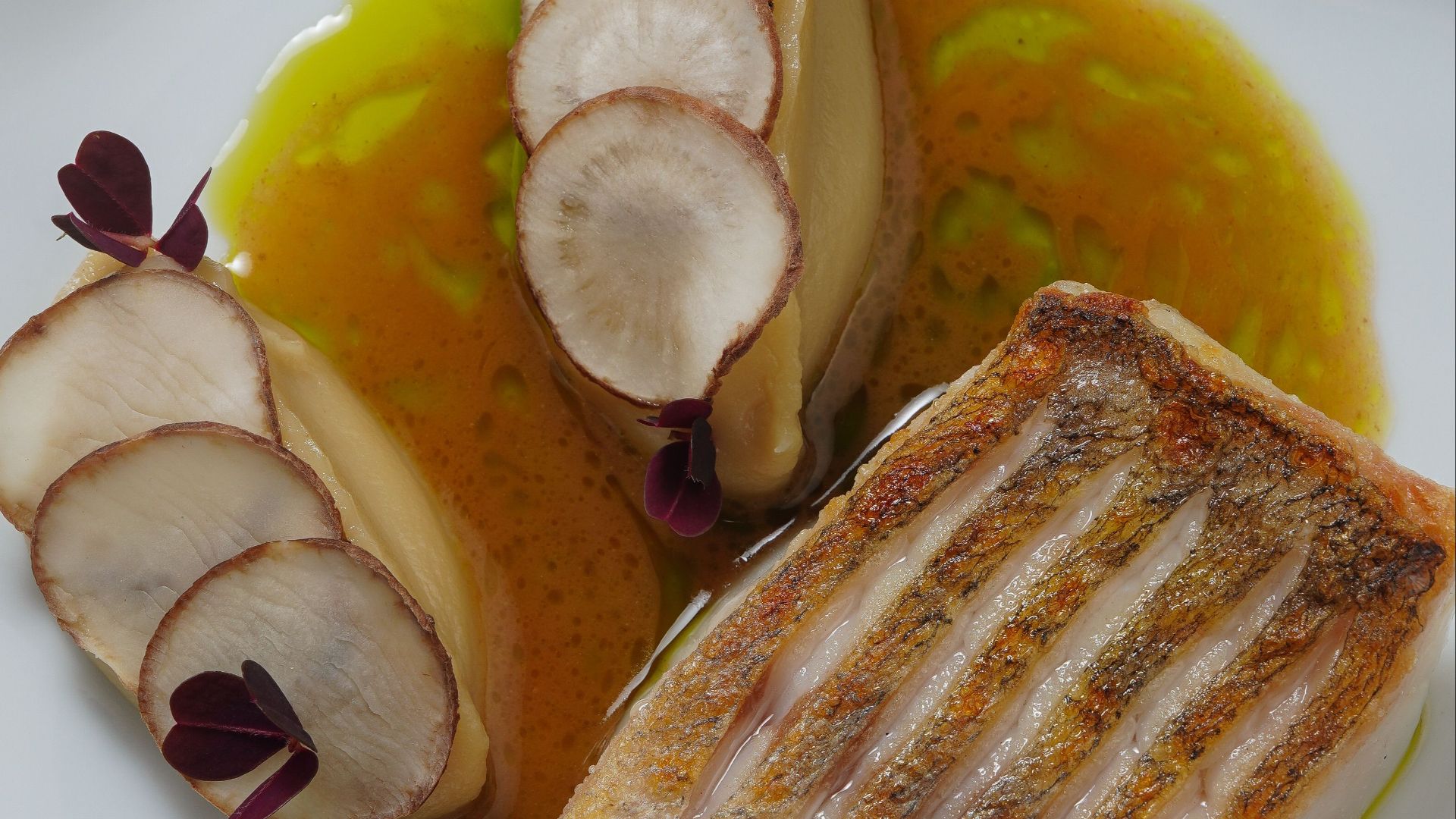
Fresh currants were once more familiar in American cooking, particularly in preserves, desserts, and sauces influenced by European traditions. Cultivation was heavily restricted in the United States during the 20th century because certain currants could help spread white pine blister rust.
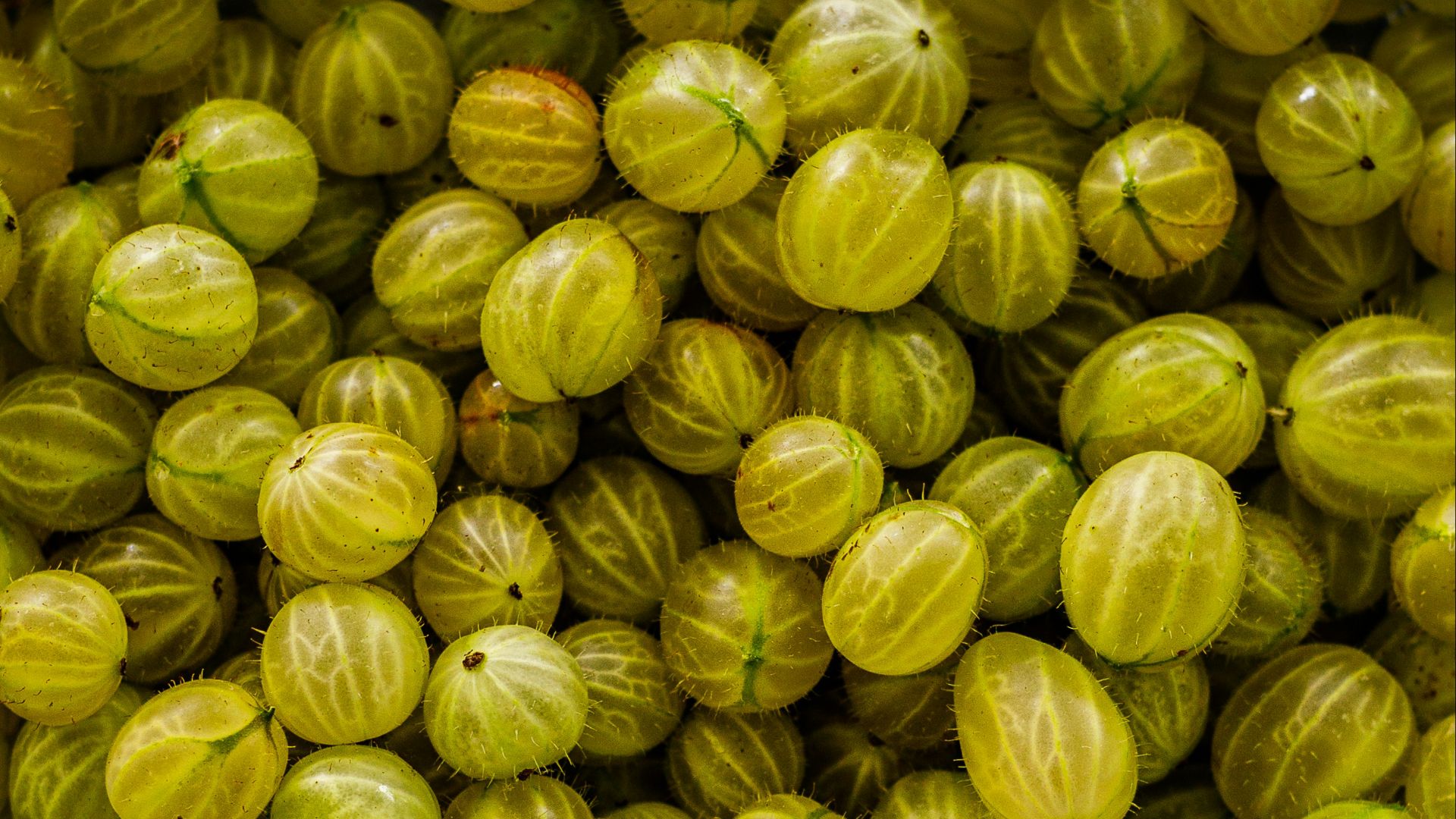
5. Gooseberries
Gooseberries traditionally appeared in pies, preserves, sauces, and other desserts, especially in British and northern European cooking. Although they're still popular in parts of Europe, their presence in mainstream American supermarkets is comparatively limited.
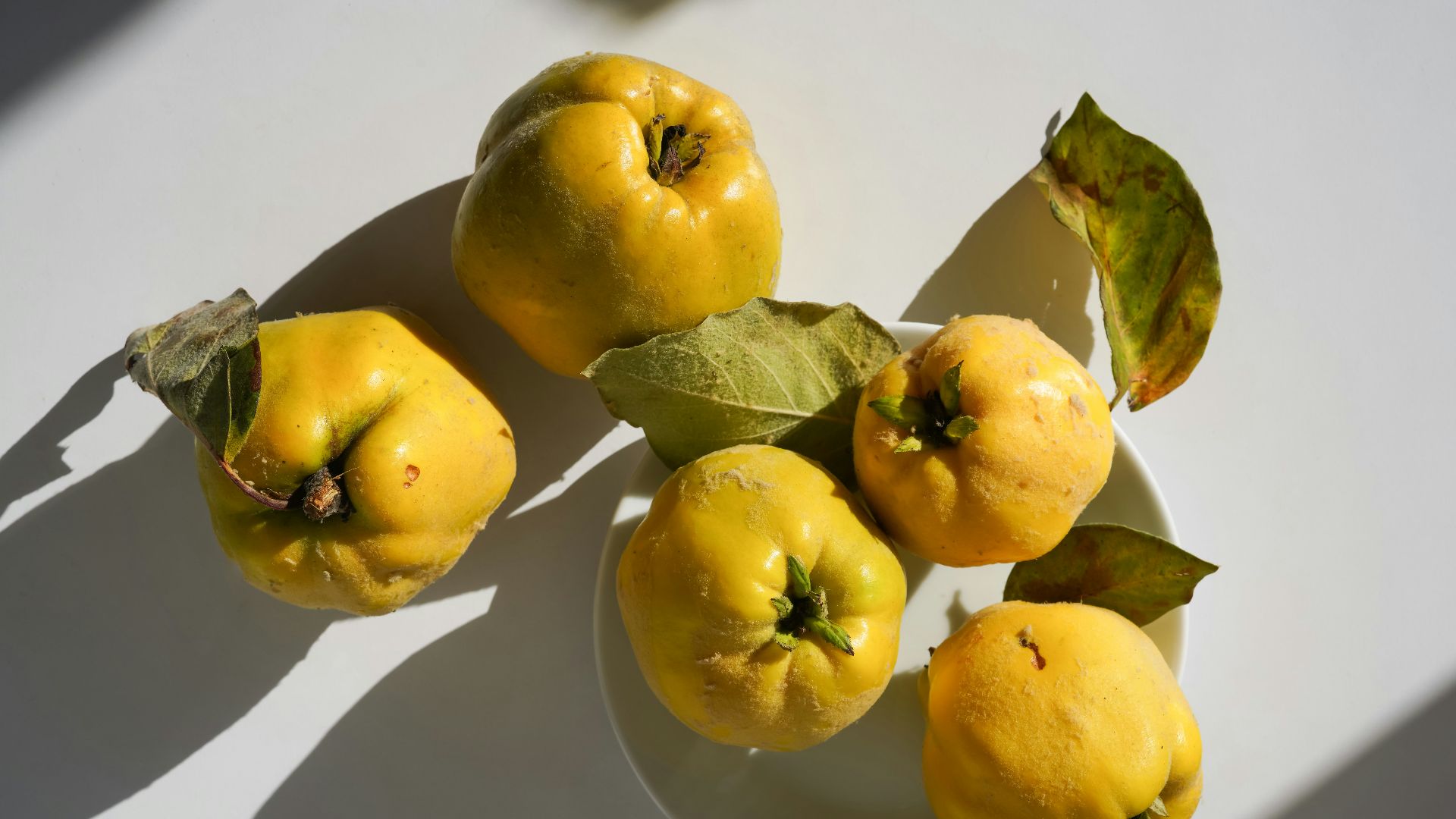
6. Quince
Quince was once a familiar orchard fruit used extensively for preserves because its naturally high pectin content works particularly well in jellies and pastes. Apples and pears eventually became far more dominant in commercial fruit production and everyday cooking.
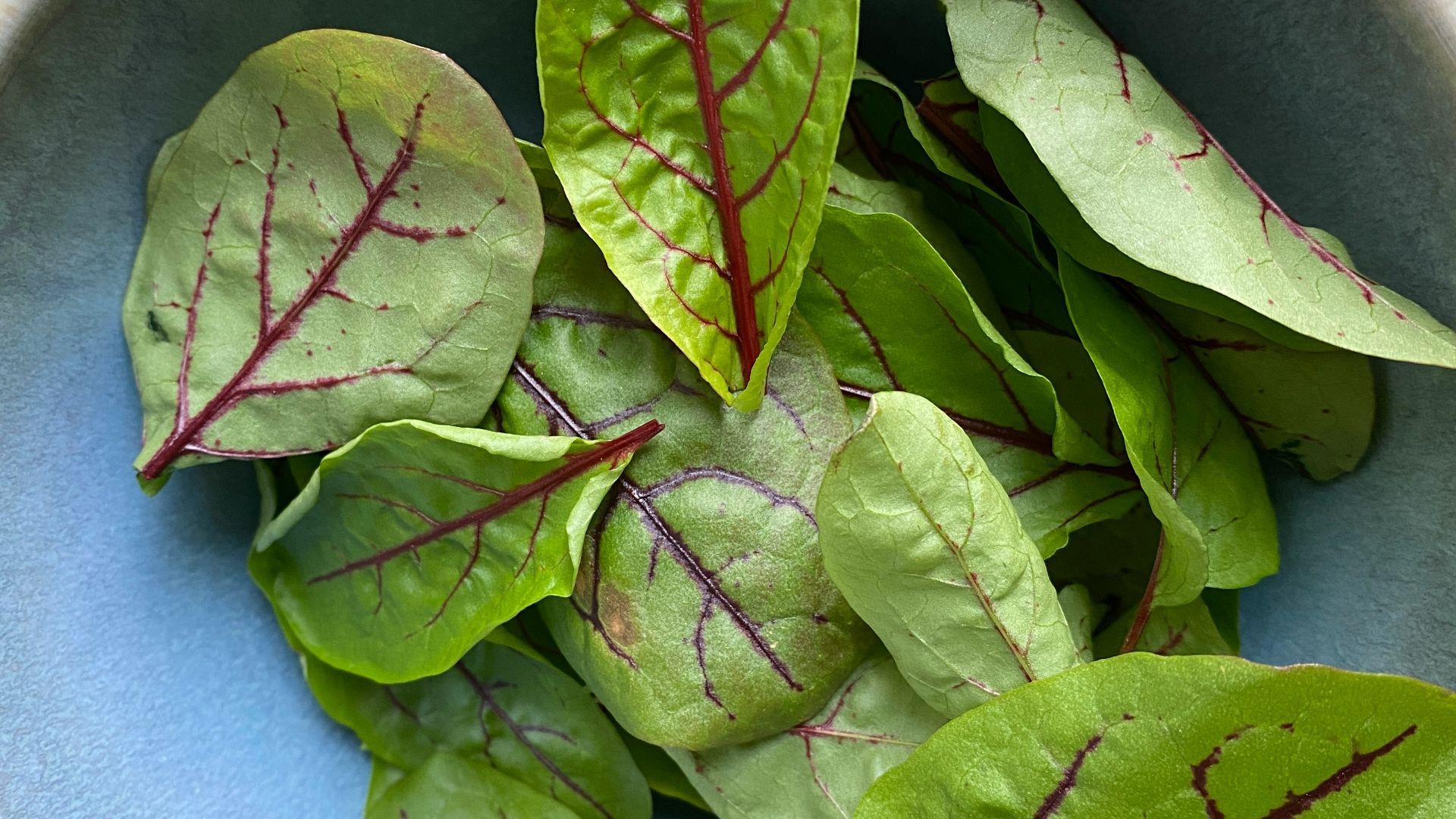
7. Sorrel
Sorrel's sharp, acidic leaves have a long culinary history in European soups, sauces, salads, and purees. Modern American supermarkets rarely devote much space to it compared with spinach, kale, lettuce, and other familiar greens.
8. Medlars
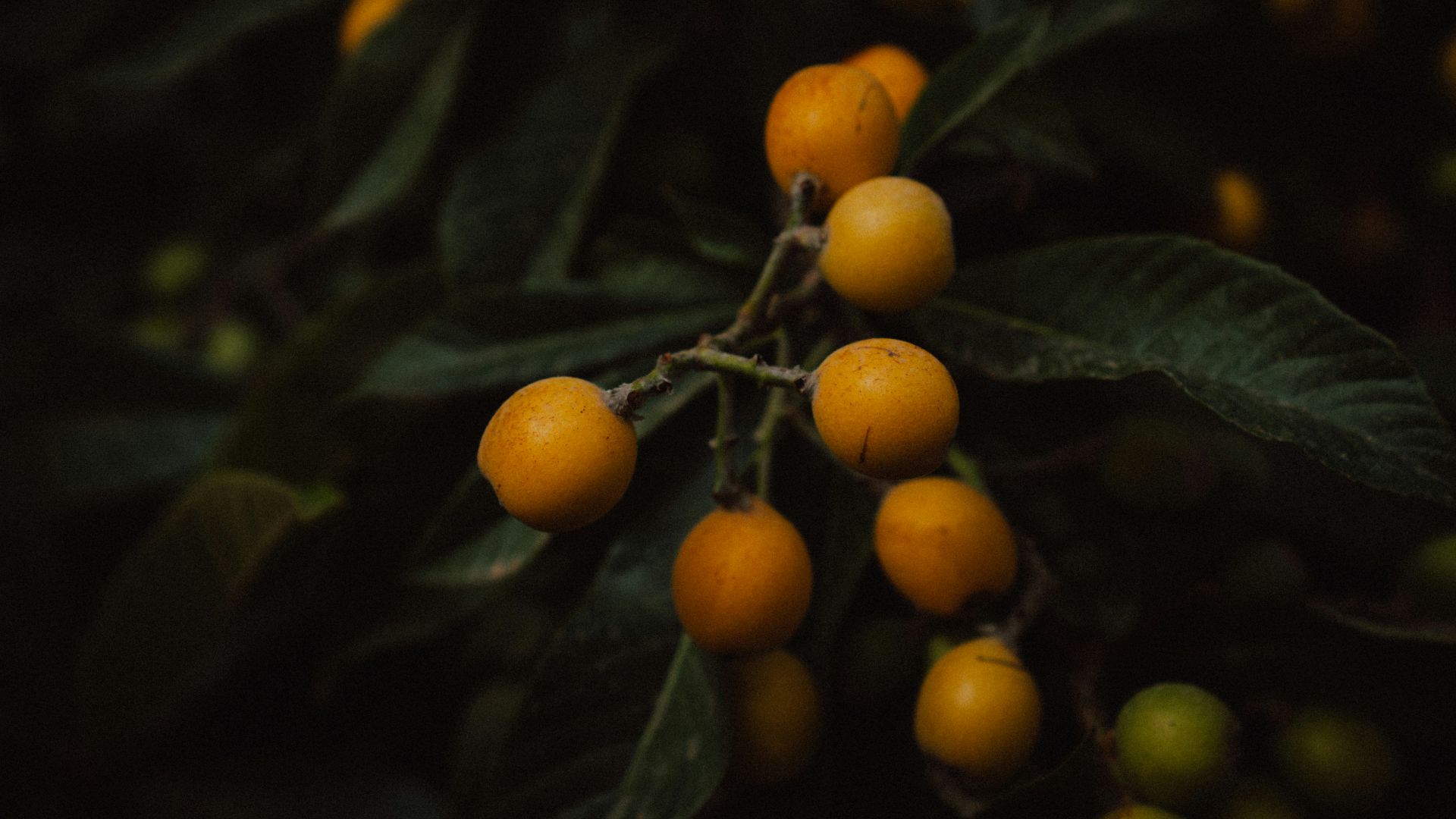
Medlars were once much better known in European cooking, where the fruit was allowed to soften before being eaten or turned into preserves. Changing tastes and commercial agriculture pushed the unusual fruit toward obscurity during the modern era.
9. Crab Apples
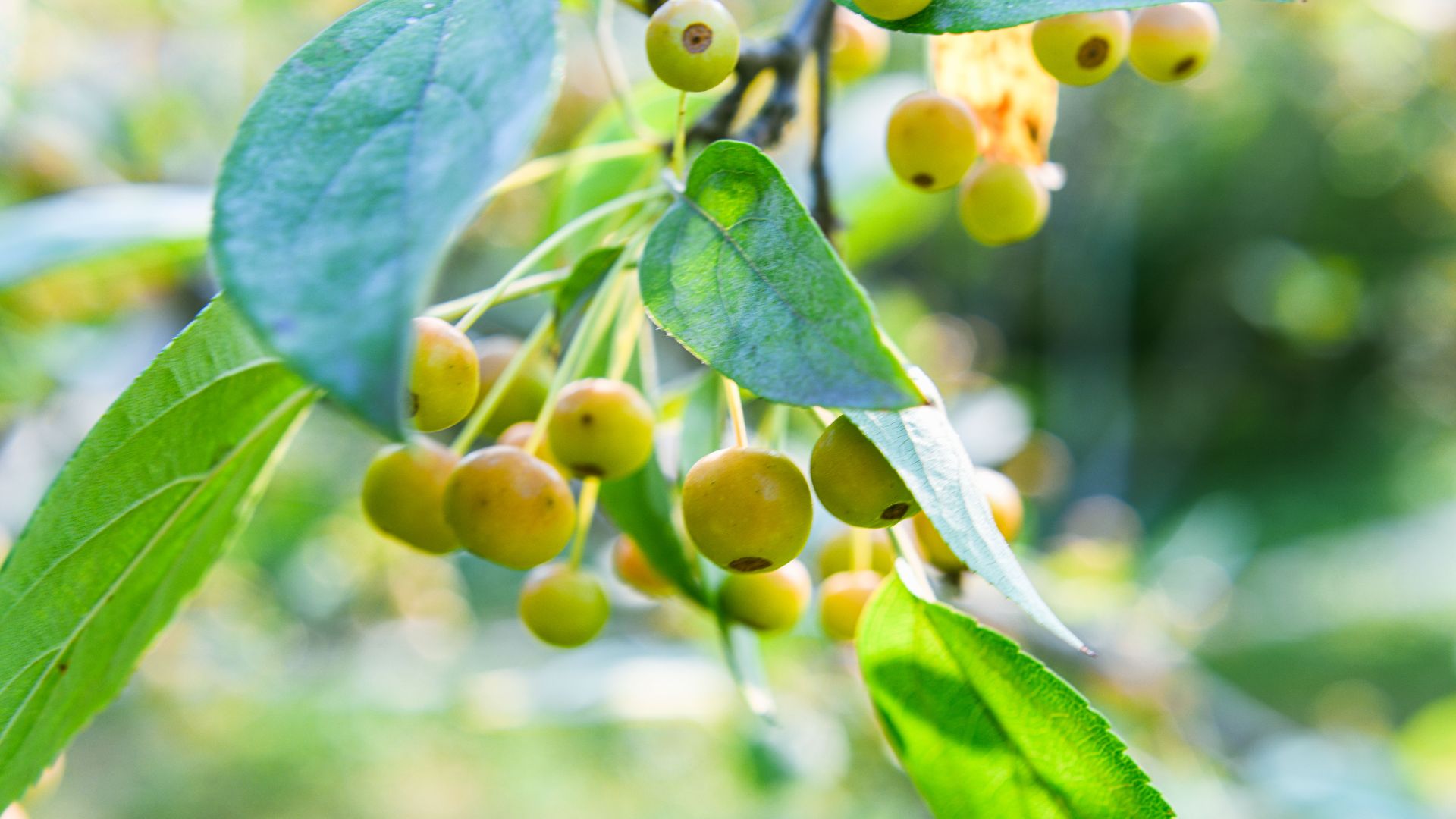
Crab apples were historically valued for jellies, preserves, cider blends, and other preparations where their tartness and natural pectin were useful. Many modern ornamental varieties are planted primarily for their flowers rather than their culinary qualities.
10. Sassafras
Sassafras historically flavored drinks, teas, candies, and regional dishes, particularly in parts of the American South. Traditional sassafras root was famously associated with early versions of root beer before commercial formulations changed.
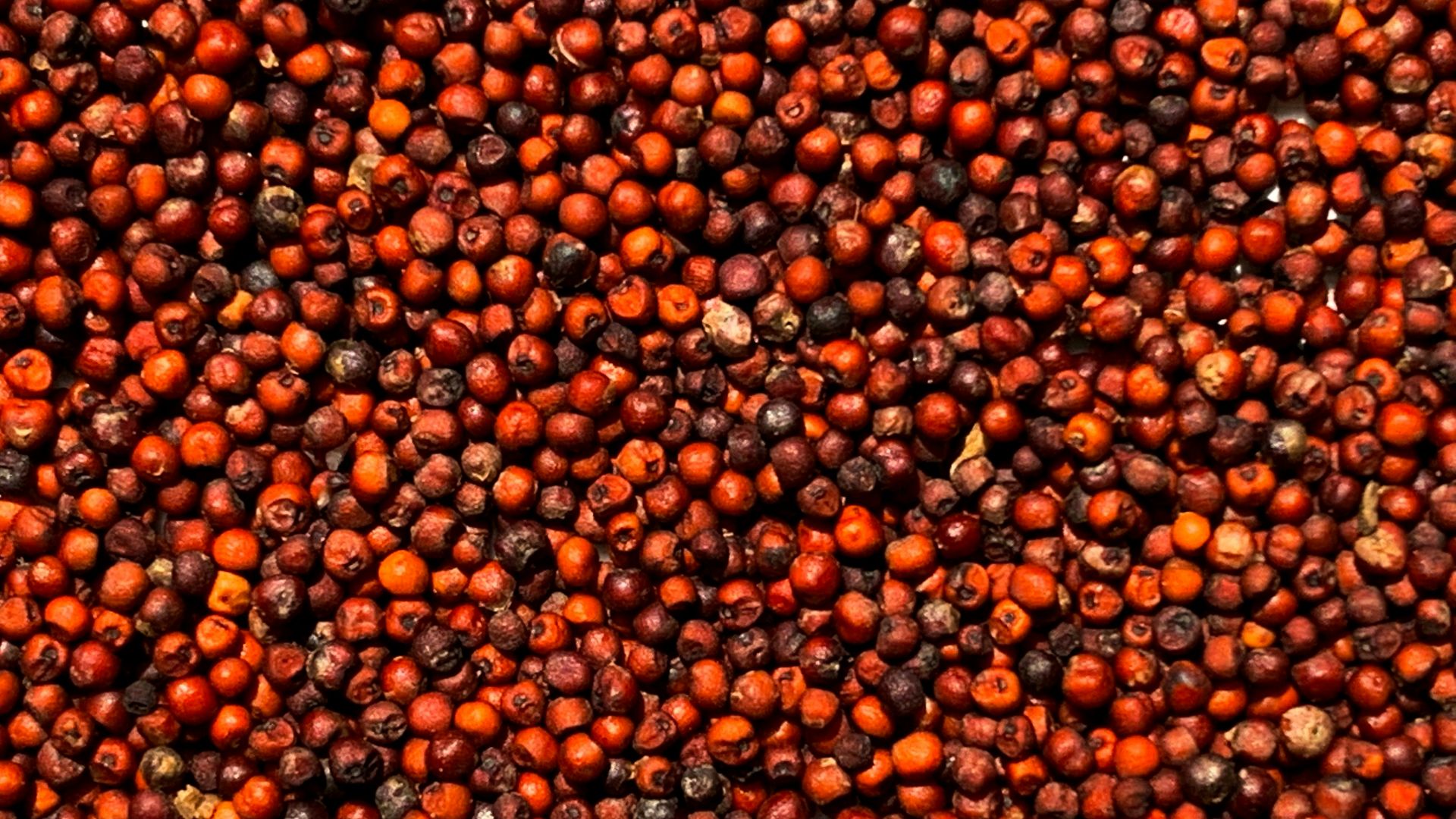
1. Sorghum
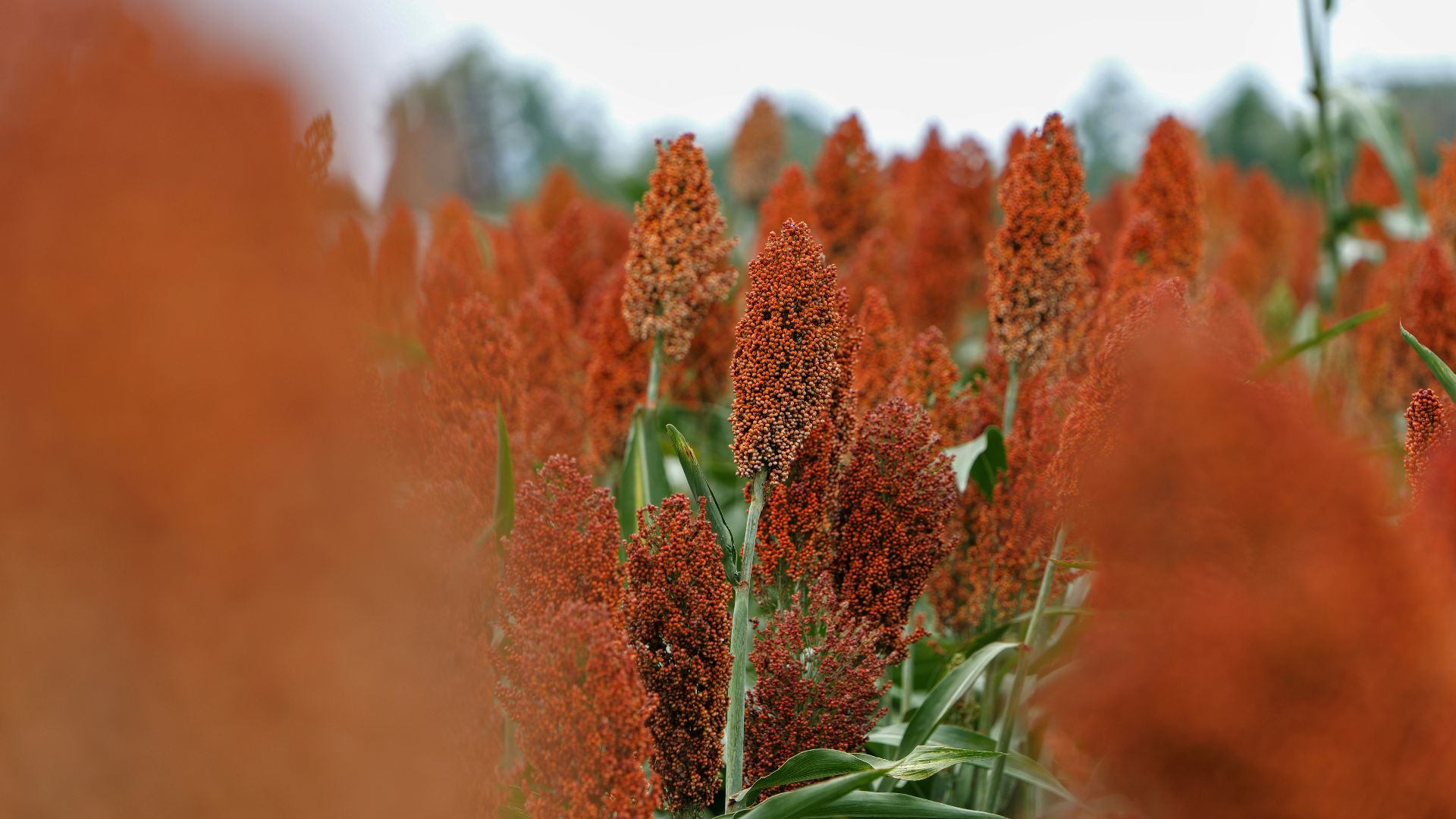
Sorghum has been cultivated for thousands of years and has a long history as both a grain and sweetener. After becoming less familiar as a food ingredient in many American households, it's gaining new attention in gluten-free products and whole-grain cooking.
2. Millet
Millet is an ancient group of grains that remained important across Africa and Asia while becoming less prominent in many Western kitchens. Interest is growing again as consumers explore diverse whole grains and gluten-free alternatives.
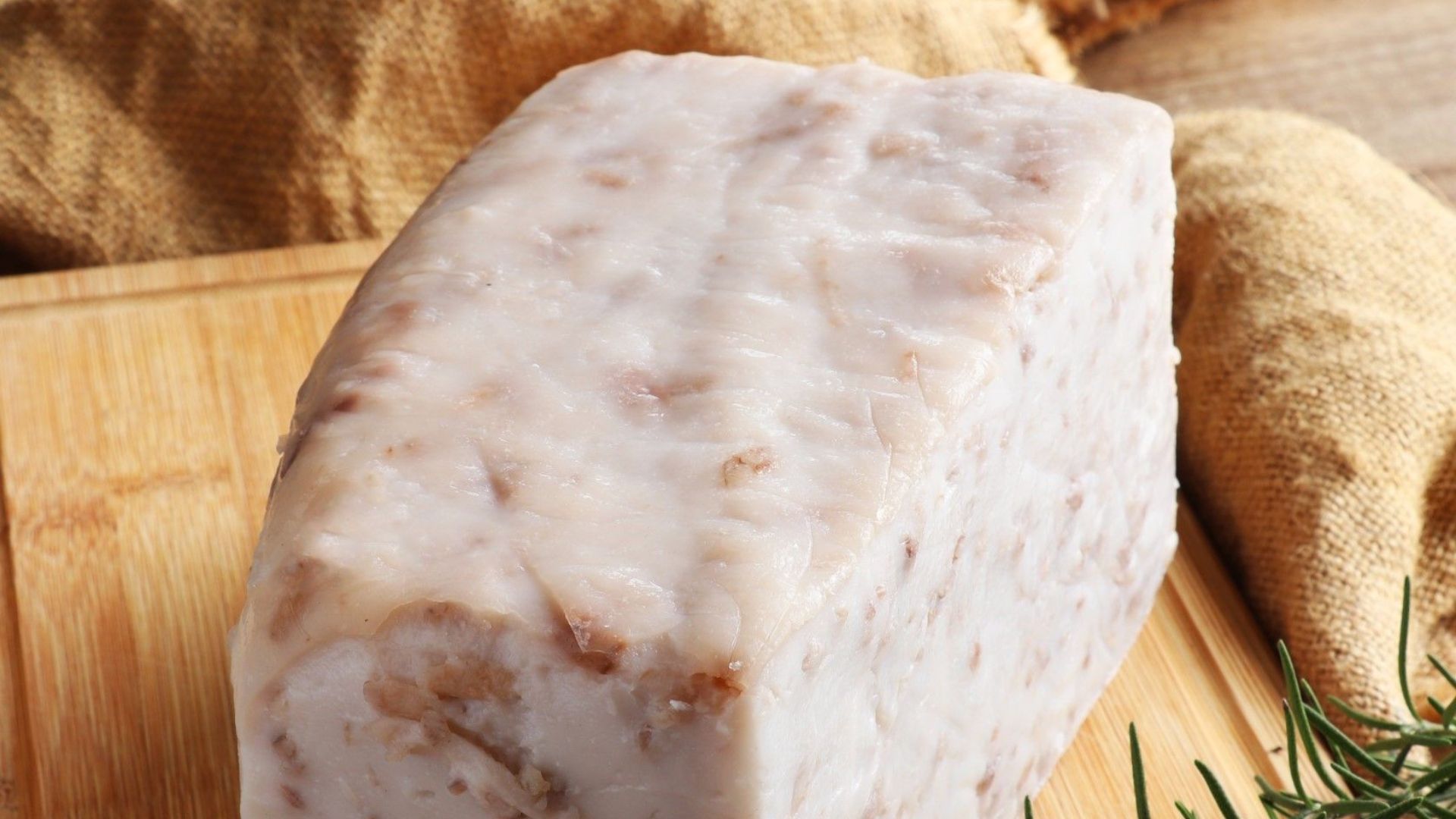
3. Beef Tallow
Rendered beef fat was once an ordinary cooking ingredient before vegetable oils and other commercially produced fats became kitchen standards. Recently, tallow has returned to restaurant menus, specialty food stores, and home kitchens.
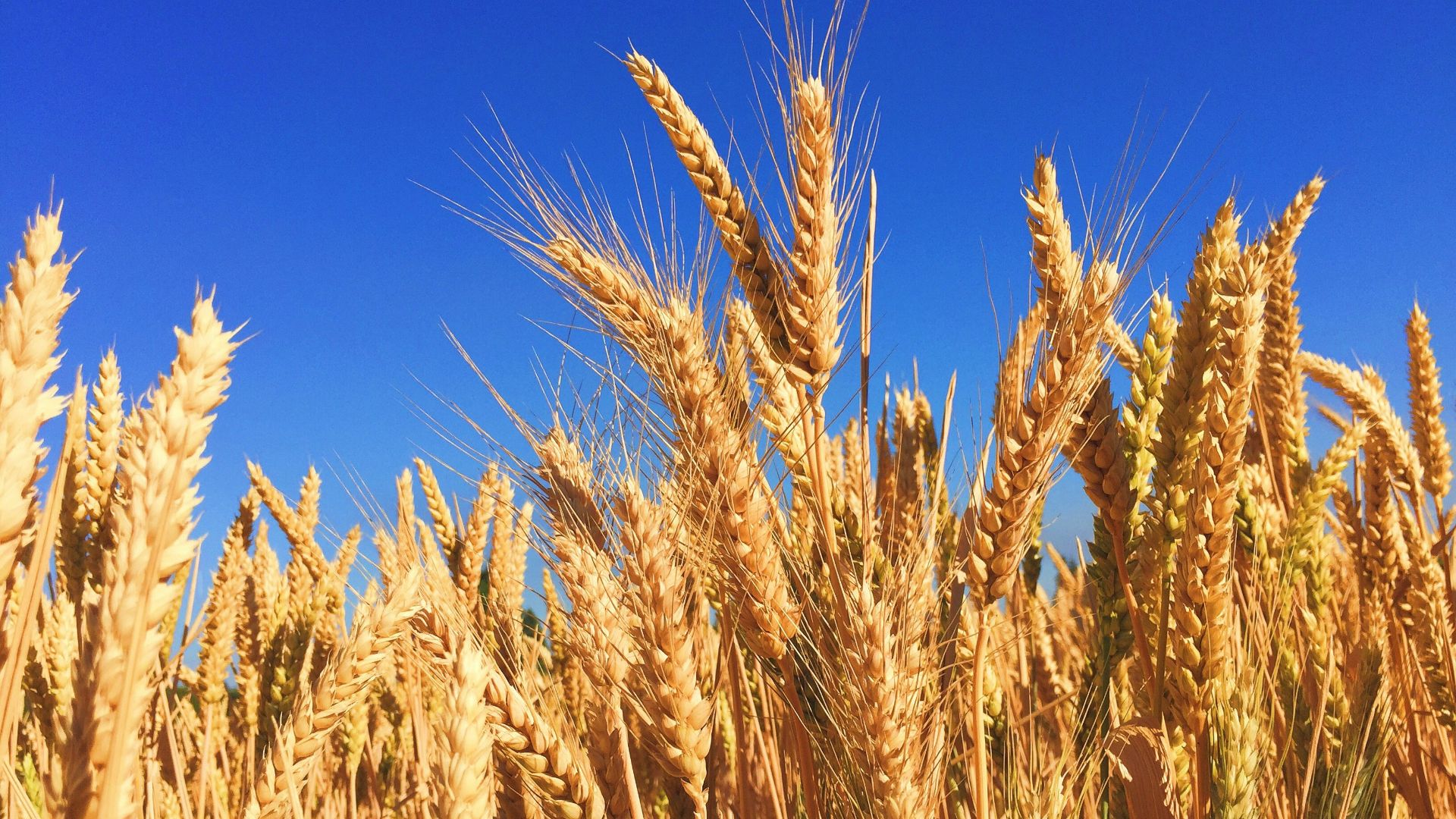
4. Heritage Wheat
Industrial agriculture encouraged widespread cultivation of dependable modern wheat varieties, leaving many older regional strains with comparatively limited production. Bakers have increasingly shown interest in heritage and locally grown wheats for their distinctive flavors and connections to regional agriculture. Small mills and artisan bakeries are helping bring these grains back into contemporary breads and pastries.
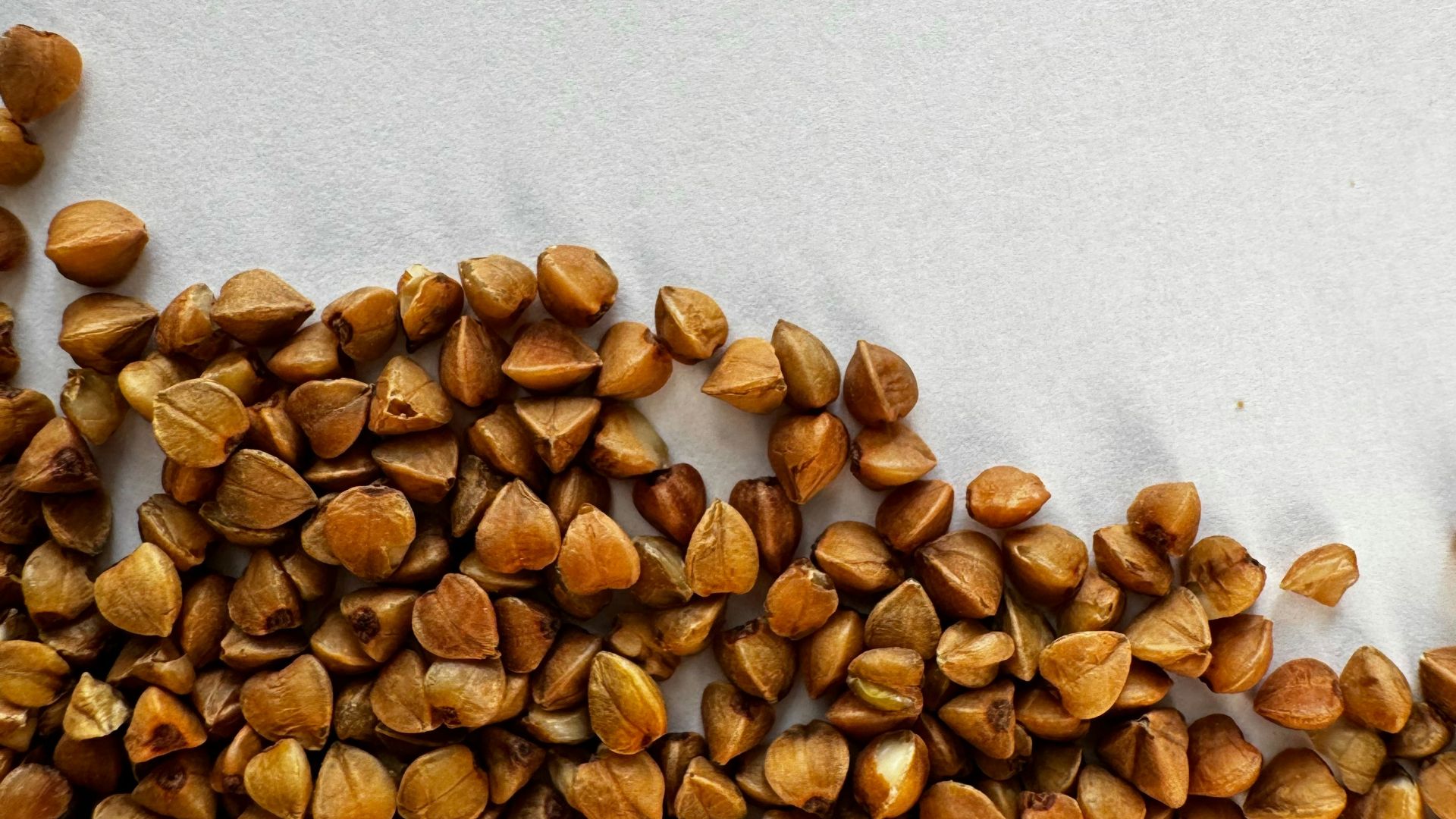
5. Buckwheat
Despite its name, buckwheat isn't actually a type of wheat, and it has a long history in pancakes, noodles, porridges, and regional European dishes. Its popularity declined in many American households as refined wheat flour became increasingly dominant. Renewed enthusiasm for whole grains and distinctive flours has helped buckwheat regain attention among bakers and cooks.
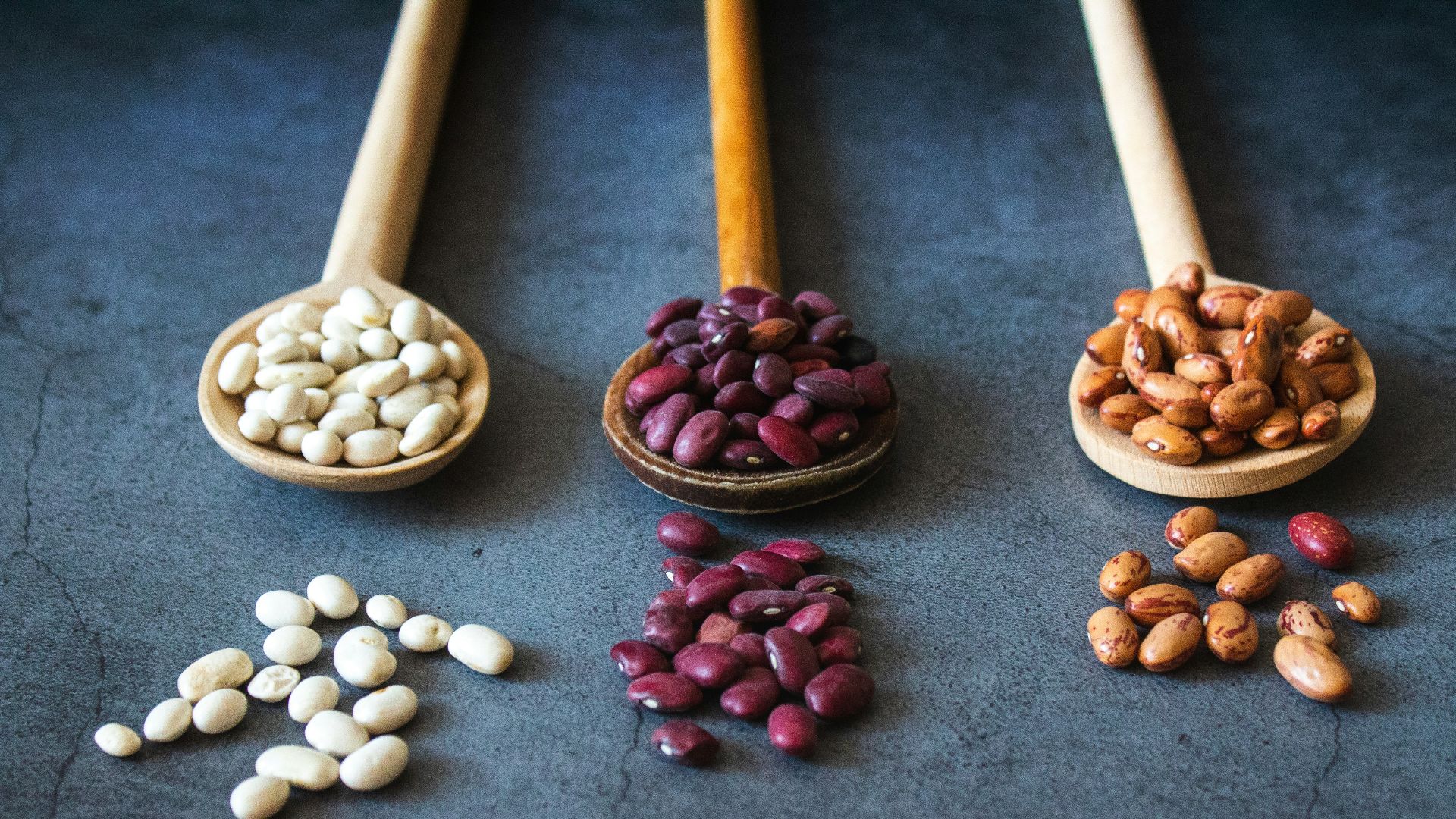
6. Heirloom Beans
Older bean varieties were gradually overshadowed by a smaller selection of commercially standardized types designed for predictable production and distribution. Specialty growers have revived interest in beans with unusual colors, textures, sizes, and regional histories.
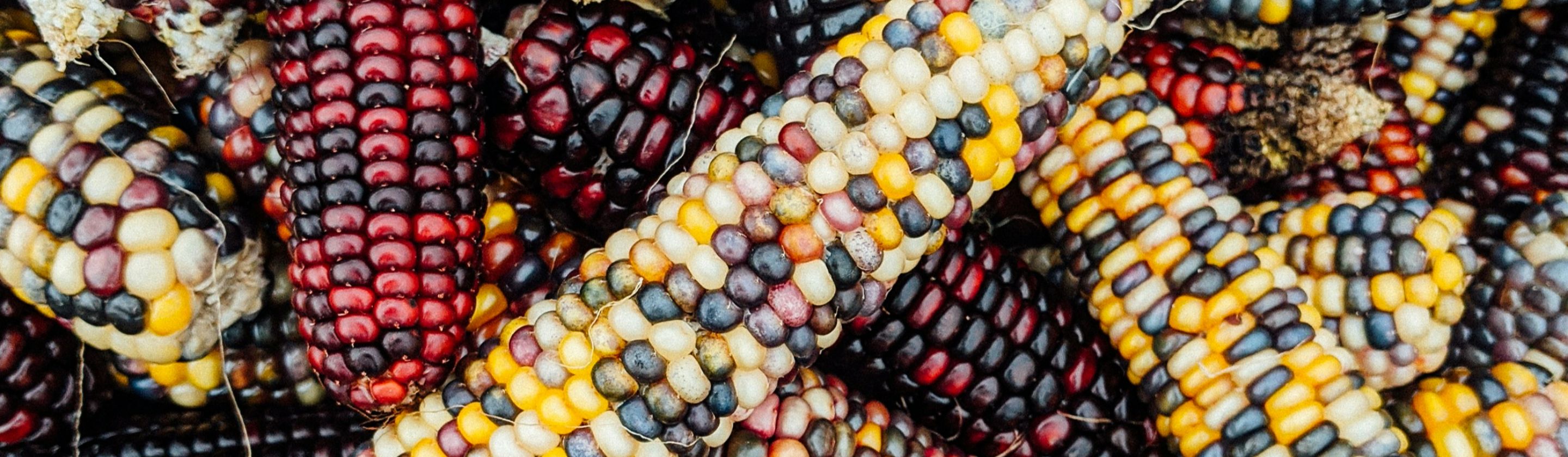
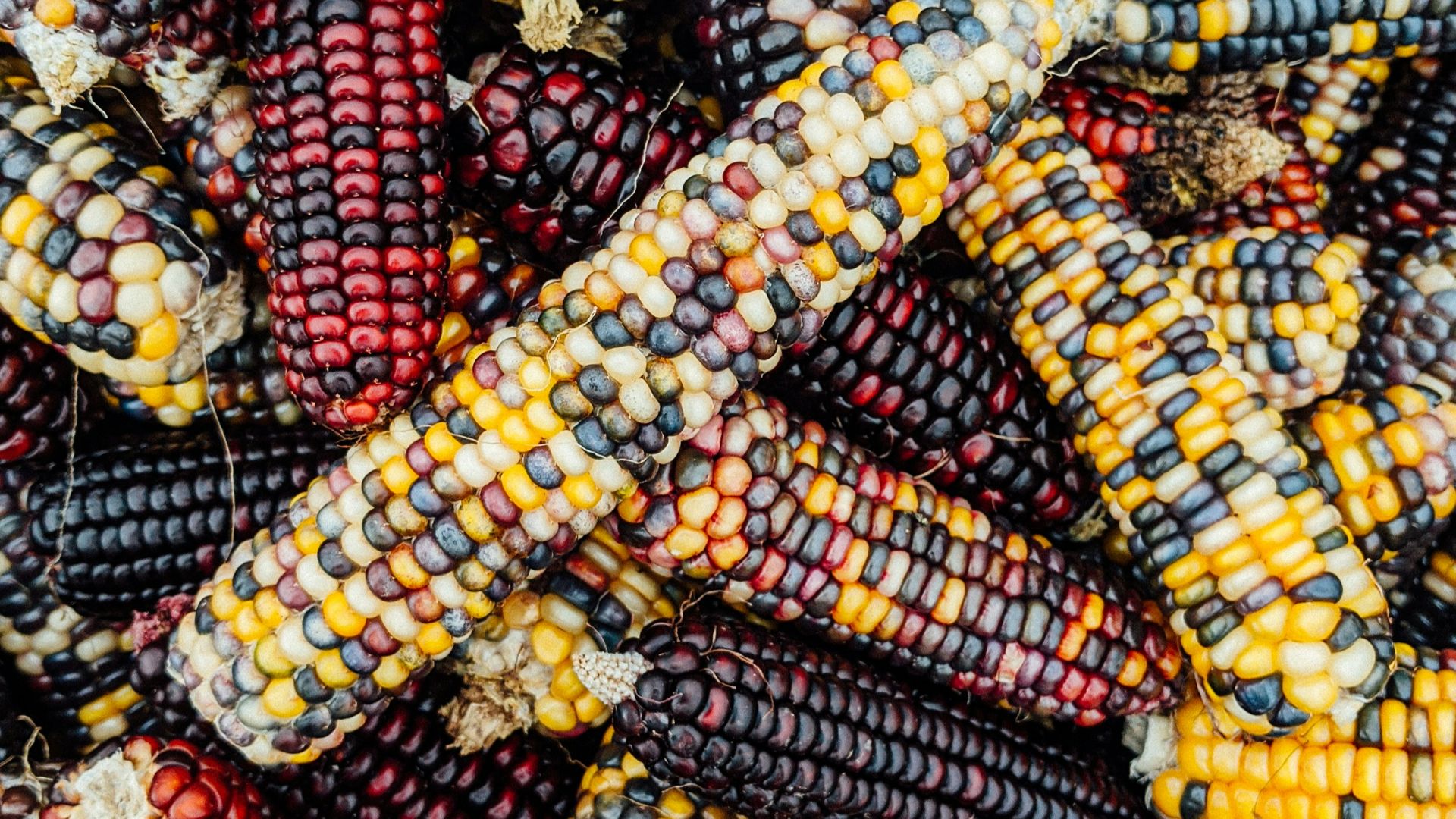
7. Ancient Corn Varieties
Modern commercial corn production relies heavily on a relatively limited number of varieties grown for specific agricultural purposes. Interest in heirloom and traditionally cultivated corn has expanded among farmers, chefs, and millers seeking distinctive flavors and textures.
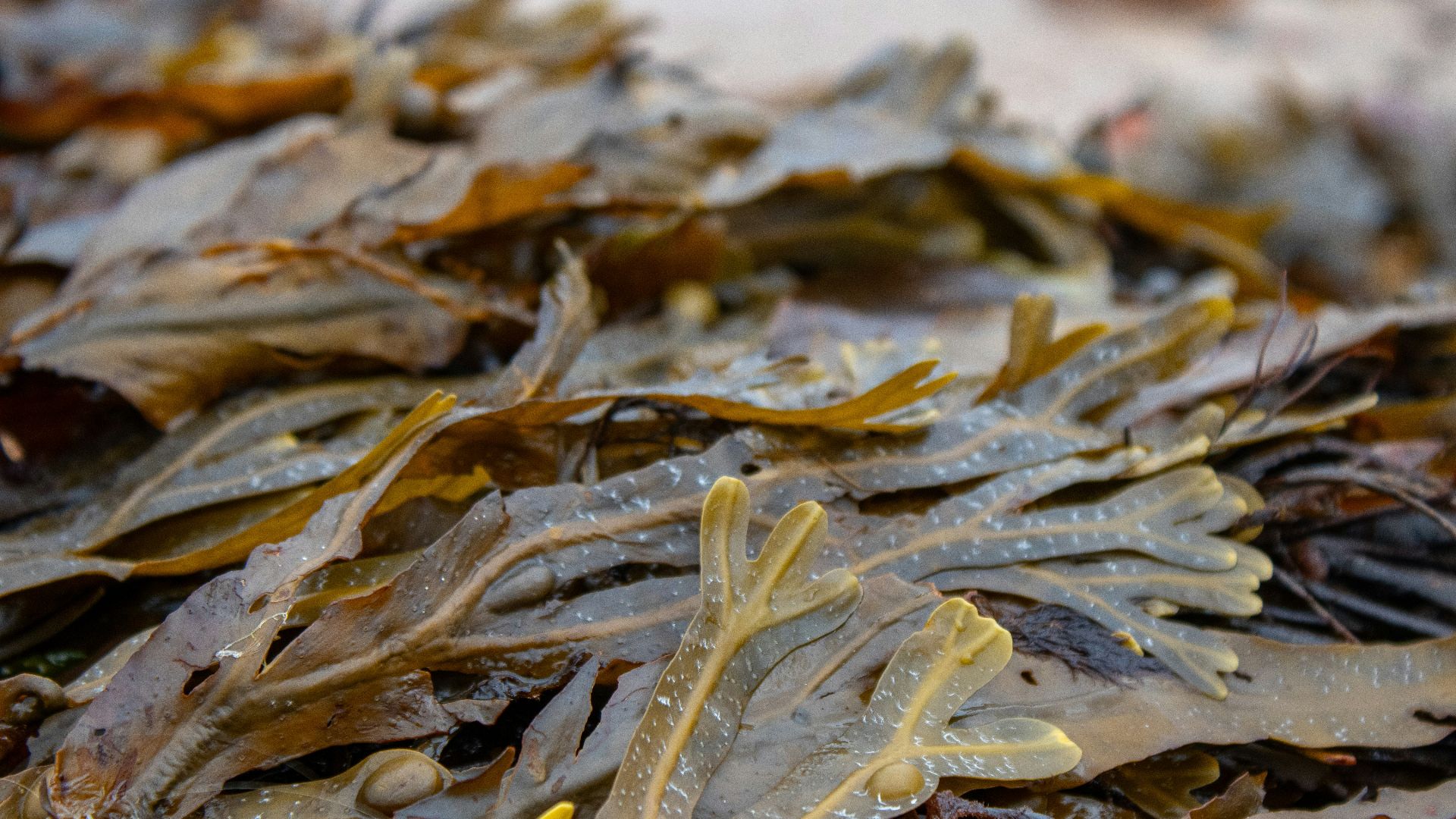
8. Seaweed
Seaweed has never disappeared from cuisines where it has been eaten traditionally for generations, particularly across East Asia. Its use in mainstream American cooking, however, has expanded beyond the occasional sushi meal.
9. Fermented Grains
Fermenting grain is an ancient practice, but industrialized breadmaking made lengthy fermentation less common in everyday commercial baking. The renewed popularity of sourdough has brought slower fermentation methods back into public attention.

10. Heritage Apples
Commercial supermarkets usually carry a relatively small selection of apple varieties compared with the enormous diversity historically cultivated across North America. Orchards and preservation groups have been maintaining and rediscovering older cultivars with distinctive flavors and culinary uses.
KEEP ON READING


The 5 Most Consumed Foods in the Entire World