10 Meats That Actually Taste Good Canned & 10 That Never Will
Worth Opening, Wish You Hadn’t
Canning doesn’t ruin food by default; it just exaggerates whatever is already there. Some proteins get better under pressure, while others lose their grip entirely. This guide separates the pantry heroes from the disasters waiting behind pull tabs. Start with the first list to see what actually benefits from the process, then keep going to the second list for the cautionary tales. Read it like advice from someone who has opened too many cans, so you don’t have to.
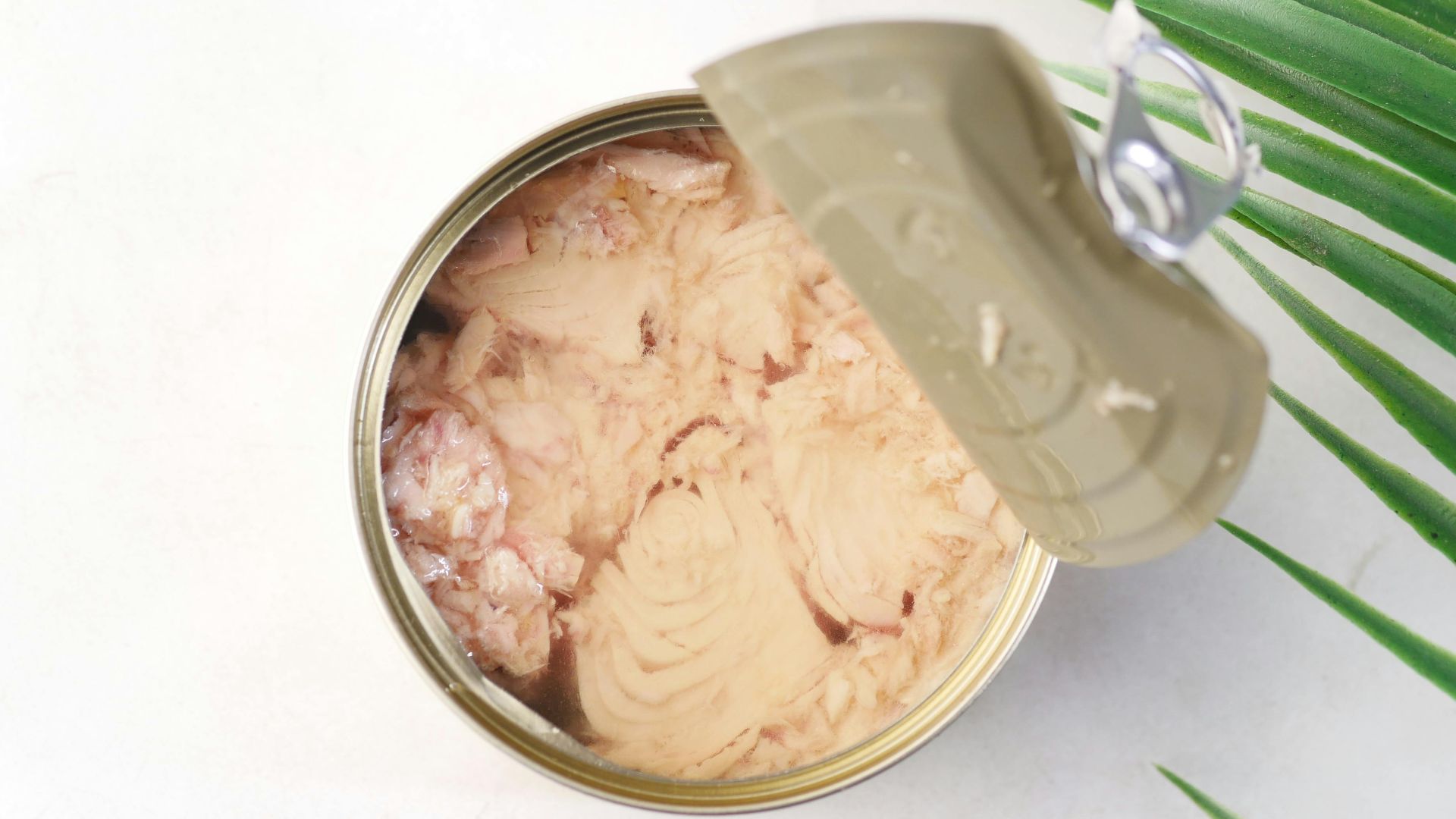
1. Tuna (In Oil, Albacore Or Skipjack)
Start with the texture, because that’s where canned tuna usually fails. Oil-packed versions don’t. The flakes separate cleanly instead of crumbling, and the flavor stays mild rather than briny. It also works straight out of the can, which is why people keep buying it without trying to “fix” it.
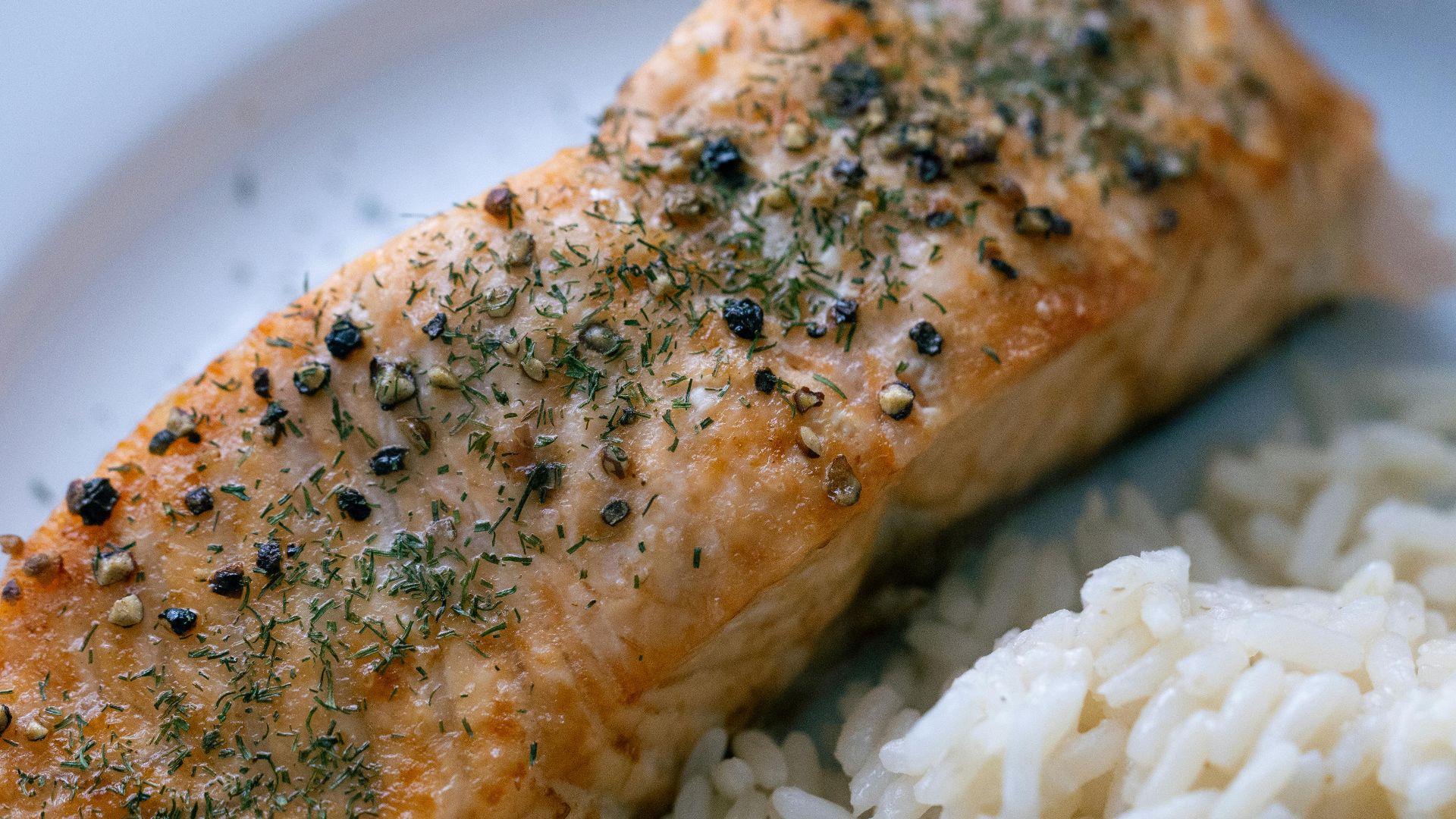
2. Salmon (Pink Or Sockeye)
Canned salmon behaves like food, which is a major plus. Drain it, and it still holds shape. Break it apart, and it doesn’t dissolve. Plus, the natural oils do the glazing work that sugar and sauce usually have to do elsewhere. For patties, bowls, or salads, it pulls its weight without apology.
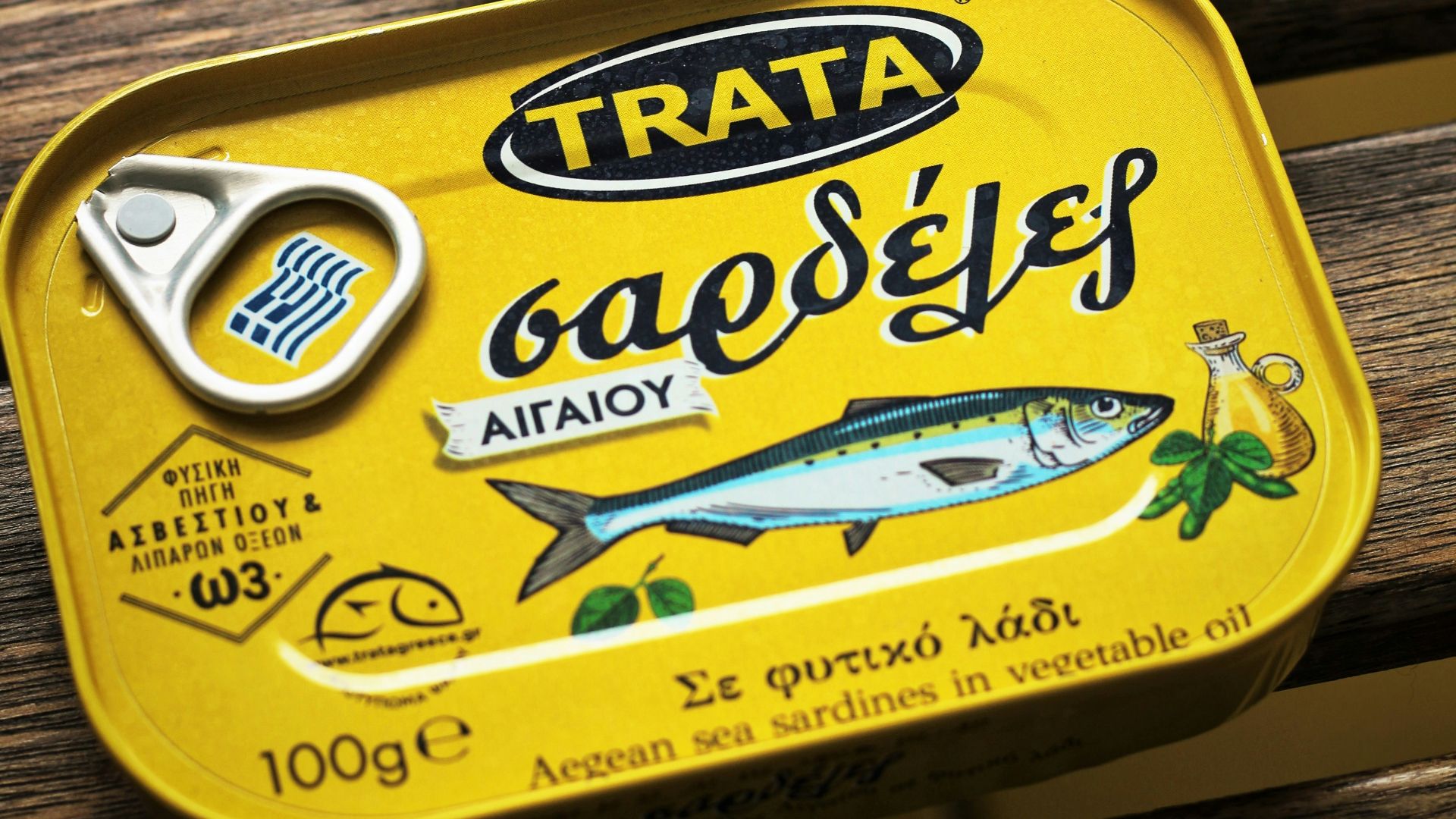
3. Sardines (In Olive Oil)
This one improves under pressure. Time in the can deepens flavor instead of flattening it, and the oil keeps everything supple. Even the bones stop being a problem and start acting like part of the texture. Moreover, when quality is high, preparation becomes optional rather than necessary.
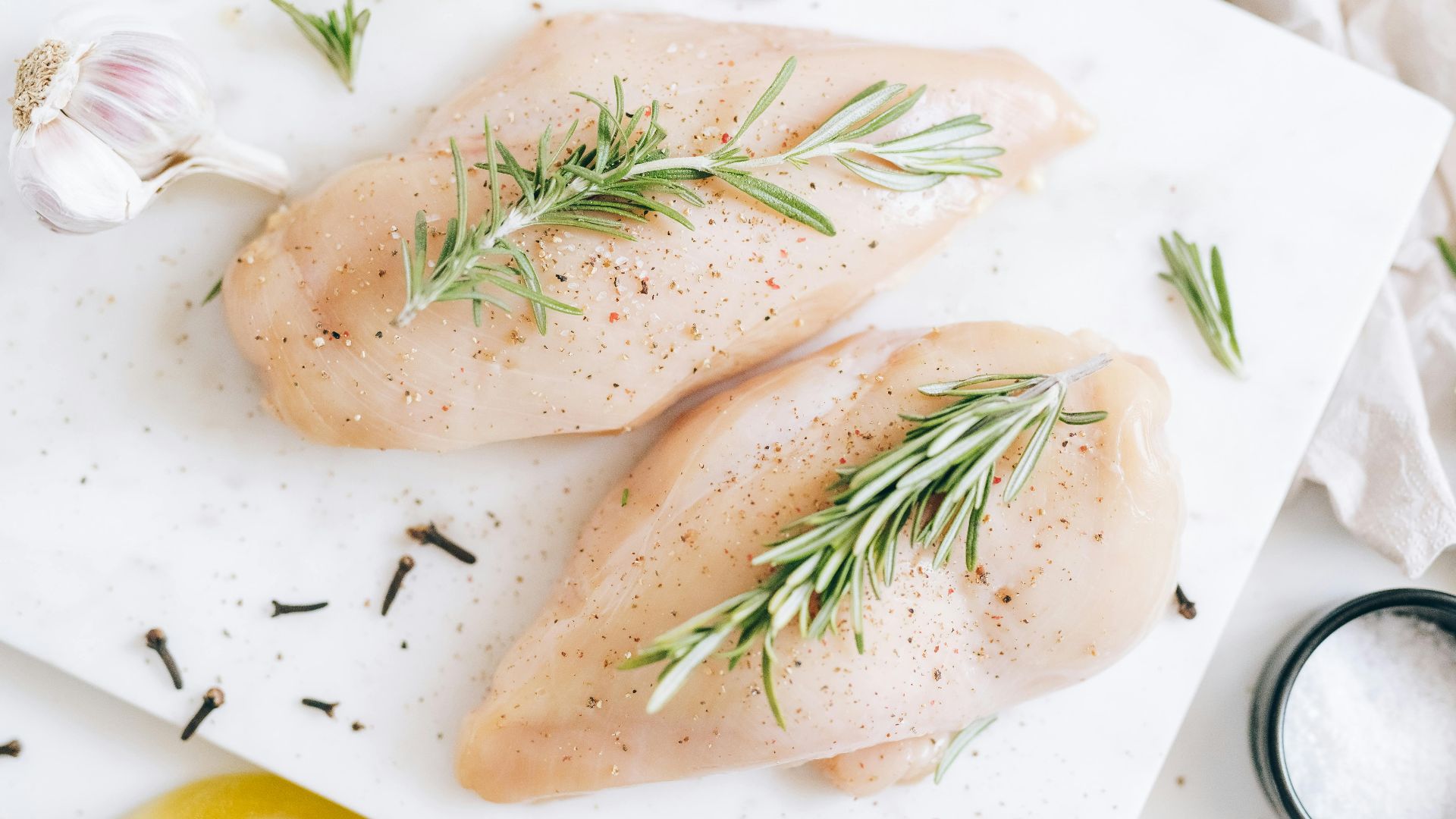
4. Chicken Breast (Chunk Or Shredded)
Low expectations help here, but performance still matters. Good canned chicken stays firm, not stringy or paste-like. Its lack of personality also becomes an advantage, since seasoning actually sticks. Rinse it, heat it, move on. Predictability is the win.
5. Spam (Classic)
Canned spam only makes sense after cooking. Raw, it’s dense and odd, but fried, it changes completely. The surface browns, the inside stays juicy, and salt turns into flavor. The can isn’t hiding anything; rather, it’s the starting point.
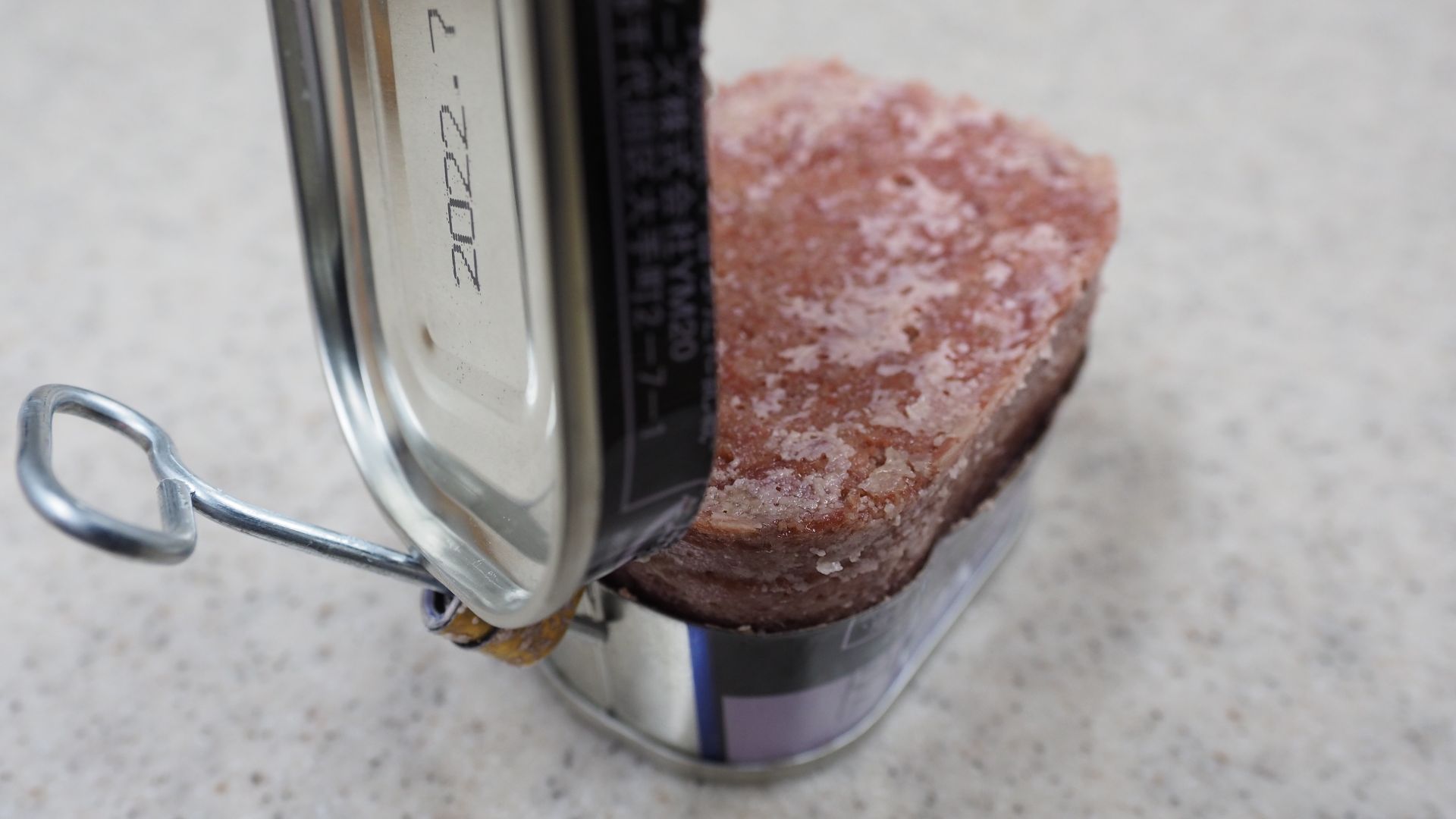
6. Corned Beef
Think application, not appearance. Straight from the can, it looks rough. But once you put it in a pan, it transforms. The curing keeps it seasoned all the way through, and the fat renders just enough to create crisp edges. So, hash is where it earns its reputation.
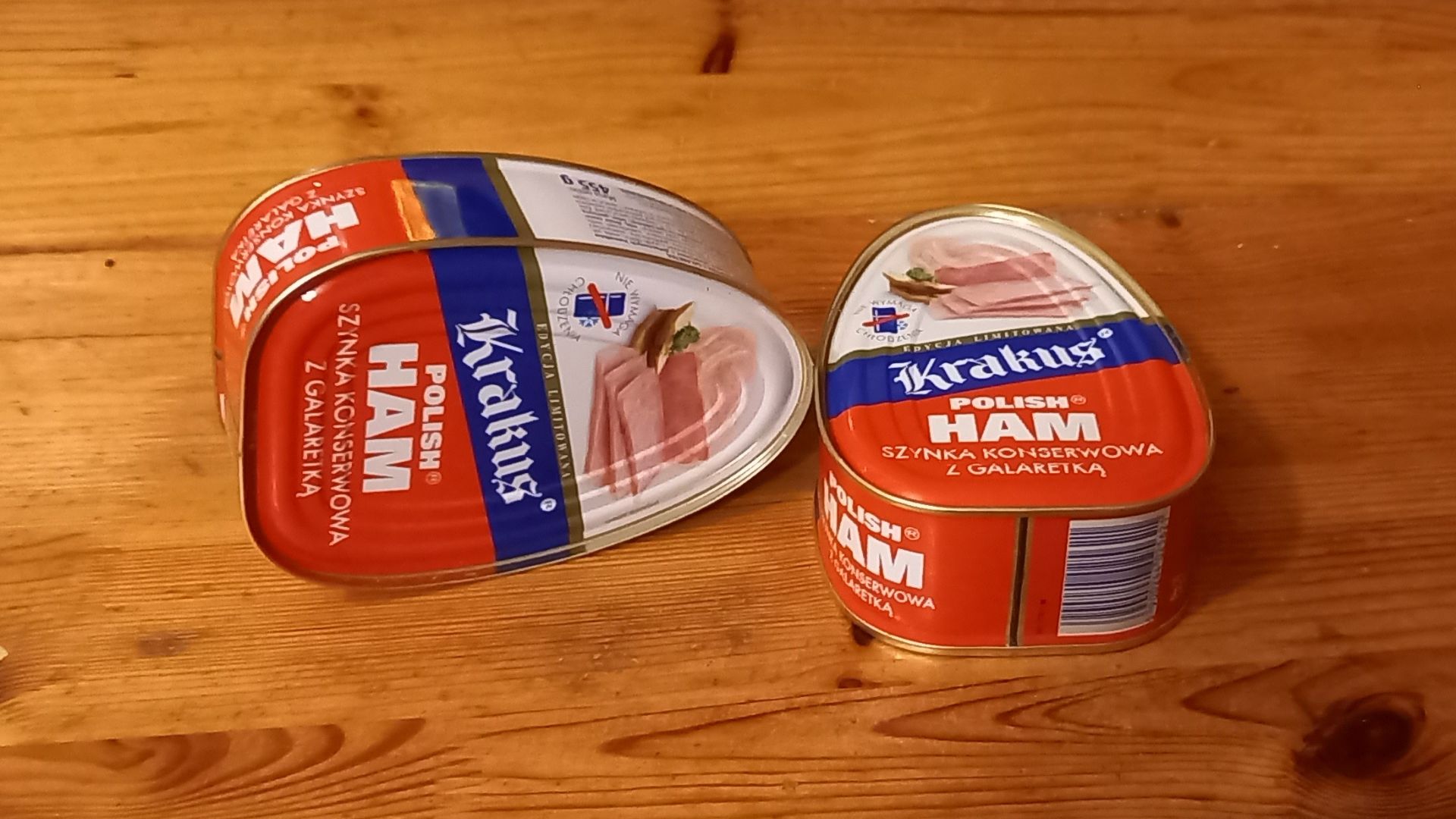
7. Ham (Smoked Or Cubed)
Canned ham performs through familiarity. The smoky note survives storage, and the meat stays intact when cooked. It also blends into dishes without pulling attention to itself. That restraint keeps it useful, especially in recipes where the protein supports rather than leads.
8. Turkey (Chunk Or Ground)
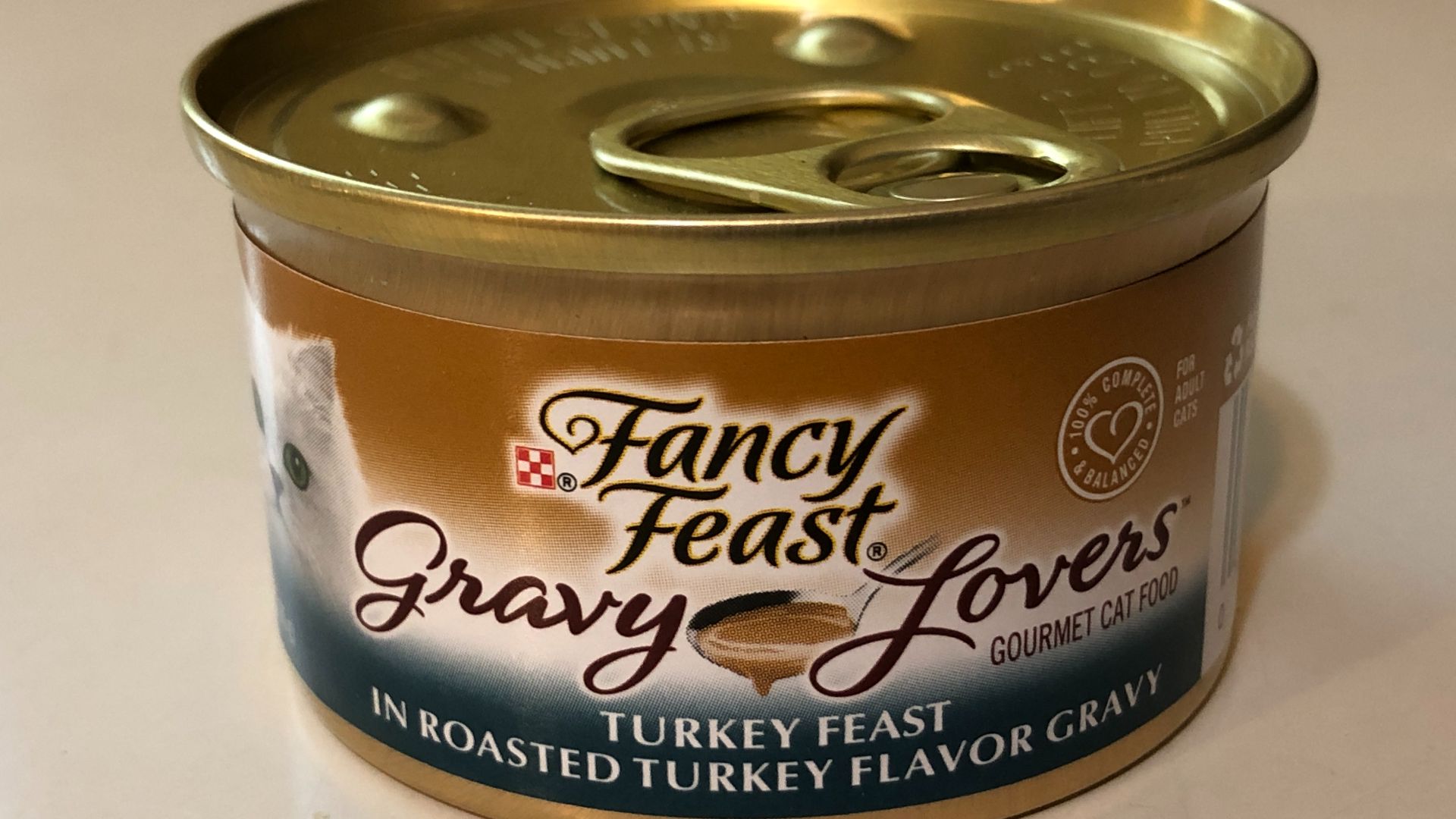
Leanness usually spells trouble in a can, yet turkey avoids most of the usual pitfalls. The flavor stays mild, the texture holds, and it doesn’t collapse into paste. In soups, particularly, it reads as intentional rather than improvised, which is more than most canned meats manage.
9. Mackerel (In Oil Or Brine)
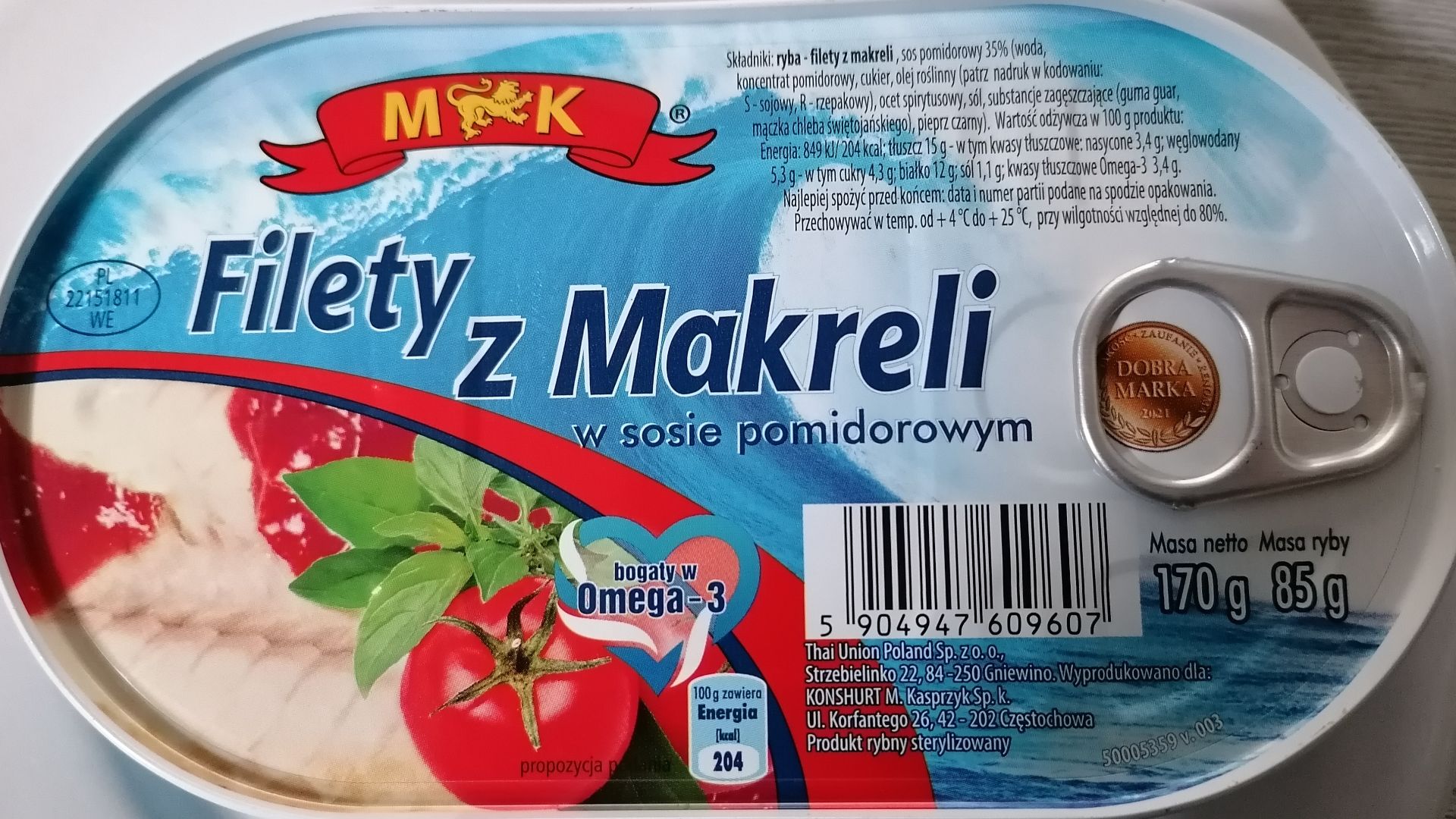
This is not a subtle option. The flavor comes through strongly, even after processing. Canning barely dulls its character, making preparation straightforward. Pairing it with acid works better than masking it, since the core taste holds firm.
10. Smoked Oysters
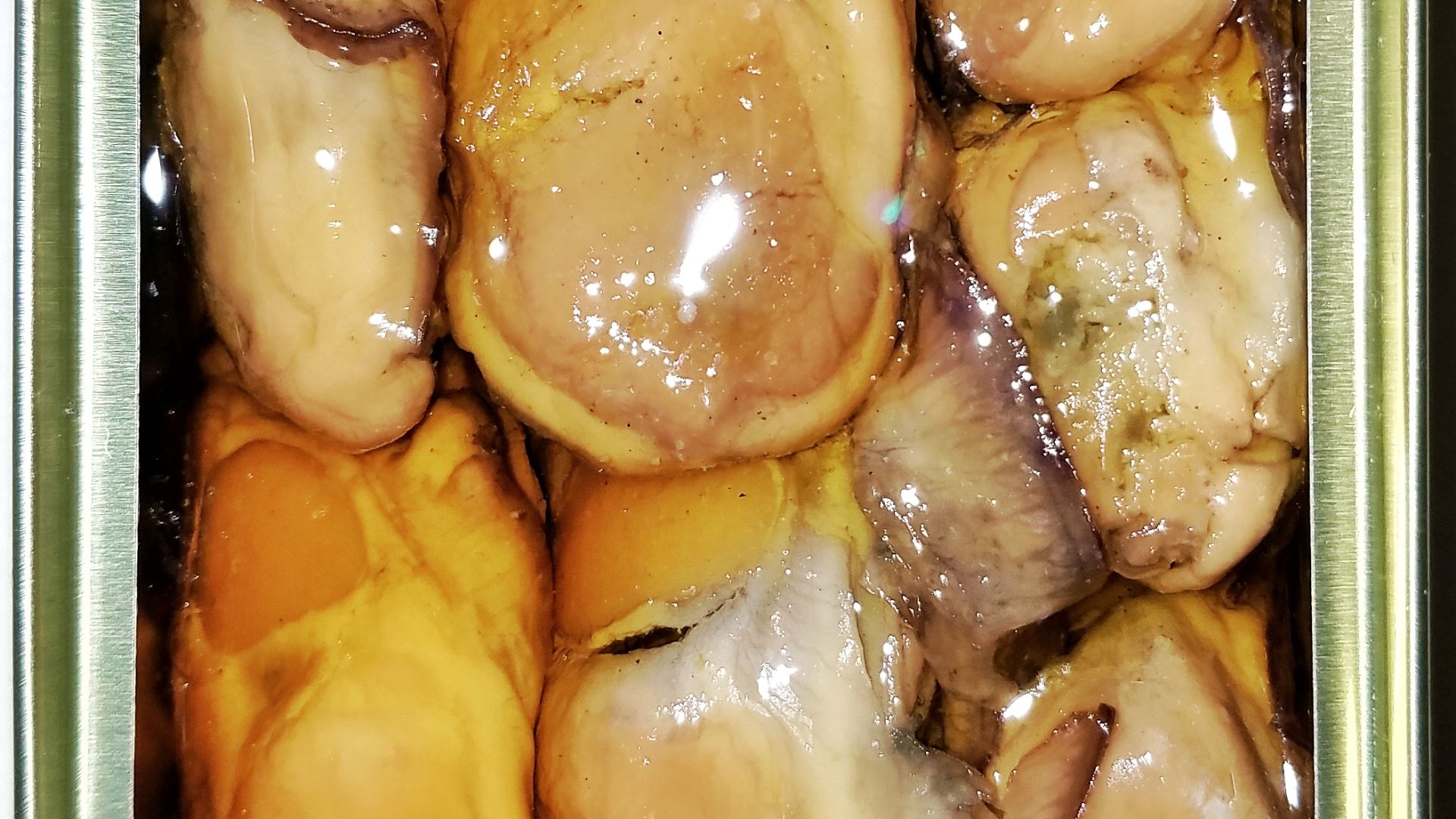
Small portions help here. Each oyster carries smoke, brine, and oil in tight balance, so texture stays delicate instead of rubbery. They also feel closer to a preserved delicacy than a convenience food, which is why people treat them as a snack, not an ingredient.
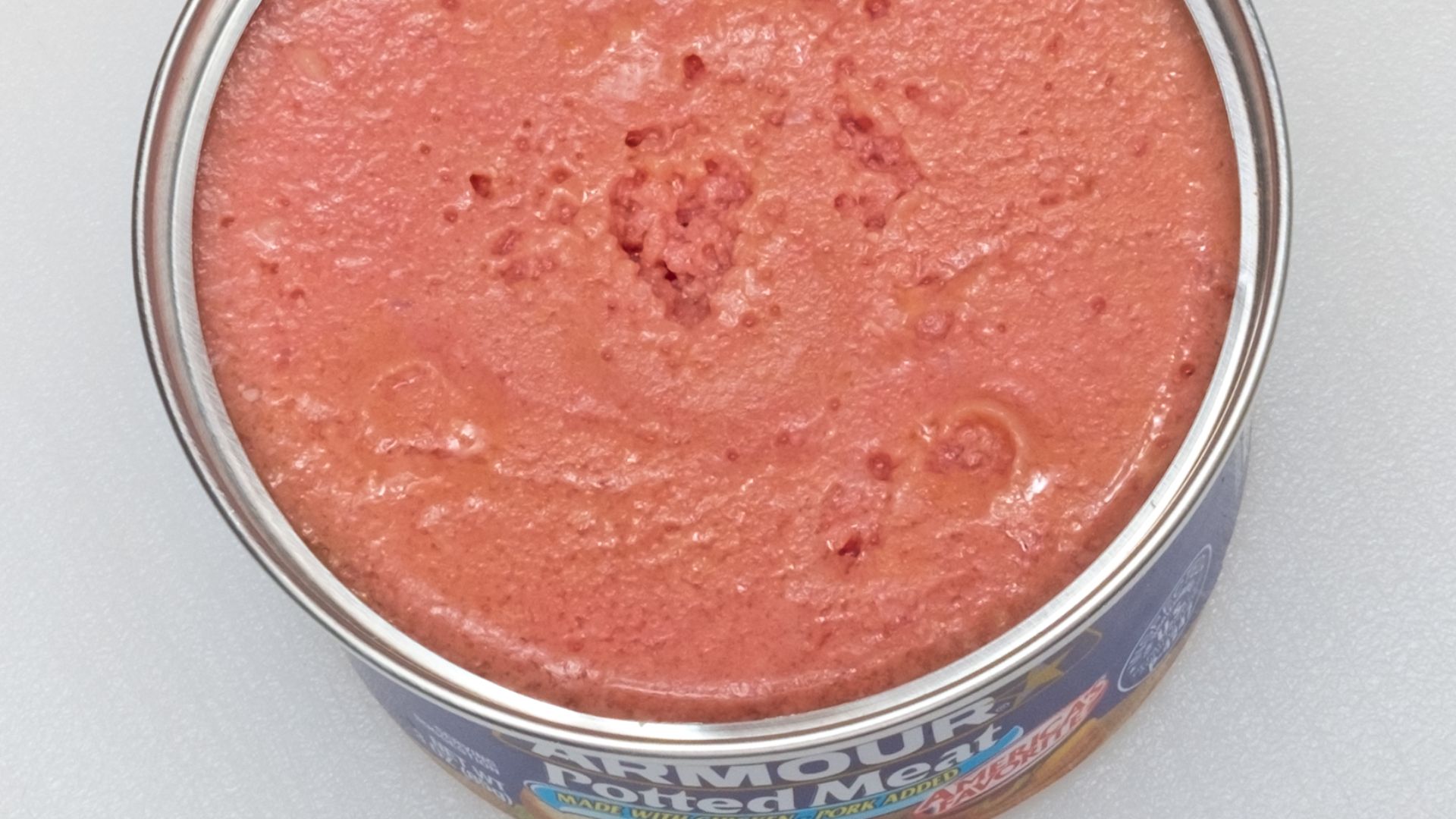
1. Potted Meat
Texture ruins it immediately. This spread lands as pasty and artificial, with flavor coming through as salt first and meat second. Any attempt to improve it just emphasizes how processed it feels. Canning this "food" flattens it into something vaguely edible and easily forgotten.
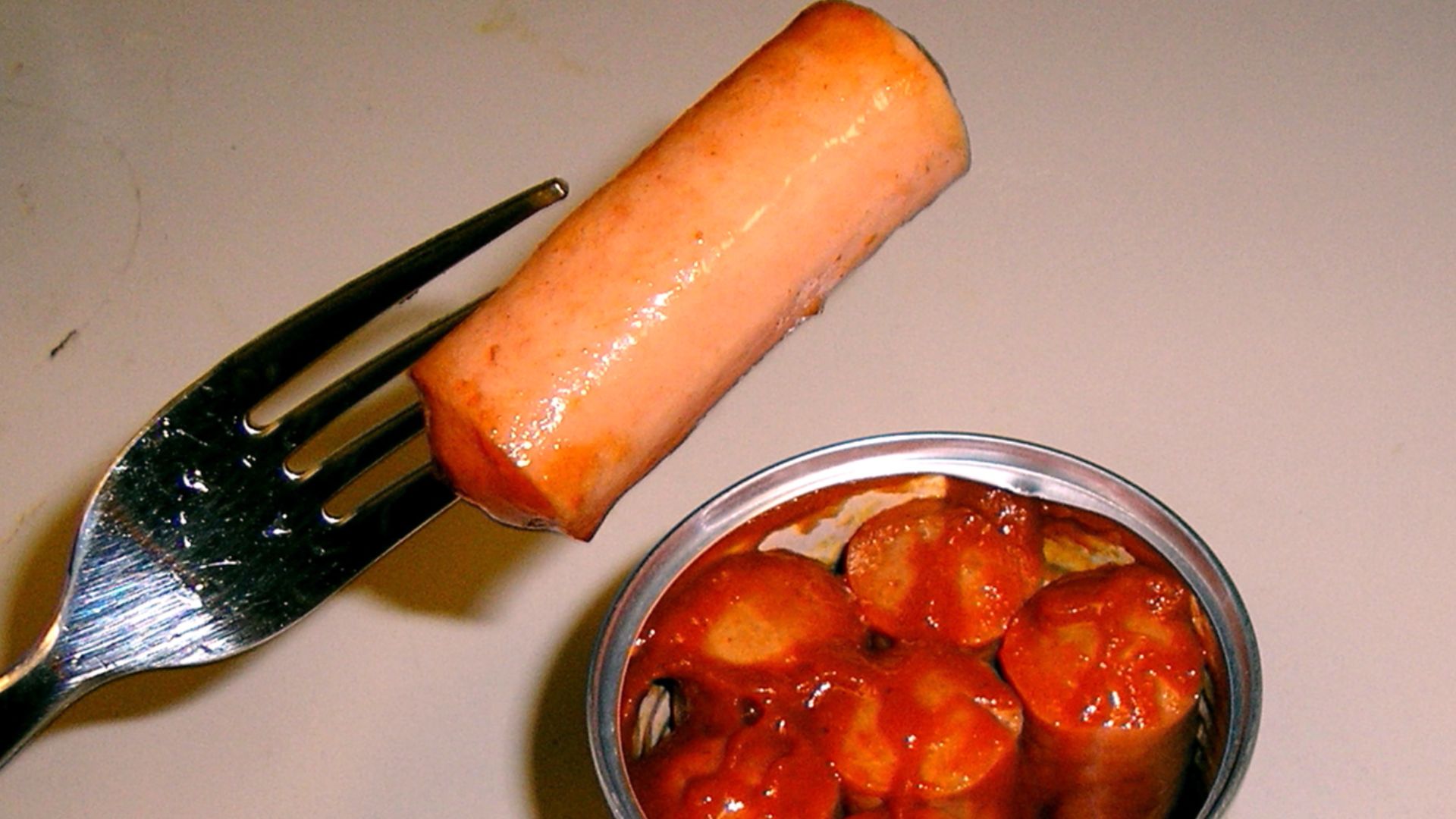
2. Vienna Sausages
Expectation collapses fast when the casing gives way to a rubbery bite, and the interior tastes diluted rather than savory. Even pan-frying fails to rescue them. Processing strips away what little identity the meat once had, leaving something soft, greasy, and oddly bland.
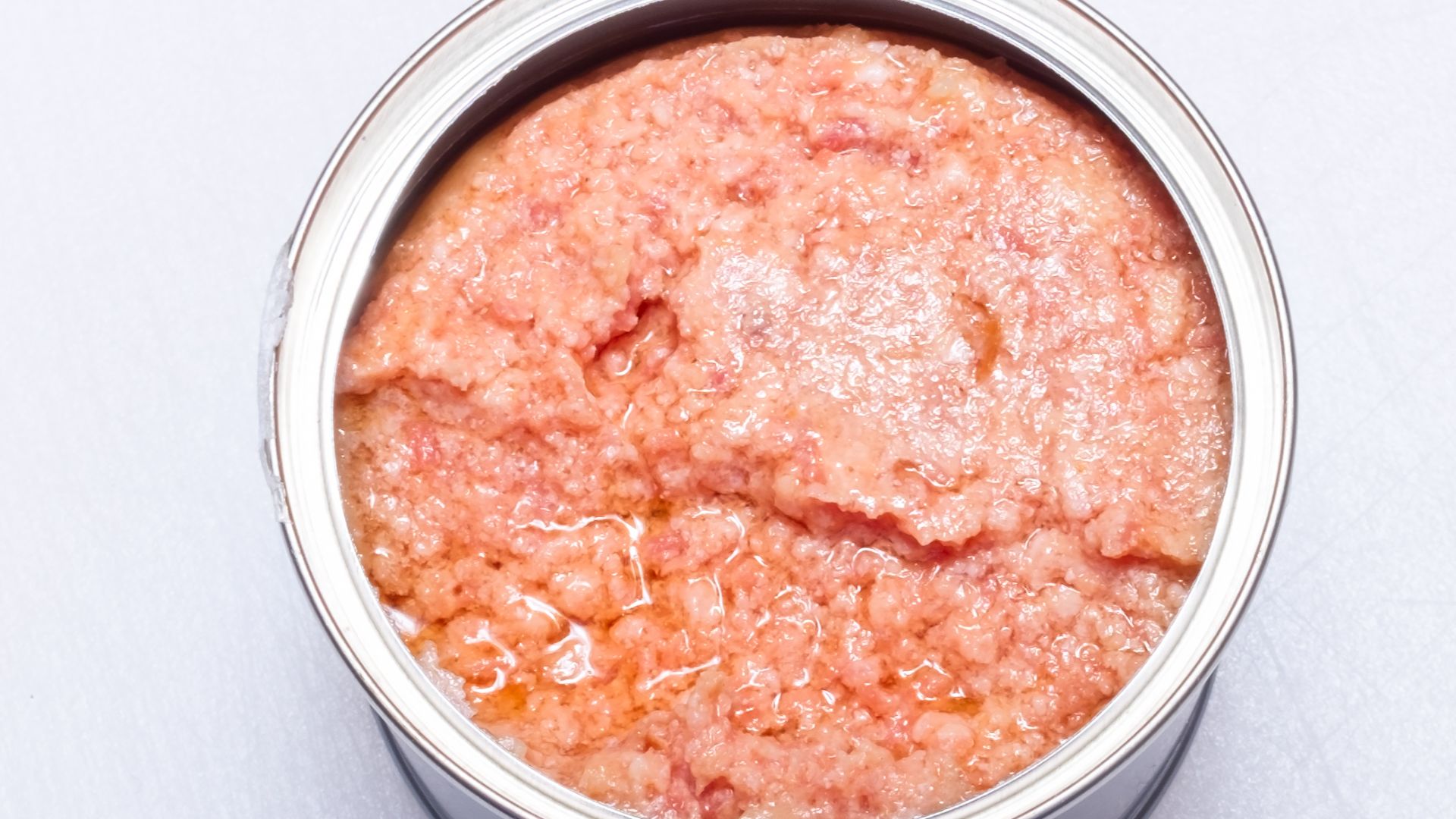
3. Deviled Ham
This one overshoots flavor instead of losing it. Heavy seasoning tries to compensate for the texture that’s already gone. The result tastes sharp and chemical, with no real meat presence left. Spreading it thinner only makes the artificial notes easier to notice.
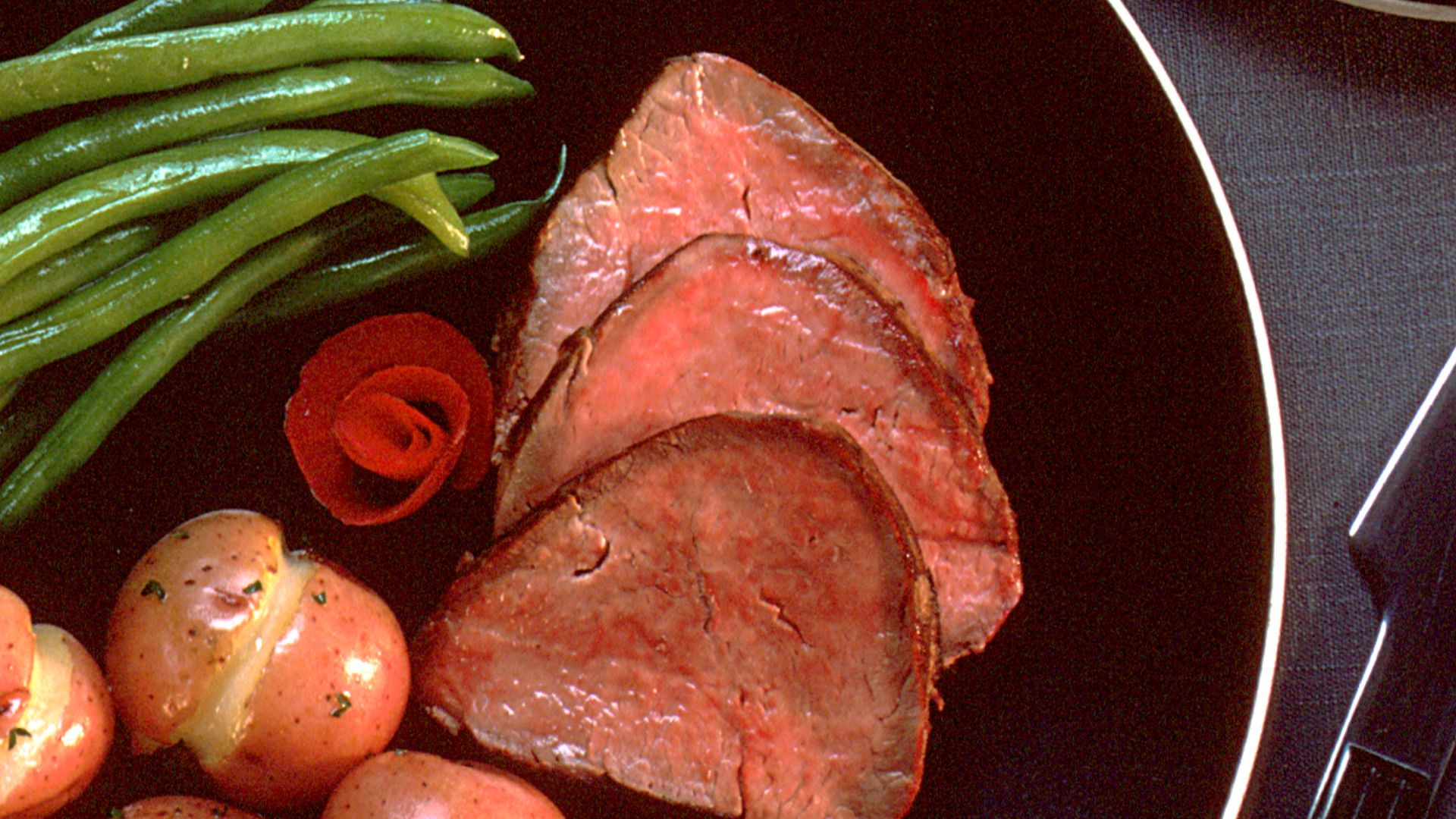
4. Roast Beef (Sliced Or In Gravy)
Moisture works against it here. Instead of staying tender, the meat softens too far and loses definition. Gravy masks very little. What’s left feels closer to stew residue than beef, which makes comparisons to fresh roast impossible to ignore.
 Unknown photographer/artist on Wikimedia
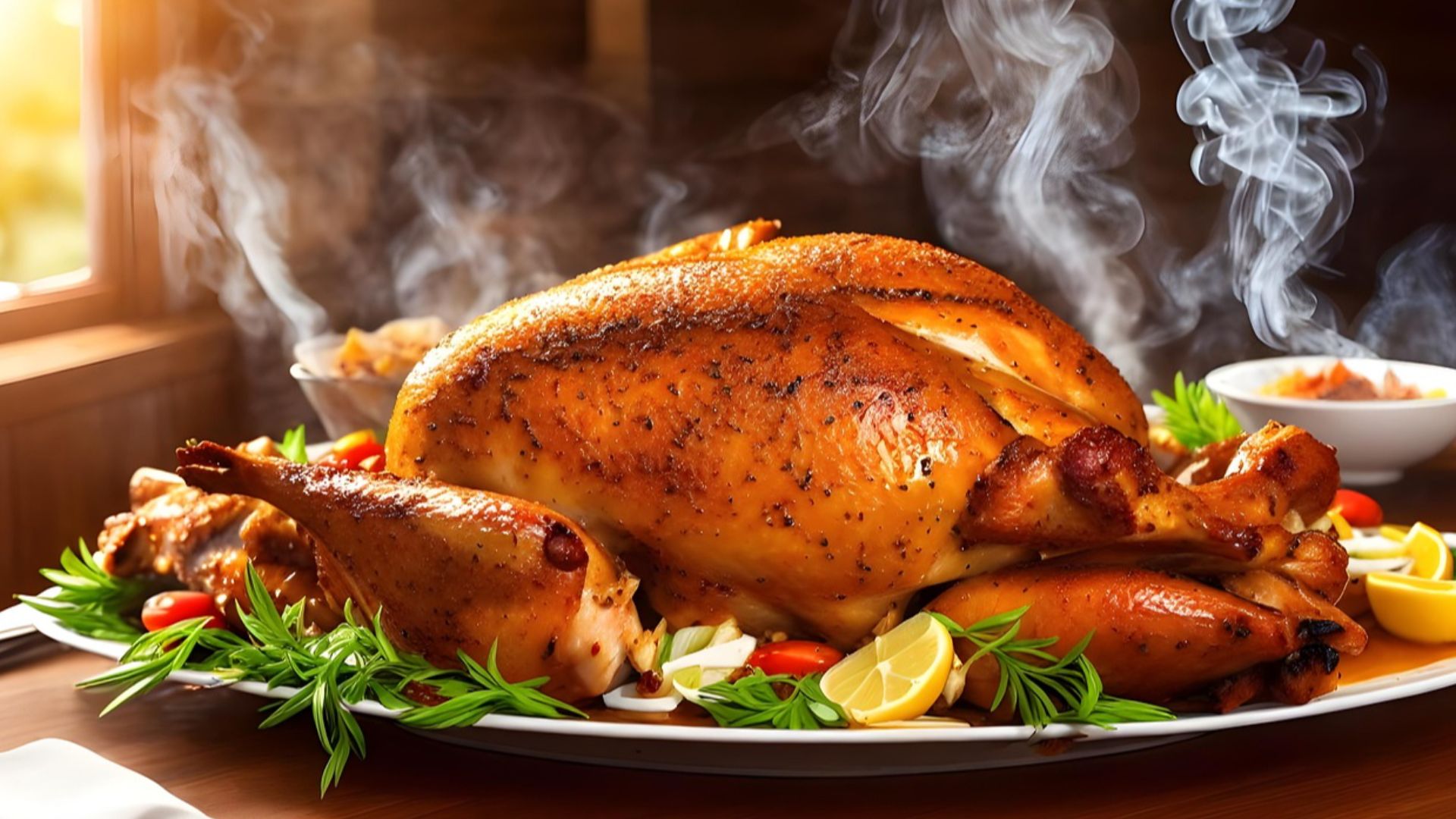
5. Whole Chicken
Structure is the problem, not seasoning. Heat breaks everything down unevenly, leaving gelatin, loose skin, and bone fragments behind. Flavor barely matters at that point. The visual alone stops most people before taste even enters the conversation.
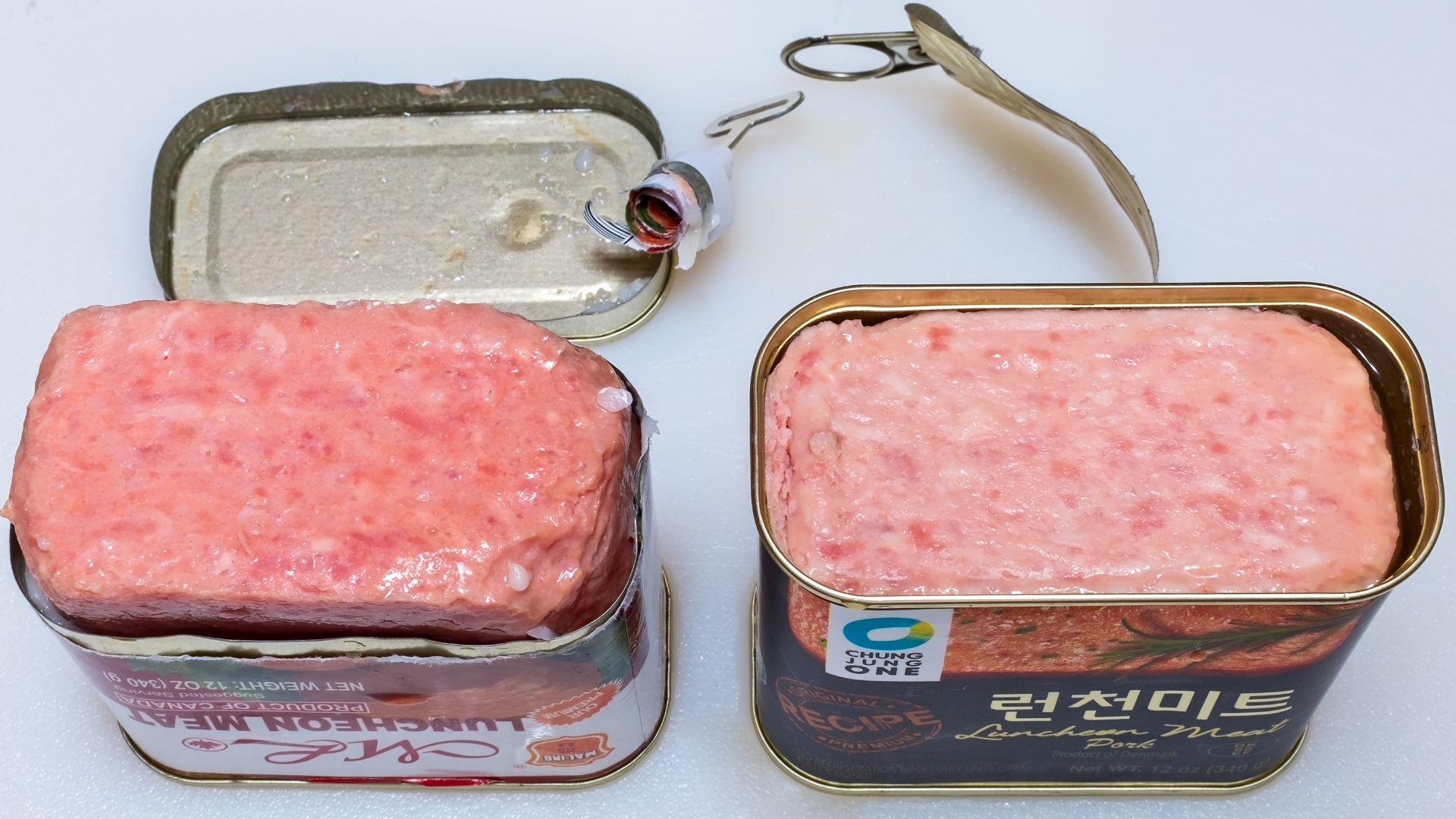
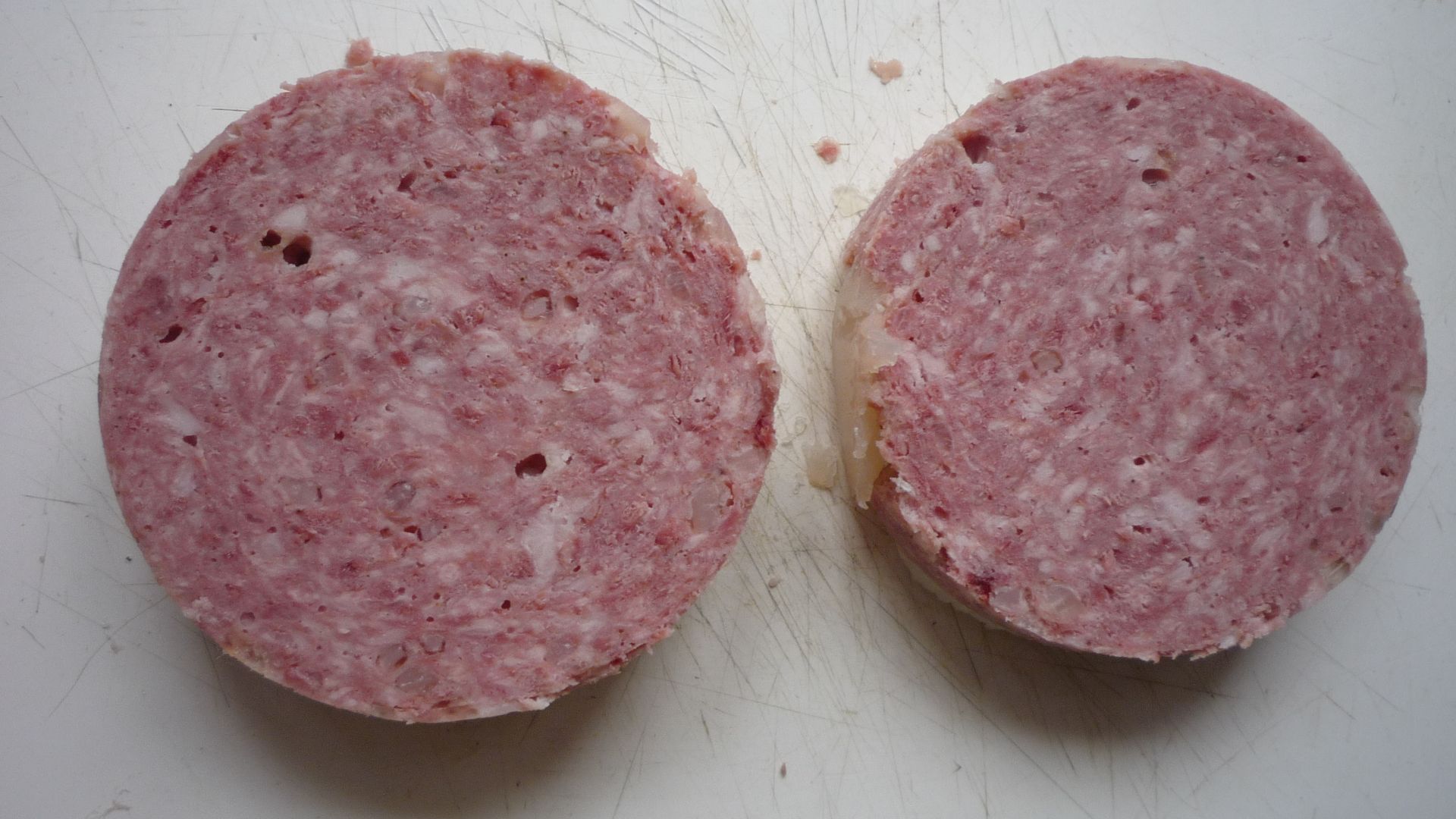
6. Luncheon Meat
This one fails quietly. The salt hits first, then the texture gives way to something rubbery and vague. Frying improves the surface but not the core. Compared to better-cured canned meats, it feels like a shortcut that skipped too many steps.
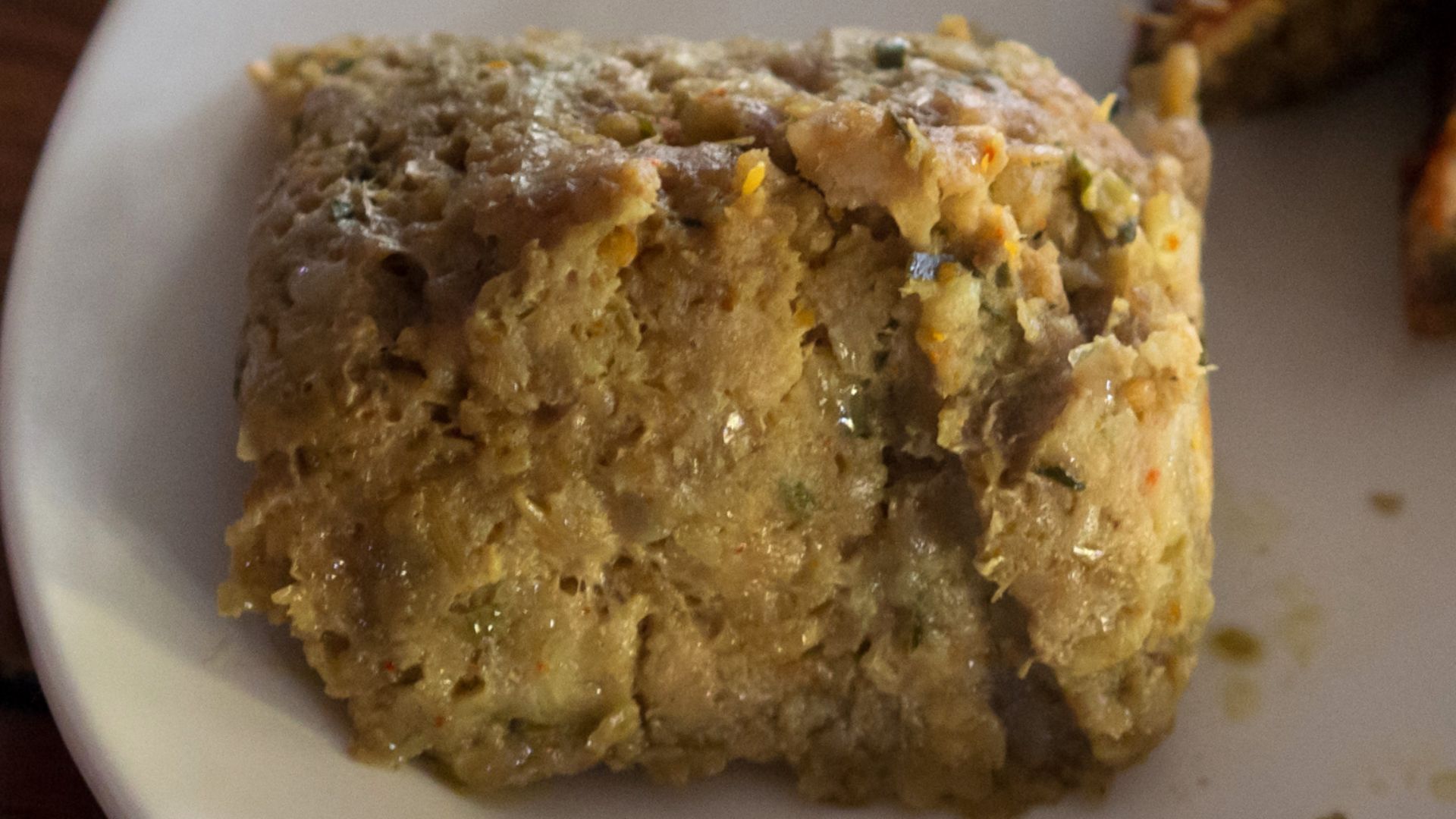
7. Pig Brains
Canning exposes every weakness here because heat turns something delicate into a thick, metallic paste that never recovers. Flavor isn’t subtle or comforting either, it’s just confrontational. Even people familiar with offal tend to stop halfway through, not because of fear, but because of texture fatigue.
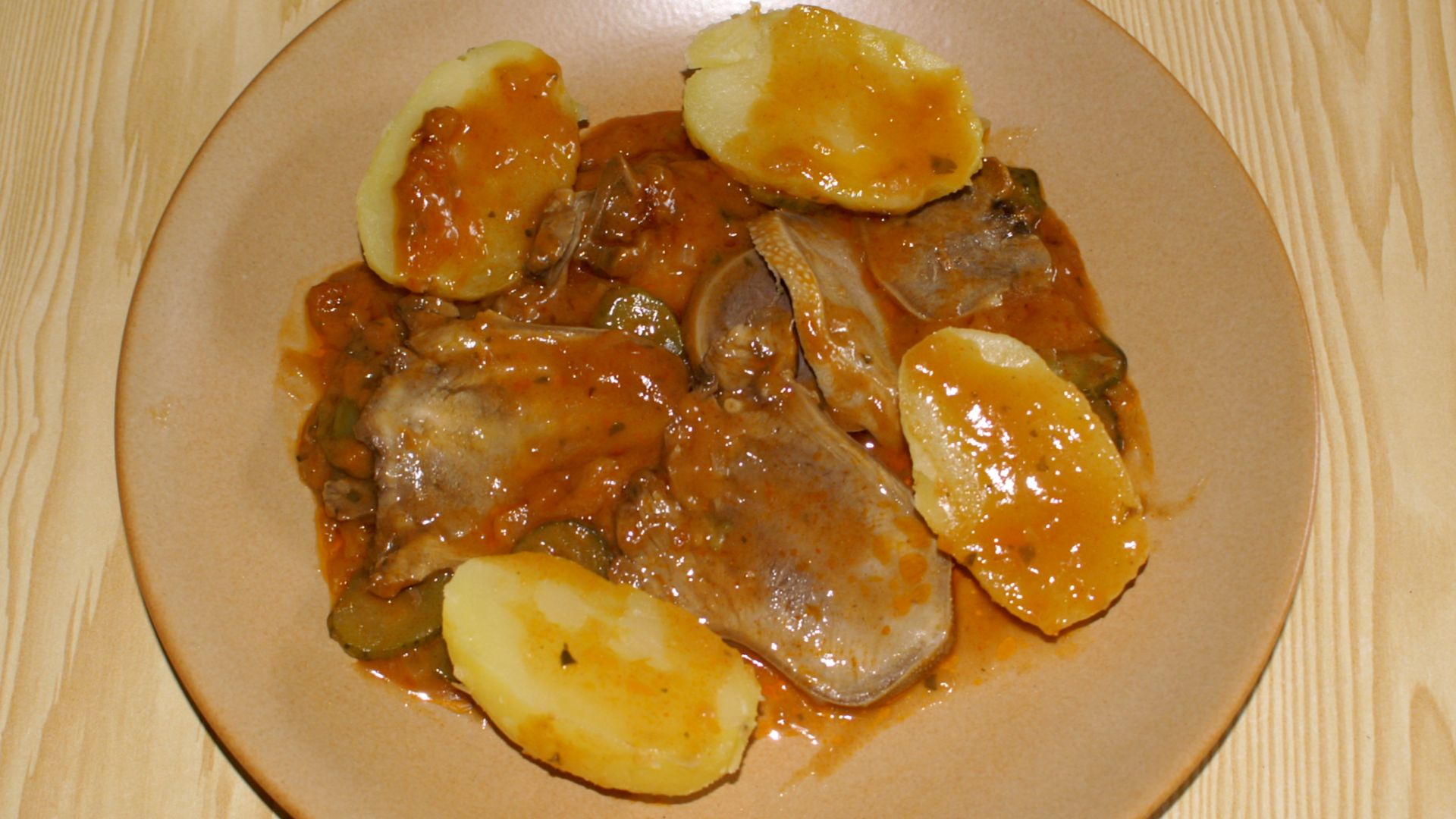
8. Beef Tongue
Fresh preparation matters with tongue, and the can removes that control. The result is dense and oddly bitter, with a chew that feels wrong instead of rich. Instead of tenderness, the process locks in heaviness, and what should feel indulgent ends up exhausting.
9. Rattlesnake
Novelty carries this only so far. Once opened, the meat reads stringy and dry, with gamey notes pushed forward by processing. Any uniqueness disappears after a few bites. Without freshness or proper cooking, the appeal collapses into curiosity alone.
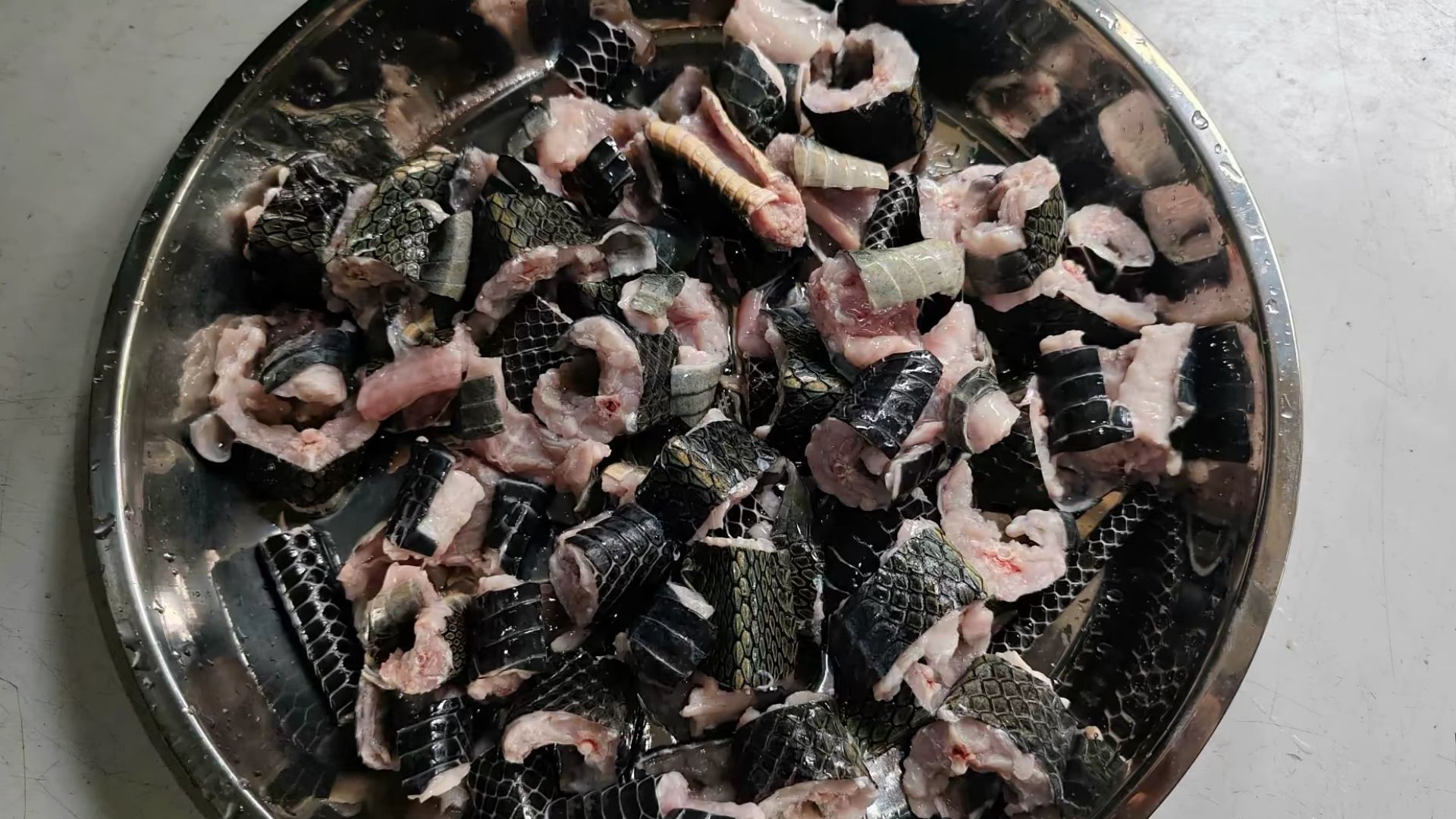 Fumikas Sagisavas on Wikimedia
10. Alligator
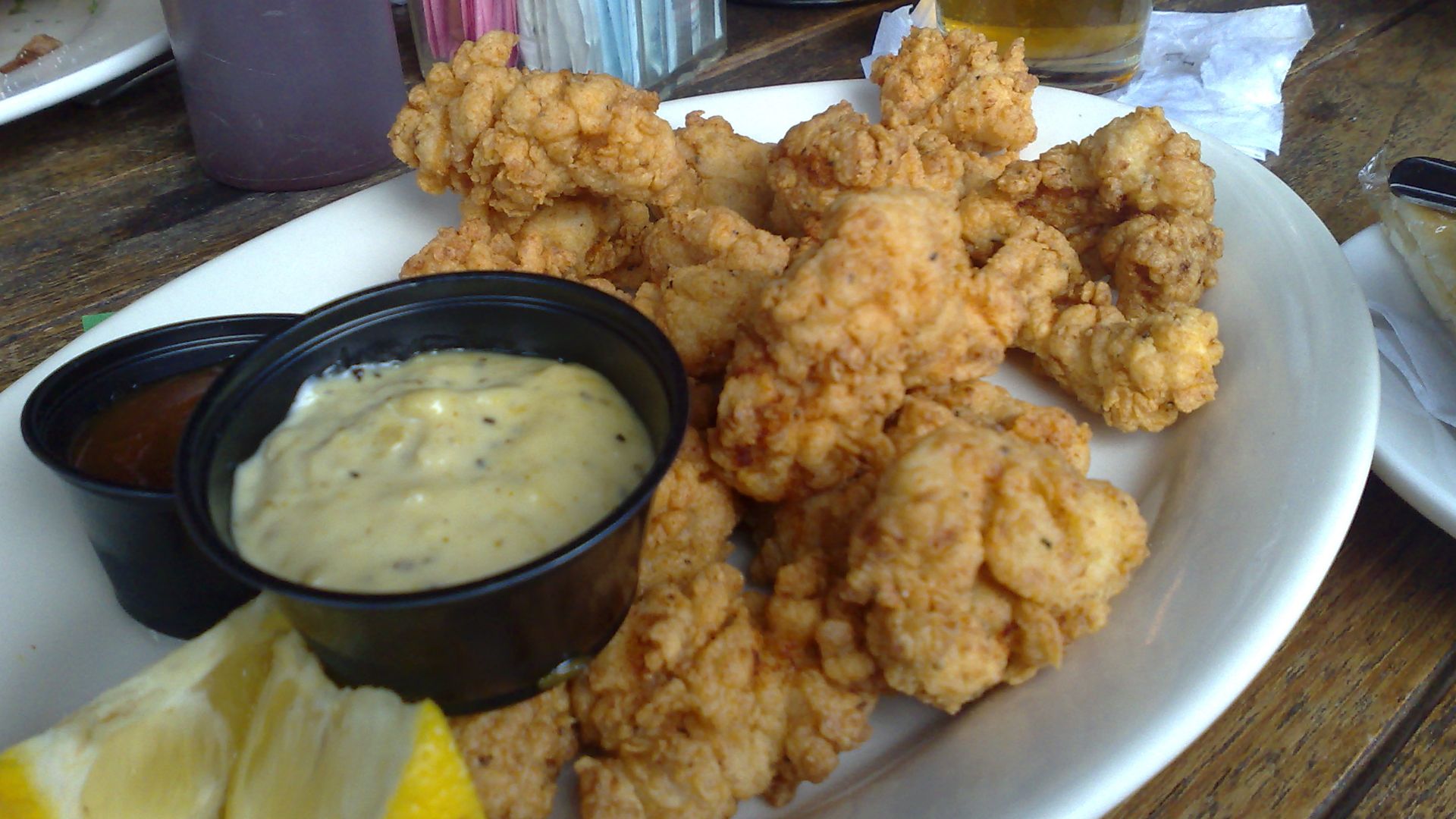
Lean meat and canning don’t cooperate here. The texture stiffens, the moisture drops, and the flavor fades into something generic. It doesn’t offend so much as disappoint. Most people finish a bite and realize the problem isn’t seasoning, it's suitability.
KEEP ON READING

20 American Foods That Are Best When They're Simple

20 Comfort Dishes From The '90s