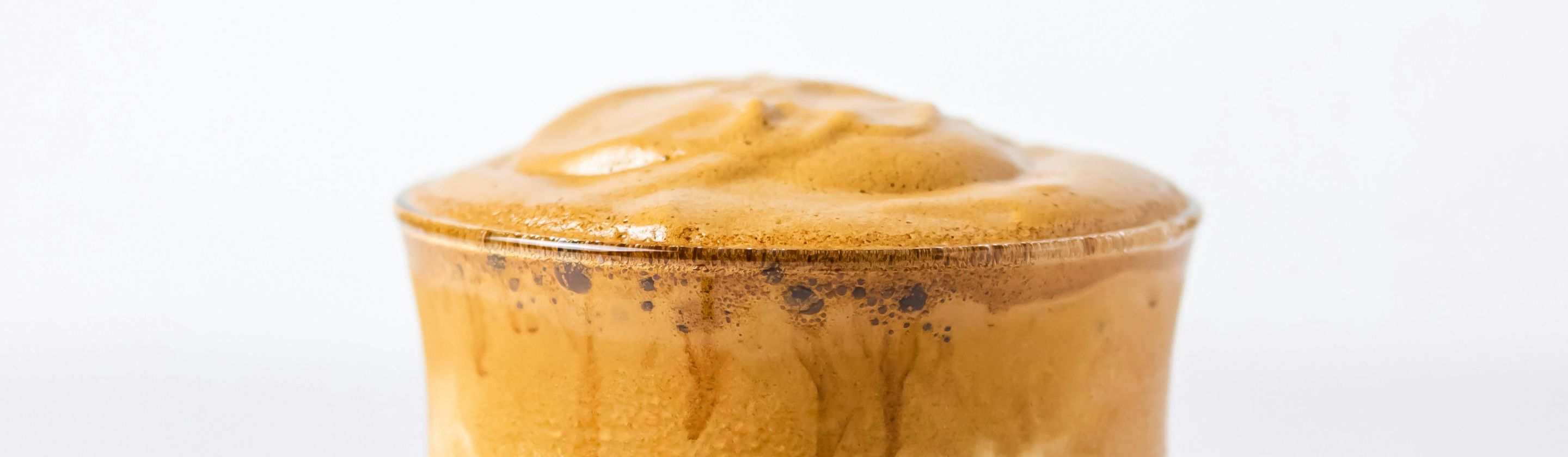
10 “Aphrodisiac” Foods That Are Mostly Hype & 10 That Actually Have a Mechanism
10 “Aphrodisiac” Foods That Are Mostly Hype & 10 That Actually Have a Mechanism
Date-Night Legends
Aphrodisiac food stories stick because they make romance feel easy. You eat the right thing, the mood shifts, and everyone gets to pretend biology is as cooperative as a movie montage. A lot of famous examples were born from old medical theories, trade-route mystique, religious anxiety about desire, and modern marketing that treats dinner like a shortcut to chemistry. None of that means the foods are bad, since plenty of them are delicious and genuinely good for you, which can help a night go well in indirect ways. Here are 10 so-called aphrodisiac foods that are mostly hype, and 10 that actually have at least a plausible mechanism.

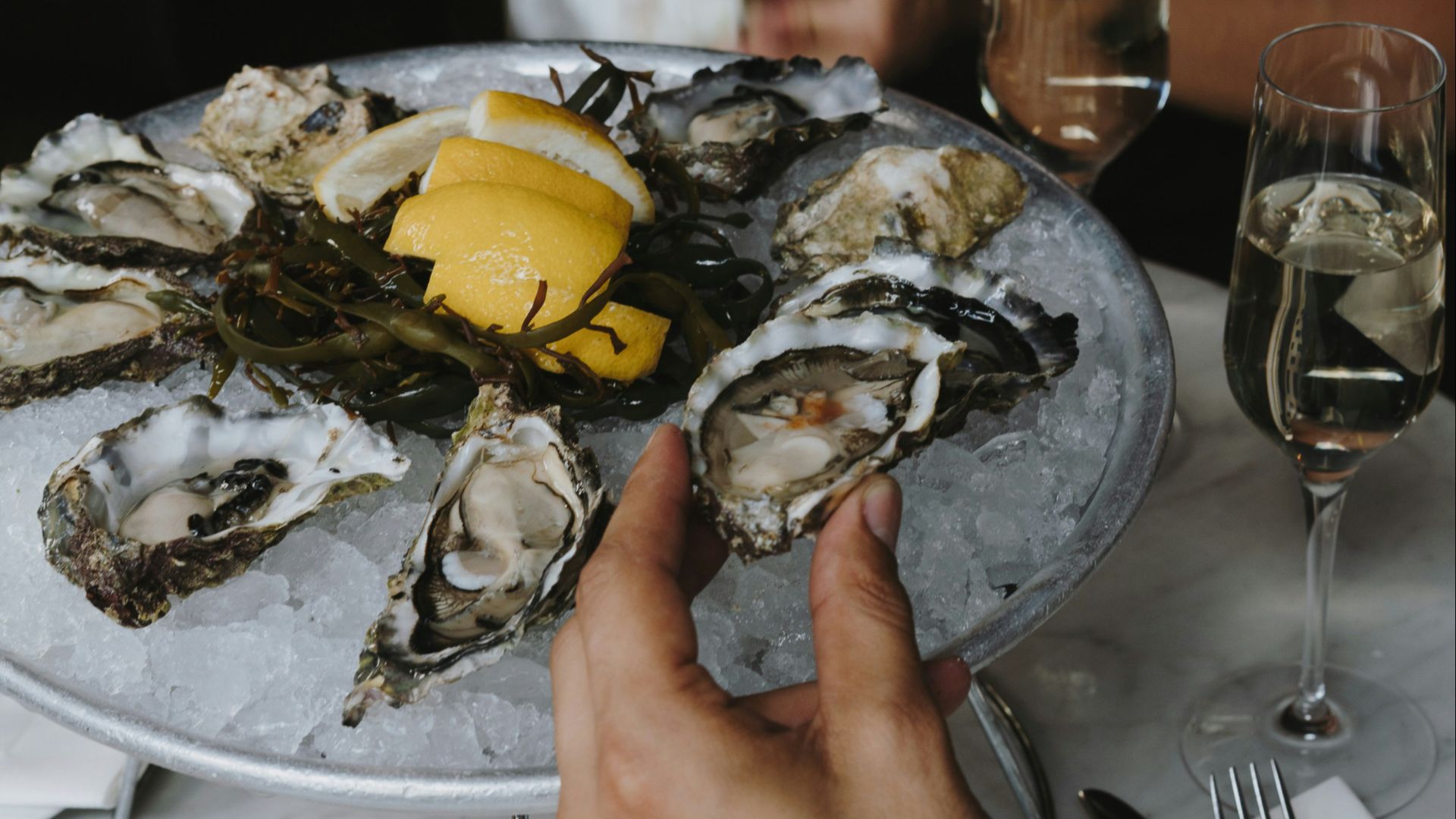
1. Oysters
Oysters carry luxury and a little performative boldness, which does half the job before anyone swallows. They do contain zinc, which supports general reproductive health, yet that is a slow, nutritional benefit, not a sudden surge. The real payoff is often the whole scene, cold shellfish, good lighting, and a reason to linger.
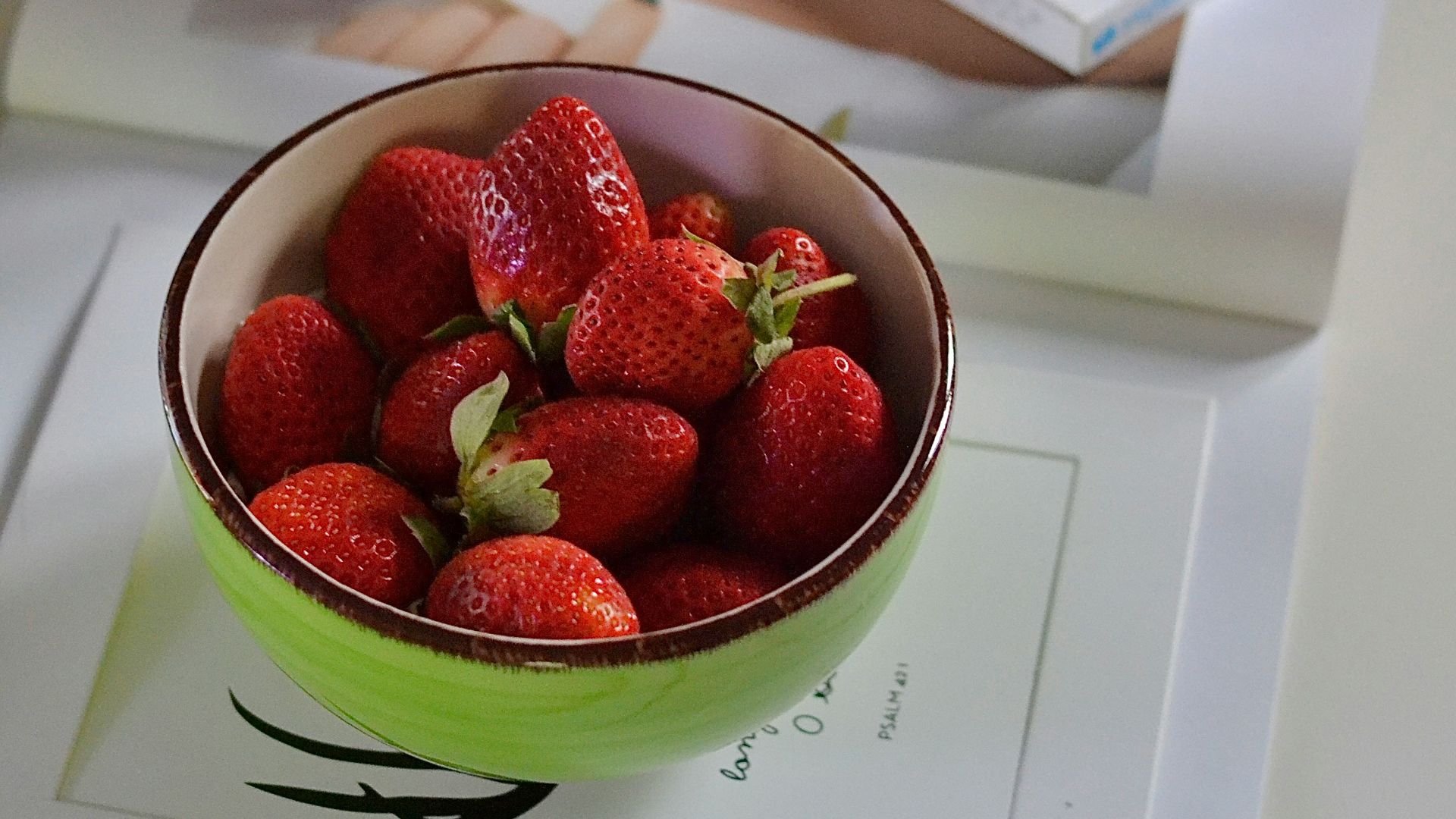
2. Strawberries
Strawberries look romantic on a plate and smell like someone tried, which matters more than people admit. There is no special libido lever in a strawberry compared with other fruit, even if the internet keeps insisting. They earn their keep because they encourage slow eating and shared bites.
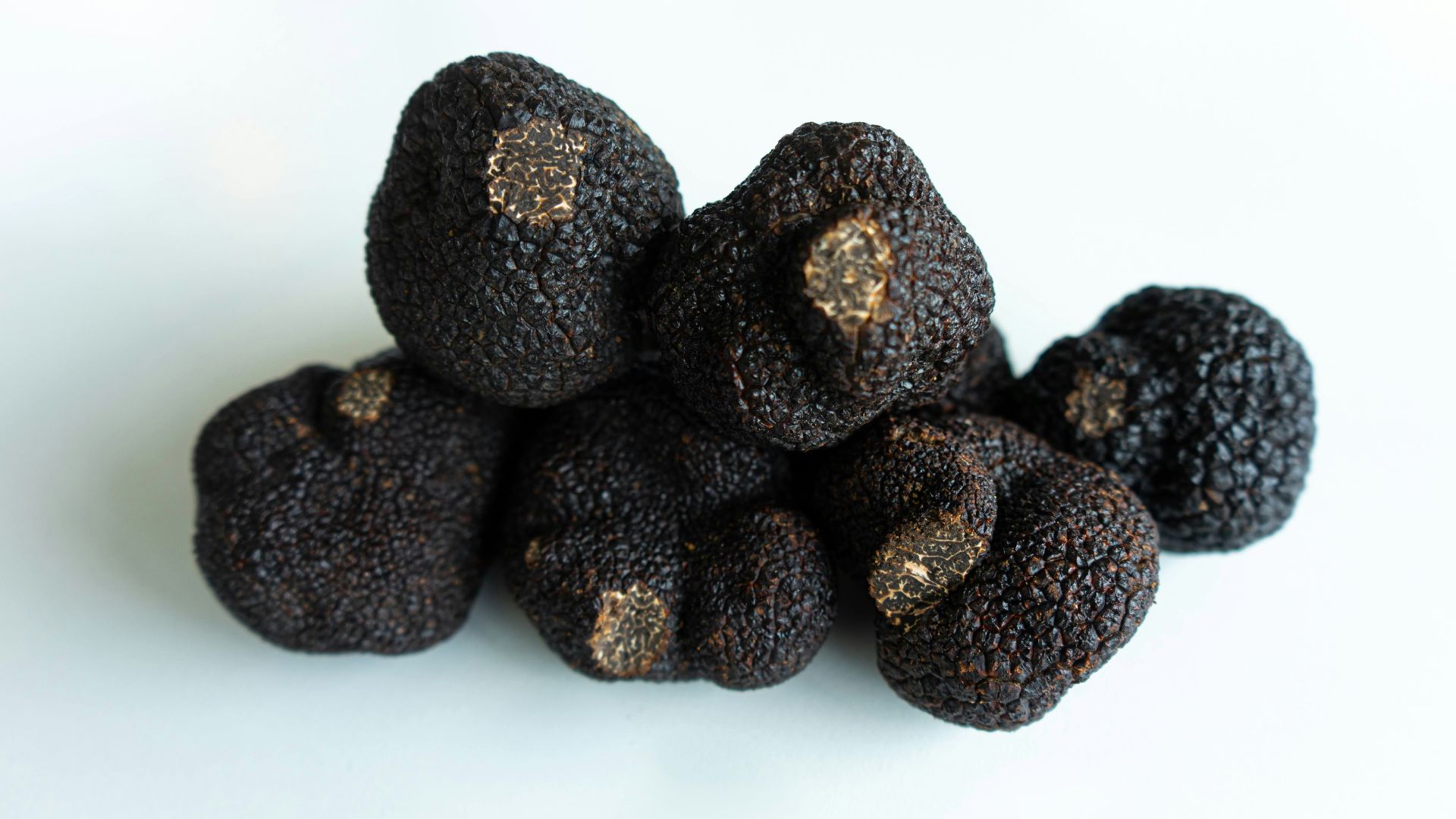
3. Truffles
Truffles get sold as mysterious and irresistible because they are rare and expensive, and that story is hard to resist. Claims about truffles acting like human pheromones do not line up neatly with what is known about human scent signaling. Truffles still work socially because they make a meal feel elevated, and confidence does a lot.
4. Champagne
Champagne signals celebration, and the ritual alone can loosen shoulders and soften small talk. Alcohol can also blunt sensation and interfere with arousal once the dose climbs, which is a familiar theme in sexual health guidance. The best version is a glass that sets a mood without tipping into sleepy.

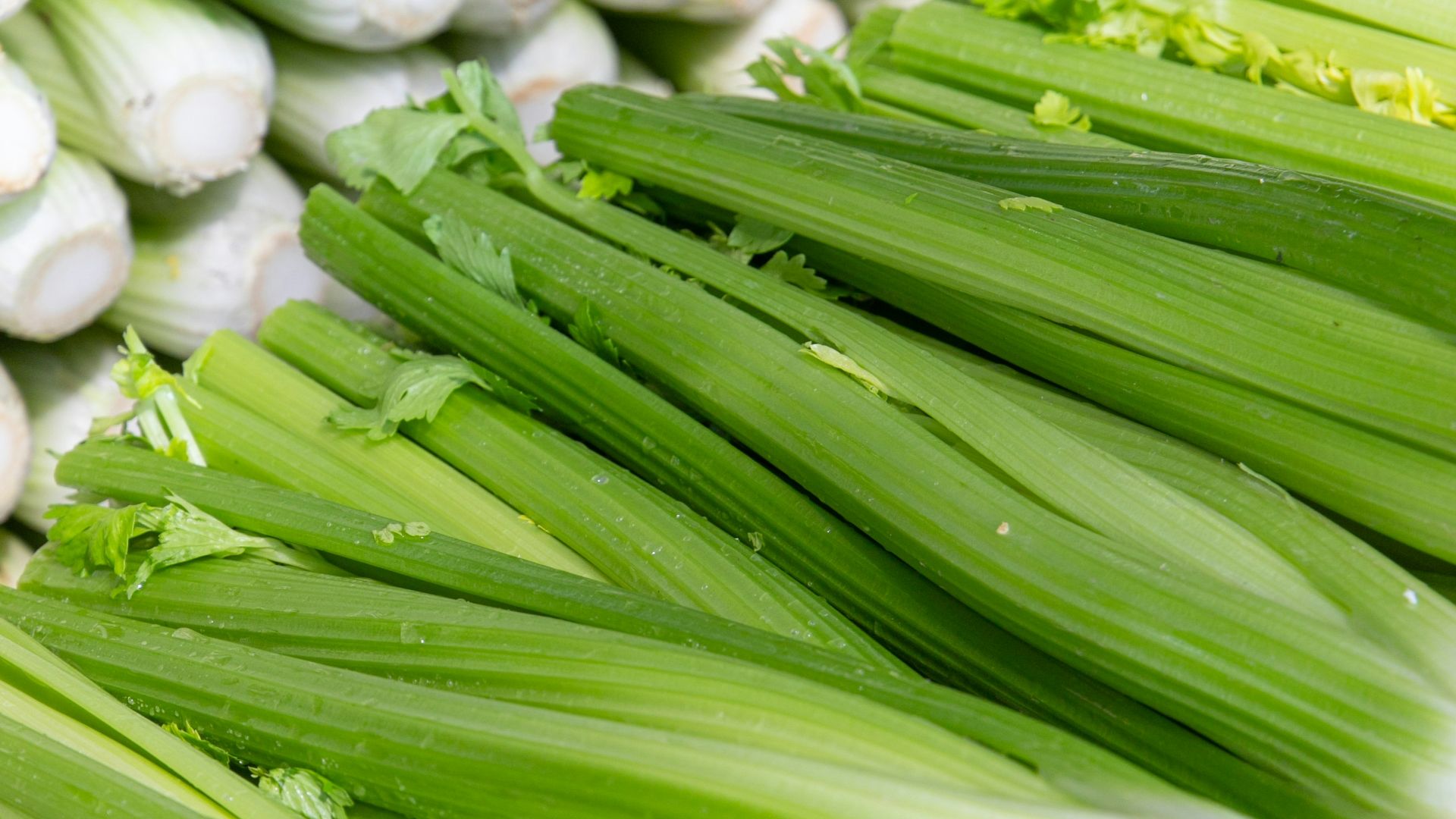
5. Celery
Celery ends up on aphrodisiac lists because it is easy to mythologize anything crunchy and green. The hormone and pheromone claims around it never become a clear, reliable effect for human desire. Celery shines as part of a light snack spread that keeps everyone comfortable and not weighed down.
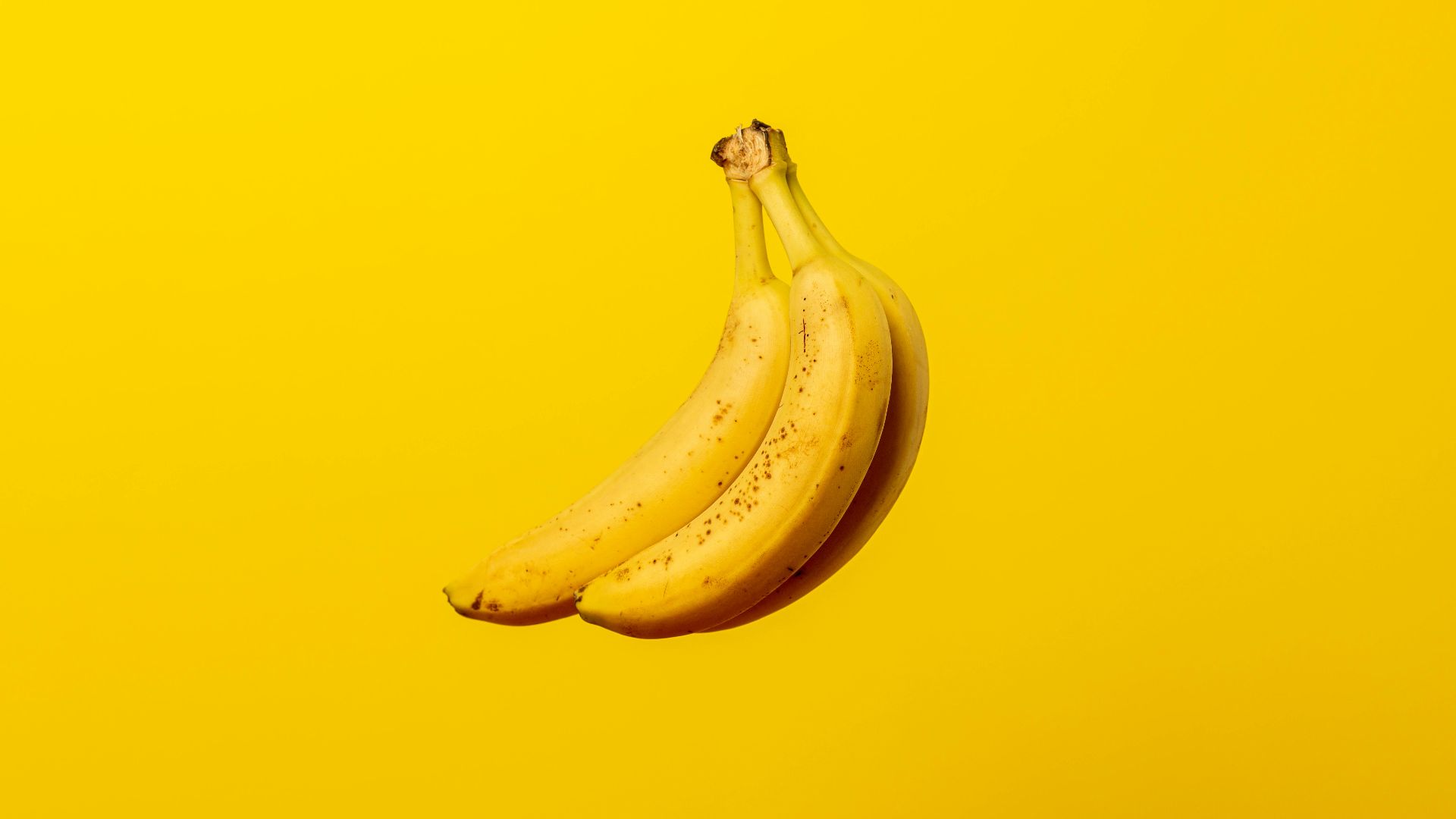
6. Bananas
Bananas are famous in this category for reasons everyone understands and no one needs explained. Nutritionally, they offer quick energy and potassium, yet that is not unique, and it does not target libido. If they help at all, it is by keeping blood sugar steady so nobody gets cranky.
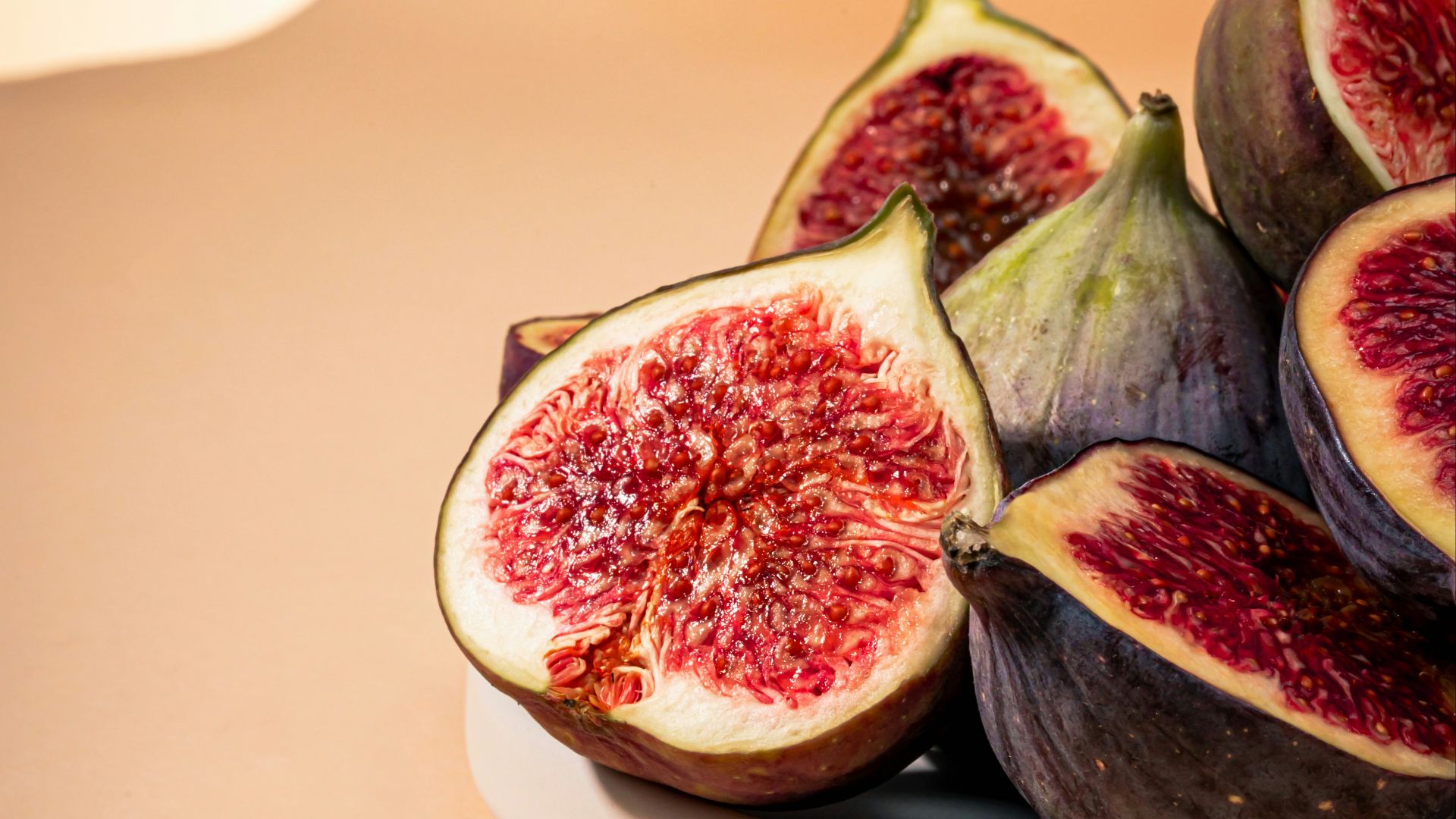
7. Figs
Figs have been linked to fertility and sensuality for centuries, which gives them instant romance branding. They are sweet and lush, and that sensory pleasure is real. The aphrodisiac part is mostly that ripe figs feel indulgent, especially when shared with something salty.
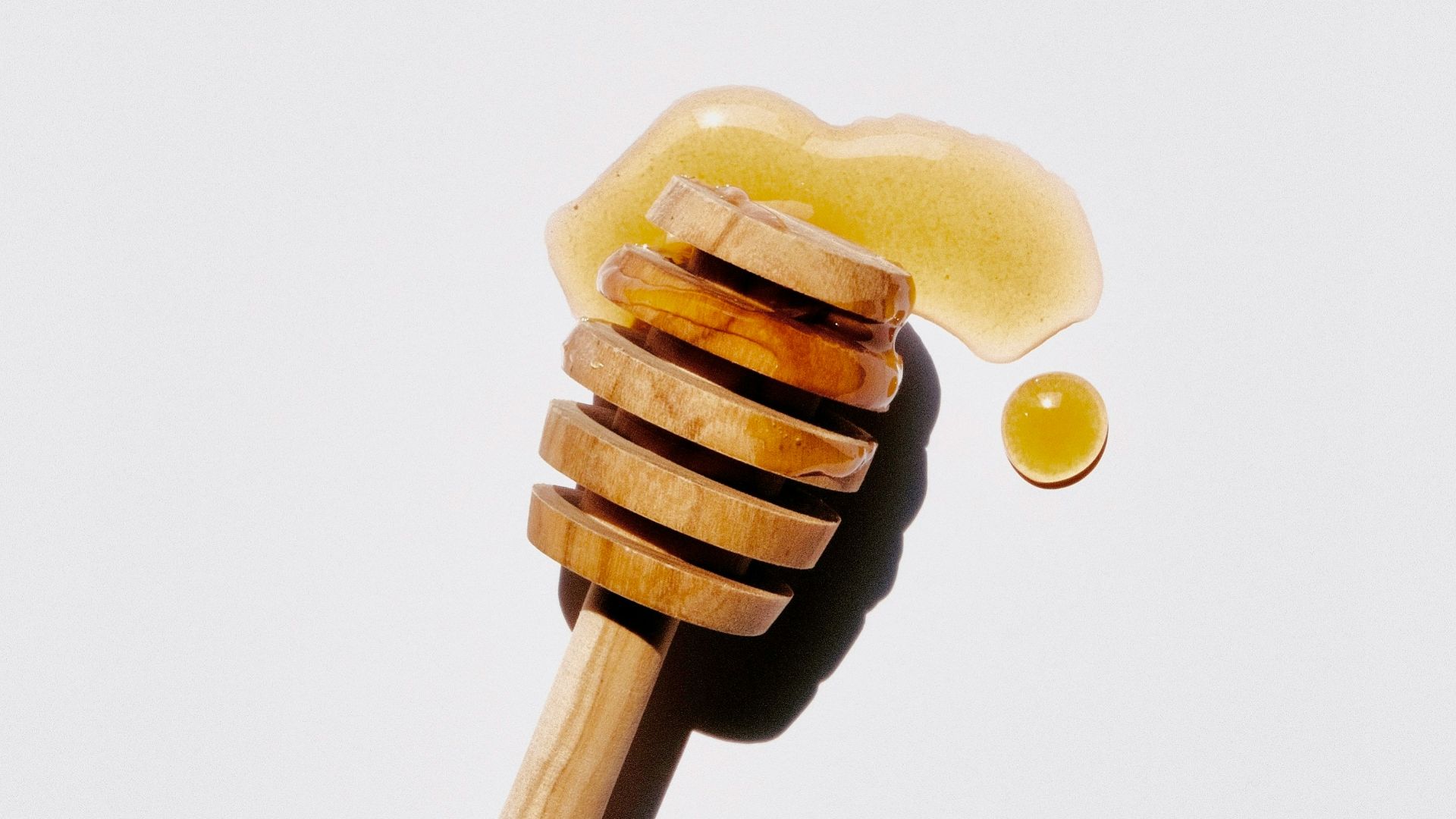
8. Honey
Honey has a long history in love lore, and it tastes like comfort in a spoon. It is still mostly sugar, and sugar is unreliable as a romance strategy once the energy crash hits. Honey works best as a small accent that feels special without turning the night into dessert overload.
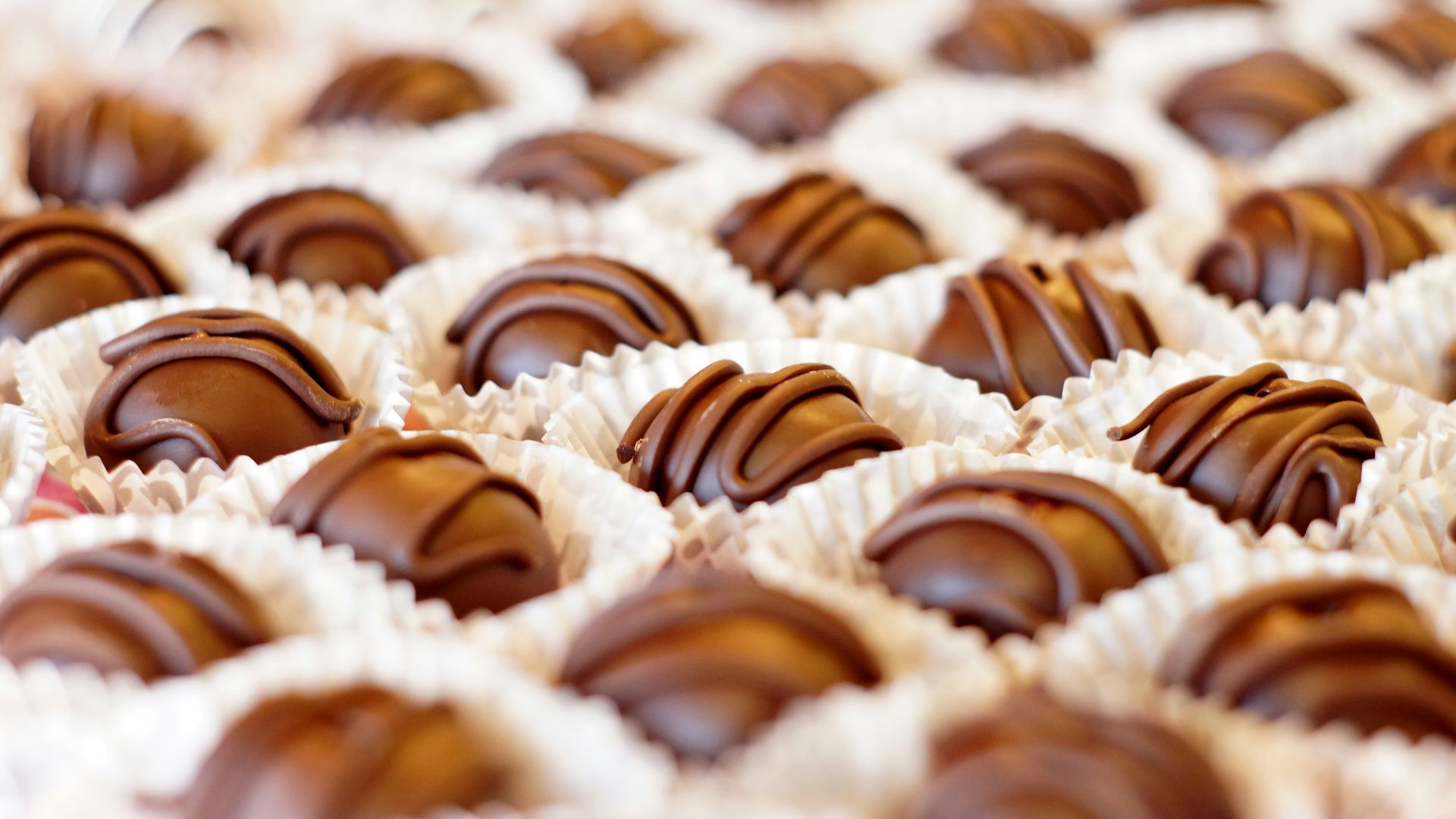
9. Chocolate Candies
Chocolate is treated like romance by default, so even mediocre candy gets to cosplay as seduction. Most boxed chocolates are heavy on sugar and fat, and the mood compounds people talk about tend to be minor in typical servings. The real effect is emotional, since chocolate feels like being cared for.
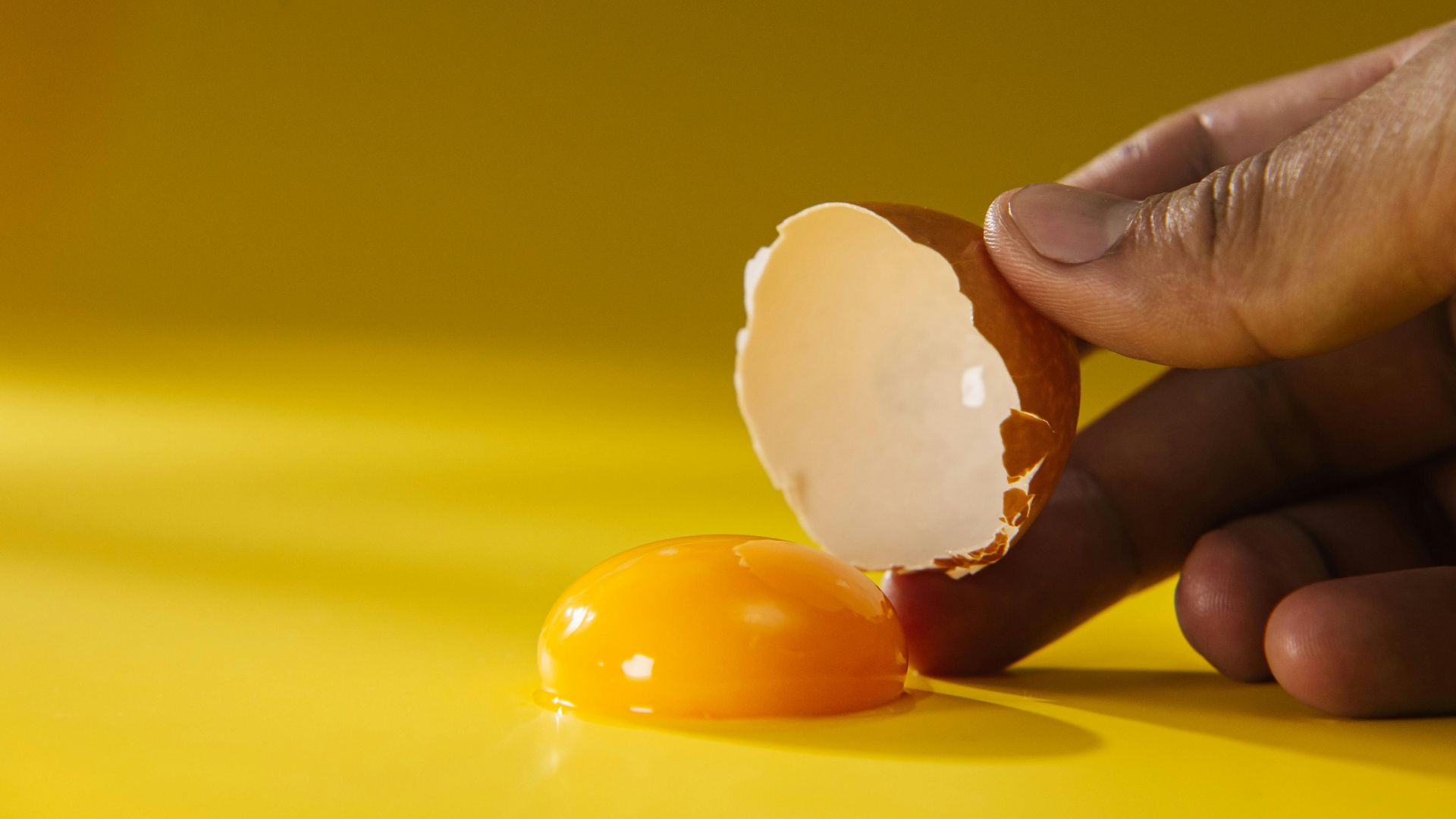
10. Raw Eggs
Raw eggs pop up in macho folklore about stamina, where confidence gets confused for evidence. There is no credible reason to expect a libido boost, and there is a credible reason to avoid foodborne illness ruining the whole plan. Eggs can be great for dinner when cooked well, and dinner is the part that helps.
Aphrodisiac myths are fun, and some foods deserve a better reputation because they support blood flow, neurotransmitters, or stress and fatigue in ways that actually matter. Here are ten with a mechanism.
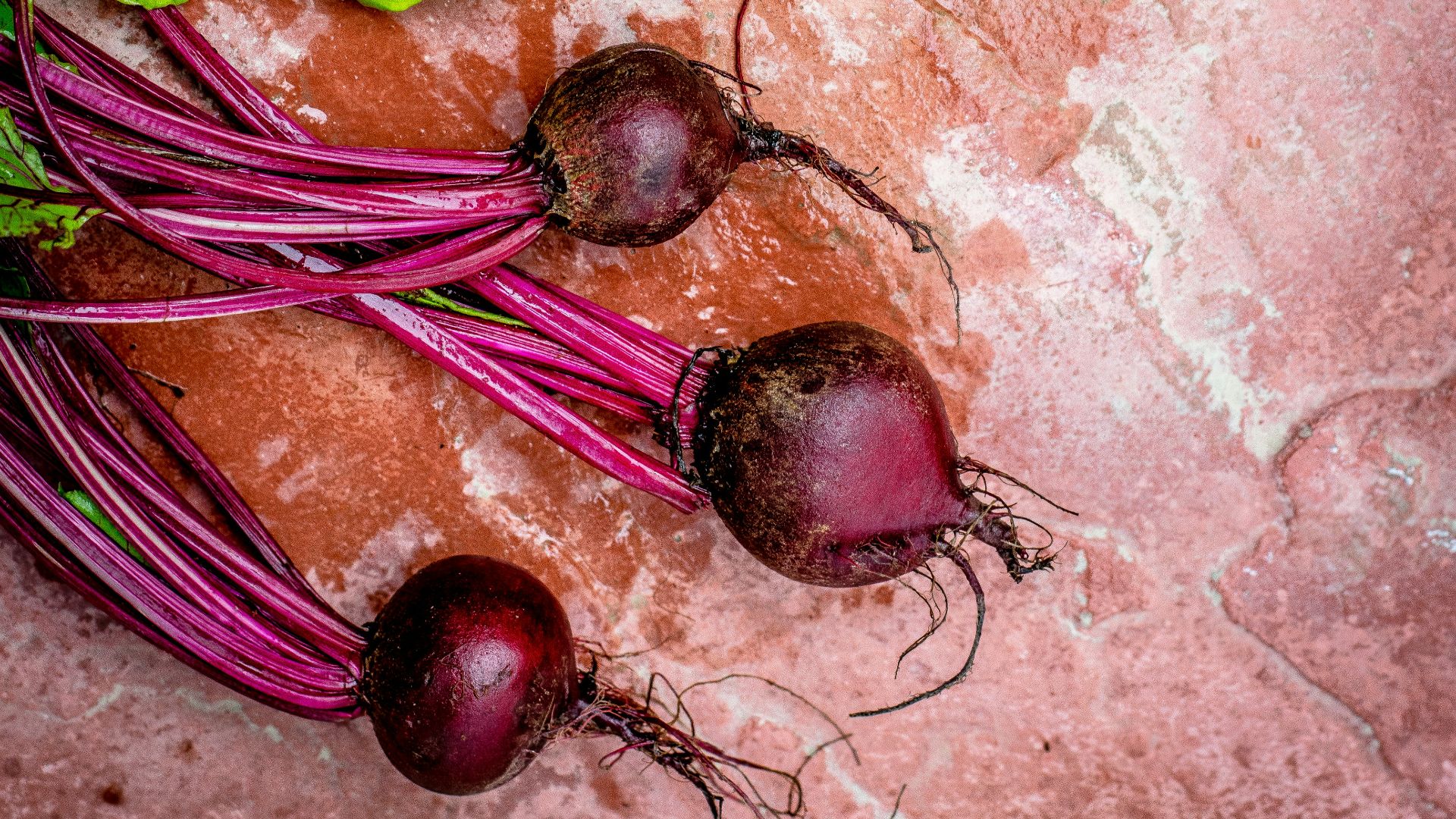
1. Beetroot
Beets are rich in dietary nitrates, which the body can convert into nitric oxide, a molecule that helps blood vessels relax and improves circulation. Genital arousal is heavily dependent on responsive blood flow, so the pathway makes sense even if the effect varies person to person. Beet juice has been studied for performance and vascular function, and the physiology is the same infrastructure.
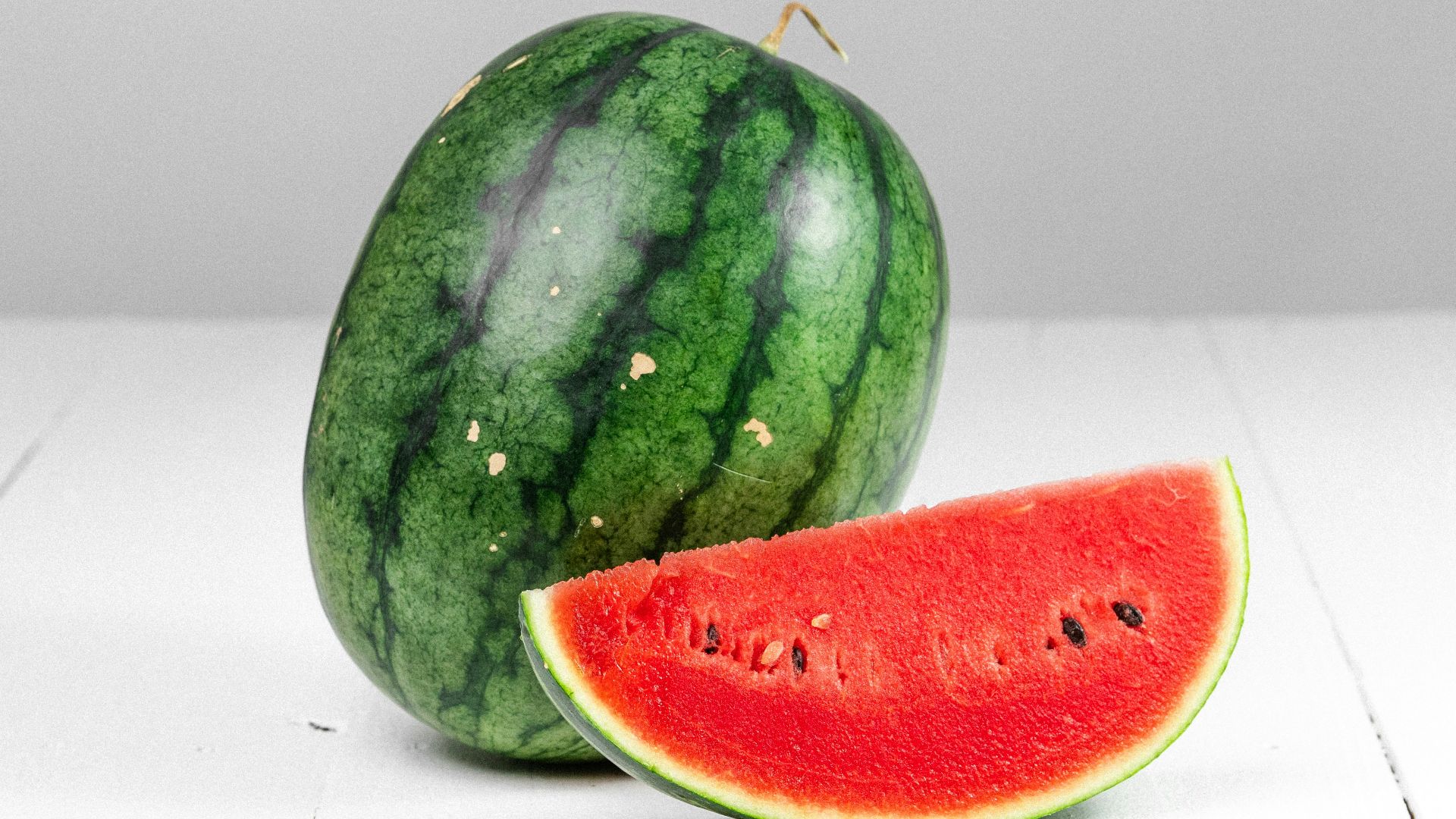
2. Watermelon
Watermelon contains citrulline, an amino acid that can support nitric oxide production through its relationship to arginine. Studies tend to use more concentrated dosing than a casual wedge at a cookout, yet the mechanism is grounded in basic biochemistry. Watermelon also hydrates and feels light, and physical comfort helps desire show up.
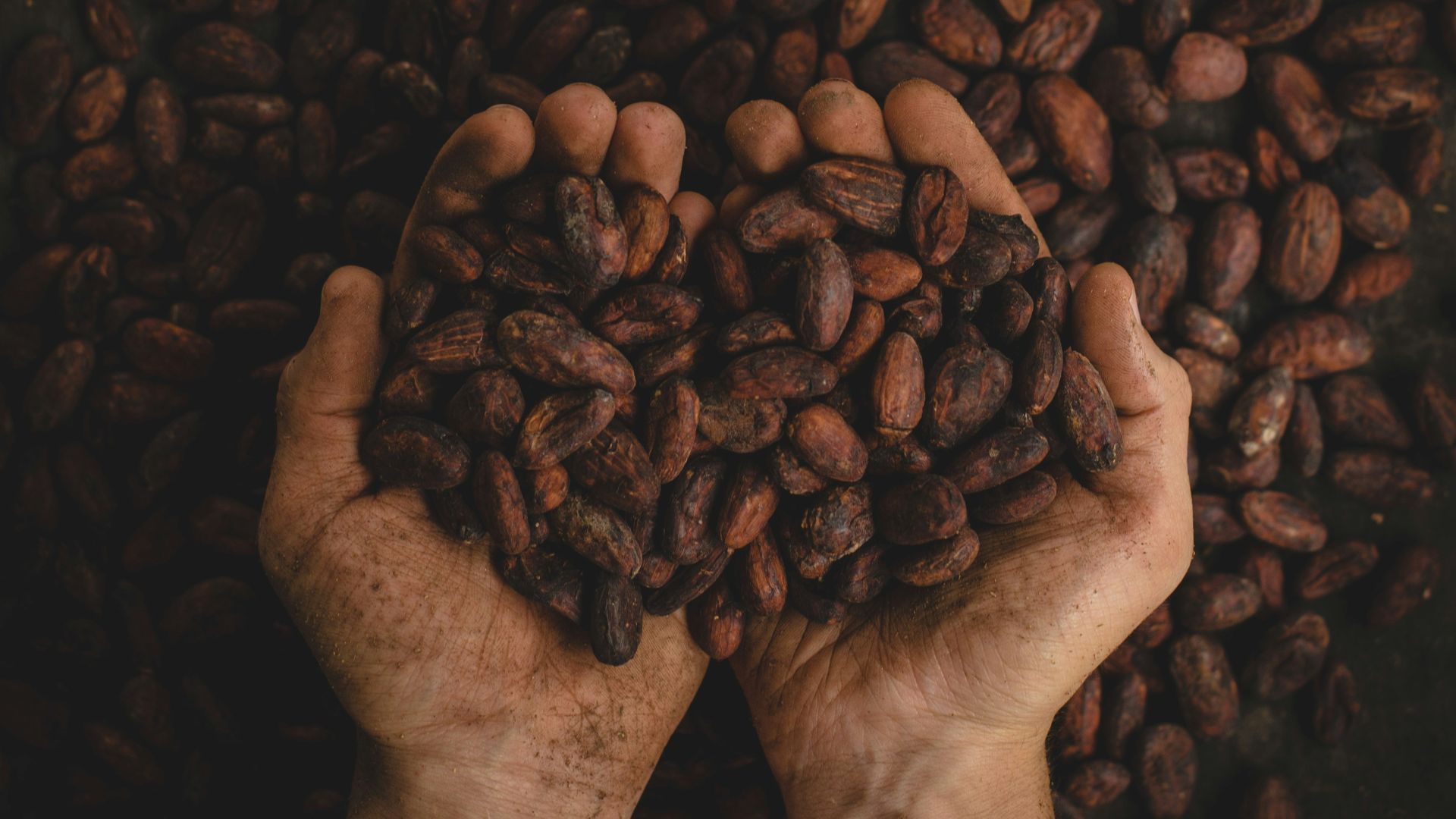
3. Flavanol-Rich Cocoa
Cocoa flavanols have been studied for endothelial function, which is basically how well the inner lining of blood vessels handles dilation. Better endothelial function supports healthier circulation, and circulation is central to arousal. This is more about dark cocoa with meaningful flavanol content than about sugary chocolate bars.
 Pablo Merchán Montes on Unsplash
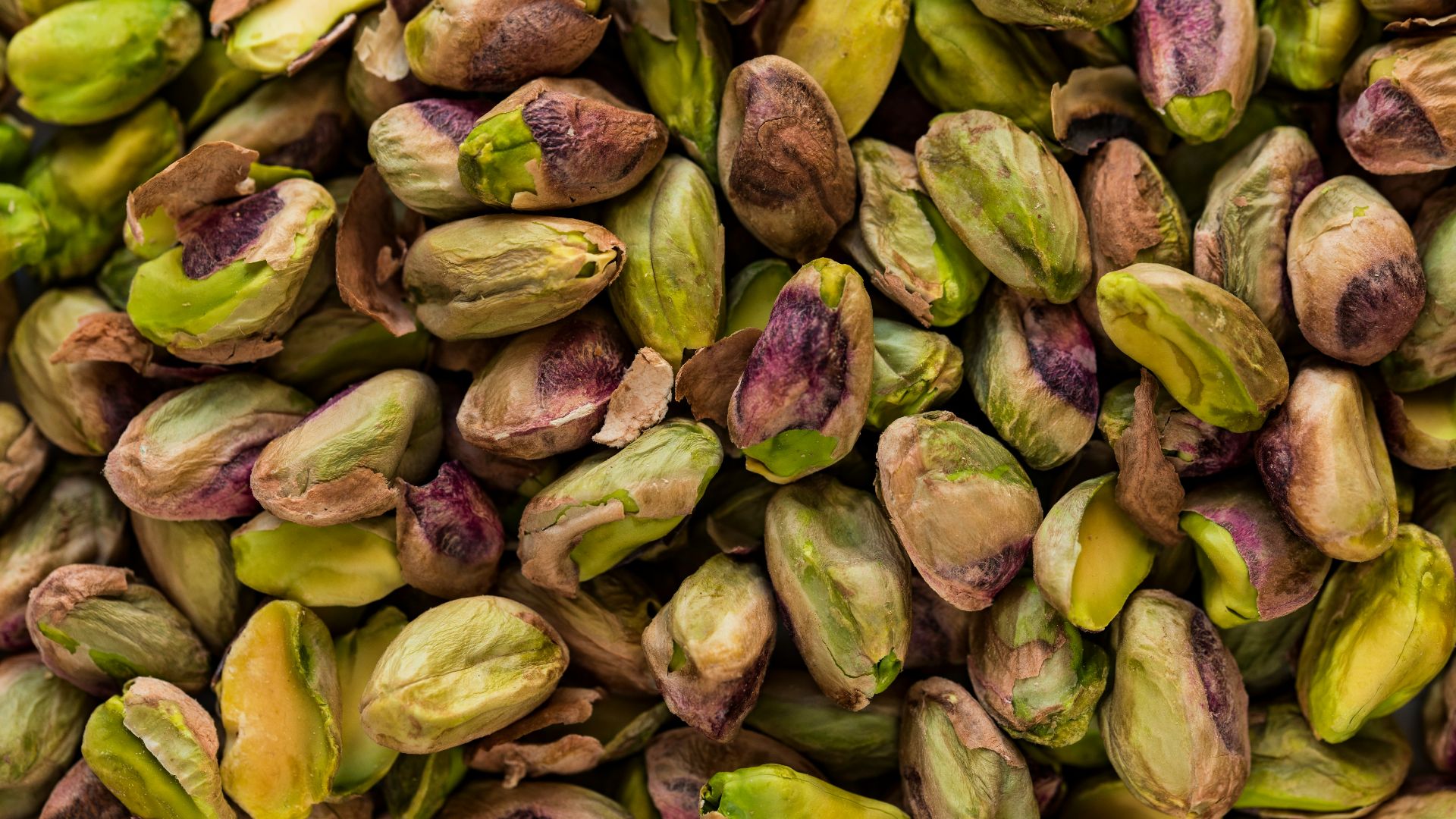
4. Pistachios
A small study reported improvements in erectile function measures after weeks of daily pistachio intake in men with erectile dysfunction. It is not definitive, yet it is rare to see a single food tested with sexual function outcomes. Pistachios also bring unsaturated fats and nutrients that support cardiovascular health, which often supports sexual health as a side effect.
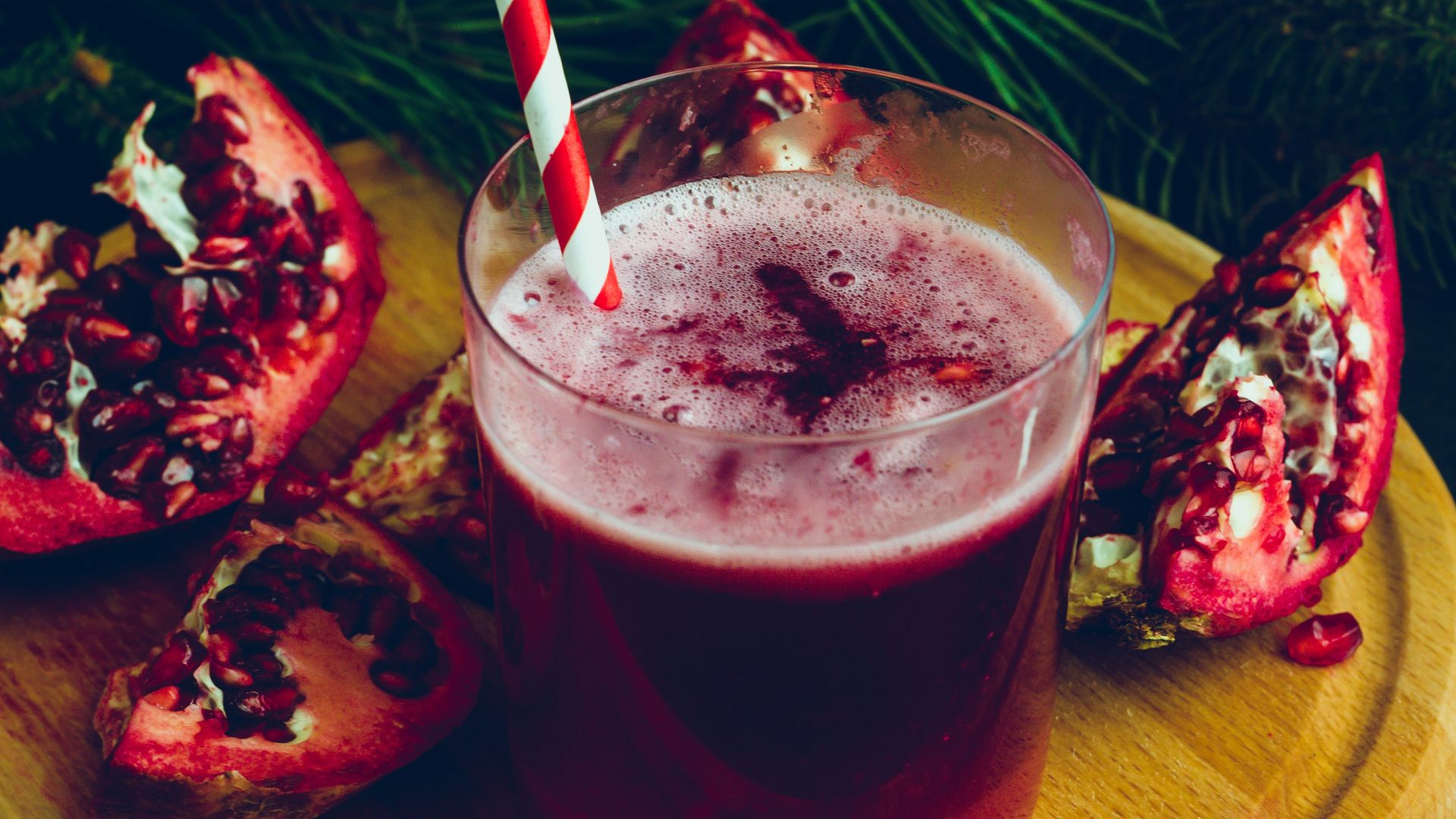
5. Pomegranate Juice
Pomegranate has been studied for cardiovascular-related effects thanks to its polyphenols and antioxidant activity. Controlled research has explored pomegranate juice in mild to moderate erectile dysfunction, framed around circulation and oxidative stress rather than romance folklore. Even when results are mixed, the biology being tested is at least relevant.
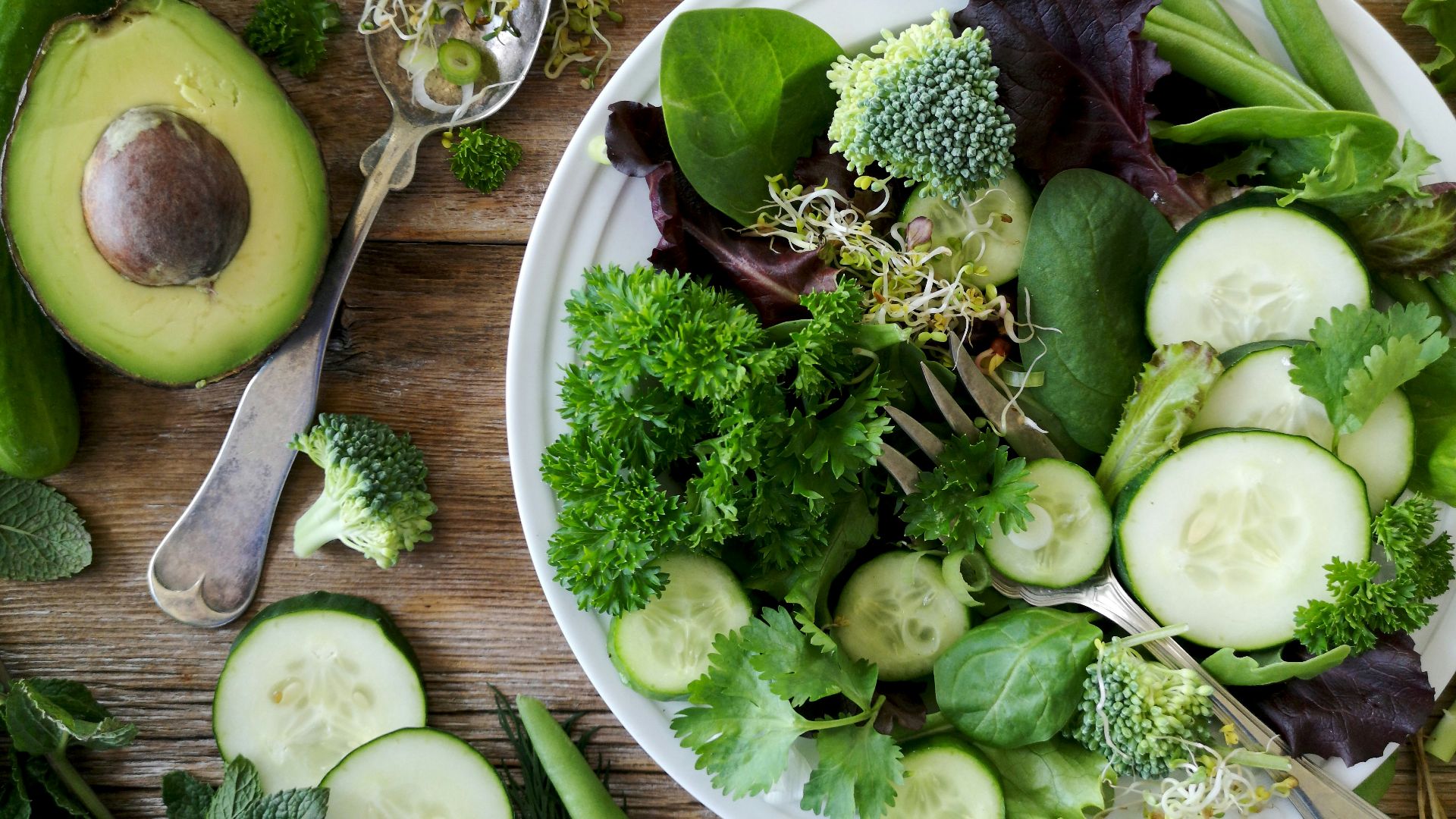
6. Leafy Greens
Many leafy greens provide nitrates, which tie back to nitric oxide and vascular dilation. This is not a one-salad fix, yet a nitrate-rich diet supports the same circulation systems that arousal depends on. The unsexy truth is that bodies tend to cooperate more when they are routinely well fed.
7. Pumpkin Seeds
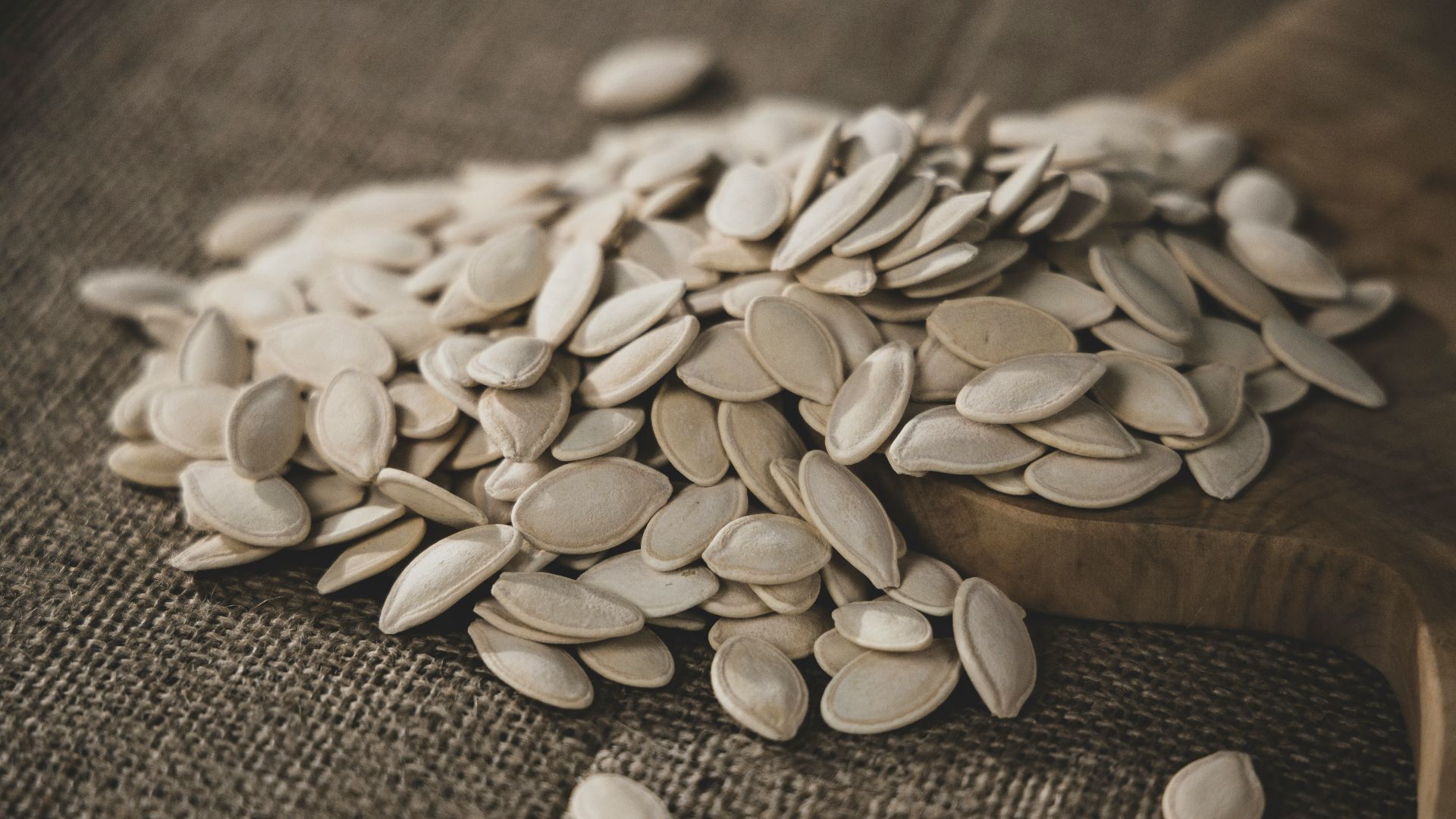
Pumpkin seeds provide arginine and minerals that support metabolic and cardiovascular function. Arginine is part of nitric oxide production, so it fits the blood flow story even if food-based effects are modest. They also make a steady snack that does not spike and crash energy, which is helpful on any night.
8. Panax Ginseng
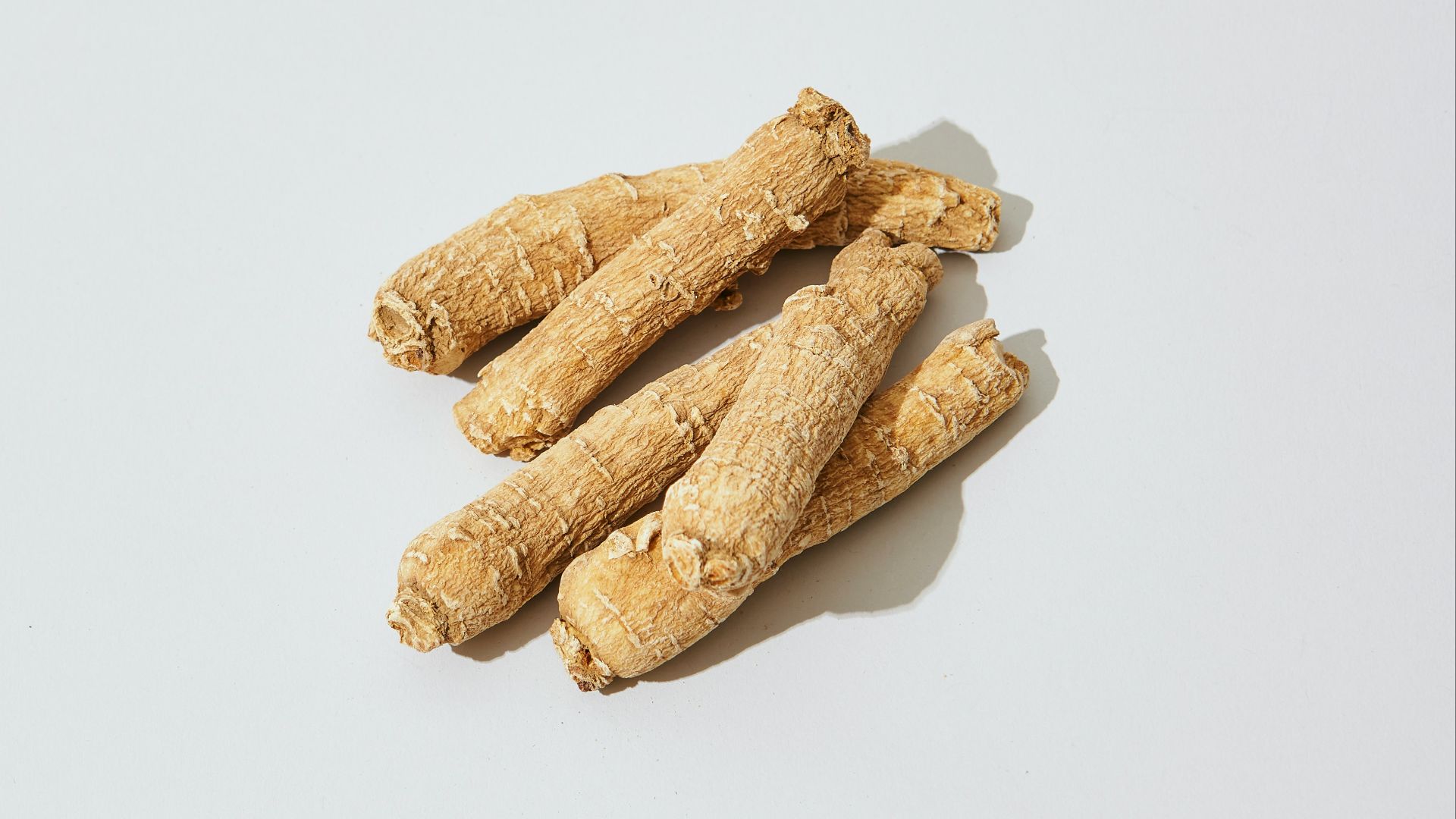
Panax ginseng has been evaluated in clinical trials for erectile dysfunction and discussed in evidence reviews, including Cochrane-style assessments of randomized research. Results depend on preparation and dose, which is common with botanicals, yet the overall research footprint is real. When it helps, proposed pathways include nitric oxide signaling and reduced fatigue.
9. Saffron
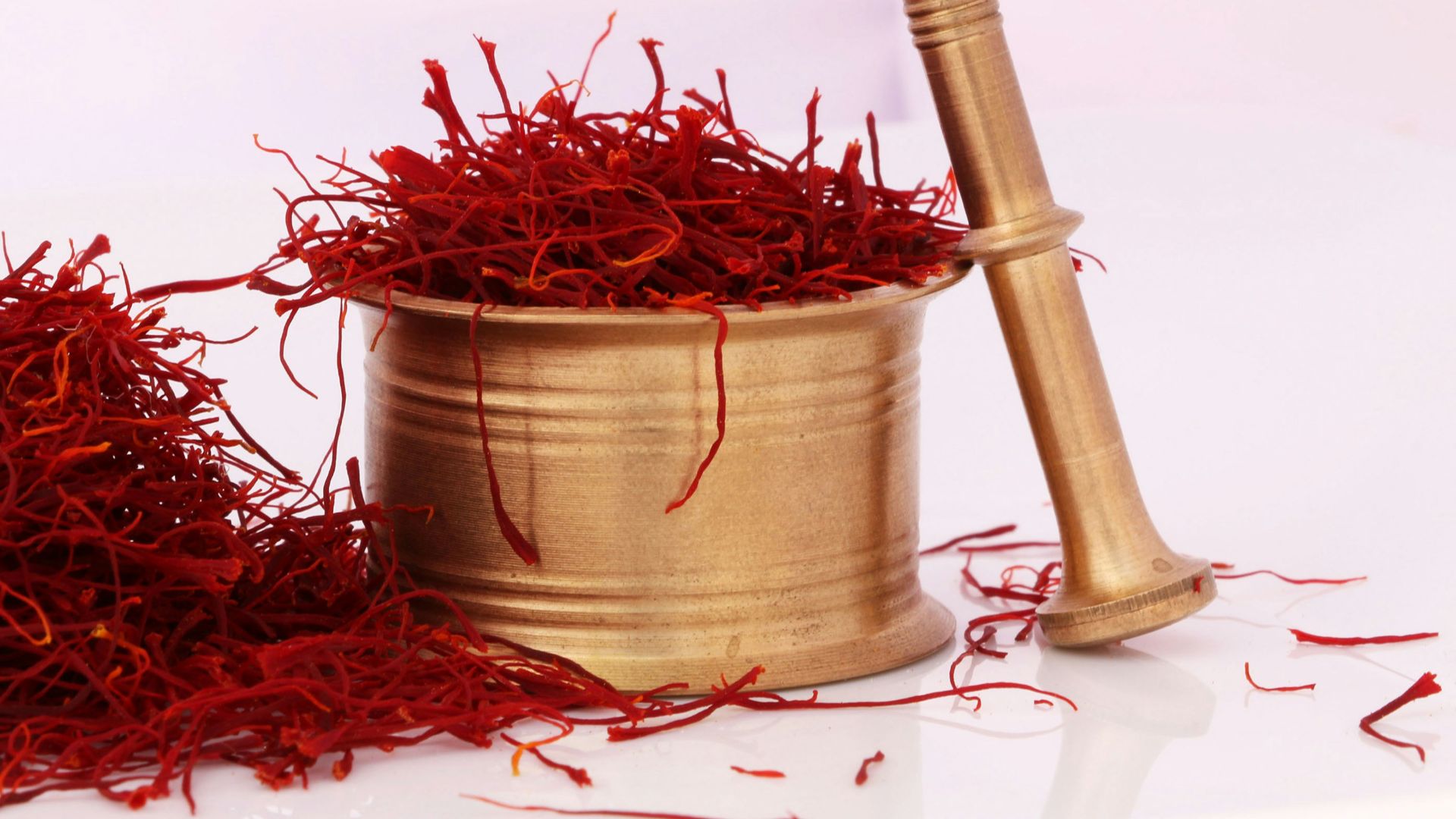
Saffron has human trial data connected to sexual function, including studies that looked at antidepressant-related sexual dysfunction. That setting matters because it uses structured outcomes and deals with a real, common problem. Saffron also belongs in actual cooking, so it can show up as a fragrant dish that feels intentional.
10. Maca
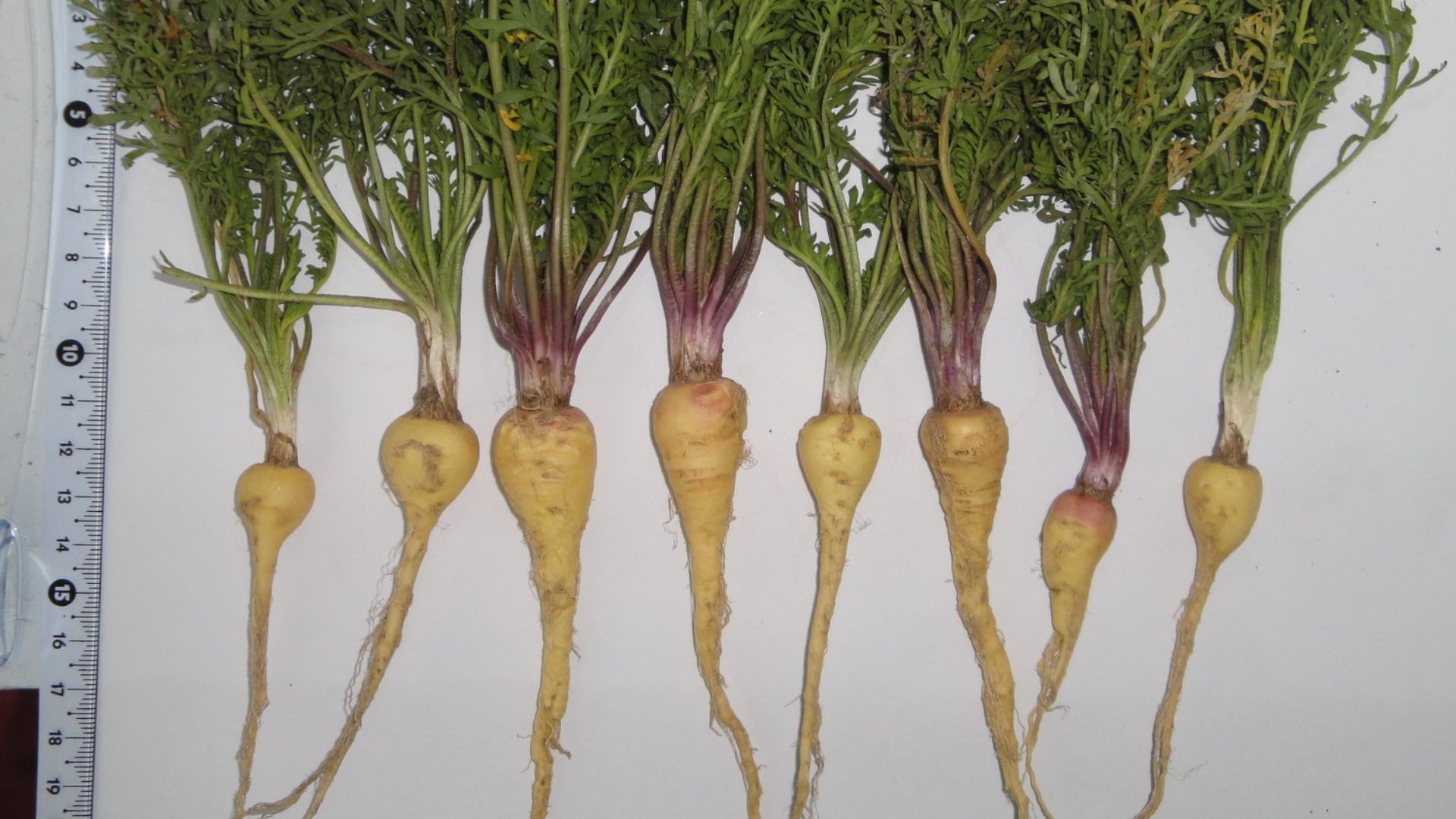
Maca has been studied in randomized trials for sexual desire, with some results suggesting benefits that may relate to mood and energy rather than direct hormone changes. The mechanism is not fully settled, yet the evidence base is stronger than most foods that get tossed into aphrodisiac lists. Maca also fits into routines easily, and routines tend to beat one-night gimmicks.
KEEP ON READING