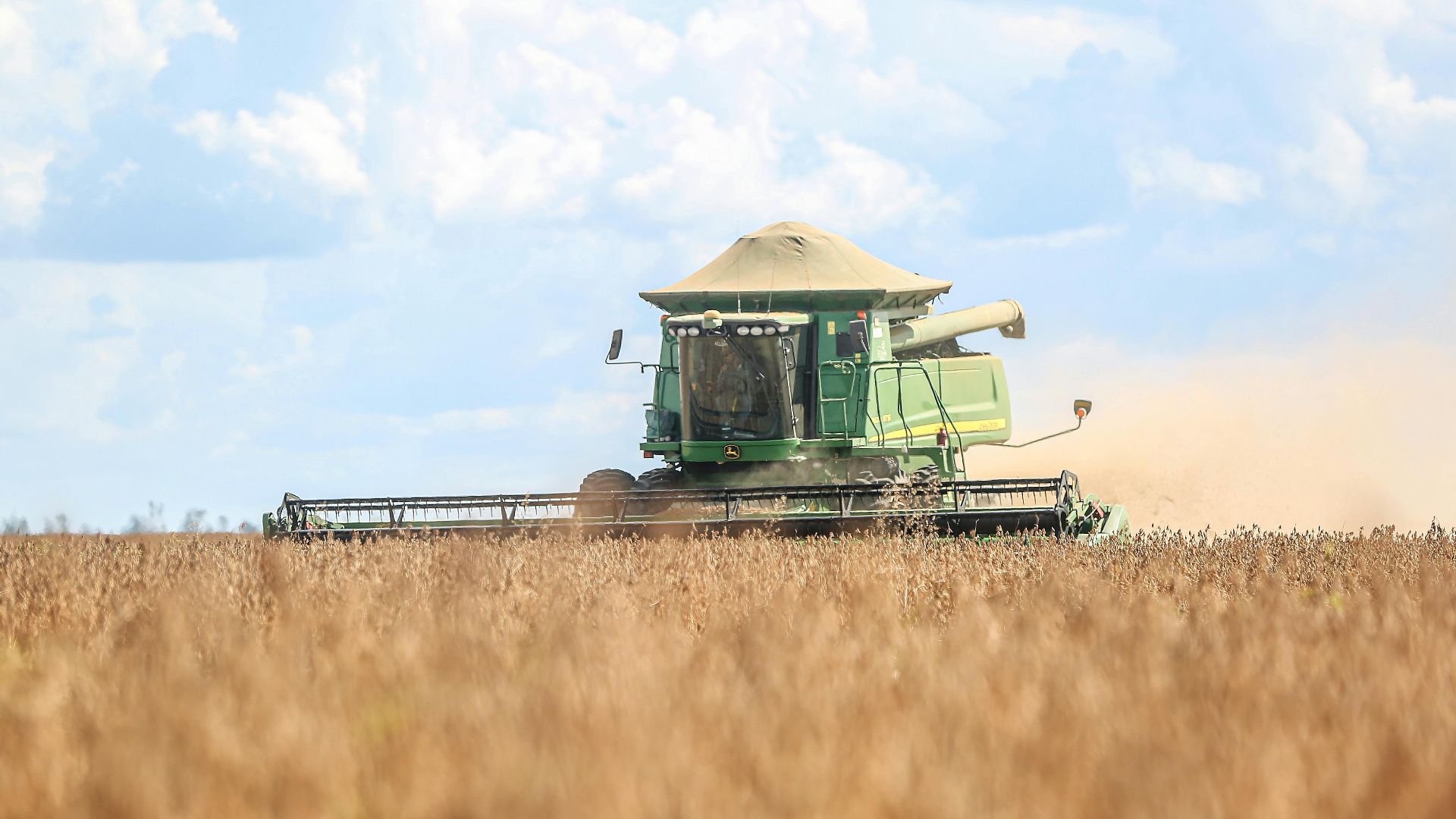
 MELQUIZEDEQUE ALMEIDA on Pexels
Few dietary panics have spread as fast or as far as the backlash against seed oils. What started as a fringe talking point on health forums has migrated into mainstream grocery store conversations, restaurant marketing copy, and congressional testimony. Canola oil, vegetable oil, soybean oil, and their relatives have gone from neutral pantry staples to public health suspects in the span of roughly a decade, and the speed of that shift says something interesting about how we form beliefs about food.
The accusation isn't subtle. Seed oil critics argue that these oils, which now dominate the American food supply, are a primary driver of chronic inflammation, obesity, heart disease, and a cascade of modern illnesses. The argument has attracted a genuinely eclectic coalition of supporters, from ancestral health bloggers and carnivore diet advocates to some credentialed researchers and at least one sitting cabinet member. Robert F. Kennedy Jr., confirmed as Secretary of Health and Human Services in 2025, has publicly named seed oils as a central concern in his "Make America Healthy Again" agenda. That kind of institutional proximity changes a fringe argument's trajectory considerably.
How These Oils Got Into Everything
Seed oils didn't become ubiquitous by accident. Their rise tracks almost perfectly with the mid-20th century campaign against saturated fat, a campaign driven by research that associated dietary fat with cardiovascular disease. The American Heart Association began recommending polyunsaturated vegetable oils over butter and lard in the 1960s, and food manufacturers responded accordingly. Soybean oil alone went from a negligible presence in the American diet in 1909 to the single most consumed fat in the country by the late 20th century.
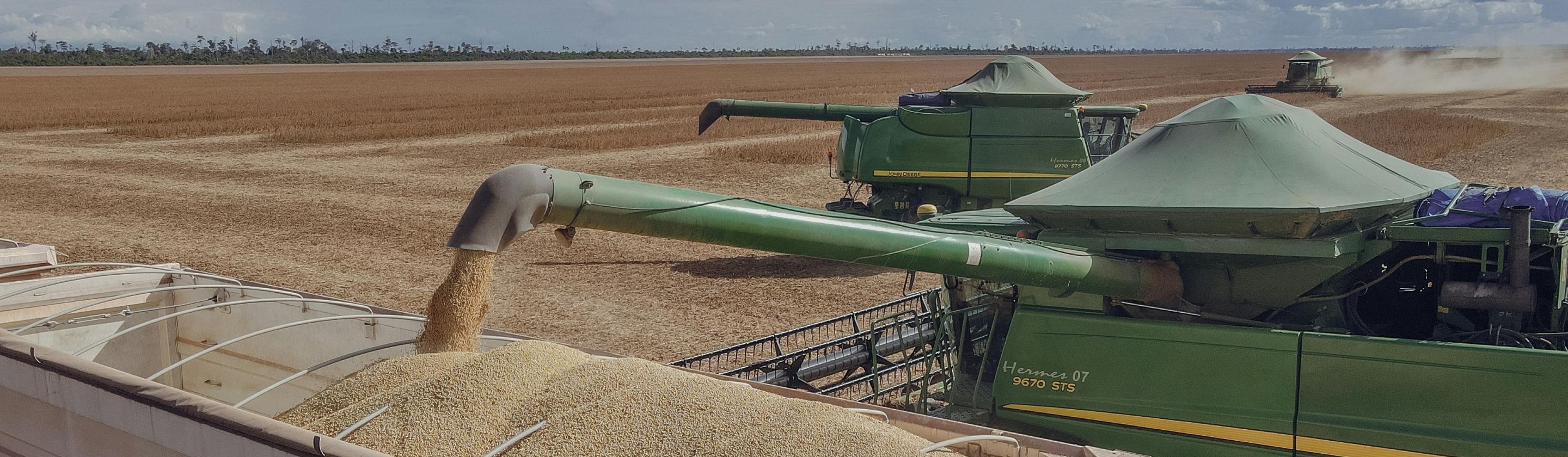
Industrial seed oils also had powerful economic logic behind them. Crops like soybeans and corn were already being grown at massive scale, making the oils cheap to produce and easy to stabilize for long shelf lives. Crisco, introduced in 1911, was essentially a marketing triumph that reframed an industrial byproduct as a wholesome cooking fat. The food processing industry built itself around these oils because they were stable, affordable, and had the official endorsement of major health organizations.
By the 1990s, seed oils were foundational to processed food infrastructure. They appear in crackers, salad dressings, frozen meals, fast food, bread, and nearly every packaged product on a typical grocery store shelf. The USDA's food supply data estimates that soybean oil alone accounts for roughly 7% of total caloric intake in the average American diet. That level of penetration means any serious argument against seed oils is also an argument against the entire architecture of modern food manufacturing.
The Science That's Fueling the Skepticism
The core biological argument against seed oils centers on linoleic acid, an omega-6 polyunsaturated fatty acid that makes up a large percentage of most seed oils. Critics point to research suggesting that excessive omega-6 intake, relative to omega-3 intake, promotes inflammatory pathways in the body. The ratio of omega-6 to omega-3 fatty acids in the American diet has shifted dramatically over the past century, from an estimated 4:1 historically to somewhere between 15:1 and 20:1 today, according to a widely cited 2002 paper by Artemis Simopoulos published in Biomedicine and Pharmacotherapy.
Researchers like Paul Saladino and Tucker Goodrich have built substantial public audiences arguing that linoleic acid accumulates in human tissue over time and contributes to oxidative stress. There is peer-reviewed research showing that polyunsaturated fats are more susceptible to oxidation than saturated fats, particularly when exposed to high heat, which is relevant given how these oils are used in commercial frying. A 2017 study from De Montfort University found that heating vegetable oils produced toxic compounds including aldehydes linked to cancer and neurological disease in animal models.
The scientific establishment has not broadly endorsed the anti-seed oil position, and that tension is real. The American Heart Association reaffirmed its support for polyunsaturated fats as recently as 2021, and multiple large observational studies continue to associate linoleic acid consumption with reduced cardiovascular risk rather than increased risk. The debate is genuinely unsettled in ways that neither the most ardent critics nor the most dismissive defenders fully acknowledge. What's clear is that the research base is more complicated than the confident pronouncements on either side tend to suggest.
Why the Backlash Landed So Hard Right Now
The timing of seed oils' cultural demotion isn't random. We're living through a period of unusually low institutional trust, and dietary guidelines sit squarely in the crossfire. The advice to avoid saturated fat that dominated official nutrition guidance for decades has been substantially walked back, and that reversal gave critics of mainstream nutrition science a very usable example. If the experts were wrong about butter, the argument goes, what else did they get wrong?
Social media accelerated everything. Accounts dedicated to ancestral eating, animal-based diets, and metabolic health have collectively built audiences in the tens of millions, and seed oil skepticism is practically a founding principle of that online ecosystem. When a message spreads peer-to-peer rather than through institutional channels, it bypasses the credibility filters people apply to official sources. Someone you already trust for other health information telling you to throw out your canola oil lands differently than a government pamphlet making the same suggestion.
What we're watching is less a settled scientific debate and more a cultural renegotiation of who gets to define healthy eating. Seed oils became a villain partly because the category needed one, partly because the underlying science is genuinely contested, and partly because distrust of the food industry and its academic partners has never been higher. Whether the backlash turns out to be correct, premature, or somewhere in between, the conversation it's forcing about ultra-processed food and industrial agriculture is one that was probably overdue.
KEEP ON READING