Sicily's Sweet Legacy
There's a reason cannoli show up at every Italian celebration worth attending. They don't require refrigeration, drama, or complicated serving instructions. You just pick one up and experience what happens when fried pastry meets sweetened cheese in the most satisfying way possible. Let's start by talking about what makes these things actually special beyond the nostalgia factor.
1. Unmatched Crunchy-Creamy Texture Contrast
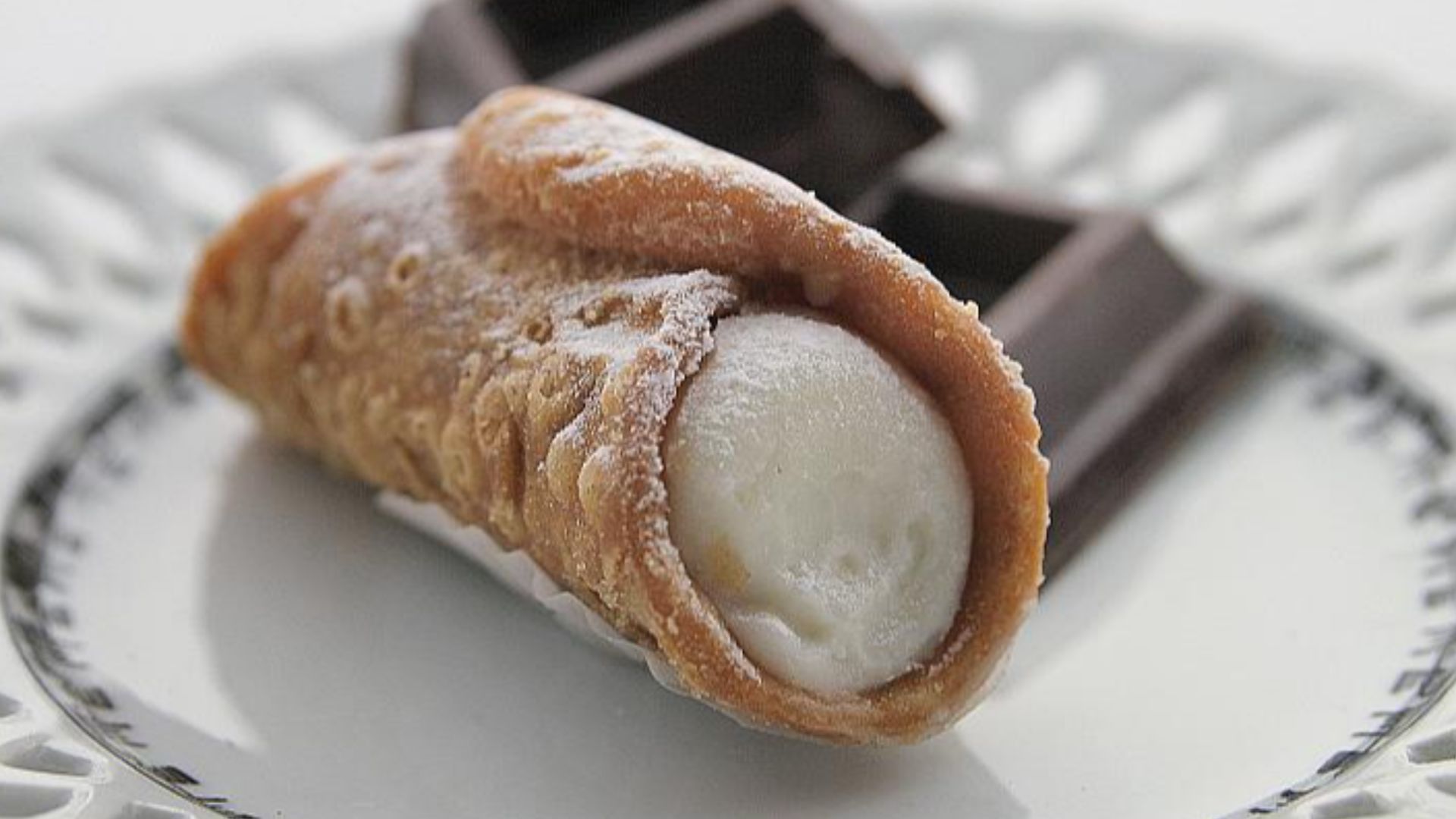
The magic happens the moment your teeth break through that golden shell. Cannoli shells are fried until they achieve a delicate crispness, often developing tiny bubbles that shatter with satisfying precision. This isn't just any crunch, it's an engineering feat of Italian pastry-making.
 amirali mirhashemian on Unsplash
2. Perfect Balance Of Sweetness
Unlike desserts that assault your palate with sugar, cannoli take a surprisingly restrained approach. The ricotta filling is lightly sweetened, carefully avoiding the cloying excess that plagues many Italian-American adaptations. Traditional recipes emphasize the natural dairy tang of ricotta.
3. Rich Sicilian History And Cultural Depth
Travel back to 9th-century Sicily, when Arab rule changed the island's culinary scenario forever. Cannoli emerged during this period, absorbing influences from North African and Middle Eastern pastry traditions. These sweets were historically tied to Carnival celebrations.
 Continentaleurope on Wikimedia
4. Endless Customization And Flavor Variety
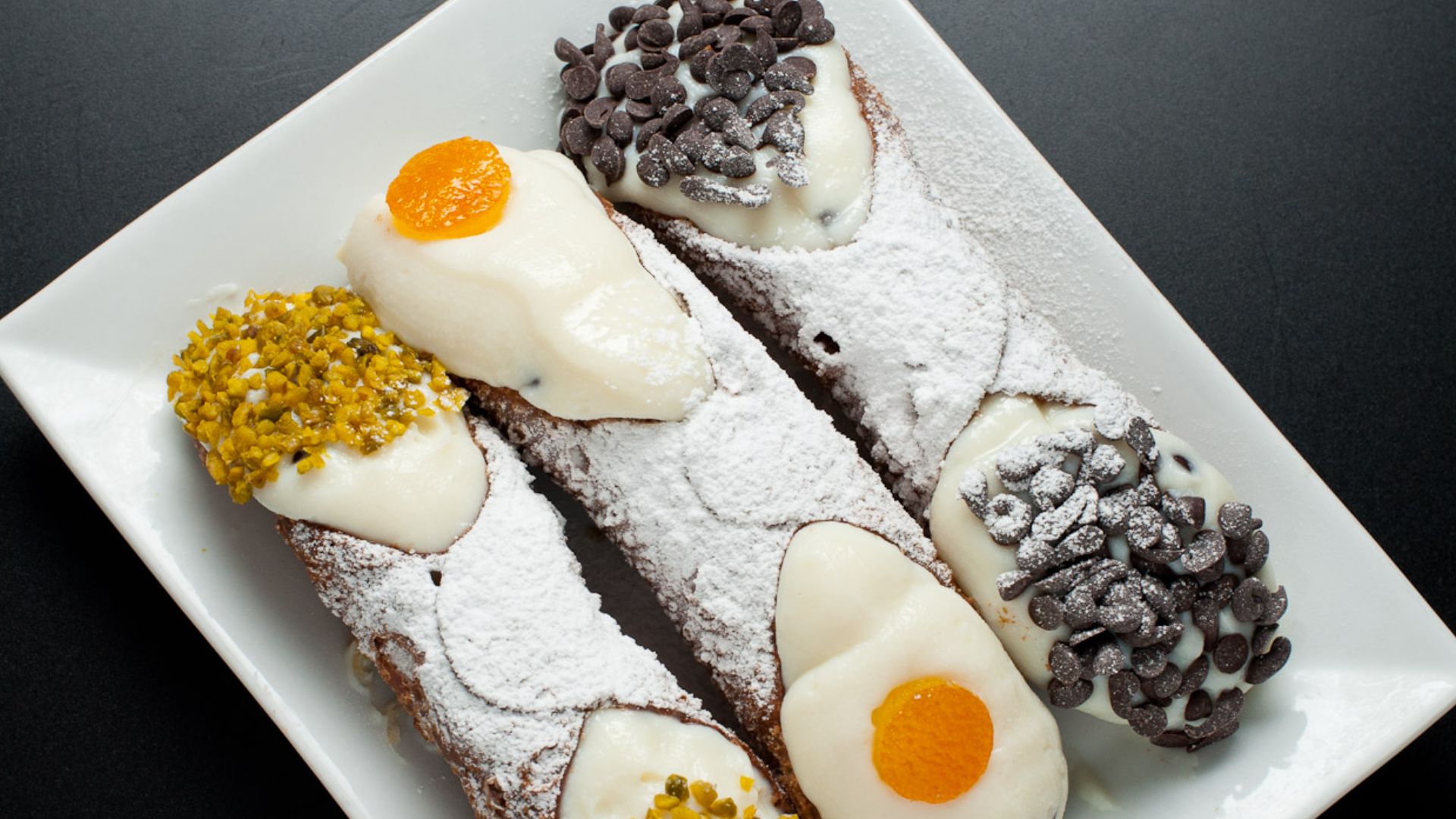
Here's where cannoli prove their versatility as a dessert platform. Fillings range from classic ricotta to mascarpone, chocolate, or pistachio blends, giving bakers endless creative freedom. Modern chefs have pushed boundaries even further, experimenting with flavors like pumpkin spice.
5. Iconic Global Popularity And Recognition
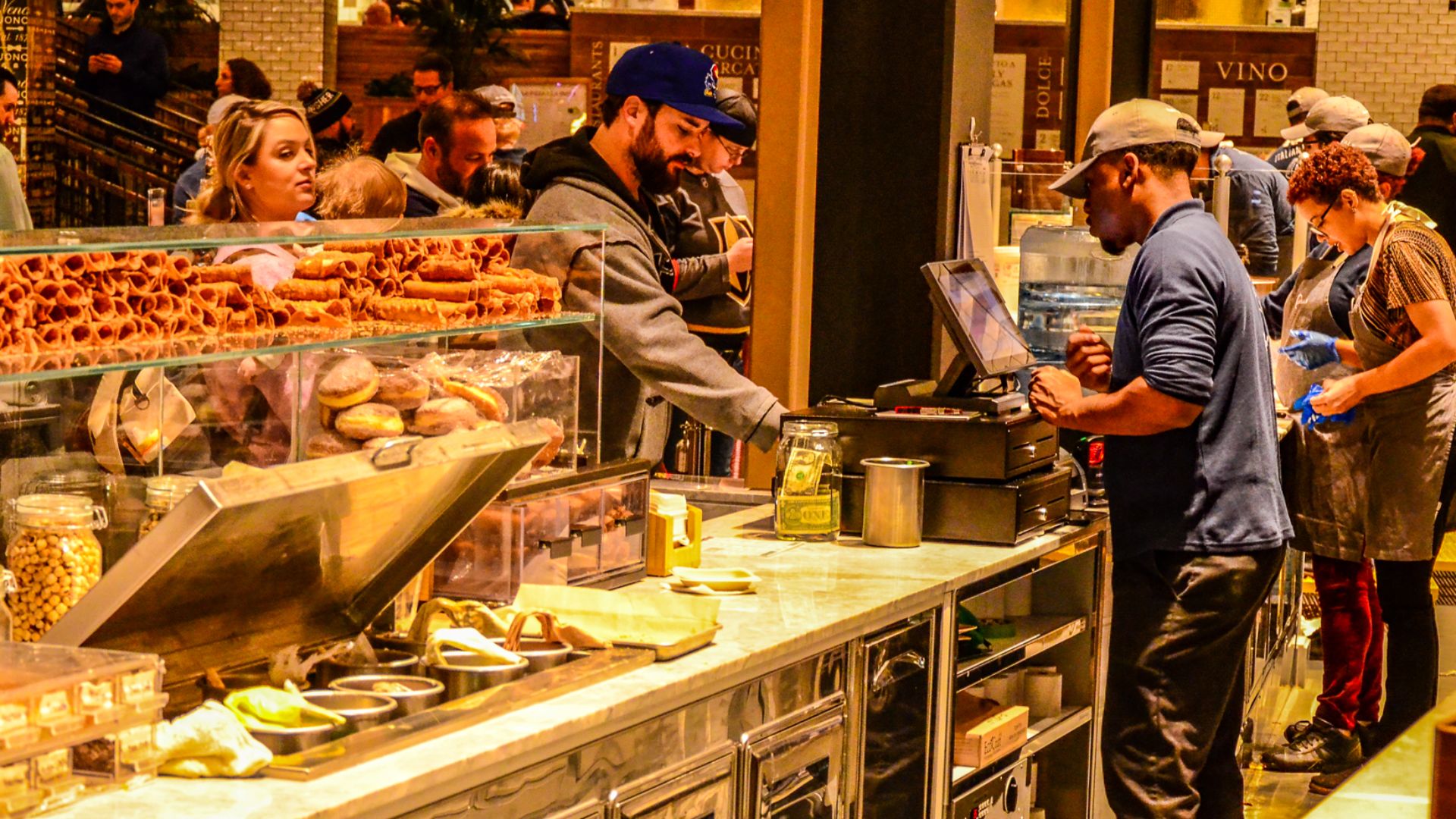
From Palermo's cobblestone streets to Tokyo's trendy cafés, cannoli have conquered the world. Italian-American communities, especially in New York, turned cannoli from a regional Sicilian specialty to an international icon—bakeries like Ferrara's in Little Italy became ambassadors of cannoli culture.
6. Superior Portability And Shareability
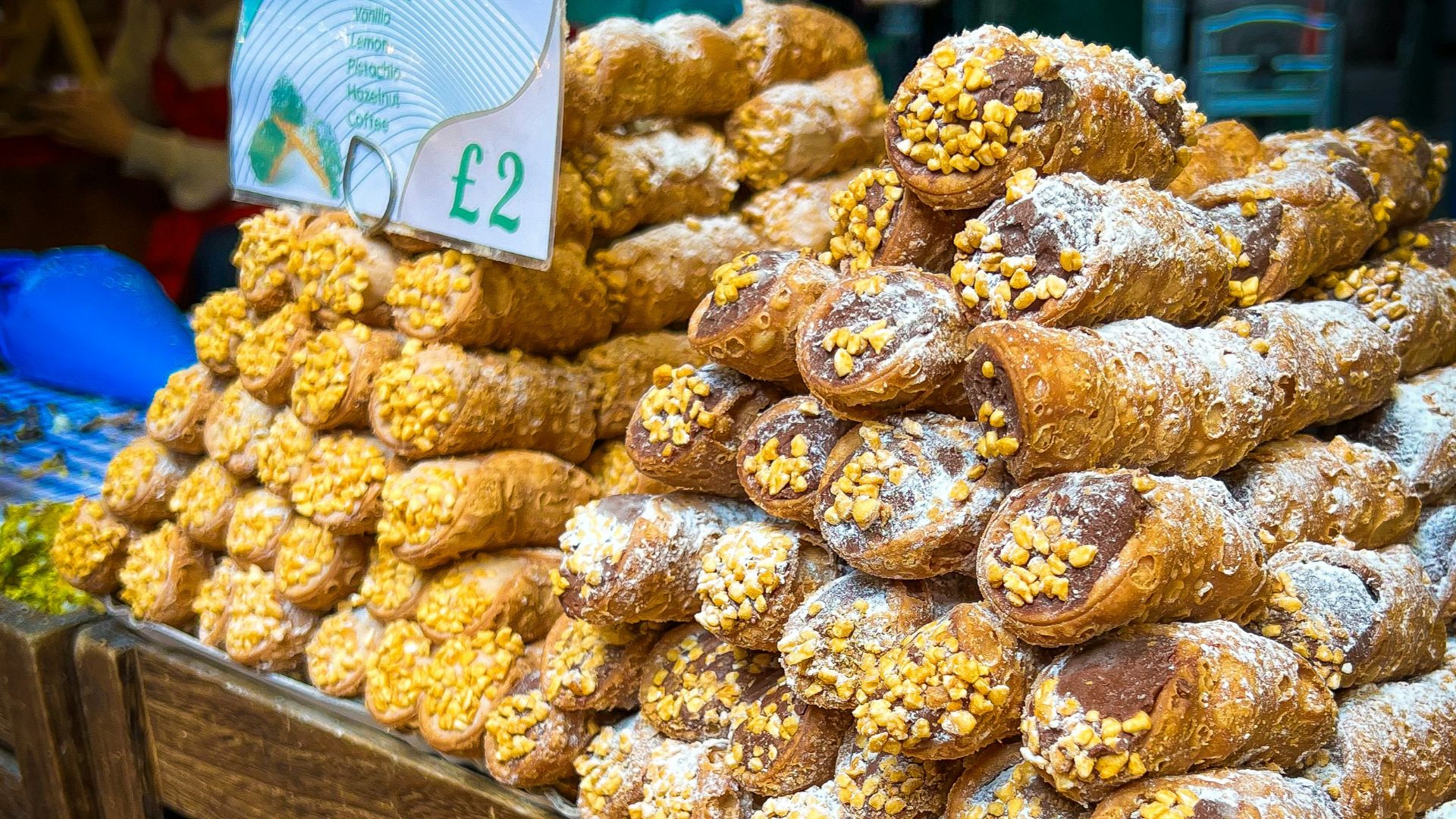
Imagine trying to elegantly serve tiramisu at a standing reception. It's a logistical nightmare. Cannoli solved the portability problem centuries before event planners knew they needed it. Their handheld design makes them incredibly easy to serve at events.
7. Freshness Demands Excellence
This is where cannoli separate casual bakers from true artisans. The shells soften quickly if filled too early, turning that prized crunch into disappointing sogginess within hours. Best practice demands filling shells just before serving, a requirement that forces quality and prevents shortcuts.
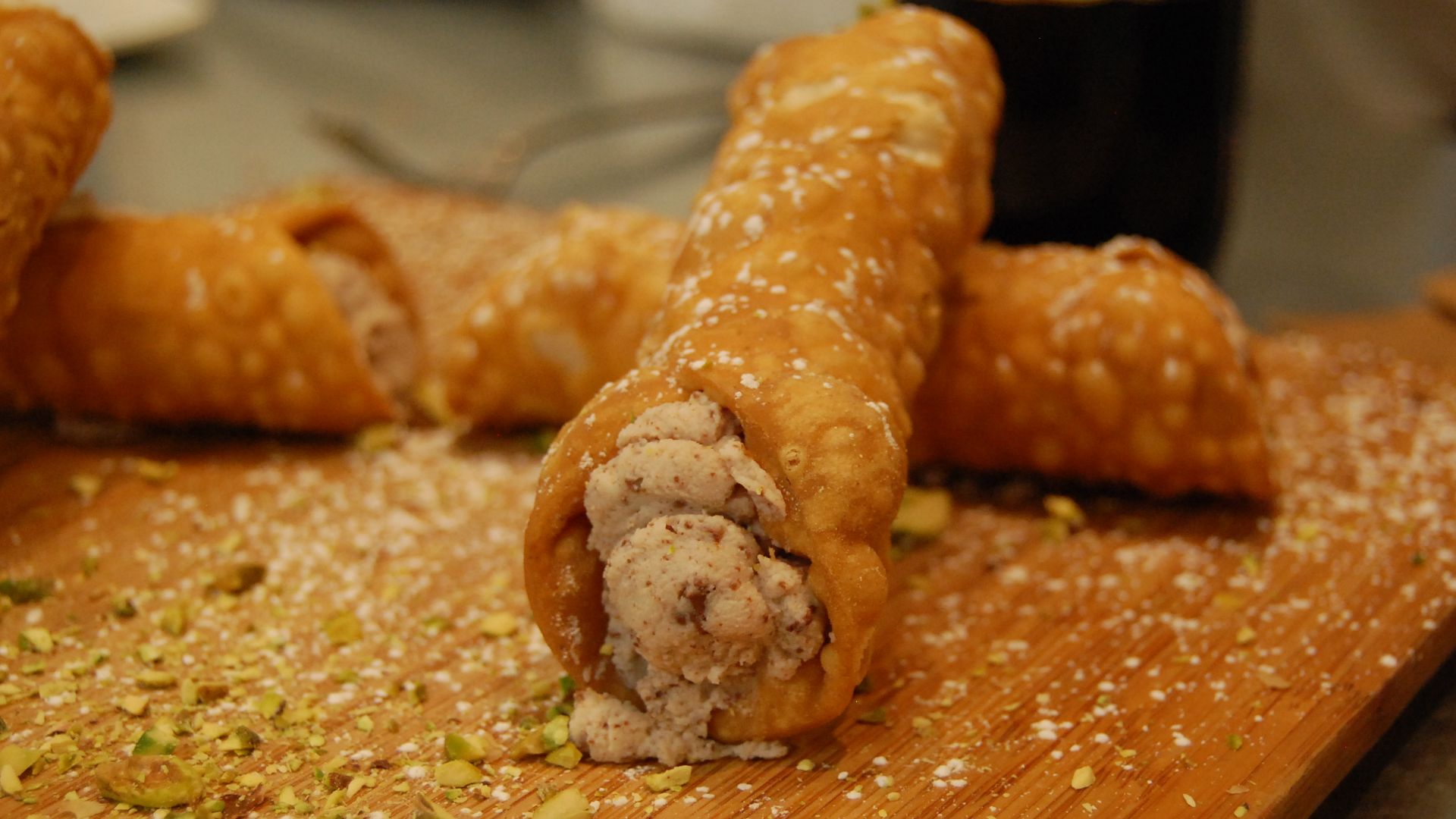
8. Versatile Pairing With Beverages
Sweet wines like Moscato d'Asti complement the ricotta's creaminess without competing with it, while espresso serves as the traditional Italian accompaniment, cutting through the richness with bitter precision. Sparkling wines offer a different approach entirely, cleansing the palate between bites.
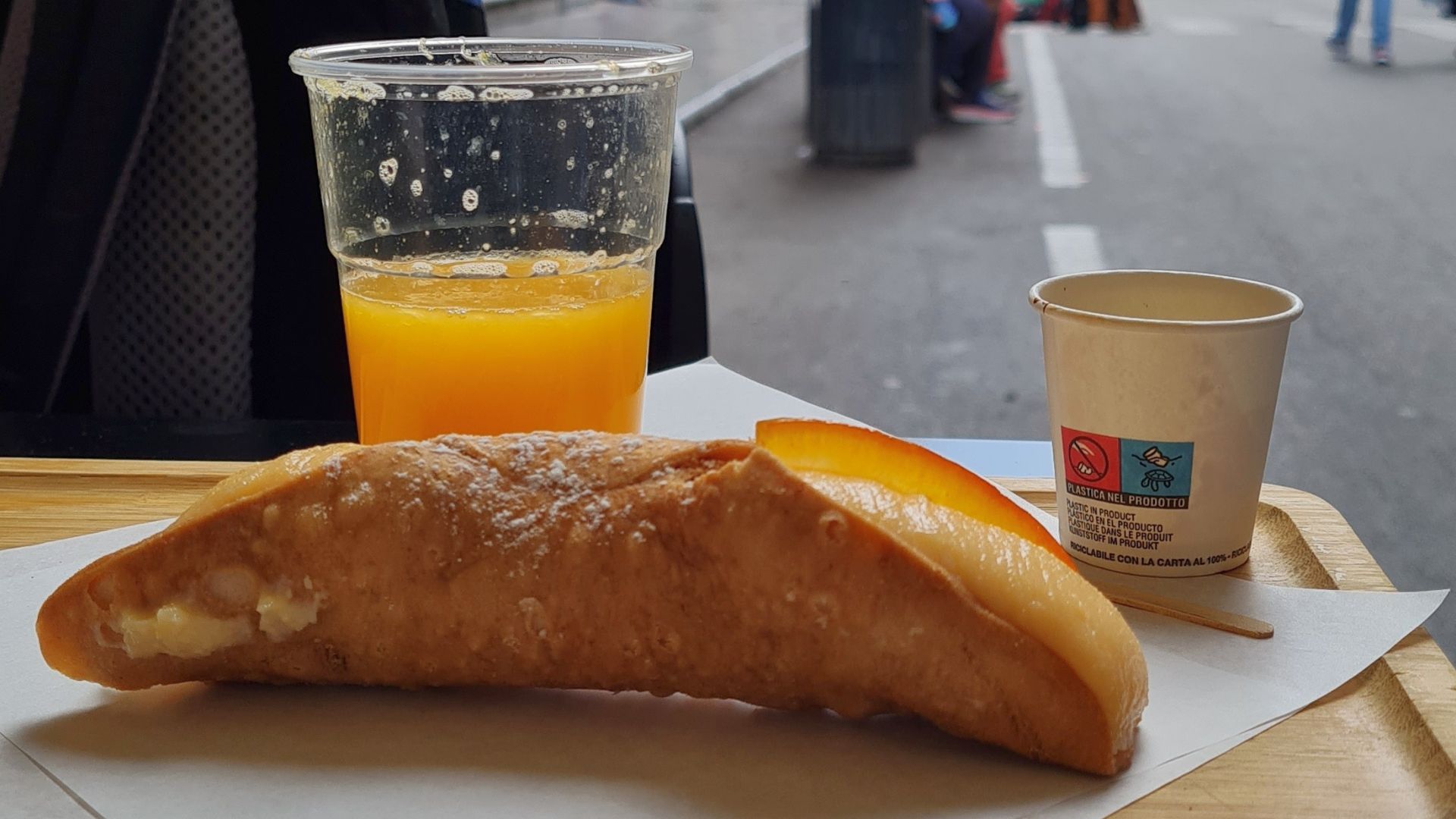
9. Visual Appeal And Presentation
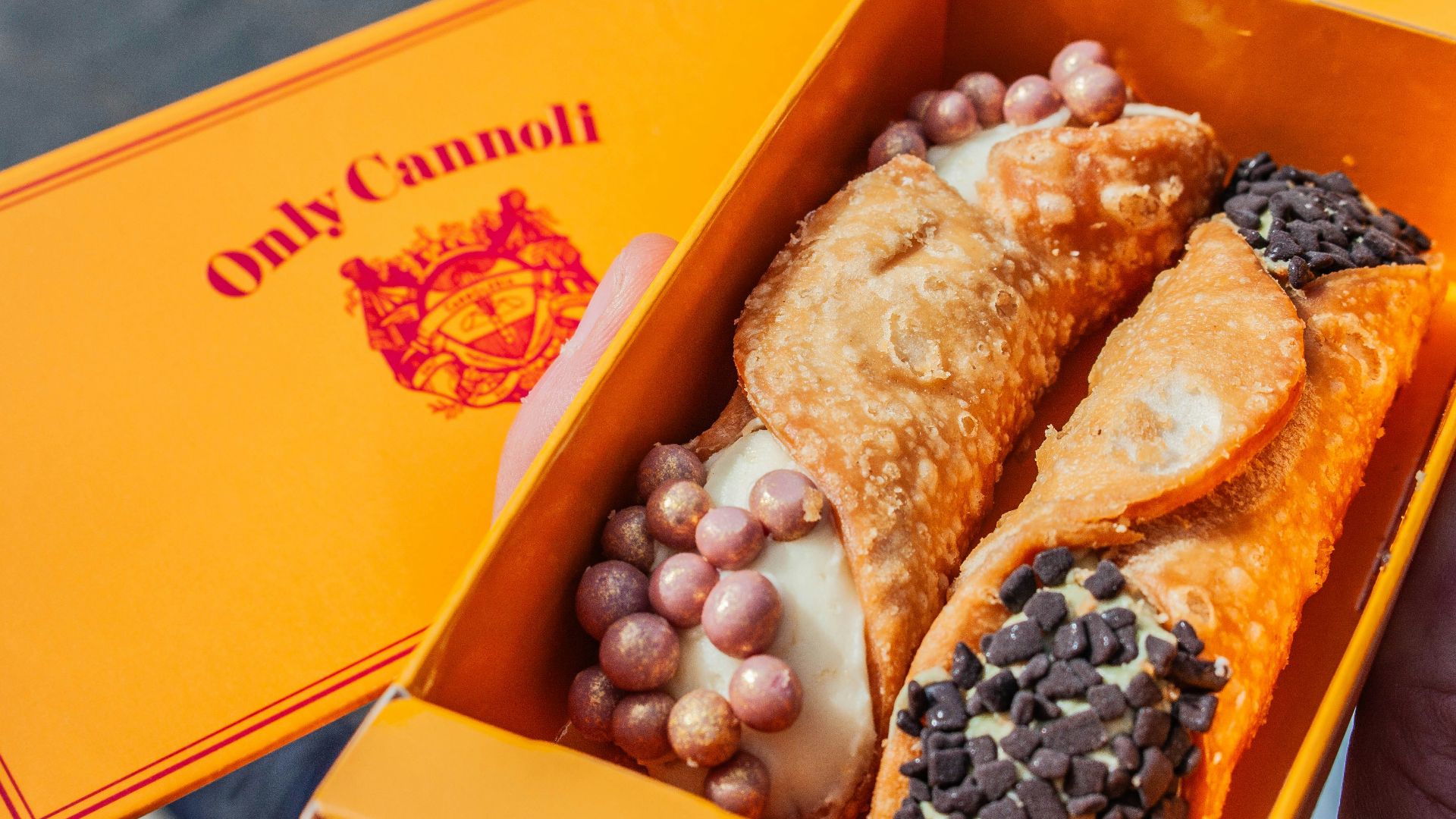
Before you even taste a cannolo, it thrills your eyes with its unmistakable silhouette. The golden-brown shells emerge from hot oil with a warm, inviting hue that promises crispy perfection, while the creamy filling creates a stark white contrast.
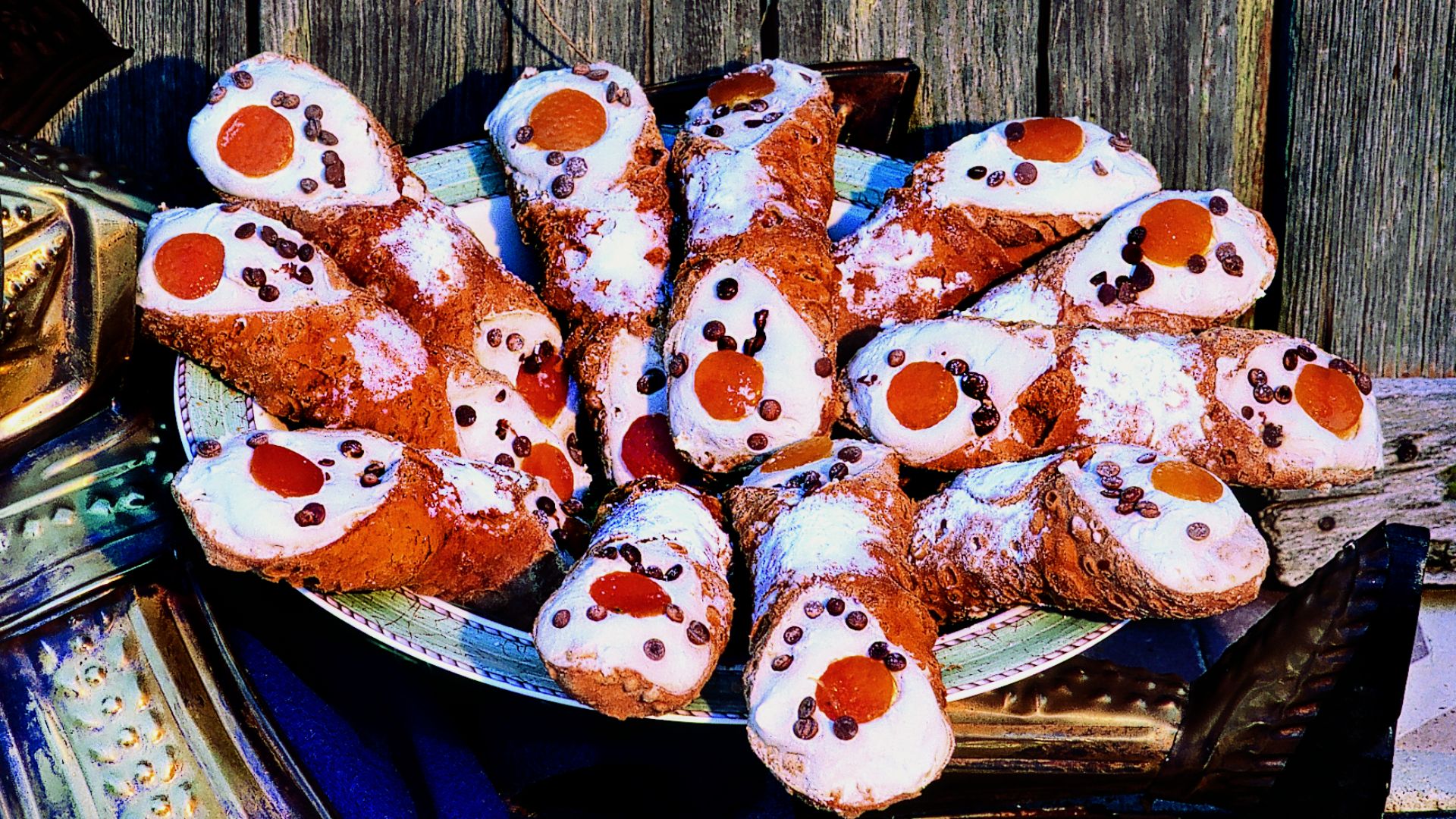
10. Authentic Ingredients Shine Simply
Strip away modern complications, and you'll find cannoli's genius lies in simplicity. Ricotta forms the traditional base for the filling, its fresh dairy flavor requiring no disguise or heavy manipulation. Pistachios and candied fruit serve as classic Sicilian garnishes.
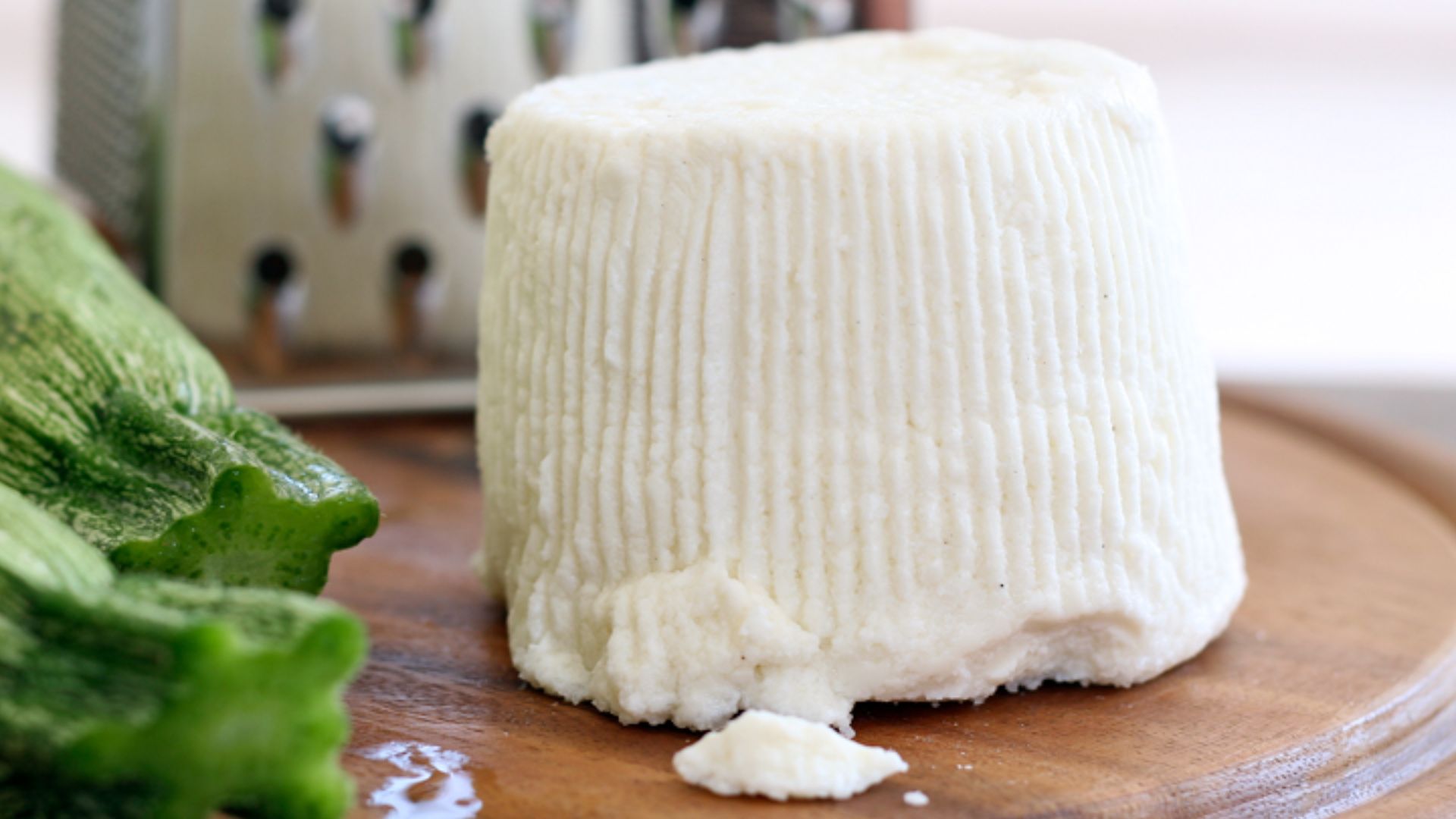
Time to explore the ricotta-based creativity that keeps cannoli exciting after all these centuries.
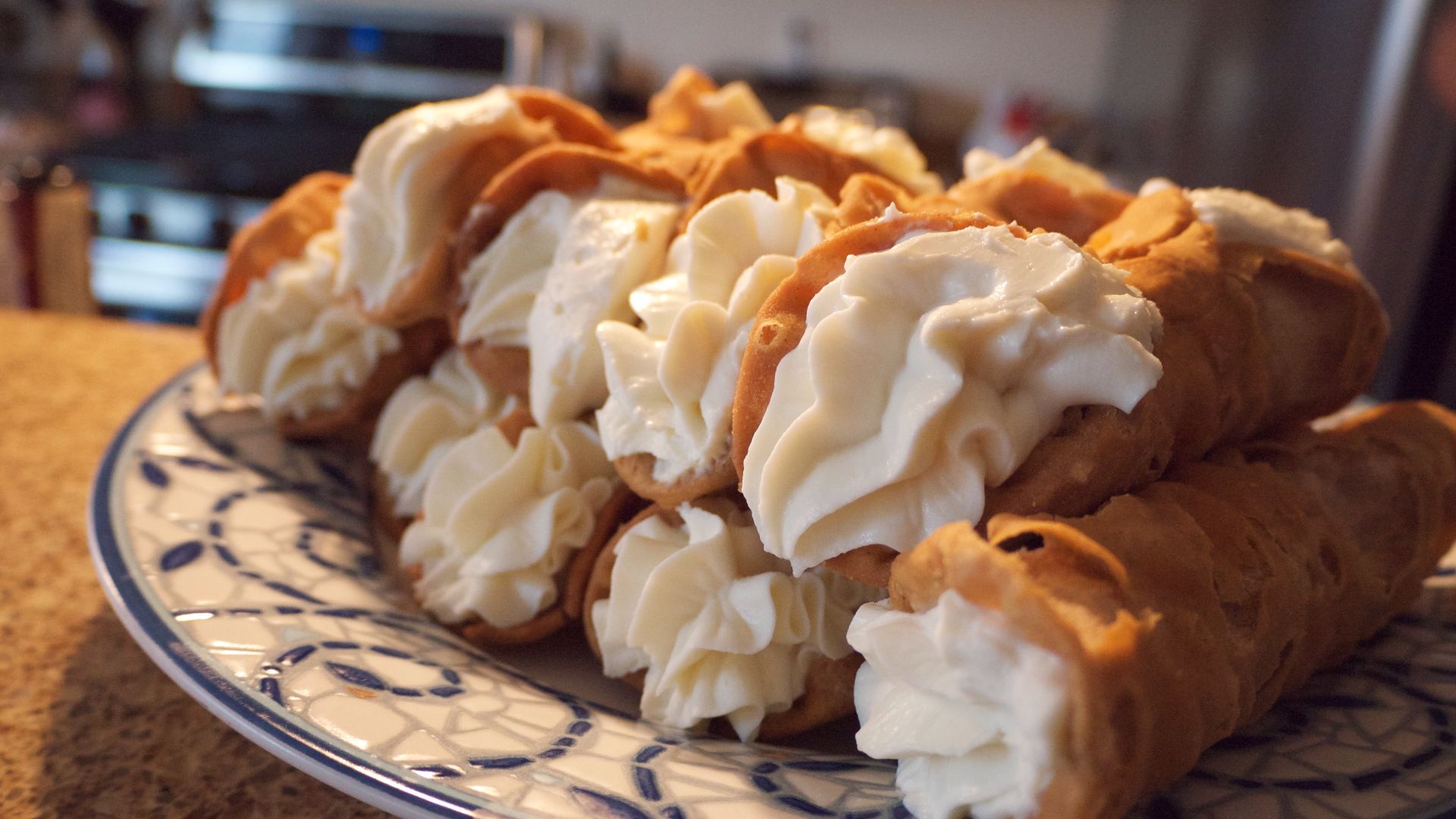
1. Classic Sweetened Ricotta
The word "ricotta" literally means "recooked," a reference to its whey-based production process that turns leftover cheesemaking liquid into something magnificent. In Palermo, purists insist on sheep's milk ricotta as the most authentic choice, prizing its richer flavor and slightly grainier texture.
2. Chocolate Chip Ricotta
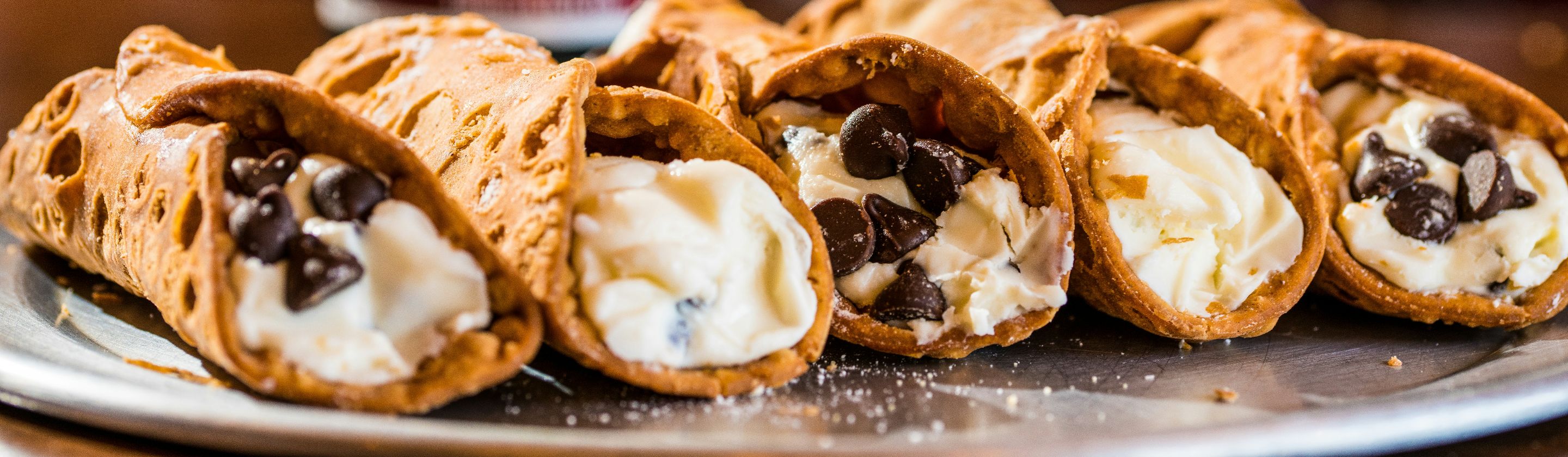
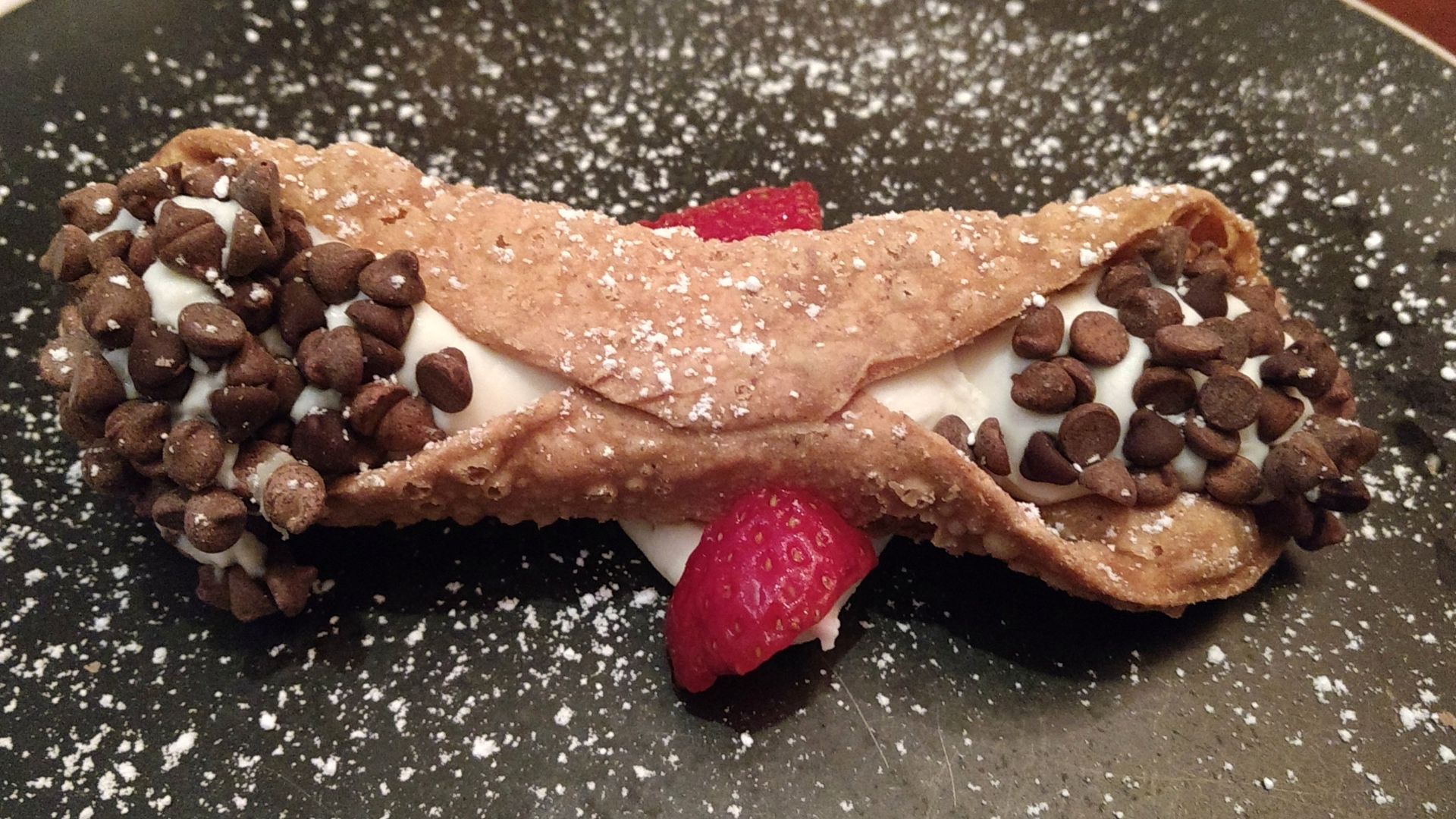
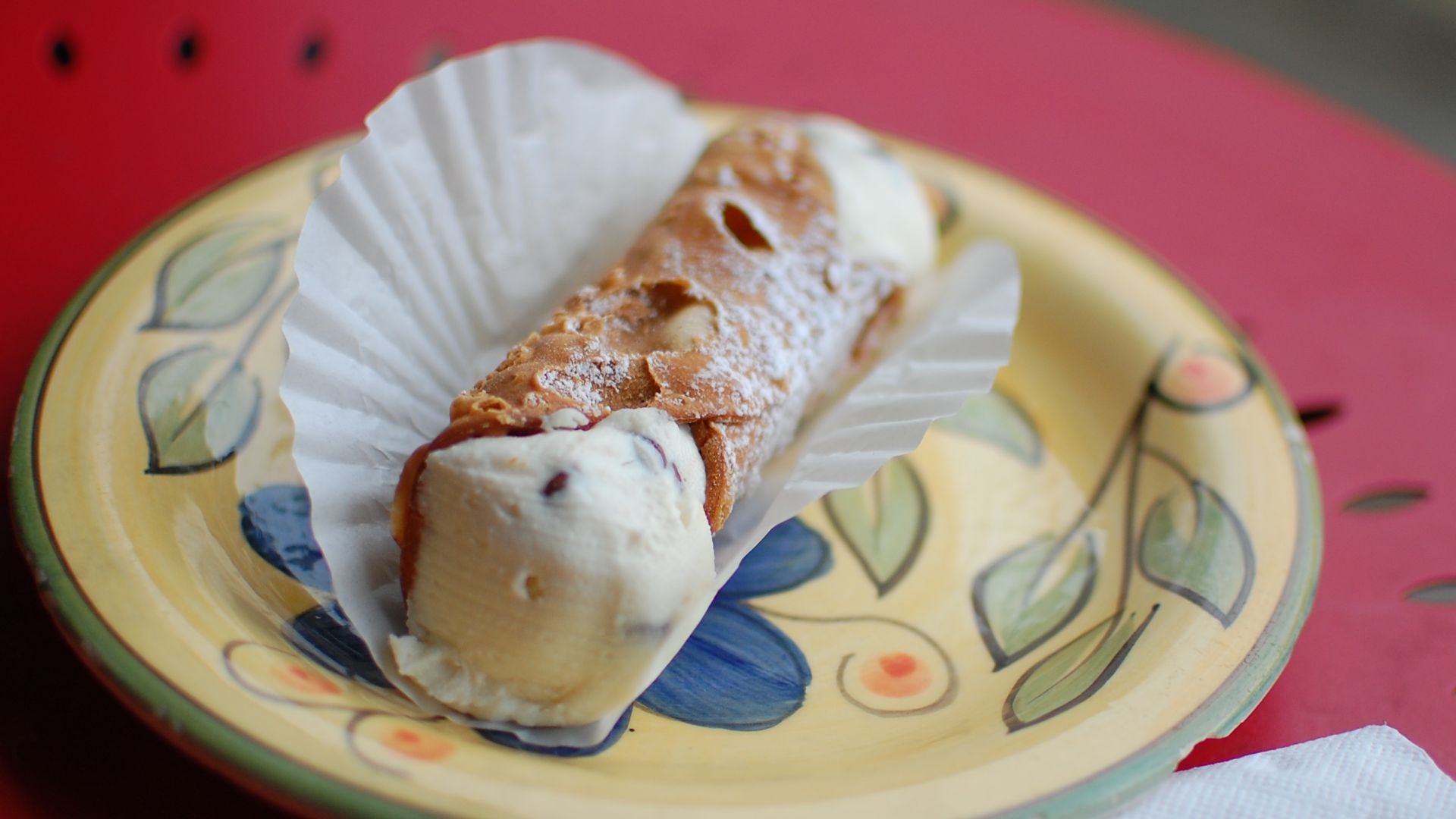
Italian-American bakeries deserve credit for this beloved variation, which has become synonymous with New York's Little Italy. The addition of mini chocolate chips introduced a textural element that plays beautifully against the smooth ricotta base. Each bite delivers tiny bursts of chocolate.
 Elizabeth K. Joseph from San Francisco, United States on Wikimedia
3. Pistachio Cream Ricotta
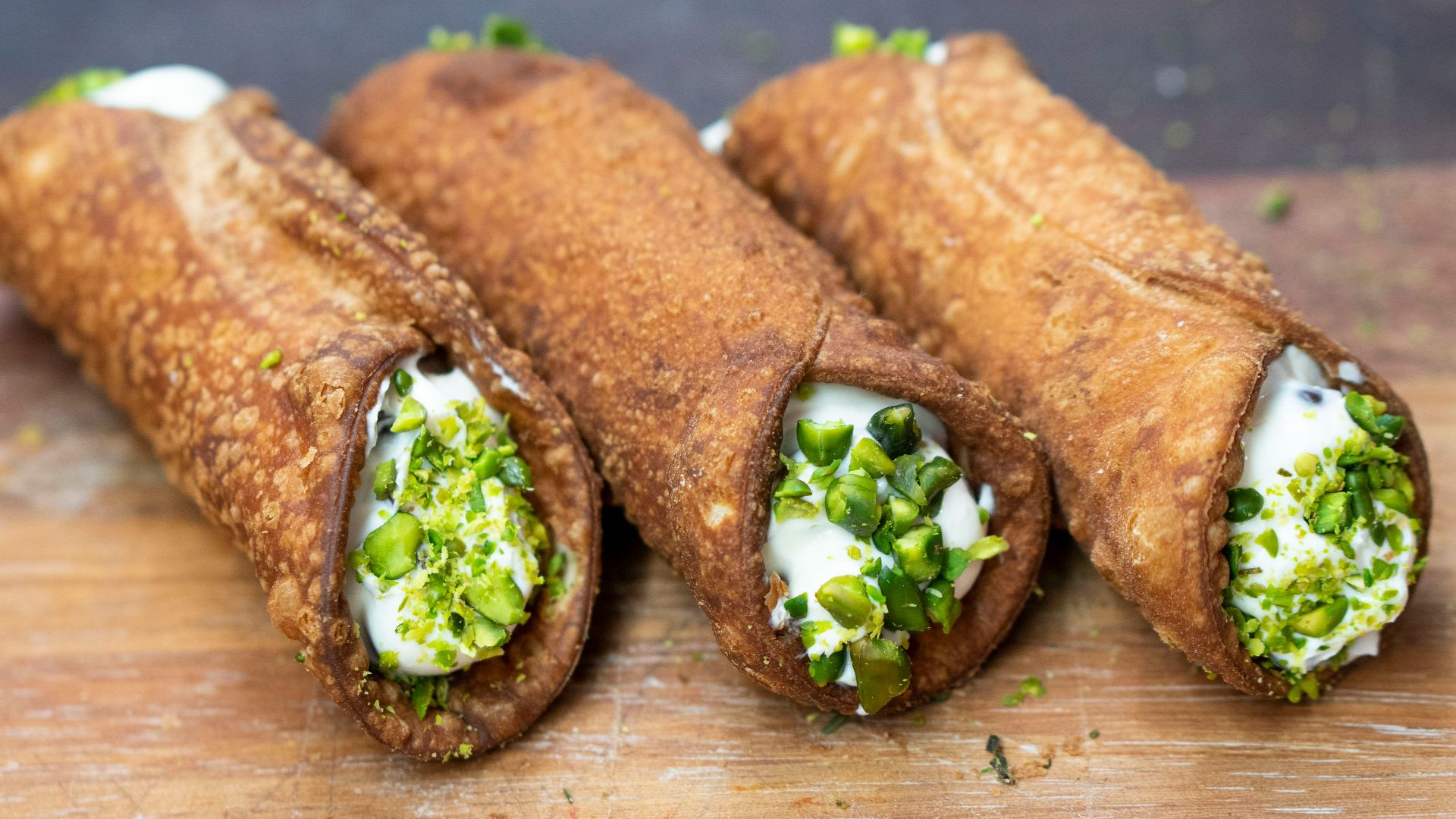
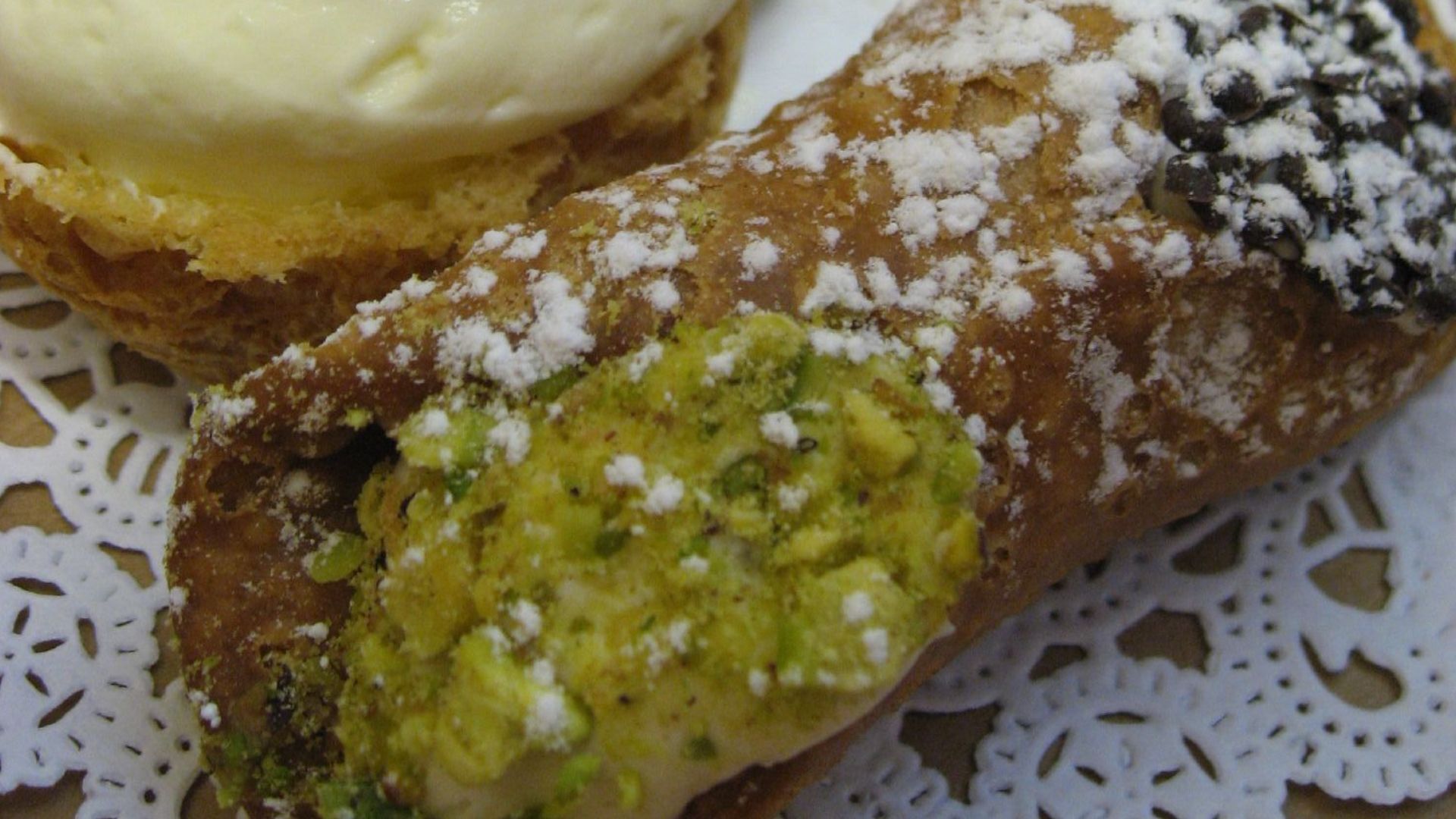
Ground pistachios blended directly into ricotta craft a filling with an unmistakably nutty richness that screams Sicily. The most prized come from Bronte, a small town on Mount Etna's slopes where volcanic soil produces nuts so valuable they're nicknamed "green gold."
4. Lemon Zest Ricotta
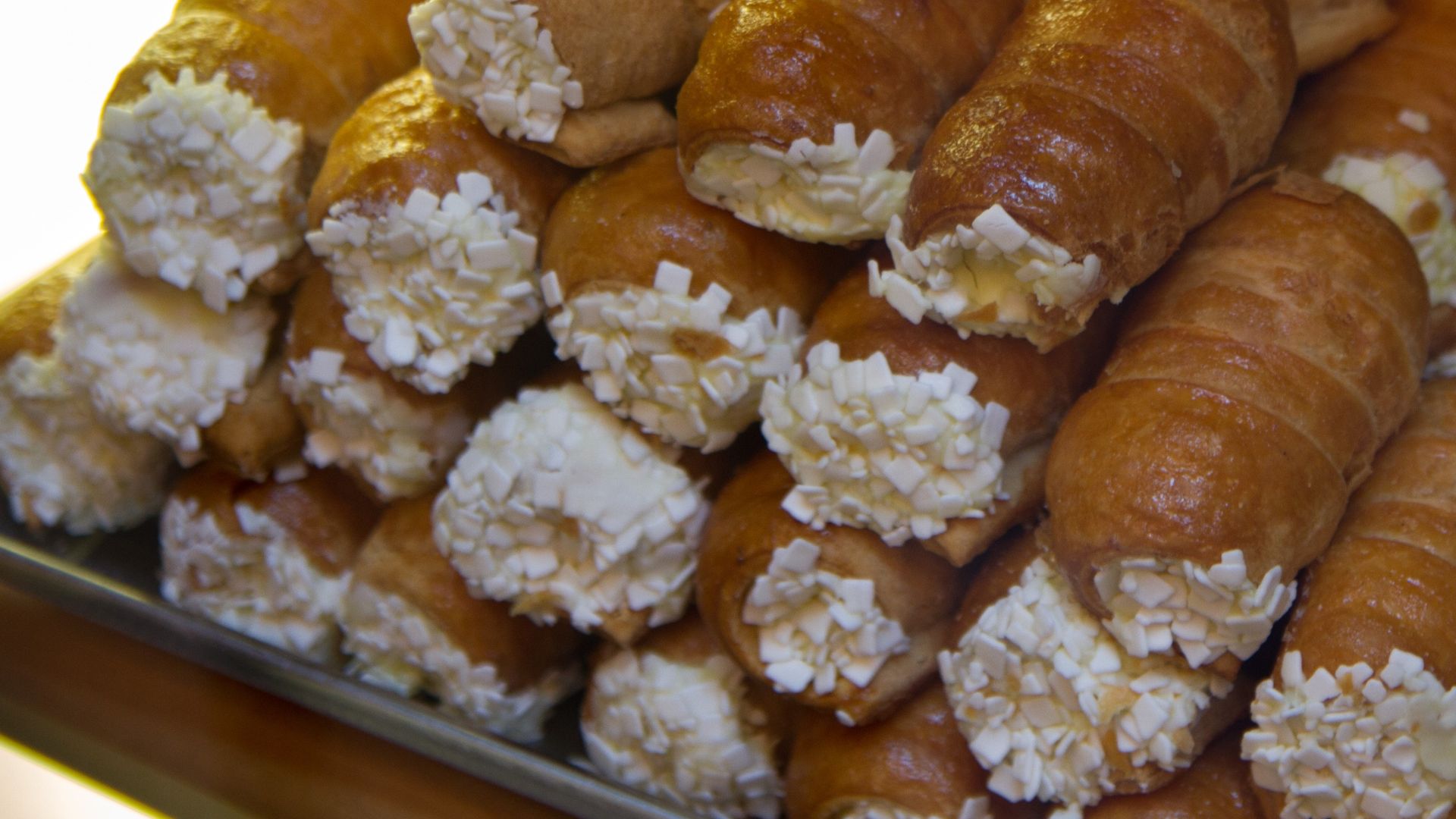
Citrus flavors in Sicilian desserts tell the story of Arab influence that reshaped the island's culinary identity over a thousand years ago. Lemon zest adds brightness to the creamy ricotta base, cutting through richness with an acidic punch that wakes up your palate.
5. Hazelnut Chocolate (Gianduja) Ricotta
Northern Italy makes its mark on this filling through gianduja, that legendary blend of chocolate and hazelnut paste born in Turin's chocolatiers. Mixing gianduja with ricotta gives something decadent yet surprisingly balanced—the nuts add earthiness while chocolate brings depth.
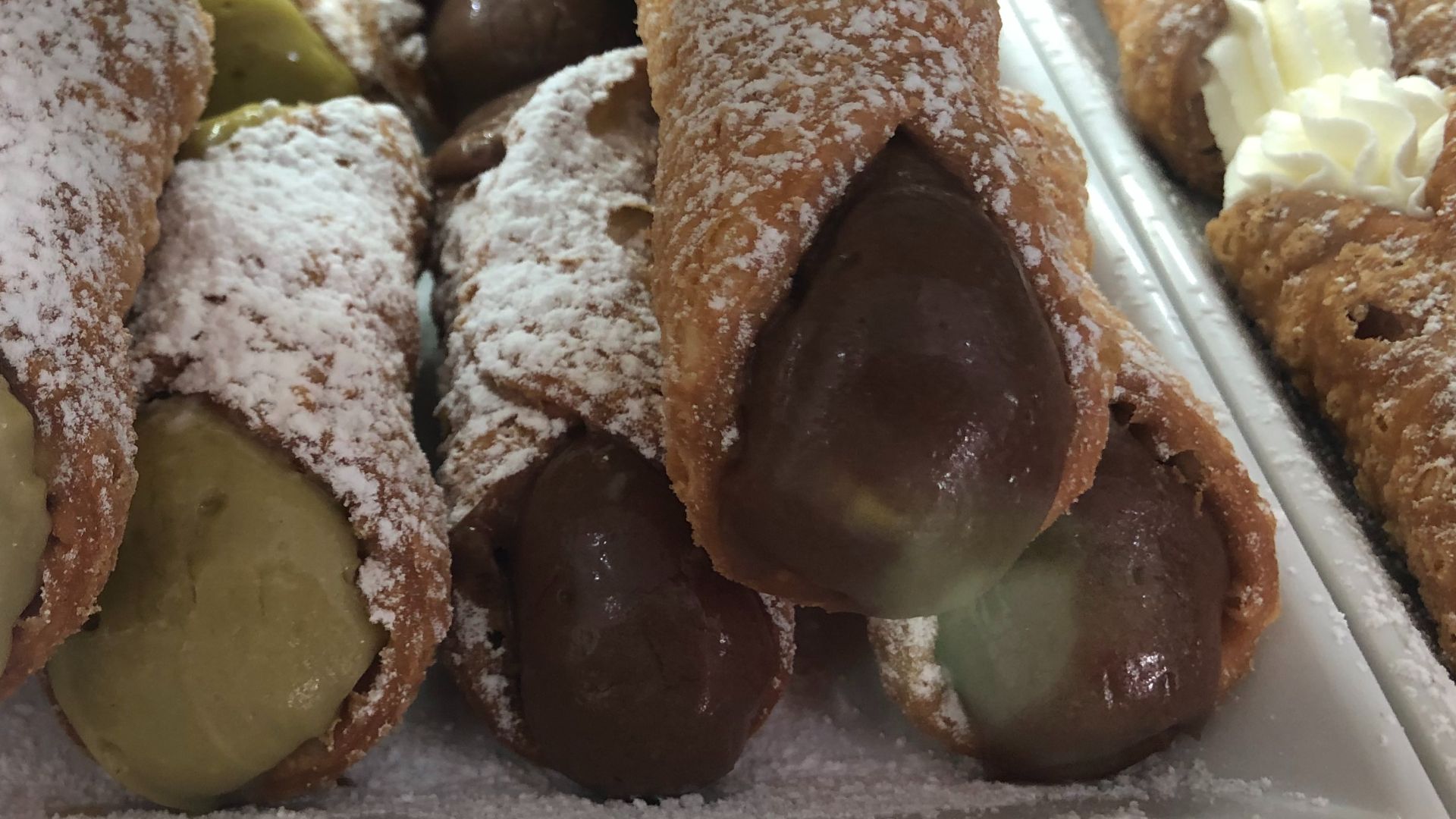
6. Cinnamon-Infused Ricotta
Arab traders introduced spices that would forever change the island's flavor profile. A pinch of cinnamon enhances ricotta's natural sweetness without adding sugar, working instead to amplify existing flavors through warm, aromatic complexity. Cinnamon cannoli often appear during festive occasions.
 jen from California on Wikimedia
7. Dark Chocolate Ricotta
Modern palates seeking less sugar have embraced this sophisticated variation with enthusiasm. Dark chocolate adds bitterness that balances ricotta's sweetness. Cocoa shells dipped in dark chocolate craft a double-chocolate experience where bitterness comes from multiple directions, intensifying the effect.
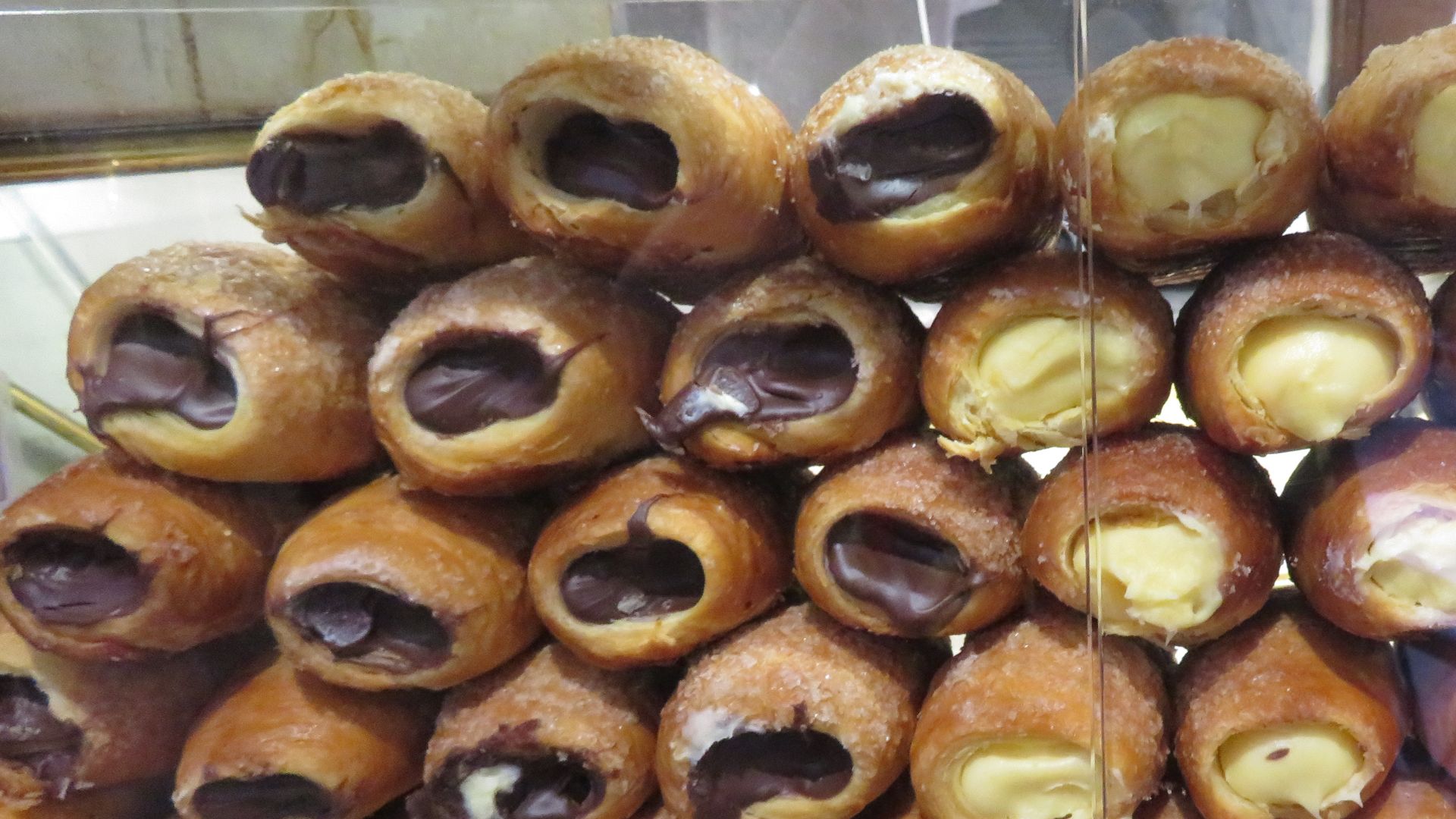 User:Rachel Dalby photographer on Wikimedia
8. Mascarpone-Ricotta Blend
Lombardy crashes Sicily's cannoli party with mascarpone, that impossibly creamy cheese famous for its role in tiramisu. This variation has found its home in upscale patisseries where customers expect elevated versions of classic desserts and willingly pay premium prices for superior ingredients.
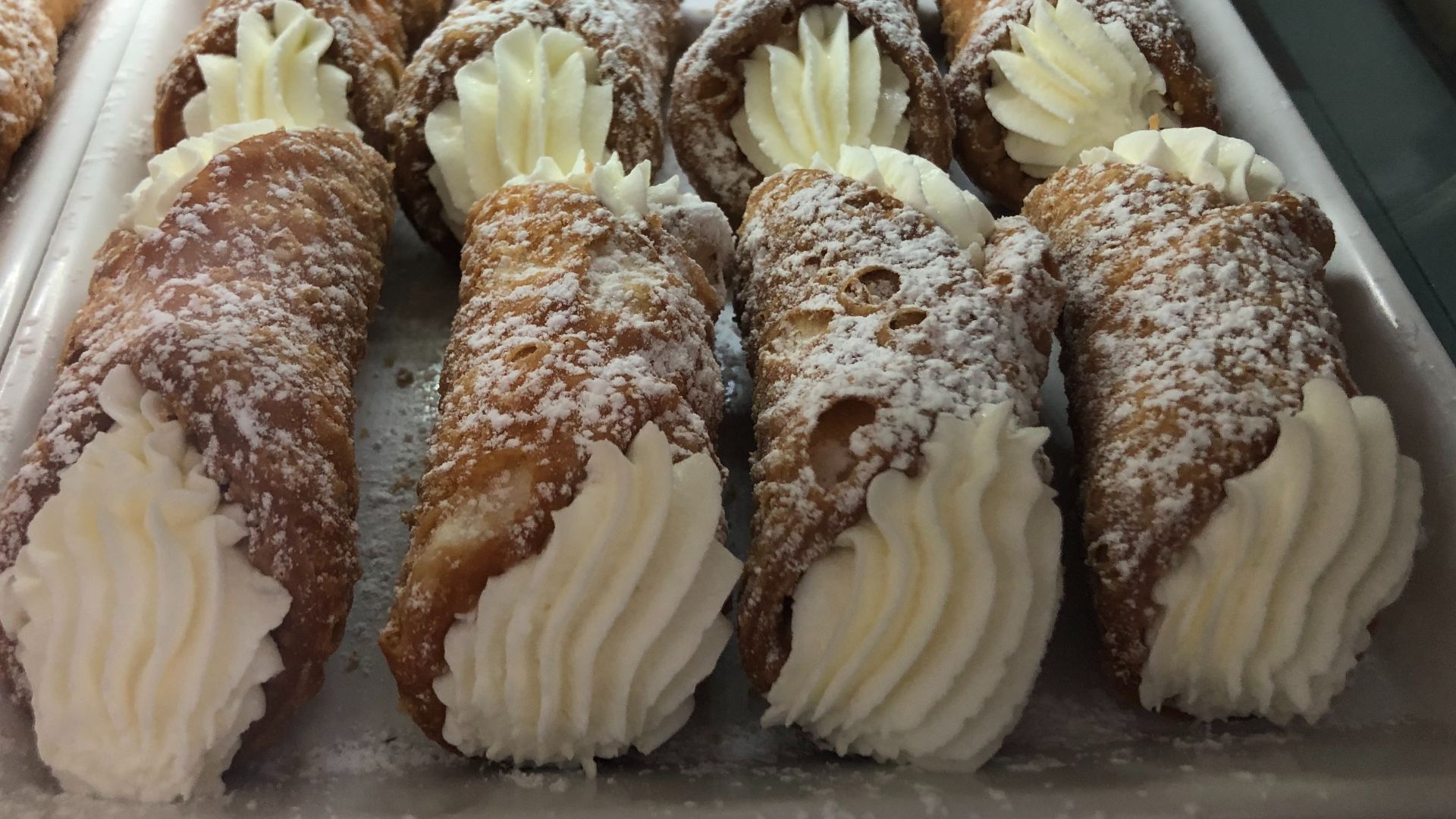
9. Orange Blossom Water Ricotta
Just a couple of drops of orange blossom water turn ordinary ricotta into something ethereally floral and unmistakably Mediterranean. This flavoring reflects the deep Arab-Sicilian culinary heritage that gave Sicily so many of its most distinctive tastes and techniques.
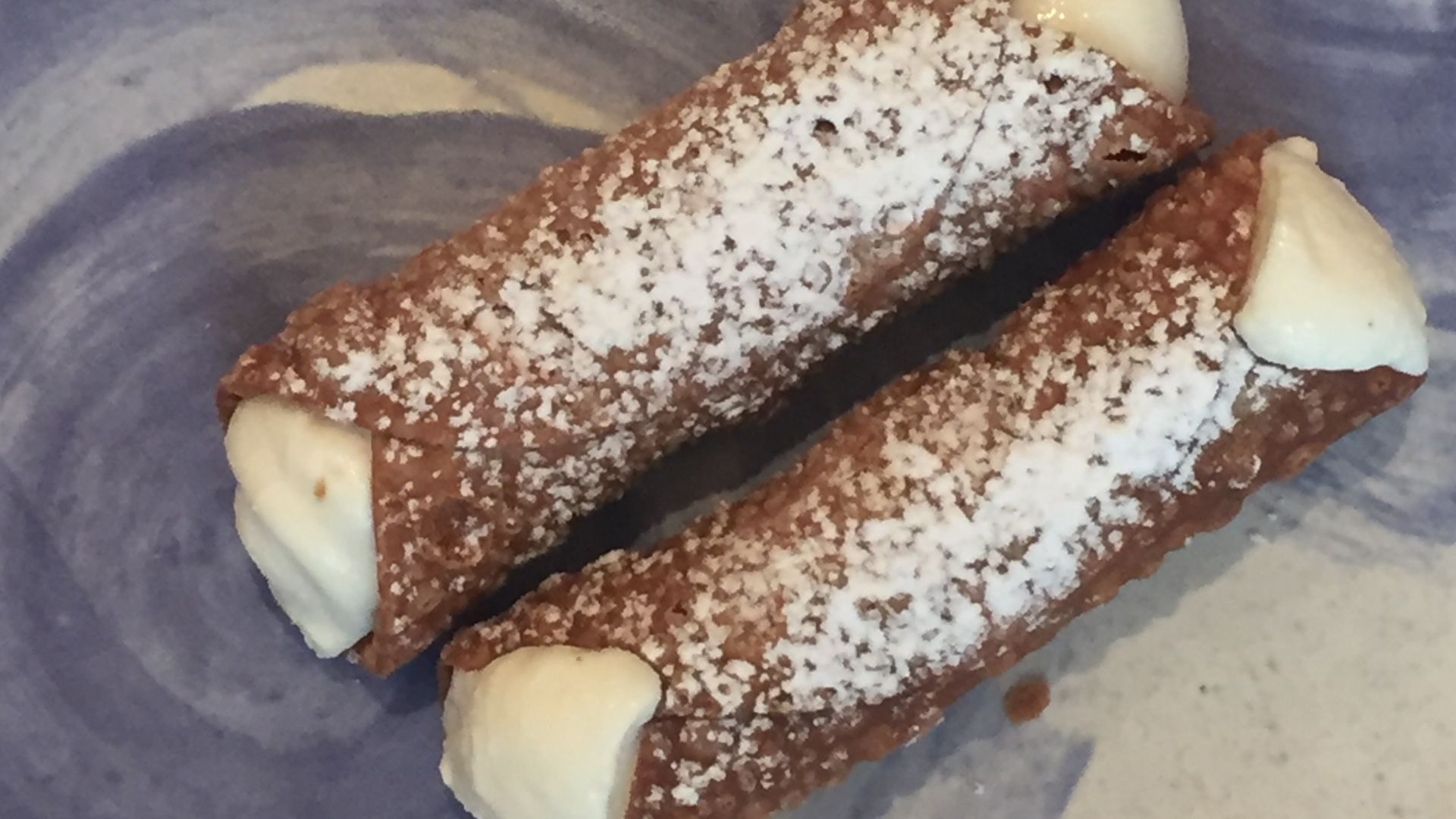 Jameson Fink from Seattle, USA on Wikimedia
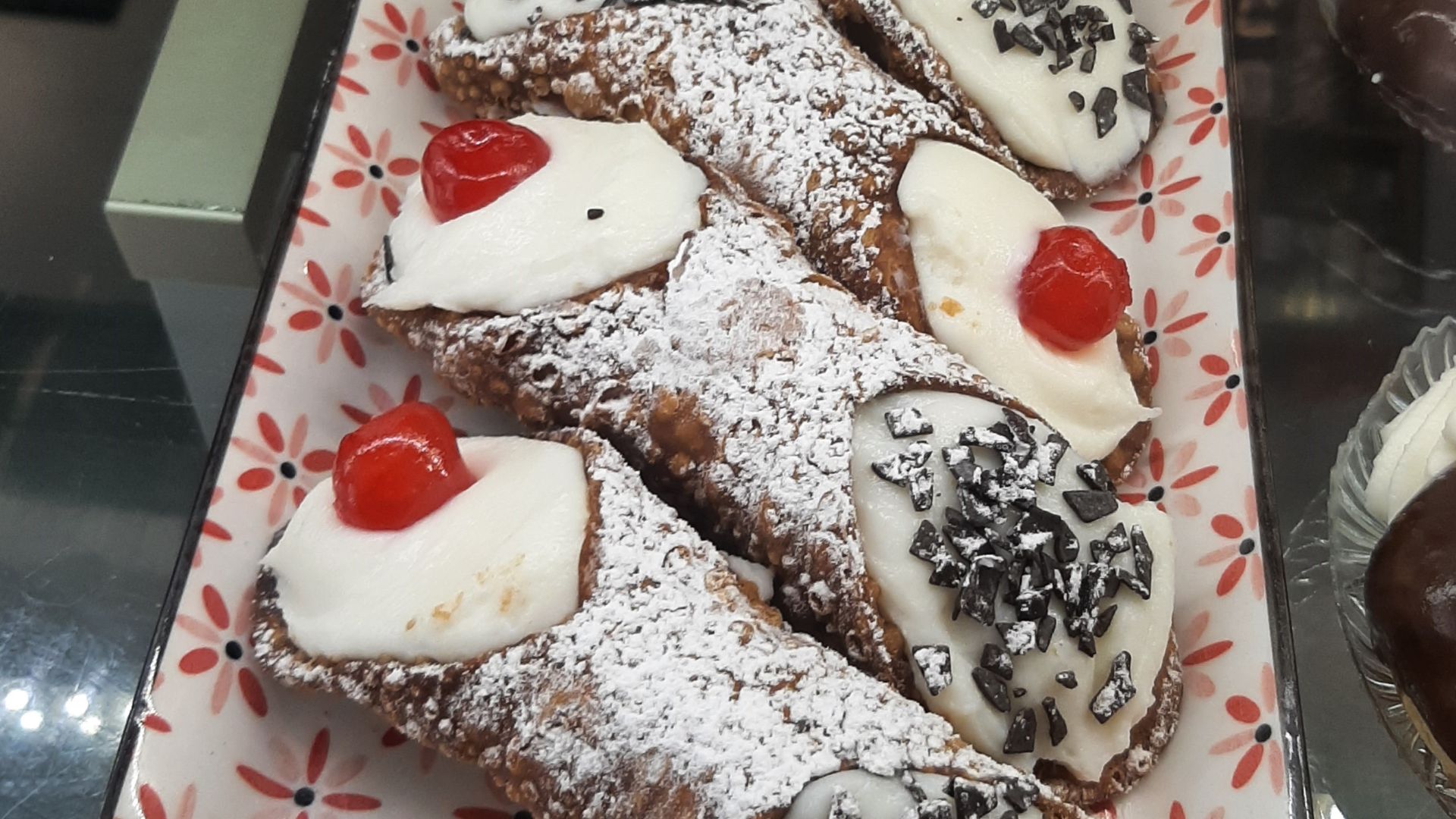
10. Candied Cherry Ricotta
Red candied cherries bring more than just color to cannoli. They carry centuries of Italian folklore about good fortune and love. Mixing these jewel-toned pieces into ricotta adds bursts of sweetness and visual appeal, turning a simple white filling into something festive and celebratory.
KEEP ON READING