10 Perks of Self-Service Kiosks & 10 Reasons Why It's Still Better to Order Directly
10 Perks of Self-Service Kiosks & 10 Reasons Why It's Still Better to Order Directly
Why Ordering Has More Options Than Ever
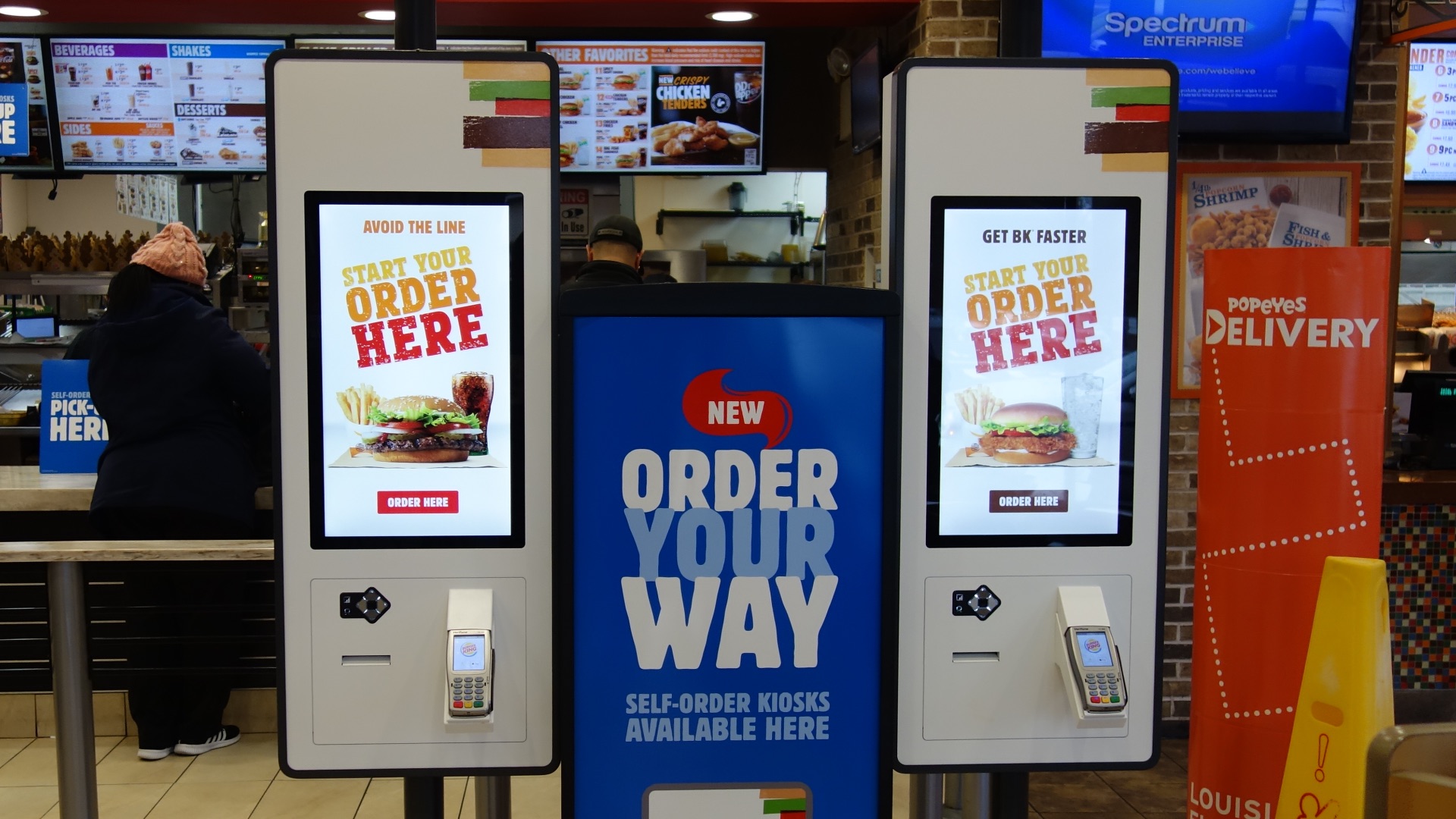
Self-order kiosks have become a familiar part of our everyday, giving us a faster way to browse, customize, and pay without waiting ages in line for a worker. Yet, as convenient and efficient as they can be, especially when you know exactly what you want or need to view the menu in multiple languages, ordering directly from a person still has real advantages. After all, you don't want to accidentally punch in a mistake and not know how to fix it before paying. Both options have their place, and the better choice often depends on what kind of service you need in the moment. Which team are you on: self-service kiosk or a real human worker?
1. They Can Speed Up the Ordering Process
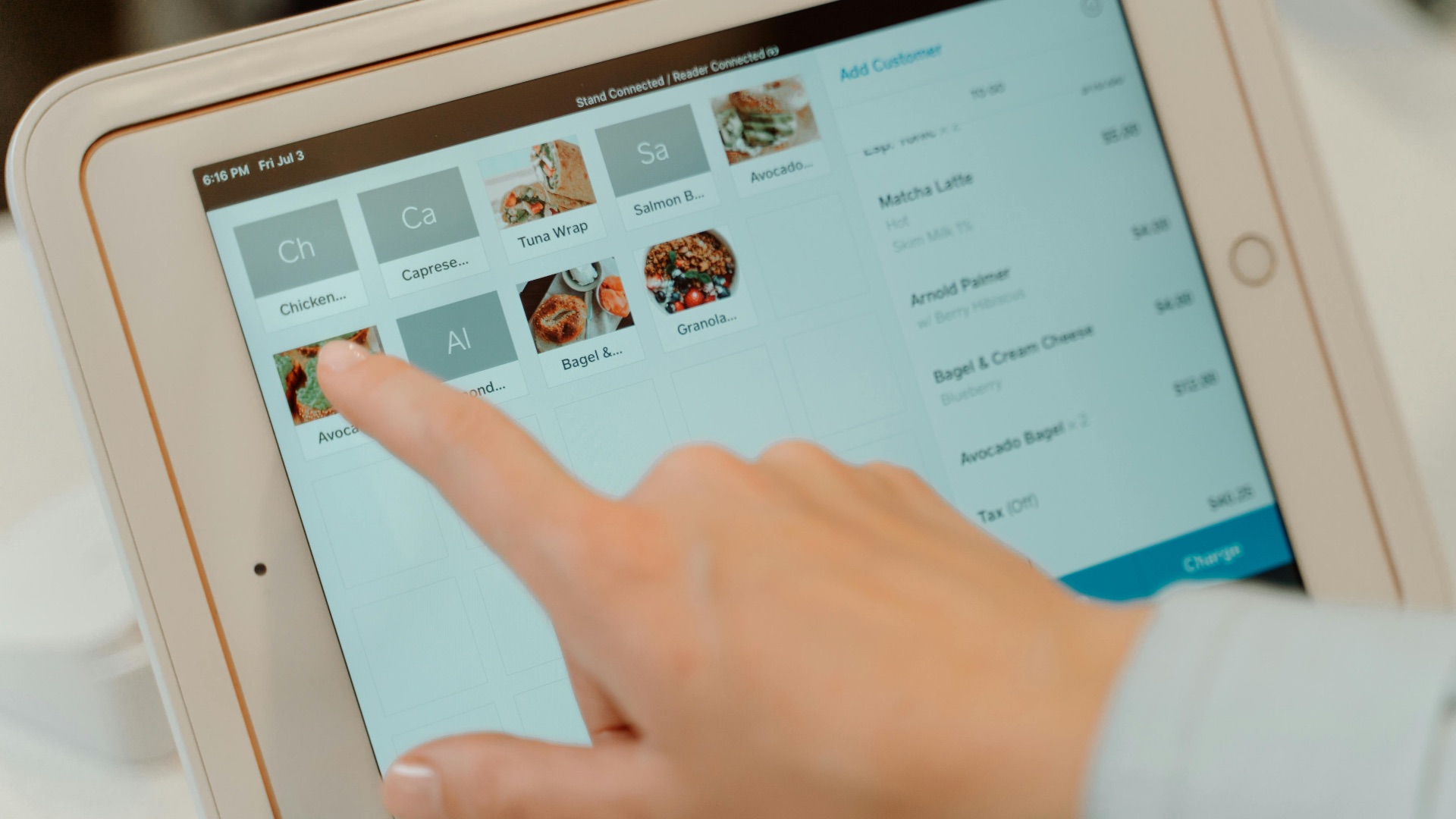
Self-service kiosks can make ordering faster because you don’t have to wait for an employee to take your request. You can walk up, tap through the menu, make your selections, and pay in one place. This is especially useful during busy lunch hours or in locations where lines tend to build quickly. When the system is easy to use, it can help customers move through the process with less delay.
2. They Give You More Time to Review the Menu
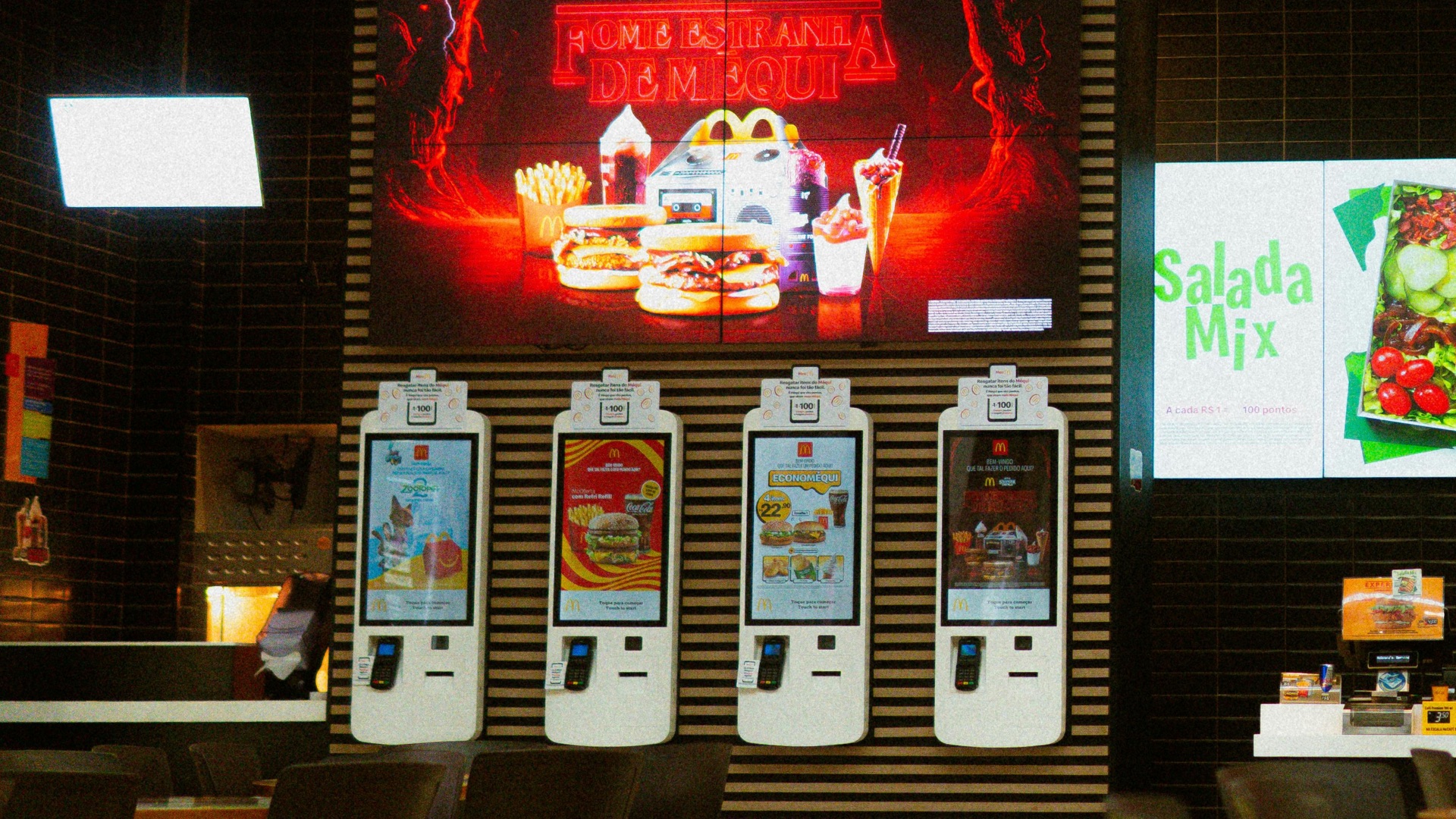
A kiosk lets you look over the available options without feeling rushed by the people behind you or the employee at the counter. You can compare items, check add-ons, and think through your choices at your own pace. That extra breathing room can be helpful when a menu is large or unfamiliar. It also gives you a better chance of noticing items you might have missed in a faster face-to-face order.
 Rodrigo Rodrigues | WOLF Λ R T on Unsplash
3. They Make Customization Easier
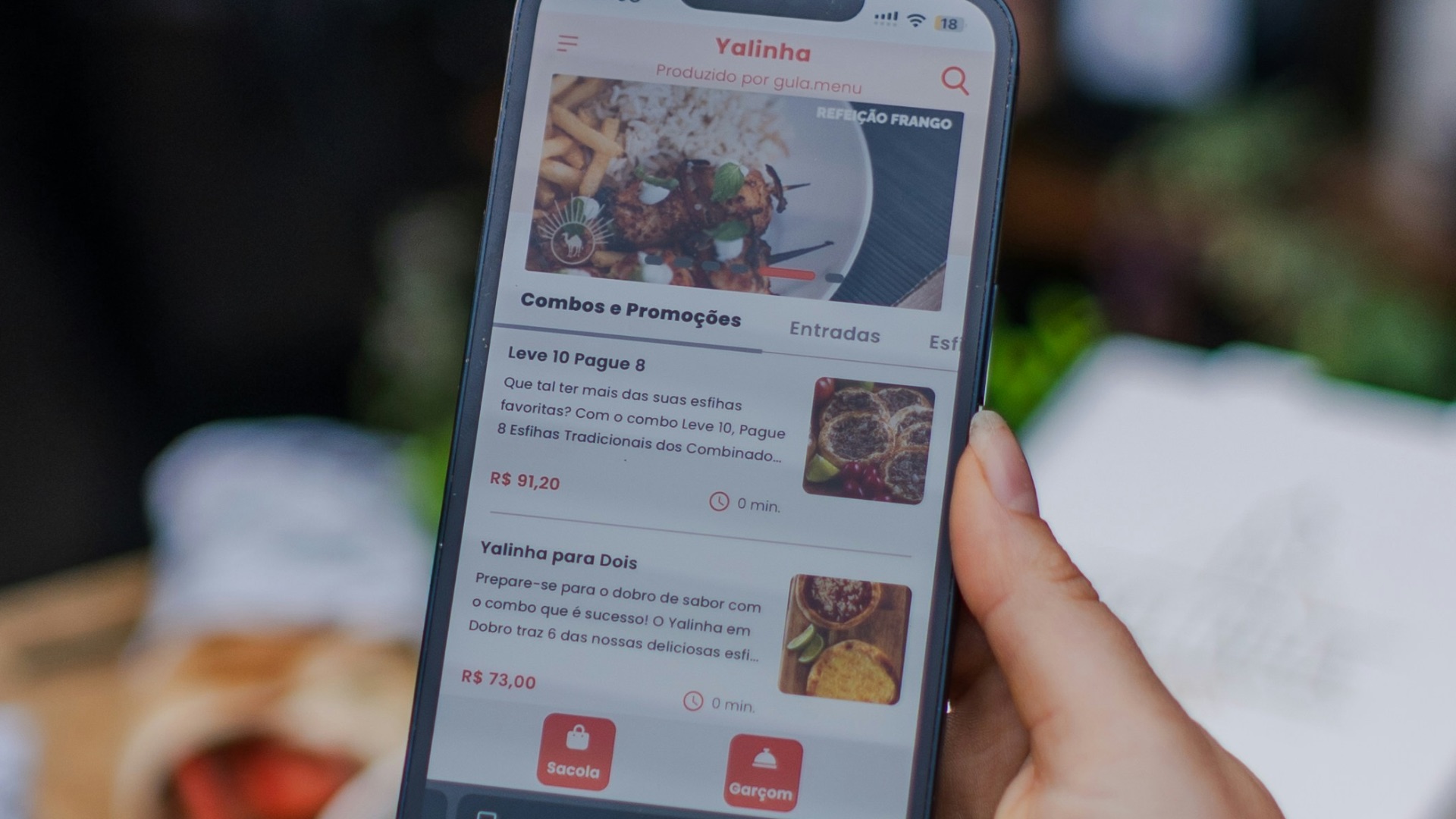
Many kiosks are designed to show available substitutions, toppings, sizes, sauces, and extras in a clear step-by-step format. This can make it easier to build the exact order you want without having to explain every detail out loud. You can also review your selections before submitting them, which helps reduce the chance of leaving something out. For customers who like detailed customization, that level of control can be a major advantage.
4. They Can Reduce Ordering Pressure
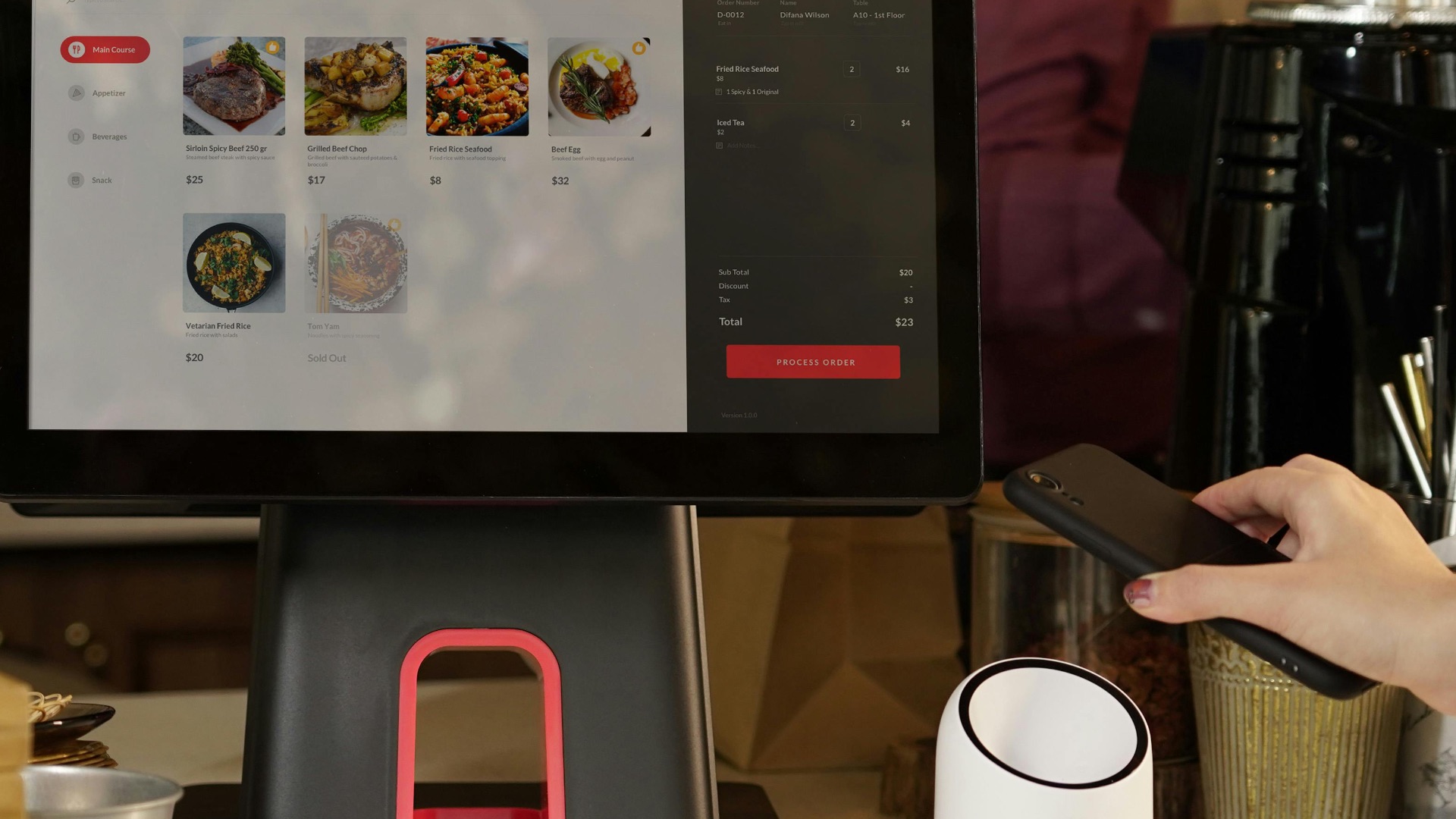
Some people feel pressured when they’re ordering at a counter, especially if they’re still deciding or there’s a long line behind them. A kiosk can remove some of that stress by letting you make choices without someone waiting for your answer. You can take a moment to read descriptions, change your mind, or remove an item before you pay. That can make the experience feel more comfortable for customers who prefer not to be rushed.
5. They May Help Improve Order Accuracy
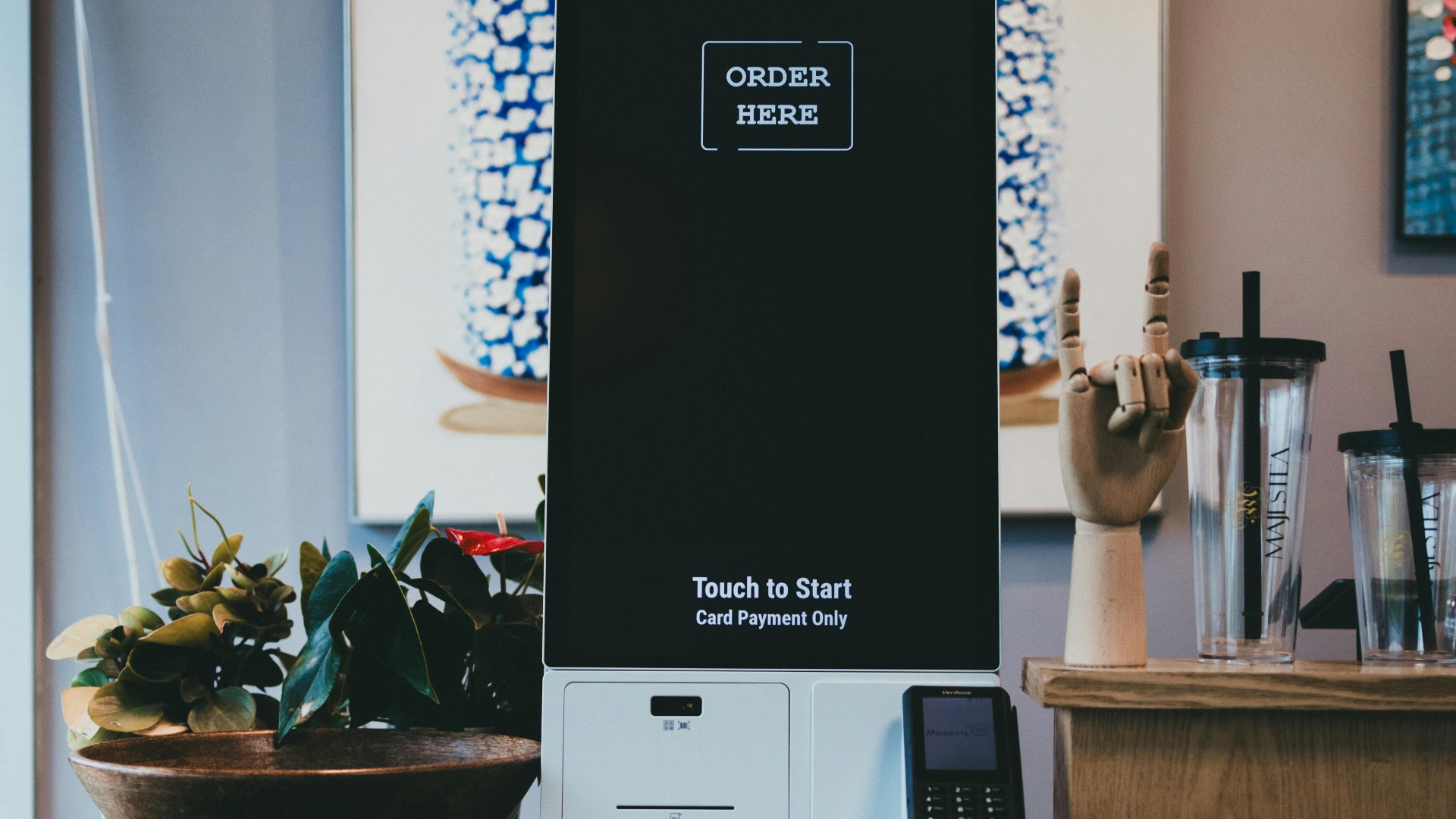
Because you enter the order yourself, there’s less chance of a staff member mishearing a size, ingredient, or special request. The screen typically shows a final summary, so you can check the order before confirming it. This doesn’t eliminate every possible mistake, but it can help catch errors early. When the kiosk is well designed, it gives customers a clearer view of what will be sent to the kitchen or service team.
6. They Can Make Payment More Convenient
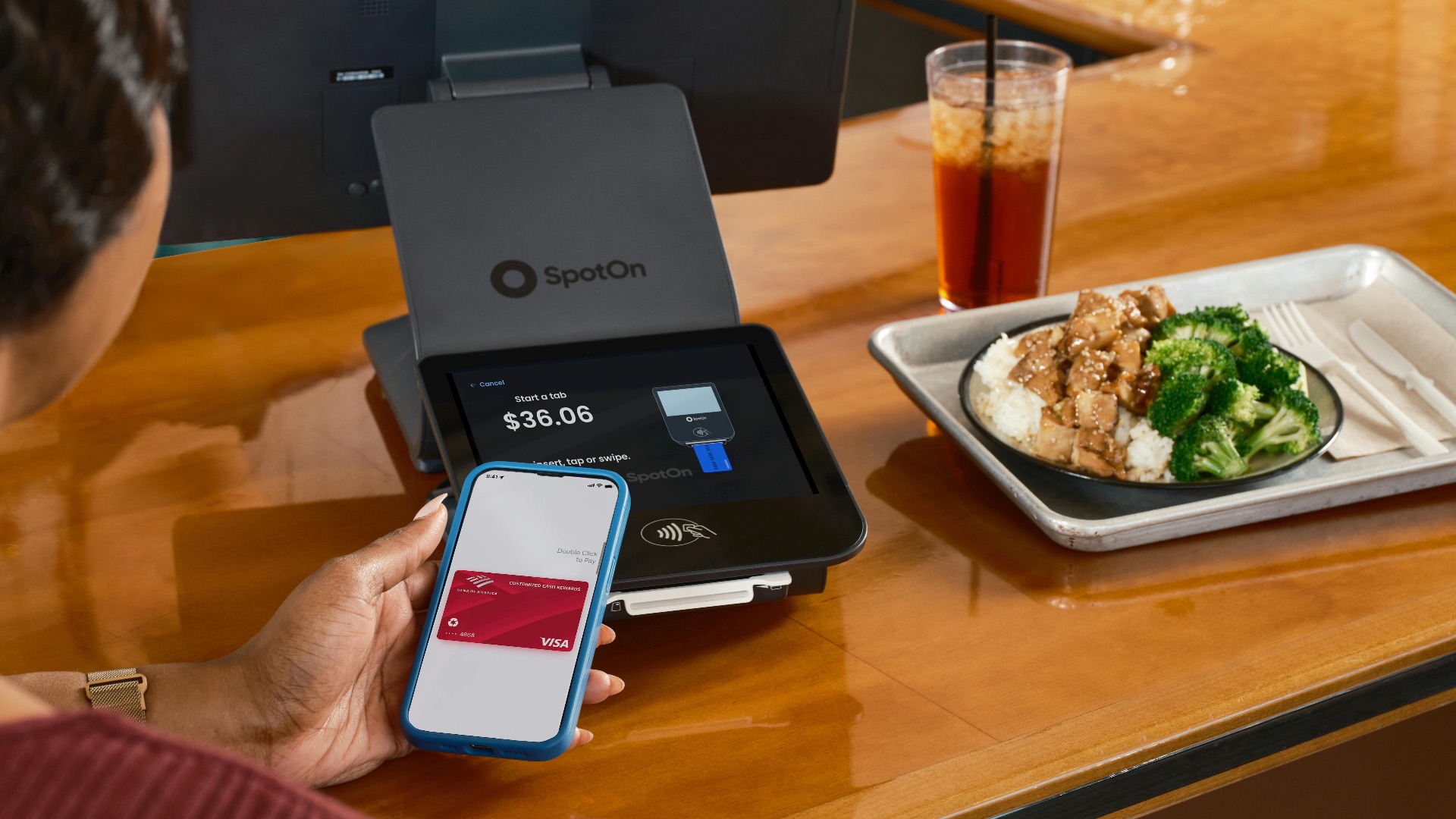
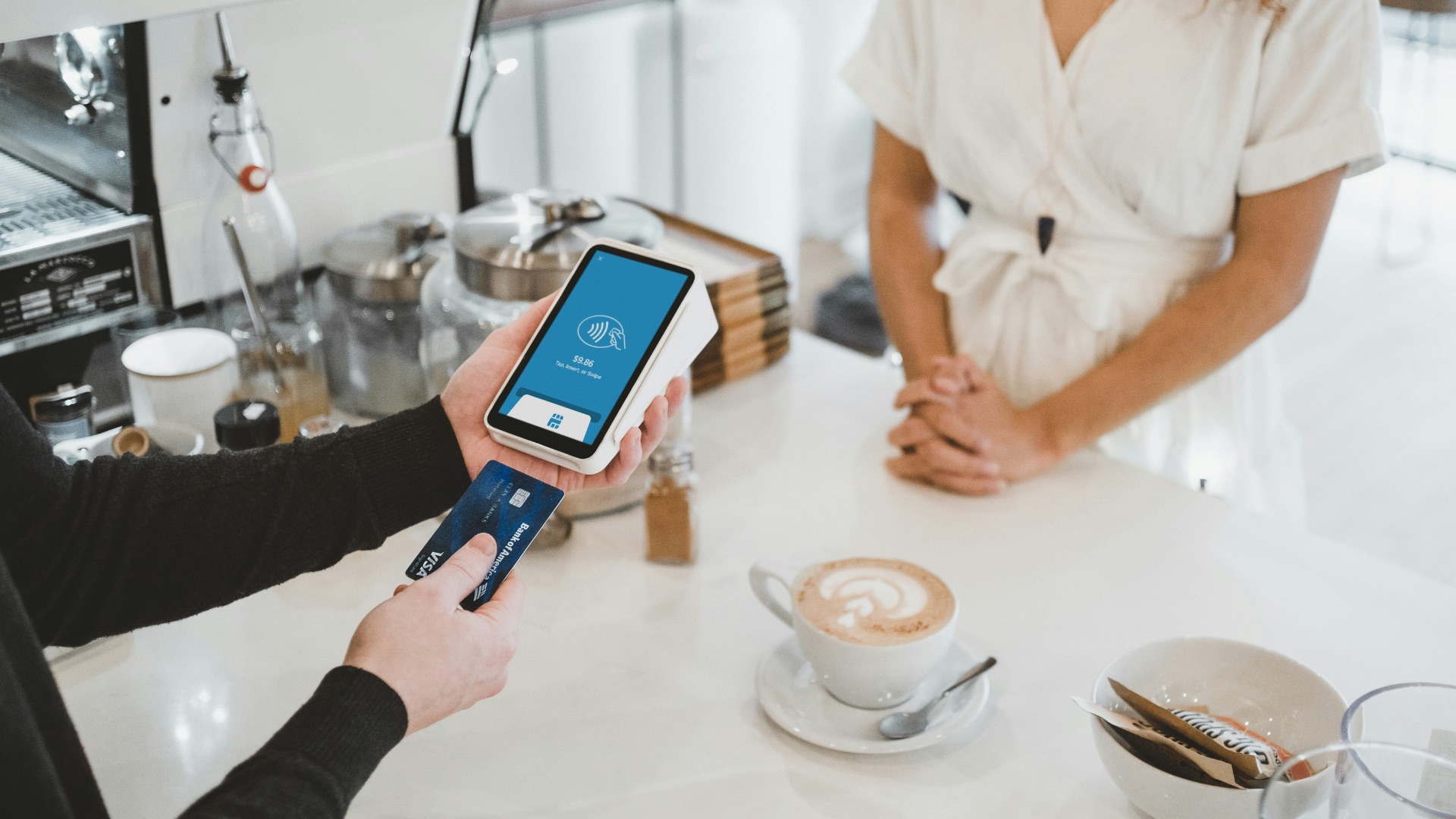
Self-service kiosks often let you pay immediately after ordering, which can make the transaction feel more streamlined; you don’t have to wait for a cashier to process payment or complete a separate checkout step. Many kiosks also support common digital payment options, depending on the business. For customers who want a quick in-and-out experience, that convenience can make a noticeable difference.
7. They Can Highlight Deals and Add-Ons
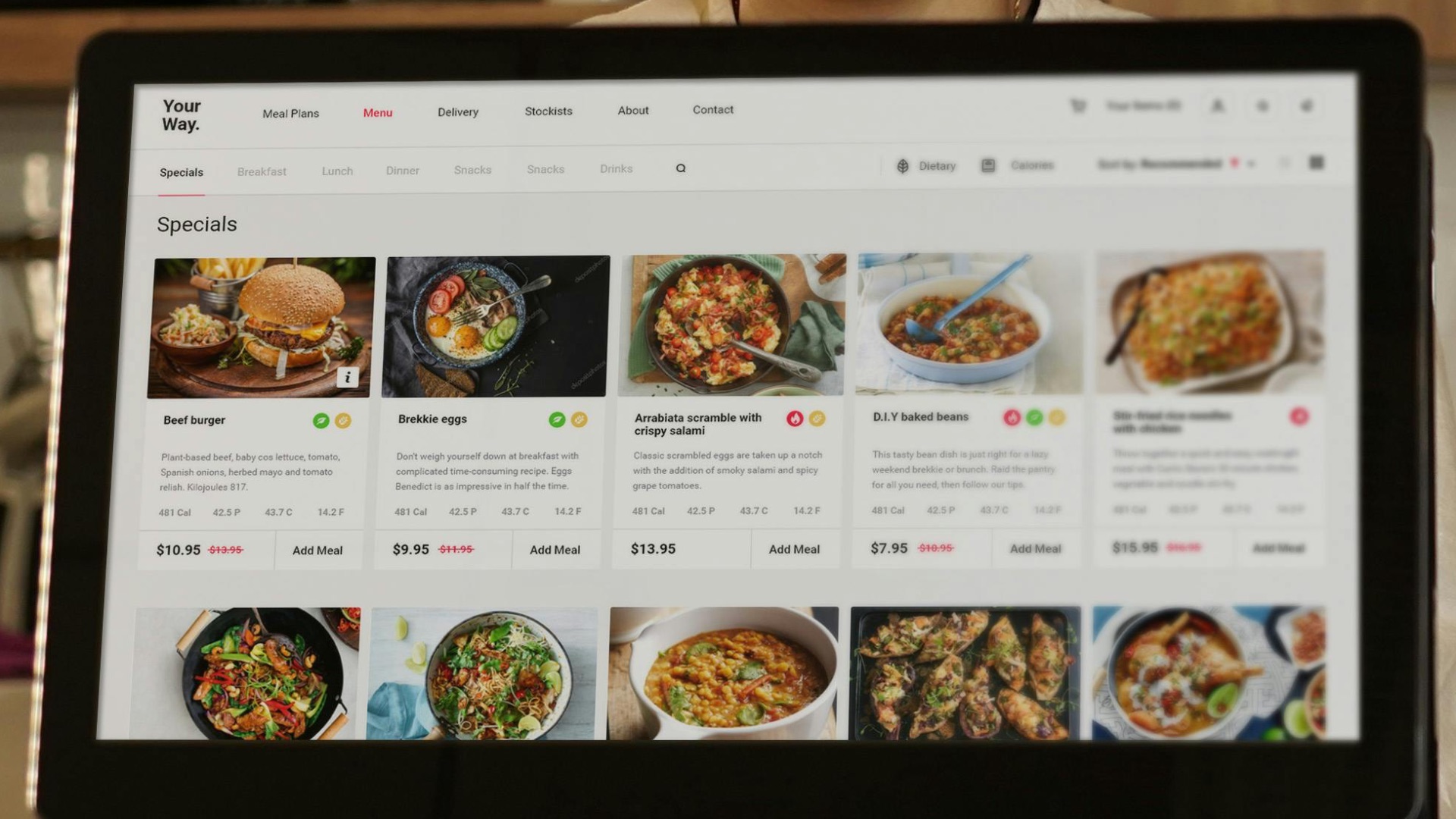
Kiosks often display promotions, bundles, upgrades, or limited-time items directly on the screen. That can make it easier to see whether there’s a better value available before you finalize your order. You may also be prompted to add a drink, side, dessert, or extra service in a way that’s easy to accept or skip. While not every suggestion will be useful, the visibility can help customers make more informed choices.
8. They Offer a Consistent Ordering Experience
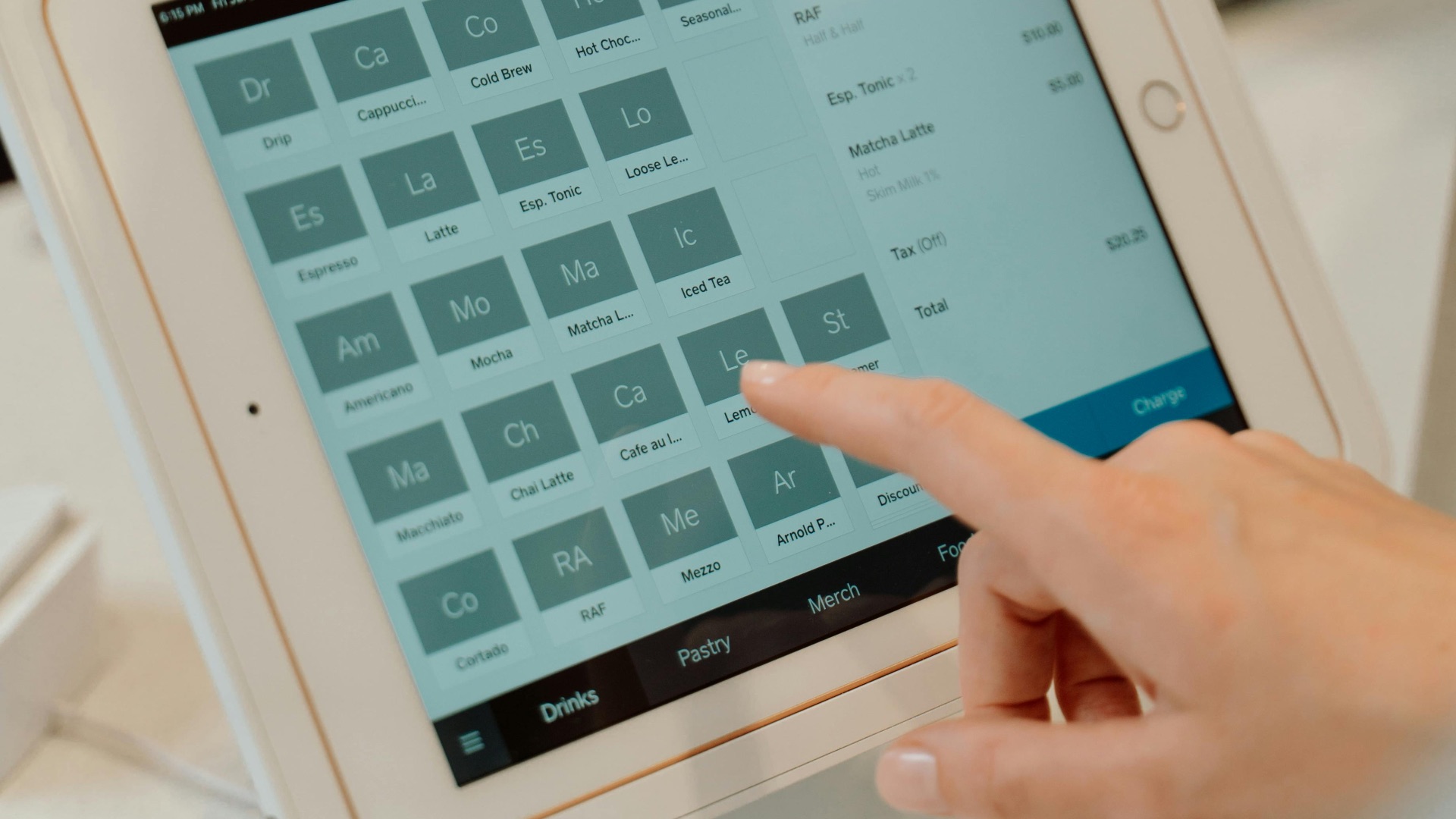
One benefit of kiosks is that the ordering steps are usually the same every time you use them. The layout, prompts, and payment process tend to follow a predictable pattern, which can be helpful once you’re familiar with the system. This consistency can also reduce confusion in busy locations where staff members may be juggling several tasks at once. When customers know what to expect, the process can feel simpler.
9. They Can Support Multiple Languages
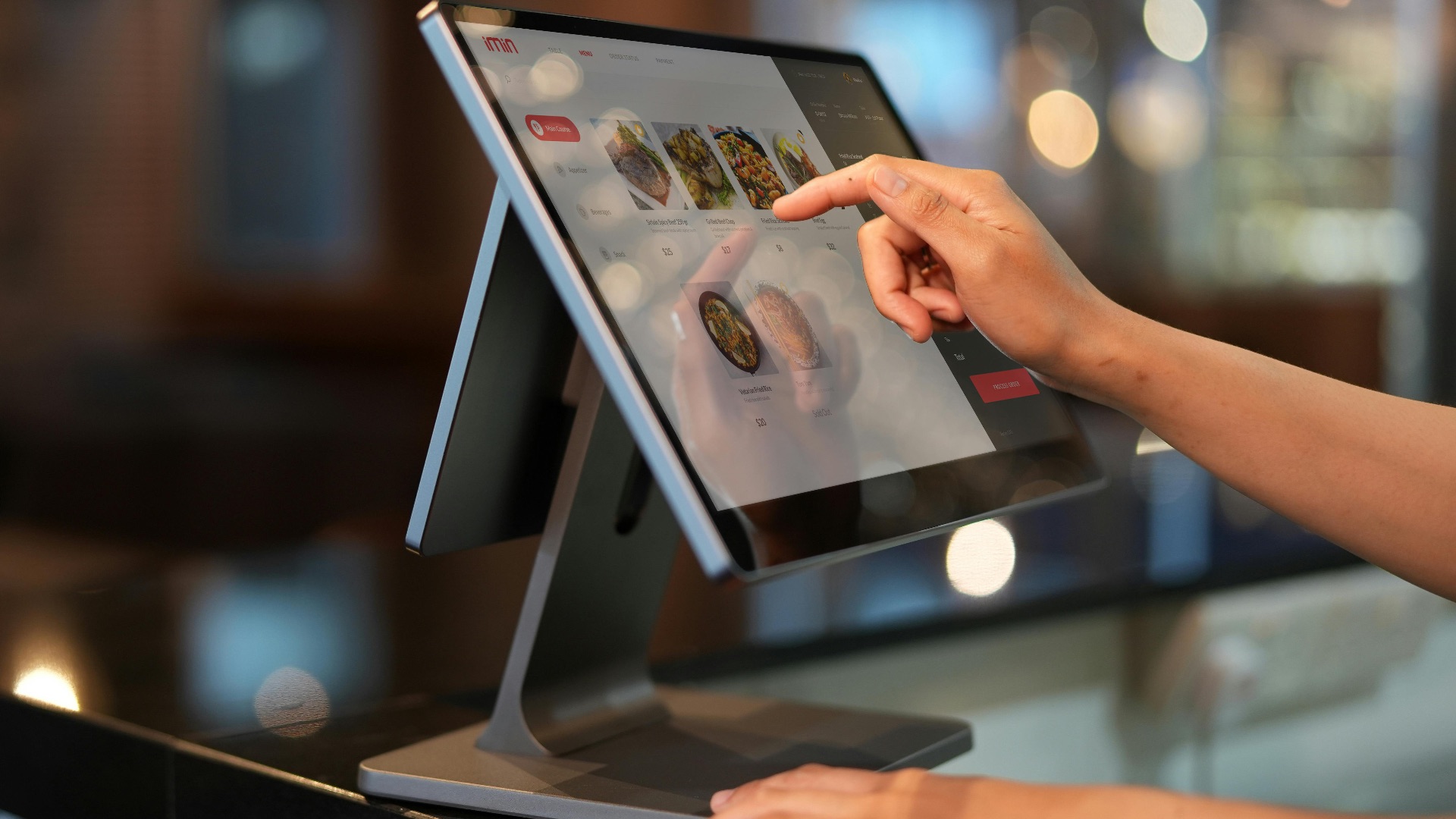
Some self-service kiosks offer language options, which can make ordering easier for customers who are more comfortable reading in a language other than English. This feature can reduce miscommunication and help people navigate the menu with more confidence. It also gives customers the ability to review details without needing to ask for translation help. In diverse communities or high-traffic travel areas, or even when you're traveling abroad, that accessibility can be especially valuable.
10. They Help Staff Focus on Other Tasks
When kiosks handle a portion of routine orders, employees may have more time to prepare food, assist customers with special needs, manage pickup orders, or keep the location running smoothly. This can improve the overall flow of service when the business has enough staff to support both technology and customer care. Kiosks work best when they reduce simple bottlenecks rather than replace helpful human support altogether. In that sense, they can be a useful tool for both customers and employees.
Even with all those advantages, self-service kiosks aren’t always the better option. Sometimes the easiest way to get what you need is still to talk to a person, and here's why:
1. You Can Ask Questions in Real Time
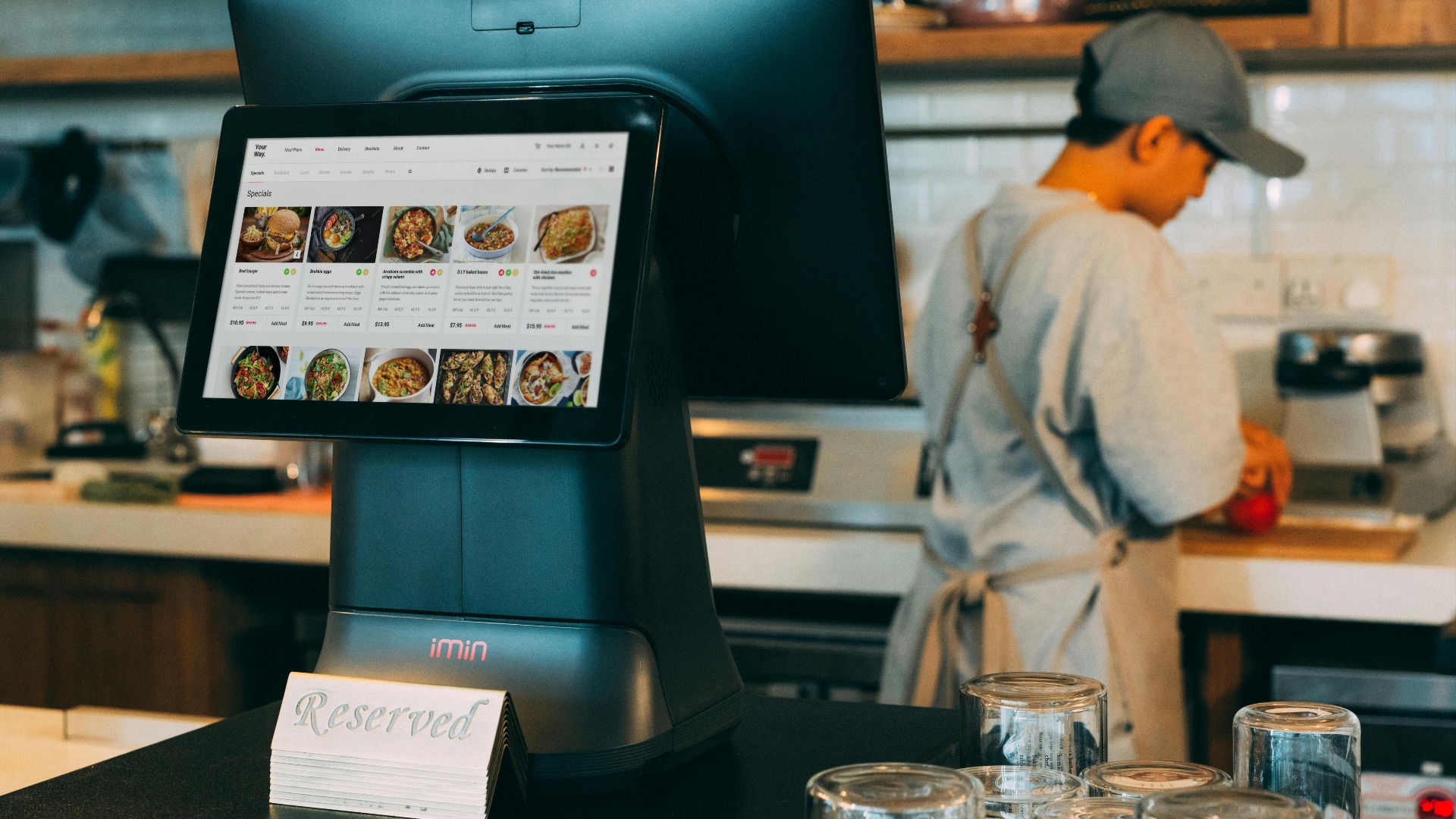
Ordering directly gives you the chance to ask about ingredients, portion sizes, availability, preparation methods, or recommendations before you commit. A kiosk can show basic information, but it may not answer the exact question you have. A staff member can clarify details, explain differences between items, and help you avoid choices that don’t fit your needs. That back-and-forth can make the ordering process more useful and less uncertain.

2. It’s Better for Special Requests
If you need something prepared in a very specific way, ordering with a person can be more reliable than tapping through preset options. Not every kiosk allows detailed notes, and some systems limit what you can change. A staff member may be able to enter a custom request, confirm whether it’s possible, or suggest the closest alternative. That flexibility matters when the standard menu doesn’t fully cover what you’re asking for.

3. Human Help Can Prevent Confusion
Kiosks aren’t always intuitive, especially if the screen is crowded, the menu has too many categories, or the process has several steps. When you order directly, an employee can guide you through the options and make sure you’re choosing the right item. This can be particularly helpful for first-time visitors or customers who aren’t familiar with the business. Instead of trying to figure out the system alone, you can get a clear answer right away.
4. It’s Easier to Handle Allergies or Dietary Needs
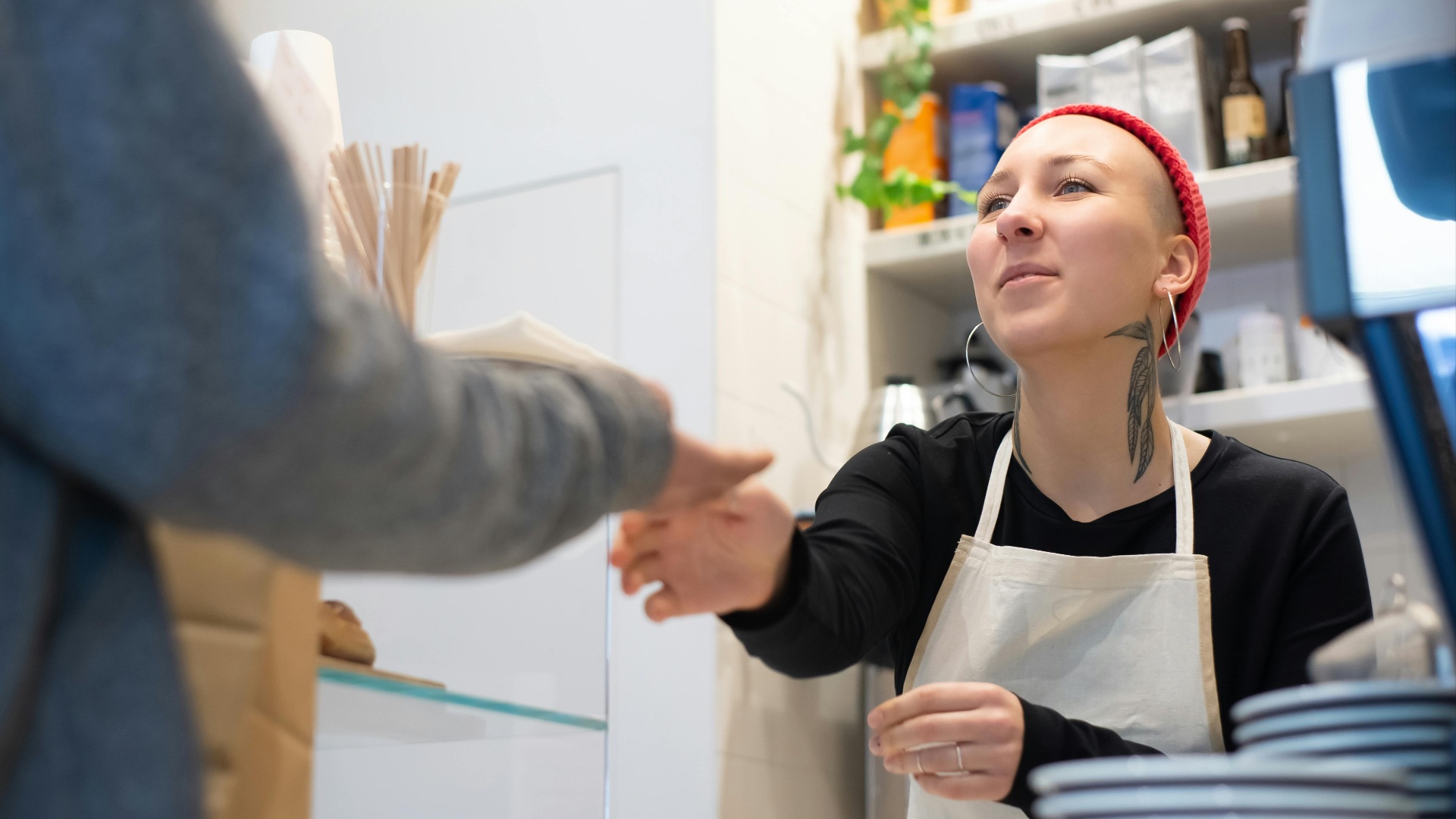
Customers with allergies, intolerances, or dietary restrictions often need more than a simple ingredient list. Ordering directly allows you to ask about cross-contact, preparation practices, substitutions, or whether a dish can be safely modified. A kiosk may provide allergen information, but it may not cover every concern or current kitchen situation. Speaking with a staff member gives you a better opportunity to make a careful, informed decision.
5. Problems Can Be Fixed More Quickly
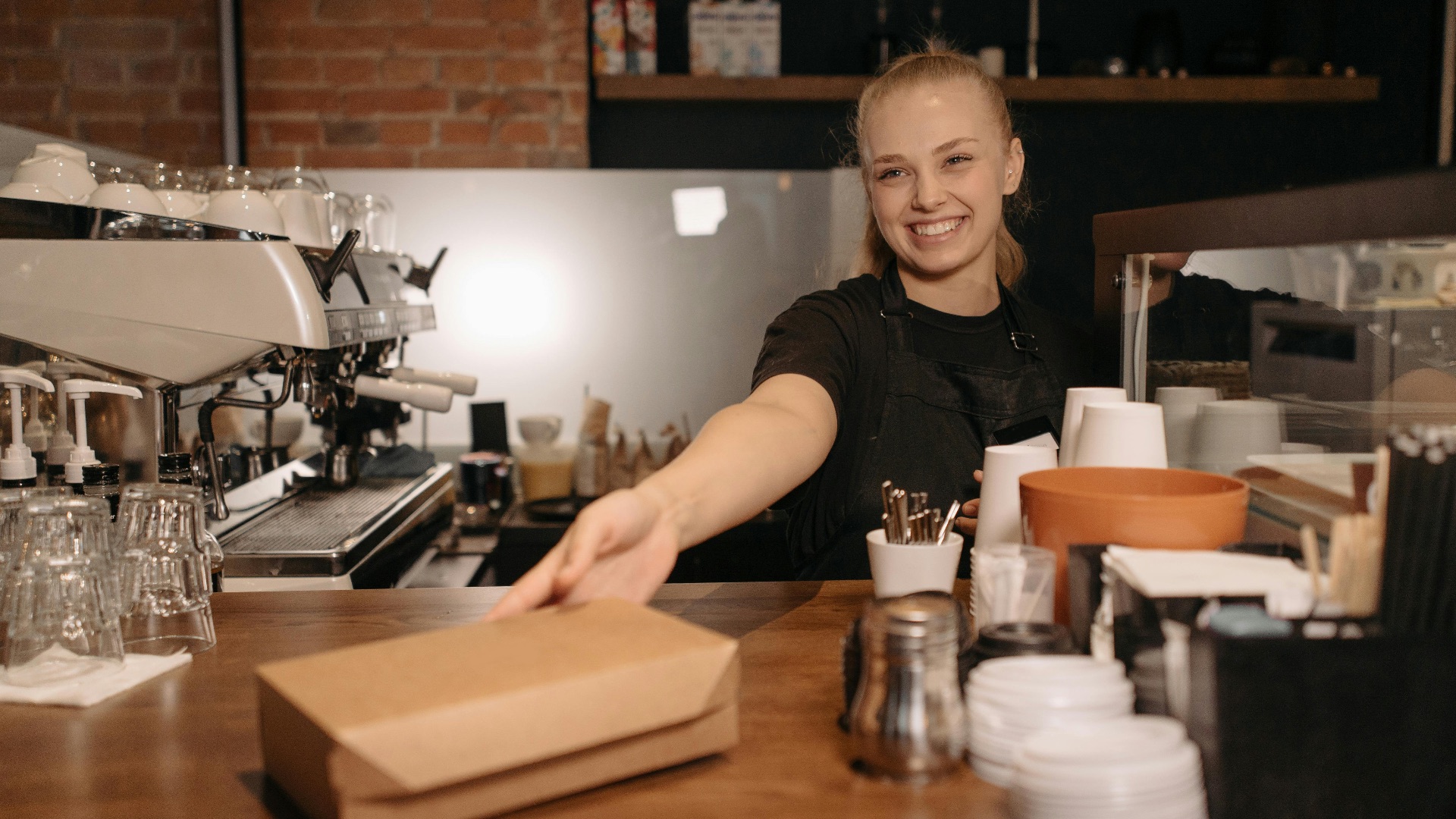
If something goes wrong while ordering, a person can usually help resolve the issue faster than a machine can. Maybe a discount isn’t applying, an item is unavailable, or the payment screen freezes at the wrong moment. With direct ordering, you can explain the issue and get assistance without backing out of menus or waiting for a system reset. That kind of immediate support is hard for a kiosk to match.
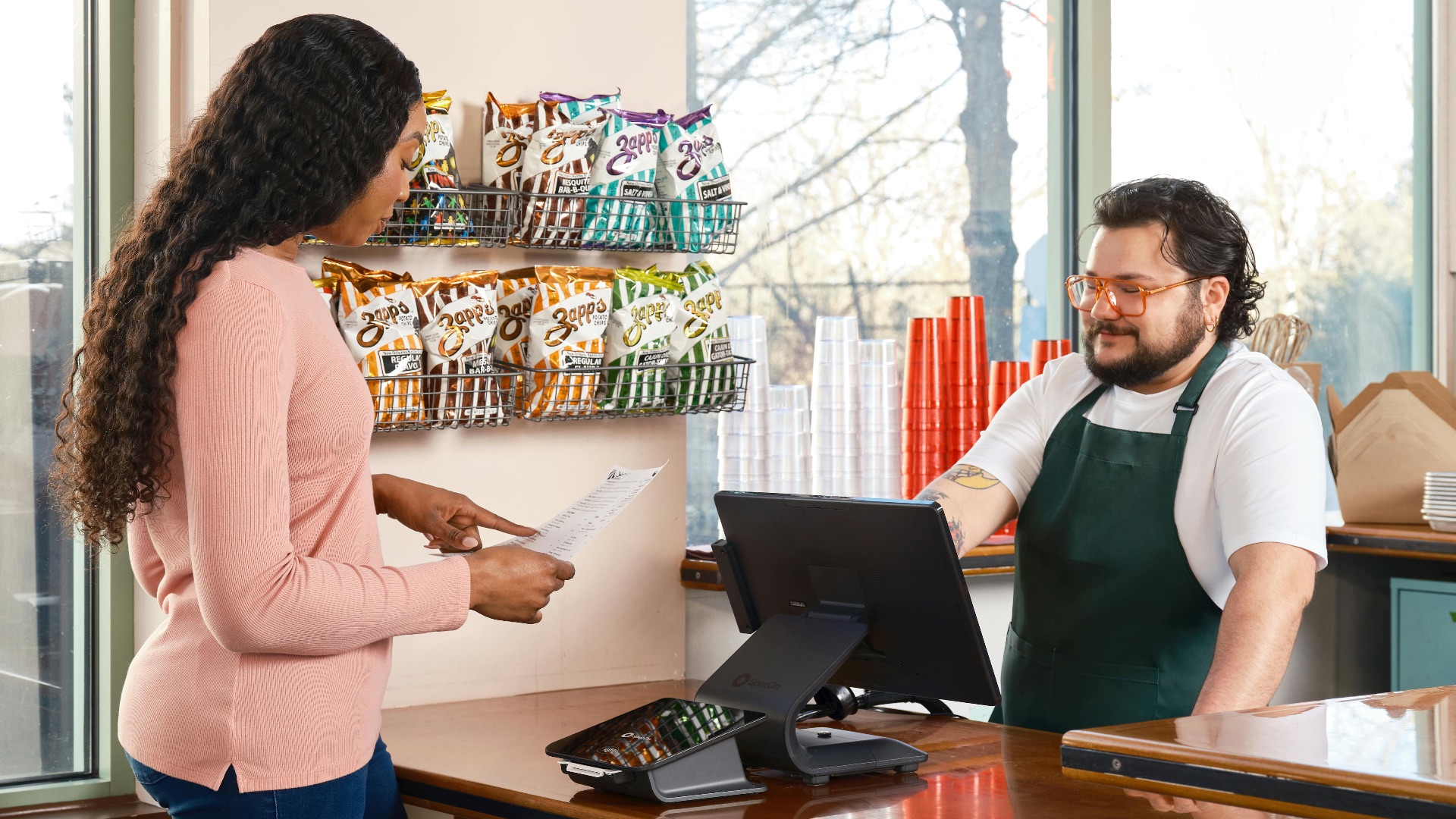
6. Staff Recommendations Can Be More Useful
A kiosk may display popular items, but an employee can offer recommendations based on what you actually like. If you’re choosing between two dishes, wondering what’s fresh, or trying to avoid something too spicy, a person can give more specific guidance. Staff members often know which items customers return for and which options pair well together. That personal insight can lead to a better order than simply picking from a screen.
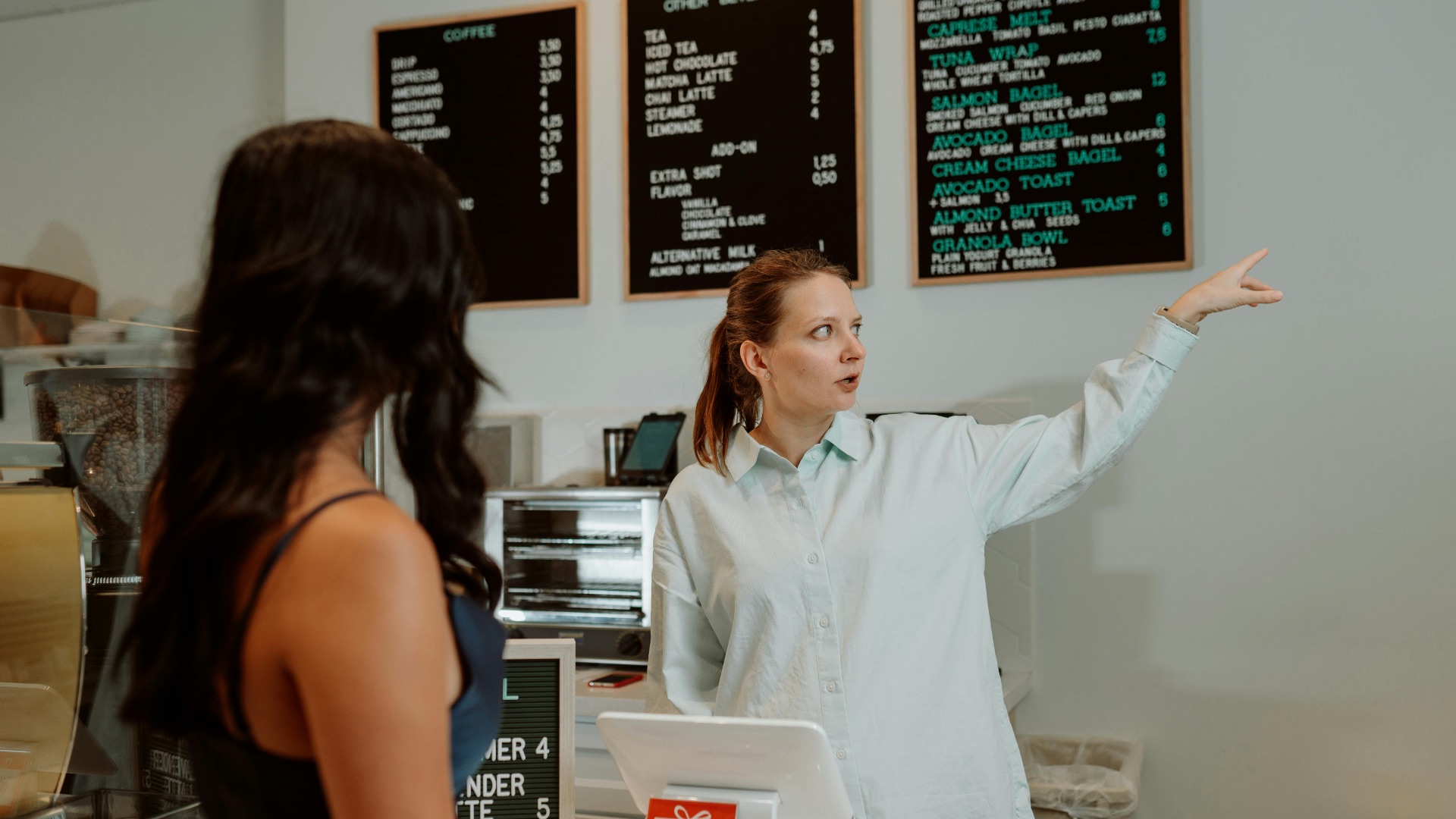
7. It Can Feel More Welcoming
Ordering directly can make the experience feel more connected, especially in places where customer service is part of the appeal. A friendly greeting, a helpful answer, or a brief conversation can make a routine order feel more pleasant. This doesn’t mean every order needs to be social, but many customers still appreciate being acknowledged by a real person. Good service can shape how you feel about the business as much as the product itself.
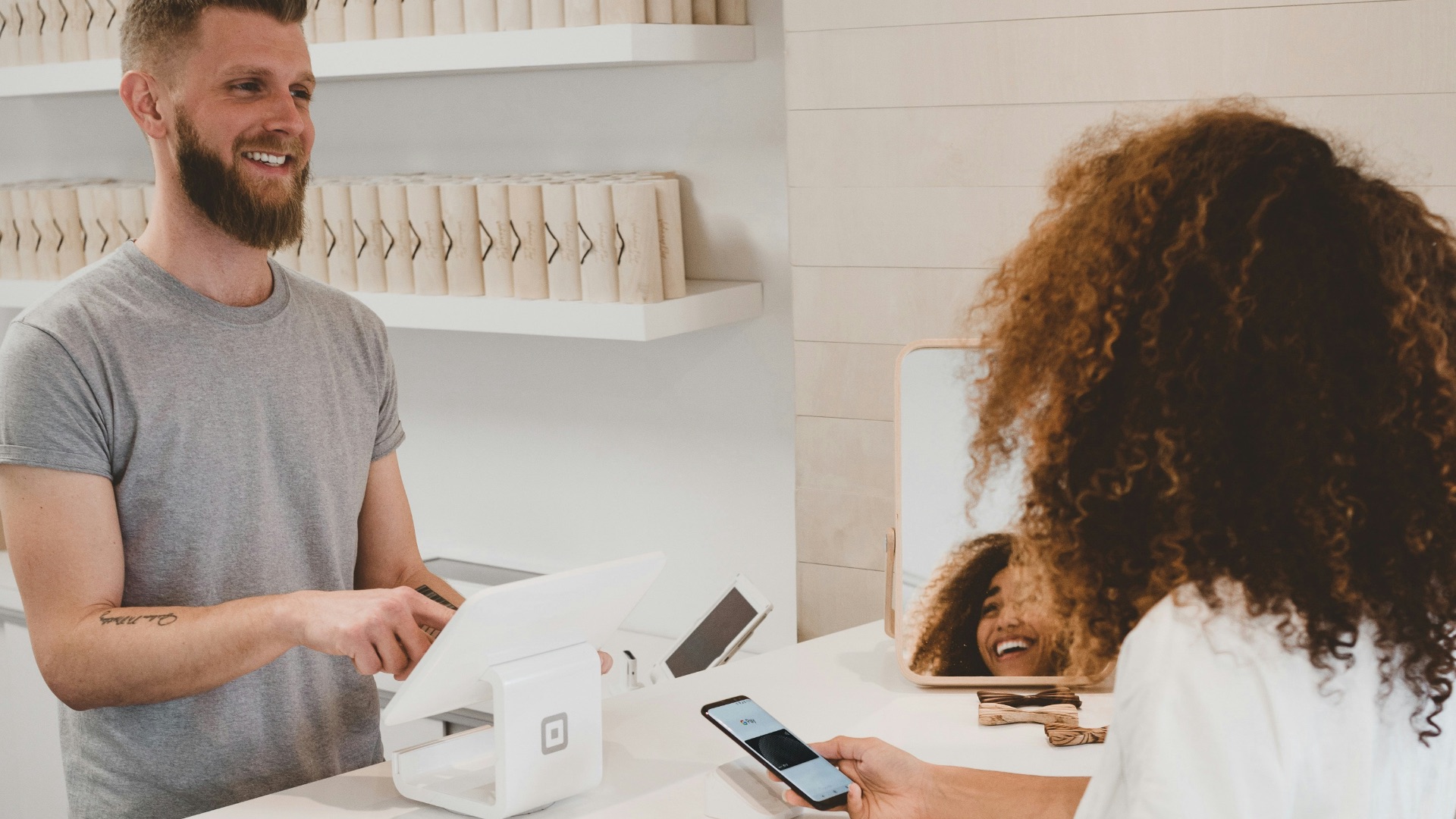
8. It’s More Accessible for Some Customers
Not everyone finds kiosks easy to use, even when they’re intended to be convenient. Some customers may have vision challenges, mobility limitations, difficulty using touchscreens, or discomfort with digital interfaces. Ordering directly gives people another way to complete the same task without struggling with technology that may not suit them. A business that keeps human ordering available is often more inclusive.
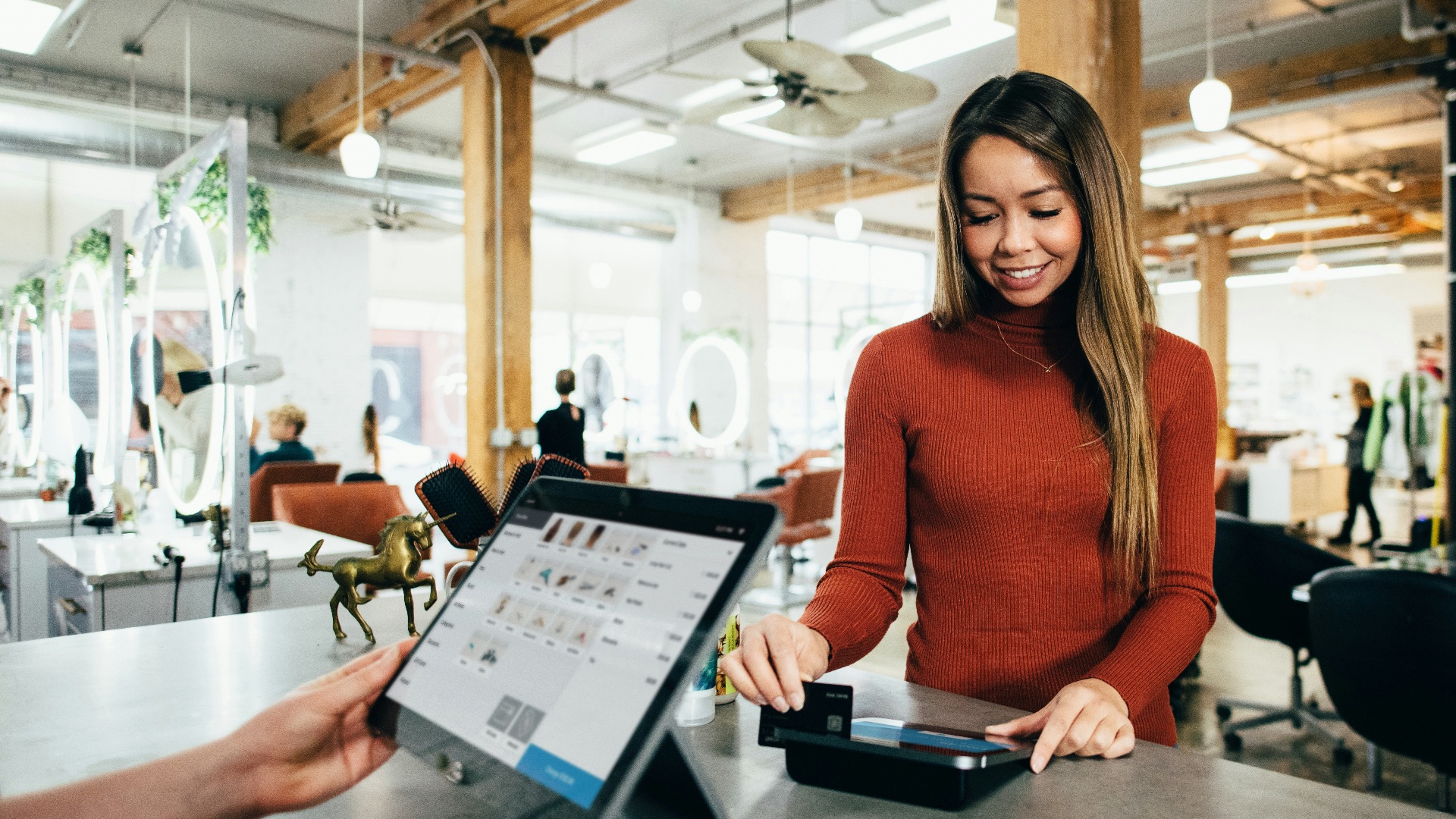
9. You Can Confirm Details Before Paying
When you order with a person, you can repeat important details, ask them to read the order back, and make changes before payment. This can be helpful when the order is large, complicated, or being placed for several people. While kiosks also show summaries, they may not always make every detail obvious enough before checkout. A staff member can help catch anything that sounds incomplete or incorrect.
10. Direct Ordering Builds Customer Trust
When customers can speak with employees, they may feel more confident that the business is paying attention to their needs. Direct ordering gives people a chance to be heard, especially when the situation involves a concern, a preference, or a past issue. It also shows that the business values service, not just efficiency. Technology can make ordering faster, sure, but personal interaction still plays an important role in creating trust and loyalty.

KEEP ON READING
Happy Hour: The 20 Best Foods For Social Snacking