Food trends can sound a little unserious until they start turning up everywhere: on menus, in grocery aisles, and in the drink someone swears is “actually good” after one suspicious sip. The useful ones aren’t just about novelty, though. They usually point to what people are trying to solve at the table. In 2026, that means food that feels healthier, more personal, more comforting, and a little less wasteful.
That’s a lot to ask from a weeknight dinner, but eating has always carried more weight than the food itself. Industry forecasts and food innovation research point to a future shaped by changing appetites, wellness goals, tighter budgets, and sustainability pressure. Tastewise’s 2026 food and beverage forecast describes growing demand for personalized eating, functional ingredients, regional authenticity, texture-driven foods, snackable formats, and meals built around specific lifestyle or dietary goals. Put more plainly: people still want food that tastes good, but they also want it to fit their bodies, wallets, values, and moods.
Nutrient-Dense Food
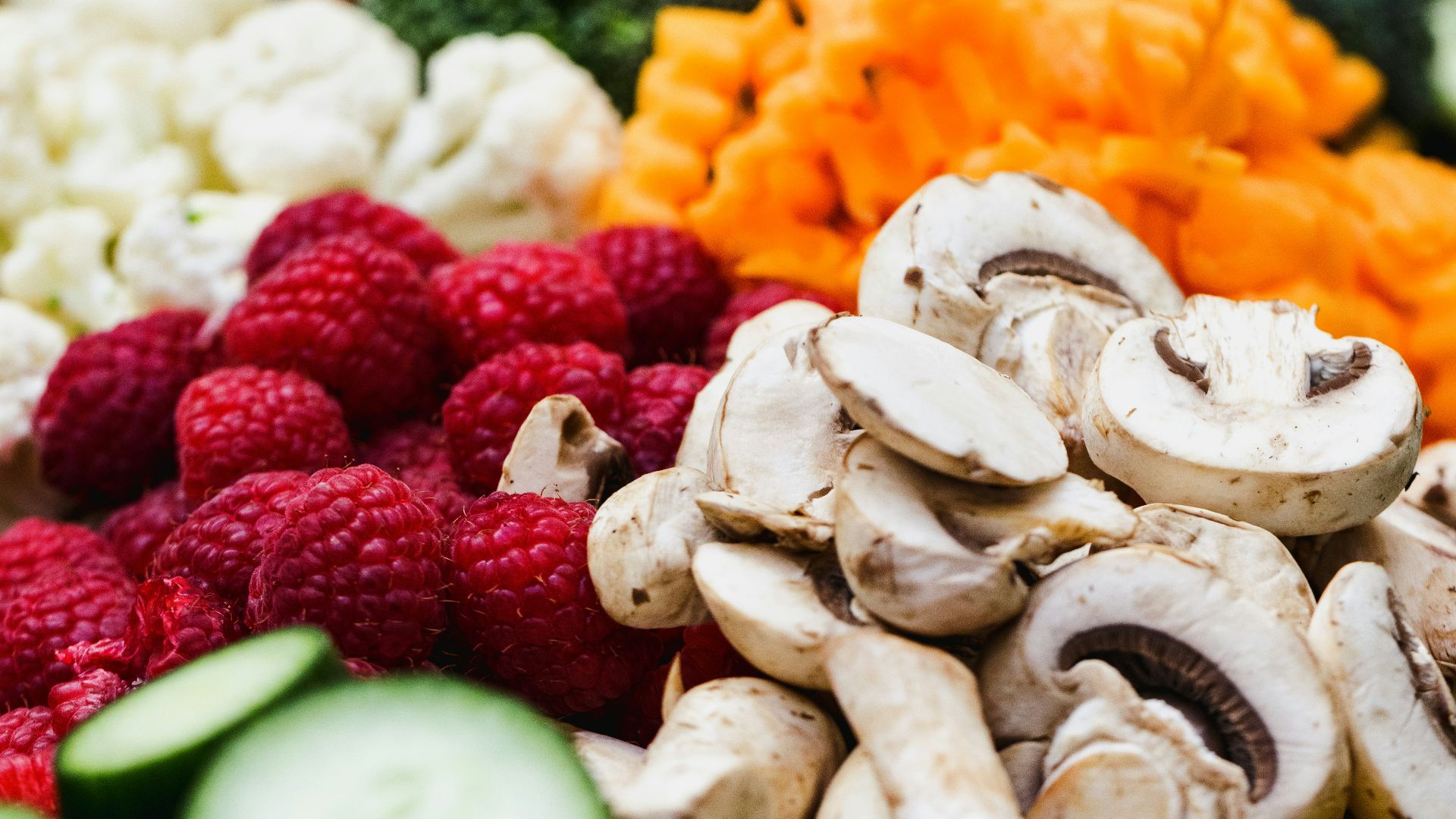
One of the clearest shifts is toward food that earns its spot on the plate. Gordon Food Service describes a move from a “Volume Era” to a “Value Era,” shaped partly by GLP-1 medications and changing diner appetites. That doesn’t mean every person is eating the same way, or that every smaller meal is automatically better. It does mean that protein, fiber, satiety, and portion size are becoming bigger parts of how people judge whether a meal feels worth it.
That shift changes what value looks like. A huge plate can still feel satisfying, but a smaller meal can feel like the smarter choice when it’s filling, balanced, and built around wellness goals. High-protein snacks, fiber-rich sides, nutrient-dense small plates, and functional drinks all fit neatly into that pattern.
Beverages are getting pulled into the same wellness lane. Gordon Food Service points to kombucha, sparkling cactus waters, adaptogen cocktails, and low- or no-alcohol options as examples of drinks positioned around well-being. Older Ipsos public-opinion research found that people were more likely to expect access to healthy, quality food to improve in the future, while also expecting food costs to get worse.
Comfort Food
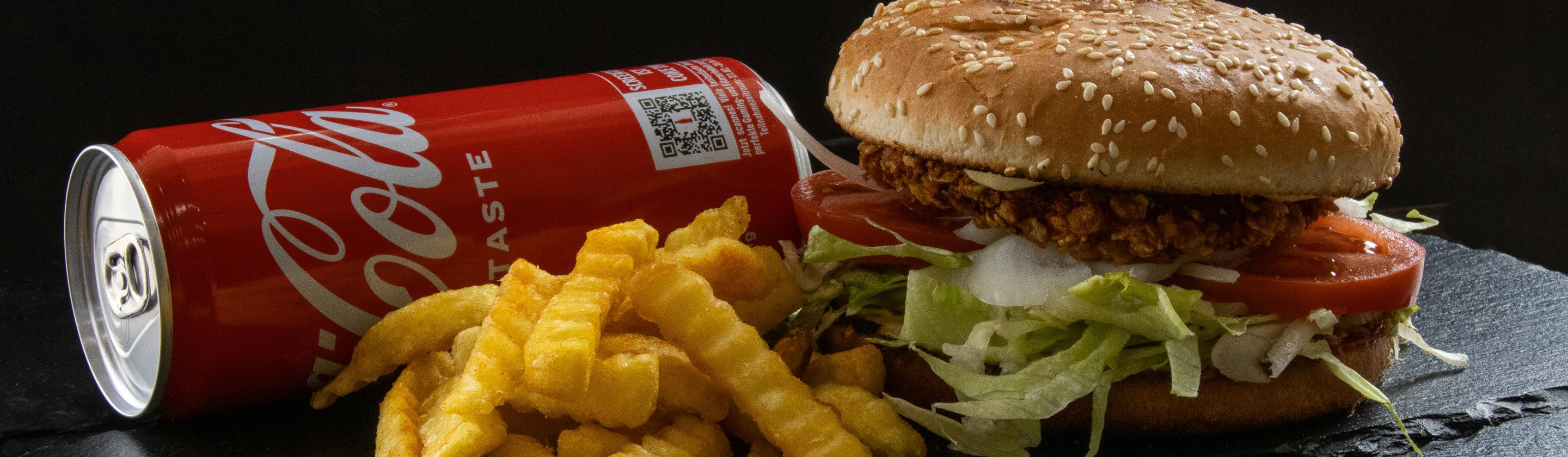
Wellness may be getting louder, but comfort food isn’t exactly leaving the room. Gordon Food Service calls out a “comfort comeback,” with familiar foods like smash burgers, one-pot meals, roasted chicken, elevated instant noodles, Caribbean curry bowls, and Eastern European pierogis gaining attention. These dishes aren’t trying to reinvent dinner, which is part of their charm. They feel understandable, fulfilling, and emotionally low-risk.
That matters when people are watching their budgets more closely. A familiar dish can feel safer to order because diners already know the basic payoff. A restaurant can still add a sharper sauce, a regional spice blend, or a more polished presentation without making the whole thing feel precious. Comfort food works best when it feels recognizable first and clever second.
Flavor is also getting more layered without becoming weird just for the sake of being weird. Gordon Food Service highlights “swavory” combinations, such as miso caramel, tahini soft serve, and chili glazes, as examples of sweet and savory flavors blending in more nuanced ways. These pairings offer a little surprise while still making sense once they hit the tongue. They also fit small-plate dining, where people can try more flavors, share more easily, and avoid committing to one giant entree that sounded better on the menu.
Sustainability
 Joao Vitor Marcilio on Unsplash
The future of eating also has to deal with the less glamorous truth that food uses land, labor, water, energy, and packaging before it ever reaches a plate. DTU Biosustain’s Sustainable Food Innovation group focuses on fermentation, upcycling by-products, and plant-based sources of umami as part of its culinary research and development. The group also puts real weight on flavor and pleasure, which is the part that sustainable food can’t afford to skip. People may care about the planet, but they still have taste buds, inconvenient little things that they are.
That’s why fermentation and upcycling feel like more than niche food-lab ideas. A fermented ingredient can bring depth, savoriness, and complexity, while upcycling can turn by-products into something useful instead of letting them go to waste. Plant-based umami can also make more sustainable meals feel rich and satisfying rather than like a sad compromise. The better version of this trend doesn’t ask people to trade pleasure for responsibility.
Farm-level innovation sits behind the same story, even if it’s less visible than a new menu item. A University of Calgary School of Public Policy article discusses Canadian agri-food innovation, including genetically modified crops and no-till farming, and notes that no-till adoption reduced the traditional practice of summerfallowing fields. The scale of the food challenge is also real: the Food and Agriculture Organization has projected that feeding a world population of 9.1 billion in 2050 would require raising overall food production by about 70% between 2005/07 and 2050, with production in developing countries needing to almost double. So the future of eating probably won’t belong to one neat trend. It’ll belong to the foods that can balance pleasure, health, affordability, and sustainability.