Food Sharing Can Be Personal
When you're out with your friends, do you share your food? Or are you on the side of "everyone should just eat what they ordered"? You might not give it much thought, but food has a powerful way of bringing people together. And sometimes, offering your friends a bite from your plate can deepen your bond more than you think. Sharing your food may even help you develop healthier eating habits. Of course, not everyone will agree; food can also be extremely personal, tied to appetite, comfort, boundaries, and personal preferences. Here are 10 compelling reasons you should share bites—and 10 equally strong reasons why it's best to keep your plate to yourself.
1. It Can Strengthen Relationships
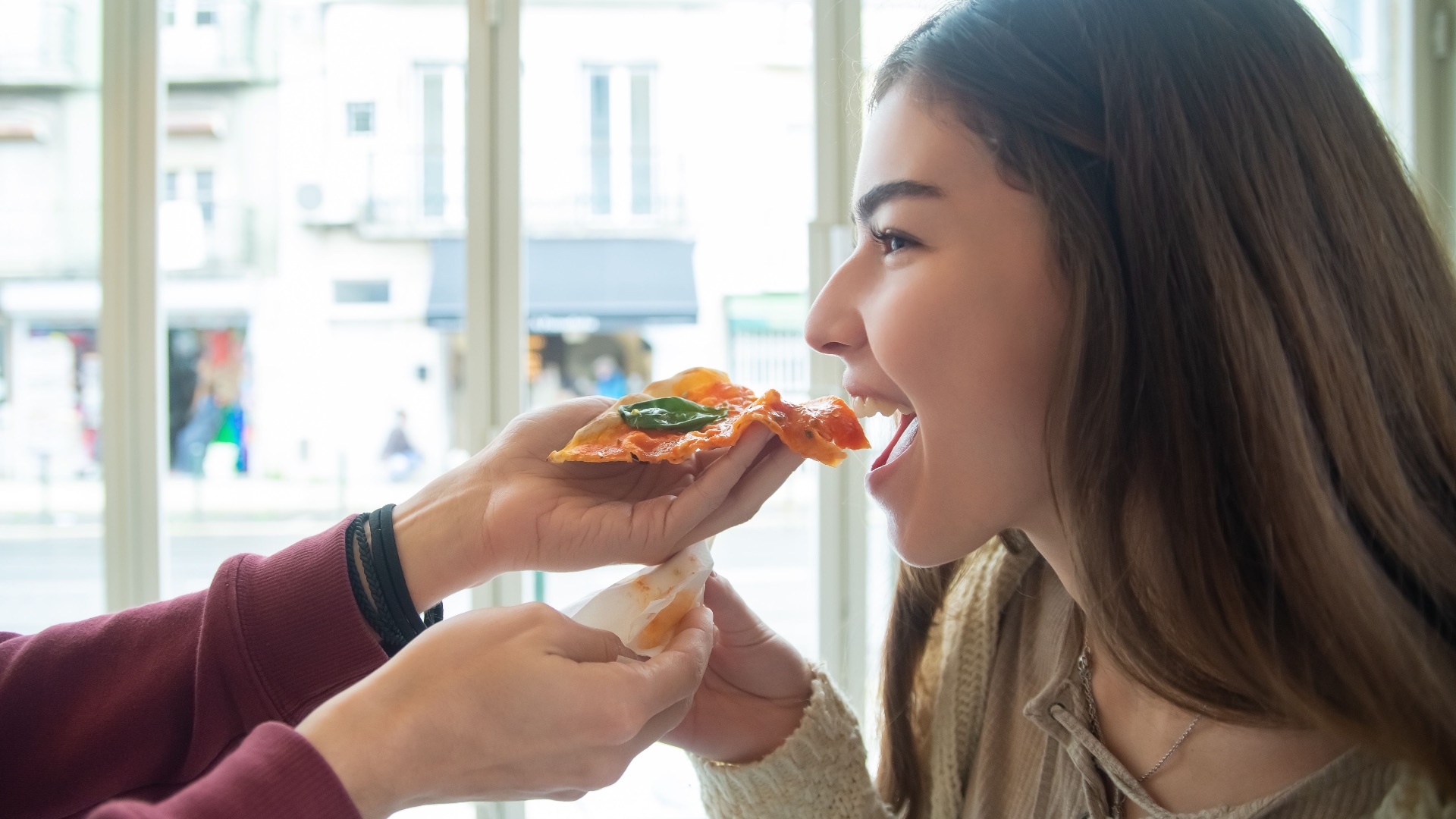
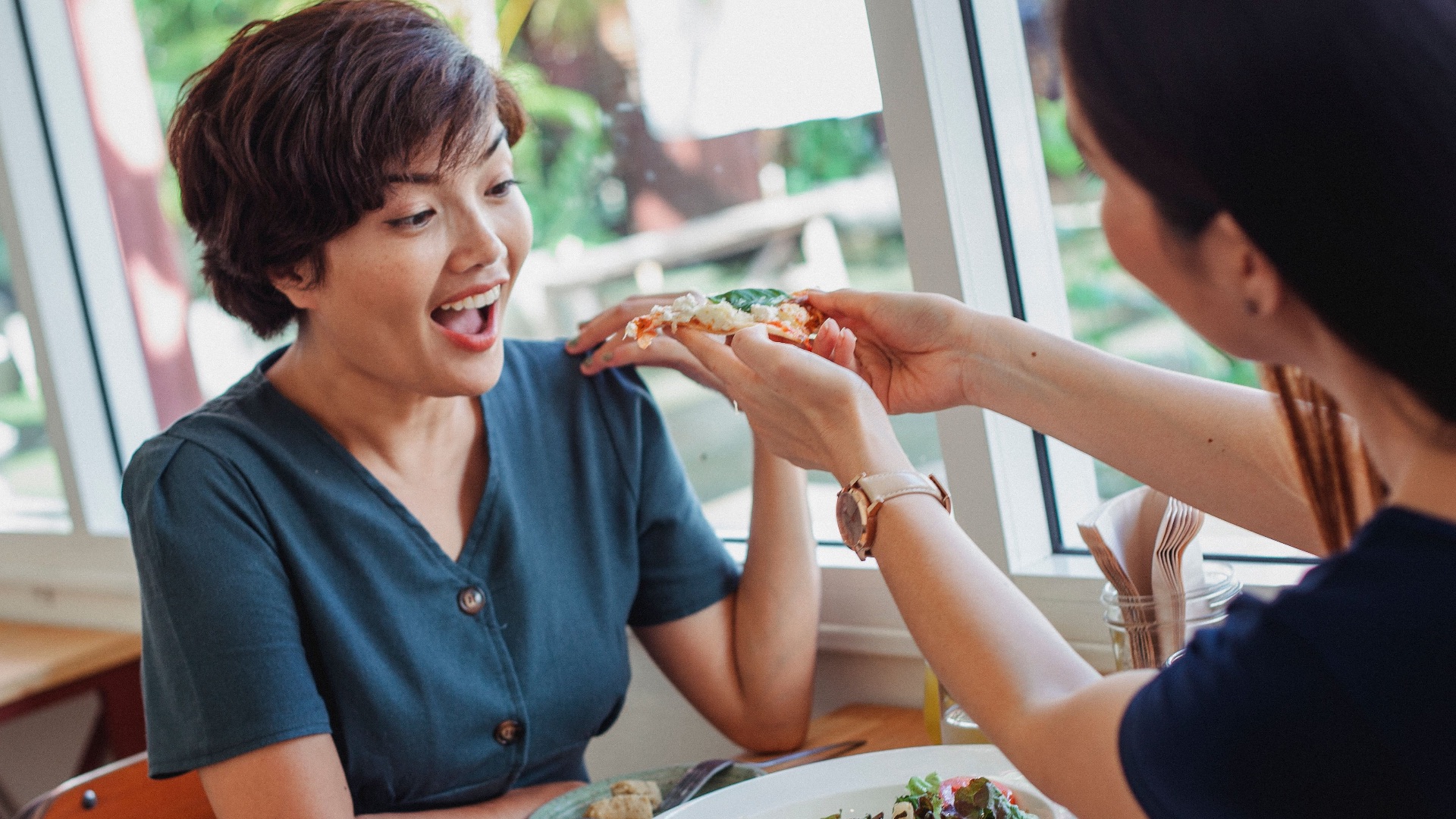
Sharing food with friends, family members, or a partner can help create a stronger sense of connection. When both people are comfortable with it, offering part of your meal is a small gesture that shows trust, generosity, and consideration. It creates an opportunity to interact in a way that feels more personal than simply eating side by side. Over time, those shared moments can help strengthen relationships and make meals feel more meaningful.

2. It Lets Everyone Try Something New
Sometimes one person orders the most interesting thing on the menu, and sharing gives others a chance to taste it without committing to a full portion. This can be especially fun when you’re at a restaurant with unfamiliar dishes or bold flavors. You might discover something you’d never have ordered on your own. Food sharing can make dining feel a little more adventurous without requiring anyone to take a big risk.
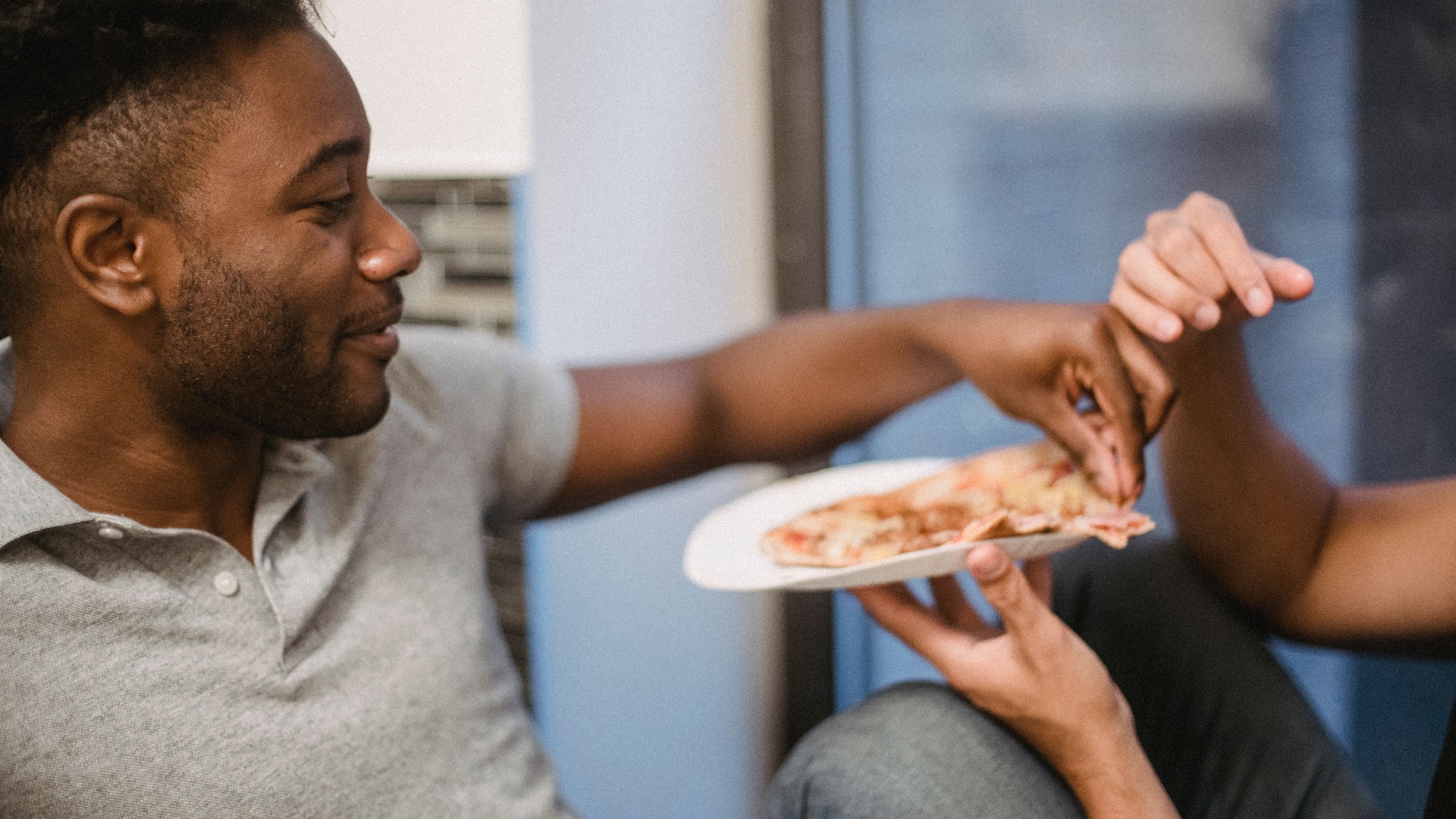
3. It Shows Thoughtfulness
Offering someone a bite of your food can be a simple way to show that you’re paying attention to them. Maybe they seemed curious about your dish, or maybe they skipped ordering something they wanted because they were unsure. Letting them try some of yours can be a considerate gesture.
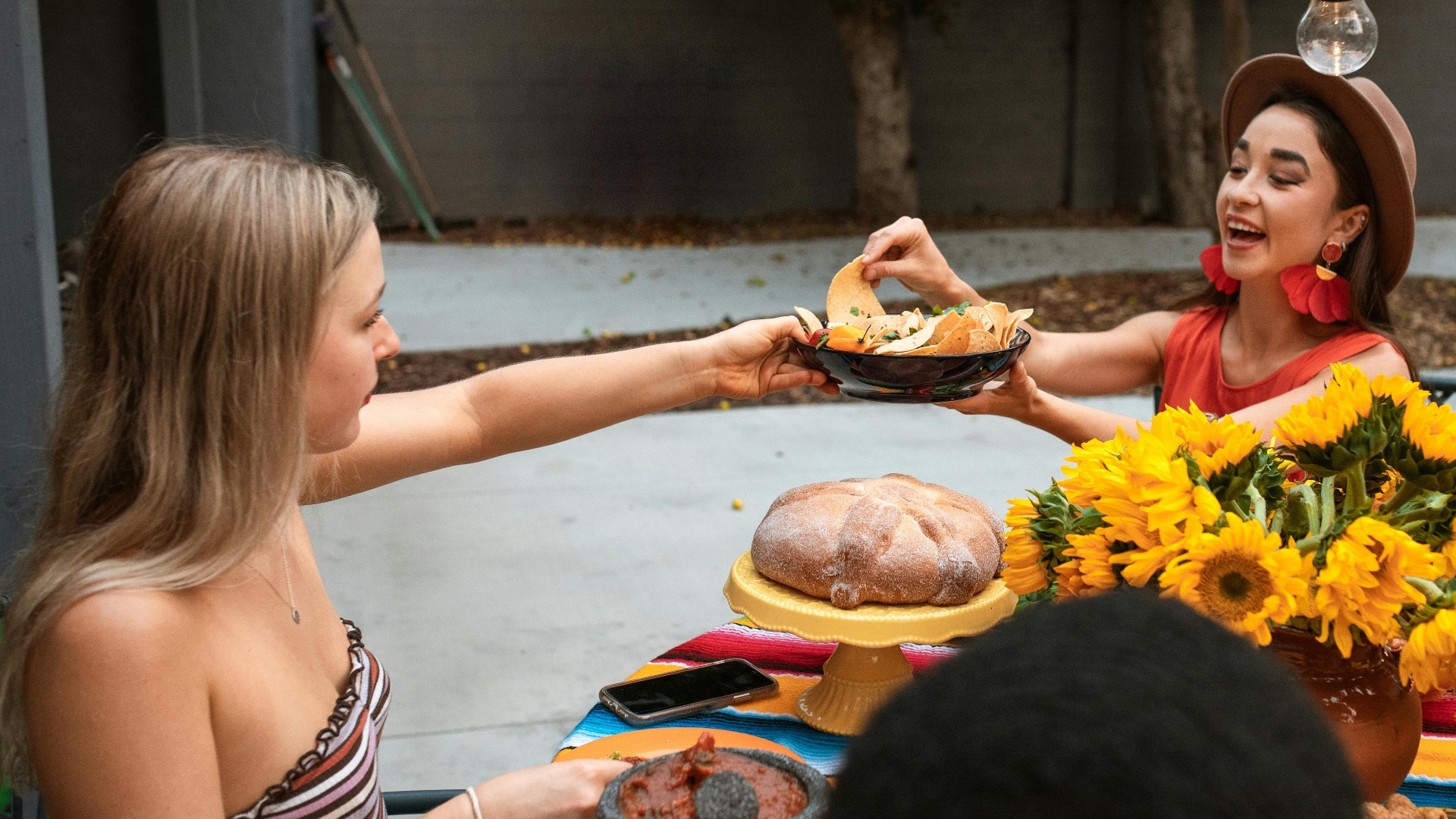
4. It Can Reduce Waste
If you know you won’t finish what’s on your plate, sharing can keep good food from being thrown away. This is especially useful with large portions, appetizers, desserts, or family-style meals. Instead of forcing yourself to eat past the point of comfort, you can let someone else enjoy what would otherwise be wasted. It’s a practical habit that can make a meal feel more balanced.
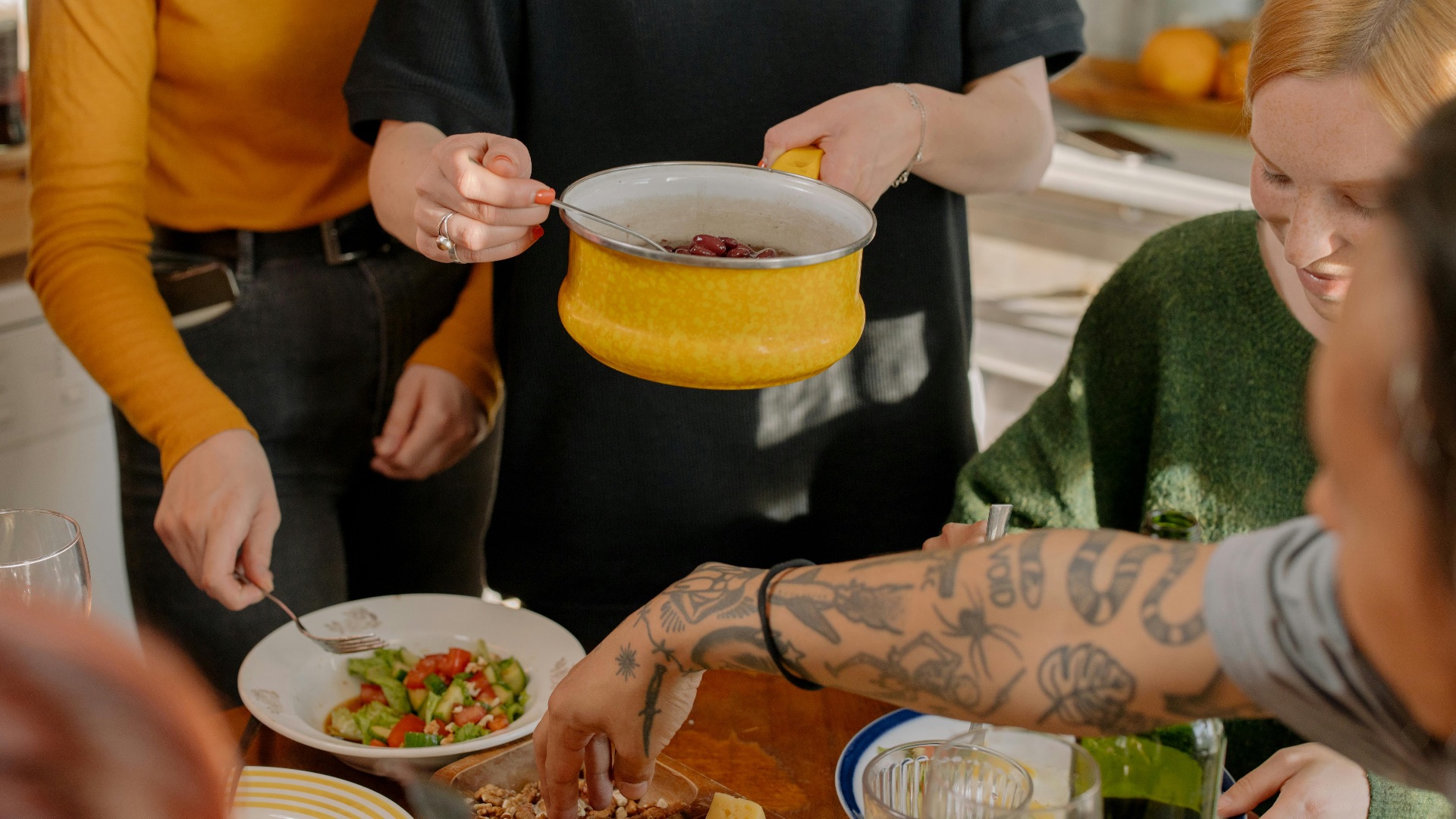
5. It Helps Build Trust
Food can feel personal, so sharing it often carries a sense of comfort and closeness. When you’re willing to let someone have part of your meal, it can signal that you feel at ease with them. This doesn’t have to be dramatic or overly sentimental. In everyday life, small acts of generosity can slowly strengthen relationships.

6. It Makes Group Dining More Fun
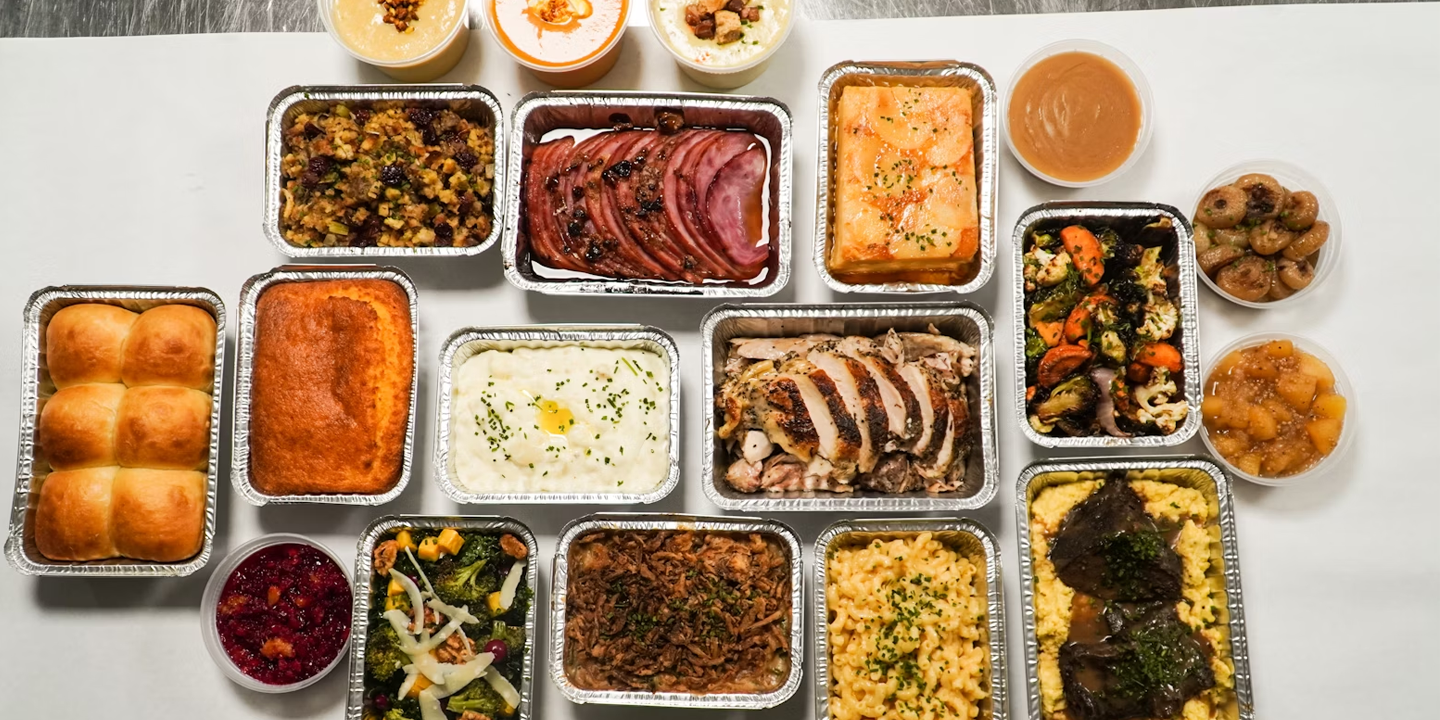
Ordering several dishes and sharing them can make a meal feel more varied and lively. Instead of everyone being limited to one plate, the whole table gets to experience a wider range of flavors. This approach works especially well with appetizers, tapas, dim sum, barbecue, or any meal designed for passing plates around. It gives the group more to talk about and enjoy together.
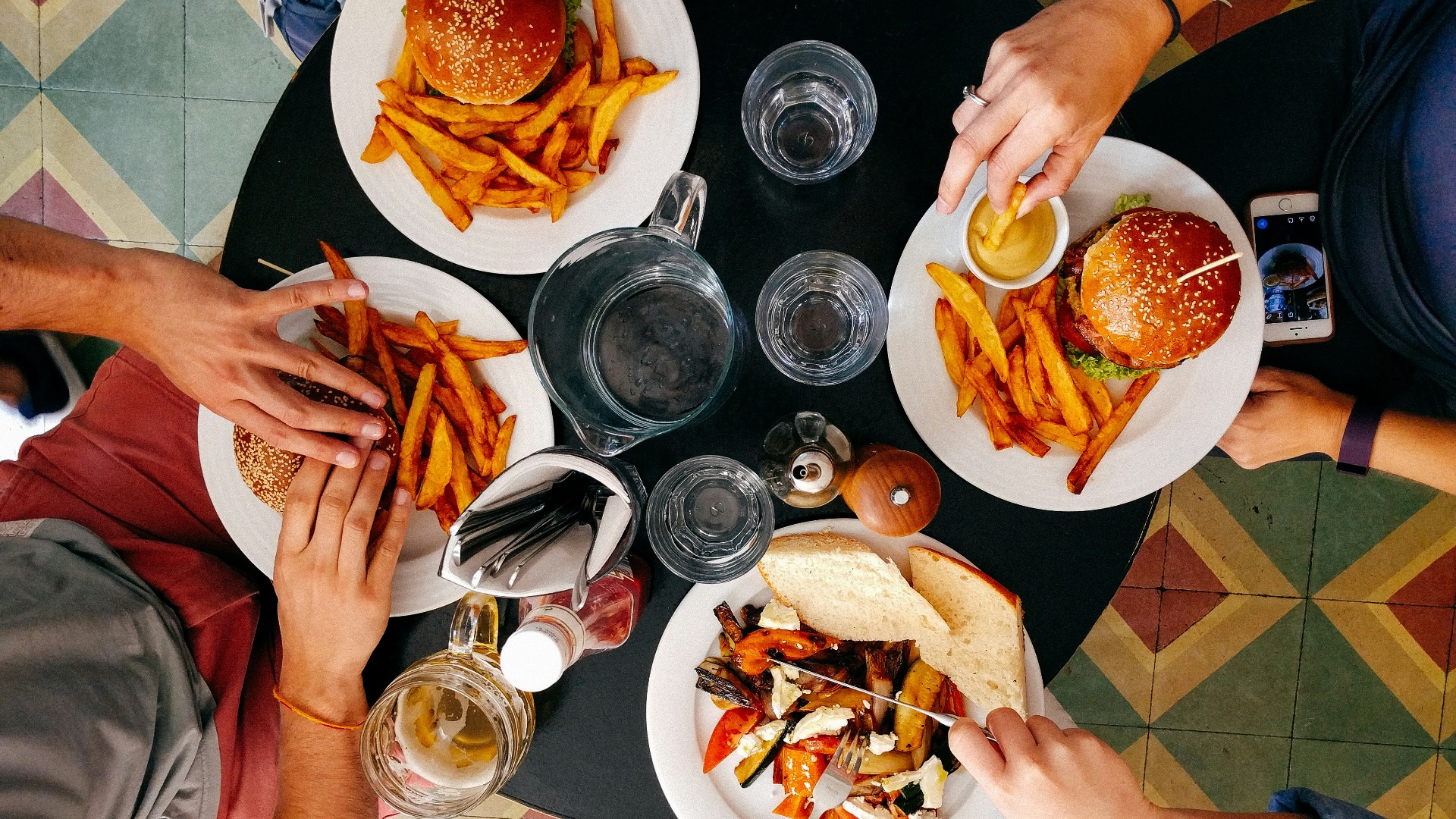
7. It Can Help You Develop Healthier Eating Habits
Sharing part of your meal can be a practical way to avoid eating more than you need. If portions are larger than your appetite, offering some to someone else allows you to enjoy the food without feeling pressured to finish everything on your plate. It can also encourage more mindful eating by helping you pay attention to when you're satisfied rather than simply eating what's in front of you. Over time, that habit may support healthier eating patterns while still letting you enjoy meals with others.
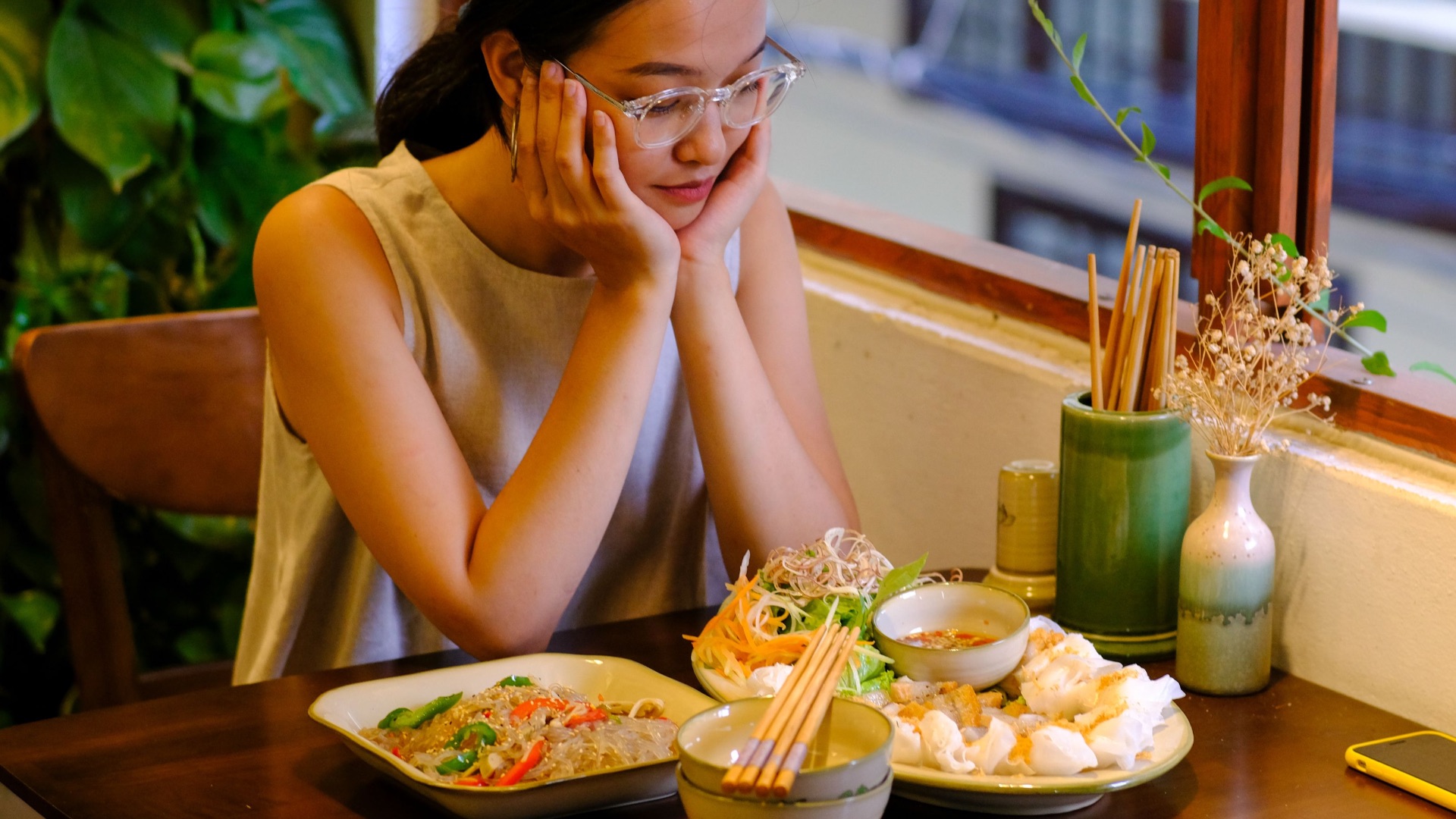
8. It Encourages Generosity
The habit of sharing food can make generosity feel more natural. When you practice giving in small, everyday ways, it becomes easier to think beyond your own needs. This doesn’t mean you have to give away half your dinner every time you sit down. It just means that being open-handed with food can help create a more considerate atmosphere.

9. It Can Strengthen Cultural Traditions
In many families and cultures, food is meant to be shared rather than kept to individual plates. Passing dishes, feeding guests, and encouraging people to try everything can be part of how hospitality is expressed. Participating in that kind of sharing can show respect for the people and traditions around you. It also helps preserve the social meaning of a meal.
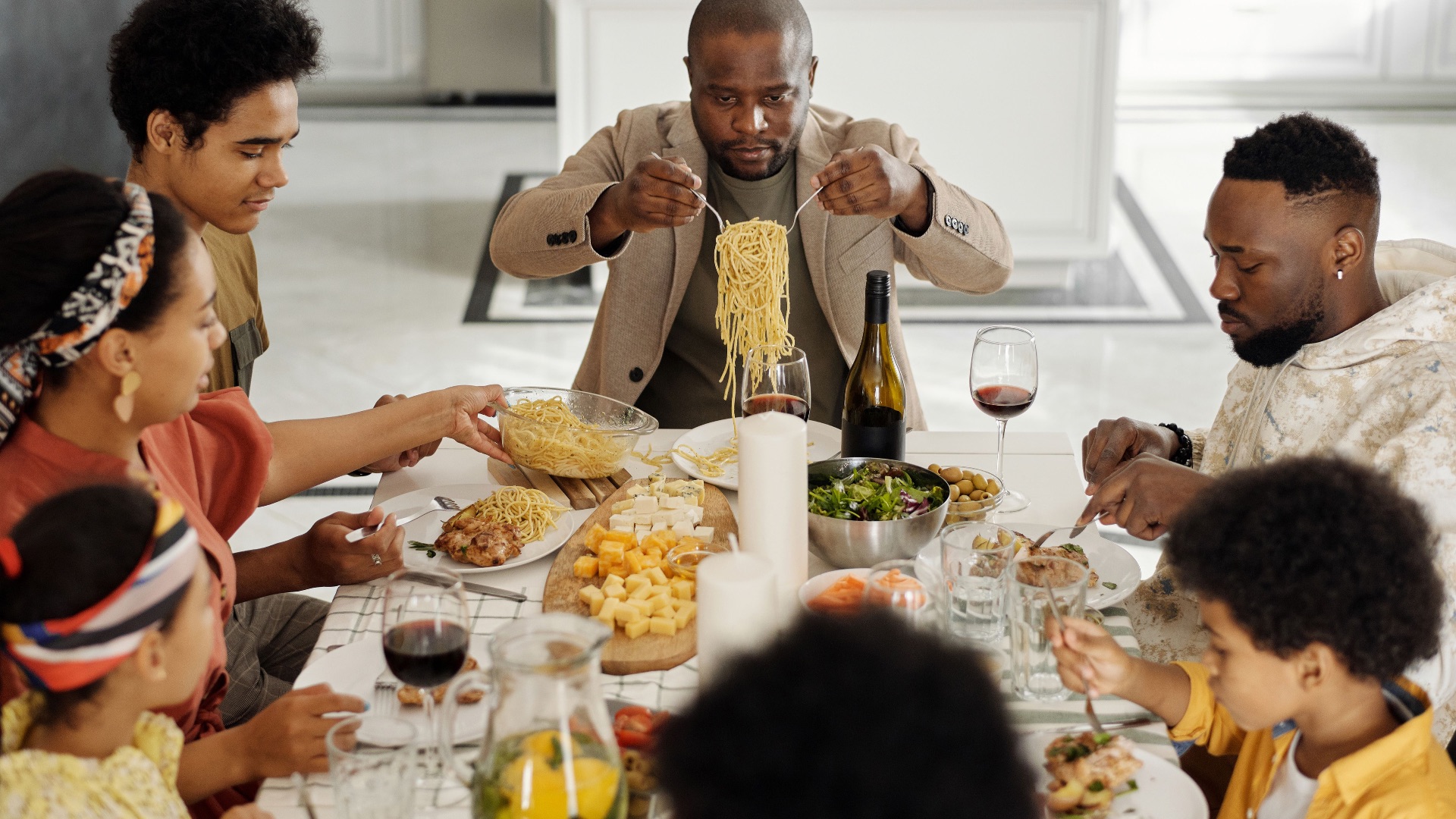
10. It Creates Shared Memories
Some food moments are memorable because everyone gets involved. Tasting a new dessert, splitting fries after a long day, or passing around a homemade dish can become part of the story you remember later. These moments don’t have to be elaborate to matter. Often, the food becomes special because of who shared it with you.
Of course, sharing food isn’t always the right move. There are plenty of times when keeping your meal to yourself is the better (and more comfortable) choice; your boundaries and personal preference matter, after all. Let's take a look at the other side of the coin.

1. You Might Not Have Enough for Yourself
If you ordered exactly what you wanted because you were hungry, sharing may leave you unsatisfied. It’s frustrating to give away bites and then realize your own meal no longer feels like enough. You shouldn’t feel guilty for wanting to enjoy the food you paid for or prepared. Sometimes the fairest choice is to let everyone be responsible for their own plate.
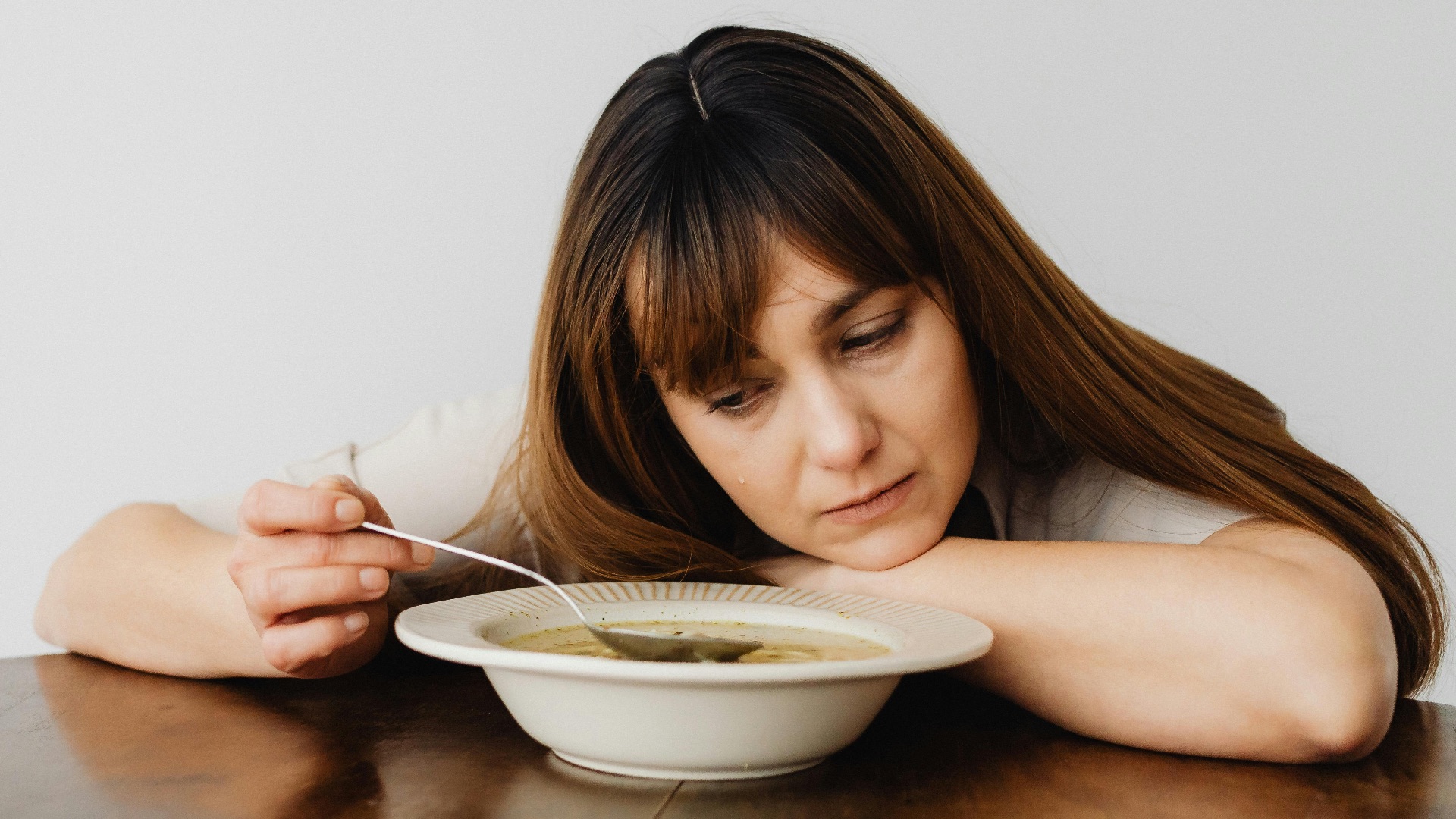
2. Hygiene Can Be a Real Concern
Food sharing can get uncomfortable when utensils, hands, or bites are involved. Not everyone has the same comfort level with germs (or wants to swap spit), and that’s completely reasonable. Even among friends or family, people may prefer not to share because of illness risk or personal boundaries. Respecting that preference keeps the meal more comfortable for everyone.
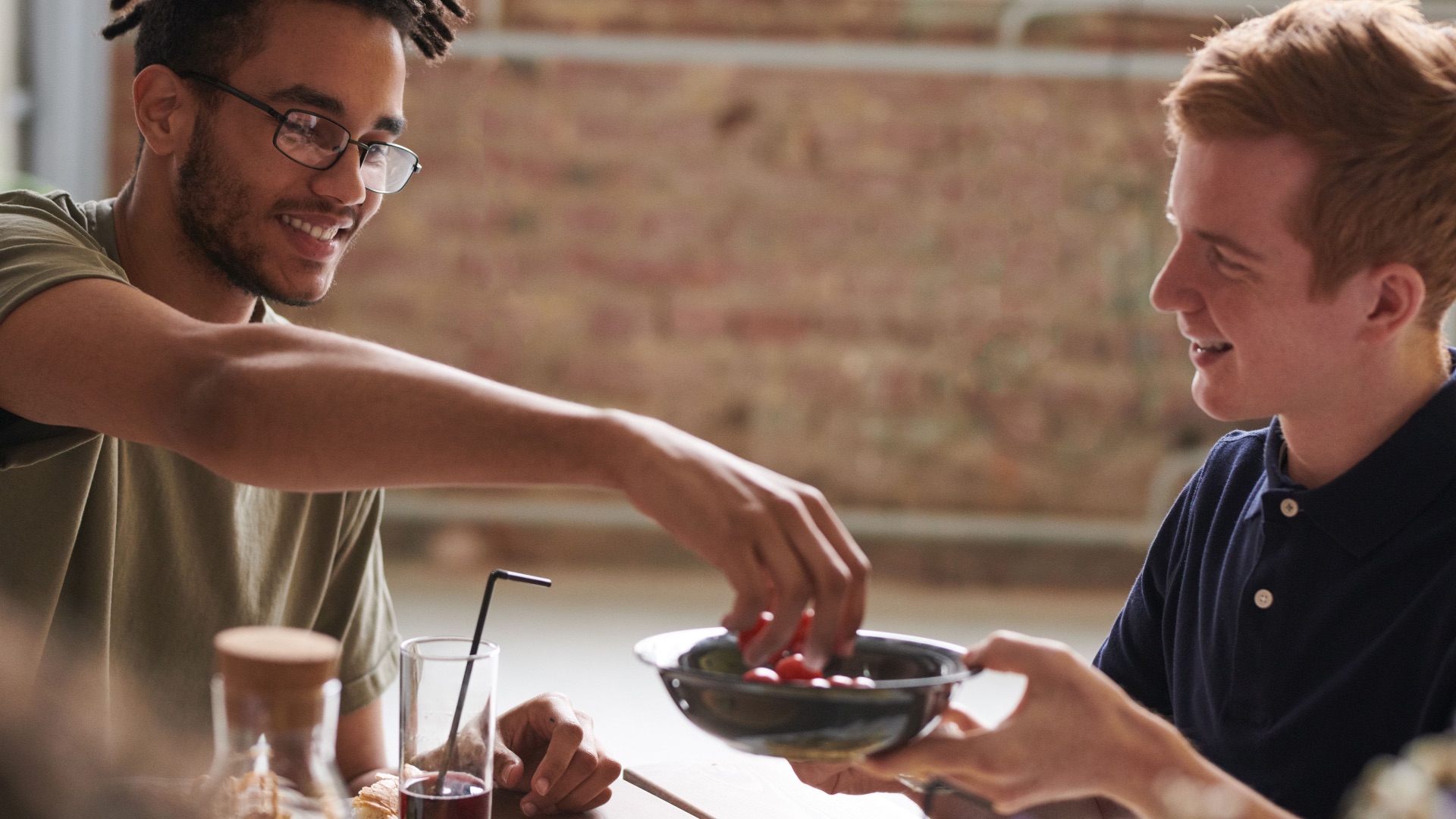
3. Dietary Restrictions Can Make Sharing Complicated
When allergies, intolerances, or strict diets are involved, sharing food can quickly become risky. A dish might contain an ingredient someone needs to avoid, even if it isn’t obvious at first glance. Cross-contact can also be a concern for people with serious allergies. In those cases, it’s safer not to casually pass food around.
4. You Deserve to Enjoy What You Ordered
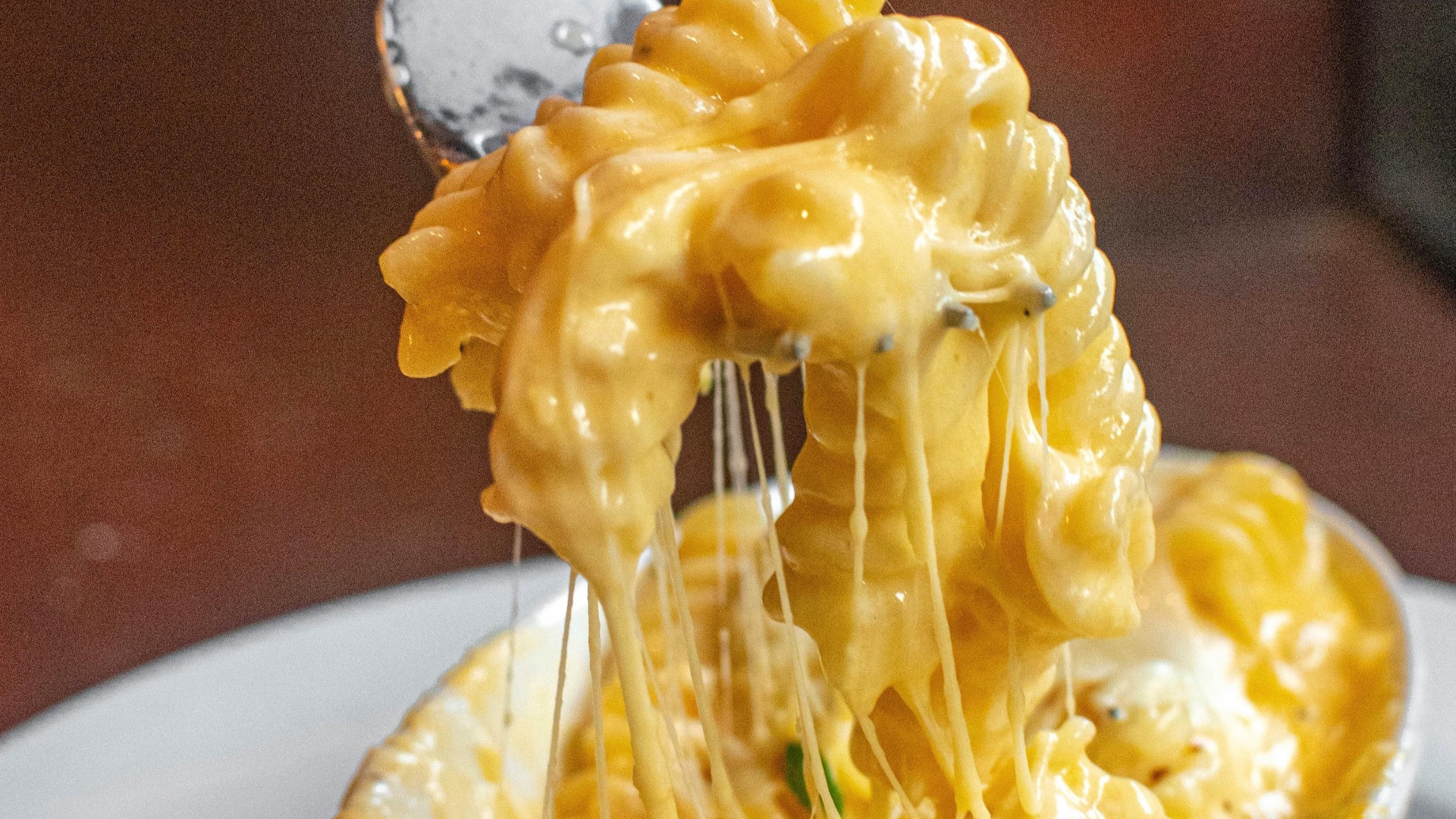
There’s nothing wrong with wanting your own meal to remain yours. You chose it because it sounded good, suited your mood, or fit what you were craving. Giving away part of it can sometimes make the experience less satisfying than you expected. It’s perfectly acceptable to enjoy your food without turning it into a shared plate.

5. Sharing Can Create Social Pressure
Some people feel awkward saying no when someone asks for a bite. They might agree even though they don’t really want to share, just to avoid seeming rude. That kind of pressure can make a meal less enjoyable. Food sharing should feel optional, not like an unspoken obligation.
6. Different Eating Habits Can Clash
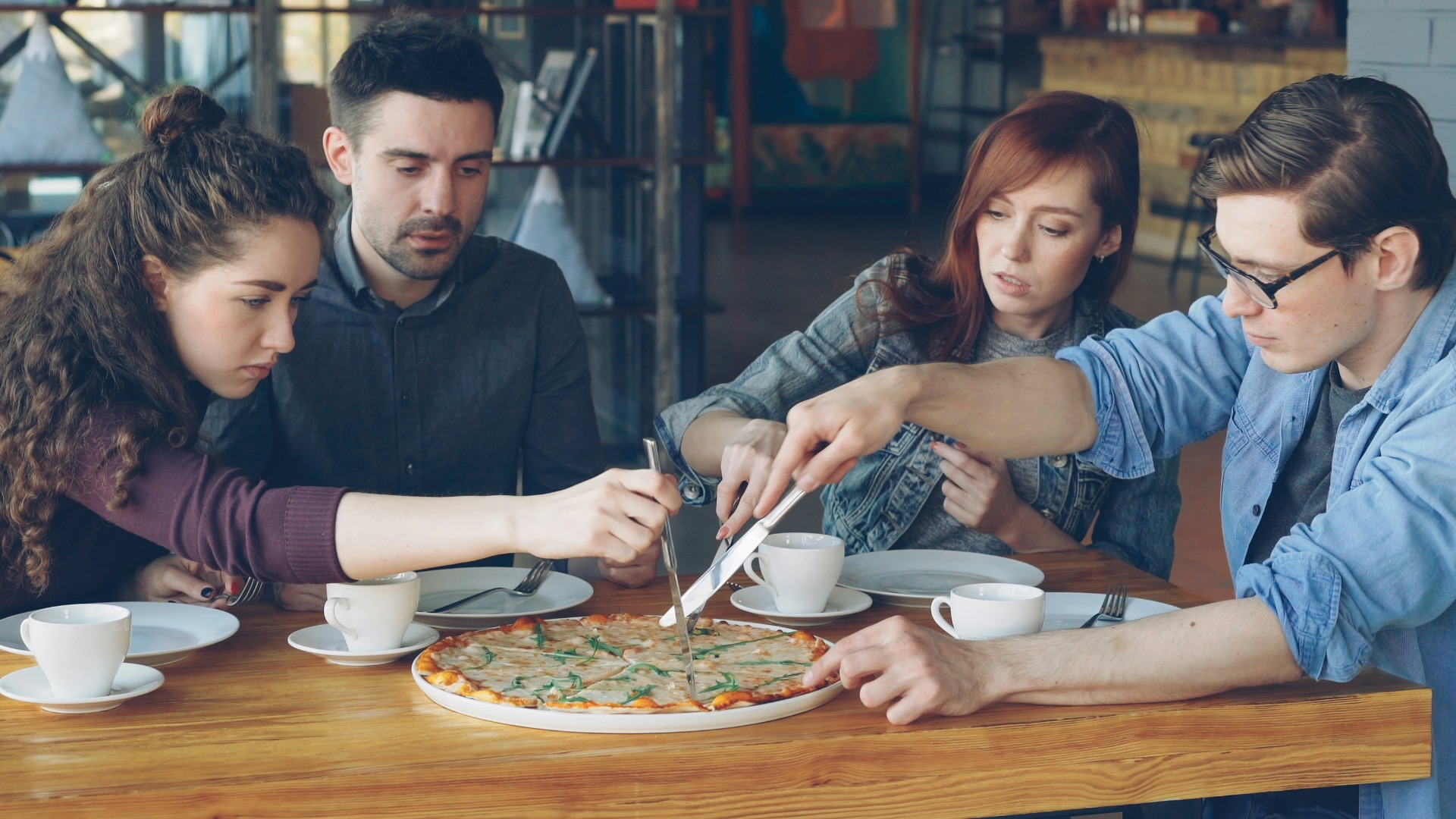
People eat at different speeds, take different portion sizes, and have different ideas about what counts as “just a bite.” One person may think they’re taking a small taste, while another sees a noticeable chunk of the meal disappearing. These differences can lead to irritation, especially when expectations weren’t clear. Keeping plates separate can avoid those small but real tensions.
7. Some Foods Don’t Share Well
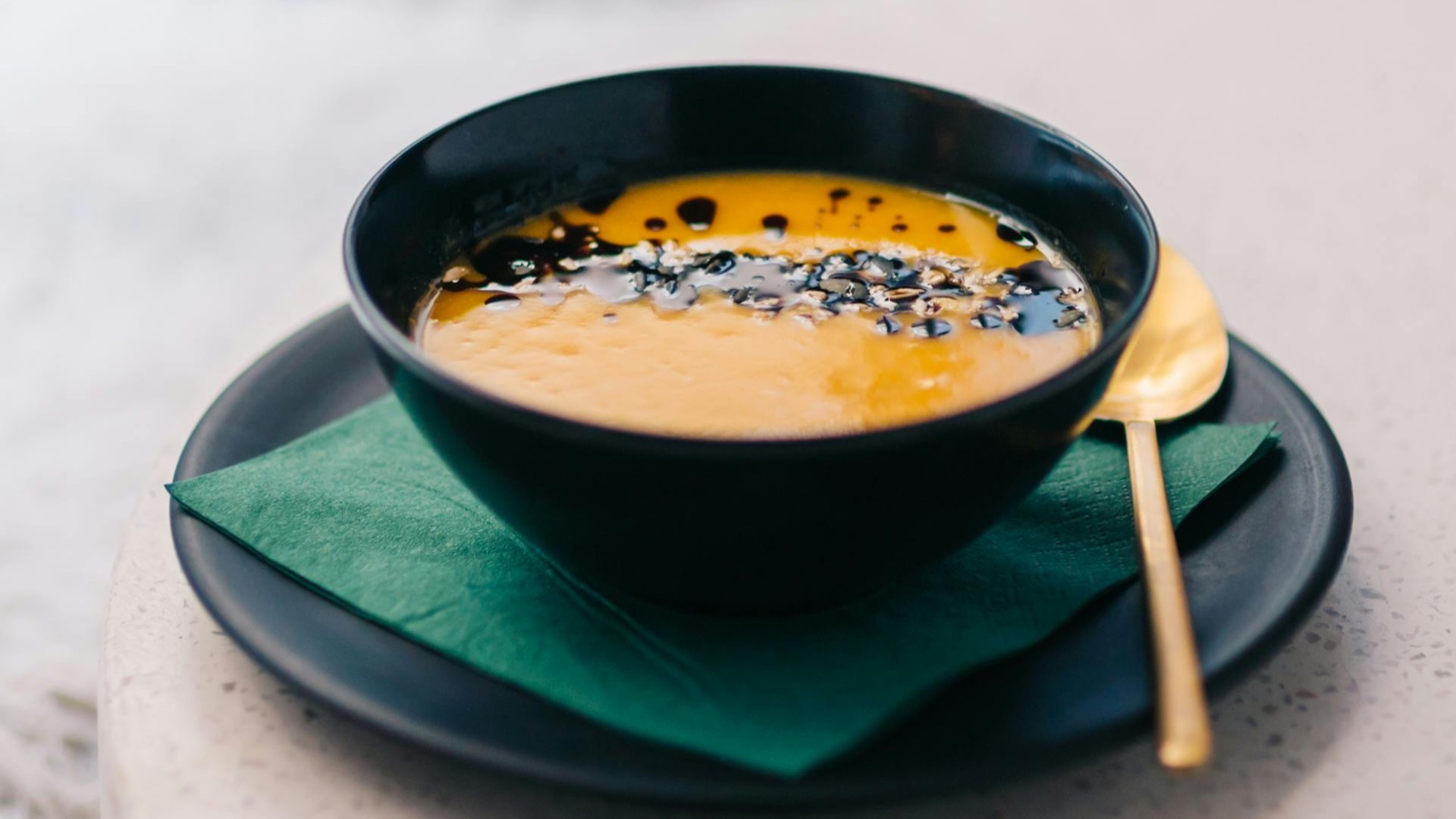
Not every dish is easy or pleasant to divide. Soups, messy sandwiches, saucy pastas, and carefully plated meals can become awkward when someone tries to take a portion. Sharing can change the texture, presentation, or overall enjoyment of the food. In those cases, it’s better to let the dish be eaten the way it was served.
8. It Can Be Unfair When Only One Person Shares
Food sharing works best when it feels mutual, but that doesn’t always happen. You may offer bites from your plate while someone else guards theirs or takes more than they give. Over time, that imbalance can feel annoying. If sharing repeatedly feels one-sided, it’s reasonable to stop doing it.
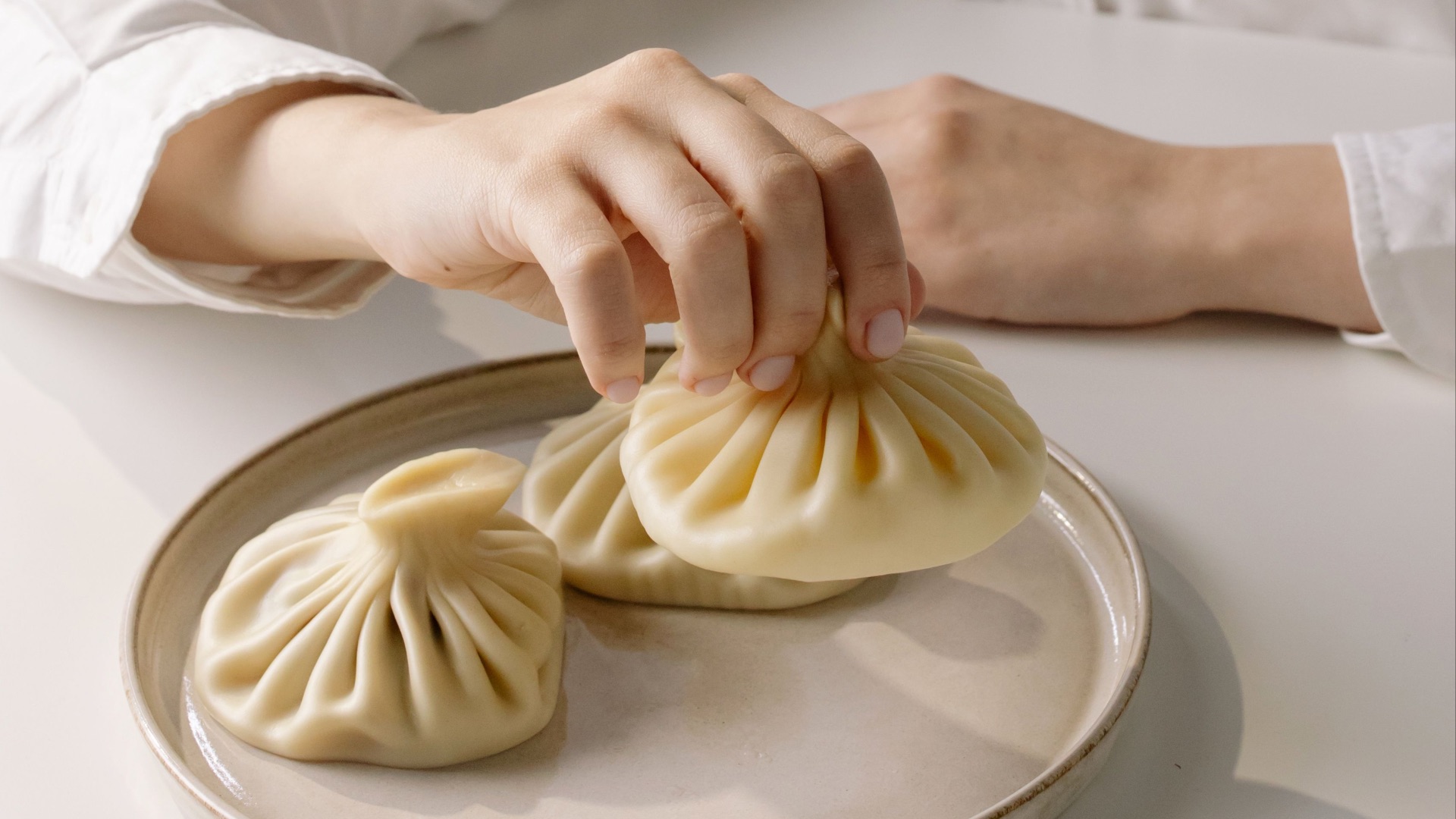
9. Personal Boundaries Matter
Some people simply don’t like sharing food, and they don’t need a complicated reason. Their plate may feel like their own space, especially if they’re tired, hungry, or particular about how they eat. Respecting that boundary is part of being considerate. You can be generous in plenty of other ways without giving up part of your meal.
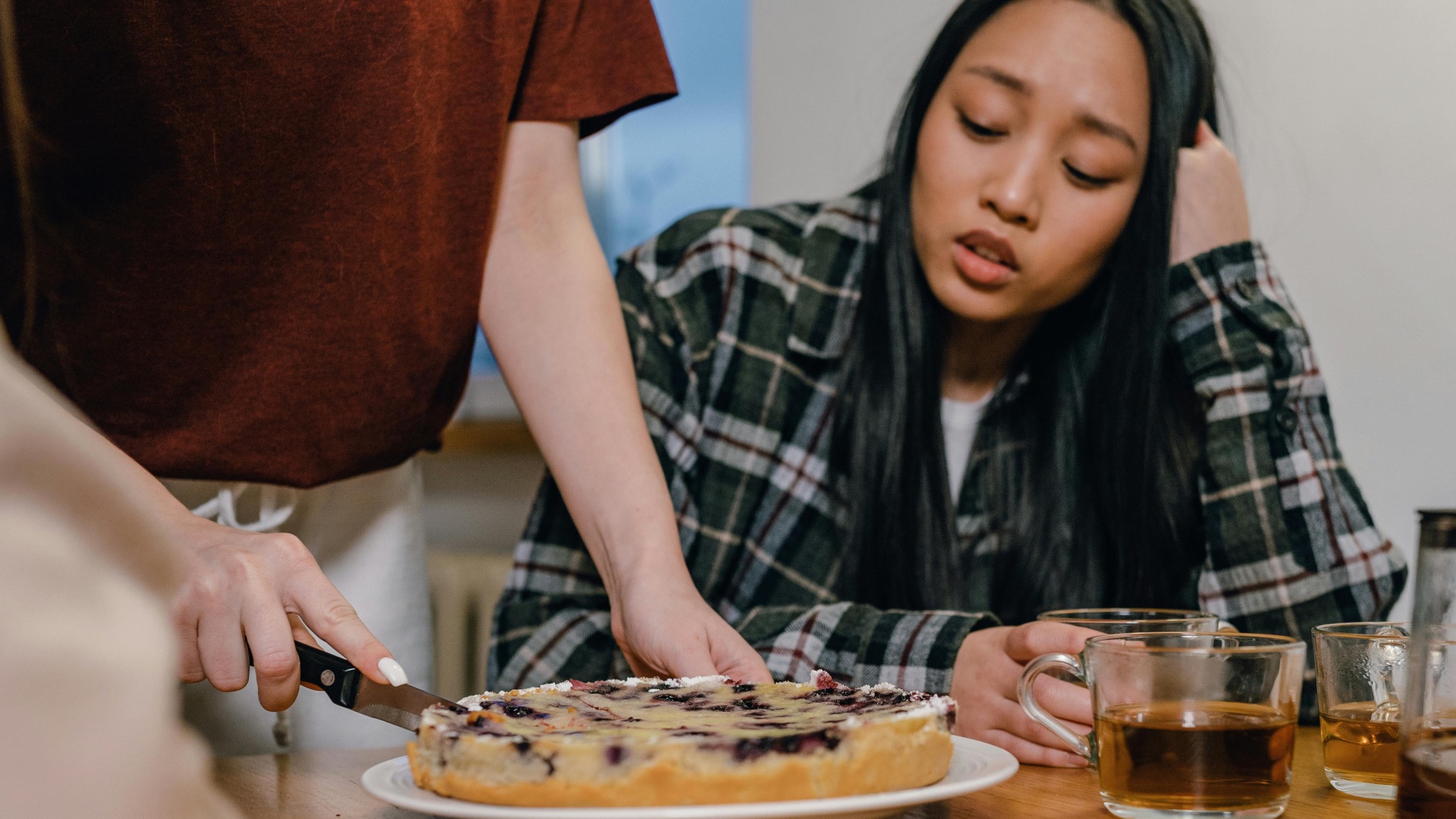
10. It Can Make the Meal Less Relaxing
A meal should be a chance to enjoy yourself. If people keep asking for bites, reaching across the table, or commenting on your portions, the experience can start to feel stressful. Keeping your food to yourself can help you stay focused on the simple pleasure of eating. Sometimes the most peaceful meal is the one where everyone enjoys exactly what they ordered.

KEEP ON READING
20 Dishes That Built Modern American Cuisine