Look at any TikTok influencer’s daily vlog, and you’ll be sure to find them crunching on a plate of crackers, cheese, fruit, hummus, pickles, or just about anything else. The kicker? That’s their dinner plate. “Snack dinner,” “girl dinner,” or any equivalent names all point to the same thing: a simple, individualized, low-energy meal that doesn’t take up too much of anyone's time.
The habit itself isn’t new. People have always made supper from bread, leftovers, cold foods, and ingredients that need to be used before they go bad. Social media gave the low-effort meal a catchy identity, while smaller households and changing eating schedules helped make it feel especially relevant. A cooked dinner still has a place at the table, of course, but it’s not the sole contender for an evening meal anymore.
How Snack Dinner Became A Recognizable Trend
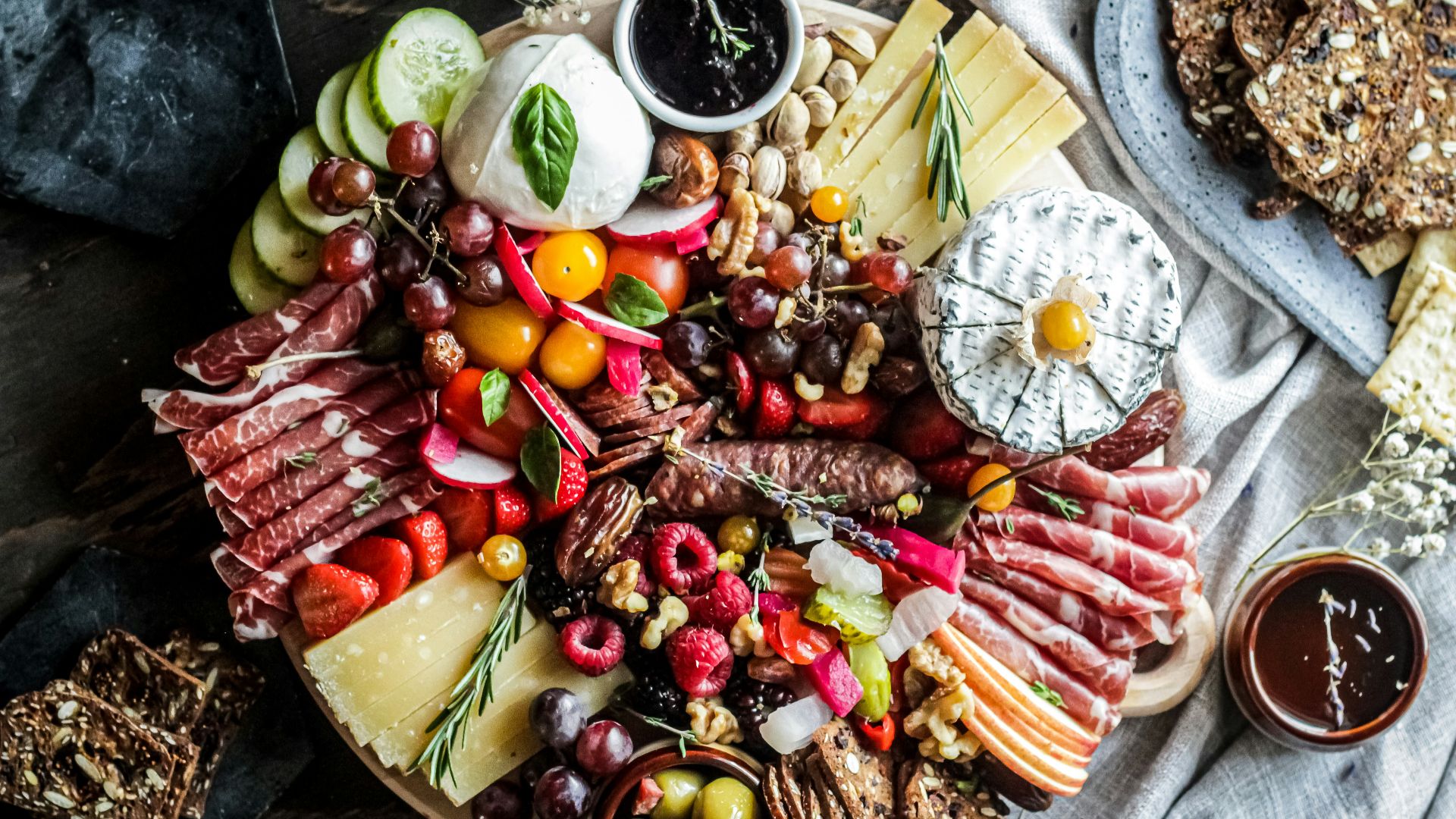
Much of the current conversation grew out of the “girl dinner” trend that spread online in 2023. According to Purdue University, TikTok creator Olivia Maher used the phrase in May of that year while showing sliced bread, cheese, grapes, and red wine. With or without her knowledge, her post defined the kind of casual, improvised supper many people were already eating. It was simple, familiar, and easy for others to recreate with whatever they had on hand.
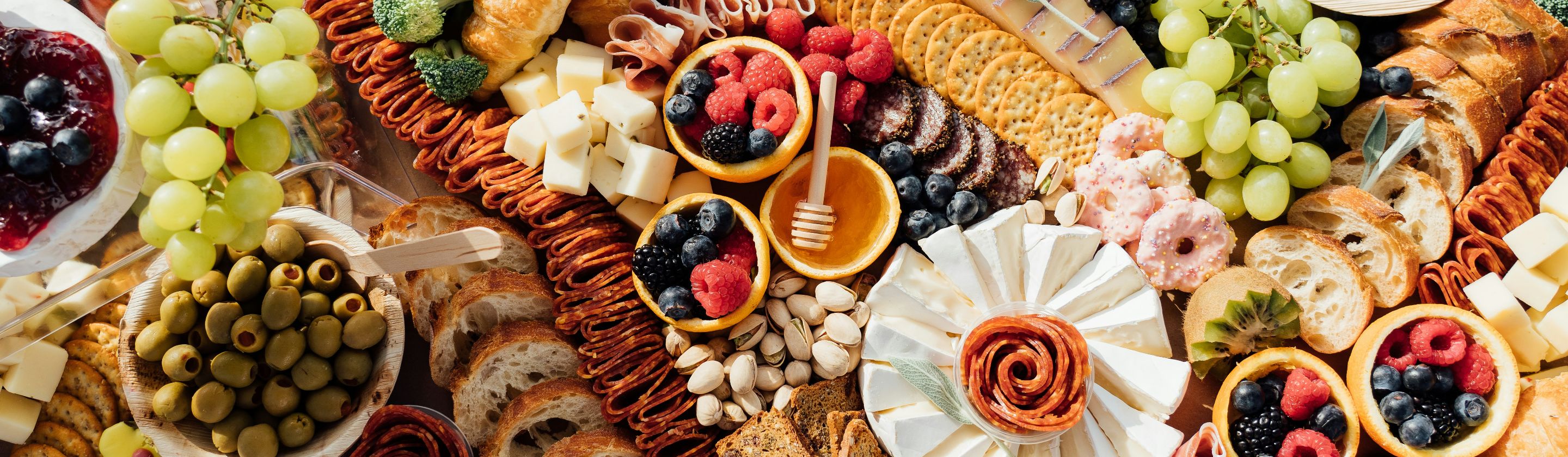
“Snack dinner” is a broader, less gendered name for the same basic idea. The meal might include crackers, vegetables, fruit, cheese, nuts, eggs, hummus, leftover meat, or something sweet, and there’s no fixed combination to follow. Some plates look like casual charcuterie boards, while others come together from open packages and leftovers that need finishing. Really, what makes this “newfound” meal so appealing is the freedom you have. Not wanting a huge plate of pasta? That’s fine. You can have a small bowl with a side of veggies and hummus, or any other little morsel you find you’re craving.
This format matches documented eating habits. The International Food Information Council’s 2024 Food & Health Survey found that 73% of respondents snacked at least once a day, while 56% regularly or occasionally replaced traditional meals with snacks or smaller meals. Meal replacement was reported by 66% of Gen Z respondents and 62% of millennials in the survey of 3,000 Americans ages 18 to 80. Sure, not everyone is pining for a snack dinner, but generationally, these numbers are staggering.
What Makes The Format Fit
Like just about anything else in life, convenience is the driving factor behind the rise in snack dinners. In the same IFIC survey, 57% of respondents said convenience had a strong effect on their food and beverage purchases, compared with 85% for taste, 76% for price, and 62% for healthfulness. Depending on what’s in the kitchen, a snack dinner can meet several of those needs at once. It can be quick, enjoyable, fairly affordable, and nourishing without adding a long cooking routine to an already full evening.
With such a full schedule, this quick and easy meal also makes sense for folks trying to do three things at once. A USDA Economic Research Service analysis of 2022–2023 time-use data found that U.S. adults spent an average of 16.4 minutes per day eating while multitasking. Watching television and movies and working a main job were the most common activities reported during this secondary eating.
Household size adds another practical reason for flexible meals. The U.S. The Census Bureau reported 38.5 million one-person households in 2024, making up 29% of all U.S. households, a ten percent jump compared to 50 years prior. A recipe designed for four can be useful when someone wants leftovers, but it can also feel like too much effort and food for one individual. Snack dinner scales naturally for solo diners and for households where people get home, work, or eat at different times.
How To Make Snack Dinner Feel Like Dinner
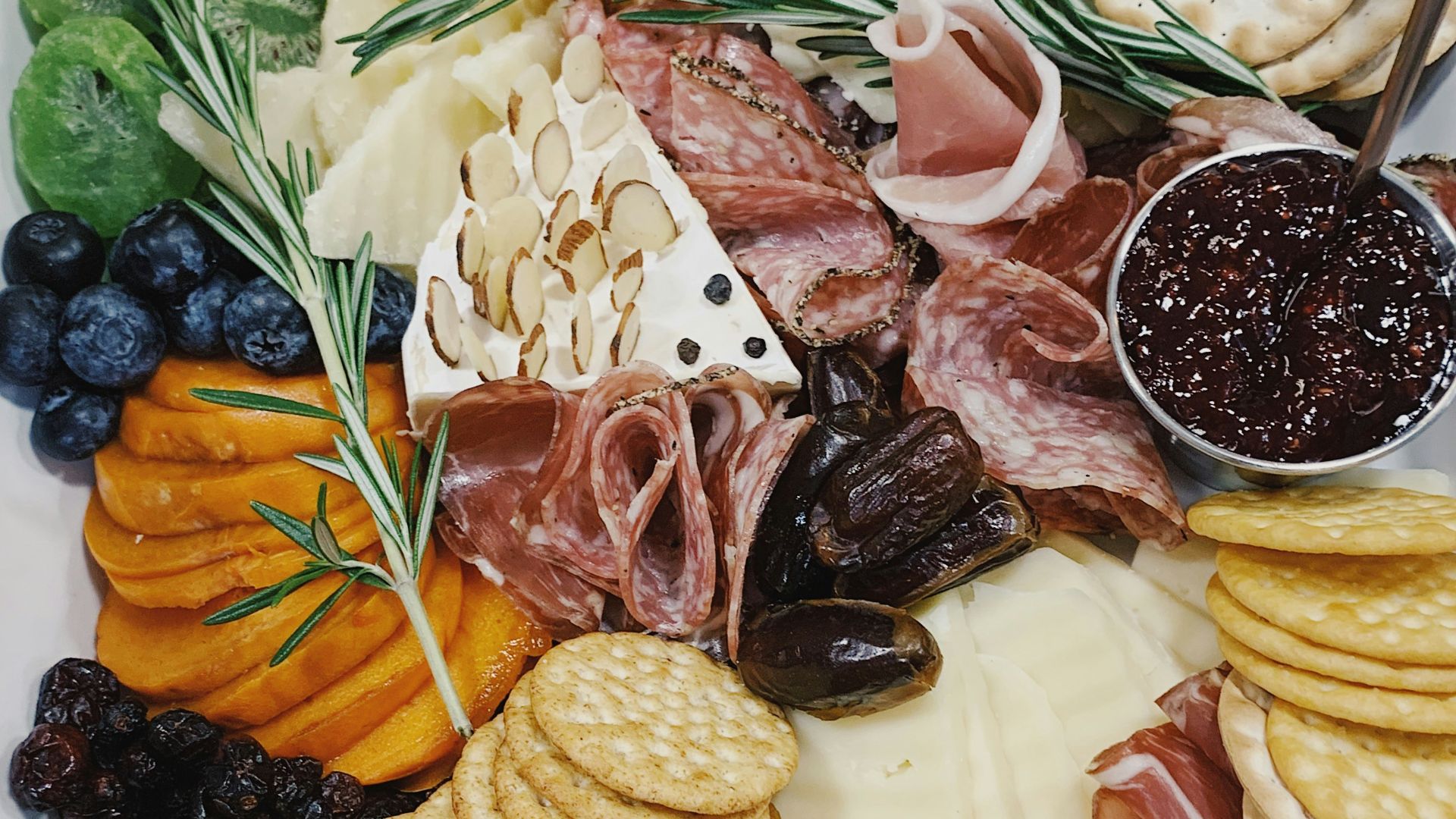
The format can support a varied meal, although a random handful of snack foods won’t always provide one. Of course, it’s always recommended that you get your daily doses of fruit, veggies, grains, proteins, and dairy. Since snack dinner is made from separate foods, several food groups can fit on one plate with little or no cooking. The amount should still match the person’s hunger rather than the very small portions that sometimes appear online.
A satisfying plate often includes something filling, something fresh, and something chosen simply because it tastes good. Protein can come from beans, hummus, eggs, yogurt, cheese, tofu, nuts, tuna, or leftover chicken. Bread, crackers, pita, rice, or potatoes can make the meal more substantial, while fruit and vegetables bring color and crunch. A dip, pickle, sauce, or small dessert can make the plate more enjoyable without turning dinner into a nutrition assignment.
The Purdue nutrition specialists who discussed the original trend supported its convenience while raising concerns about very small portions and plates made mostly from highly processed snack foods. They recommended pairing fruits or vegetables with protein, carbohydrates, and fats to create a more substantial meal. Cost also depends on how the plate comes together, since leftovers, canned beans, eggs, seasonal produce, popcorn, toast, and small amounts of food that need using can keep it economical and reduce waste. Pre-cut fruit, premium cured meats, prepared dips, individually wrapped cheese, and specialty crackers can make the same approach expensive, so the most practical snack dinner often starts with what’s already at home. That everyday flexibility is why the idea feels useful long, long after the original social media moment has passed.
KEEP ON READING
The Most Popular Chocolate Bars in the USA
The Most Popular Candies in the USA
20 Annoying Foods That Get Stuck In Your Teeth