The Right Sauce Can Change Everything
Sauces have the power to completely transform a dish, either enhancing flavors in a balanced way or overwhelming them if used too heavily. Understanding the difference often comes down to how they interact with the ingredients rather than how bold they taste on their own. Some sauces bring out natural flavors and add depth without taking over, while others tend to dominate the plate if you’re not careful, which is why it helps to know which ones to rely on and which ones to use more sparingly. Here are 10 sauces that make everything better and 10 that overdo it.

1. Garlic Butter
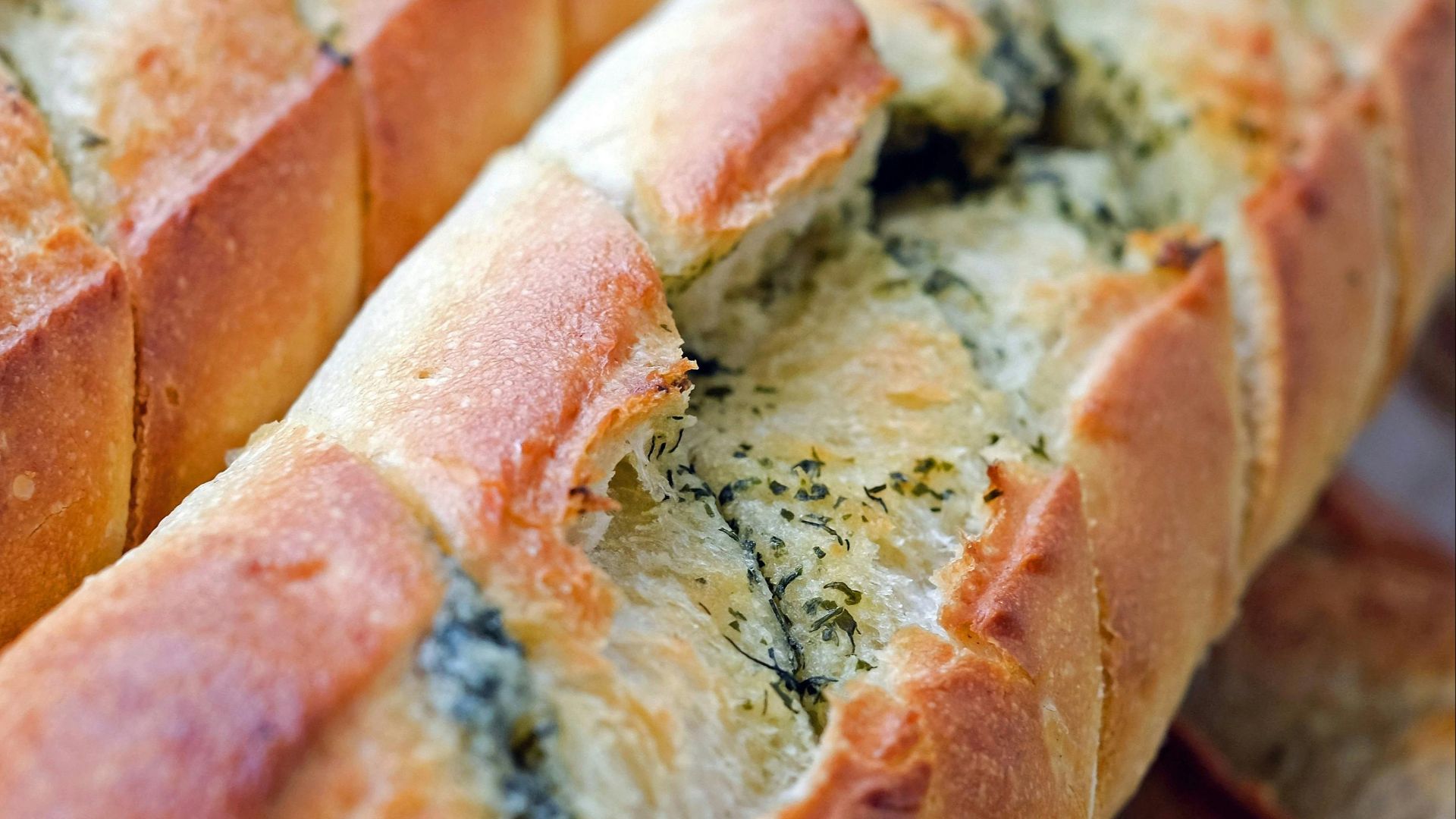
Garlic butter works because it enhances rather than masks the flavor of food, subtly adding richness and aroma. It pairs well with vegetables, seafood, and bread without overwhelming the base ingredients. The balance of fat and seasoning makes it widely adaptable. It’s also easy to adjust with herbs or citrus to suit different dishes.
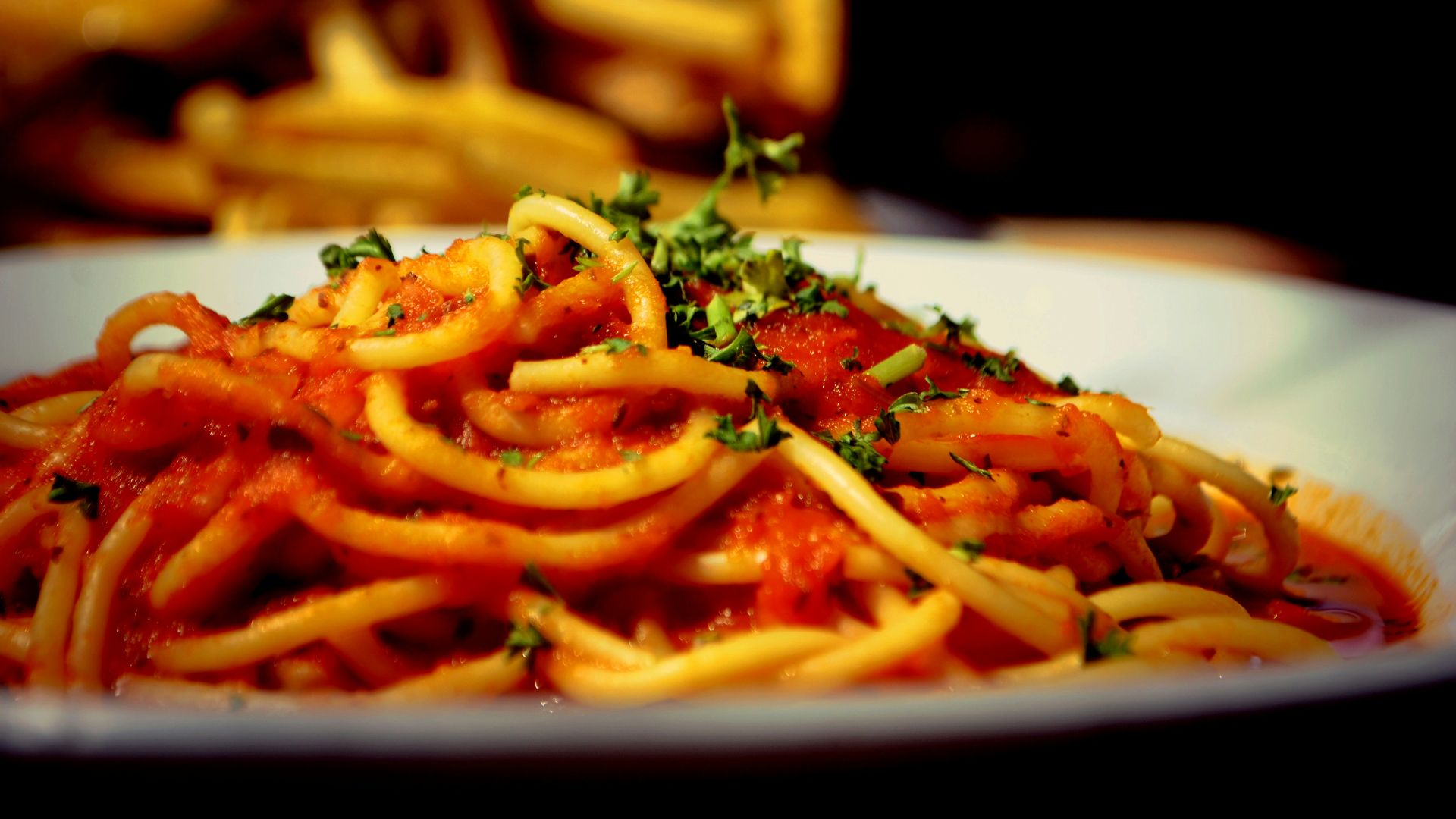
2. Marinara Sauce
A well-made marinara brings acidity, sweetness, and herbal notes together in a way that complements rather than dominates. It works across pasta, proteins, and even simple dishes like eggs. Its simplicity is what makes it so reliable. The clean ingredient base helps maintain clarity of flavor in any dish.
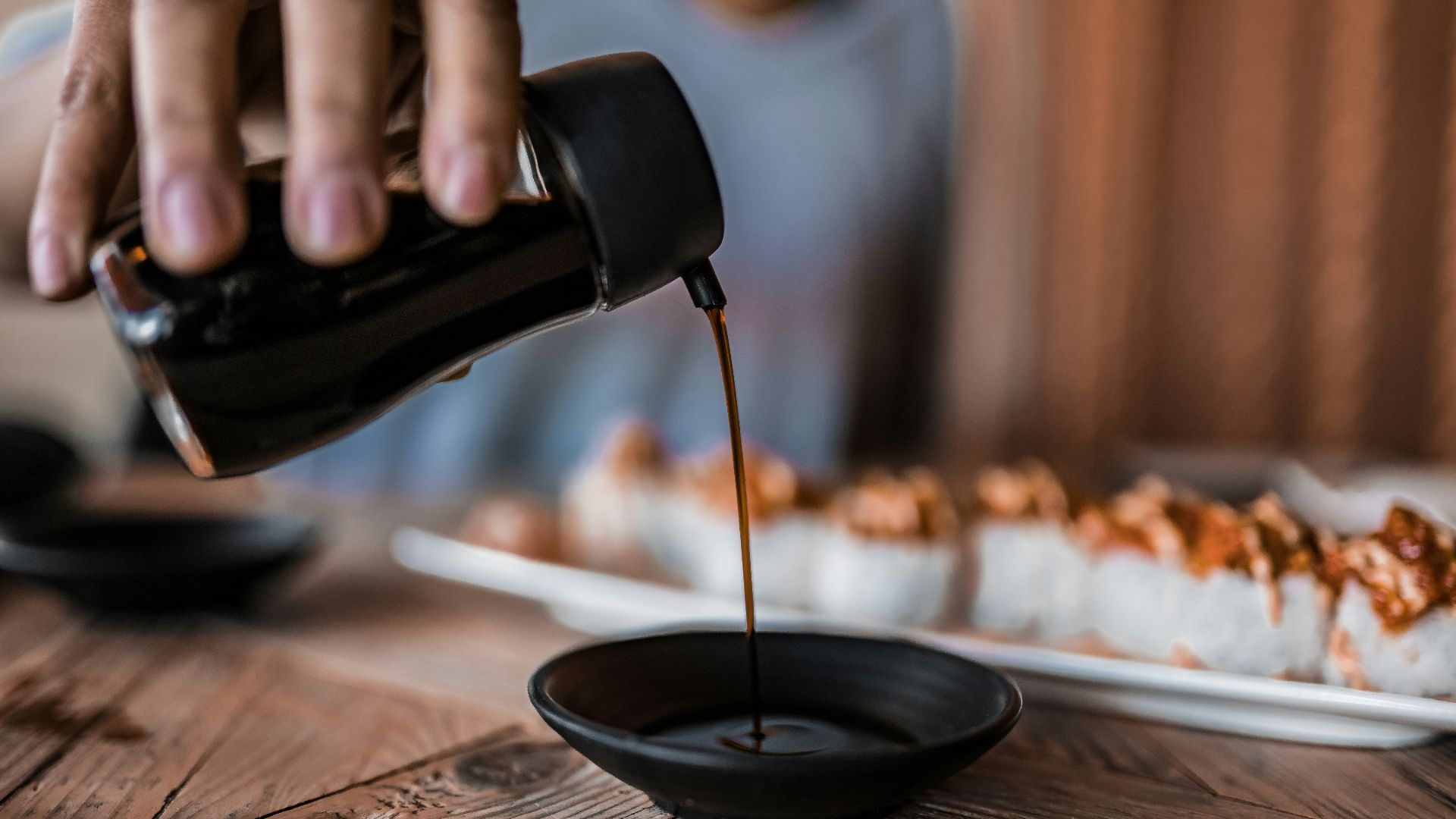
3. Soy Sauce
Soy sauce adds depth through umami, which naturally boosts the flavor of many dishes. Used in moderation, it enhances everything from rice to meats without taking over. Its saltiness is balanced by its complexity. A small splash can significantly improve overall taste without much effort.
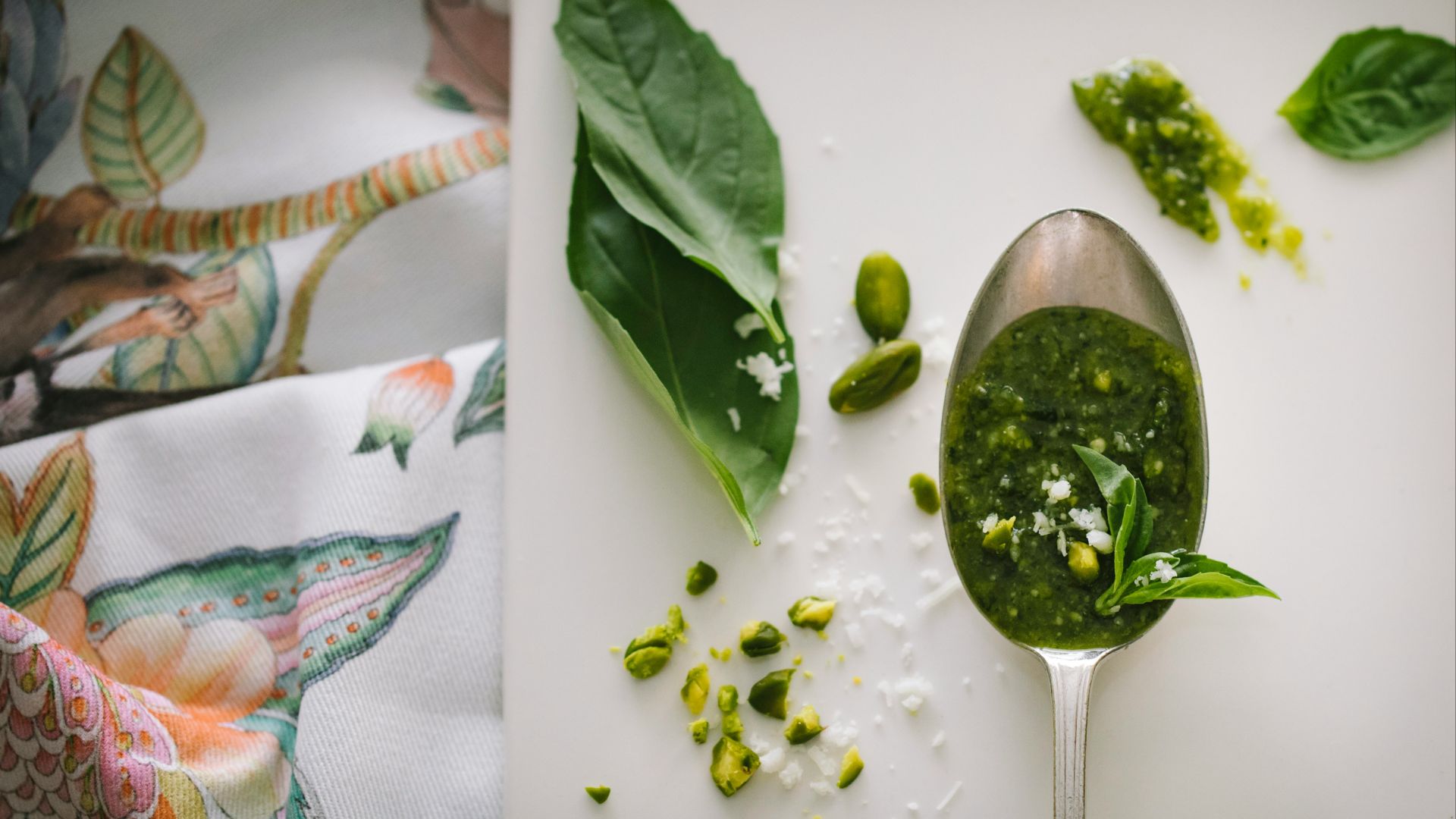
4. Pesto
Pesto combines herbs, nuts, oil, and cheese into a sauce that adds freshness and richness at the same time. It works well on pasta, sandwiches, and vegetables. The ingredients blend in a way that supports rather than overpowers. Its texture also helps it cling evenly to different foods.
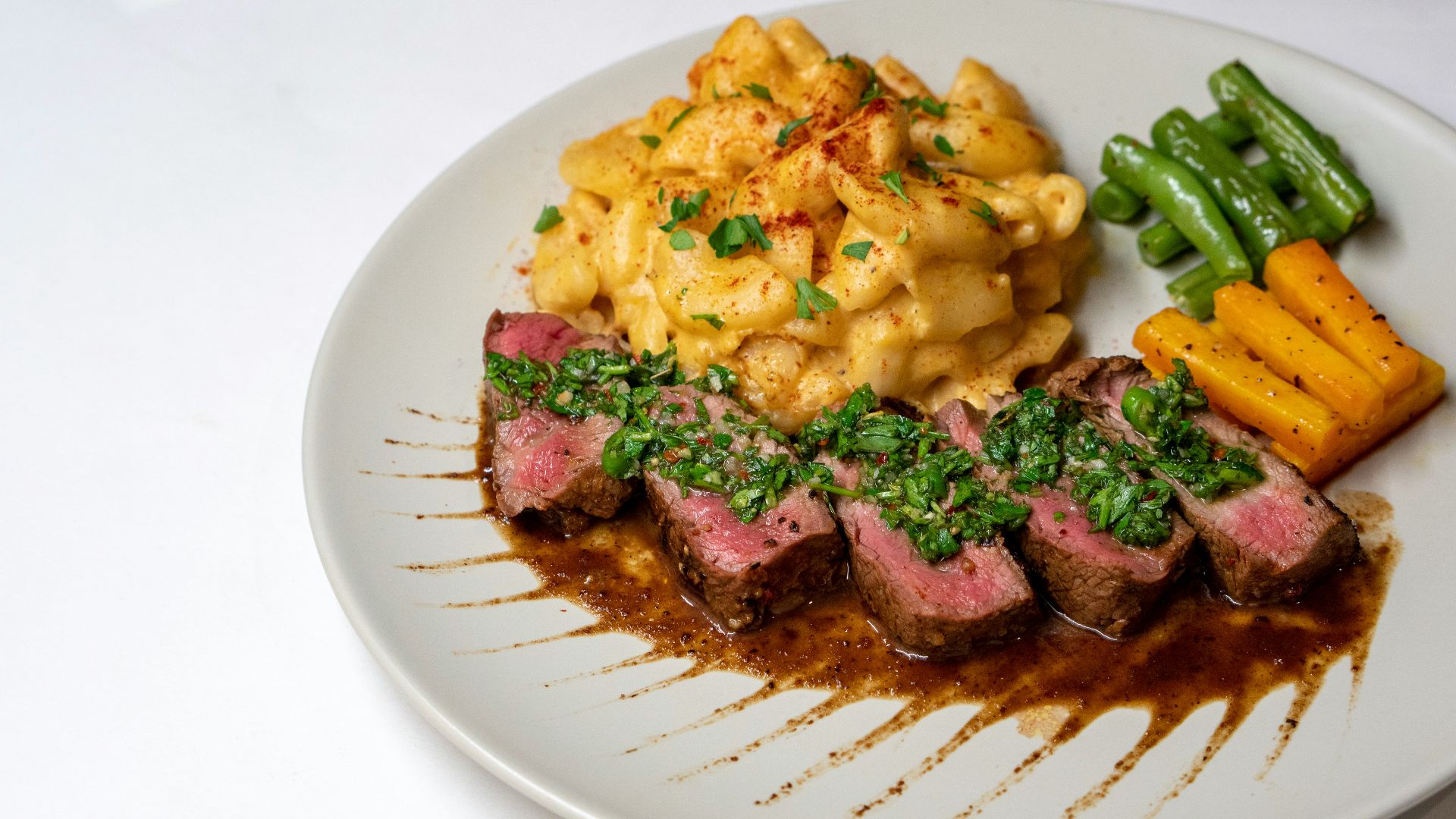
5. Chimichurri
This herb-based sauce brings brightness and acidity that cuts through heavier foods like grilled meats. It adds contrast instead of heaviness, making dishes feel more balanced. Its fresh ingredients keep it from feeling too dense. The vibrant flavor profile keeps meals from tasting overly rich.
 amirali mirhashemian on Unsplash
6. Yogurt-Based Sauces
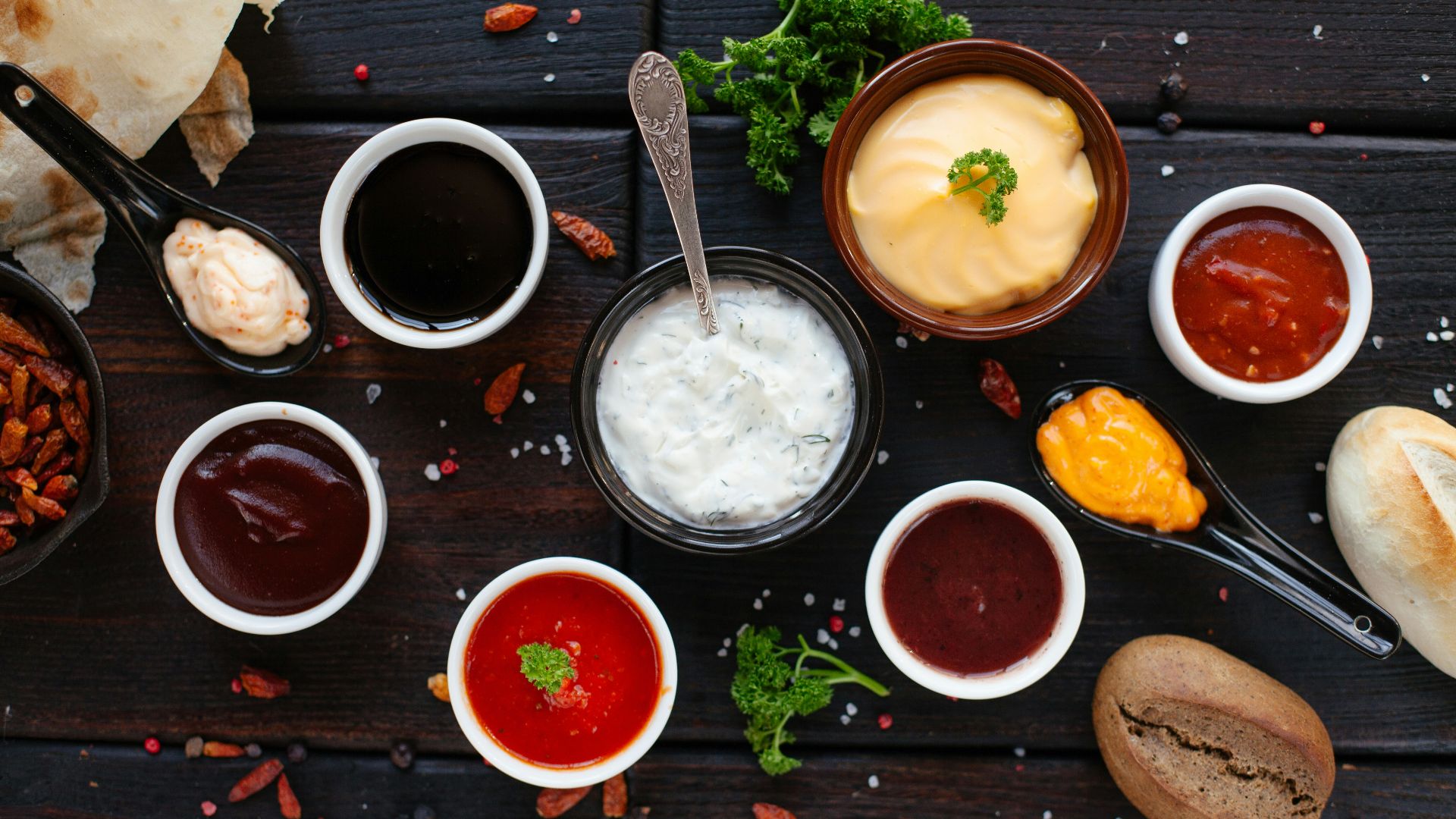
Sauces made with yogurt provide a cooling, tangy element that complements spicy or rich dishes. They help balance flavors rather than intensify them. This makes them especially useful in a wide range of cuisines. Their lighter consistency also prevents dishes from feeling too heavy.
7. Teriyaki Sauce
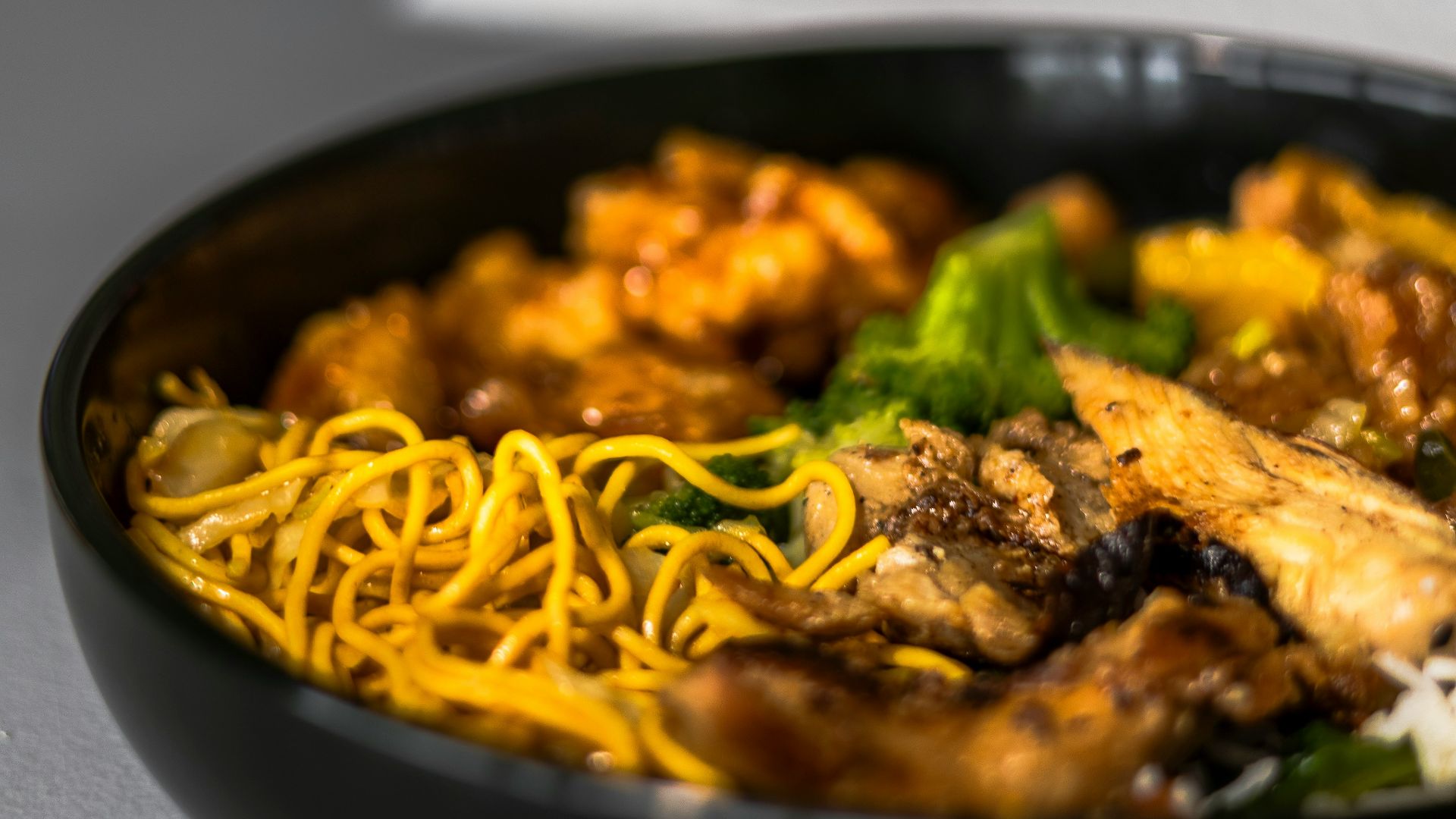
Teriyaki offers a mix of sweetness and saltiness that enhances grilled or stir-fried foods. When used lightly, it adds a glossy finish and depth without overwhelming. Its versatility makes it a dependable option. The caramelization it creates during cooking adds an extra layer of flavor.
8. Vinaigrette
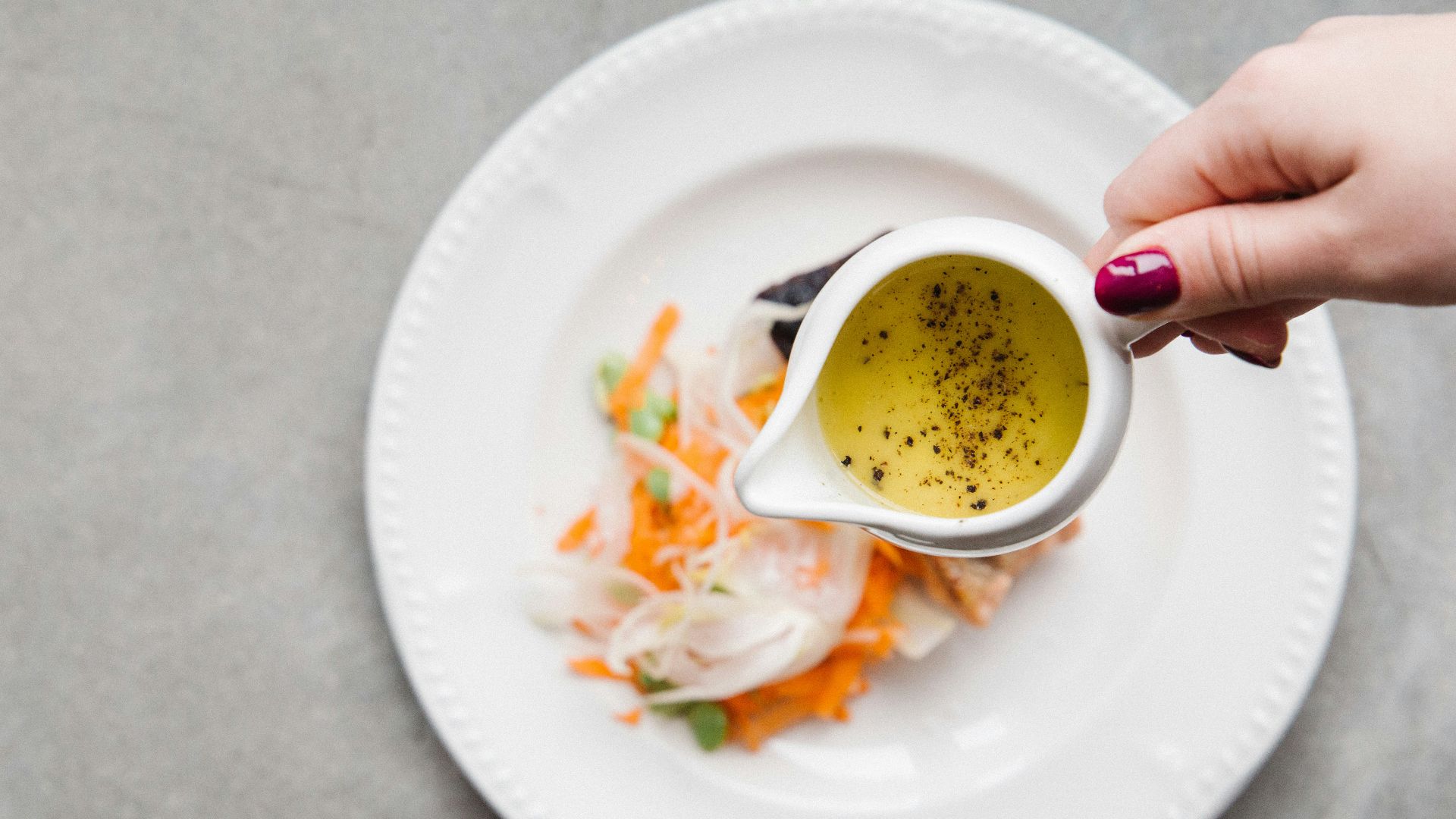
A simple vinaigrette adds acidity and lightness, which can brighten salads, grains, and proteins. It doesn’t weigh down dishes, allowing other flavors to stand out. The balance of oil and acid keeps it effective. It’s also easy to customize with different vinegars or seasonings.
9. Hollandaise
This classic sauce adds richness through butter and egg yolks while still maintaining a delicate flavor. It complements foods like vegetables and eggs without overpowering them when used properly. Its smooth texture enhances without dominating. Careful preparation ensures it stays balanced rather than heavy.

10. Mustard-Based Sauces
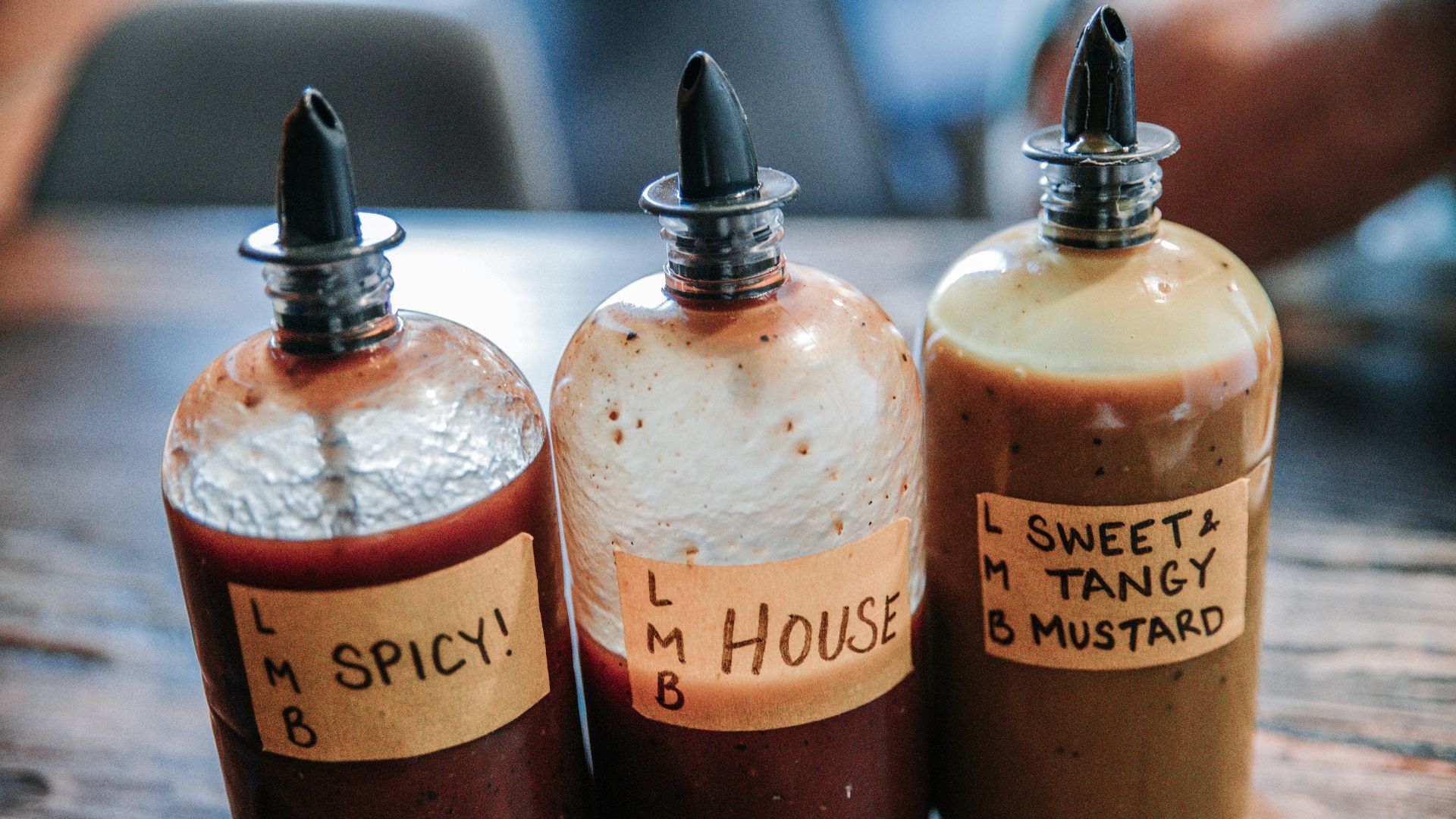
Mustard sauces bring sharpness and tang that can elevate a dish without masking its core flavors. They work especially well with meats and sandwiches. The acidity helps cut through richness effectively. Different mustard varieties allow for subtle changes in intensity and taste.
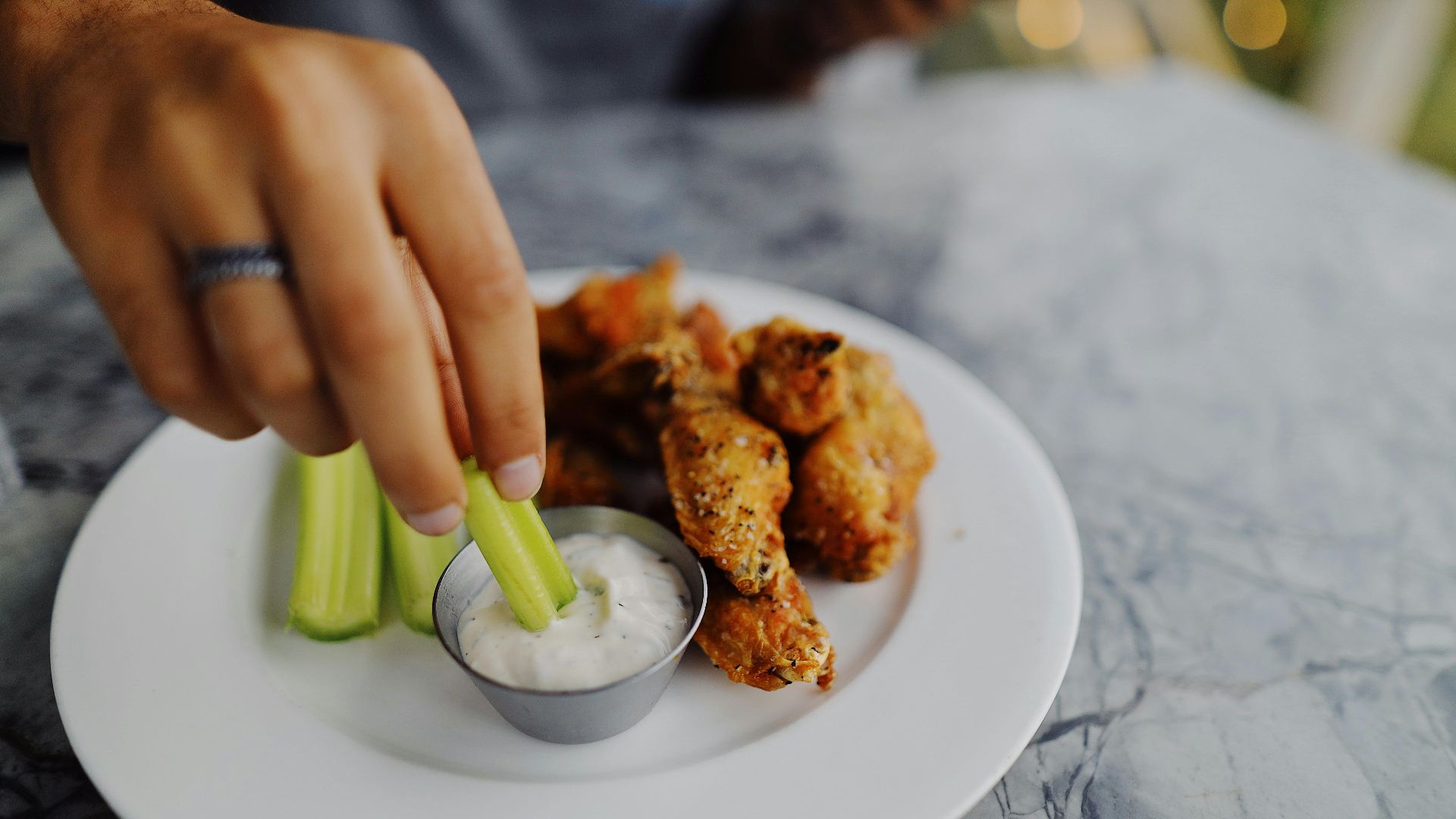
1. Ranch Dressing
Ranch has a strong, creamy flavor that can quickly dominate a dish if overused. It often masks the taste of vegetables or proteins instead of enhancing them. Its richness makes it easy to apply too much.
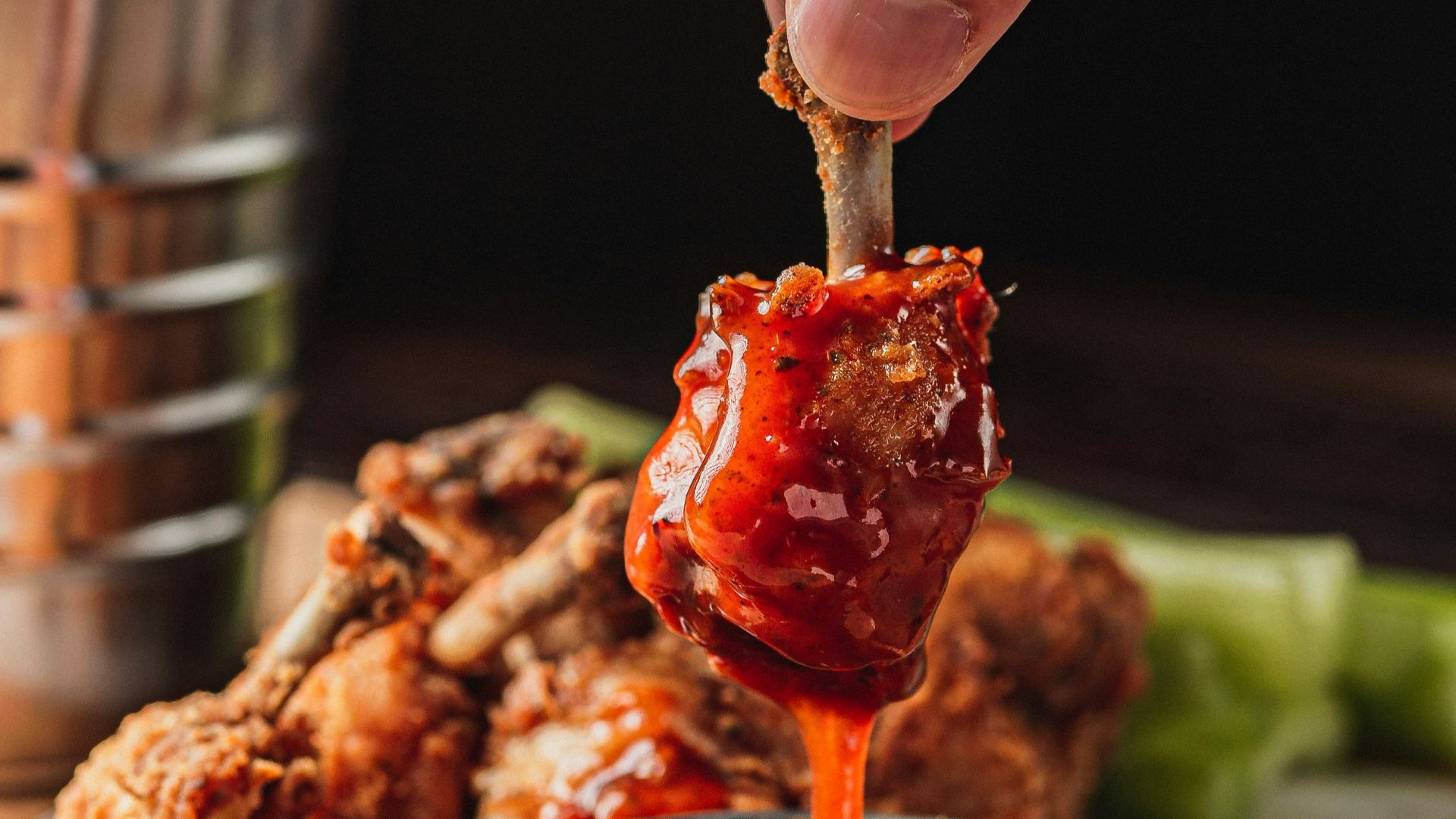
2. Barbecue Sauce (Heavy Varieties)
Some barbecue sauces are very sweet and smoky, which can overpower the natural flavor of meat. When applied too generously, they can make dishes taste one-dimensional. Balance is often lost with excessive use.
 Diego Arenas de Rodrigo on Unsplash
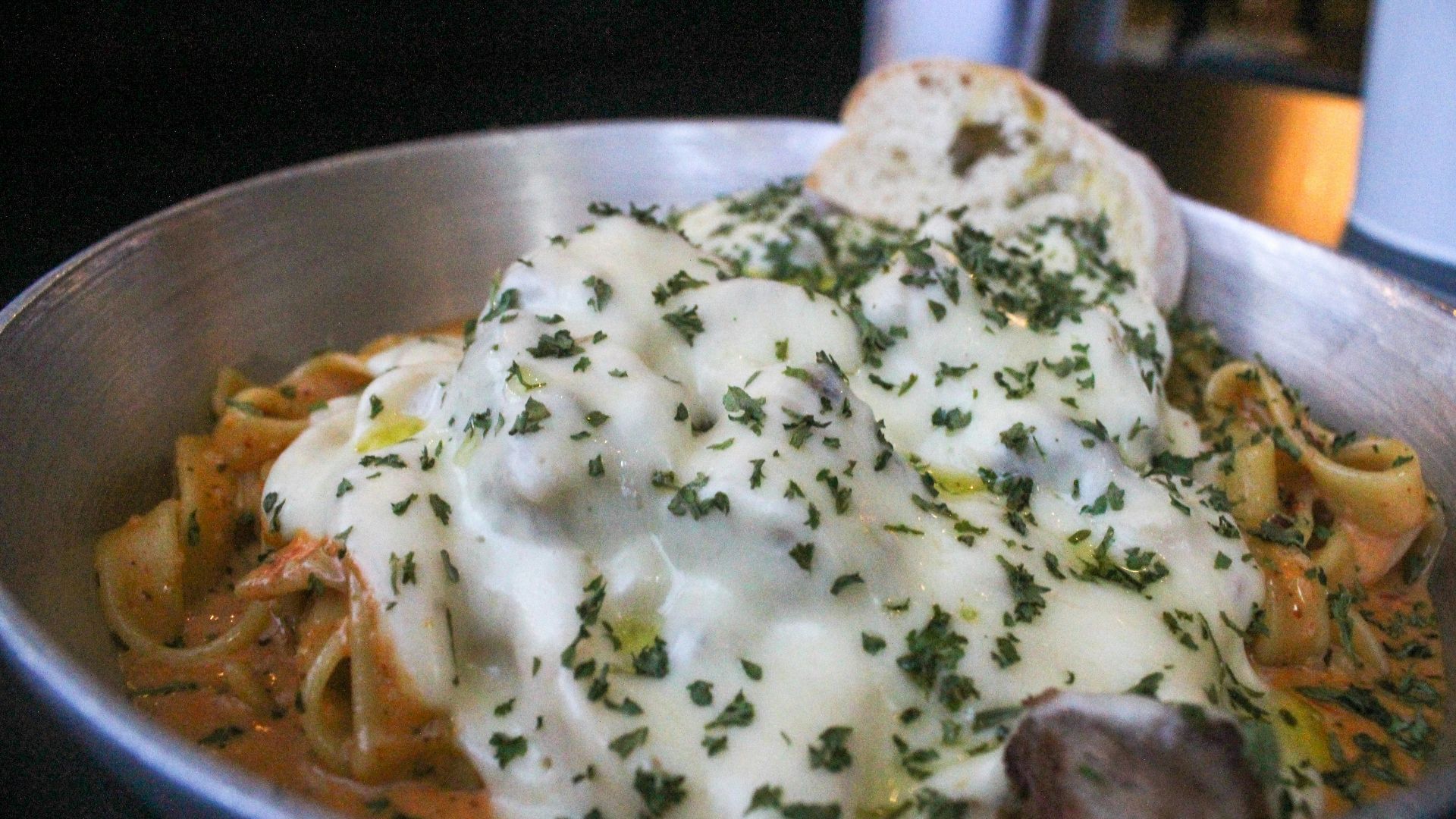
3. Alfredo Sauce
Alfredo is extremely rich due to its cream and cheese base, and it can easily overwhelm lighter ingredients. It tends to coat everything heavily, reducing contrast in flavor and texture. A small amount goes a long way.
 sebastian alvarado rojas on Unsplash
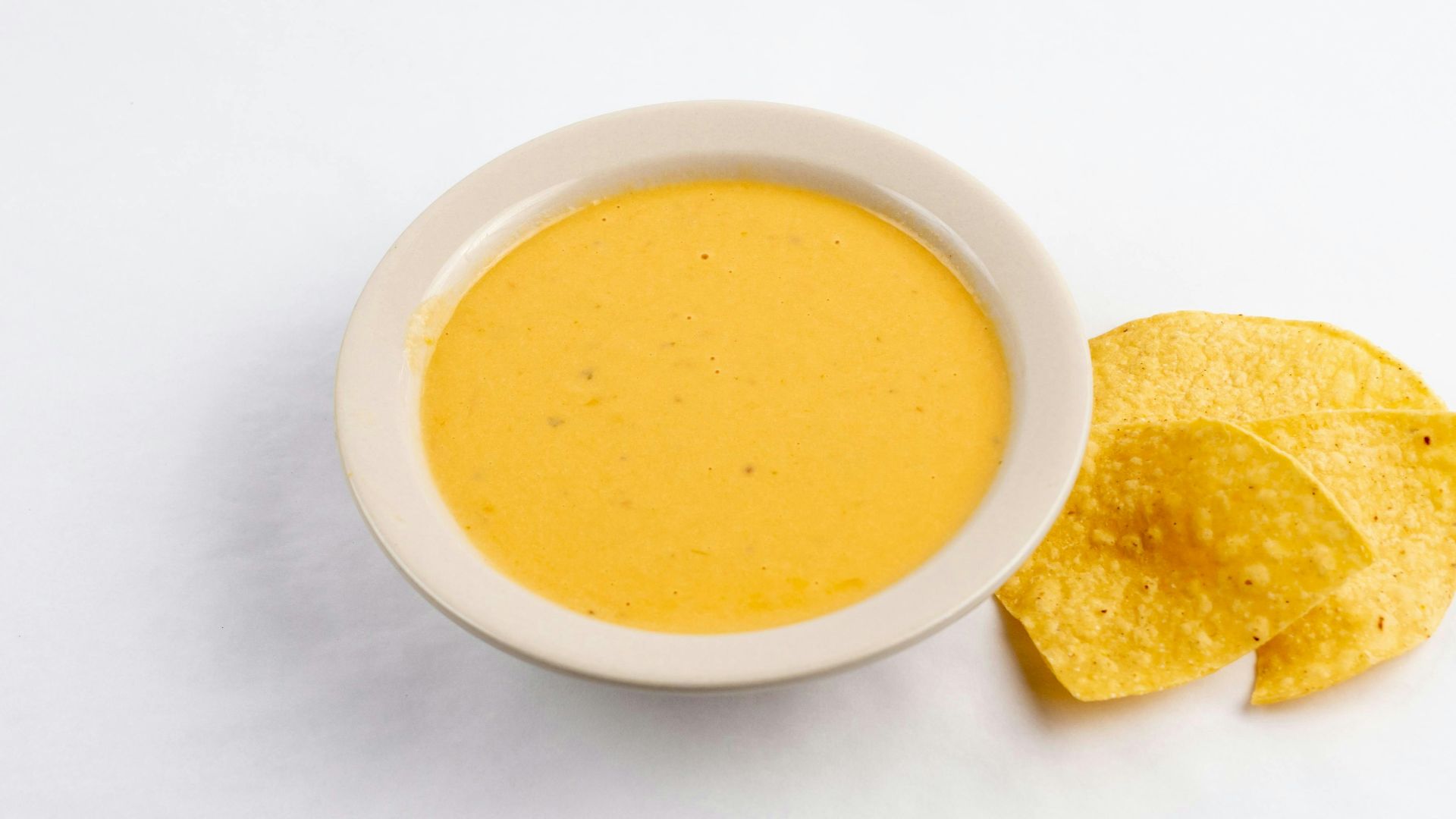
4. Nacho Cheese Sauce
This sauce is bold and processed in flavor, which can overshadow other ingredients quickly. It often turns dishes into a single-note experience. Its intensity makes moderation essential.
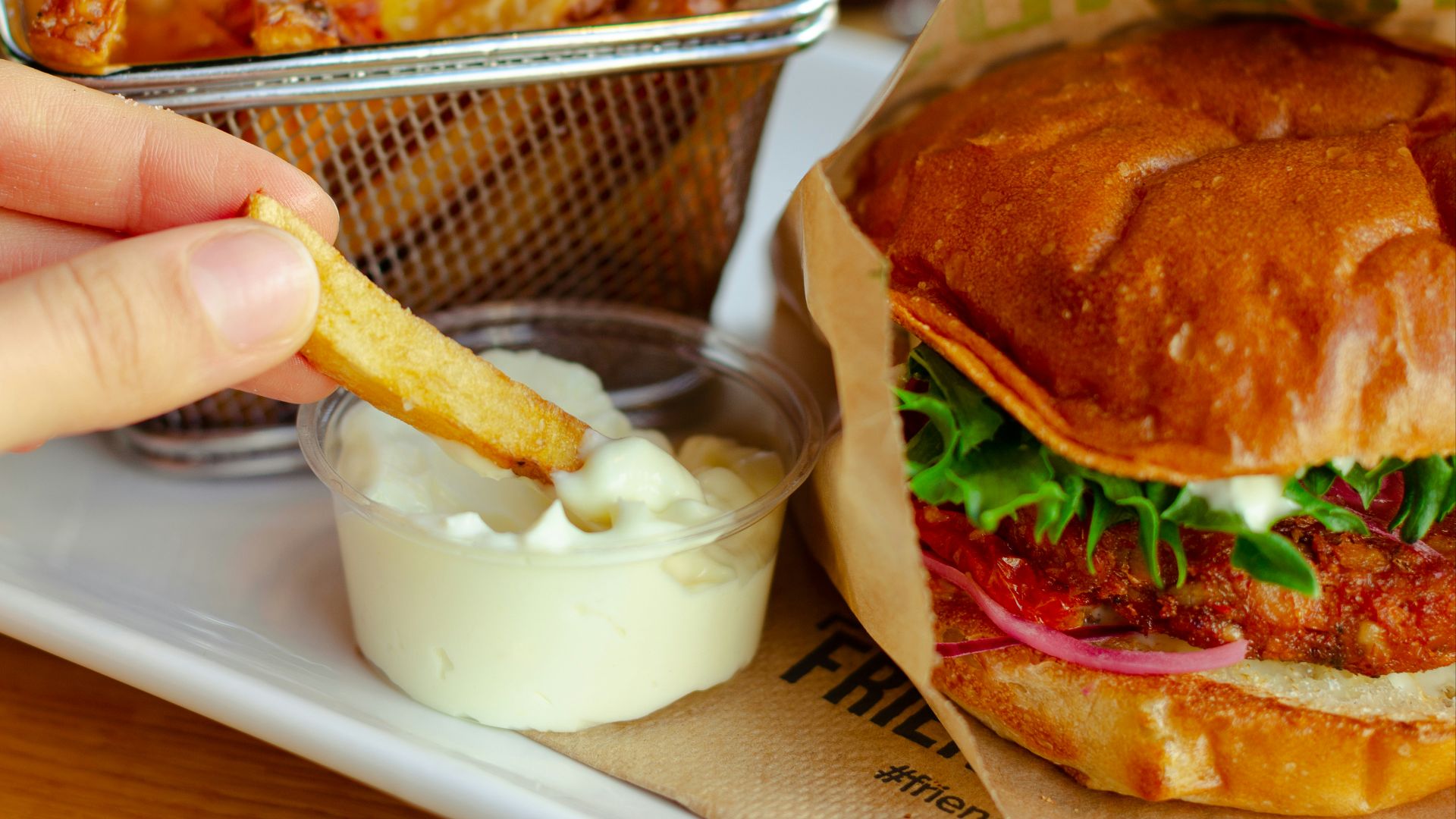
5. Mayonnaise (Heavy Use)
While useful in small amounts, mayonnaise can dominate when applied too thickly. It adds heaviness that can flatten other flavors. Overuse often leads to a lack of balance.
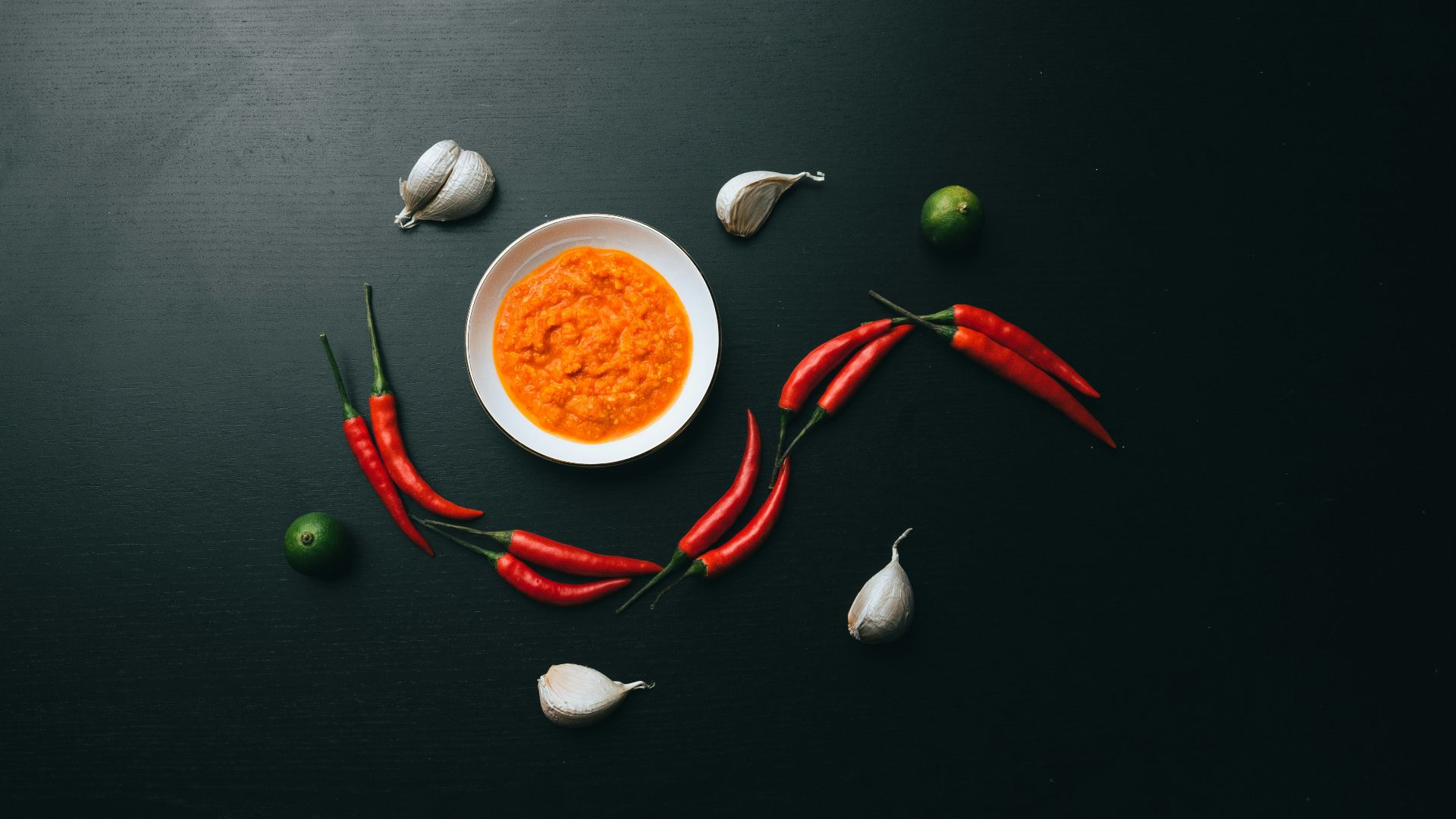
6. Sweet Chili Sauce
This sauce combines sweetness and heat, but the sugar content can easily take over. When used excessively, it can make dishes overly sweet. Subtlety is often lost with larger amounts.
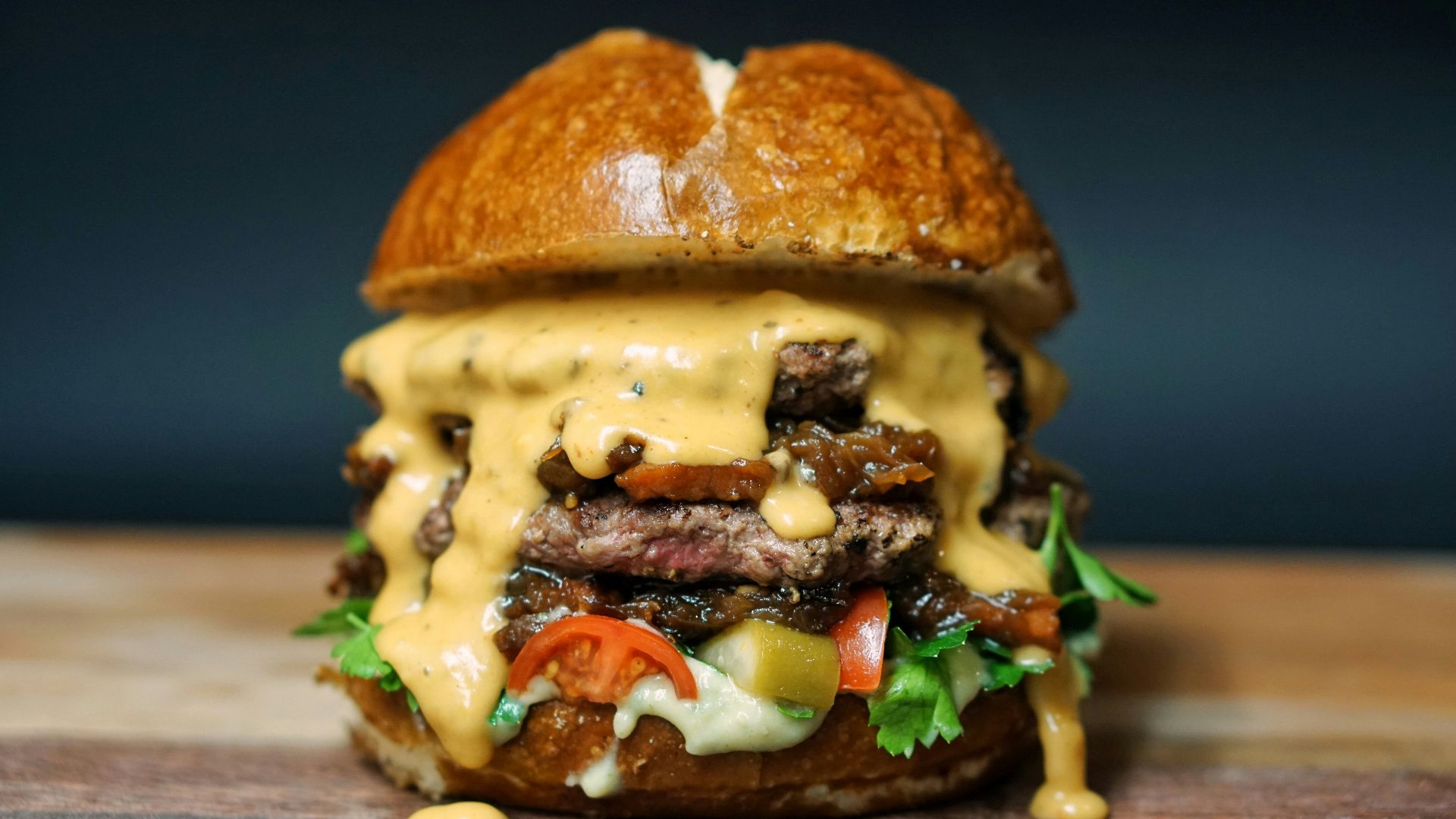
7. Cheese Sauce (Processed)
Highly processed cheese sauces tend to have a strong, uniform flavor that overshadows everything else. They can make dishes feel heavier and less nuanced. The lack of variation becomes noticeable quickly.
 amirali mirhashemian on Unsplash
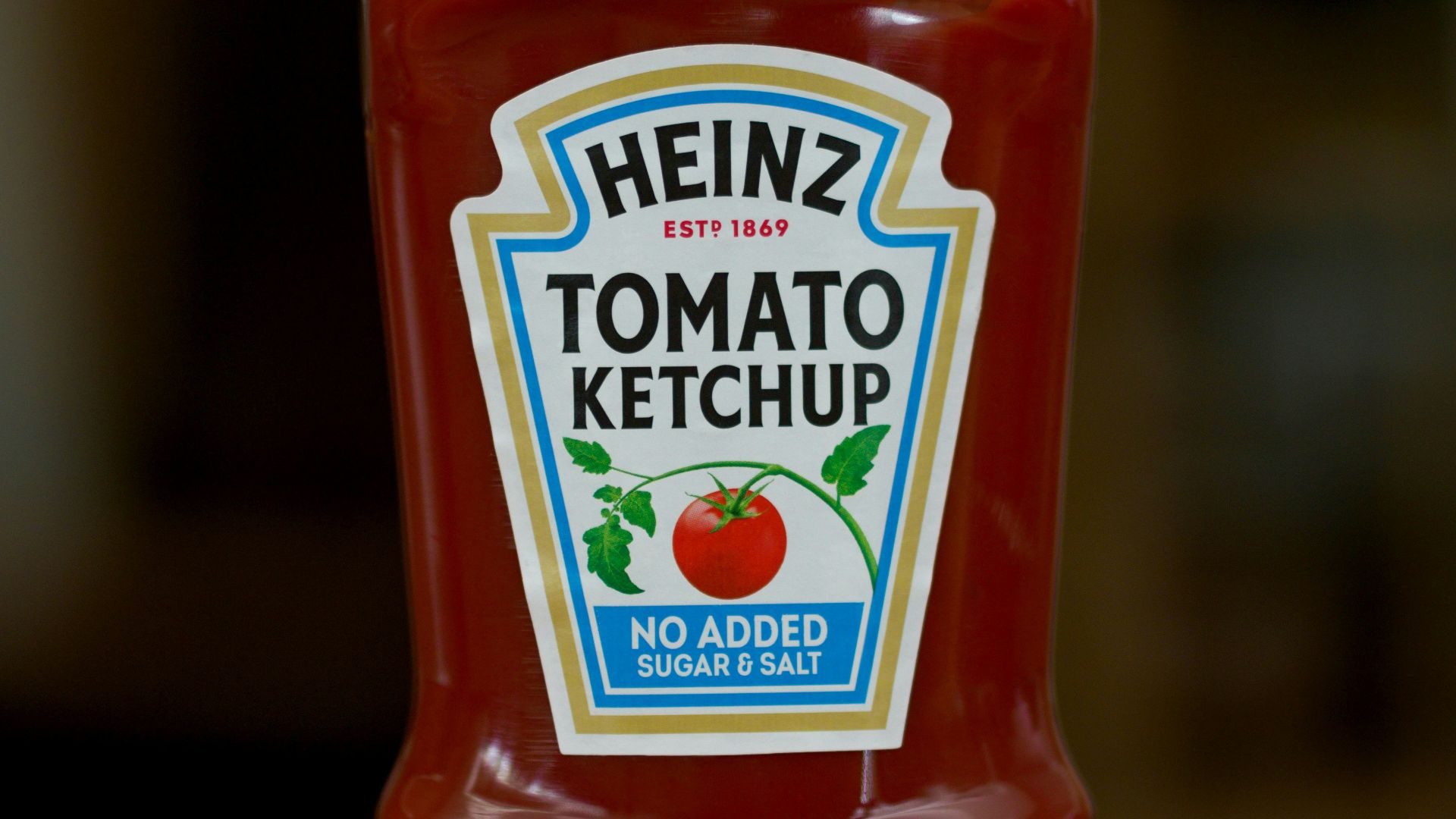
8. Ketchup (Excessive Use)
Ketchup’s strong, sweet, and tangy profile can dominate if used beyond a small amount. It often replaces rather than enhances the natural taste of food. Overuse can make different dishes taste similar.
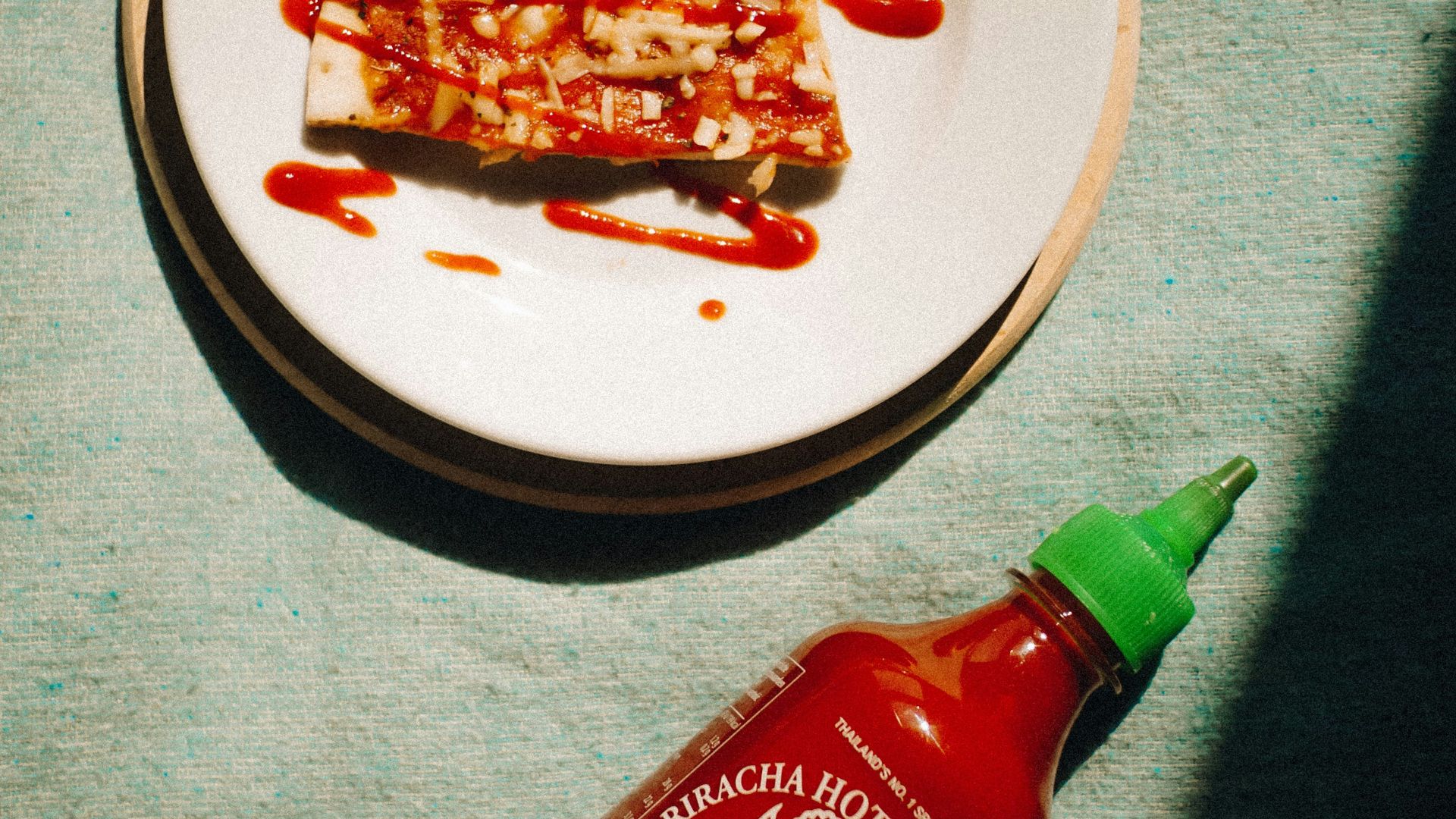
9. Sriracha (Overapplied)
Sriracha adds heat and garlic flavor, but too much can overpower other ingredients. It can quickly turn a balanced dish into something overly spicy.
10. Buffalo Sauce (Heavy Coating)
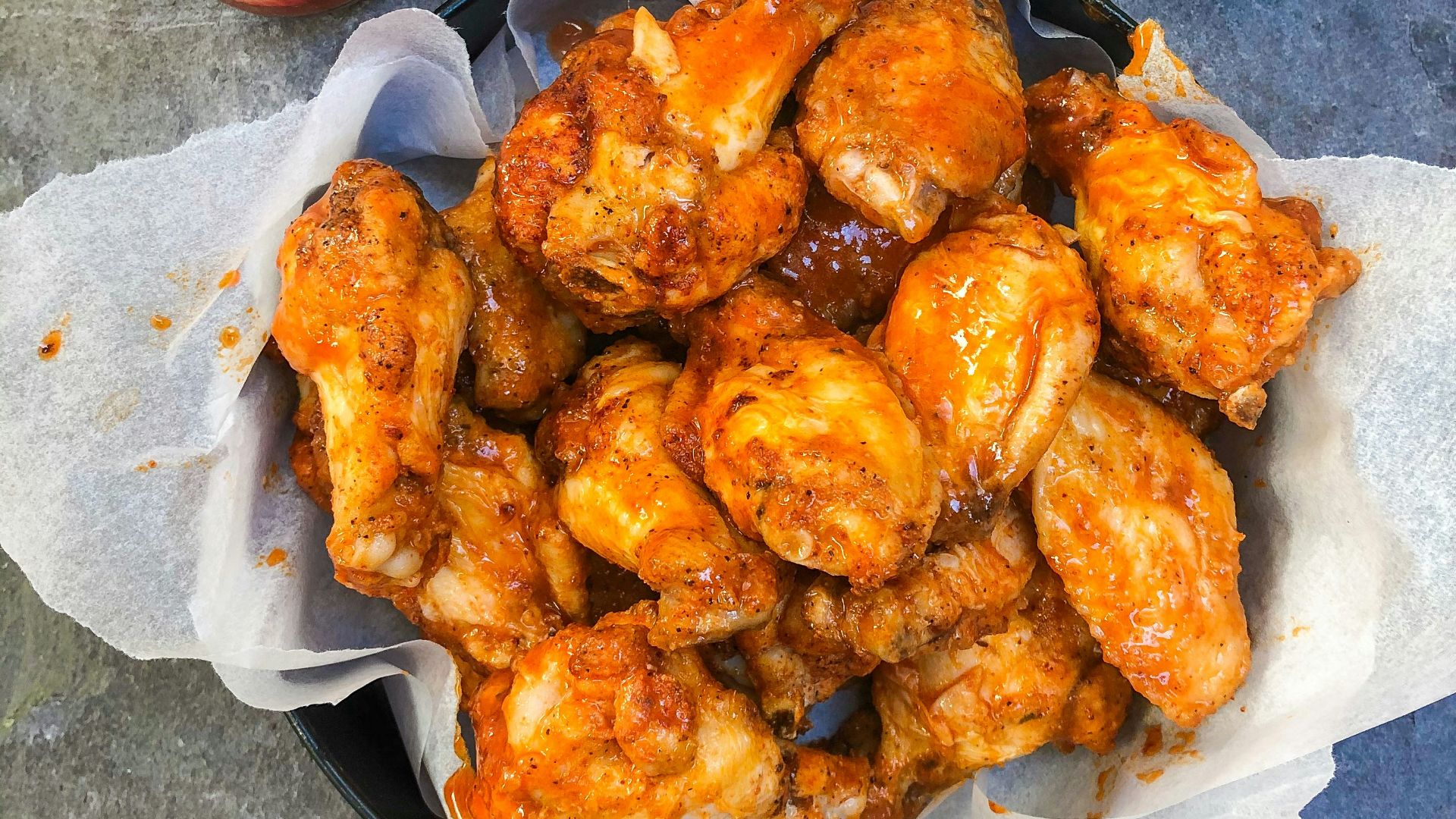
Buffalo sauce delivers strong heat and acidity, which can overwhelm if applied heavily. It often masks the flavor of the base ingredient entirely.
KEEP ON READING

The Most Popular Signature Dishes Around the World