The Strangest Beliefs People Have About Food
Food has always been tied to culture, tradition, and belief, and that connection has produced some truly strange superstitions over the centuries. From the dinner table to the kitchen counter, people all over the world follow unwritten rules about how food should be handled, served, and consumed, and many of these traditions persist even today. For example, dropping a fork on the floor means a male visitor will arrive soon. Whether you believe in them or not, these 20 food superstitions are as fascinating as they are bizarre.
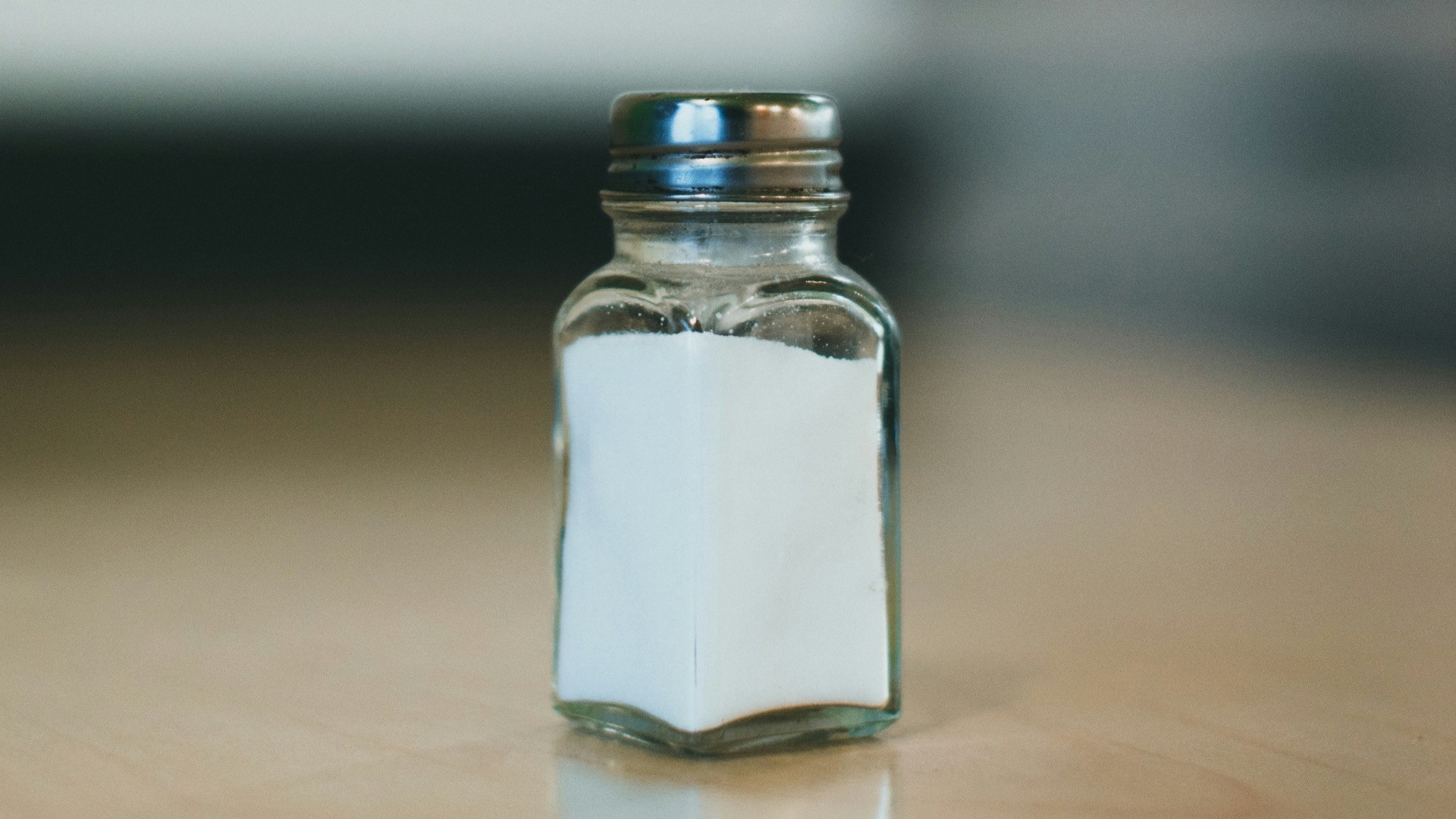
1. Never Pass the Salt Directly Into Someone's Hand
In many parts of the world, placing a salt shaker directly into another person's hand is considered a serious invitation for bad luck, and most people who follow this rule will set it down on the table instead. The superstition is thought to have roots in salt's historical value as a rare and precious commodity, where mishandling it carried real consequences. It might sound overly cautious, but don't be surprised if your dinner host flinches the next time you reach for the salt and pass it to the person beside you.
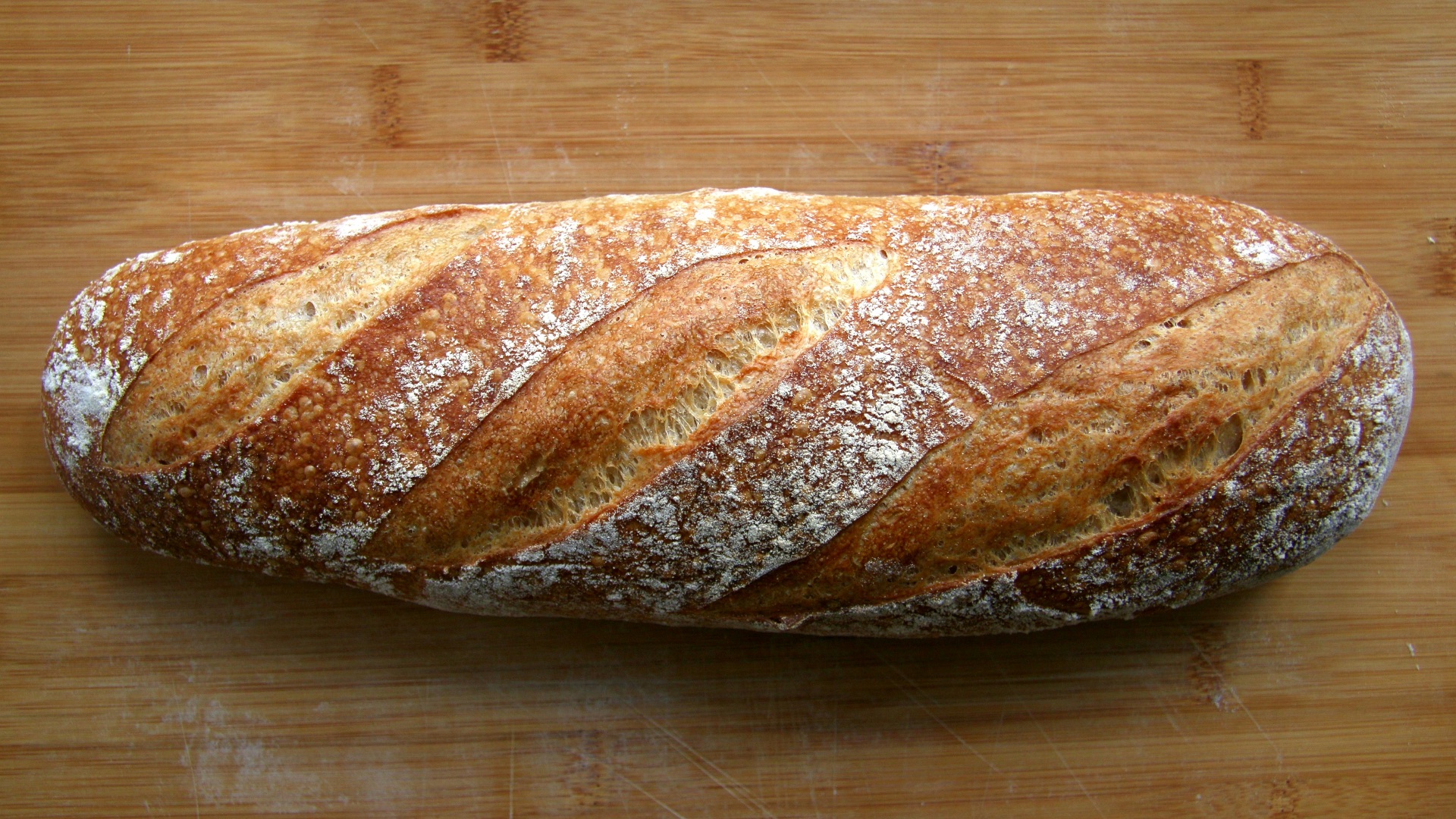
2. A Loaf of Bread Should Never Be Placed Upside Down
In France, turning a loaf of bread upside down on the table is considered extremely bad luck, and some people won't do it under any circumstances. The origin of this belief is traced back to medieval times, when bakers would set aside an inverted loaf for the local executioner, making the upside-down position associated with death and misfortune.
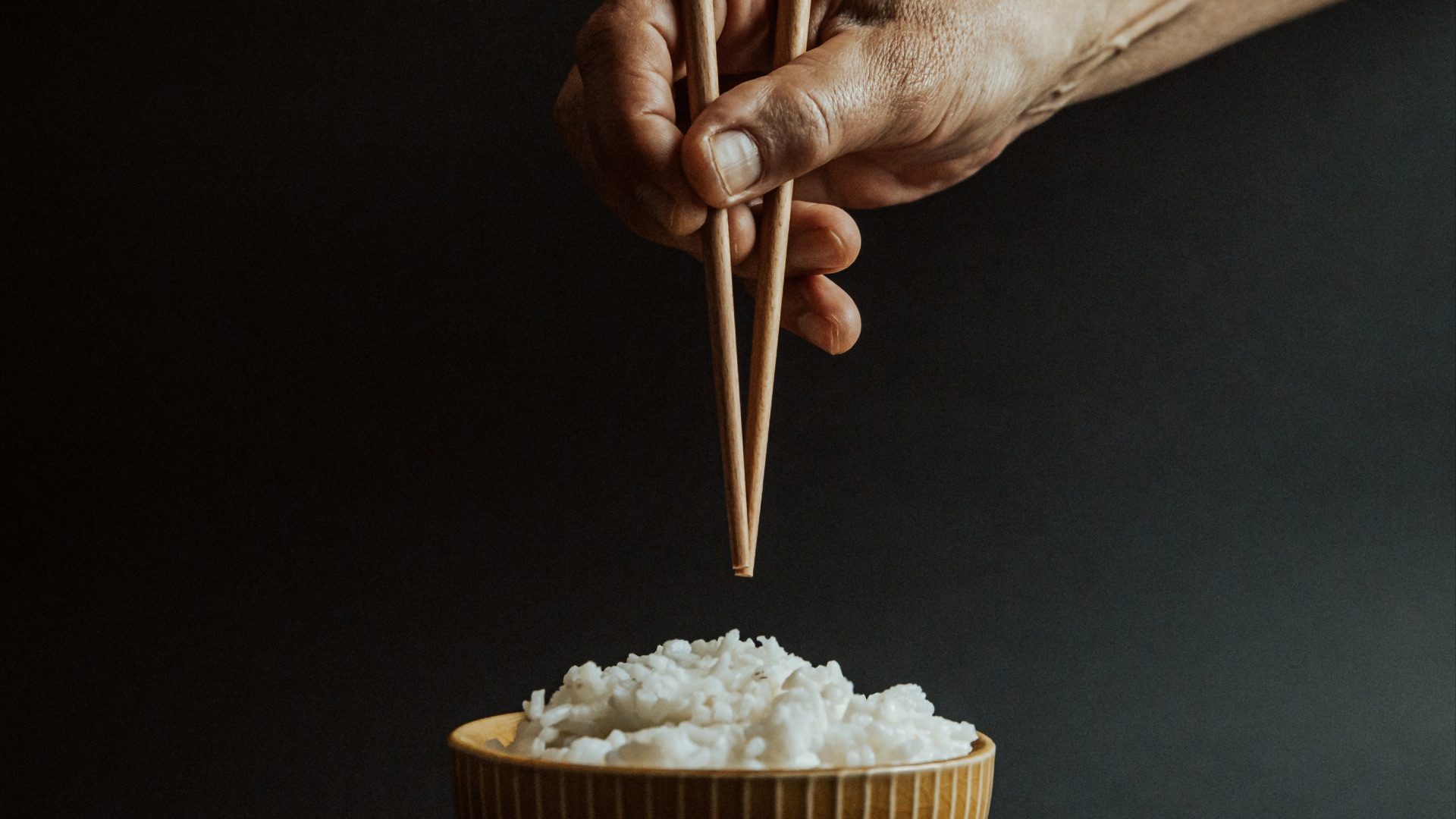
3. Sticking Chopsticks Upright in Rice Is a Serious Omen
Across much of East Asia, leaving chopsticks standing straight up in a bowl of rice is considered deeply disrespectful and a bad omen, because it resembles the incense sticks burned at funerals. This superstition is taken seriously enough that it's considered a major social faux pas in countries like Japan, China, and Korea. You'll always want to rest your chopsticks on the edge of your bowl or on a chopstick rest instead.
4. Spilling Salt Means You Need to Throw Some Over Your Left Shoulder
Spilling salt has been considered bad luck for thousands of years, with the belief appearing in ancient Rome and continuing well into the modern era. The antidote, according to tradition, is to pinch a bit of the spilled salt and toss it over your left shoulder to blind the devil lurking there before he can take advantage of your misfortune.

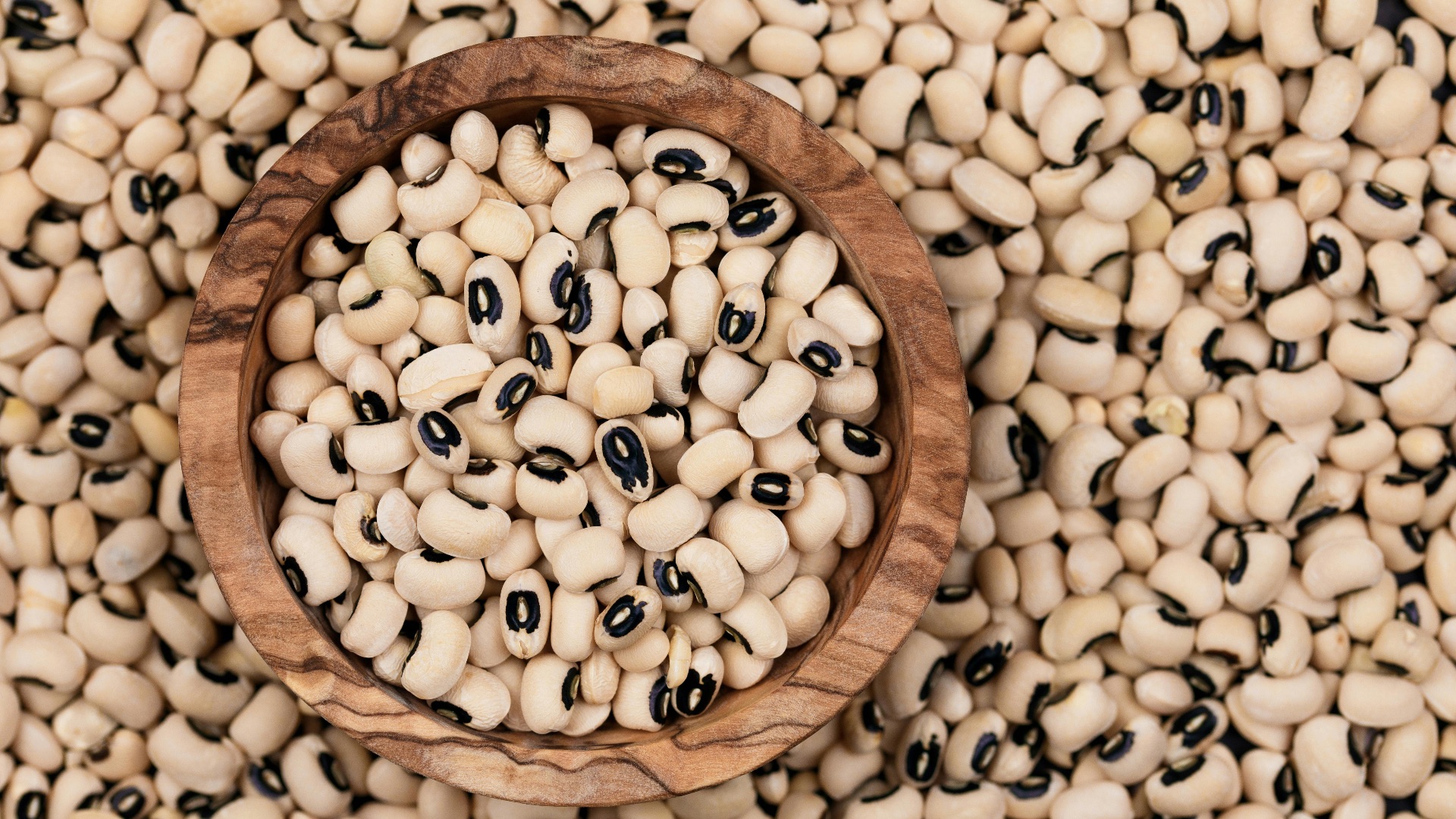
5. Eating Black-Eyed Peas on New Year's Day Brings Prosperity
In the American South, eating black-eyed peas on January 1st is a firmly held tradition tied to the belief that they bring good luck and financial abundance in the year ahead. The superstition is often paired with collard greens for money and cornbread for gold, making it a full lucky meal by the end of dinner. Skipping the black-eyed peas on New Year's Day in certain households is practically treated as a financial risk not worth taking.
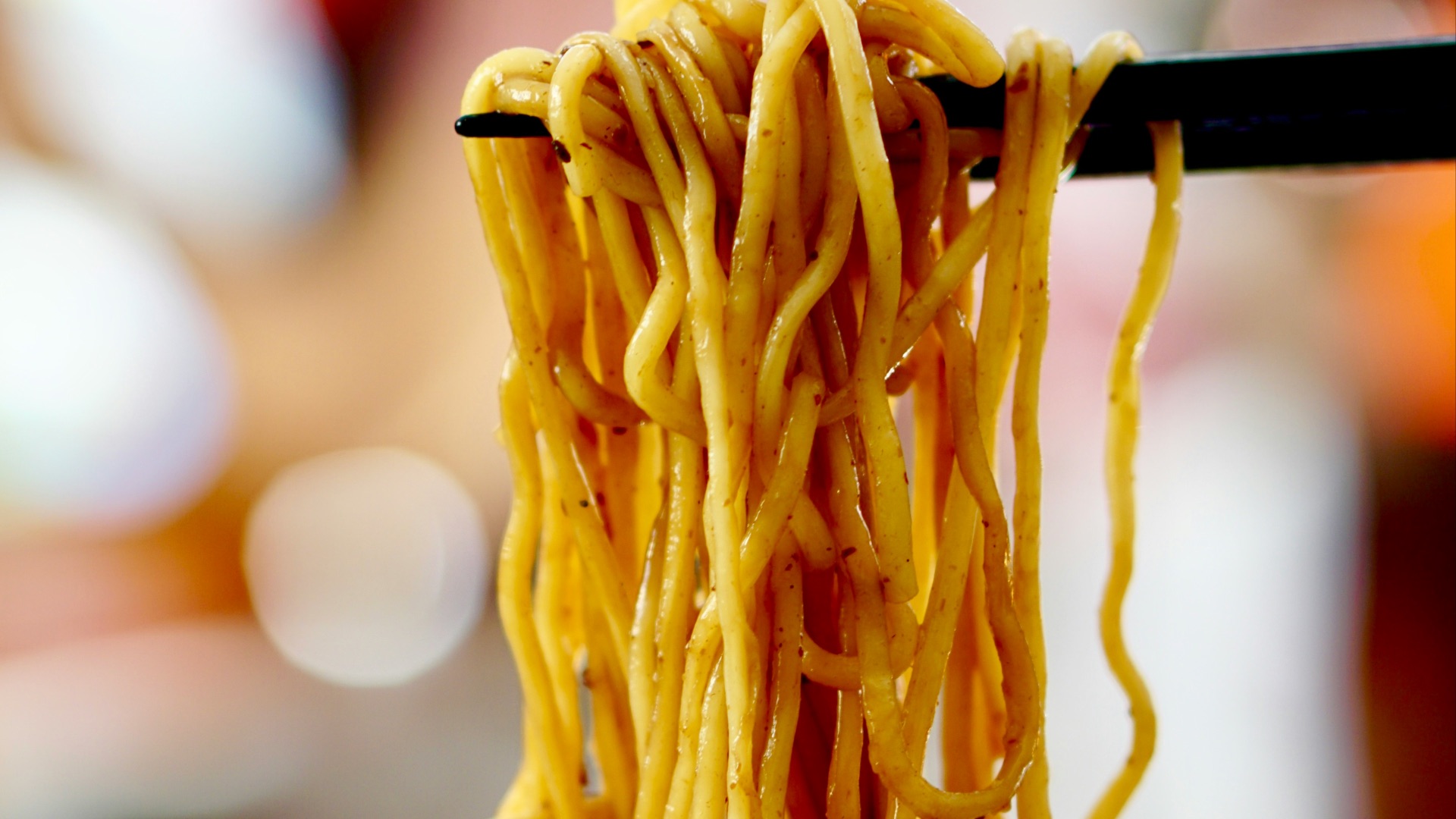
6. Long Noodles Should Never Be Cut
In Chinese culture, long noodles are a symbol of long life, and cutting them before eating is believed to shorten the eater's lifespan. This belief is particularly prominent during birthday celebrations and Lunar New Year feasts, where noodles are served as long as possible and eaten with great care.
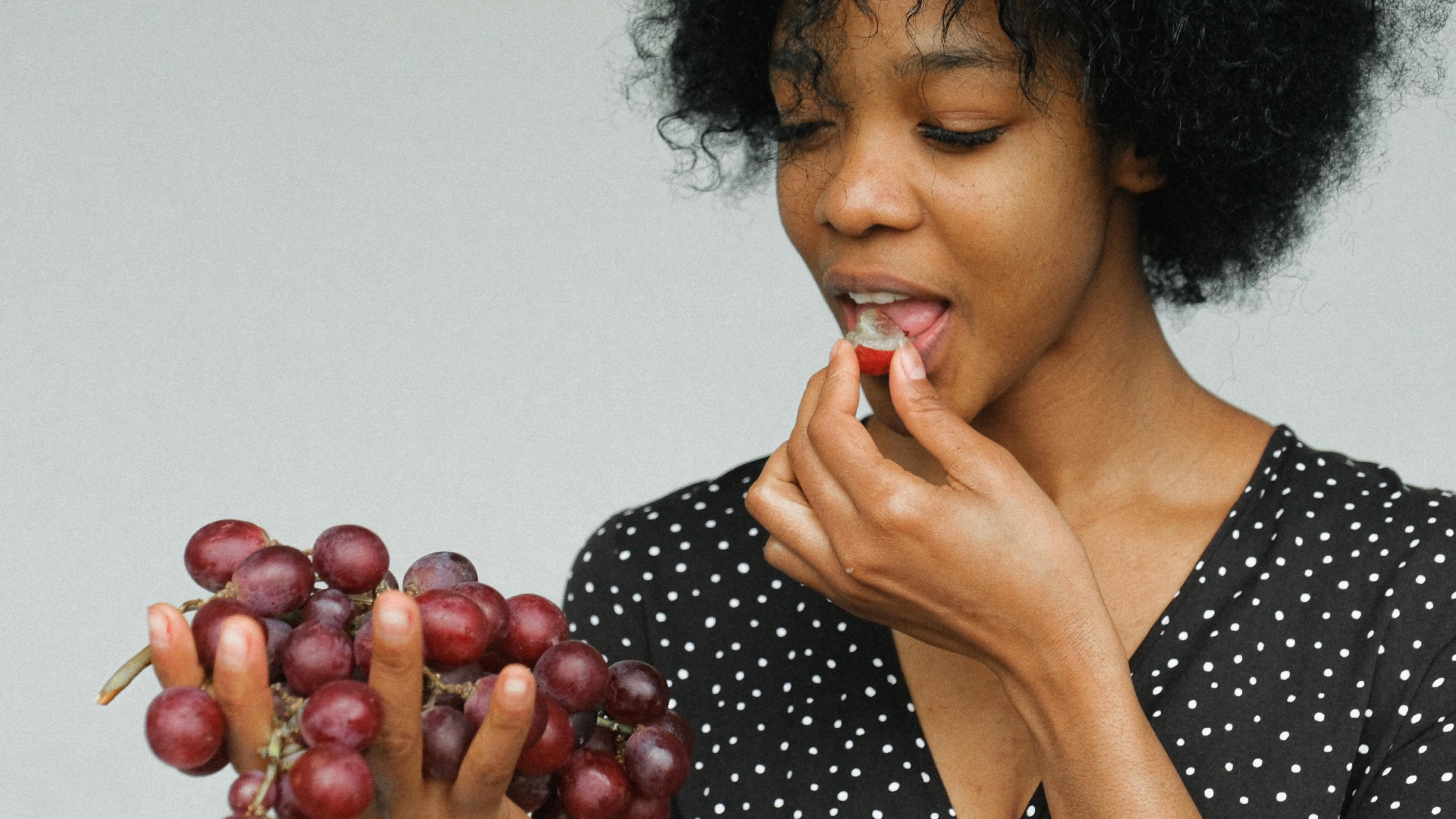
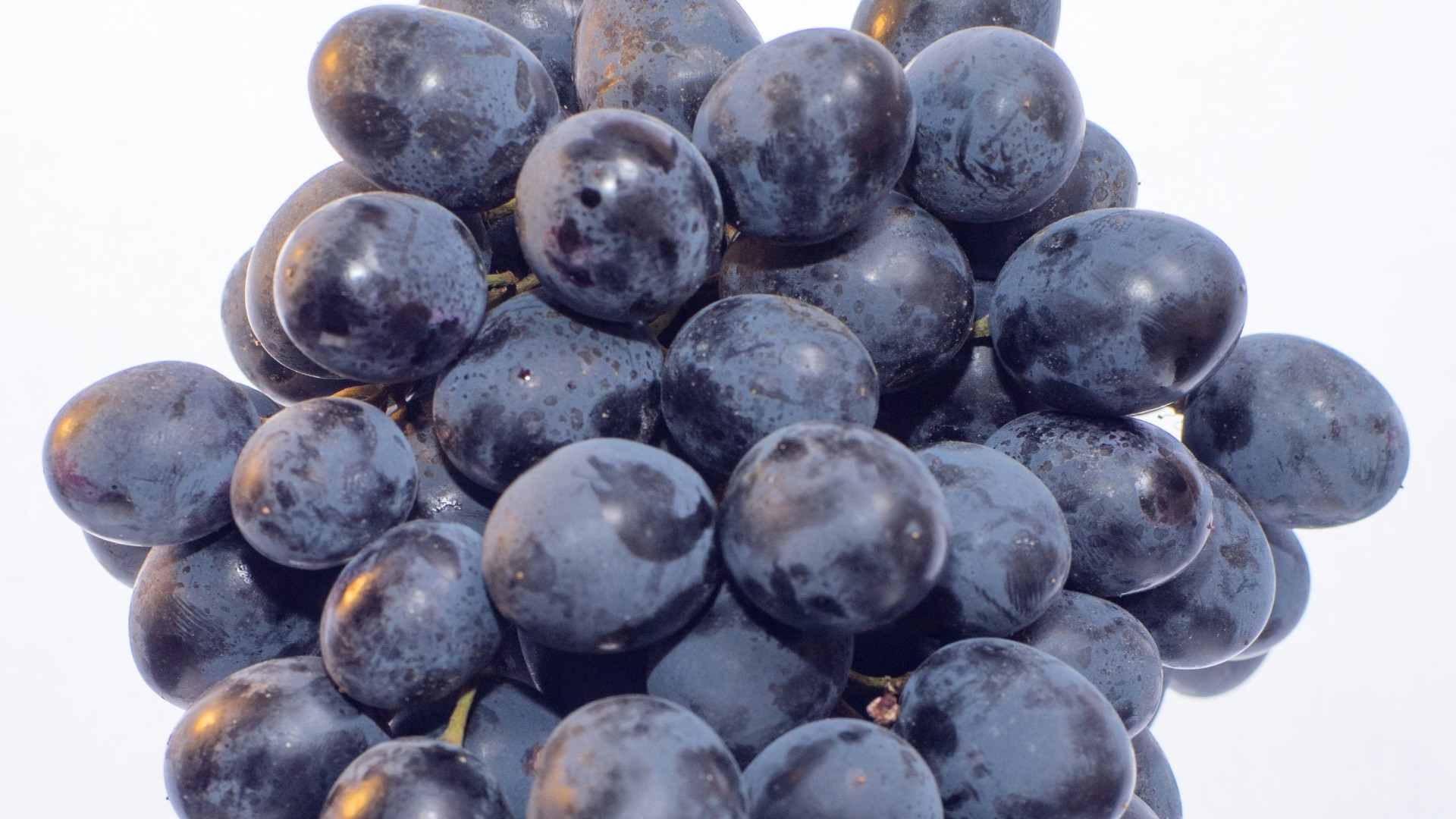
7. Eating Grapes at Midnight on New Year's Eve
In Spain and several Latin American countries, eating 12 grapes at the stroke of midnight on New Year’s Eve is believed to bring good luck for each month of the year ahead. It's also said that the sweeter the grapes, the better that particular month will be; the more sour, the more troubling that month might be.
8. Round Foods Eaten on New Year's Bring Good Fortune
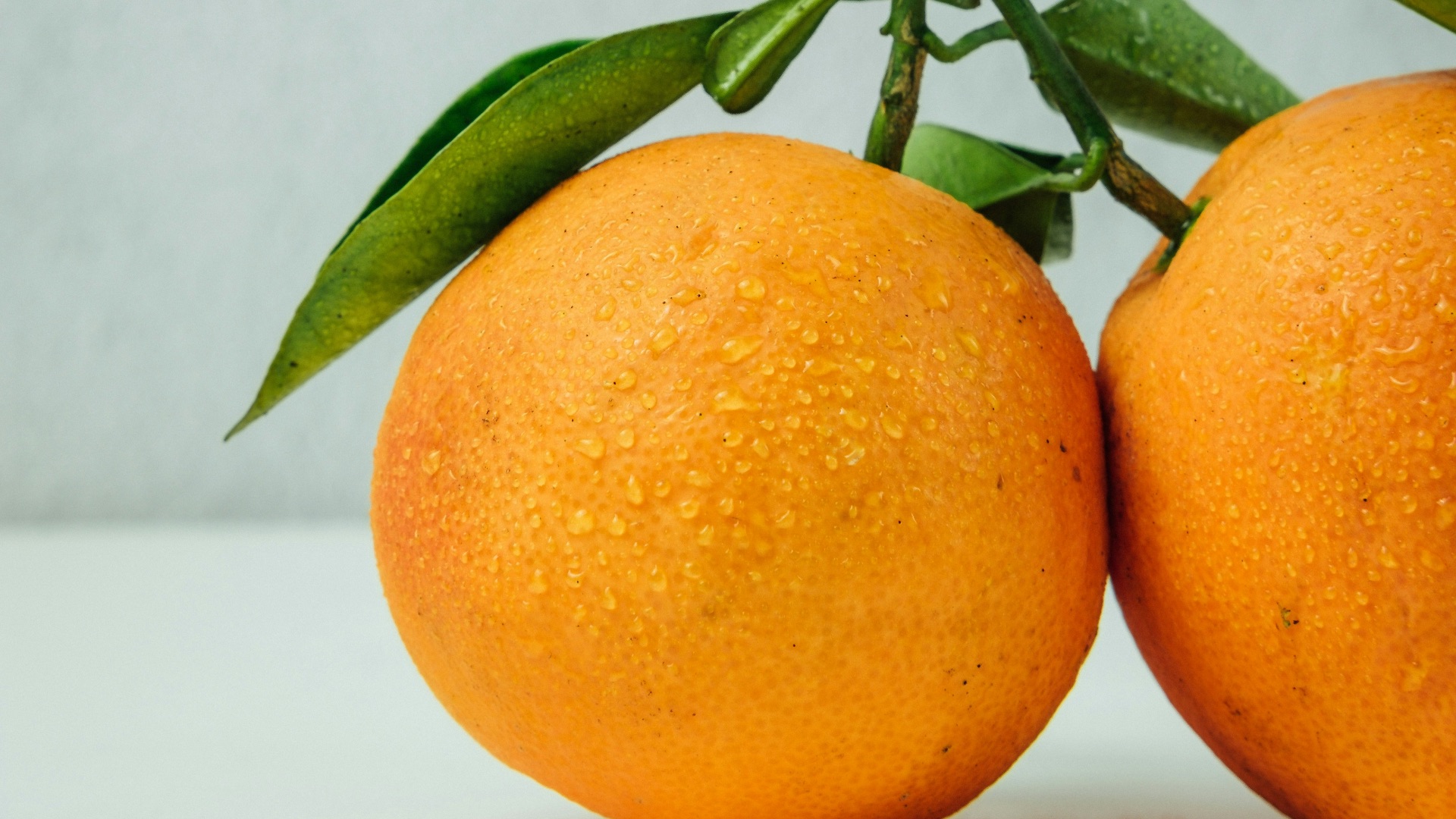
In the Philippines, eating round-shaped foods on New Year's Eve is a widespread tradition based on the belief that the circular shape represents coins and, by extension, wealth. Families will often gather a variety of round fruits, from grapes to oranges to melons, and make sure twelve are present to represent each month of the coming year. It's a superstition that makes the New Year's spread look like an overflowing fruit stand, and most Filipino families wouldn't have it any other way.
9. Garlic Keeps Evil Spirits Away
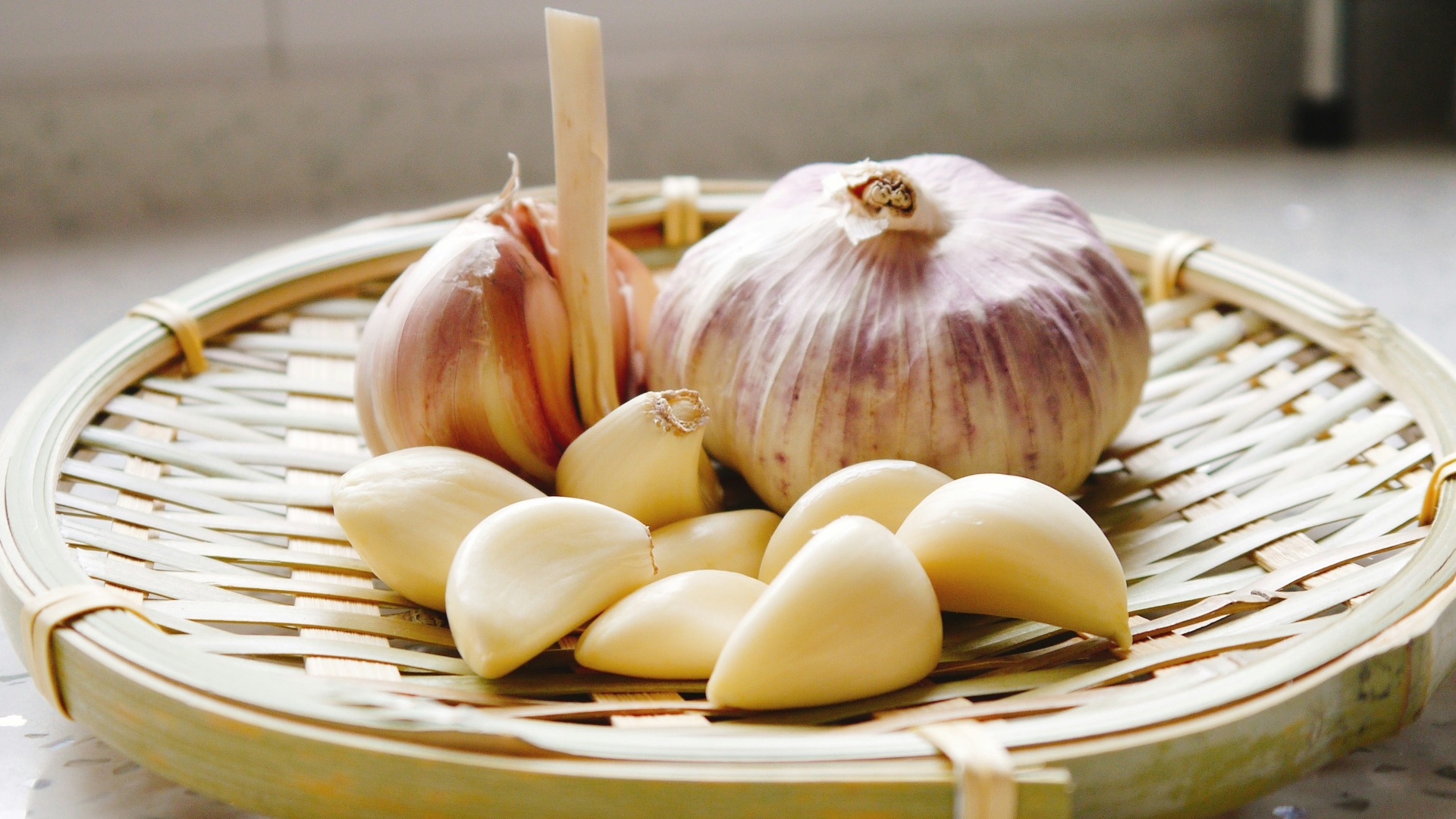
The idea that garlic wards off evil, including vampires and malevolent spirits, has been around for thousands of years and spans cultures from ancient Egypt to medieval Europe. Some households in Eastern Europe still hang garlic above doorways or in kitchens as a protective measure, even without any real expectation of a supernatural encounter. Whether you believe in the paranormal or not, garlic's reputation as a powerful deterrent has clearly stood the test of time.
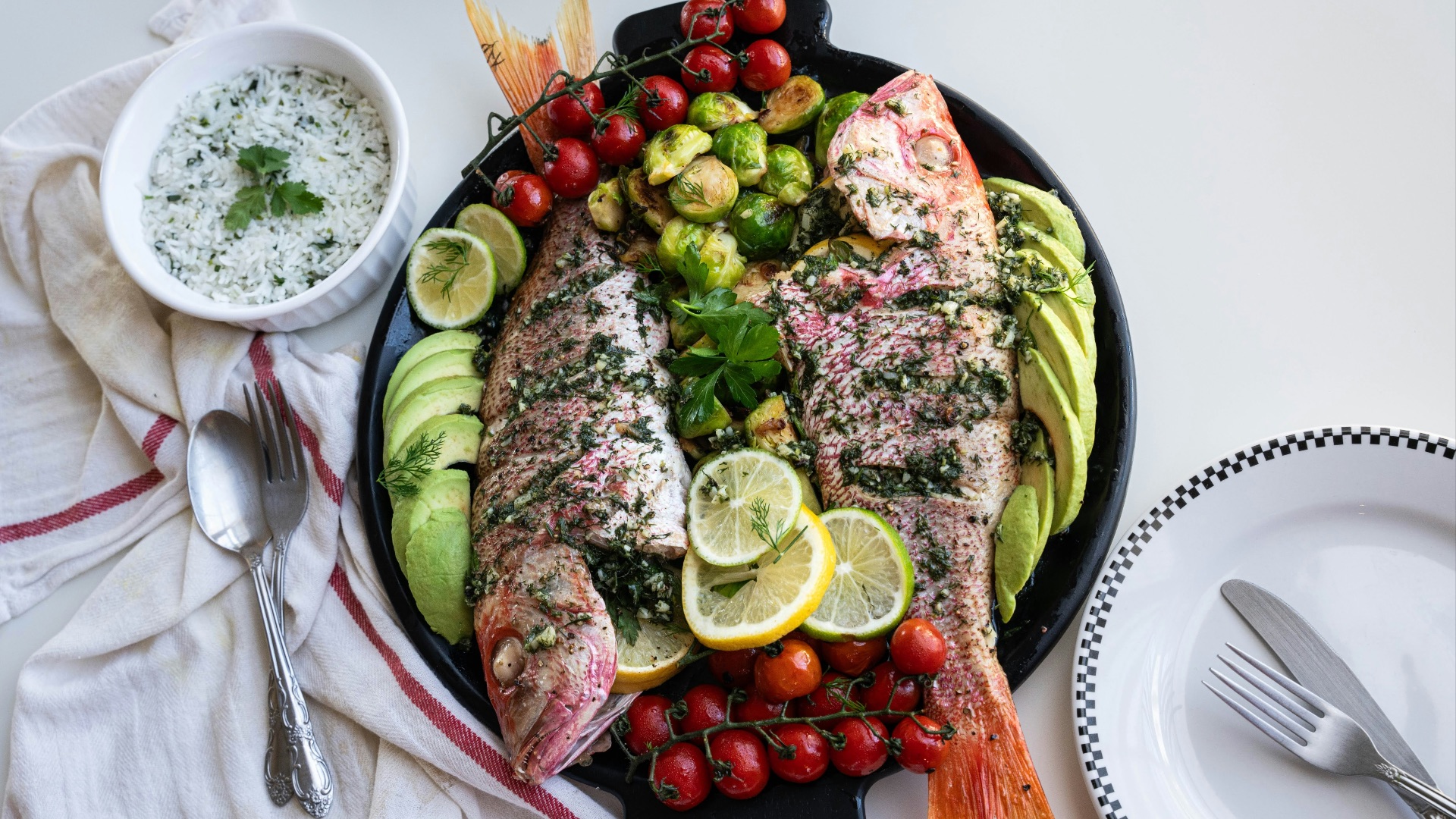
10. You Should Never Flip a Whole Fish on Your Plate
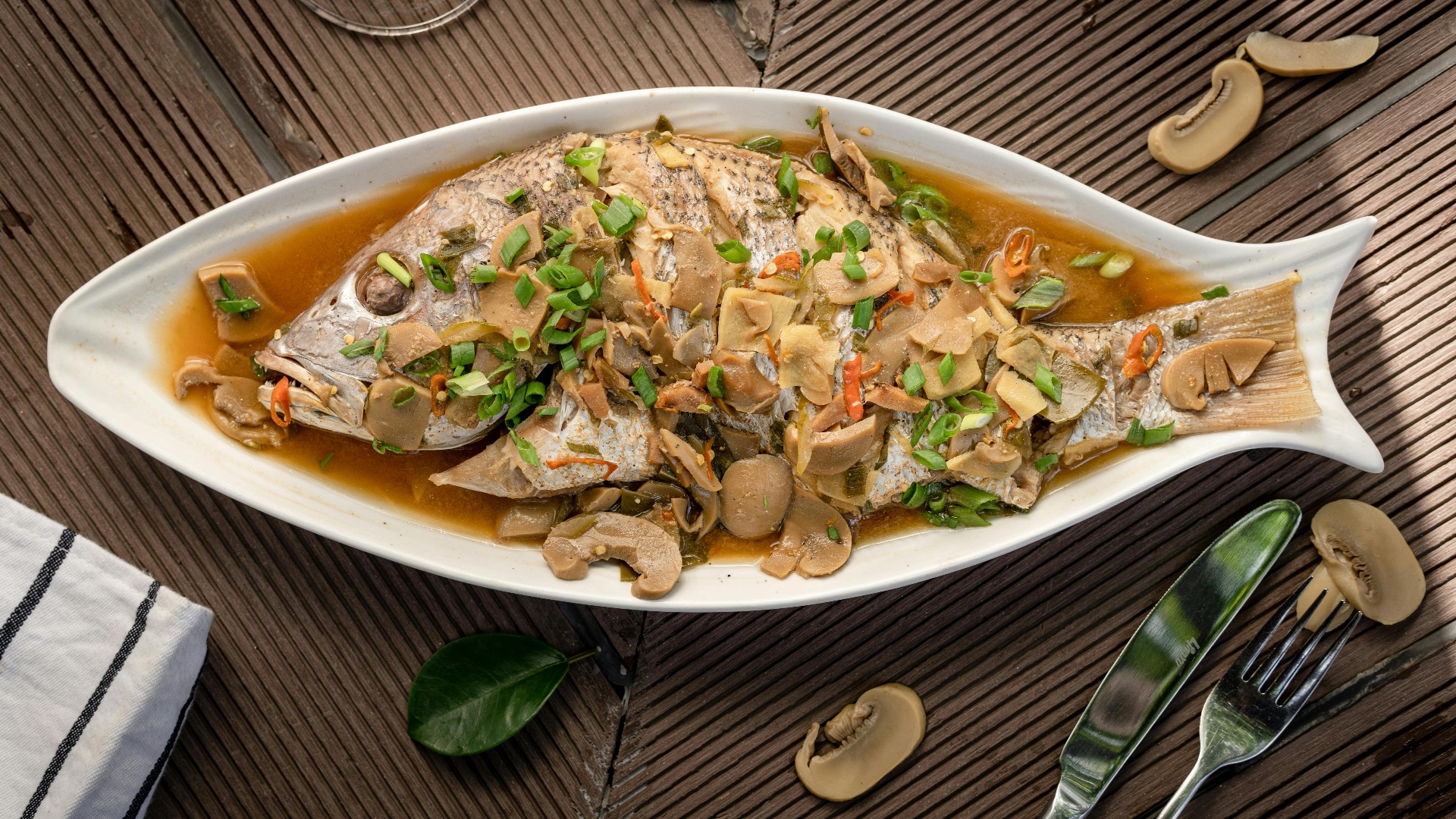
In China and among fishing communities throughout Southeast Asia, flipping a whole fish over while eating is considered terrible luck because it symbolizes a boat capsizing. The traditional approach is to lift the bones to access the bottom half of the fish rather than turning it over on the plate.
 Shardar Tarikul Islam on Pexels
11. Eating Lentils on New Year's Eve Guarantees Wealth
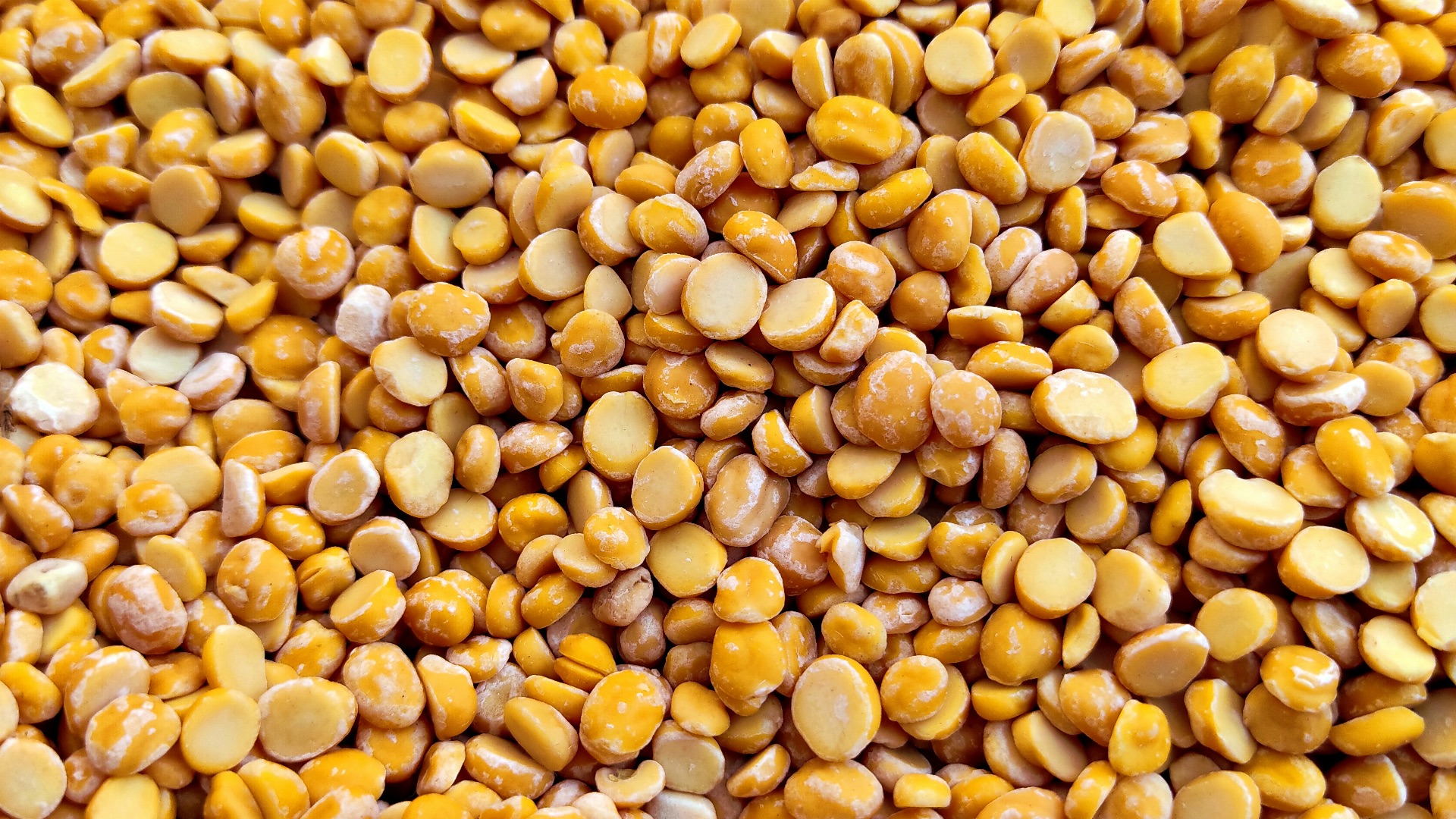
In Italy, a bowl of lentils on New Year's Eve is considered essential for bringing financial prosperity in the coming year, with the small, round legumes said to resemble coins. The tradition is so widespread that lentil sales in Italy spike dramatically every December, and it's not unusual for Italian families to serve them alongside a pork-based main course for double the good fortune. Most Italian households treat skipping the lentils as an unnecessary risk they're simply not willing to take with a brand-new year on the line.
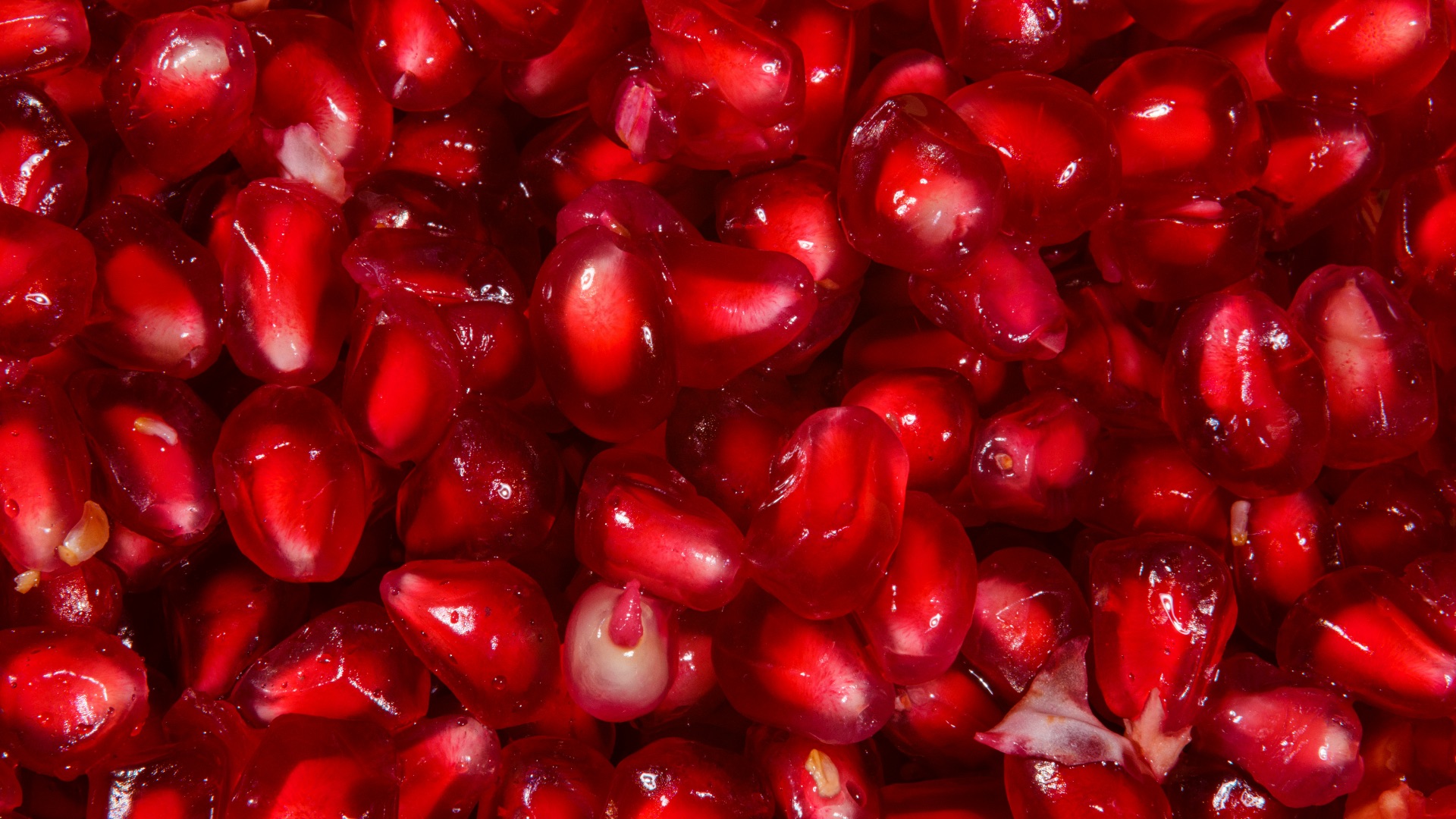
12. Pomegranate Seeds Eaten at New Year's Bring Blessings
In Greece, it's customary to smash a pomegranate on the floor at the start of the New Year, and the number of seeds that spill out is said to indicate how much good luck the household will enjoy in the months ahead. Some families eat the seeds directly for good measure, believing that consuming them brings fertility, prosperity, and abundance. The more seeds that scatter, the better, which gives everyone a solid reason to choose the largest pomegranate they can find.
13. Whistling in the Kitchen Invites Bad Luck
An old European superstition holds that whistling while cooking or preparing food is bad luck, and in some versions of the belief, it's said to attract evil spirits or cause the food to spoil. In certain maritime traditions, whistling in the kitchen was believed to summon a storm at sea, making it particularly taboo in coastal communities.

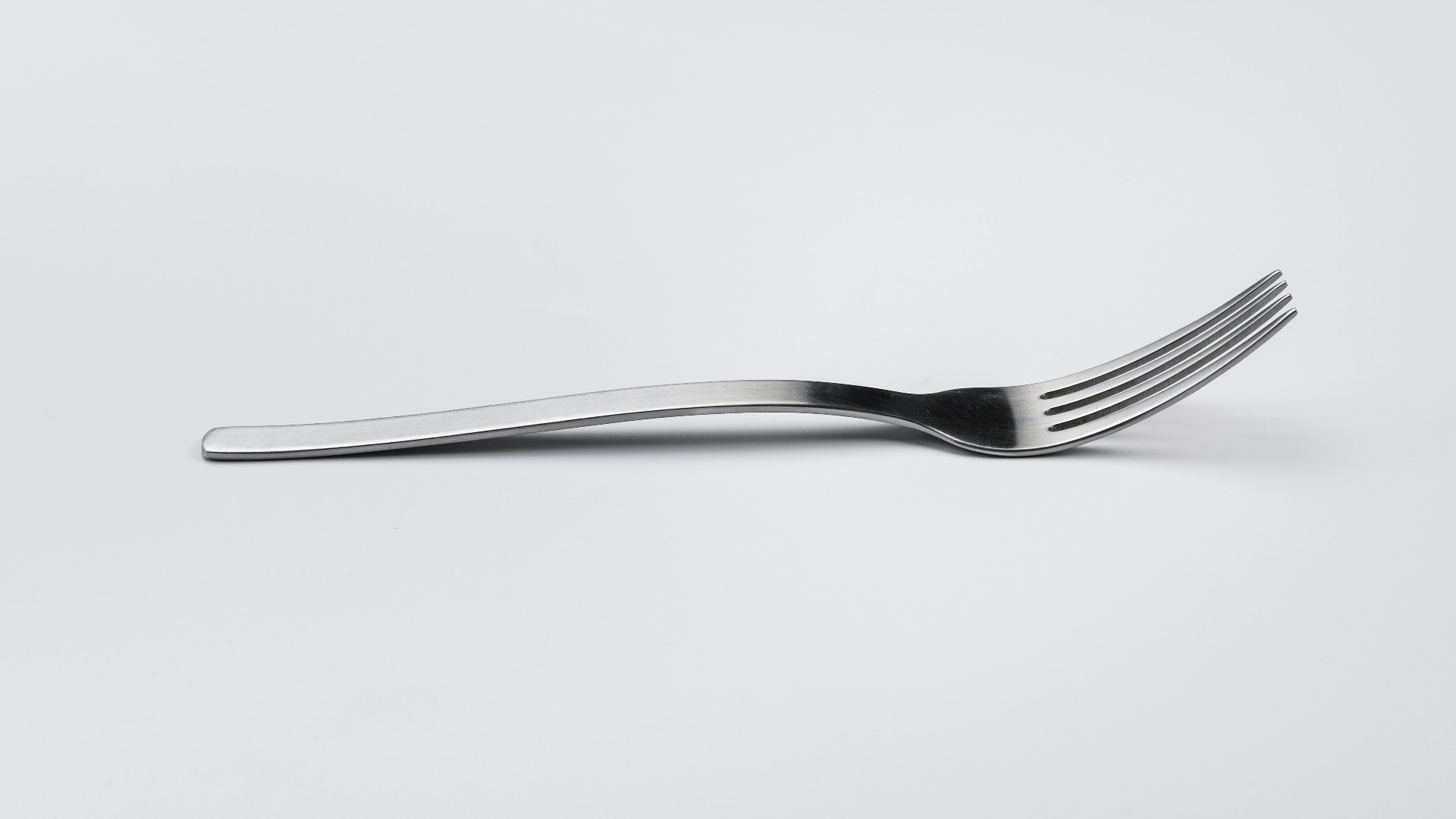
14. Dropping a Fork Means a Man Is About to Visit
According to a well-known piece of American folk tradition, dropping a fork on the floor signals that a male visitor will arrive soon, while dropping a spoon means a woman is on her way. The superstition belongs to a broader category of cutlery-based omens that were once taken quite seriously in rural households across the country. You can't, however, toss your cutlery on the floor to "summon" someone; it has to be accidental.
15. Don't Toast with Water
In several European traditions, such as in Germany, toasting with water is considered extremely bad luck, and may even be associated with death. The belief is often traced to ancient rituals in which water was used to honor the dead, making it an unsettling choice for a celebratory toast among the living. Even today, some people will insist you raise a glass of wine, champagne, or another drink instead, because clinking with plain water may be tempting fate in a bad way.

16. Eating Fish on Good Friday Is Non-Negotiable
The tradition of eating fish on Good Friday has roots in Catholic fasting practices, but over time it evolved into a superstition in many communities: skipping fish on that day is believed to bring bad luck or dishonor the occasion. Even people who aren't particularly religious often follow the tradition out of habit or longstanding family custom. It's one of those food superstitions so embedded in culture that it can feel less like a personal choice and more like an unspoken rule.
17. Ordering Seven Dishes Is Considered Bad Luck
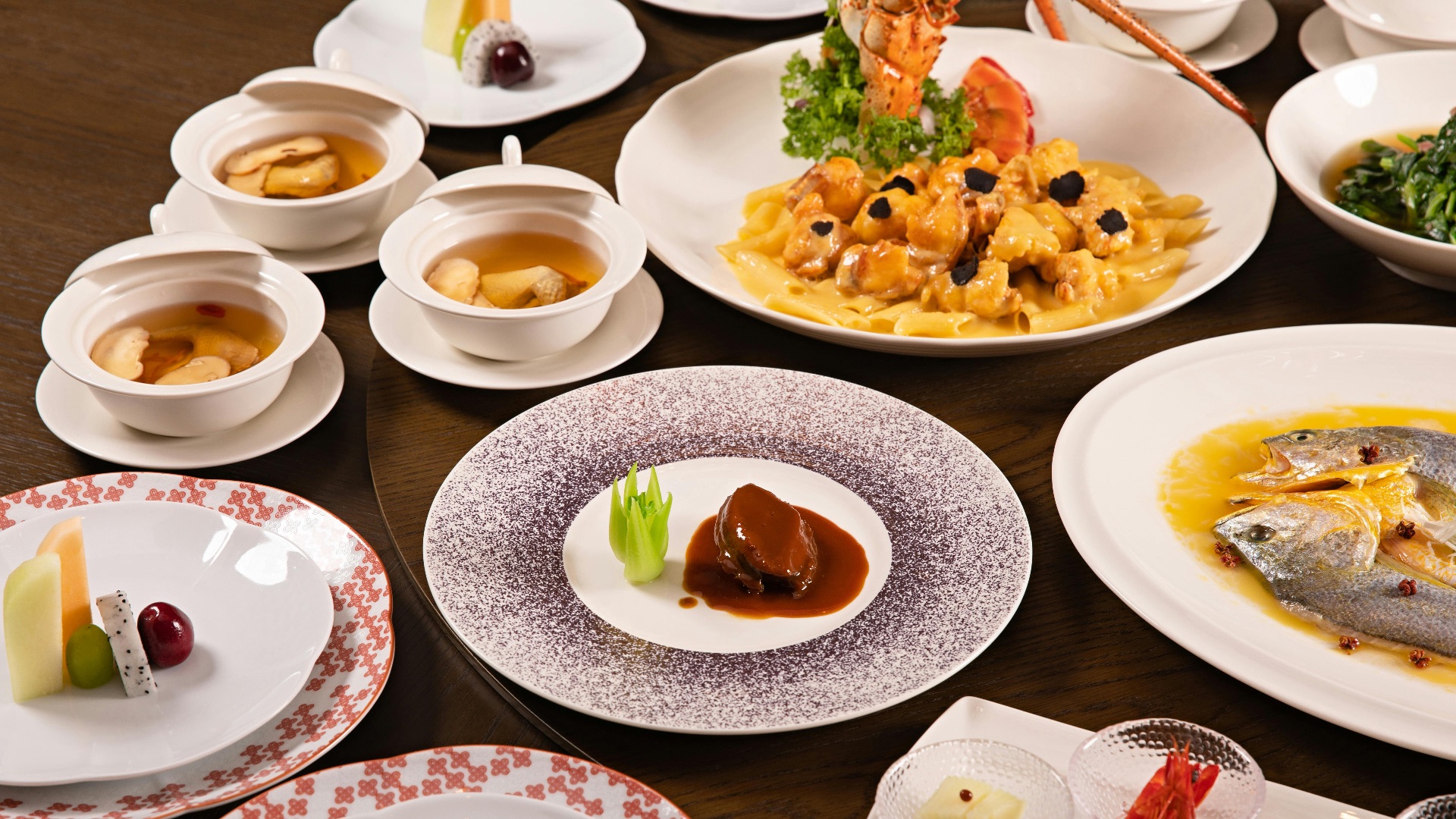
In Chinese dining traditions, ordering exactly seven dishes for a meal is considered unlucky because the number is associated with mourning and funeral customs. Banquets and family dinners are usually planned with more symbolic numbers in mind (the best being eight dishes, as the number eight sounds similar to "fortune"), especially even numbers that suggest harmony and completeness.
18. Crossing Chopsticks at the Table Is a Bad Omen
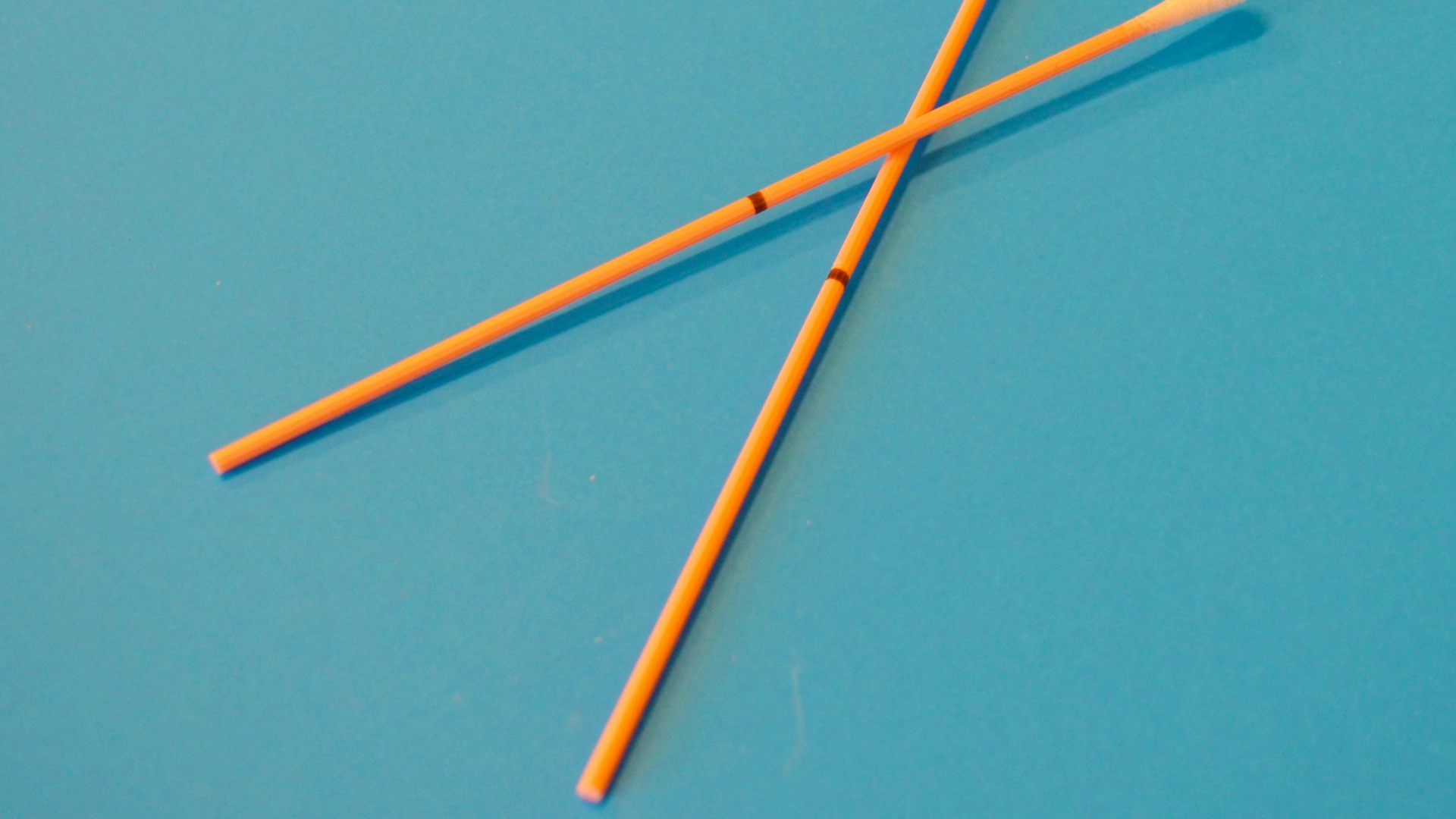
Much like the upright chopstick taboo, crossing your chopsticks on the table or on a plate is considered bad luck in several Asian cultures because of its association with funerary rituals. You should also never use your chopsticks to point or gesture at people, as it's considered extremely impolite.
19. Never Pass a Pepper to a Friend
In some folk traditions, handing a pepper directly to a friend is believed to invite conflict, with the sting of the pepper symbolizing the start of a bitter disagreement. The safer approach is to place it down on the table and let the other person pick it up.
20. In Turkey, Chewing Gum at Night Is Considered Deeply Unsettling
While not a food in the traditional sense, chewing gum has its own superstition in Turkish culture: chewing it after dark is said to be the equivalent of chewing the flesh of the dead. The belief is rooted in older folk traditions and is still referenced today, particularly by older generations passing the warning along to younger ones. It's arguably the most unsettling entry on this list, and it just might be enough to make you put the gum away well before sunset.

KEEP ON READING