Built For Status
Historical banquets were never just about filling plates. They were displays of power, money, and imagination, with a fairly loose relationship with what we'd now call food safety. A host could impress guests with rare birds, elaborate pastry tricks, imported spices, or a dish that looked more like a dare than dinner. Some of these foods were valued because they were expensive, some because they bent religious rules, and others because they turned the table into live theater. Here are 20 historical banquet dishes that would stop a modern diner cold.
1. Cockentrice
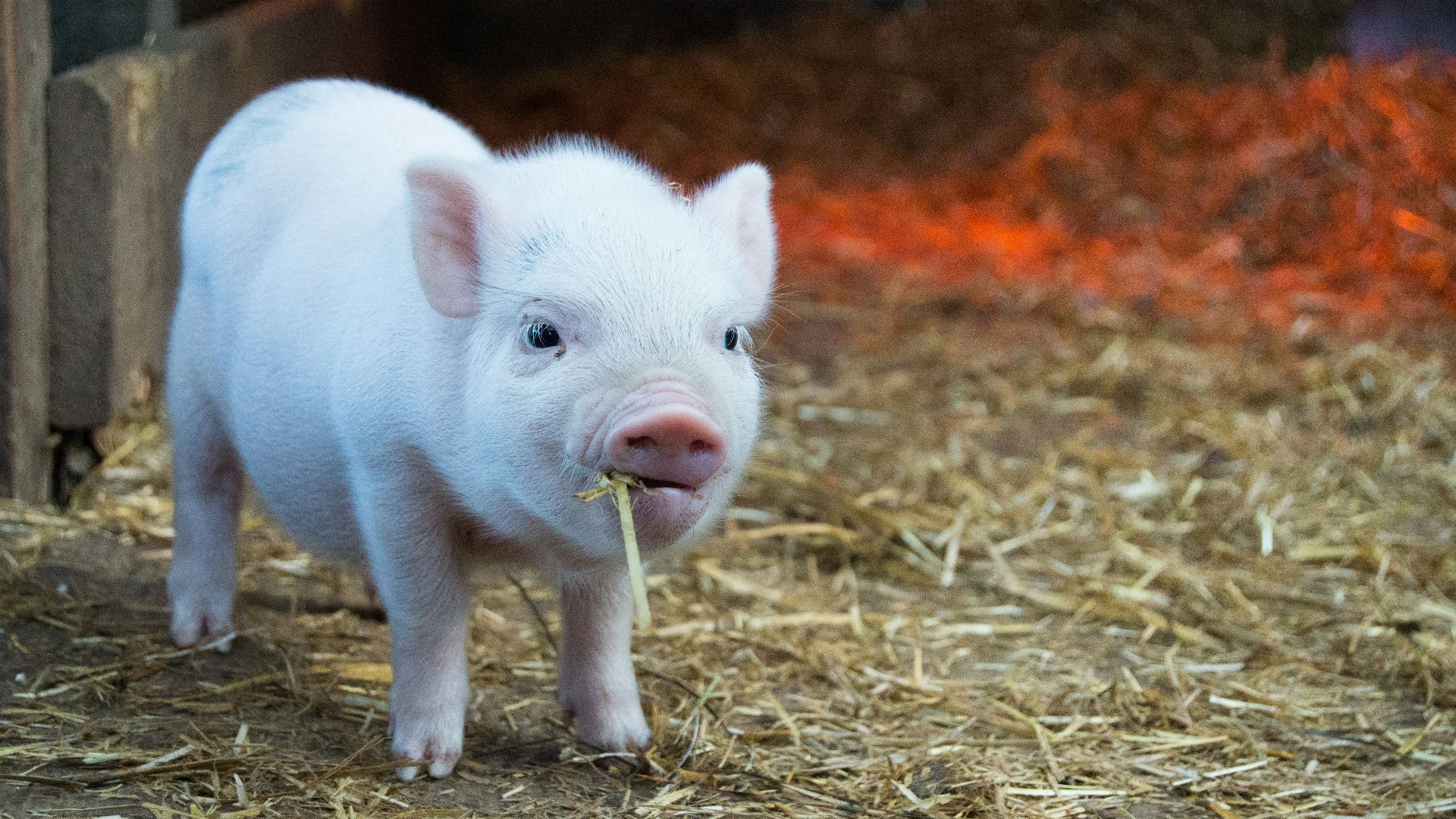
This medieval showpiece stitched parts of a piglet and a capon into one roasted creature. The goal was to look strange, mythical, and expensive, which is a very specific thing to aim for at dinner. Modern diners might admire the craft, but the presentation would be a lot to absorb before the first bite.
 Christopher Carson on Unsplash
2. Stuffed Dormice
Wealthy Romans sometimes served fattened dormice roasted, honeyed, or stuffed with rich seasonings. The dish was tiny, labor-intensive, and clearly designed for people who'd run out of normal ways to show off.

3. Flamingo Tongues
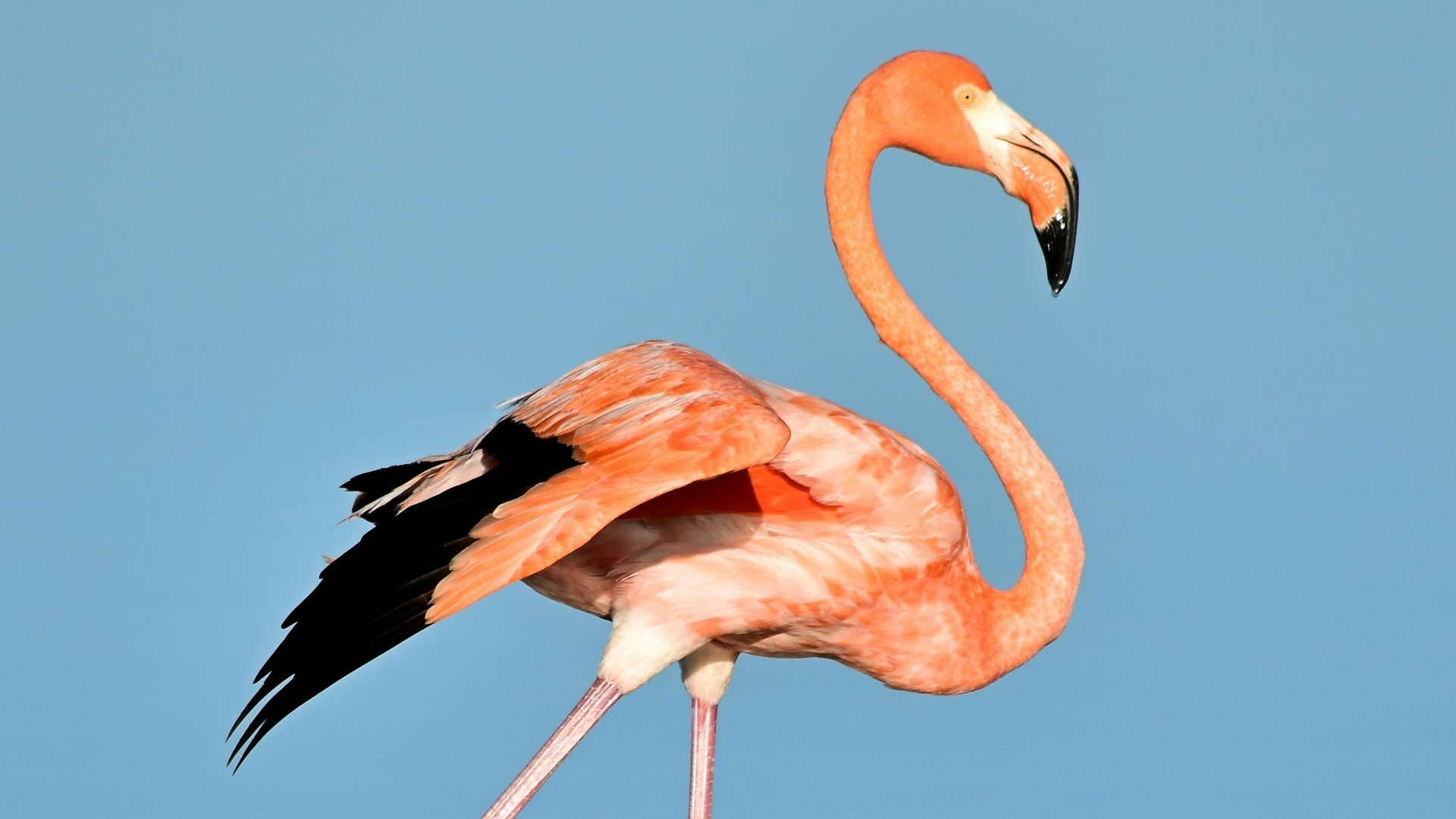
Flamingo tongues were prized in elite Roman dining because they were rare, small, and wildly impractical to collect. Nothing signals status quite like needing an entire flock of birds for one delicate platter. Today, what we'd probably see is just useless excess.
 Alejandro Contreras on Unsplash
4. The Shield of Minerva
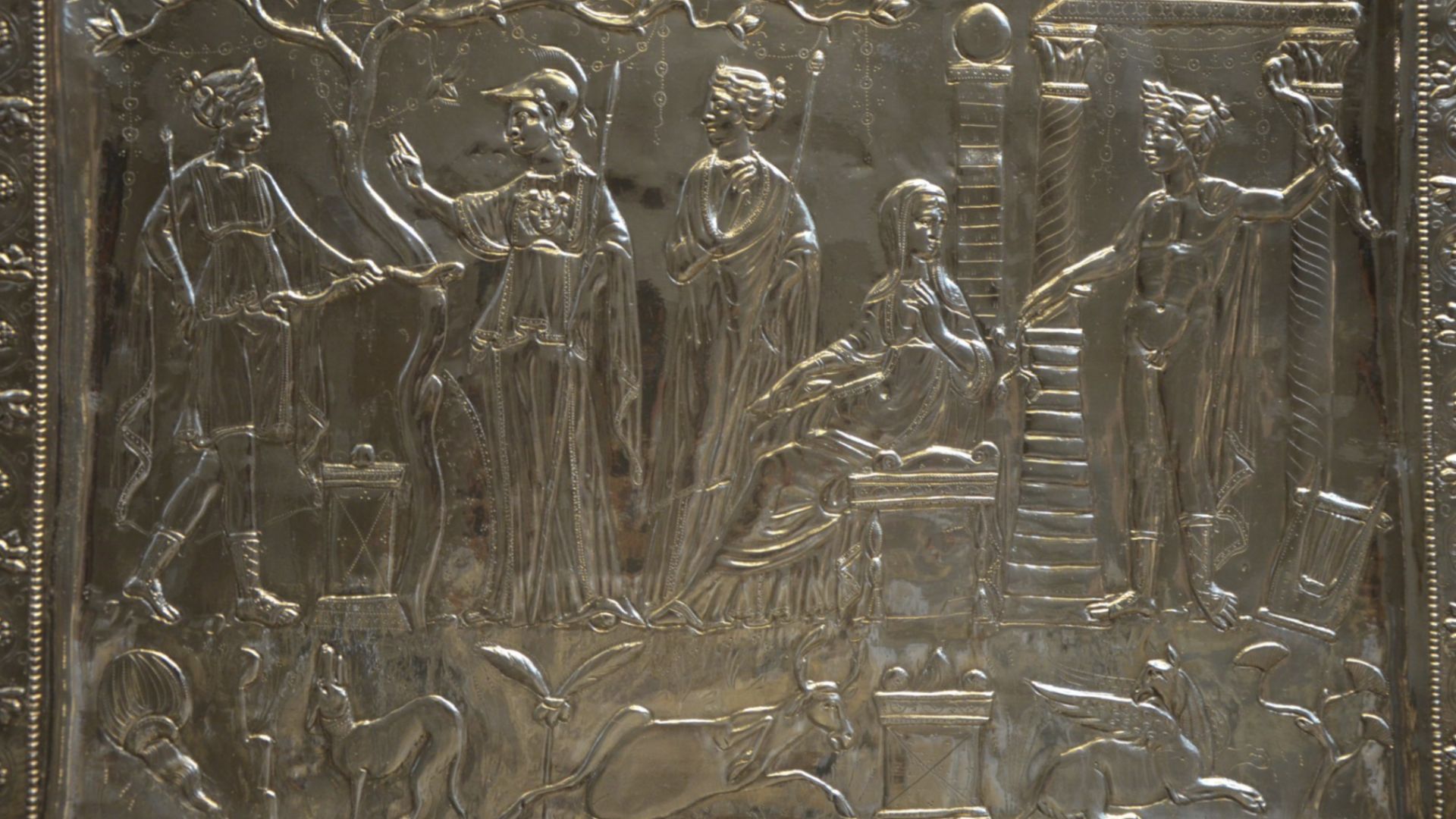
This Roman platter combined pike livers, pheasant and peacock brains, flamingo tongues, and lamprey milt. It was meant to feel grand and imperial, pulling ingredients from across a wide territory into one dish. To modern eyes, it reads like a tasting menu designed by someone with unlimited power and no inclination toward restraint.
 Carole Raddato from FRANKFURT, Germany on Wikimedia
5. Boiled Ostrich In Spiced Sauce
Ostrich appeared in Roman cookery with sauces built from pepper, mint, cumin, honey, vinegar, and wine. The flavor combination isn't entirely outrageous, but the bird itself would still feel extravagant on a modern table.

6. Sow's Womb And Udder
Roman recipes included sow's womb, udder, and belly prepared with strong seasonings. Offal eating can be thoughtful and sustainable, but this particular dish would still test the nerves of most modern guests. The ancient appeal came from richness, rarity, and the thrill of serving something unmistakably over the top.
7. Rôti Sans Pareil
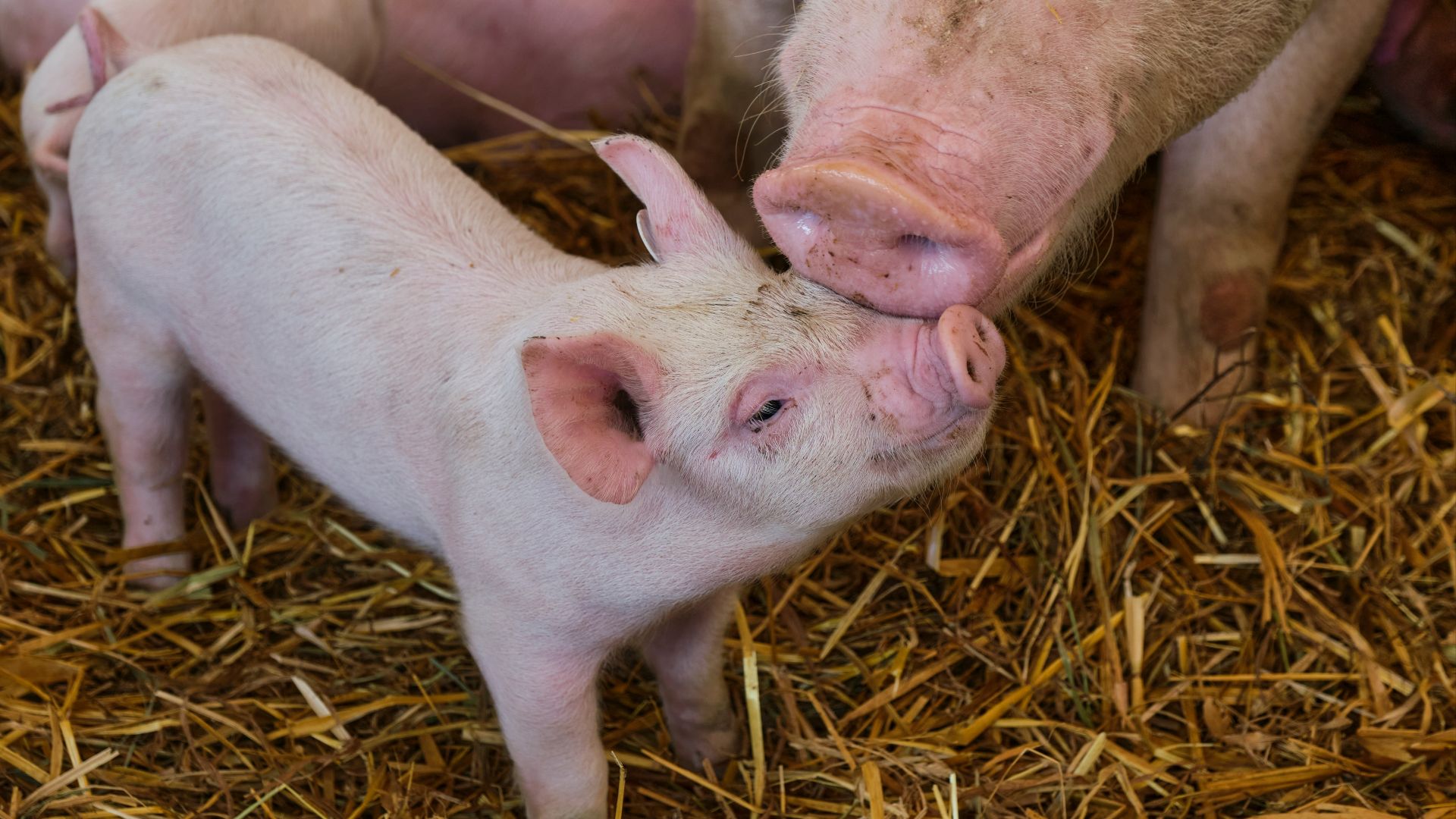
This French preparation nested a bird inside a bird until the roast became a culinary puzzle. It pushed stuffed poultry far beyond anything most diners would consider reasonable. Even today's turducken looks almost restrained beside a dish designed to reveal layer after layer.
8. Lamprey Pie
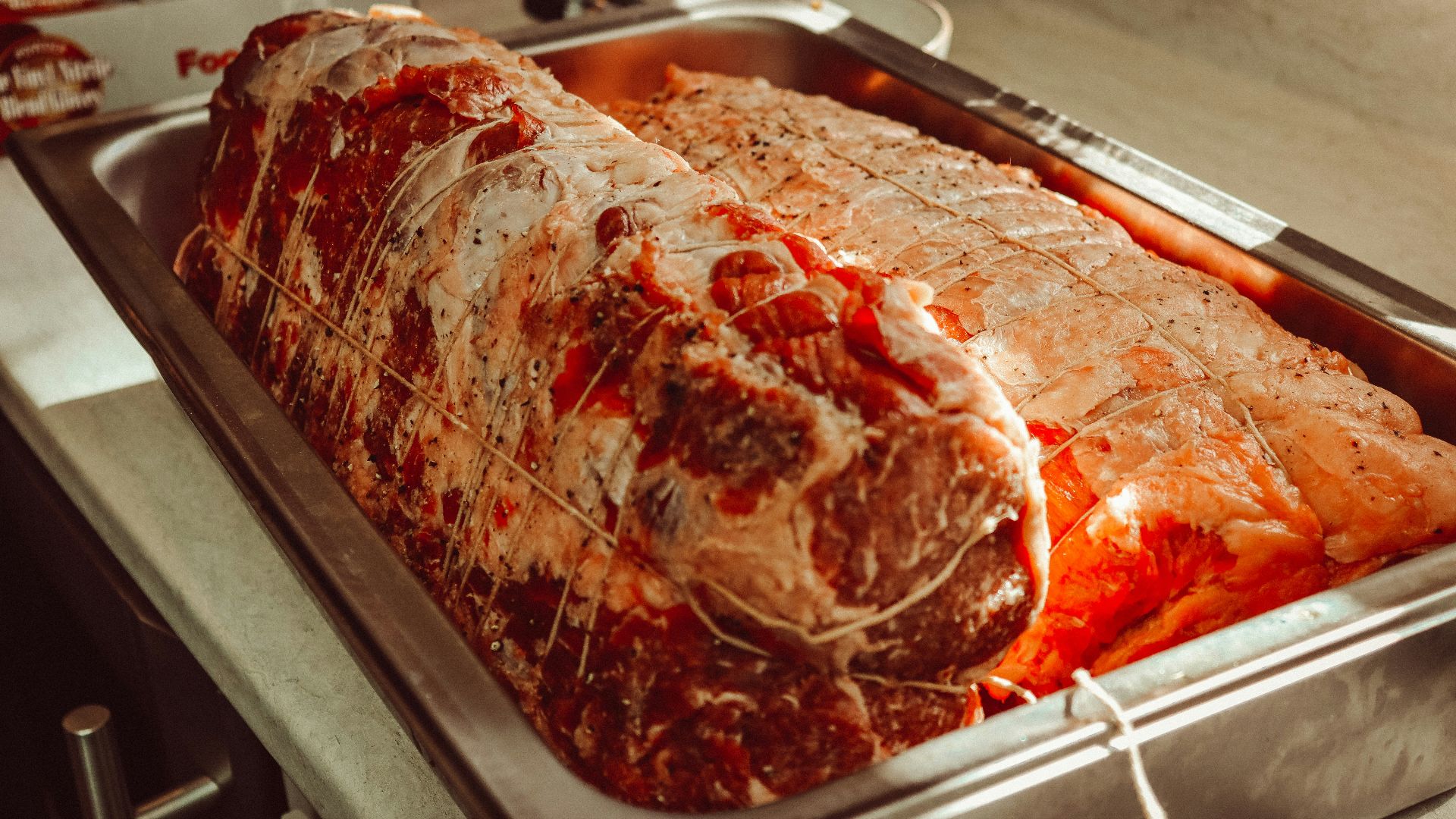
Lampreys were prized in medieval England and tied to royal gift traditions. Baked in pie, these jawless, eel-like fish offered a rich, meaty flavor that made them valuable in elite circles.
9. Porpoise For Fast Days
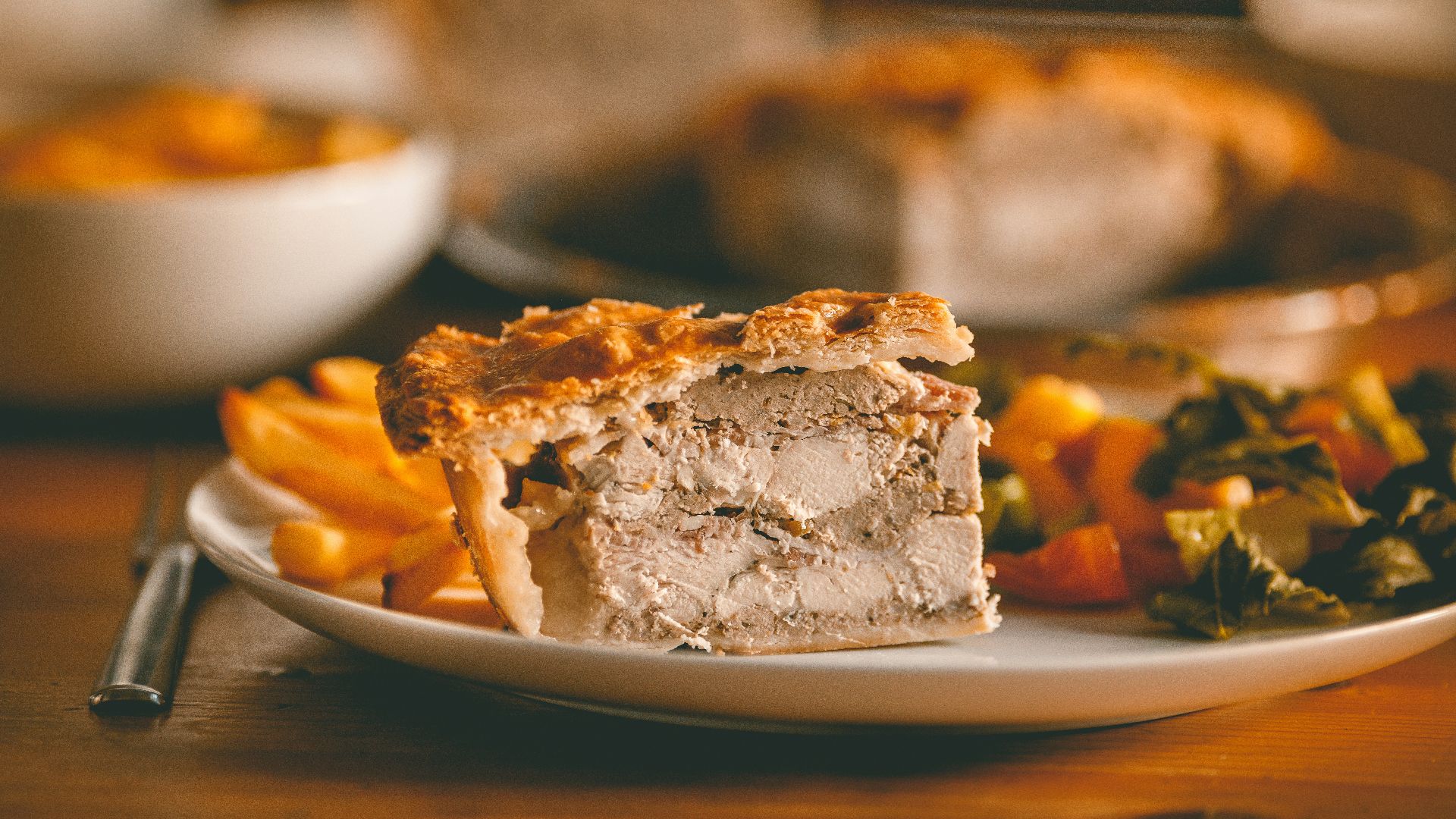
In medieval Europe, sea mammals like porpoises could appear at high-status meals, especially during periods when meat was restricted. They occupied a strange loophole, since aquatic creatures were often treated differently from land animals. Today, a porpoise course would raise immediate ethical, environmental, and appetite-related objections simultaneously.

10. Roast Swan
Roast swan was an aristocratic dish built around rarity and ceremony. The bird could be served in a dramatic pose, sometimes with decorative touches that made it look more ceremonial than edible.

11. Peacock In Feathers
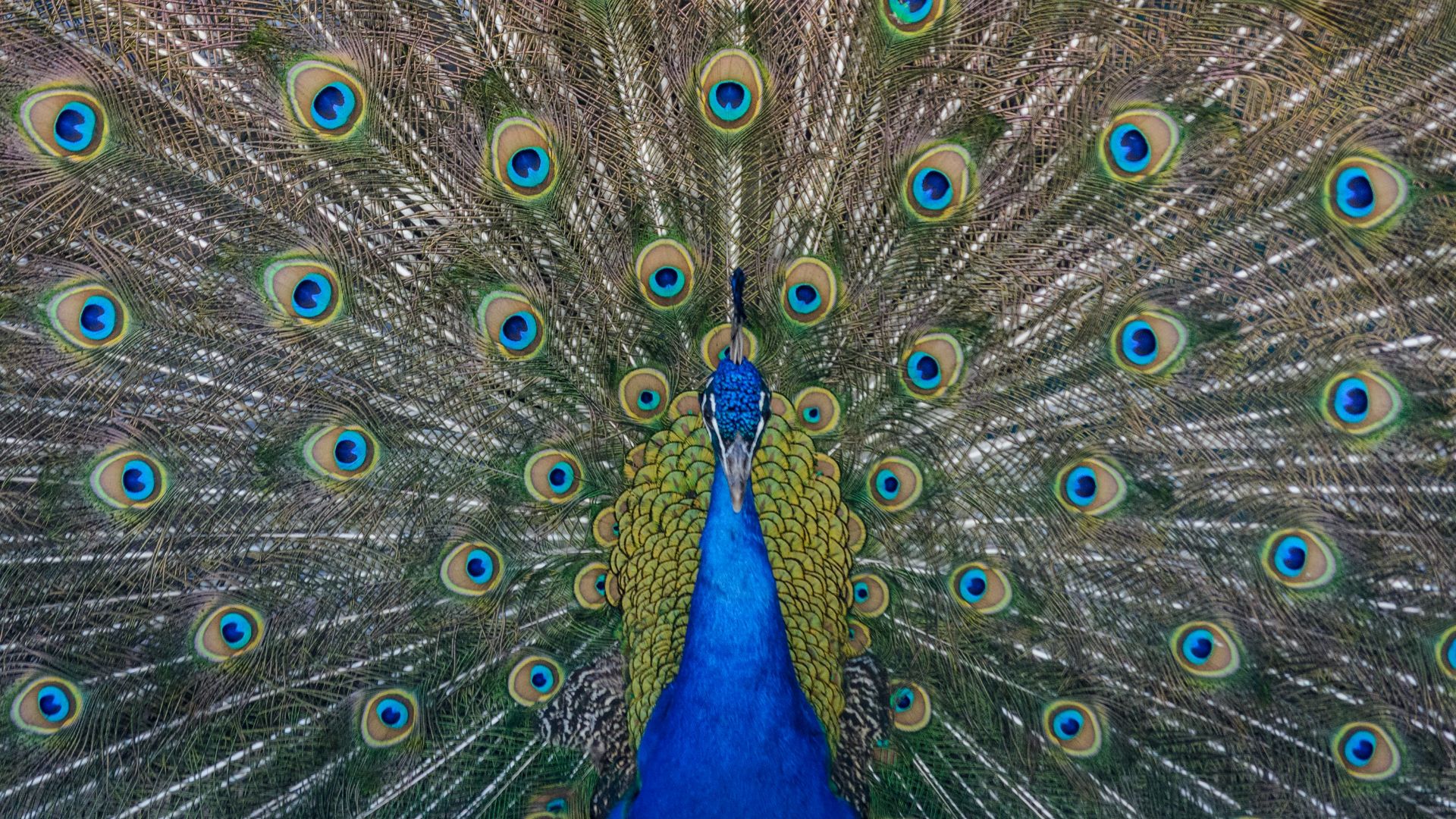
Peacock was often valued as much for its appearance as its flavor. Cooks would roast the bird, then redress it in its plumage. It was pageantry on a platter, though modern guests might quietly wonder how much of the effort actually improved the eating.
12. Beaver Tail On Fast Days
Beaver tail had a strange historical advantage because its scaly, aquatic qualities helped it fit certain fasting rules. Served as a fish-like food, it let diners follow the letter of the rule while enjoying something much richer.

13. Roasted Hedgehog
Some medieval recipe traditions include hedgehog roasted or baked in pastry with sauces. The preparation was practical in a world where small animals regularly became food, but it'd be a hard sell now. Even adventurous diners tend to prefer their woodland creatures left out of the main course.
 Sierra NiCole Narvaeth on Unsplash
14. Live Bird Surprise Pie
Medieval feast entertainment sometimes used pastry shells to hide live creatures, especially small birds, until the reveal. The pie was more stage prop than entrée, which somehow makes it more alarming. Modern diners expect steam when a crust opens, not a small flock taking flight.

15. Ambergris Ice Cream
Early luxury frozen creams could be flavored with ambergris, a rare waxy substance connected to sperm whales. It added a musky, perfumed quality that once suited elite tastes for unusual aromatics.
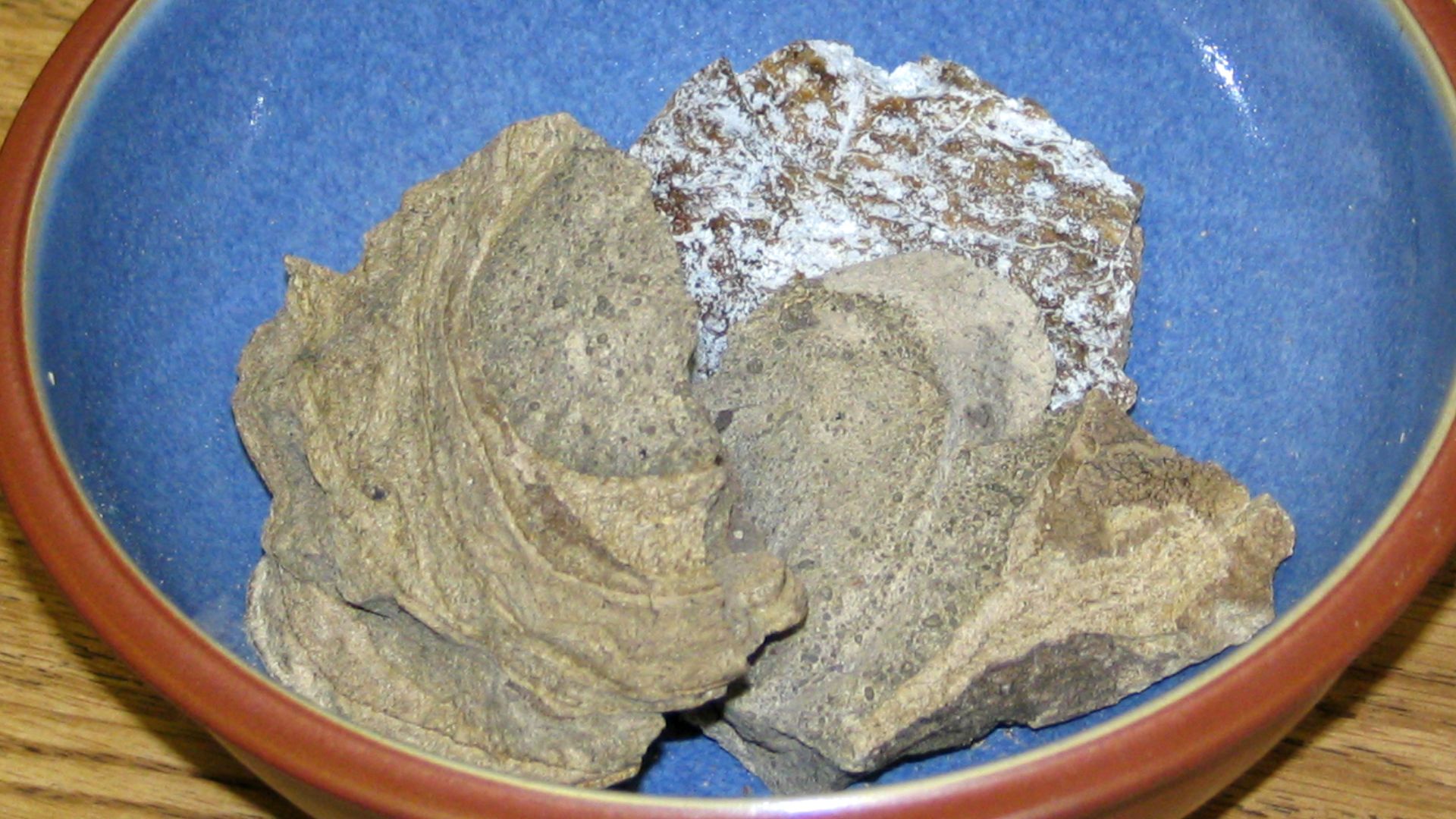 Photographer: Peter Kaminski on Wikimedia
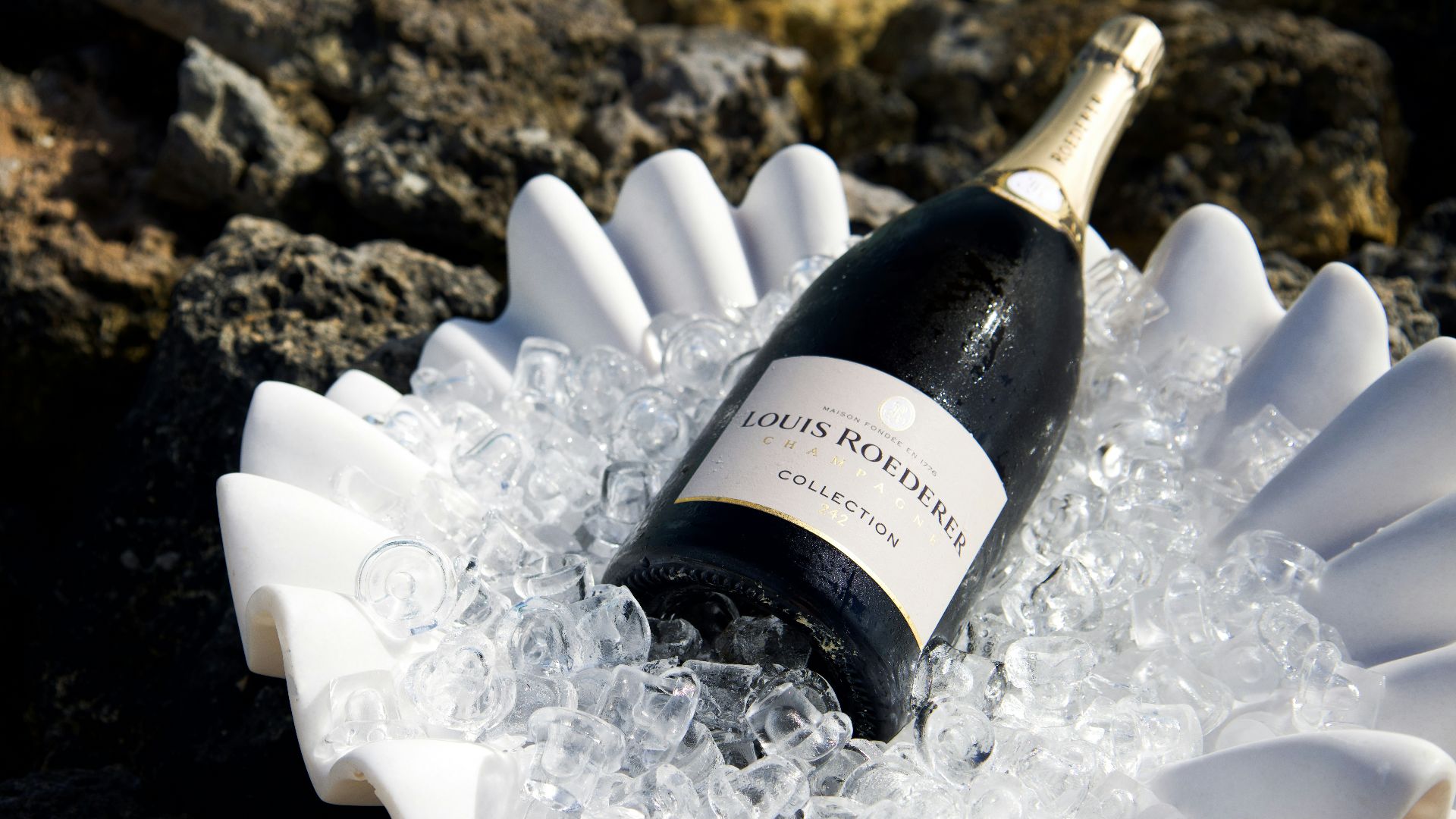
16. Sturgeon Head In Champagne
A grand 19th-century banquet once featured the head of a great sturgeon cooked in Champagne. The dish combined the luxury fish with expensive wine. Modern diners might respect the extravagance while quietly wishing the fish had arrived in a less direct format.
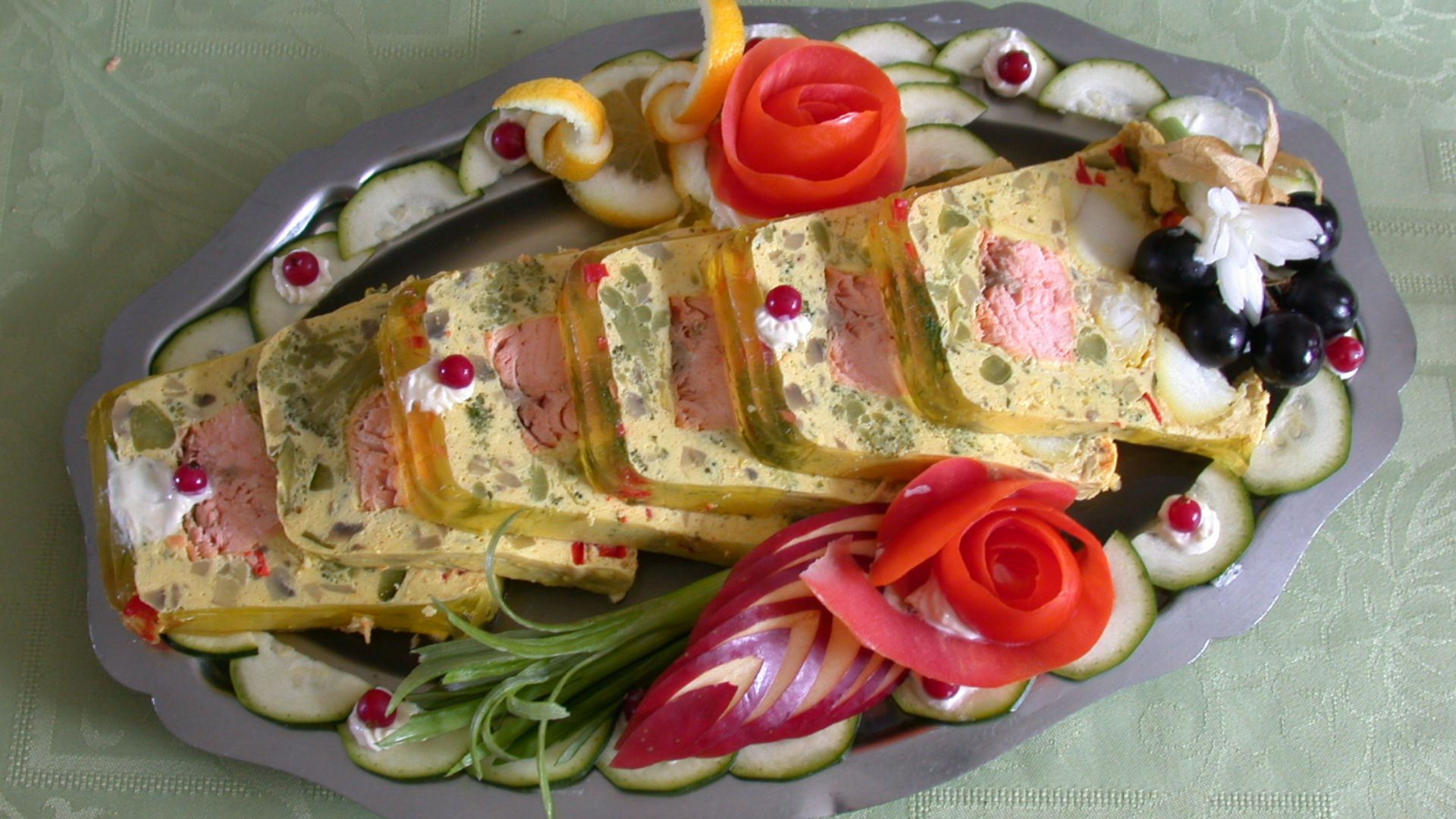
17. Terrine Of Larks
Tiny birds appeared in elite European dining because rarity and delicacy carried real social weight. A terrine of larks offered a compact, refined way to serve many small birds at once.
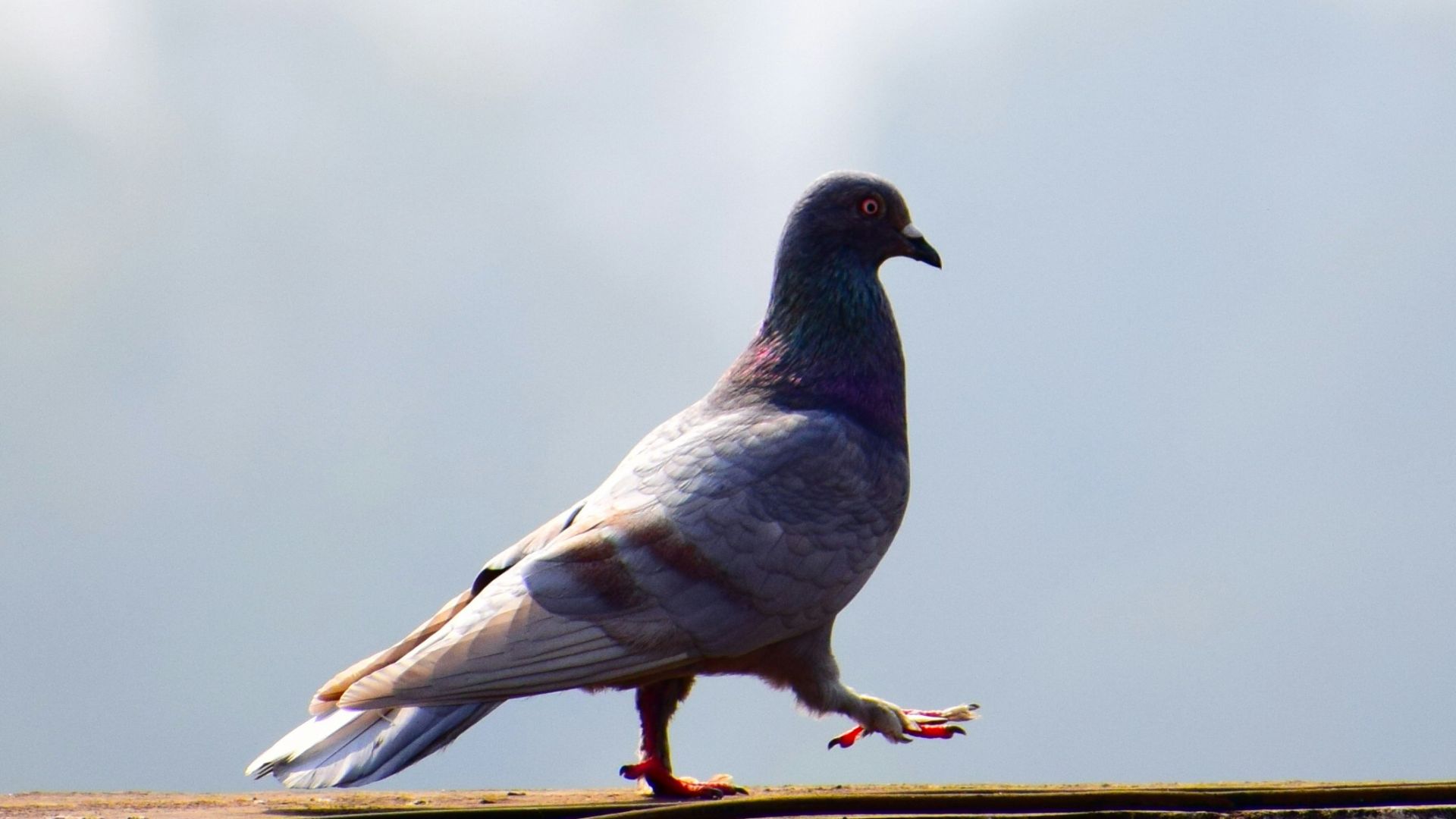
18. Pigeons In Crayfish Butter
Pigeons served with crayfish butter sound almost approachable at first, until you picture the richness of a full formal banquet. The combination packed land, water, fat, and status into one ornate dish.
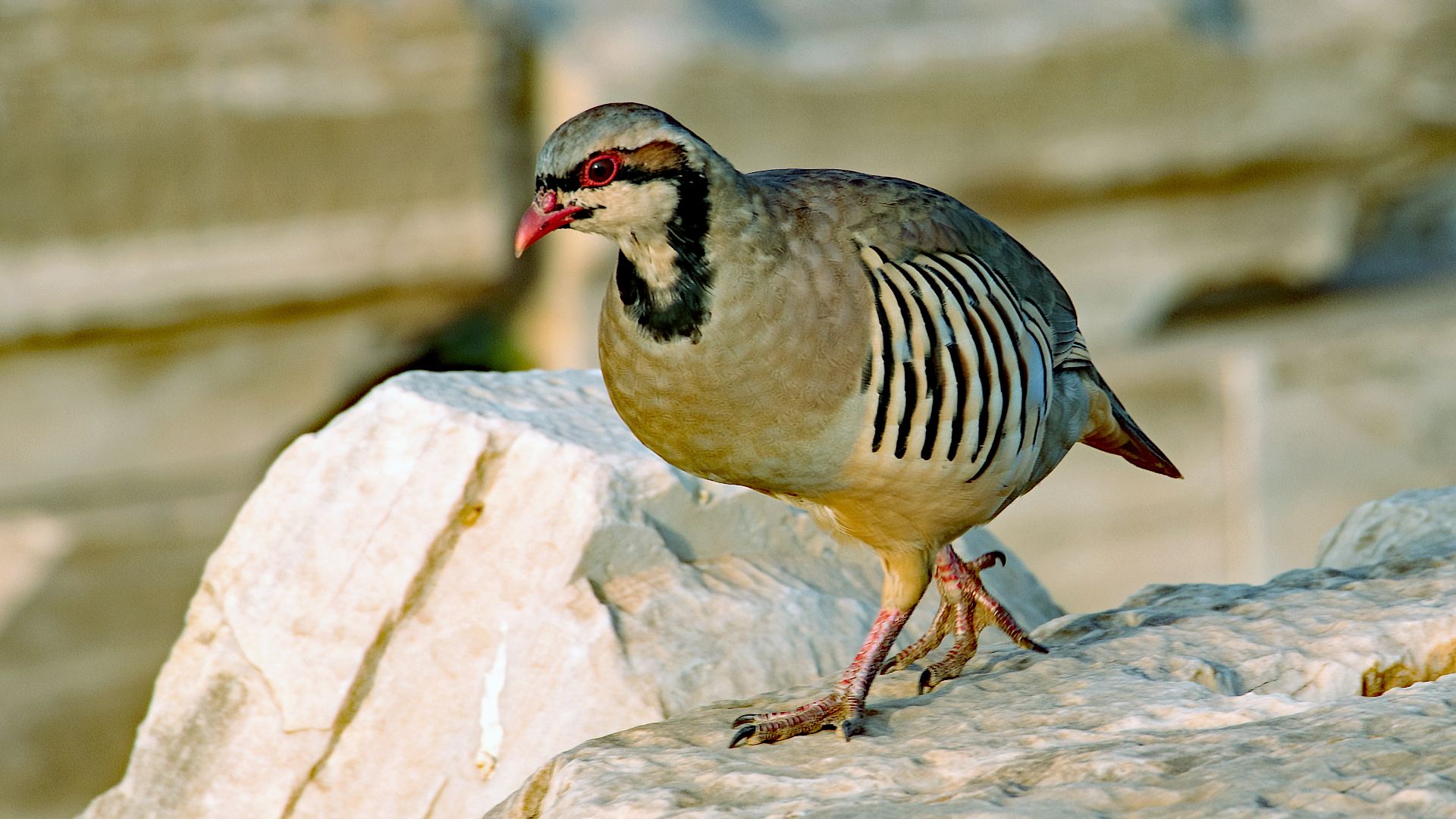
19. Jellied Partridge With Mayonnaise
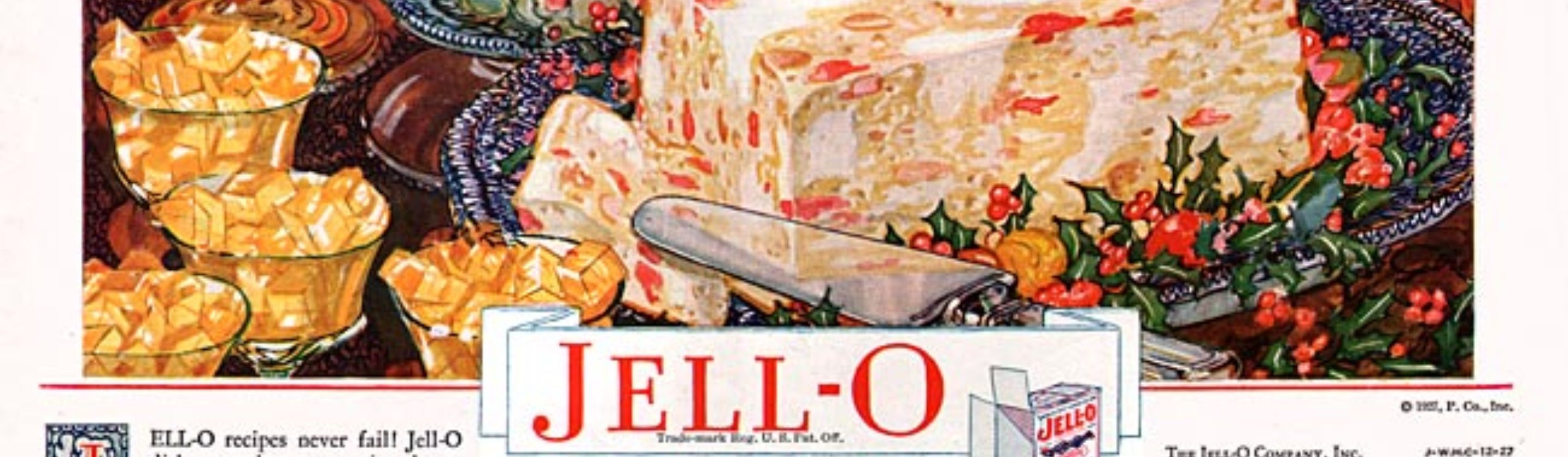
Jellied meat and bird dishes were once marks of real technical skill. Partridge set in aspic with mayonnaise would've looked polished, cool, and formal on a grand table. To many modern diners, though, chilled game in jelly still lands somewhere between impressive and deeply suspicious.
20. A Palace In Pastry
Not every stunning banquet dish centered on meat. Lavish historical menus sometimes included architectural pastry showpieces, turning sugar, dough, and decoration into pure performance. These creations weren't about eating so much as proving that dessert could become a monument to whoever was hosting the meal.
KEEP ON READING

10 Most Hated Foods in the Entire World