A Fair Warning Before The First Bite
Haggis receives most of the nervous attention in conversations about Scottish food, yet its peppery mixture of meat, oats, onions, and spices is often more approachable than its reputation suggests. Scotland has plenty of other dishes with stronger aromas, stranger textures, or ingredients that demand considerably more confidence from a newcomer. Taste is personal, of course, but these ten challenging specialties and ten friendlier favorites show that haggis sits somewhere near the middle of Scotland’s wonderfully practical culinary tradition. Here are 10 Scottish dishes that are surprisingly worse than haggis & 10 that are better.
1. Crappit Heid
Crappit heid is a boiled fish head traditionally stuffed with oats, suet, onions, seasonings, and the fish’s own liver. Although the recipe reflects the resourcefulness of fishing communities, the visible head and soft stuffing can be difficult for cautious diners. Compared with it, sliced haggis looks remarkably straightforward.

2. Guga
Guga is cured and boiled young gannet traditionally eaten in parts of the Outer Hebrides, particularly Lewis. Its intensely salty, oily flavor and powerful seabird aroma have earned it a reputation as an acquired taste, even within Scotland. Haggis seems mild when your alternative carries such concentrated marine richness.
3. Potted Hough
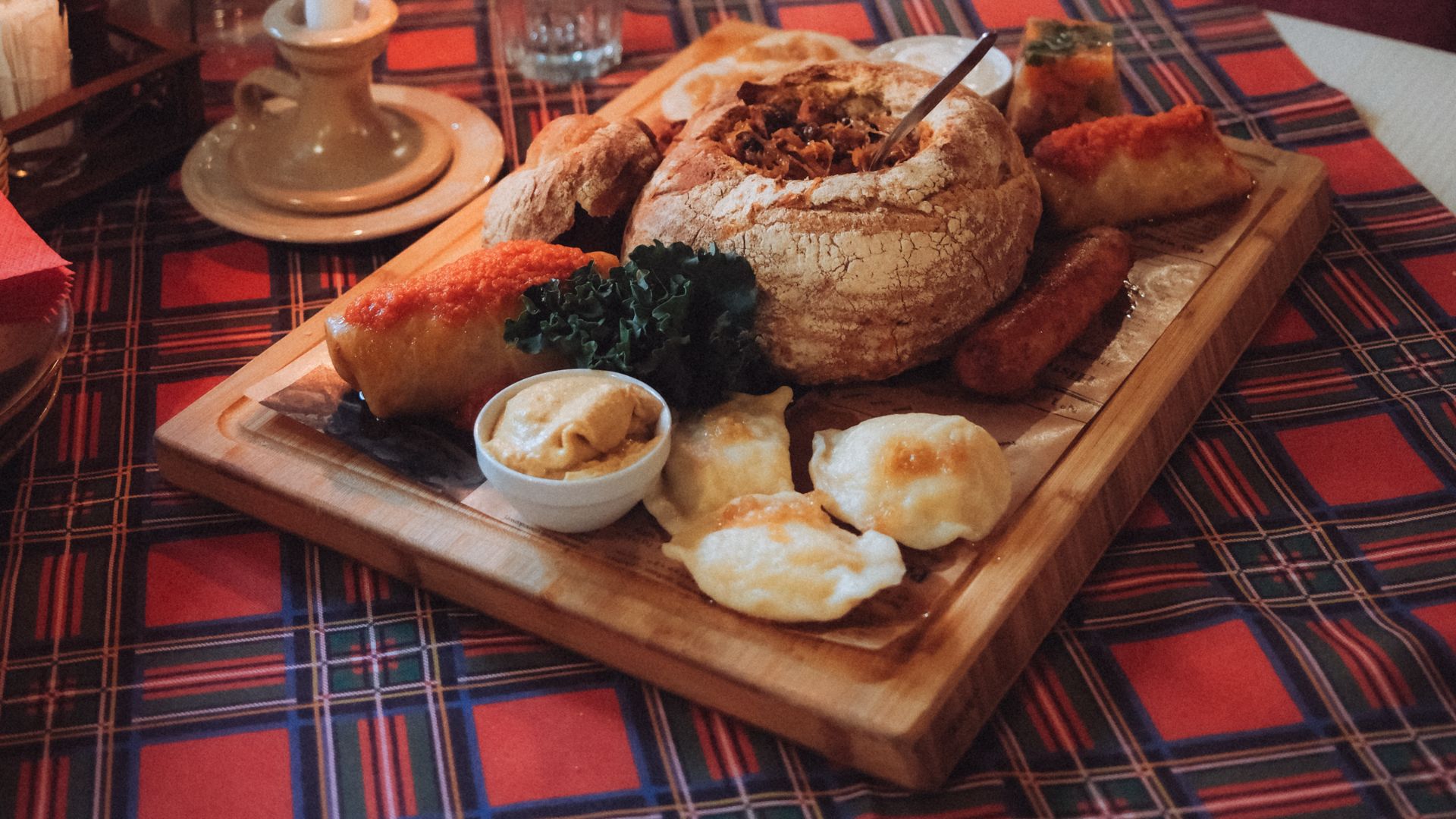
Potted hough is a firm meat jelly made by slowly cooking beef shin or similar cuts until their natural gelatin sets around the shredded meat.
Its cold temperature and trembling texture can be more challenging than the warm, crumbly consistency of haggis. Fans appreciate its thrift and savory depth, but newcomers may hesitate.
4. Sowans
Sowans developed as a fermented oat dish made from the liquid and fine material left after soaking oat husks. The resulting porridge or pudding has a distinctly sour flavor that can surprise anyone expecting ordinary oatmeal.
5. Brose
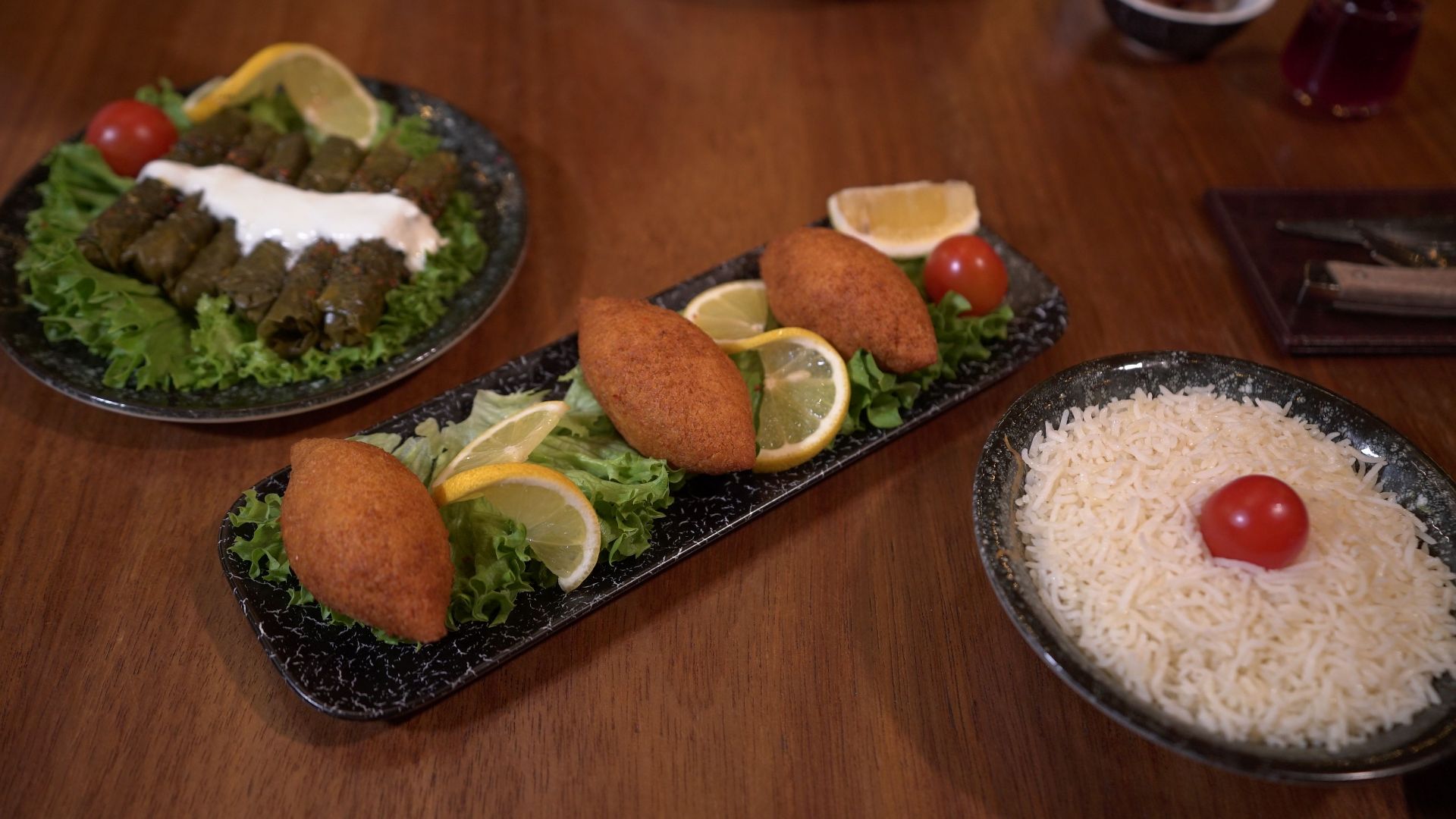
Traditional brose is made by stirring hot water or another liquid into uncooked or lightly treated oatmeal, sometimes with butter, salt, or milk. Its plain taste and loose, grainy texture can feel more functional than pleasurable to modern diners. Haggis at least arrives with plenty of pepper, spice, and savory character.

6. Powsowdie
Powsowdie is an old-fashioned sheep’s head broth that could include meat and other edible parts removed during cooking. A tidy serving of haggis suddenly requires far less explanation.
7. Reestit Mutton
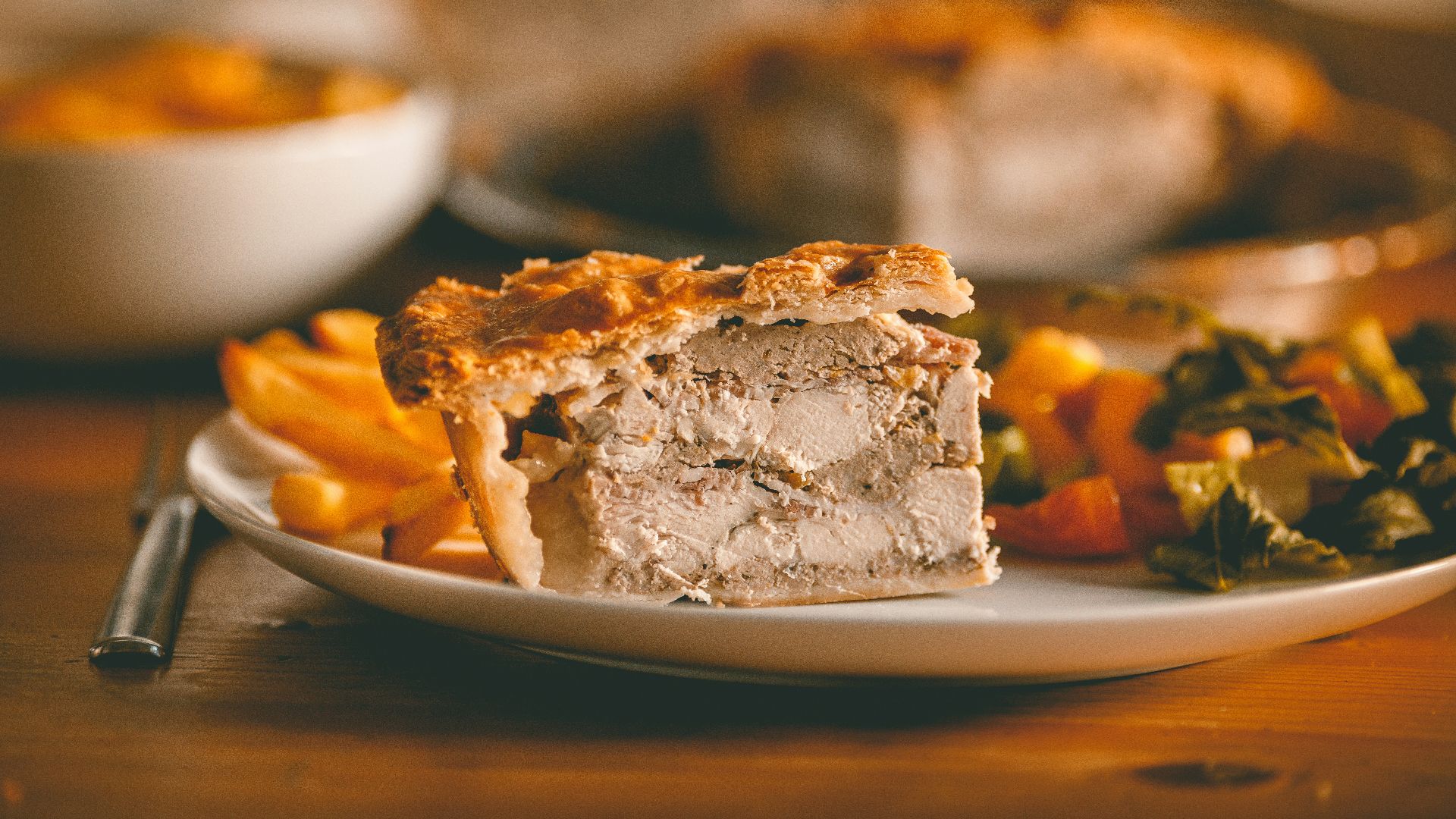
Reestit mutton is a Shetland specialty made by curing mutton in brine before drying it, historically in the smoke of a peat fire. It produces a salty, concentrated meat often used to flavor soups and other dishes. Anyone sensitive to cured flavors may find it considerably stronger than softly spiced haggis.
8. Carrageen Pudding
Carrageen pudding uses edible seaweed to set sweetened milk into a delicate dessert.
The flavor can be mild, but knowing that seaweed created the wobbling texture is enough to distract some first-time tasters. It isn’t necessarily unpleasant, although haggis may seem less confusing because it’s clearly presented as savory.

9. White Pudding
Despite its gentle name, Scottish white pudding commonly combines oatmeal, suet or fat, onions, and seasonings inside a casing. Diners expecting something sweet from the word “pudding” may be especially disappointed.
10. Pizza Crunch
Pizza crunch is battered, deep-fried pizza commonly associated with Scottish fish-and-chip shops. It offers melted cheese and tomato sauce, but the combination of dough, batter, oil, and toppings can become exceptionally heavy after only a few bites. Haggis provides a more balanced texture and arguably shows greater restraint.
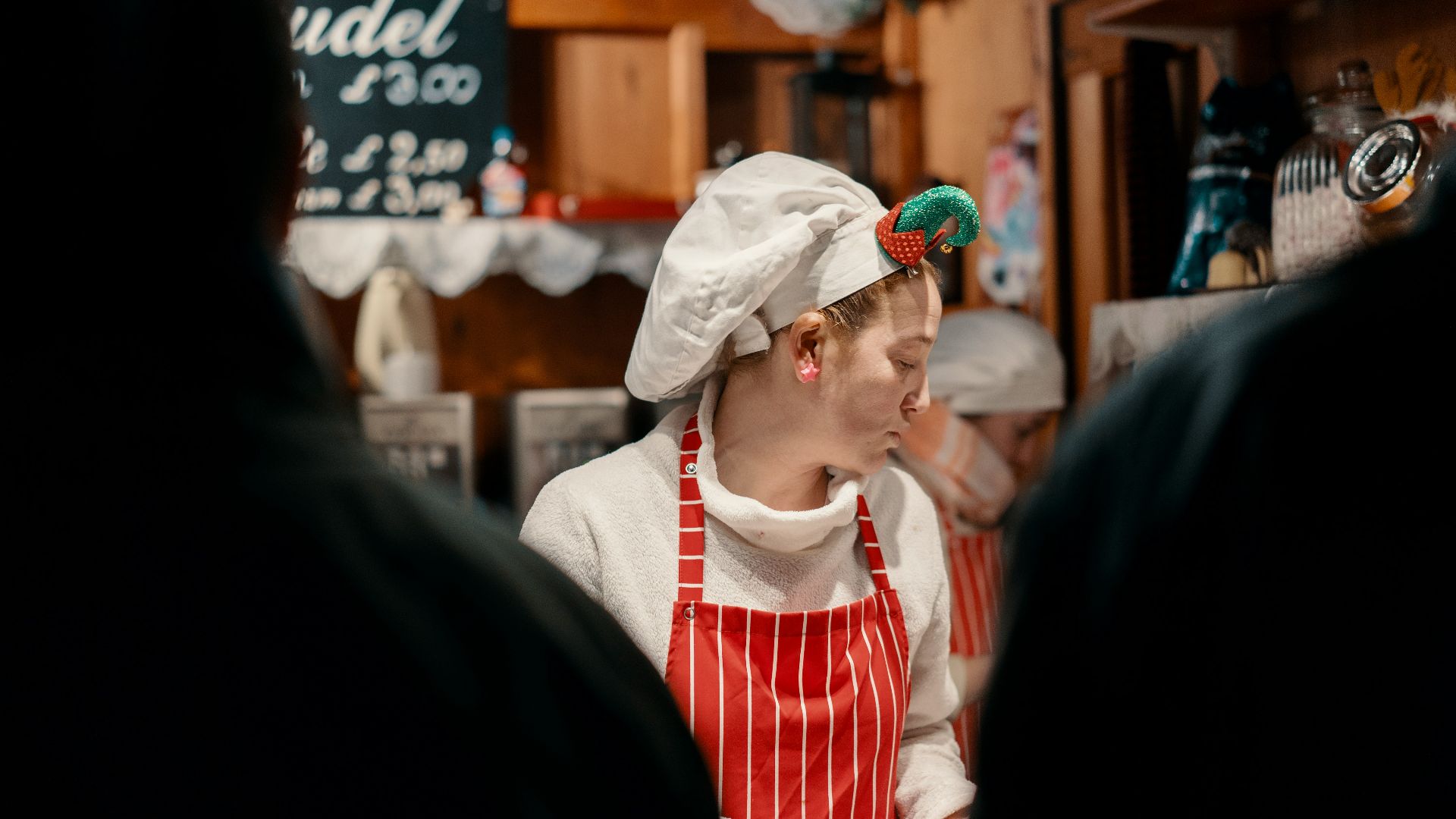
1. Cullen Skink
Cullen skink is a thick soup traditionally made with smoked haddock, potatoes, and onions. The smoky fish enriches the creamy base without making the dish unusually difficult or aggressive. Served with bread, it’s comforting, substantial, and far easier to recommend broadly than Scotland’s famous offal-based specialty.
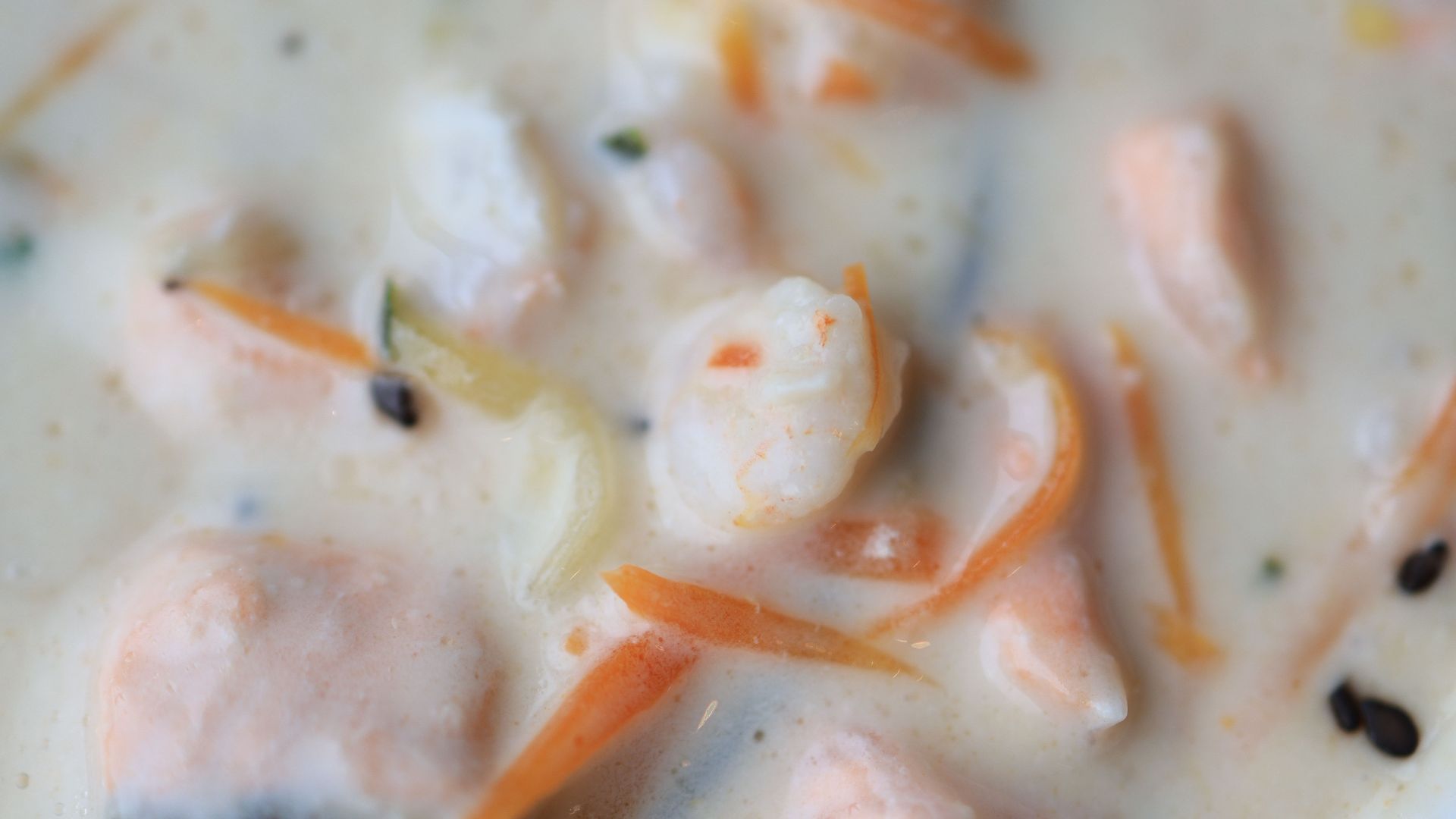
2. Cranachan
Cranachan combines whipped cream, toasted oats, raspberries, honey, and usually a modest amount of Scotch whisky. Each ingredient contributes something recognizable, while the tart berries prevent the cream and honey from becoming excessively sweet.
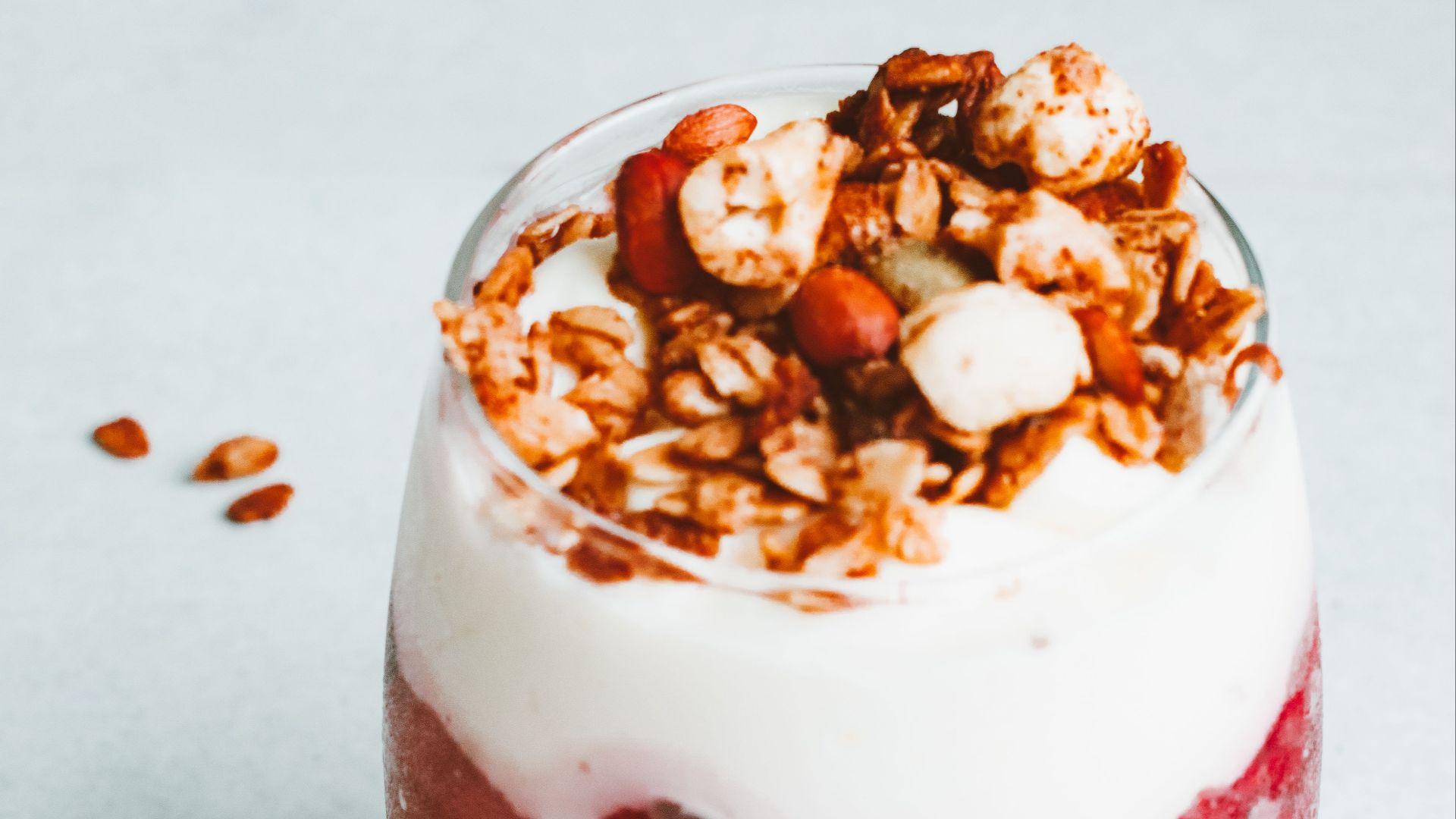
3. Scotch Pie
A Scotch pie traditionally places seasoned minced meat, often mutton, inside a sturdy hot-water-crust pastry shell.
The compact shape makes it easy to hold, while the crisp case contrasts pleasantly with the soft filling. Anyone comfortable with a savory meat pie will understand its appeal immediately.
 David Foodphototasty on Unsplash
4. Stovies
Stovies slowly cook potatoes with onions, fat, and frequently leftover meat or stock, although recipes vary considerably between households. The result is soft, deeply savory, and closely connected to practical home cooking.
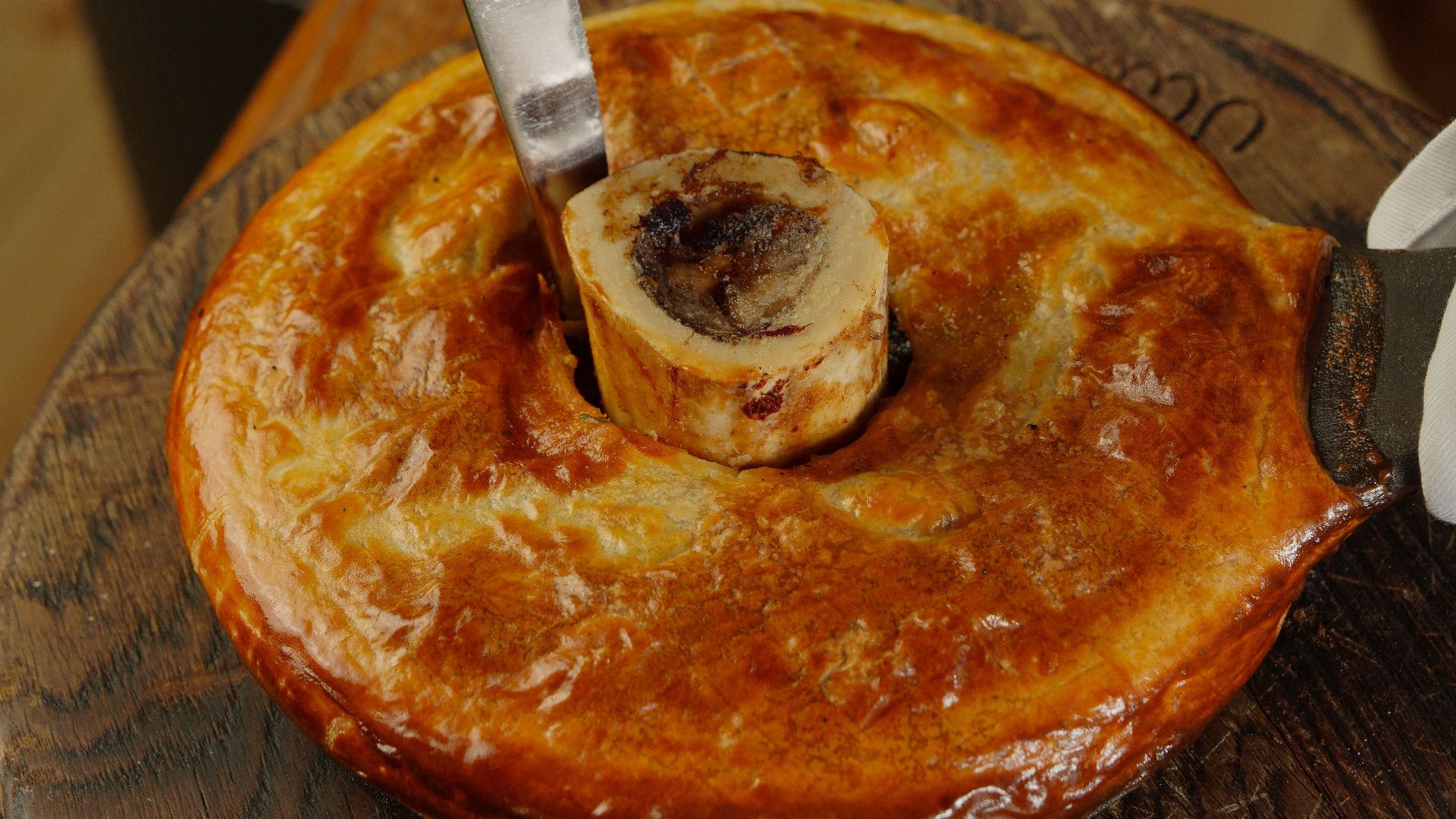
5. Tattie Scones
Tattie scones are thin griddle breads made primarily from mashed potatoes and flour, often served as part of a Scottish breakfast. They’re simple enough for cautious eaters but satisfying enough to avoid seeming dull.
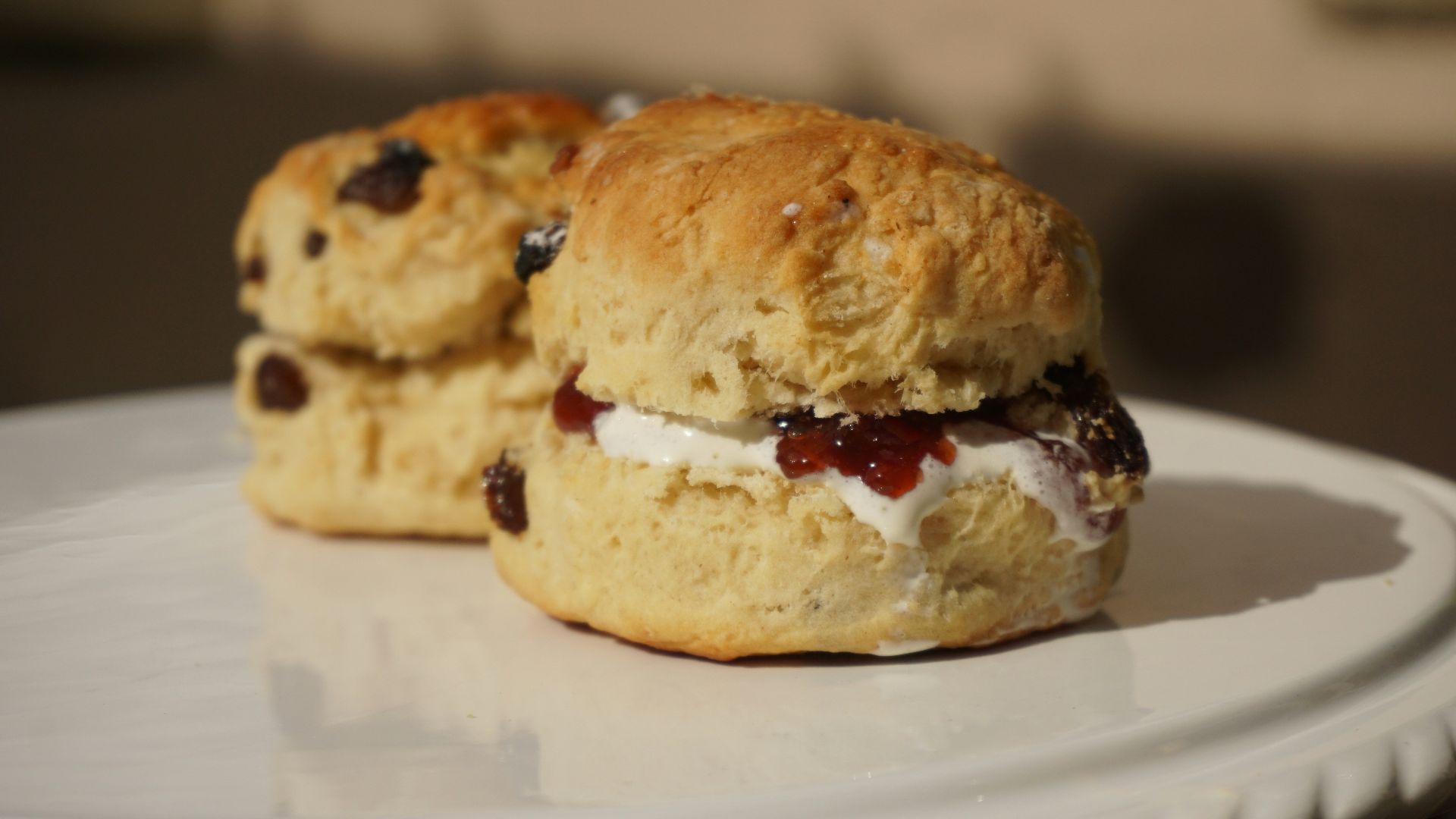
6. Arbroath Smokies
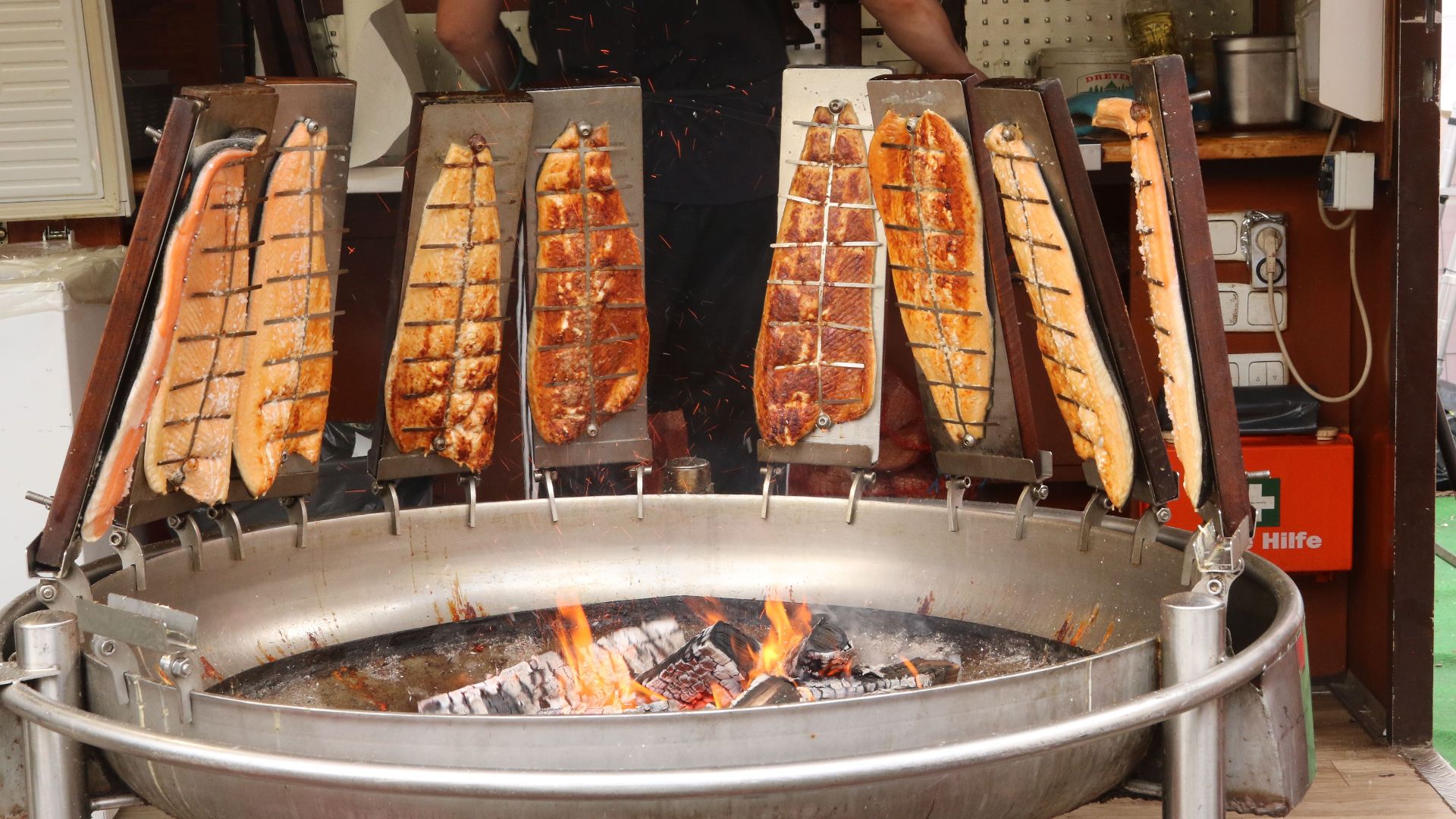
Arbroath smokies are haddock that have been salted and hot-smoked using a traditional process associated with Arbroath. Proper smoking gives the fish a moist texture and concentrated flavor without burying its natural character.
7. Cock-A-Leekie Soup
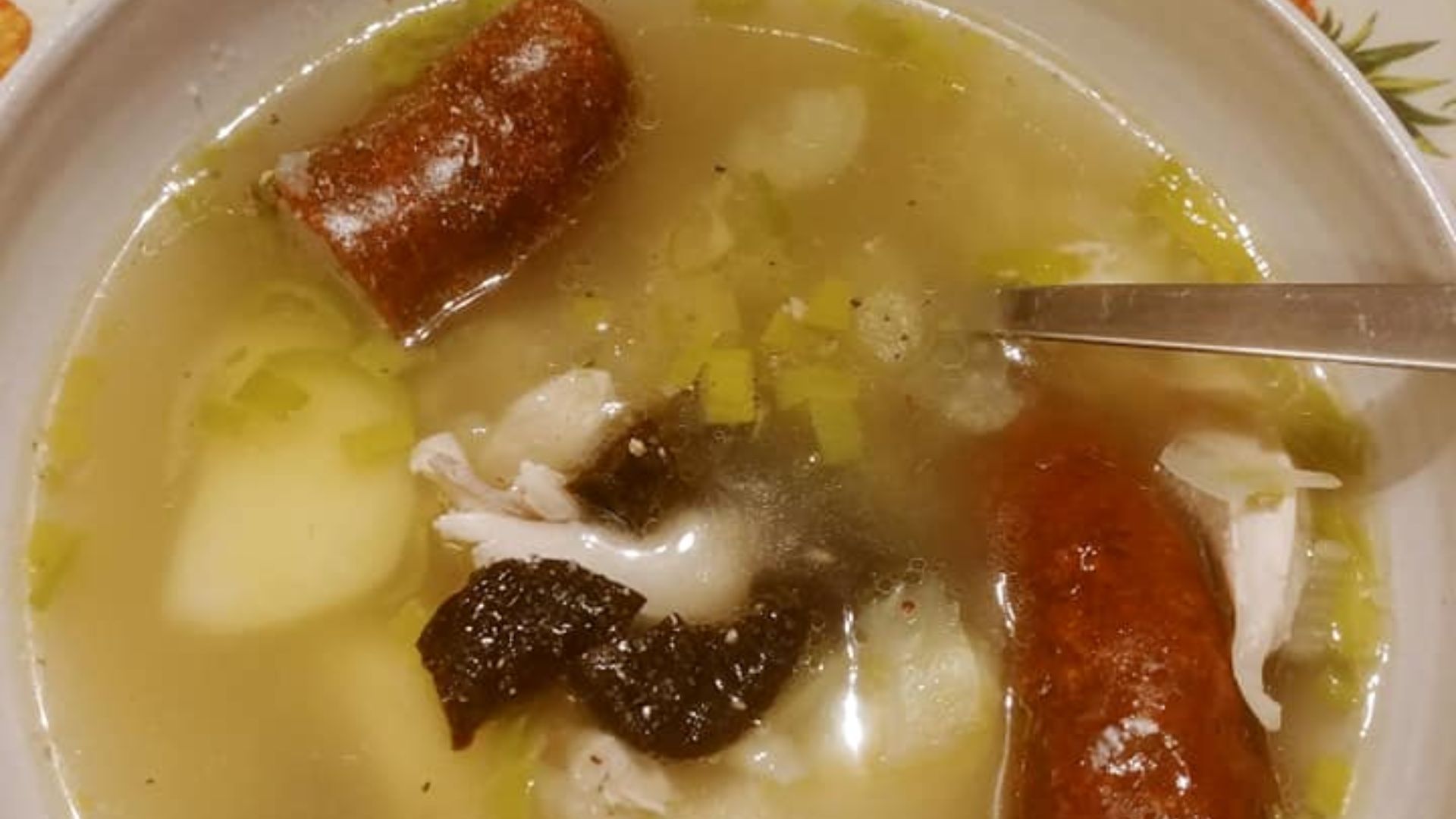
Cock-a-leekie soup is built around chicken stock and leeks, with barley or rice appearing in many versions. Some traditional recipes include prunes, although modern bowls don’t always contain them.
8. Rumbledethumps
Rumbledethumps combines potatoes, cabbage, and onions, and many versions finish the mixture beneath melted cheese. Originating in the Scottish Borders, it can be served as a side dish or a filling meal based on leftovers.
9. Forfar Bridie
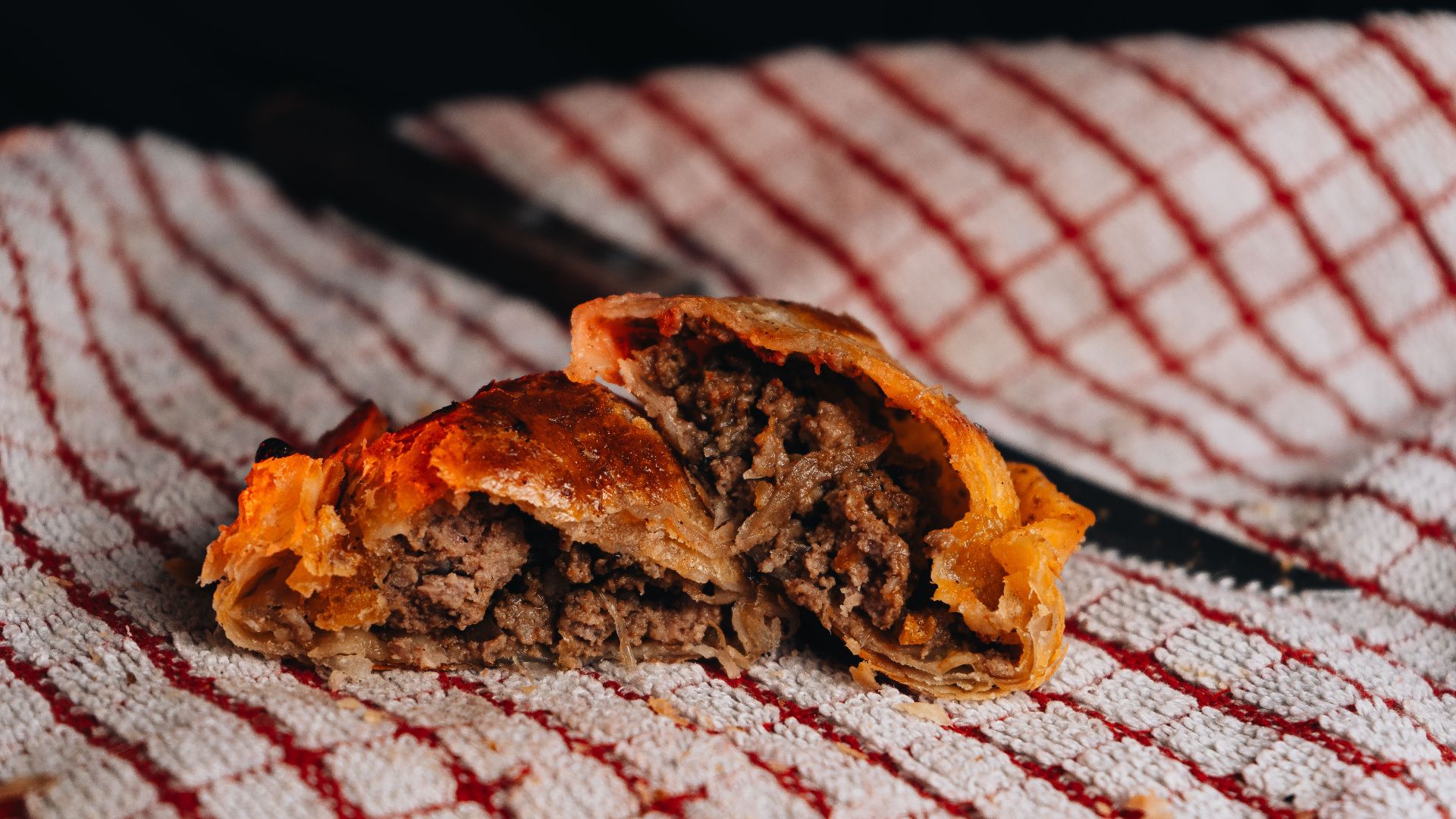
The Forfar bridie is a folded pastry traditionally filled with seasoned beef and onions.
Unlike many pies, it doesn’t need gravy or an elaborate sauce to make the filling satisfying.
10. Clootie Dumpling
Clootie dumpling is a steamed or boiled fruit pudding traditionally cooked in a cloth, which explains its distinctive name. Flour, breadcrumbs, dried fruit, sugar, and warming spices create a dense dessert often served in slices.
KEEP ON READING

The 5 Most Consumed Foods in the Entire World