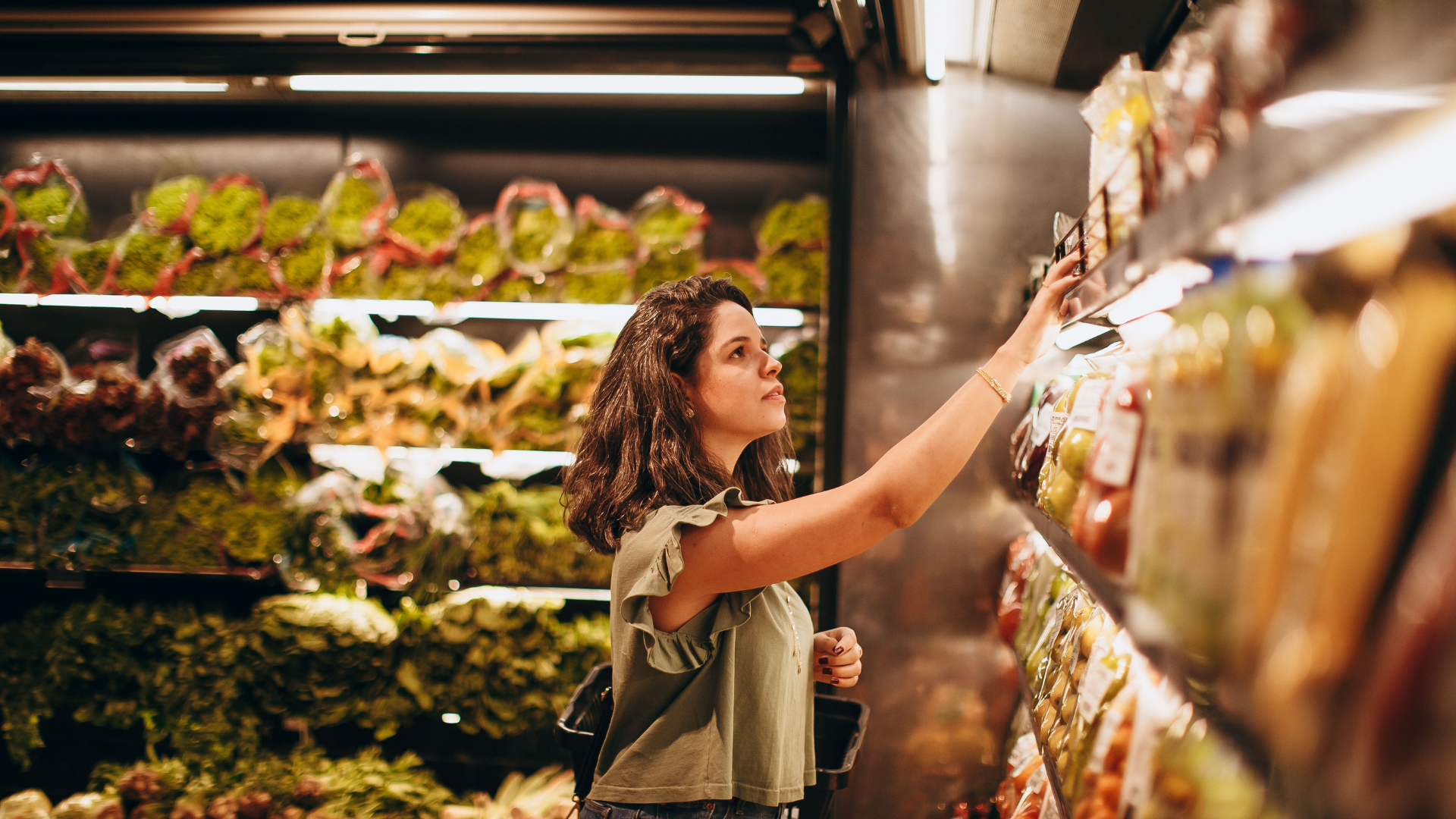
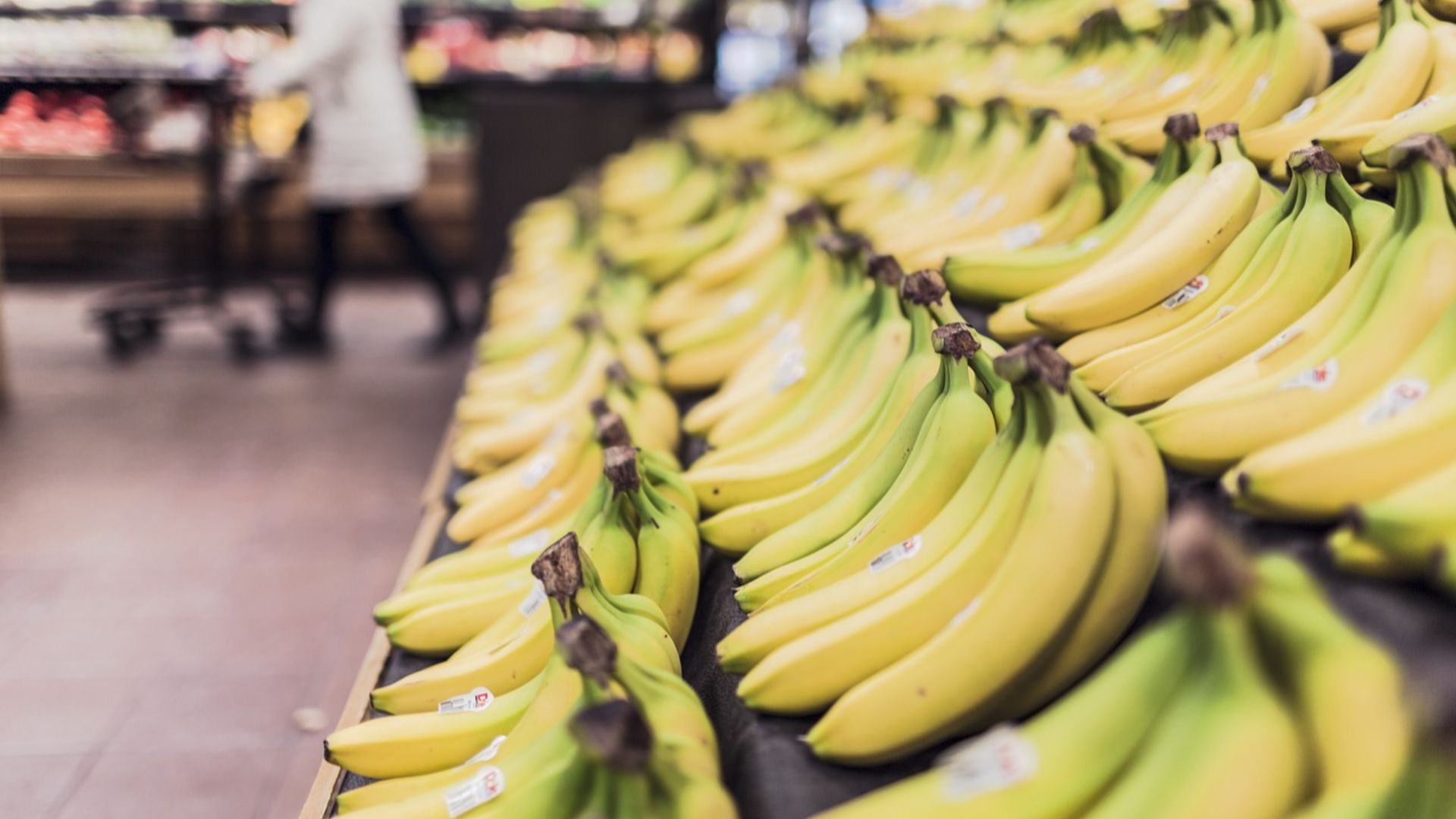
Bananas are one of the most affordable and widely consumed fruits in the world. For most of us, they're an accessible staple that we toss into our shopping carts without giving much thought. Yet behind their low price is a global industry that affects millions of workers, farming communities, and ecosystems.
Choosing Fair Trade bananas may seem like a small decision, but it can have a meaningful impact. Fair Trade certification aims to improve working conditions, support sustainable farming, and ensure producers receive a fairer share of the profits. While it's not a perfect system, buying Fair Trade bananas is one of the simplest ways you can support more responsible practices every time you visit the grocery store.
The Banana Industry Has a Complicated History
Bananas have long been one of the world's cheapest fruits, but that affordability has often come at a hidden cost. For more than a century, powerful multinational companies dominated banana production in parts of Central and South America, sometimes influencing local governments and labor policies to protect their business interests. In fact, the phrase "banana republic" was coined to describe countries where foreign fruit companies held enormous political and economic influence.
Although the industry has changed significantly over the decades, many banana workers still face difficult conditions. Low wages, exposure to agricultural chemicals, job insecurity, and pressure to produce enormous quantities of fruit continue to affect some growing regions. Since bananas are sold at extremely competitive prices, farmers often have little room to increase incomes without outside support or changes in consumer demand.
Fair Trade Supports the People Who Grow Our Food
Fair Trade certification establishes standards designed to promote safer workplaces and fairer treatment for employees. Certified farms must meet requirements related to working conditions, labor rights, and health and safety. These standards also prohibit practices like forced labor and place restrictions on child labor, helping create a more ethical supply chain.
Another important feature of Fair Trade is the Fair Trade Premium, which provides additional funds for community projects chosen by workers and producers. These investments often support schools, healthcare facilities, clean drinking water, or agricultural improvements. Instead of benefiting only large companies, a portion of your purchase helps strengthen the communities where bananas are grown. For shoppers, choosing Fair Trade is one of the clearest ways to support farms that have committed to higher standards for both workers and their communities.
Better Farming Benefits Everyone
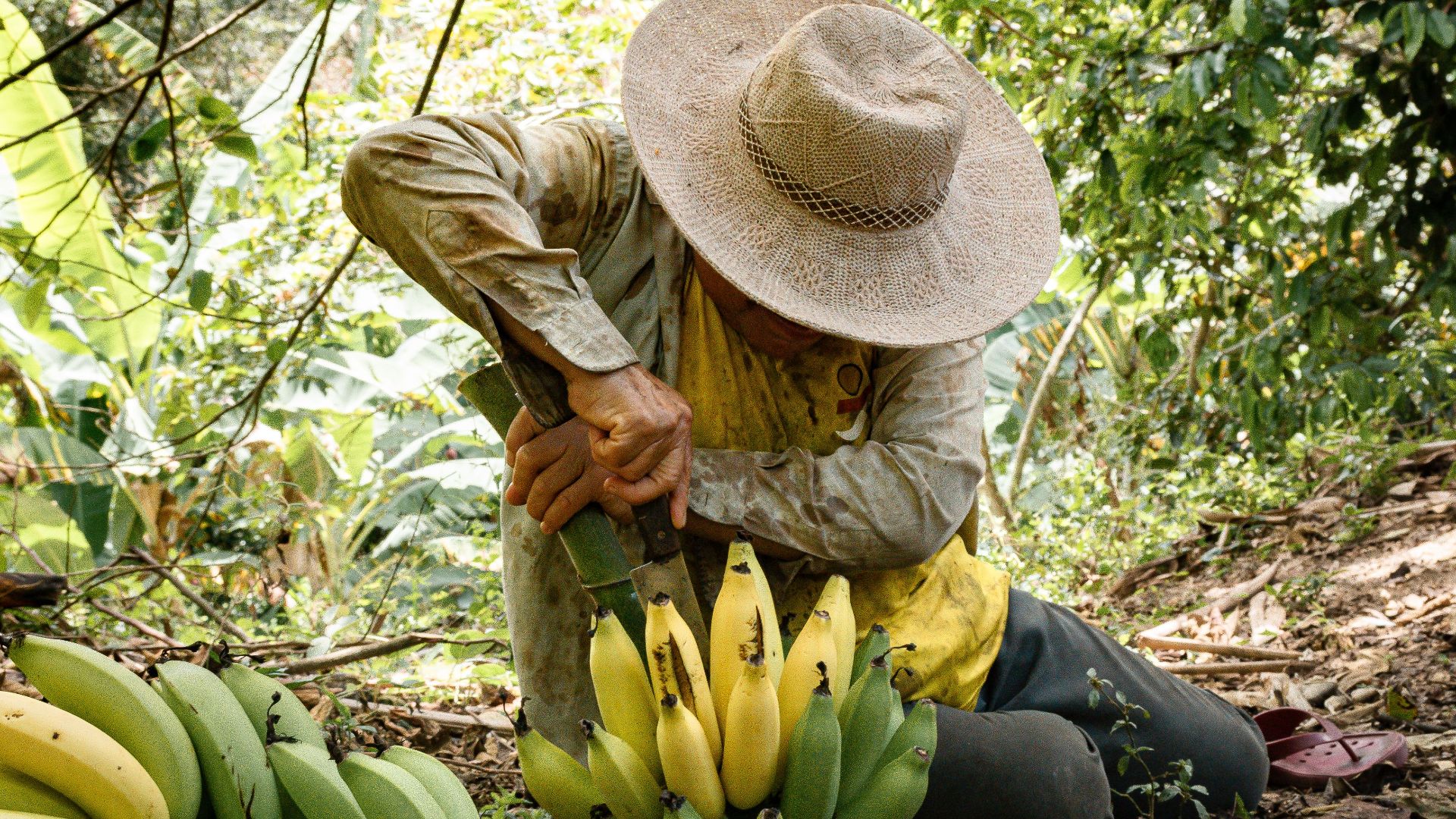
Banana farming can place significant pressure on the environment when sustainability isn't prioritized. Large plantations often rely heavily on pesticides, fertilizers, and intensive production methods that can affect soil, waterways, and nearby wildlife. Since bananas are grown year-round, maintaining healthy farmland is essential for long-term productivity.
Fair Trade certification includes environmental standards that encourage more responsible farming practices. Producers are expected to reduce hazardous chemical use, manage waste responsibly, protect water sources, and preserve biodiversity whenever possible. These efforts help reduce some of the environmental impacts commonly associated with large-scale agriculture.
Many Fair Trade farms also invest in improving soil health and increasing resilience against climate-related challenges. Healthier soil can better retain water and support future harvests, while diversified farming practices may reduce vulnerability to pests and extreme weather. These improvements benefit farmers while also contributing to a more stable food supply over time.
Small Purchases Can Create Bigger Change
It's easy to assume that one bunch of bananas won't make much difference, but consumer choices influence markets more than many people realize. Several countries have shown that consumer demand can dramatically change the banana market. Switzerland has become one of the world's largest buyers of Fair Trade bananas on a per-capita basis, while New Zealand has also seen Fair Trade bananas capture a significant share of supermarket sales. As retailers recognized growing demand, they often expand their selection, and suppliers respond to growing demand. Over time, these purchasing habits encourage companies to invest in more responsible sourcing.
Buying Fair Trade bananas also sends a message about the kind of food system consumers want to support. Many people today care not only about quality and price but also about how products are made and who benefits from their sale. Spending a little more on certain items can reflect values that extend beyond the checkout line.
Of course, Fair Trade isn't a complete solution to every challenge facing global agriculture. Certification programs continue to evolve, and some critics argue they don't address every economic issue producers face. Even so, Fair Trade remains one of the most widely recognized tools for encouraging higher labor and environmental standards across international supply chains.
A Small Choice That Adds Up
The next time you're shopping for groceries, it's worth taking a closer look at the banana display. If Fair Trade bananas are available, choosing them is an easy way to support farming practices that place greater emphasis on workers, communities, and environmental responsibility. The price difference is often modest, but the potential benefits reach far beyond your kitchen.
No single purchase will transform the global banana industry overnight, and Fair Trade isn't presented as a perfect answer to every problem. Still, it offers consumers a practical way to encourage better standards while rewarding producers who meet them. When millions of shoppers make thoughtful choices over time, those small decisions can contribute to meaningful improvements throughout one of the world's largest agricultural industries.
KEEP ON READING

The 10 Best Fried Chicken Sandwiches & The 10 Worst