The Chemical Reason Why Generic Brand Cereal Tastes Entirely Different
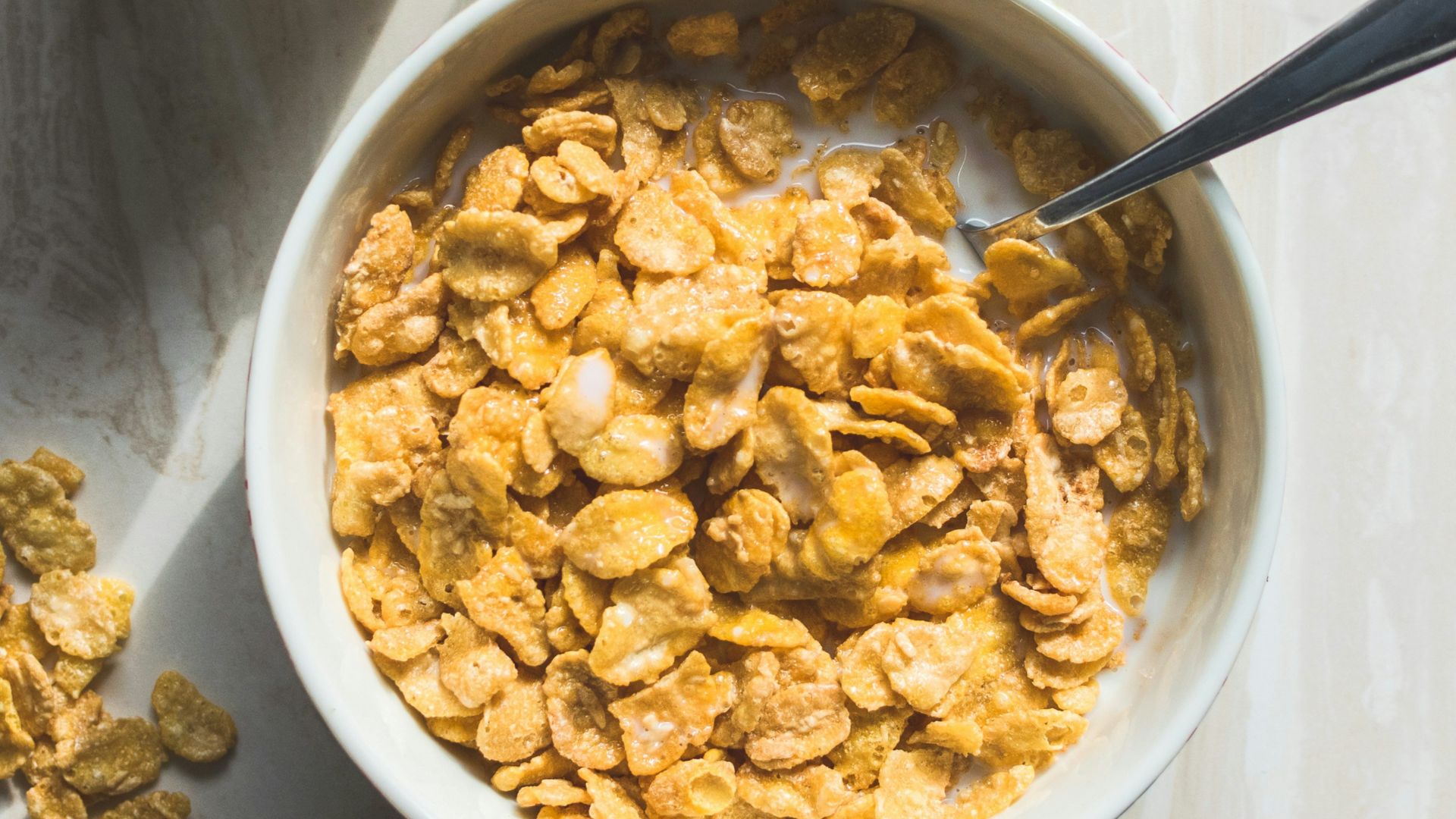
You may have poured a bowl of generic cereal expecting it to taste almost identical to the name-brand version, only to realize something feels just a little off. Sometimes the sweetness seems muted, the toasted flavor isn't as rich, or the cereal becomes soggy much faster. While branding and expectations can influence taste perception, there are also real scientific reasons why two similar cereals can have noticeably different flavors.
The differences often come down to food chemistry rather than marketing alone. Manufacturers can use similar ingredient lists while changing ingredient ratios, processing methods, flavor compounds, and textures enough to create a distinct eating experience. Understanding what happens inside a cereal factory helps explain why taste buds can tell the difference even when the nutrition labels appear surprisingly similar.
Small Changes in Ingredients Create Big Flavor Differences
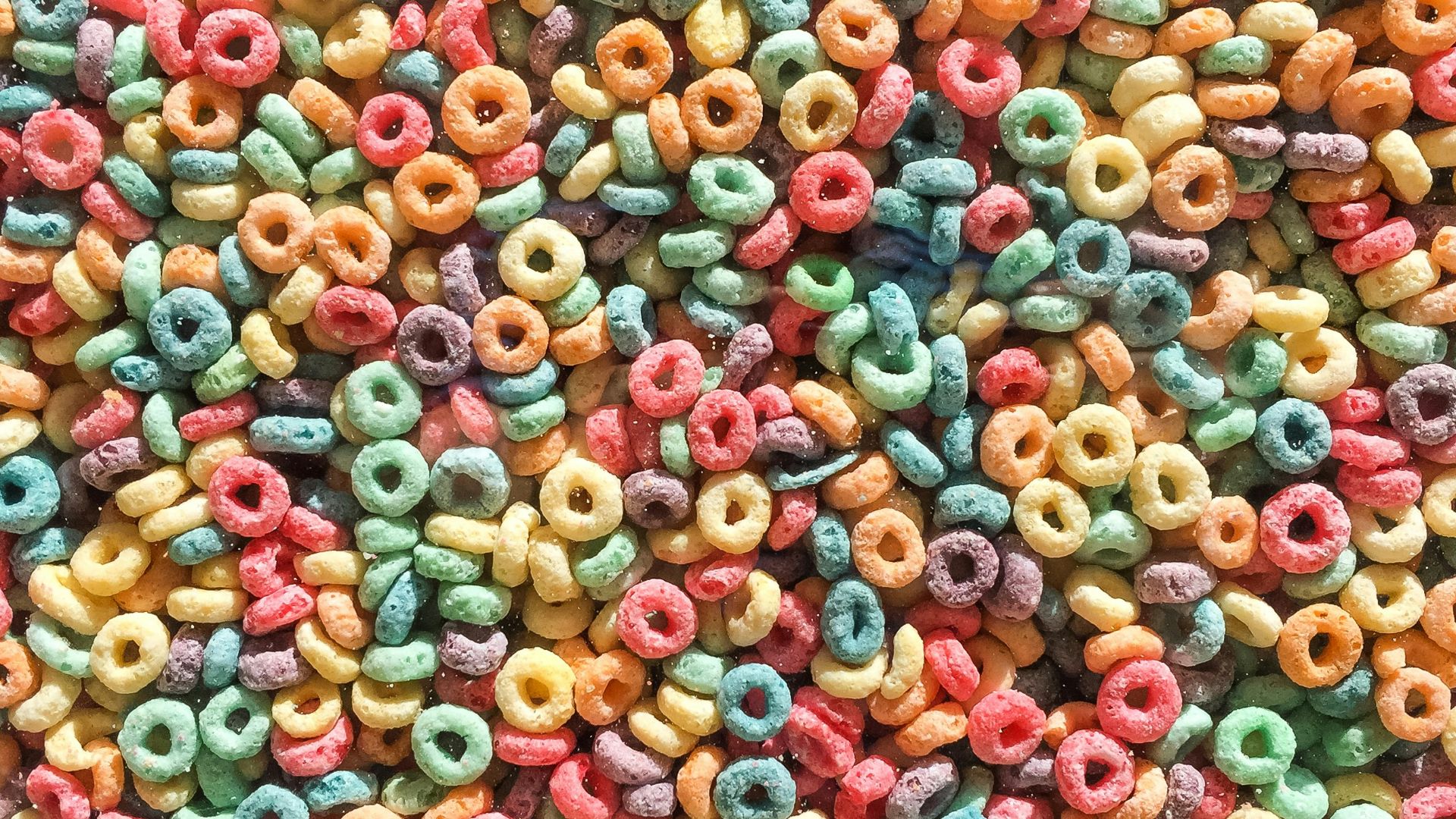
At first glance, two cereals may seem almost identical because they contain many of the same ingredients. Corn, wheat, oats, sugar, salt, vitamins, and minerals frequently appear on both labels. However, ingredient lists don't reveal the exact proportions used, and even modest adjustments can noticeably change flavor and texture.
Sugar provides a good example of how chemistry affects taste. Different cereals may rely on sucrose, corn syrup, glucose syrup, or malt syrup in varying amounts. Each sweetener has its own level of sweetness and influences how quickly flavors develop as you eat. That combination changes not only the initial taste but also the lingering sweetness after each bite.
Salt plays a surprisingly important role as well. It doesn't simply make cereal salty, but instead enhances sweetness while reducing the perception of bitterness. Even a slight variation in sodium content can make two cereals with otherwise similar recipes taste quite different. Food scientists carefully balance these interactions to create a specific flavor profile.
Flavorings also contribute more than many people realize. Natural and artificial flavor compounds are designed to recreate familiar tastes such as vanilla, honey, cinnamon, or fruit. Different manufacturers often use unique flavor blends that are proprietary, giving each cereal its own recognizable identity. Those formulas are one reason store brands rarely taste exactly like the originals.
Processing Changes the Chemistry of Every Bite
The manufacturing process has just as much influence as the ingredients themselves. Most breakfast cereals are produced through extrusion, a process that combines pressure, heat, and moisture to cook grains before shaping them. Small differences in temperature or cooking time can alter the cereal's final flavor and texture.
One important chemical reaction during production is the Maillard reaction. This naturally occurring process happens when amino acids and sugars are heated together, producing hundreds of flavorful compounds responsible for toasted, nutty, and roasted flavors. If one manufacturer uses slightly different heating conditions, the resulting cereal can develop a noticeably richer or milder taste.
The amount of moisture left in the finished cereal also affects what you experience. Lower moisture generally creates a crisper texture, while slightly higher moisture can produce a softer bite. Since texture strongly influences flavor perception, crunchiness often makes cereals seem fresher and more satisfying even if the ingredients remain fairly similar.
Many cereals also receive a coating after cooking. This coating may contain sugar, oils, flavorings, vitamins, or glazing agents that improve appearance and shelf stability. Small differences in coating thickness or composition affect how quickly sweetness reaches your tongue and how long the cereal stays crisp once milk is added.
Chemistry explains much of the difference, but human perception also plays a meaningful role. Flavor is actually a combination of taste, smell, texture, temperature, and even sound. The crisp crunch you hear while chewing contributes to your overall enjoyment, which is why texture matters almost as much as flavor itself. Aroma is another powerful factor. As you chew cereal, volatile flavor compounds travel from your mouth to receptors inside your nose through a process called retronasal olfaction. Those aromatic molecules allow you to distinguish subtle differences between cereals that might otherwise taste nearly identical. If one product releases fewer aroma compounds, it may seem less flavorful despite having similar ingredients.
Expectations can also shape how food tastes. Research in sensory science has shown that packaging, branding, and previous experience can influence how people evaluate identical or nearly identical foods. If someone has enjoyed a particular cereal since childhood, the brain has already built strong flavor memories that become part of every bowl.
That doesn't mean generic cereals are inferior. Many store brands provide excellent nutrition and closely resemble their name-brand counterparts while costing considerably less. The slight differences noticed between products usually reflect variations in formulation, manufacturing, and sensory perception rather than poor quality. Even small adjustments in a recipe can create a noticeable change in the final product. Food manufacturers spend significant time testing combinations of ingredients, textures, and flavors to create a specific experience for consumers. A cereal that uses slightly more sugar, a different grain blend, or a modified cooking process can stand apart from another cereal that appears nearly identical.