A Better Protein Shake
Protein shakes have become the go-to breakfast beverage for anyone chasing fitness goals, but what you blend into that shaker bottle matters just as much as the protein powder itself. Though you probably don't need us to tell you that. What we will say, is that if you're still in the habit of dumping heaping scoops of nut butter or fiber supplement powder into your drink, you're in for a bad, bad time. And those aren't the only ingredients you should wean off. For a better start to your day, here are 10 things you should never put in your protein shake, and 10 you absolutely should include.

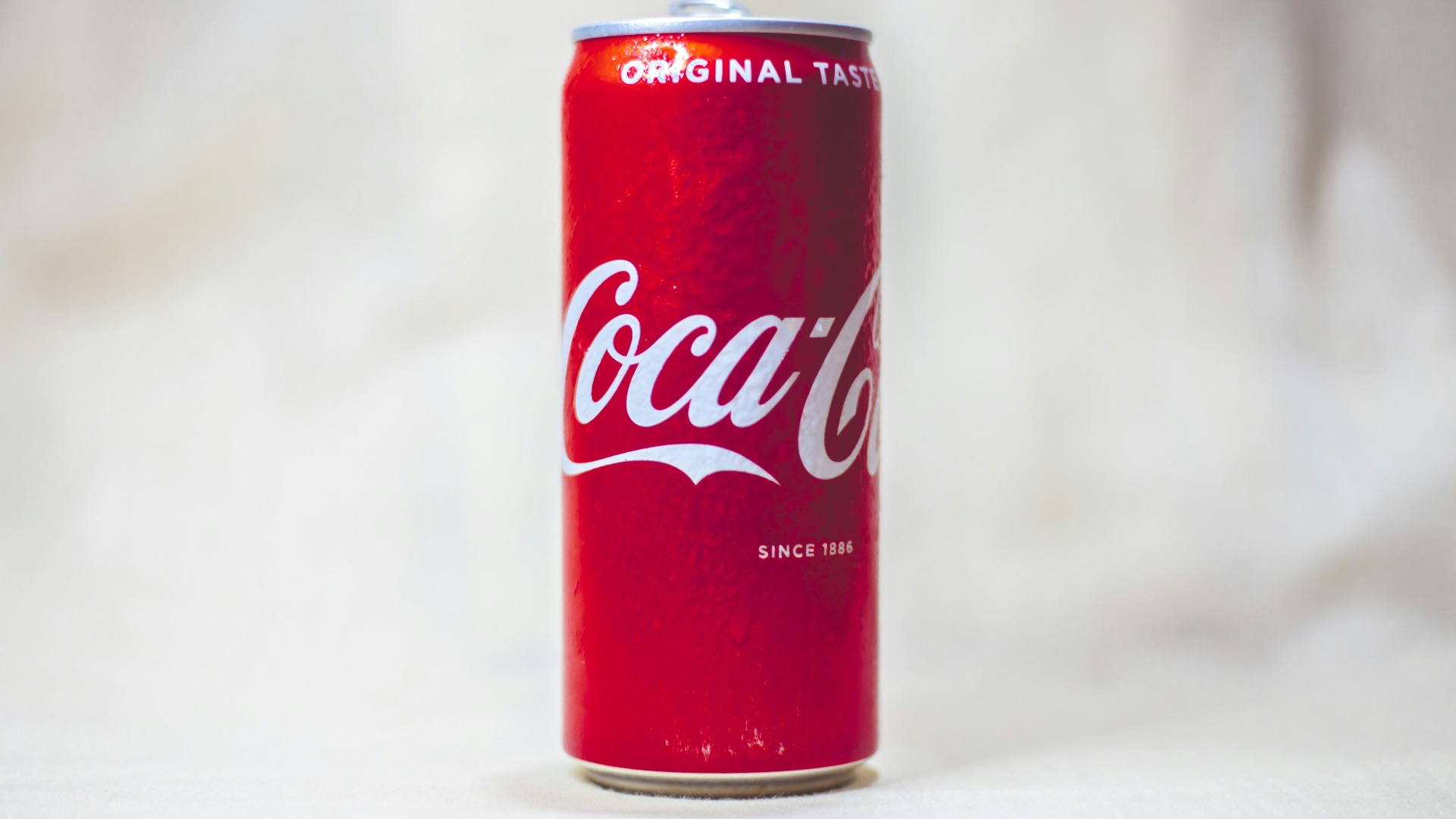
1. Soda
Mixing carbonated soda into your protein shake might sound like a fun way to add fizz, but it introduces a ton of unnecessary sugar and empty calories that undo the point of drinking a protein shake in the first place. The acidity in soda can also curdle the protein, creating a texture that's far from appetizing. Stick to water or milk if you want a smooth, drinkable consistency without the added junk.
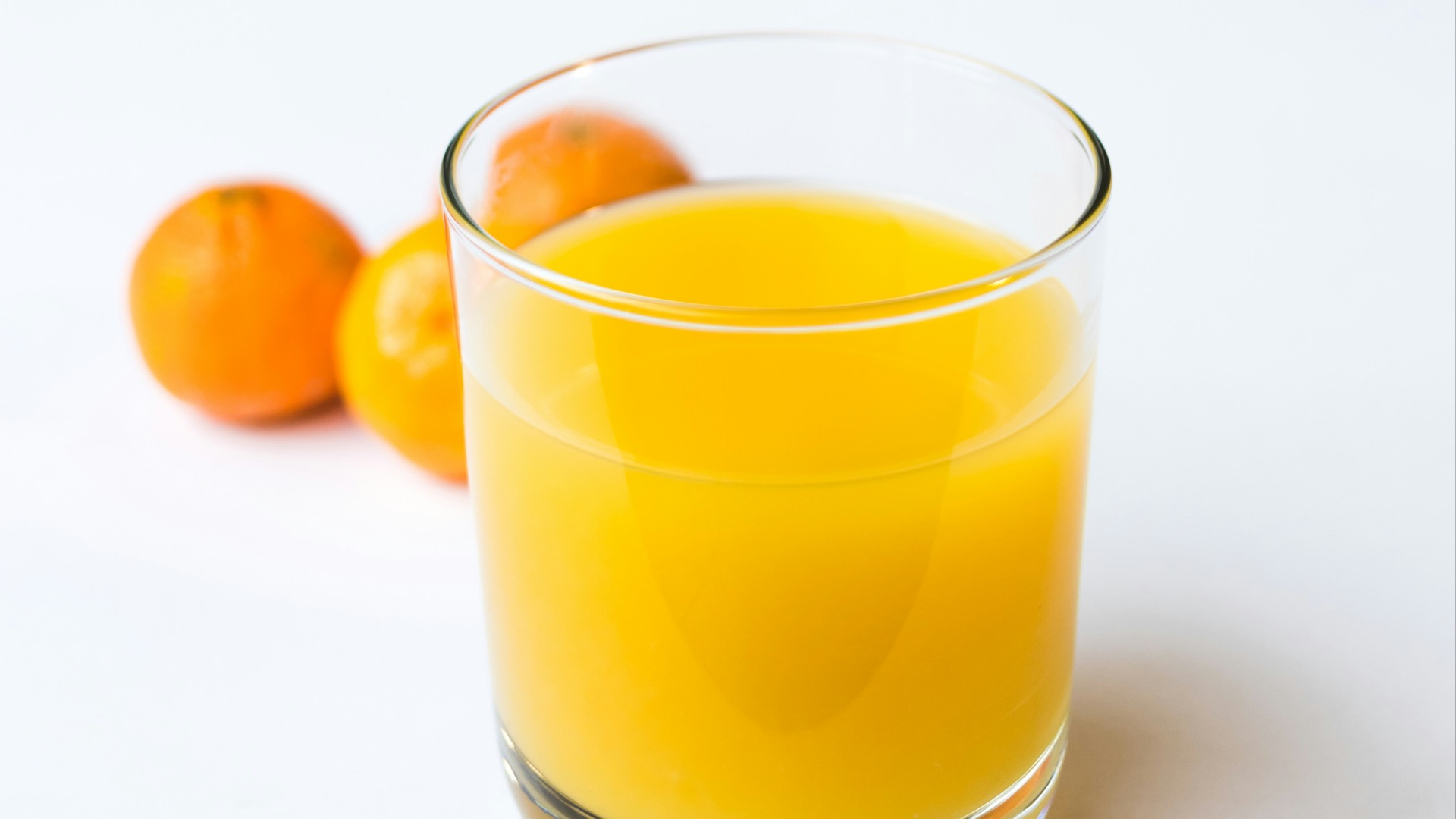
2. Acidic Fruit Juice
Fruit juice concentrate seems like a natural way to sweeten things up, but it's loaded with concentrated sugars that can spike your blood glucose levels quickly. On top of that, acidic options (like orange and pineapple) don’t always blend smoothly with dairy-based protein powders, either, meaning the acidity may cause everything to clump or separate (especially with whey protein), creating a chunky texture that’s difficult to enjoy. Whole fruit is always the better choice since it comes with fiber that slows sugar absorption.
3. Excess Added Sugar
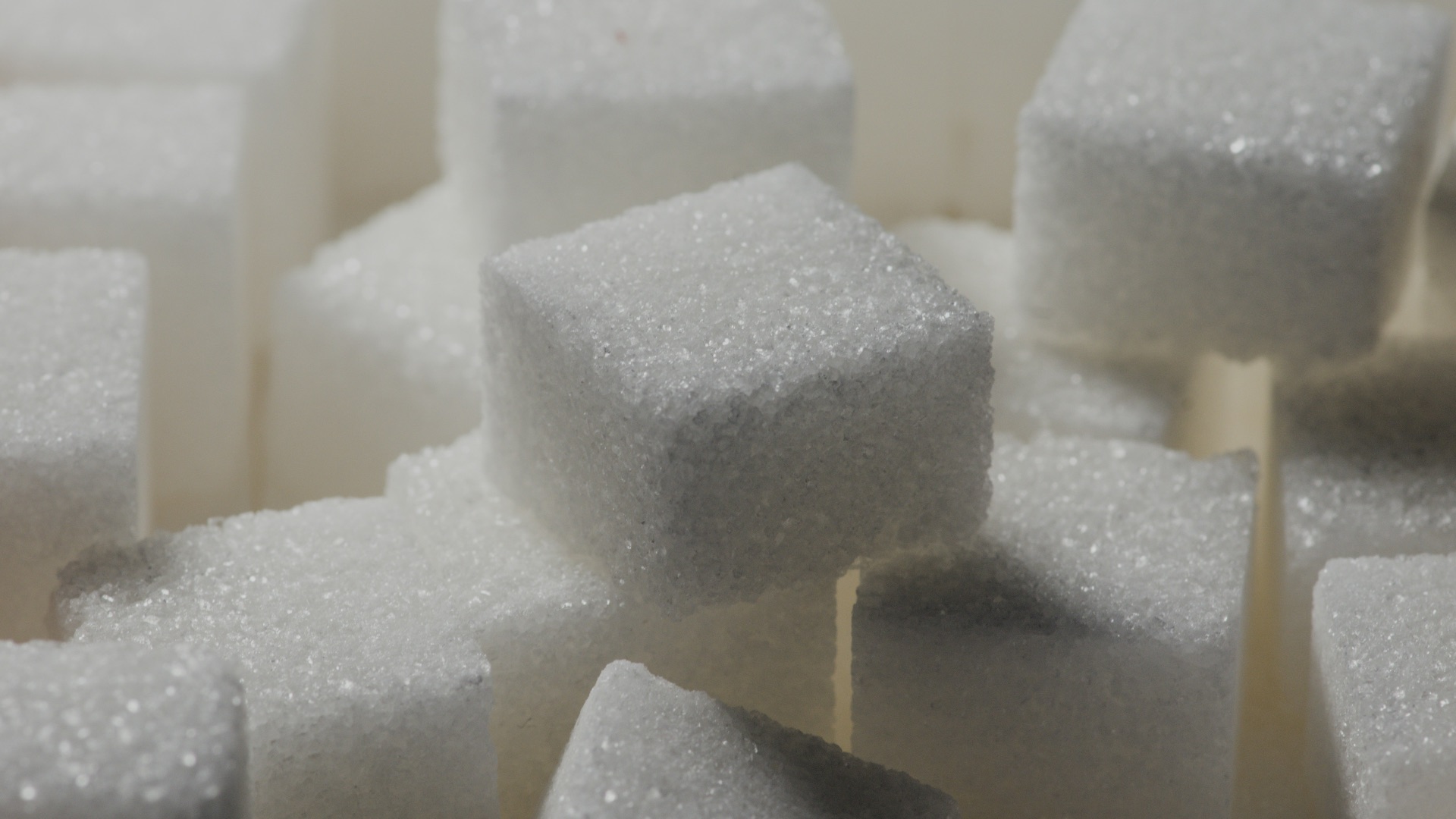
Piling in extra sugar, whether from syrups, honey packets, or sweetened powders, can turn a healthy shake into a dessert in disguise. Too much added sugar contributes to weight gain and increases your risk of developing conditions like type 2 diabetes over time. If you're craving sweetness, a small amount of a natural sweetener goes much further than you'd think.
4. Raw Eggs
Some people toss raw eggs into their shakes for an extra protein boost, but this habit carries a real risk of salmonella contamination. Raw eggs also contain a protein called avidin that can interfere with your body's ability to absorb biotin properly. Pasteurized egg whites or a scoop of extra protein powder will get you similar results without the food safety gamble.

5. Excessive Caffeine
A little caffeine can give your shake a nice pick-me-up, but stacking multiple caffeinated ingredients, like coffee, energy drink powder, and pre-workout supplements, can send your intake into dangerous territory. Too much caffeine at once can cause jitters, a racing heart, and trouble sleeping later in the day. Keep your total caffeine consumption in check by choosing just one source per shake. Also, never, ever add your powder to boiling-hot coffee, or use coffee creamer—the latter will only spike your sugar and saturated fat intake.

6. Large Scoops of High-Fat Nut Butter
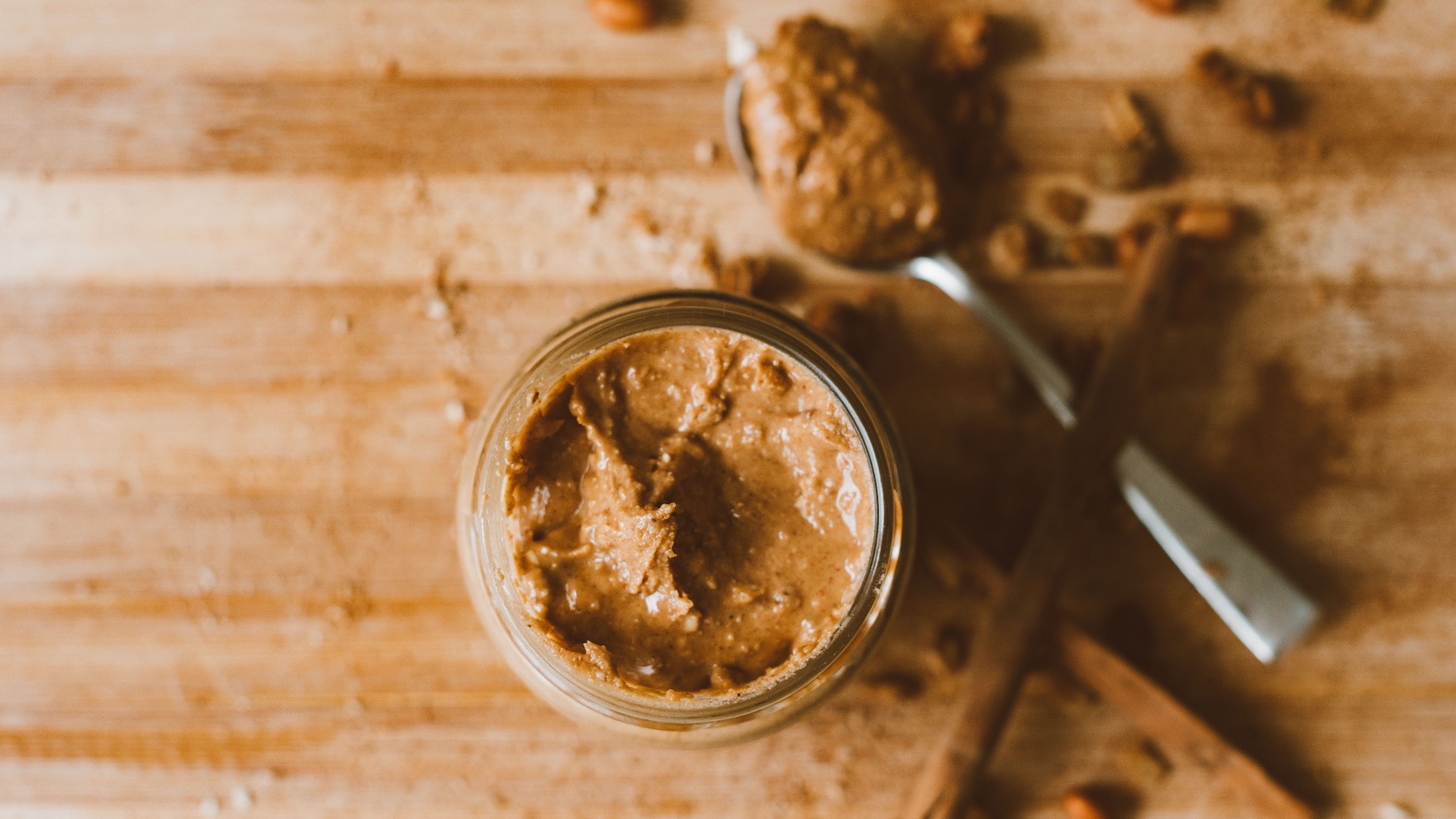
Nut butter brings healthy fats and flavor to a shake, but dumping in several heaping scoops can slow digestion and make it harder for your body to absorb the protein efficiently right after a workout. The extra fat also adds a significant calorie load that can work against weight management goals. A modest tablespoon is plenty to get the flavor and nutritional benefits without overloading your blend.
7. Artificial Sweeteners in Bulk
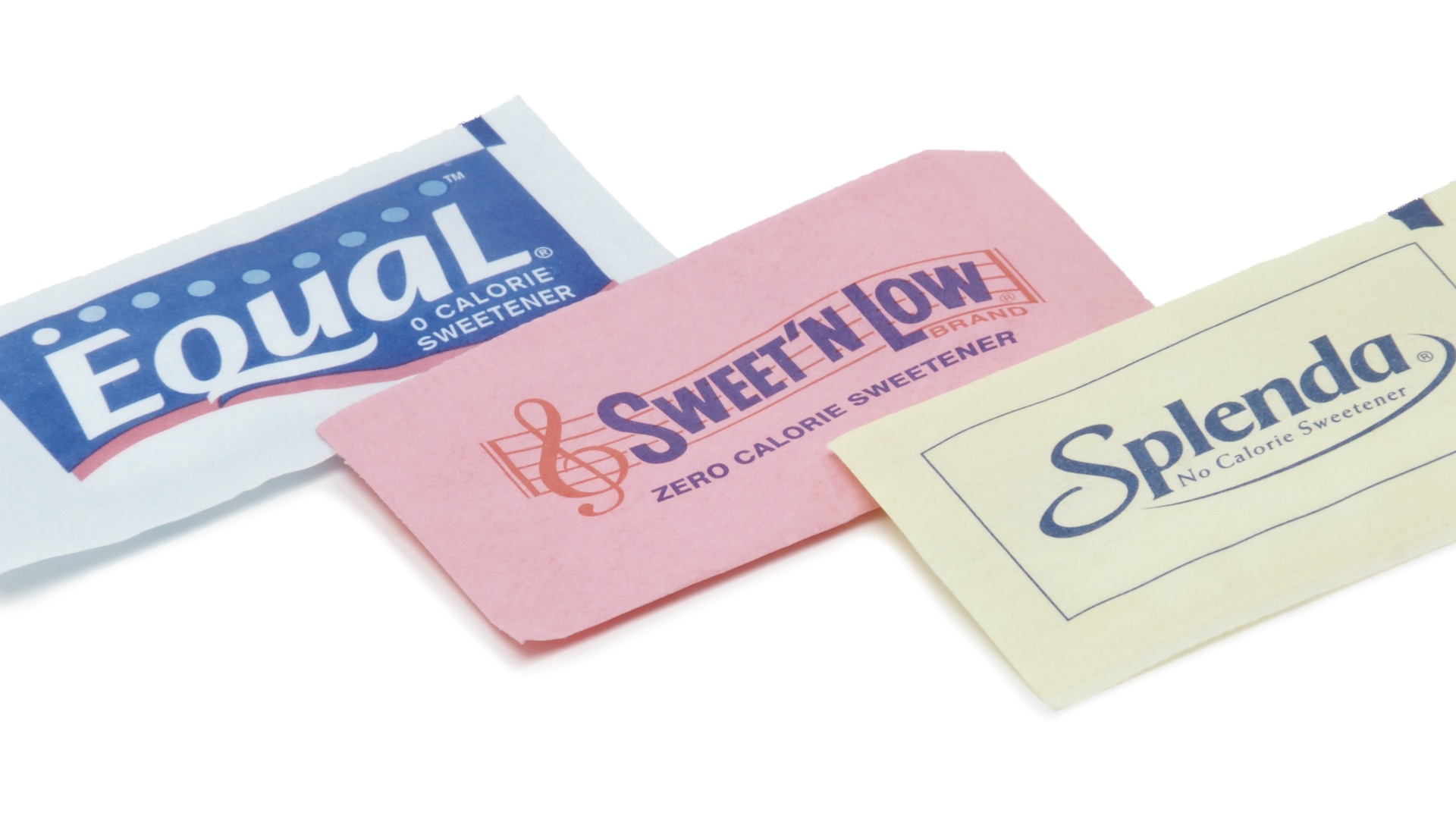
Using a packet or two of an artificial sweetener here and there is generally fine, but relying on large quantities can lead to digestive discomfort for some people, including bloating and gas. Research on artificial sweeteners and gut health is still evolving, so it's smart to use them sparingly rather than as a primary sweetening strategy. Moderation keeps your shake tasty without unwanted side effects.
8. Alcohol
Mixing alcohol into a protein shake might seem like a novel idea for a post-workout treat, but alcohol actually inhibits muscle protein synthesis and can dehydrate you at a time when your body needs proper hydration to recover. It also adds calories that don't contribute anything nutritionally beneficial. Save the drinks for another occasion and let your shake do its job of supporting recovery.

9. Fiber Supplements
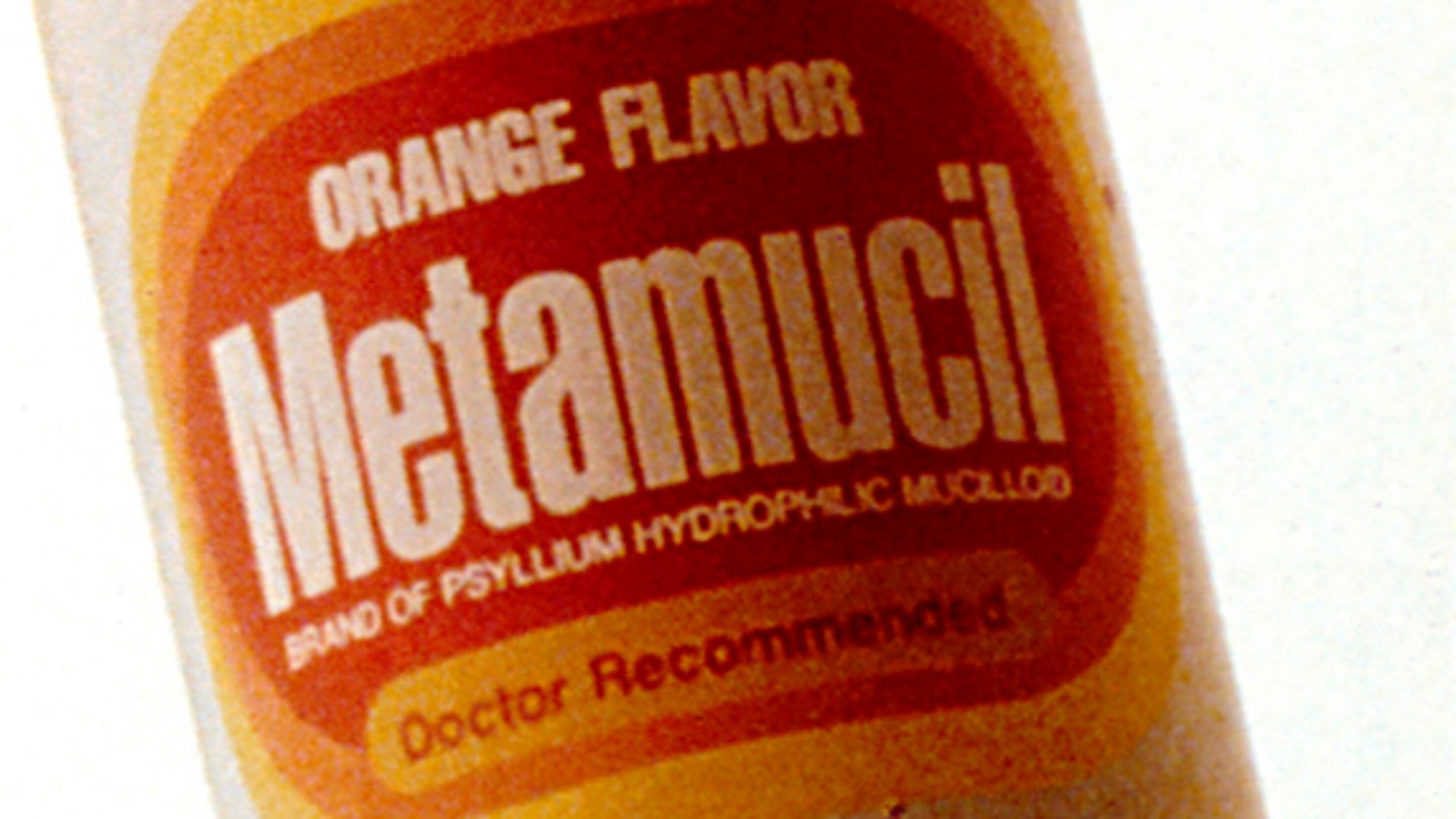
Adding a fiber powder may sound like an efficient way to cover two nutritional needs at once, but soluble fiber absorbs liquid rapidly. Your shake can become excessively thick and hard to drink, especially if the protein powder already contains gums or added fiber. You may also experience digestive discomfort when you increase your fiber intake too quickly.
 Unknown photographer on Wikimedia
10. Dairy (If You're Lactose Intolerant)
Whole milk or heavy cream (or even ice cream) might sound like a delicious addition, but if you're lactose intolerant this combination can lead to cramping, bloating, and other uncomfortable digestive symptoms. Many people don't realize how sensitive their system is until after they've already mixed the shake. Lactose-free milk or a plant-based alternative will give you the creaminess you're after without the digestive fallout.
Now that you know what to avoid, it's time to focus on the ingredients that can genuinely elevate your shake into something both delicious and nutritionally sound:
 Leighann Blackwood on Unsplash
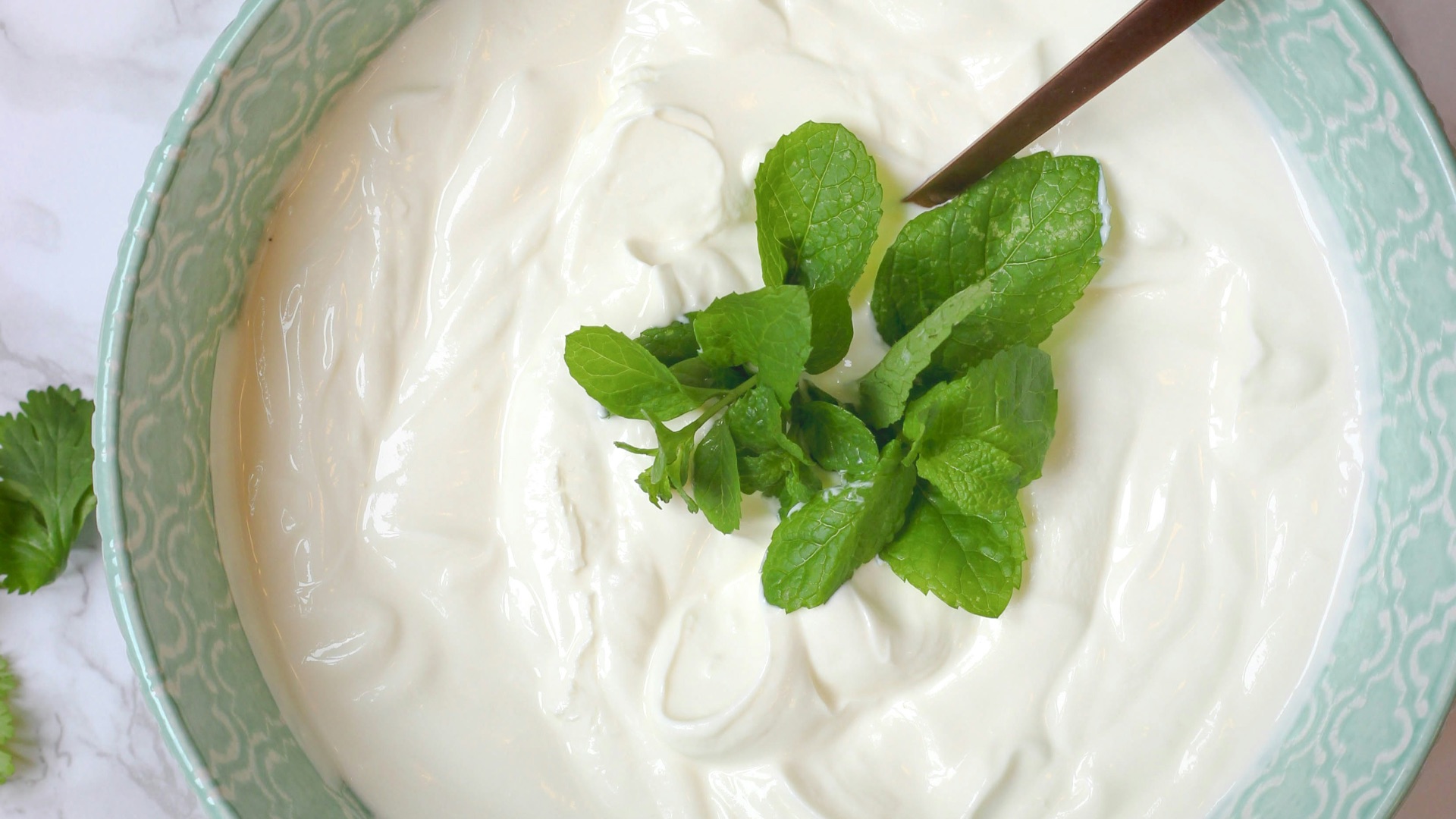
1. Greek Yogurt
Greek yogurt adds a creamy texture along with an extra dose of protein, making your shake even more effective for muscle recovery. It also contains probiotics that support gut health, which can improve overall digestion. A half cup blended in gives you a thicker consistency that feels more like a dessert than a workout drink.
 micheile henderson on Unsplash
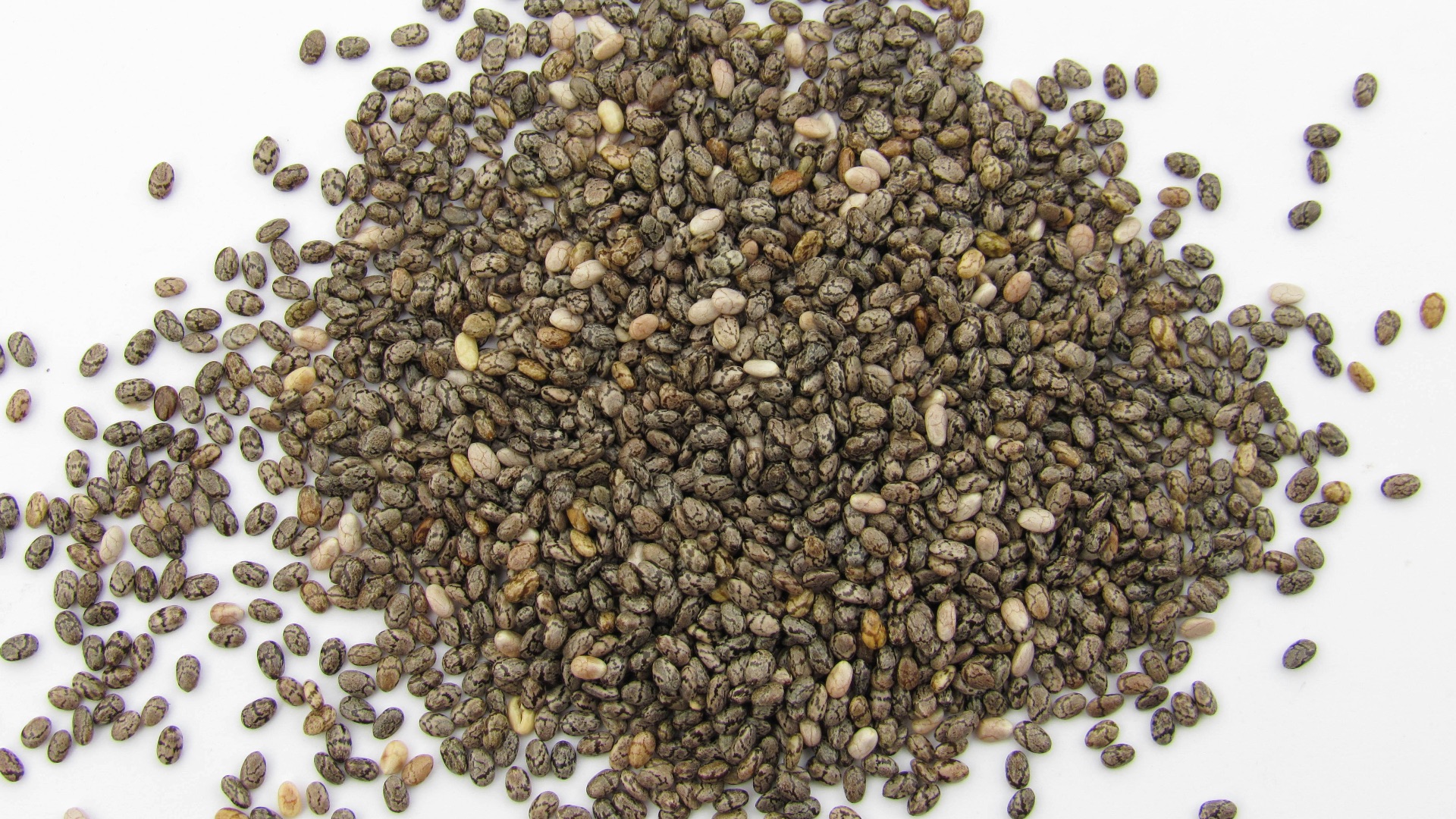
2. Chia Seeds
Chia seeds bring a healthy dose of omega-3 fatty acids and fiber to your shake, helping you feel fuller for longer after you drink it. They also have a mild flavor that won't overpower whatever else you've blended in. Just remember to let them soak for a few minutes before blending into your shake; it'll give your cup a slightly thicker, more satisfying texture.
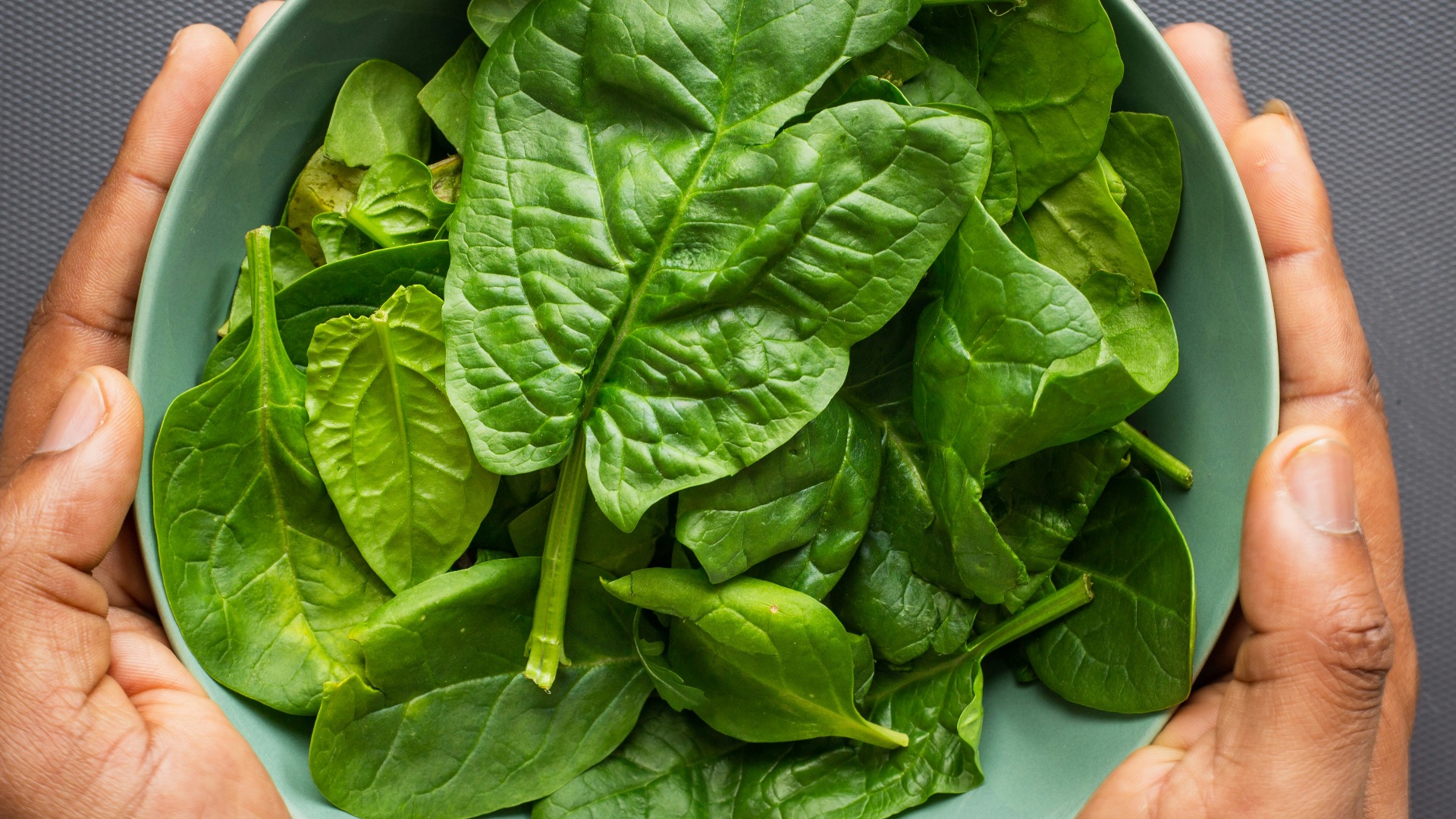
3. Spinach
Tossing a handful of spinach into your blender is one of the easiest ways to sneak in extra vitamins and minerals without changing the taste of your shake much at all. Spinach is rich in iron and vitamin K, both of which support energy levels and bone health. Because the flavor is so mild, most people can't even tell it's in there.
4. Frozen Banana
A frozen banana adds natural sweetness and a creamy, almost ice-cream-like texture that makes your shake far more enjoyable to drink. It also provides potassium, which helps replenish electrolytes lost during a tough workout. Freezing the banana ahead of time means you won't need to add ice, which can water down the flavor.

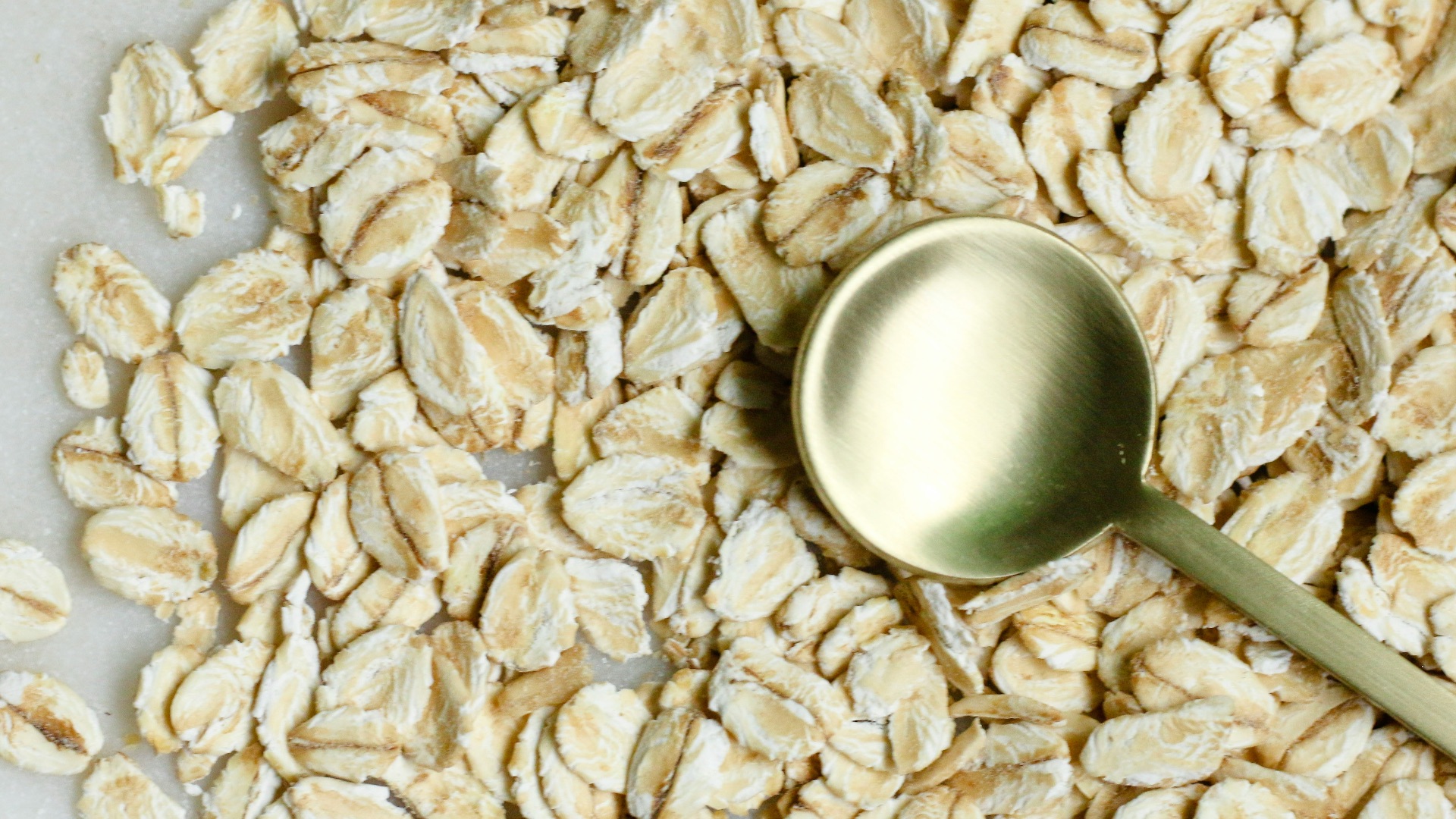
5. Oats
Oats are an excellent way to add complex carbohydrates to your shake, giving you sustained energy rather than a quick spike and crash. They also contribute a subtle heartiness that makes the shake feel more like a full meal. A quarter cup blended in works well for anyone looking to turn their shake into a proper breakfast replacement.
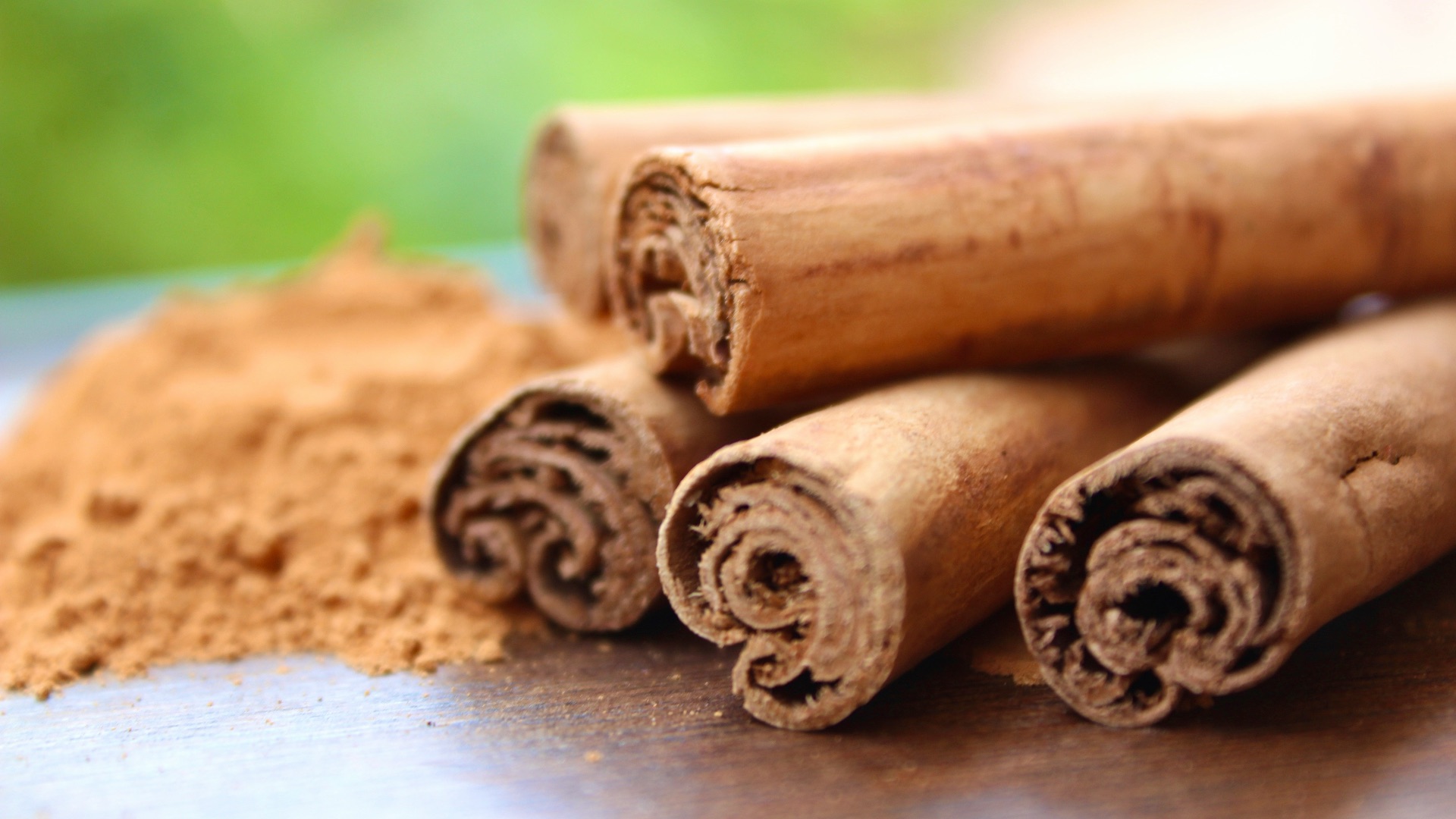
6. Cinnamon
Cinnamon is a simple way to add warmth and depth of flavor without contributing any extra sugar or calories. Some research suggests cinnamon may help support healthy blood sugar levels, making it a smart choice for anyone watching their glucose intake. A small sprinkle goes a long way, so you don't need much to notice the difference.
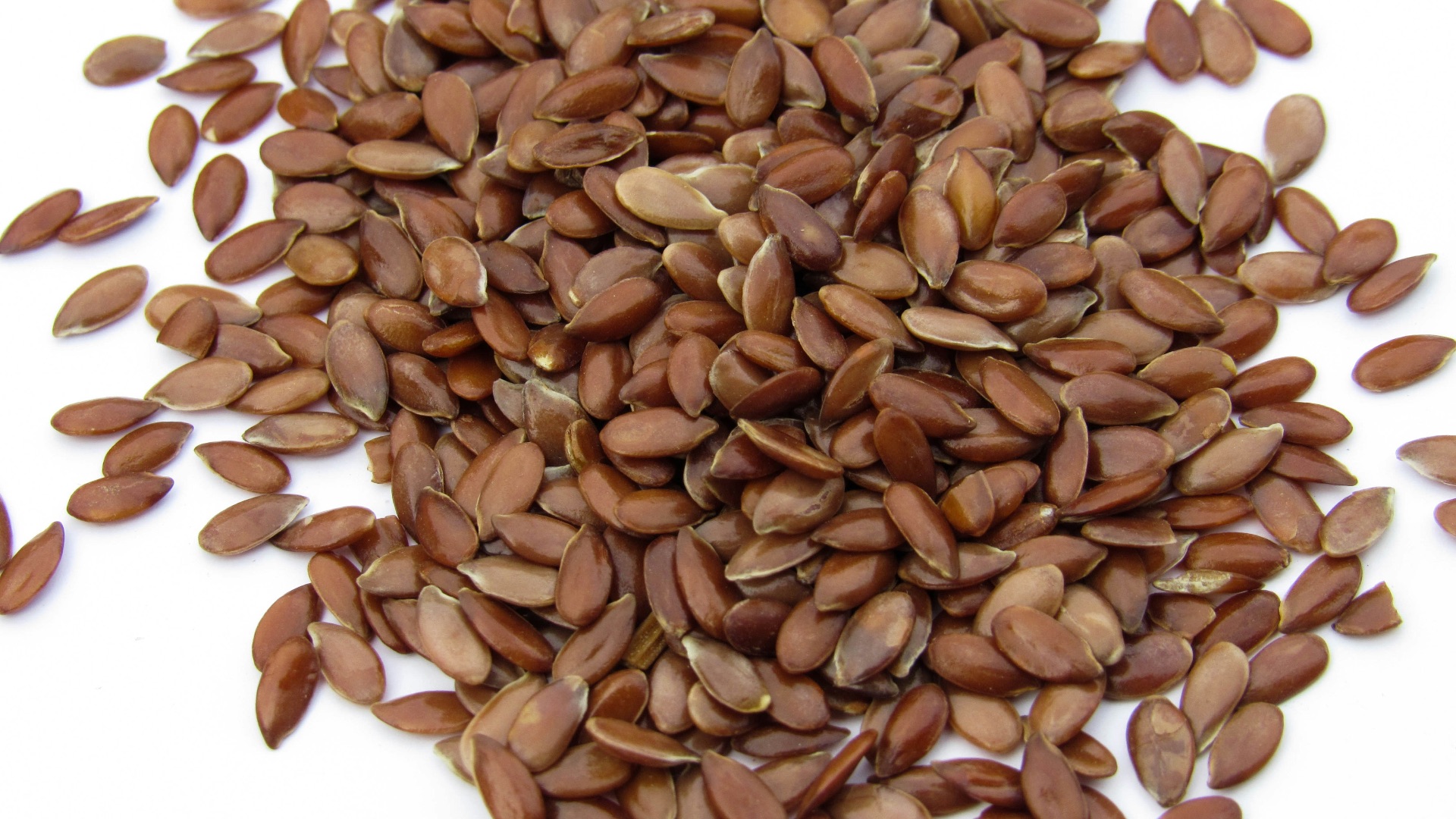
7. Flaxseed
Ground flaxseed offers a solid dose of fiber and omega-3 fatty acids, both of which support heart health and digestion. It has a nutty flavor that blends well into most shake combinations without being overpowering. Using ground flaxseed rather than whole seeds ensures your body can actually absorb its nutrients.
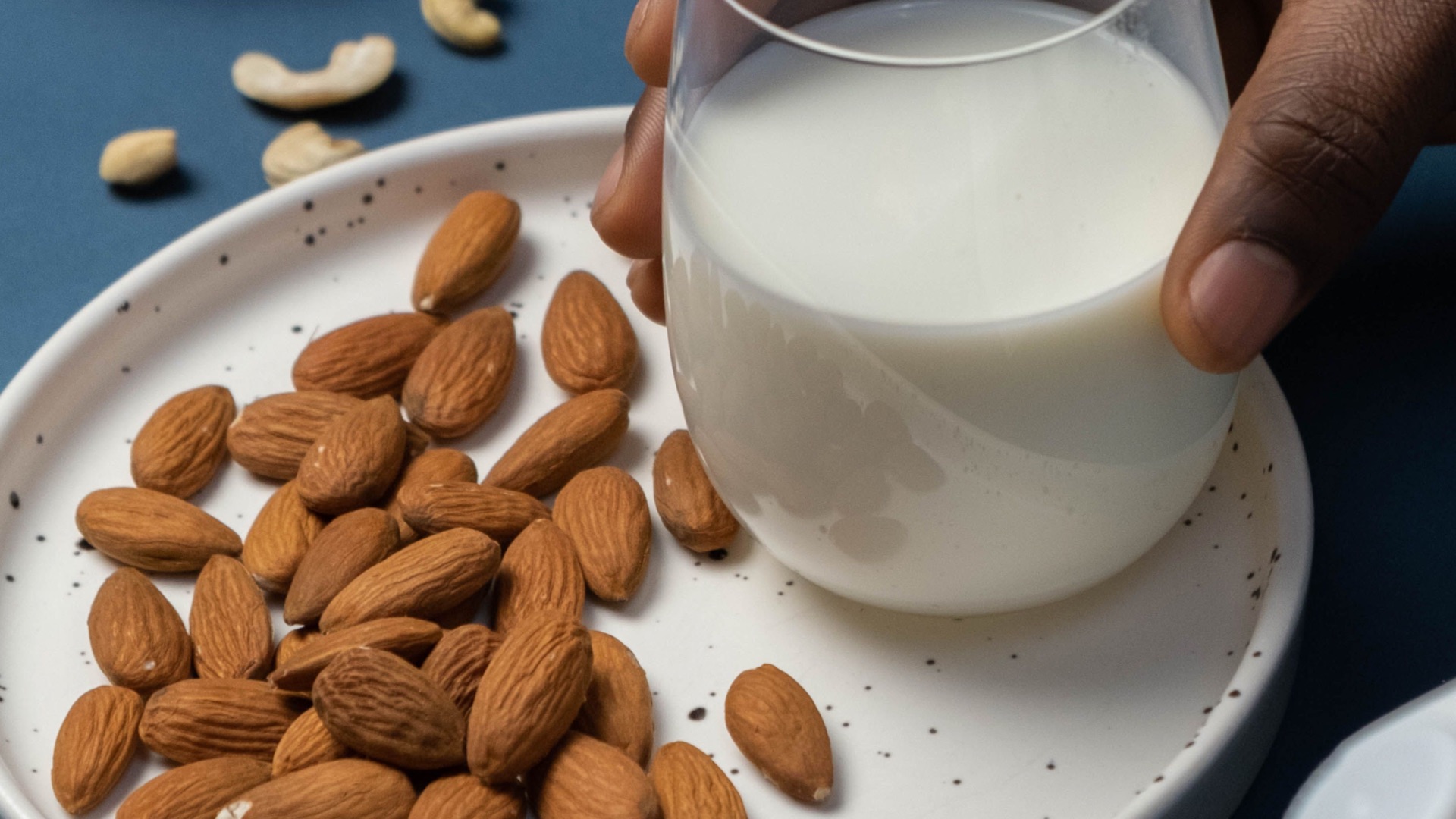
8. Almond Milk
Almond milk provides a lighter base than regular dairy milk, making it a great option for anyone who's lactose intolerant or simply prefers a lower-calorie liquid. It also has a subtly nutty flavor that pairs nicely with most protein powders. Unsweetened varieties keep the sugar content low while still delivering a smooth, drinkable texture.
9. Cocoa Powder
Cocoa powder transforms an ordinary shake into something that tastes closer to a chocolate treat, all while adding antioxidants called flavanols that support heart health. It pairs particularly well with banana or peanut butter for a richer flavor profile. Unsweetened cocoa powder keeps the added sugar low while still delivering that chocolatey satisfaction.
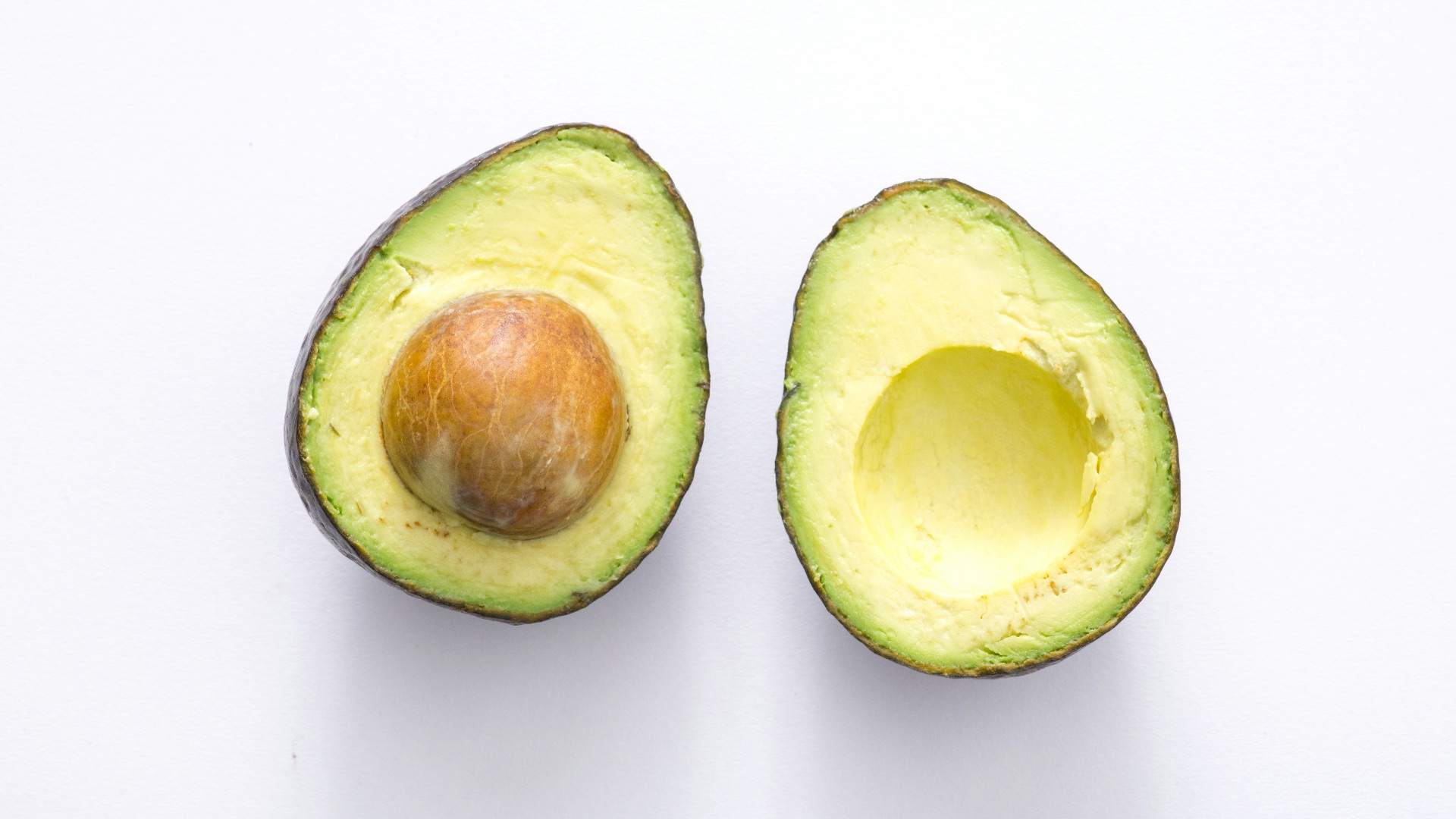
10. Avocado
Avocado might not be the first ingredient that comes to mind for a shake, but it adds healthy monounsaturated fats and a wonderfully creamy texture that's hard to replicate with anything else. It also contributes fiber and potassium, rounding out the nutritional profile of your drink. Because avocado has a mild taste, it blends seamlessly without overpowering the other flavors you've chosen.
KEEP ON READING

20 Fast Food Items With Surprisingly Weird Origins