When “Content” Becomes the Customer
Restaurants used to live and die by regulars, word of mouth, and the simple thrill of a great meal. Now, a single post can turn a quiet neighborhood spot into a chaotic circus overnight, and not always in a good way. If you’ve ever wondered why your favorite place suddenly feels different, food influencers are often a big part of the story—but do they hurt or do they help? Let’s explore a few ways they can do both.
1. The Viral Stampede
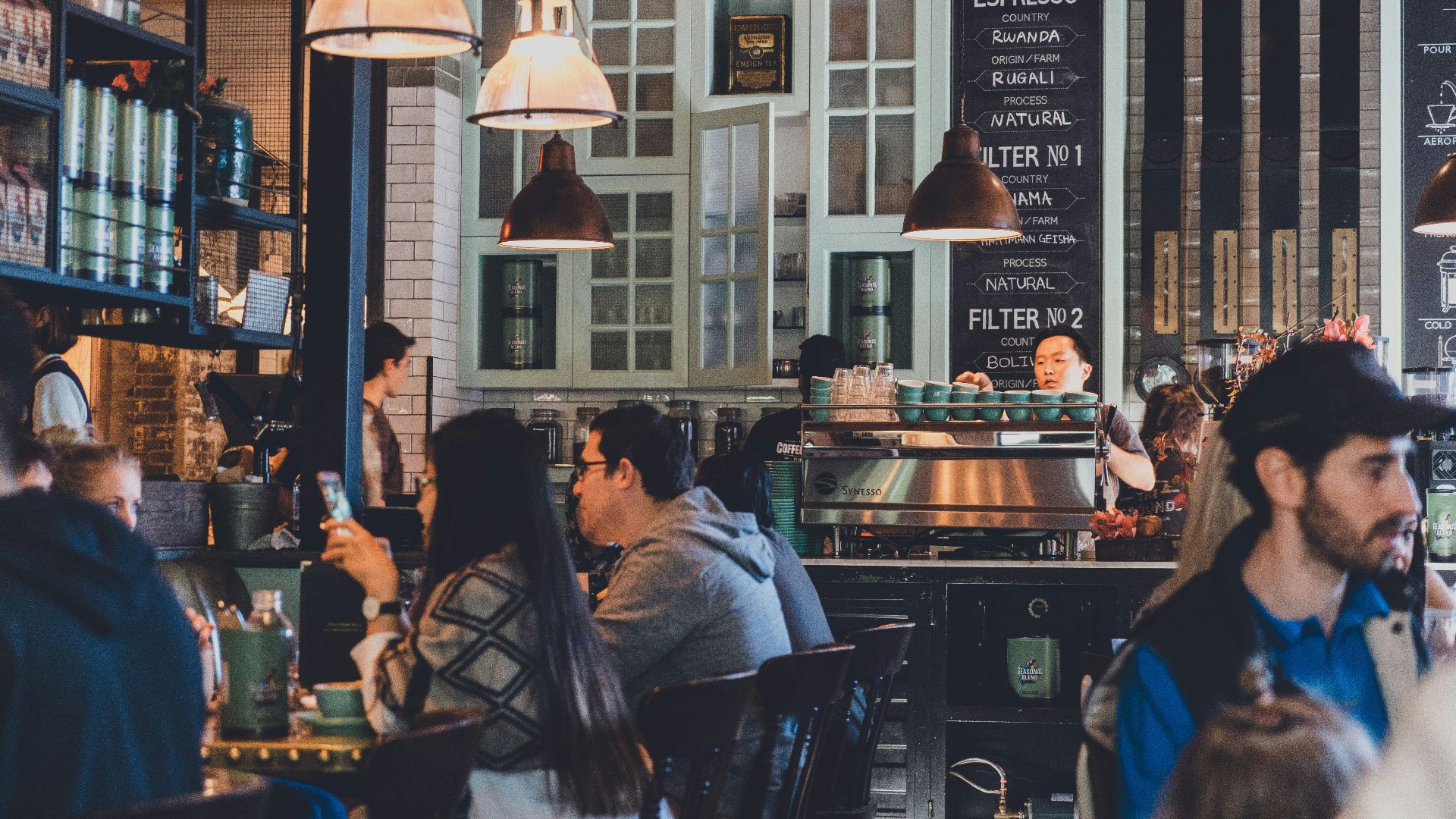
One glowing reel can trigger a sudden flood of people who all want the same dish at the same time. The kitchen gets slammed, the staff gets stretched thin, and the whole experience drops a notch, even for the loyal customers. You might think you’re joining a fun trend, but the restaurant is just trying to survive the surge.
2. Turning a Dining Room Into a Film Set
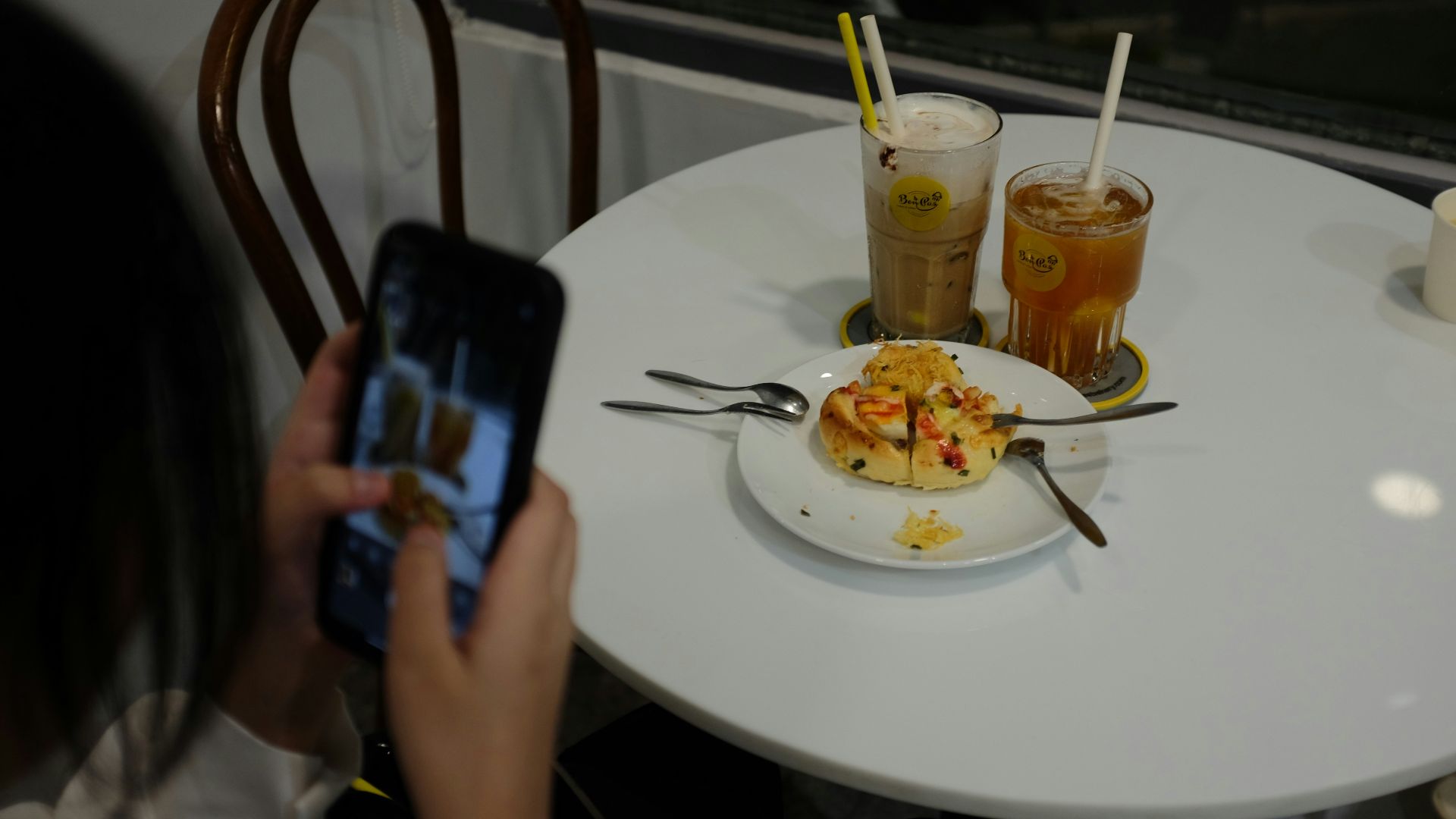
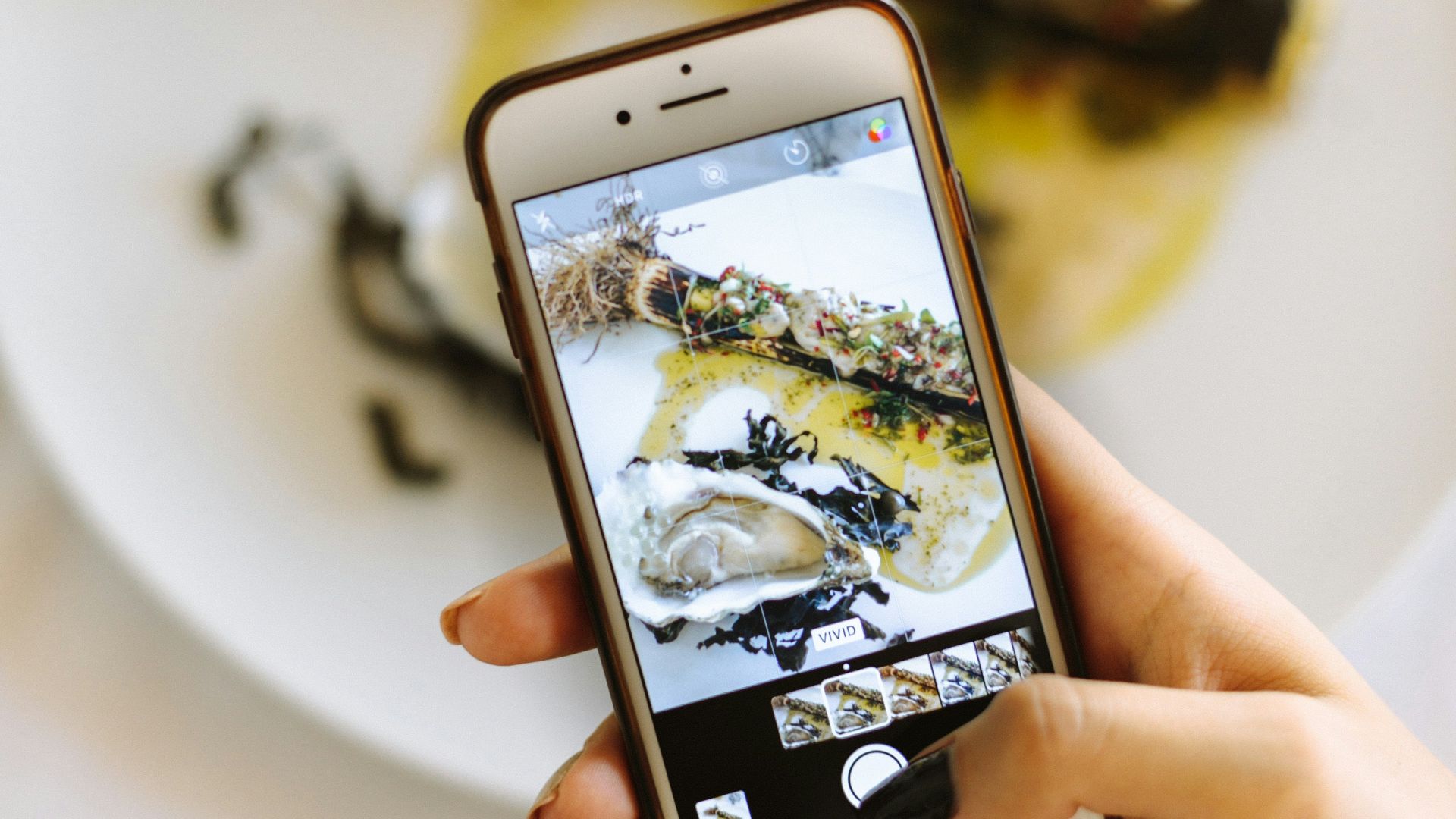
A photo shoot for a bowl of noodles can change the vibe fast. With tripods in the aisles and phone lights in your face, the room stops feeling like a place to relax and starts feeling like a crowded studio. Chances are you’ll end up dining inside someone else’s content plan—and they’re not always polite about the "intrusion."
3. Oversimplifying Food
A 15-second review turns a complex meal into “mid” or “life-changing,” with nothing in between. That kind of shorthand trains people to judge restaurants like a pop quiz, suddenly expecting instant perfection. It’s not long before the nuance steamrolls a once-beloved place.
4. Spreading Unrealistic Expectations
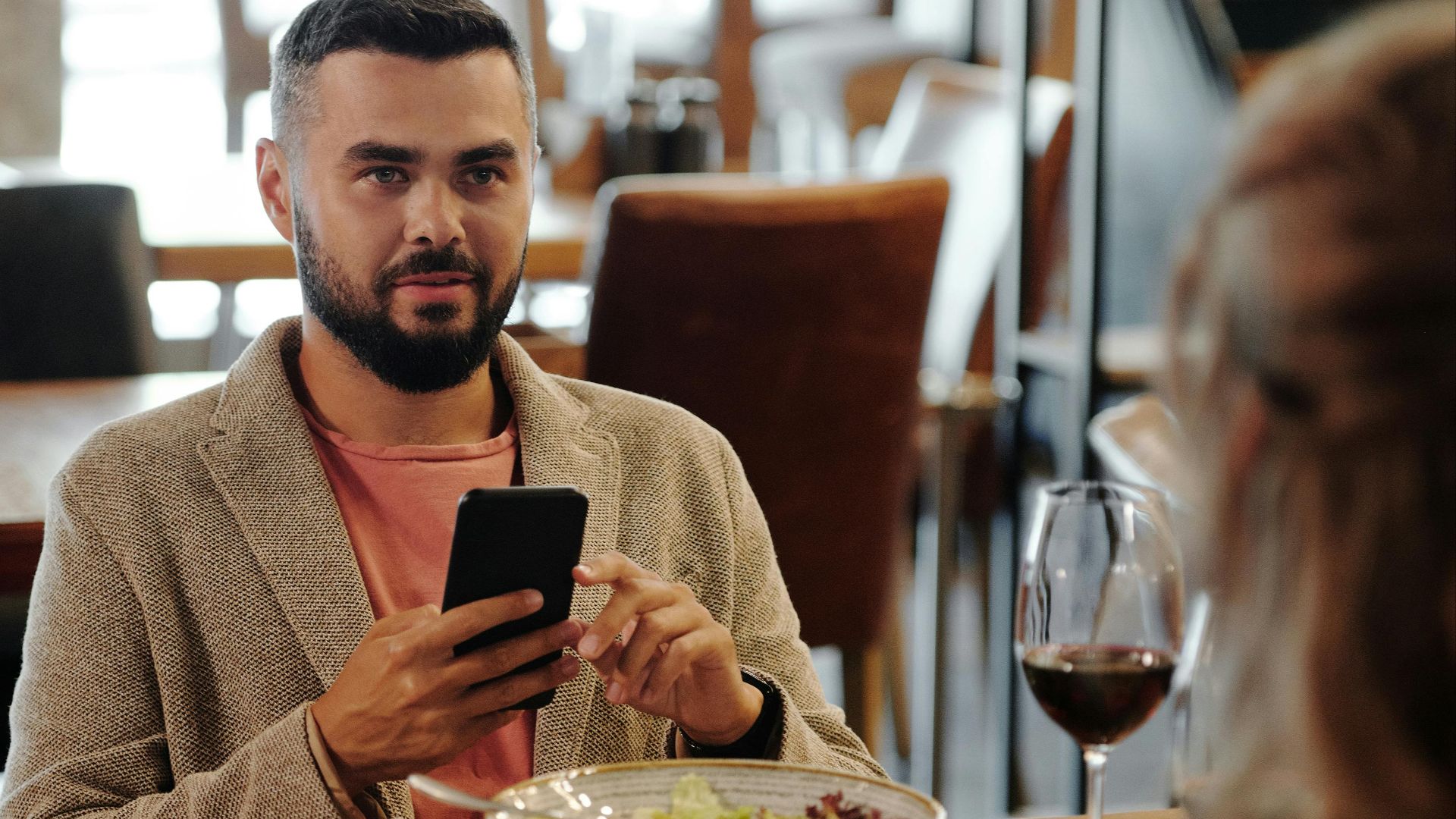
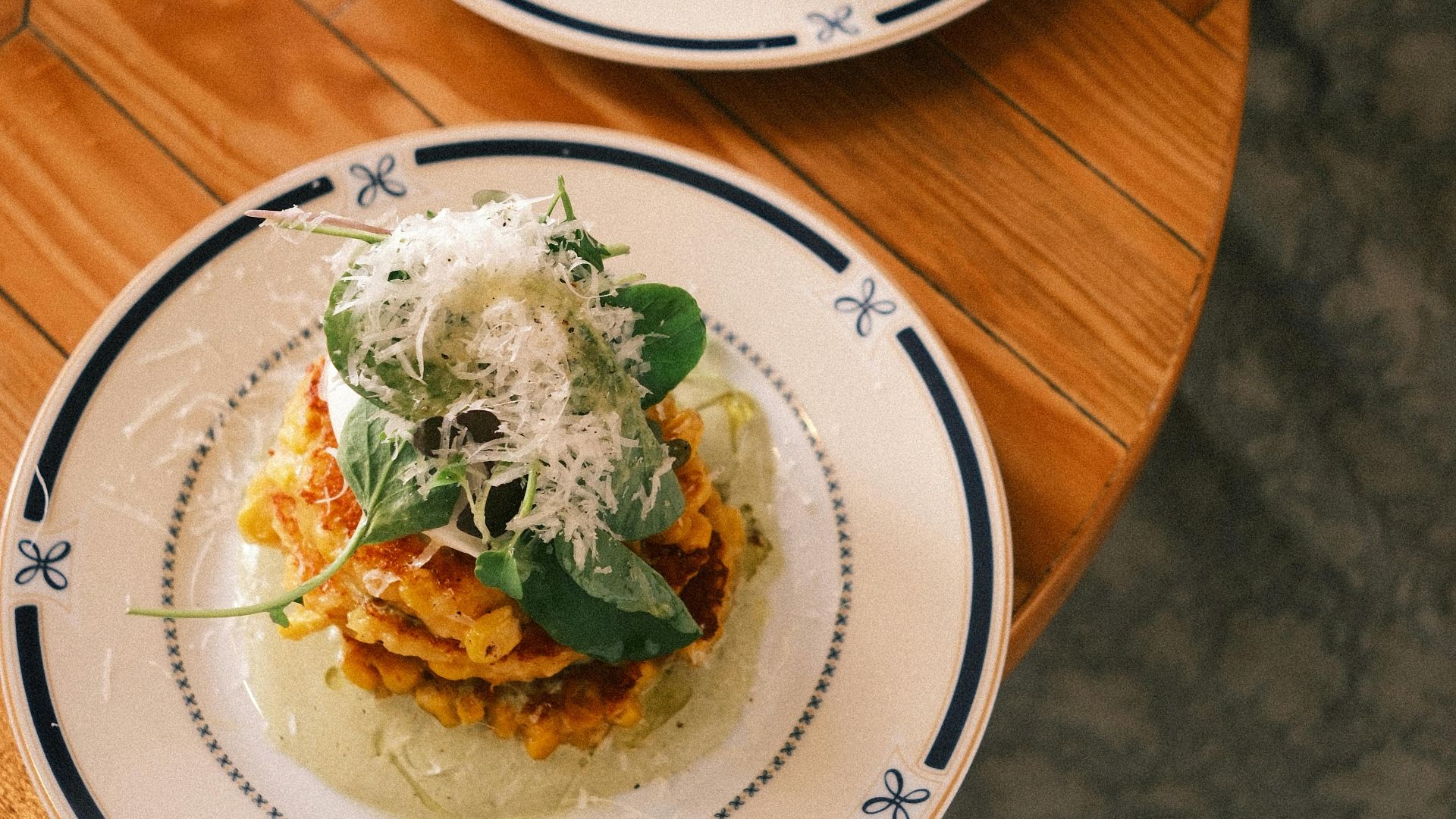
Filters, perfect angles, and selective bites make dishes look like magazine spreads. Then you show up expecting a miracle and get a real plate of real food in real lighting. Now, we know there’s nothing wrong with that, but impressionable views don’t, leaving the restaurant to take the blame for all that staging.
5. Weaponizing “Secret” Spots
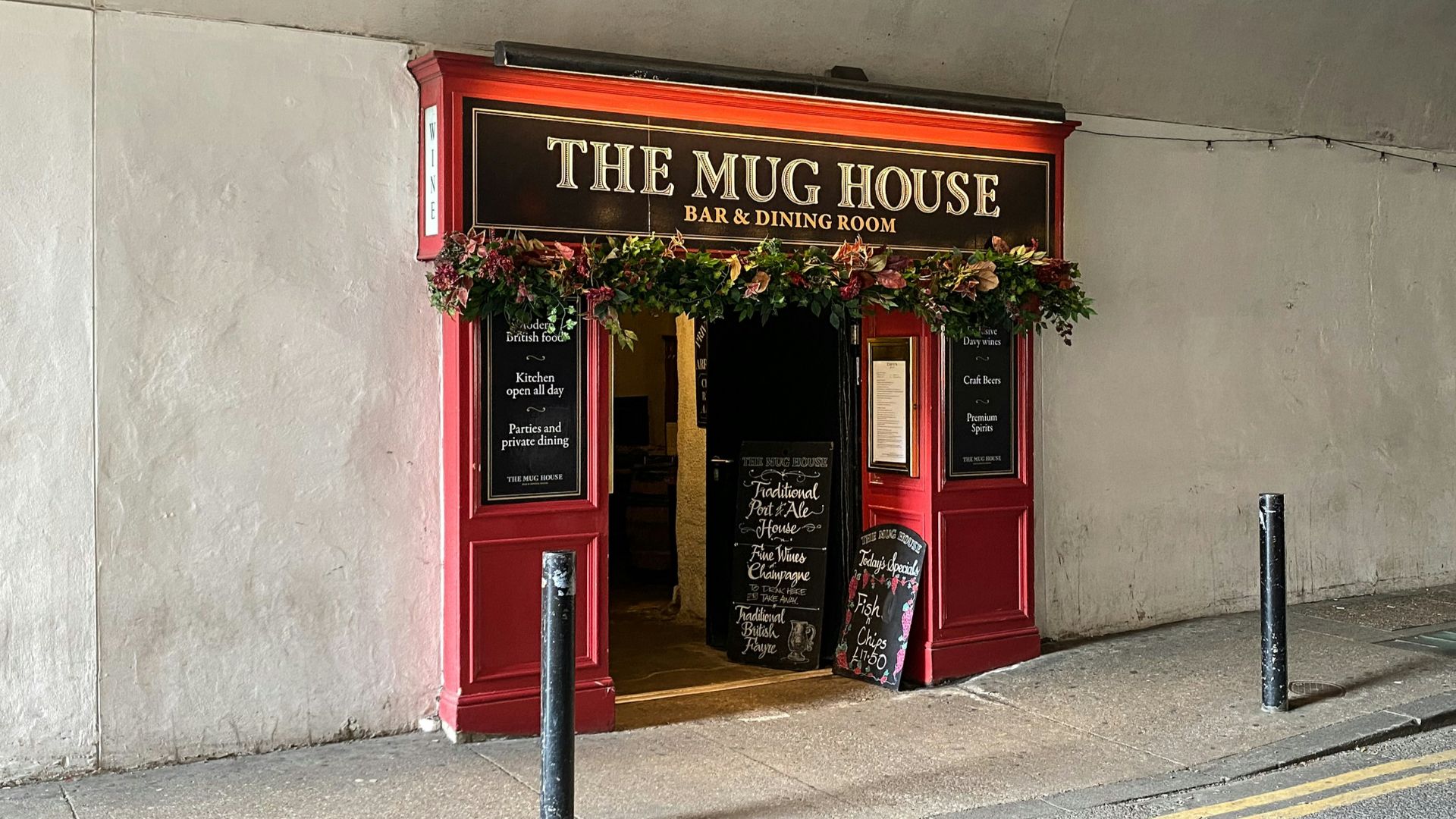
Influencers love “hidden gems,” but broadcasting them to millions defeats the whole point. A place that used to feel intimate suddenly gets lines out the door and a constant stream of first-timers. In the end, the restaurant loses the calm rhythm that made it worth protecting.
6. Menu Monocultures
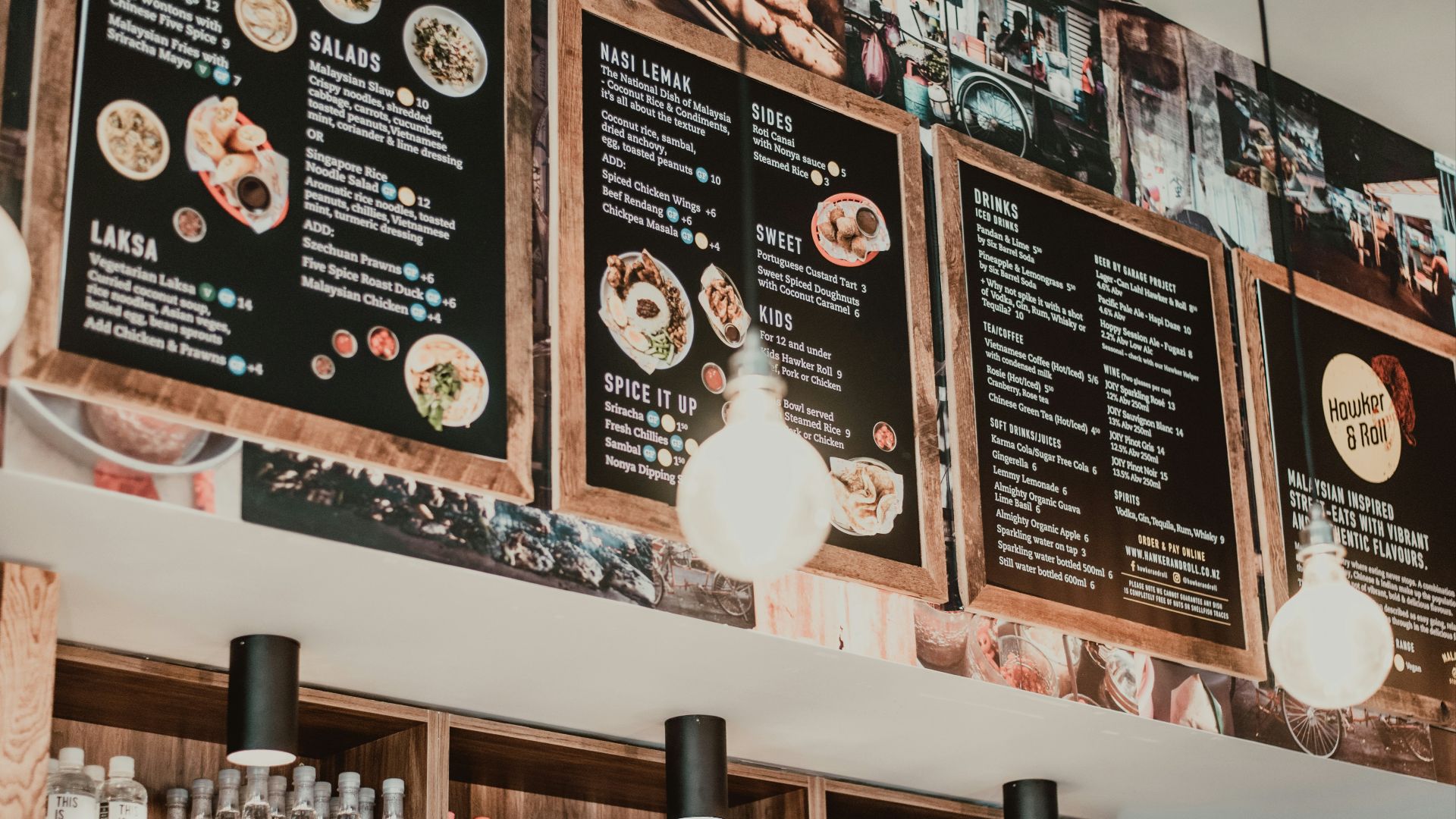
When one dish goes viral, everyone orders it, even if the rest of the menu is the real magic. The kitchen has to crank out the same item nonstop, and other plates get ignored like they don’t exist! That pressure can push restaurants to redesign menus around clicks instead of craft.
7. Encouraging Entitled Behavior
Some people walk in acting like the main character because they have a following and a phone. They demand freebies, special treatment, or off-menu favors, and then act shocked when the answer is no. Meanwhile, the staff has to juggle that attitude while keeping everyone else happy.
8. Punishing Restaurants for Normal Days
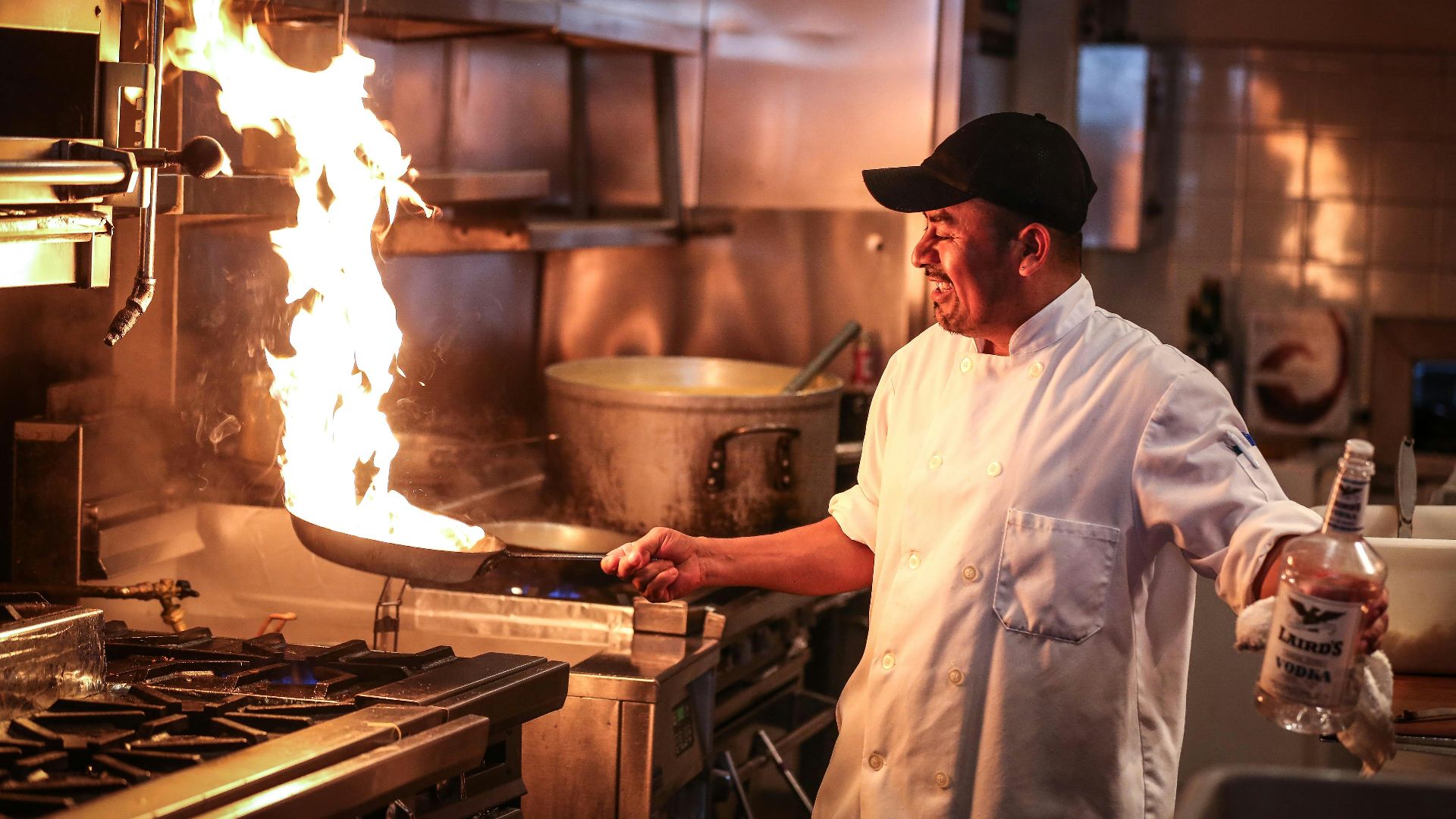
A restaurant can have an off night. They can have a new cook learning the ropes. It’s all par for the course. But online, that becomes a dramatic takedown instead of a fair snapshot of one visit. One “honest review” might feel harmless, but it often haunts a small place for months.
9. Warping Pricing and Portion Expectations
When creators chase shock value, they highlight “insane portions” or “cheap eats” like that’s the only measure of worth. Then diners show up expecting a bargain feast and get annoyed when reality includes rent, labor, and ingredient costs. That mindset pushes restaurants into a no-win corner where they’re either “overpriced” or “not generous enough.”
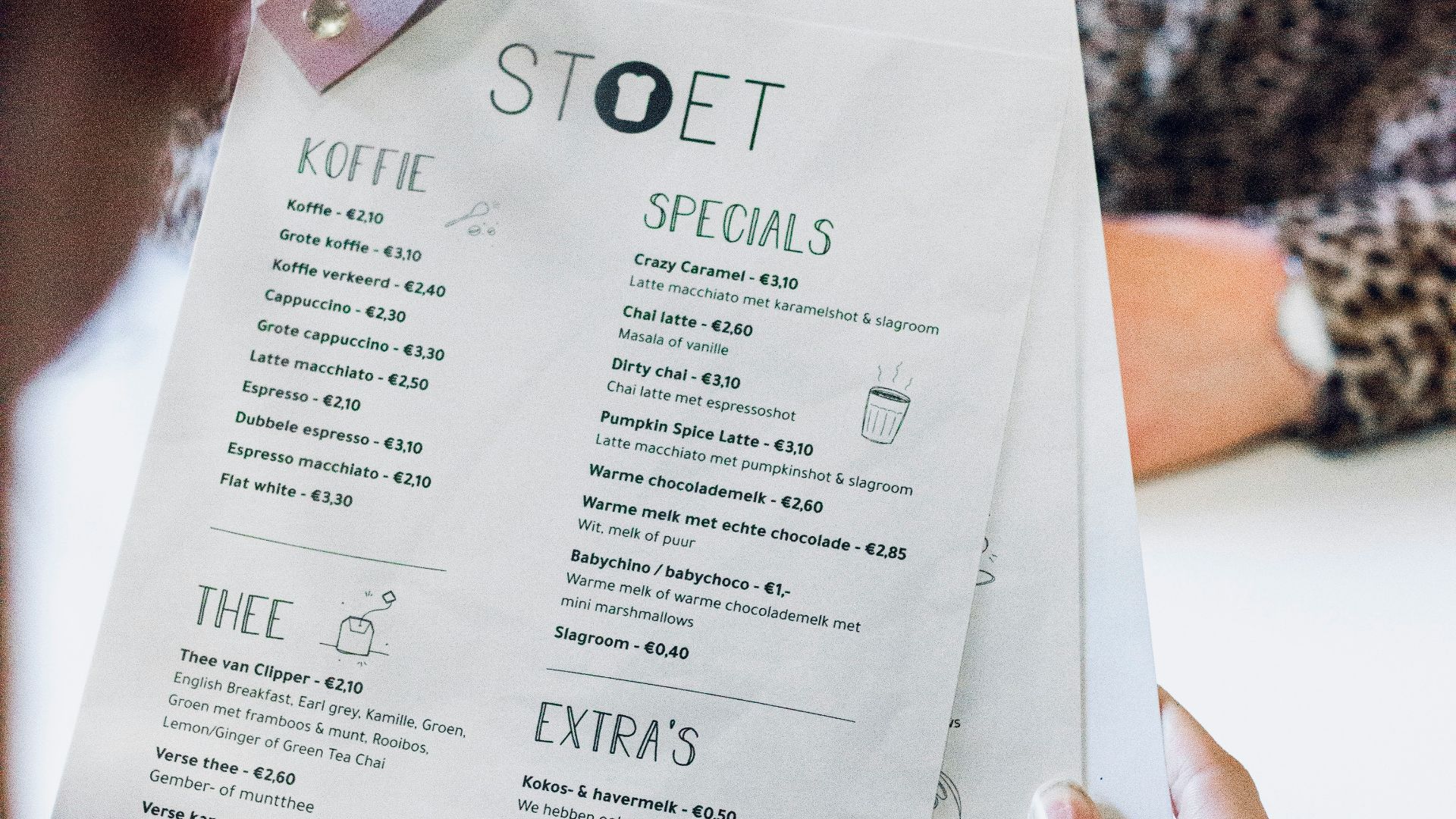
10. Turning Hospitality Into a Performance
Restaurants thrive on the quiet art of making people feel cared for. Influencer culture rewards spectacle. So, owners start designing experiences around what looks good on camera instead of what feels good at the table.
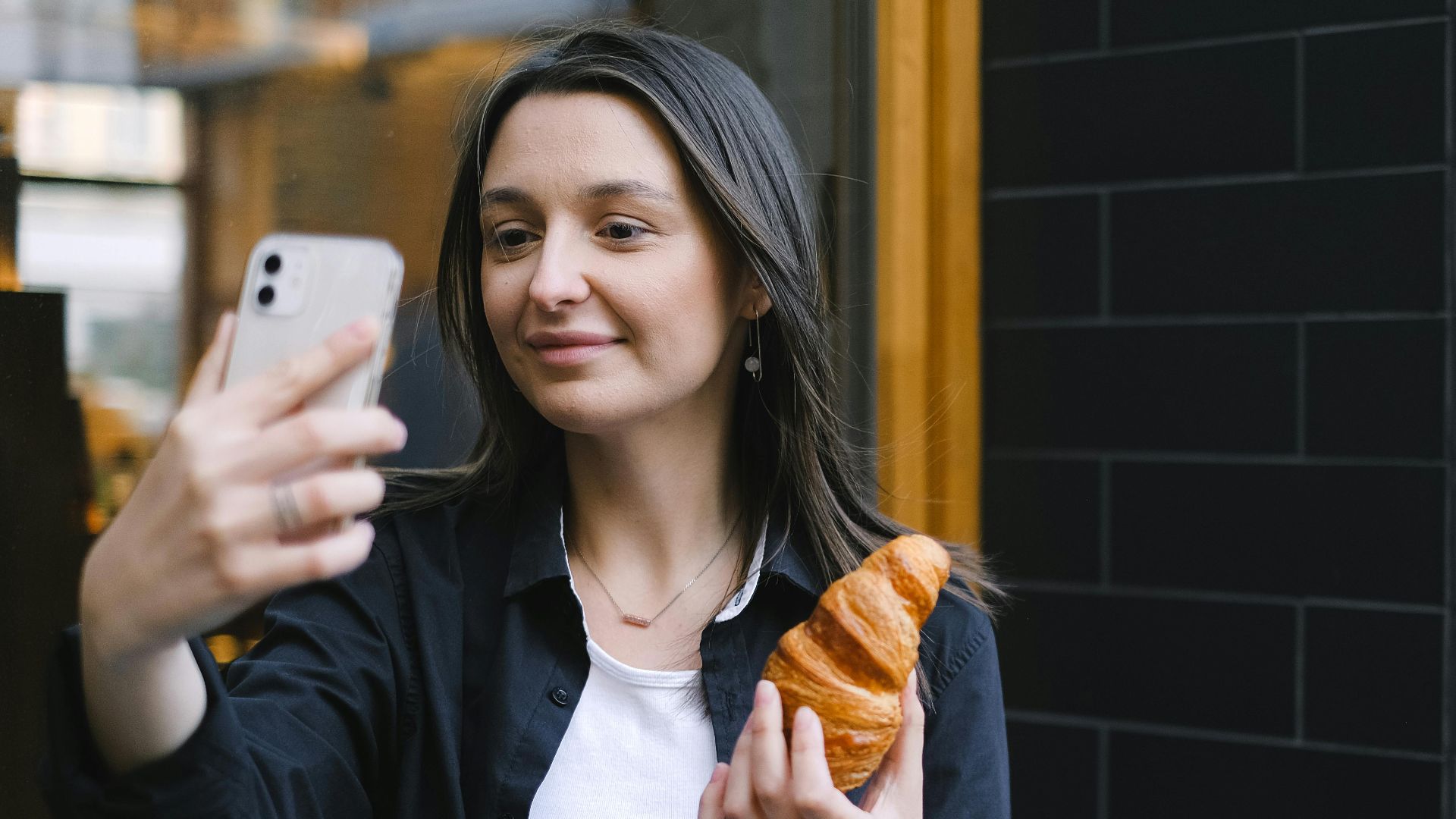
Not every post is a grenade tossed into a dining room. When food influencers do it right, they can introduce you to spots you’d never discover on your own. Let’s dive into how they can actually do right by mom-and-pop shops.
1. They Put Hidden Gems on Your Radar
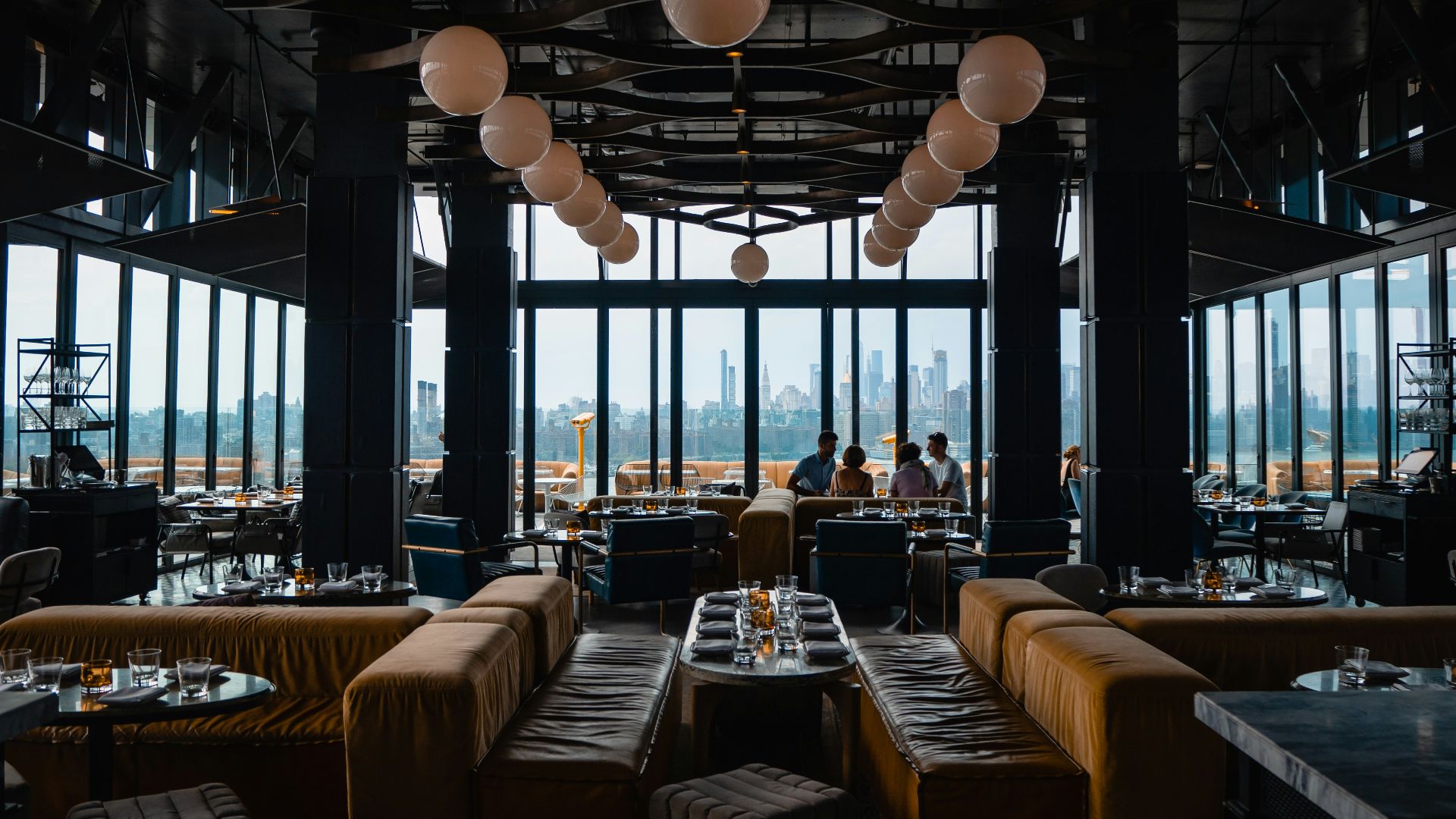
You can’t support a restaurant you don’t know exists, and influencers are basically loudspeakers for under-the-radar places. One thoughtful post can pull a tiny neighborhood spot out of obscurity, and when that happens, the restaurant gets fresh traffic.
2. They Tell the Restaurant’s Story
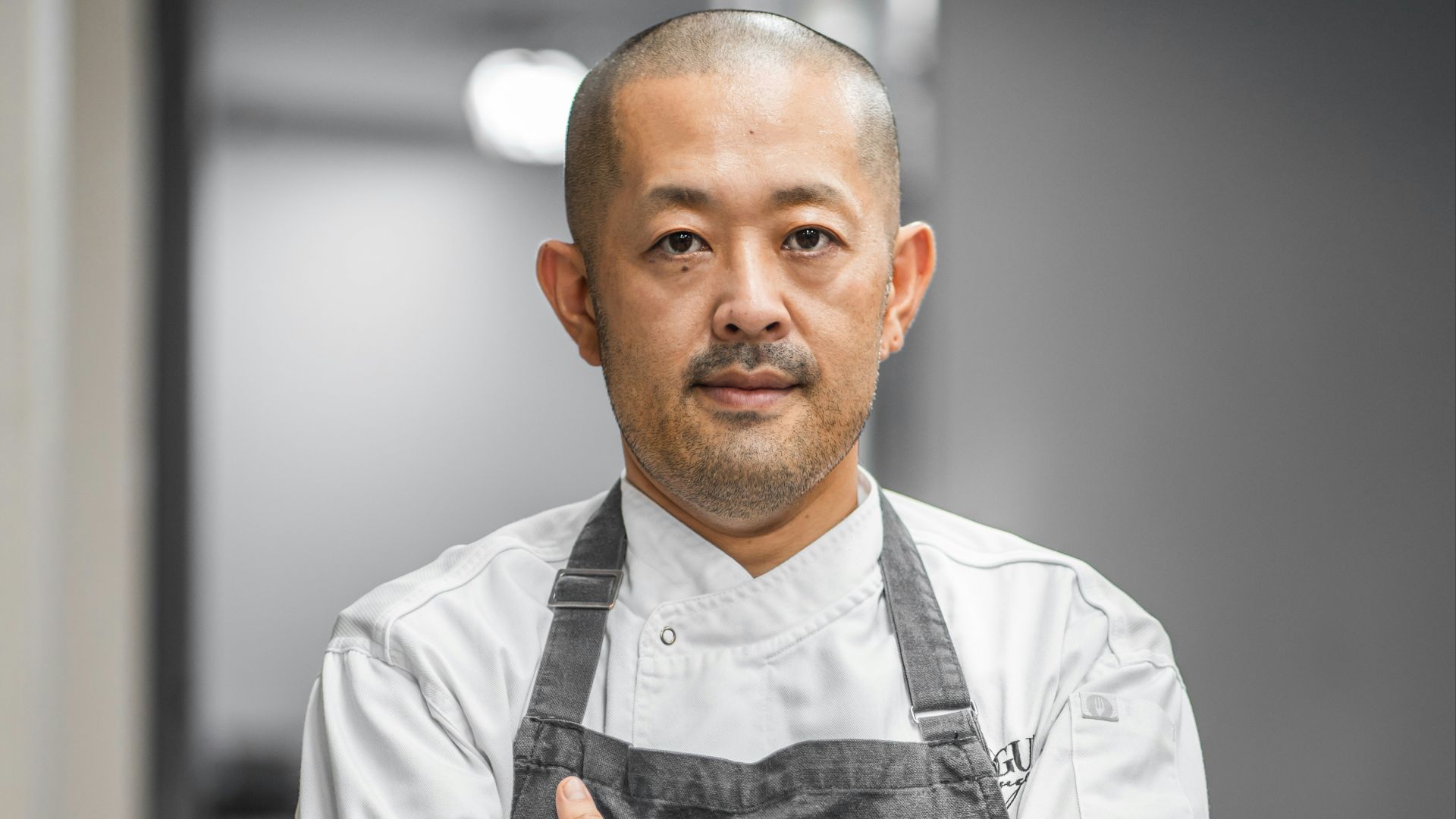
A good creator doesn’t just show melted cheese, they explain the people and passion behind it. You end up caring about the chef’s background, the family recipe, or the mission, which makes the place feel more personal. That connection often turns a curious first visit into repeat business!
3. They Fill Seats During Slow Hours
Restaurants don’t just need busy Saturdays, they need steady Tuesdays and calm lunches, too. Influencers can highlight happy hours, lunch specials, or quiet-time favorites that you might overlook. In the end, it helps a business keep stable schedules.
4. They Bring Tourists Who Actually Spend
When travelers search where to eat, social content is often the first thing they trust. A clear recommendation can send visitors straight to a restaurant instead of letting them wander into the nearest mediocre chain. After all, if the locals eat there, it must be good.
5. They Help Restaurants Launch New Items Faster
Testing a new dish can be risky, especially if the restaurant isn’t sure what people want. But influencers spotlight limited-time items and give them instant visibility. If the audience bites, the restaurant gets fast feedback without burning months on guessing.
6. They Make Niche Cuisines Feel Less Intimidating
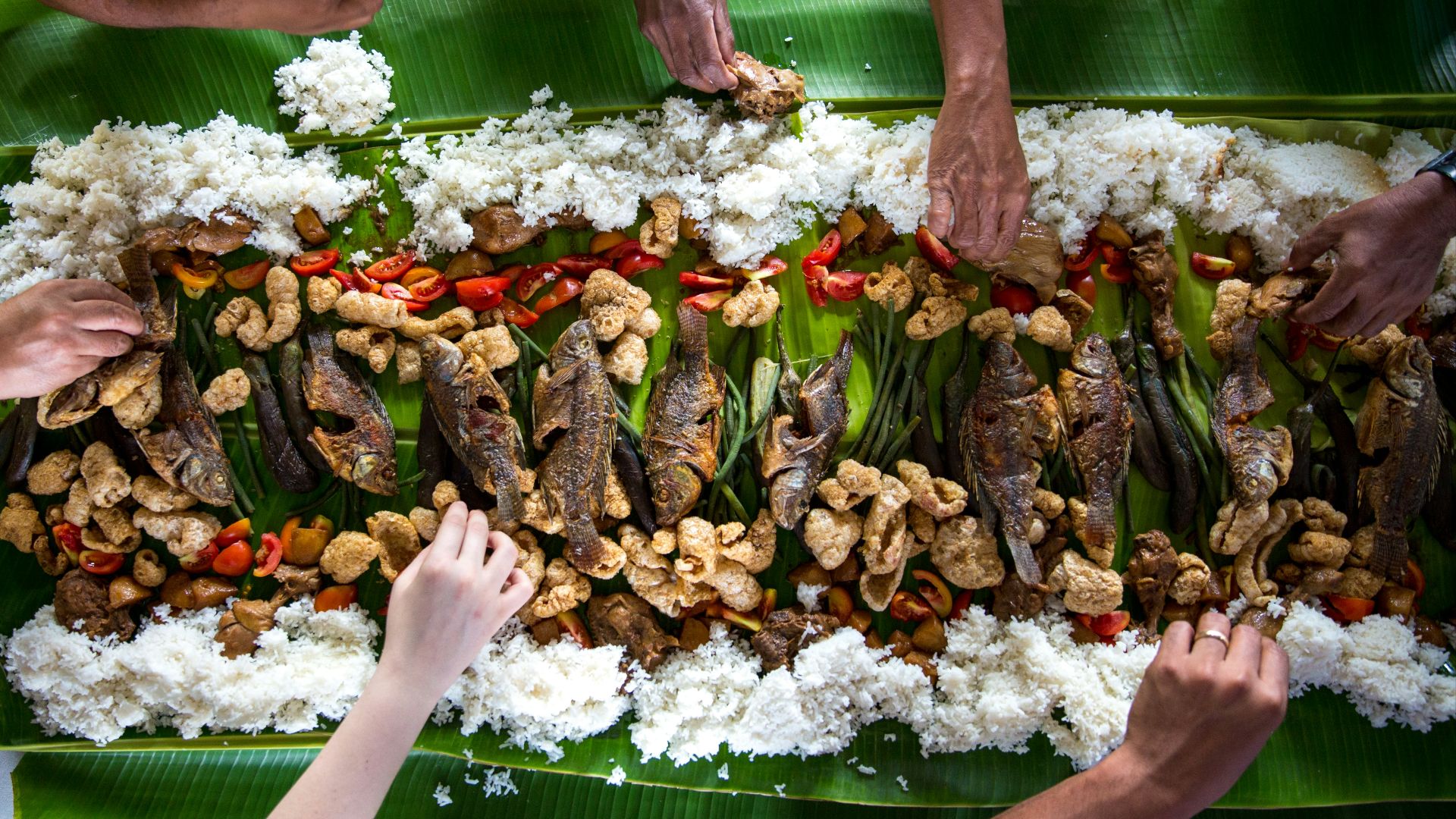
Maybe you’ve never tried Ethiopian, Filipino, or regional Chinese dishes and you don’t know what to order. That’s okay! Influencers can walk you through what something tastes like and what to pair it with, which lowers anxiety. More confident diners means more people willing to explore beyond the usual suspects.
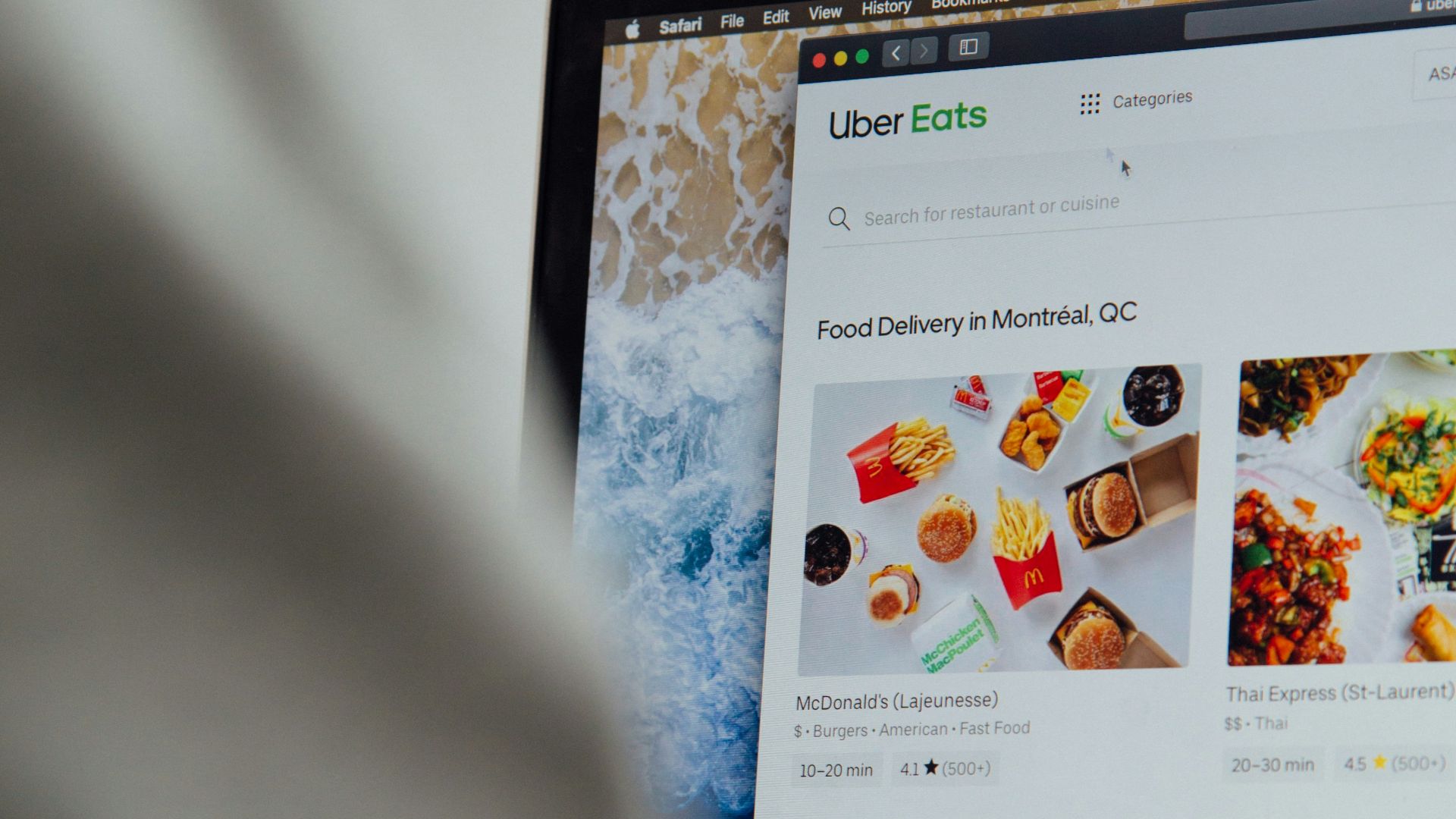
7. They Drive Takeout and Delivery Orders
Not every boost has to happen inside the dining room. A quick video showing what travels well can nudge you to order on a lazy night, and that matters, too! Those extra orders can help a restaurant survive rough seasons without relying solely on foot traffic.
8. They Normalize Paying for Quality
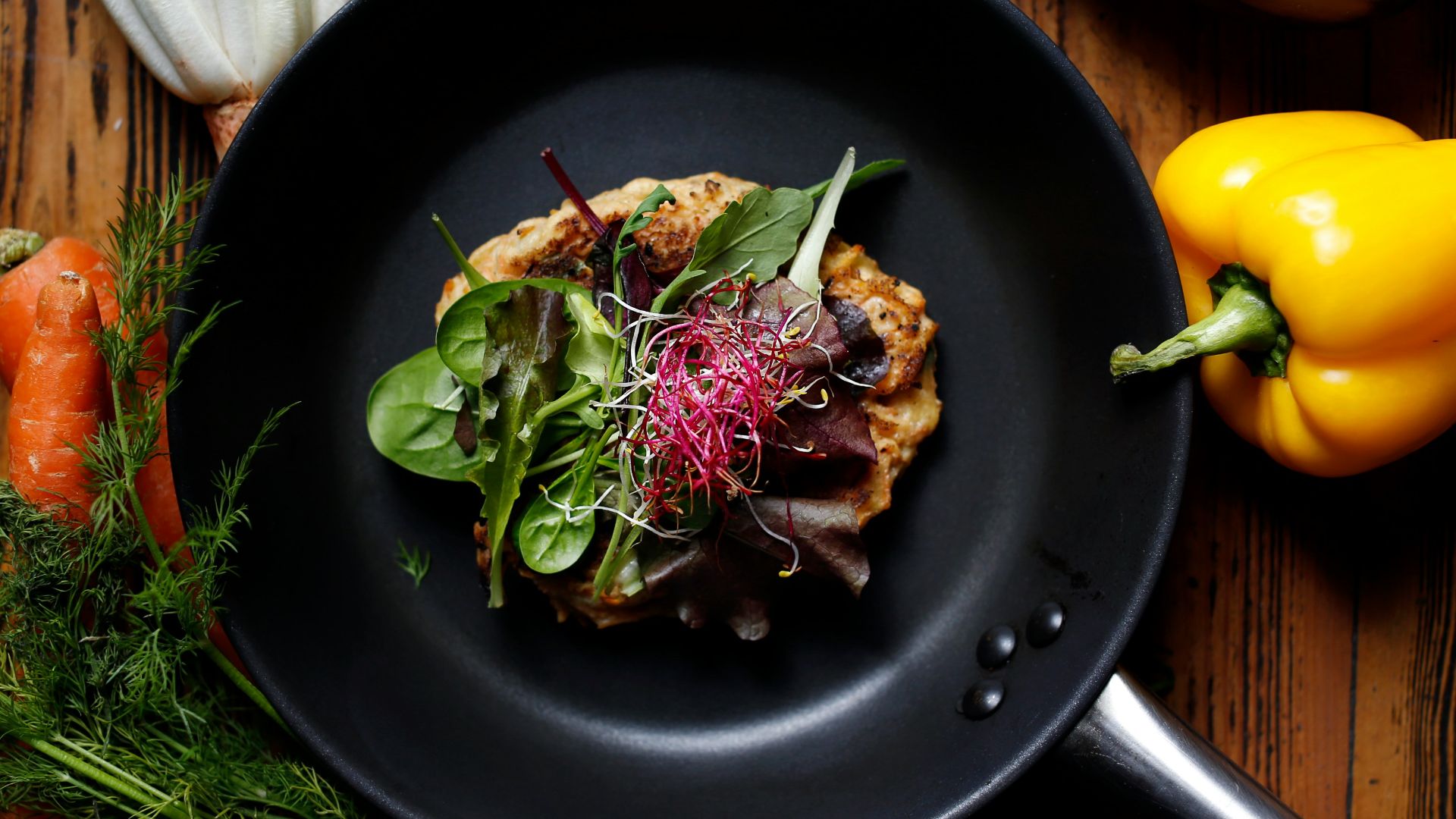
Good creators explain why a dish costs what it costs, and you start seeing value instead of just a number. Talking about house-made sauces or labor-intensive techniques reframes the price as craftsmanship—and you’ll feel less likely to nitpick. If anything, you’ll get more jazzed to support the places doing it right.
9. They Highlight Great Service, Not Just Great Food
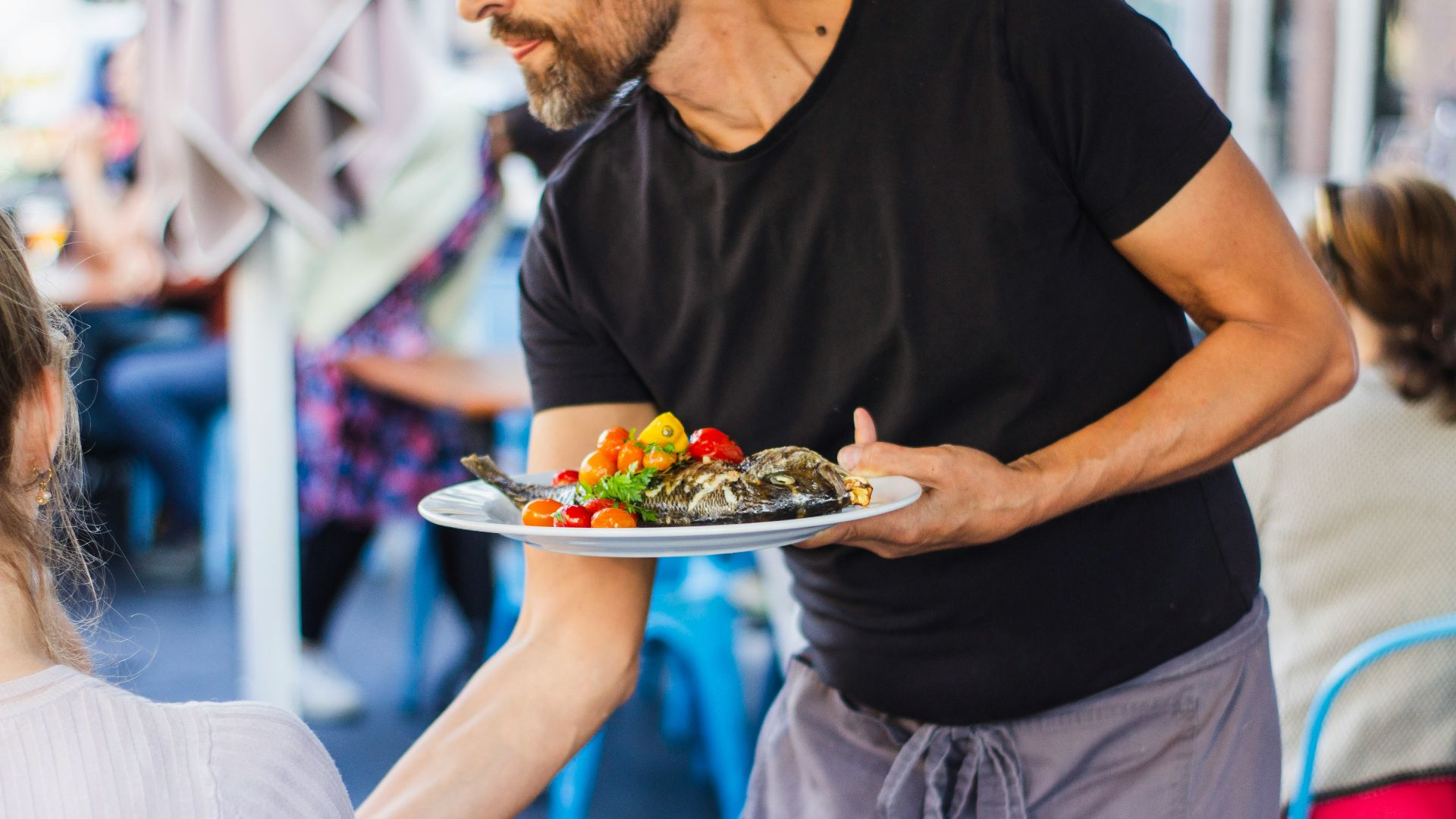
Some creators pay attention to hospitality, which is a huge win for restaurants that treat people well. Think about it: if you’re choosing between two places, you’re obviously going to pick the welcoming one. That kind of praise rewards teams who put effort into the full experience, not just the plating.
10. They Create Community Around Local Spots
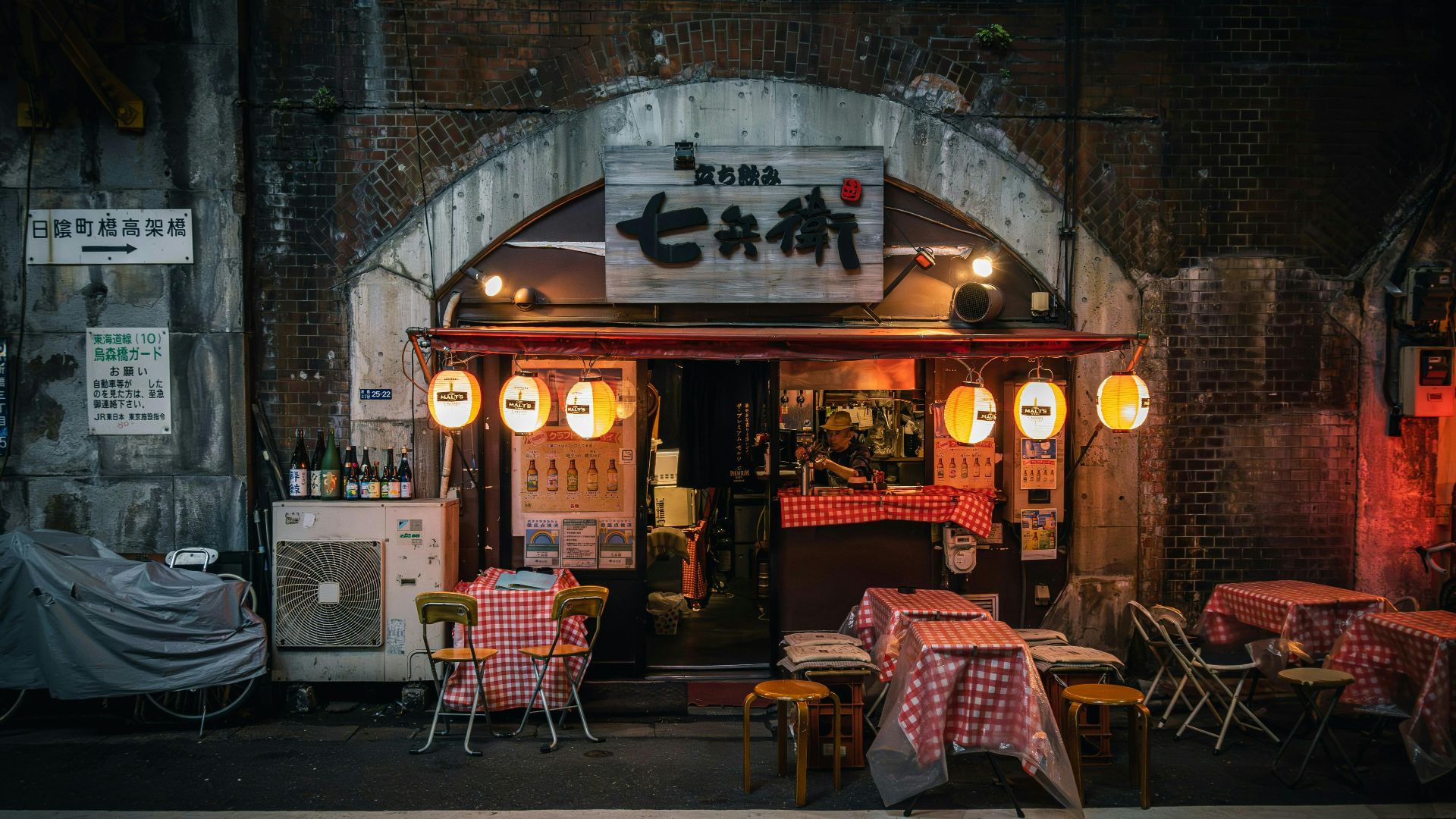
Restaurants thrive when they feel like part of your life, not just a one-time stop. Influencers can spark conversations, meetups, and shared traditions that keep a place buzzing; when that community forms, the restaurant isn’t just getting customers, it’s gaining advocates.
KEEP ON READING

20 Worst Foods for Your Liver