10 Weird Meals Served in Military Rations & 10 Delicious Adaptations
Field Food Gets Weird Fast
Military rations are built for calories, shelf life, and portability, not for winning a cooking show. That’s how you end up with meals that sound oddly specific, look a little suspicious in the pouch, and still get eaten anyway because you're starving and there isn't exactly a cornucopia of other options to choose from. Below are 10 genuinely weird ration meals you’ll find in real menu lists, and 10 “civilian-friendly” upgrades that keep the spirit but improve the experience.
 National Library of Scotland on Wikimedia
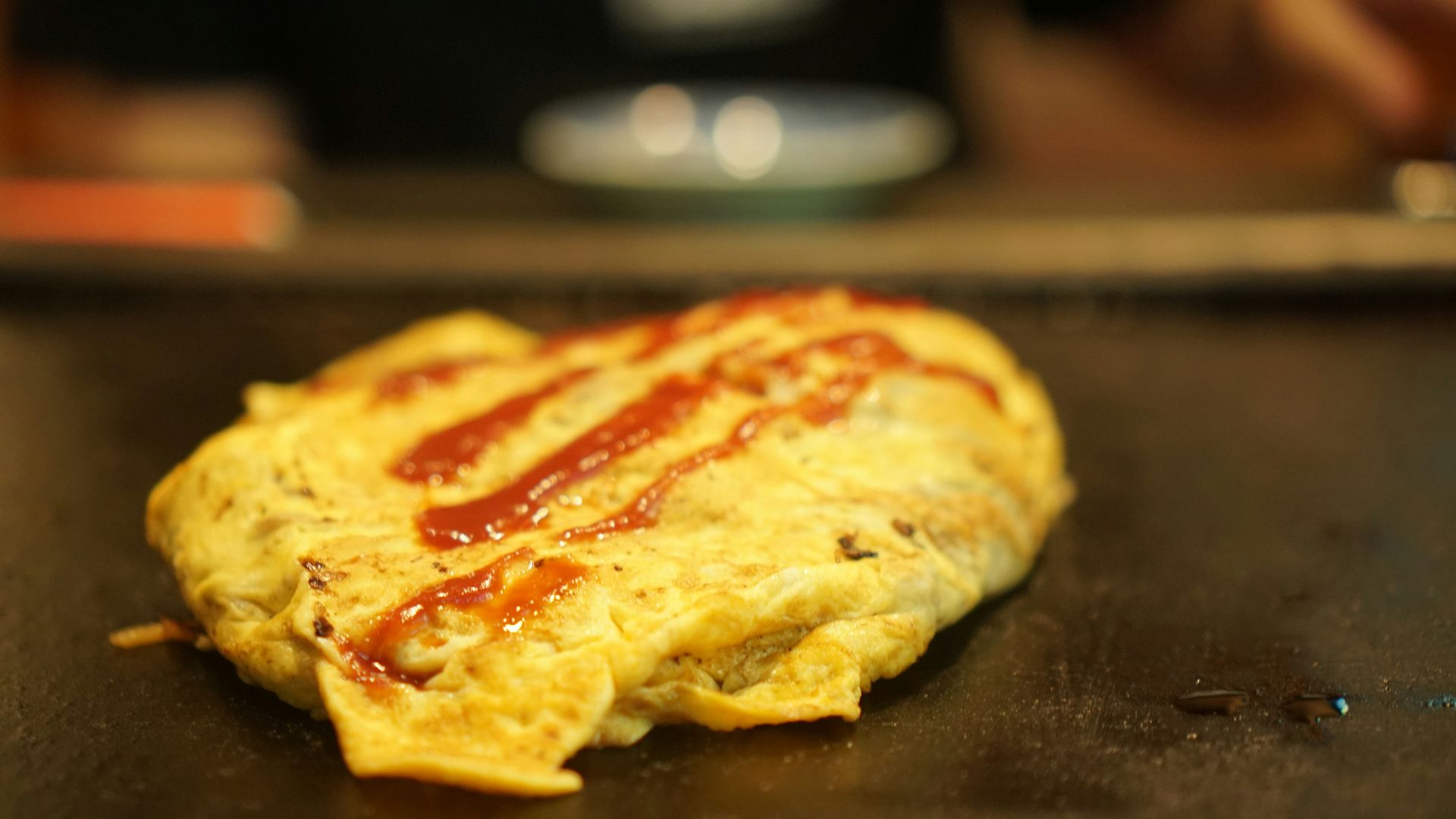
1. Omelet With Ham (U.S. MRE, early '90s)
Yes, an omelet in a pouch is exactly as strange as you’re imagining. It showed up on official menu lists like MRE X/XI as “Omelet with Ham.” The idea is solid, but the texture has a reputation that lives forever.
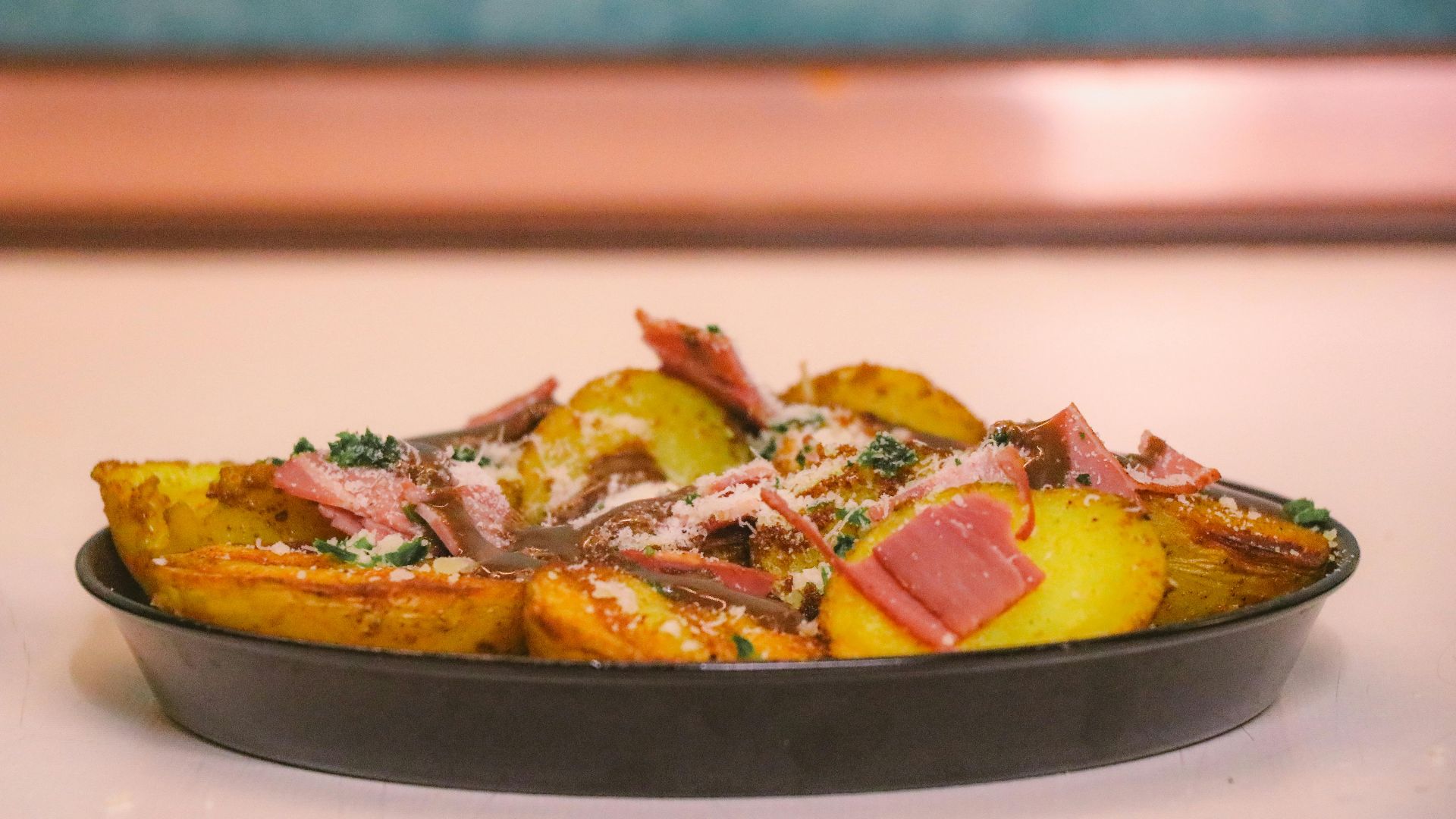
2. Escalloped Potatoes With Ham (U.S. MRE, early '90s)
Potatoes and ham aren’t odd until they’re sealed in a retort pouch and eaten with a plastic spoon. This menu item also appears in the early ’90s official lists, right alongside the omelet era. It’s comfort food by concept, but a science project in reality.
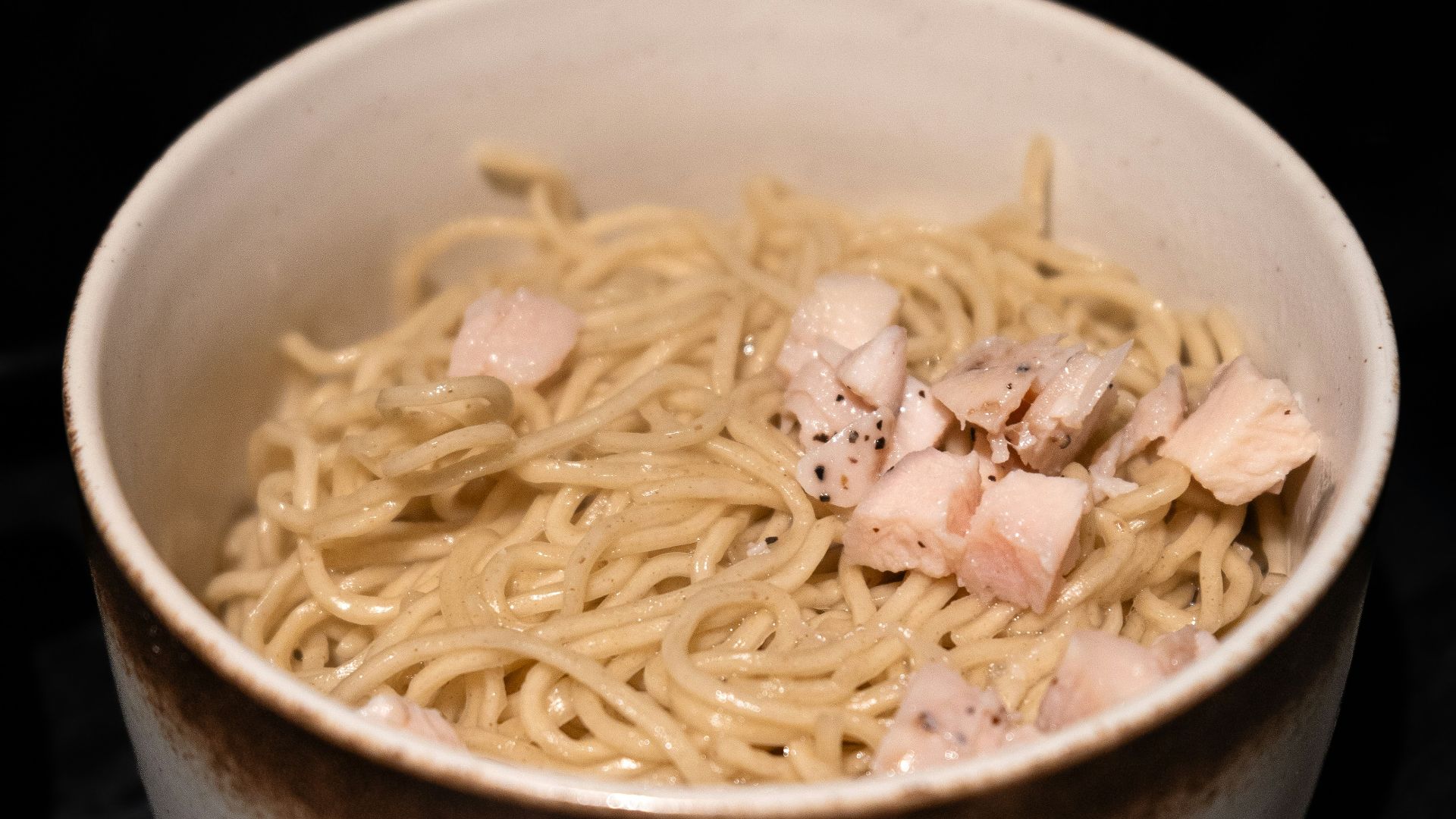
3. Tuna With Noodles (U.S. MRE, early '90s)
Cold tuna salad is normal, but tuna and noodles as an entrée is a bold choice for a field ration. It appears on the same official menu listing set, which tells you it wasn’t a one-off experiment. If you’ve ever wondered how far “it’s technically food” can go, this is a good case study.
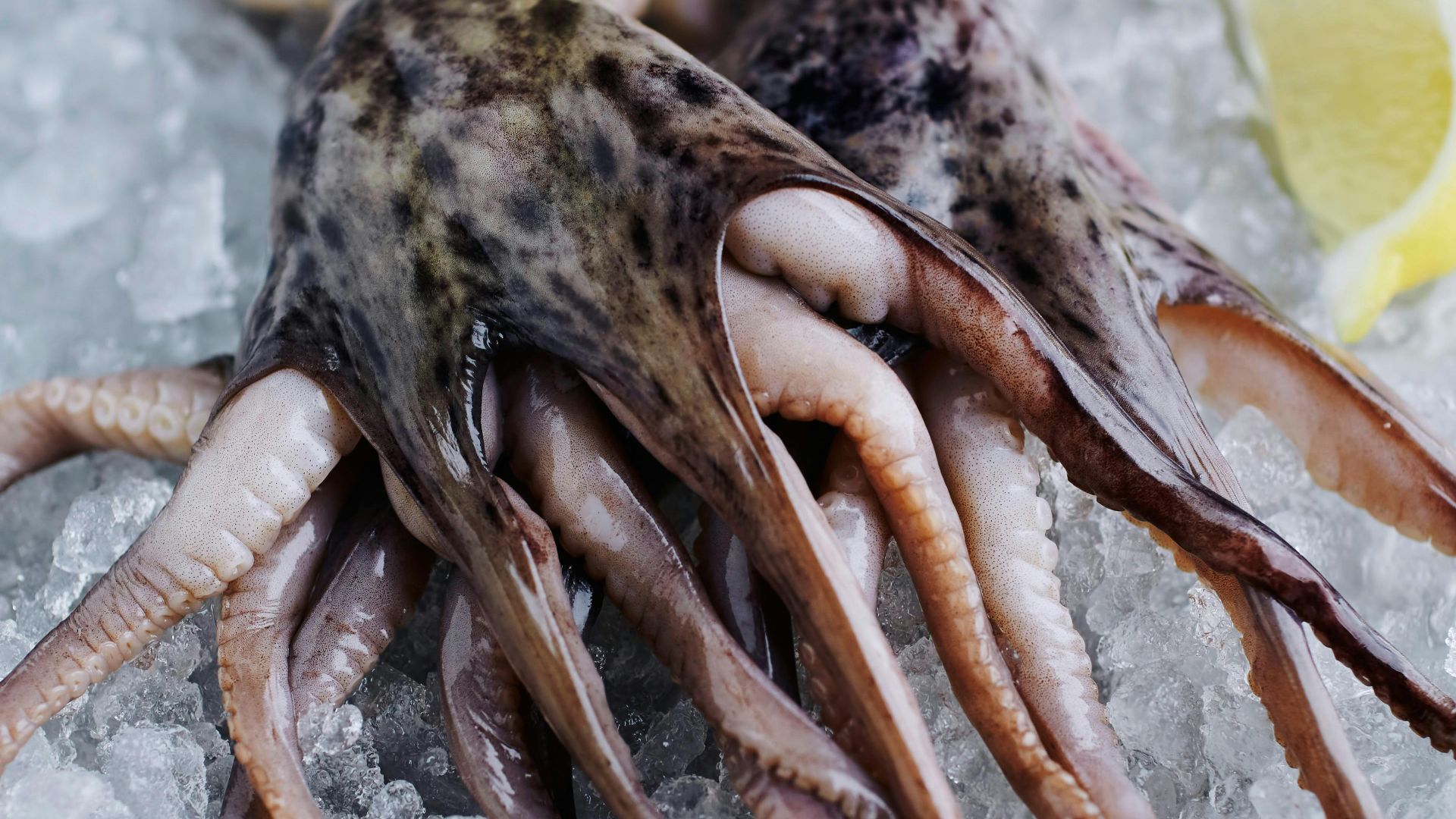
4. Squid “Armoricaine” (French RCIR)
The French RCIR goes places other rations don’t, including squid in Armorican-style sauce. It’s listed as a main dish option on the RCIR menu sheets. It's an impressive attempt to keep meals unique, but “squid pouch” is bound to be a hard sell.
5. Sauté of Rabbit (French RCIR)
Rabbit is perfectly normal in some cuisines, but it feels unexpected when it appears in a military ration menu. The RCIR menus include “Sauté of rabbit” as a main dish in one of the options. It’s the kind of item that makes you pause and reread the label.
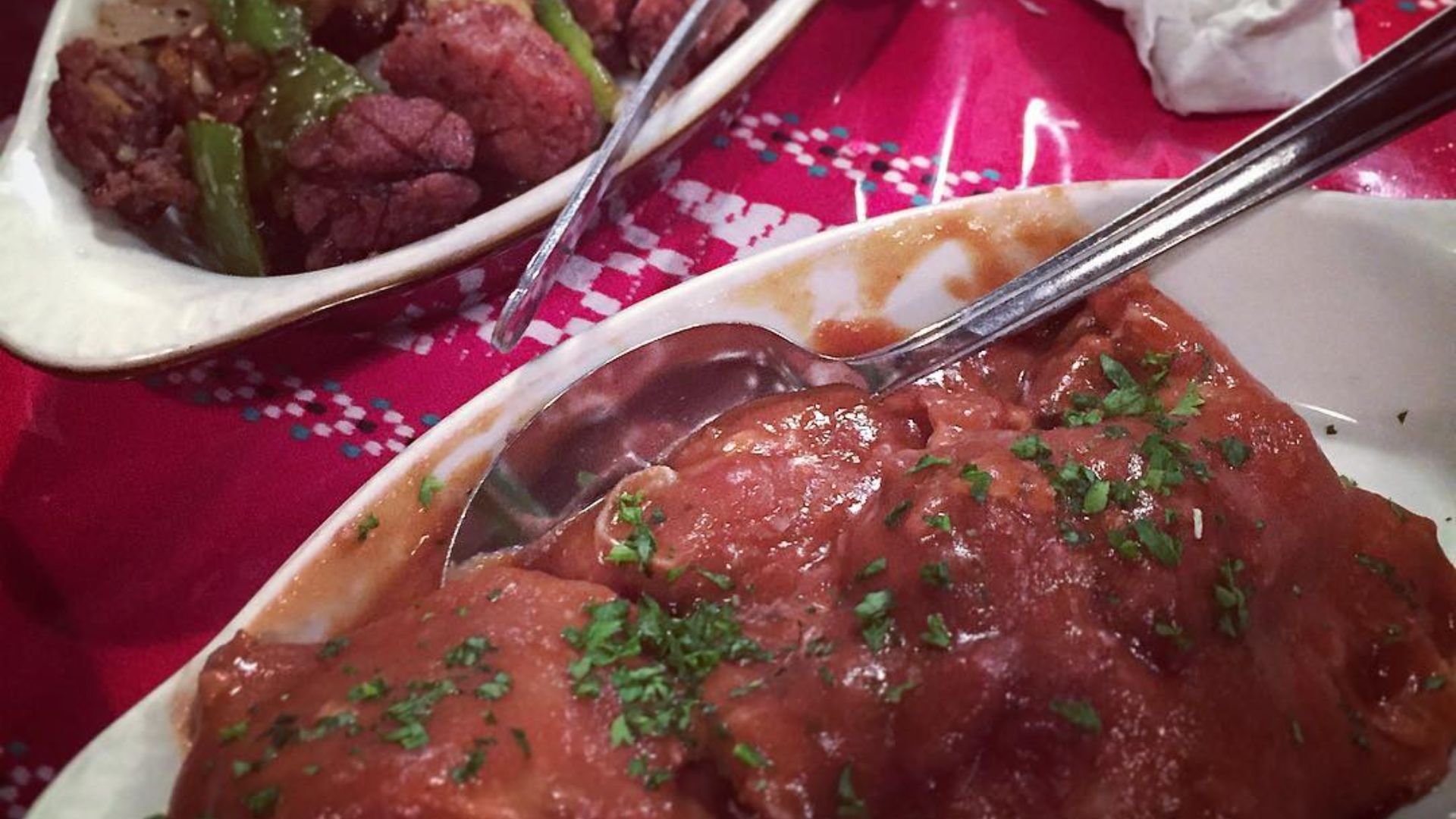
6. Duck, Olives, & Potatoes (French RCIR)
Duck is delicious, sure, but duck plus olives plus potatoes in a self-heating ration is a specific kind of confidence. The RCIR menu list includes this combination as a main dish. If you want proof that the French don’t give up their food identity under any circumstances, there it is.
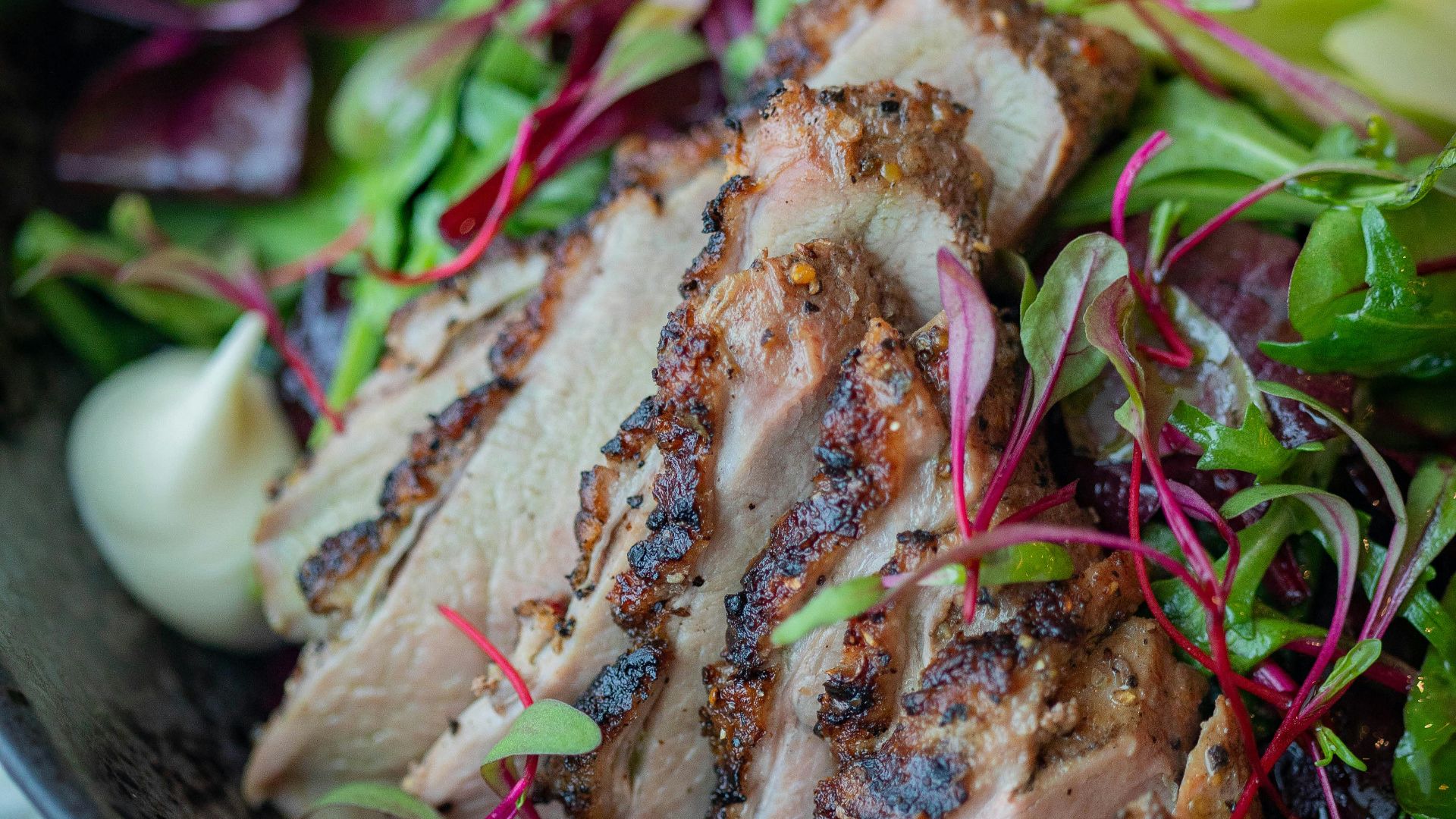
7. White Bean, Sausage, & Duck Casserole (French RCIR)
This is basically cassoulet’s rugged cousin, and it shows up as a menu item in the RCIR lineup. On paper, it sounds hearty, but in ration for, it can look like a brown mystery that, thankfully, tastes better than it photographs.
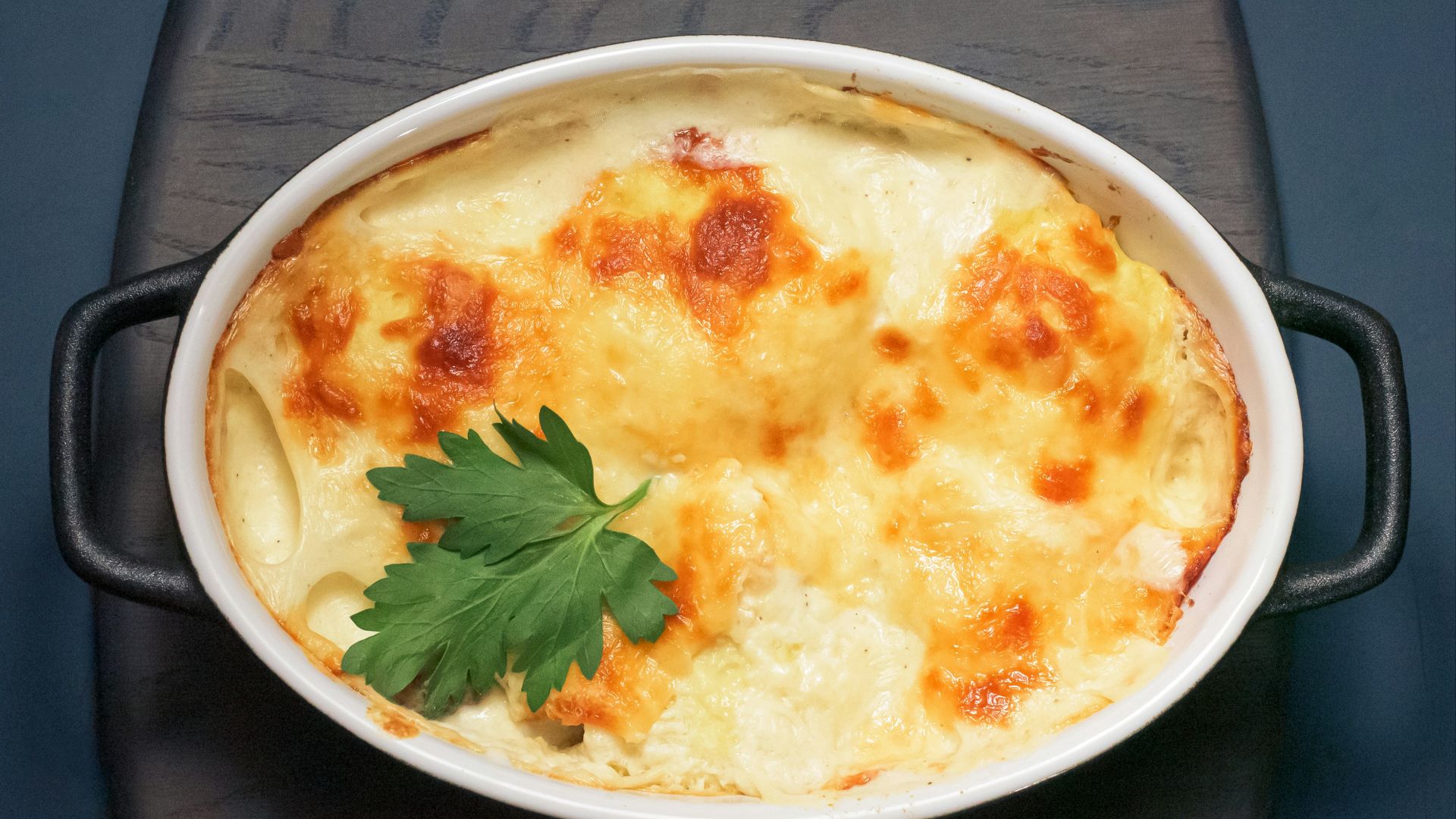
8. Canned Salted Fat (Russian IRP)
Russian IRP menus can include items translated as salted canned fat, which is as direct as it sounds. Retail descriptions of IRP variants list “fat salted canned” among the contents, reflecting how traditional and calorie-dense these packs can be. It’s not trying to charm you; it’s trying to keep you running.
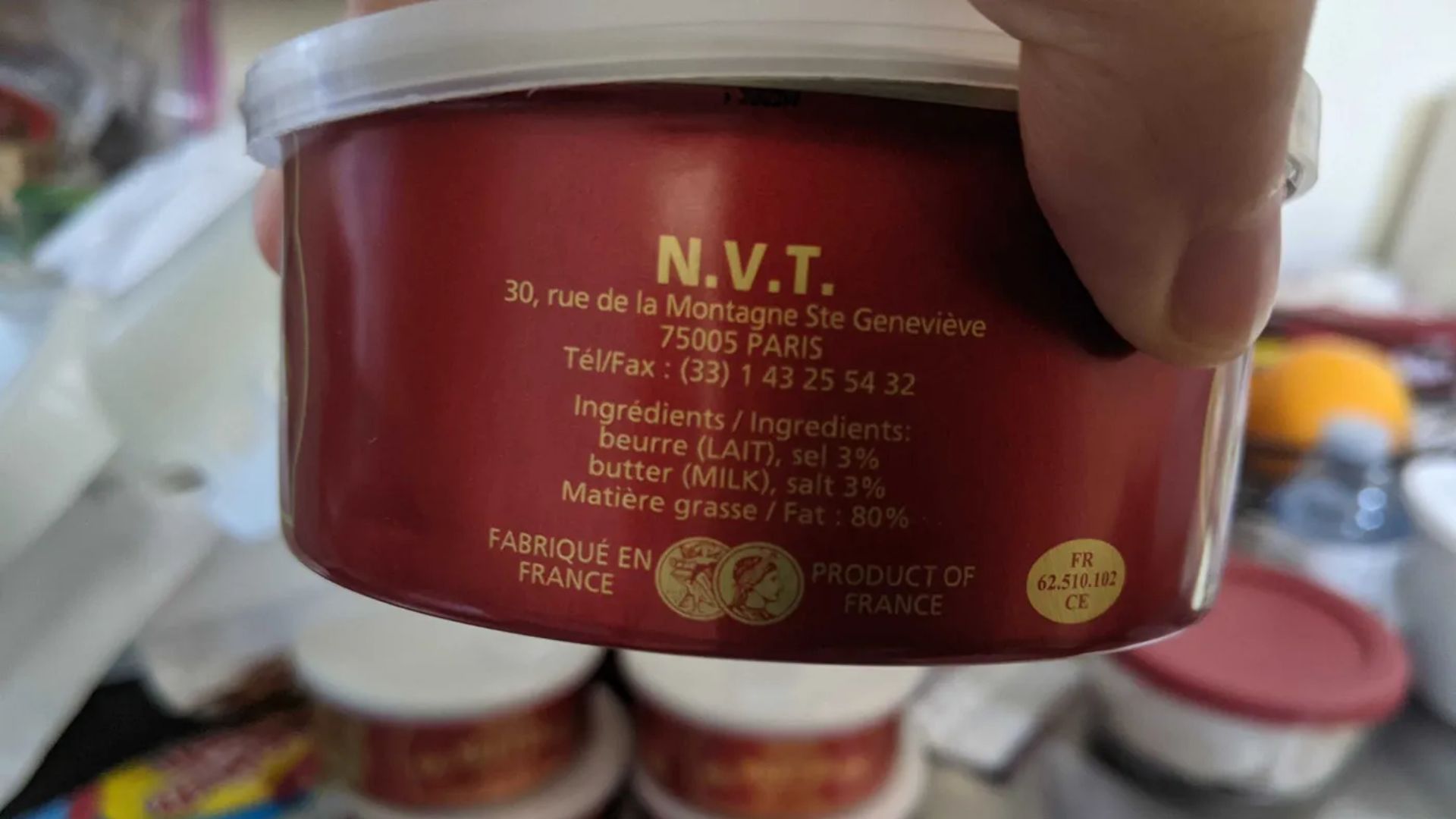
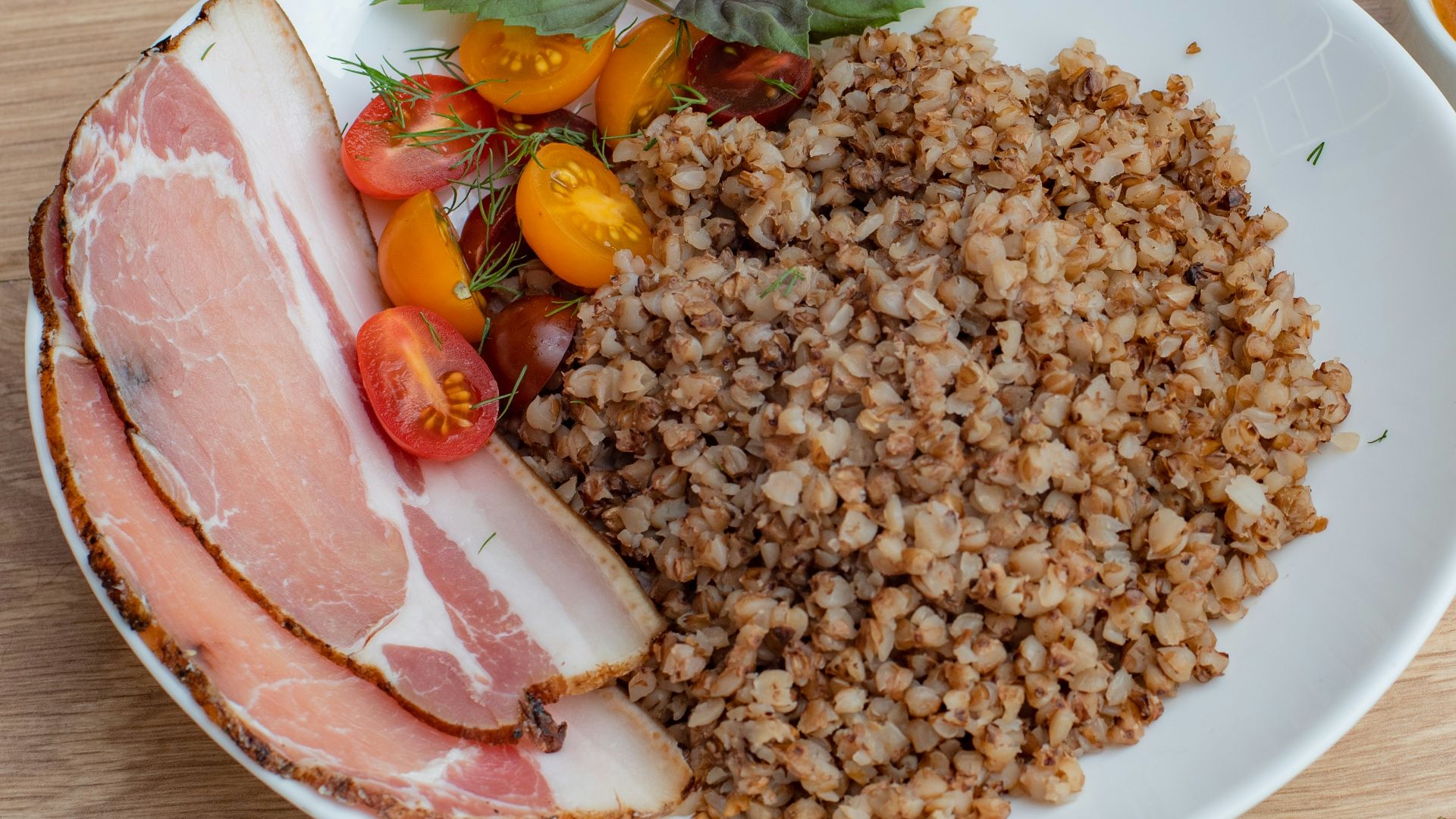
9. Boiled Buckwheat With Beef (Russian IRP)
Buckwheat is a staple food in a lot of places, but “boiled buckwheat with beef” hits different when it’s canned and served as a rations entrée. It appears in the listed contents for IRP packs in translated inventories. It's nutrient-dense, but don't expect it to be very tasty.
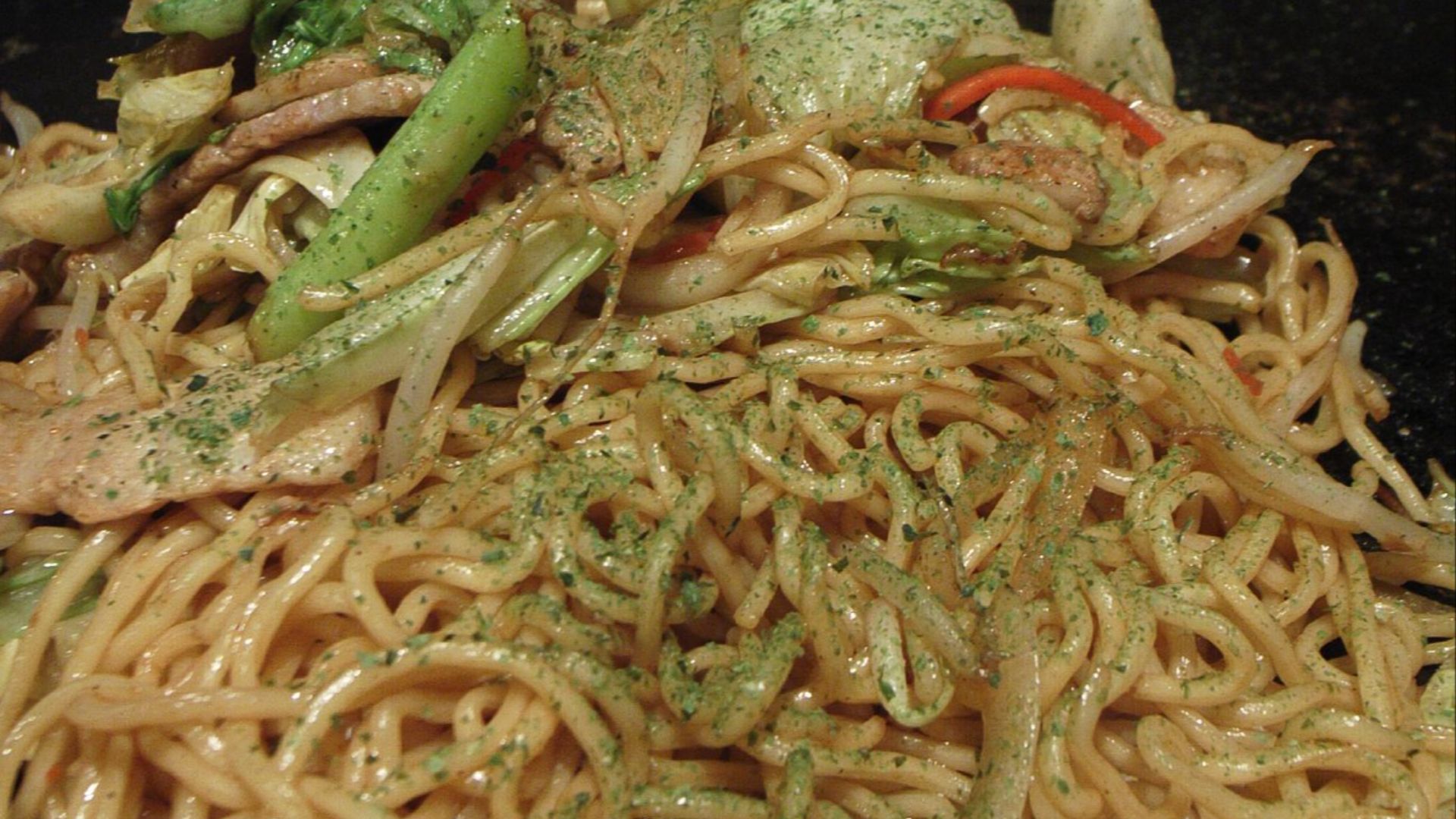
10. Pork Chow Mein (Canadian IMP)
The Canadian IMP has included entrées like pork chow mein, which feels like takeout that took a very long detour. A commonly referenced IMP example even highlights a “pork chow mein” meal in the context of what these packs contain. It’s the type of dish that makes you appreciate how hard “noodles, but shelf-stable” is as a goal.
Now that we've talked about some of their saddest meals, military personnel have to endure, let's cover some popular "civilian-friendly" meals that were inspired by military rations.
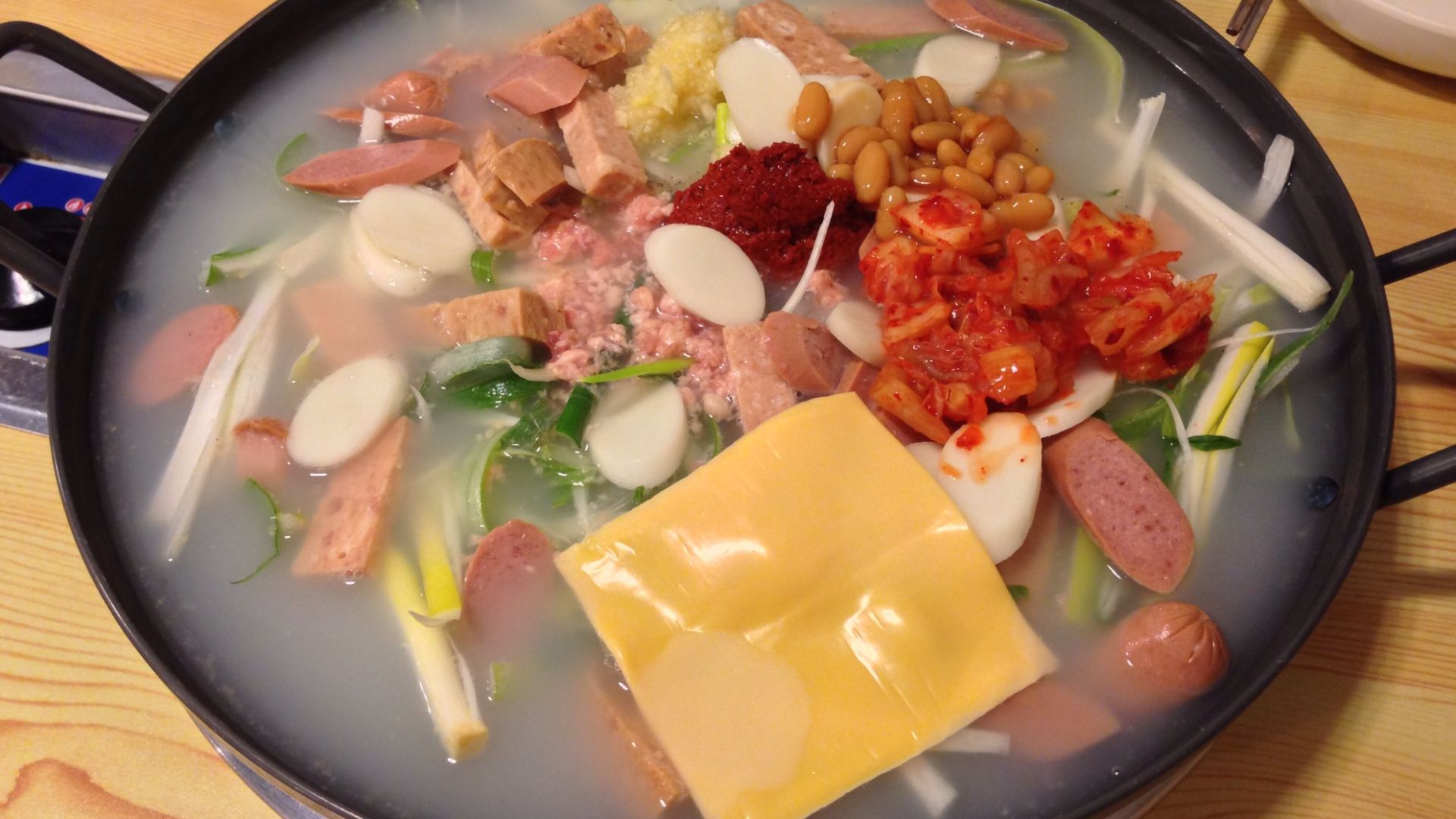
1. Korean Army Base Stew (Budae-jjigae)
Budae-jjigae was born out of the Korean War, built from ingredients associated with U.S. military bases like Spam, hot dogs, baked beans, and American cheese. It took ration-style, shelf-stable foods and turned them into a spicy, communal comfort meal. Today, it’s popular enough to have dedicated restaurant streets and endless home versions.
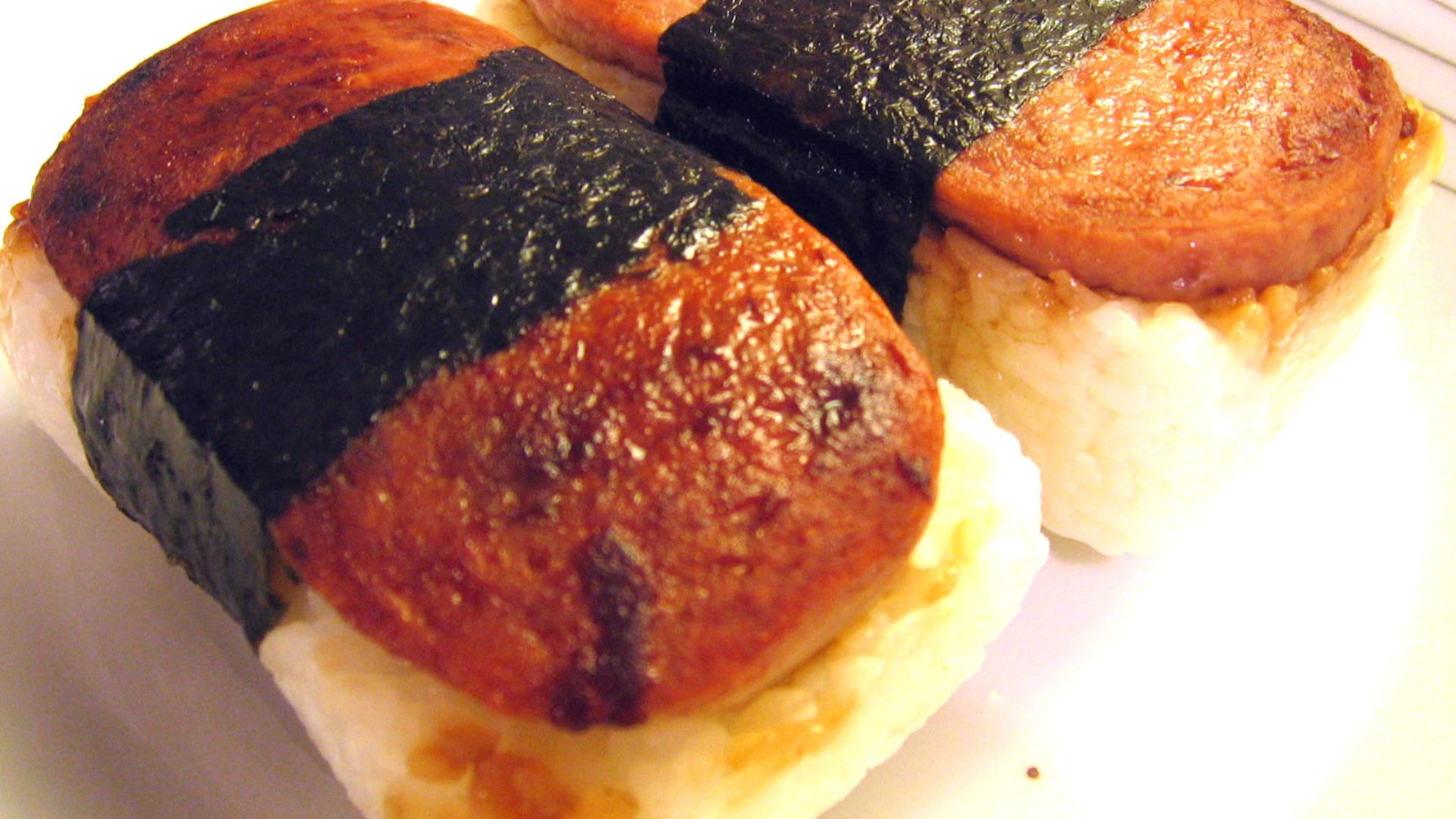
2. Spam Musubi
Spam musubi became a Hawaii staple in the WWII era, when Spam arrived in huge quantities through the U.S. military presence in the Pacific. Locals folded it into a portable snack that’s now everywhere, from convenience stores to lunch plates. It’s simple, filling, and weirdly addictive.
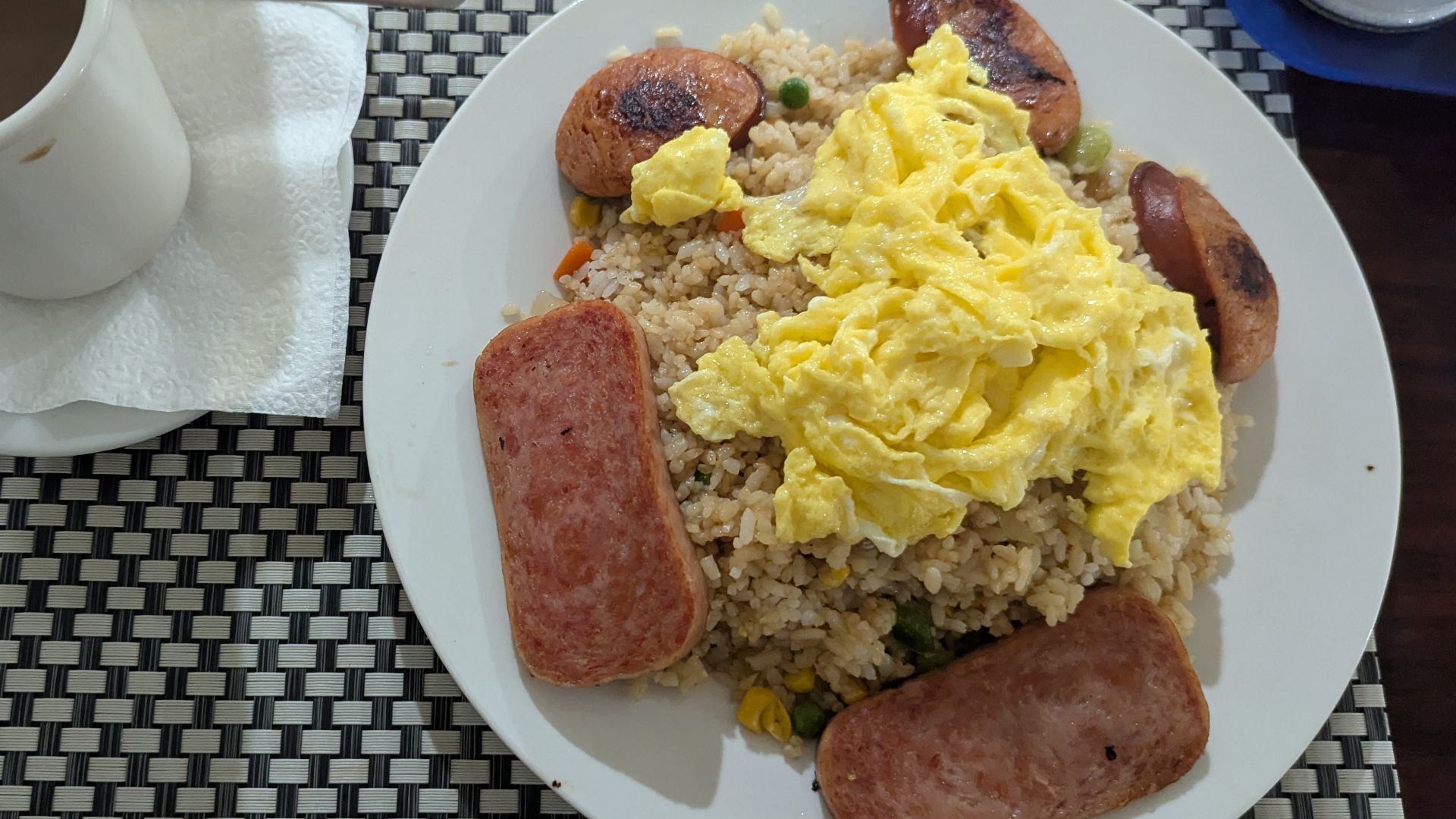
3. Spam Fried Rice
Once Spam was part of daily life in places influenced by wartime supply lines, it naturally migrated into quick, practical dishes like fried rice. Hawaii is especially known for treating Spam as a normal pantry item rather than a novelty, and Spam fried rice shows up as a common local staple. The appeal is straightforward: it’s fast, salty, and works with whatever vegetables you’ve got.
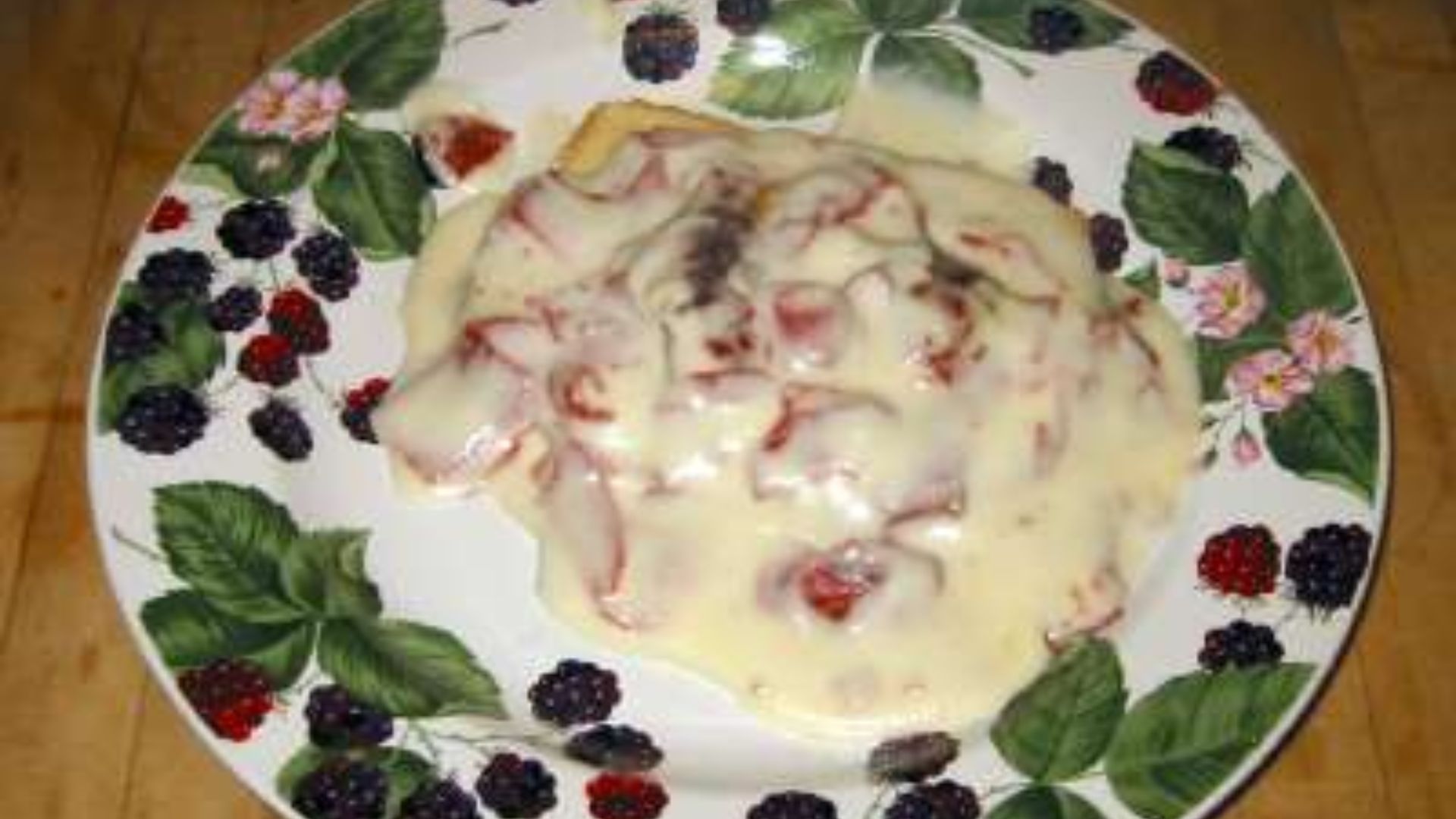
4. S.O.S. (Creamed Chipped Beef on Toast)
“S.O.S.” is one of the most famous U.S. military meals to cross into civilian kitchens, built around dried beef in a creamy sauce served over toast. Veterans have talked about it for decades because it’s cheap, filling, and they just can't shake the nostalgia. Modern home versions often tweak it to taste better while keeping the same basic structure.
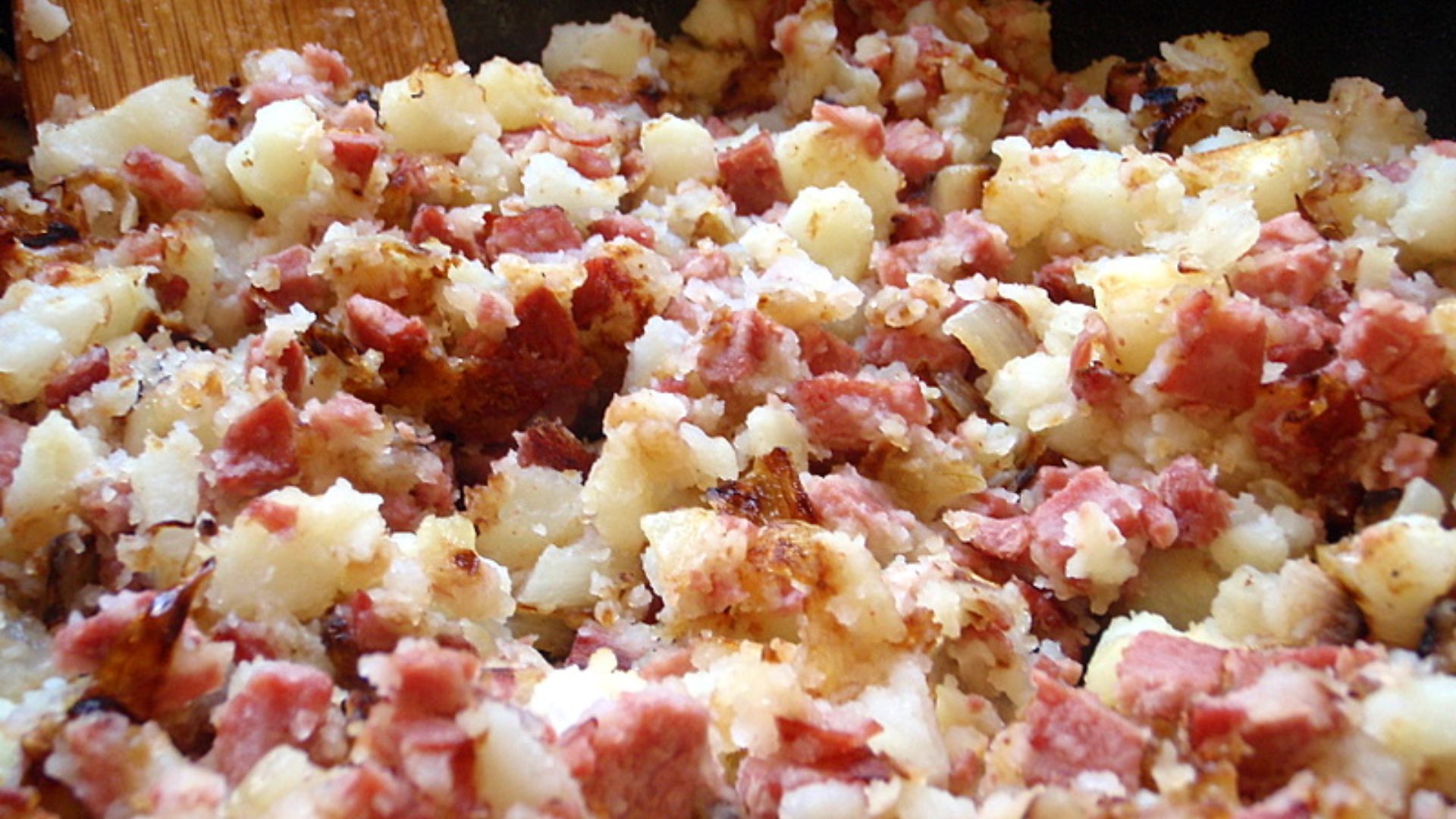
5. Corned Beef Hash
Corned beef hash is tightly linked to the long tradition of tinned corned beef as a military ration (often called “bully beef” in British/Commonwealth contexts). When you have canned meat and potatoes, a fried hash is the obvious next step, and it became a familiar comfort food far beyond the field.
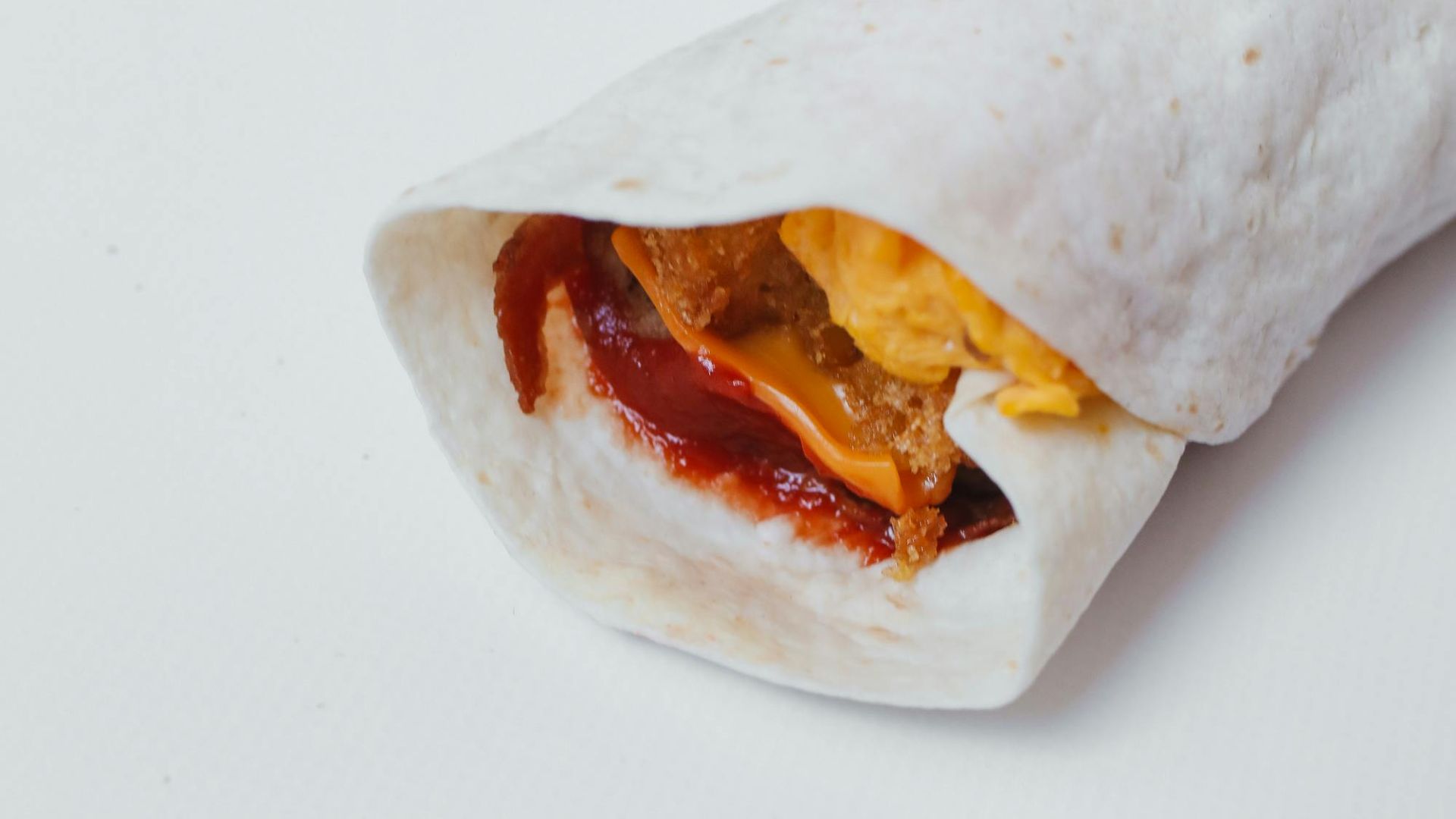
6. Shelf-Stable Tortilla Wraps and “Pocket Sandwiches”
One genuinely enjoyable ration-inspired crossover is the rise of shelf-stable wraps and ready-to-eat “pocket sandwiches” that were originally developed for U.S. military use. Companies like Bridgford make tortillas and wrap-style components used in military rations, and those same products became popular with campers because they taste normal and travel well.
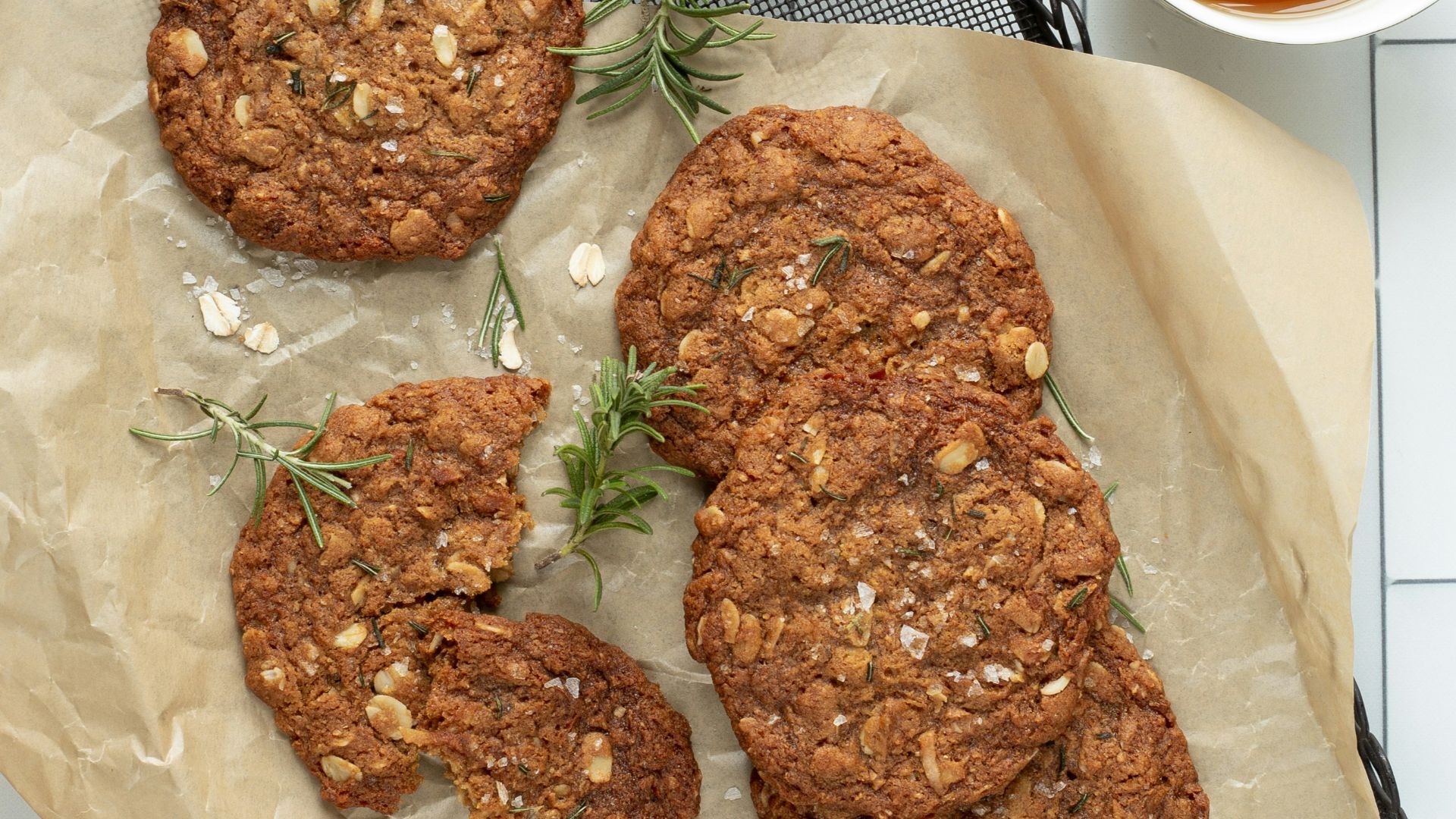
7. ANZAC Biscuits
ANZAC biscuits are strongly associated with the Australian and New Zealand Army Corps during World War I. Made without eggs, they were developed as shelf-stable treats that women's groups and families would send to soldiers. These sweet, delightful cookies were not a military ration, but they were inspired by the much less palatable "ANZAC tiles" or wafers given to soldiers by the army that were so hard they had to be soaked in water to become edible.
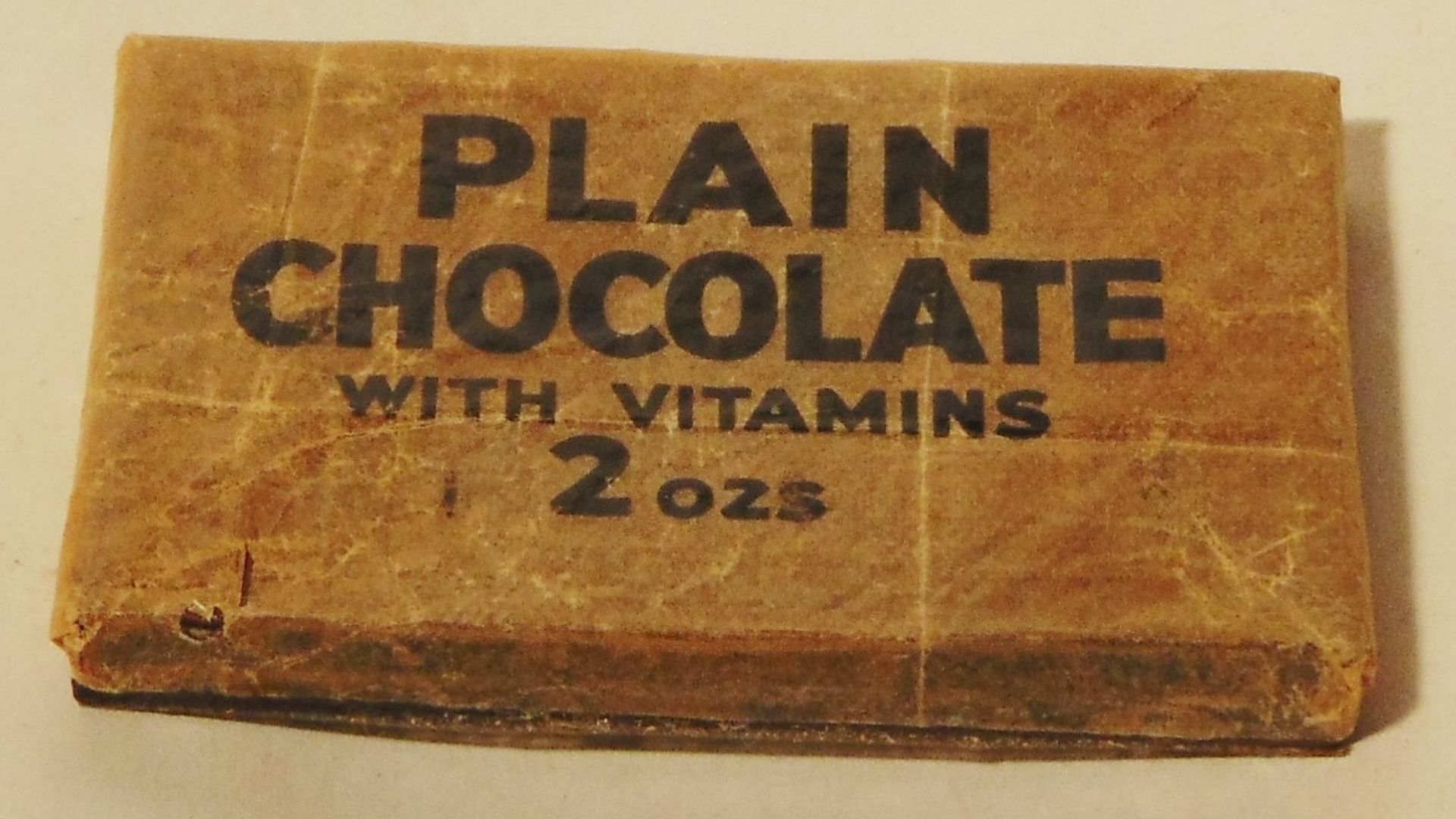
8. Army Chocolate & “Ration-Style” Bars
The U.S. military’s D-ration chocolate was literally designed as an emergency, pocket-sized energy source, with specs that included surviving heat and providing dense calories. Even if you’re not chewing on a true ration bar today, the idea of compact “fuel bars” owes a lot to this kind of military design thinking.
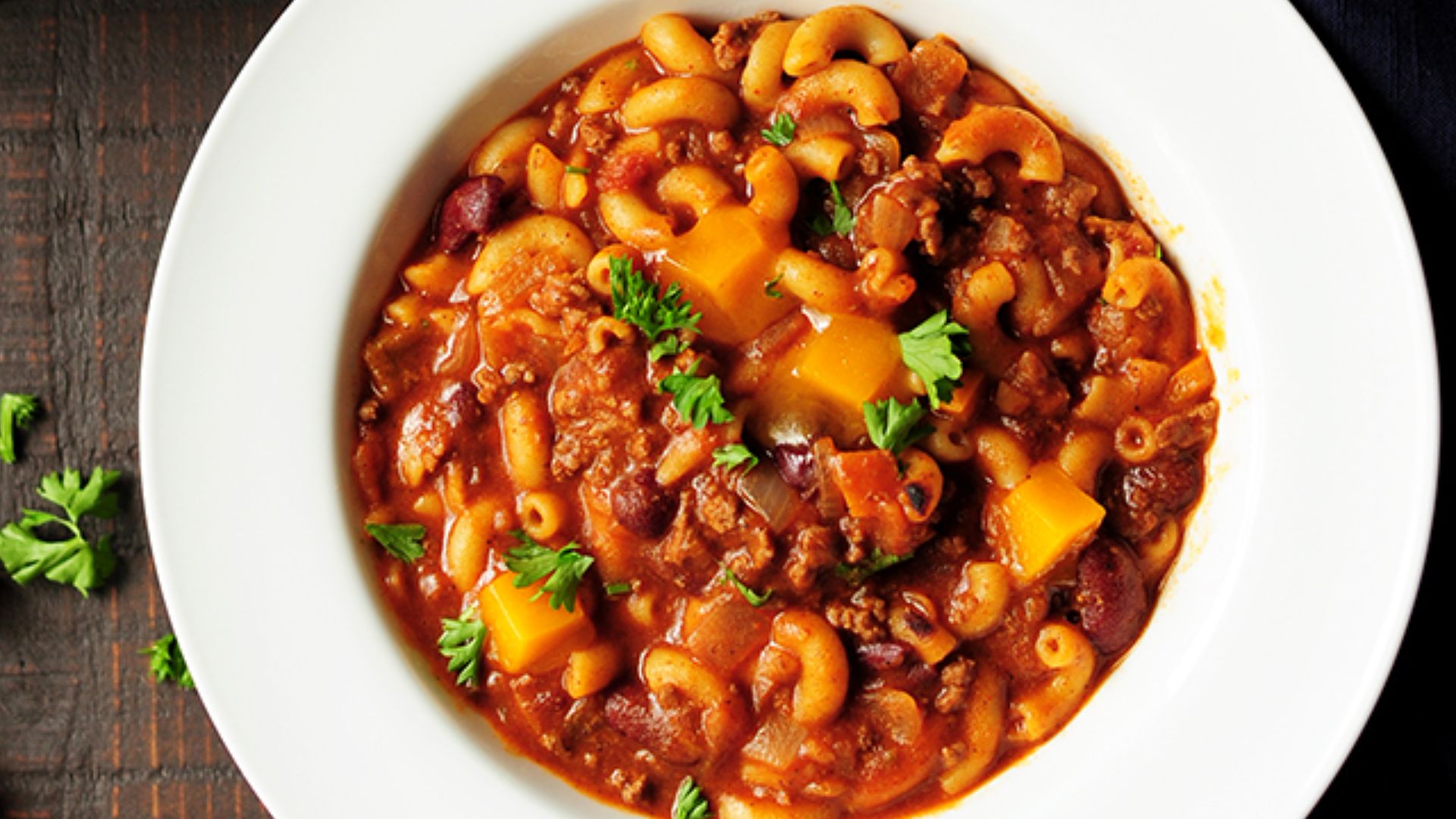
9. Chili Mac
Chili mac existed before MREs, but it became iconic in the U.S. military once it hit the MRE menu, building a reputation as a favorite field meal. That popularity helped push it into a kind of cultural shorthand for “the good MRE,” and it’s now a common camping-and-emergency-food staple too.
10. Pemmican-Inspired “Survival” Snacks
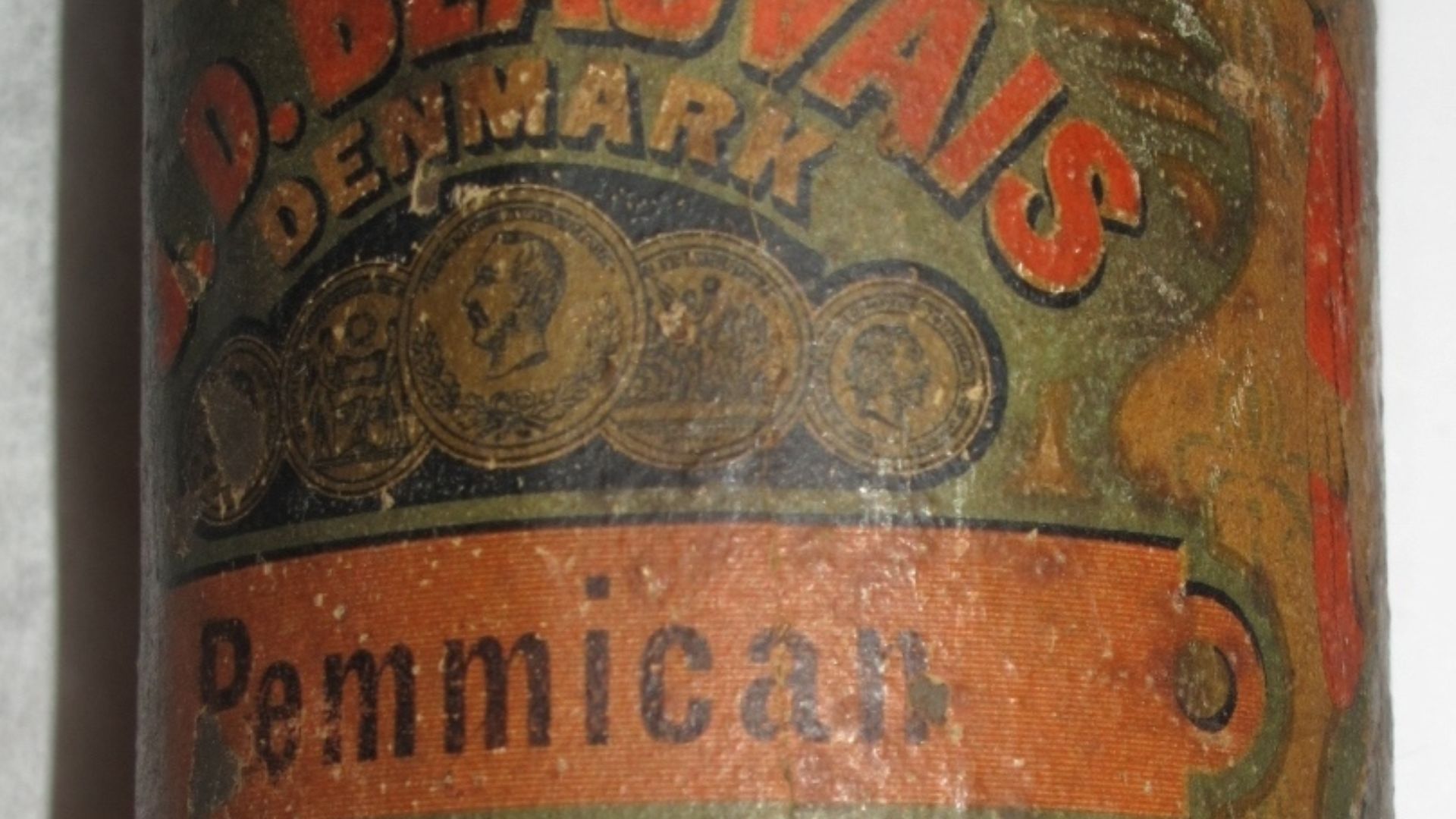
Pemmican has a long history as an ultra-dense, long-lasting food and shows up in records as an “iron ration” concept used in military contexts, including discussions of soldiers carrying it as last-resort fuel. The portable nature of pemmican helped influence the development of modern beef sticks, jerky, protein bars, and trail mix.