How Grocery Shopping Changed
Strolling down the grocery store aisles feels a bit like a horror movie for your wallet lately, especially when you compare the total to what your parents paid a few decades ago. Back in 1990, the economy was in a completely different spot, and a hundred-dollar bill could practically fill a couple of shopping carts to the absolute brim. Today, thanks to a mix of inflation, supply chain dramas, and shifting global demands, those same basic items require a lot more financial planning.
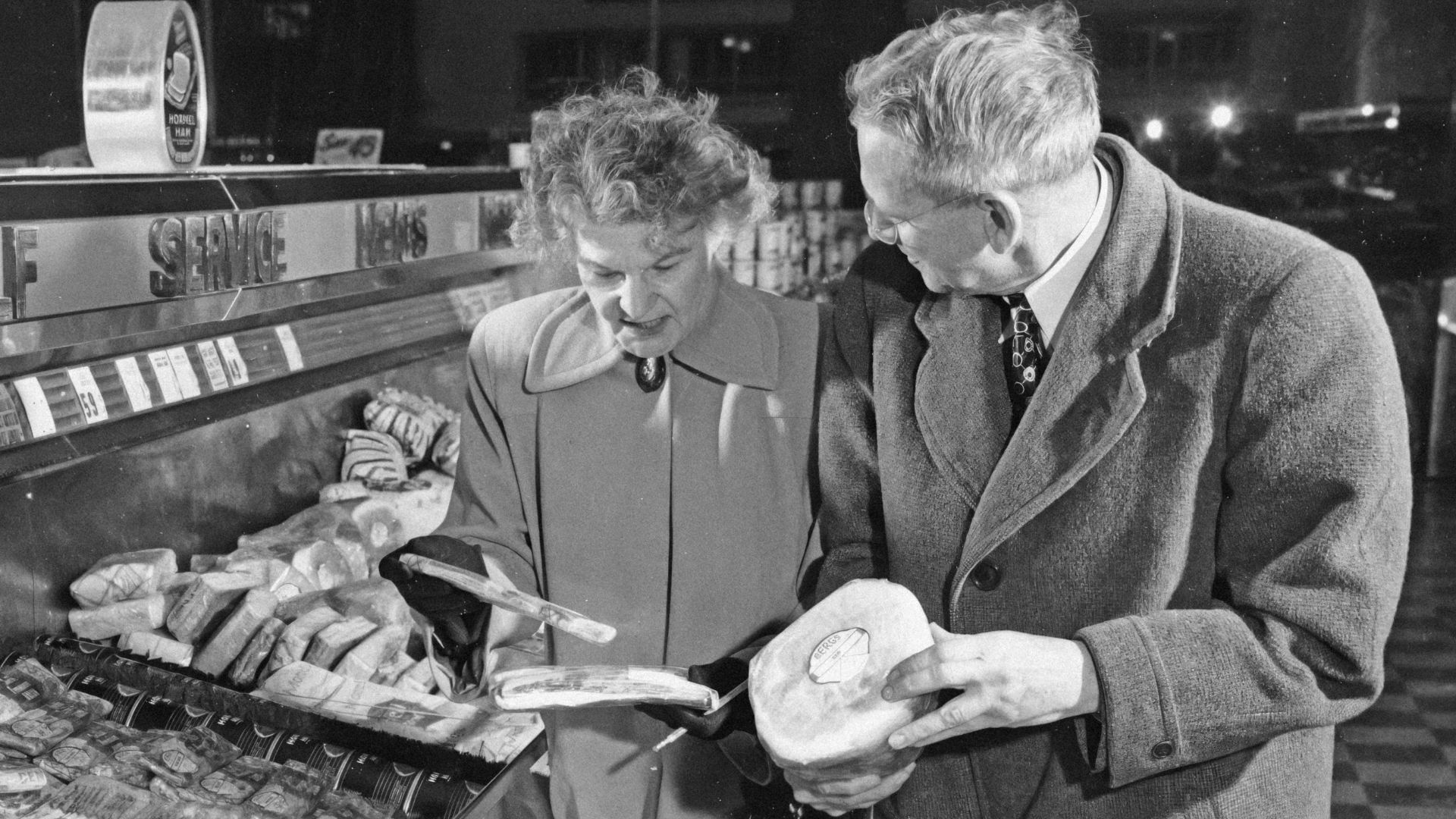 The Oregon State University Collections and Archives on Unsplash
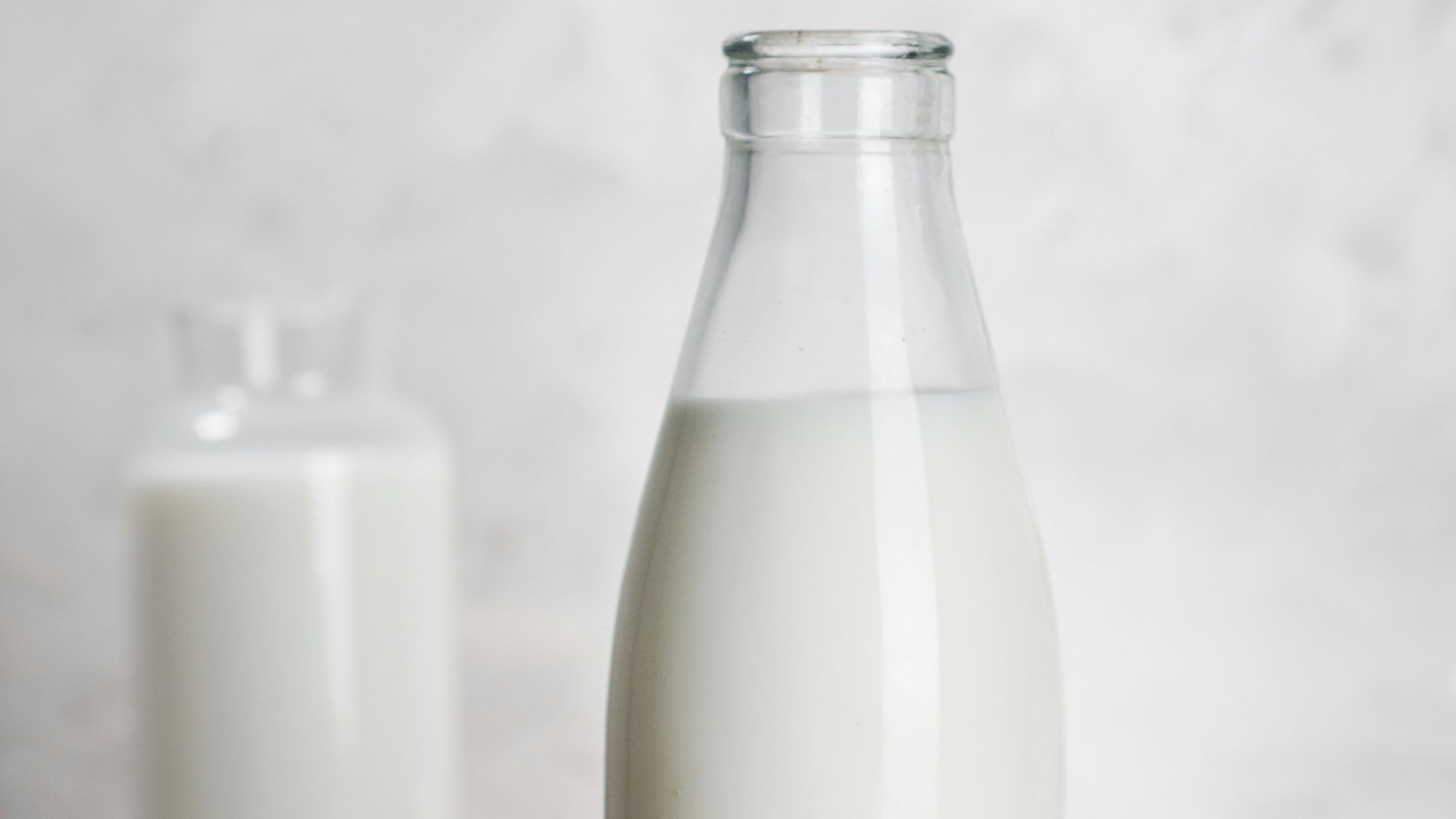
1. Whole milk
Back in 1990, grabbing a gallon of fresh whole milk at the corner store only set you back roughly $2.50. Fast forward to the present day, and you're looking at an average price tag closer to $4.00 or more depending on where you shop. Milk is still one of the most common refrigerator staples for many families.
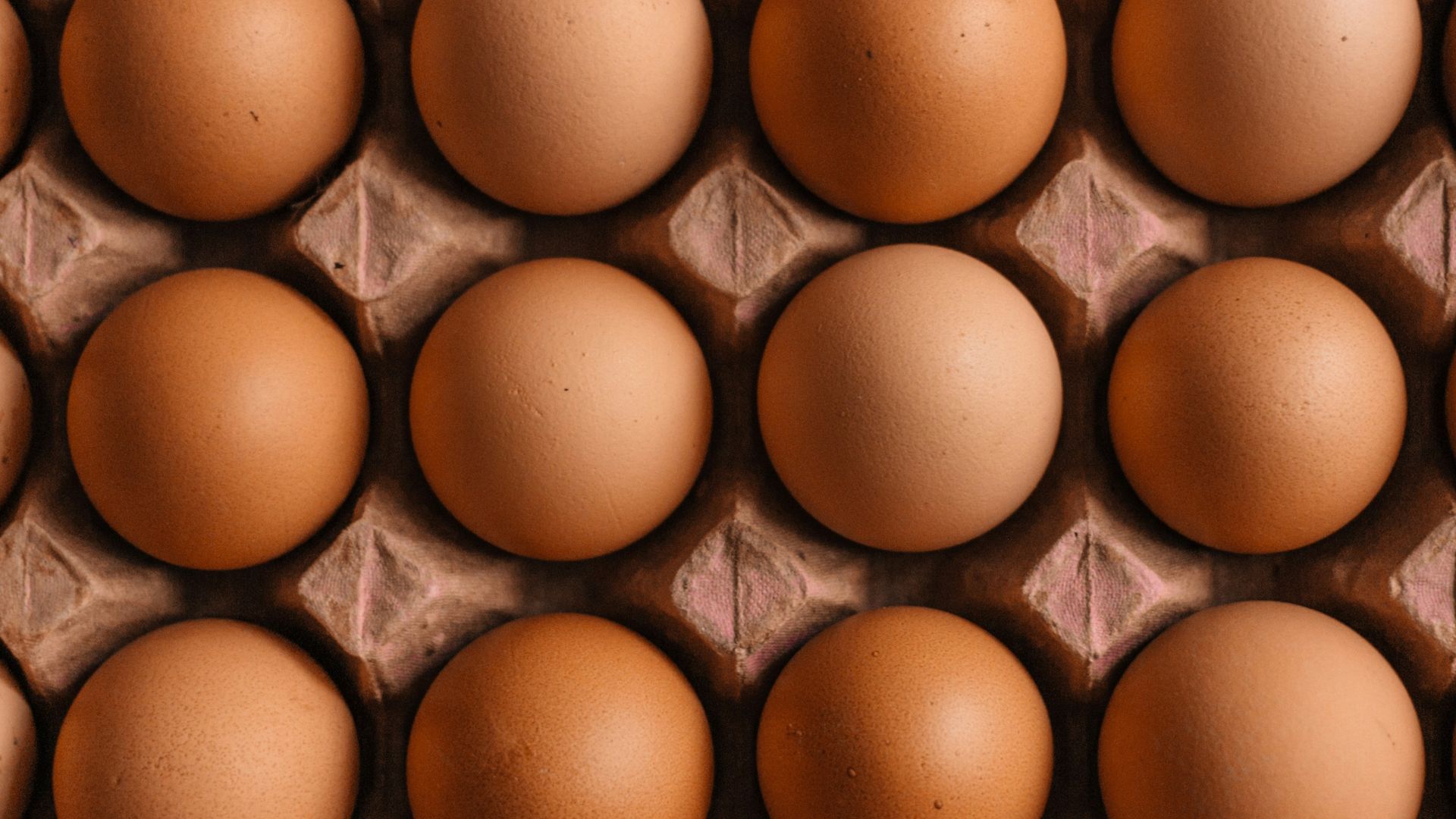
2. Large eggs
A simple carton of one dozen eggs was an absolute steal thirty-six years ago, routinely costing shoppers less than a single dollar. These days, you'll generally hand over around $2.25 for that identical carton. Unless there’s an epidemic of avian influenza, eggs will probably always be one of the greatest examples of grocery inflation.
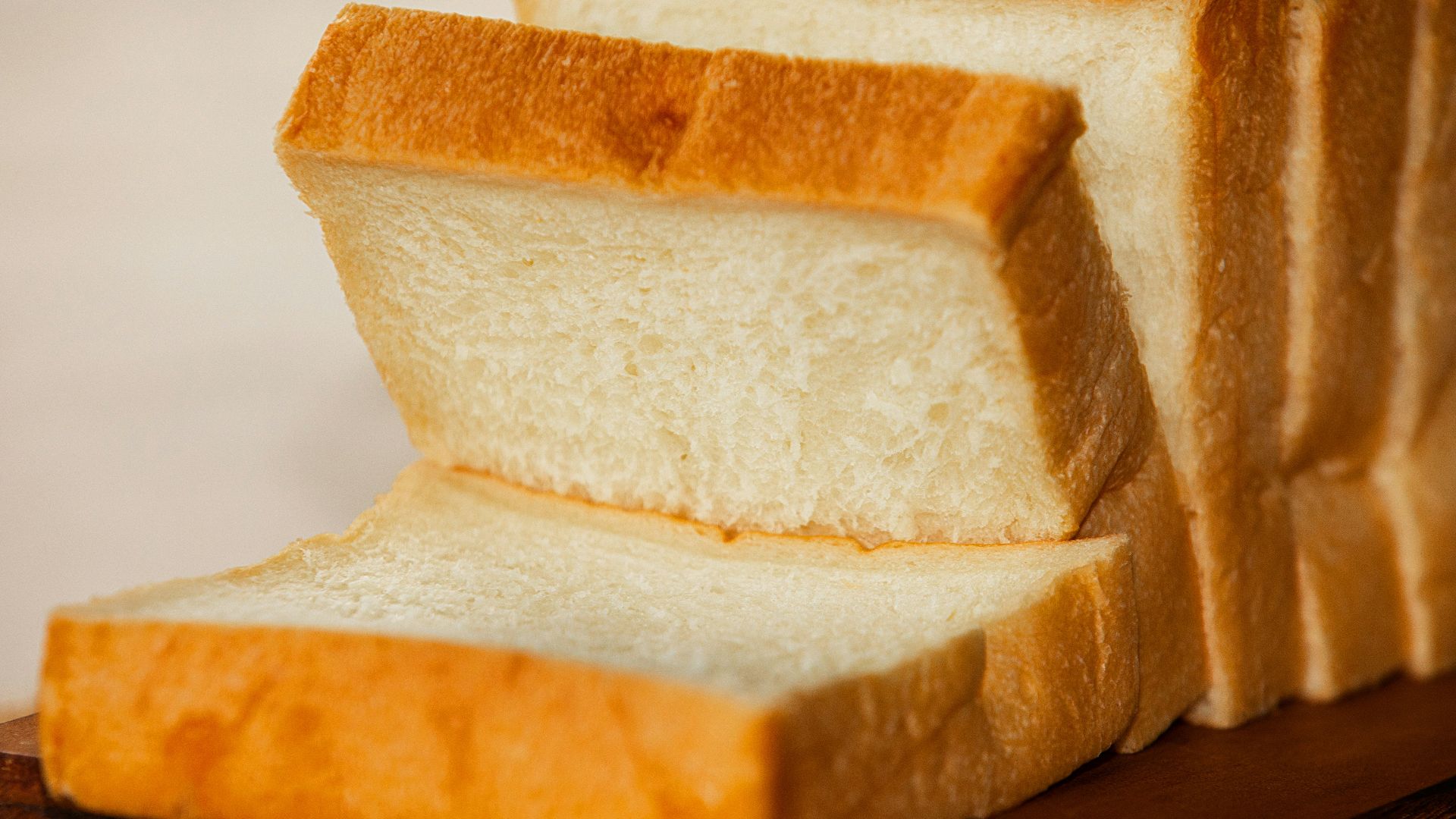
3. White bread
Remember how cheap it used to be to make peanut butter and jelly sandwiches as a kid? A standard loaf of white pan bread cost a mere 70 cents. Current supermarket data shows that a basic pound of that same loaf will now cost you roughly $1.87.
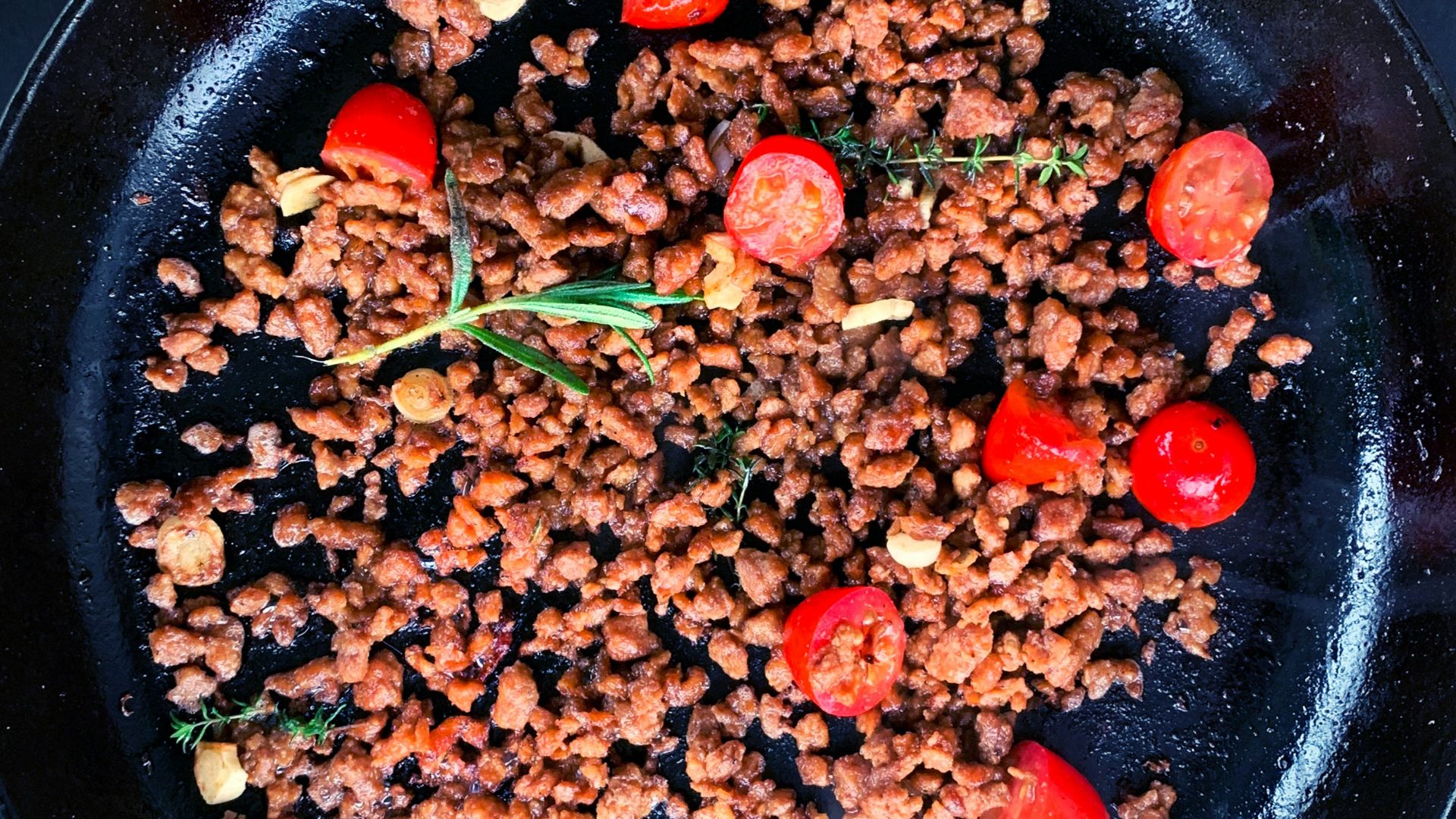
4. Ground beef
Throwing a hamburger barbecue used to be quite inexpensive when ground chuck was only $1.40 per pound. If you head to the meat department today, you'll find it costs $6.00 per pound for the exact same cut. Cattle feed shortages and increased processing demands have turned simple beef into a bit of a luxury.
5. Coffee beans
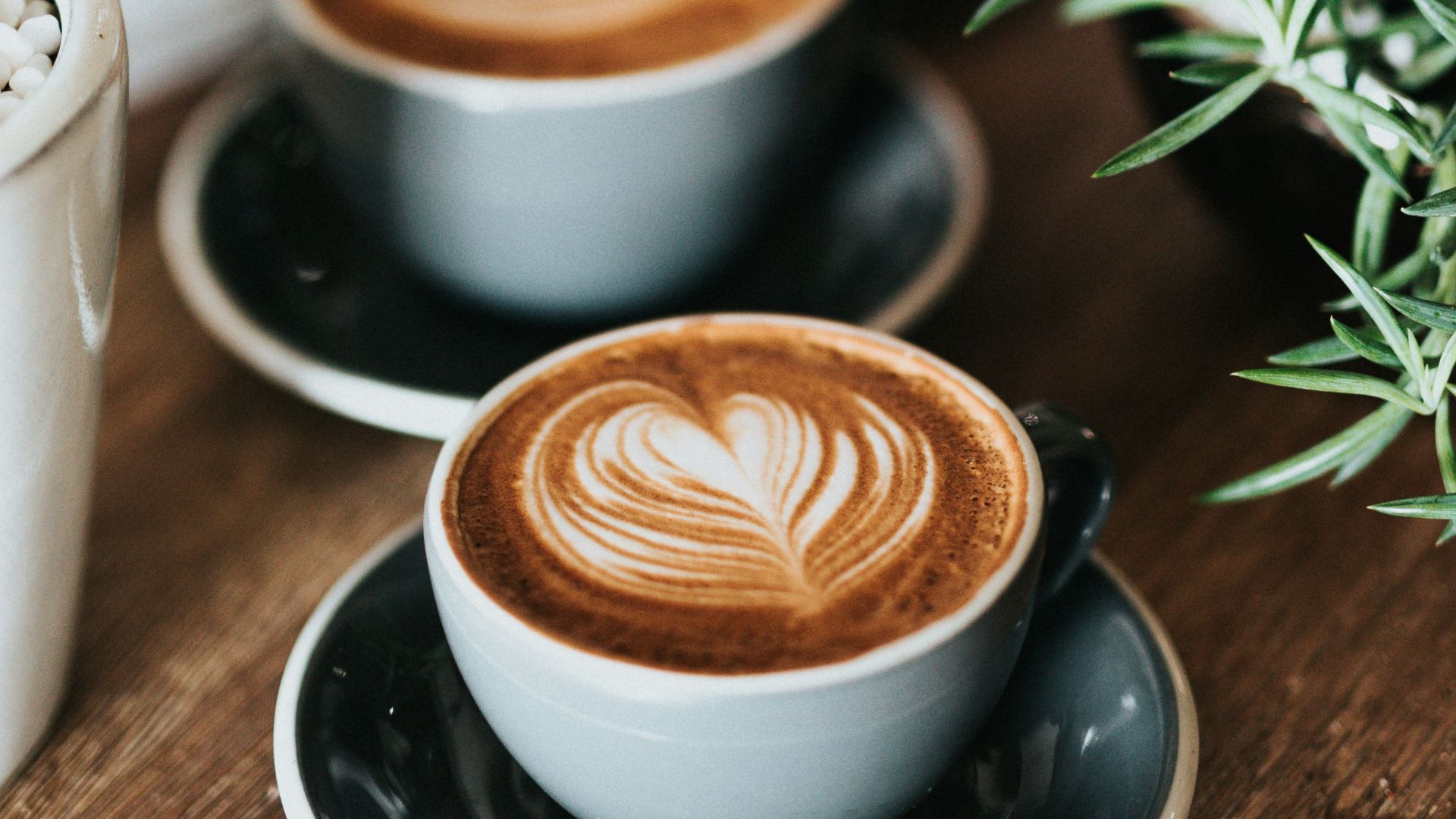
If you’re like most Americans, you brew your own coffee each morning so you can save a few dollars. A pound of roasted coffee used to cost about $2.75. Thanks to global climate shifts affecting major coffee-growing regions and logistical shipping hurdles, a bag of regular ground joe now averages well over $6.00.
6. Chicken
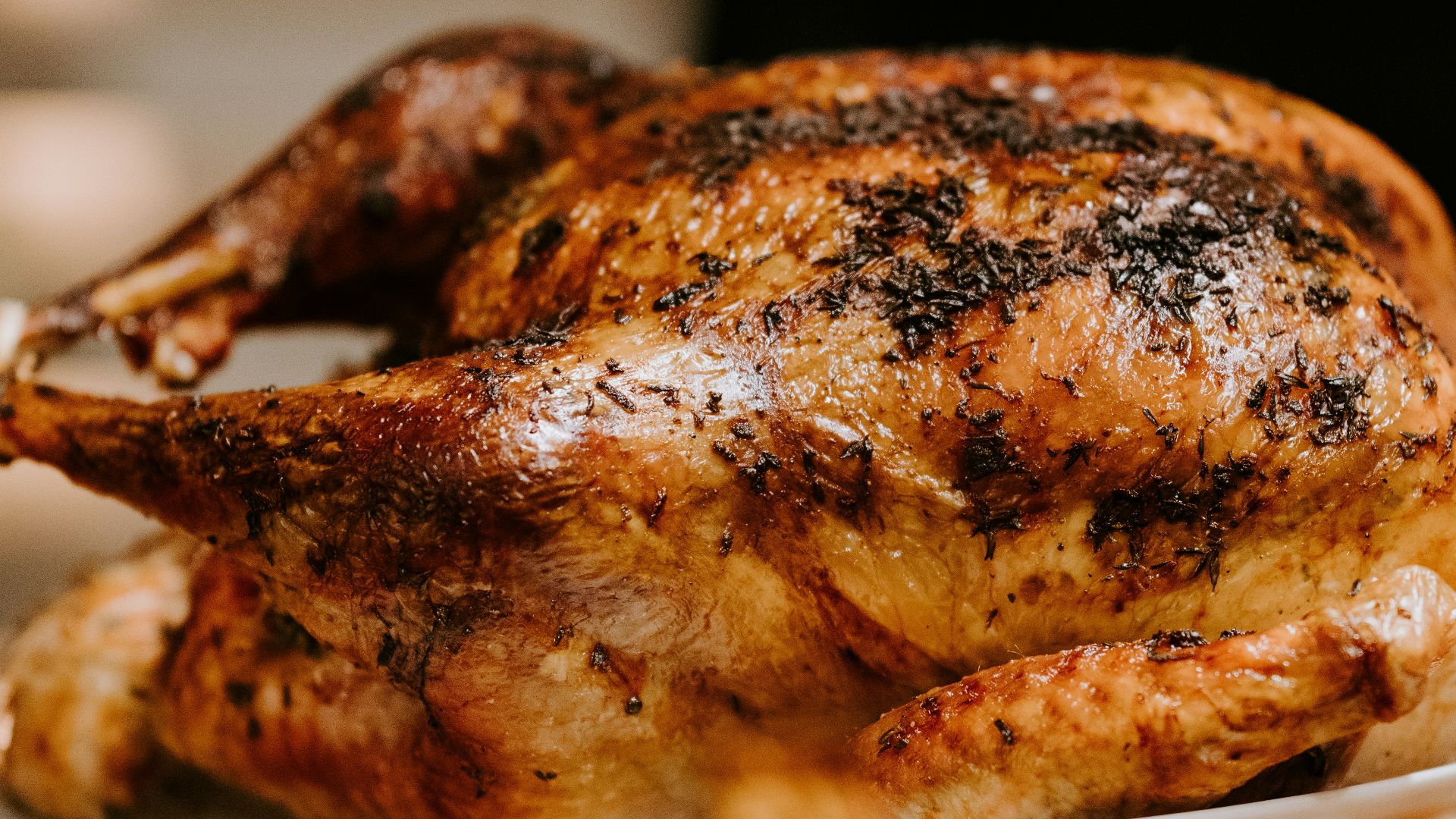
Boneless chicken breasts were considered a wonderfully economical healthy dinner option in the nineties at roughly $2.00 a pound. Today, that identical package of lean poultry routinely retails for more than $4.20 per pound at your local supermarket. This proves that inflation can happen in every meat section of every grocery store.
7. Fresh bananas
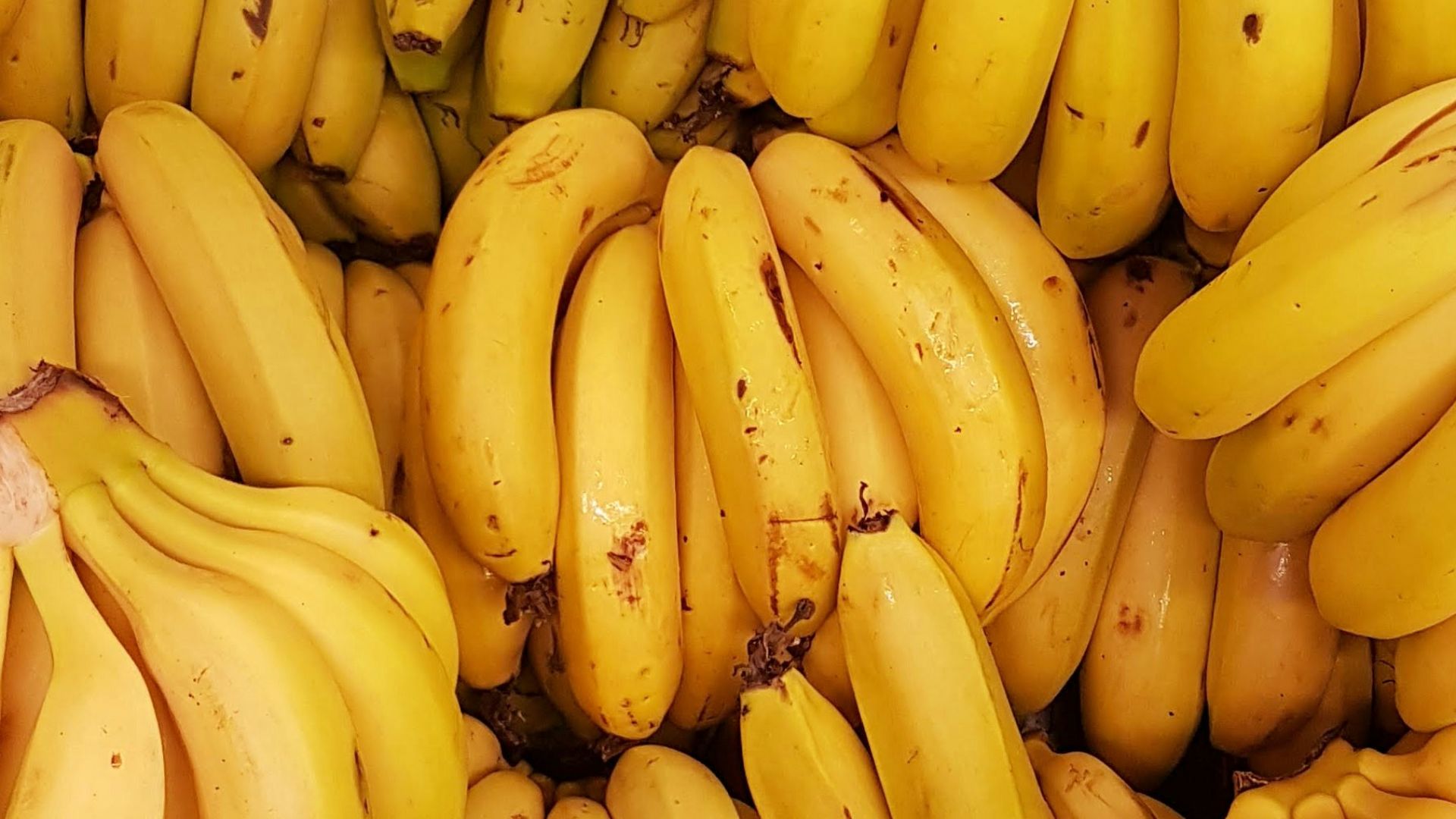
Bananas are one of the few grocery items that have not experienced major inflation over the past few decades. In 1990, bananas cost about 32 cents per pound. Today, they cost about 63 cents per pound.
8. White potatoes
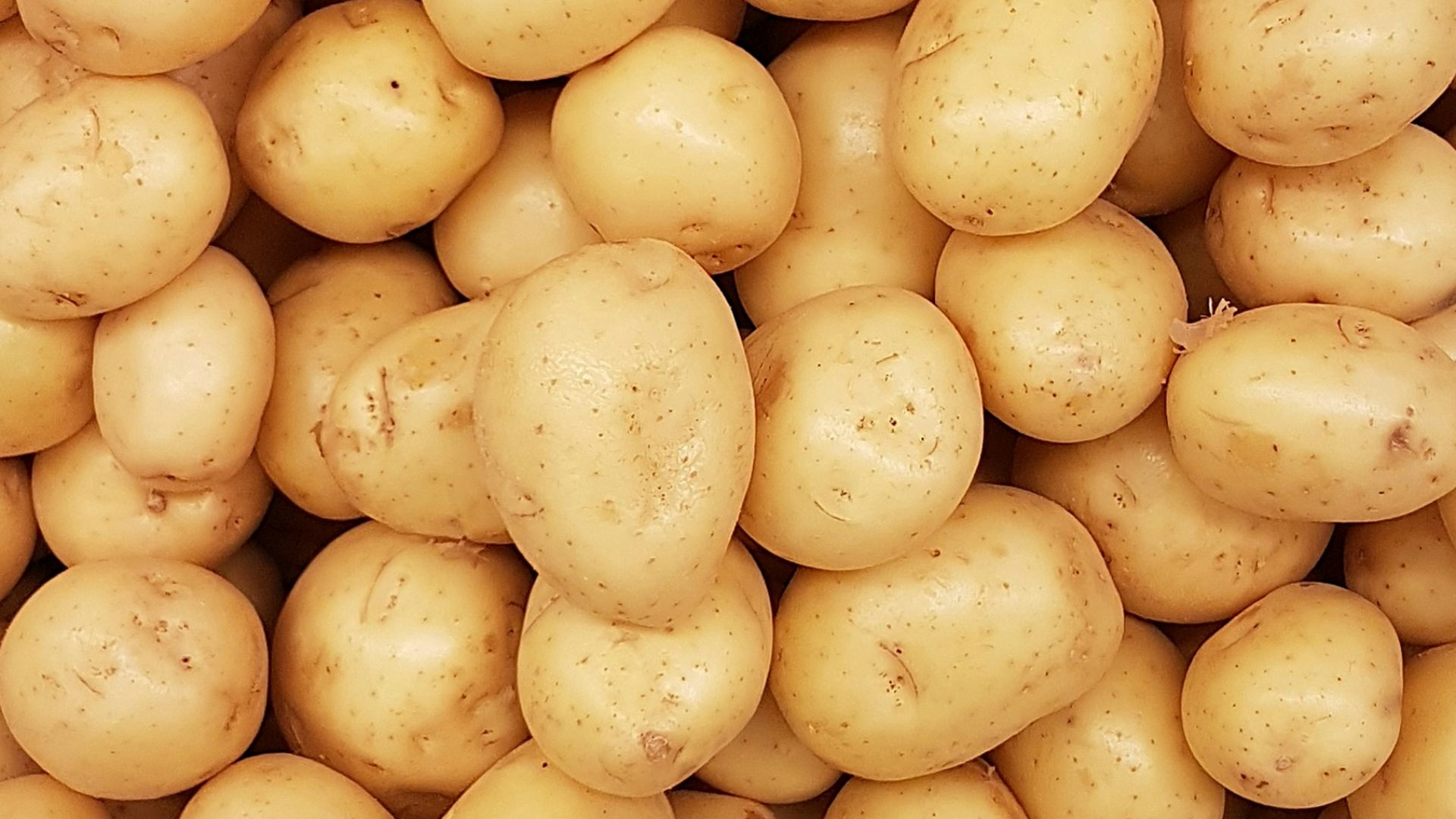
French fries and mashed potatoes used to be cheap to make from scratch. A five-pound bag of potatoes would cost only $1.50. Now, it takes nearly $4.50 to buy that same bag.
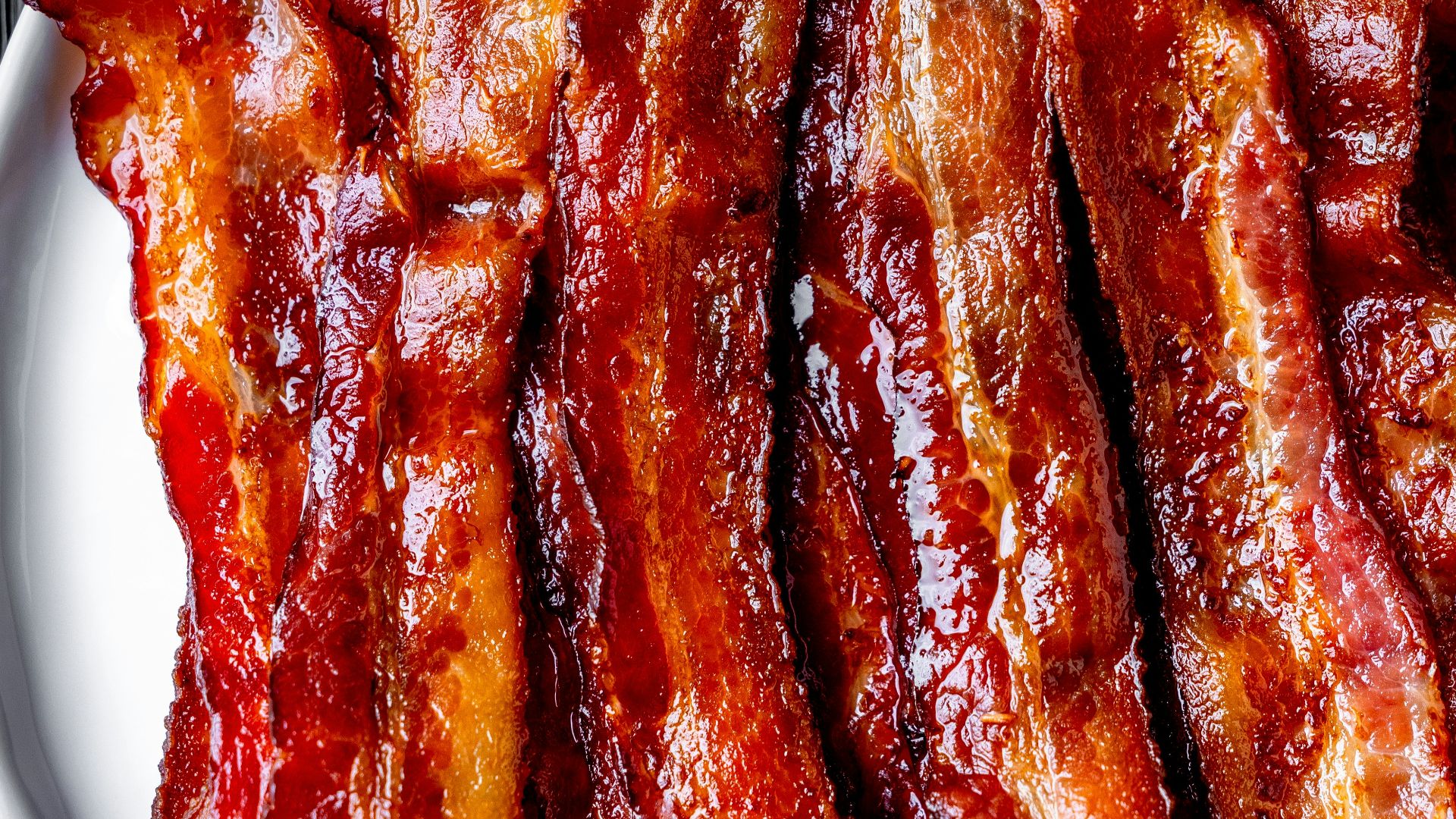
9. Sliced bacon
Waking up to the smell of frying bacon in 1990 meant your household was enjoying a treat that cost roughly $2.00 per package. Today, the price of a standard one-pound pack of thick-cut bacon is $6.75. Pork processing changes and high consumer demand mean you'll pay a pretty penny to keep this savory breakfast side.
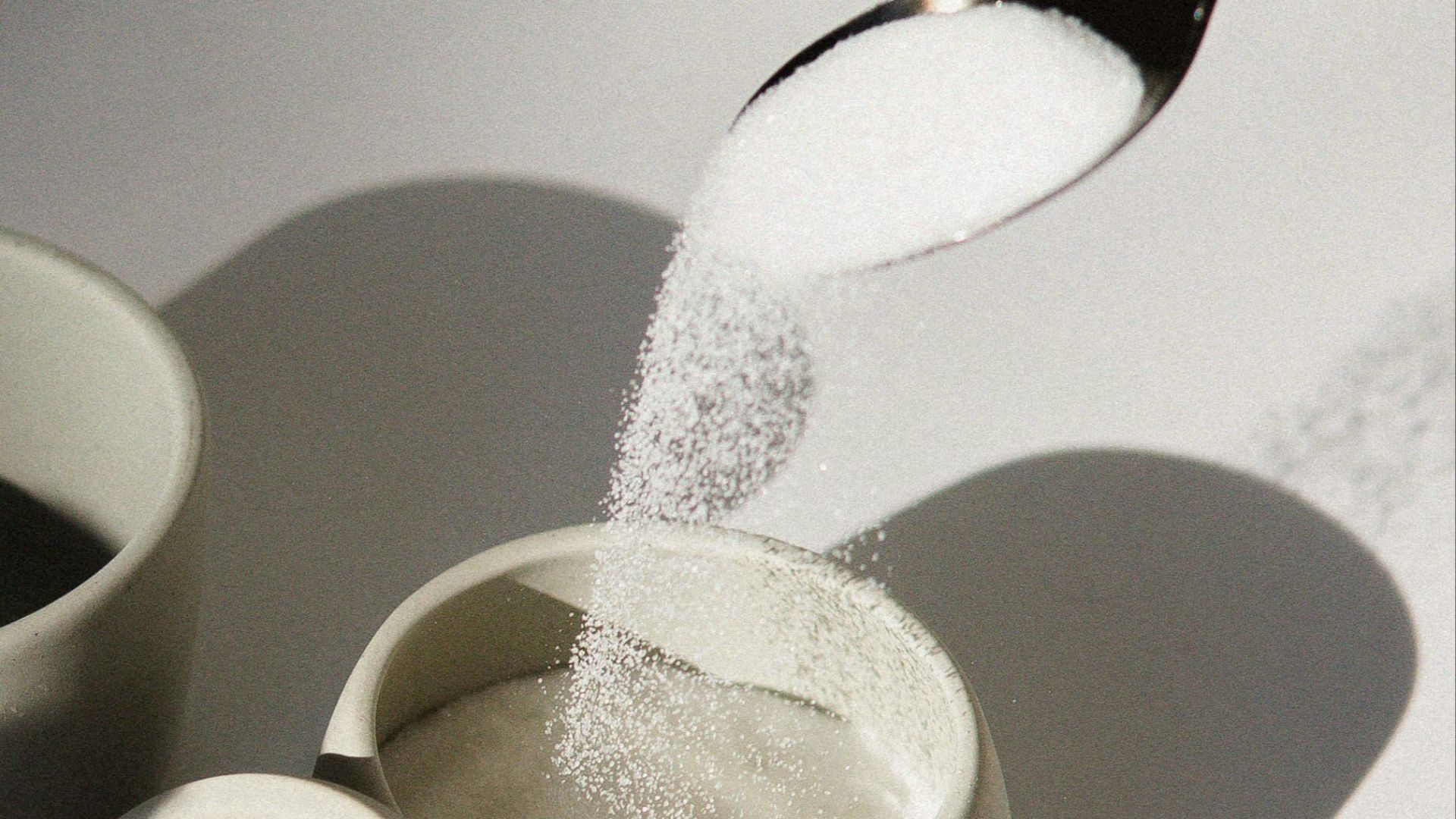
10. Sugar
Whether you sweeten up your iced tea or make a homemade birthday cake, sugar is a necessary ingredient in most kitchens. In 1990, shoppers could find a five-pound bag of white granulated sugar for $1.35. Now, that same bag costs roughly $4.00.
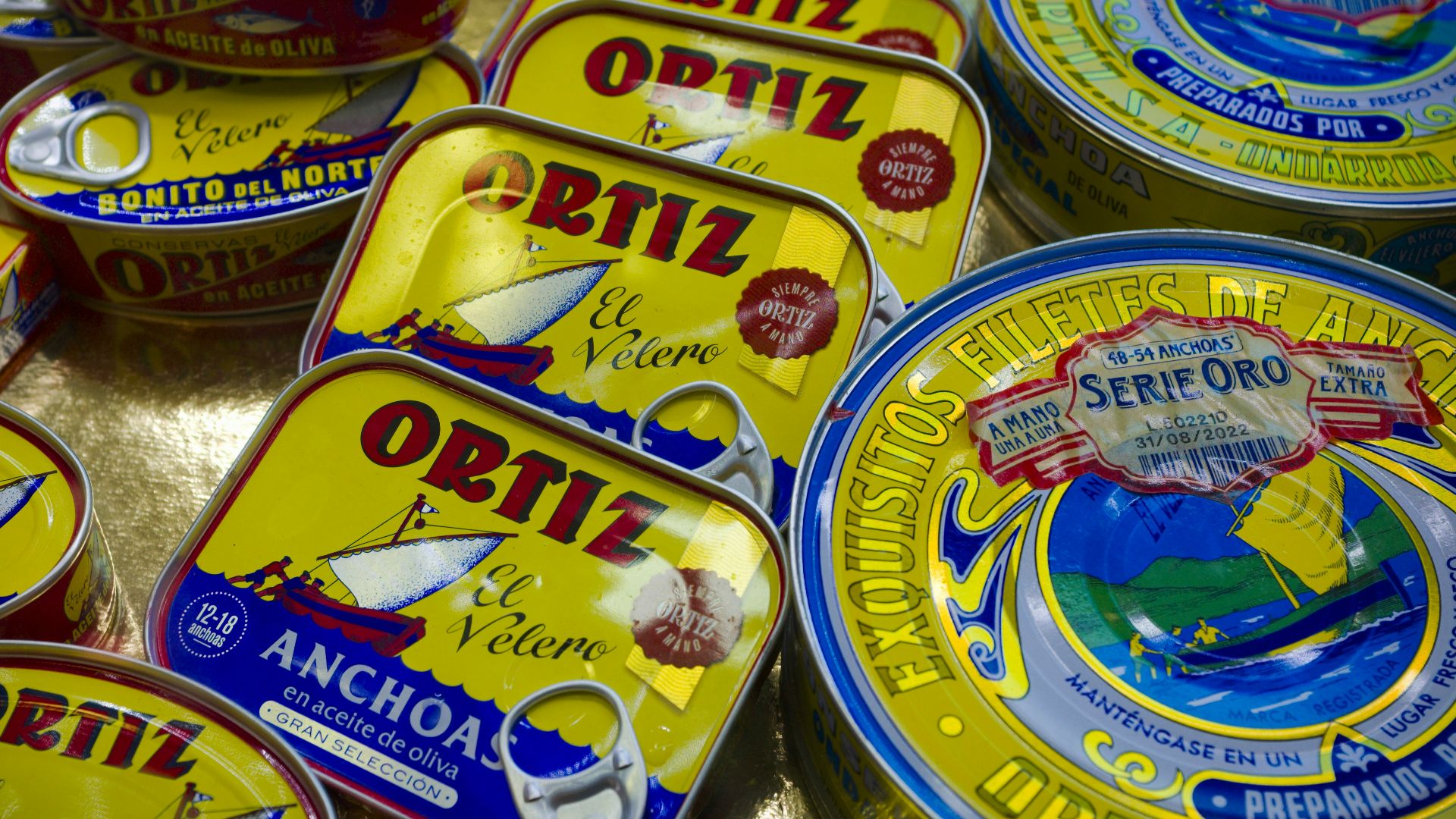
11. Canned tuna
Tuna salad may be one of the best money-saving lunches you can buy. But even though a six-ounce can used to cost you less than 70 cents, you’ll pay double that amount today. Increased fishing regulations and a lack of aluminum cans have doubled the price of canned tuna.
12. Creamy peanut butter
Packing a simple lunch for school or work was incredibly cost-effective when a regular eighteen-ounce jar of peanut butter cost about $1.90. These days, inflation has driven that same smooth spread up to an average of $2.80. Thankfully, it remains one of the cheapest ways to get protein.
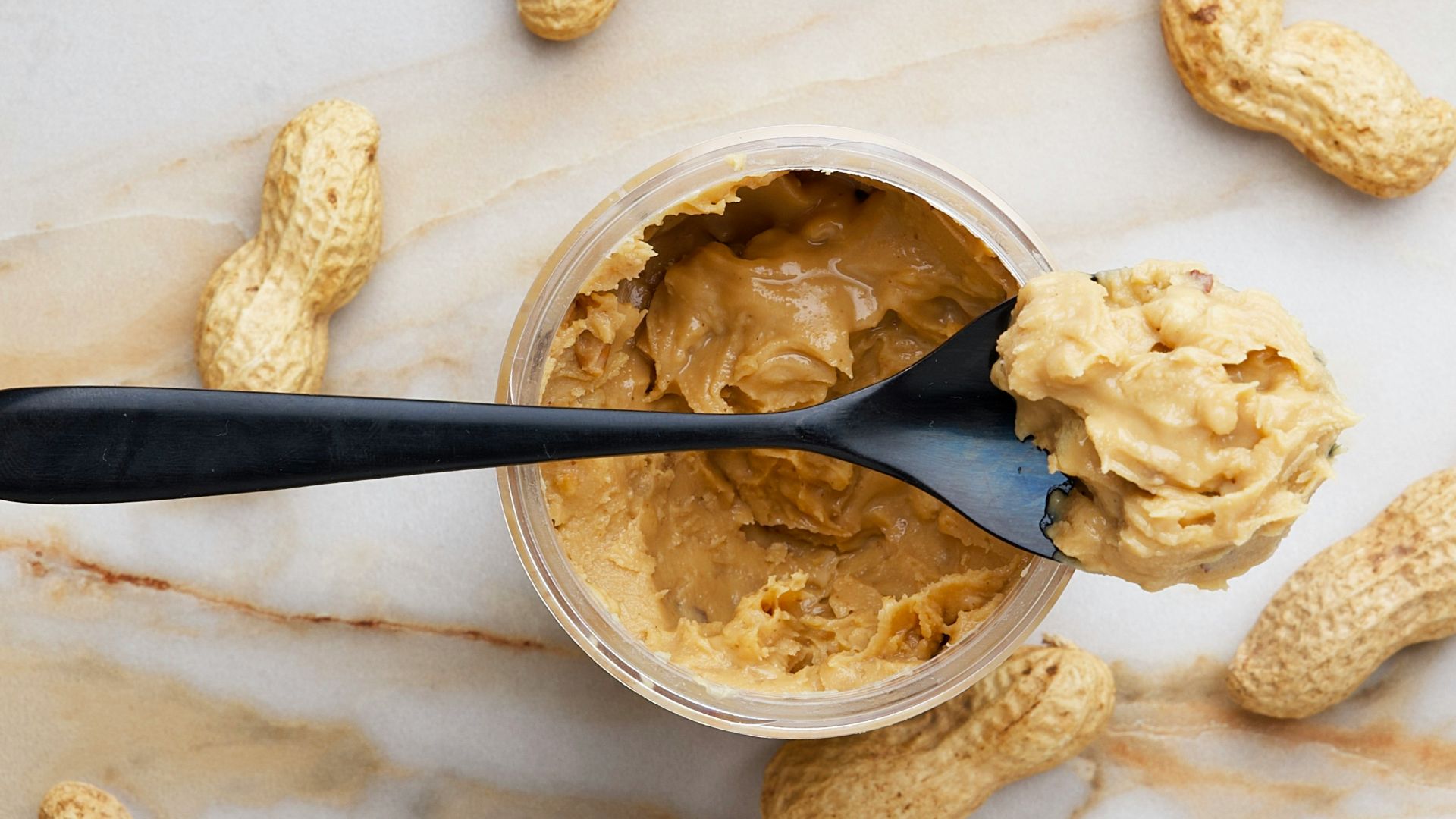 Corleto Peanut butter on Unsplash
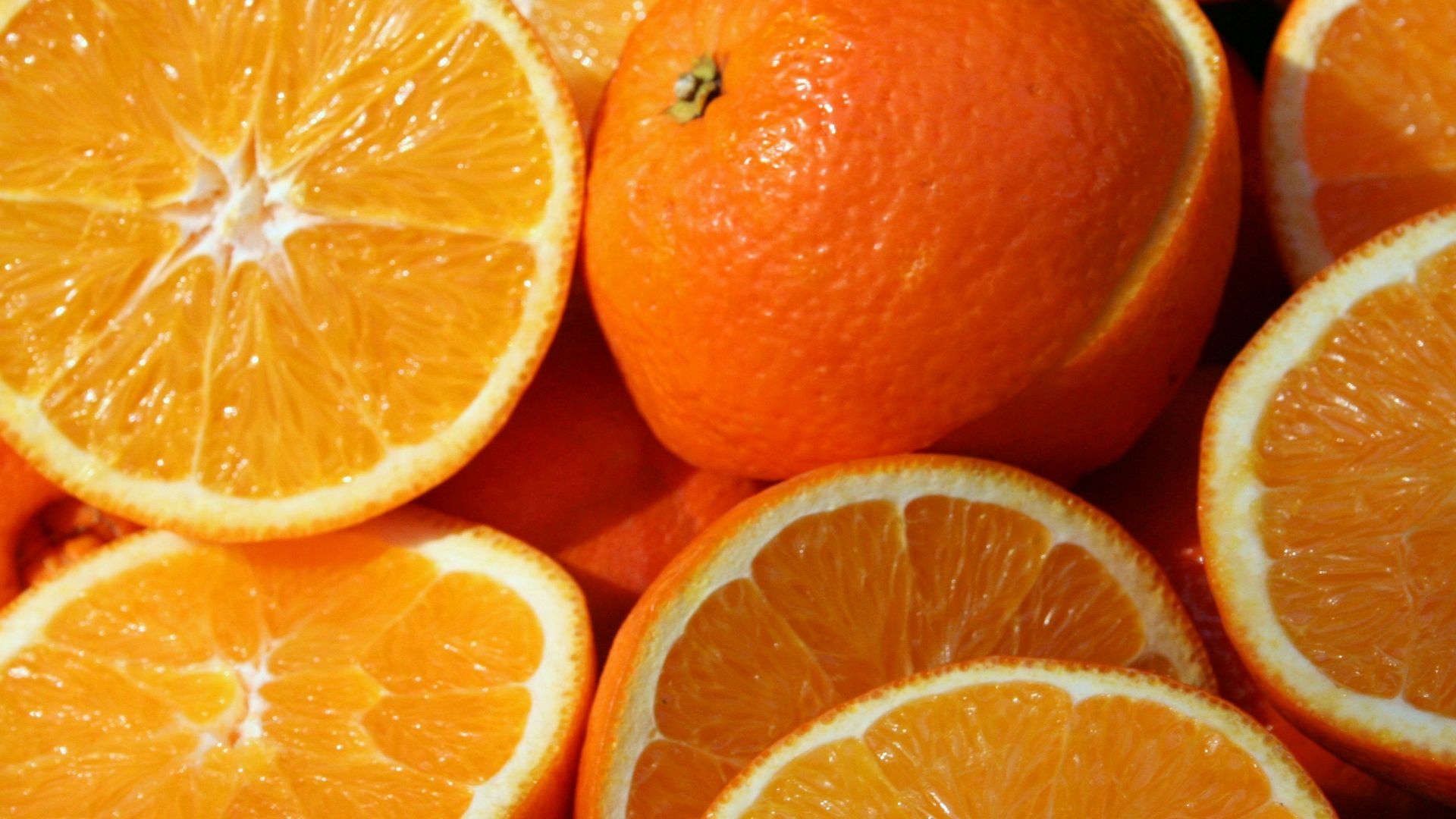
13. Oranges
Get ready to pay twice as much for your orange juice if you like drinking the fresh stuff. During the early nineties, navel oranges cost roughly 48 cents per pound. Now, you'll need to budget about $1.70 per pound.
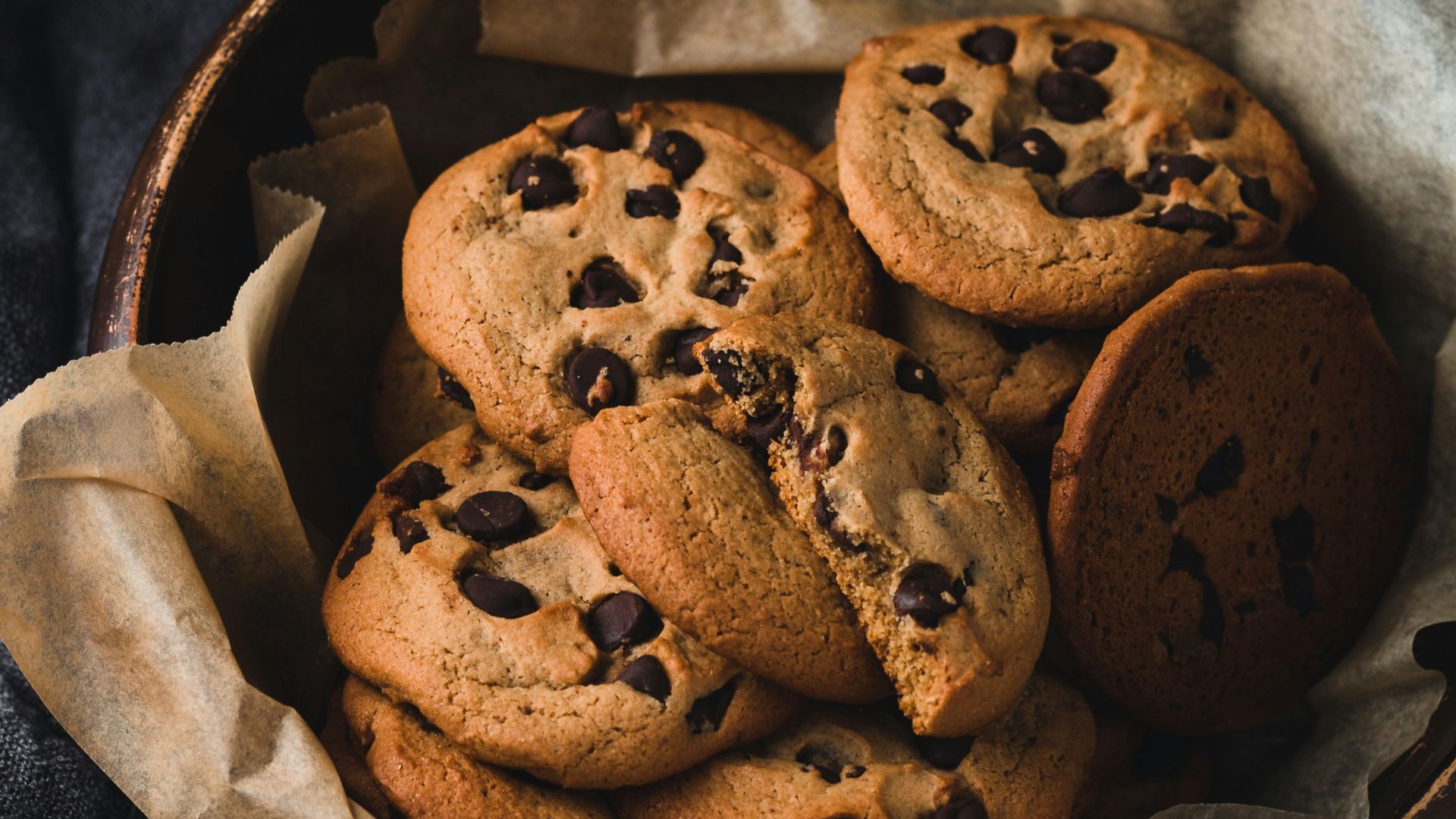
14. Chocolate chip cookies
Developing a sweet tooth in 1990 was easy on your parents’ wallets. A crisp pound of bakery cookies would only set you back around $2.30. Fast forward to the present, and satisfying that exact same dessert craving will cost you a whopping $5.18 at checkout.
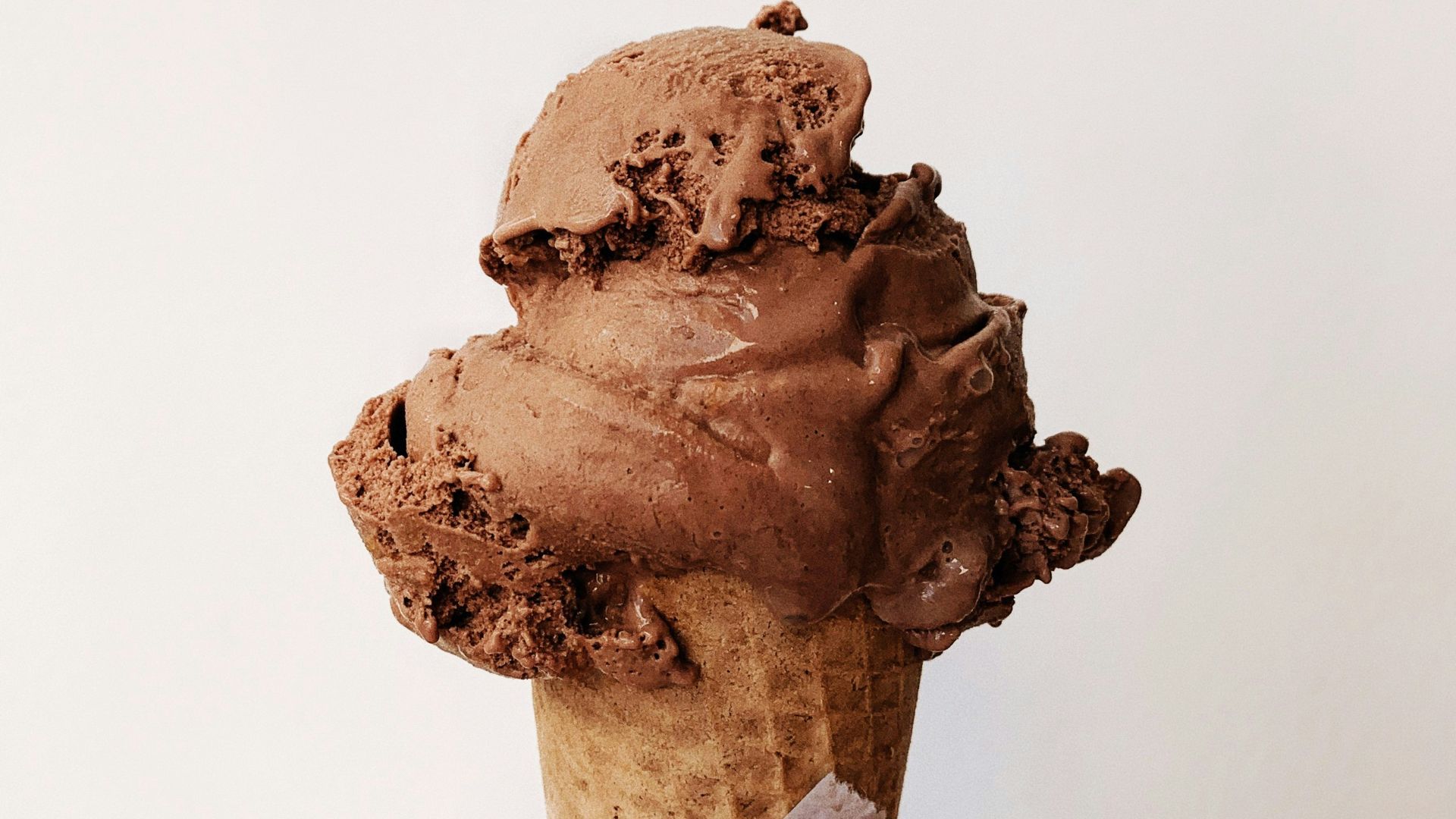
15. Ice cream
Who doesn’t love ice cream on a hot summer day? Did your parents used to buy half gallons of vanilla ice cream for only $2.50? Well, now you’re paying at least $6.00 for that same dessert.
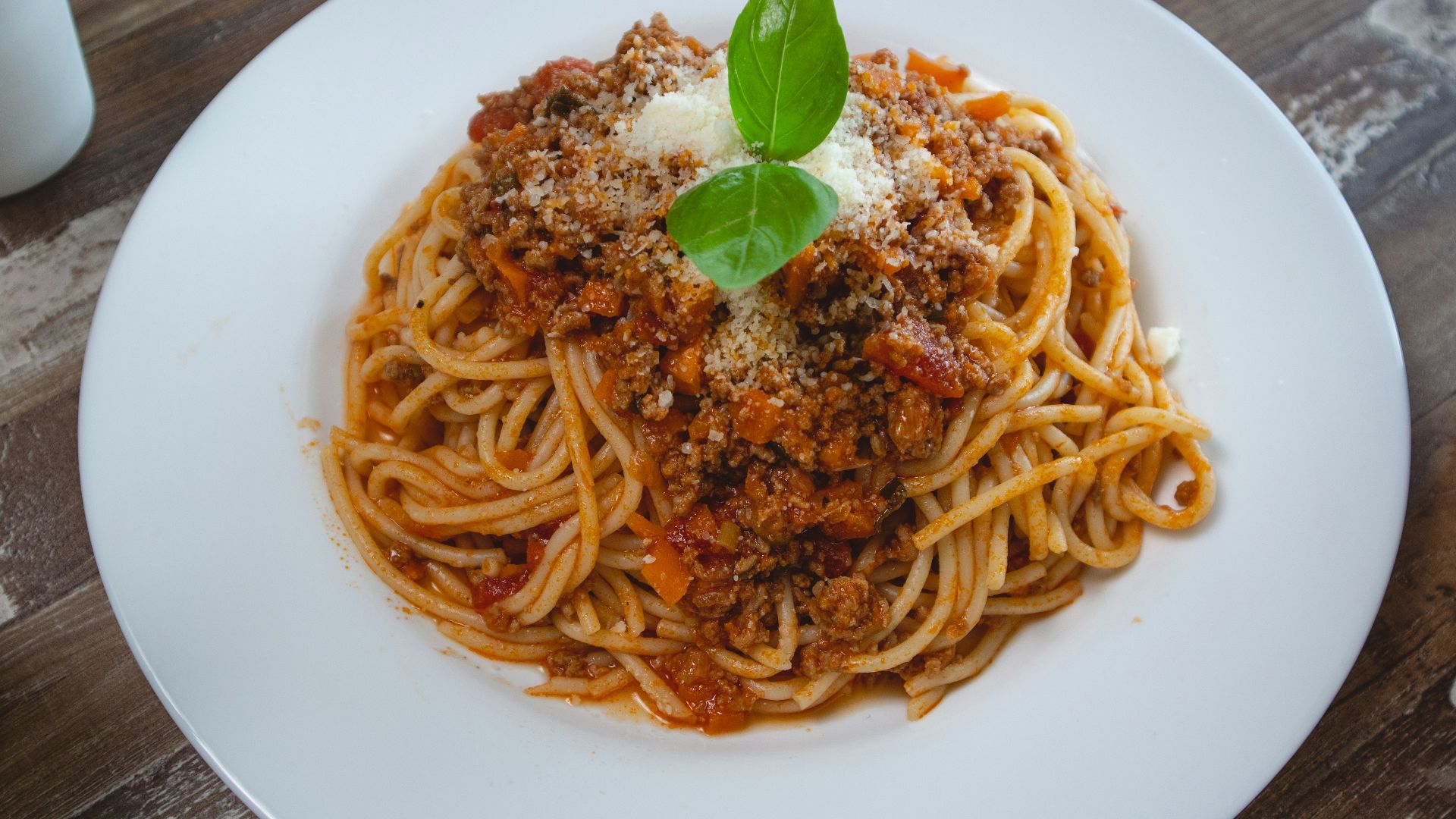
16. Spaghetti pasta
Remember when Mom used to make spaghetti night to save money? A box of dried spaghetti noodles used to cost only 50 cents. Nowadays, that same box costs around $1.34.
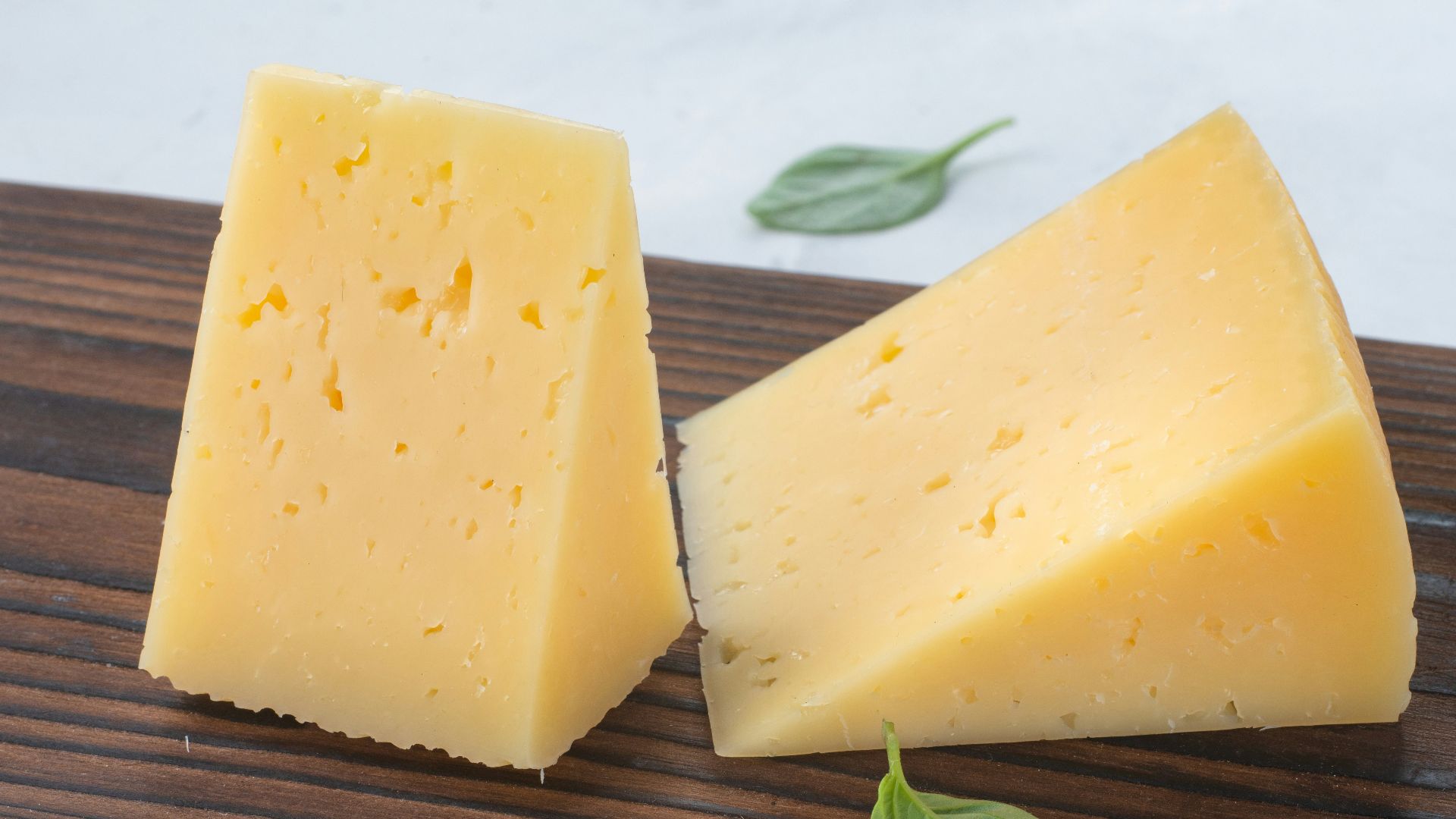
17. Sharp cheddar cheese
A standard eight-ounce block of delicious cheddar cheese used to retail for roughly $1.80 when your parents were doing the shopping. Today, you can expect to pay about $4.20. Long aging processes and expensive commercial refrigeration storage keep cheese prices moving steadily upward.
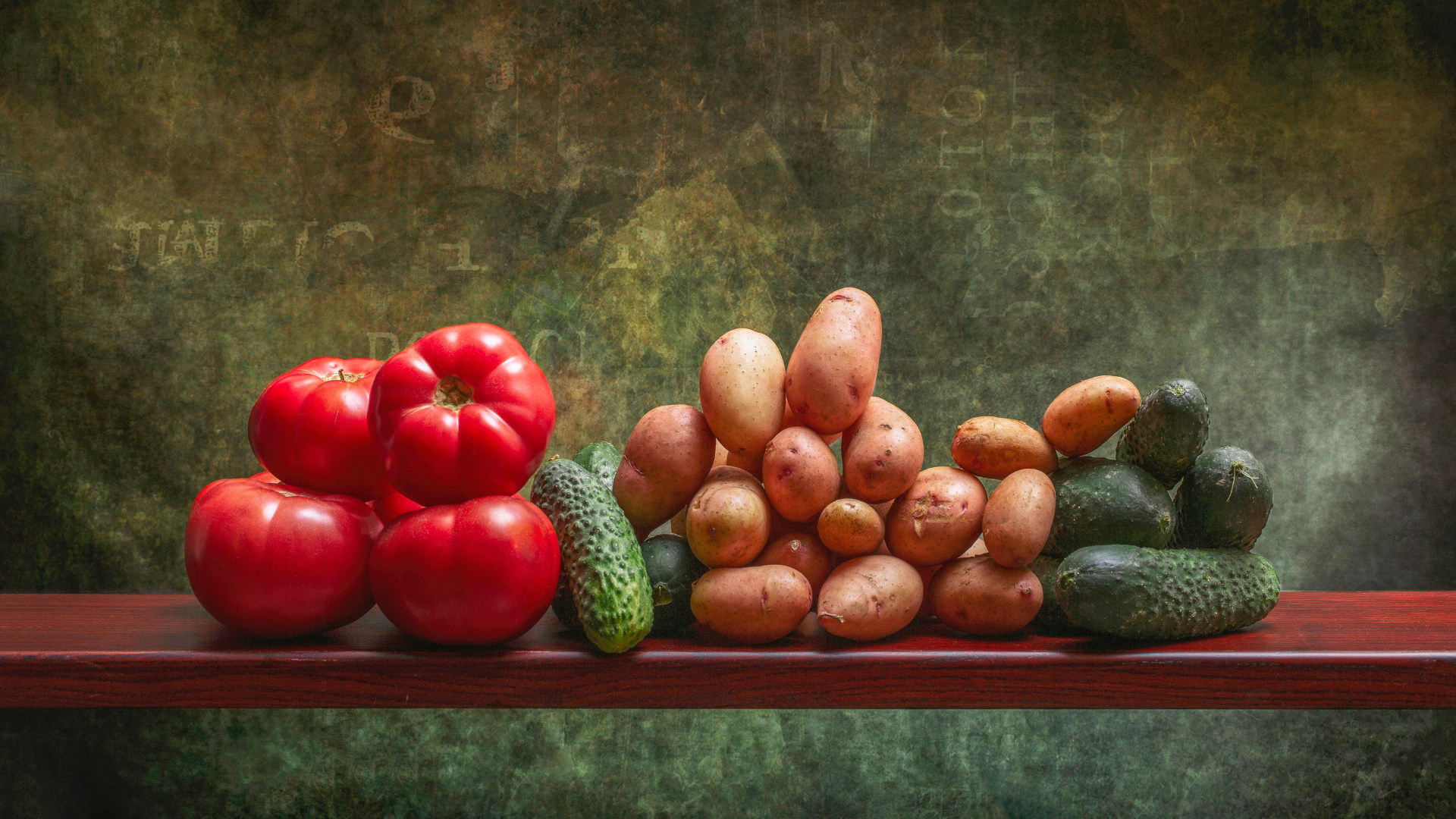
 David Foodphototasty on Unsplash
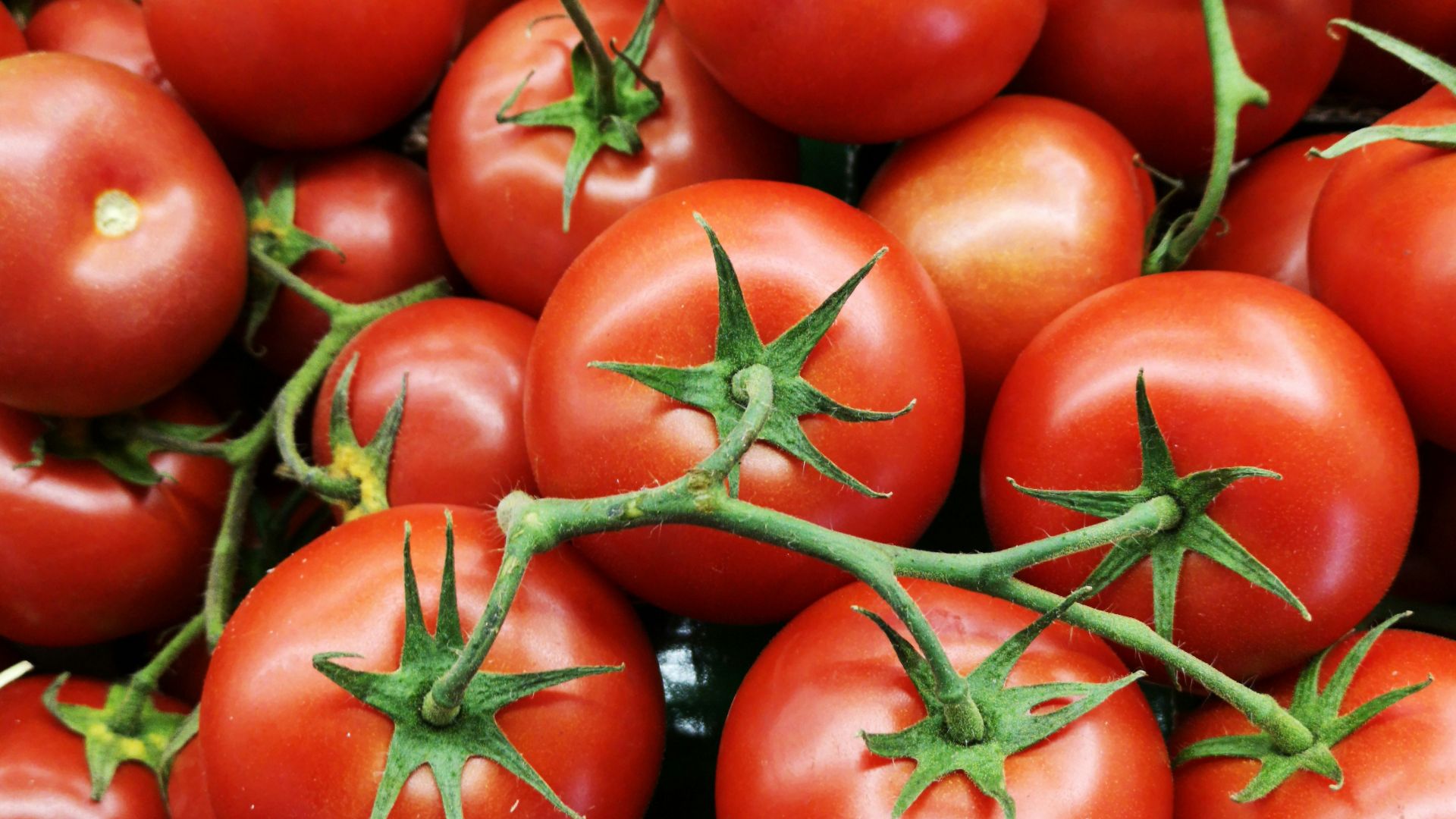
18. Red tomatoes
Slicing up fresh, juicy tomatoes for your summer salads was quite affordable. Especially when they hovered around 90 cents a pound. Modern market disruptions and greenhouse heating costs have driven that price to a steep average of $2.00 or more per pound.
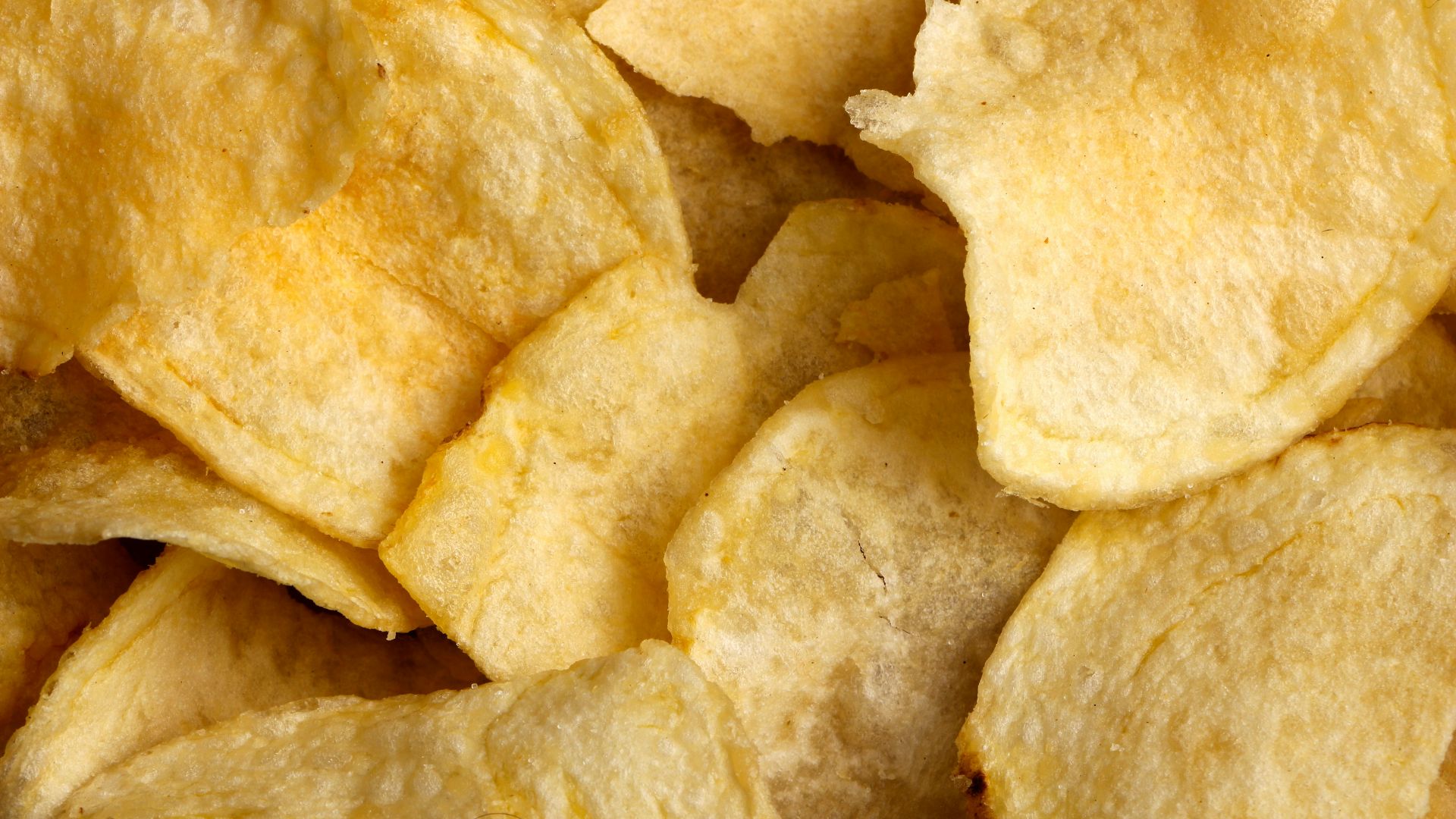
19. Potato chips
Snacking on the couch while watching your favorite television show used to be a cheap pastime. Especially when a large bag of chips cost around $1.60. Today, a standard party-sized bag of salty potato chips will easily cost you upwards of $4.50 at the convenience store.
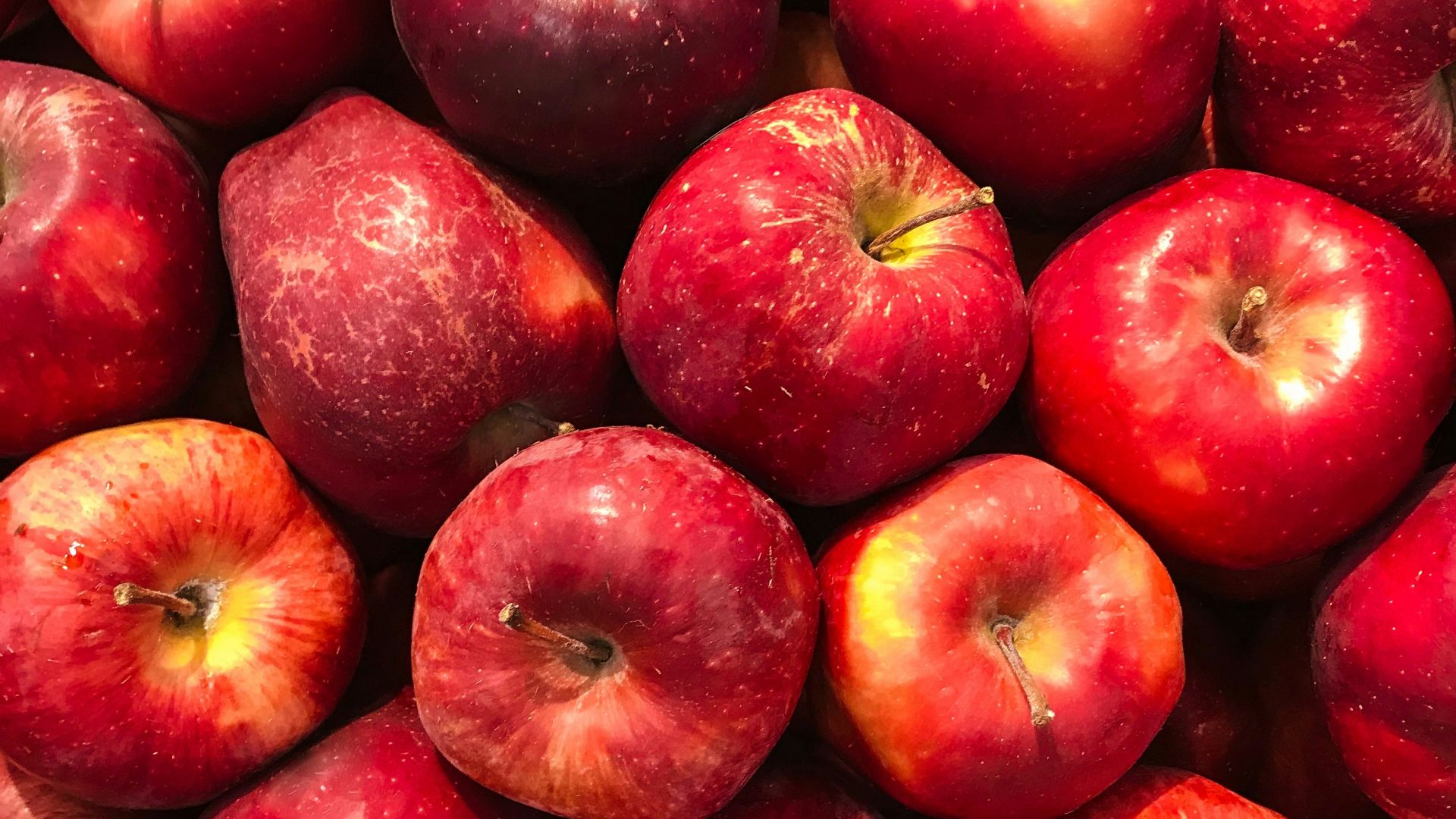
20. Apples
An apple a day used to keep the doctor away for a meager 60 cents a pound. Today, crunchy varieties like Gala or Honeycrisp will easily cost you around $1.90 per pound. Modern orchard harvesting labor and advanced cold-storage facilities require a lot of energy, which explains why this fruit has tripled in price.
KEEP ON READING