What To Skip, What To Order Instead
A seafood restaurant is only as good as what came in that morning, and most menus are built to paper over the gaps in the delivery truck. A kitchen can dress up almost anything with a good sauce or a fryer, but that doesn't mean it should. Some dishes are just easier to fake than others, and once you've been burned a few times you start to see the same offenders show up again and again. The fix isn't complicated. Order the thing the kitchen actually wants to cook well instead of the thing that sounds the most impressive on paper. Here's 10 dishes worth skipping, and 10 that almost always deliver.
1. Fried Calamari
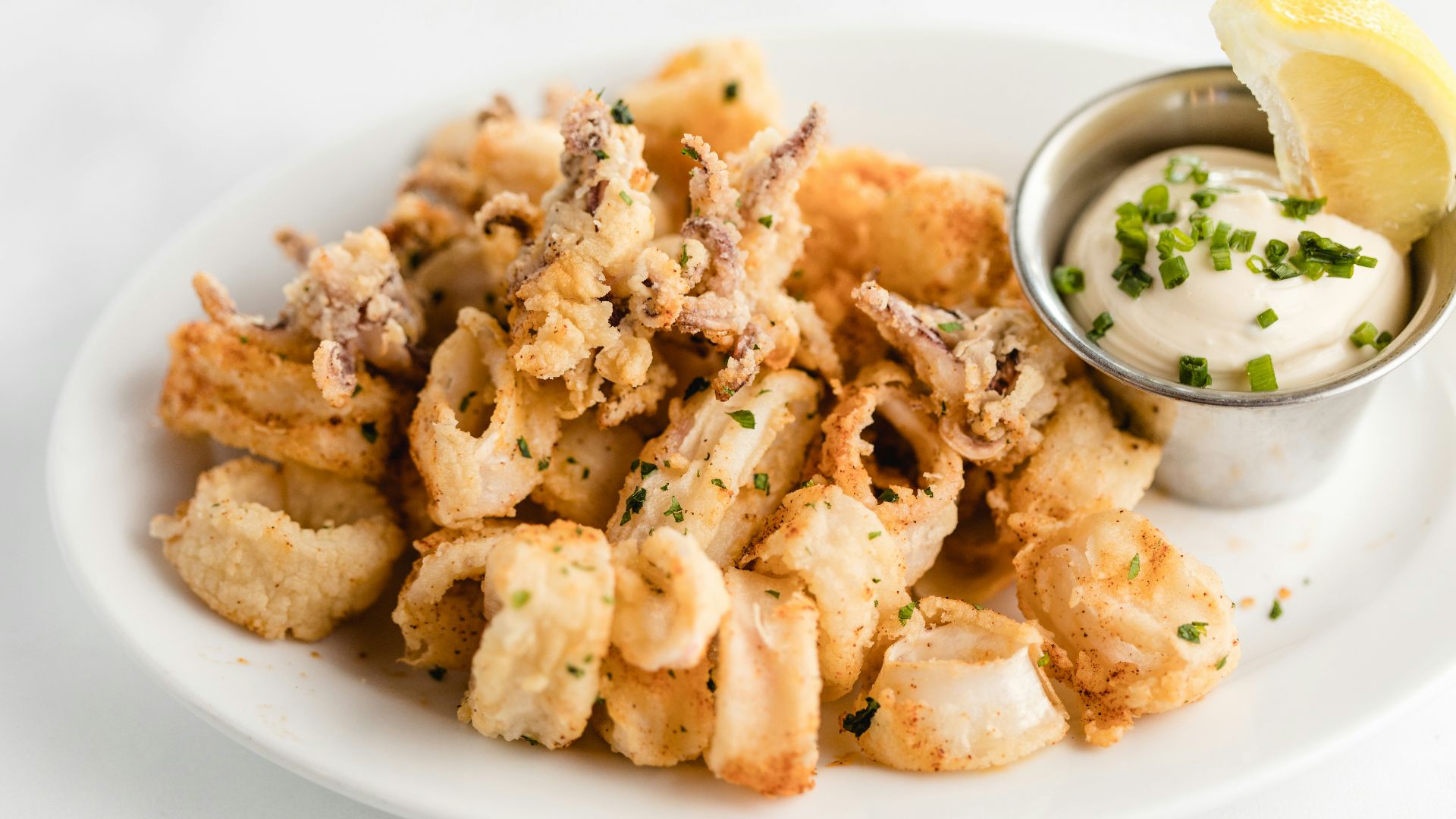
Most of the calamari you'll find on a menu came out of a bag, not off a boat that morning. Frozen squid turns rubbery fast once it's overcooked, and it gets overcooked constantly because it's easy to lose track of in a fryer during a rush. If a place is genuinely proud of its calamari, the server usually knows where it came from without checking.
2. The Seafood Tower
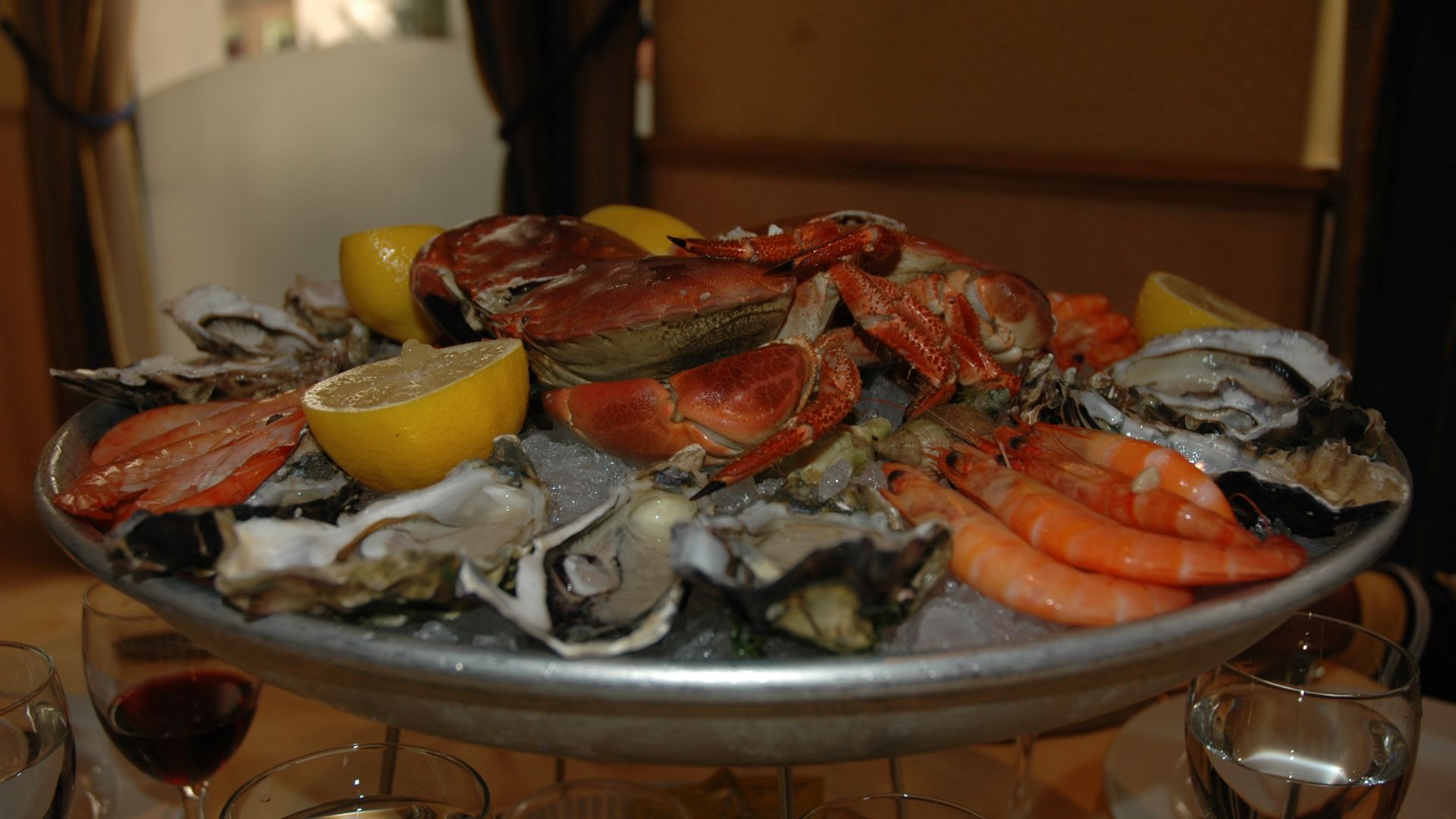
Towers look great in photos and rarely taste as good as they look. You're paying a premium for presentation, and the shrimp, crab, and oysters piled onto one plate were almost never at their peak on the same day. It's a dish built for the table, not for the fish.
3. Blackened Fish
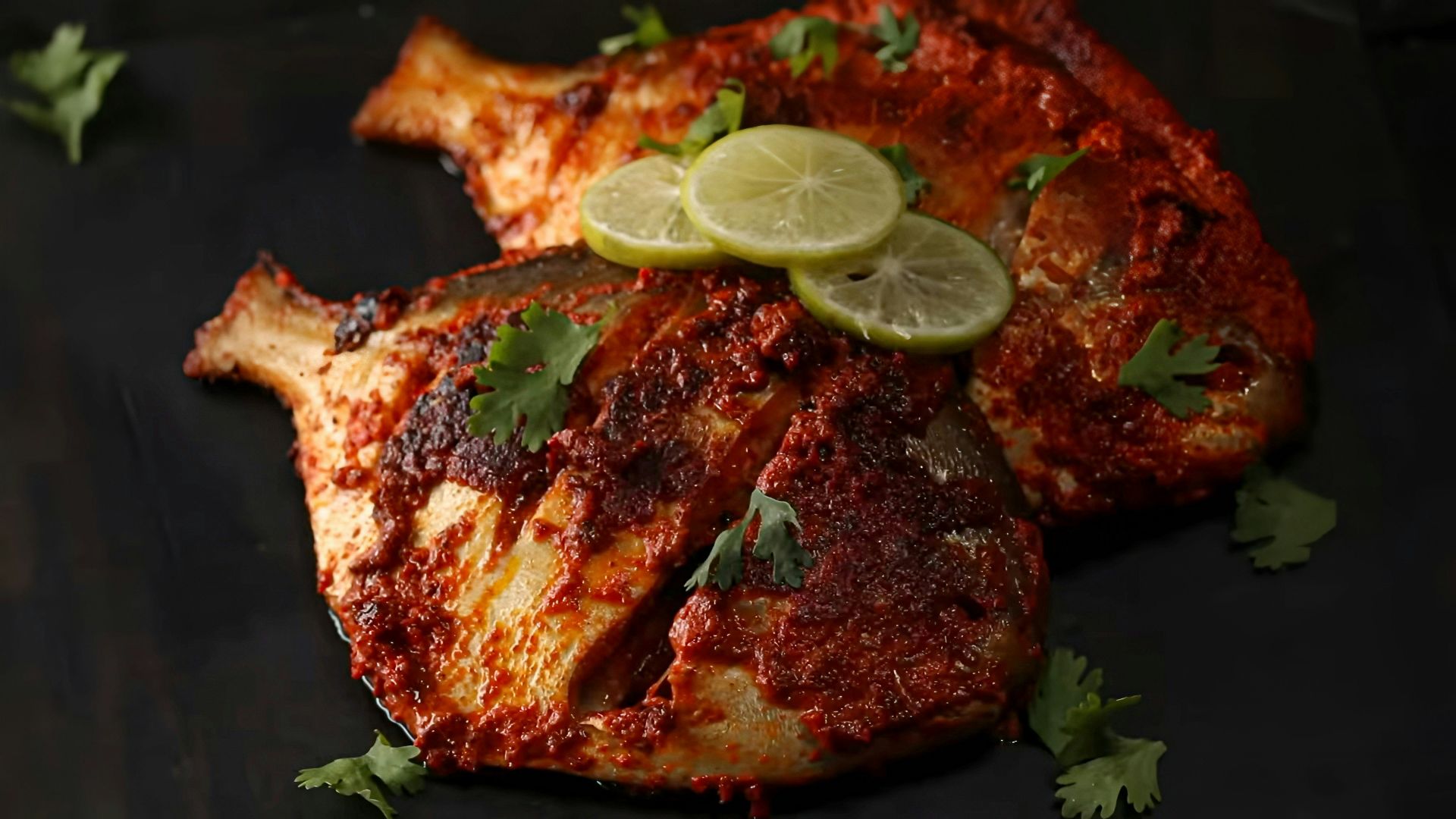
Blackening is a great technique on fish that's actually fresh, and a convenient disguise on fish that isn't. Heavy cajun seasoning and a hard char can mask a lot, including fish that's a day or two past where you'd want it. If blackened is the only preparation offered for the catch of the day, that's worth noticing.
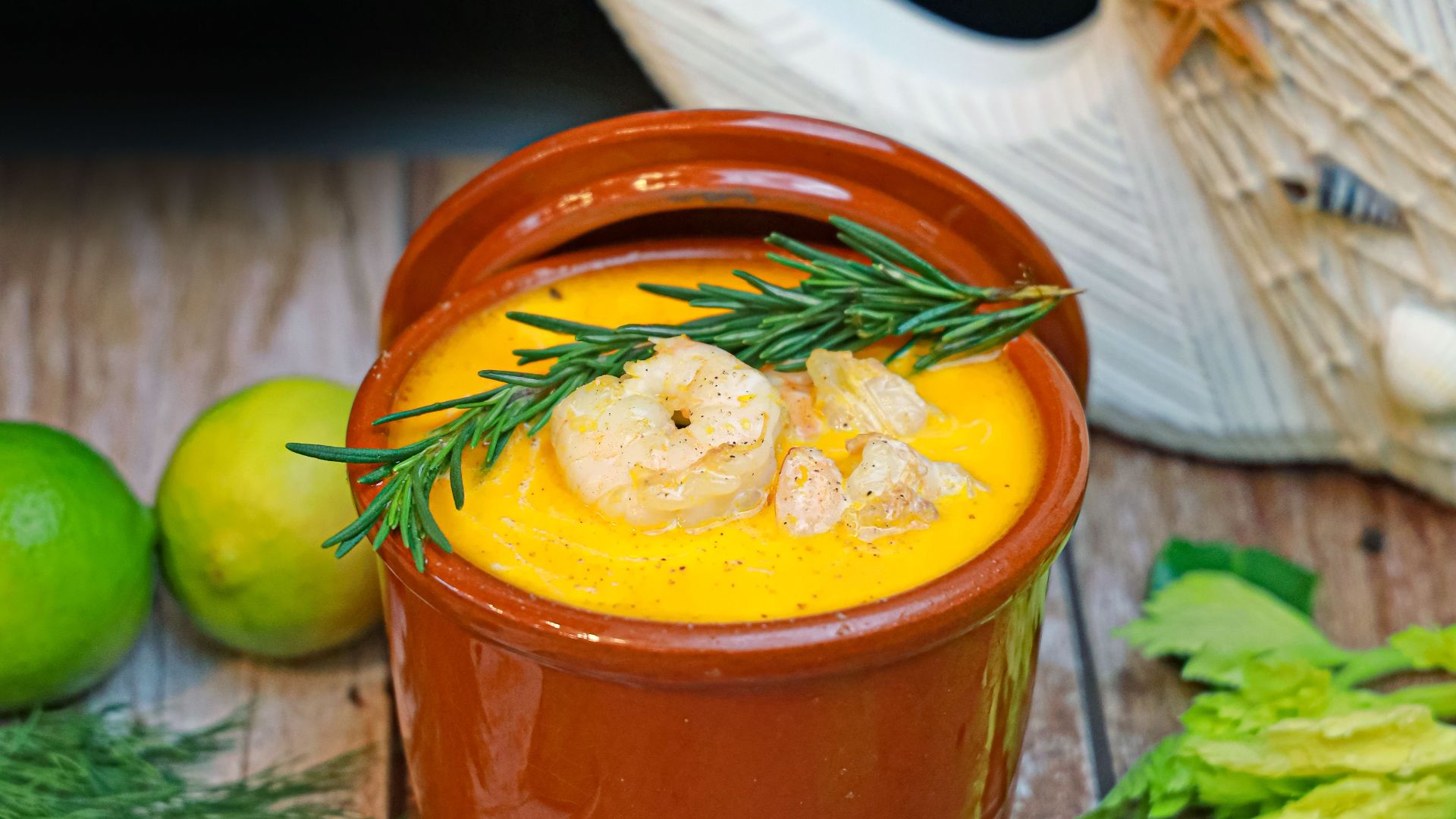
4. Lobster Bisque
Good bisque takes real lobster stock and a lot of patience, and most restaurants don't have either on a Tuesday. What you'll usually get is a thick, over-seasoned cream base with a few token pieces of lobster stirred in at the end. It's filling, but it's rarely lobster in any meaningful sense.
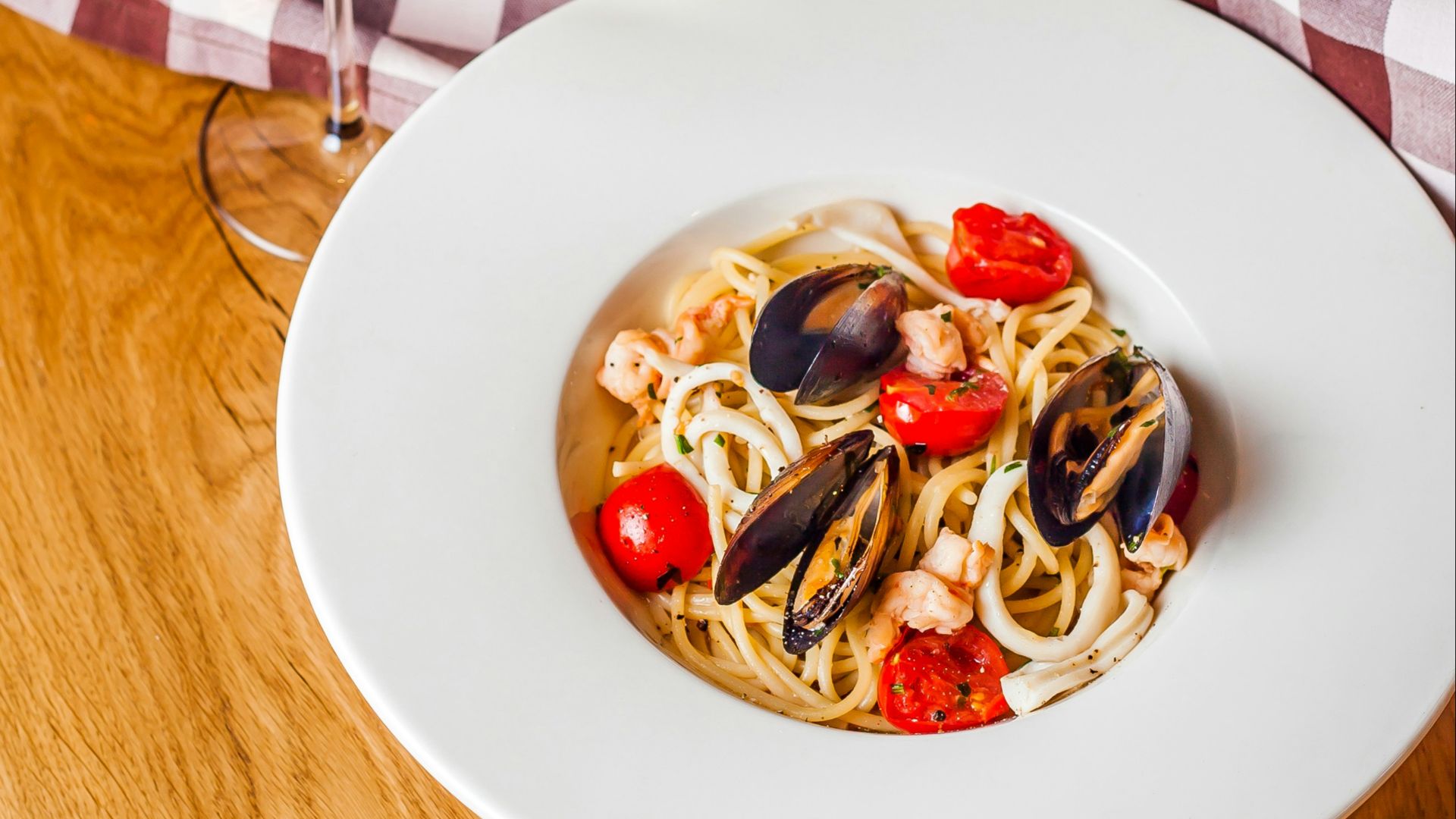
5. Frozen Seafood Medley Pasta
Any pasta dish that promises shrimp, scallops, mussels, and calamari all in one bowl is almost certainly working from a pre-packaged frozen mix. Each of those items cooks at a different speed, so at least one of them is going to be wrong. The scallops are usually the casualty.
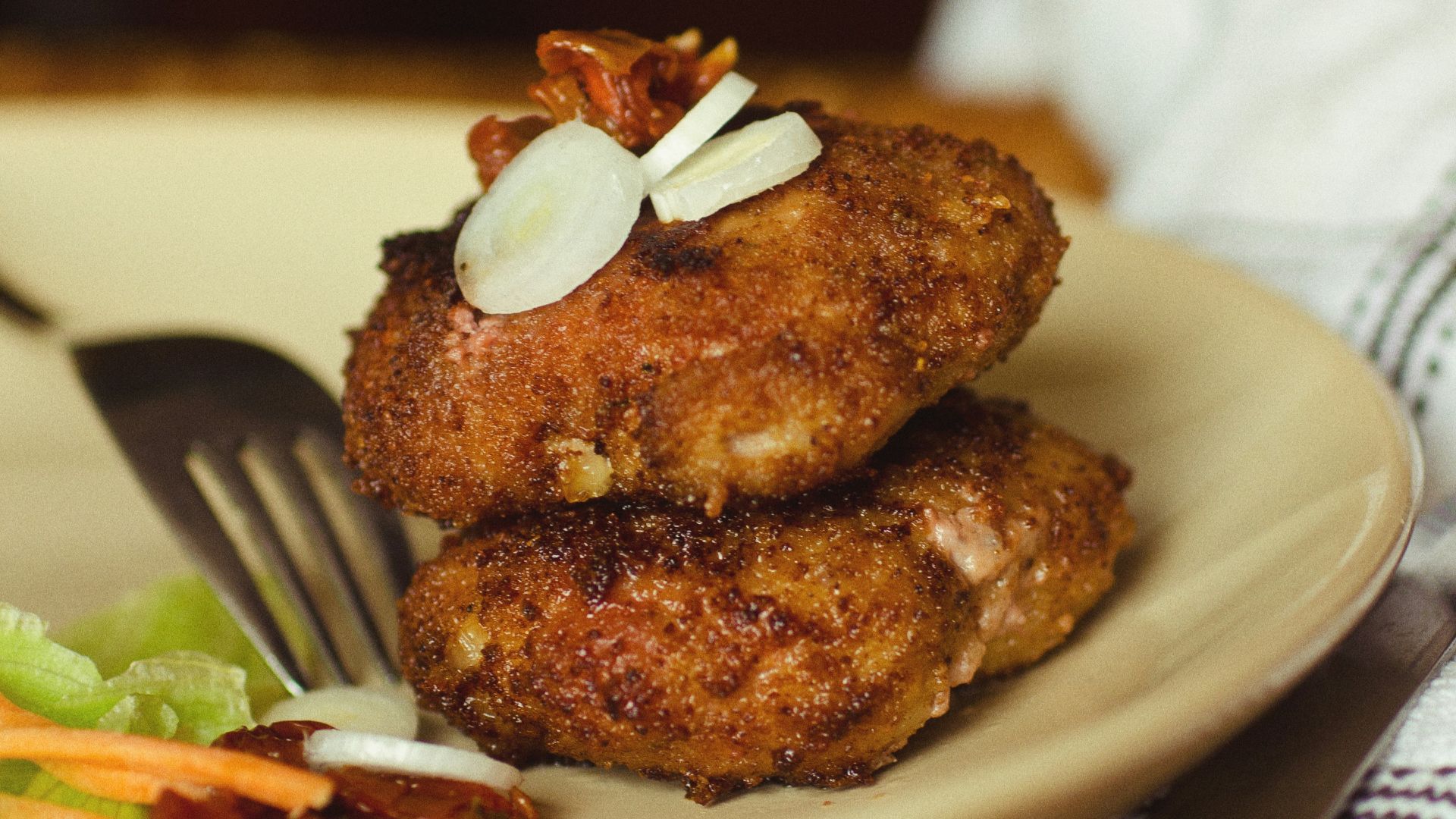
6. Crab Cakes Padded With Filler
Real crab is expensive, so a lot of kitchens stretch it with breadcrumbs and mayonnaise until the crab is more of a suggestion than an ingredient. You can tell pretty quickly by the texture. If it holds together like a hush puppy instead of falling apart like fresh lump crab, that's your answer.
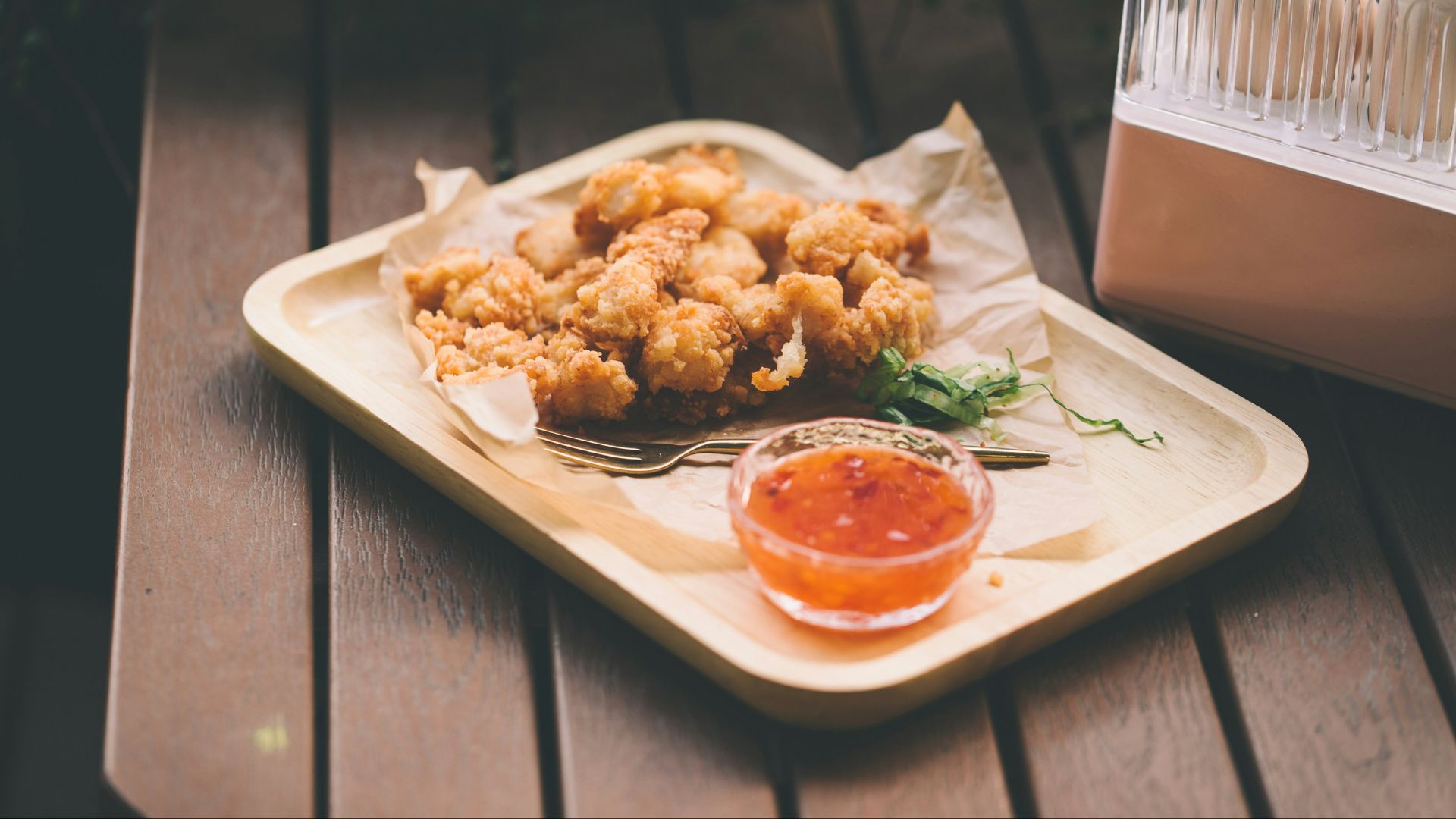
7. Popcorn Shrimp
This is a kids'-menu item wearing a grown-up price tag. The tiny shrimp used here are almost always frozen and pre-breaded, and the batter is doing all the work the shrimp can't. There's nothing wrong with it, exactly, but it's not seafood in the way you're hoping for.
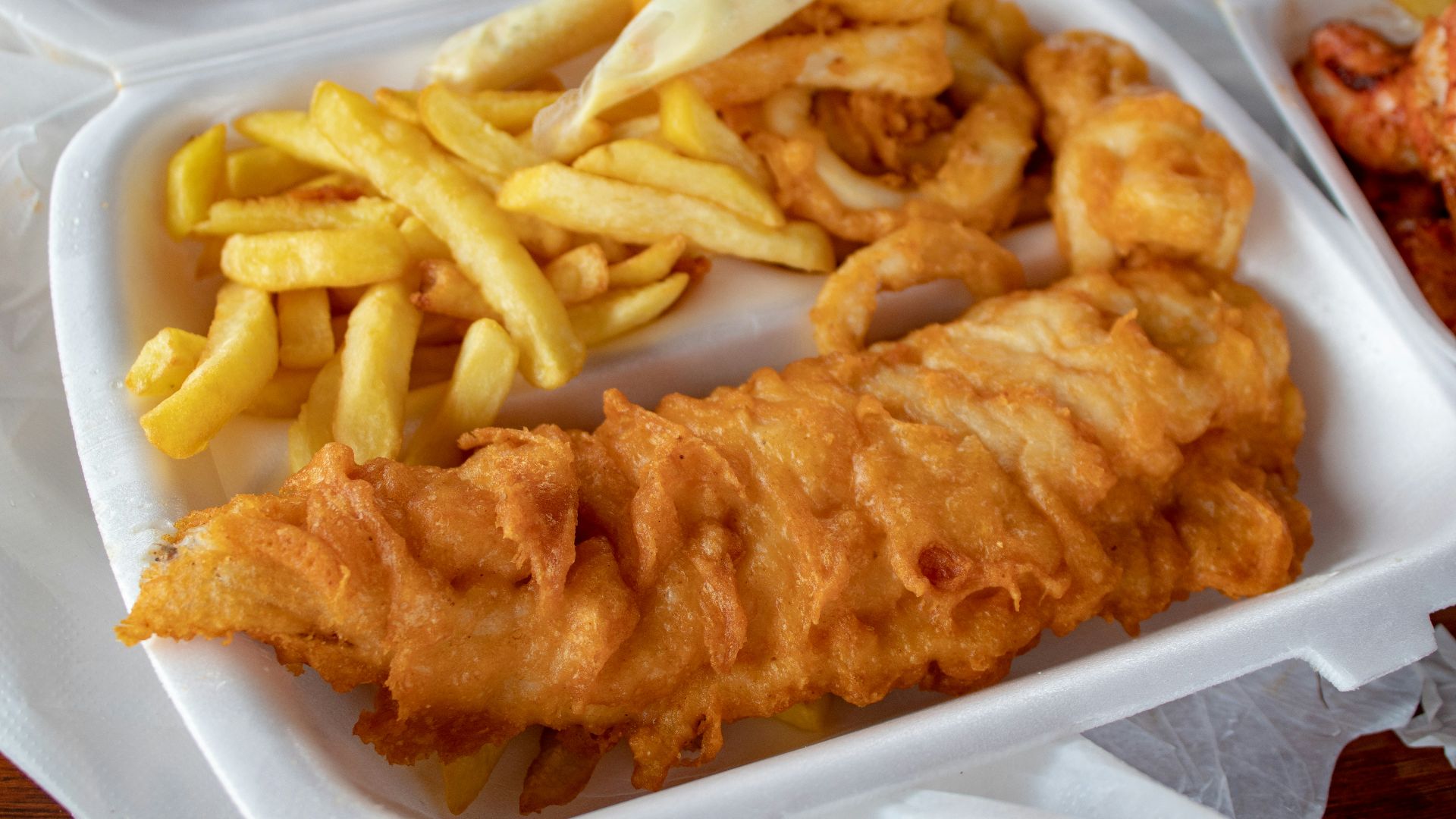
8. Fish And Chips At A Non-Specialist
Fish and chips is a specific craft, and a restaurant that does ten other things well isn't necessarily doing this one well too. The batter needs the right oil temperature and a fish that can hold up to frying without drying out, and that takes practice most general seafood spots haven't put in. Order it somewhere that treats fish and chips as the whole point, not a side note.
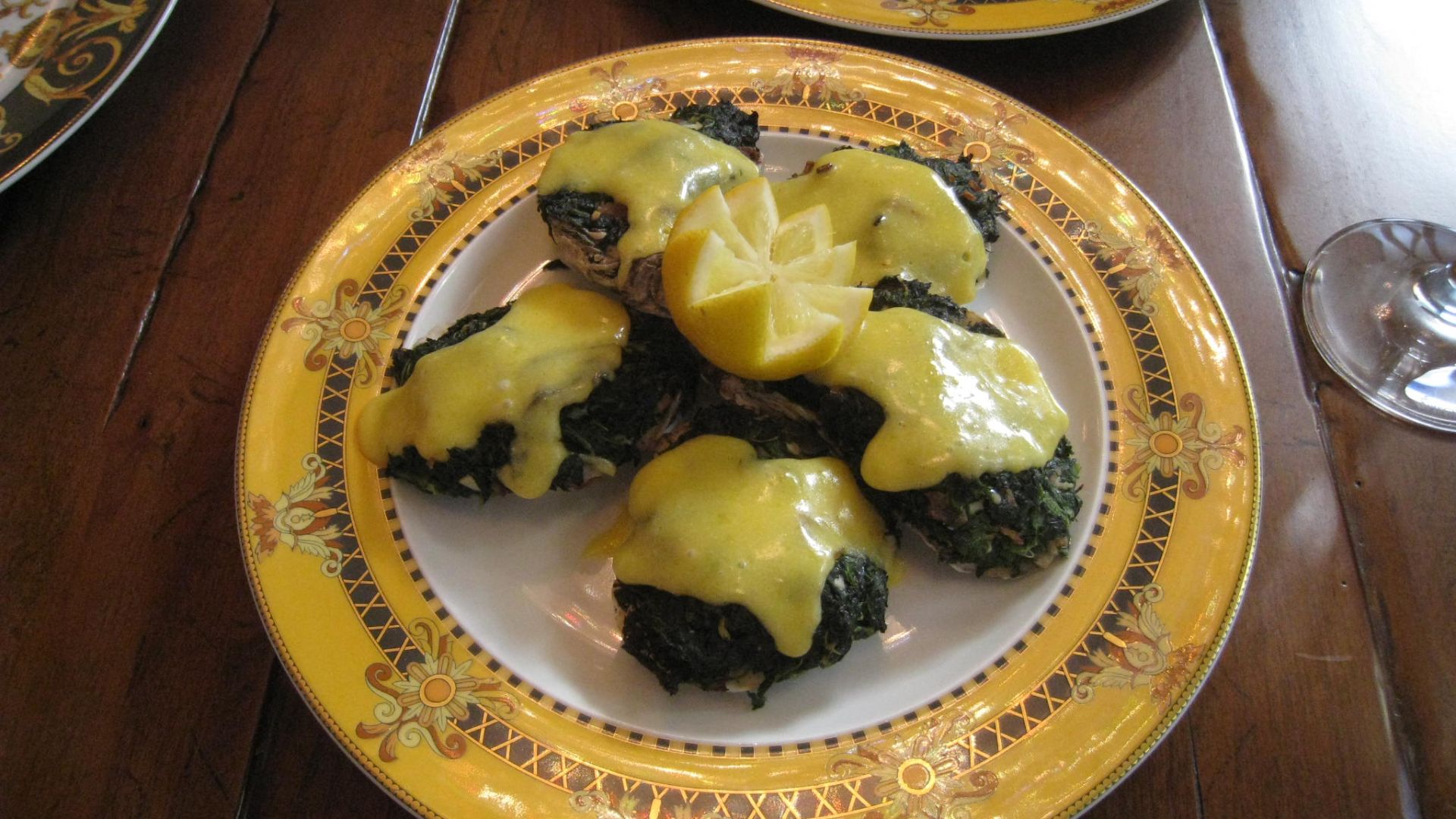
9. Oysters Rockefeller
Baking an oyster under a pile of cheese, breadcrumbs, and butter cooks out most of what made it worth ordering raw in the first place. It's a dish designed to work with oysters that aren't quite good enough to eat on their own. If the raw bar looks solid, skip the oven version entirely.
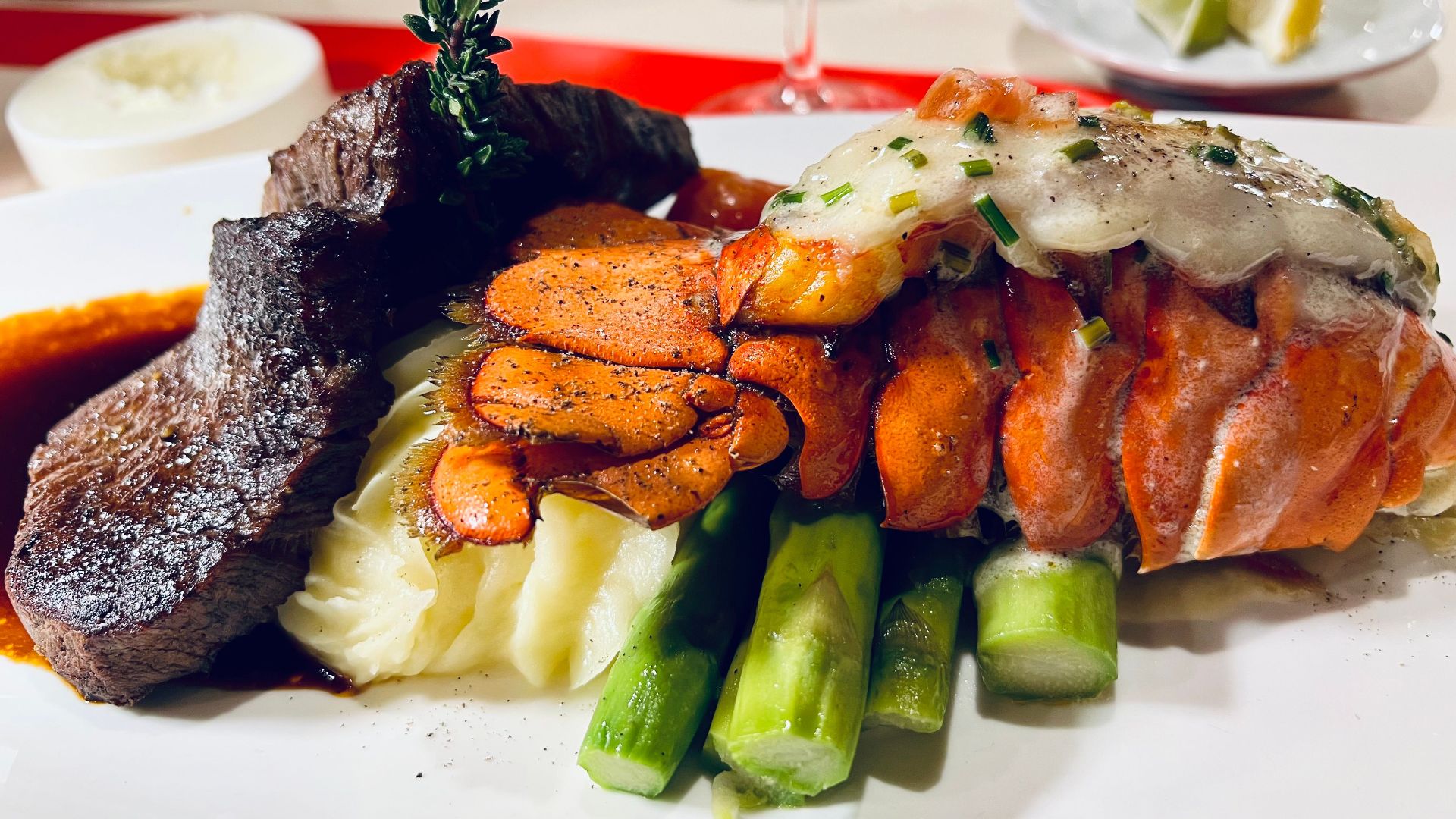
10. Surf And Turf
At a place built around fish, the steak is almost never the reason people come in, and it shows. You end up with two mediocre proteins sharing a plate instead of one thing done really well. Pick a lane and let the kitchen focus on what it's actually set up to do.
Here's 10 dishes worth skipping, and 10 that are almost always a better bet.
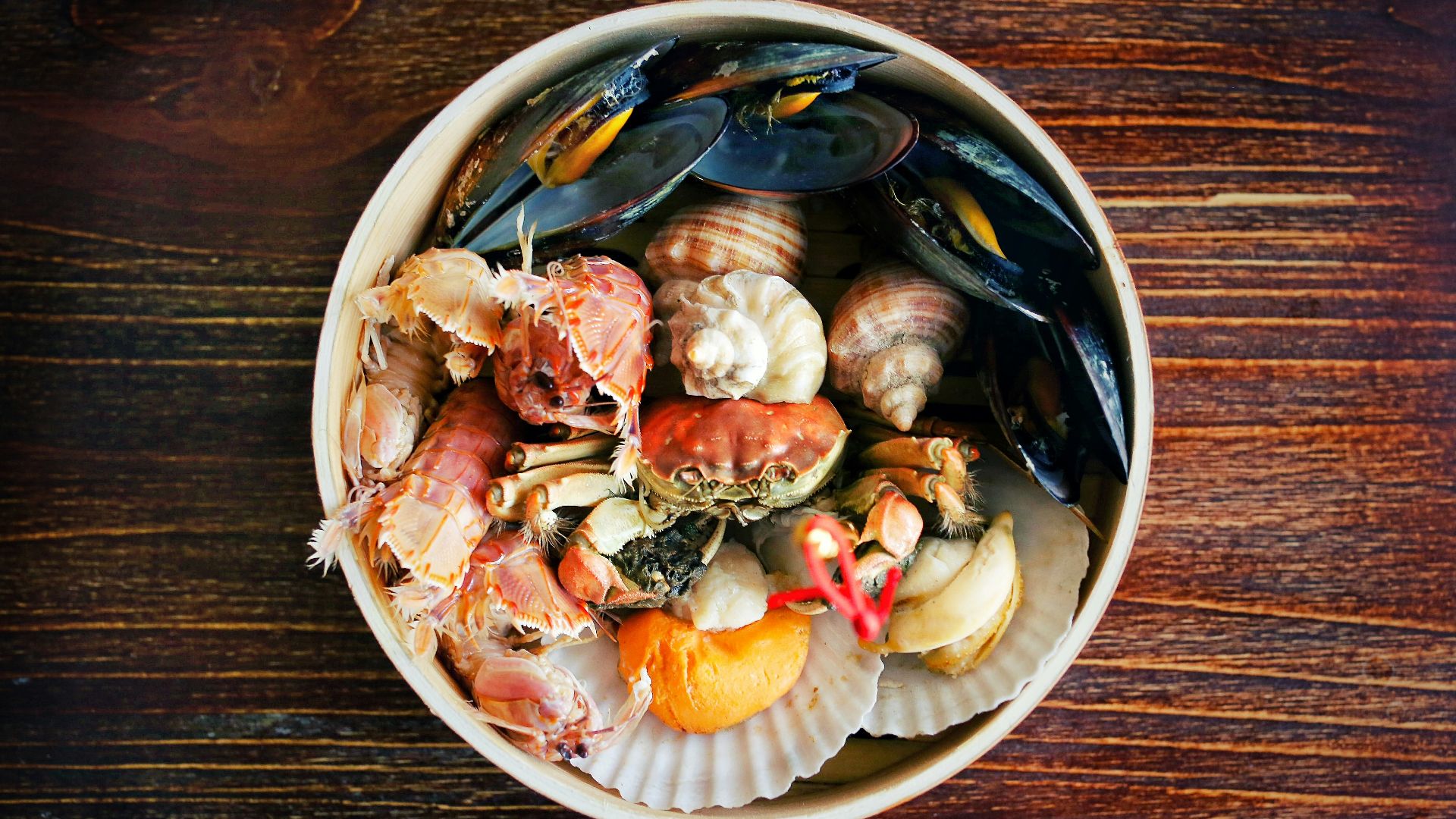
1. Whatever's On The Specials Board
The daily specials exist because something came in fresh that morning and the kitchen wants it gone before it isn't fresh anymore. It's usually the least profitable item on the menu for the restaurant and the best value for you. Ask your server what they'd order themselves, and you'll usually land here.
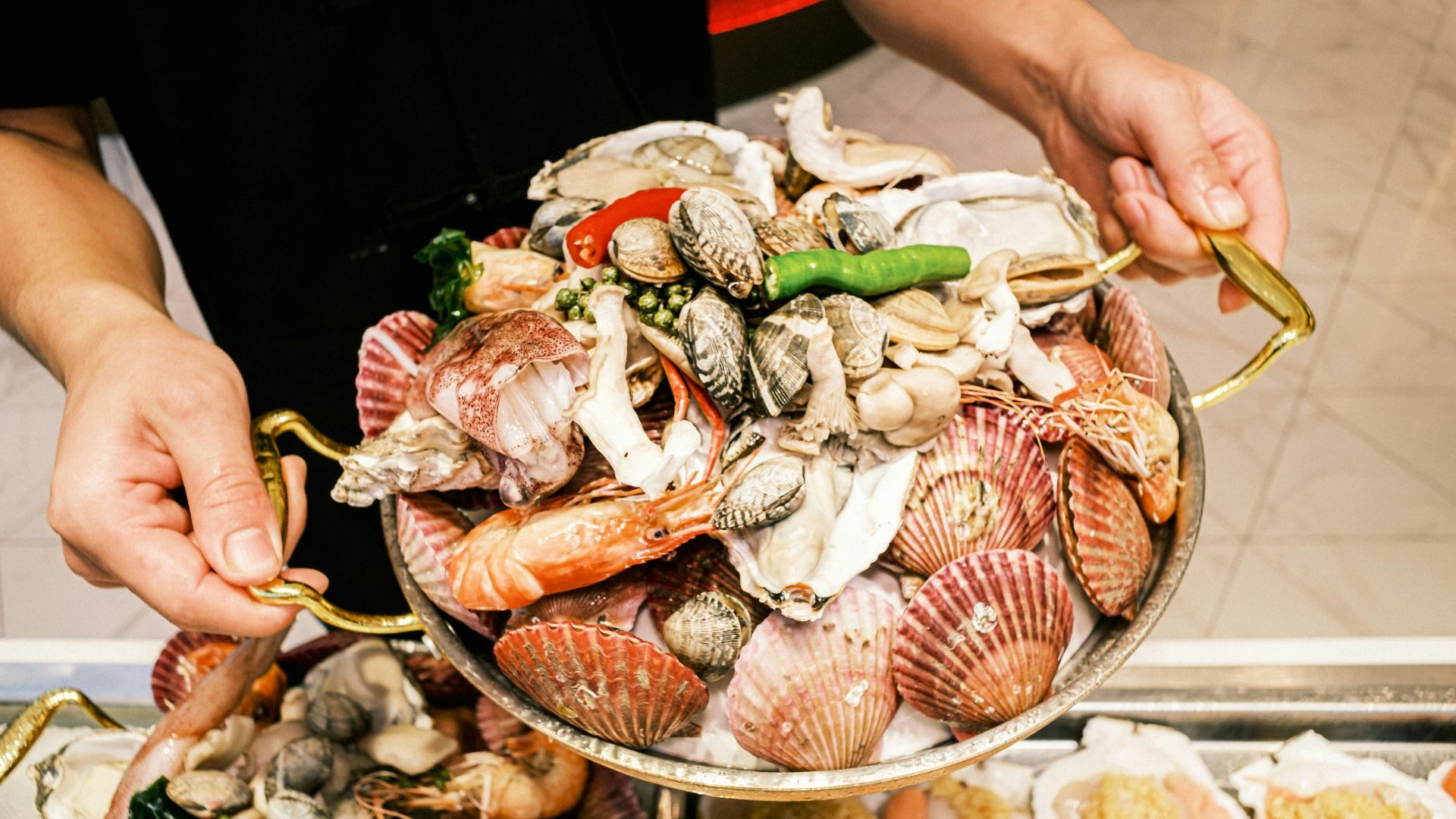
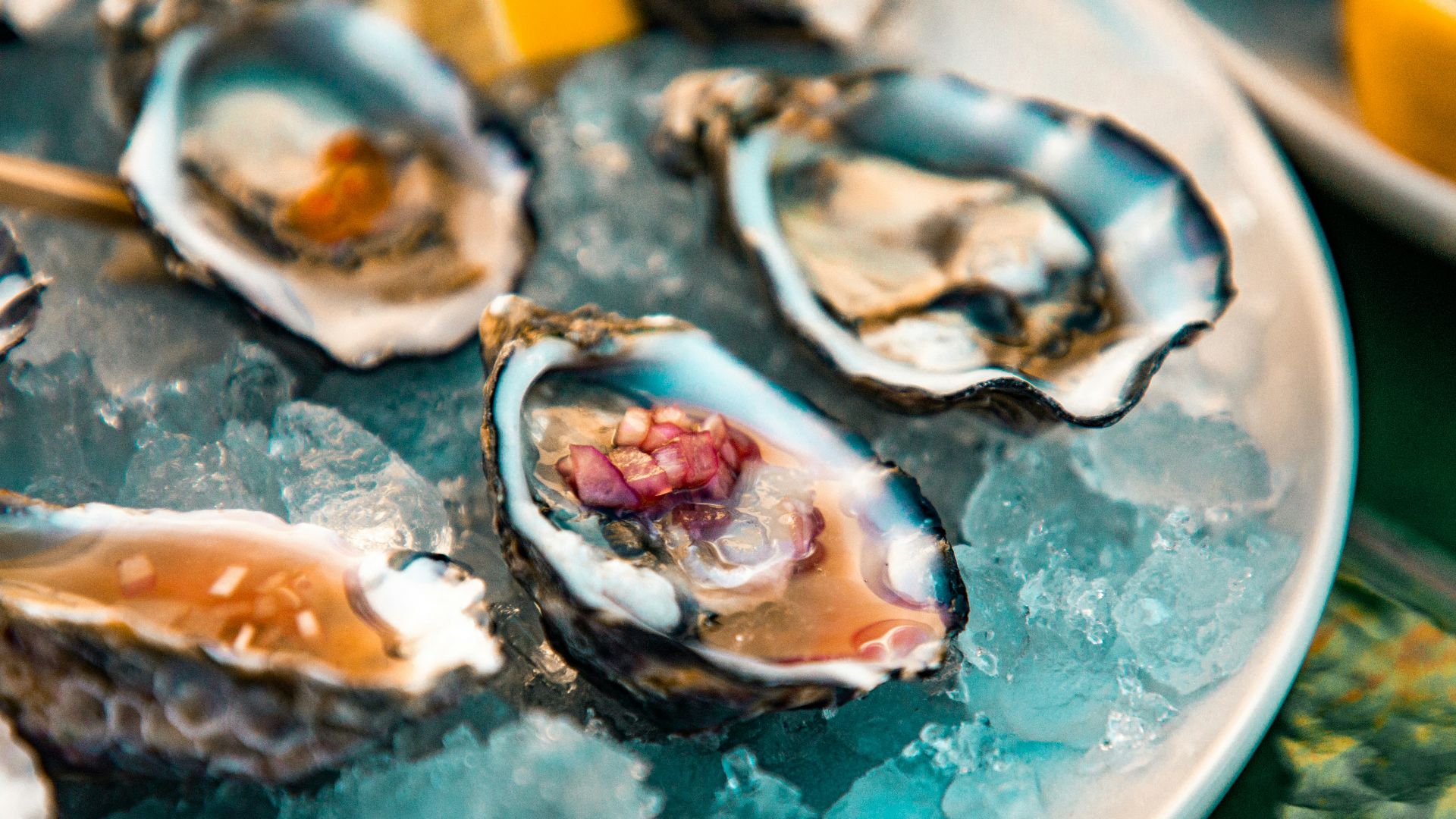
2. Oysters On The Half Shell
Raw oysters are hard to fake. Either they're briny and cold and taste like the water they came from, or they're clearly not fresh, and there's no sauce or seasoning that hides the difference. A good raw bar is one of the clearest signals that a kitchen cares about sourcing.
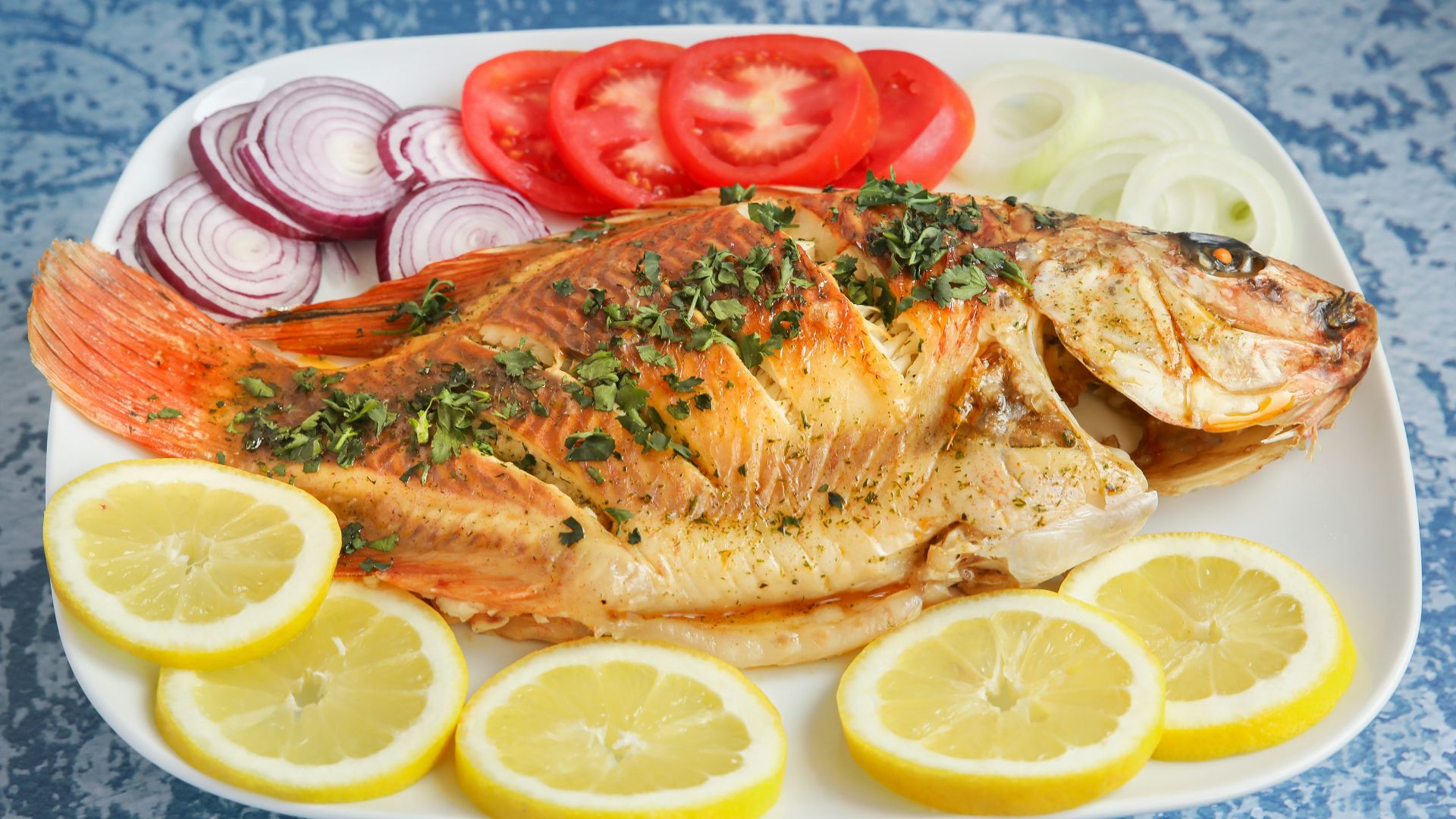
3. A Simple Whole Grilled Fish
Ordering the whole fish, bones and all, tends to get you the best piece in the case rather than a filet that's been sitting portioned out for a few days. Grilled simply with lemon and olive oil, it doesn't need much help. It's more work to eat, but the flavor makes up for it.
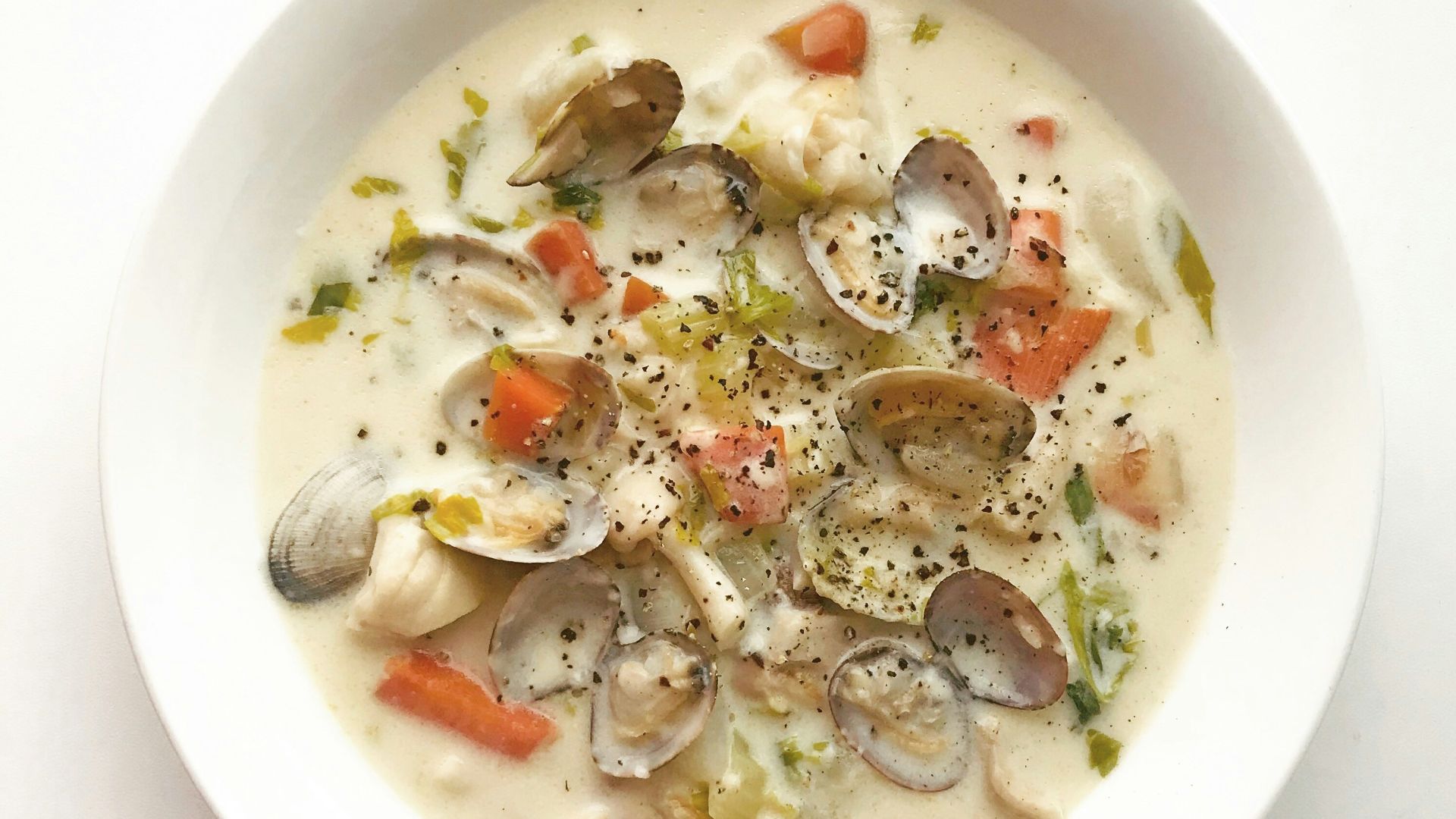
4. Clam Chowder
Chowder is forgiving in a good way. It's built on potatoes, cream, and time, so a kitchen that makes a big batch tends to make it well, and it holds up over the course of a shift better than most seafood dishes do. New England or Manhattan style, this is usually a safe order.
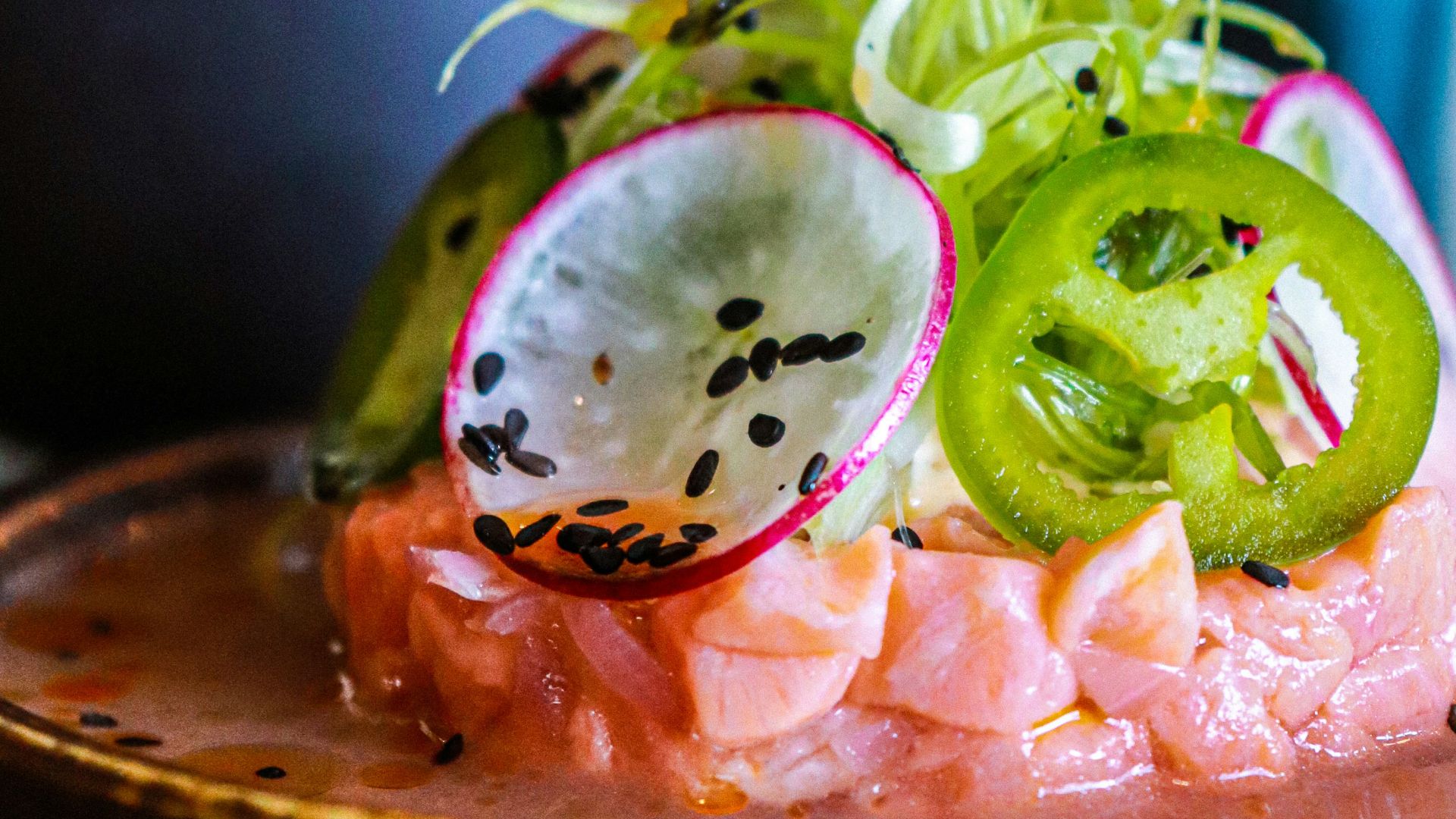
5. Ceviche
Ceviche relies on citrus and acid doing real work on genuinely fresh fish, so a restaurant that puts it on the menu is telling you something about how they think about their seafood. It's bright, it's simple, and there's nowhere for a kitchen to hide a bad piece of fish. If it's on the menu, it's usually worth trying.
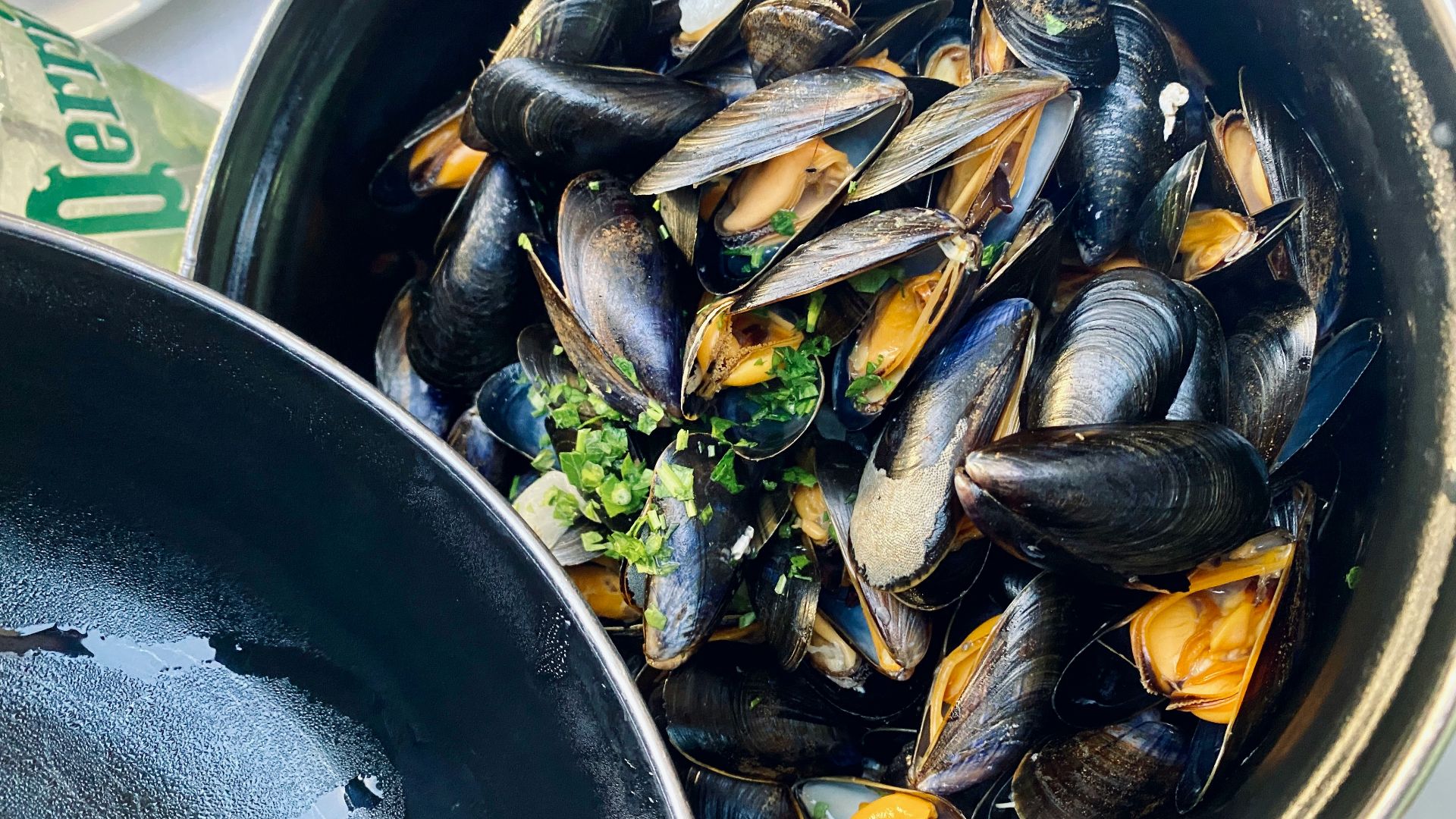
6. Steamed Mussels
Mussels are cheap, they cook fast, and a bad batch gets caught before it ever reaches your table because the shells won't open. A good broth, whether it's white wine and garlic or something spicier, turns a simple ingredient into one of the better dishes in the house. Get extra bread. You'll want it for the broth.
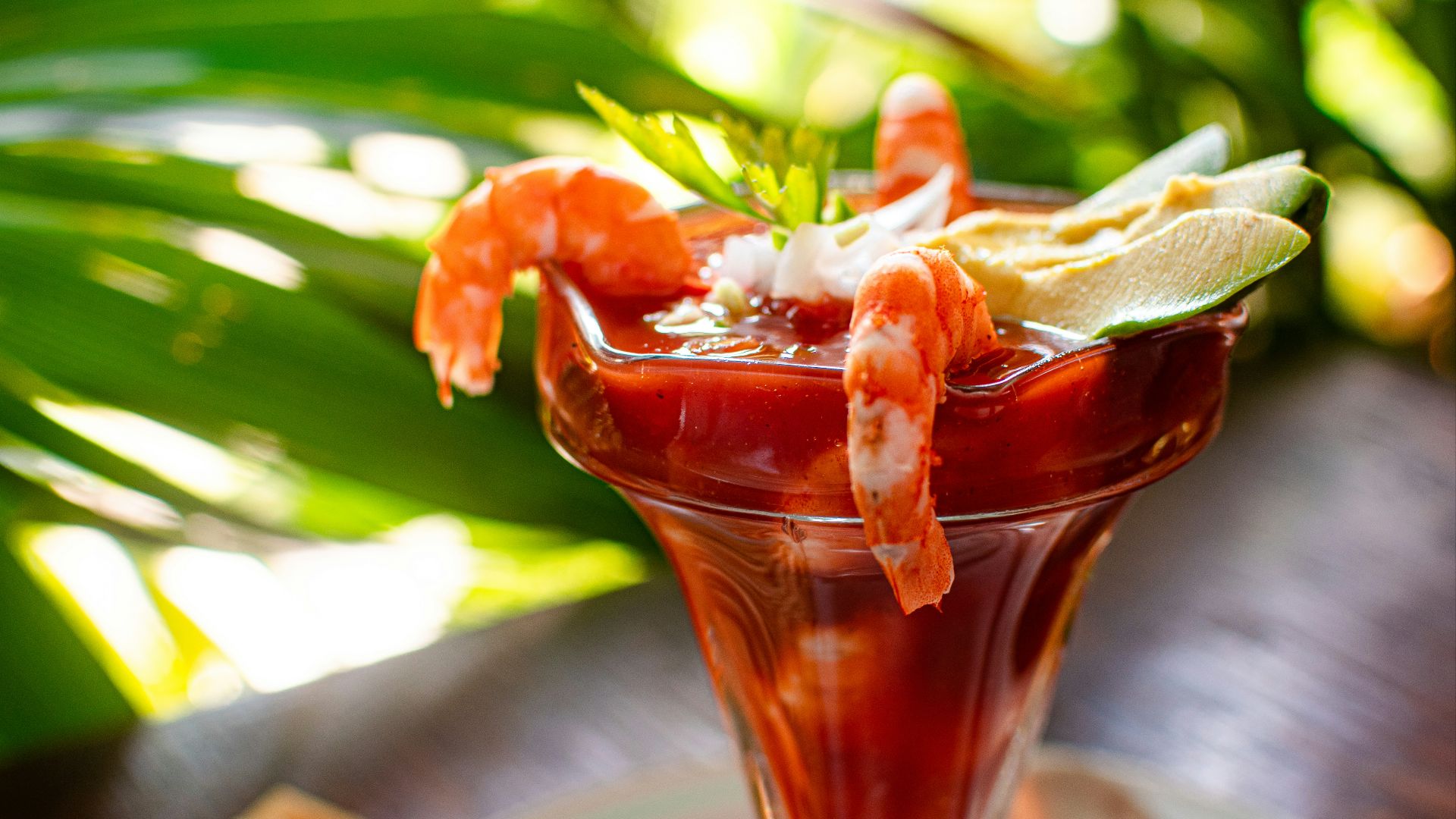
7. Shrimp Cocktail
Big shrimp, properly chilled, with a sauce that isn't trying too hard, is one of the hardest things on a seafood menu to mess up. There's no cooking technique to fail and no filler to hide behind. It's simple, but simple is exactly the point.
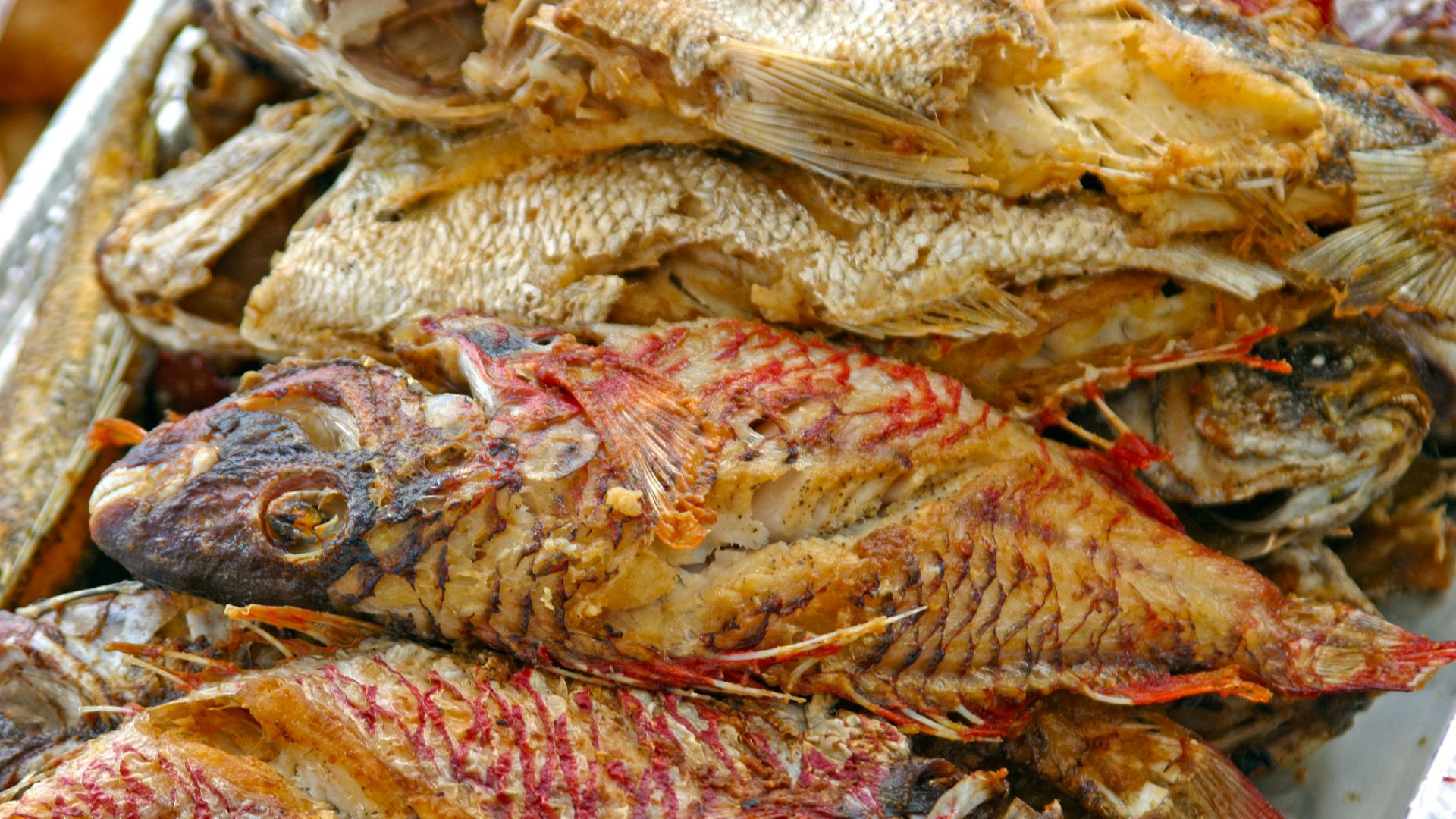
8. Whole Fried Fish
A whole fried fish, head and tail included, usually means the kitchen is working with something that came in that day rather than pre-cut filets from a box. The skin crisps up in a way filets never quite manage. It looks like more of a commitment on the plate, but it's usually the better order.
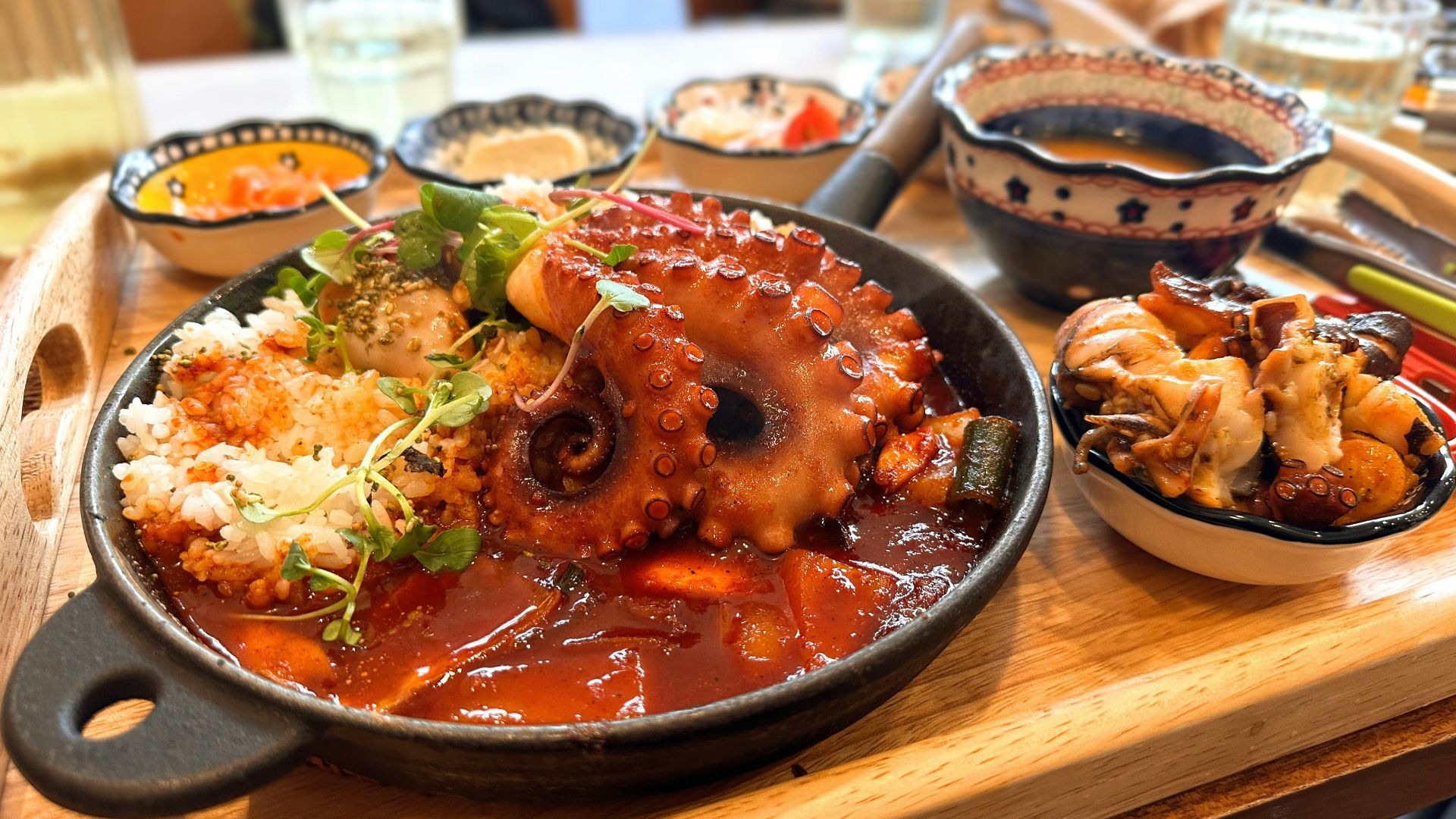
9. Cioppino Or Seafood Stew
A good seafood stew uses whatever's freshest that day, built around a tomato or wine-based broth that ties everything together. Unlike the frozen pasta medley, this dish is designed around variety from the start, so a kitchen that's confident in its stew tends to be confident in its seafood generally. It's messy to eat and worth the bib.
10. Simply Broiled Lobster Tail
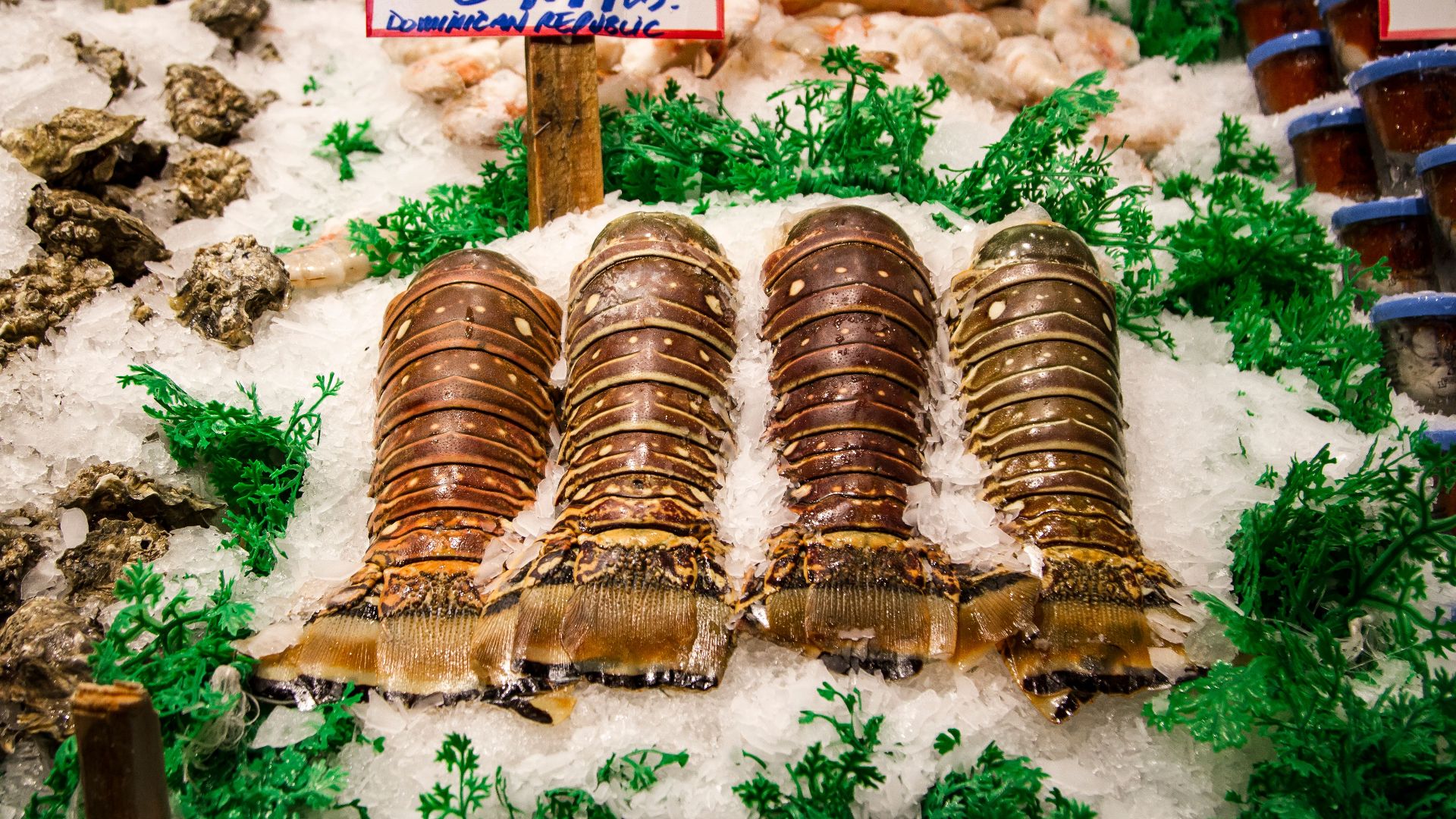
Skip the versions drowned in butter sauce or stuffed with breadcrumbs, and order the tail broiled plain with just a little butter and lemon. You're paying for the lobster, not the toppings, so let it be the whole point of the dish. It's the clearest way to tell if a restaurant actually knows what to do with good shellfish.
KEEP ON READING