Food Vocabulary
When you think of food idioms, you probably think of the usual ones: "That's a piece of cake," "Cool as a cucumber," "That's not my cup of tea." But strangely enough, those are the only expressions in the English language that use food creatively. We might, for example. talk about beans when describing energy, cheese when someone is important, and fish when we have something better to do. Odd, right? As you scroll through this list of 20, count how many you're familiar with. Chances are, you won't get many of them.
1. A Different Kettle of Fish
At first glance, this one might seem pretty confusing. Are we talking about kettles or fish? But the expression actually means that whatever you've brought up is a completely different thing from what was being discussed. In other words, it's "a different matter altogether."
 Sebastian Pena Lambarri on Unsplash
2. Gravy Train
You might immediately think of rich, delicious gravy, but someone who's "riding the gravy train" means they're benefiting from an unusually great way of making money, generally without having to do much work. The expression is often said critically, such as when the person in question is taking advantage of a situation.
3. Chew the Fat
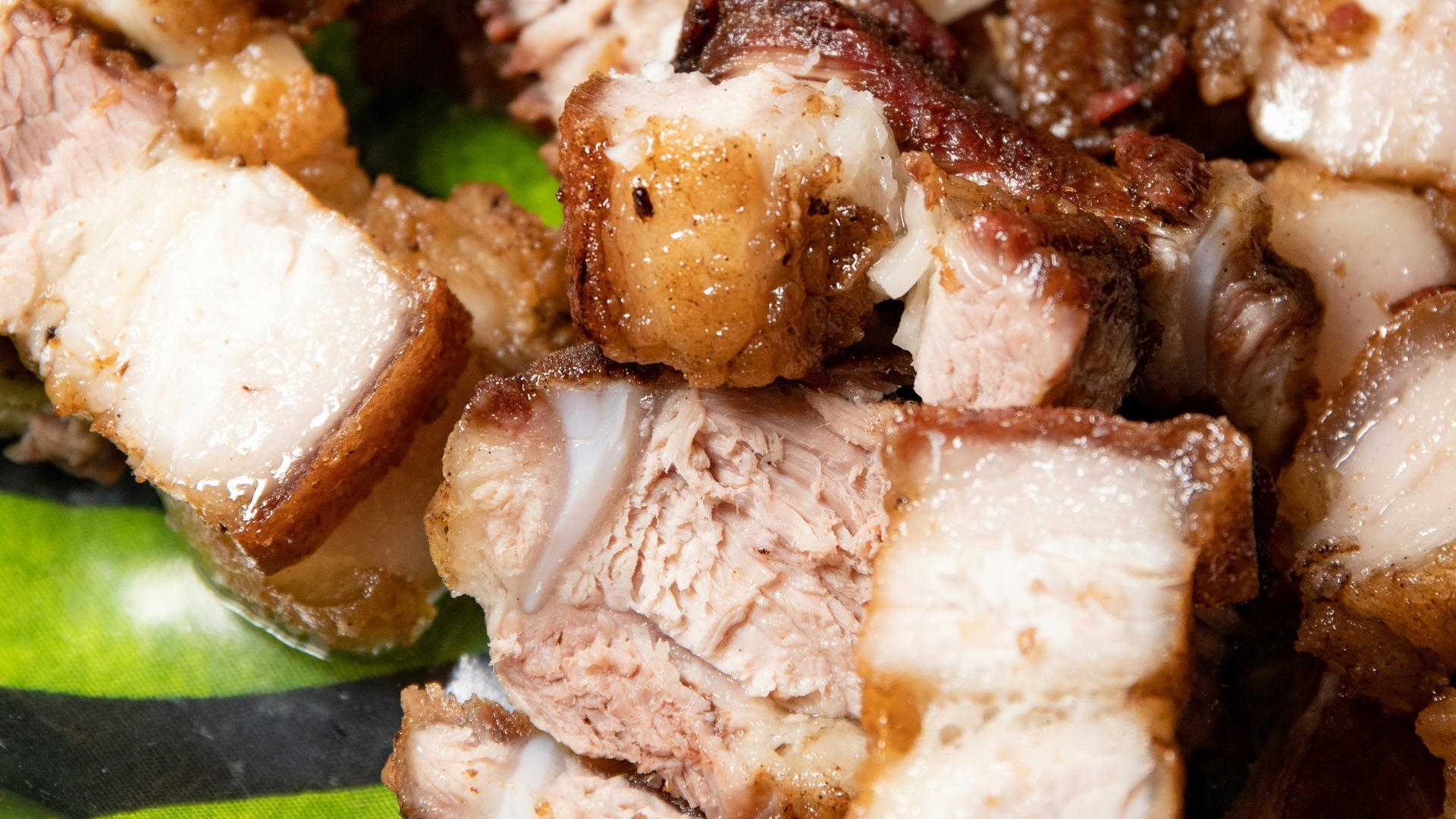
Despite how strange it may sound, "chewing the fat" simply means having a relaxed conversation. The expression has been used for friendly chatting for well over a century, though it remains unclear why "fat" became part of it. In any case, there's no actual chewing of fat here!
4. Full of Beans
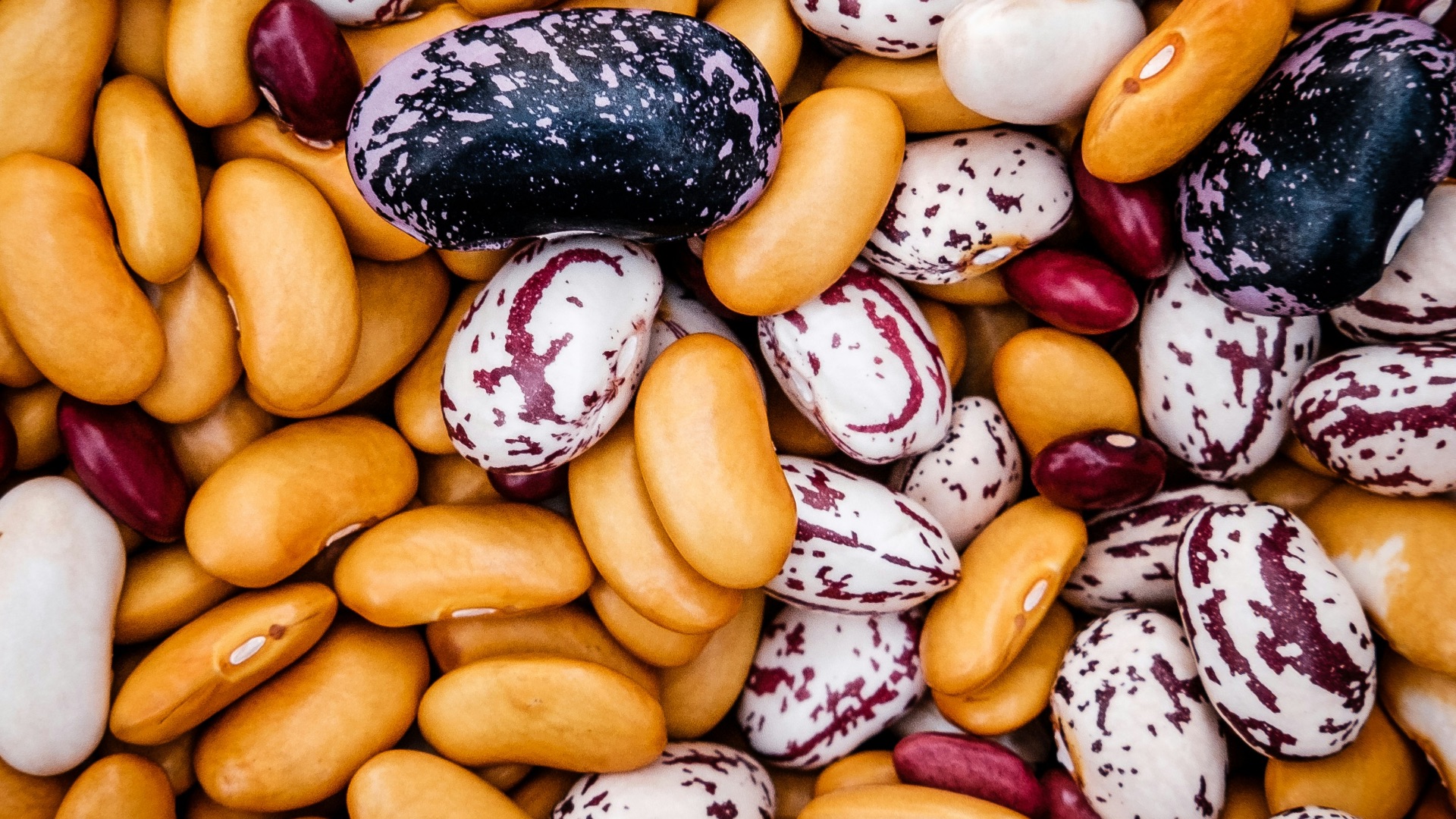
If you had to guess what this expression meant, you might think it has something to do with a... particular problem after you've had a bowl of beans. But saying someone is "full of beans" actually means they're energetic, enthusiastic, and ready to get moving. It's a phrase more commonly used in British English, although Americans may be familiar with it as well.
5. Hard Cheese
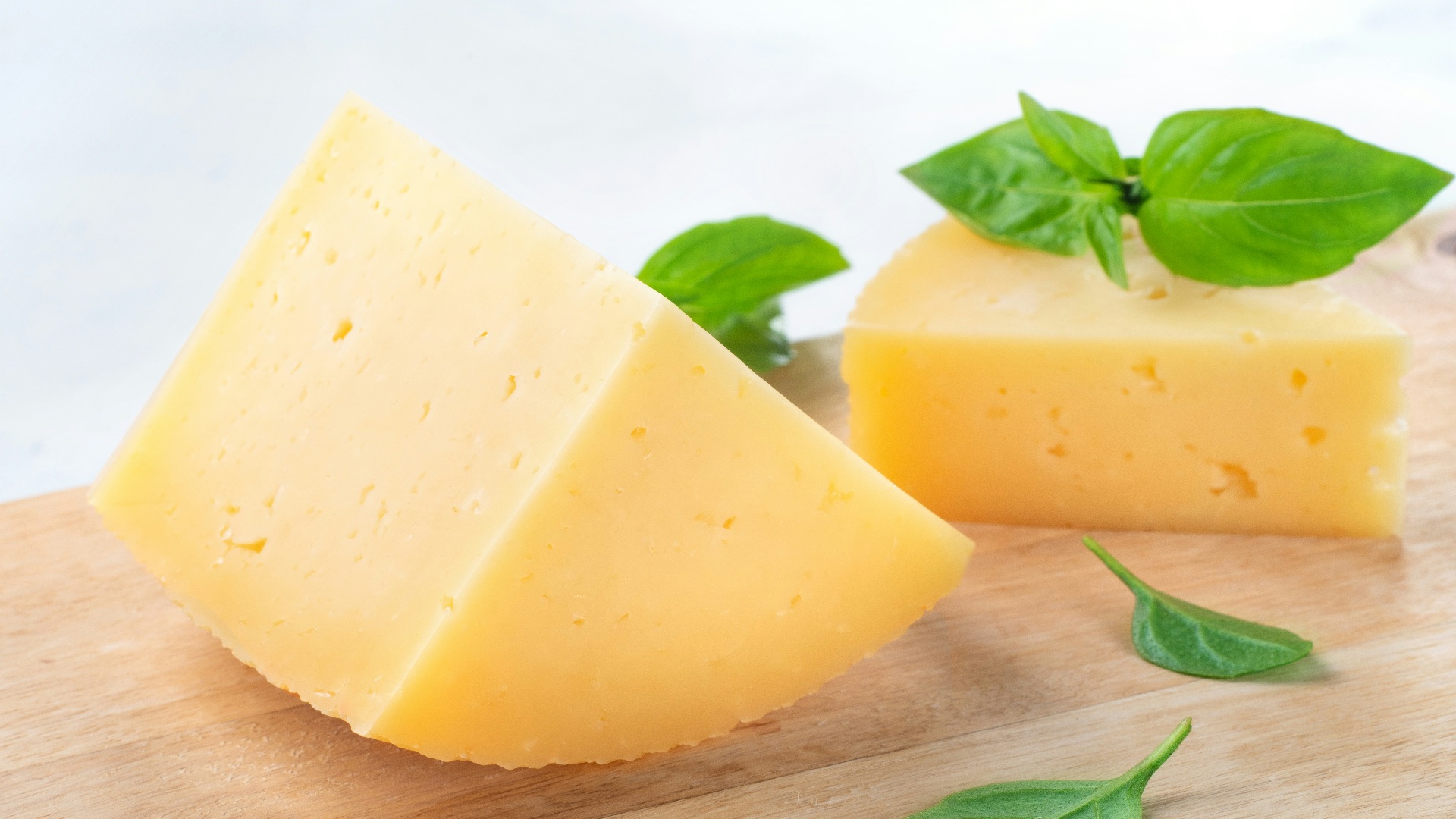
"Hard cheese" sounds like something you'd say when complaining about a tough block of cheddar, but the expression really means "too bad." It's normally used when you have little sympathy (or can't do anything to help) for someone else's situation or complaint. Have an important interview tomorrow you didn't practice for? Hard cheese!
 David Foodphototasty on Unsplash
6. Pie in the Sky
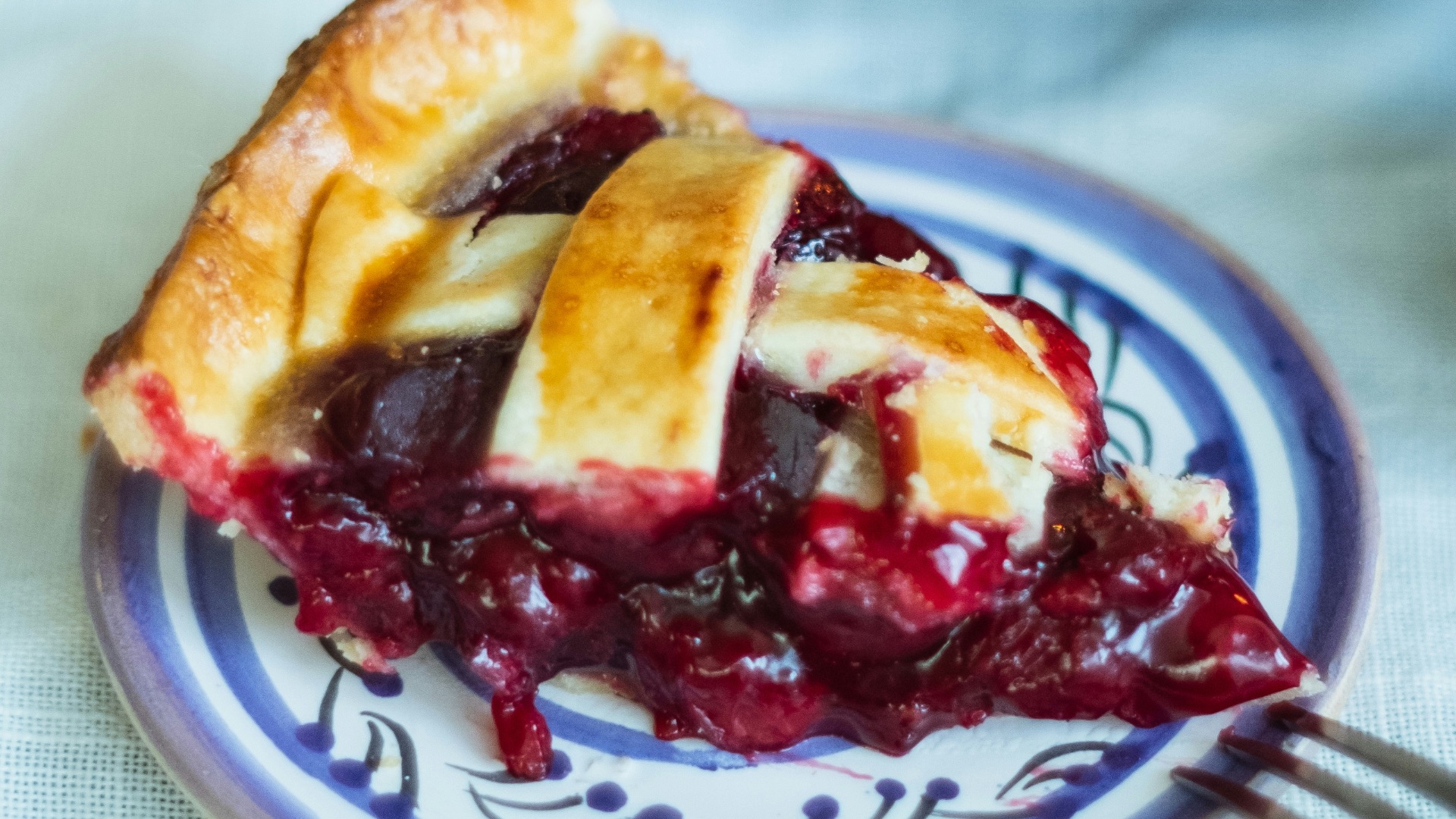
There's no literal pie in the sky, sorry to get your hopes up. Similarly, actually, a plan that's described as a "pie in the sky" means it sounds wonderful but isn't particularly likely to happen. You might say this when discussing an unrealistic business idea or a goal with no practical path forward.
 Diliara Garifullina on Unsplash
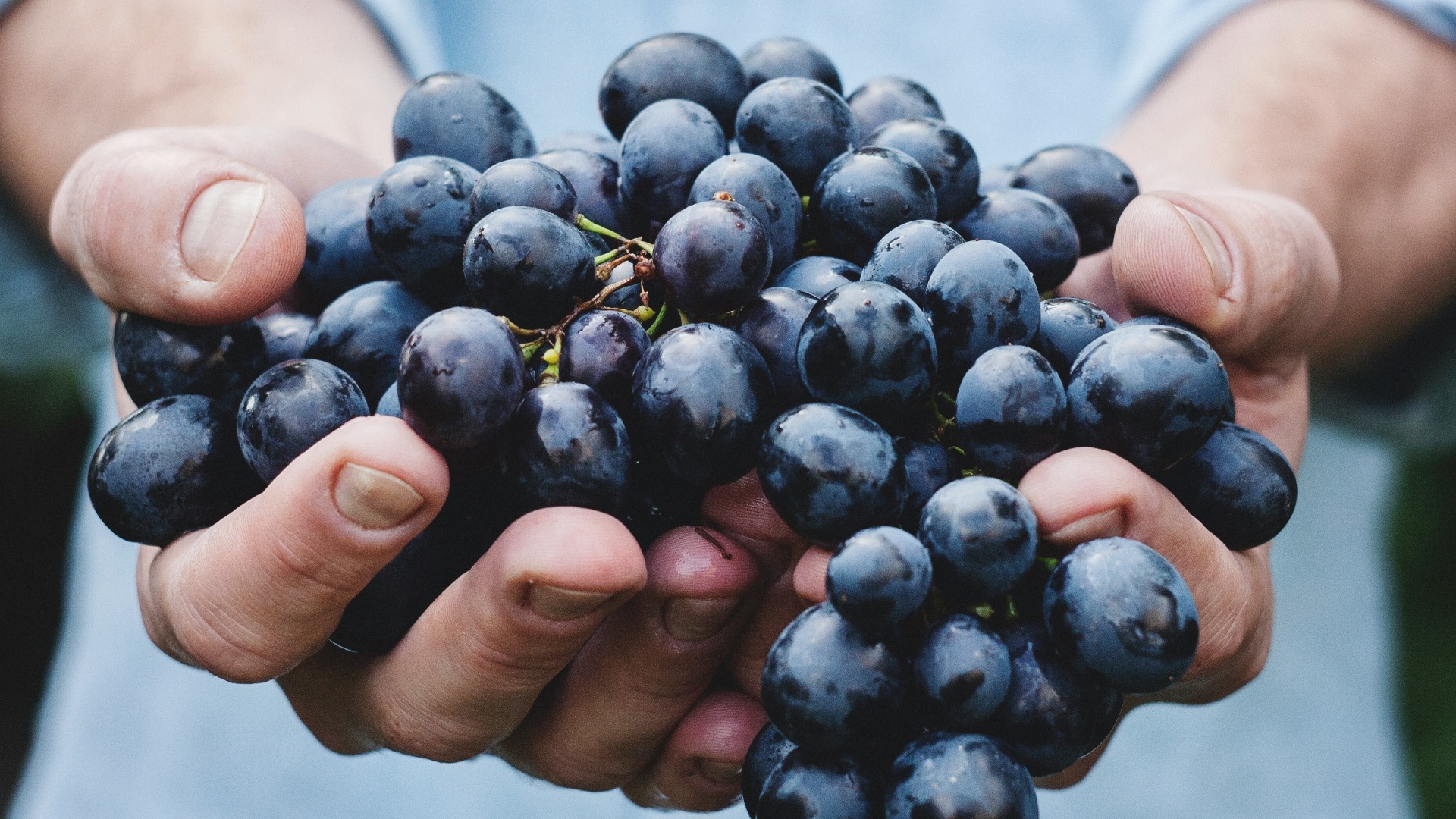
7. Sour Grapes
You know the face you just made at the mention of sour grapes? Well, the phrase "sour grapes" describes the resentment that comes from not being able to achieve something you wanted—exactly the kind of thing that might make you grimace.
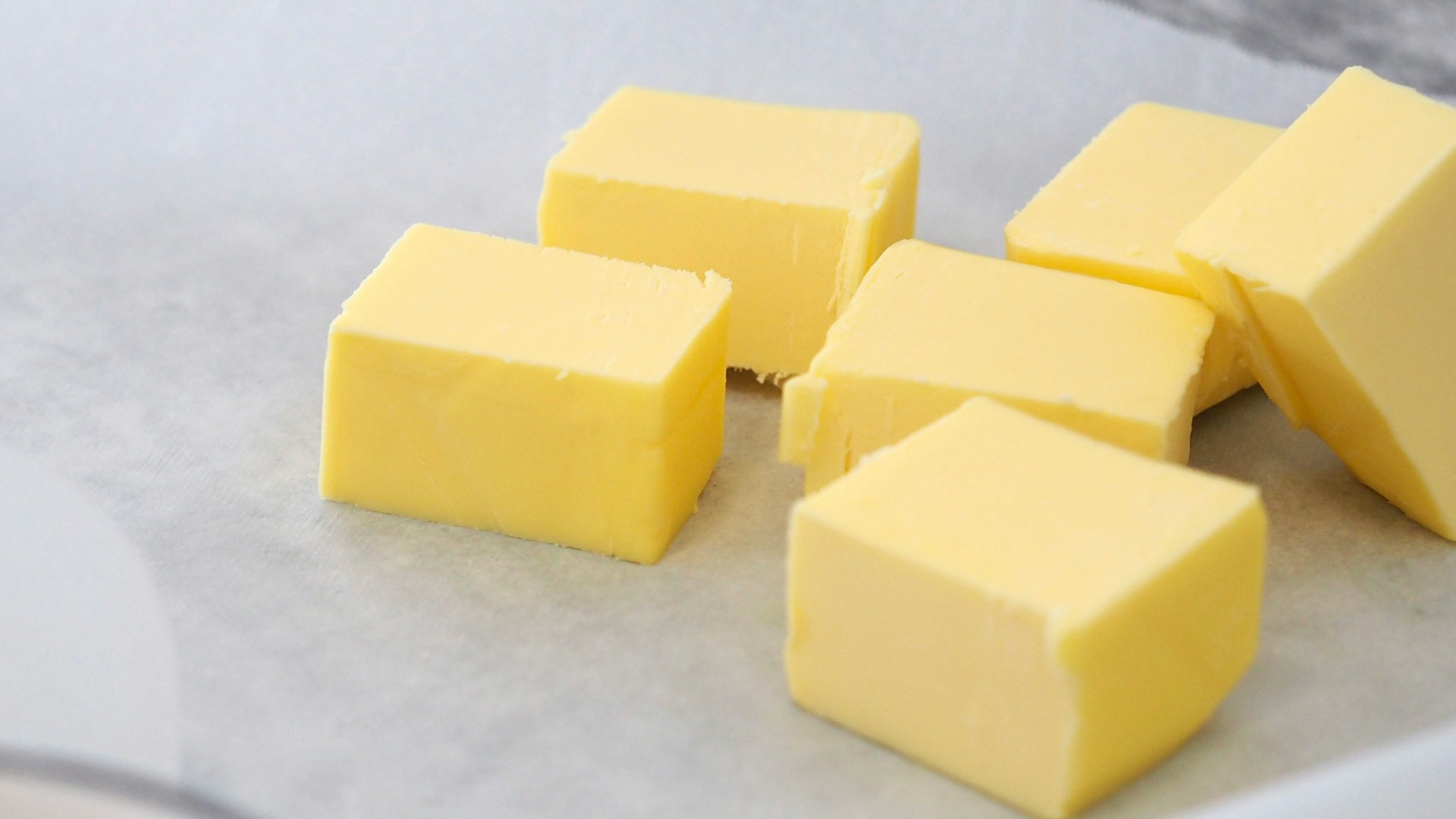
8. Butter Someone Up
Ah, here's one most people might be familiar with. To "butter someone up" means showering them with praise or friendly treatment, all because you want something from them. An employee, for example, might speak highly about a manager's latest idea—buttering them up—before asking for a raise. Sneaky, right?
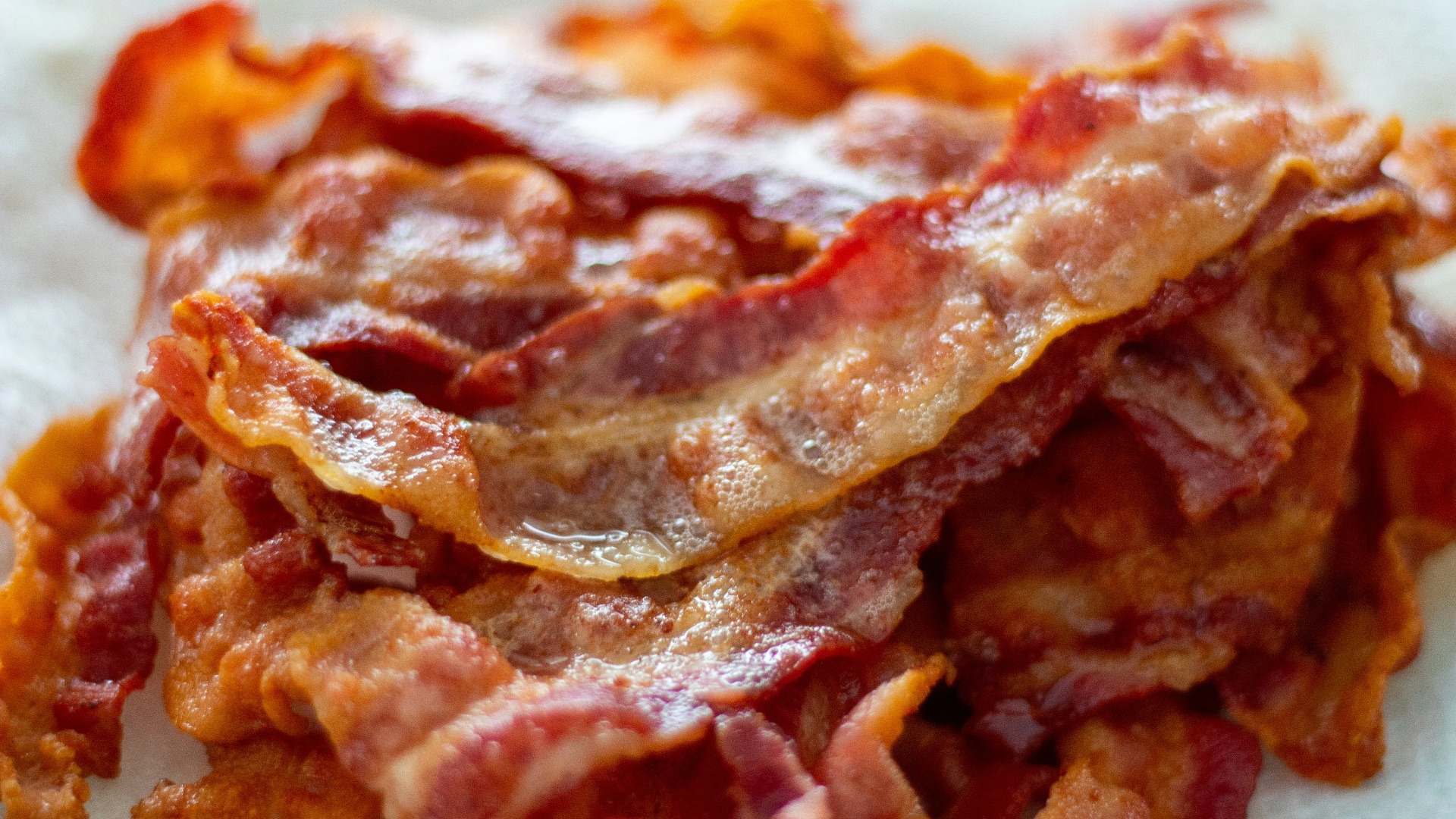
9. Bring Home the Bacon
Who doesn't love bacon? Well, on that note, saying that someone "brings home the bacon" means they've earned the money needed to support themselves or their household. "Bacon" doesn't just have to refer to money, though; the expression can also be used more broadly, such as when a person achieves a desired result.
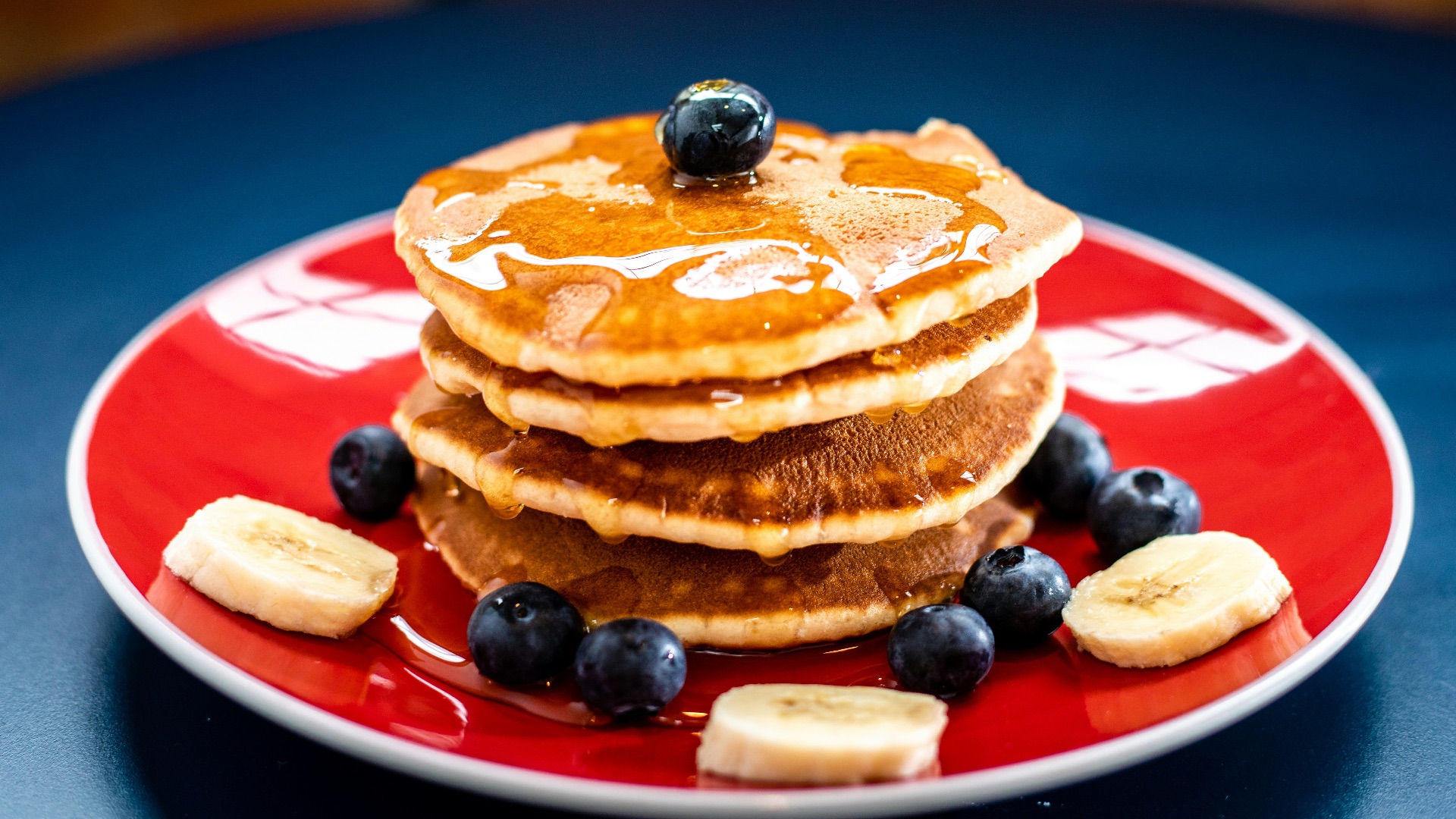
10. Sell Like Hotcakes
When something is "selling like hotcakes," it's selling like crazy. It's flying off the shelves! Think smartphones and concert tickets or those sale items at the grocery store—they're in high demand. Plus, if you didn't already know, "hotcake" is simply another name for a pancake. The more you know!
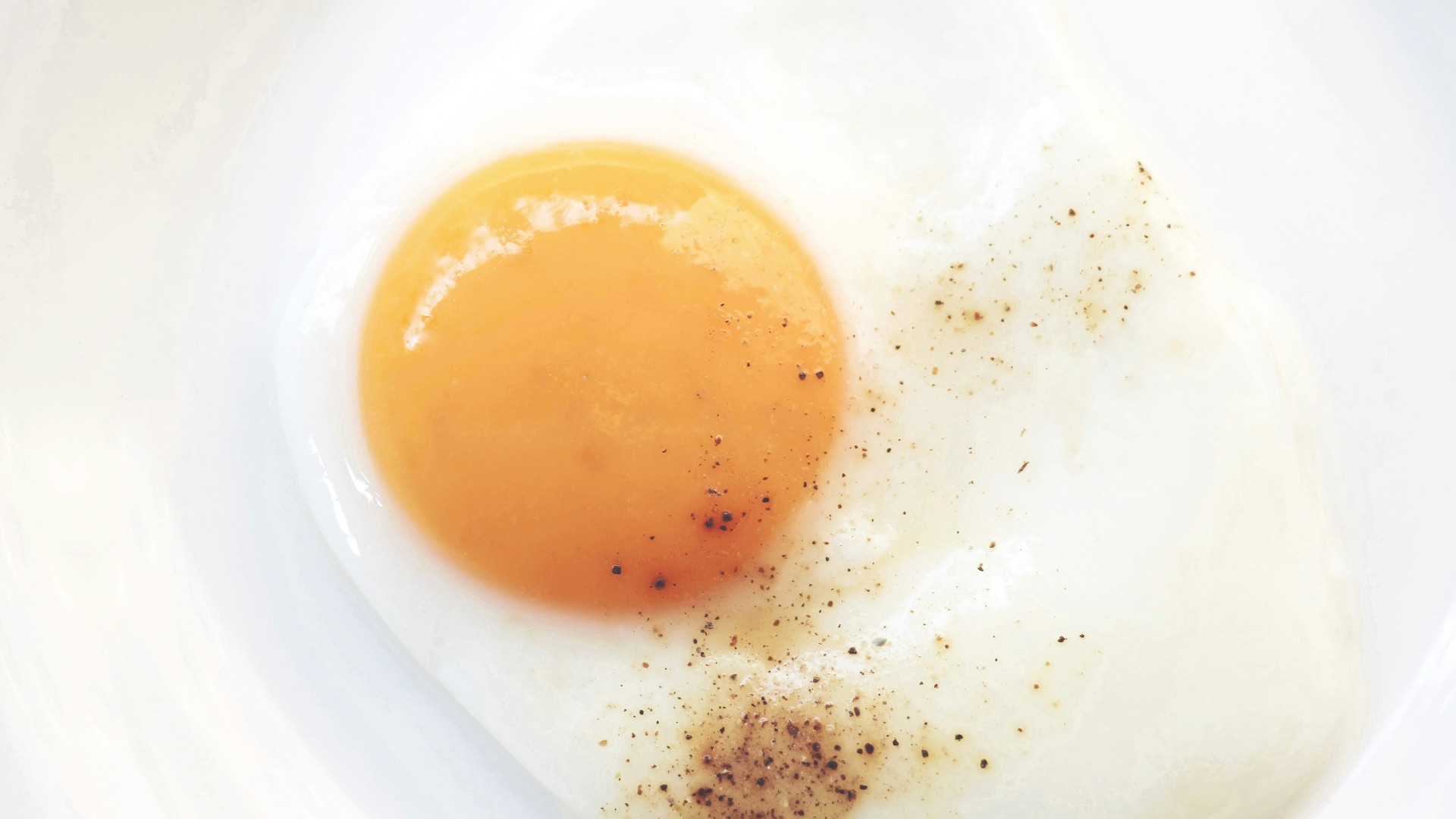
11. Have Egg on Your Face
Ever had egg yolk thrown at your face? Hopefully not, but you can probably imagine the embarrassment. Having "egg on your face," then, means you've been awkwardly proven wrong. You might have sworn to your friend that a certain team will win the Super Bowl, only to realize you predicted wrong.
 montatip lilitsanong on Unsplash
12. Spill the Beans
Not "full of beans" but "spill the beans"? If someone tells you to "spill the beans," it means they want you to tell them the secret. Gen Zers might say "spill the tea," which means pretty much the same thing. Anyway, don't actually spill beans or tea on the floor.
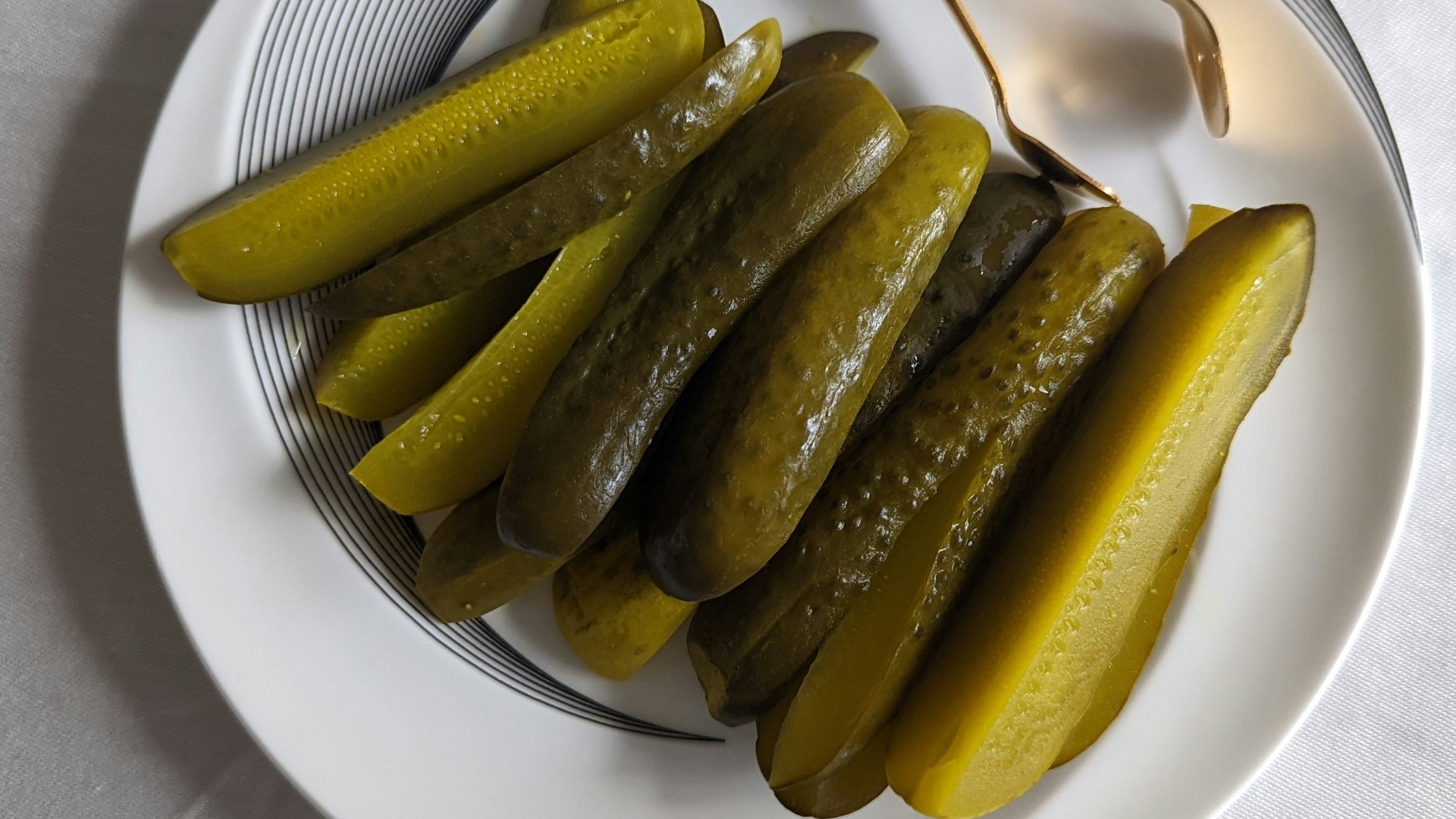
13. In a Pickle
Being "in a pickle" means you've found yourself in a difficult situation. Perhaps you've promised two friends you'll attend both of their important events, only to realize they're scheduled at the same time; now you're in a pickle. Oops. Sadly, you don't get to eat your way out of it.
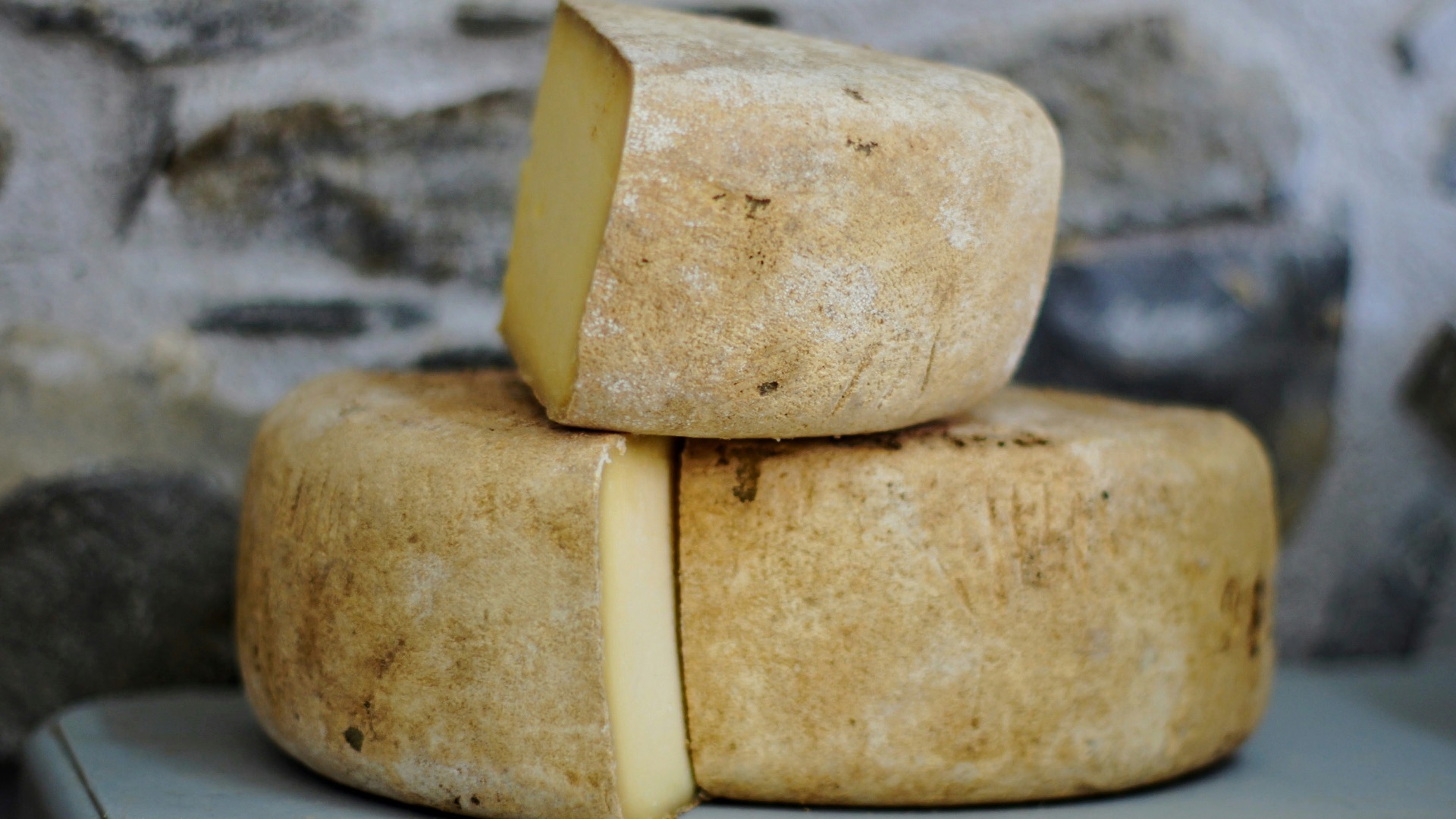
14. Big Cheese
This time, it isn't "hard cheese" but "big cheese," which is an important or influential person. They're the top of the top! If everyone has to wait for a specific person's approval before making a major decision, that person is the big cheese. You don't ever want to make the mistake of saying "hard cheese" to them.
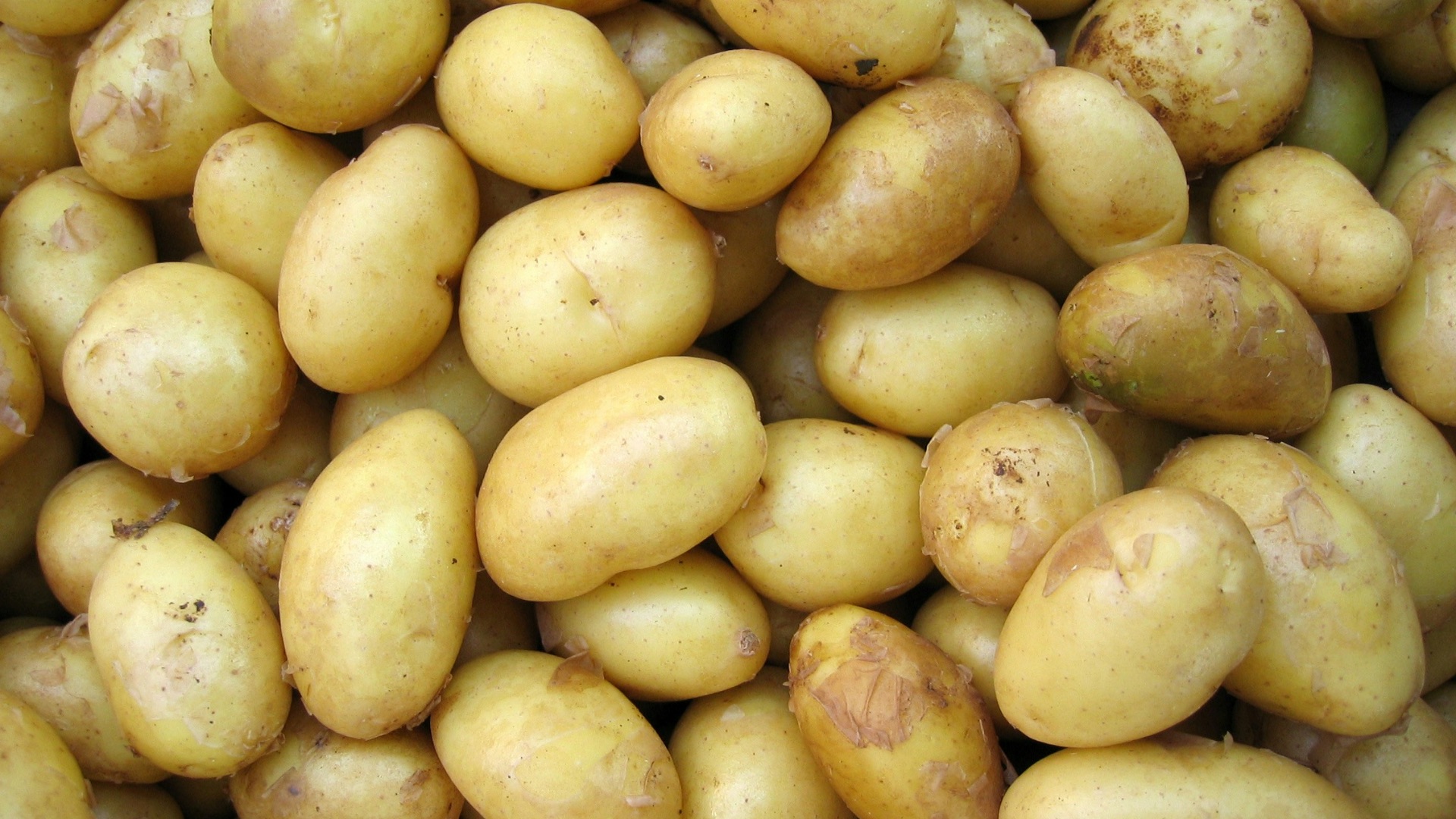
15. Small Potatoes
You've got the big cheese, and then you have the small potatoes. The people (or things) that aren't very important. You might, for example, complain about buying too much of something only to realize you've been charged wrong for it. All of a sudden, the thing you were originally frustrated about suddenly becomes small potatoes.
16. Take It with a Grain of Salt
When you're told to "take something with a grain of salt," it means you shouldn't believe it completely. The phrase is particularly useful when something you read or see could've been exaggerated, incomplete, or based largely on someone's biased opinion. Fun fact: while American English typically uses "grain of salt," British English commonly says "pinch of salt."

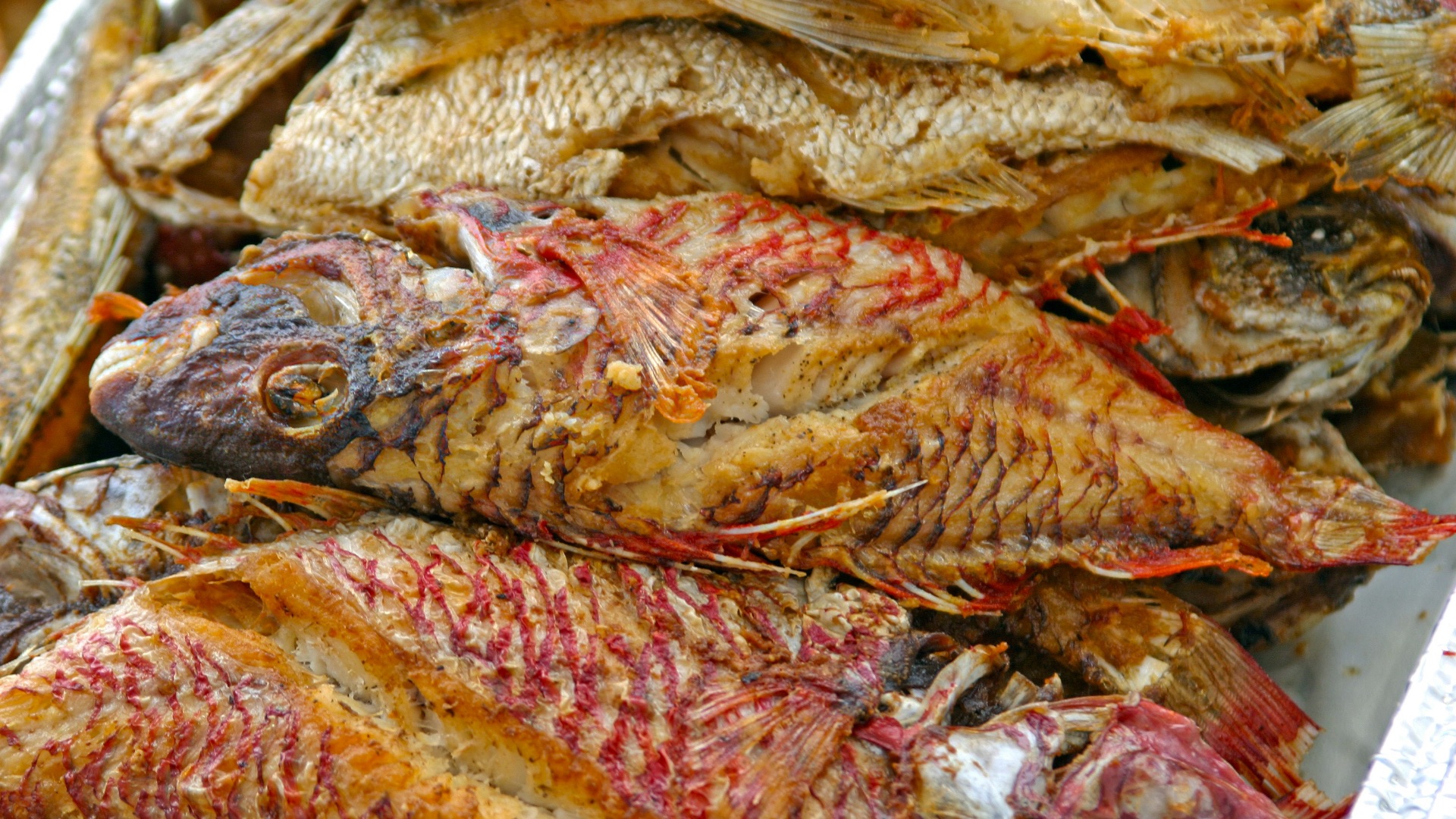
17. Have Bigger Fish to Fry
If you've got "bigger fish to fry," you have a matter that's far more important that requires your attention. Case in point: if you have a major deadline looming, you're probably not going to spend an hour debating what color folders the office should order.
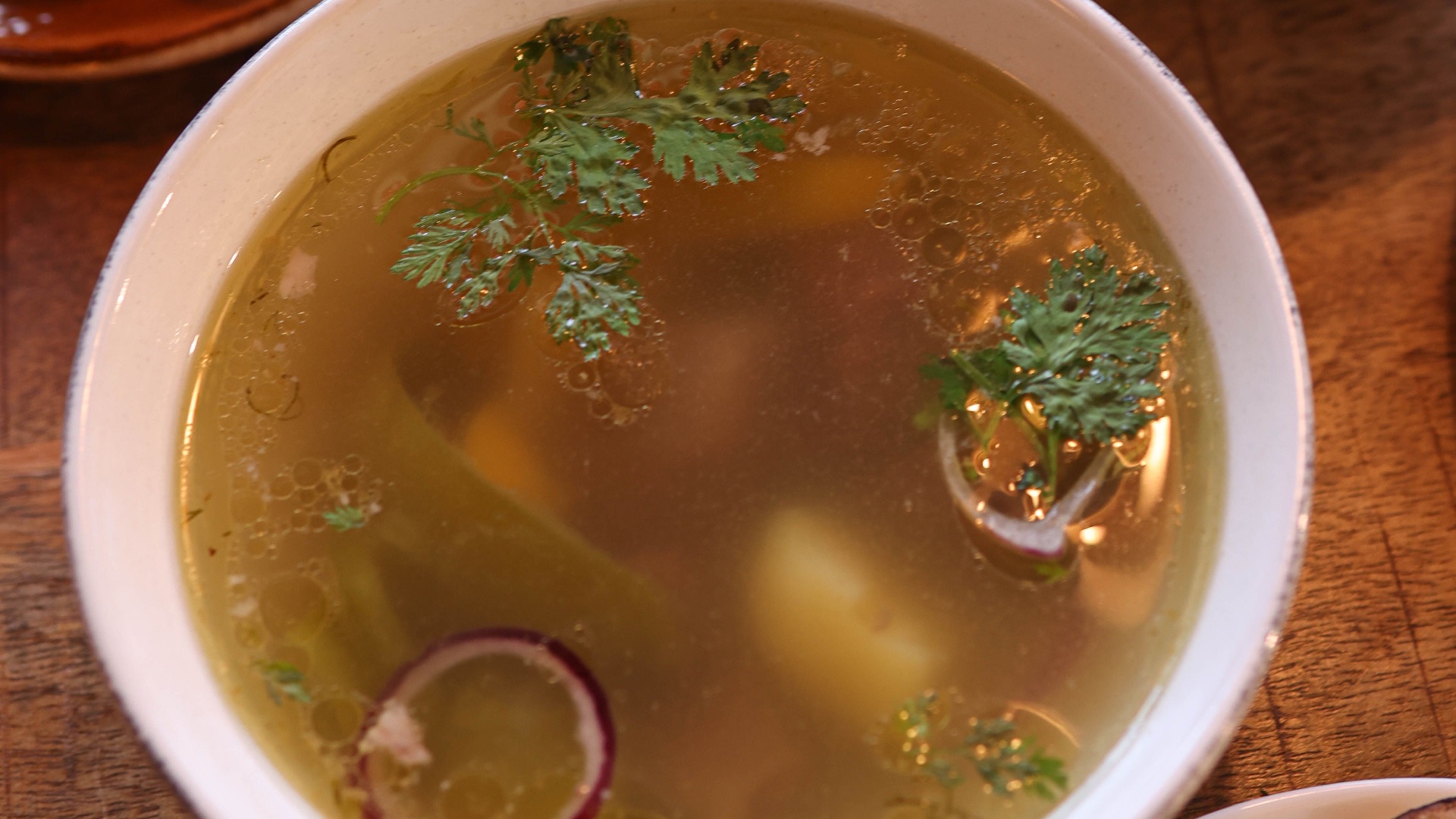
18. Duck Soup
"That's duck soup" is an old-timey way of saying something is easy to accomplish. It's pretty much the same as "a piece of cake," though you'll likely hear the latter more often. Anyone unfamiliar with the expression, though, might be wondering if duck soup is on the menu...
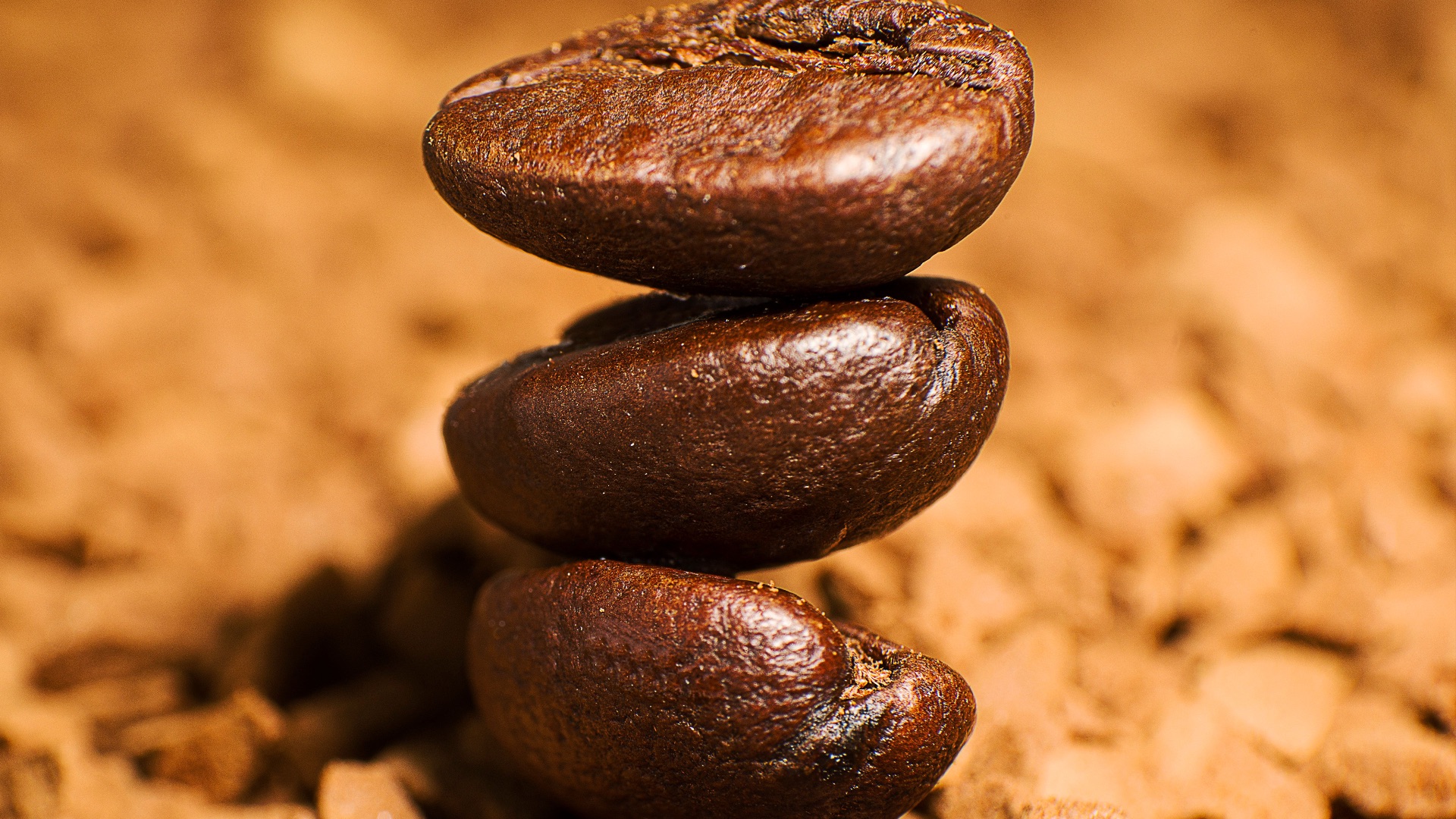
19. Not Worth a Hill of Beans
Here's another idiom about beans: if you say something is "not worth a hill of beans," it means it has very little value or importance. Anything you consider insignificant is, well, not worth a hill of beans. If you ever wanted a more colorful way of calling something worthless, here it is.
20. A Bad Egg
Whether you call somebody a "bad egg" or a "rotten egg," you're essentially suggesting that they're dishonest, unreliable, or otherwise unpleasant to deal with. On the contrary, someone who's a "good egg" means they're the type of person you'd want to be around.