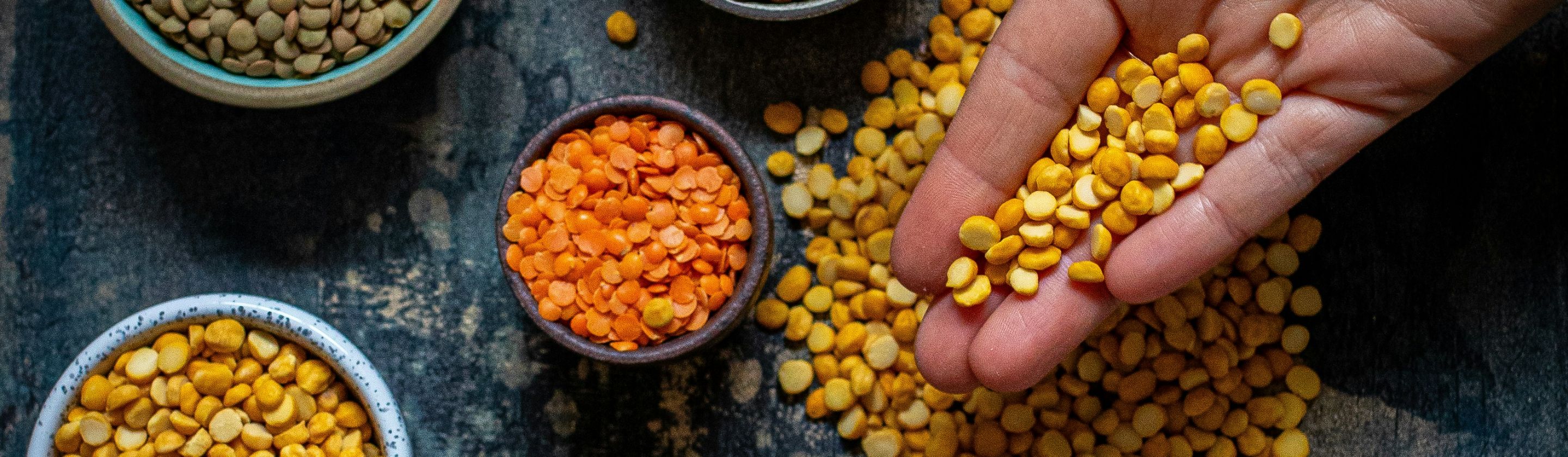
The Budget Aisle Is Hiding Some Serious Nutrition
Somewhere along the way, we started equating healthy eating with expensive eating. Organic everything, specialty grains, protein powders that cost more per serving than a full meal. But the foods that have quietly sustained humans for centuries, the ones that live in the back of the pantry or get passed over at the grocery store, are often doing far more nutritional heavy lifting than they get credit for. They're not glamorous, and they're not being featured on any wellness influencer's feed. They're just cheap, dependable, and genuinely good for you. Here are 20 of them.
1. Canned Sardines
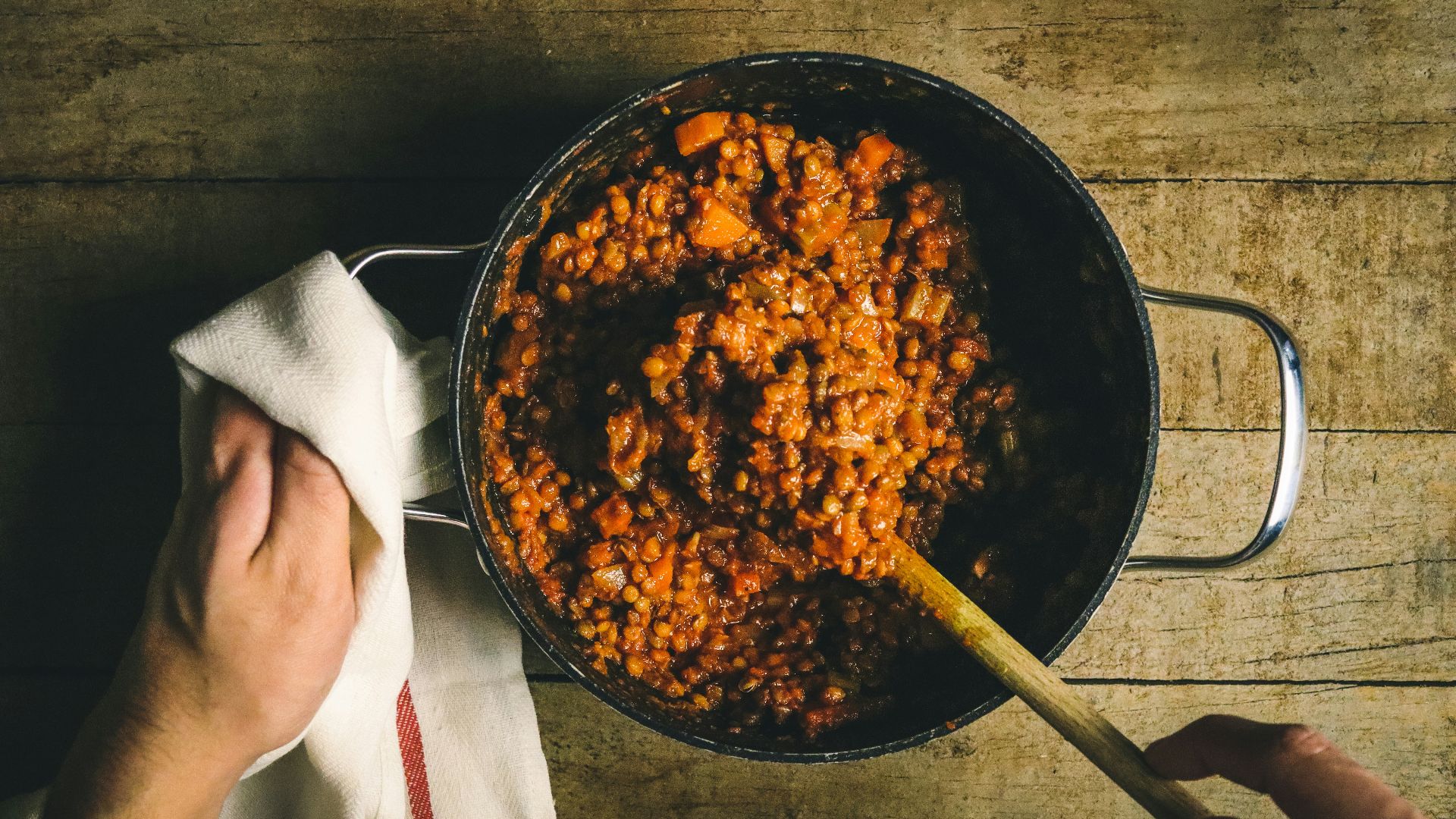
Sardines are one of the most complete foods you can buy for under two dollars. They're loaded with omega-3 fatty acids, vitamin D, calcium (because you eat the bones), and a solid hit of protein. People write them off because of the smell or the tin, but if you've ever eaten them on crackers with a little hot sauce, you know they hit differently.
2. Lentils
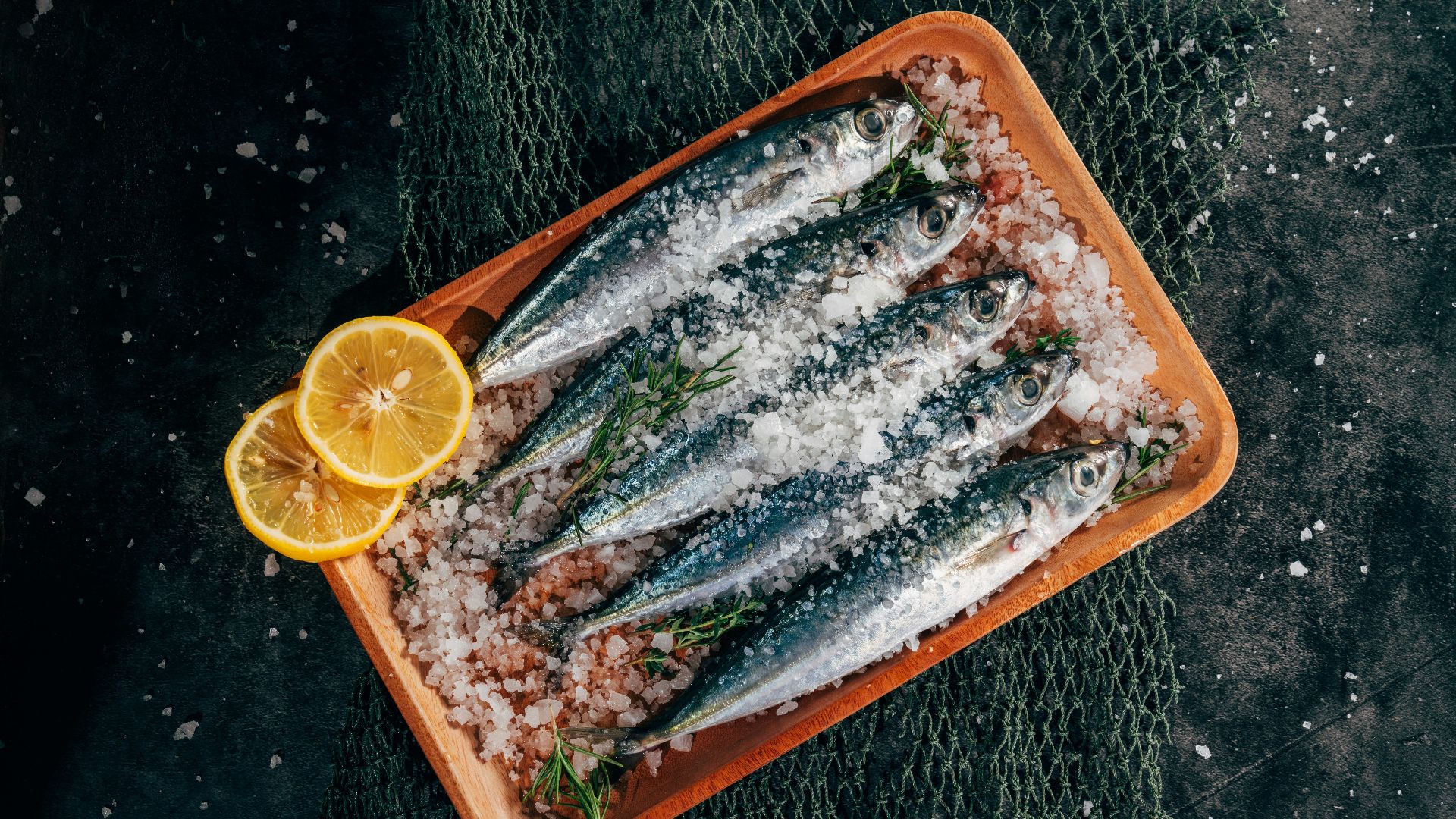
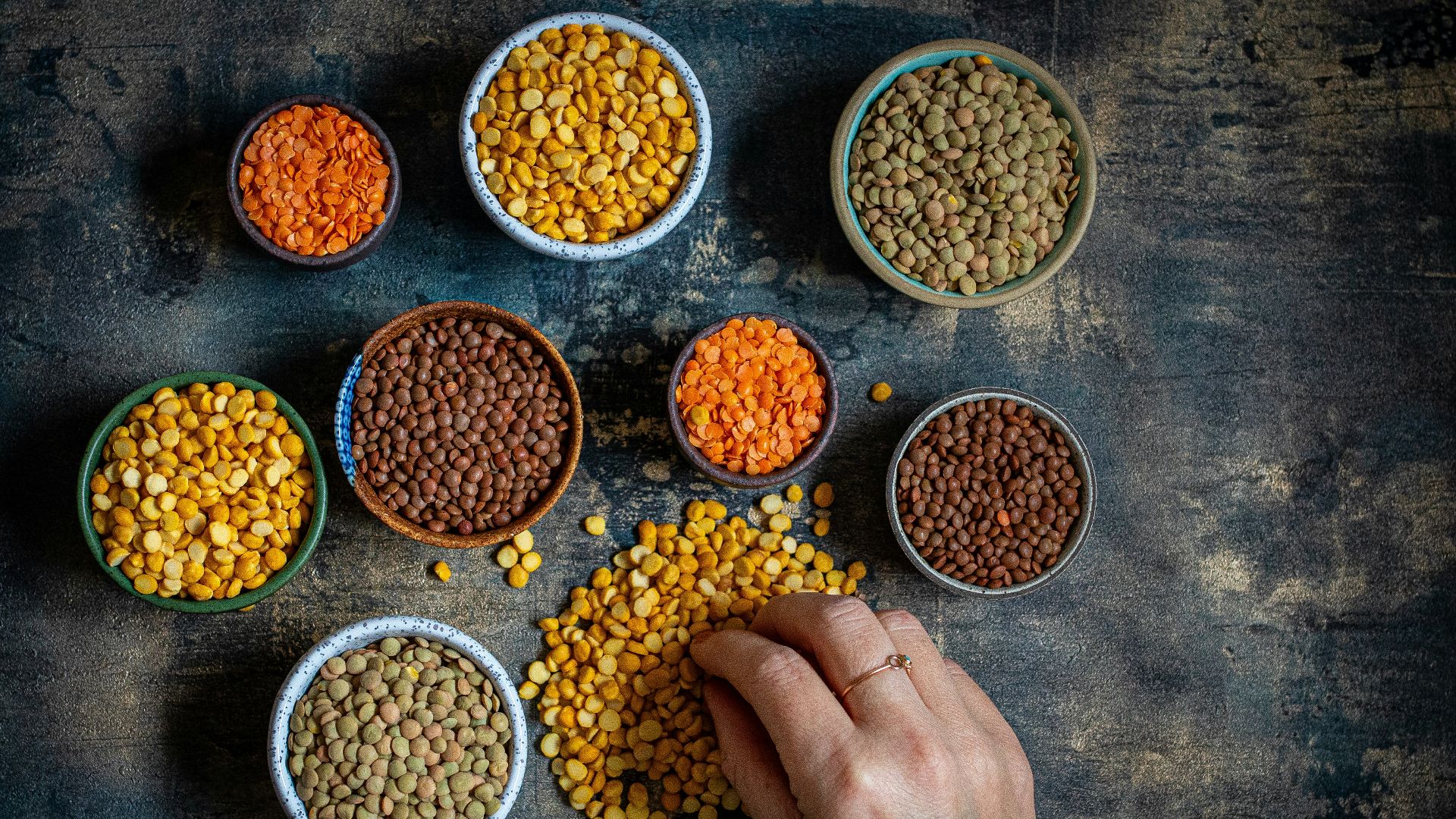
Lentils are the kind of food that nutritionists quietly love but nobody talks about at dinner. A cup of cooked lentils gives you around 18 grams of protein, a serious amount of fiber, and a long list of minerals including iron, folate, and manganese. They're also one of the fastest-cooking legumes, with no overnight soaking required.
3. Frozen Spinach
Fresh spinach wilts into almost nothing and goes bad fast. Frozen spinach, on the other hand, was picked and flash-frozen at peak ripeness, which means it retains most of its nutrients. It's one of the better sources of vitamin K, magnesium, and iron in the frozen aisle, and a bag costs practically nothing.
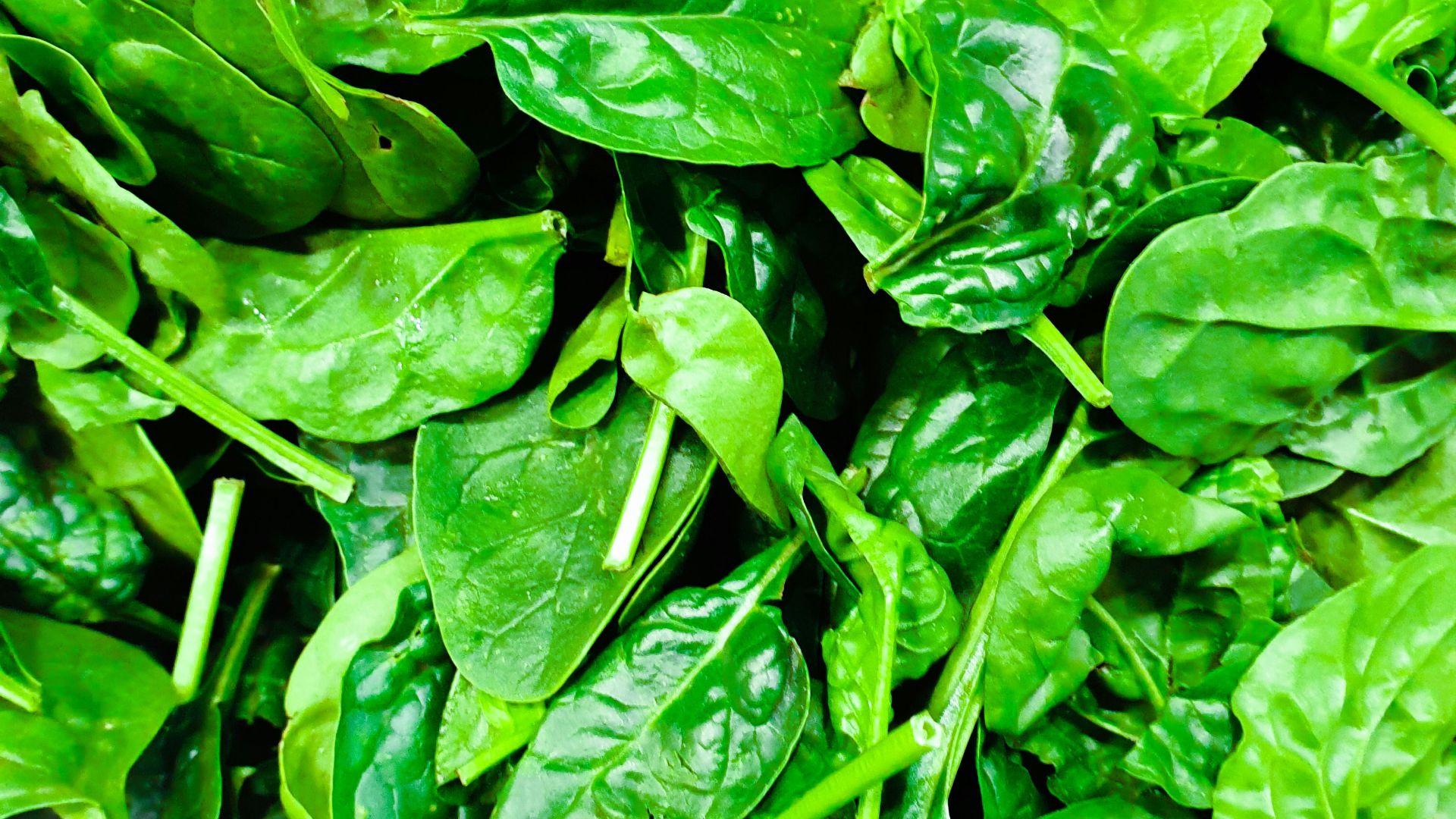 Shutter Sphere Collective on Unsplash
4. Eggs
The egg went through a long, unfair reputational crisis, and it deserves better. It contains all nine essential amino acids, a meaningful amount of choline (which most people don't get enough of), and vitamins B12 and D. The yolk is where most of the nutrition lives, so don't skip it.

5. Cabbage
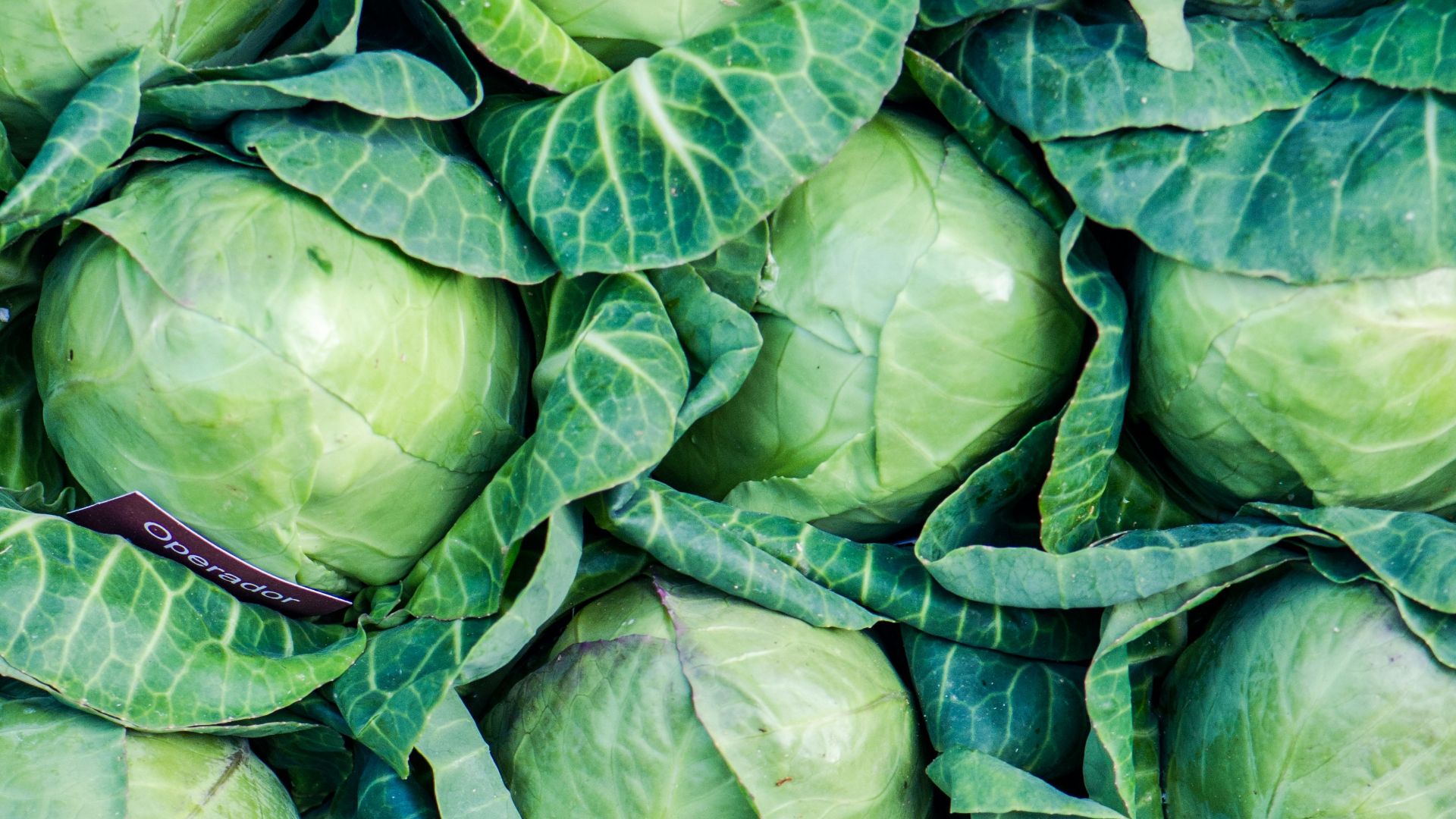
Cabbage is so cheap it borders on absurd, and it's genuinely nutrient-dense. It's high in vitamin C, vitamin K, and compounds called glucosinolates that are associated with reduced inflammation. Raw in a slaw or slowly braised until tender, it holds up in almost any cooking format.
6. Canned Tomatoes
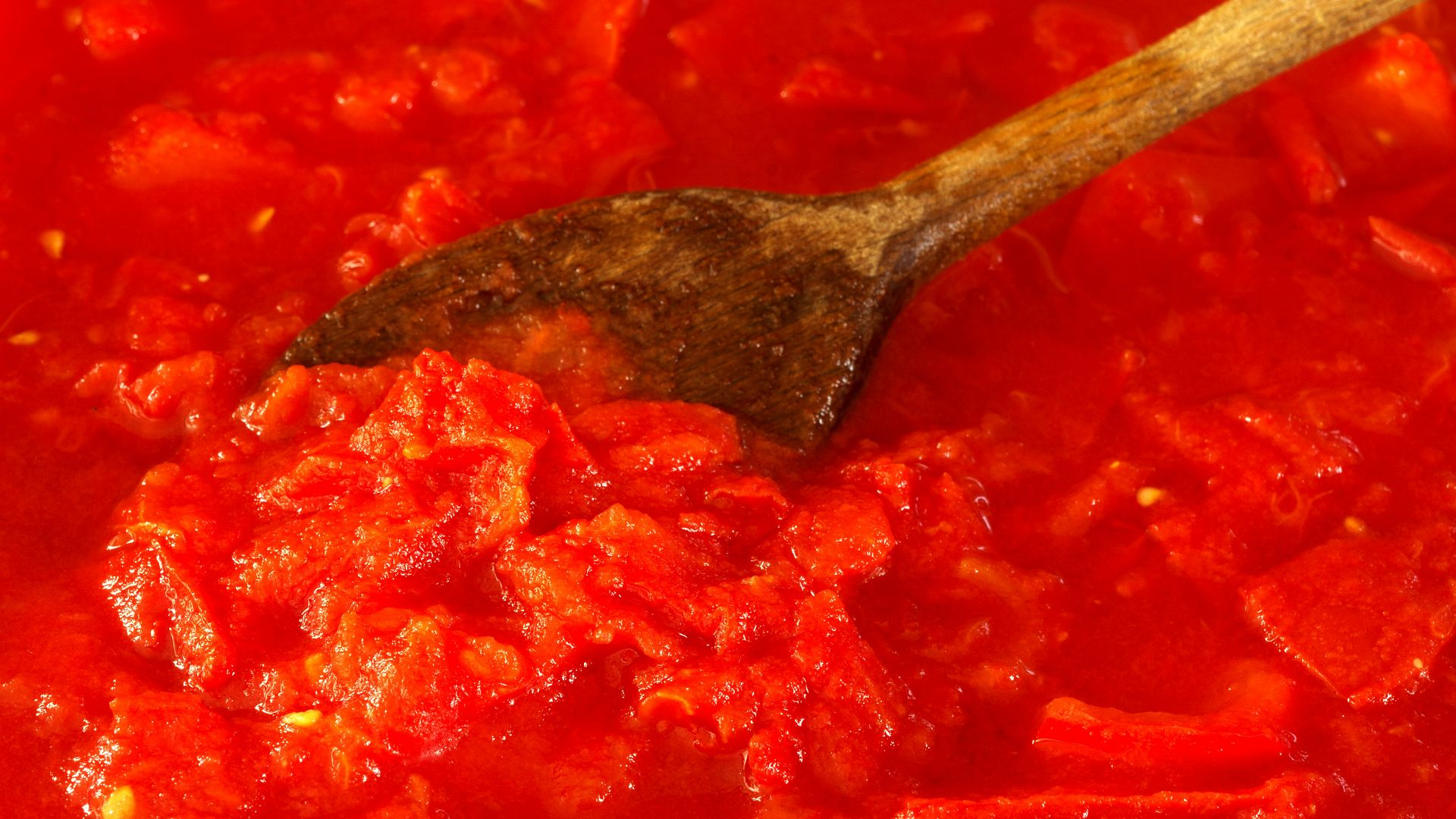
A can of crushed or whole tomatoes is one of the best pantry investments you can make. Cooked tomatoes actually have higher levels of lycopene, a powerful antioxidant, than raw ones, because heat breaks down the cell walls and makes it more bioavailable. Add to that the vitamin C, potassium, and folate, and you've got a lot going on for about a dollar.
7. Oats
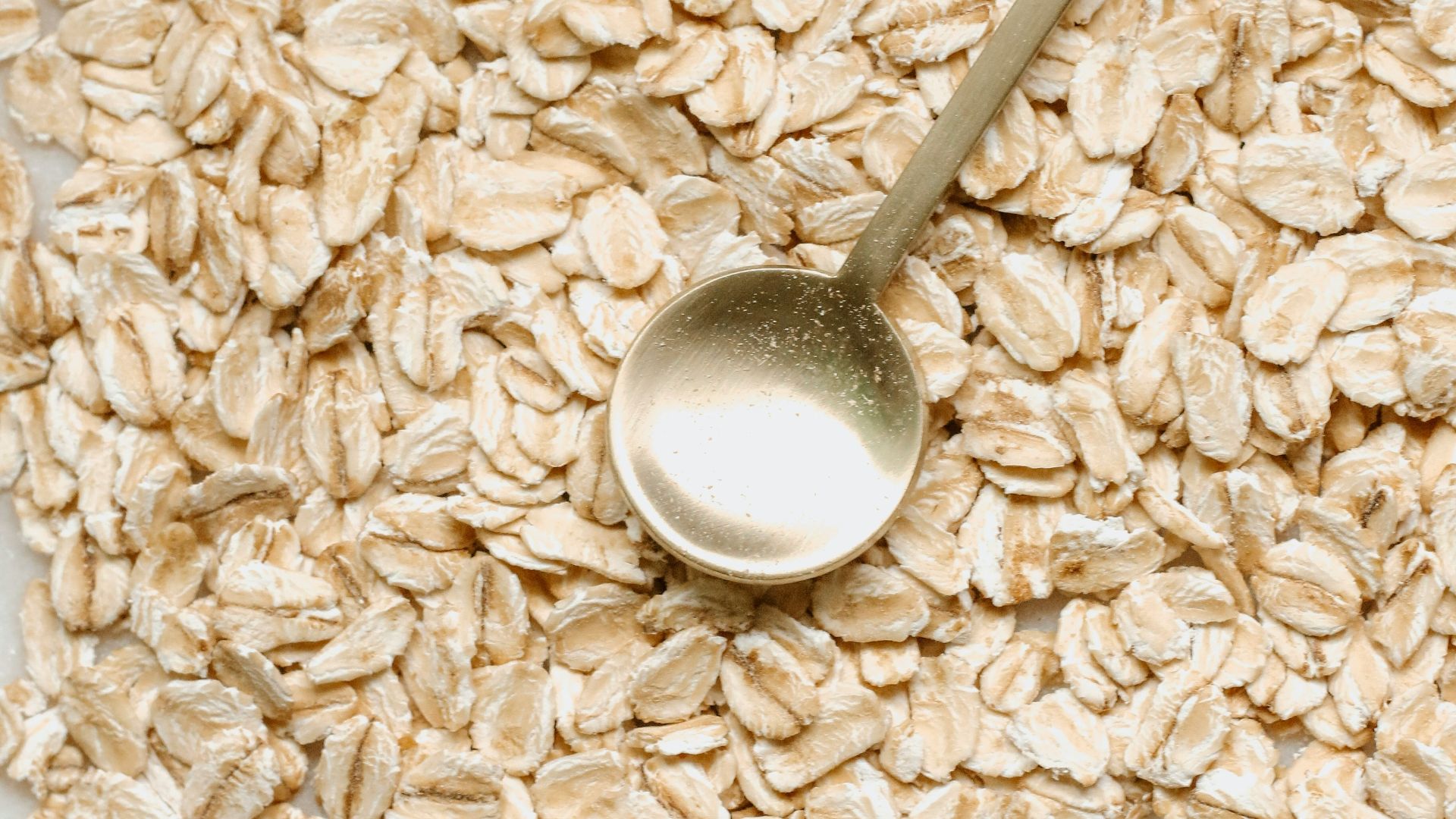
Oats have the benefit of being genuinely well-researched. The beta-glucan fiber in oats is specifically linked to lower LDL cholesterol and improved blood sugar regulation. They're also a surprisingly good source of manganese, phosphorus, and iron. Steel-cut or rolled, they're one of the more substantive breakfast options you can buy.
8. Peanut Butter
People tend to worry about the fat content, but peanut butter's fat profile is largely unsaturated, the kind associated with heart health, not the other way around. It's also packed with protein, magnesium, and vitamin E. The main thing to watch is added sugar in some brands. The natural stuff, with just peanuts and maybe salt, is hard to beat for the price.
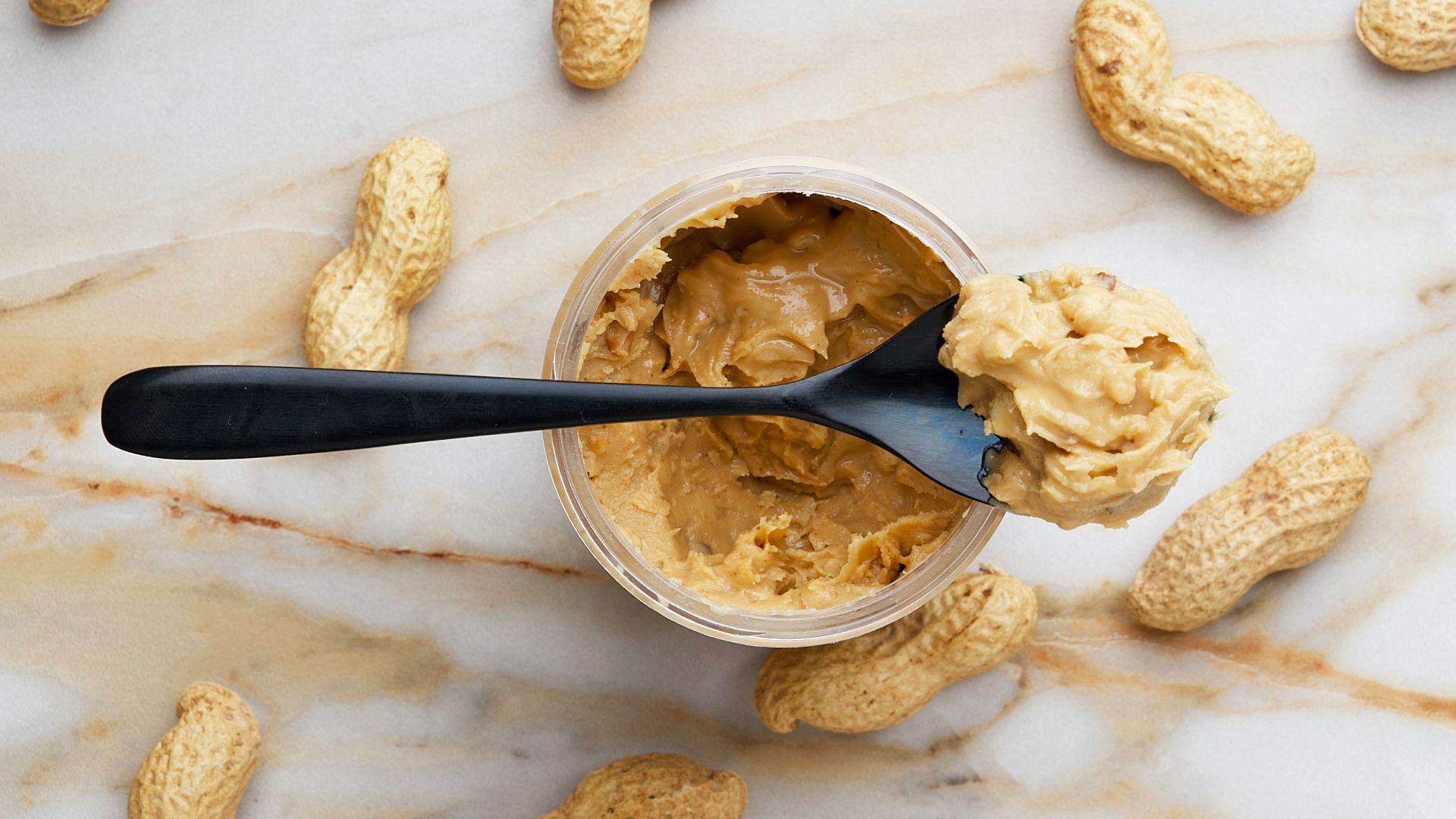 Corleto Peanut butter on Unsplash
9. Brown Rice
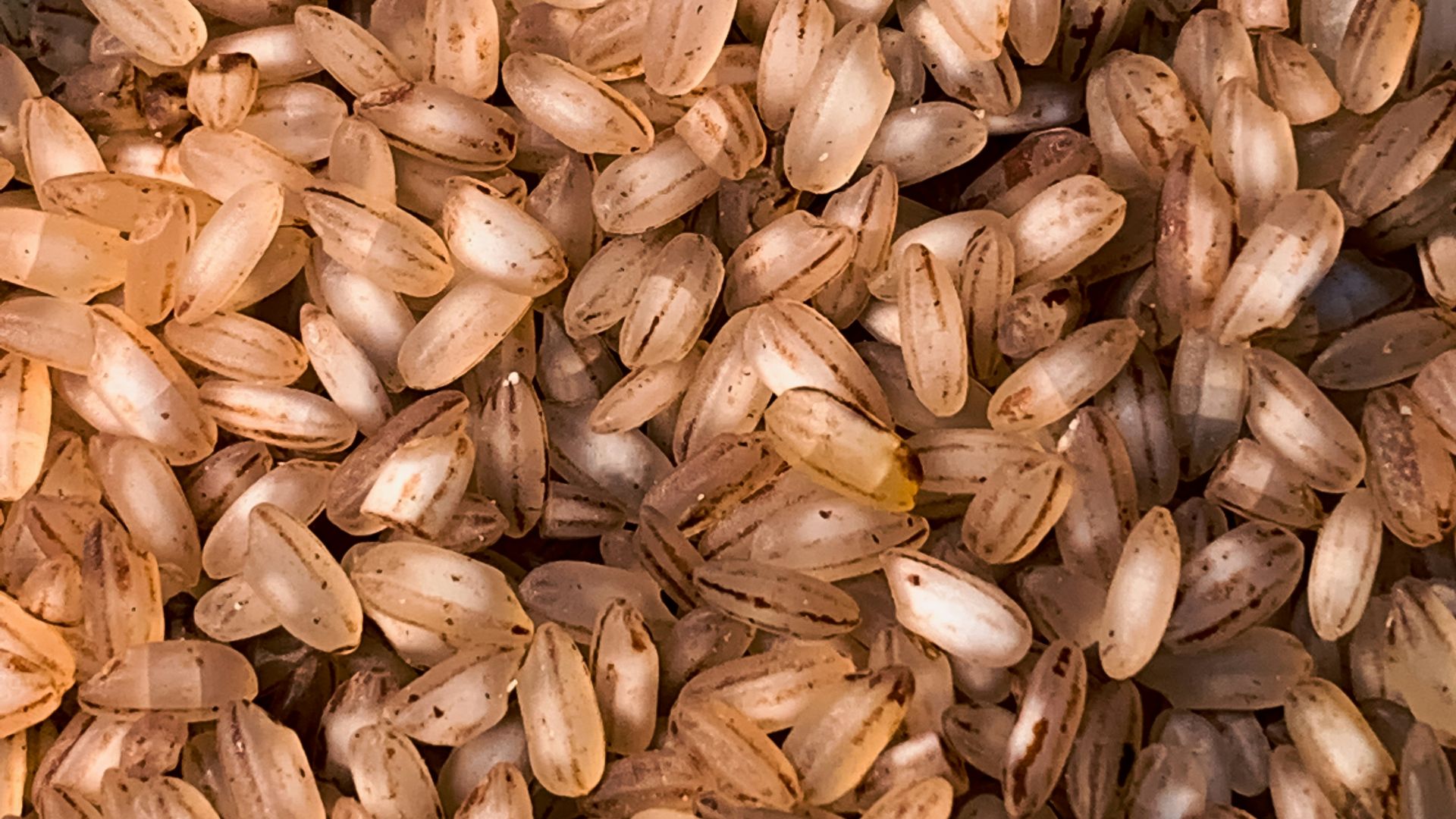
Brown rice doesn't get the attention quinoa does, but it's a solid whole grain with more fiber and more nutrients than white rice. It provides magnesium, phosphorus, and B vitamins that get stripped out during the refining process. It takes longer to cook, but a big pot goes a long way through the week.
10. Frozen Peas
Frozen peas are one of those foods that sneak in real nutrition without anyone noticing. They're a decent plant-based protein source, high in fiber, and surprisingly rich in vitamins C and K. They also thaw in minutes and work in everything from fried rice to pasta dishes.

11. Chicken Thighs
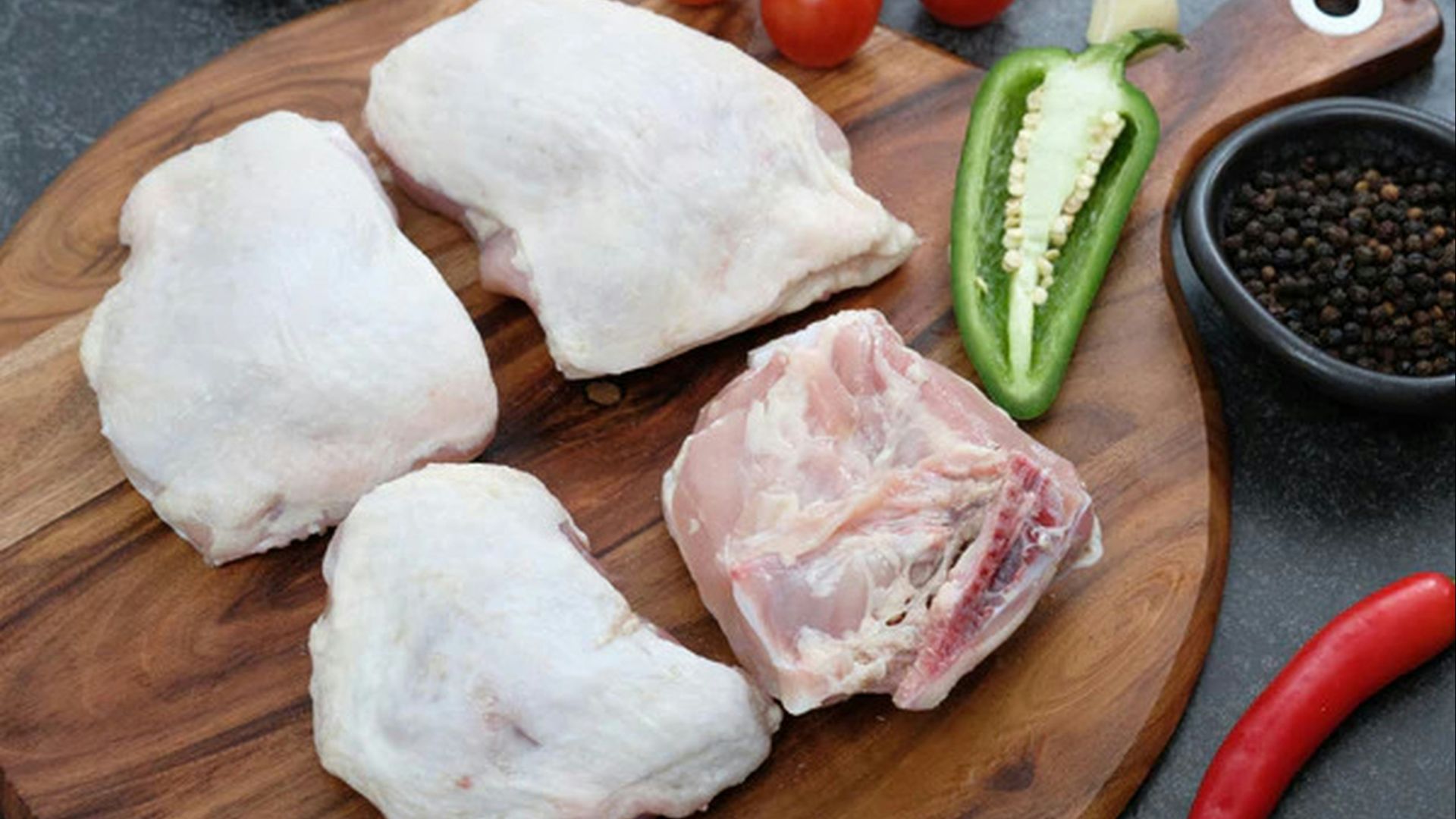
Chicken thighs are cheaper than breasts and, honestly, more flavorful. They're also higher in iron and zinc than the leaner cuts, and the extra fat is mostly unsaturated. If you buy them bone-in and skin-on, you're getting more collagen as well, which matters more to some people than others.
12. Black Beans
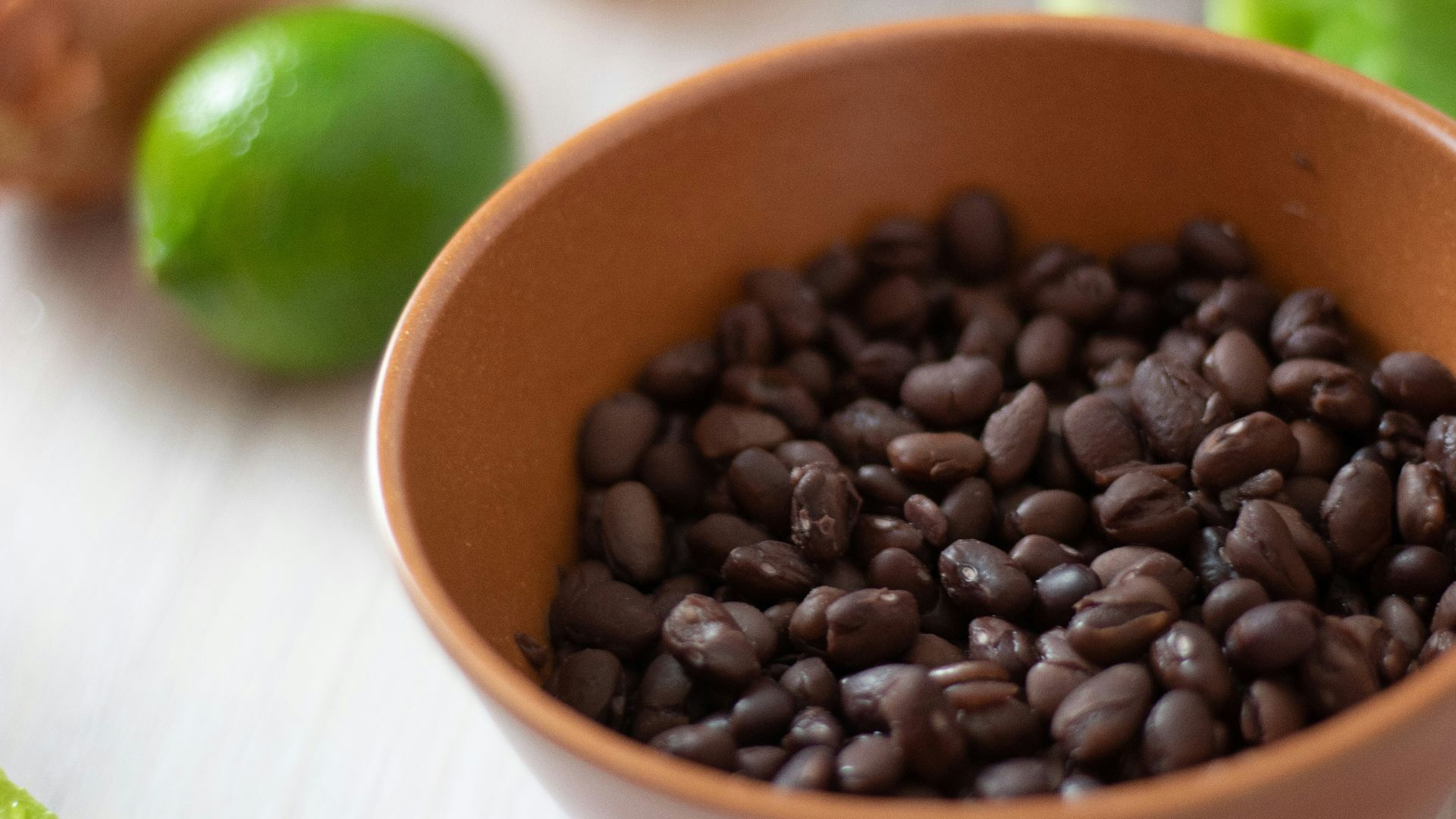
Black beans are a nutritional anchor in a lot of cuisines for good reason. They're high in protein, fiber, and antioxidants, particularly anthocyanins, the same compounds you find in blueberries. A can runs about a dollar and can stretch into tacos, grain bowls, or a quick soup.
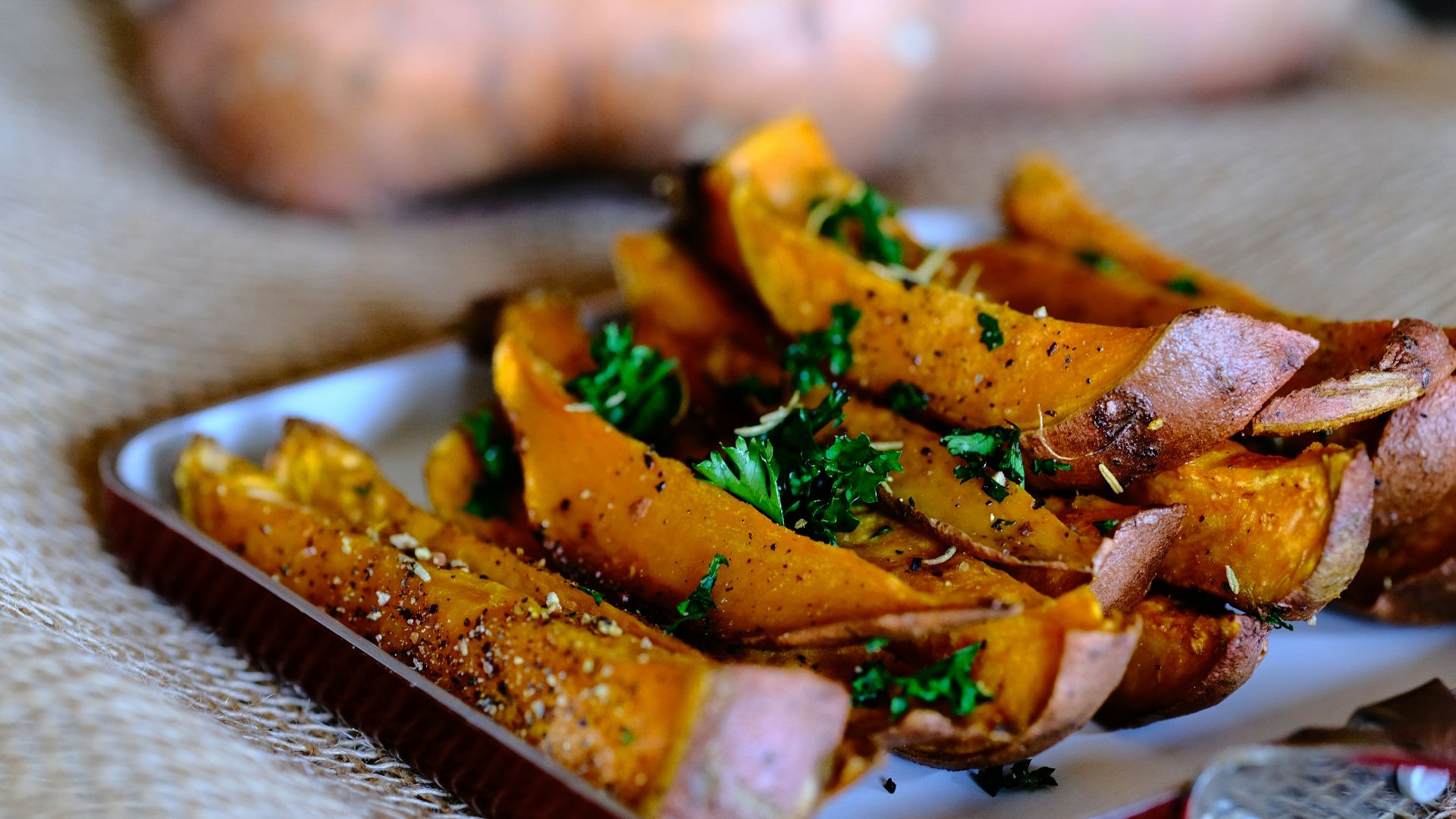
13. Sweet Potatoes
Sweet potatoes are one of the most nutrient-dense root vegetables you can buy. They're an exceptional source of beta-carotene, which converts to vitamin A in the body, and they provide potassium, vitamin C, and a good bit of fiber. They're filling, they're versatile, and they cost almost nothing.
14. Canned Mackerel
Canned mackerel sits right next to the sardines and tuna on the shelf, and almost no one grabs it. That's a shame, because it's one of the richest dietary sources of omega-3s you can find, along with selenium, vitamin B12, and protein. It tastes milder than sardines and works well in fish cakes or mixed with mustard and crackers.

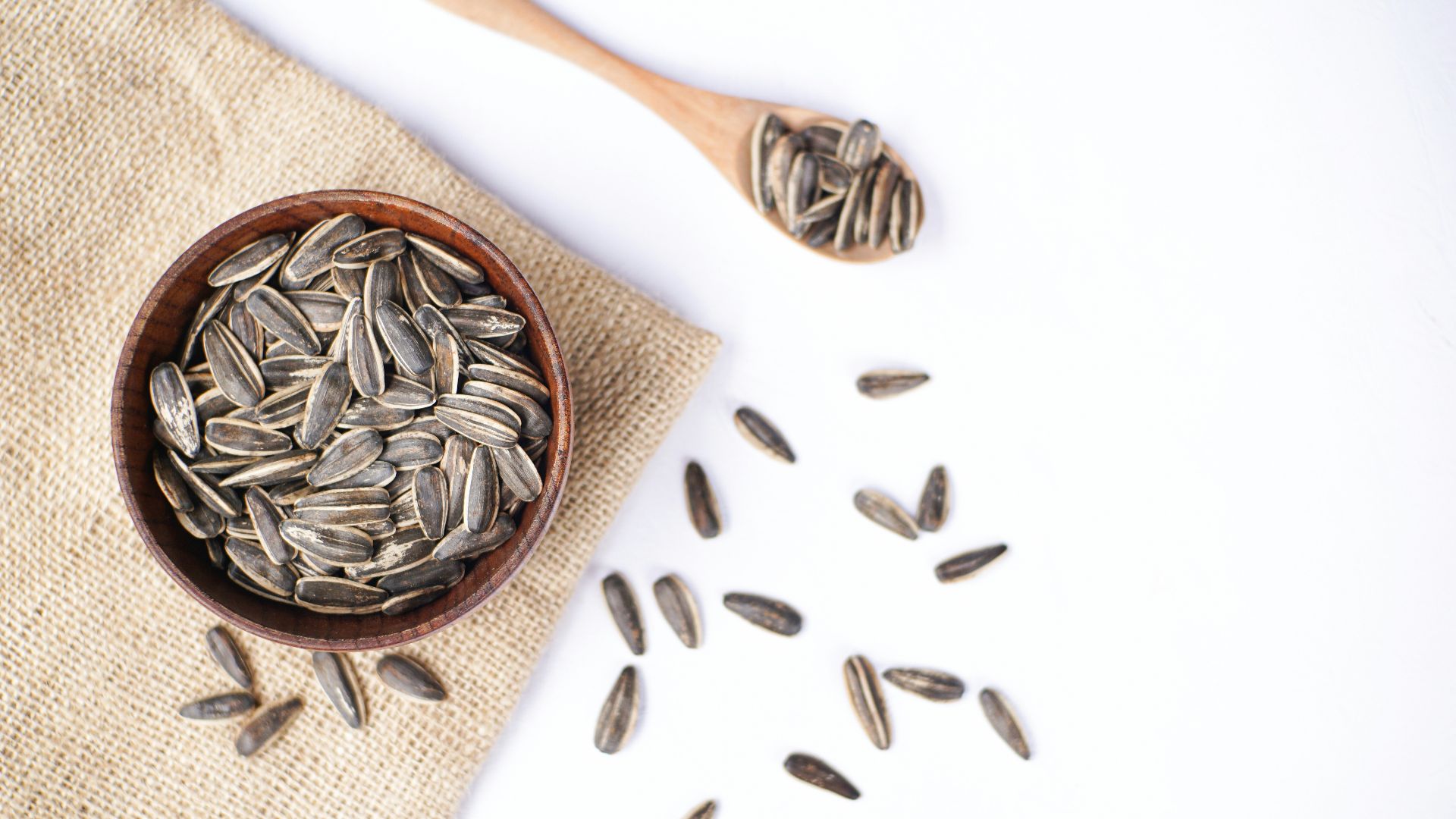
15. Sunflower Seeds
Sunflower seeds are easy to overlook because they feel more like a snack than real food. But they're one of the best sources of vitamin E you'll find anywhere, and they're also high in selenium, magnesium, and healthy fats. A handful on a salad or eaten out of a bag adds up fast.
 Zulfahmi Al Ridhawi on Unsplash
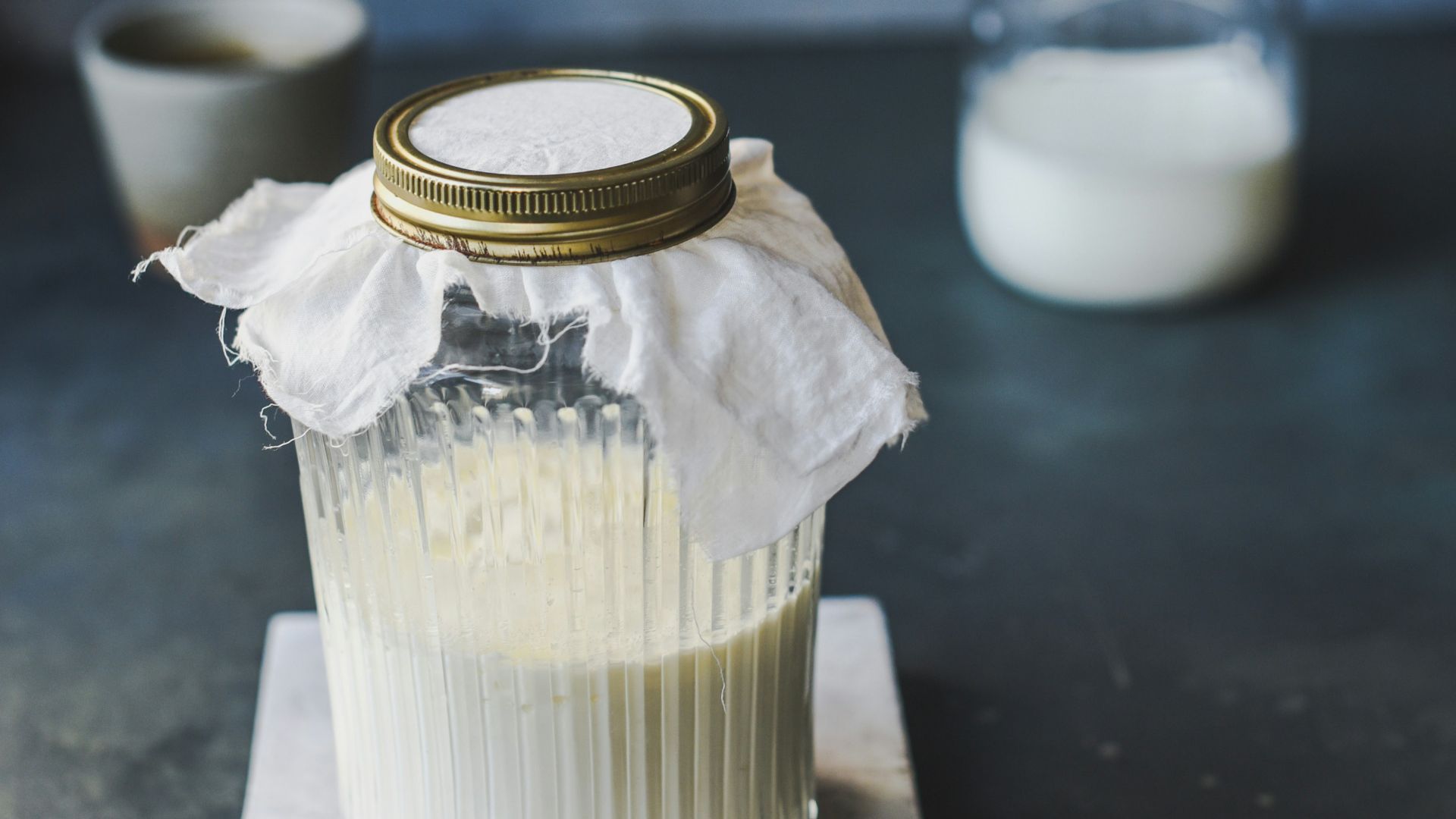
16. Kefir
Kefir is basically drinkable yogurt, and its probiotic content is significantly higher than most yogurts on the market. It also provides calcium, vitamin K2, and a reasonable amount of protein. Plain, unsweetened kefir is the version worth buying. The flavored ones tend to have a lot of added sugar.
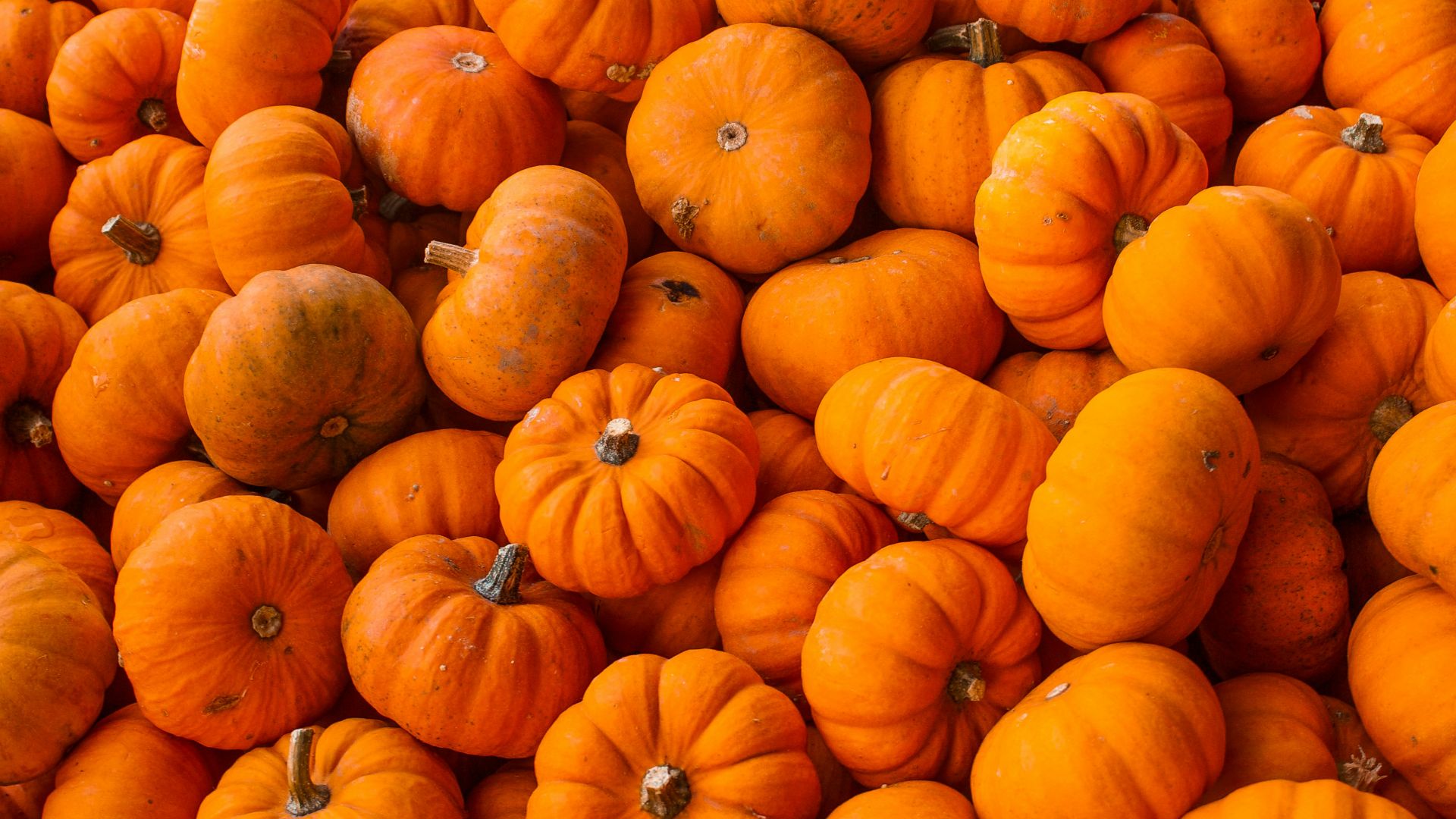
17. Canned Pumpkin
Not the pie filling. Just the plain stuff. Canned pumpkin is quietly one of the most nutrient-dense canned foods in the store. It's high in beta-carotene, vitamin C, potassium, and fiber, and very low in calories. It blends invisibly into oatmeal, smoothies, or soups, which makes it easy to add without changing much.
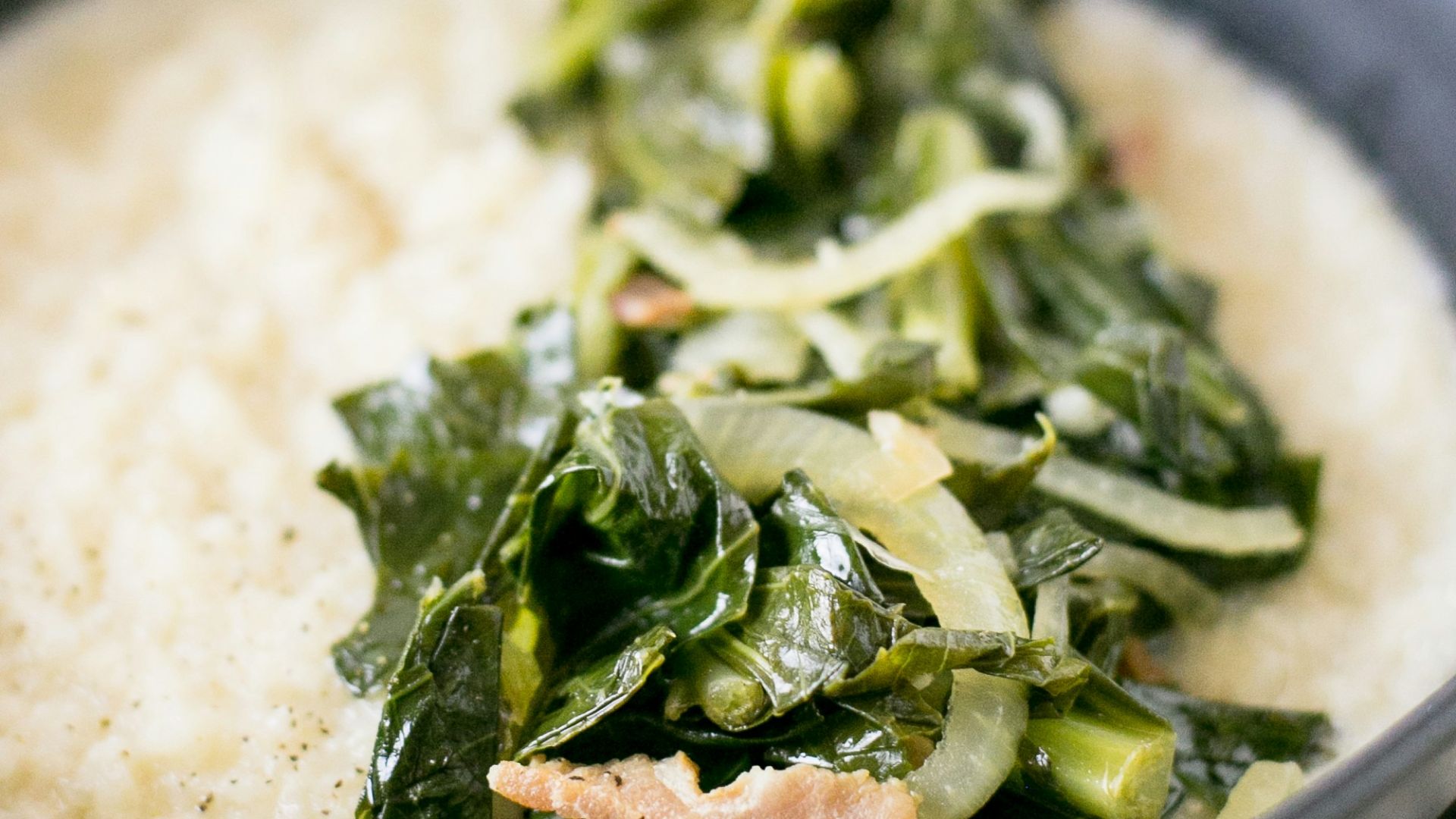
18. Collard Greens
Collard greens are one of the best plant-based sources of calcium available, which matters especially for people who don't consume dairy. They're also high in vitamins K, A, and C, and contain compounds that support liver detoxification. They're cheap year-round and hold up well to long cooking times.
19. Kidney Beans
Kidney beans are high in protein, high in fiber, and contain a solid amount of iron and folate. They're the kind of food that keeps you full for hours without a dramatic blood sugar spike. A pot of chili or a bean stew made from dried kidney beans costs almost nothing and feeds a family easily.
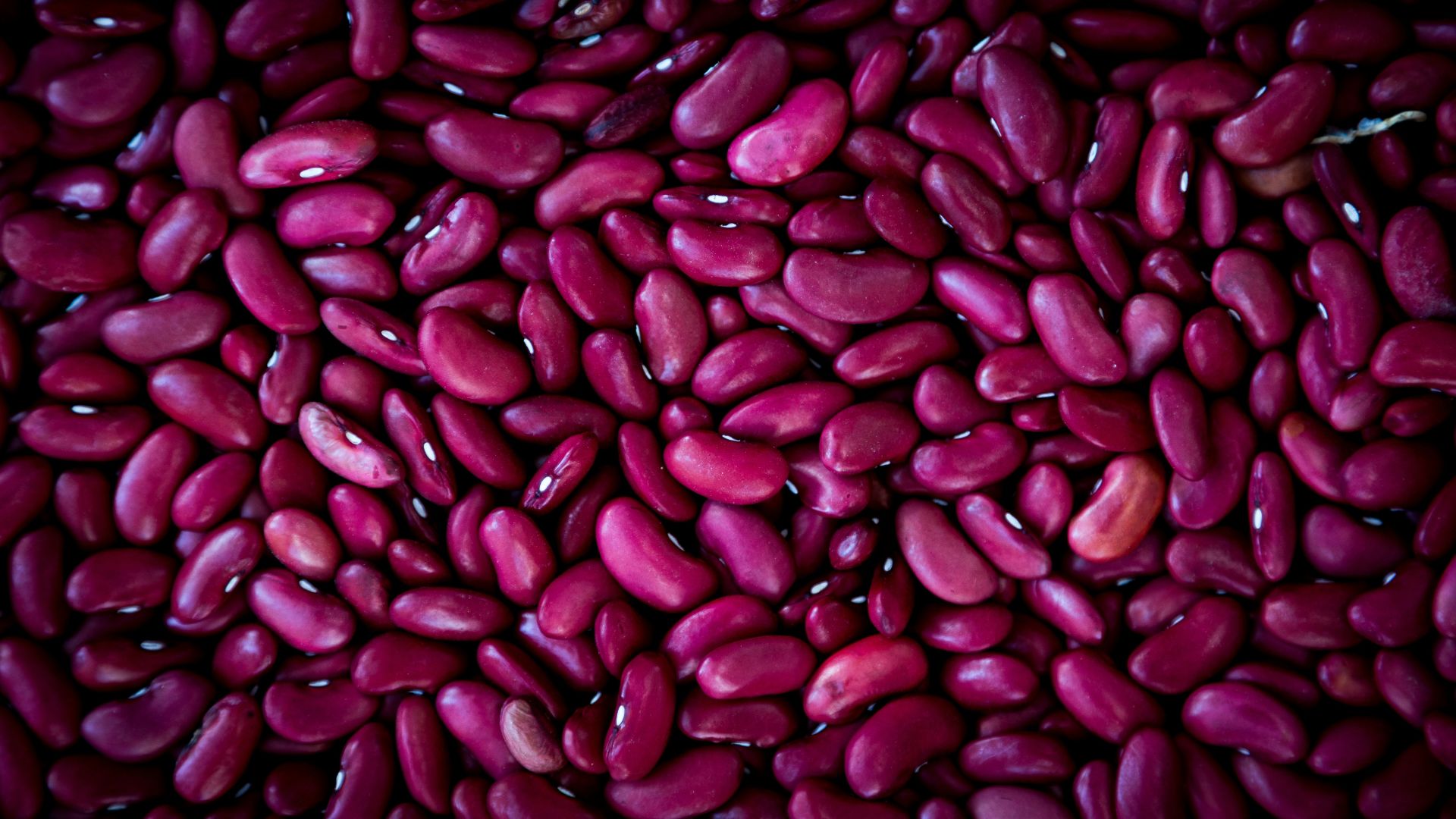 Volodymyr Hryshchenko on Unsplash
20. Plain Greek Yogurt
Greek yogurt is one of the more complete single foods you can find in a grocery store. It's high in protein, loaded with probiotics, rich in calcium and B12, and filling enough to actually hold you over between meals. The plain, full-fat version is the best nutritional bet. It avoids the added sugar problem and has more staying power than the low-fat versions.

KEEP ON READING