Dinner Behind Bars Depends on Where You Are
Jail food isn't exactly famous for luxury, but it varies more than many people think. In some countries, prison meals are viewed as integral to rehabilitation, health, and basic dignity, while in others, food is primarily a cost-effective means of keeping people alive and quiet. Here are 20 countries ranked by the quality of their jail food, from best to worst.
1. Norway
Norway is often held up as one of the best examples of humane prison food. In some facilities, incarcerated people can cook, shop from approved ingredients, or eat meals that resemble normal home cooking more than institutional trays. The country’s broader prison philosophy focuses heavily on rehabilitation, which includes treating food as part of daily dignity.
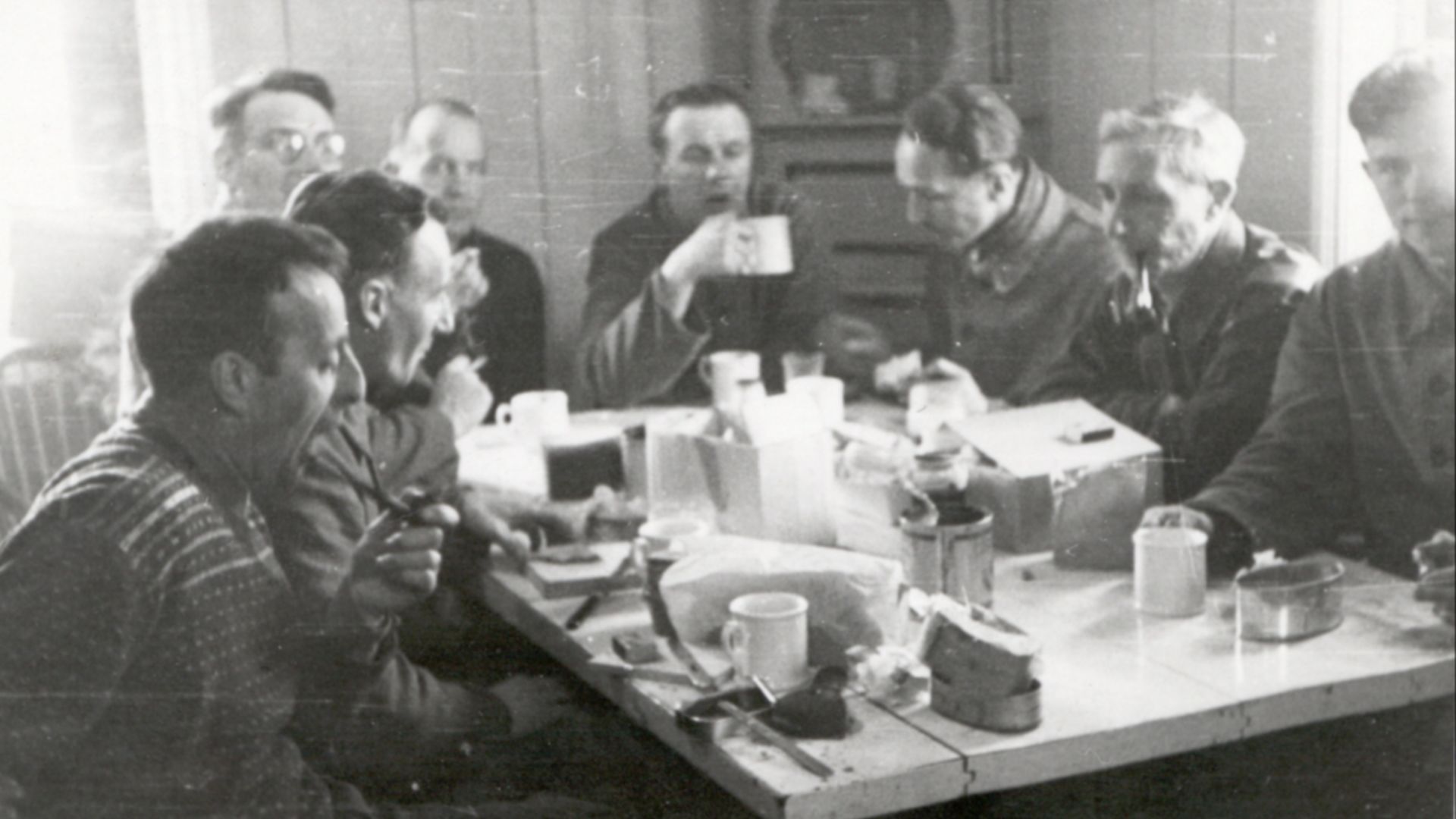 The Falstad Centre on Wikimedia
2. Denmark
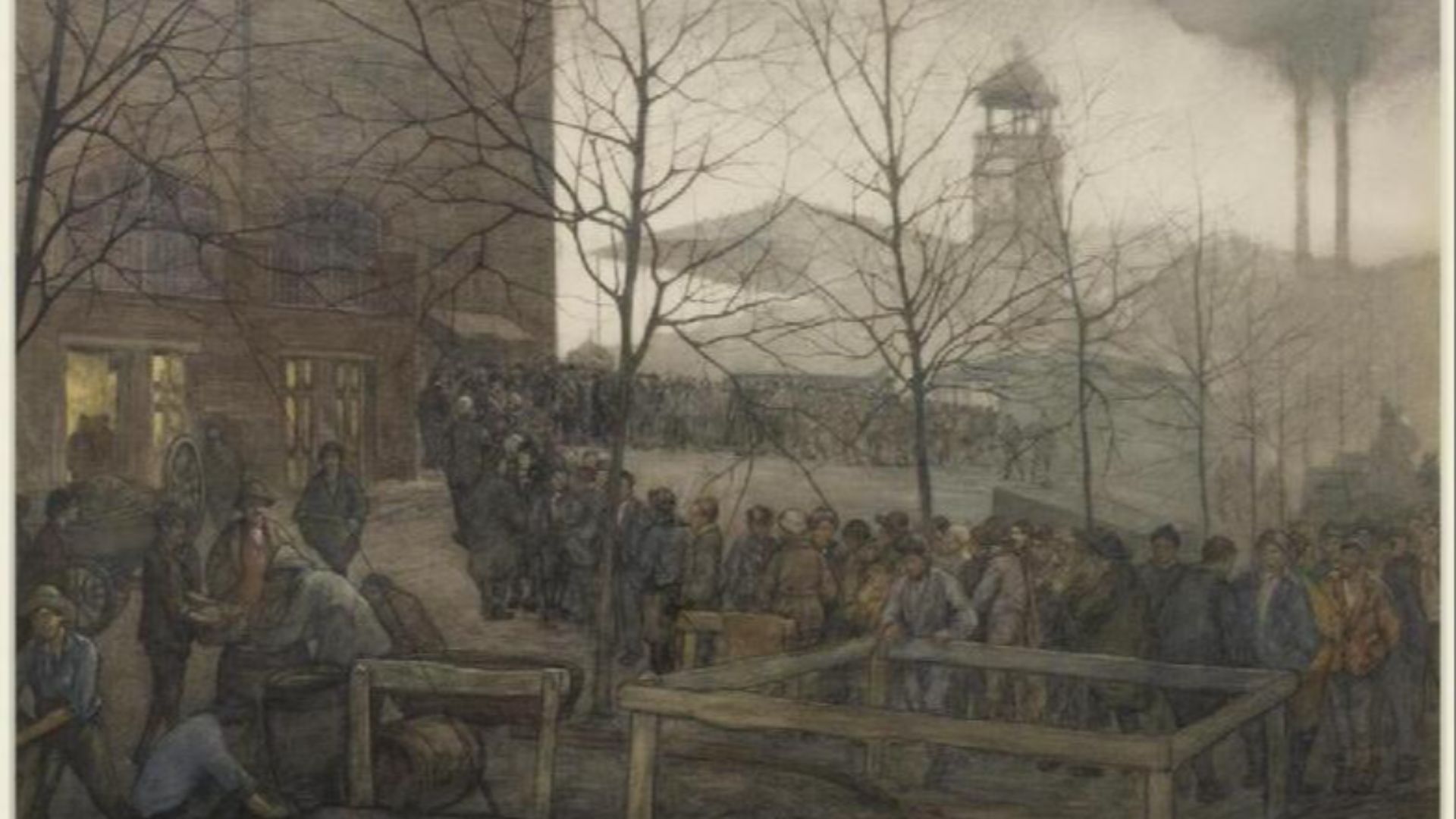
Denmark also ranks high because its prison food system is often tied to normal life skills and personal responsibility. Some Danish prisoners prepare meals themselves or participate in shared kitchens, which can make food fresher and more personalized. That approach treats cooking as a useful routine rather than just another logistical problem.
3. Sweden
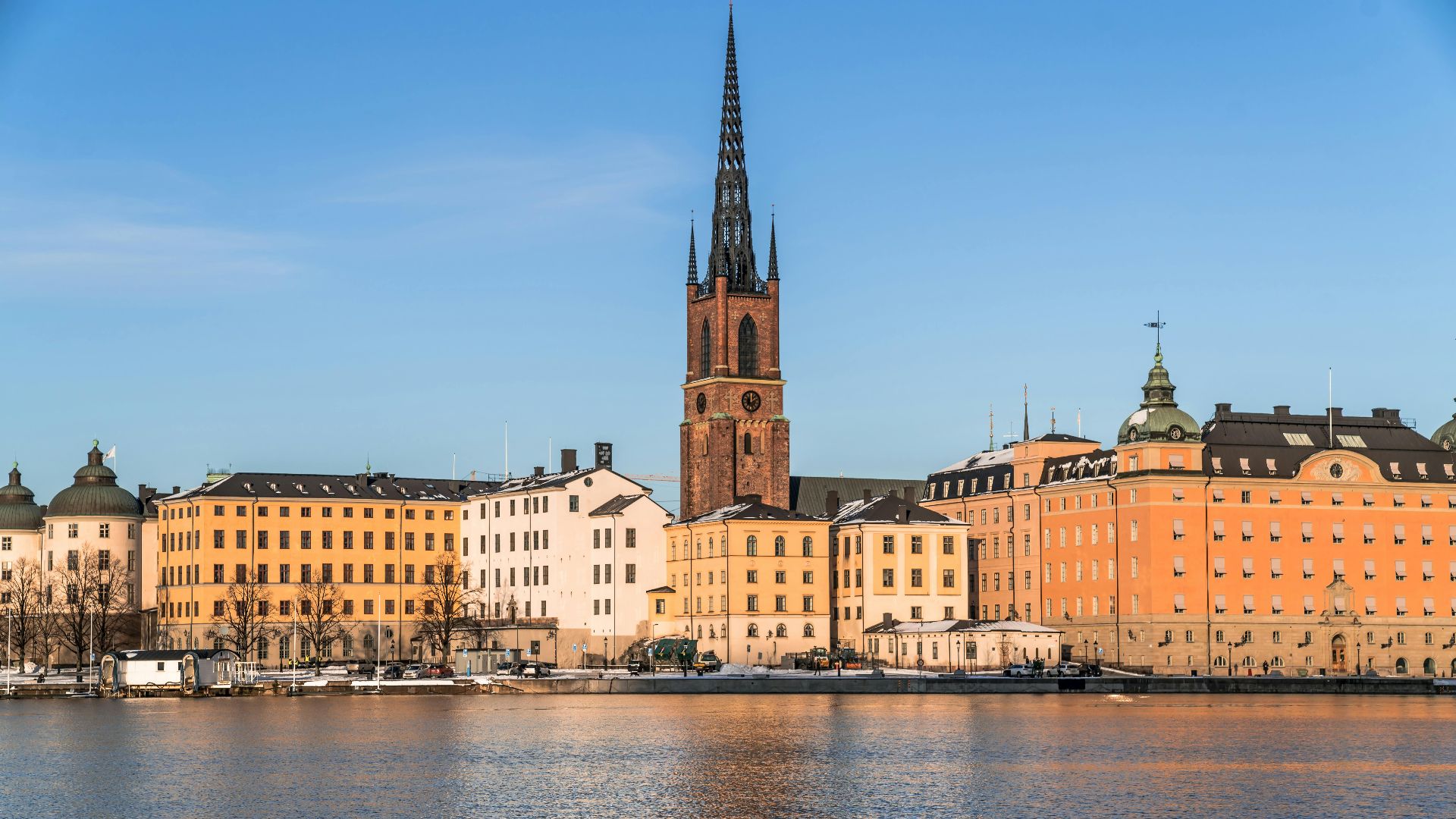
Sweden’s prison food tends to benefit from the country’s larger emphasis on welfare, health, and rehabilitation. Meals are generally expected to meet nutritional standards, and food can be part of maintaining routine and dignity. Like other Nordic systems, the goal is often to prepare people for life outside rather than simply warehouse them.
4. Finland
Finland belongs near the top because its prison system shares many of the Nordic priorities around rehabilitation and humane conditions. Food is usually discussed as part of a broader prison environment, not just a cost line to cut until morale disappears. In some settings, prisoners may have more involvement in food preparation, which can make meals feel less institutional.
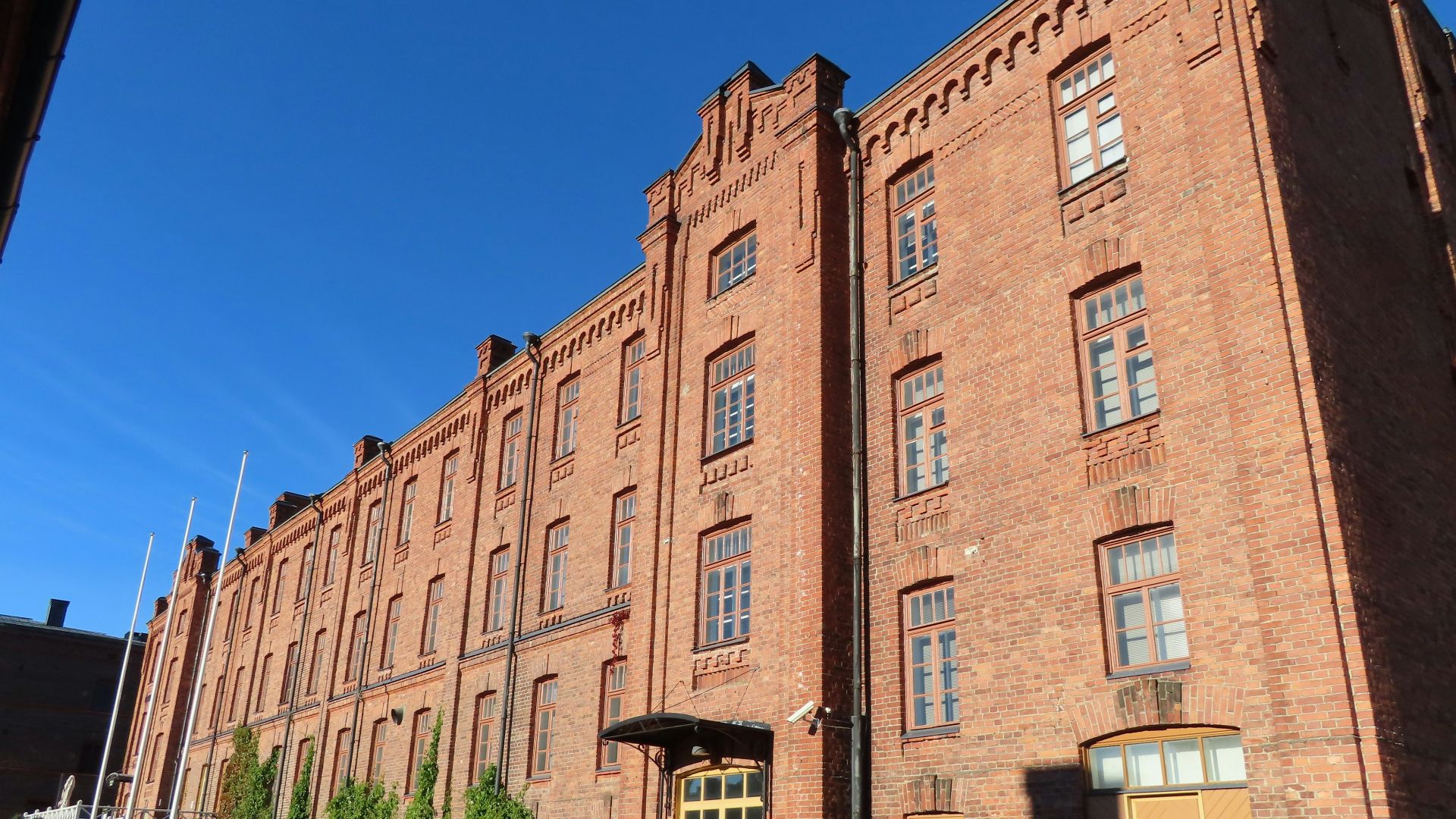 Raimo Lantelankallio on Unsplash
5. Iceland
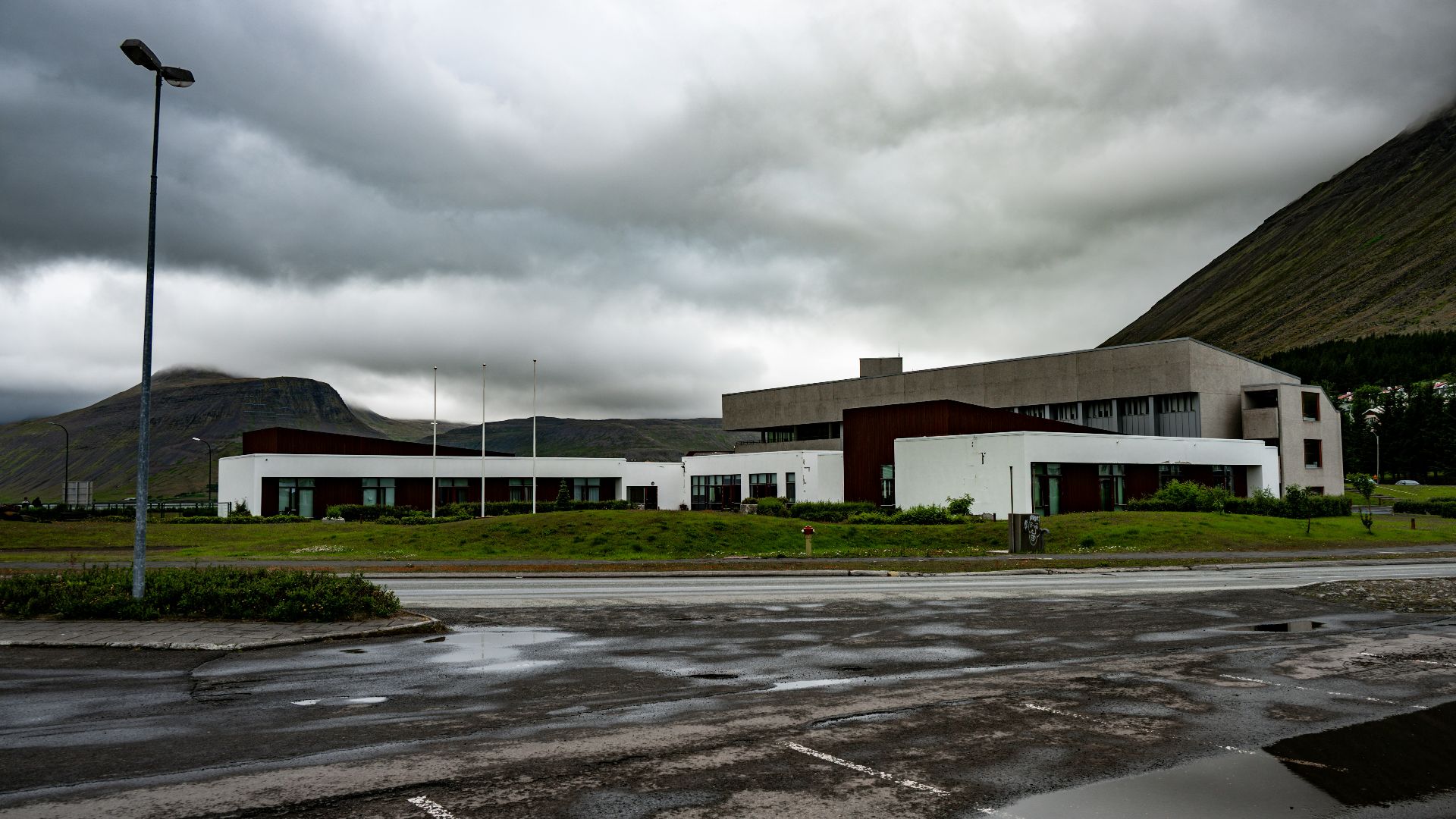
Iceland has a small prison population compared with many countries, which can make food service more manageable. Its correctional approach generally follows the Nordic model, with a focus on humane treatment and reintegration. Smaller systems can sometimes provide more individualized attention to diet, routine, and basic needs.
6. Japan
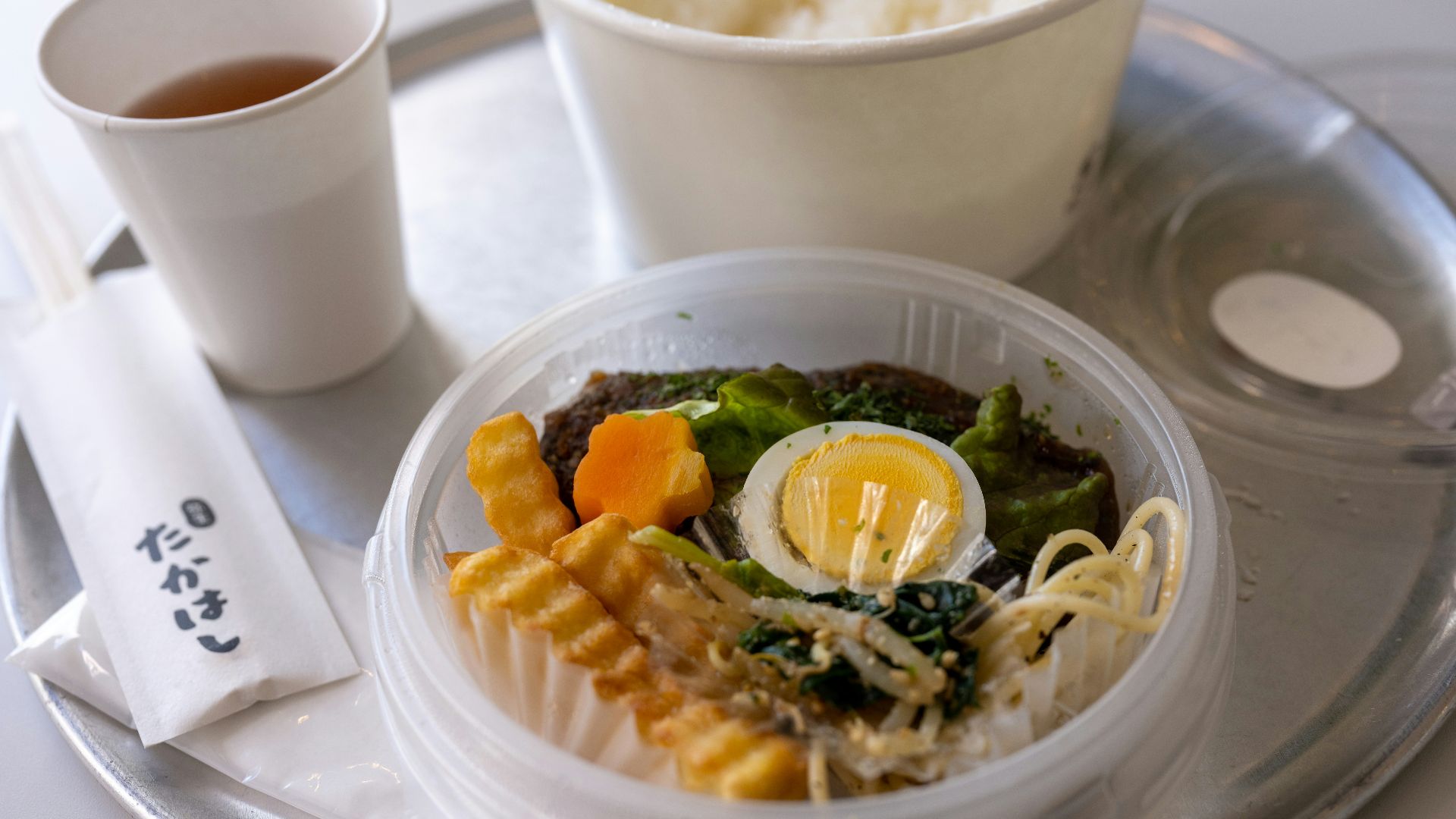
Japan is often described as having prison meals that are plain, structured, and carefully portioned. The food may not feel indulgent, but it tends to be balanced, orderly, and close to everyday Japanese basics like rice, soup, fish, vegetables, and tea. That kind of meal may sound simple, but simple can be a compliment when the alternative is a gray mystery loaf.
7. France
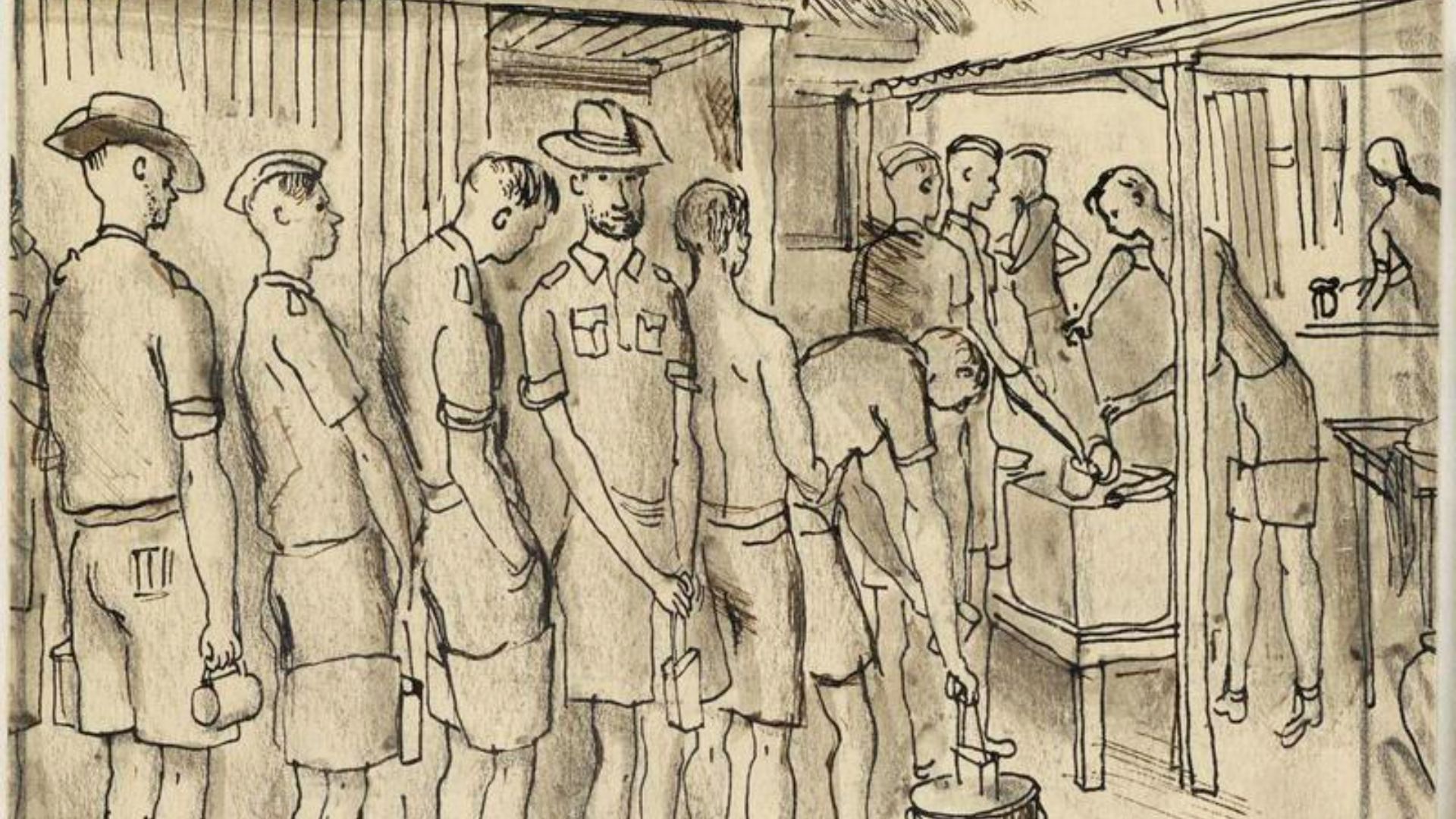
France ranks well because even institutional food there often carries expectations around proper meals. Prison food is still prison food, but French facilities may provide structured meals with bread, vegetables, protein, and culturally familiar dishes. There are also canteen options in some places, allowing prisoners to supplement what they receive if they have funds.
8. Italy
Italy’s jail food can vary, but the country’s broader food culture gives it an advantage. Meals may include pasta, vegetables, bread, fruit, legumes, or other familiar staples depending on the facility. Italian prisons also face overcrowding and resource issues, so this shouldn't be romanticized too much. Still, when pasta and produce are part of the basic food language, the average tray has a fighting chance.
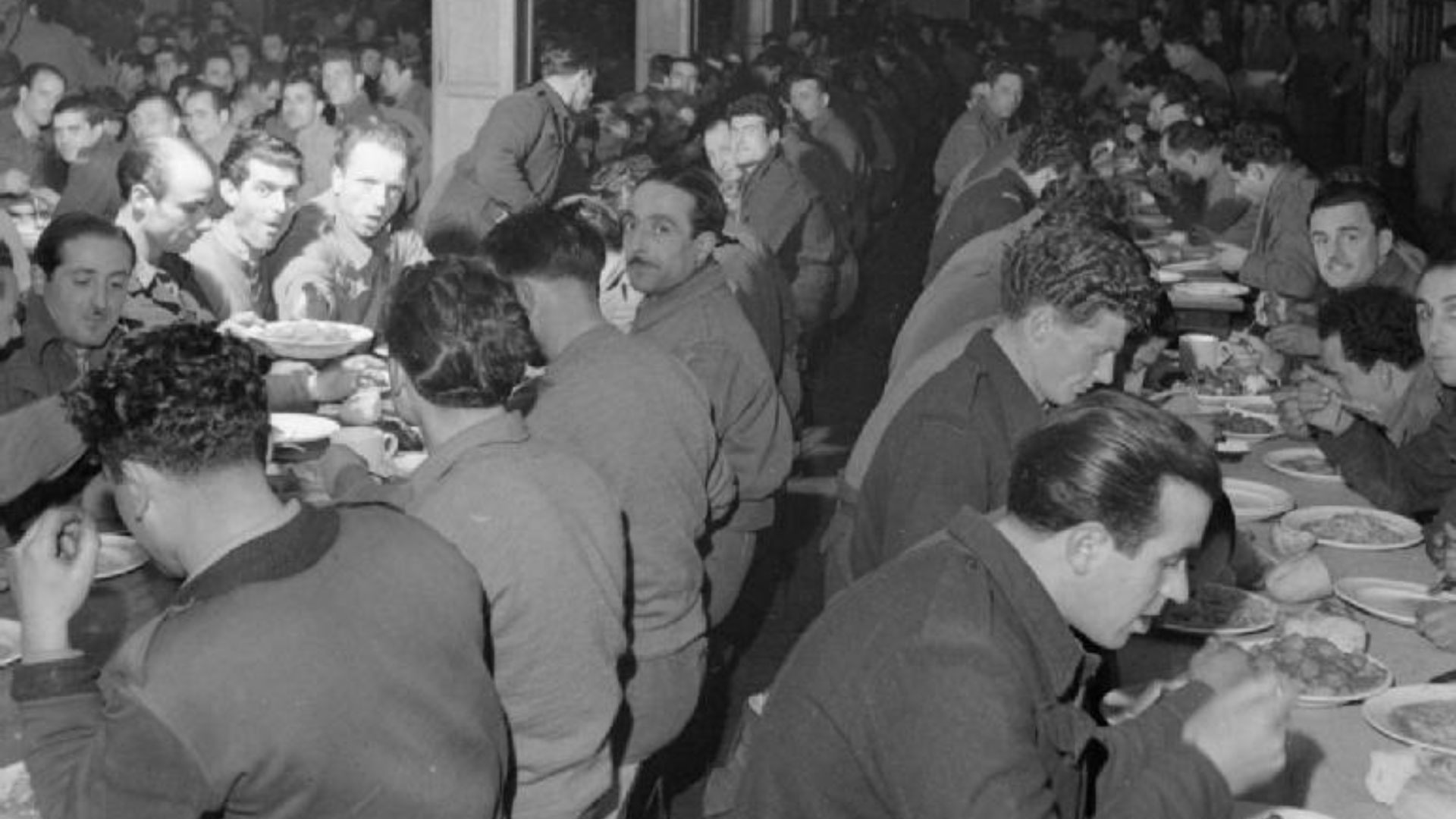 Ministry of Information Photo Division Photographer on Wikimedia
9. Germany
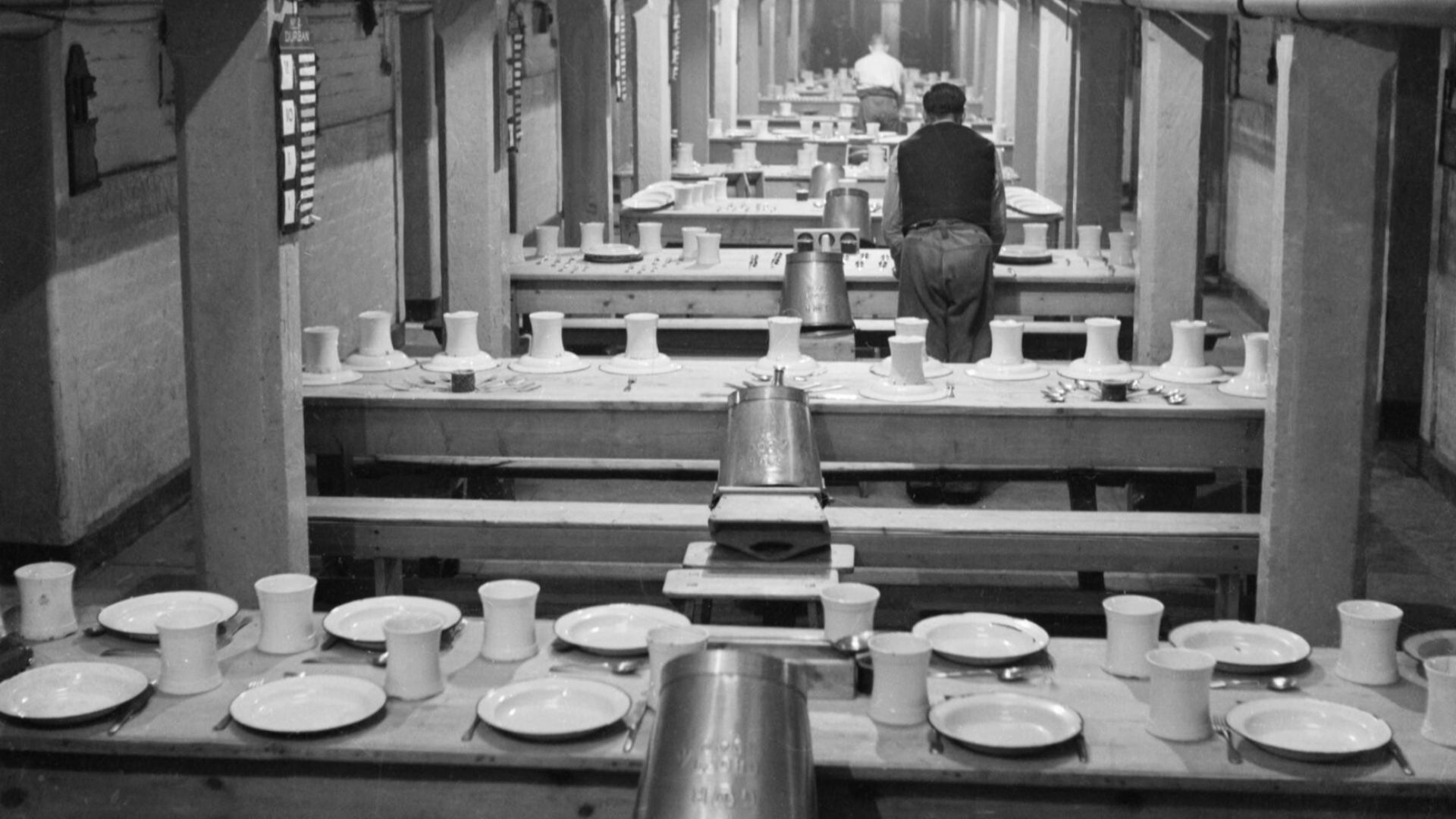
Germany tends to offer practical, regulated prison meals that focus on nutrition and routine. Depending on the facility, meals may include bread, potatoes, vegetables, meat, dairy, and hot dishes that resemble standard institutional food rather than pure punishment cuisine. The quality can vary, but the baseline is generally more orderly than in places where budgets are brutally low.

10. Australia
Australia lands around the middle because prison food quality varies by state, facility, and security level. Many meals are basic but structured, and some prisons offer menus designed to meet nutritional needs. There are also canteen systems where prisoners can buy extra items, though that depends on money and access.
11. Canada
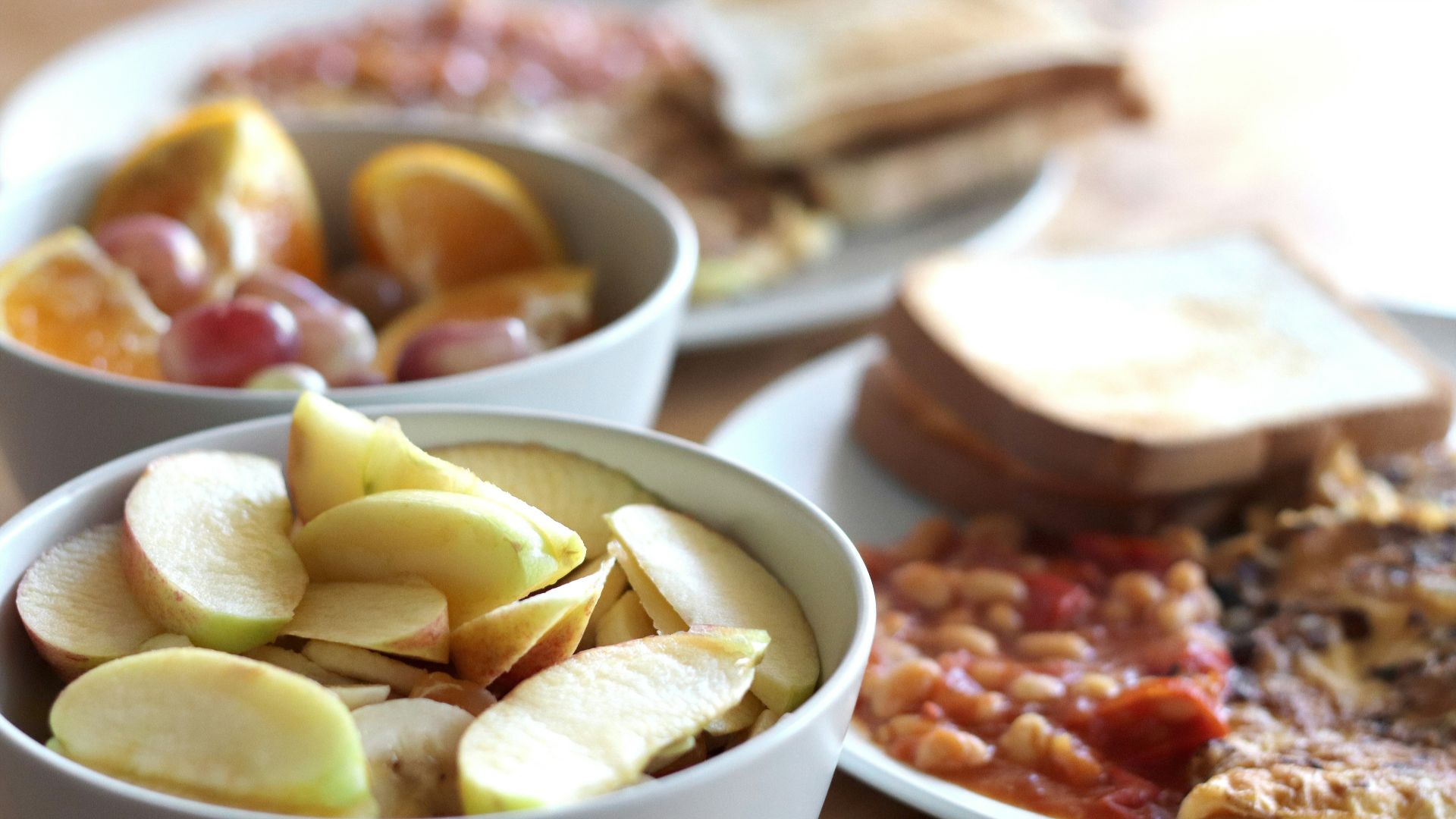
Canada’s prison food is often better than the worst examples, but it’s not exactly winning awards either. Federal and provincial systems vary, and complaints about quality, portion sizes, and cultural appropriateness still appear. Meals generally aim to meet nutritional requirements, but meeting a requirement isn't the same as serving tasty food.

12. United Kingdom
The United Kingdom has a mixed reputation when it comes to prison meals. Some facilities have made efforts to improve nutrition and offer more varied menus, while others face complaints about quality, portions, and poor food culture.
13. Spain
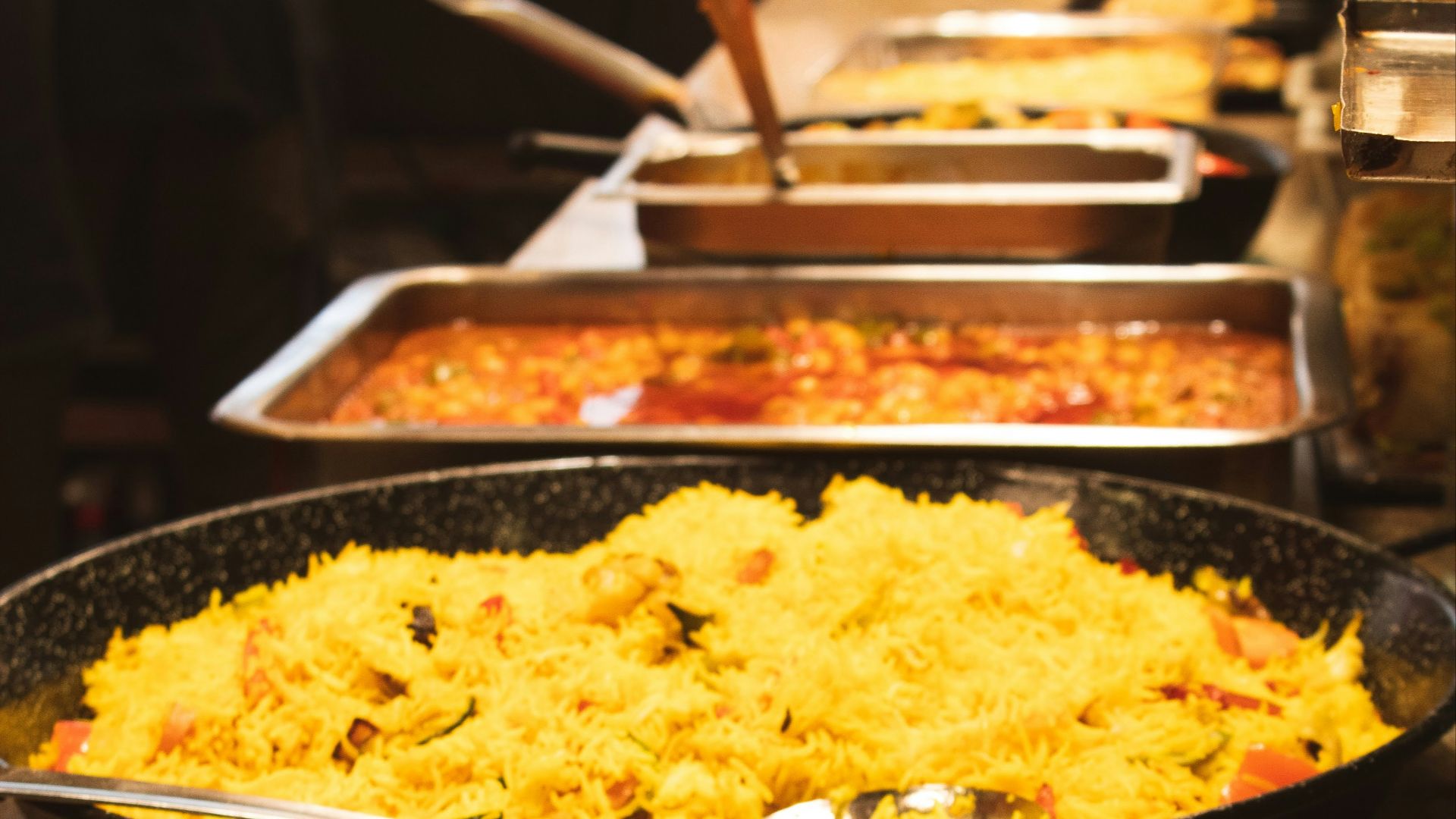
Spain’s prison food tends to be functional and regionally variable. Meals may include staples like rice, legumes, vegetables, bread, fish, or meat, depending on the institution and budget. The country’s food culture is strong, but prison food usually simplifies that into basic, mass-produced meals.
14. Portugal
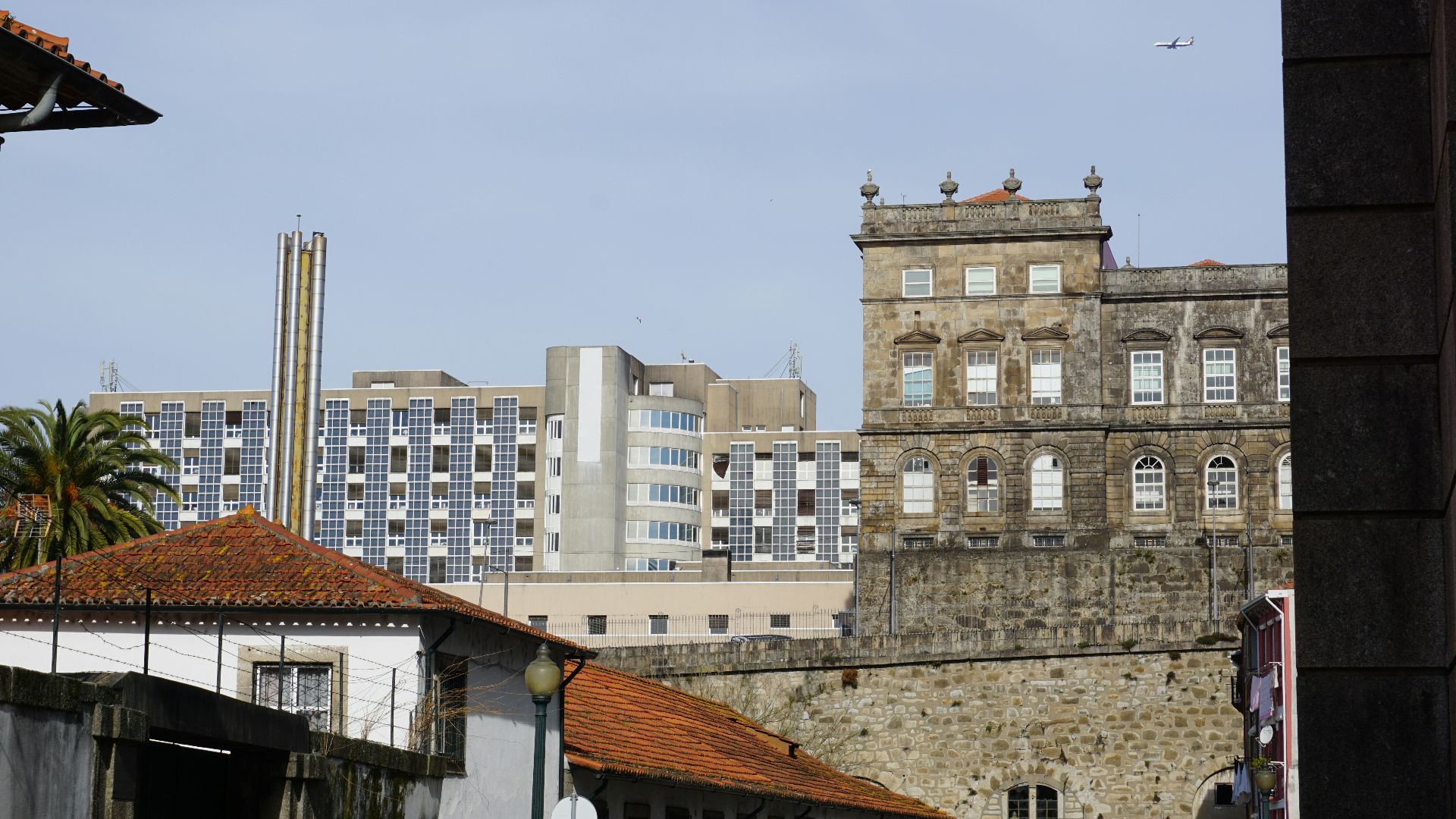
Portugal ranks in the lower middle because its prison meals are generally practical but not especially famous for quality. Food may reflect local staples such as soup, rice, beans, fish, vegetables, or bread, but facility conditions and budgets matter a lot. Like many countries, the gap between official nutrition standards and the actual eating experience can be noticeable.
 Sebastien Devocelle on Unsplash
15. Brazil
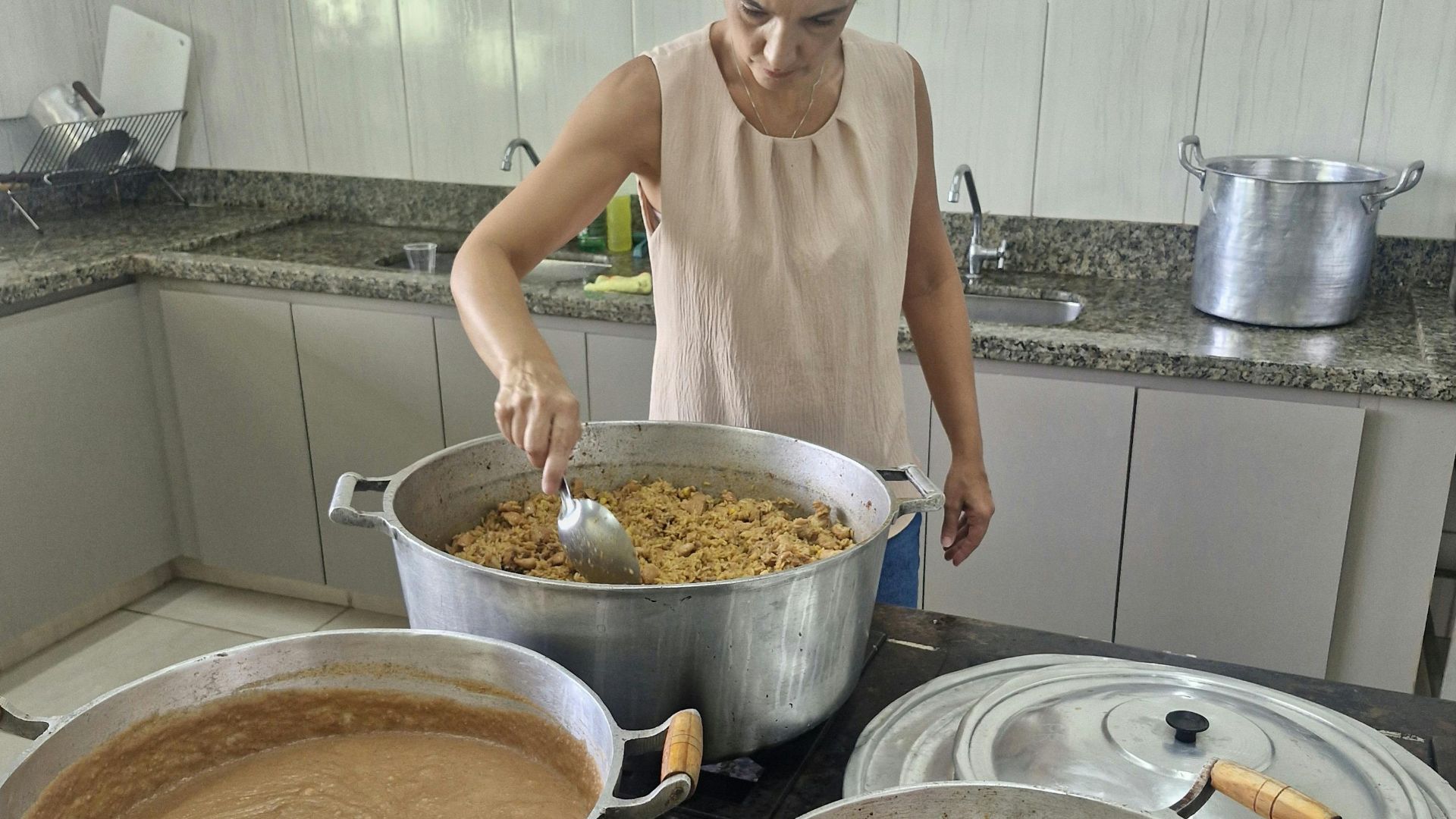
Brazilian prison food varies enormously, partly because the prison system itself faces major overcrowding and inequality. Some meals may include rice, beans, meat, and vegetables, which sounds solid on paper. The problem is that quality, portion size, sanitation, and consistency can be uneven depending on the facility.
 Marcelo Brasil de Uberaba on Pexels
16. Mexico
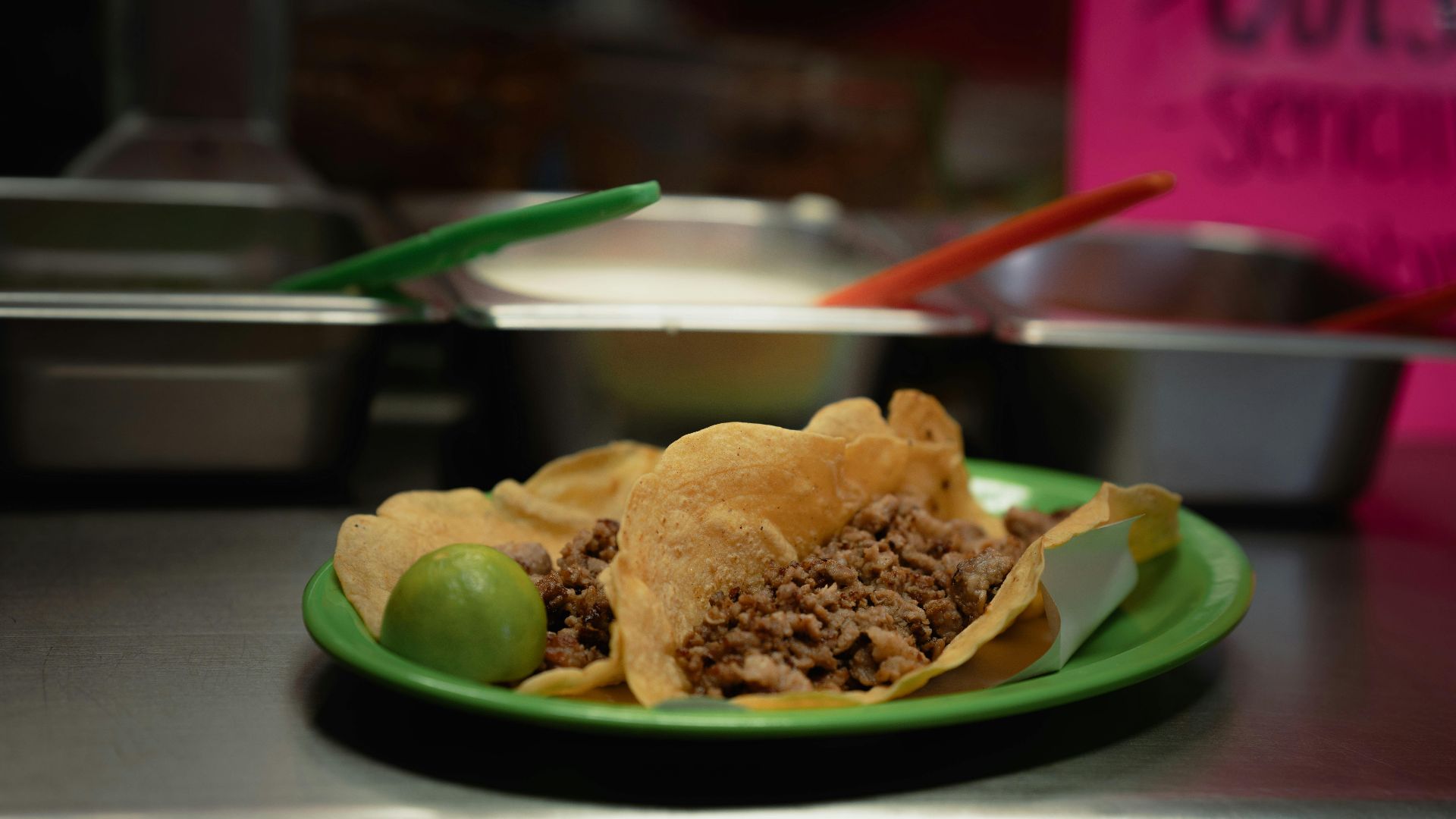
Mexico’s prison food can depend heavily on the specific institution and the resources available. Some prisoners may receive basic meals such as beans, rice, tortillas, soup, or stews, while others rely on family support or canteen purchases to improve what they eat. That outside dependence matters because it can deepen inequality inside the prison.
17. South Africa
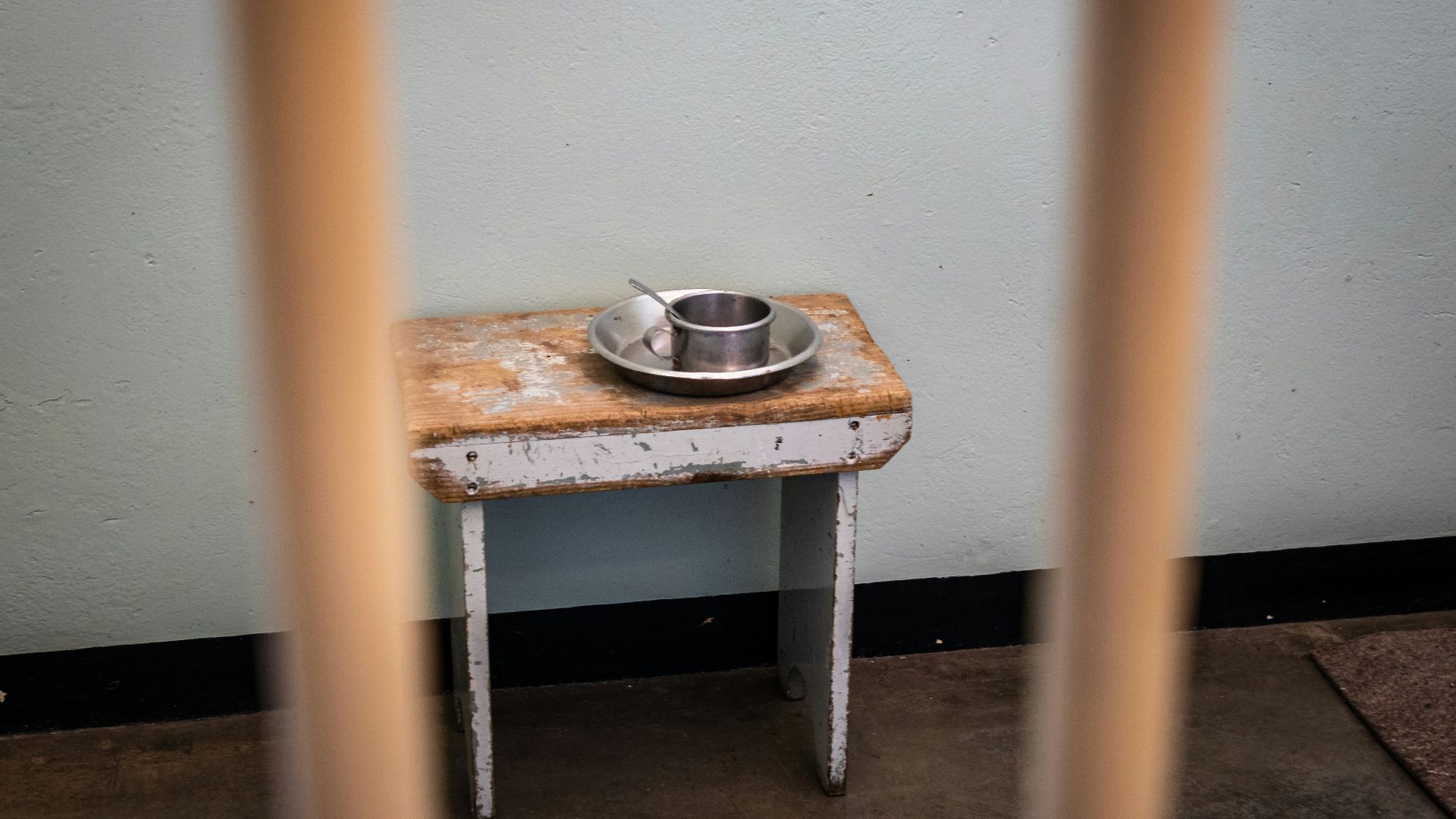
South Africa’s prison food is usually described as basic and budget-conscious. Meals may include staples like maize porridge, bread, vegetables, beans, or meat when available. As with many systems, the biggest concerns are quality, consistency, nutrition, and whether meals meet the needs of people with medical, religious, or cultural diets.
18. India
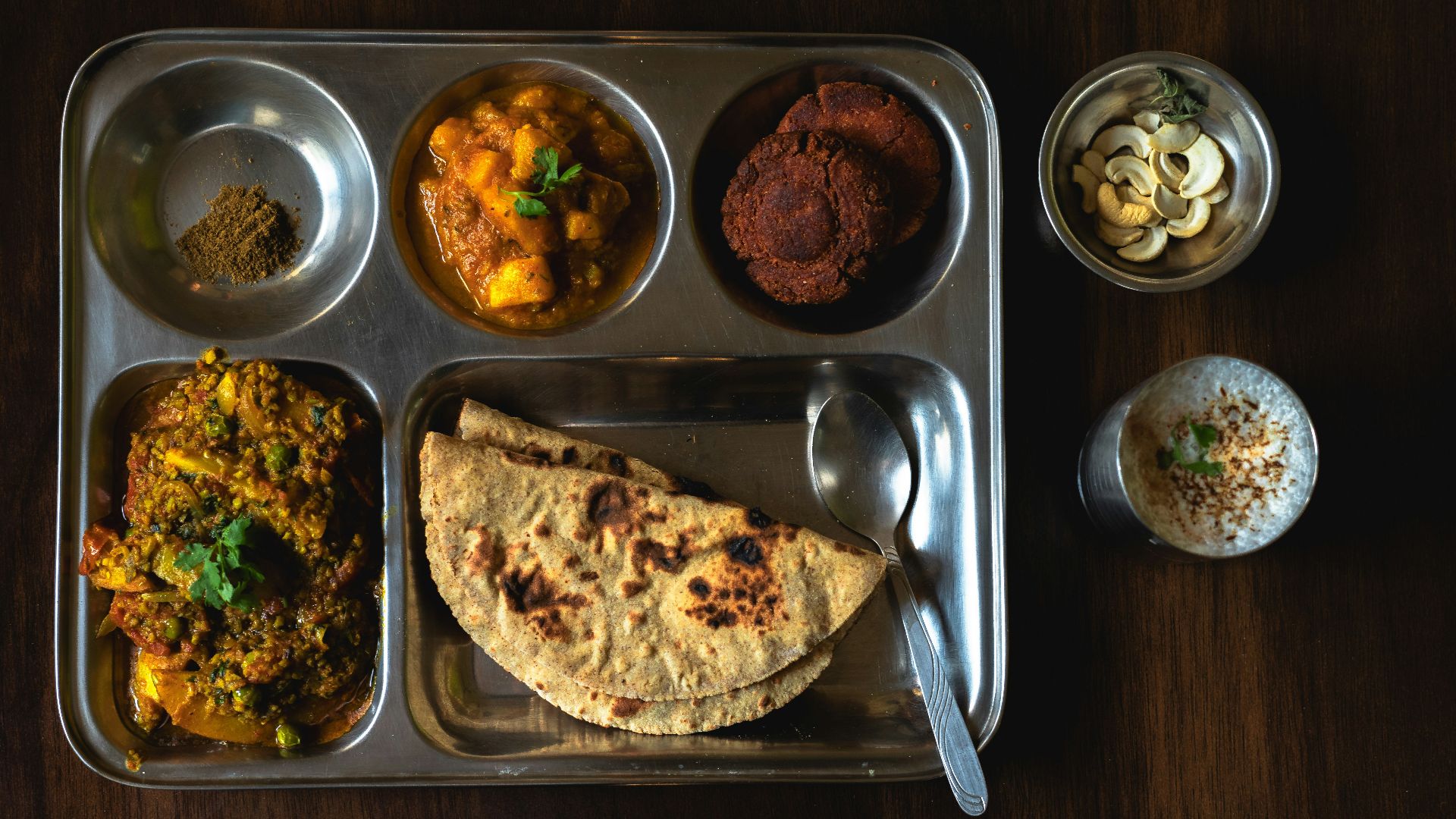
India’s prison food varies widely by state, prison, and local administration. Meals often include staples such as rice, dal, chapati, vegetables, and tea, which can be nourishing when prepared well. However, overcrowding, limited budgets, and uneven oversight can affect quality and quantity.
19. Russia
Russia ranks low because prison food has long been associated with austerity, limited variety, and harsh institutional conditions. Meals often rely on staples like porridge, soup, bread, potatoes, cabbage, or fish, depending on the facility. Reports and personal accounts have frequently described prison food as bland, repetitive, or inadequate.
20. United States
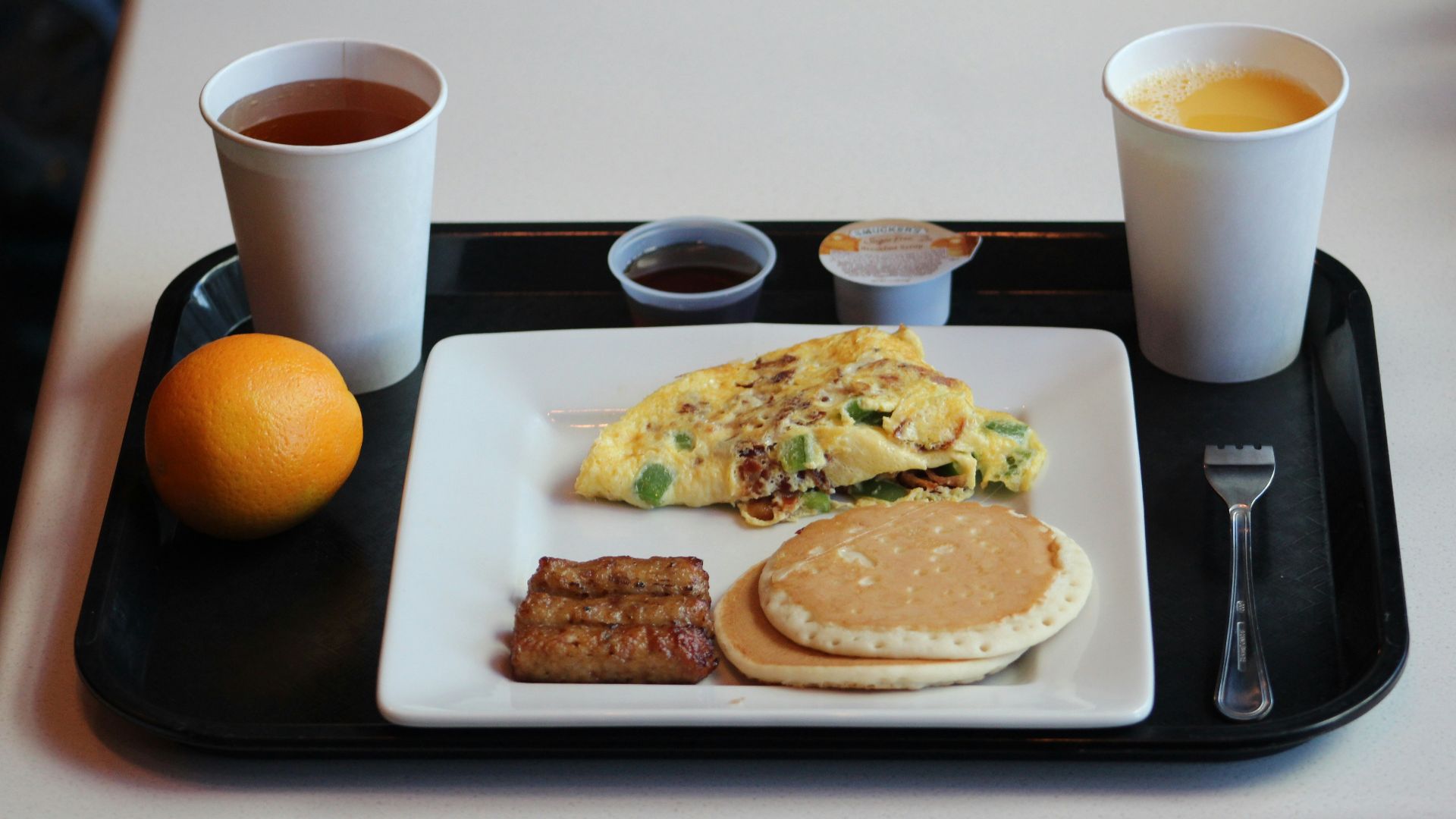
The United States lands low because prison and jail food quality is extremely uneven and often heavily shaped by cost-cutting, privatization, and local management. Some facilities serve meals that technically meet standards, but many incarcerated people and advocates report poor nutrition, small portions, unsafe food, and heavy reliance on commissary purchases. Recent reporting and advocacy have raised concerns about hunger, spoiled food, and high-sodium processed meals in U.S. correctional settings.