20 Cultural Dishes That Tell The Story Of Migration In America
The Beauty Of Food
American food wouldn’t look the way it does without generations of people carrying recipes across oceans, borders, and state lines. Families arrived with dishes they knew by heart, adjusting them to fit new ingredients, jobs, neighborhoods, and eating habits. Some foods became bigger, easier to carry, or more welcoming to customers who hadn’t tried them before. Others stayed close to home, showing up at family gatherings, neighborhood restaurants, bakeries, markets, and small food businesses. These 20 dishes show how migration has continued to shape what Americans cook, share, and eat every day.
1. Pizza
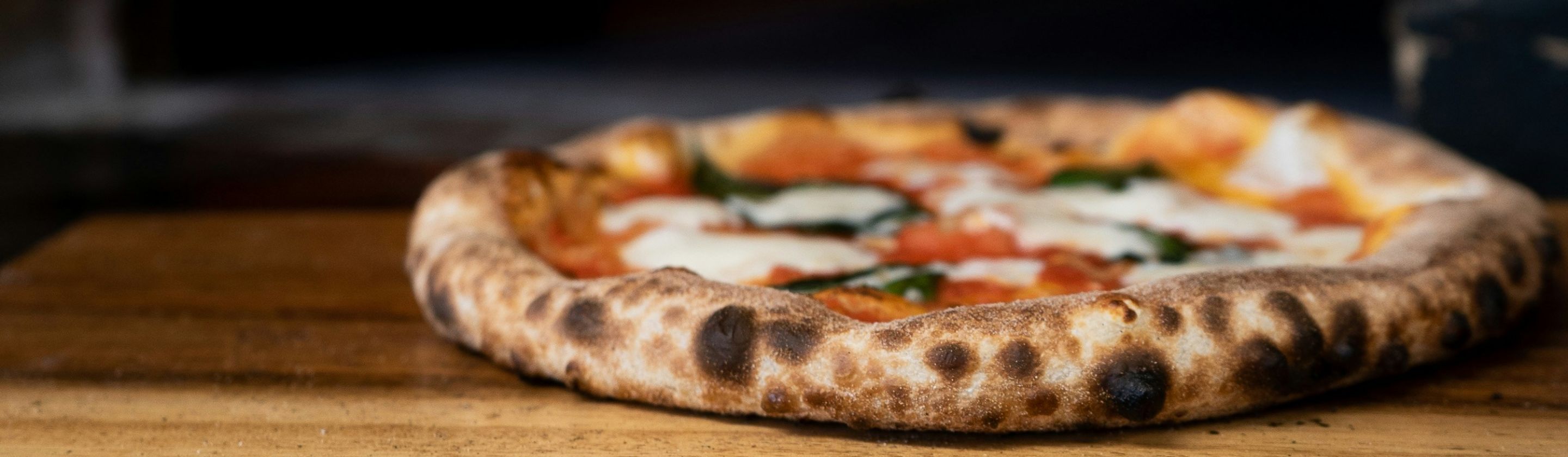
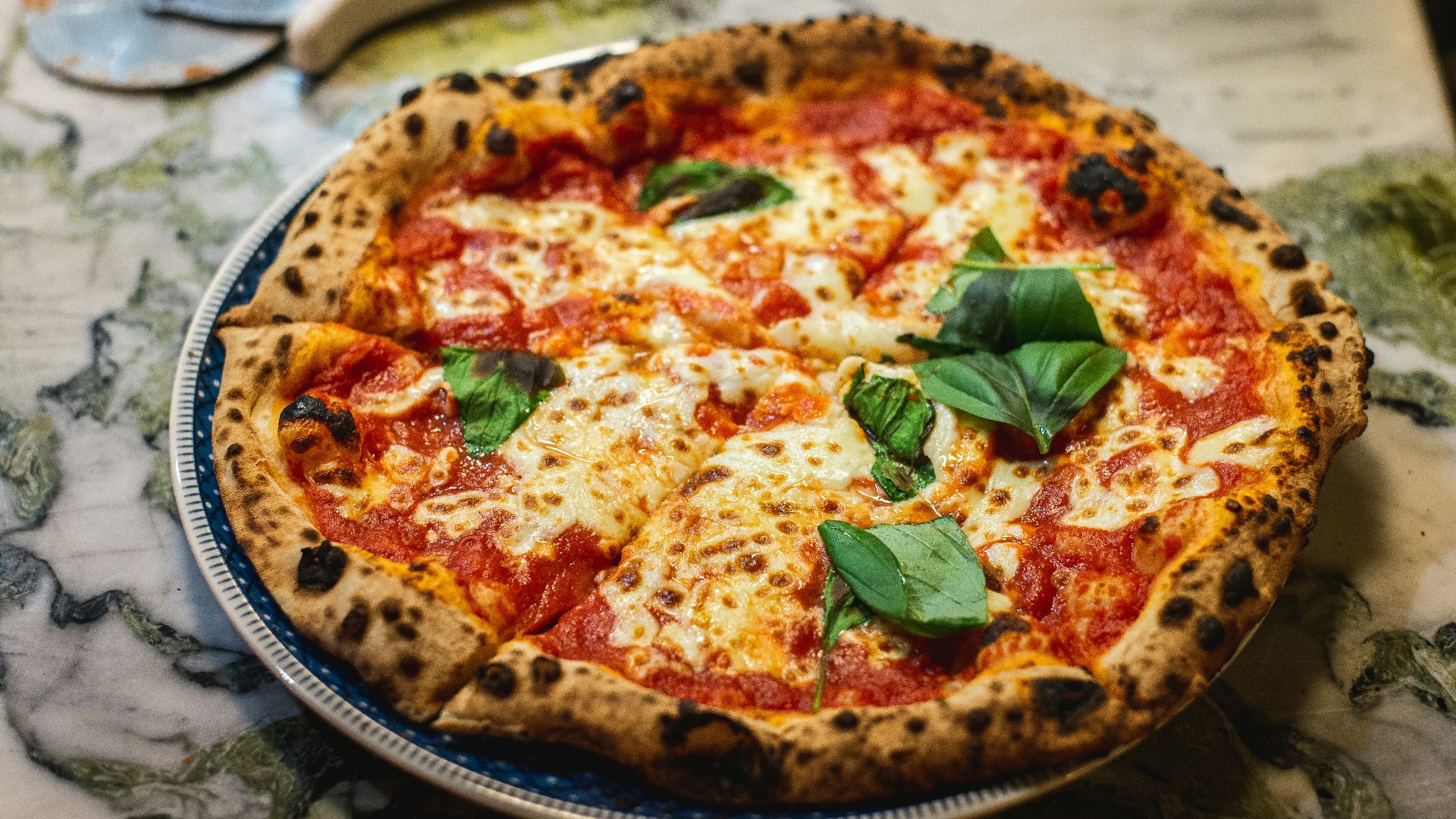
Italian immigrants helped establish pizza in American cities during the late 19th and early 20th centuries, especially in working-class neighborhoods. As pizzerias, popular culture, and commercial production carried it across the country, regional versions such as thin New York slices and Chicago deep-dish took shape.
 Aurélien Lemasson-Théobald on Unsplash
2. Spaghetti And Meatballs
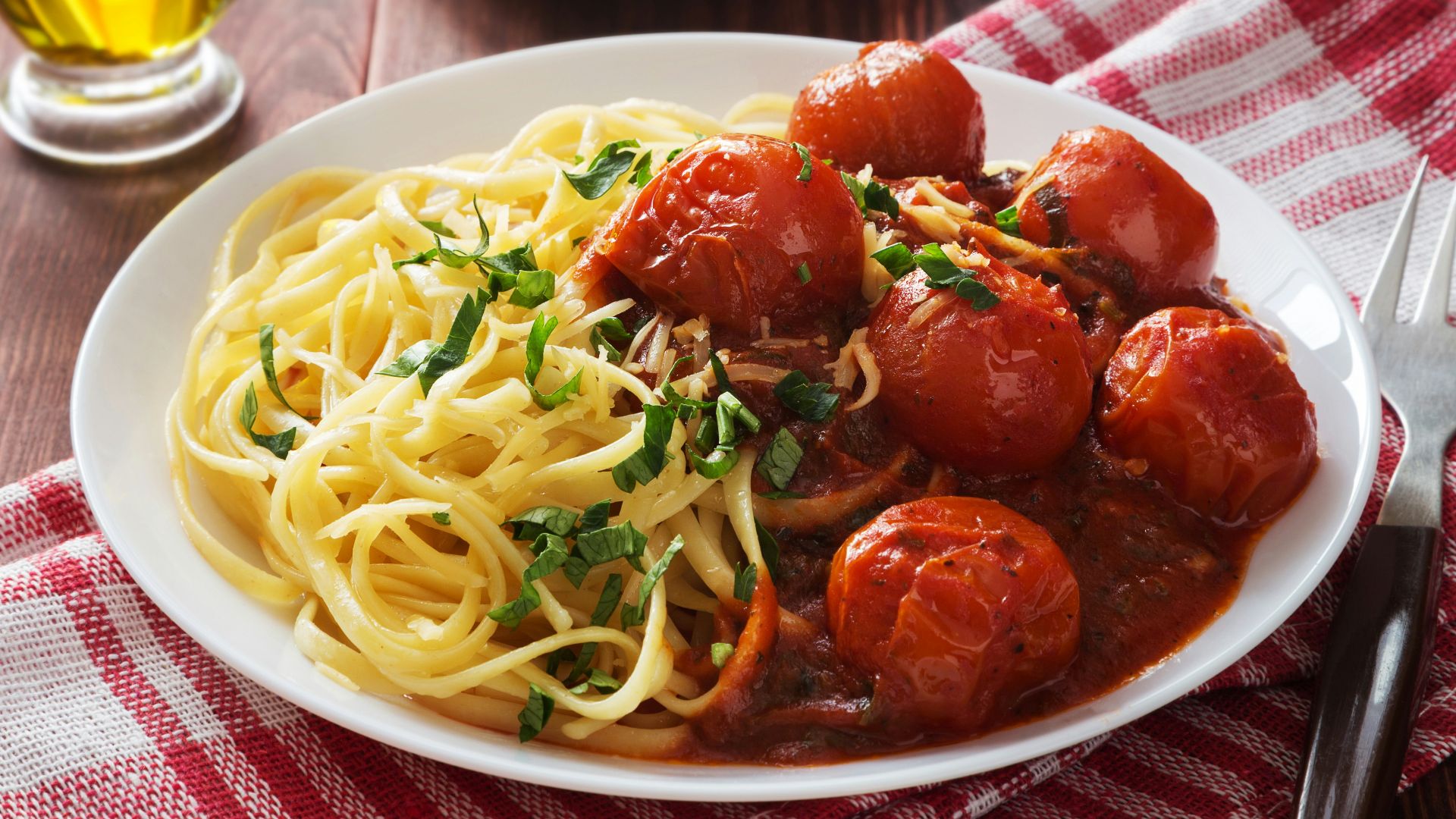
The large meatballs served over spaghetti were fully realized in the United States. Many immigrants from southern Italy were familiar with smaller meatballs, but greater access to meat in America allowed families to make larger, more generous versions.
3. Bagels
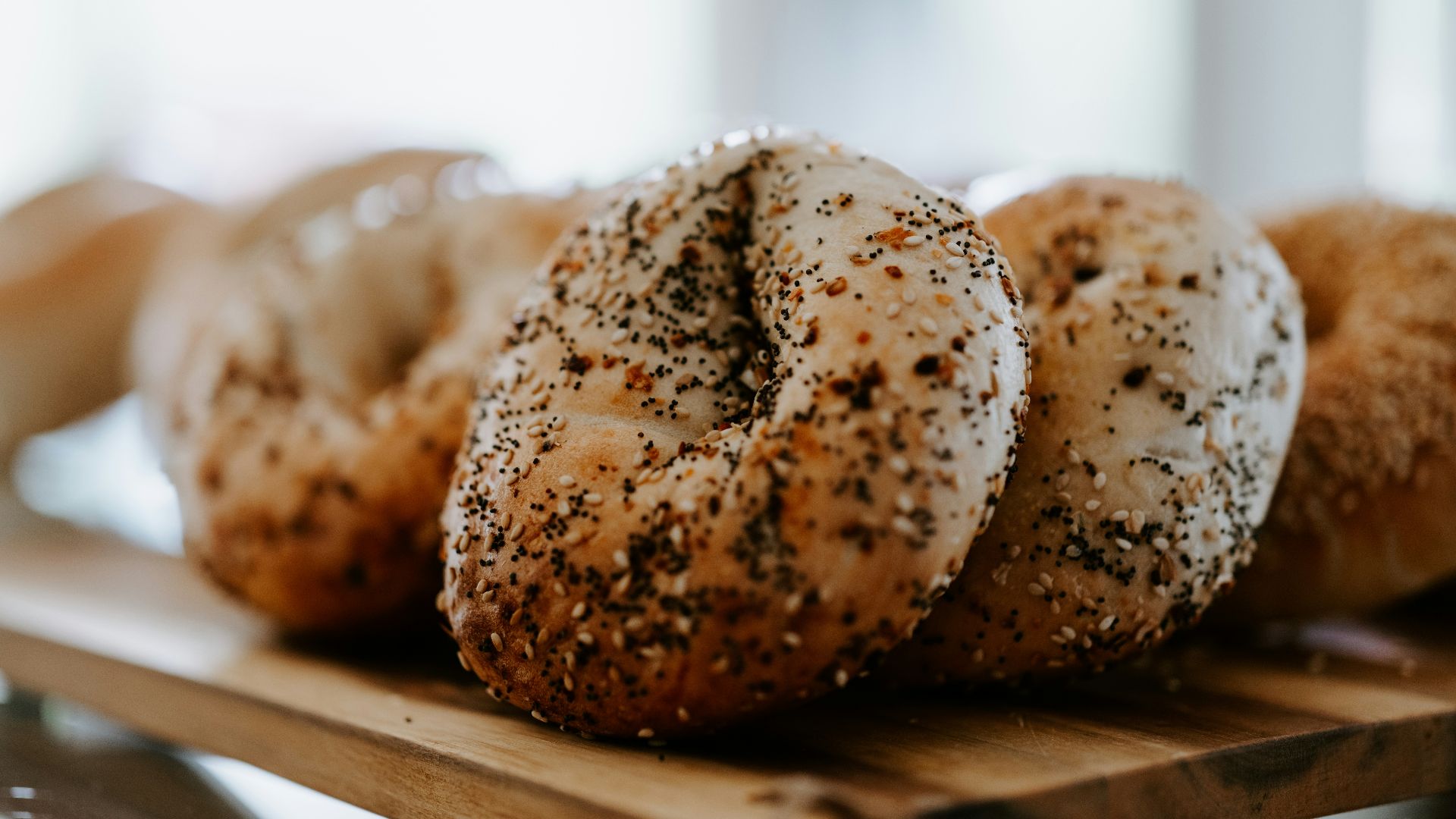
Eastern European Jewish immigrants brought bagels to the United States in the late 19th century. At first, the boiled-and-baked bread was mainly found in Jewish neighborhoods, where local bakeries kept the tradition alive. Frozen production and national marketing later moved bagels far beyond those communities, and they’ve since become a familiar breakfast across the country.
4. Pastrami On Rye
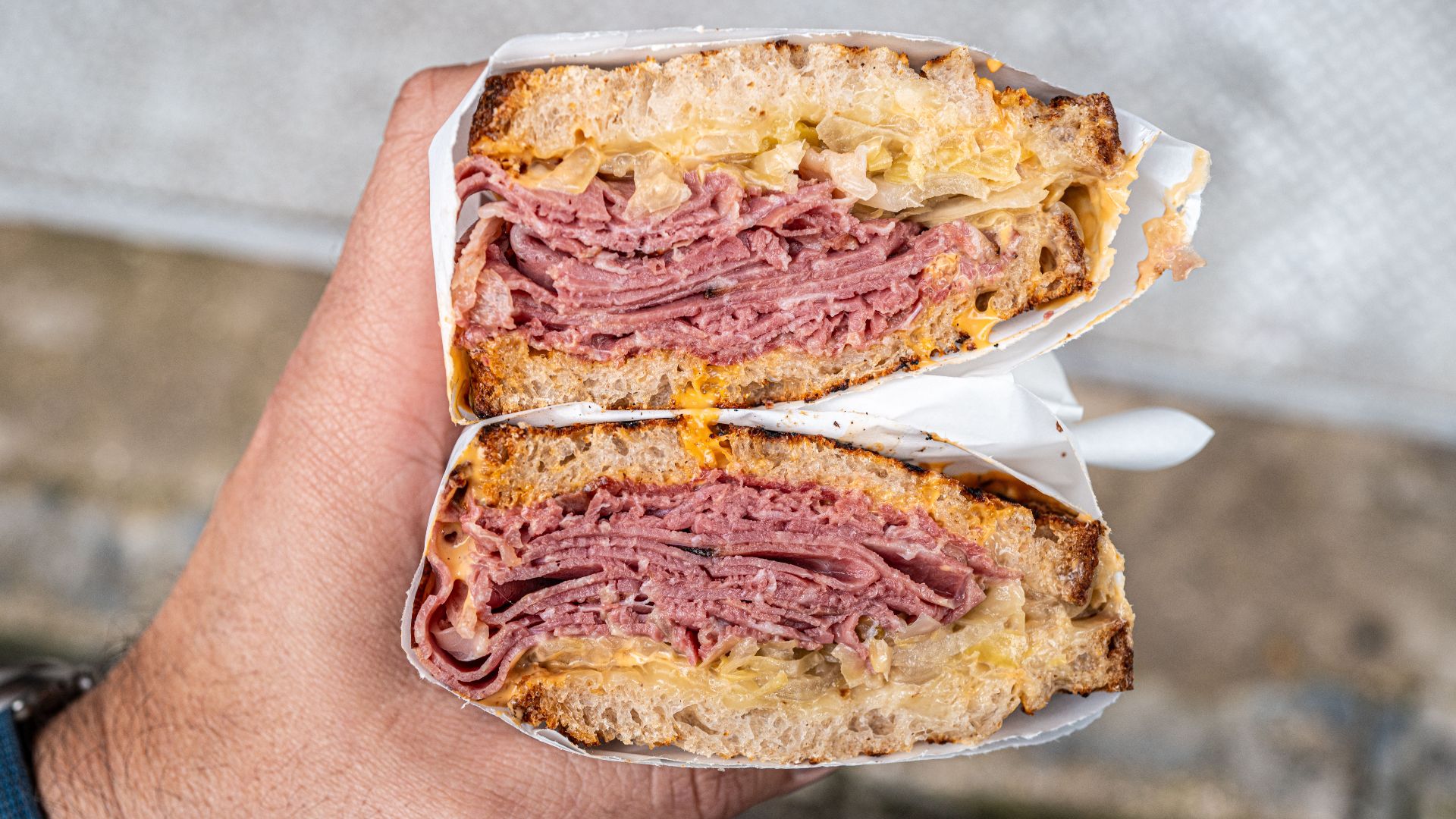
Jewish delicatessens built on Eastern European traditions of curing meat, baking rye bread, and serving sharp pickles. Greater access to beef in the United States helped create the tall pastrami sandwiches now closely connected to New York deli culture.
5. Chop Suey
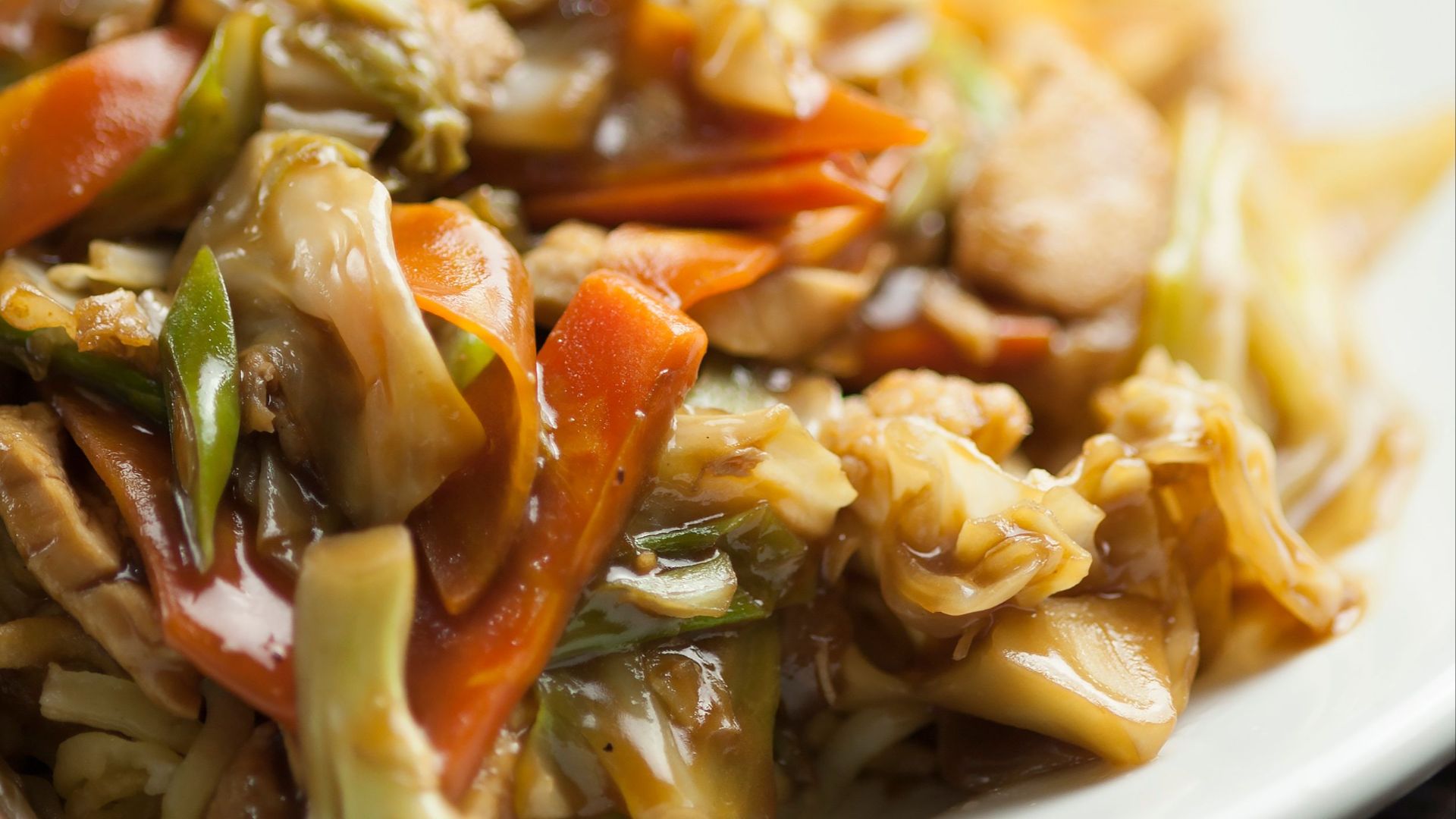
Chop suey became popular through Chinese American restaurants in the late 19th and early 20th centuries. Chinese restaurant owners worked with familiar cooking methods while using ingredients and flavors that appealed to American customers. Those businesses managed to grow during a period of exclusion laws and widespread anti-Chinese discrimination, giving the dish a complicated place in the country’s history.
6. The California Roll
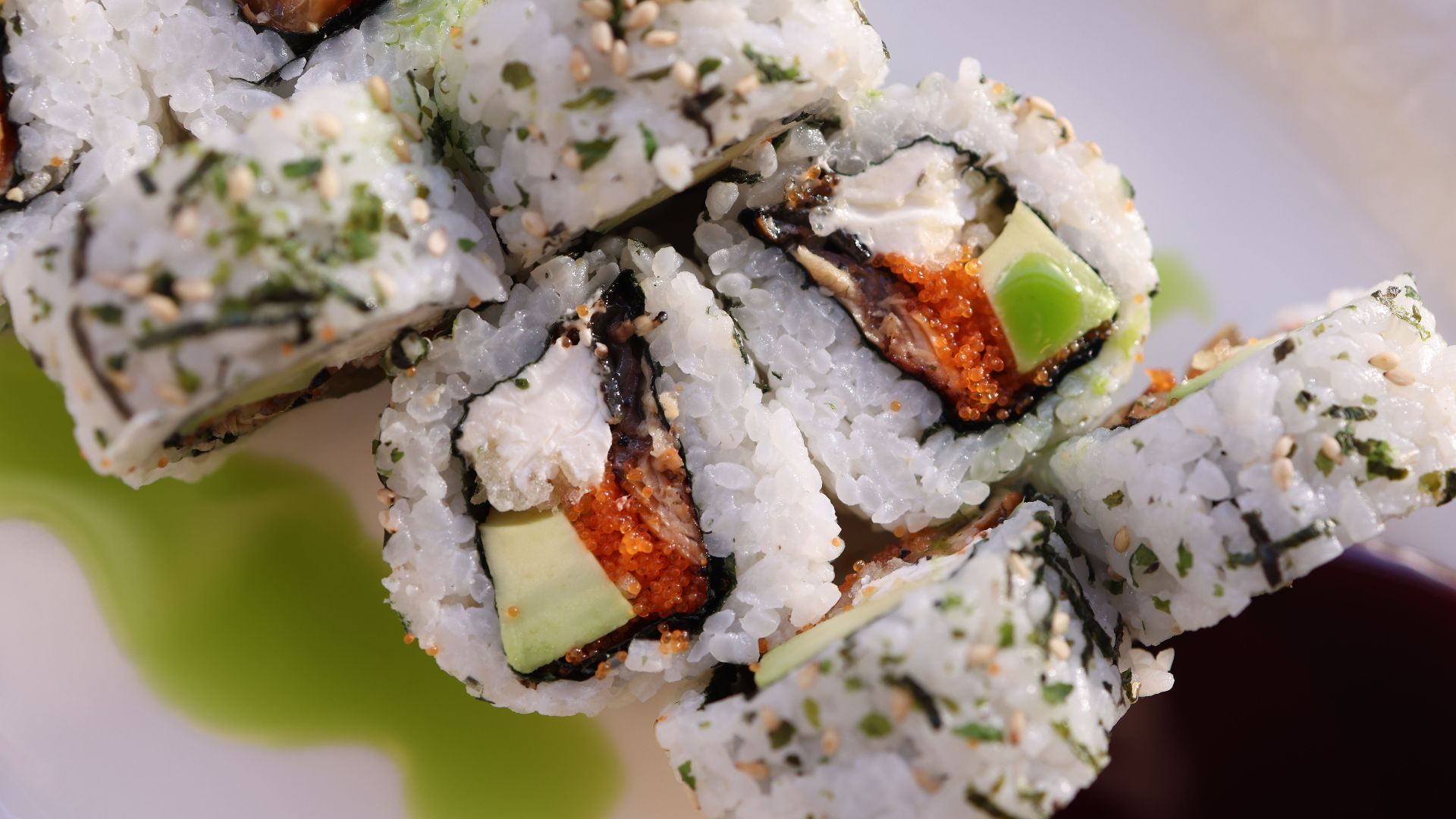
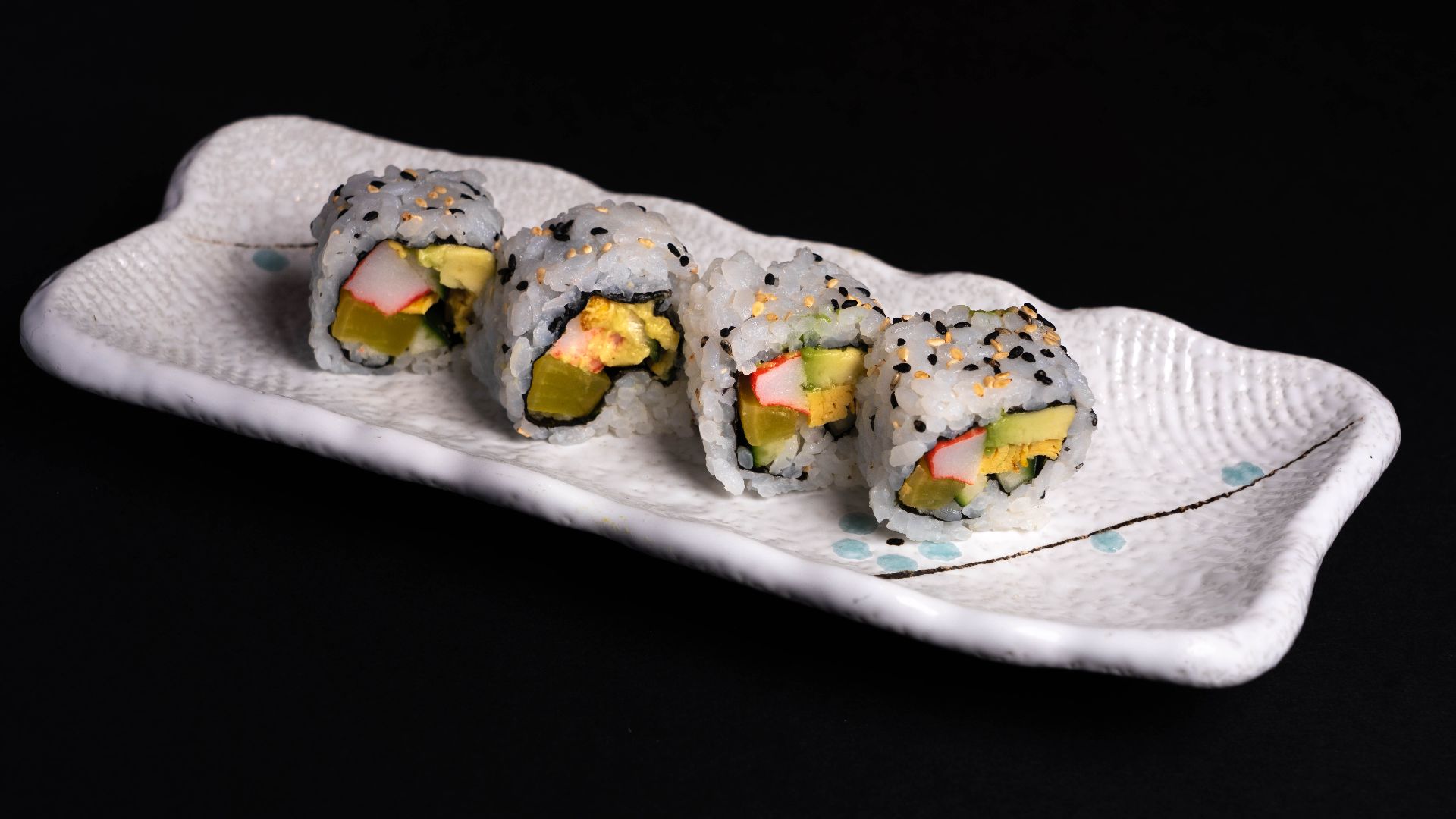
Sushi chefs in Los Angeles developed early versions of the California roll during the 1960s and 1970s. They used avocado and placed the seaweed inside the rice, which made the roll more inviting to diners who weren’t comfortable with raw fish or visible nori. Those simple changes helped sushi reach a much wider American audience and become a more familiar part of everyday dining.
7. Gumbo
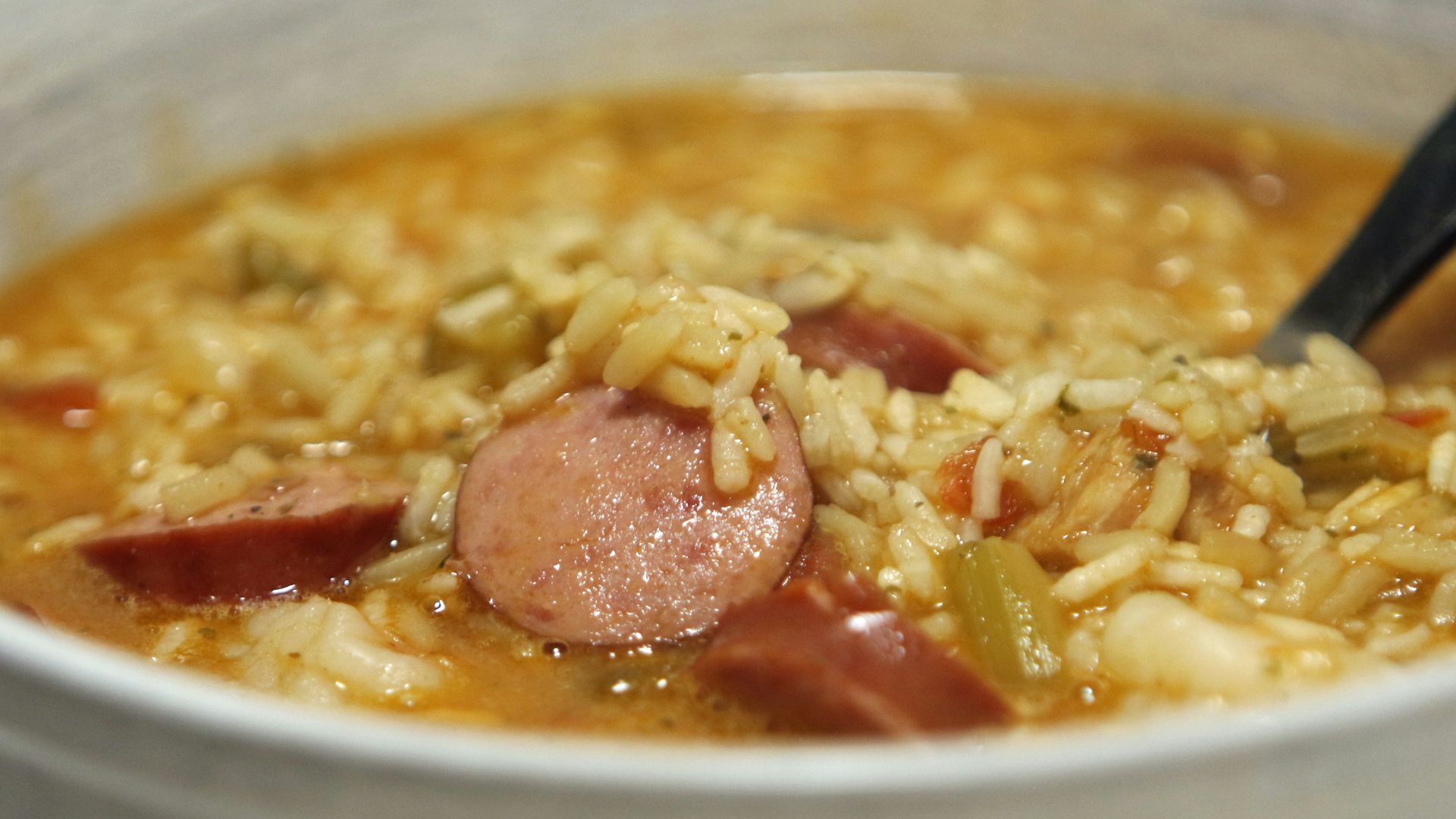
Gumbo grew from generations of cultural exchange in Louisiana. West African and Caribbean traditions had a strong influence, while Indigenous ingredients, French techniques, Spanish rule, local seafood, and the work of generations of Black cooks all helped shape the dish. That’s why there isn’t just one kind of gumbo, and the many versions served across the region reflect its layered history.
8. The Muffuletta
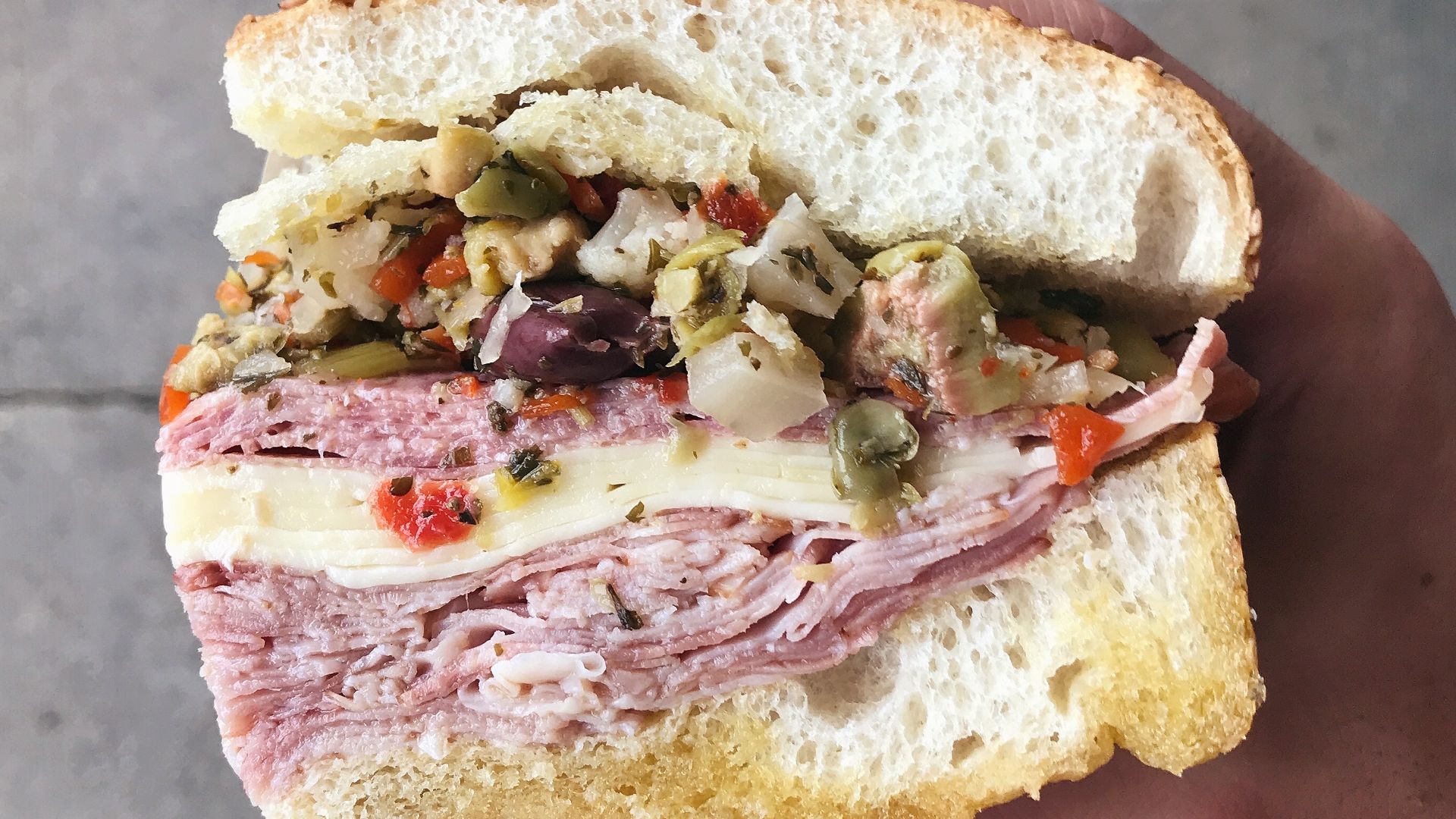
Sicilian immigrants became important vendors and grocers in New Orleans around the turn of the 20th century. The muffuletta combined a round Sicilian-style loaf with cured meats, cheese, and olive salad, creating a portable sandwich that worked well for market workers. What started as a practical lunch eventually became one of the city’s best-known local foods.
9. The Cuban Sandwich
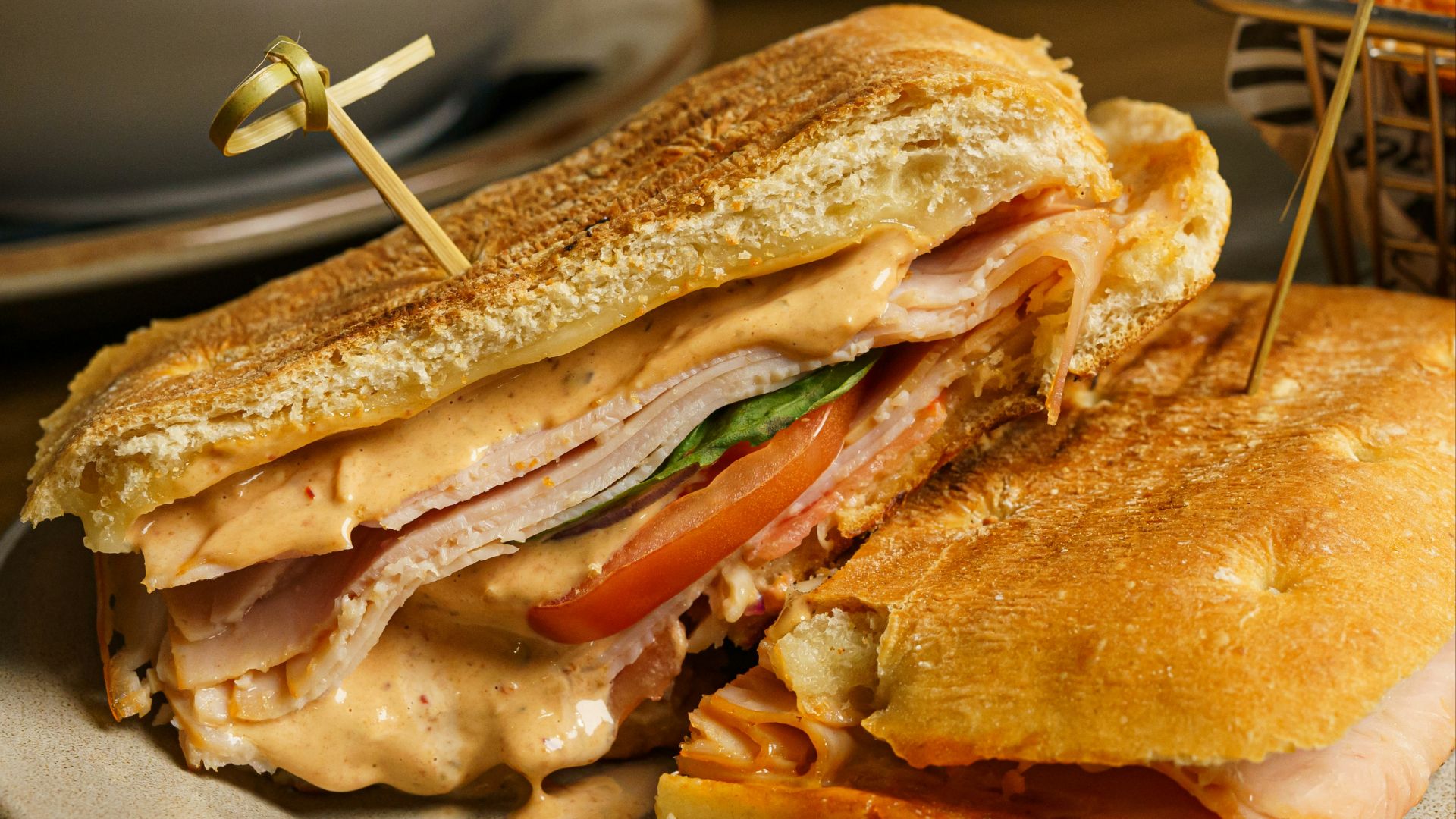
The Cuban sandwich developed in Florida communities shaped by cigar work and migration from Cuba, Spain, Italy, and other places. Tampa’s version includes Cuban bread, roast pork, ham, Swiss cheese, pickles, mustard, and salami. That mix of ingredients reflects the blend of cultures found in historic Ybor City, where immigrant workers lived and worked alongside one another.
 Hybrid Storytellers on Unsplash
10. Tamales
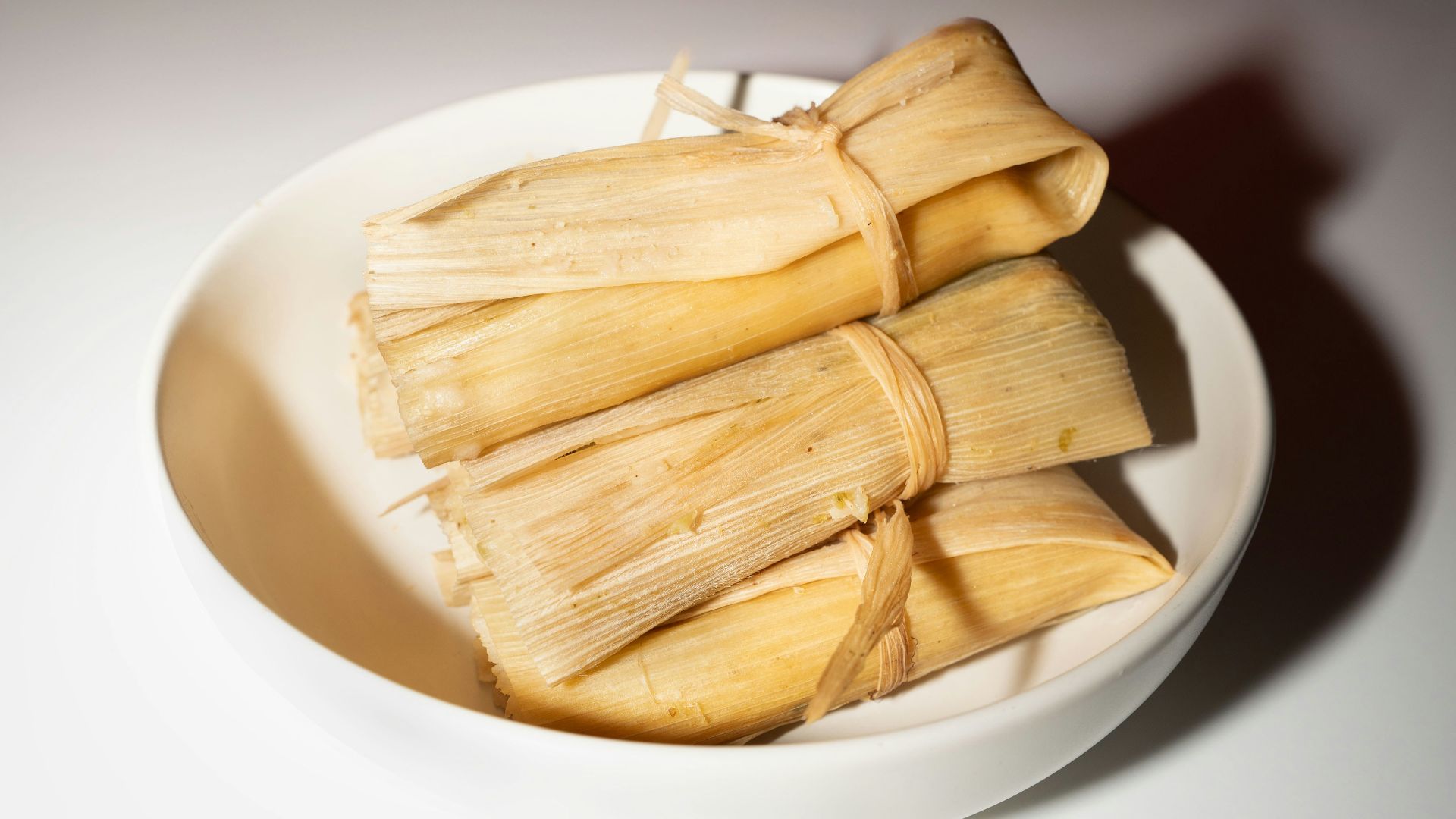
Tamales have Indigenous roots that go back long before the modern United States or Mexico existed. Mexican migrants carried regional versions across the Southwest and into growing American cities, keeping the dish connected to family and community life. Black vendors also helped bring a San Antonio-style tamale tradition toward the Mississippi Delta, where it developed its own local identity.
11. Tacos Al Pastor
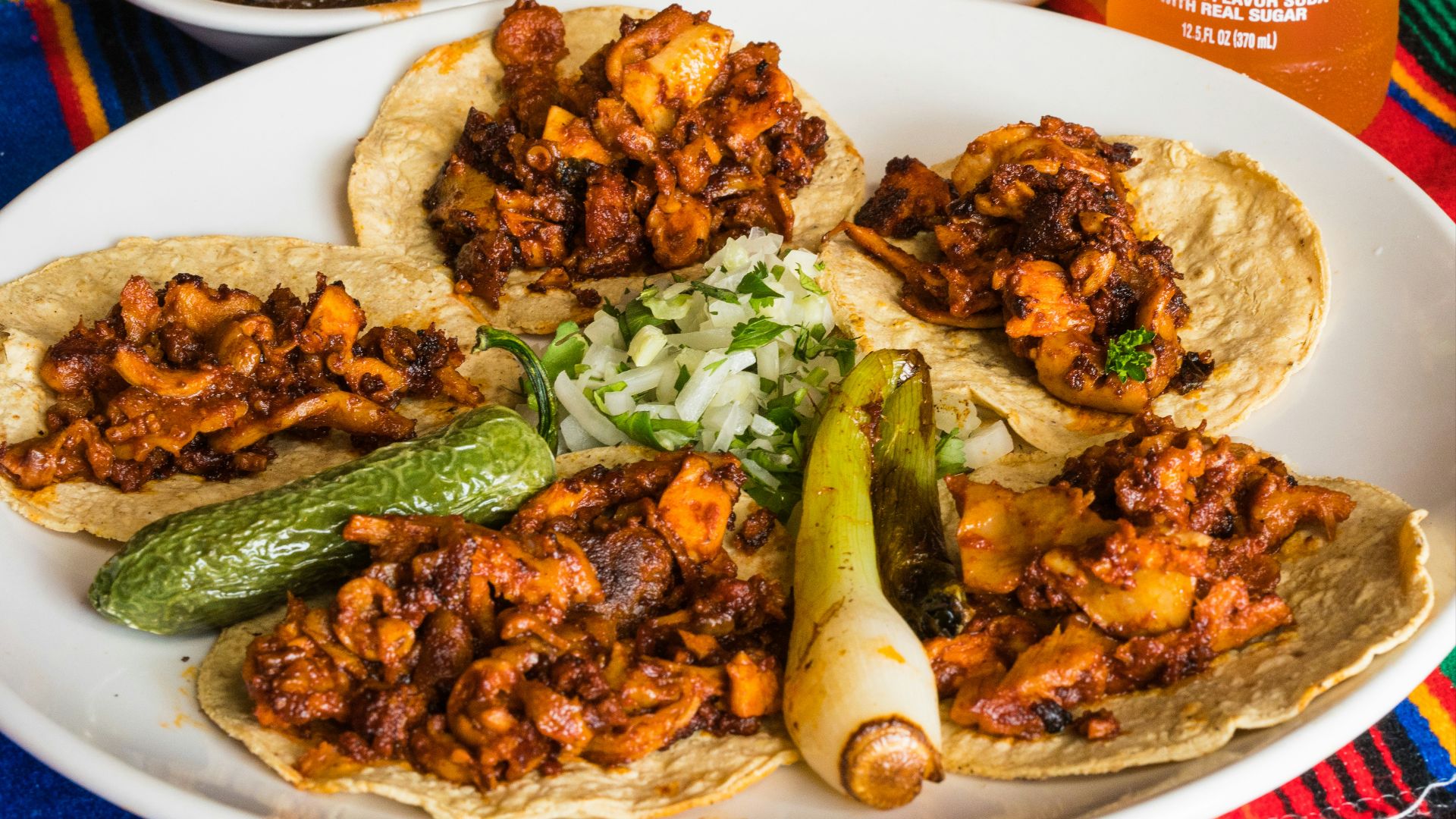
Tacos al pastor grew from Lebanese migration to Mexico, where cooks adapted shawarma-style vertical roasting to local tastes. Pork, chilies, tortillas, and, later, pineapple changed the method into a Mexican favorite. Migrants and restaurant owners eventually brought the dish to taquerias across the United States.
 Jarritos Mexican Soda on Unsplash
12. Pupusas
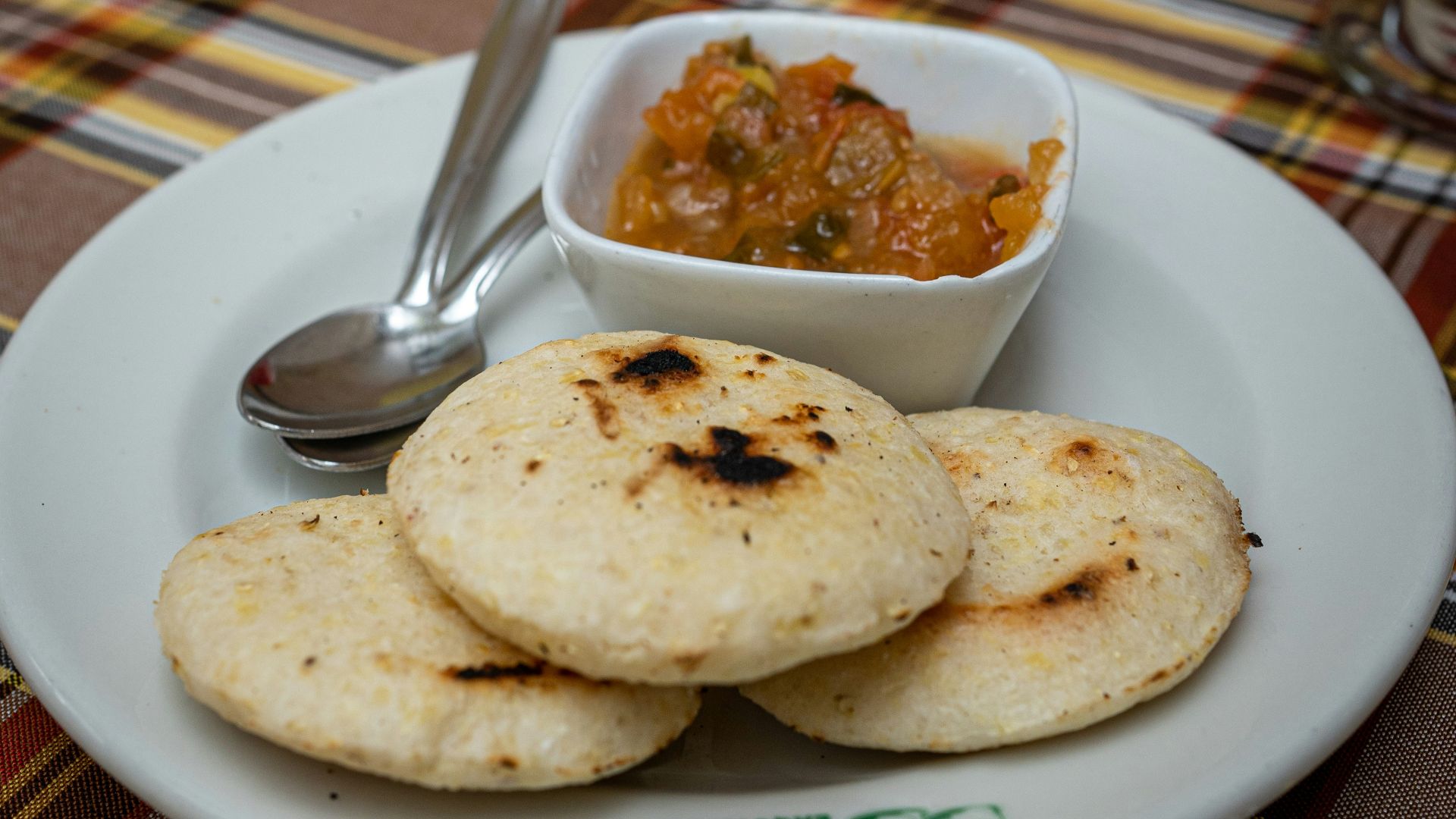
Salvadoran migrants, including people displaced by civil war during the 1980s, helped make pupusas familiar in cities such as Los Angeles and Washington, D.C. These thick corn cakes can be filled with cheese, beans, pork, or a combination of the three. They offered families an affordable taste of home while also helping new community businesses take root.
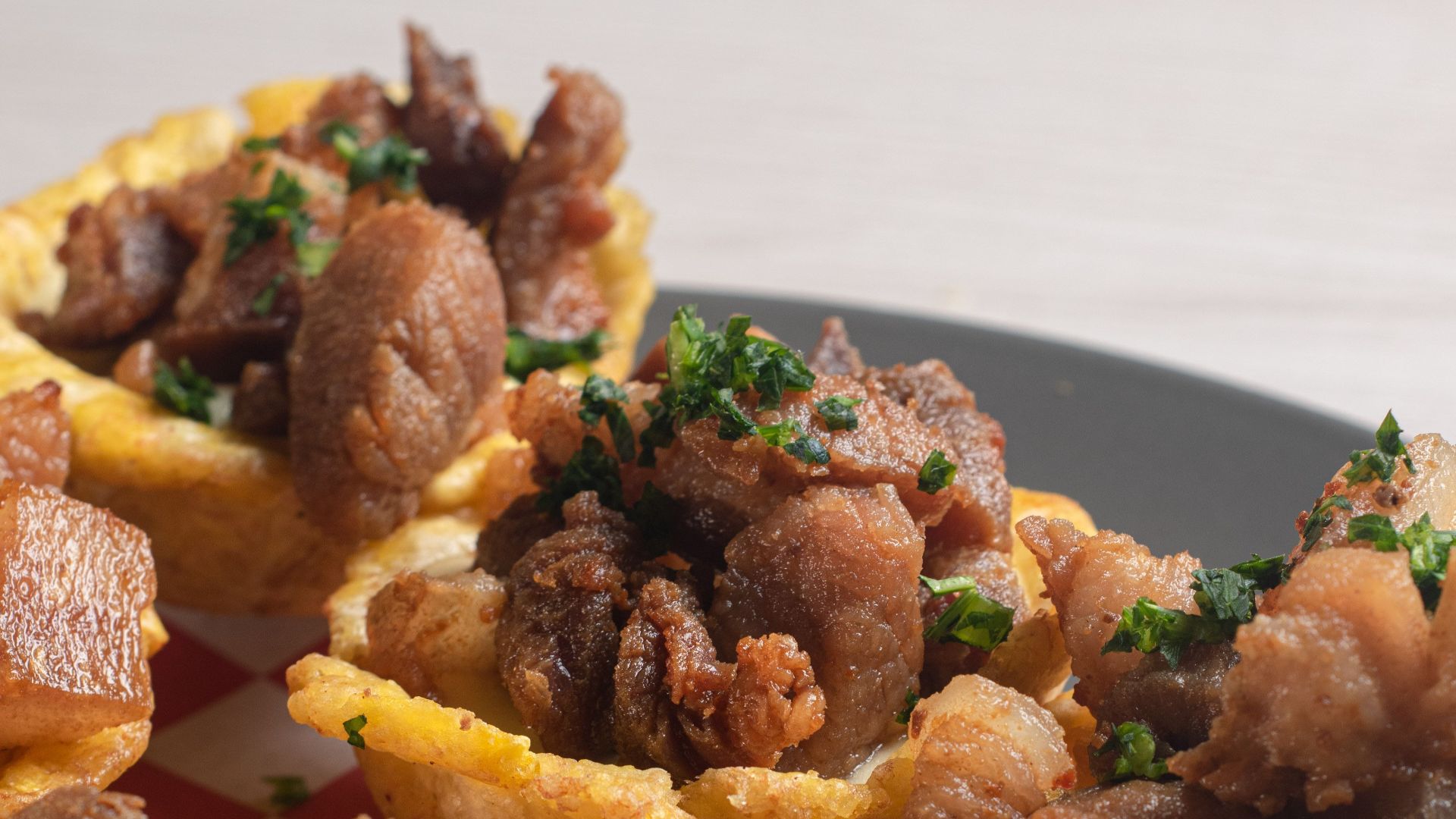
13. Mofongo
Mofongo is made by pounding fried green plantains with garlic and, often, pork cracklings in a pilón. The dish reflects Puerto Rico’s Indigenous, West African, and Spanish history. Puerto Rican migration carried mofongo into mainland restaurants and homes, where it’s still closely connected to identity, family, and celebration.
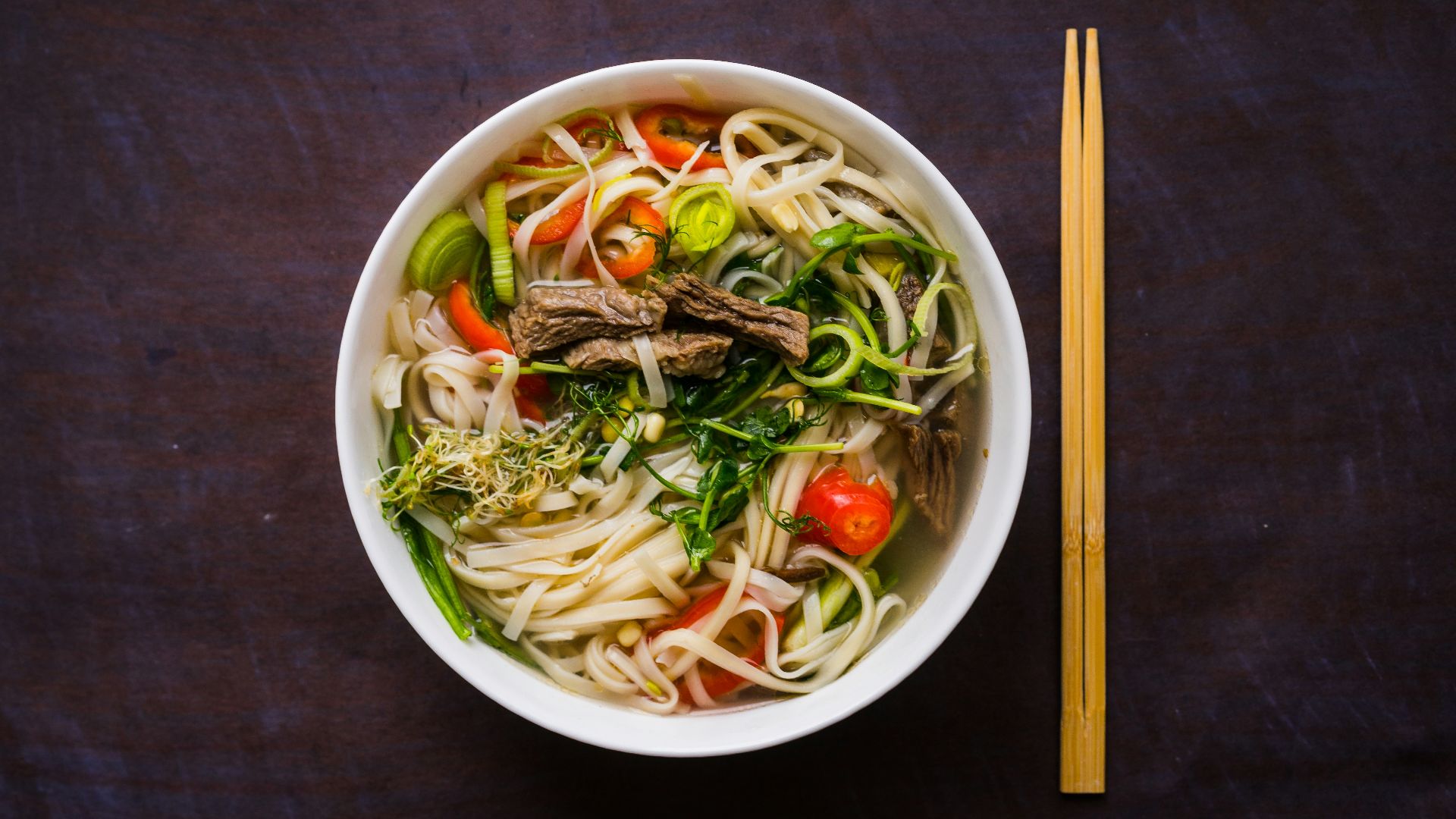
14. Pho
Vietnamese refugees established communities throughout the United States after the Vietnam War, opening restaurants, bakeries, and markets. Pho’s aromatic broth, rice noodles, herbs, and customizable garnishes gave newcomers a familiar taste of home.
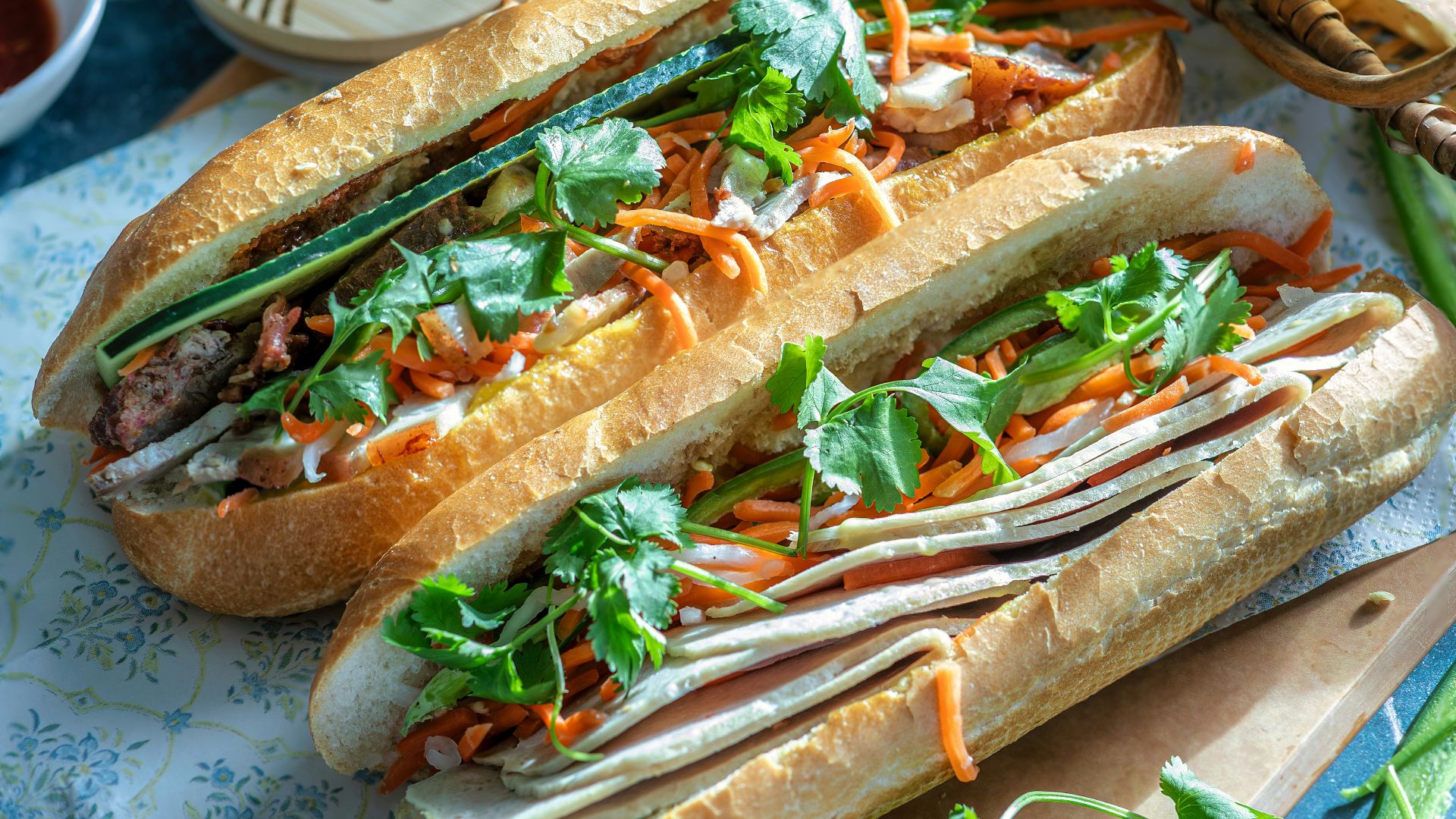
15. Bánh Mì
Bánh mì developed in Vietnam through the meeting of French bread and Vietnamese ingredients, including seasoned meats, pickled vegetables, herbs, and chilies. Refugee-owned bakeries and restaurants later helped the sandwich thrive in American cities.
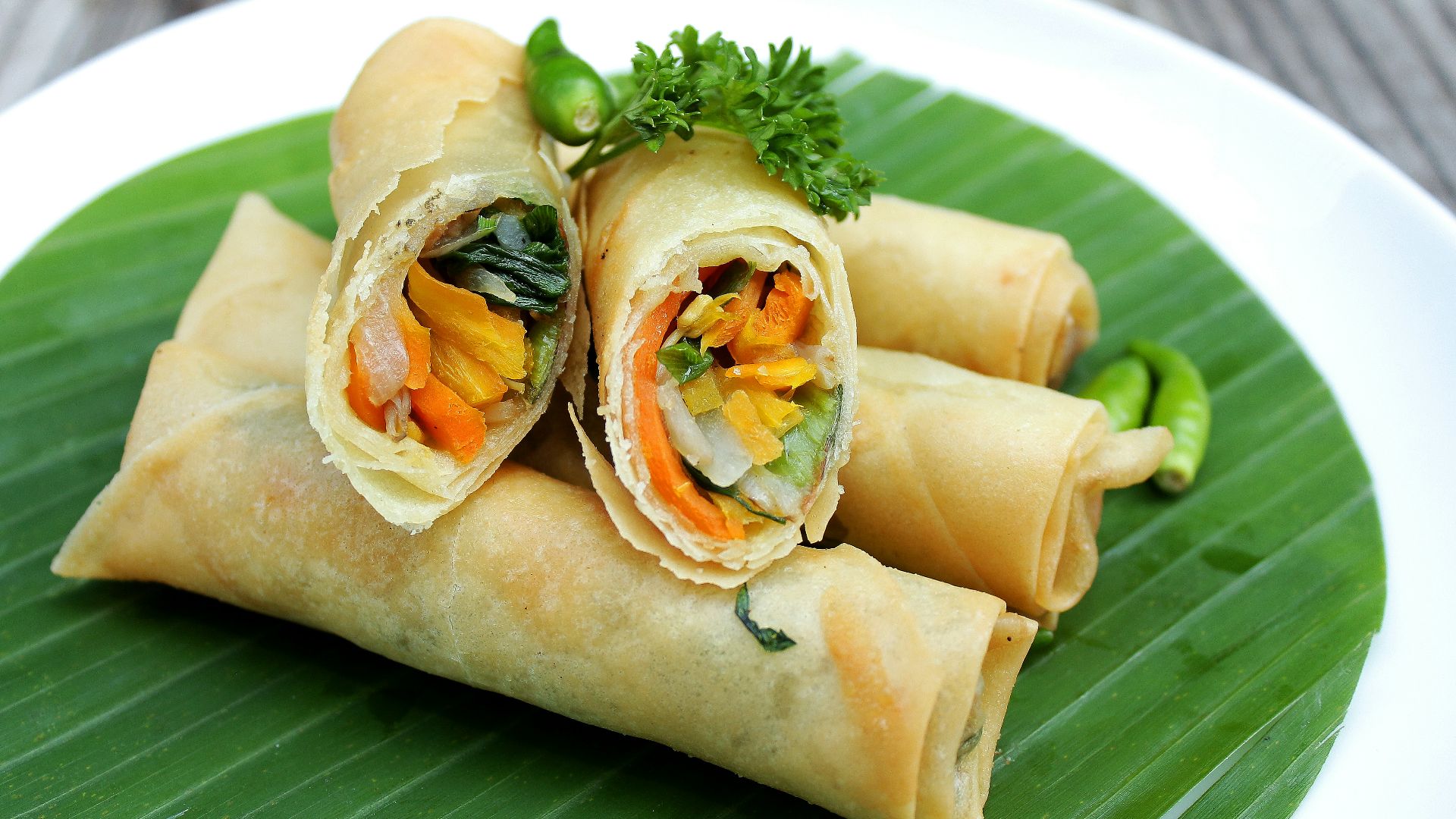
16. Lumpia
Filipino communities across Hawaii, California, Alaska, and the mainland have kept lumpia at the center of family celebrations and community gatherings. The crisp rolls are commonly filled with meat or vegetables, and they’re easy to cook in batches. Sharing them also helps younger generations stay connected to Filipino family traditions.
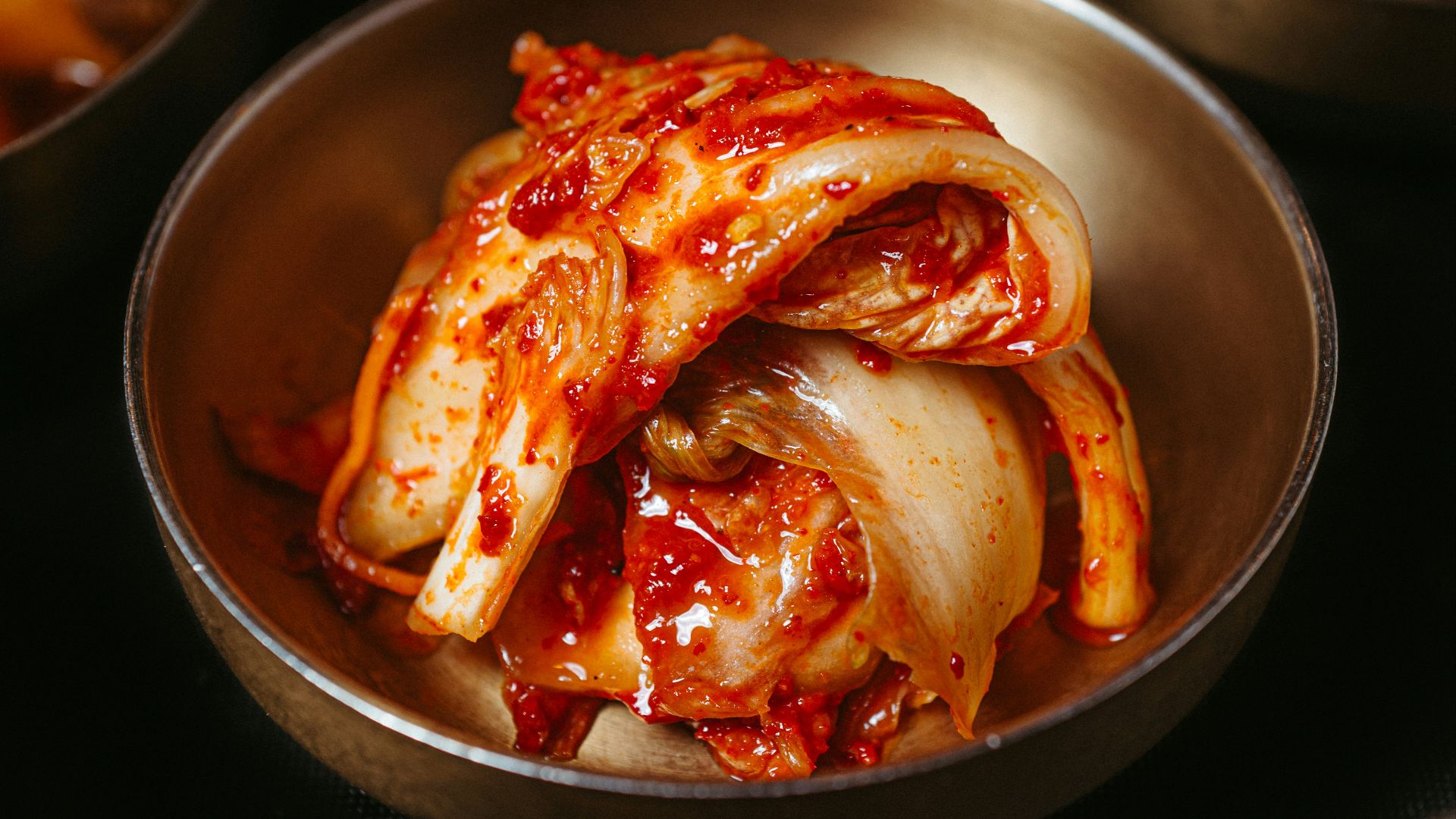
17. Kimchi
Korean immigrants brought kimchi as an essential part of the bapsang, a home table centered on rice, soup, a main dish, and several side dishes. Home cooks and small food businesses have helped preserve regional varieties and traditional fermentation practices.
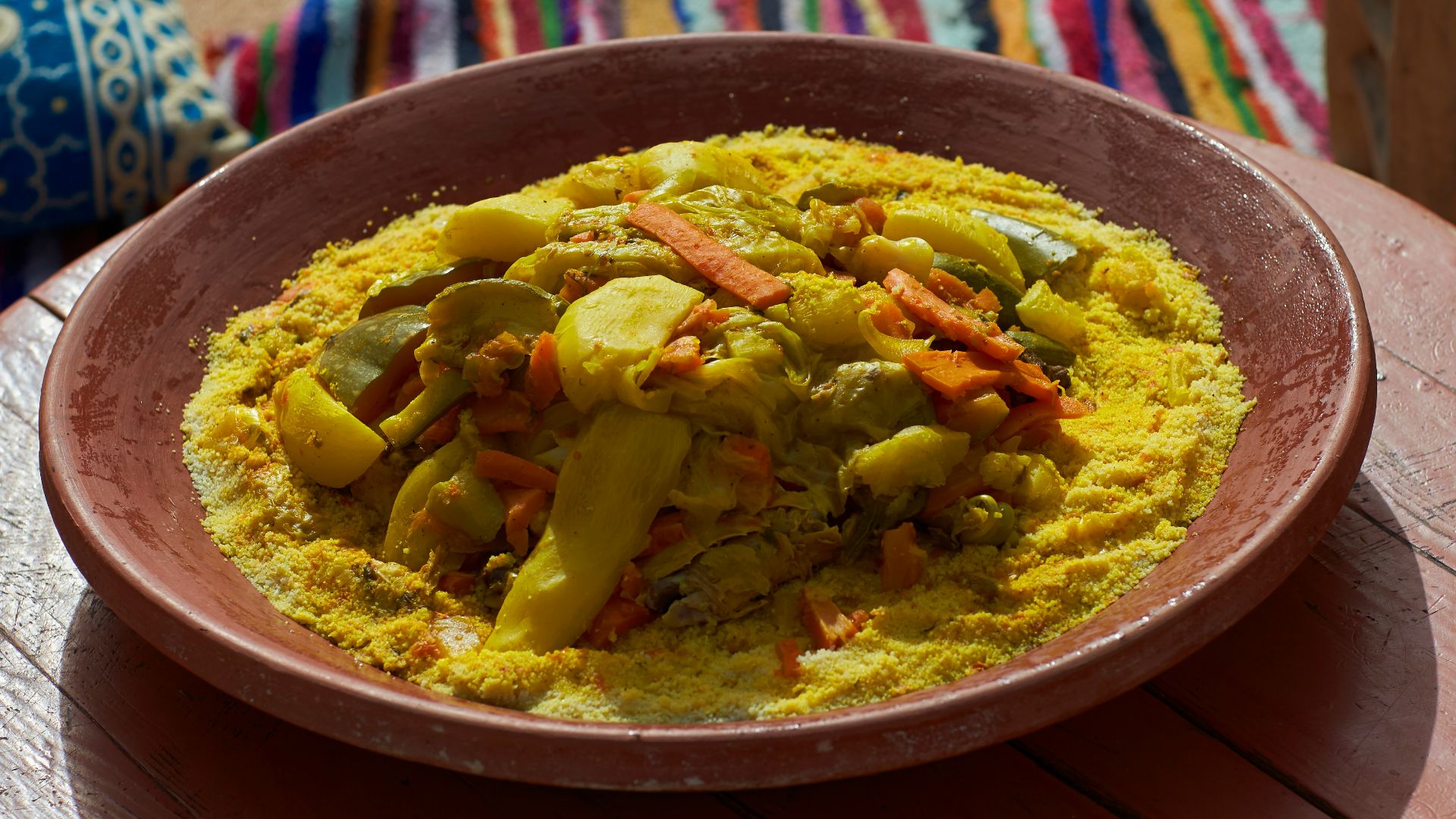
18. Moroccan Couscous
For many Moroccan and Algerian immigrant families, couscous provides a familiar centerpiece for meals in a new country. It can be served with vegetables, chickpeas, meat, or spiced broth, depending on the family and its regional traditions.
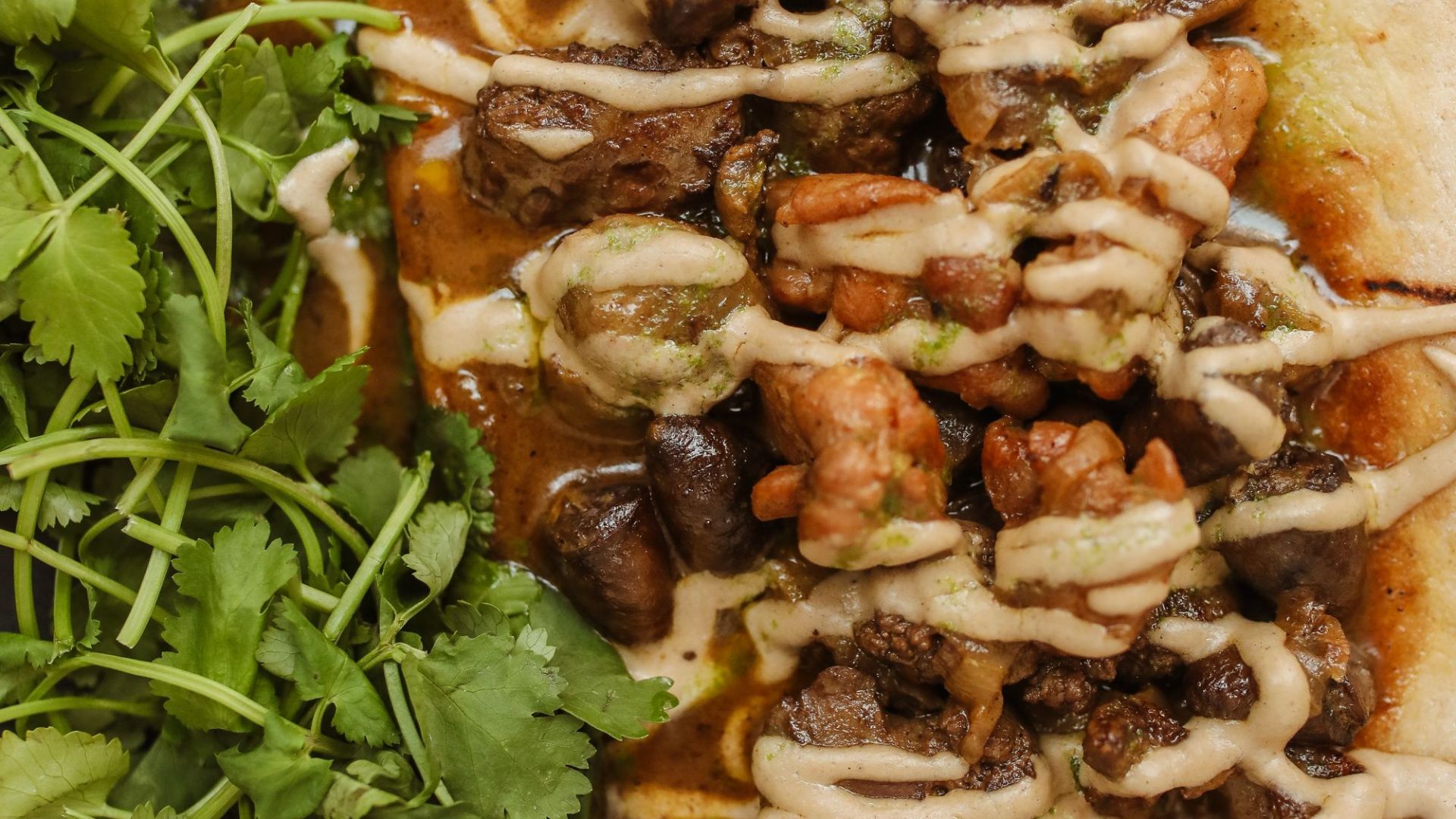
19. Doro Wat With Injera
Ethiopian migration helped build a lively restaurant culture in Washington, D.C., and other American cities. Doro wat is a richly spiced chicken stew, while injera is a tangy, fermented flatbread served alongside it. Together, they introduce diners to Ethiopian flavors and a communal style of eating.
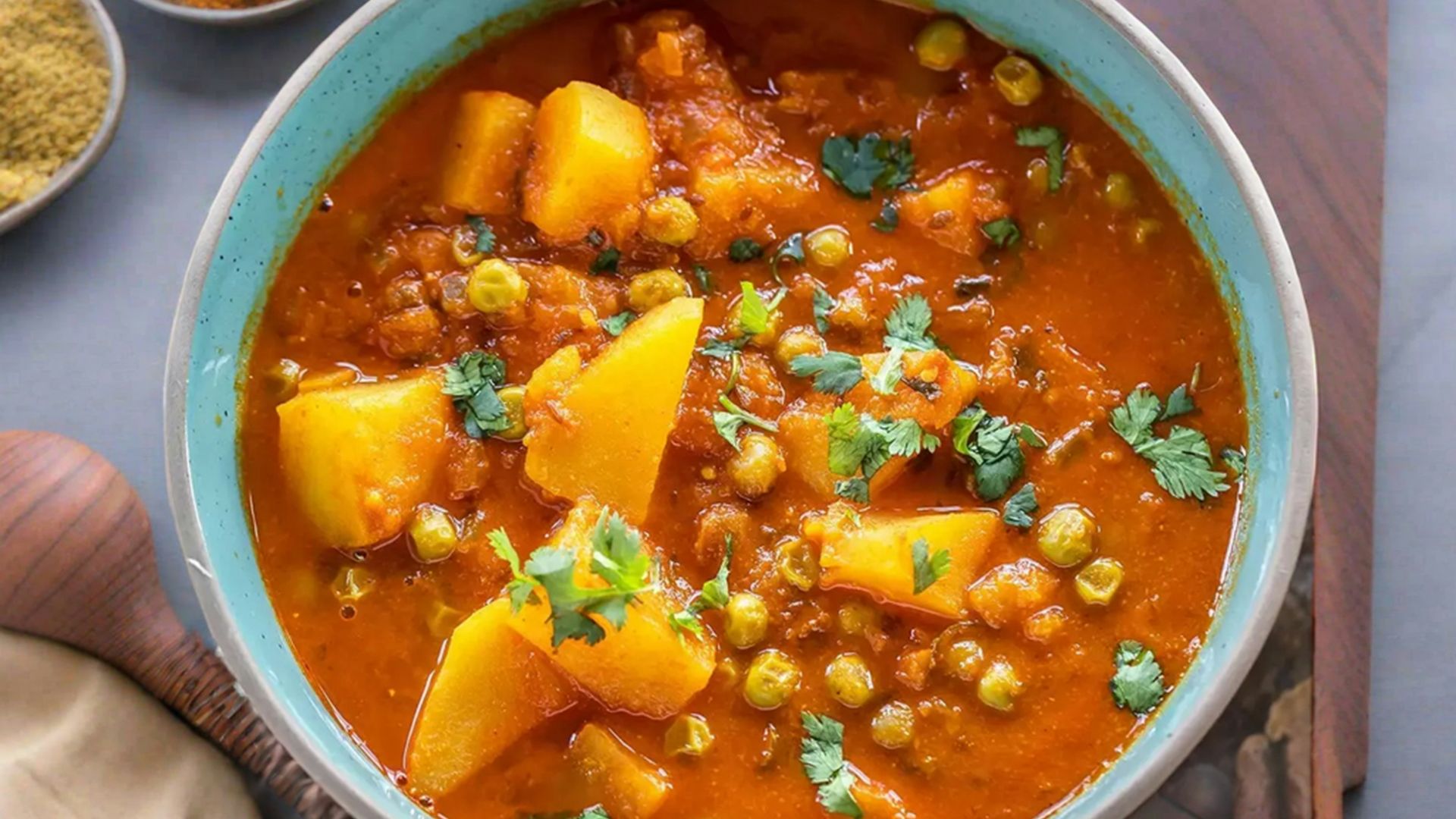
20. Chana Masala
Changes to American immigration law in 1965 helped increase migration from India and other parts of Asia. Indian restaurants and lunch buffets introduced many American diners to chana masala, a warming chickpea curry with deep spices and a comforting texture. Its plant-based ingredients and familiar, hearty feel helped make it an approachable favorite.