20 Dishes Built for the Kind of Cold Southerners Can't Even Imagine
Warming Up Your Toes And Stomachs
There’s regular cold, and then there’s winter. When the daylight disappears early, the ground crunches underneath your feet, and a trip outside makes you feel a chill down to your bones. In this kind of climate, dinner has to do more than taste good. It has to warm you up, use what keeps well, and satiate you enough for another trip into the blizzard. These 20 dishes came out of places like New England, Nova Scotia, northern Canada, Sweden, and Siberia, where cold weather wasn’t a passing inconvenience.
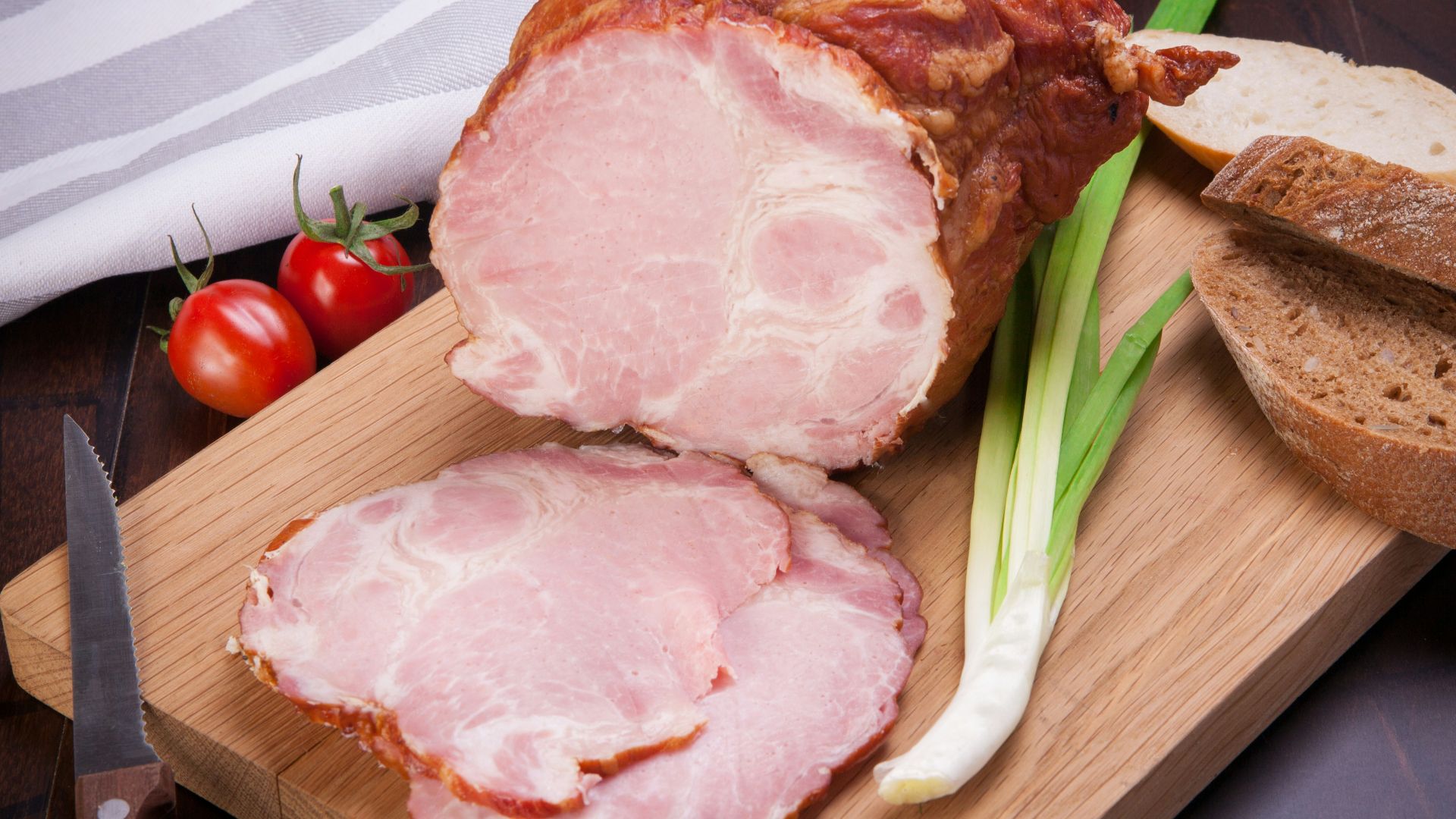
1. Clam Chowder
New England clam chowder occupied fishing towns where clams were close by, and potatoes, onions, and milk could be counted on through the colder months. In places like coastal Maine and Massachusetts, a hot bowl of creamy chowder wasn’t fancy. It was the kind of meal that reinvigorated people after a day in the freezing water.
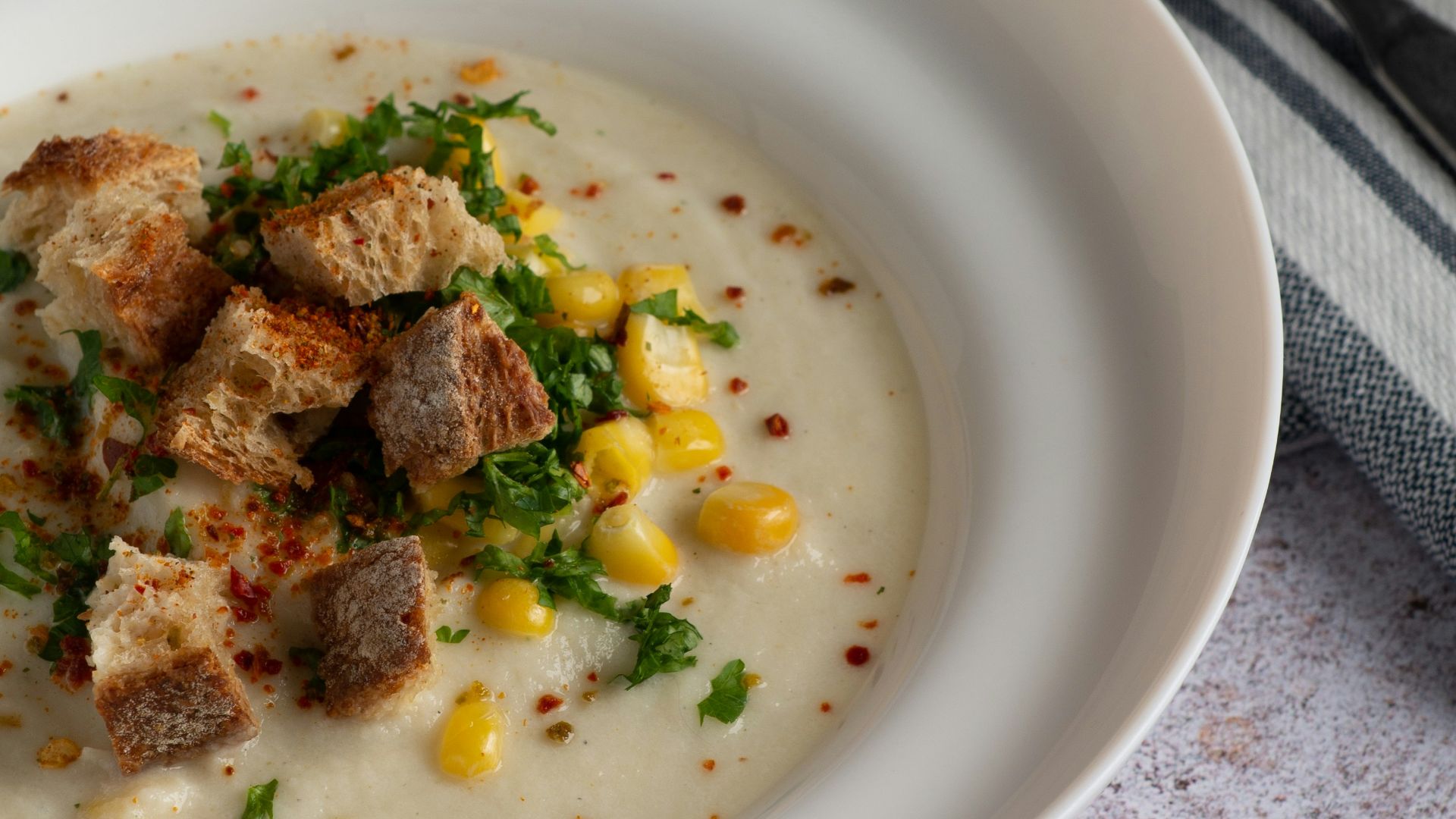
2. Corn Chowder
Corn chowder came out of kitchens that knew how to stretch dried corn, salt pork, and potatoes when snow made fresh produce scarce. In New England and parts of the Midwest, it was a practical winter pot, thick enough to feel like dinner and built from ingredients that could actually last.
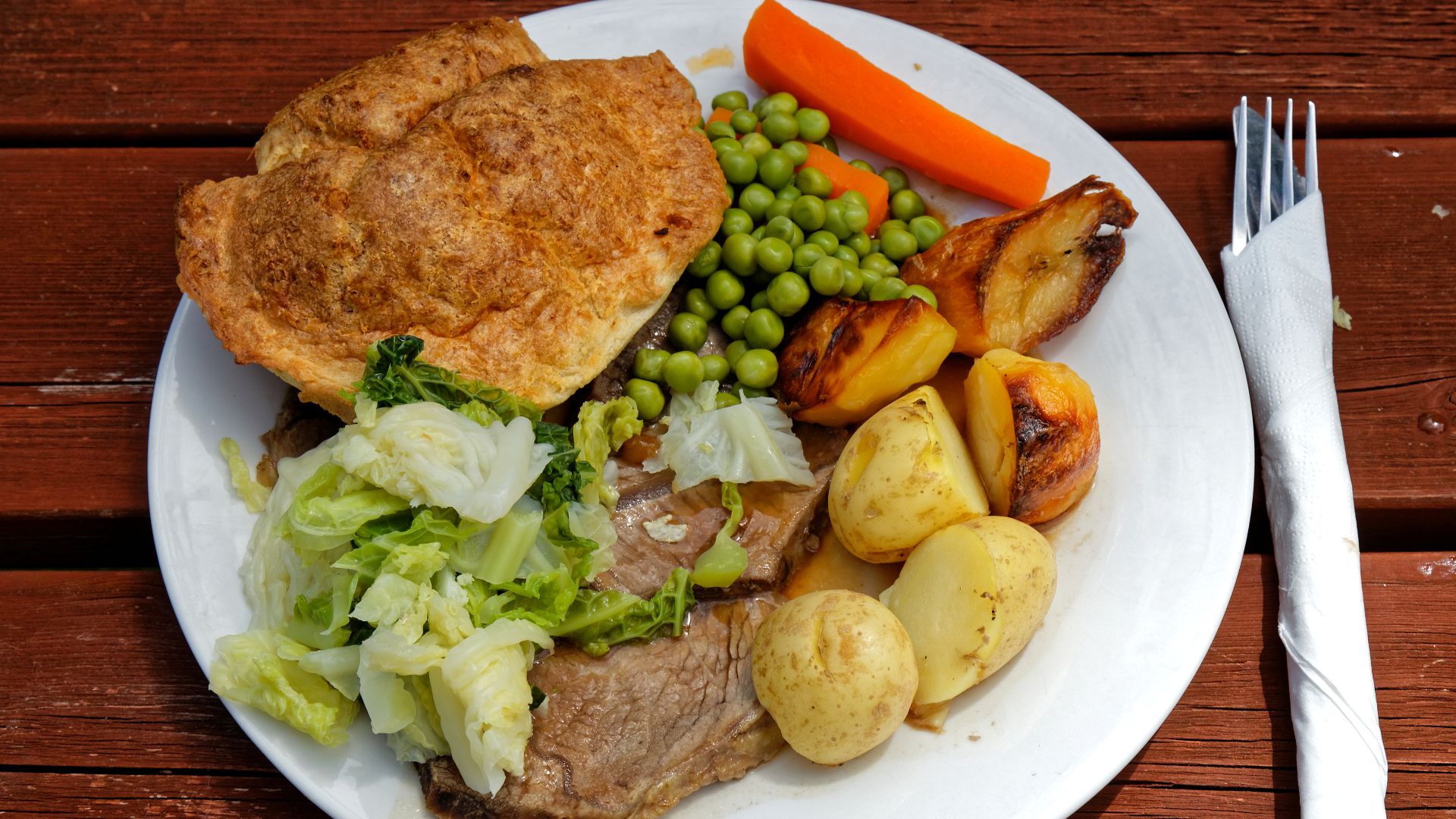
3. New England Boiled Dinner
Boiled dinner, with corned beef, cabbage, carrots, and potatoes, has roots in dinners from across the pond.
Irish immigrant families and northern farm households leaned on it through 19th-century winters, letting tough meat soften over hours, while the stove kept the room a little warmer.
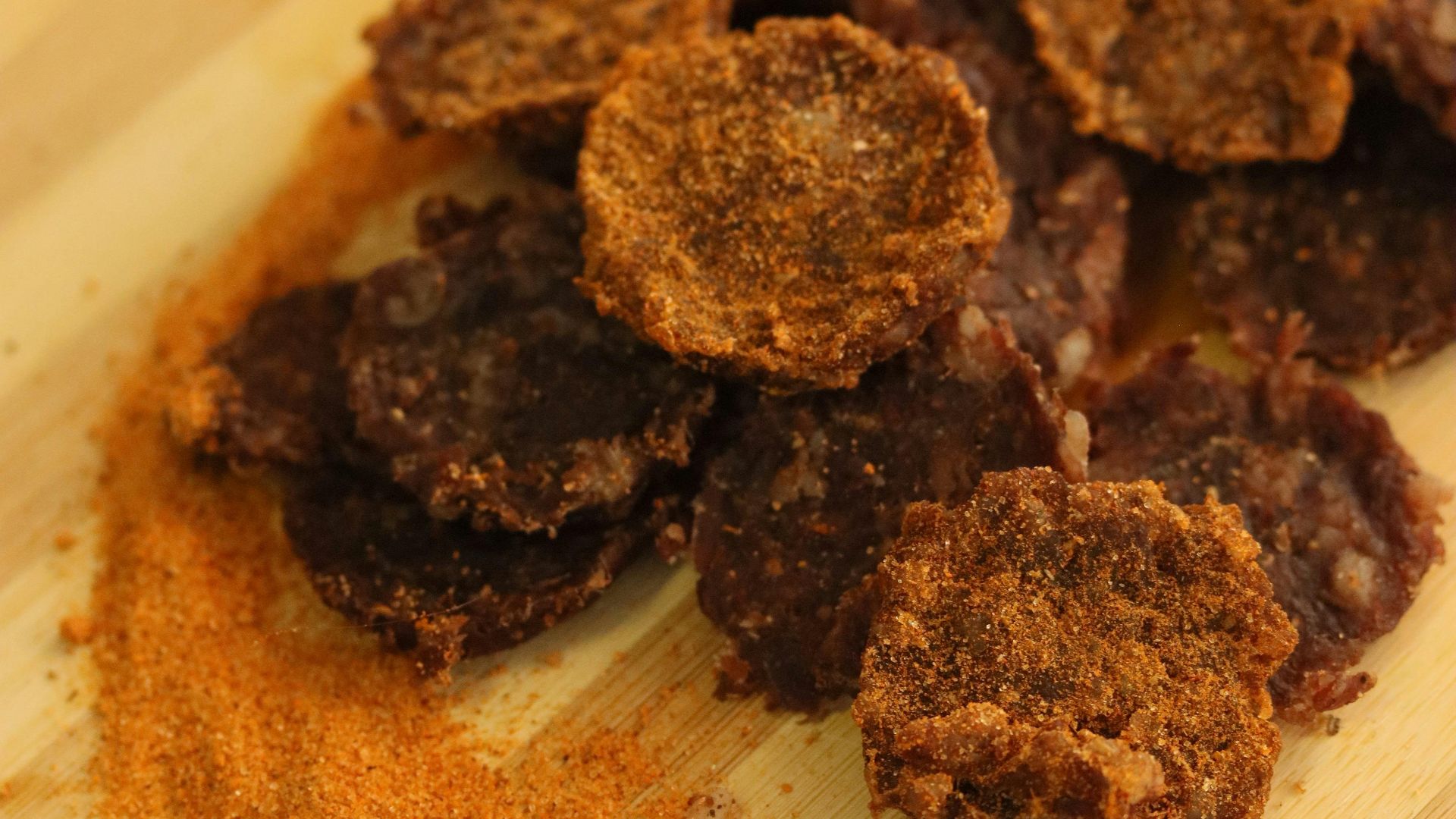
4. Pemmican
Pemmican was survival food in the most direct sense, made from dried bison or venison pounded with fat and berries. Indigenous communities across the Plains and Great Lakes used it for centuries because it traveled well, lasted in brutal weather, and gave hunters and traders some pretty serious fuel.
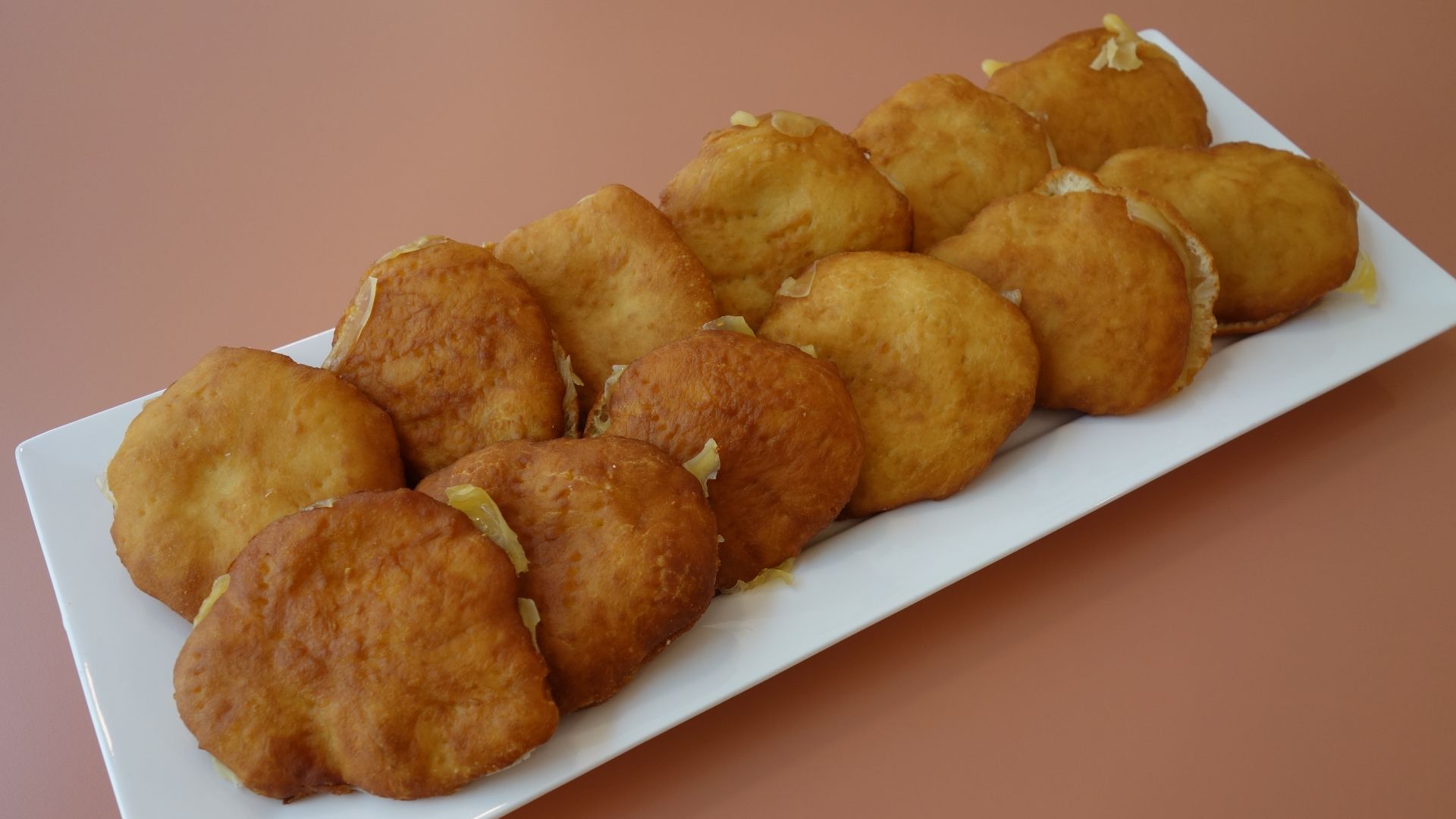
5. Johnnycake
Johnnycake, or hoecake, depending on the region, comes from cornmeal, water, and a hot griddle. It fed laborers, loggers, and families from colonial times onward because it was cheap, portable, and sturdy.
6. Poutine Râpée
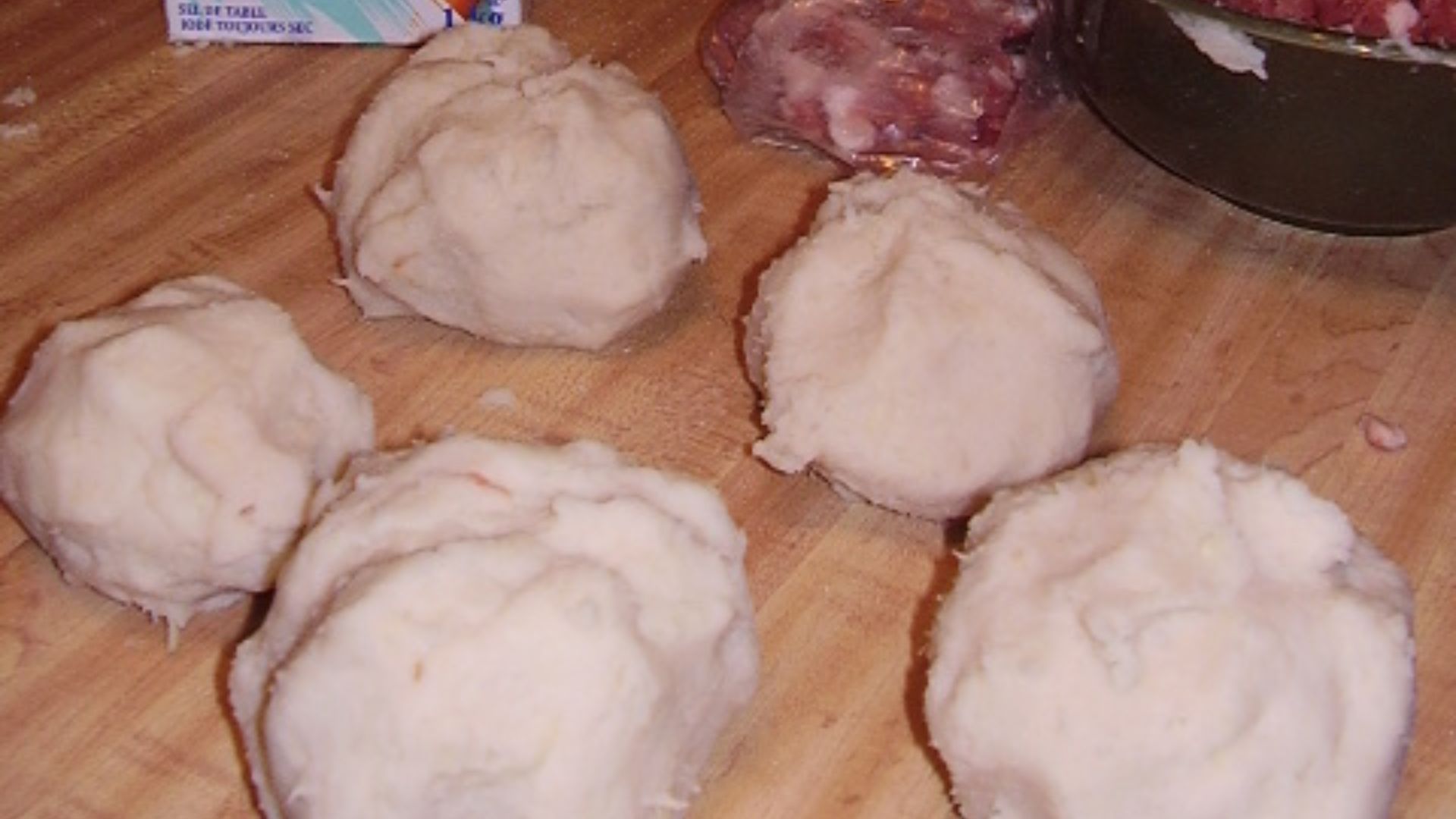
Poutine râpée is an Acadian potato dumpling stuffed with pork and simmered for hours, making it perfect for Canadian East Coast winters. It’s dense, hot, and full of carbs, just the way we like it.
7. Rappie Pie
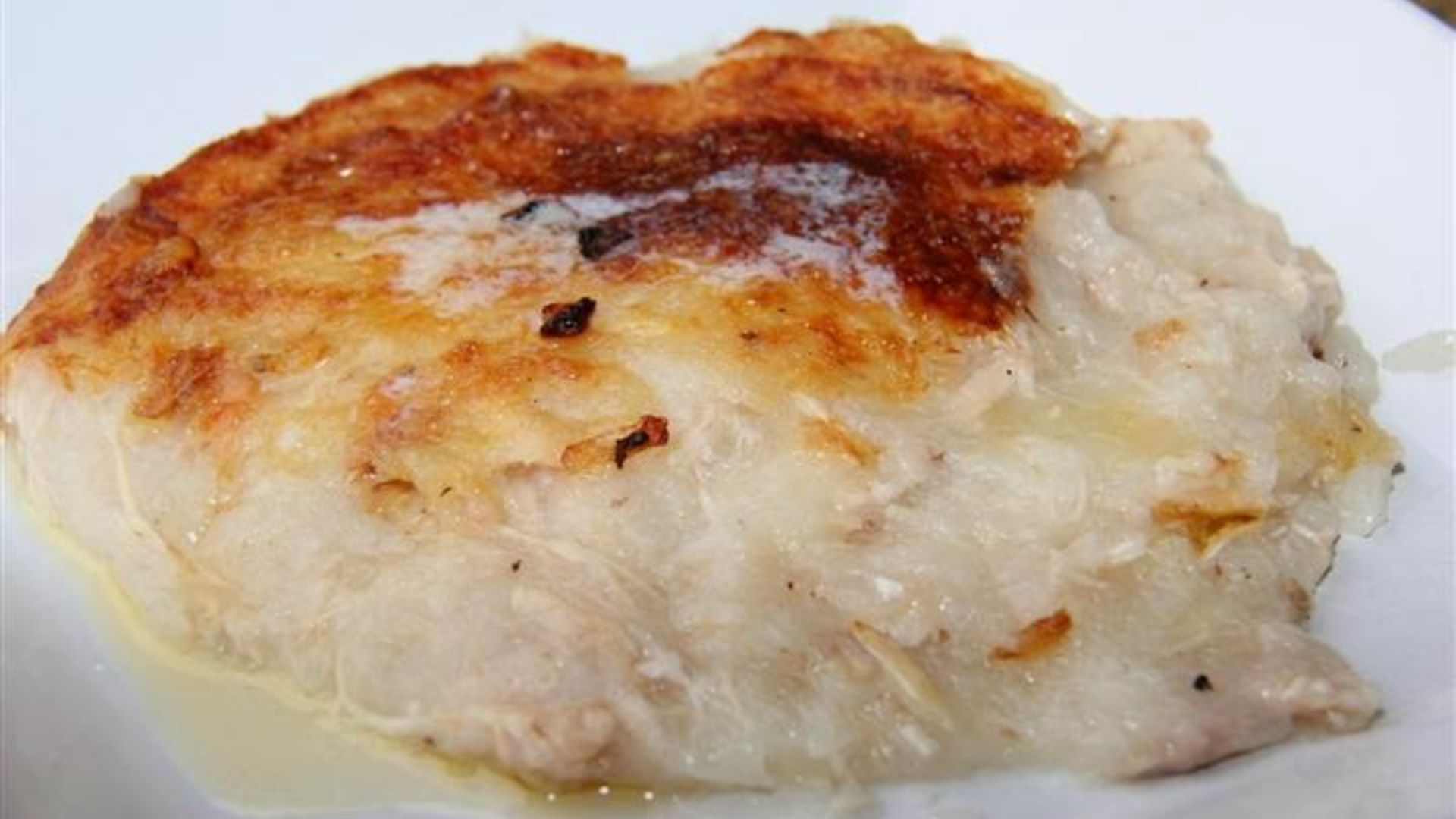
Rappie pie came out of Acadian communities in Nova Scotia, where grated potatoes, broth, and bits of meat got turned into a heavy baked dish that could feed a crowd. It's not delicate food. It’s the kind of winter supper that understands people are cold, tired, and not looking for small portions.
8. Bannock
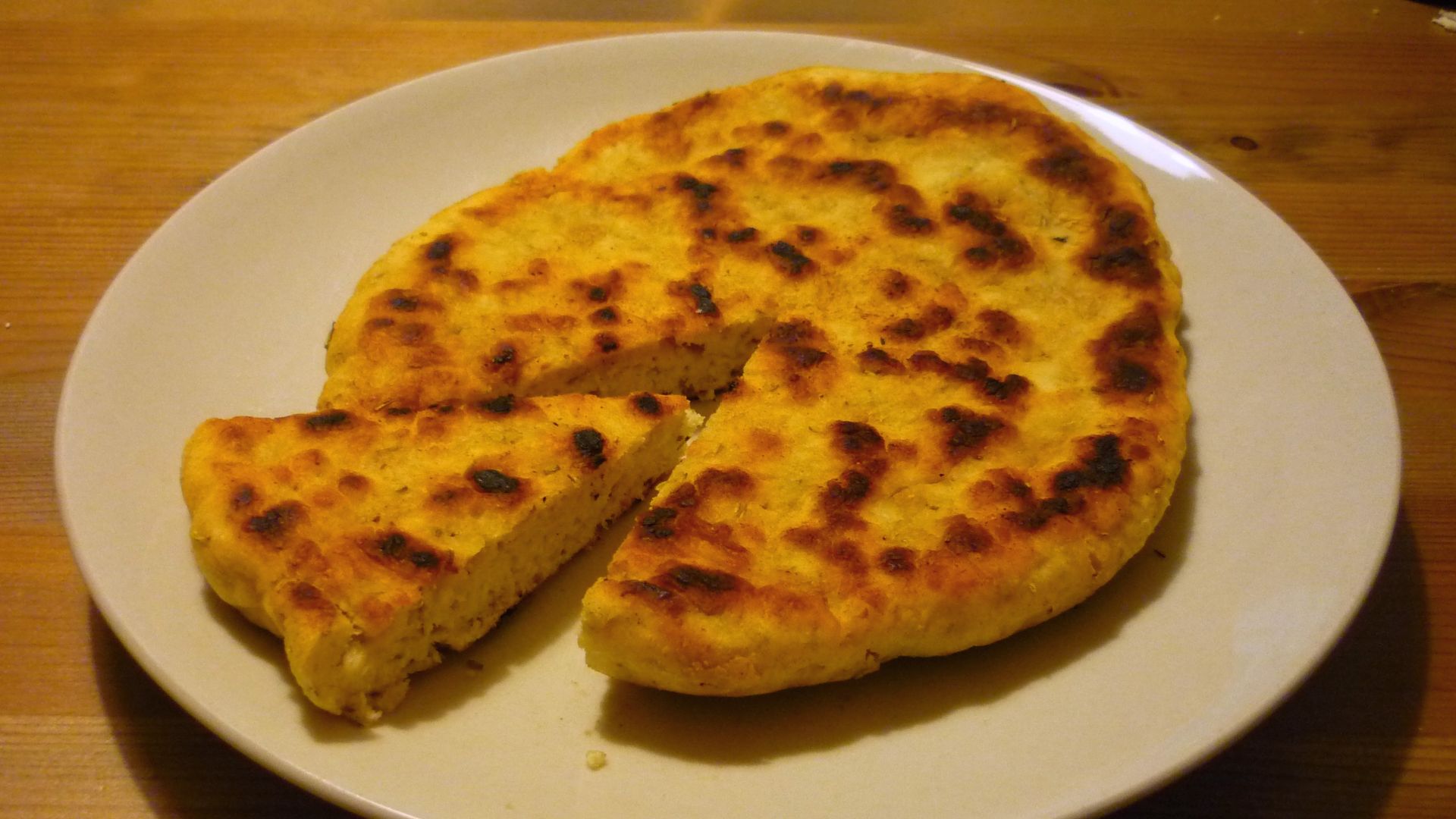
Bannock traveled through northern Canada as camp bread, trade bread, and everyday bread, shaped by Scottish influence and Indigenous cooking over generations.
Cooked in a pan, on a stick, or tucked into hot ash, this meal made sense in remote places because it was simple, portable, and dependable.
9. Smoked Arctic Char
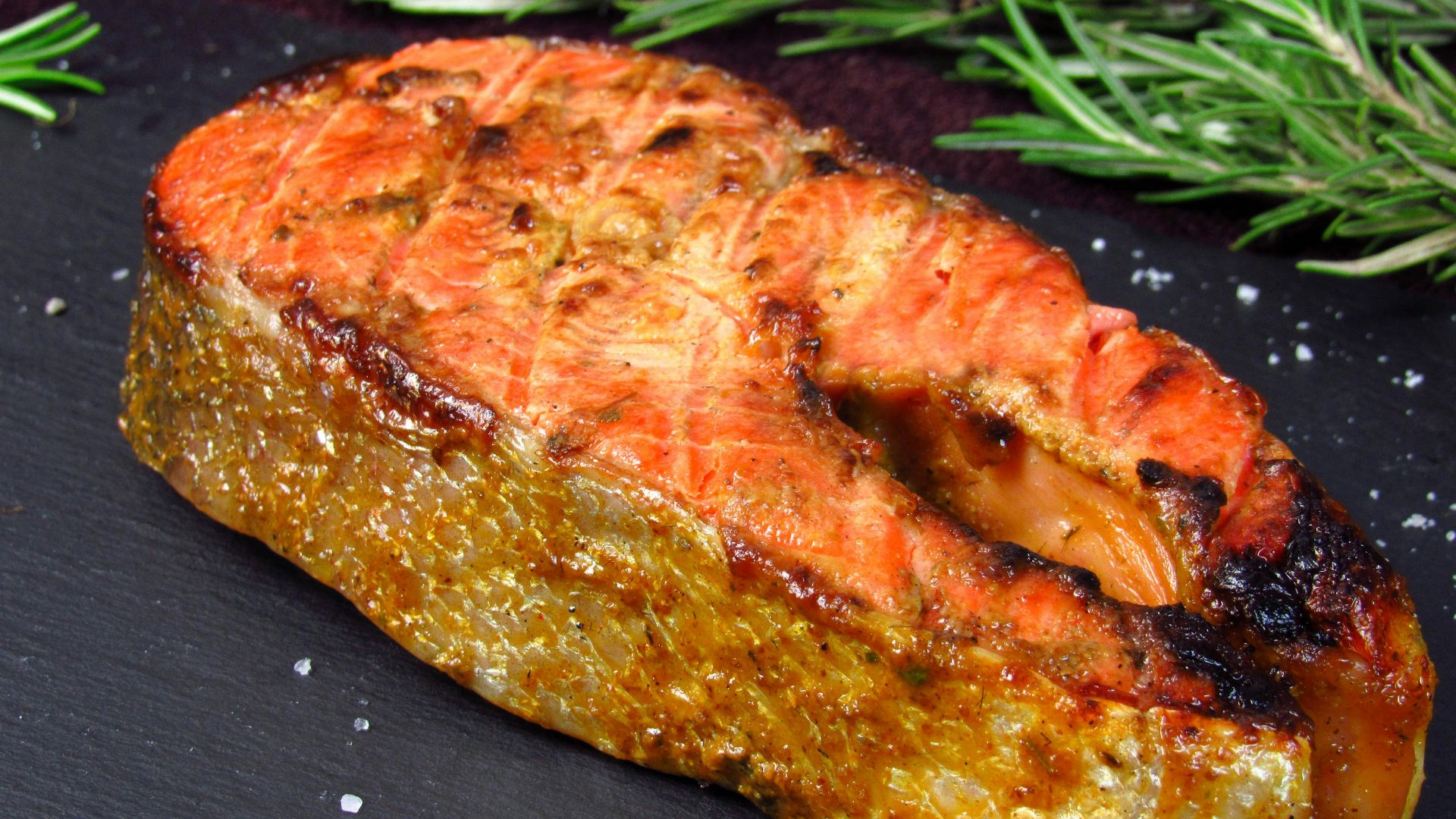
Smoked Arctic char comes from northern Indigenous food preservation. In places like the Northwest Territories, smoking char meant a catch from summer could still feed people when winter settled in.
10. Muktuk
Muktuk, made from whale skin and blubber, has long been central to Inuit foodways because it provides fat, nutrients, and vitamin C during the hardest stretch of Arctic winter. To outsiders, it can sound unfamiliar. In coastal northern communities, it was, and still is, a very practical food.
11. Smörgåsbord
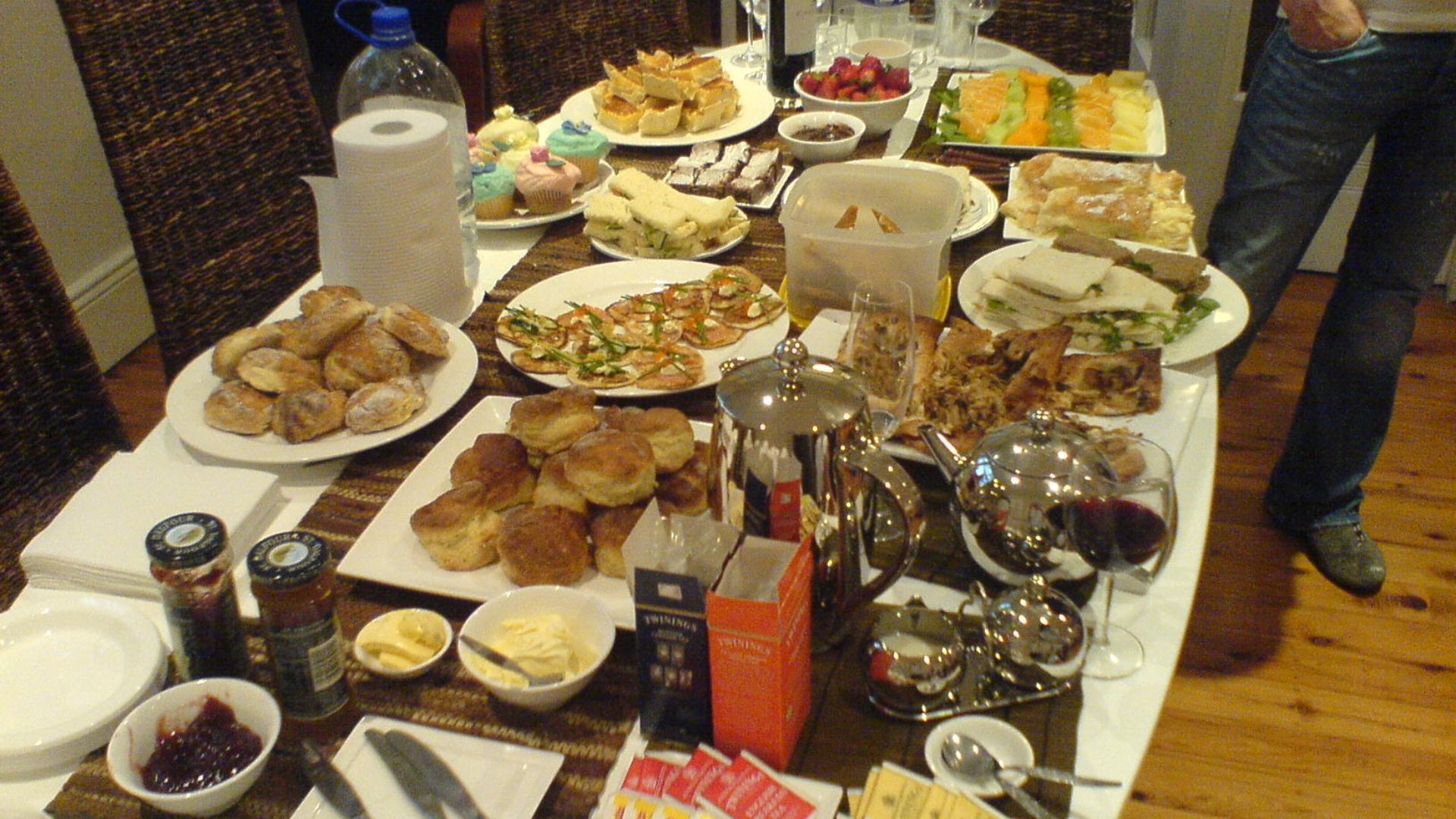
The Swedish smörgåsbord may read as festive now, though its roots are practical: pickled herring, cured meats, rye crispbread, and preserved foods that could carry people through long dark seasons. In Scandinavia, winter tables had to rely on what could be smoked, salted, or stored, and the smörgåsbord grew naturally out of that reality.
12. Lutefisk
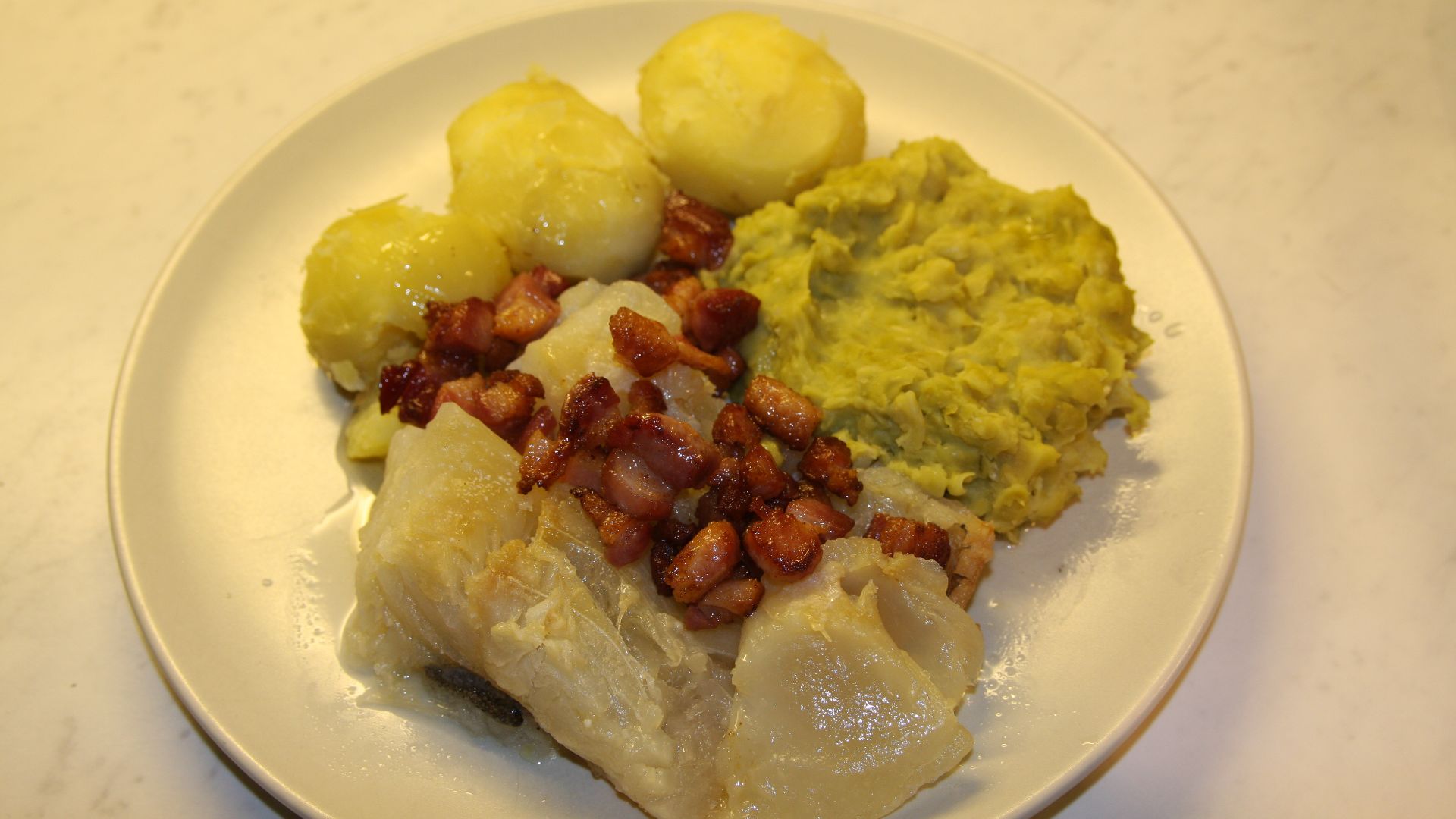
Lutefisk has a reputation, yes, and people still joke about it every winter in Minnesota and the Dakotas. Still, dried cod brought back to life through soaking had real value in Norway and Sweden because it kept when fresh fish could not.
Immigrant families carried that habit with them to the Upper Midwest.
 Jarvin Jarle Vines on Wikimedia
13. Pickled Herring
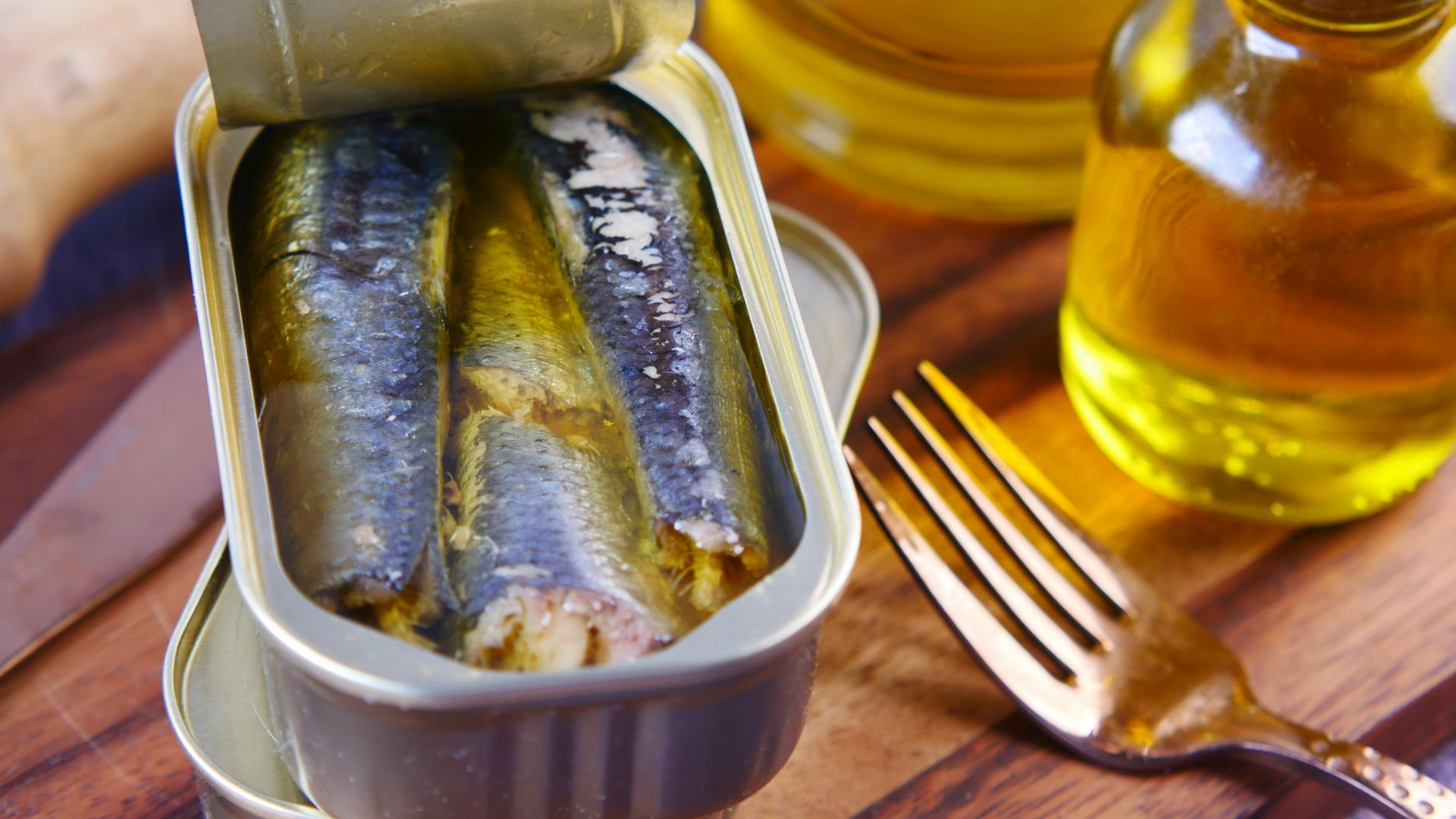
Pickled herring comes from the Baltic and across Scandinavia, where the titular fish was plentiful. It gave people protein, salt, and something sharp enough to wake up a groggy winter table.
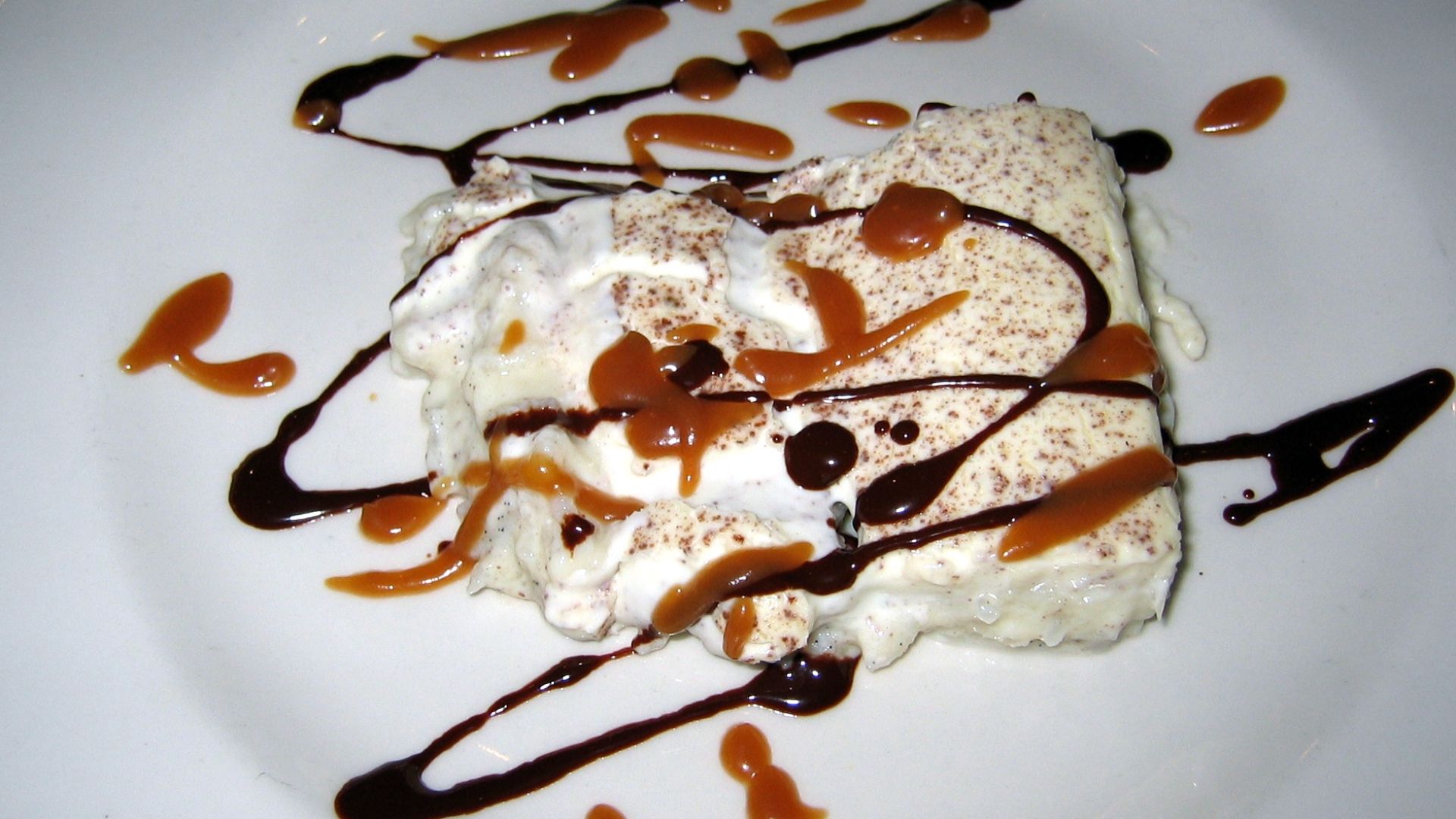
14. Risgrynsgröt
Risgrynsgröt, the Swedish Christmas rice porridge, is a soft and comforting winter meal. Rice, milk, and a little sweetness could turn into something warm and reassuring, and in leaner times, that kind of bowl meant more than it probably gets credit for now.
 Ryosuke Hosoi from Sunnyvale, US on Wikimedia
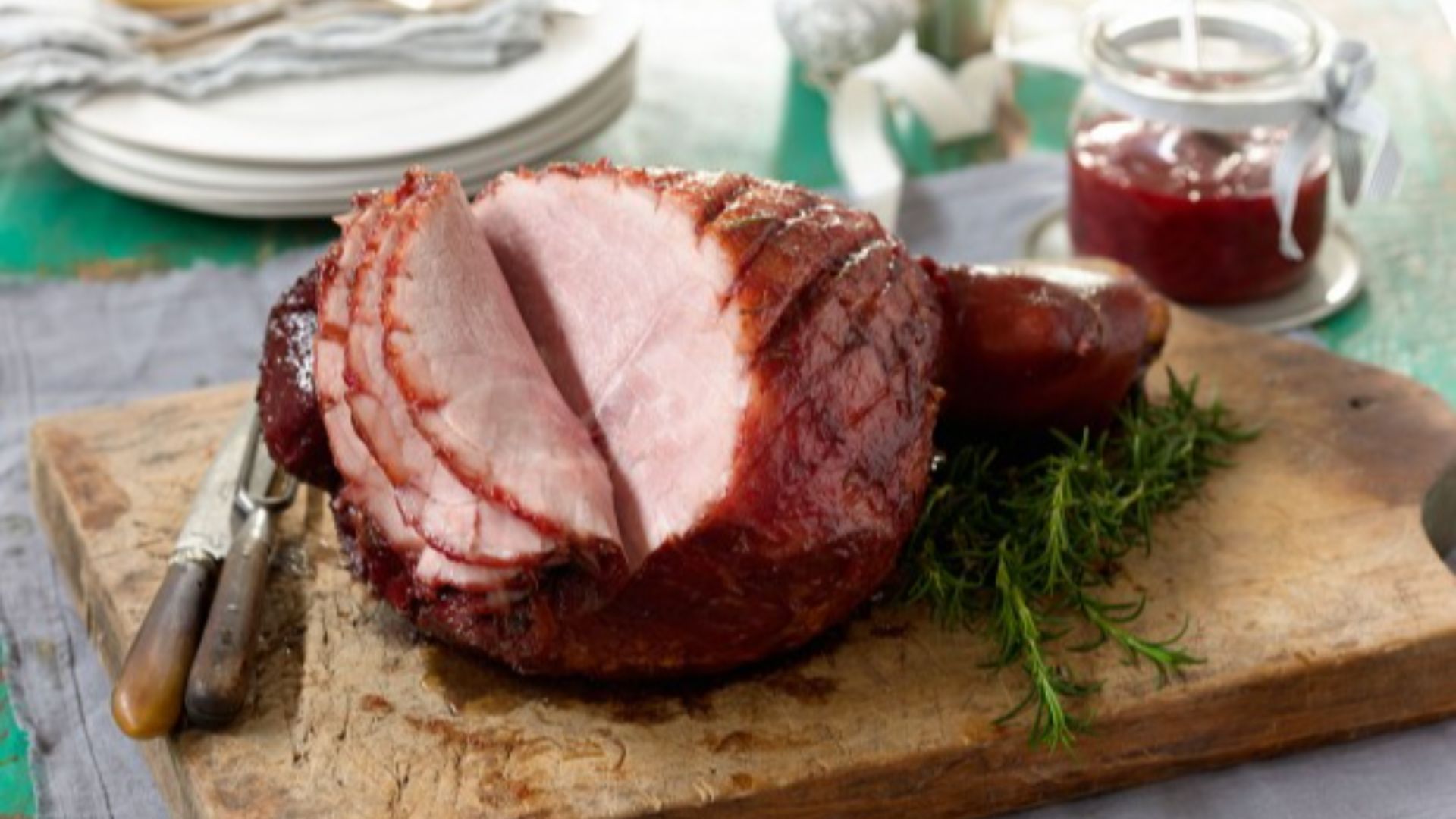
15. Julskinka
Julskinka, the Swedish Christmas ham, comes out of old preservation habits as much as holiday customs. A cured pork leg that could be stored, cooked, and served at midwinter gave families something generous to gather around when the season was harsh.
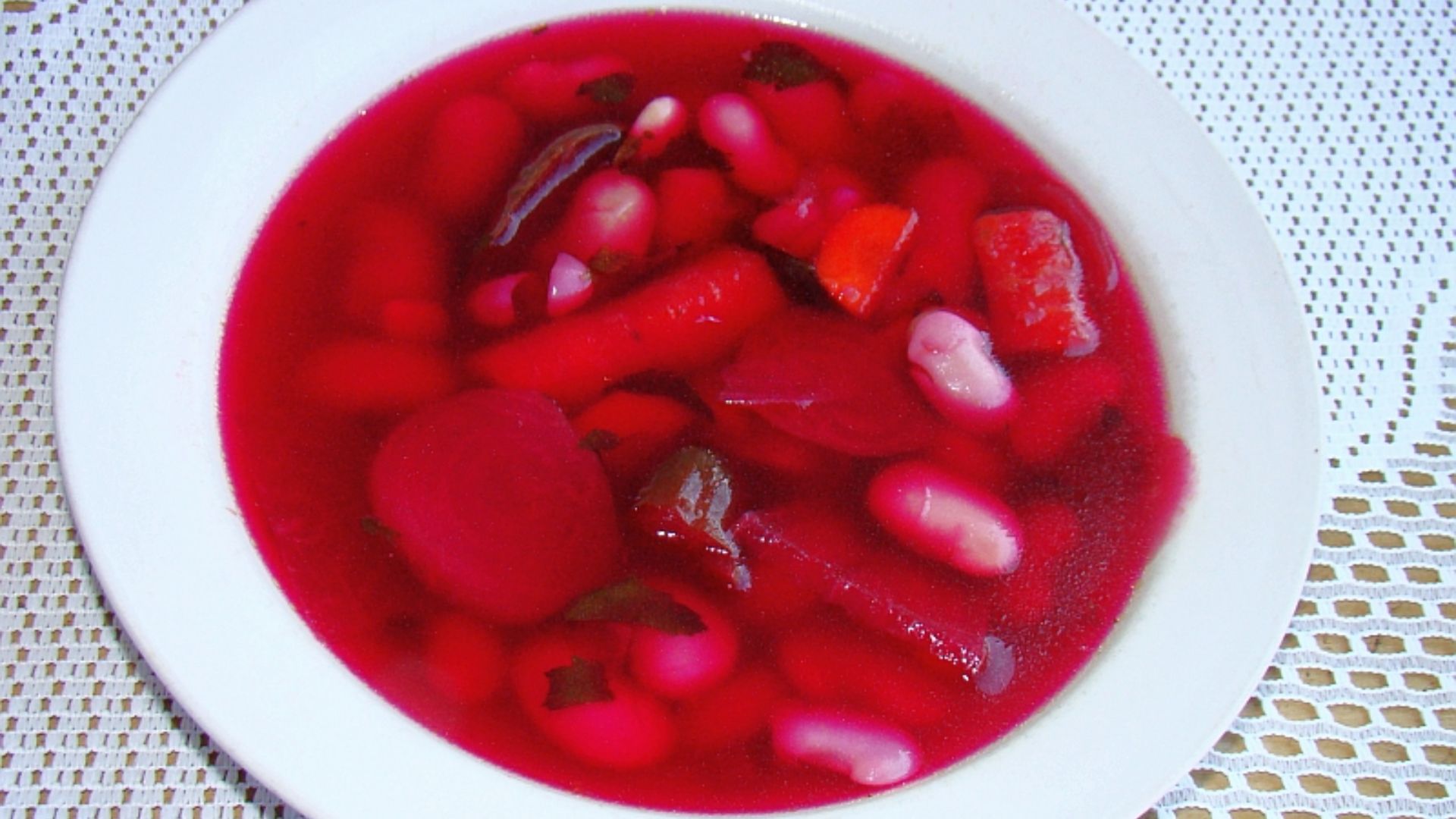
16. Borscht
Borscht carried people through Russian and Ukrainian winters because beets, cabbage, potatoes, and bones were foods that could hold on. In colder rural regions, a pot of borscht on the stove meant warmth, color, and one reliable thing in the middle of a very long season.
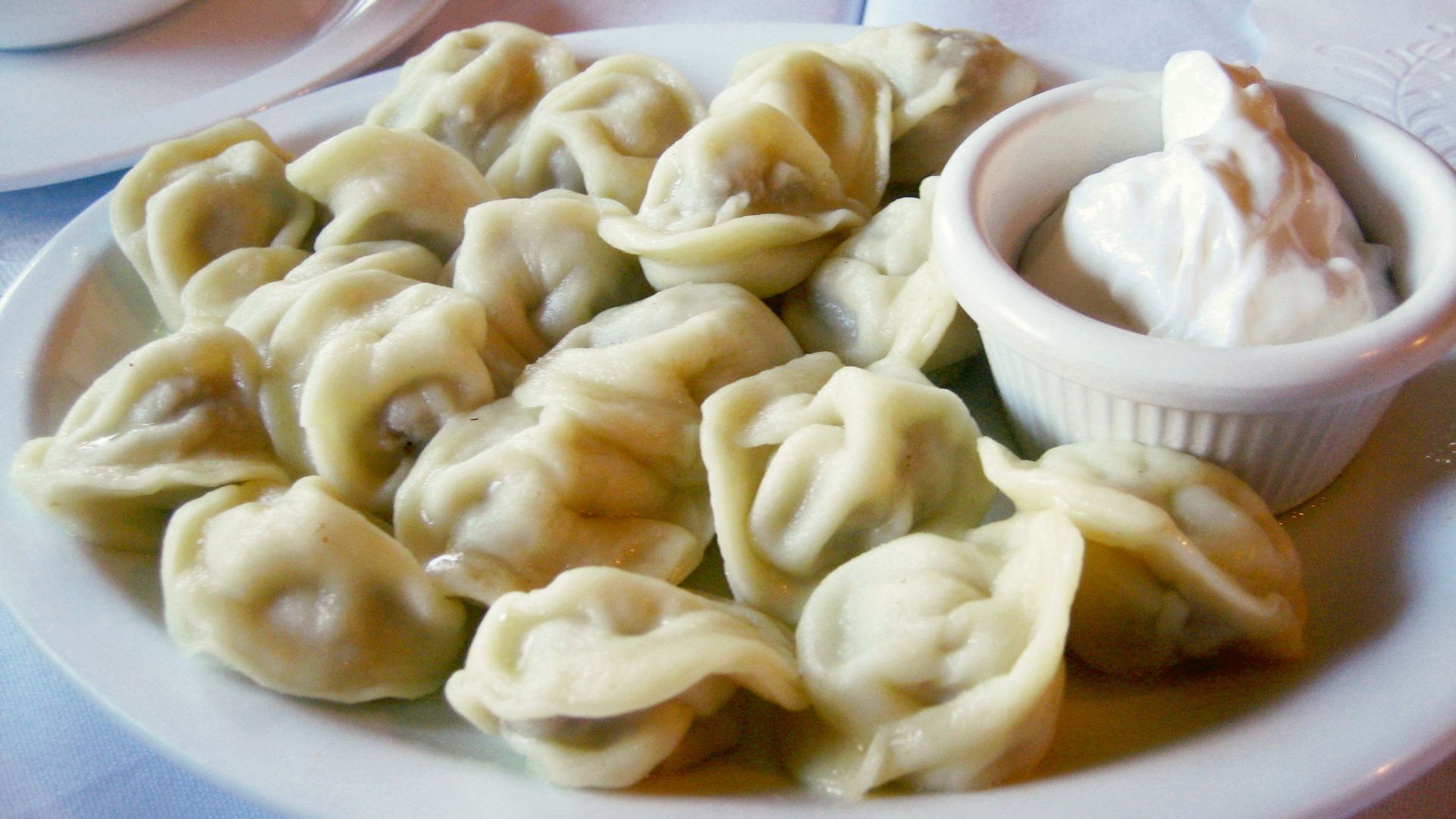
17. Pelmeni
Pelmeni were made for Siberian life, plain and simple. Families could fill dumplings with pork, mushrooms, or mixed meat, freeze them outside on the porch, then boil up a batch whenever the family came in from the cold.
 Eugene Kim @ Flickr on Wikimedia
18. Kasha
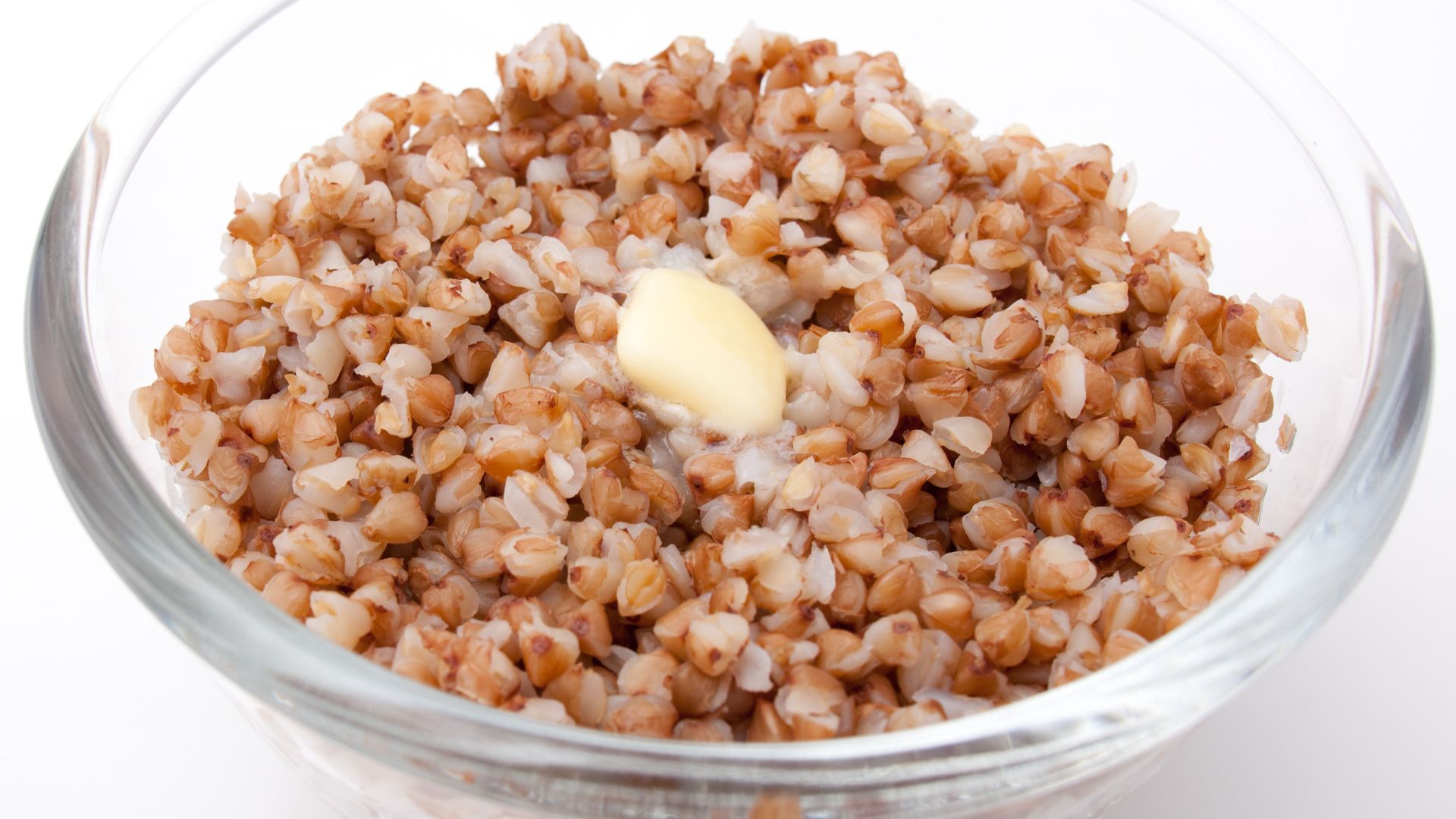
Kasha, or buckwheat porridge with butter, was prominent across northern communities. Across Russia and Eastern Europe, it was humble, filling, and steady, which is exactly what winter food needed to be.
19. Shchi
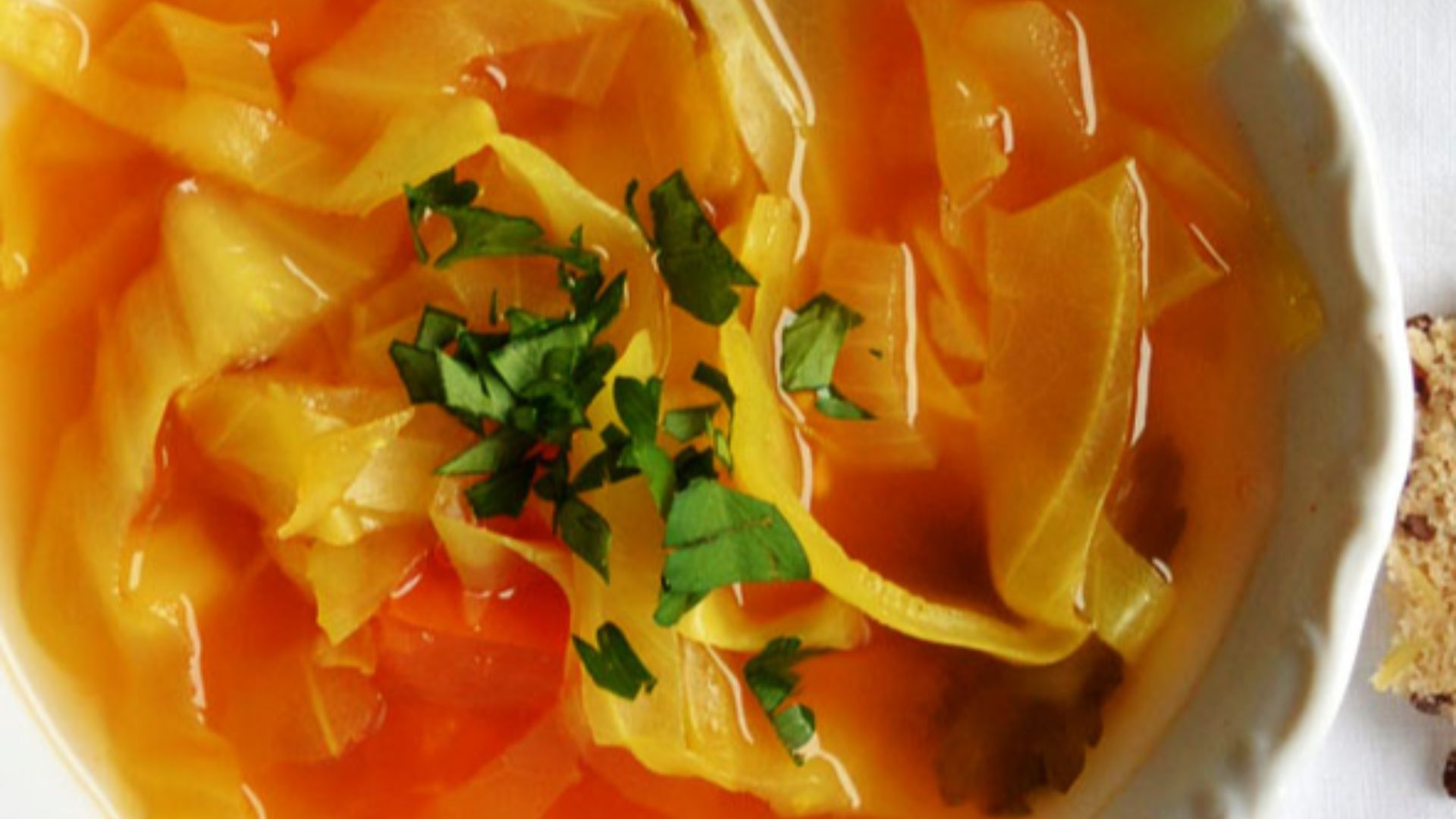
Shchi, the old Russian cabbage soup, lasted because cabbage lasted. Fresh or fermented, simmered with broth and whatever scraps of meat or rye starter were around, it gave households a sour, hearty soup that could keep going through months of cold.
20. Blini With Tvorog
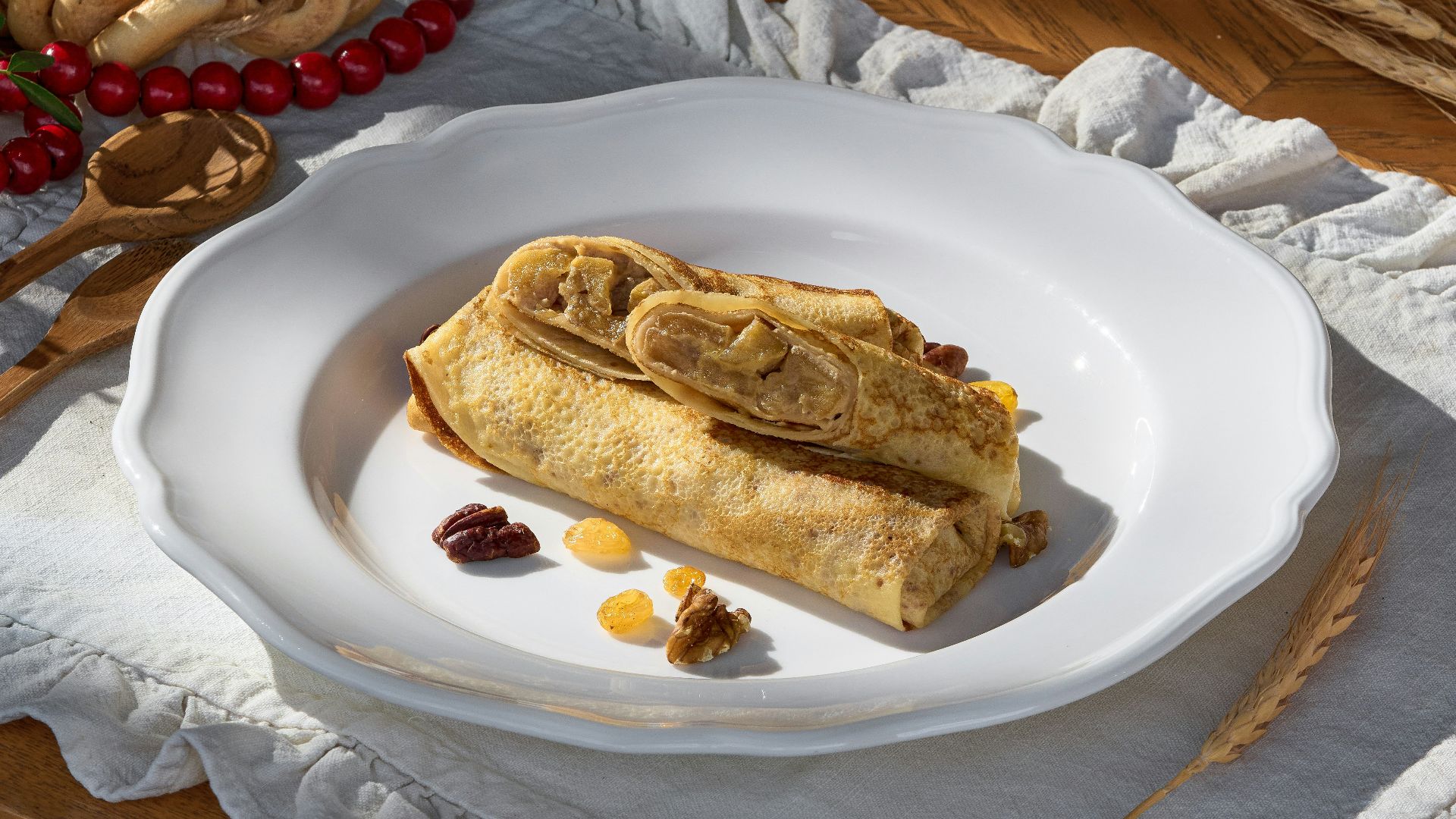
Blini with tvorog and preserves brought warmth and richness to Russian winter tables long before anyone tried to make them look refined. Buckwheat pancakes, farmer’s cheese, and a little jam or sour cream were practical, filling, and just comforting enough to make bleak weather feel a bit less heavy.
KEEP ON READING

The Most Popular Signature Dishes Around the World