What to Eat for Good Luck
Across cultures, food has long been tied to luck, prosperity, health, and fresh beginnings, especially around holidays, major life milestones, and when midnight strikes at the turn of the new year. From black-eyed peas to tteokguk, a traditional Korean rice cake soup, many of these dishes are thought to represent abundance, wealth, longevity, happiness, or prosperity in the year ahead. Whether you treat these customs as meaningful rituals or simply enjoy the stories behind them, adding a few lucky foods to your table might just bring some good fortune.
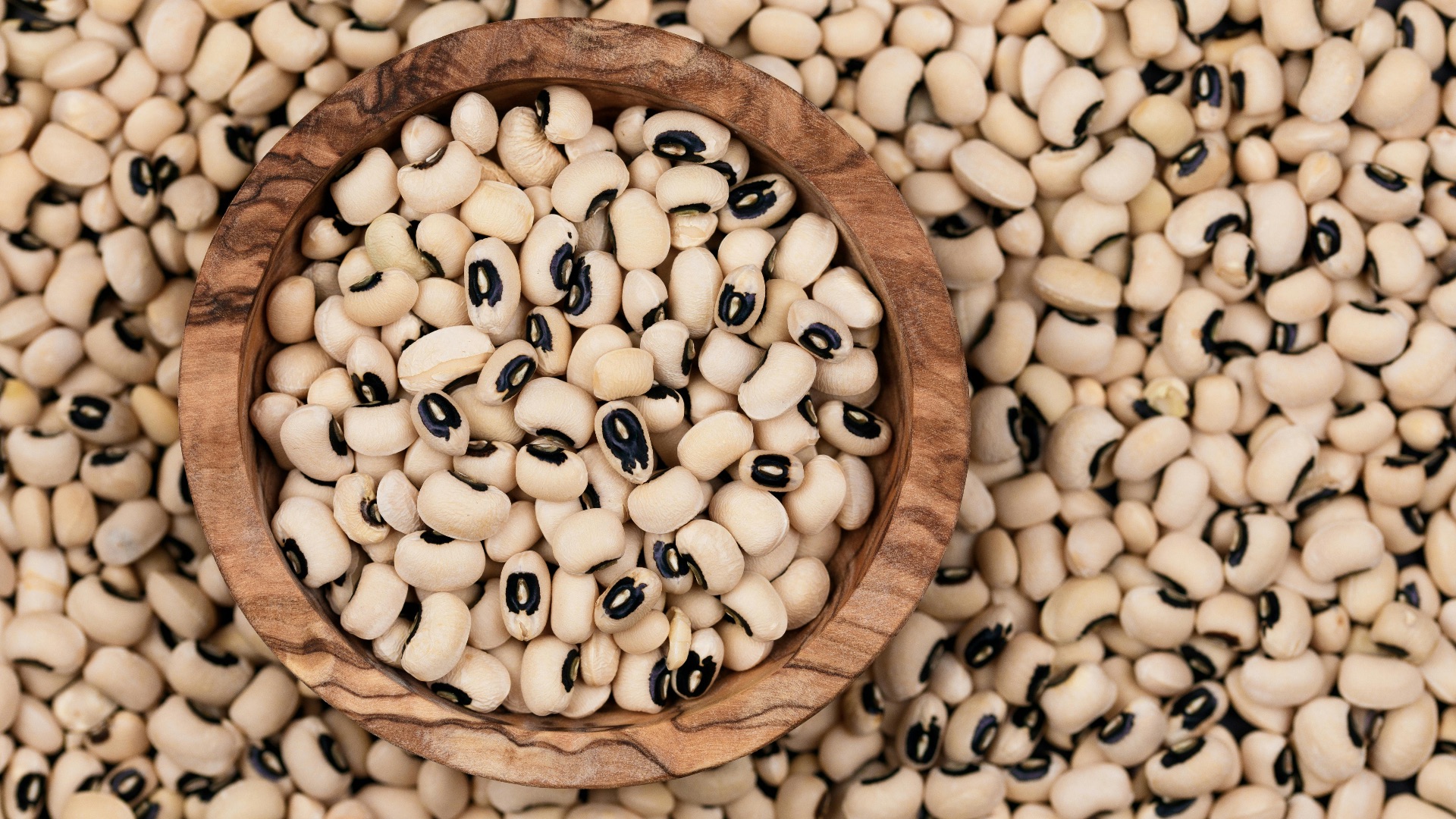
1. Black-Eyed Peas
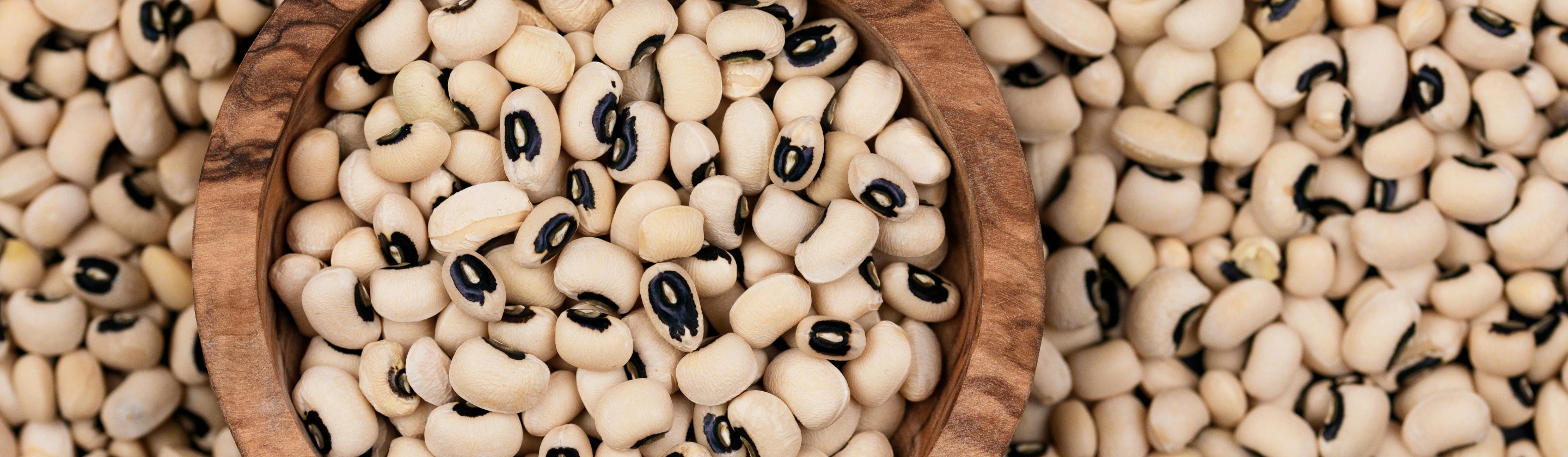
Black-eyed peas are widely associated with prosperity, especially in the Southern U.S., where they're often eaten on New Year’s Day. Their small size and abundance have made them a symbol of financial luck and steady resources for the months ahead. If you want a traditional meal with a strong sense of history behind it, this is one of the most recognized lucky foods you can choose.
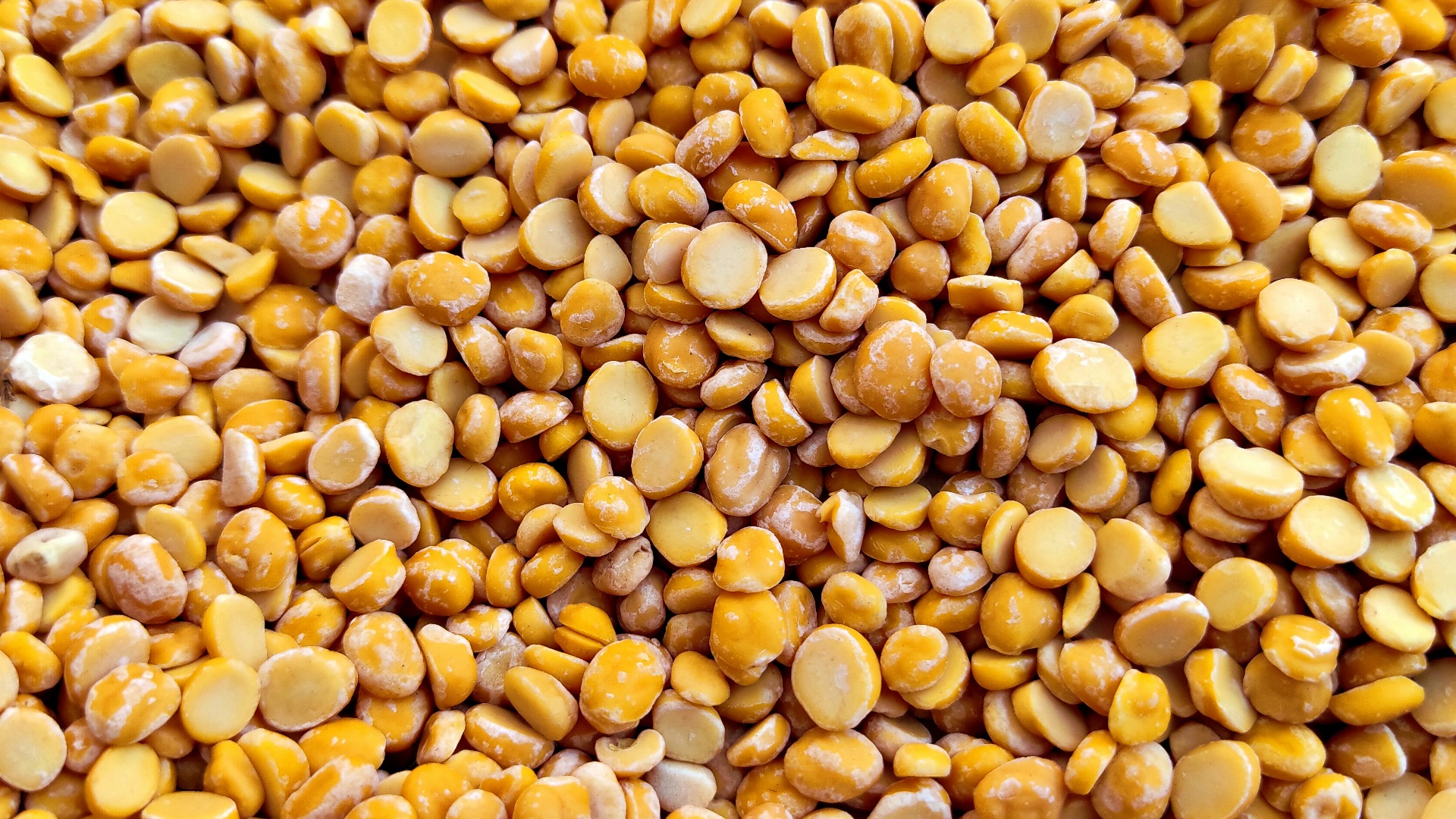
2. Lentils
Lentils are considered lucky in Italy and Brazil because their coin-like shape suggests money and success. They're also practical, filling, and easy to serve in soups, stews, and side dishes, which adds to their reputation as a food of comfort and security. During the New Year, they're often served with meat or rice to symbolize abundance.
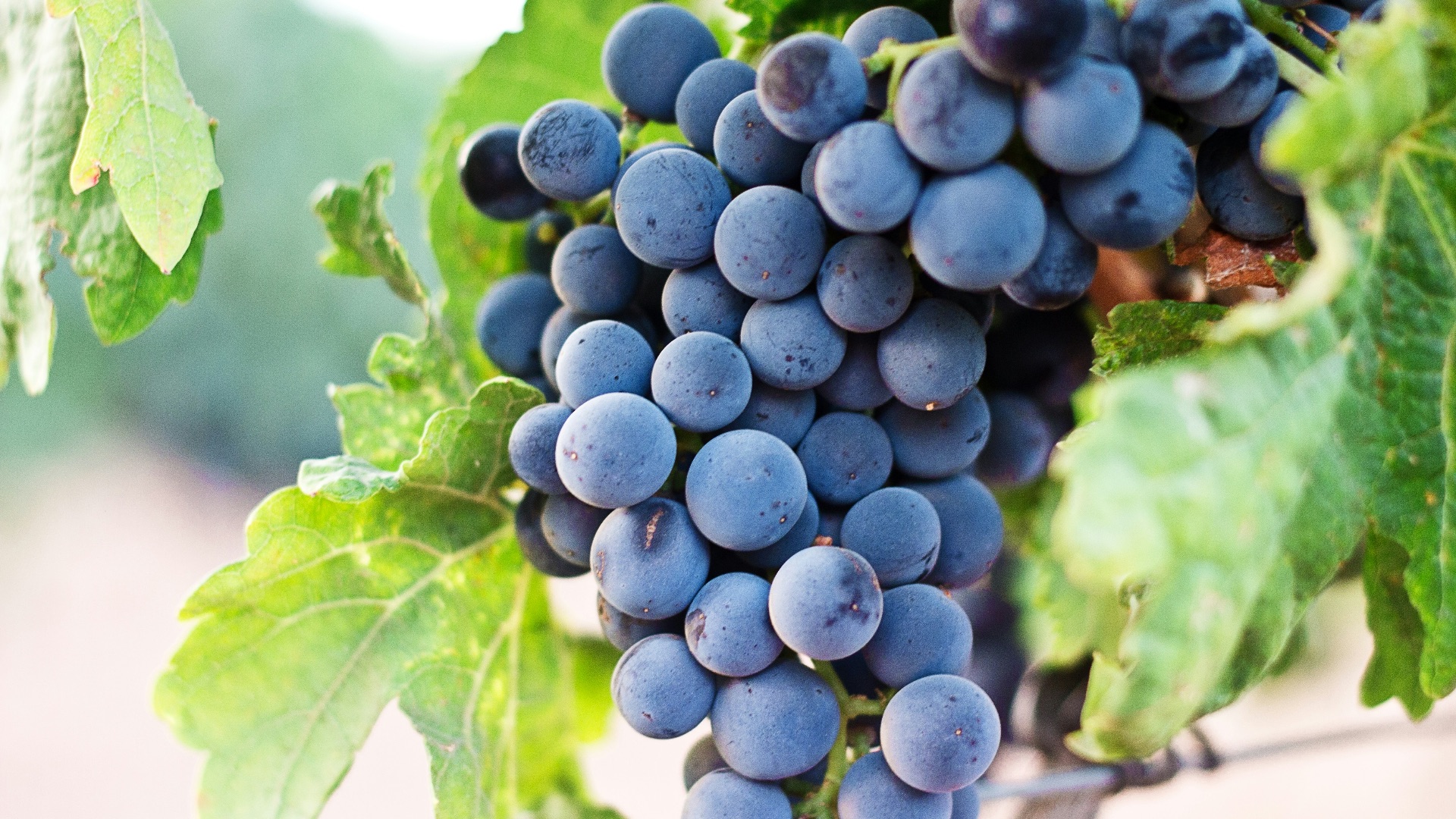
3. Grapes
In Spain and several Latin American countries, eating grapes at the turn of the new year is believed to bring luck for each month ahead. The custom often involves eating 12 grapes during each chime of the clock at midnight, with each one representing a different month and a fresh chance for good outcomes.
 Nacho Domínguez Argenta on Unsplash
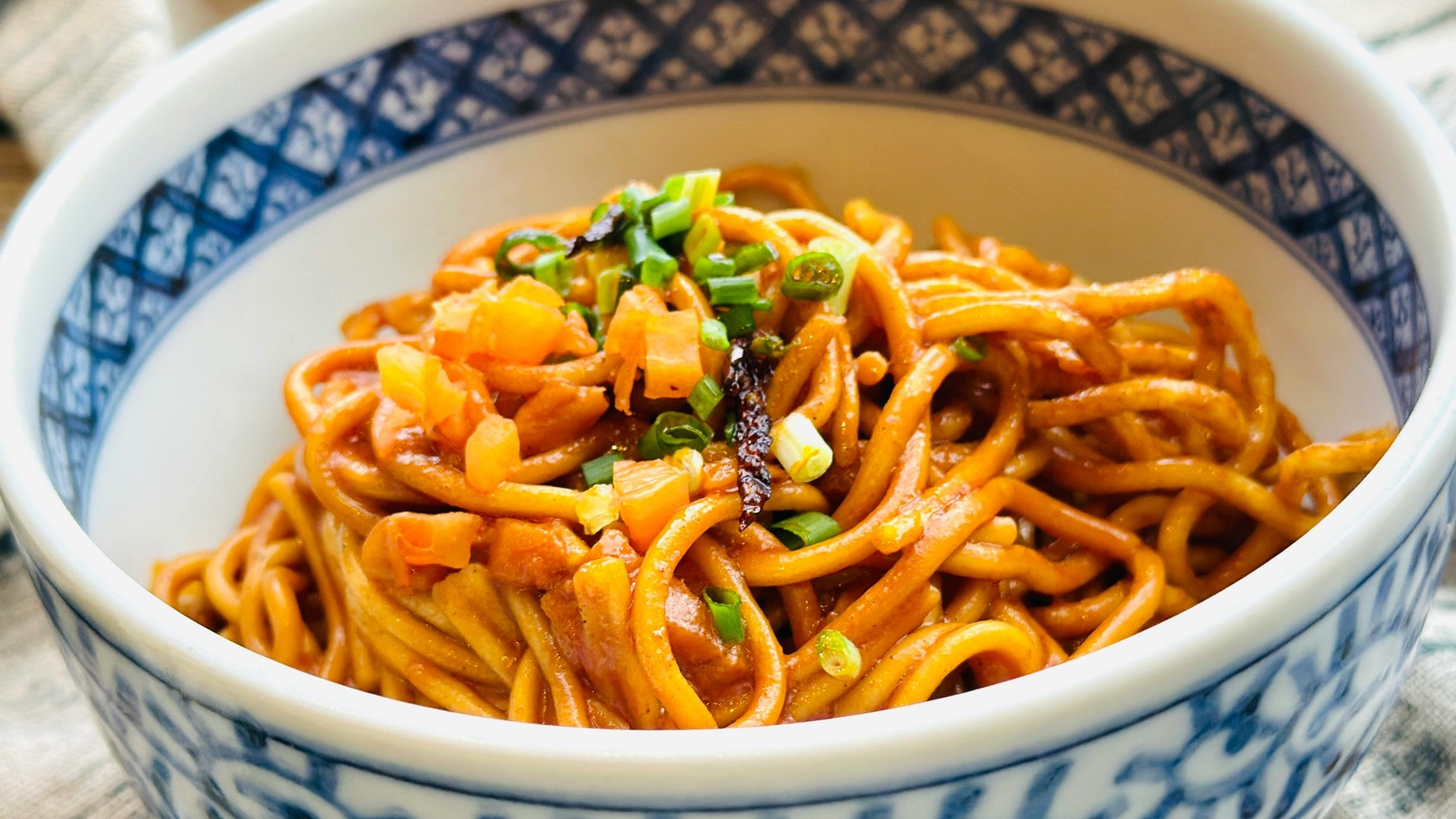
4. Longevity Noodles
Yi mein, or longevity noodles, are commonly associated with living a long life in several Asian culinary traditions, particularly in Chinese celebrations and birthday meals. Because of that association, they're often served whole and slurped up carefully so the symbolic meaning remains intact.
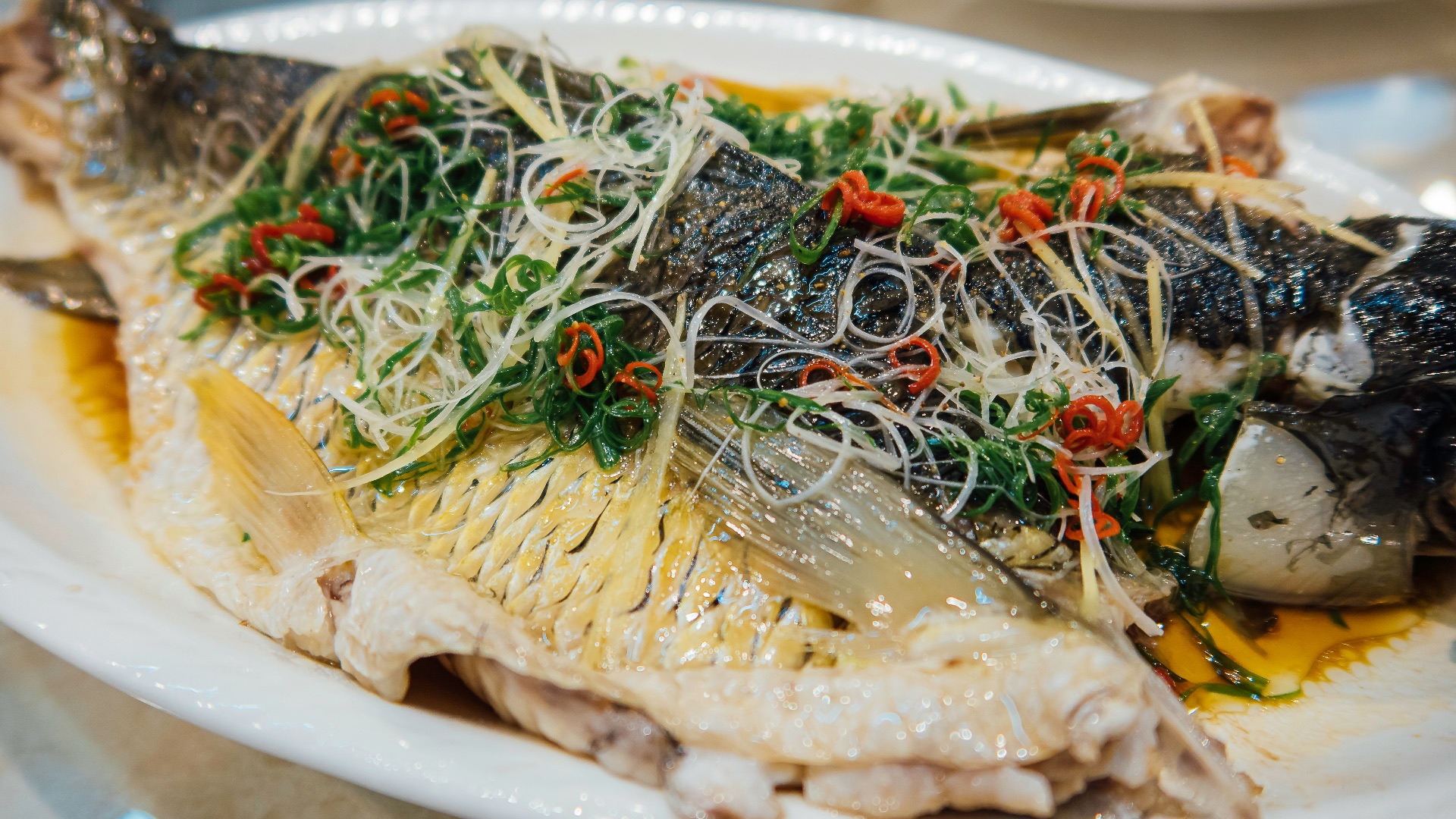
5. Fish
Fish is often seen as lucky because it symbolizes abundance, wealth, and progress in many cultures, such as in Chinese culture, where serving a whole fish is especially meaningful. After all, it represents completeness and good fortune. A fish dish can also feel especially fitting when you want a meal that suggests forward momentum.
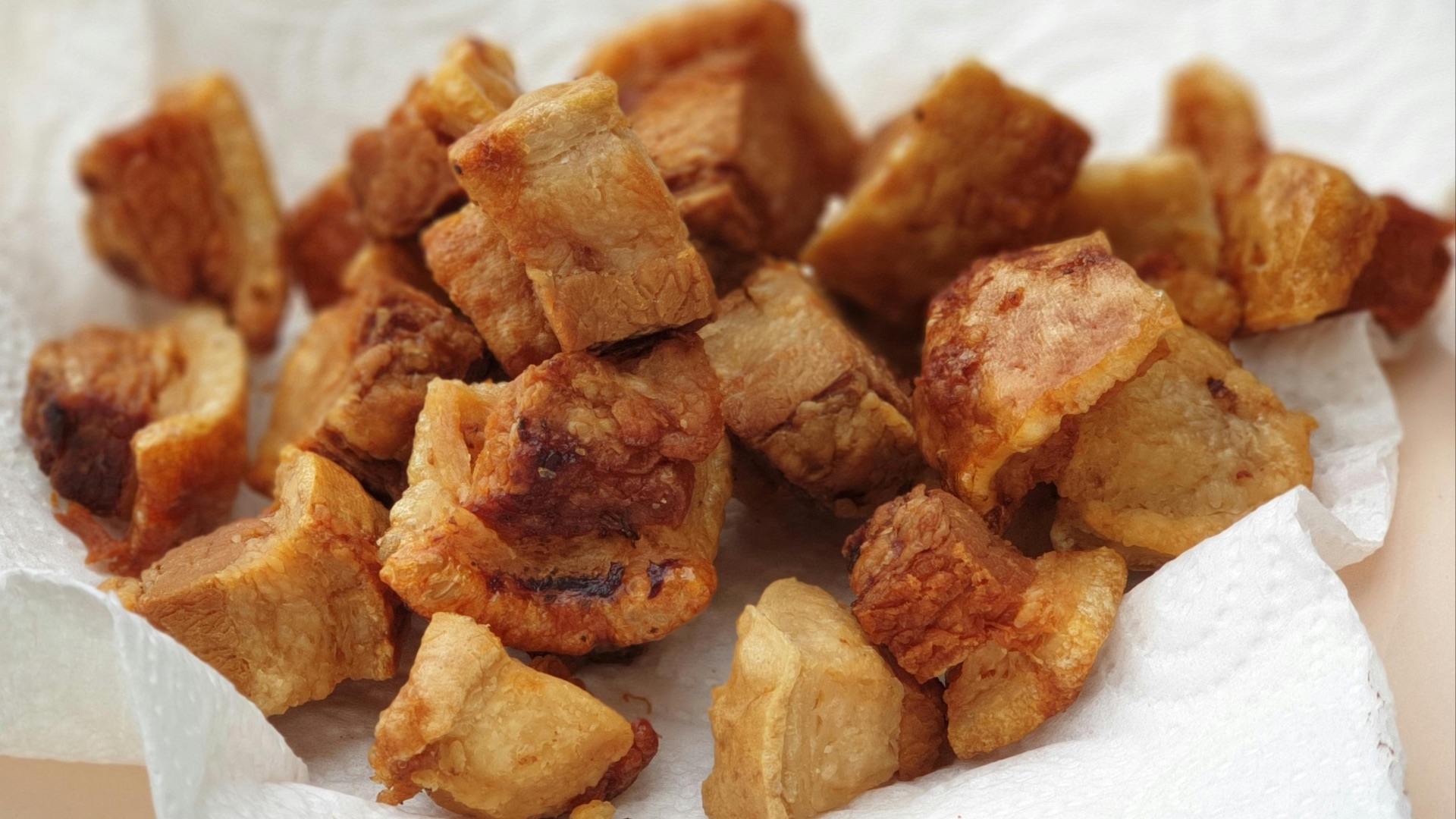
6. Pork
Pork is associated with prosperity in several European (in particular, German and Eastern European) and American traditions because pigs root forward when they eat, which has come to represent progress. The richness of pork has also helped connect it with abundance, celebration, and the hope of never going without. For many families, serving pork on a special occasion means moving ahead with strength.
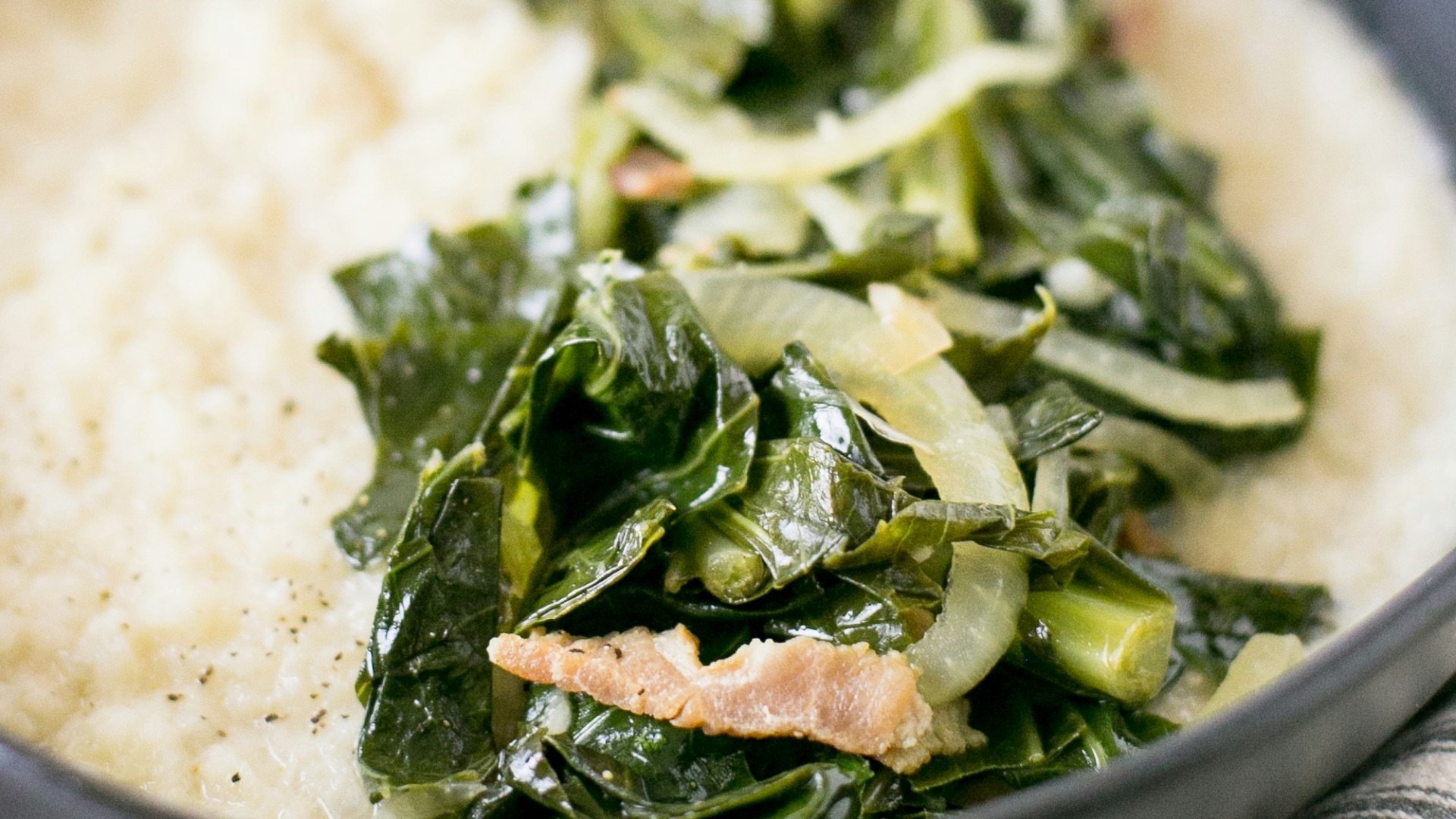
7. Greens
Collard greens, cabbage, mustard greens, and similar leafy vegetables are often associated with money because their folded leaves resemble paper currency. In Southern U.S. food traditions especially, a generous serving of greens is thought to encourage financial good fortune in the coming year.
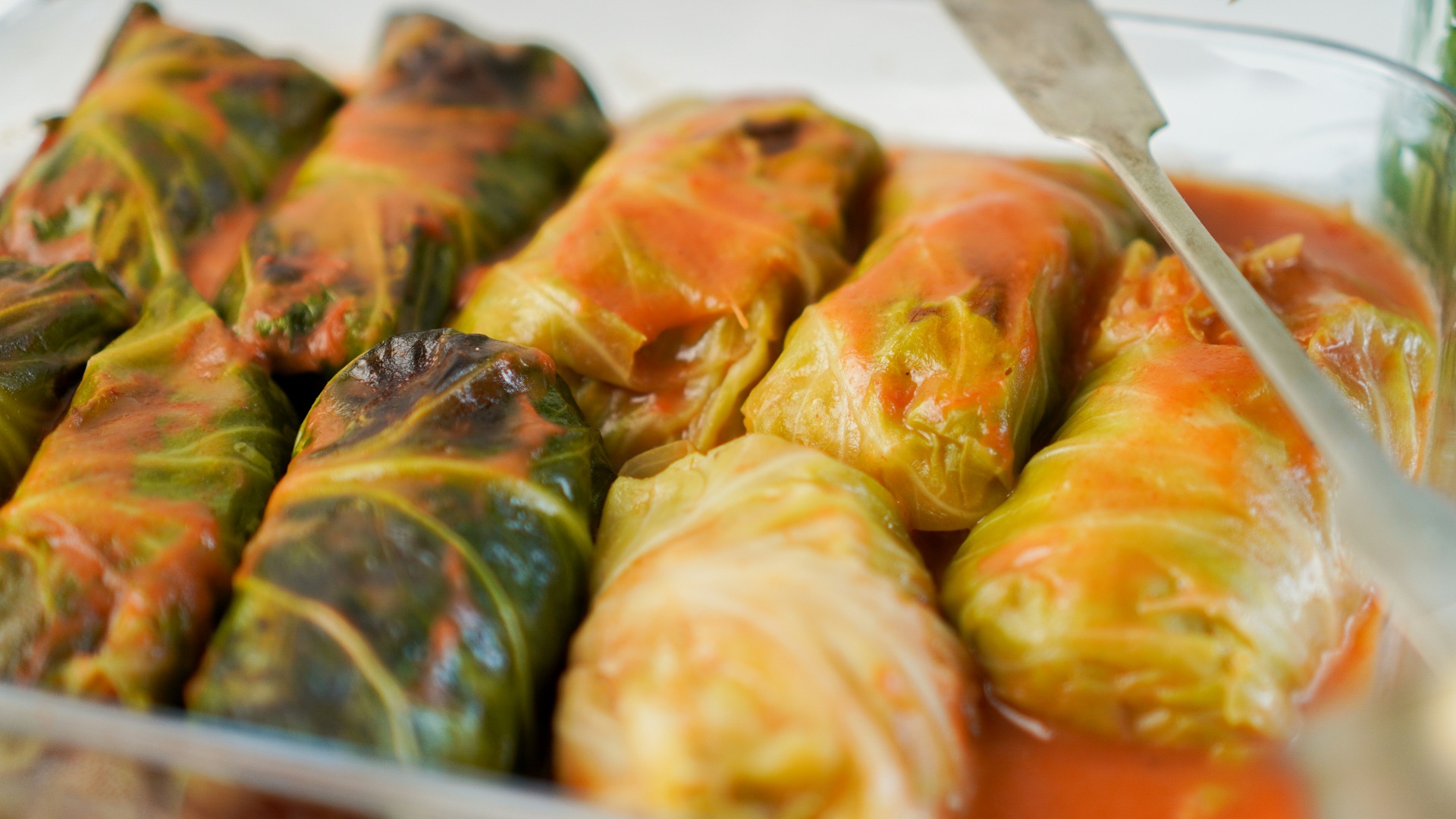
8. Cabbage
Cabbage carries a luck-related meaning in parts of Europe and the United States because its dense layers and green color are linked to money and abundance. It's also a food that stores well and stretches across many meals, which reinforces its reputation as a symbol of security. It's often enjoyed as cabbage rolls or sauerkraut.
 Karolina Kołodziejczak on Unsplash
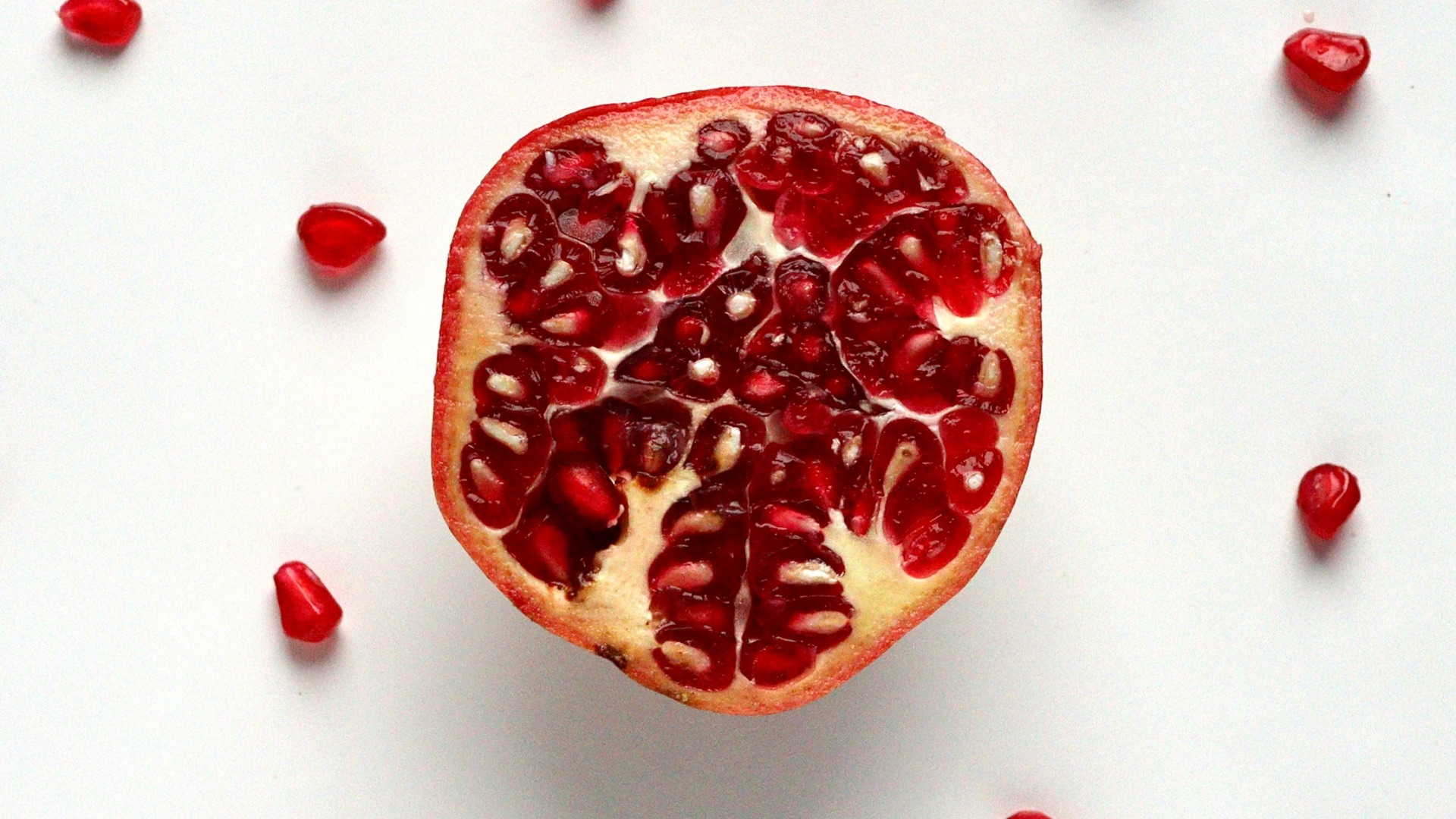
9. Pomegranates
Pomegranates have long been connected to fertility, rebirth, abundance, and prosperity because of their many seeds. In Mediterranean and Middle Eastern traditions, that richness has made them a meaningful food for celebrations centered on renewal and blessing. Bringing pomegranate to the table can feel especially appropriate when you're marking a new beginning and want the meal to reflect that sense of hope.
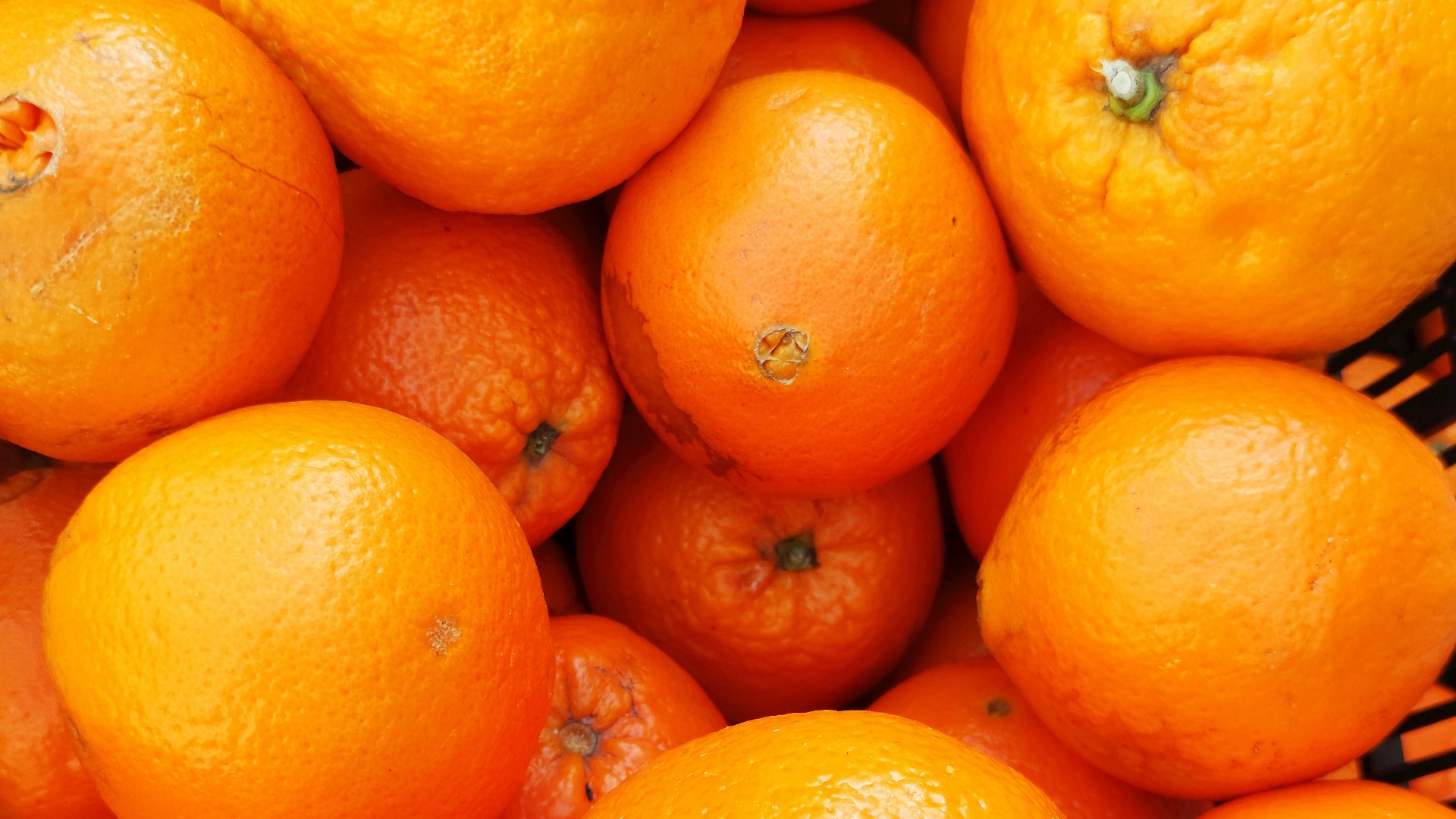
10. Oranges
Oranges are often given and displayed during the Lunar New Year because their bright color is associated with gold, wealth, and success. Their round shape and vibrant appearance make them especially suitable for festive tables where prosperity is part of the celebration.
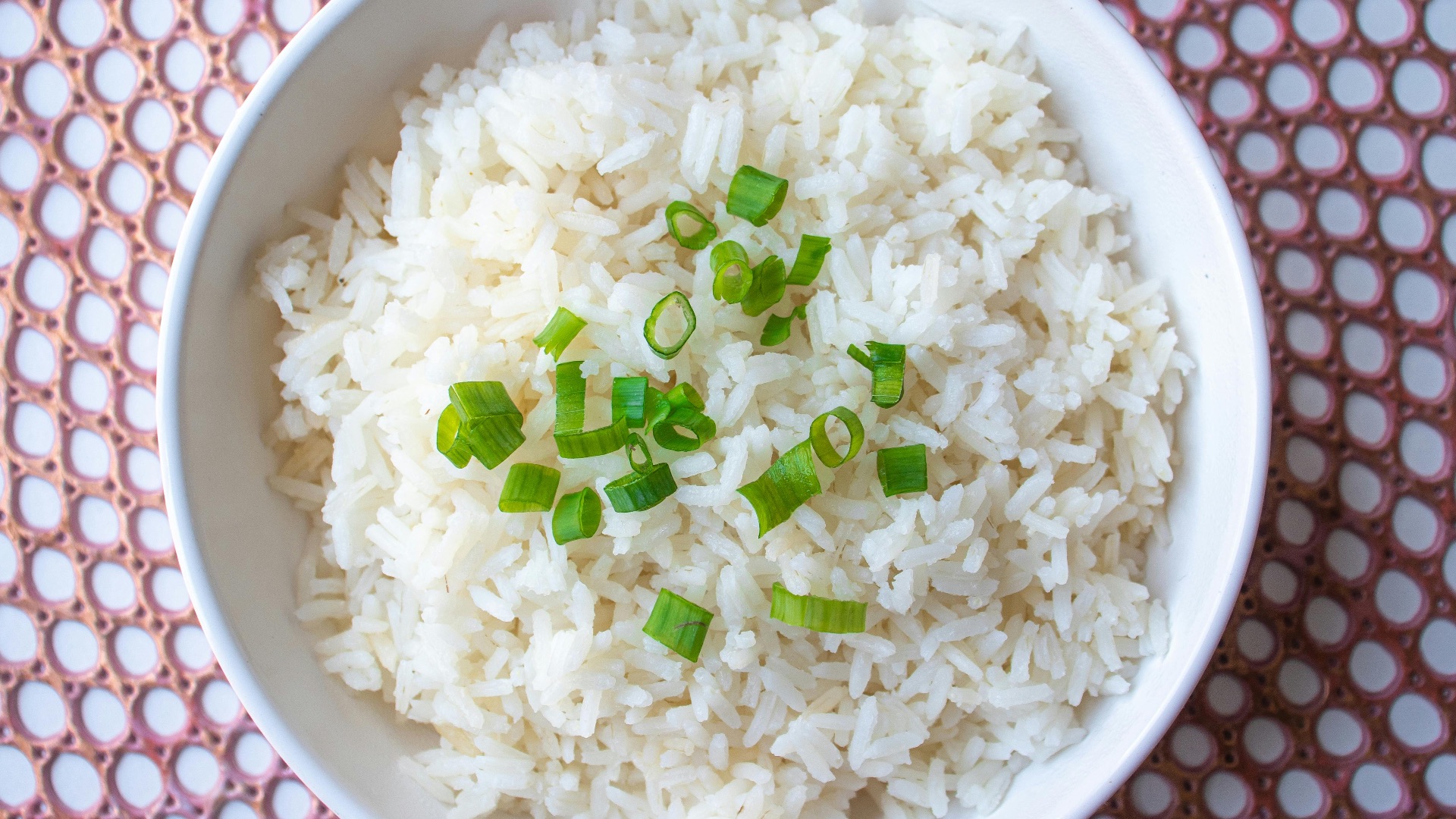
11. Rice
Rice is a classic symbol of abundance and has long been associated with sustenance and stability. Across Asia and beyond, it often appears at important gatherings where prosperity and family well-being are central themes. Its meaning is simple but powerful, since a full bowl of rice has long represented security and a life with enough.
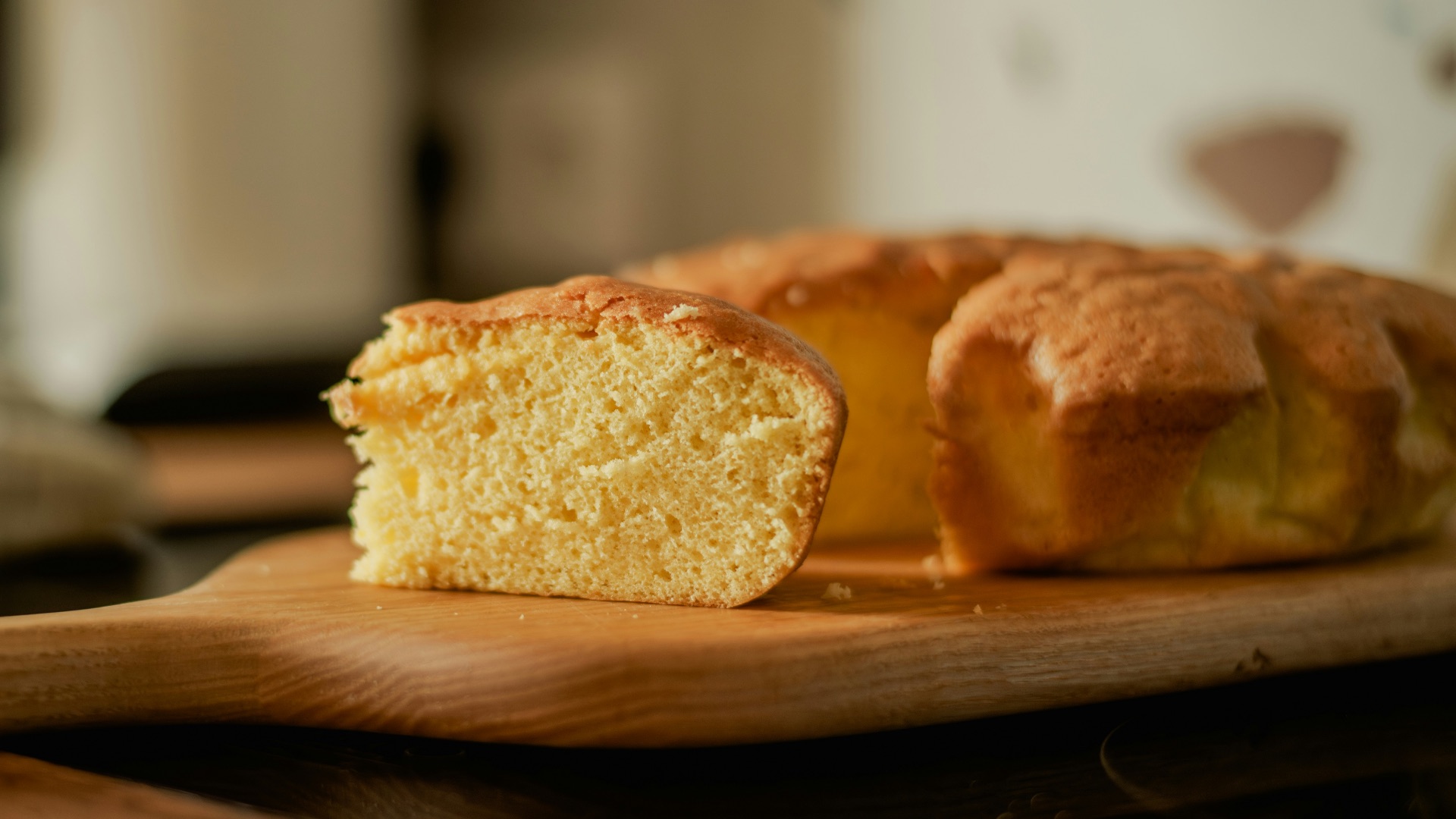
12. Cornbread
Cornbread is often included in Southern U.S. lucky meals because its golden color suggests wealth. It also reflects agricultural abundance, which helps explain why it became part of traditions centered on hope for a better year. You'll often see it served alongside black-eyed peas and greens on New Year's Day, the ultimate lucky plate.
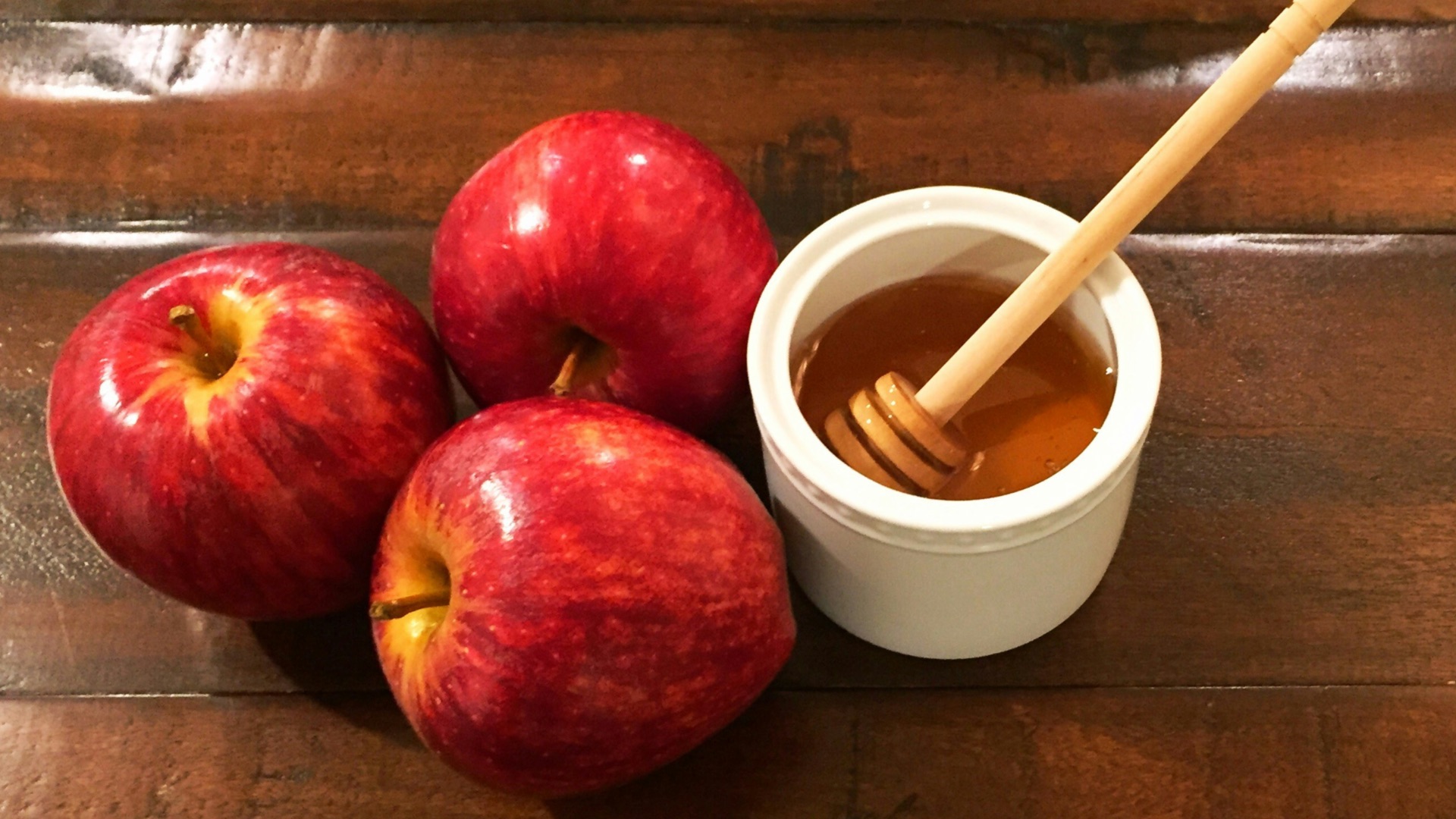
13. Honey
Honey is frequently associated with sweetness, happiness, and the wish for pleasant days ahead. In Jewish tradition, for example, honey is closely linked to hopes for a sweet, fruitful new year, and you'll see this reflected during Rosh Hashanah, where apples are dipped in honey.
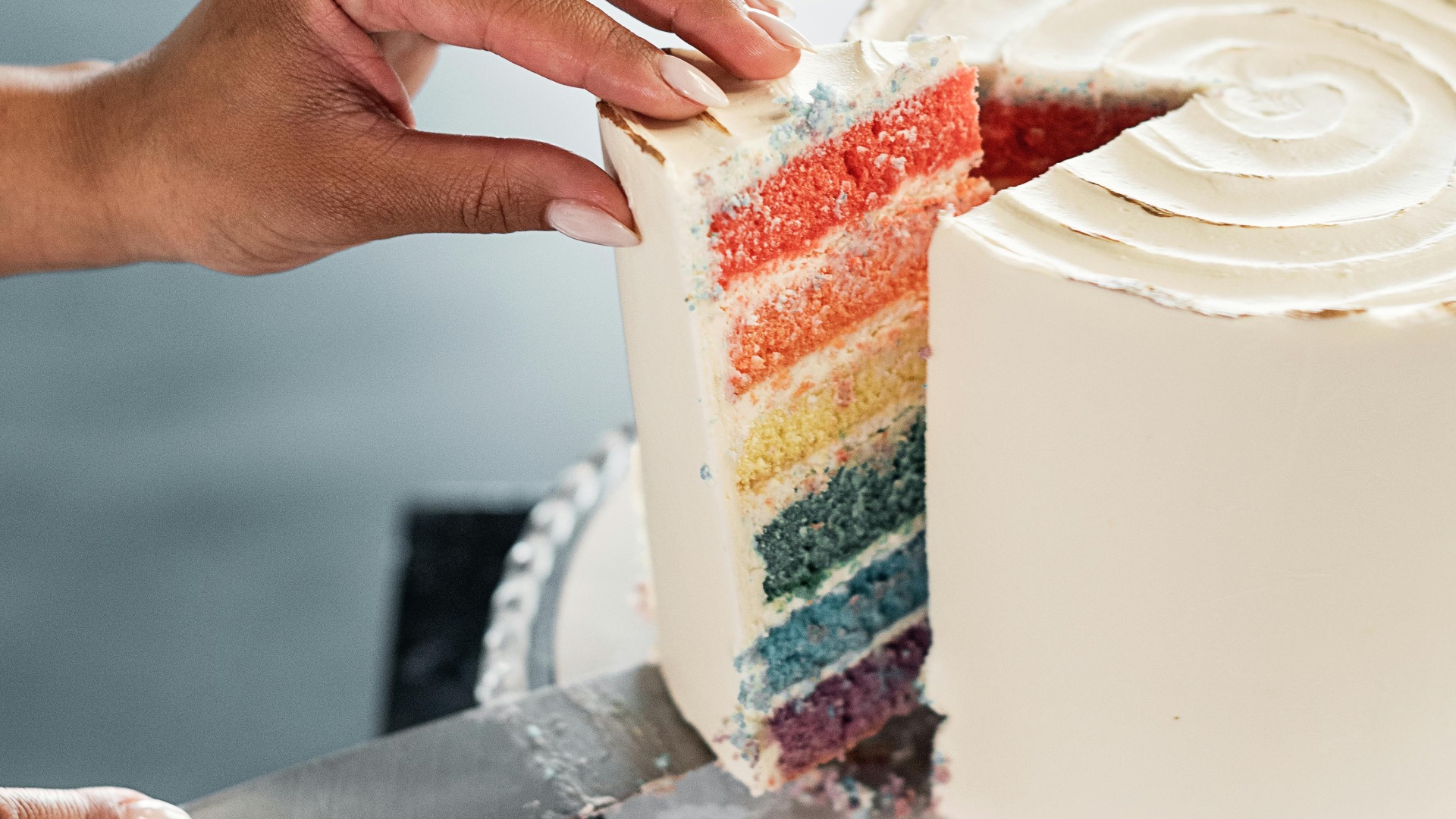
14. Cake
Cake often carries a lucky meaning because it's tied to celebration, milestones, and communal joy. In some traditions, special cakes are prepared for holidays or new beginnings as a way of marking hope for prosperity and happiness. Serving cake at an important moment doesn't just end the meal on a pleasant note, it also reinforces the idea that good fortune should be shared.
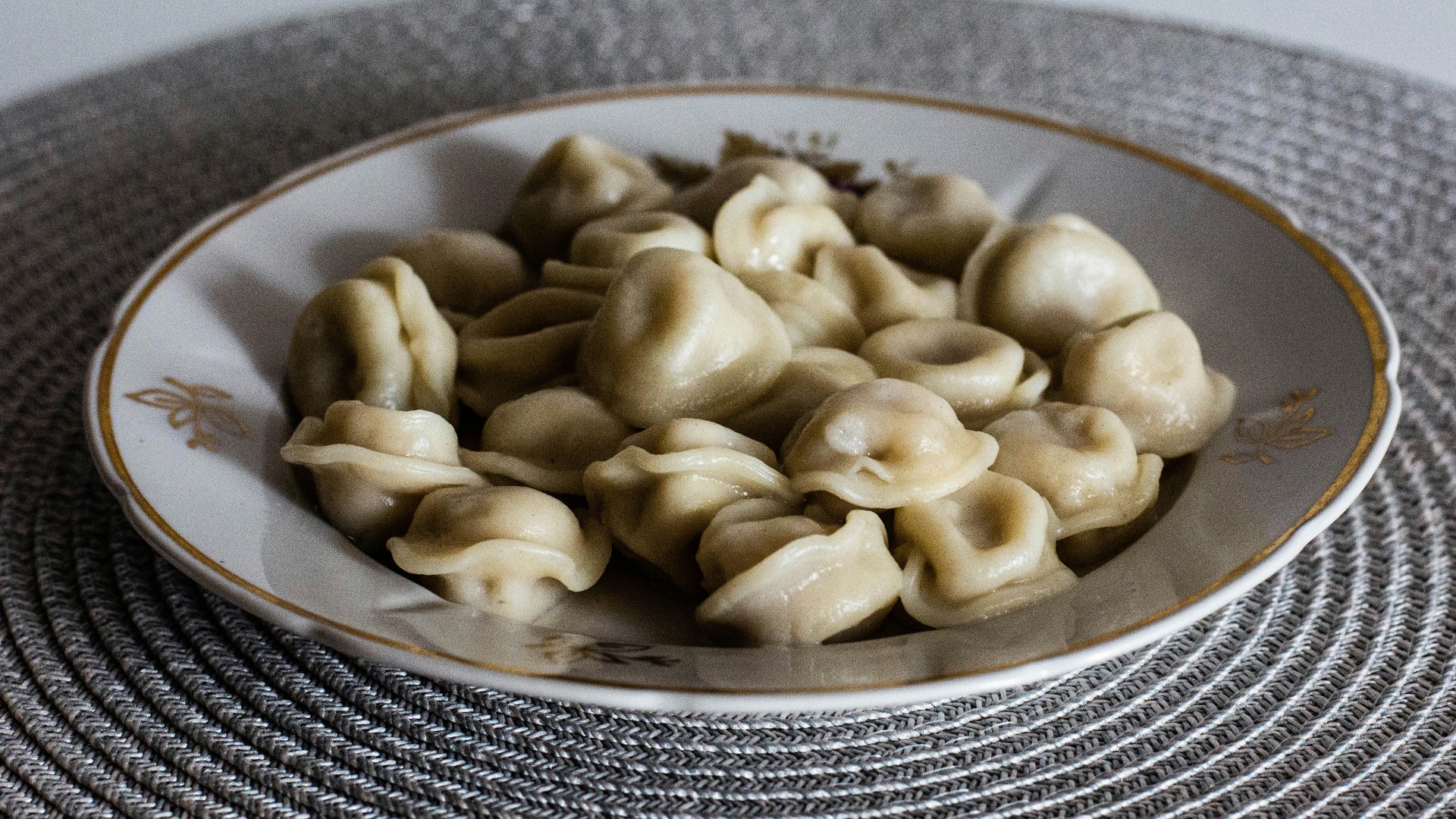
15. Round Dumplings
Round dumplings are considered lucky in several Asian traditions because their shape resembles coins or ingots, connecting them to wealth. They're also commonly made and eaten during family gatherings, which adds another layer of meaning tied to unity and domestic well-being.
16. Eggs
Eggs are often seen as symbols of fertility, rebirth, and fresh beginnings because they represent new life. That symbolism has helped make them important in many spring and holiday traditions where change and possibility are central, such as Easter. However, in Asian traditions, white foods like tofu and eggs symbolize death and mourning, and should be avoided.

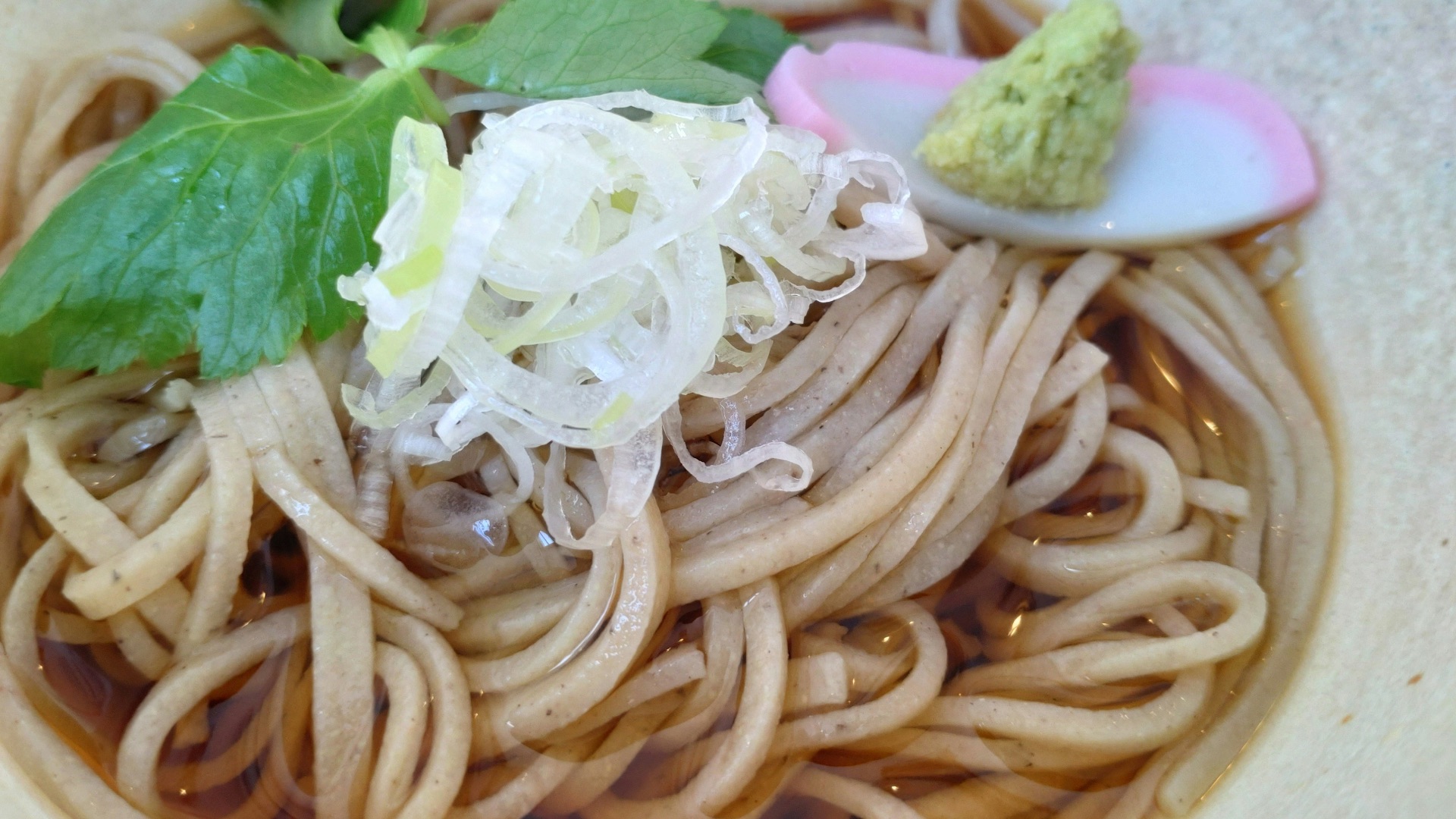
17. Soba
Soba noodles have a special place in Japanese year-end tradition, where they're eaten to mark resilience and a smooth transition into the new year. Their length connects them to long life (much like Chinese longevity noodles), while the custom itself reflects endurance and moving from one chapter to the next.
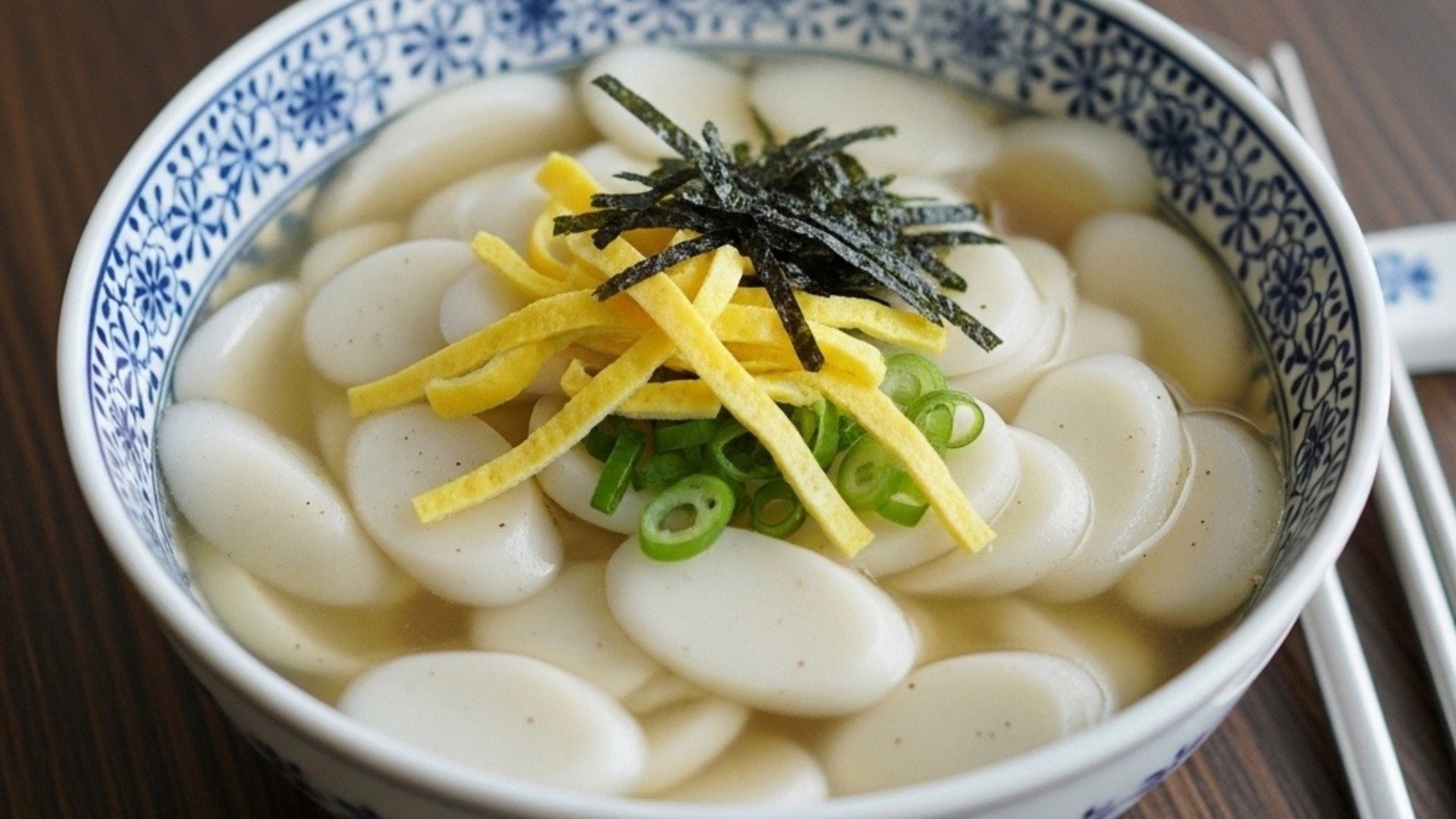
18. Tteokguk
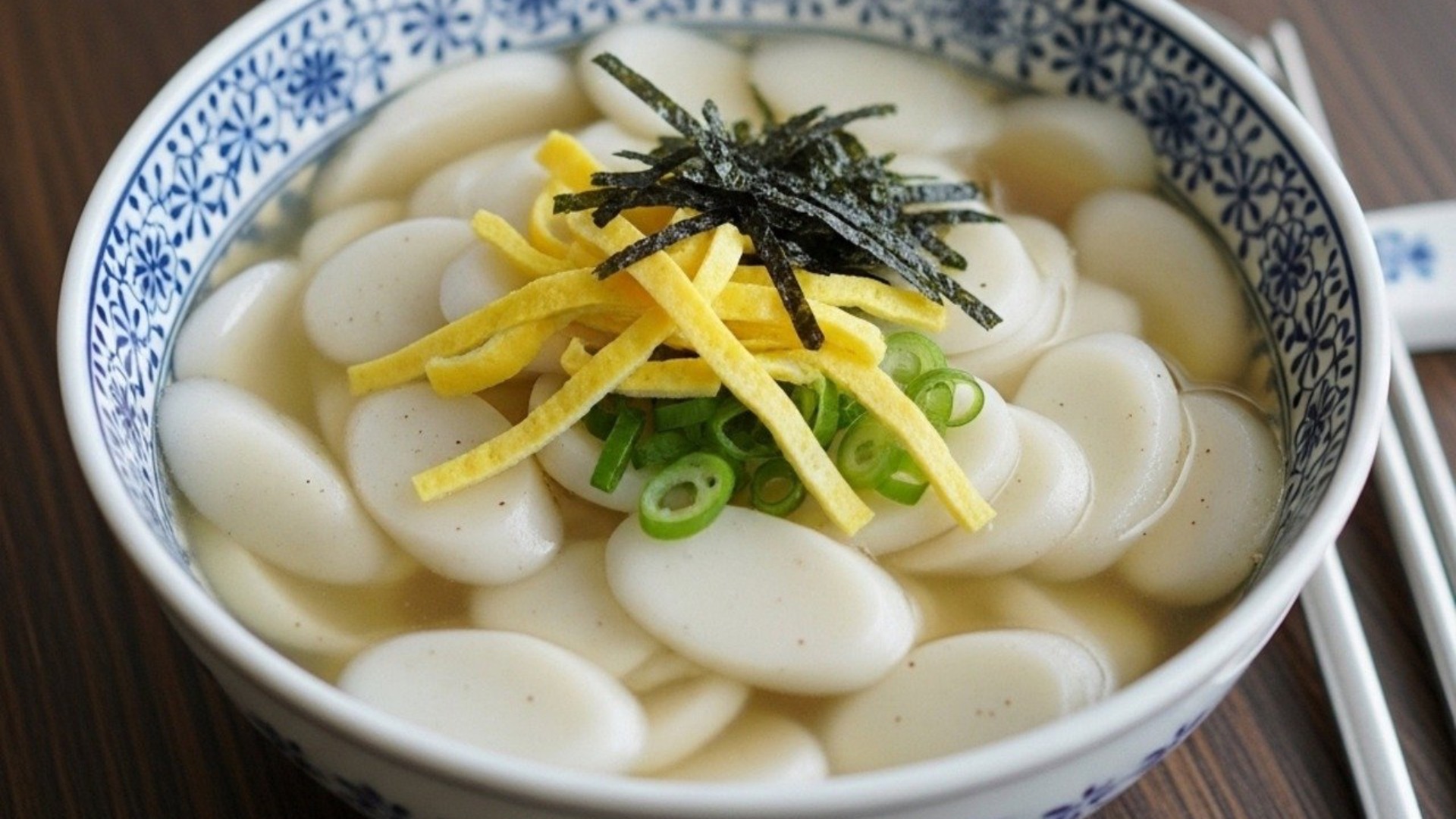
Tteokguk is a traditional Korean rice cake soup served on Lunar New Year (seollal) and is closely associated with luck, health, prosperity, and a fresh start to the year. Its clean white rice cakes are meant to reflect purity and new beginnings, which gives the dish a strong symbolic place in the holiday meal.
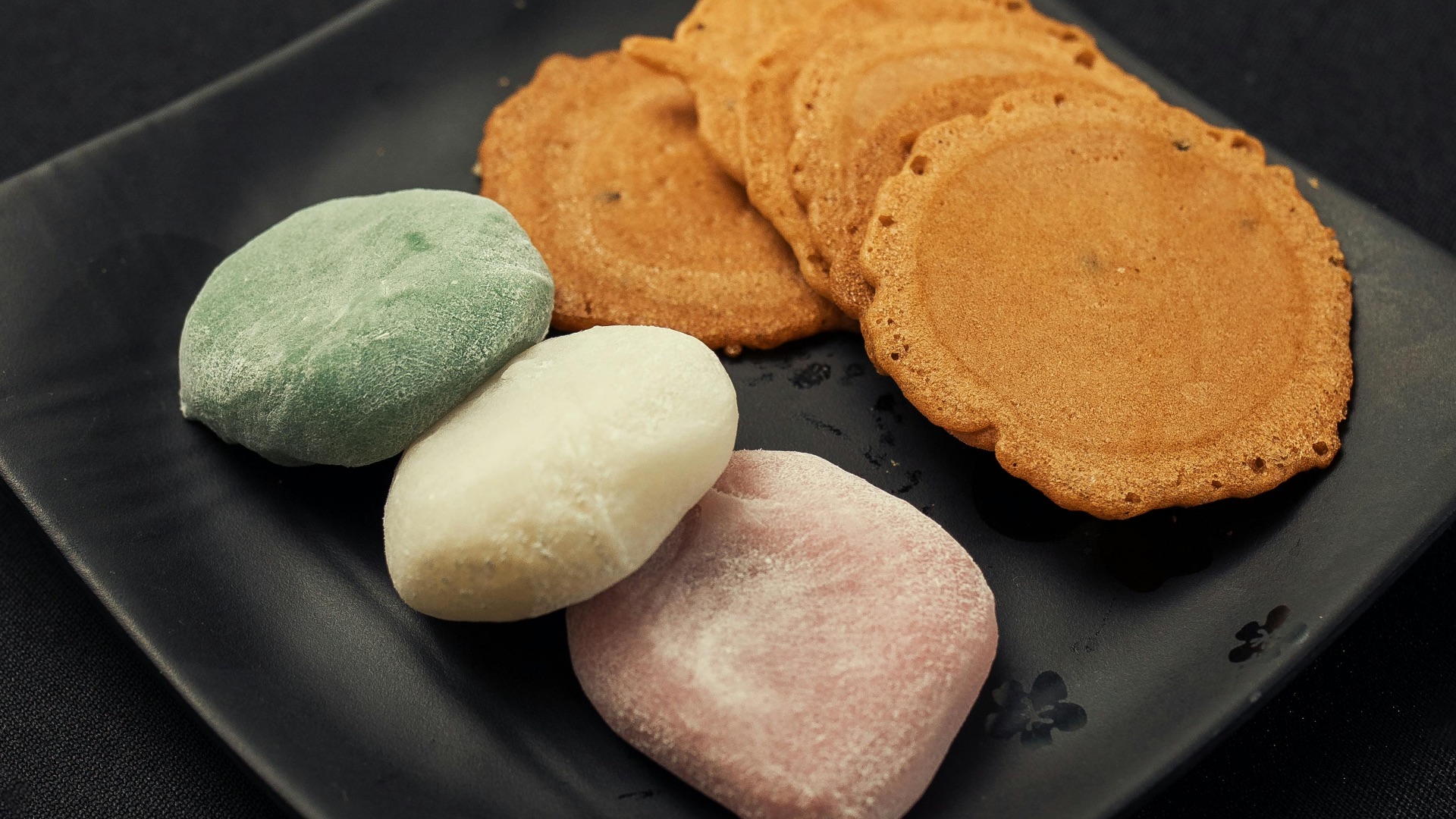
19. Mochi
Mochi is closely tied to Japanese New Year traditions, where it represents longevity, endurance, and hopes for a strong start to the year. Its place in celebratory meals gives it a meaning that goes beyond the ingredient itself, since it's often associated with renewal, family continuity, and ceremonial observance.
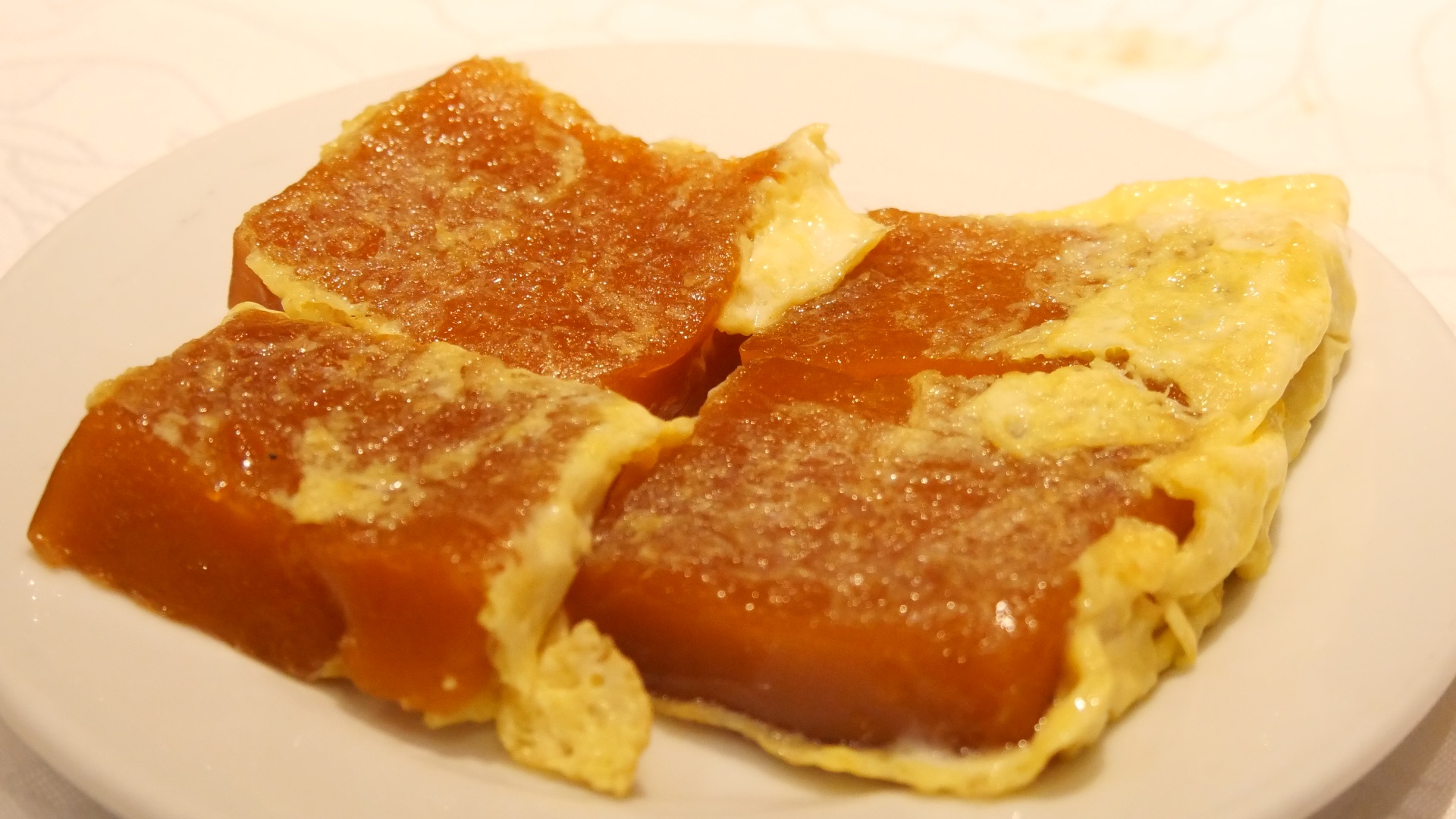
20. Sweet Rice Cakes
Sweet rice cakes (also known as nian gao) are often served during the Lunar New Year, as they symbolize progress, celebration, and rising fortune. Their sticky texture can also suggest togetherness and the hope that good things will hold steady in family and community life.
KEEP ON READING
10 Best Finds at Costco & 10 Worth Skipping


20 American Foods That Are Best When They're Simple