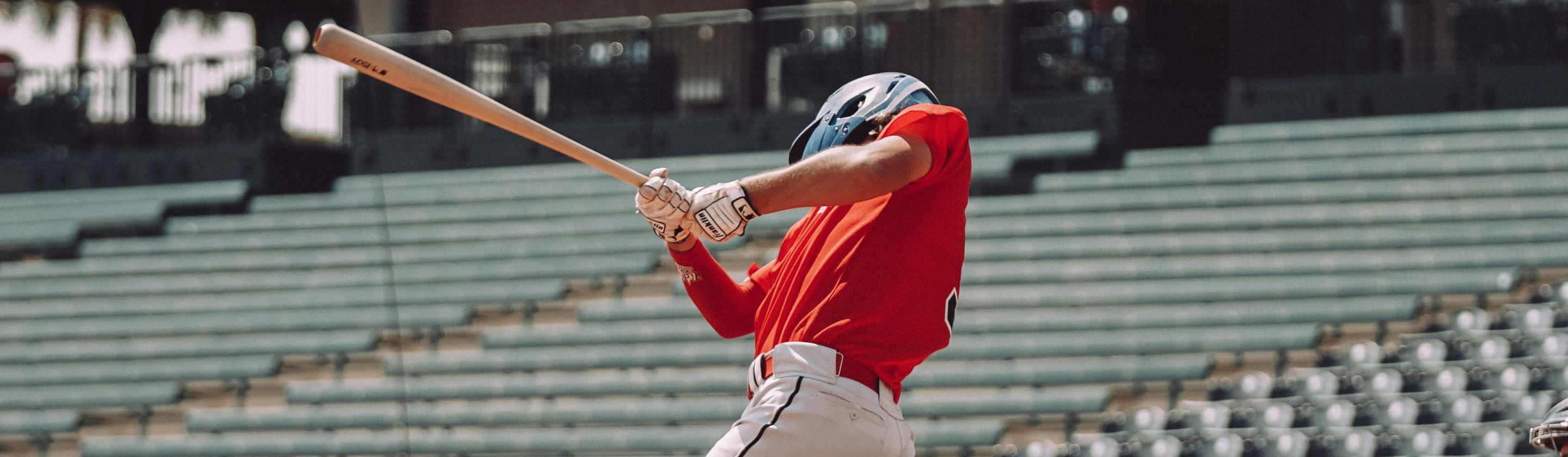
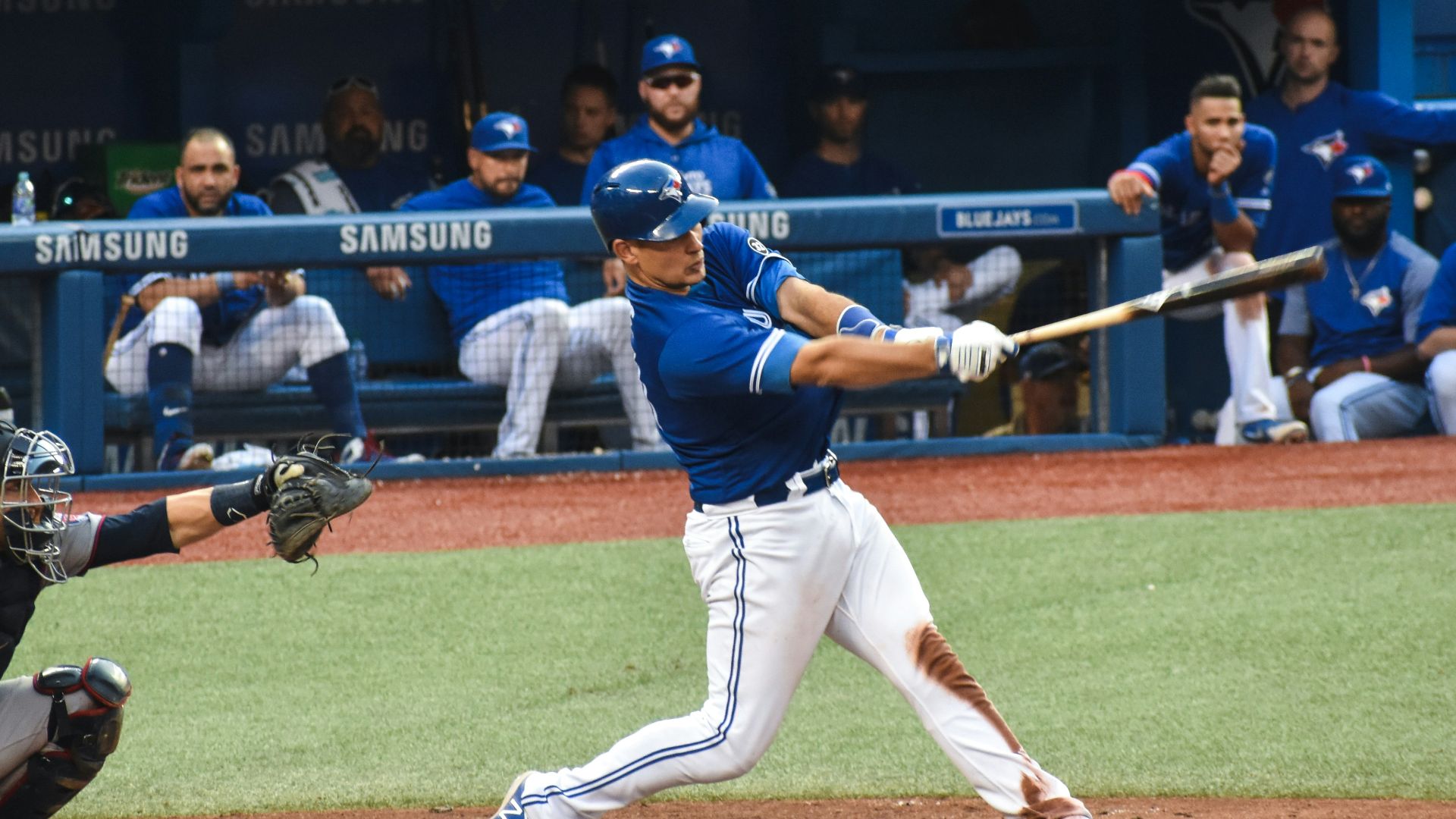
If you’ve ever spent a sunny afternoon at the ballpark, you know that the experience isn’t complete until you hear the rhythmic crinkle of a waxed paper box. Cracker Jack has been synonymous with the American pastime for over a century, yet its journey from a street-side experiment to a stadium staple is filled with surprising twists. It’s more than just a treat; it’s a piece of edible Americana that’s survived world wars, economic shifts, and the changing tastes of a fast-moving nation.
You might assume that this sticky, sweet concoction was designed specifically for baseball fans, but the reality is that its origins have nothing to do with the diamond. The recipe actually made its grand debut at a world-famous exhibition before it ever caught the eye of a sports promoter. Understanding how this mixture of popcorn, peanuts, and molasses became a cultural icon requires looking back at the innovative spirit of nineteenth-century entrepreneurs who weren't afraid to get their hands a little sticky.
From the World’s Fair to the Streets
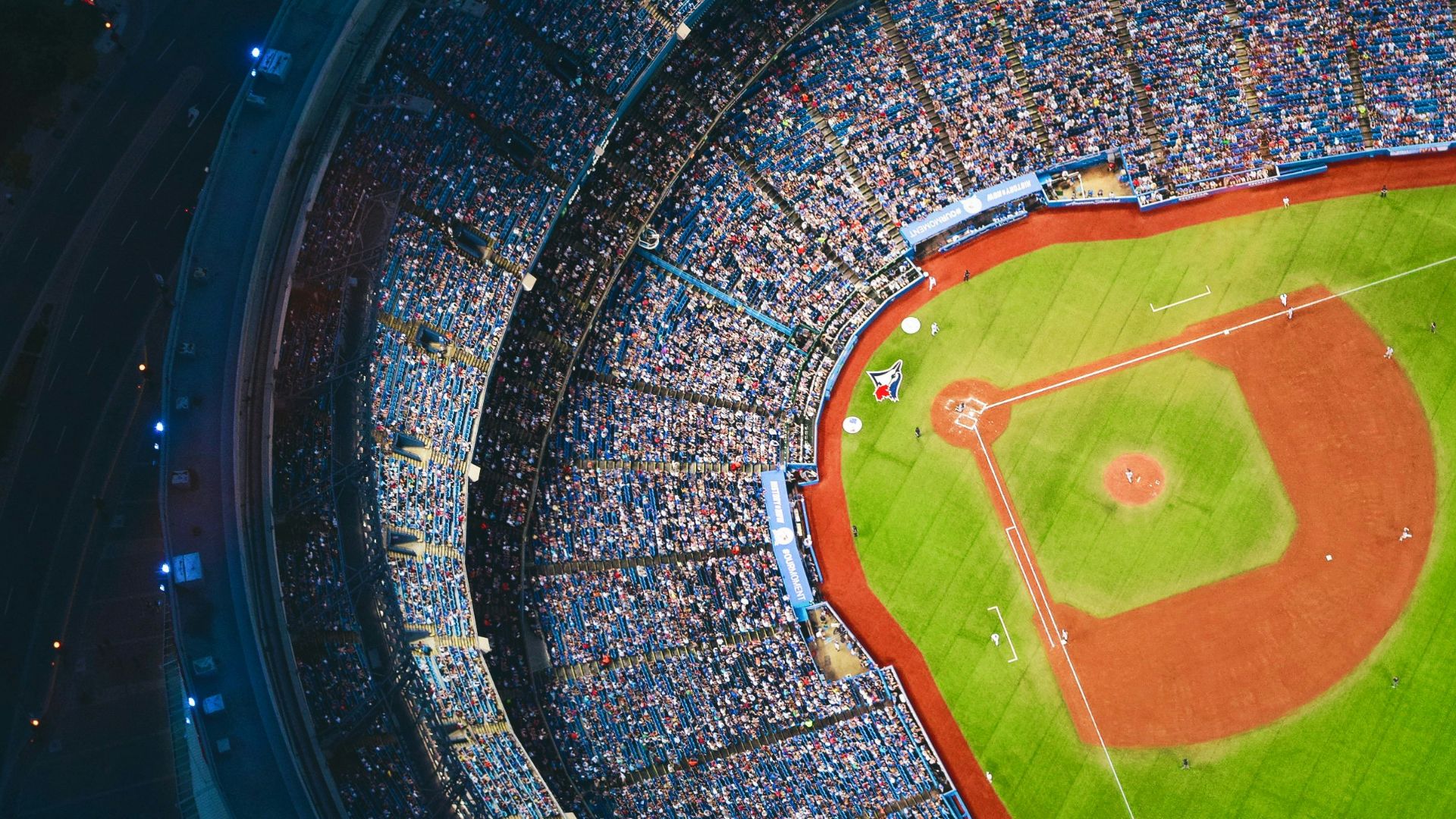
The story begins with Frederick "Fritz" Rueckheim, a German immigrant who arrived in Chicago with nothing but big ideas and sweet dreams. Popcorn and peanuts coated in molasses had been around for some time before Fritz Rueckheim immigrated to Chicago from Germany. Fritz Rueckheim, along with his brother Louis, began playing around with popcorn recipes until they discovered a secret formula of molasses syrup that didn’t gum up. They decided to debut their special popcorn recipe at the World’s Columbian Exposition in Chicago in 1893, where people crowded around street vendors to get a taste of this new fried curiosity. Back then, it had no name yet, but Fritz knew there was something big in his molasses-filled future.
According to lore, the Rueckheim brothers officially christened it in 1896 when a salesman tried the improved recipe and shouted, “That’s a crackerjack!” At the turn of the century, “crackerjack” referred to an exceptional person or deed. Fritz immediately trademarked the phrase because he understood what good branding would do for business well before his time. Street vendors were hawking every imaginable treat out of boring crates with unimaginative names. The brand-name box of goodness needed something special to call its own.
With the catchy name secured, the last piece of the puzzle was figuring out how to prevent all those kernels coated in sticky molasses from forming one brick of popcorn that could never be separated. Louis Rueckheim found the answer by applying a process known as dry-waxing to ensure each kernel would pop independently of its neighbor. Innovation ruled at the turn of the century, because now customers could ship their tasty treats across the country without fear of them becoming stale or sticky. You could finally throw a box in your bag without fear of sugary destruction.
The Song That Changed Everything
While the snack was already doing well on city streets, it didn't become a baseball legend until a songwriter named Jack Norworth took a ride on a New York City subway. In 1908, Norworth saw a sign advertising "Base Ball Today - Polo Grounds" and felt inspired to pen a few lyrics about the sport. Even though he’d never actually attended a major league game in his life, he included the line, "Buy me some peanuts and Cracker Jack," purely for the sake of the rhyme. This incidental mention would unknowingly cement the product’s place in sports history forever as the song swept across the country.
"Take Me Out to the Ball Game" became a massive hit in vaudeville houses, and soon fans were singing it during the seventh-inning stretch at stadiums from coast to coast. Team owners weren't slow to realize that the song was essentially providing them with free, high-volume advertising for a snack they could sell at a premium. Before long, vendors were roaming the aisles with trays of the red-and-white boxes, capitalizing on the musical suggestion that every fan needed a treat. It’s one of the most successful examples of accidental product placement in the history of global marketing, and it didn't cost the Rueckheims a single cent.
You can still hear thousands of fans belting out those same lyrics every single day of the baseball season, ensuring that the brand remains relevant to new generations. The song acted as a cultural glue that bound the experience of watching a game with the specific taste of molasses-covered popcorn. Over time, the snack and the sport became so intertwined that it’s now almost impossible to imagine one existing without the other. This musical legacy transformed a simple box of candy into a mandatory part of the stadium ritual for millions of families.
In 1912, the company introduced another innovation that would drive children into a frenzy and change the toy industry forever. They began including a "Prize in Every Box," ranging from small tin whistles and metal charms to paper riddles and miniature baseball cards. This move tapped into the universal human desire for a surprise, turning a simple purchase into a mini-adventure for young consumers. The excitement of digging through the popcorn to find a hidden treasure became just as important as the snack itself, creating a powerful emotional bond with the brand.
KEEP ON READING

The Most Popular Signature Dishes Around the World