20 Dishes That Prove “Authentic” Is More Complicated Than People Think
Familiar Foods With Varied History
“Authentic” sounds like a pretty simple food label until you start looking at how dishes actually develop. Recipes travel with people, change when certain ingredients aren’t available, pick up new cooking methods, and sometimes become national favorites in just a few generations. A dish can have roots in one country, take shape somewhere else, and still become an important part of the culture that embraces it. Even foods with strict rules today often looked quite different in their earlier forms. These 20 dishes show just how much migration, history, and everyday adaptation can shape what eventually ends up on our plates.
1. Chicken Tikka Masala
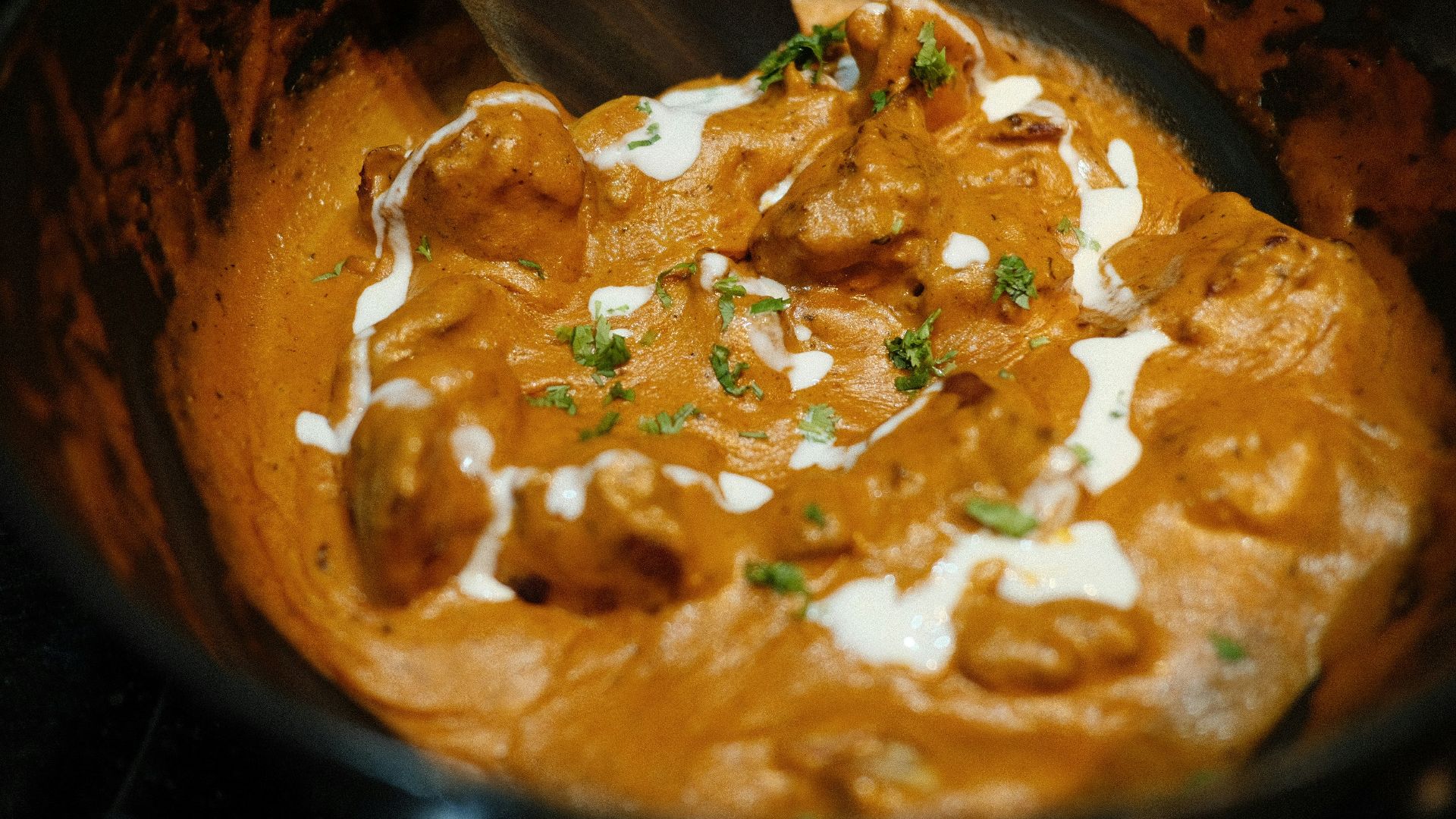
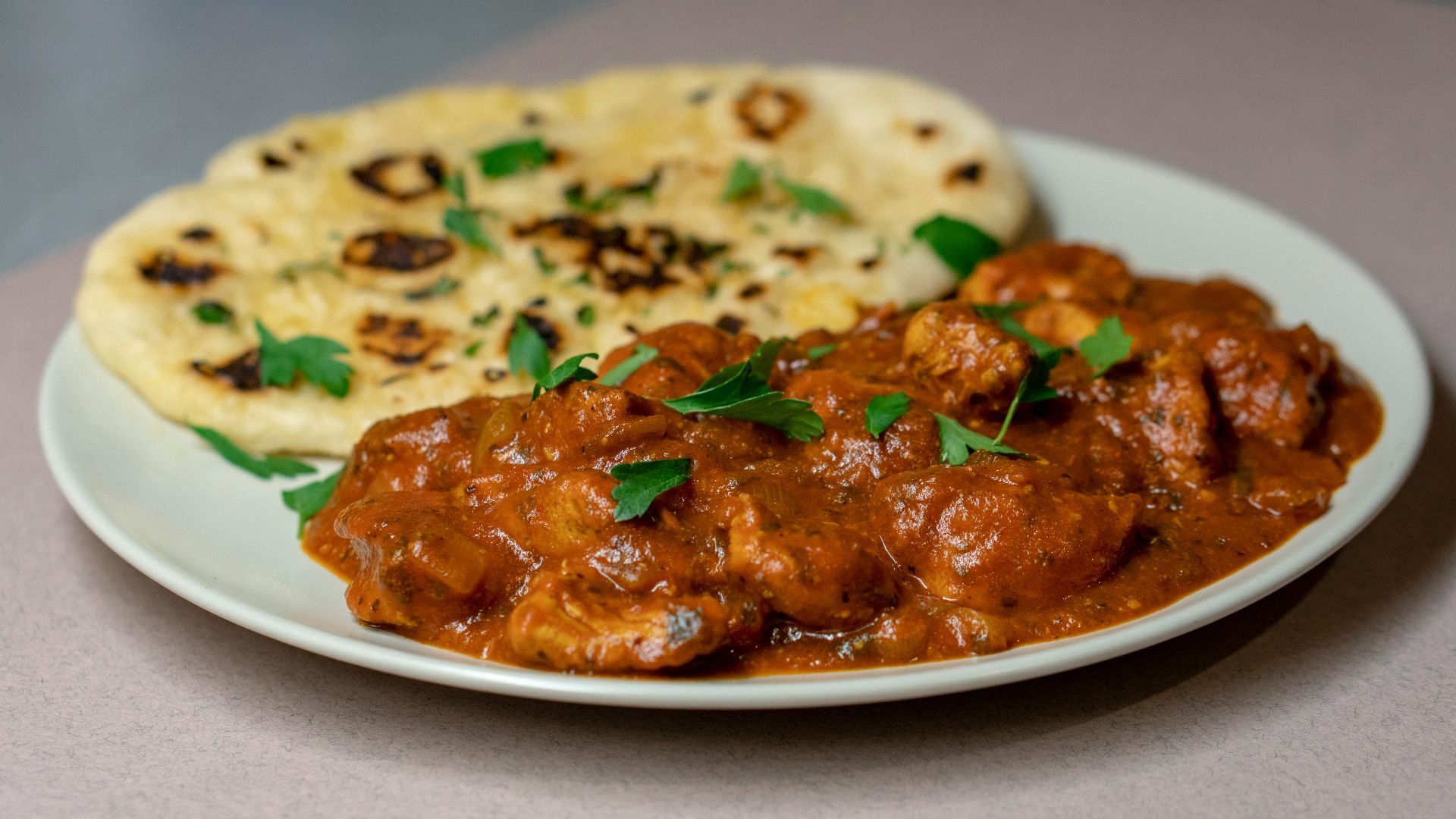
Chicken tikka comes from South Asian cooking, while the creamy, saucy dish we know as chicken tikka masala became closely tied to Britain’s South Asian restaurant culture. One Glasgow restaurateur famously claimed that his kitchen created it after a customer asked for more sauce, although similar dishes were already part of the wider food scene.
 amirali mirhashemian on Unsplash
2. General Tso’s Chicken
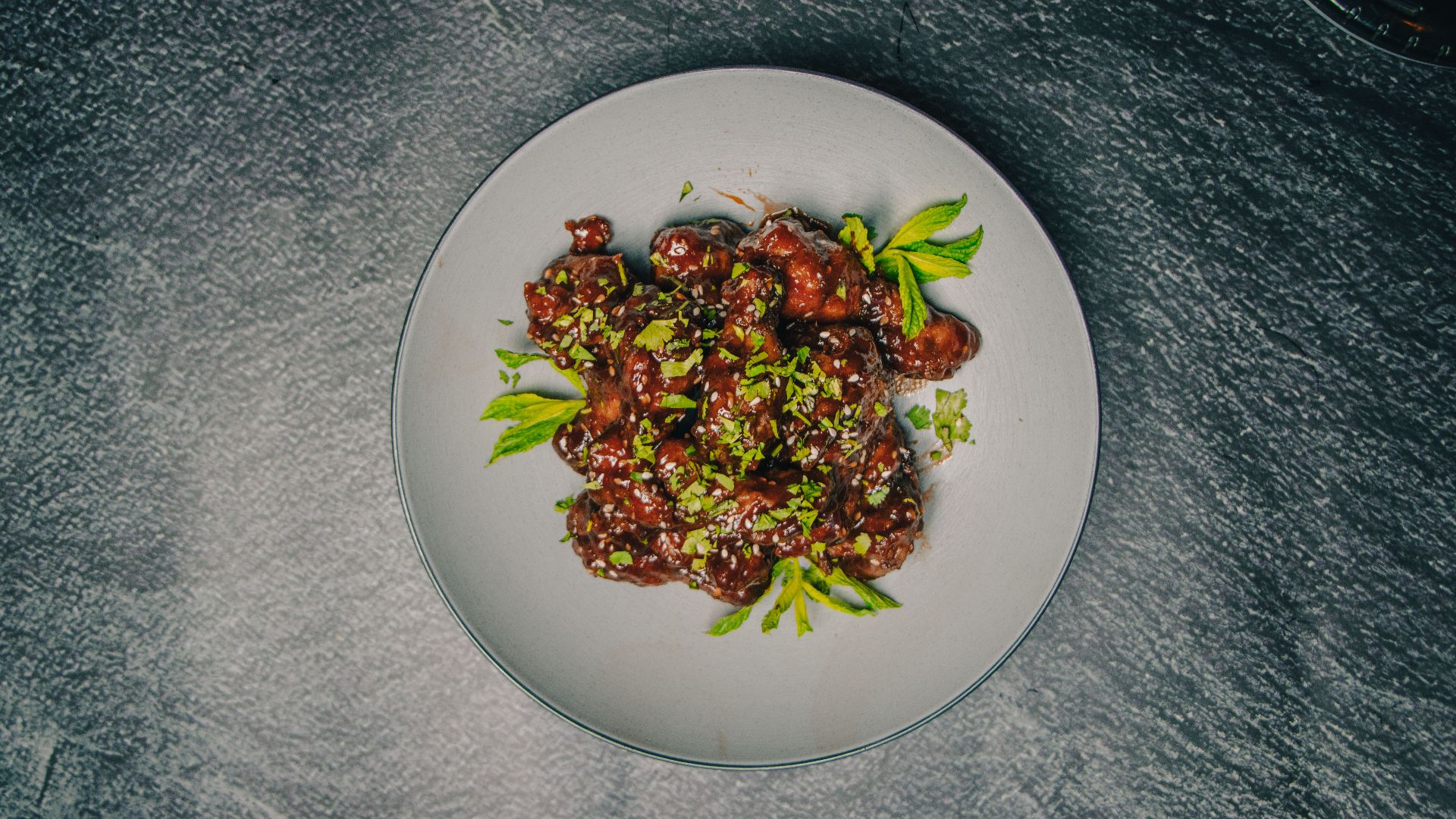
Hunan-born chef Peng Chang-kuei developed an early version of General Tso’s chicken in Taiwan during the 1950s. When the dish made its way to New York, cooks made the chicken crispier and the sauce sweeter, creating the takeout favorite many Americans know today.
3. The California Roll
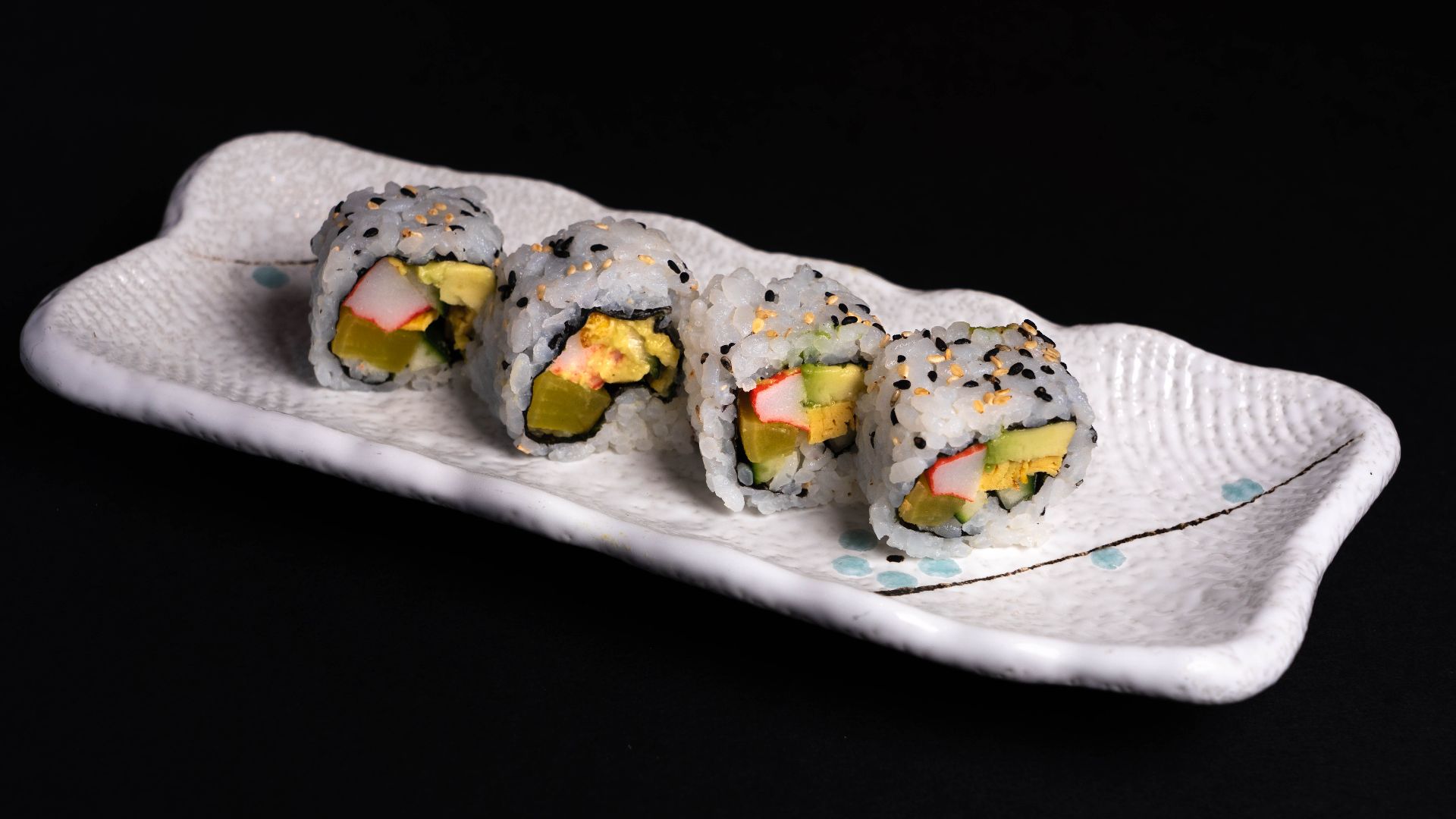
The California roll is a North American creation that uses Japanese sushi techniques, and both Vancouver and Los Angeles have strong claims in its origin story. Avocado, cooked crab, and the inside-out presentation made sushi easier to approach for diners who weren’t yet used to seaweed and raw fish.
4. Spaghetti and Meatballs
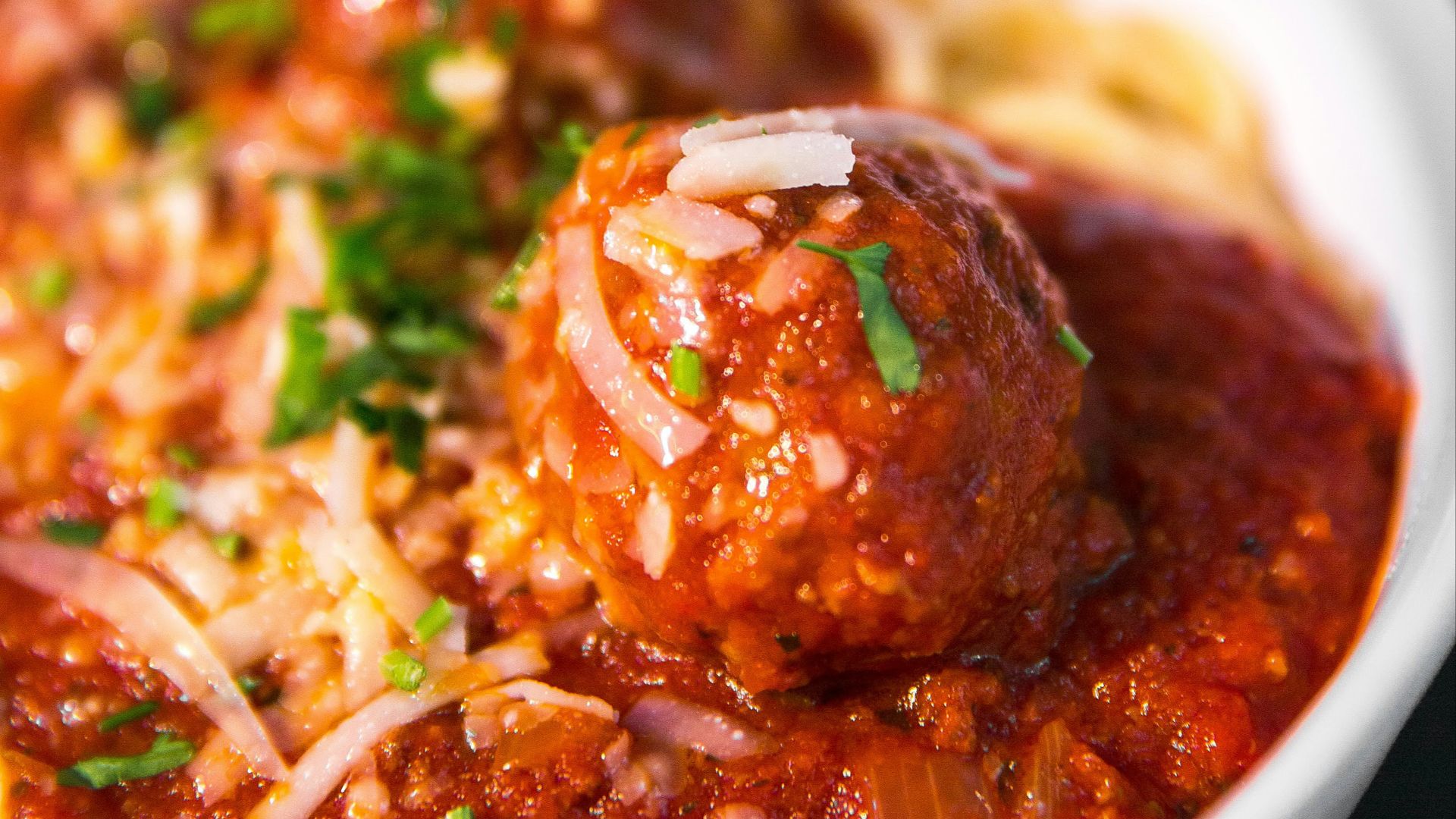
Italy has both pasta and meatballs, but the oversized meatballs served over a big plate of spaghetti are firmly part of Italian-American cooking. Italian immigrants in the United States had greater access to affordable meat, which helped smaller polpette grow into the much heartier dish that became common in American restaurants.
5. Caesar Salad
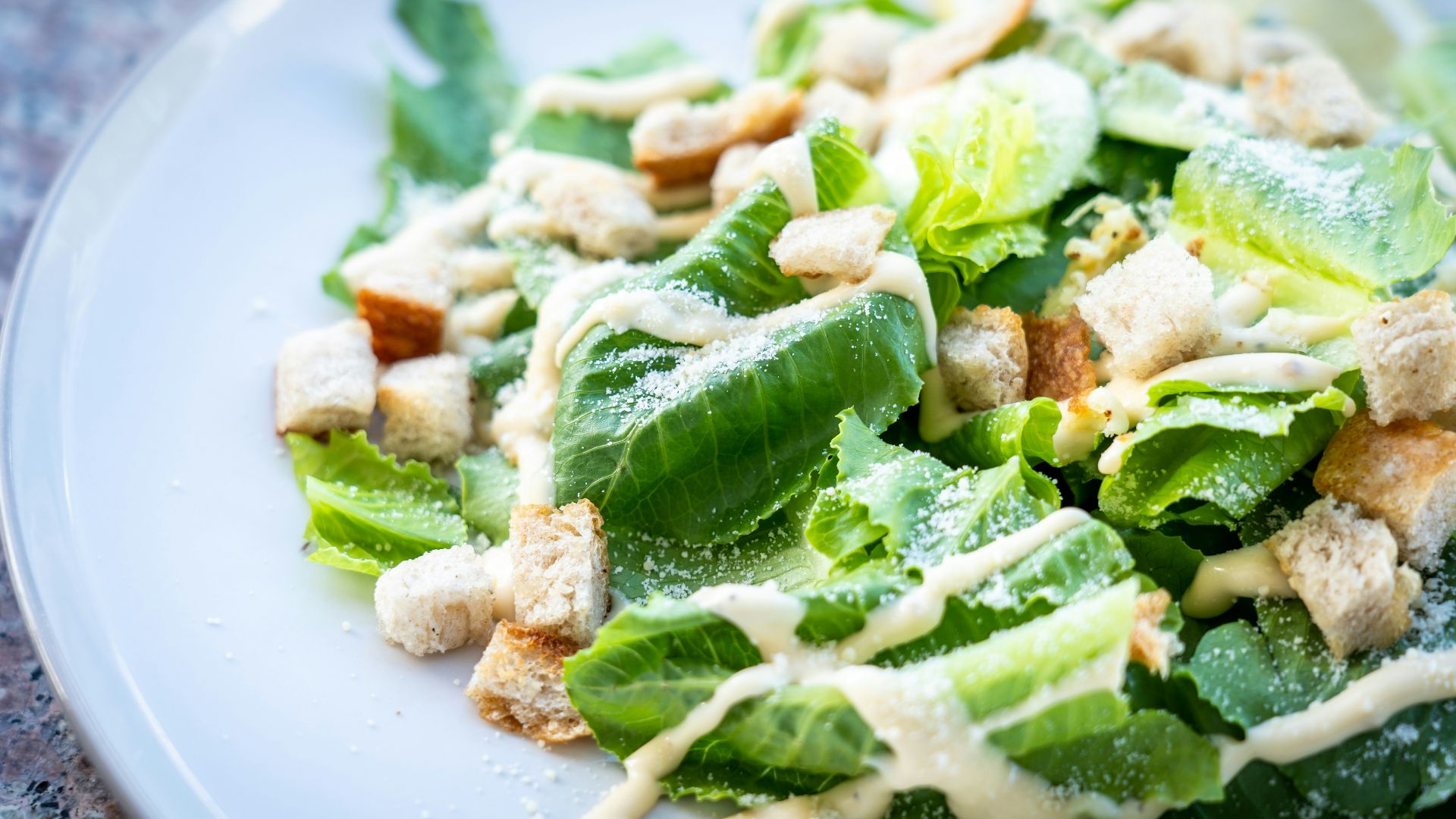
Caesar salad took shape in Tijuana, Mexico, during the 1920s at a restaurant run by Italian-born Caesar Cardini. American visitors who crossed the border during Prohibition helped spread the word, turning a Mexican border-city creation with Italian roots into an international restaurant favorite.
6. Fettuccine Alfredo
The Roman dish linked to Alfredo Di Lelio was much simpler than the thick, cream-heavy Alfredo sauces common in the United States. Fettuccine, butter, and Parmesan were tossed together until they formed a rich coating, while American versions later developed into a separate tradition. The two share a name, but the Alfredo many Americans grew up eating has changed quite a bit from the Roman preparation.
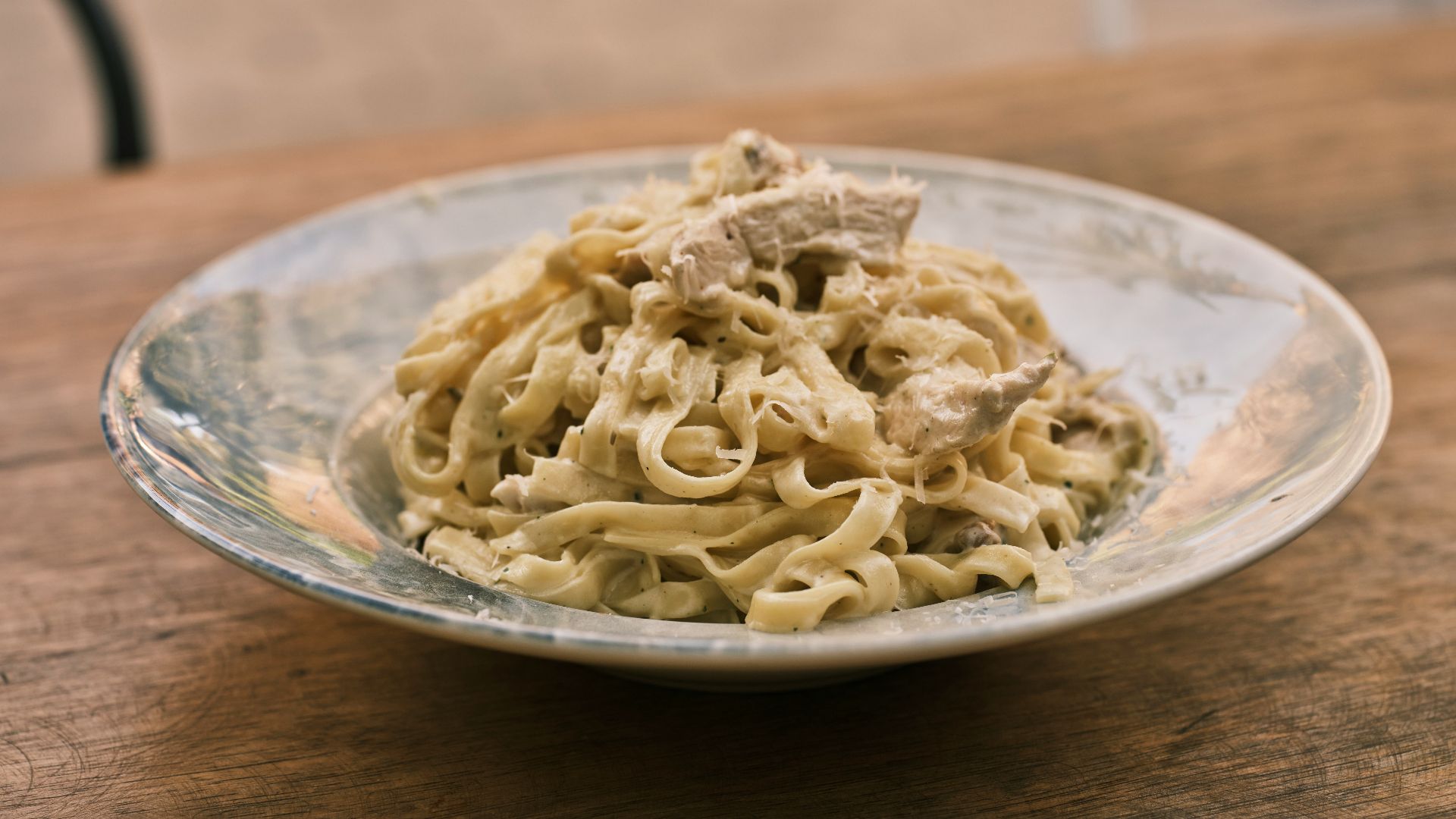
7. Pad Thai
Pad Thai grew from Chinese-style noodle traditions and became closely connected with Thai national identity during the 20th century. Its promotion under the government of Plaek Phibunsongkhram helped turn a localized noodle dish into one of the foods most strongly associated with Thailand.
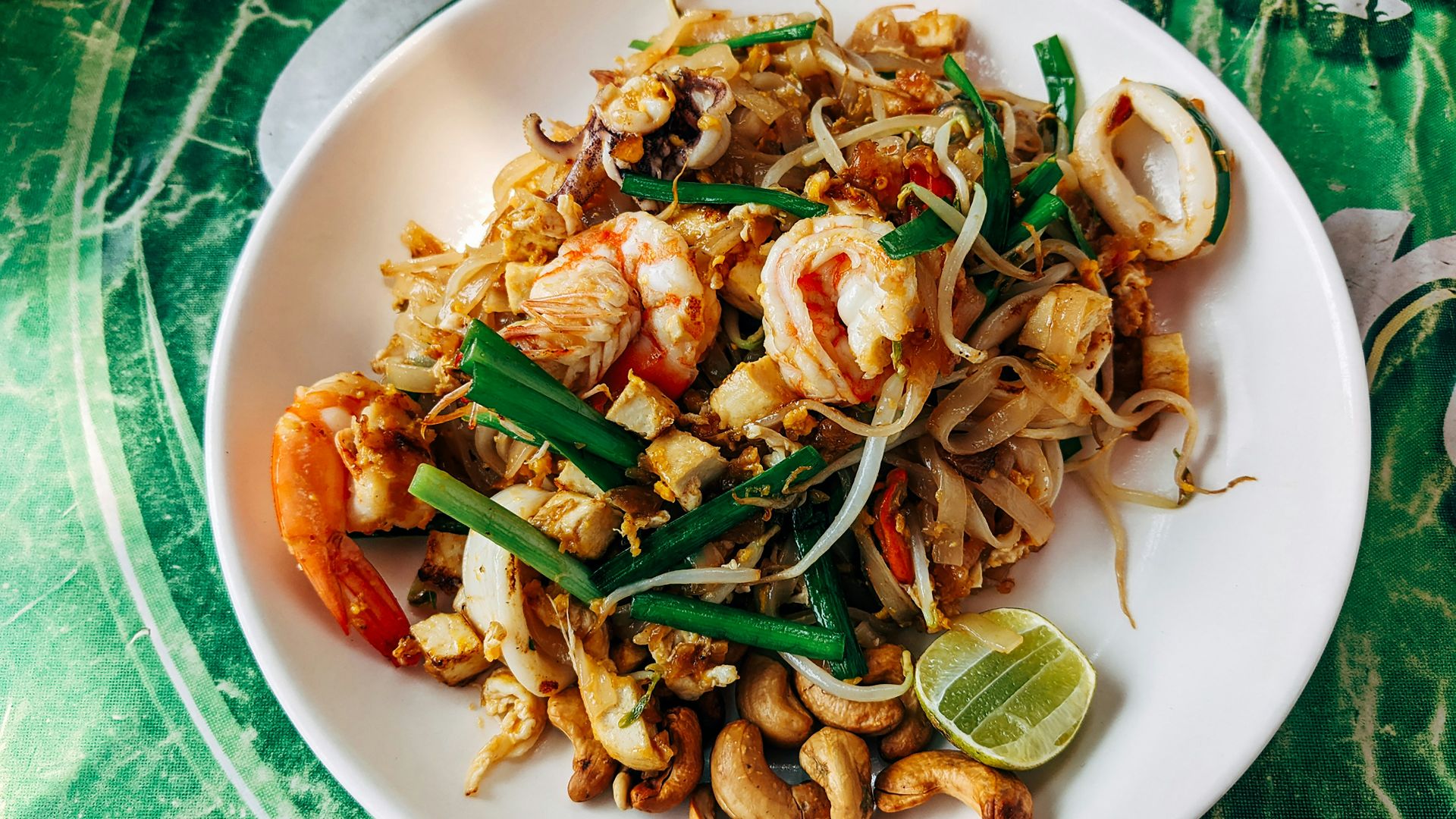
8. Pho
Pho emerged in northern Vietnam around the beginning of the 20th century. Its history reflects both Chinese noodle traditions and the French colonial period, while northern and southern versions later developed their own broths, garnishes, and serving styles.
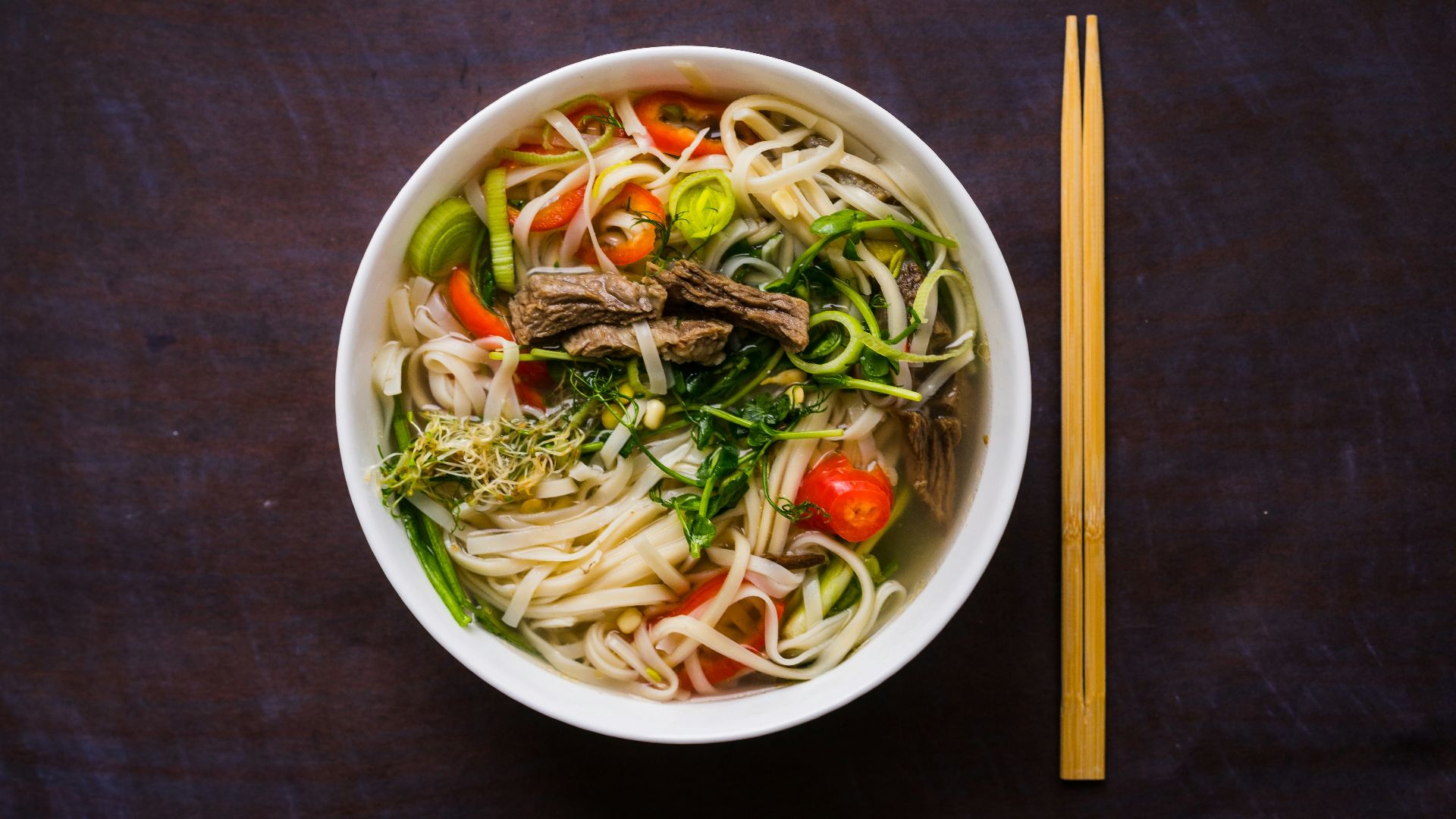
9. Bánh Mì
French colonial rule introduced baguettes and ingredients such as pâté and mayonnaise to Vietnam. Vietnamese cooks made them their own by adding pickled vegetables, cilantro, chiles, seasoned meats, and local sauces, creating the sandwich we now know as bánh mì. Yes, there might be French influence, but the sandwich itself is unmistakably Vietnamese.
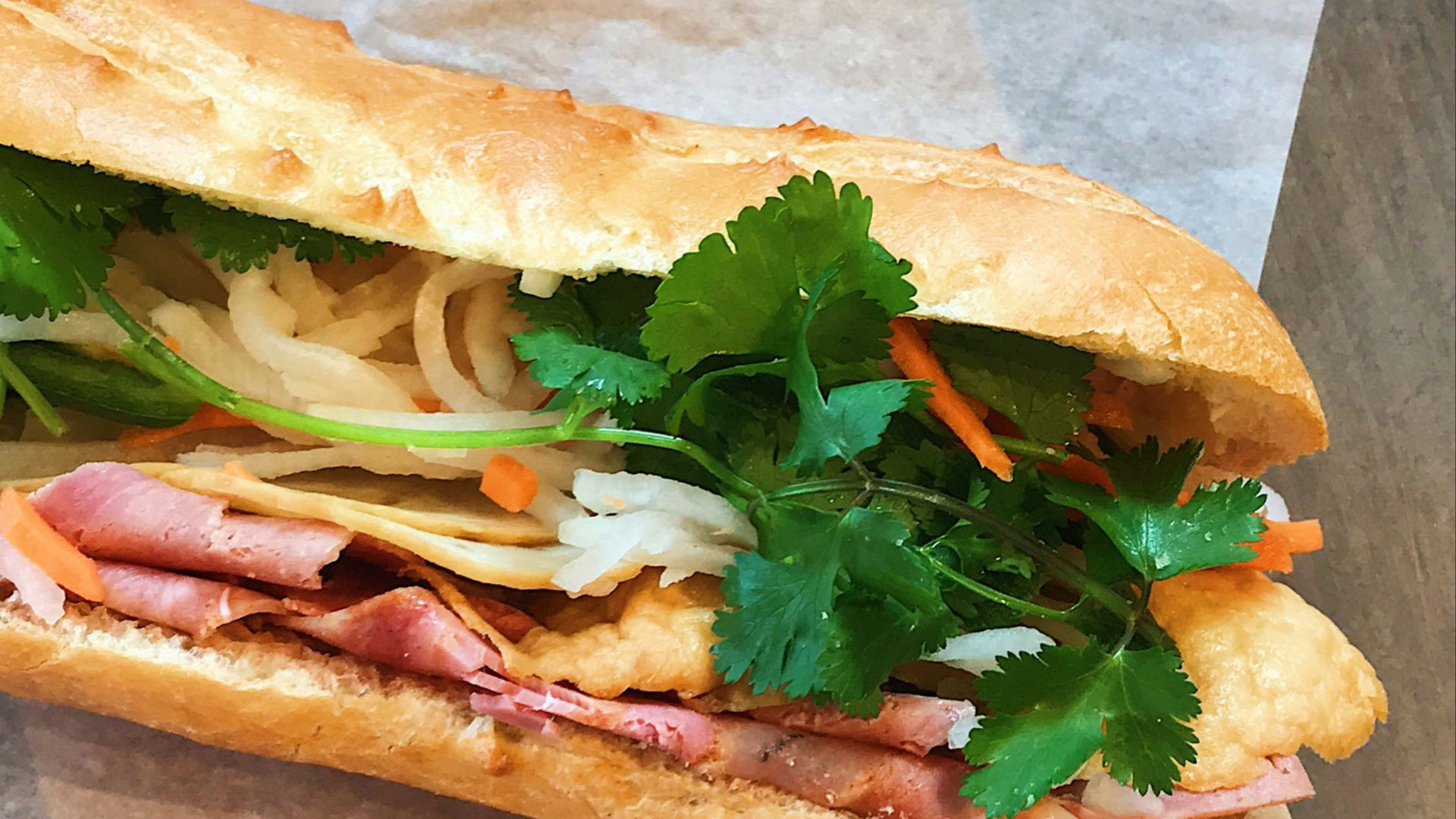
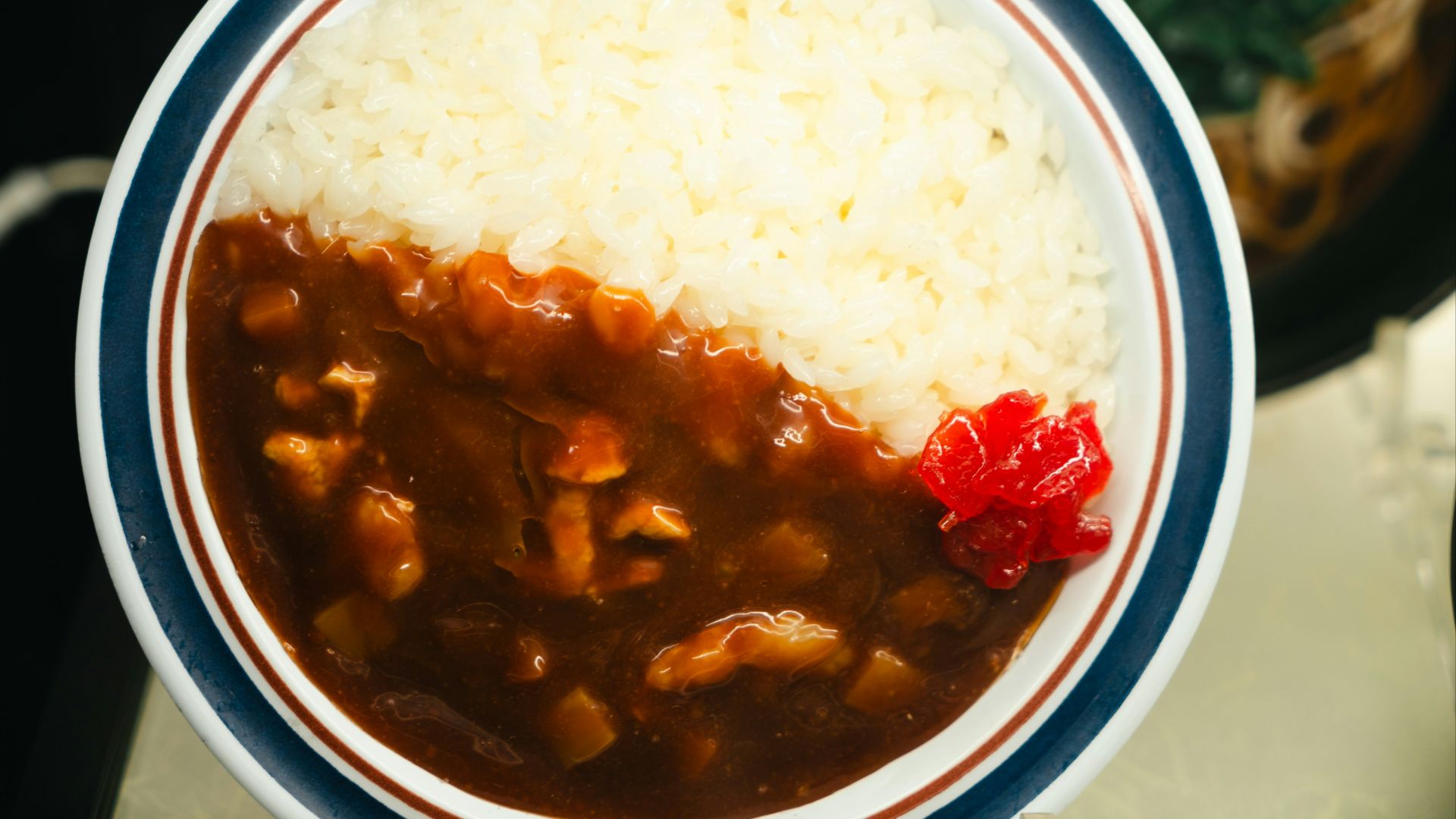
10. Japanese Curry Rice
Curry reached Japan during the Meiji era largely through British-influenced versions of the dish. Japanese cooks gradually developed the thicker, milder curry served with rice today, while military kitchens, restaurants, and home cooking all helped make it a staple in Japanese kitchens.
11. Ramen
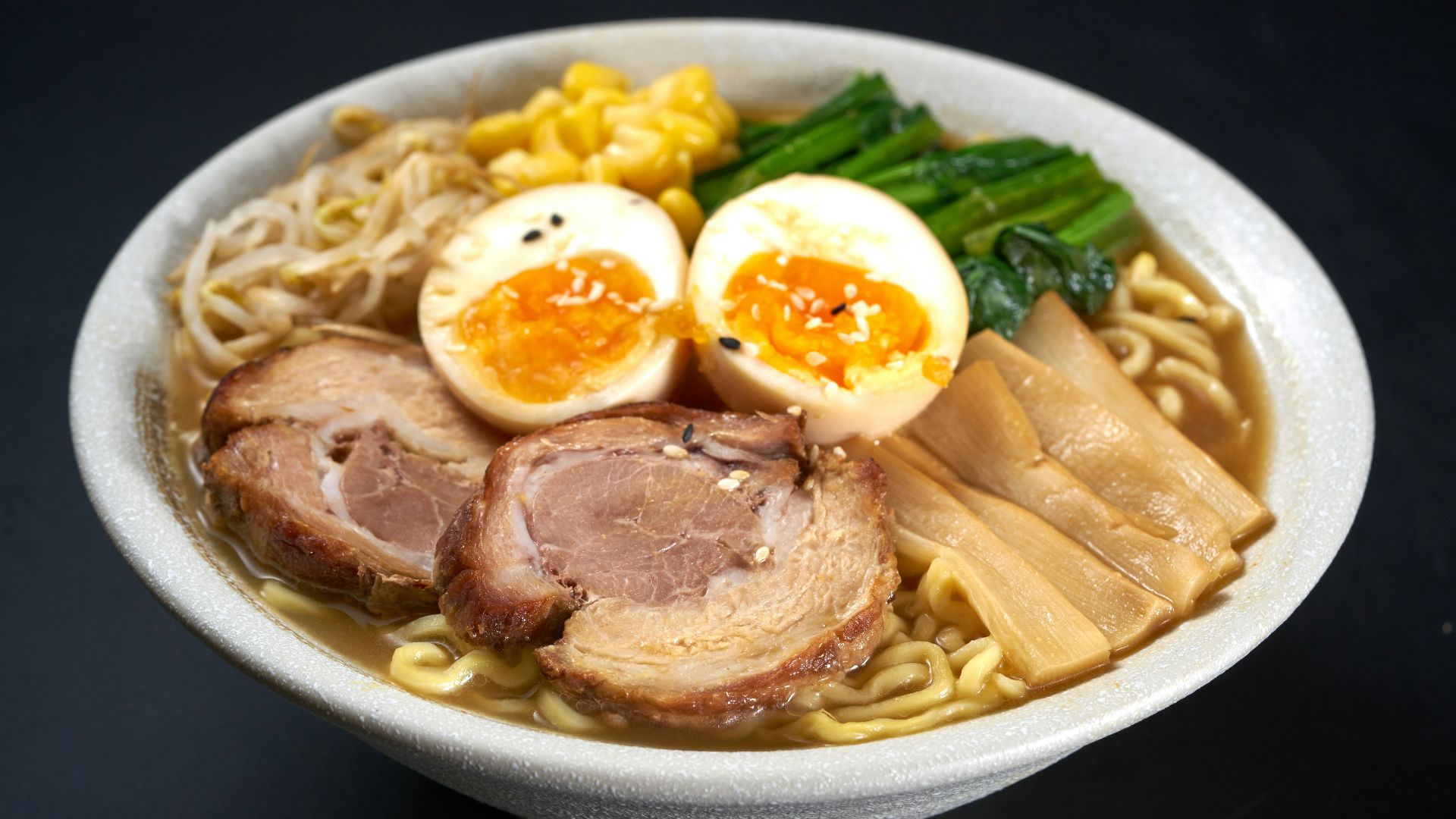
Modern ramen developed in Japan from Chinese-style wheat noodle soups that became more popular as contact between the two countries increased. Japanese cooks then created a huge range of local versions, including soy-based Tokyo bowls, miso ramen in Sapporo, and tonkotsu in Kyushu. With so many regional traditions, ramen has never been limited to one single recipe or style.
12. Tempura
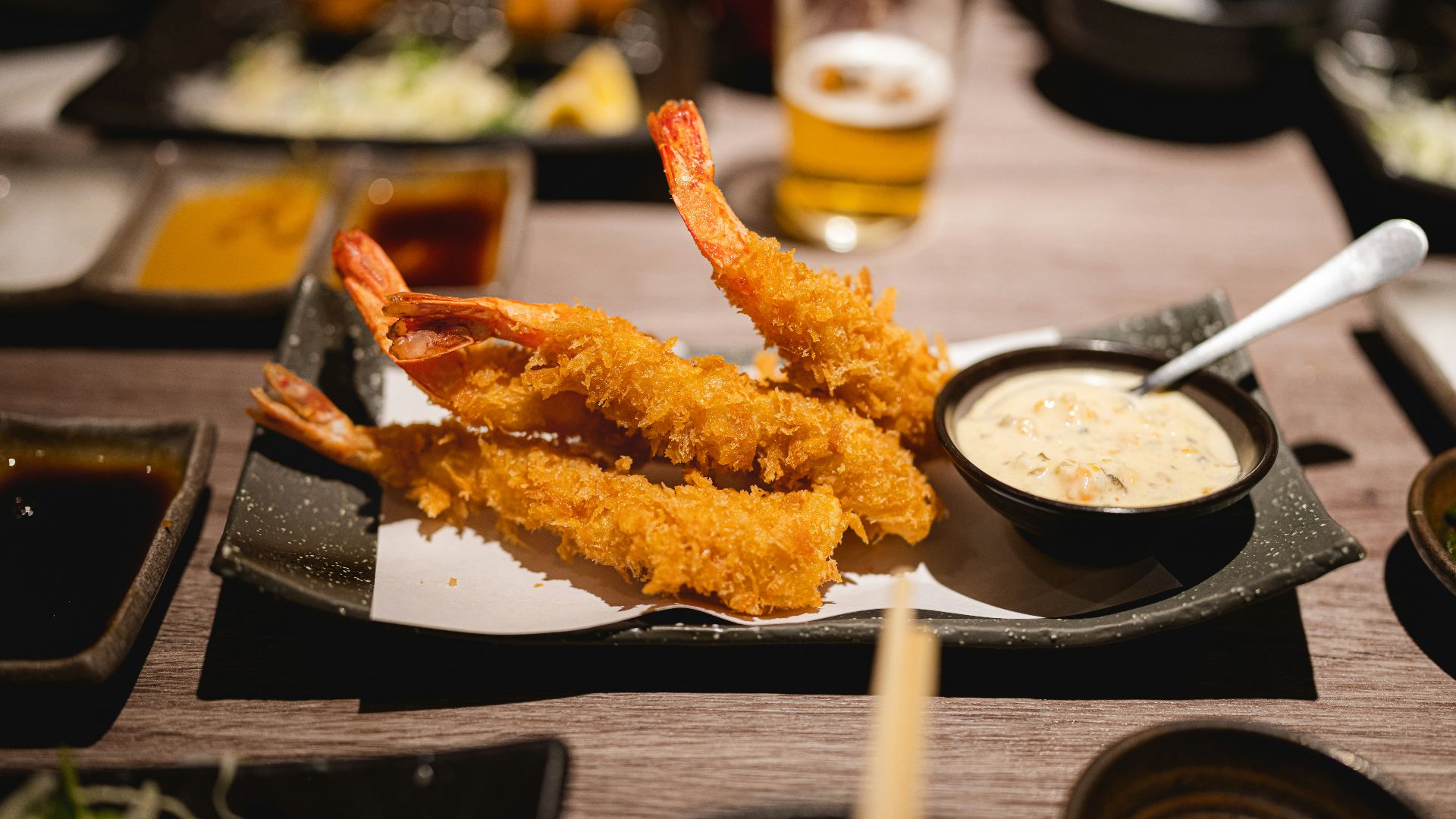
Tempura has a firm place in Japanese cuisine today, although its history was shaped by contact with Portuguese traders and missionaries in the 16th century. Japanese cooks refined battered frying into a lighter, carefully controlled method centered on seafood and vegetables.
13. Vindaloo
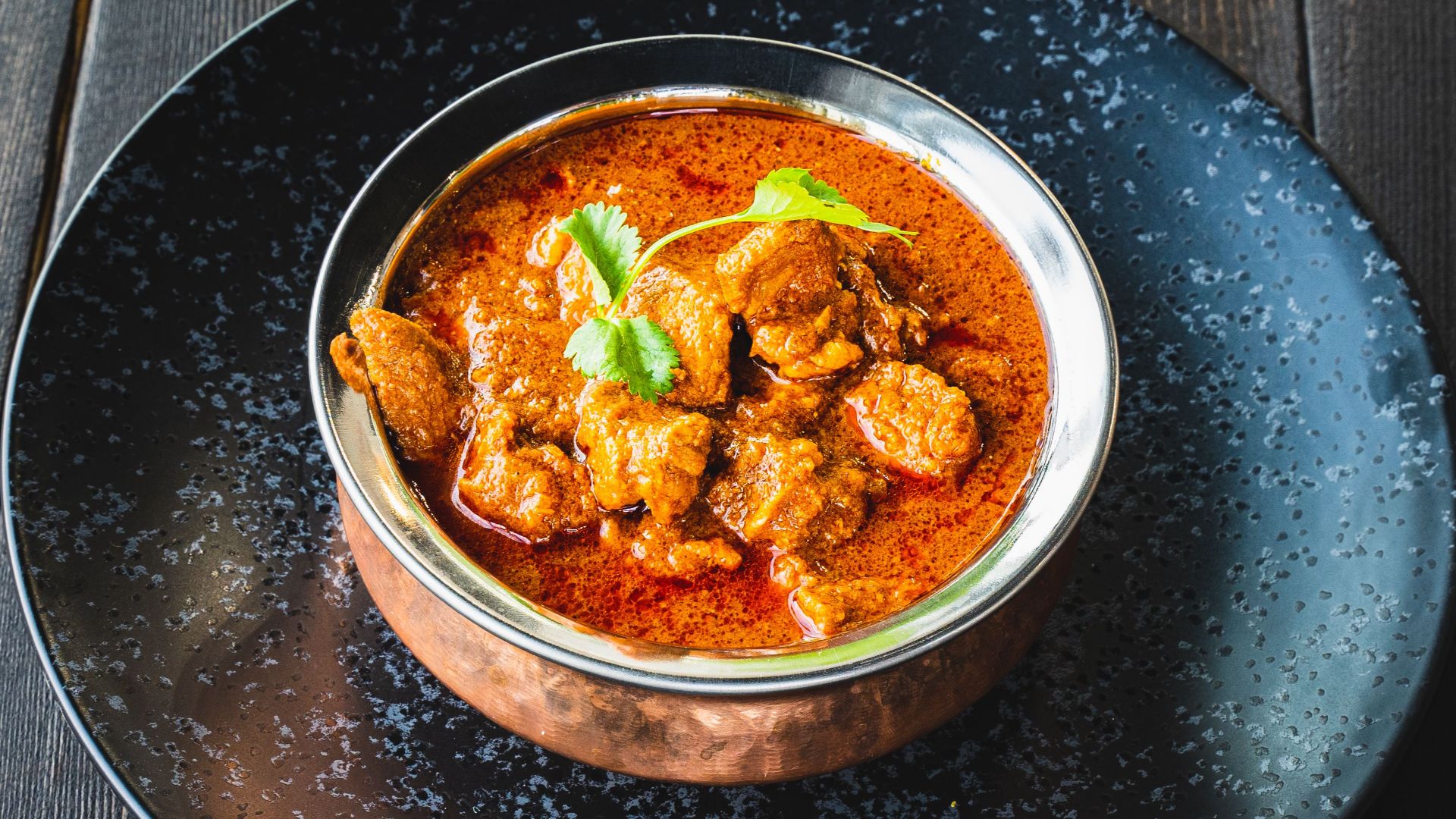
Vindaloo traces back to the Portuguese carne de vinha d’alhos, a preparation made with meat, wine or vinegar, and garlic. In Goa, local cooks changed the dish with regional spices, chiles, and local vinegar, while British curry-house versions later pushed it toward the intense heat many diners now expect.
14. Chicken Manchurian
Chicken Manchurian was created in Mumbai during the 1970s by chef Nelson Wang. The dish combined Chinese cooking techniques and seasonings with flavors aimed at Indian diners, helping define the hugely popular Indo-Chinese style.
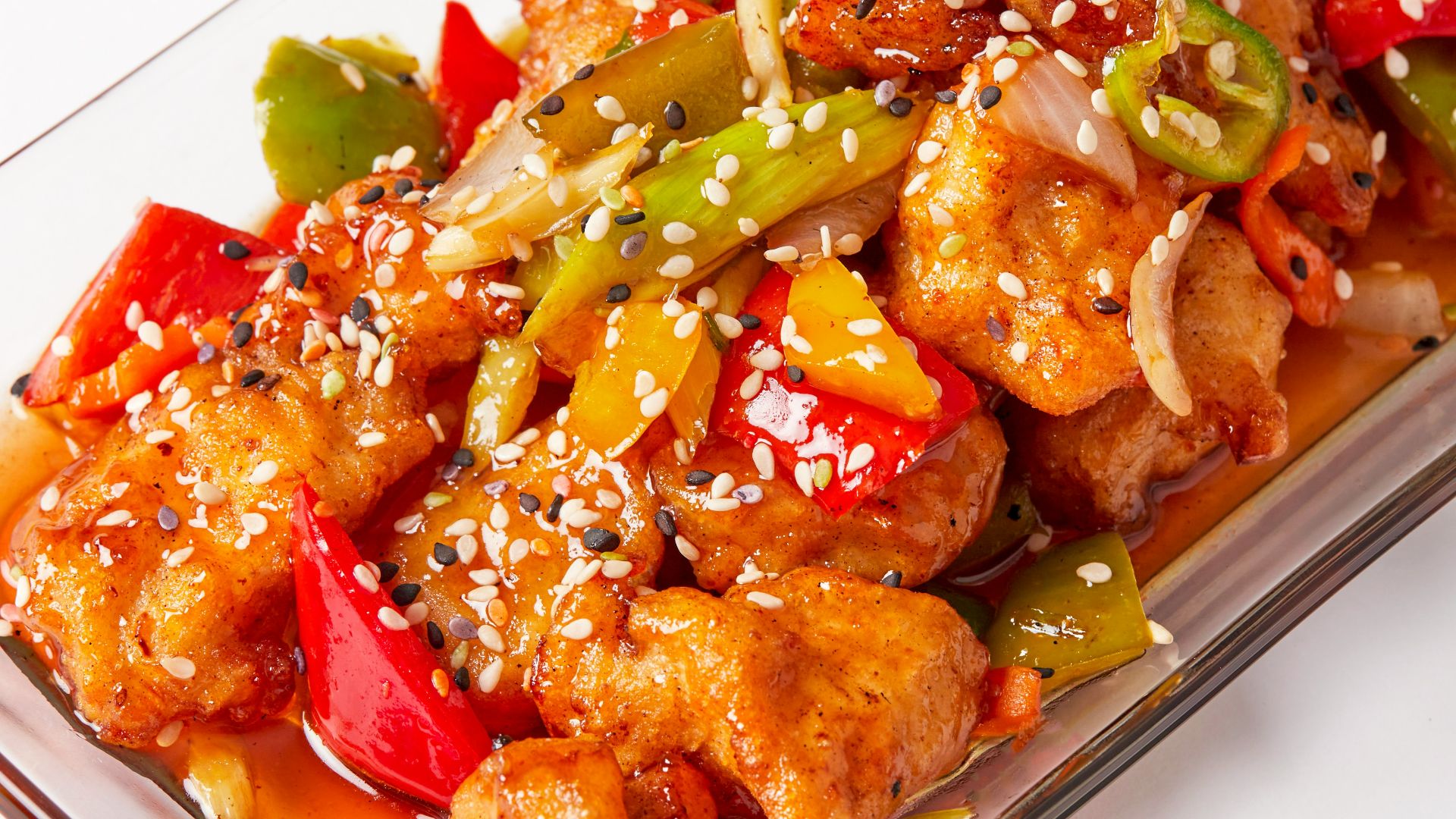
15. Tacos al Pastor
Tacos al pastor grew from the influence of Lebanese immigrants who brought vertical spit-roasting traditions to Mexico. Mexican cooks adapted the method with pork, chiles, corn tortillas, and local seasonings, creating a street food that now feels inseparable from Mexico City.
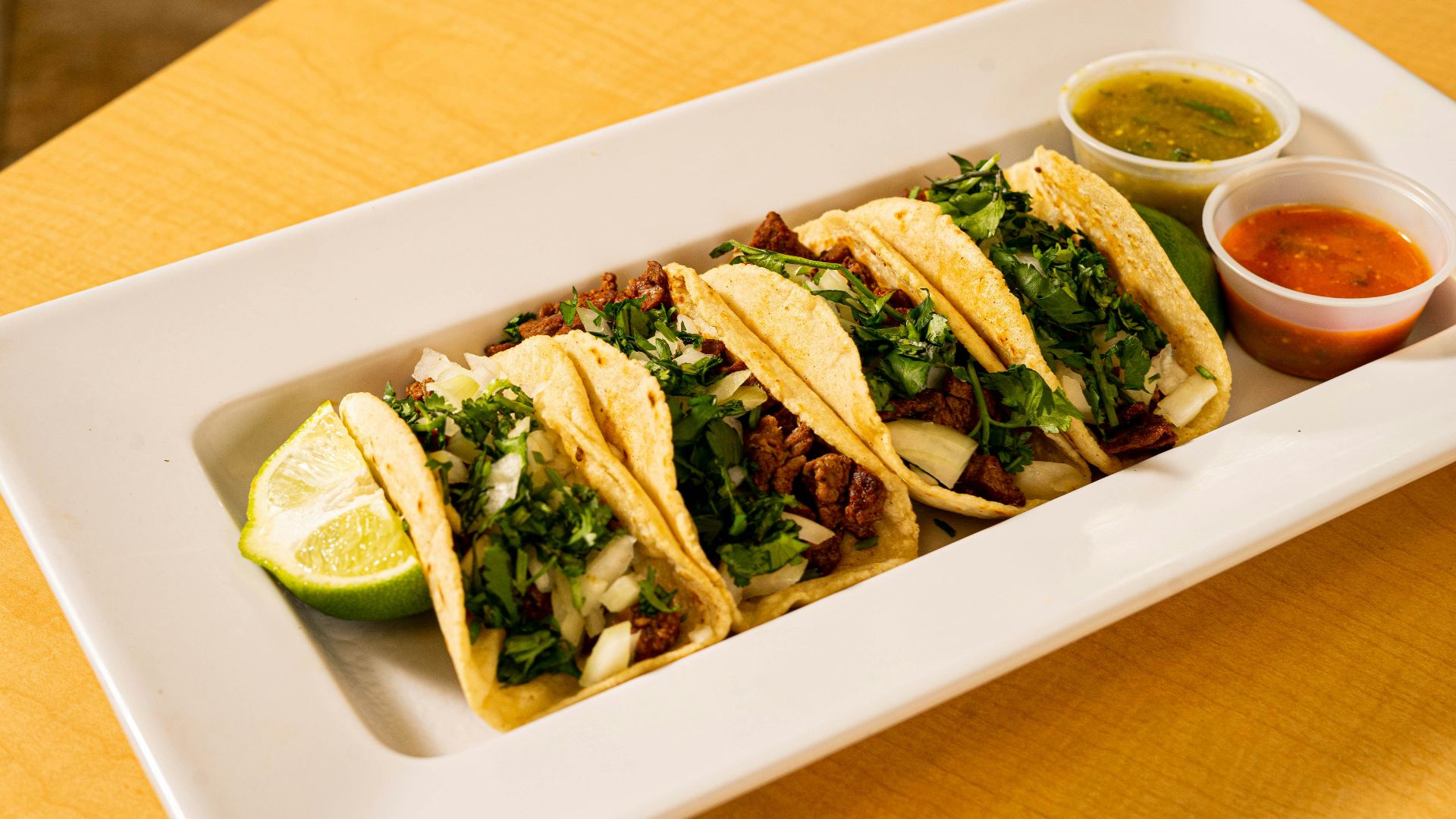
16. Nachos
Nachos were created in Piedras Negras, Mexico, in 1943, when Ignacio “Nacho” Anaya put together a quick snack for American visitors. The early version was simple, consisting of tortilla pieces, cheese, and jalapeños. From the start, the dish was shaped by life on the U.S.-Mexico border.
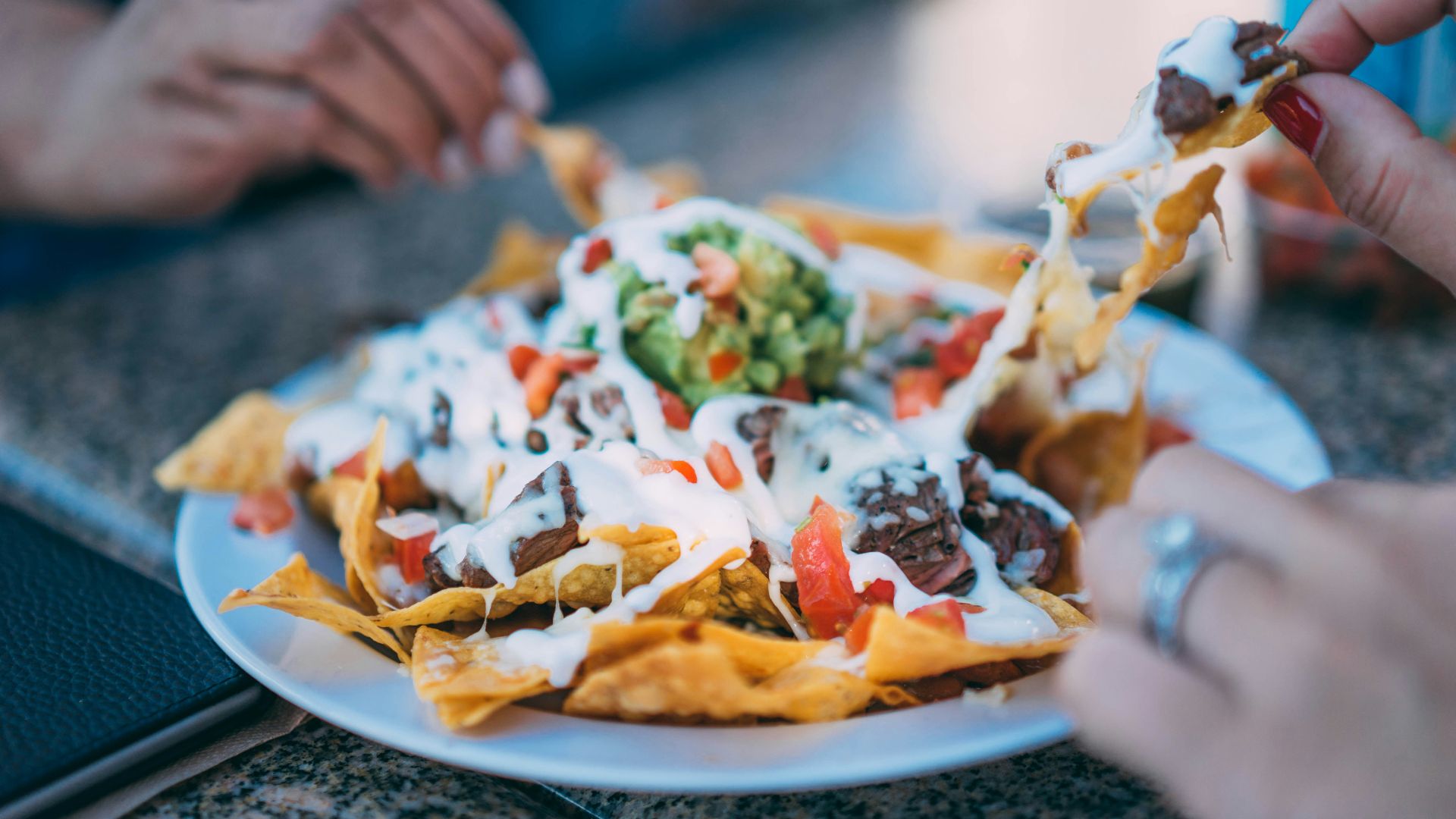
17. Jollof Rice
Jollof rice belongs to a broad West African food tradition. Nigerian, Ghanaian, Senegalese, and other versions differ in their rice, seasoning, texture, and cooking methods, while long-established Senegalese rice traditions around Saint-Louis add another layer to its regional history. Those differences are a big part of the dish, especially in places where people have strong loyalties to the version they know best.
18. Carbonara
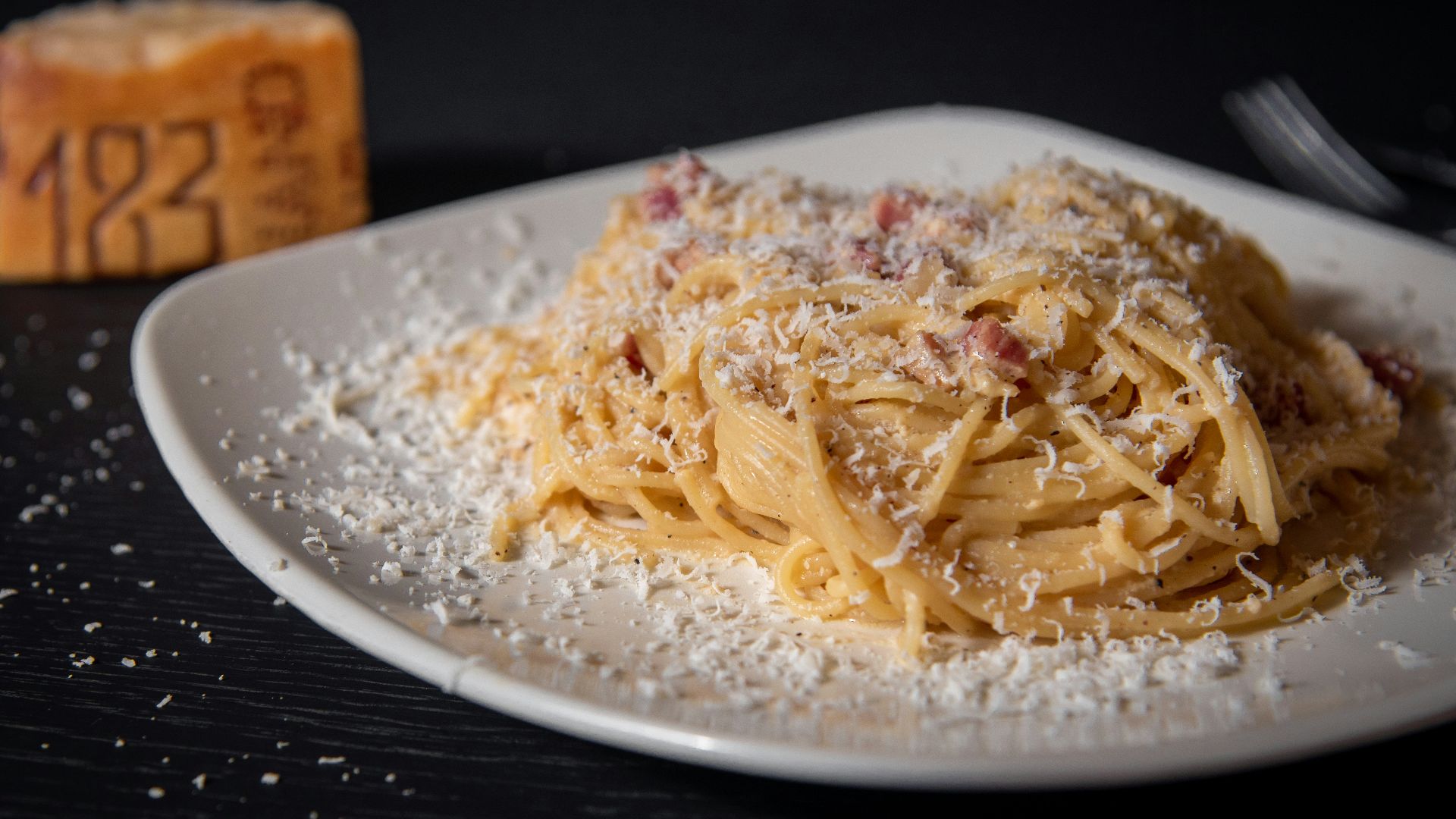
While Carbonara recipes remain pretty consistent today, its earliest documentation wasn’t. An Italian recipe published in 1954 used pancetta and Gruyère, while other early versions varied as well, showing that the familiar combination of eggs, cured pork, cheese, and pepper became more standardized over time.
19. Fish and Chips
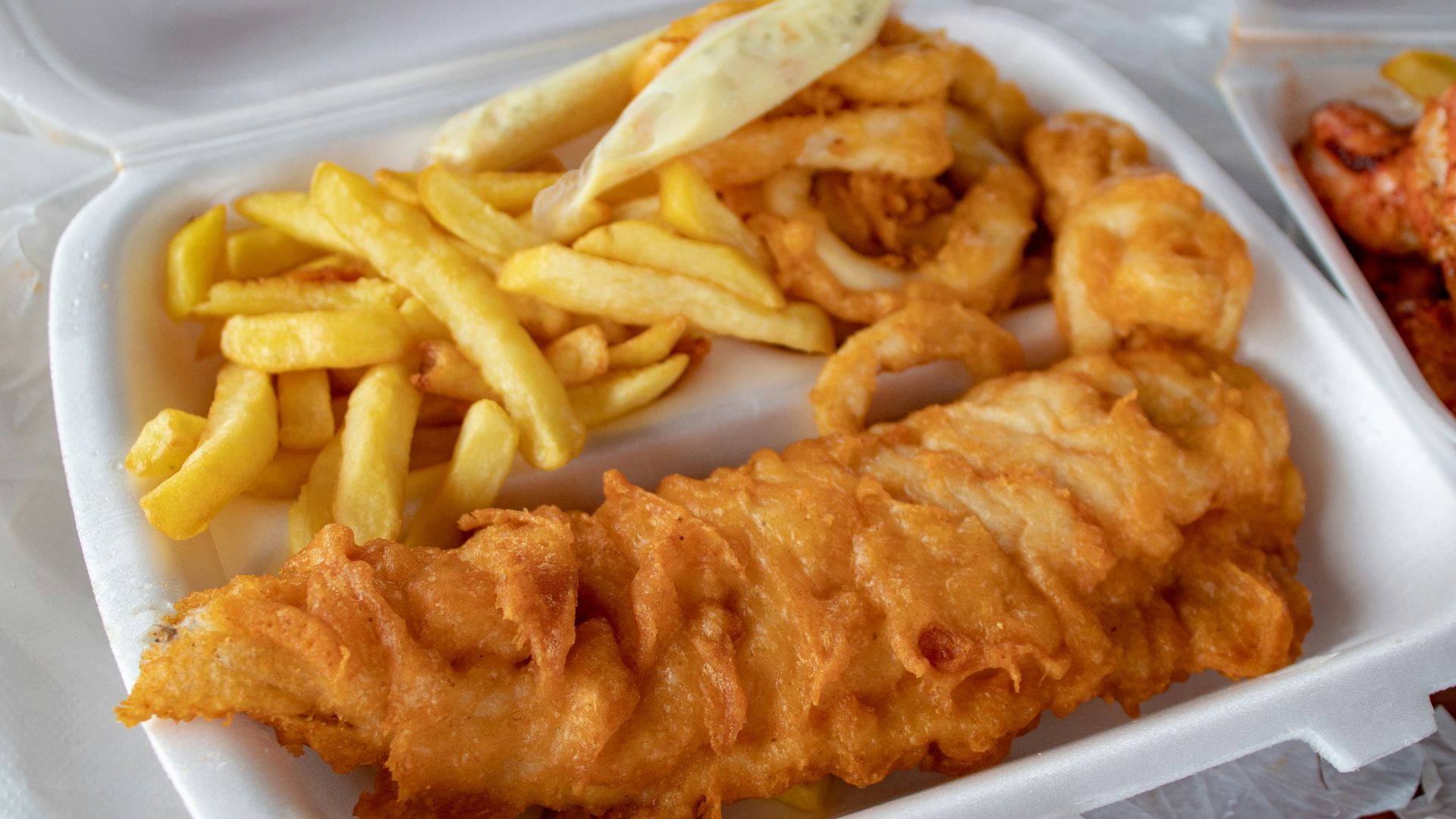
Britain’s fried-fish tradition has important roots in Sephardic Jewish communities. Fried fish was eventually paired with fried potatoes in the 19th century, creating the inexpensive, filling meal that became one of Britain’s best-known foods.
20. Budae-Jjigae
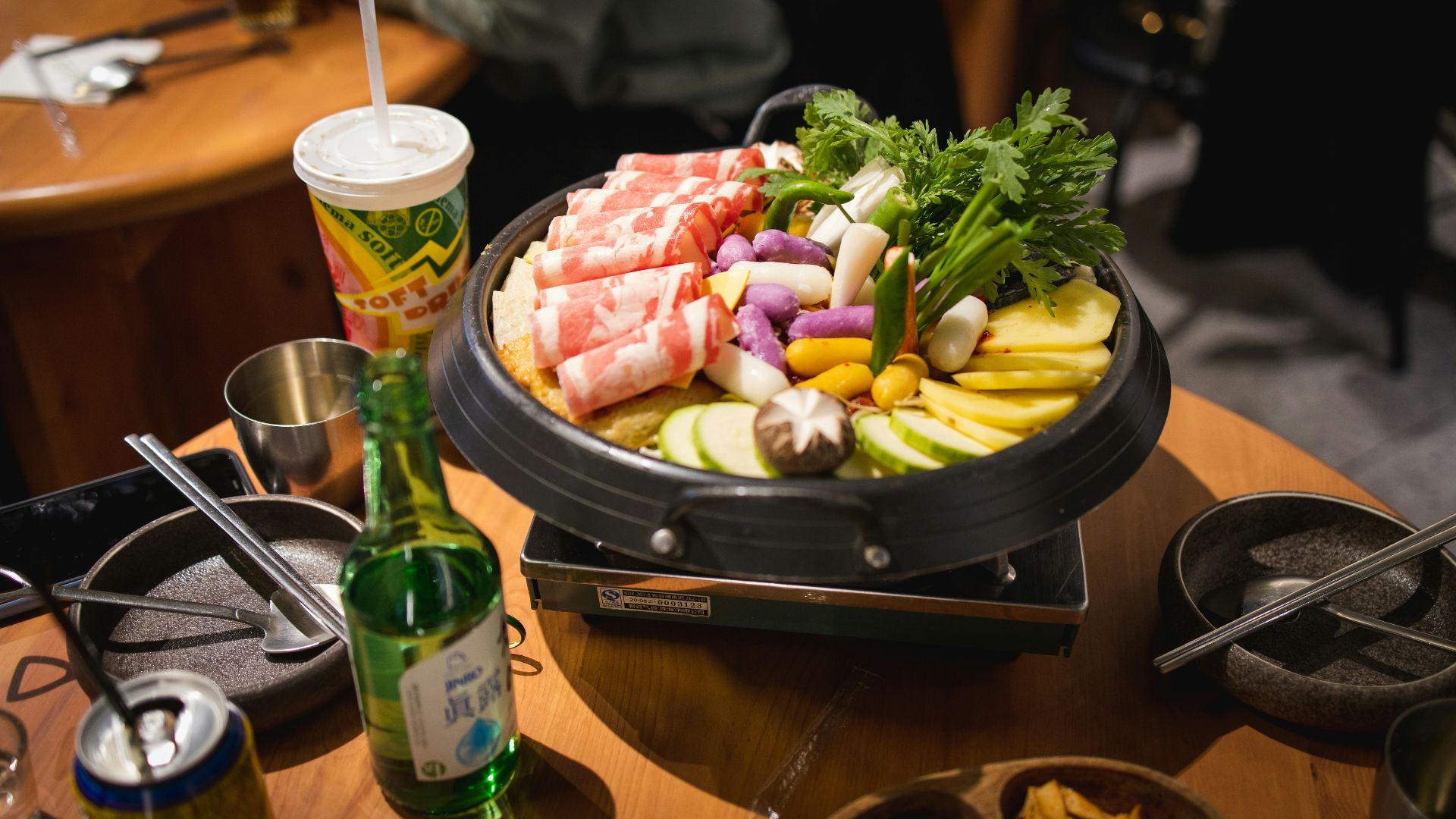
Budae-jjigae grew out of food scarcity in South Korea after the Korean War, especially in areas near American military bases. Cooks combined processed meats such as Spam and sausages with kimchi and Korean seasonings, while ingredients such as instant noodles and cheese became common in later versions. The dish eventually became a familiar comfort food we know and love today.
KEEP ON READING
20 Food Requests Only Spoiled People Ask For

20 Hardest Foods on Earth To Eat

Do Vitamin Supplements Actually Make You Healthier?