
Are We Eating Terrible Food Just Because We Grew Up With It?
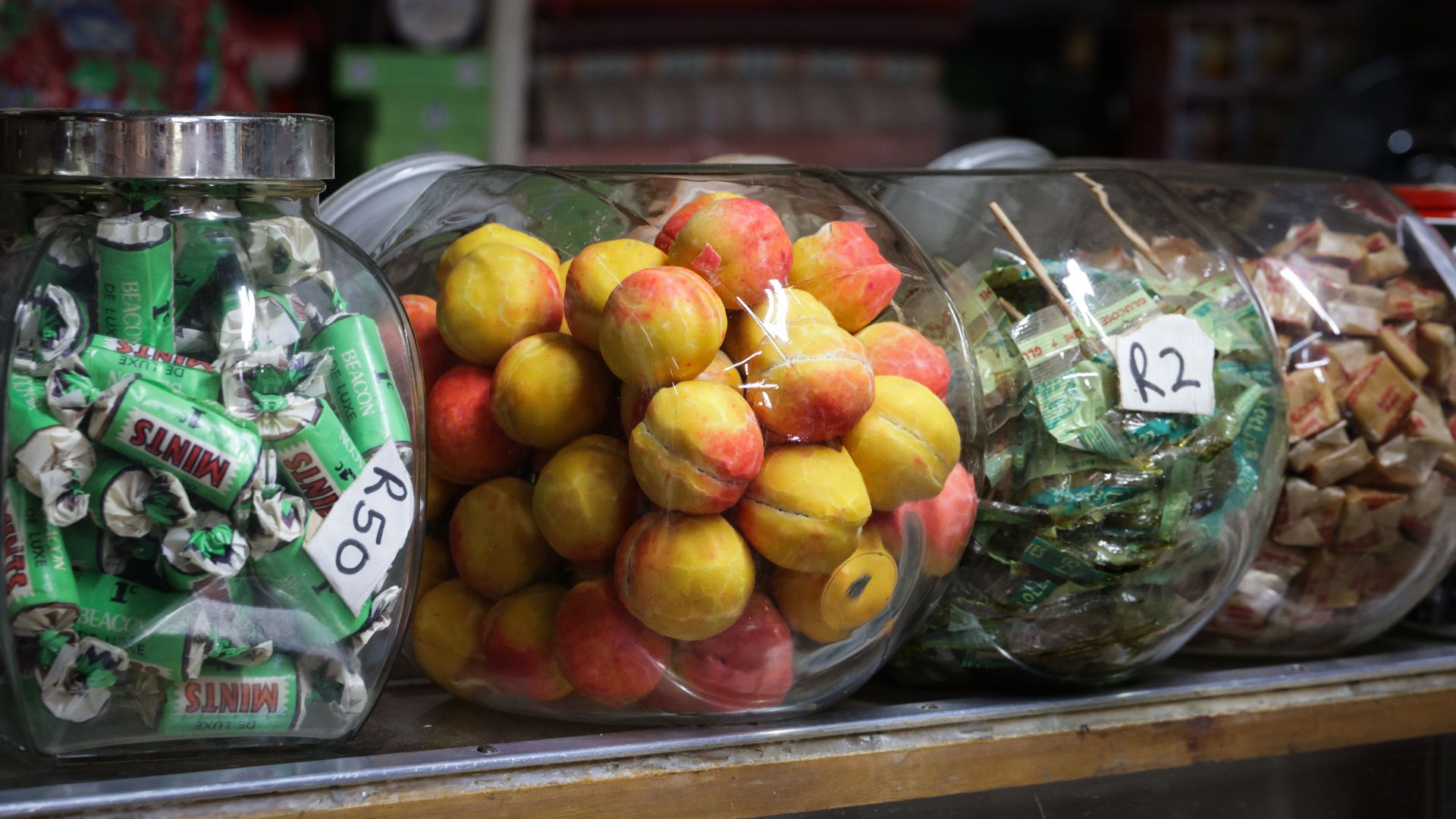
Everyone has at least one childhood food they absolutely adore, even when other people find it completely unappealing. Perhaps it's canned spaghetti, processed cheese, or a particular frozen dinner that reminds you of simpler times. These familiar foods can remain surprisingly comforting well into adulthood, regardless of whether they're especially nutritious or considered high-quality cuisine. But have you ever wondered whether you genuinely enjoy their flavors or simply love them because they're familiar?
Taste is only one factor that will determine whether we like or dislike a particular food. As discussed previously, there are many memories and traditions associated with certain foods, so another individual may find them distasteful, depending on their upbringing. It has also been shown that the number of times a person has tasted a food will affect their liking of it. So, it would be fun to see how many people would actually enjoy their "favorite childhood dish" if they were tasting it for the first time.
It is known that babies start to form preferences for various tastes and flavors very early in life. By being offered a wide variety of foods many times over, babies and young children are more likely to eat them. Hence, if a person has eaten a wide range of vegetables and spices or certain types of food throughout their childhood, they are probably more inclined to like these. Of course, being familiar with something does not mean you will enjoy it, only that you may be more receptive to its flavor.
Clearly, many people would be happy to eat a meal consisting of such staples as boxed macaroni, canned soups, and frozen pizzas if they were used to these as children. Of course, others who had home-cooked food may not want to touch them. Both would be equally right in enjoying or not enjoying these meals.
Children also learn eating habits by observing the people around them. Parents, siblings, and other family members can influence which foods seem normal, desirable, or worth trying. When everyone at the dinner table enthusiastically enjoys a particular dish, children may become more willing to eat it themselves. These early social experiences can continue influencing food choices long after someone begins preparing their own meals.
Interestingly, our preferences aren't permanently established during childhood. Adults can develop an appreciation for unfamiliar ingredients through repeated exposure and positive experiences. Foods that once seemed unpleasant, including bitter vegetables or strongly flavored cheeses, may become enjoyable over time. Your childhood favorites might remain important, but there's always room for new discoveries.
Nostalgia Can Make Ordinary Food Taste Better

Nostalgia has a powerful influence on how people remember and experience familiar things, including food. A simple bowl of instant noodles might remind someone of staying up late with friends or enjoying an inexpensive meal during college. Those pleasant associations can contribute to the enjoyment of eating the same dish years later. Sometimes, the experience surrounding a food matters just as much as its ingredients.
Many comfort foods are likely to be linked to an individual's experiences or traditions. A casserole may be reminiscent of time spent with family, whereas cookies from a shop may be remembered from many birthday parties. Of course, this does not mean that these foods would be better than many others, but it goes some way toward explaining why people continue to eat them.
As mentioned above, marketers will often try to invoke memories of a product from childhood. Well-known packaging or characters are frequently used on products and in advertisements, and there are many examples of product ranges being reissued after being withdrawn. This may well lead people to want to try the product again, but obviously, it may not taste as good as they remember.
Obviously, there is a difference between having pleasant memories of a food and finding it tasty. There are numerous factors that may make a product seem different when tried again: greater sugar or salt content, an altered formulation, the person's changed palate, or perhaps raised expectations. As such, it may be very pleasing or somewhat of a letdown.
Are Our Favorite Foods Actually That Good?
Taste is inherently subjective, which makes declaring a particular food objectively terrible rather difficult. People have different sensitivities to flavors, textures, and aromas, while cultural experiences influence what they consider appetizing. A dish that seems unpleasant to someone unfamiliar with it might be deeply appreciated within another household or community. Personal preference doesn't necessarily indicate anything about a food's nutritional quality or the skill involved in preparing it.
Of course, just because we enjoy a particular food doesn't necessarily make it "healthy." Many of these foods will have quite high levels of sugar, salt, and saturated fats, varying according to the food. All of these can add to their tasty qualities, of course, but they are also things that most people would wish to limit their intake of. As mentioned before, having the odd treat is unlikely to have a major impact if you eat healthily at other times.
It is also worth sampling other foods to see if you actually still enjoy them. For example, you may want to compare a store-bought product to a homemade alternative or include other foods or ingredients that you may have shunned in the past. You may find you love some of them just as much as when you were a child and dislike others. Both are useful to know!
As long as you are happy eating them because they are reminiscent of your youth, there is no reason why you shouldn't continue to do so. Nostalgic foods have been associated with happy times, comfort, and a sense of closeness to others.
Those benefits can be meaningful even when the food itself isn't particularly sophisticated or nutritious. Perhaps the better question isn't whether our childhood favorites are terrible, but whether we're willing to explore new flavors while continuing to enjoy the familiar ones.
KEEP ON READING

20 Dishes That Built Modern American Cuisine