Ancient Kitchens to Brooklyn Factories
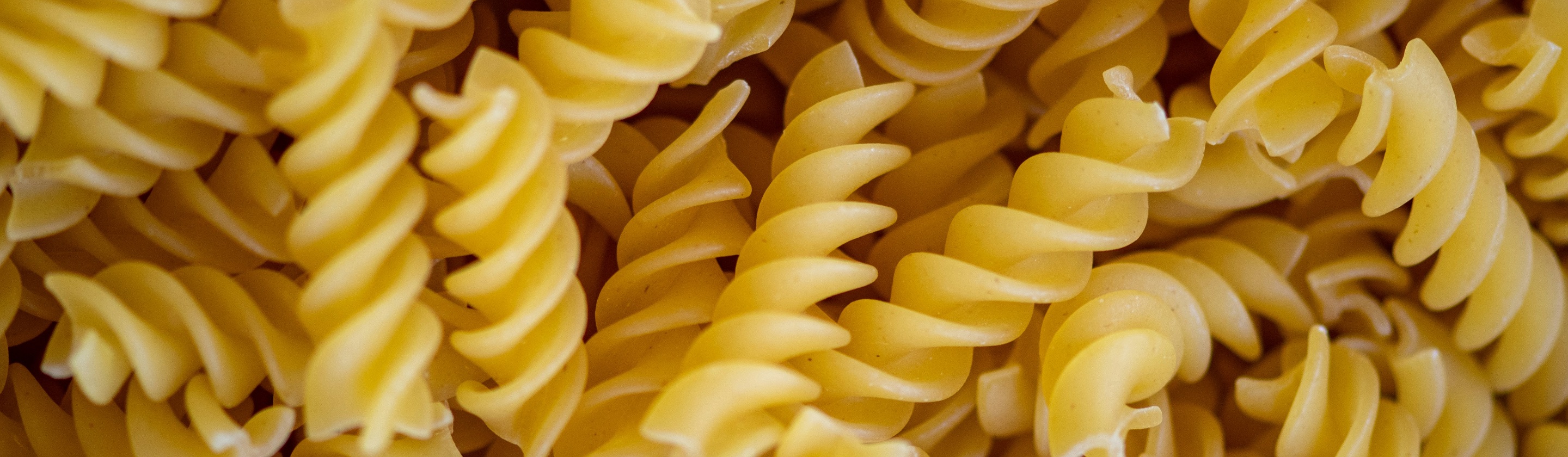
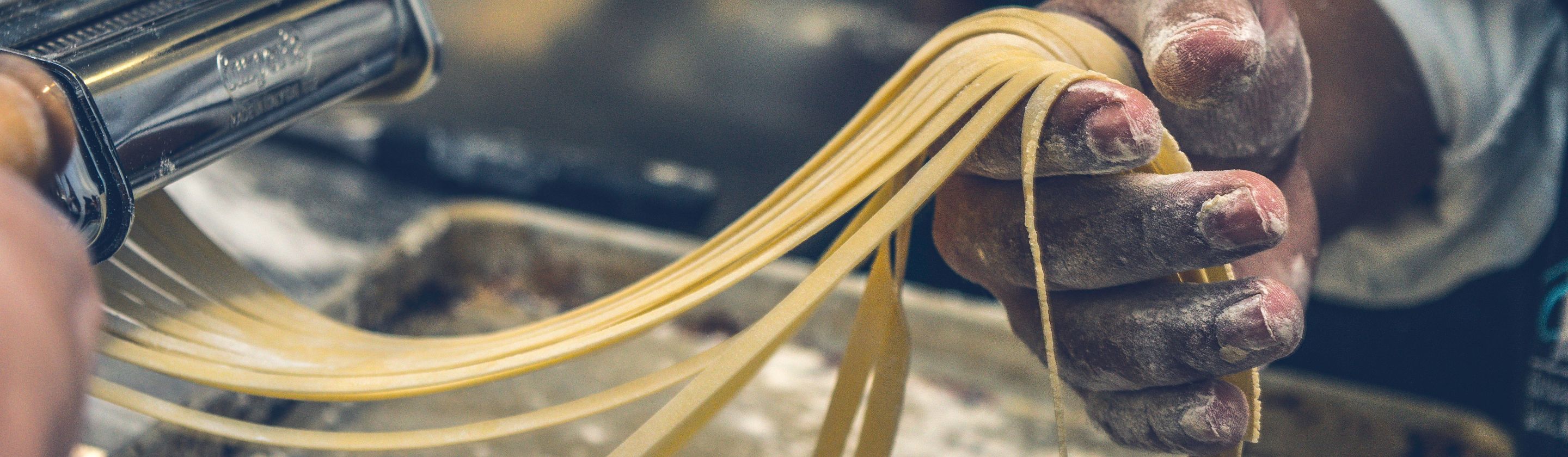
Pasta is a quintessential part of nearly every kitchen. A box of spaghetti or rigatoni can sit in the pantry for months, then turn into dinner with a pot of water, a little salt, and whatever sauce happens to be around. That everyday ease hides a long, slightly tangled history that stretches across China, the Mediterranean, Italy, England, and the United States. Pasta has been shaped by trade, immigration, wheat farming, factory work, and changing ideas about what makes a meal filling or nourishing. These 20 facts trace how pasta grew from early noodle-like foods into one of the most familiar dishes in the world.
 amirali mirhashemian on Unsplash
1. Noodle-Like Foods Go Back Thousands Of Years
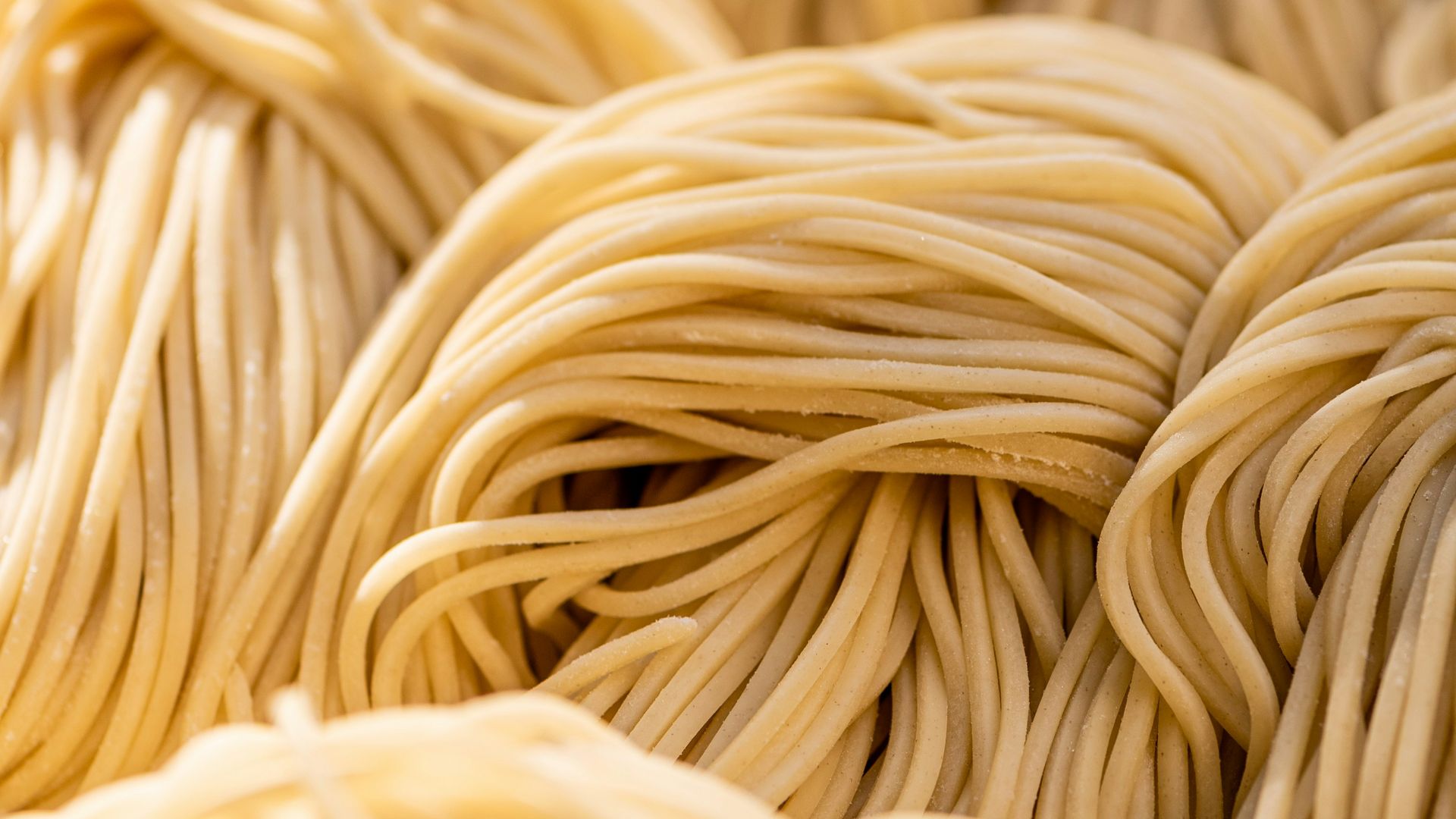
The oldest known physical evidence of noodles comes from northwestern China, where archaeologists found 4,000-year-old strands made from millet. These weren’t Italian pasta, but they do show that people were shaping grain dough into long, cooked strands very early on in human history.
2. Pasta Is An Italian Word
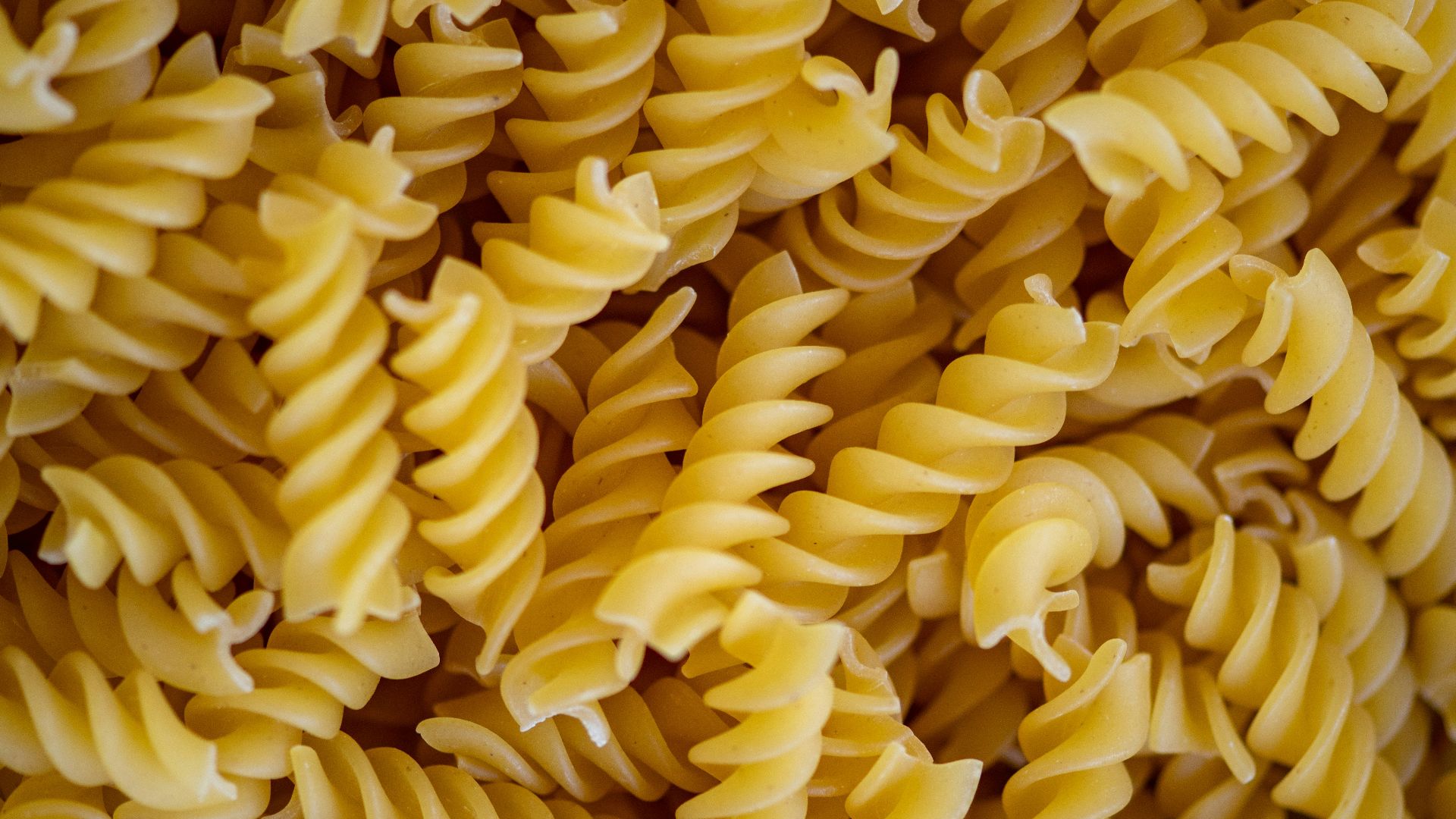
The word “pasta,” as we know it today, came from an Italian term meaning “dough-based food.” This particular definition didn’t really take off until after World War II. Before, the word was usually associated with Greek, meaning “barley porridge.”
3. Ancient China And Its Noodle Traditions
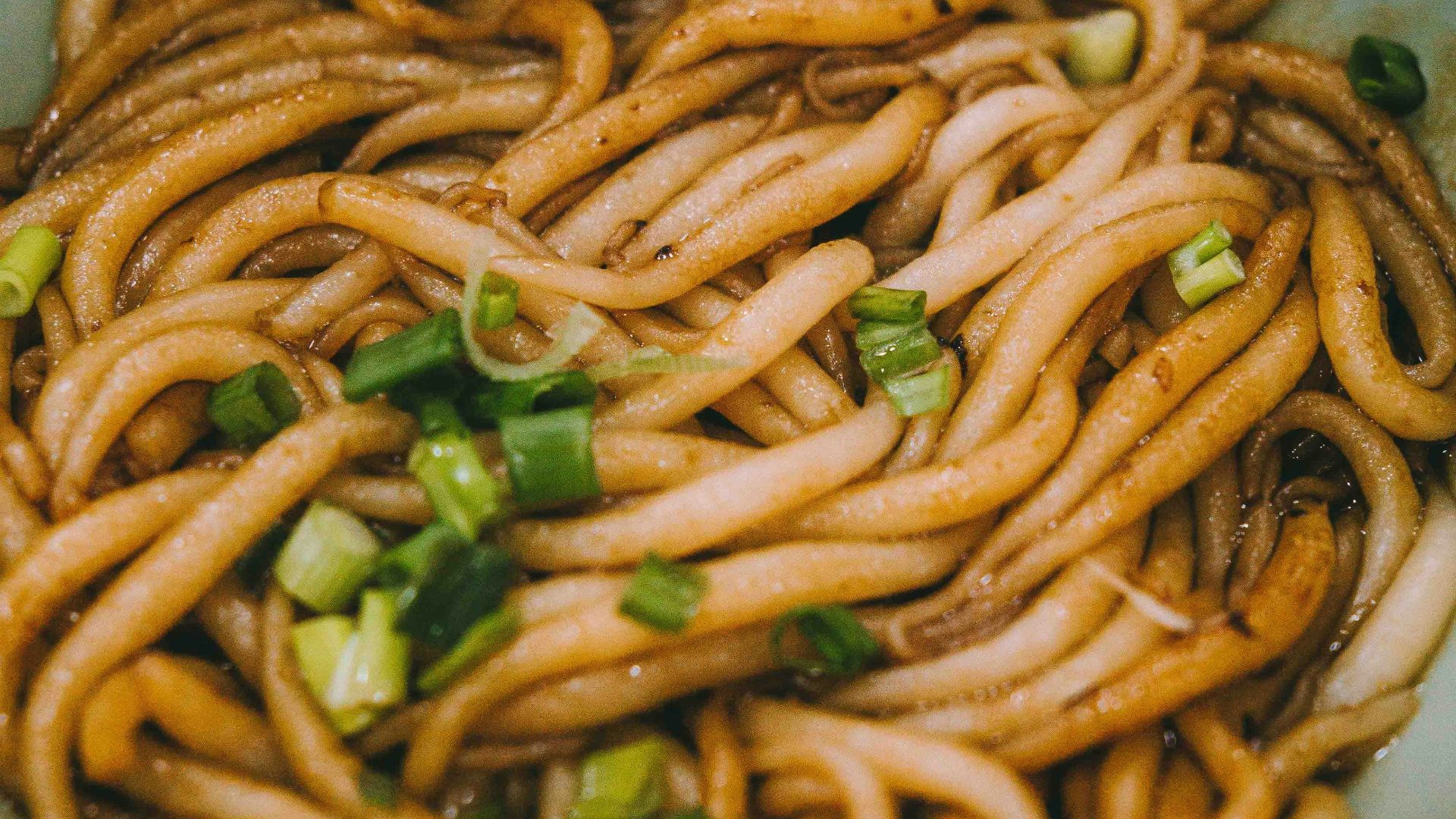
In northern China, wheat and millet-based noodles became part of everyday cooking over many centuries, with the earliest archaeological evidence dating back over 4,000 years. Ancient Chinese pasta dishes were often associated with long life and happiness.
4. Ancient Greece Had Flat Dough Dishes
Greek cooks made flat doughs from flour and water, and some food historians connect those preparations to later pasta-like dishes. The link to modern lasagna isn’t a perfectly direct line, but it once again proves how earlier humans loved their boiled dough.

5. Roman Cooks Used Flat Dough, Too
Roman food also included flat dough preparations that could be baked, fried, or layered with other ingredients. They weren’t serving trays of Sunday lasagna, no, but they were already treating cooked dough as something hearty and useful.

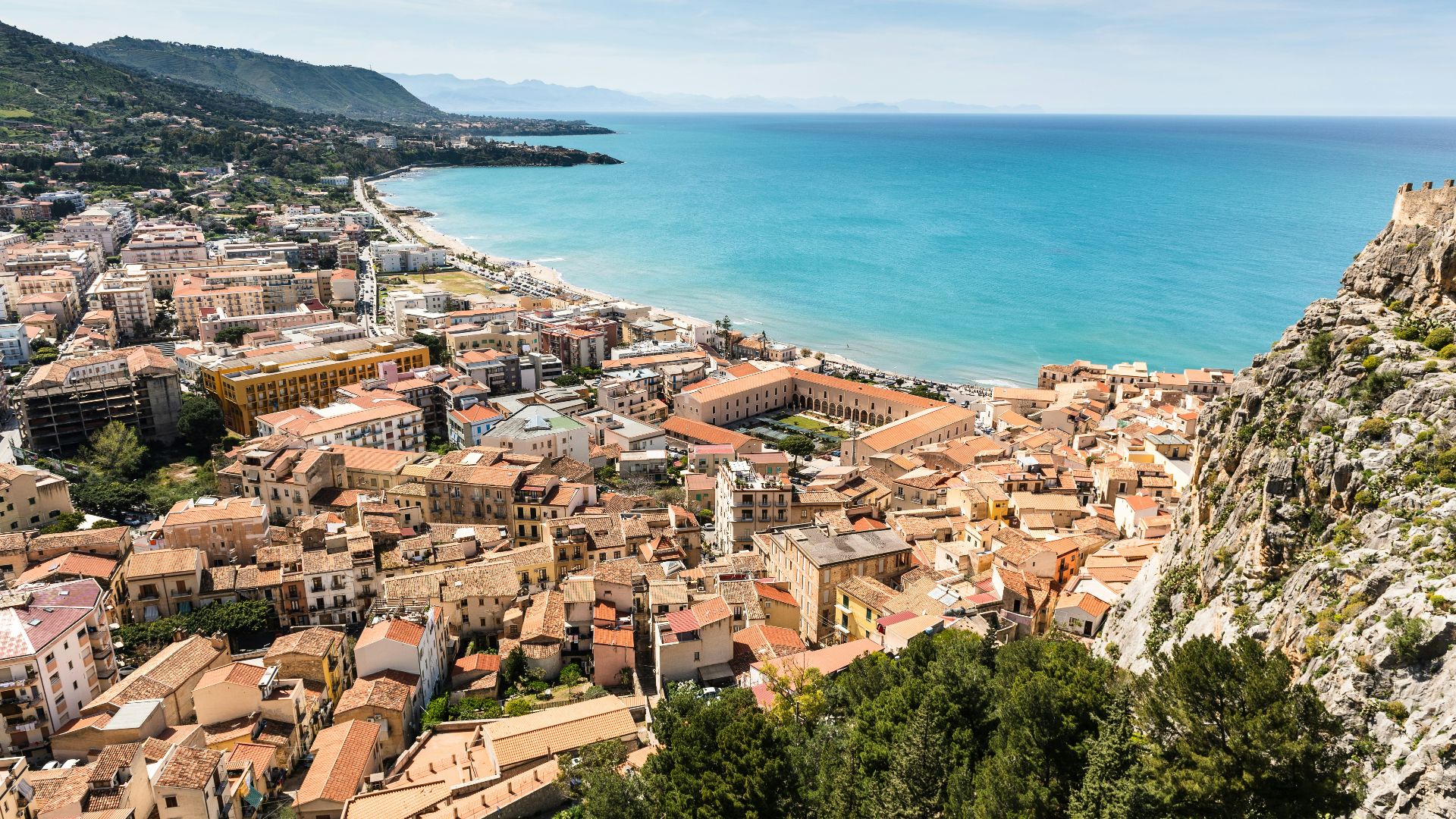
6. Sicily Became A Key Pasta Region
Sicily mattered because of where it sat, right in the middle of the Mediterranean trade. Food habits from North Africa, the Middle East, and Europe crossed through the island, and that helped dried pasta become a part of the local cooking.
7. Arab Influence Helped Spread Dried Pasta
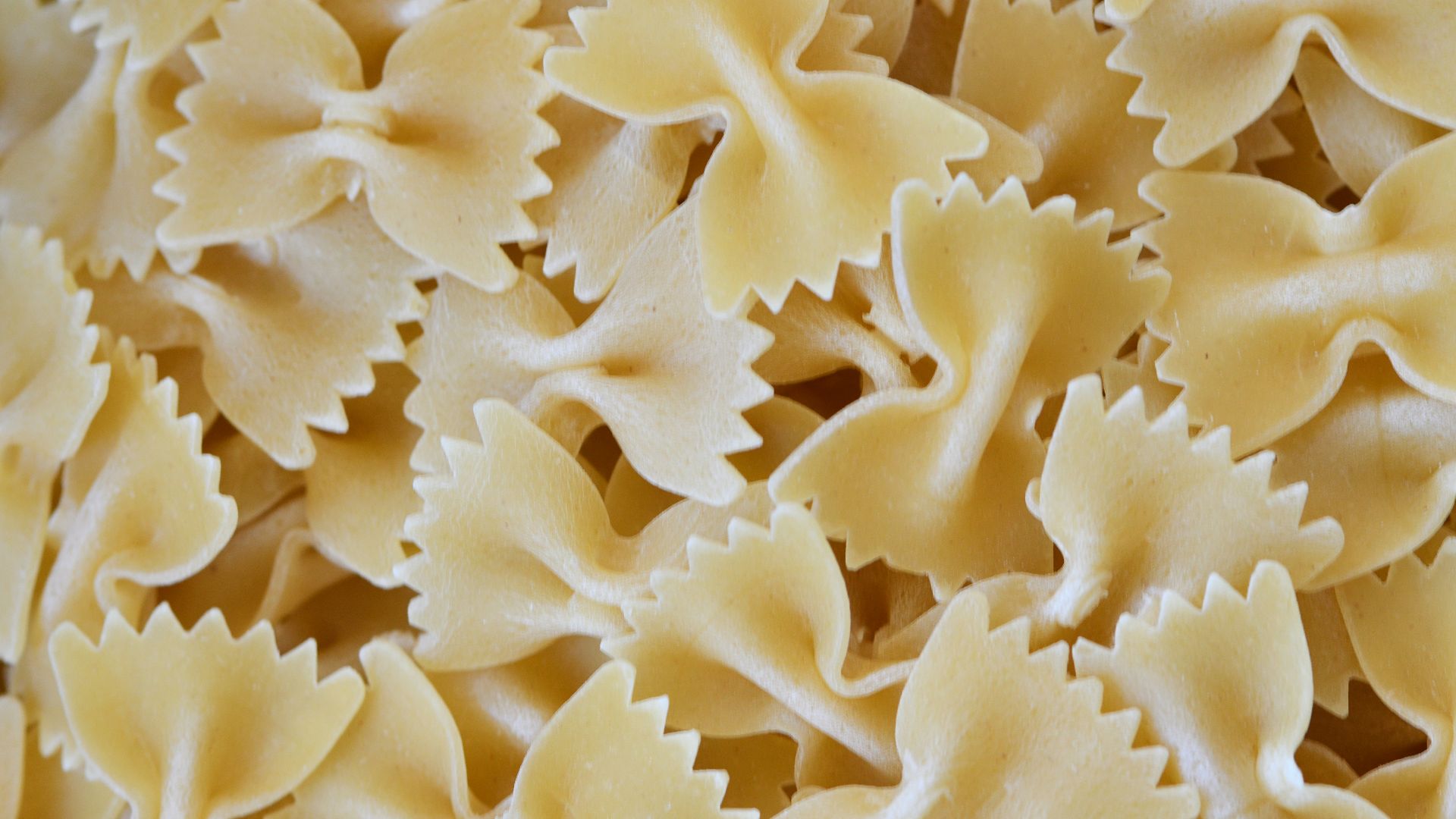
Arab traders and communities helped move dried, strand-like pasta through Mediterranean routes. As dried pasta could travel better than fresh dough, especially by ship, it made this meal staple a practical choice for land and sea travellers. It also explains why we’re able to buy store-bought pasta today.
8. 15th-Century Cookbooks Recorded Pasta Recipes
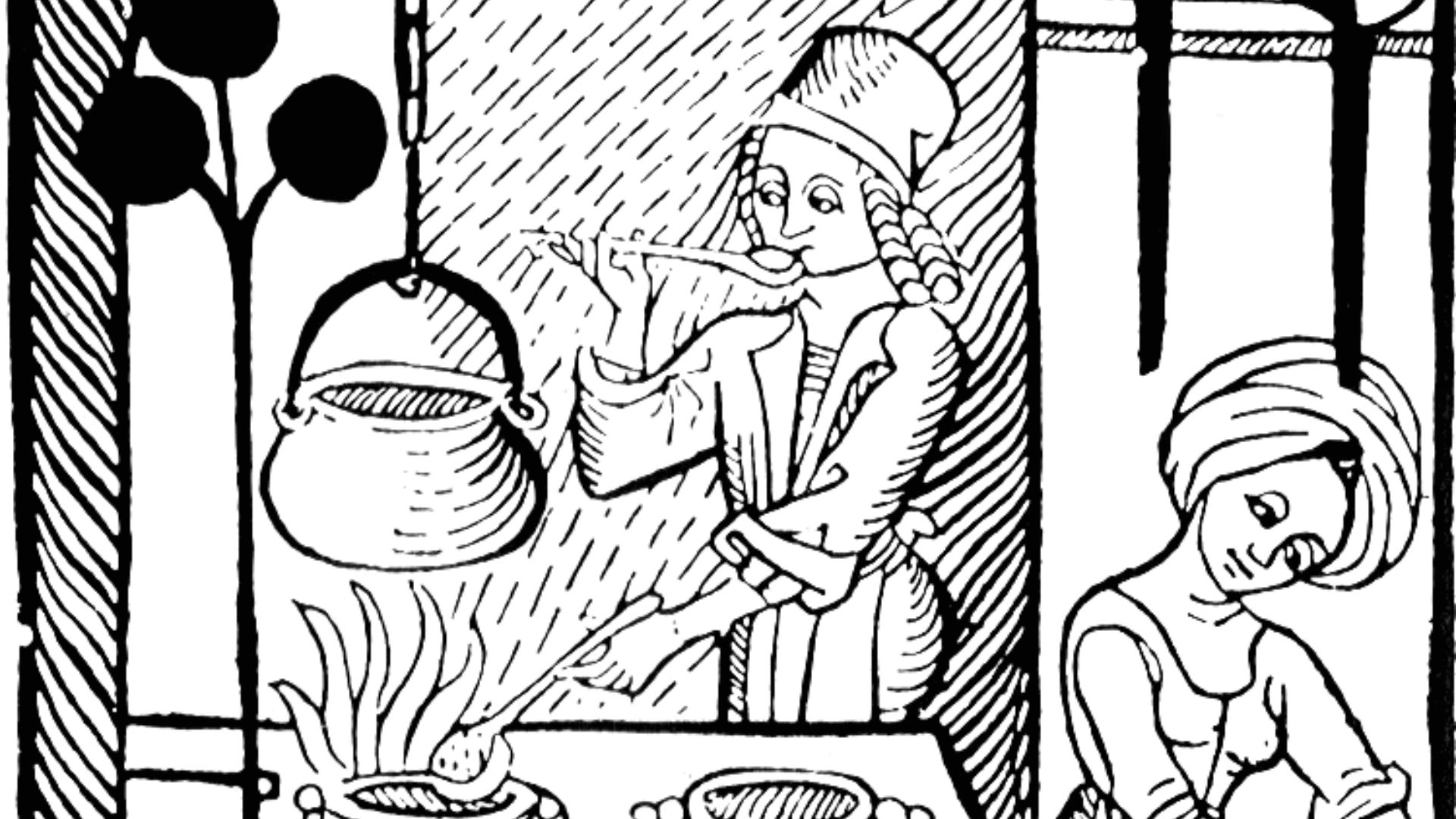
By the 15th century, Italian cookbooks were describing vermicelli and macaroni in written recipes. One well-known cooking text included thin pasta dried in the sun, then cooked later in broth with cheese and spices.
 Johannes Fischauer on Wikimedia
9. Durum Wheat Made Pasta Stronger
Durum wheat became important because it makes firm dough hold up well when dried and boiled. That chewy texture is part of why pasta feels satisfying without collapsing into a sad, gluey mess in the pot.

10. Marco Polo Didn’t Bring Pasta To Italy
The old story that Marco Polo brought pasta back from China is a fun tale to tell, which is probably why it stuck around. Historical evidence shows pasta-like foods were already known in Italy and the Mediterranean well before he returned from his travels.

11. Naples Became A Pasta-Making Hub
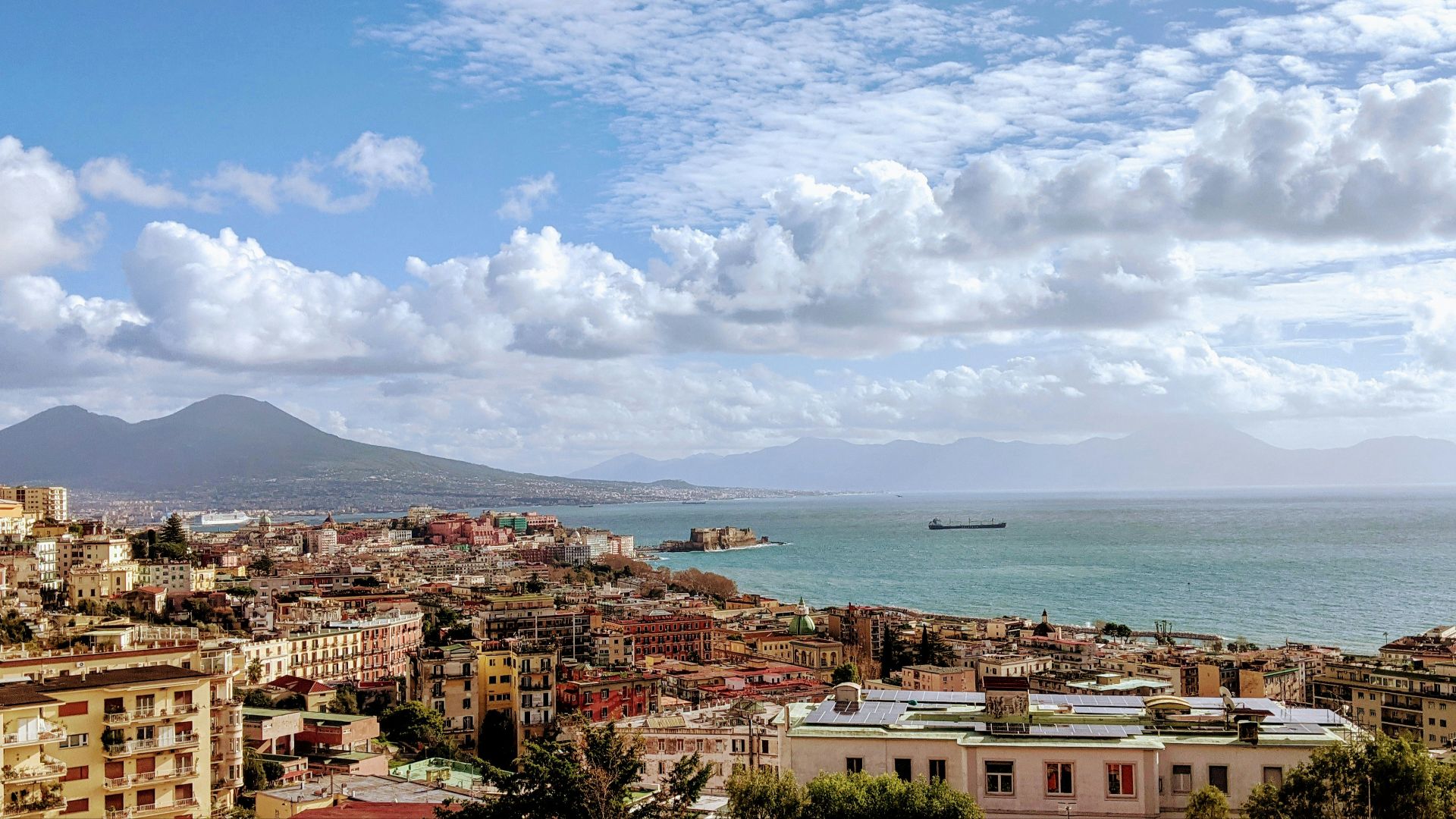
By the late medieval and early modern periods, Naples became strongly associated with pasta production. The area’s wheat supply and drying conditions helped long strands of pasta dry properly before modern machines took over the hard work.
12. Tomato Sauce Came Later Than People Think
Pasta and tomato sauce now feel inseparable, but tomatoes didn’t arrive in Europe until after contact with the Americas. In Naples, written recipes pairing pasta with tomato sauce became more visible in the 19th century.
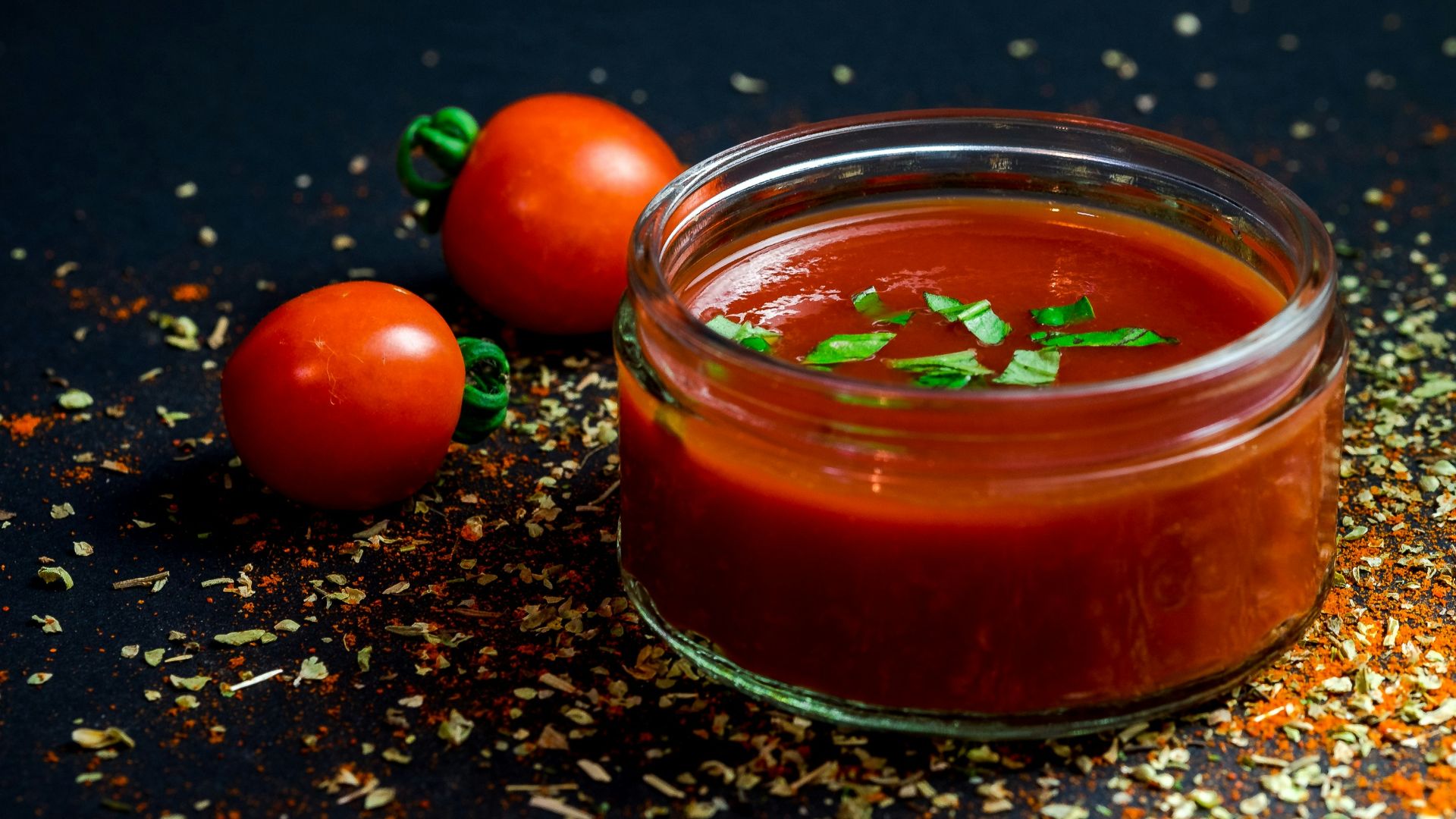
13. Shapes Developed For A Reason
Pasta shapes didn’t just appear out of pure preference, as there’s somewhat of a science involved in the choosing. Tubes hold thicker sauces, ridges catch bits of cheese or tomato, and long strands work nicely with lighter coatings.
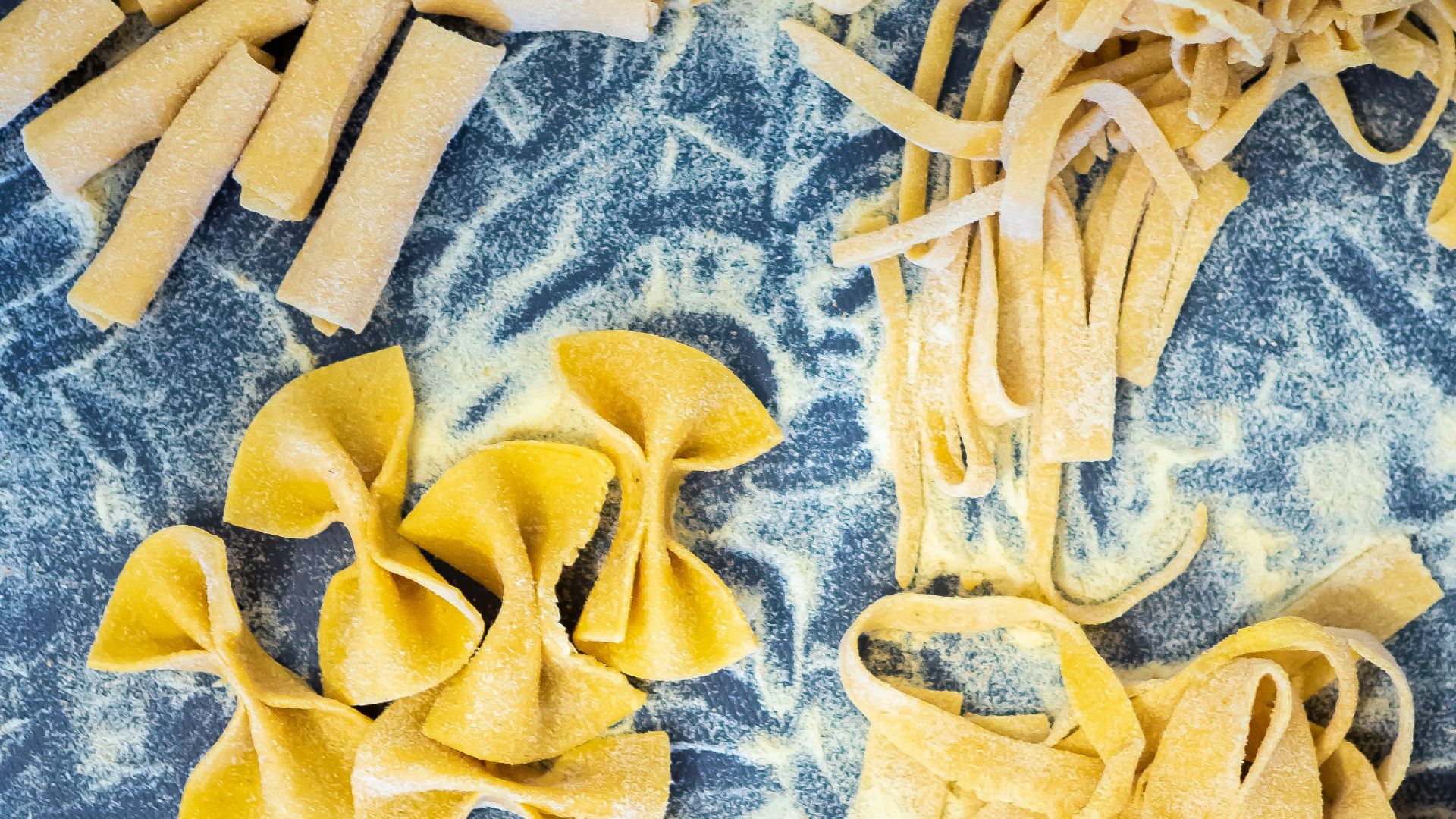
14. Regional Pasta Became Deeply Local
Different parts of Italy developed their own pasta shapes, sauces, and habits. Orecchiette became closely tied to Puglia, trofie to Liguria, and long dried strands to southern pasta-making traditions.
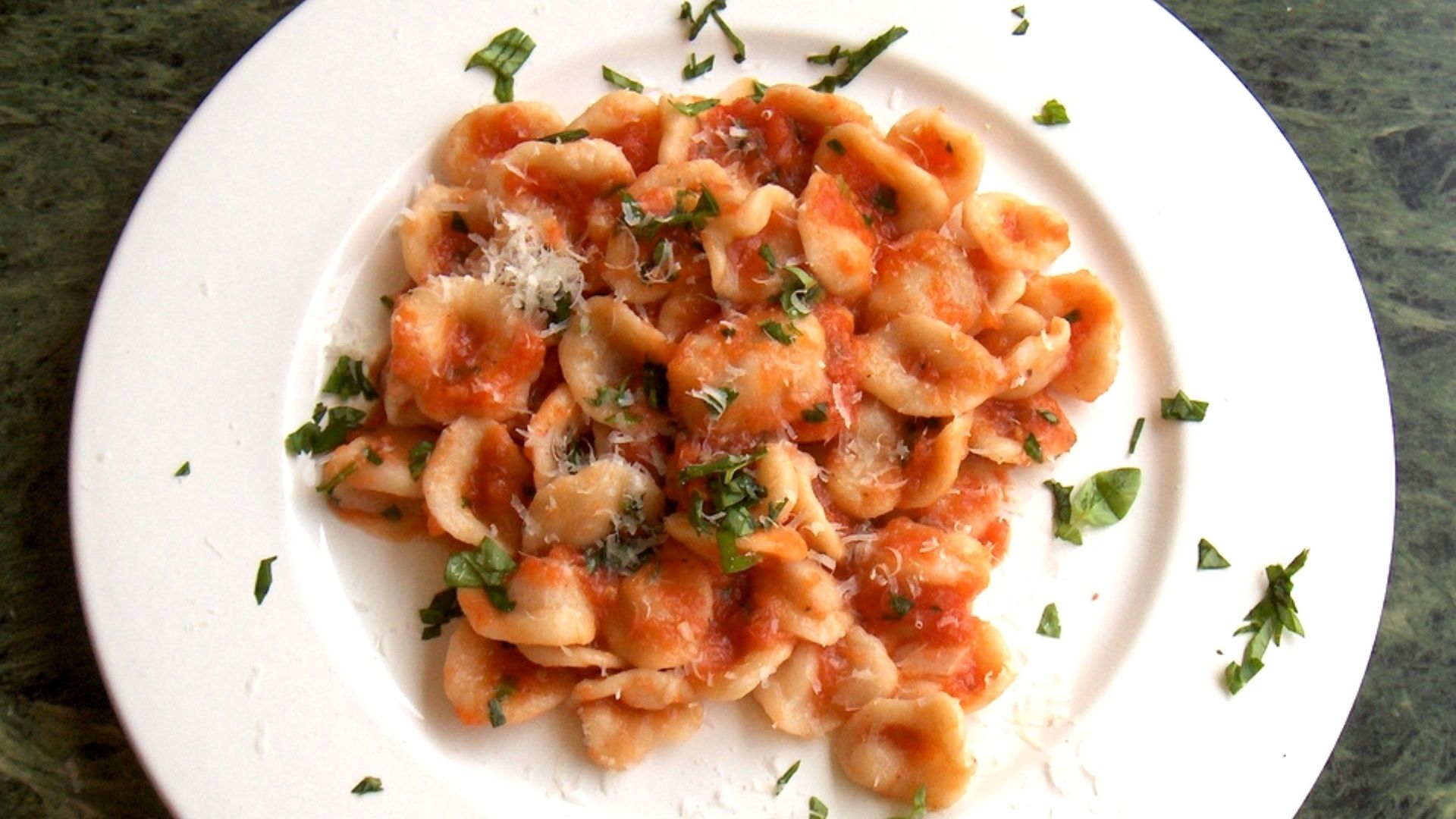 https://www.flickr.com/people/turos/, Retouched by AM on Wikimedia
15. Renaissance Kitchens Made Pasta More Polished
In Renaissance Italy, wealthy households and court kitchens helped turn pasta into something more refined. Cooks used cheese, butter, herbs, and careful shaping, which moved pasta into something well beyond plain survival food.
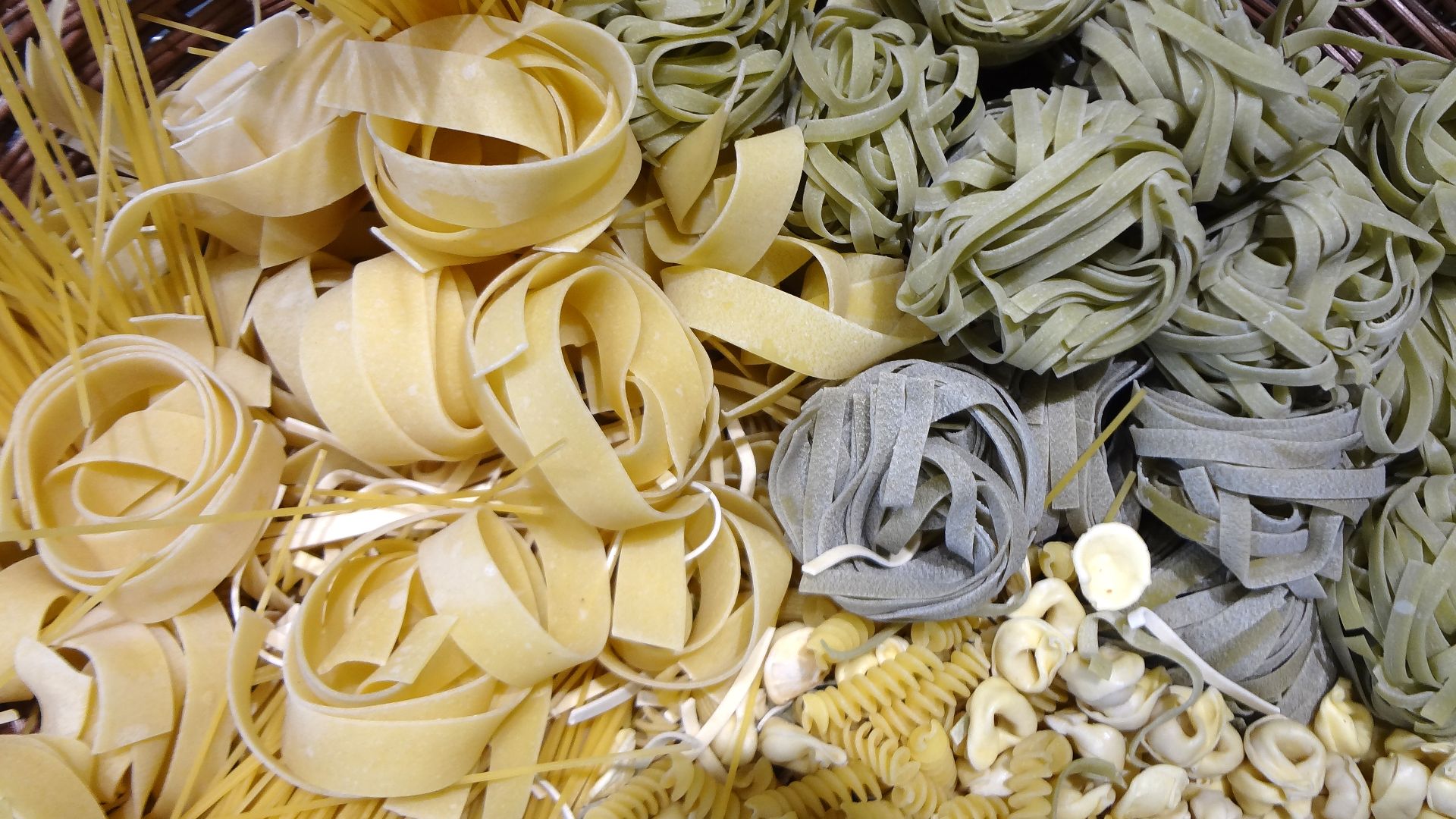
16. Pasta Reached English-Speaking Kitchens Slowly
English travelers encountered pasta in Italy and brought the idea home in their own way. Early English-language pasta dishes often leaned rich and heavy, with long cooking times, cheese, and cream. That said, it doesn’t sound pretty bad.
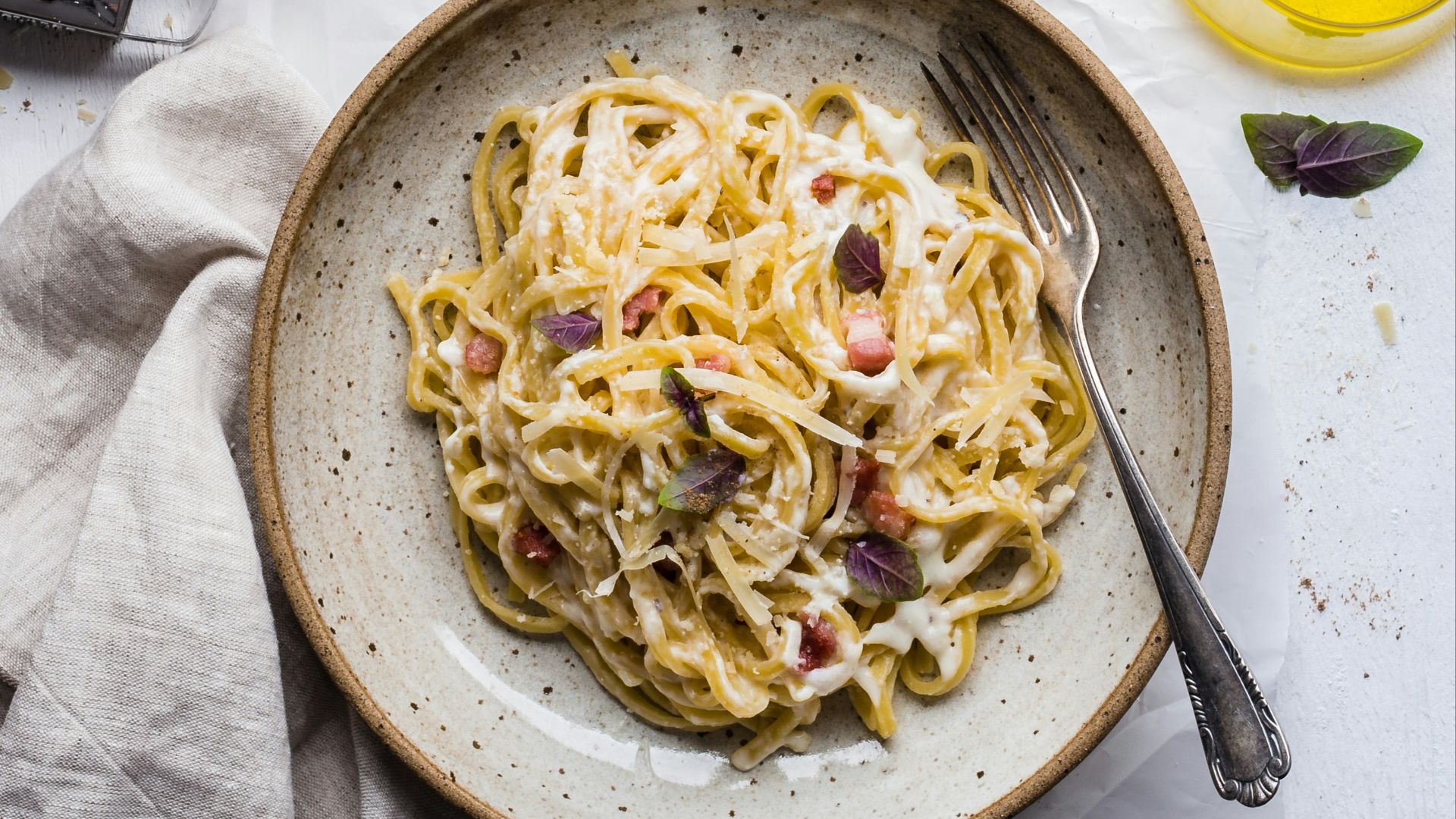
17. Thomas Jefferson Helped Popularize Macaroni
Thomas Jefferson developed an interest in macaroni during and after his time in Europe. He requested a macaroni mold from Naples, served macaroni dishes, and helped make pasta feel a little less foreign to early American elites.
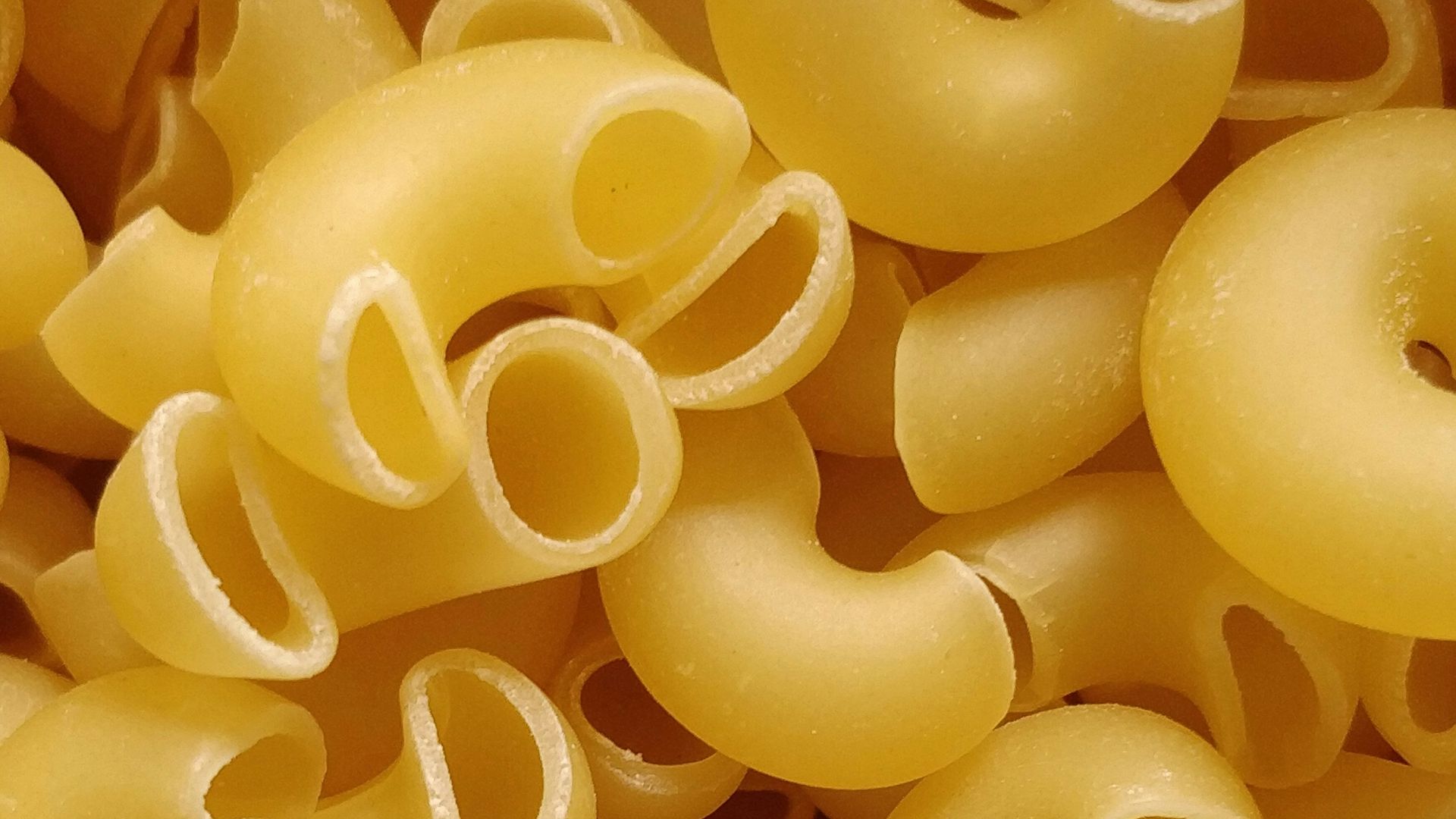
18. Brooklyn Had America’s First Pasta Factory
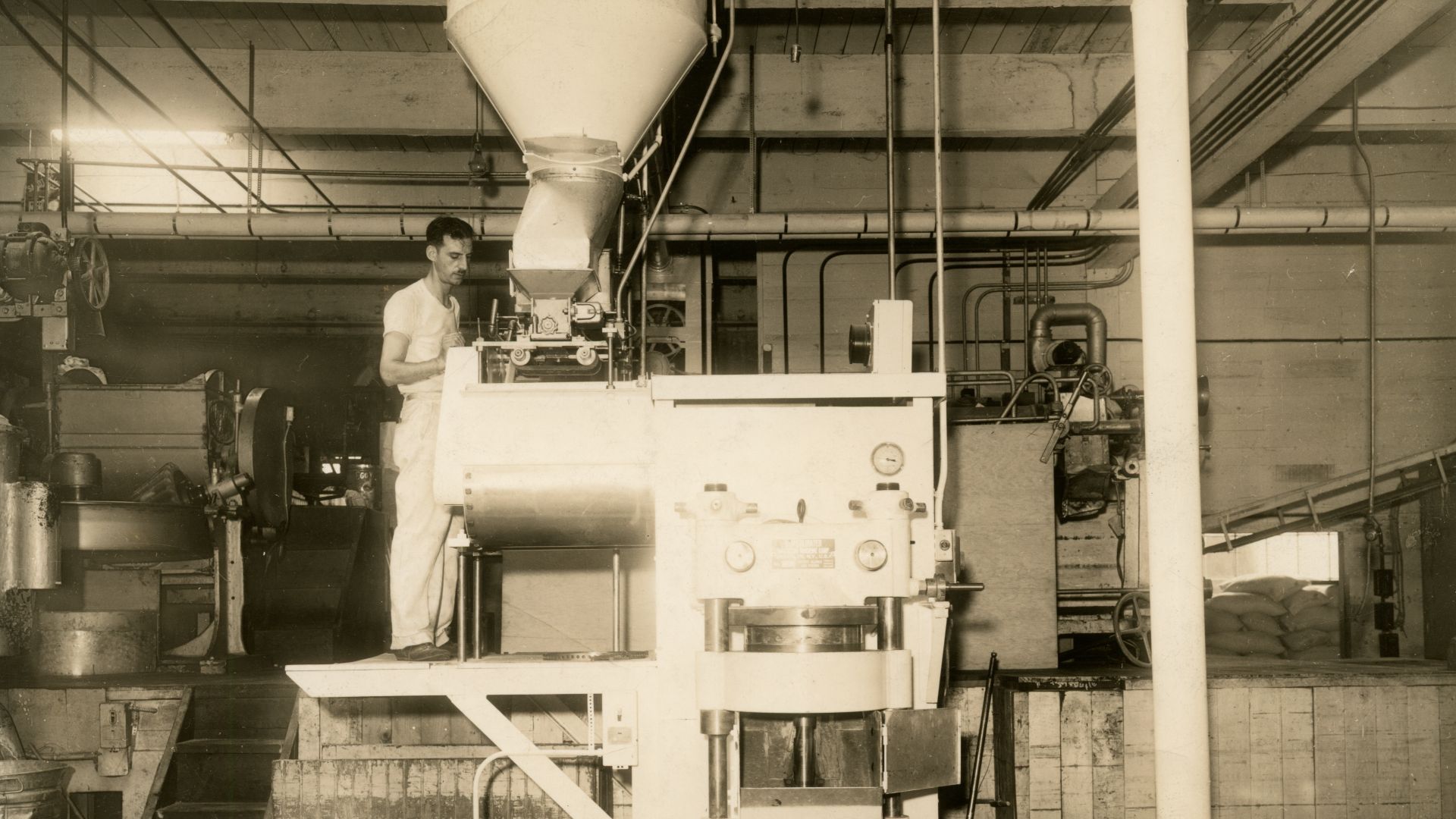
The first industrial-scale pasta factory in the United States opened in Brooklyn in 1848. It was started by Antoine Zerega, a French immigrant, and the factory remained in the family for almost 200 years.
 Leonard J. DeFrancisci (copyright holder) on Wikimedia
19. Italian Immigration Made Pasta Familiar
Italian immigration in the late 19th and early 20th centuries helped pasta become a regular part of American life. Families, grocers, restaurants, and neighborhood kitchens carried familiar recipes into new cities, where pasta slowly became everyday comfort food.
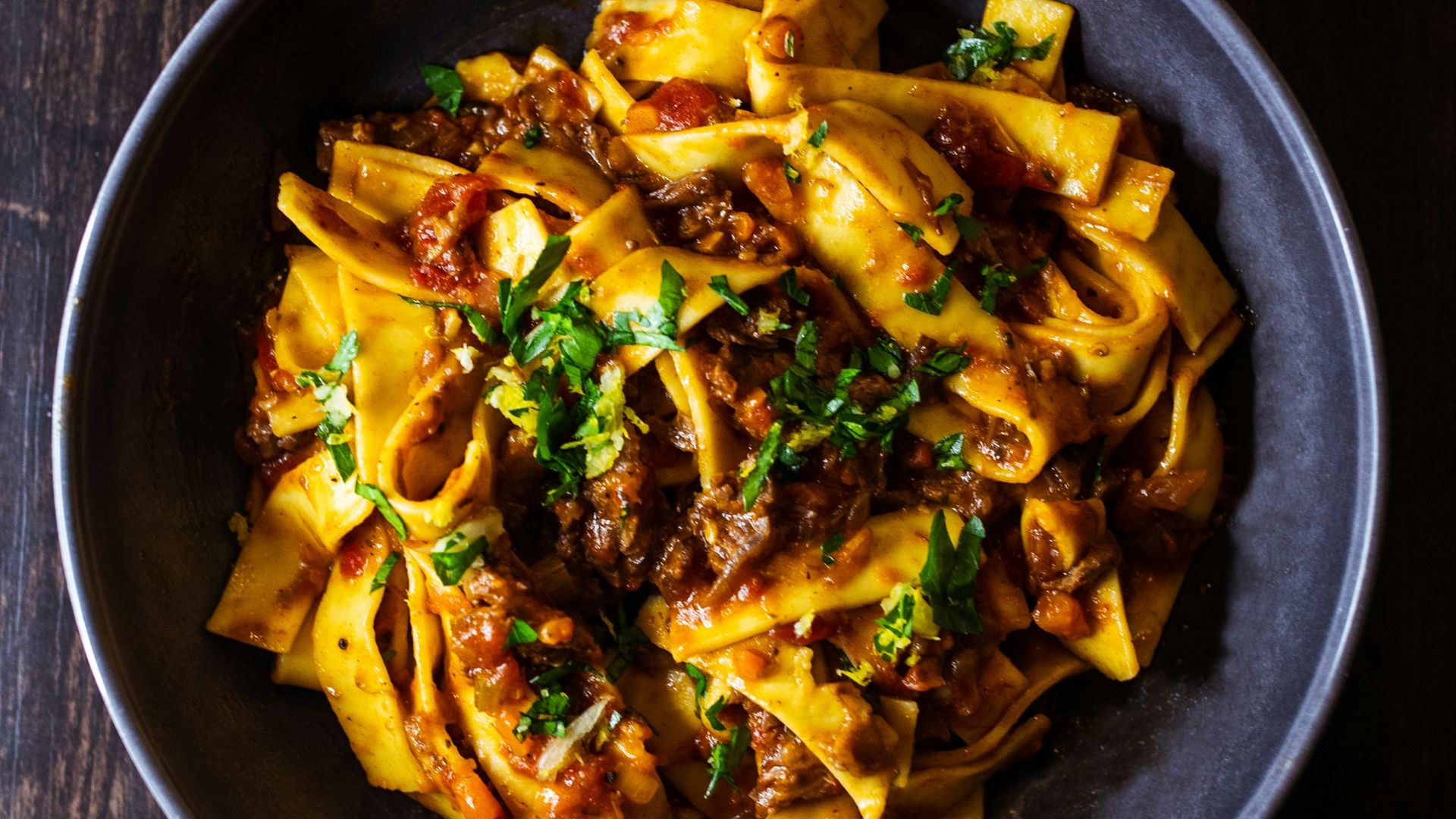
20. Modern Pasta Keeps Changing
Today’s pasta aisle includes whole-wheat spaghetti, chickpea rotini, lentil penne, brown rice noodles, and plenty of gluten-free options. Traditional wheat pasta hasn’t disappeared, but modern eaters now have more ways to fit pasta into the meals they actually want to cook.
KEEP ON READING


20 Foods Used in Fertility Rituals Around the World
20 Foods That Taste Better the Next Day