The Fate of Coffee & Chocolate Over The Next 30 Years Is Grimmer Than You Think

Coffee and chocolate feel too familiar to be fragile. They’re the things people reach for on tired mornings, bad afternoons, holidays, birthdays, deadlines, breakups, and basically any day that needs a little emotional support in edible form. But both depend on crops that are much pickier than their everyday popularity suggests.
Over the next 30 years, coffee and chocolate probably won’t disappear completely, but they'll likely become more expensive, less reliable, harder to grow, and more unequal. Climate change, crop disease, shrinking suitable farmland, and struggling farmers are all putting pressure on the systems that keep mugs full and candy aisles stocked. So, enjoy today's cup of joe, because tomorrow, it might be treated like a rare, luxury good.
Coffee’s Future Is Getting Hotter and Riskier
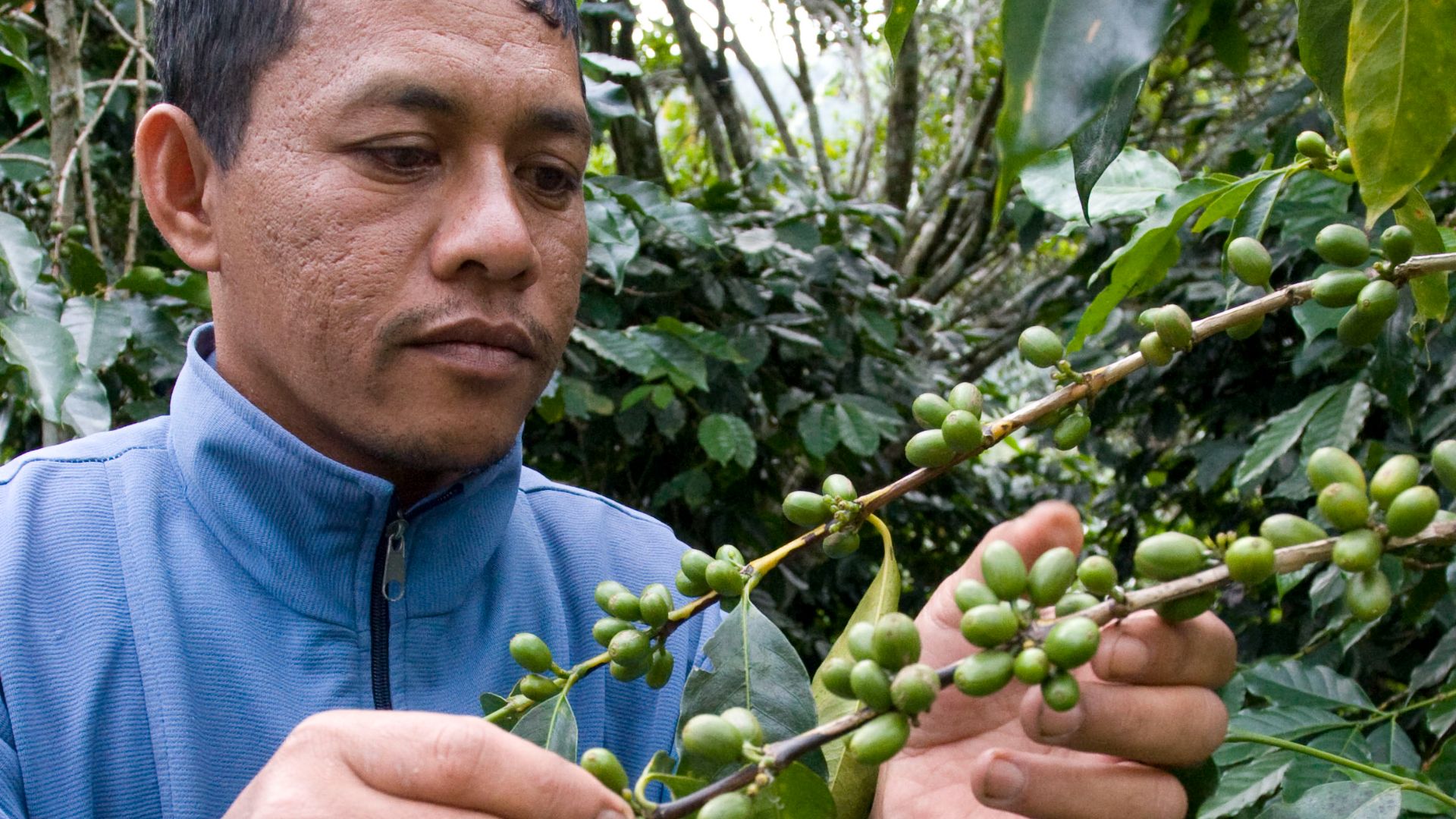
Arabica coffee, the species behind many of the smoother and higher-quality beans people love, is especially vulnerable to climate change. It grows best within a narrow range of temperatures, rainfall patterns, and elevations, which means small environmental shifts can impact it greatly. World Coffee Research has summarized findings suggesting that about half of the land currently suitable for Arabica could become unsuitable by 2050. That doesn’t end coffee, but it does make the future of good coffee a lot more complicated.
As the coffee belt warms, farmers may need to move crops to higher elevations, but that's a lot more complicated than it sounds. Higher land may already be forested, protected, populated, or too expensive for small farmers to access.
Disease is another problem waiting for a warmer welcome. Coffee leaf rust, one of Arabica’s most destructive diseases, already causes huge losses and can spread more easily under the right conditions of moisture, temperature, and plant vulnerability. Climate change can affect coffee directly through heat and drought, but it can also make pest and disease pressure harder to manage. That means farmers may be fighting the weather and the biology of the crop at the same time.
Chocolate Has Its Own Climate Problem
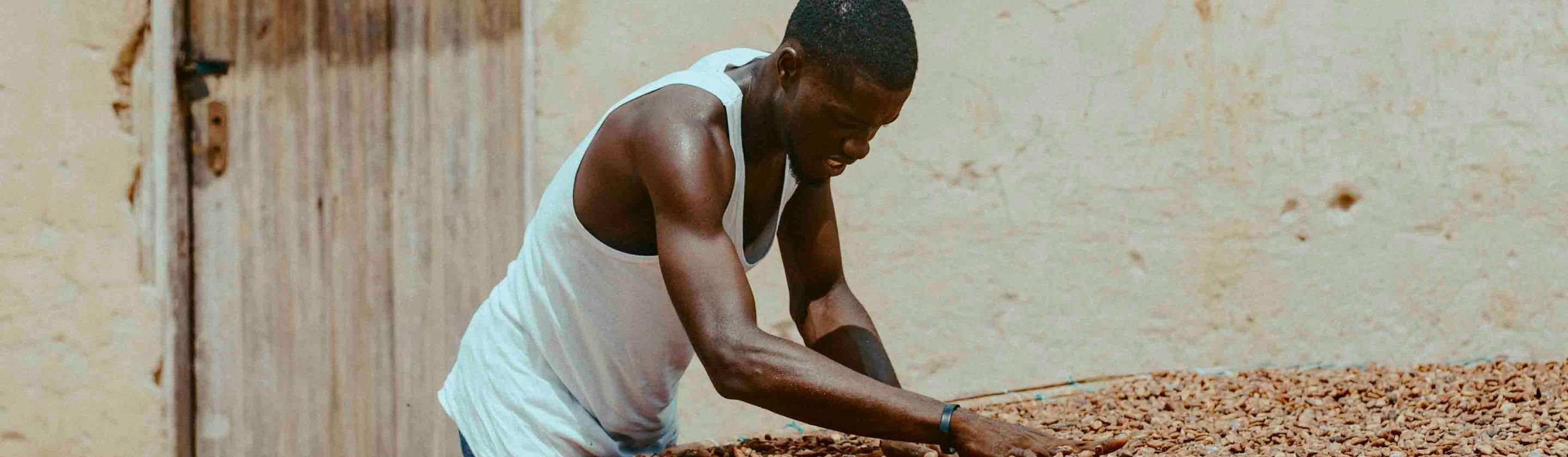
Cacao trees are also fussy. They need warm, humid conditions, reliable rainfall, and careful management to produce well. More than 70% of the world’s cocoa is grown in West and North Africa, so when climate stress hits those places, the effects can ripple straight into global chocolate prices.
Research has warned that climate change could sharply reduce cocoa-suitable areas by the middle of the 21st century, with some estimating that roughly half will be lost by that time. This is a brutal number for chocolate lovers and cacao farmers alike.
The warning signs are already visible. In recent years, cocoa prices have swung sharply because major growing regions in West Africa have been hit by bad weather, crop disease, and weaker harvests. Diseases like cacao swollen-shoot virus have damaged trees, and some farmers have struggled so much with costs and crop losses that high cocoa prices haven’t necessarily translated into better livelihoods. So, while chocolate may be getting more expensive at the grocery store, that doesn't mean farmers are seeing higher profits.
The Real Future May Be Pricier, Stranger, & Less Fair
One likely outcome isn't empty shelves, but higher prices and less consistency. Coffee roasters and chocolate makers may have to deal with more unpredictable harvests, shifting flavor profiles, and supply shocks. Consumers may notice smaller packages, higher prices, reformulated products, or more blends designed to smooth over supply problems. Your favorite chocolate bar or coffee bean may still exist, but it may not taste, cost, or appear quite the same.
There will also be more pressure to develop hardier crops. Coffee researchers are already interested in varieties that can better handle heat, drought, and disease, while cocoa scientists are looking at farming systems that can adapt to future conditions. Agroforestry, shade management, improved plant varieties, and better disease control may all help. However, none of those fixes work well if farmers don’t have money, training, land security, and market support.
The uncomfortable part is that the people most affected are often not the people casually complaining about latte prices. Many coffee and cocoa farmers are smallholders with limited ability to absorb failed crops, rising costs, or sudden market changes. If adaptation is expensive, the burden can fall hardest on the producers who already earn the least from the final product. That makes the future of coffee and chocolate not just a climate story, but an economic one, too.
There are reasons not to despair completely. Better farming practices, research investment, more transparent supply chains, and serious climate action could make a real difference. But the next 30 years are likely to change coffee and chocolate from dependable everyday products into luxury goods people think about more carefully and consume more sparingly. The treats may survive, but the easy assumption that they’ll always be cheap, abundant, and familiar is already starting to crumble.