20 Foods Named After Places They Didn’t Actually Come From
Geography Isn’t Always on the Menu
Food names can sound surprisingly authoritative about where something came from, even when the history tells a completely different story. Sometimes a place name was chosen for marketing, sometimes it came from a misunderstanding, and occasionally someone simply thought a distant country sounded more interesting. From Canadian pizza creations carrying Pacific island names to American desserts supposedly representing Alaska, here are 20 foods that prove you shouldn’t use a menu as a geography textbook.
 Augustinus Martinus Noppé on Pexels
1. French Fries
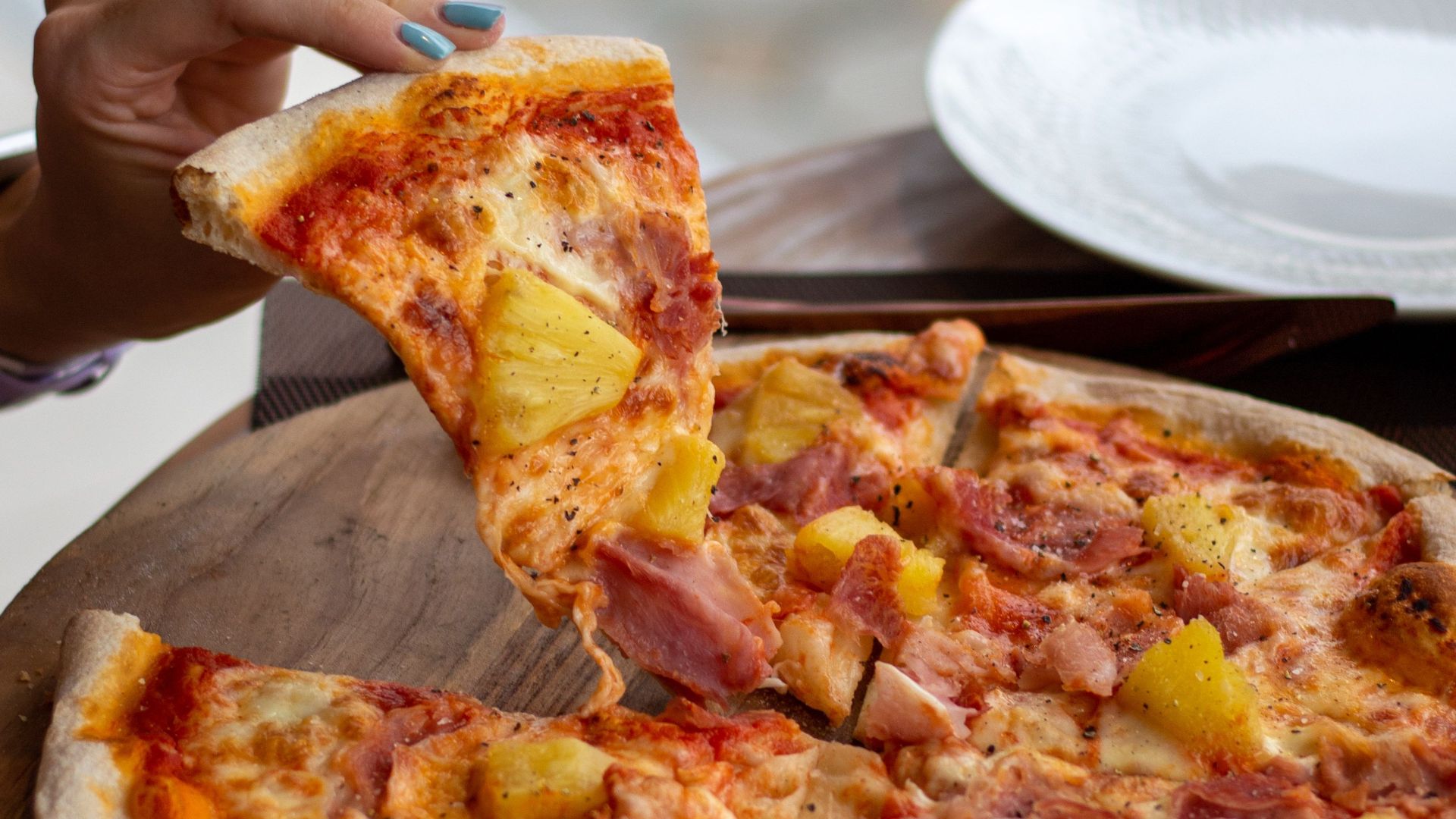
Despite the name Americans use today, French fries are widely associated with neighboring Belgium, where fried potatoes have a particularly deep history. One popular explanation says American soldiers encountered them in French-speaking Belgium during World War I and began calling them "French" fries, although historians debate that story. France has its own long tradition of fried potatoes, so the precise birthplace remains contested, but the name certainly doesn’t settle the argument.
2. German Chocolate Cake
You'd be forgiven for picturing a bakery somewhere in Germany, but German chocolate cake is thoroughly American. Its name comes from Samuel German, an English-American baker who developed a sweet baking chocolate for the Baker's Chocolate Company in 1852. A Texas newspaper later published a cake recipe using "German's Sweet Chocolate," and the apostrophe eventually disappeared, making an American cake sound unexpectedly European.
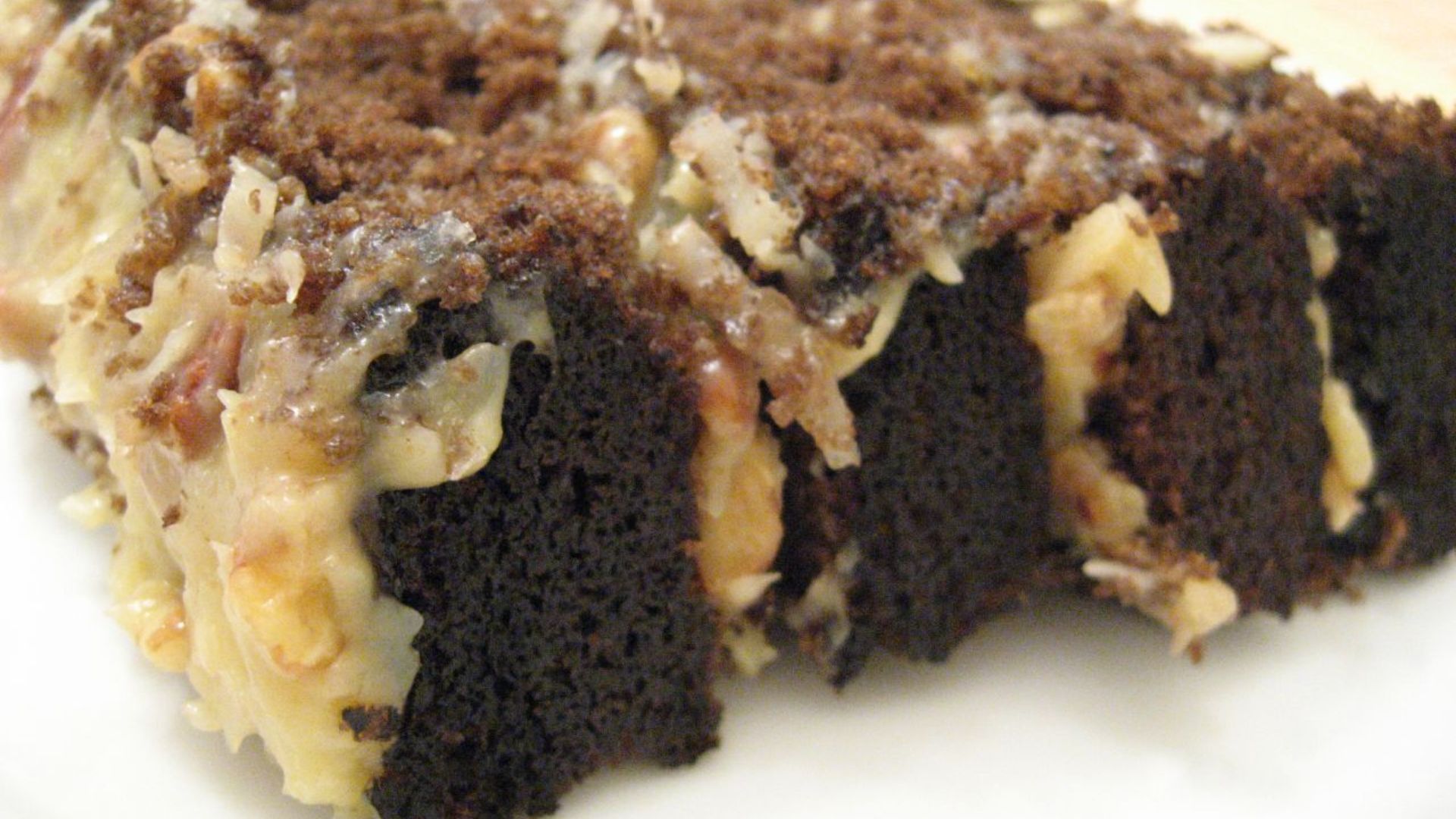 Kimberly Vardeman on Wikimedia
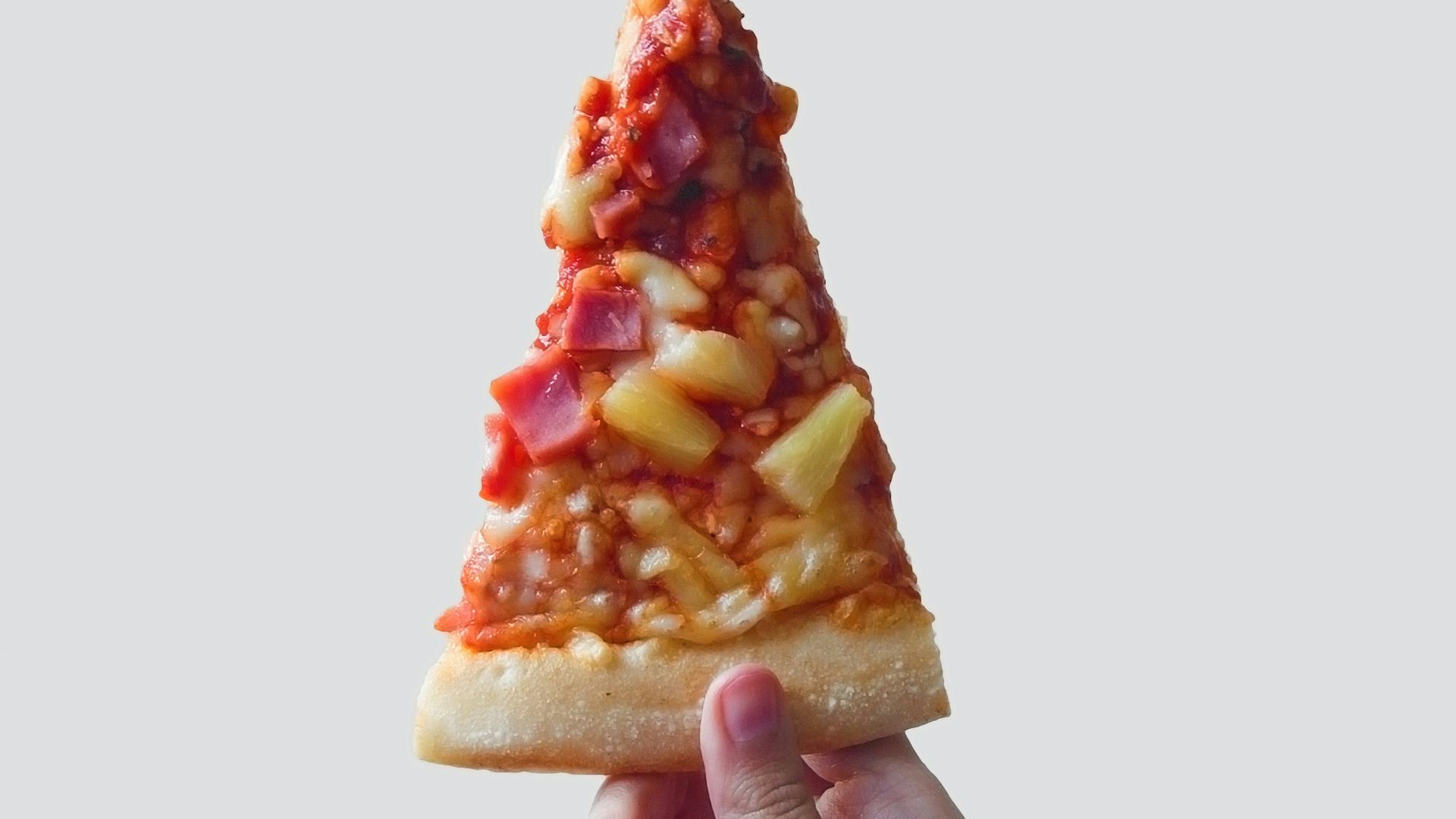
3. Hawaiian Pizza
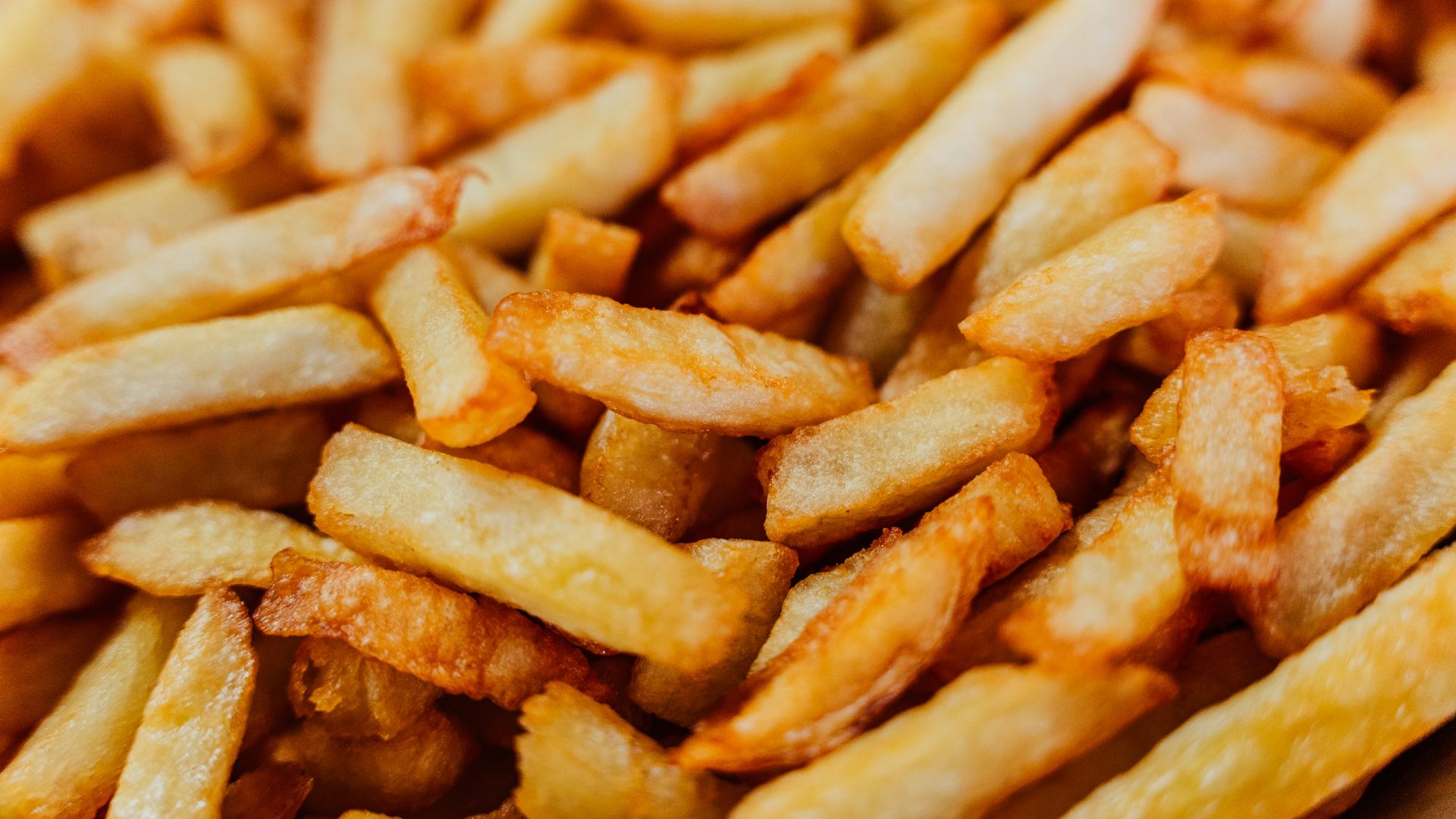
Pineapple pizza wasn't dreamed up beside a Hawaiian beach. Greek-born restaurateur Sam Panopoulos is credited with creating it at the Satellite Restaurant in Chatham, Ontario, Canada, in 1962. He called it Hawaiian after the brand name on the canned pineapple he used, giving the world's most debated pizza topping a place name from thousands of miles away.
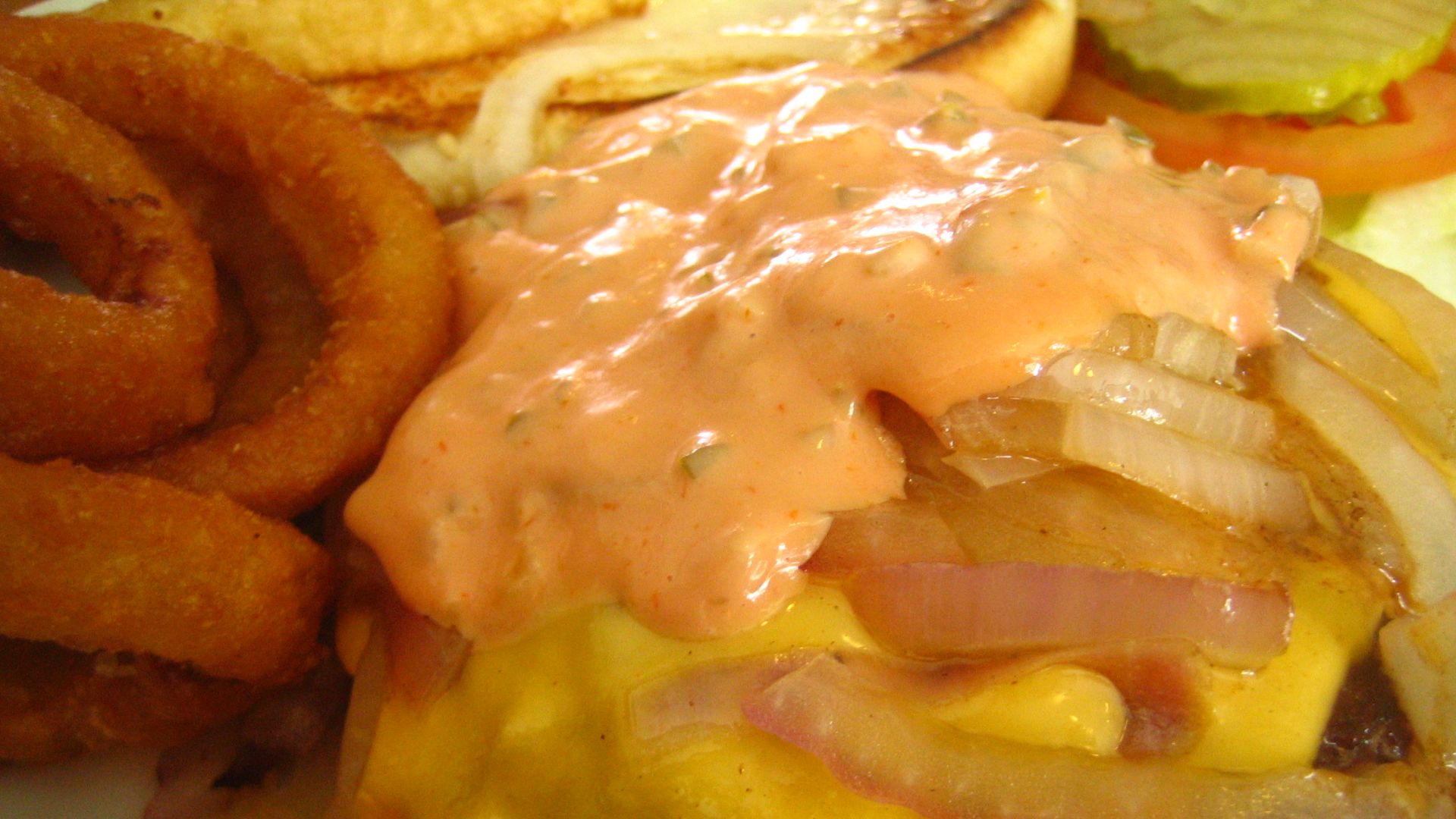
4. Russian Dressing
Russian dressing may accompany a Reuben sandwich, but you don't need to travel very far East to find its roots. The creamy, tangy condiment developed in the U.S. around the early 20th century, with New Hampshire grocer James E. Colburn often credited with popularizing a version. The "Russian" label probably referred to the inclusion of caviar in some early recipes rather than the dressing's national origin.
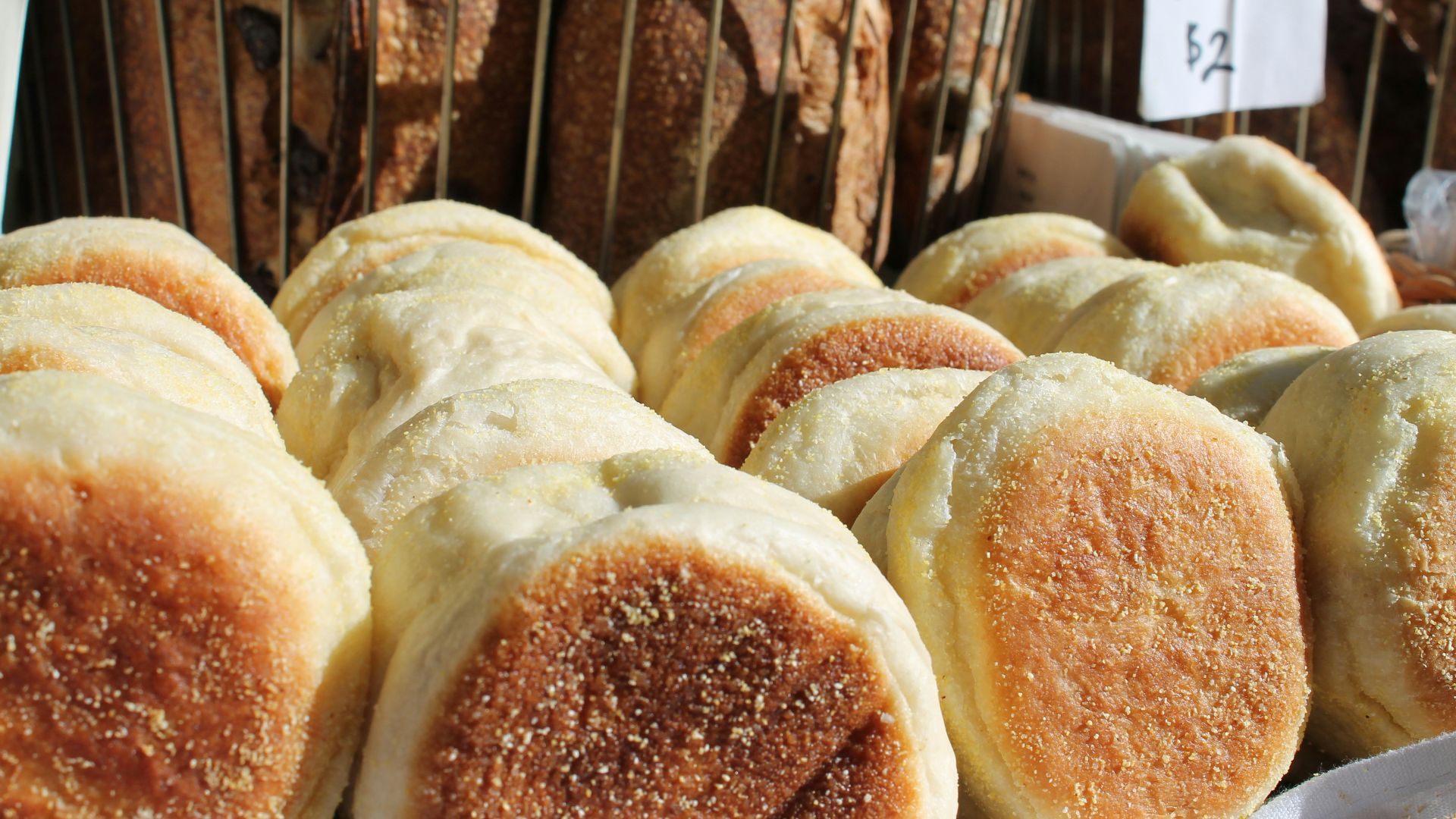
5. English Muffins
The breakfast staple Americans call an English muffin was actually popularized in New York City. British immigrant Samuel Bath Thomas began selling his griddle-baked muffins there in the late 1800s, drawing inspiration from breads he knew back home. In England, similar breads had long existed, but they're traditionally just called muffins, making "English muffin" largely an American label.
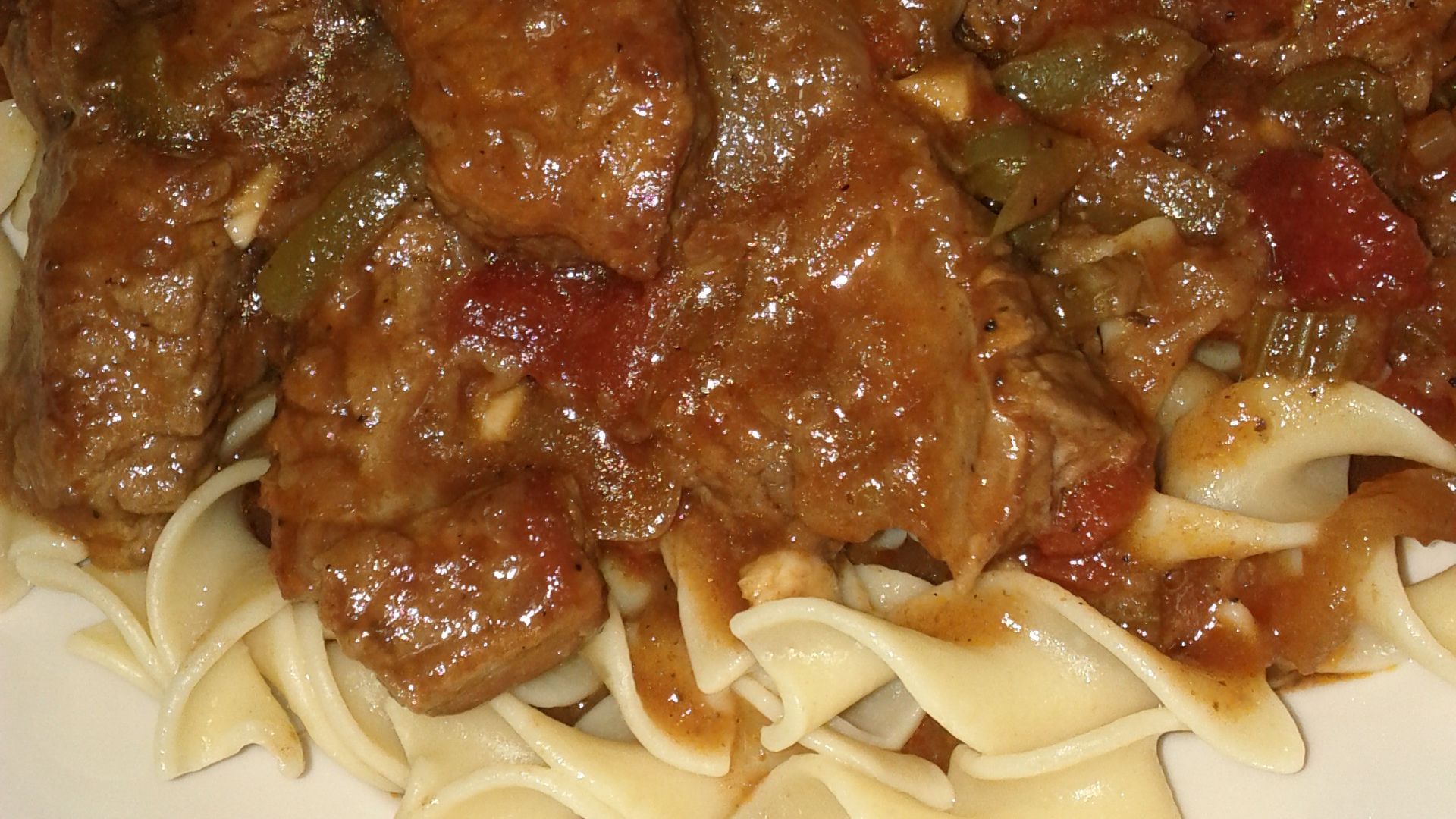
6. Swiss Steak
There's hardly anything Swiss about Swiss steak. The American dish usually consists of a tougher cut of beef that's tenderized, browned, and slowly cooked with tomatoes or gravy. Its name is commonly linked to "swissing," a process of pounding or rolling material to soften it, rather than to Switzerland itself.
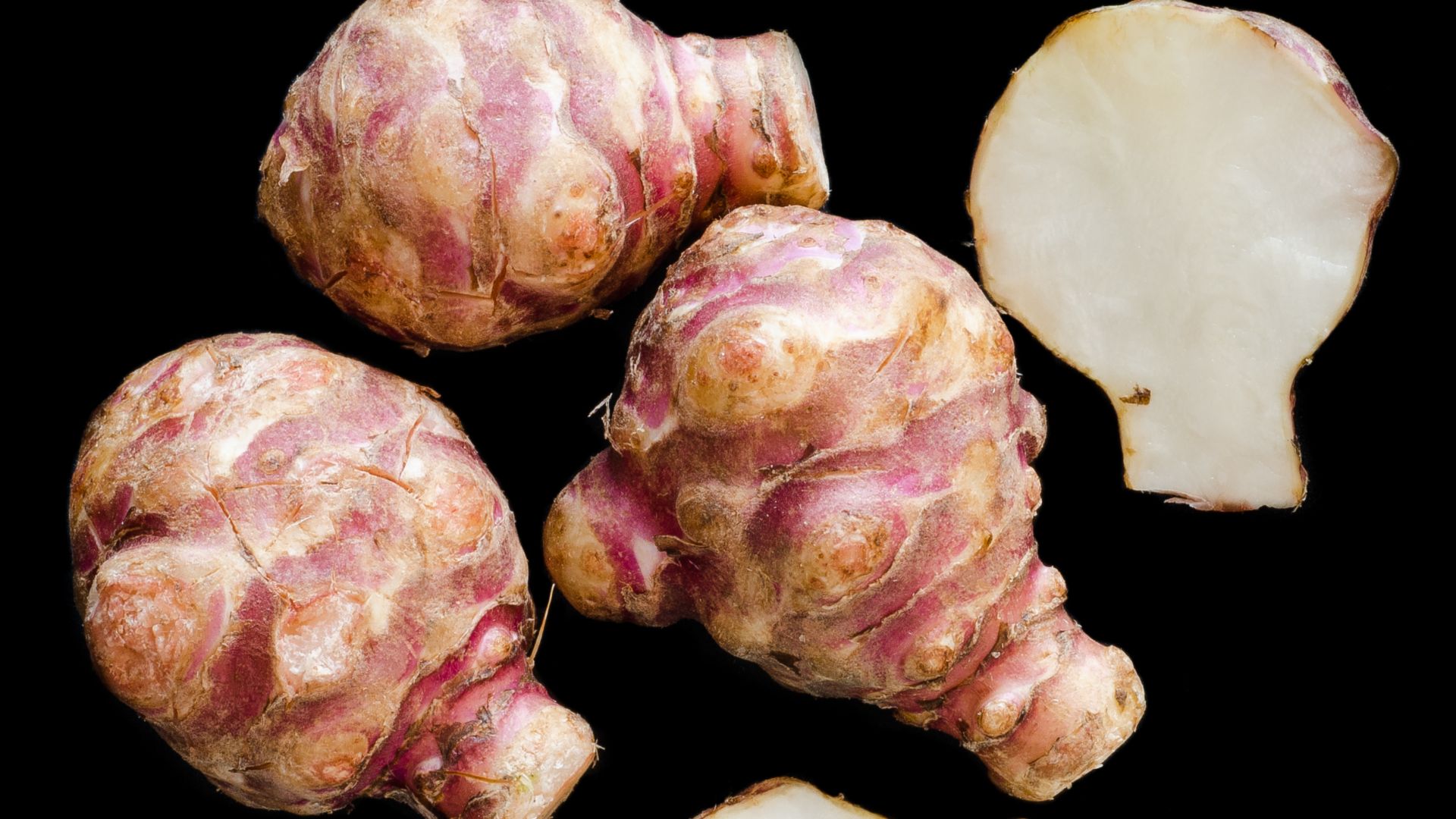
7. Jerusalem Artichokes
Jerusalem artichokes aren't from Jerusalem, and funny enough, they're not actually artichokes either. The knobby tuber is a North American sunflower relative that Indigenous peoples cultivated long before Europeans arrived. Its unusual name may have developed from the Italian word girasole, meaning sunflower, which English speakers gradually turned into the more familiar-sounding "Jerusalem."
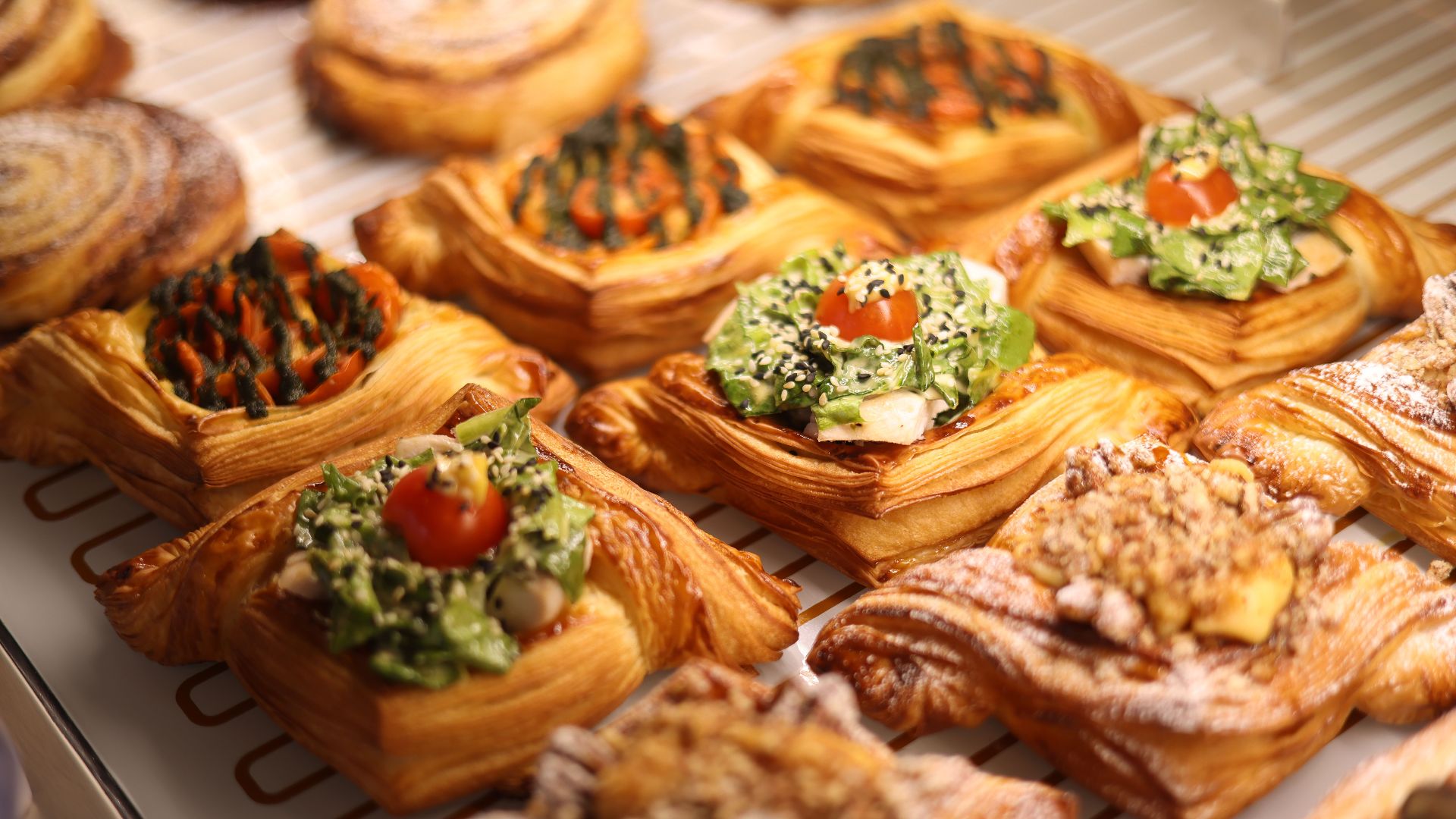
8. Danish Pastries
The pastry Americans simply call a Danish owes a major part of its history to Austria. During a labor dispute among Danish bakery workers in the 1850s, bakery owners reportedly brought in Austrian bakers who introduced laminated pastry techniques. Danish bakers adapted those methods into their own distinctive treats, which is why Denmark itself often calls this type of pastry wienerbrød, or "Viennese bread."
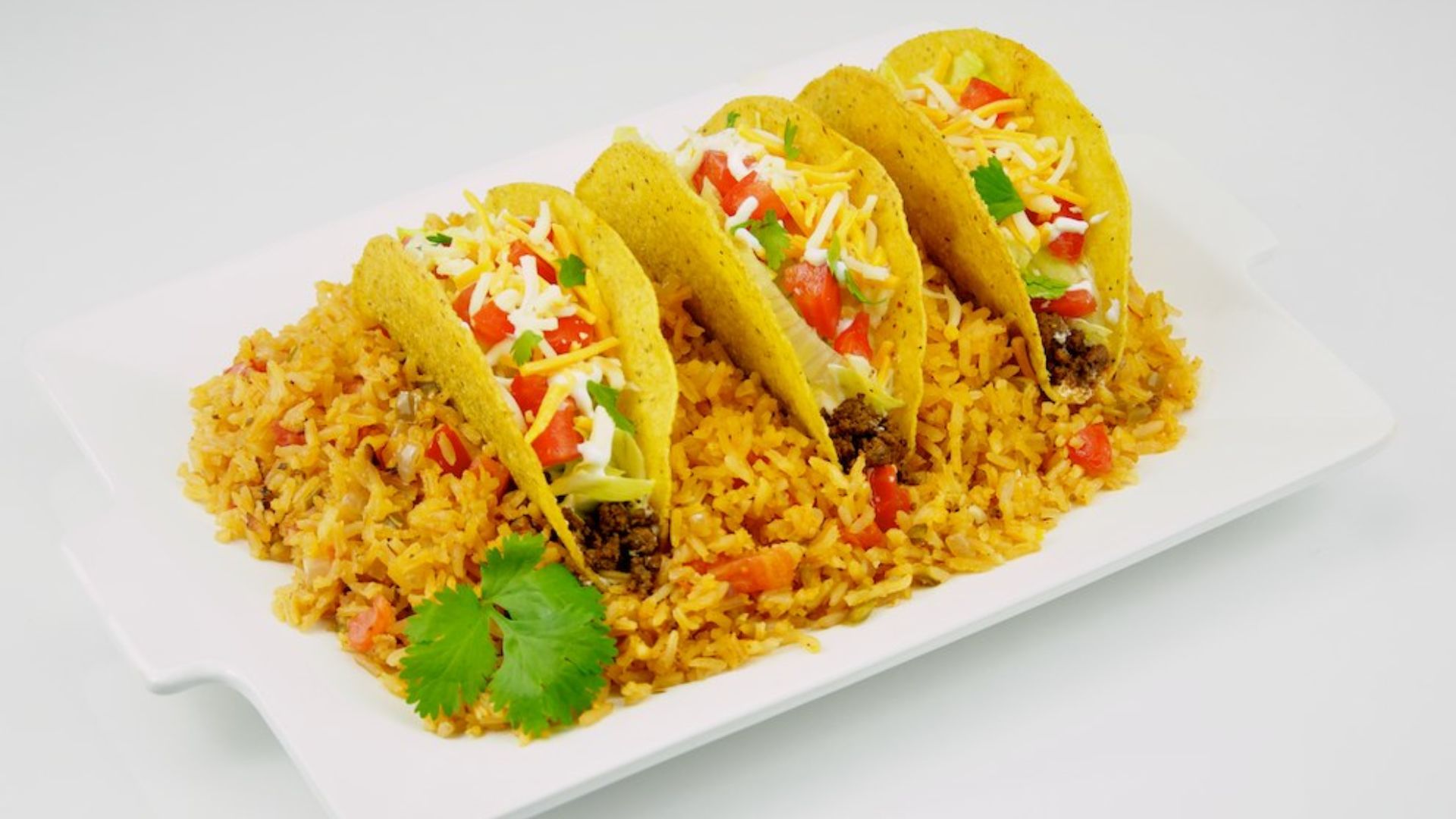
9. Spanish Rice
That tomato-colored rice beside your tacos isn't a traditional dish imported from Spain. What Americans commonly call Spanish rice developed largely within Mexican and Mexican-American cooking and is more closely related to Mexican-style red rice. The Spanish label probably stuck because people loosely connected tomatoes, rice, and Hispanic cuisine with Spain.
10. Mongolian Beef
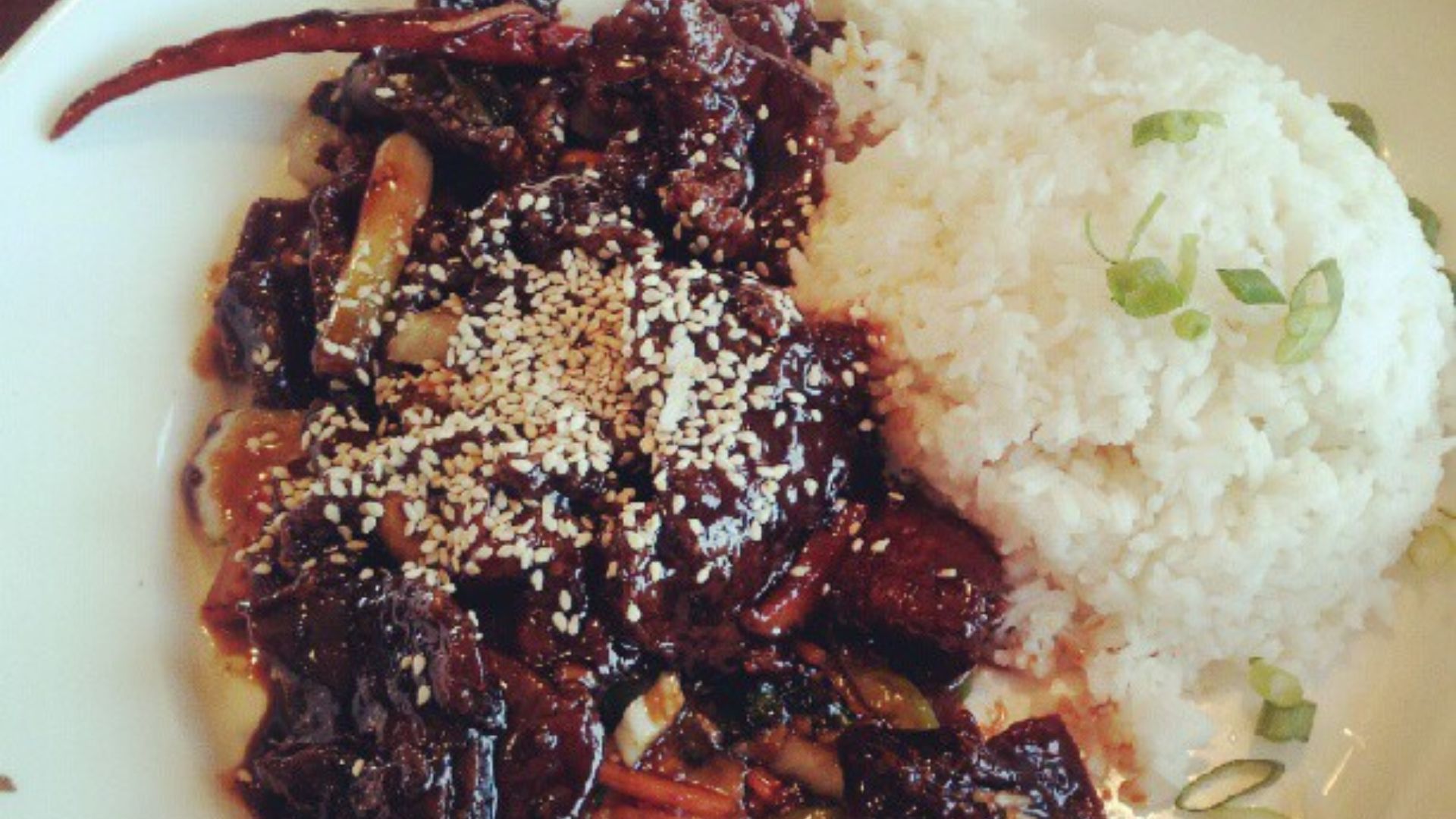
You probably won't find the familiar sweet, saucy Mongolian beef at a traditional restaurant in Mongolia. The dish is generally connected to Taiwanese barbecue restaurants and later Chinese-American cooking, where thinly sliced beef was paired with scallions and a savory-sweet sauce. "Mongolian" was more about creating an appealing culinary theme than documenting where the recipe began.
11. Singapore Noodles
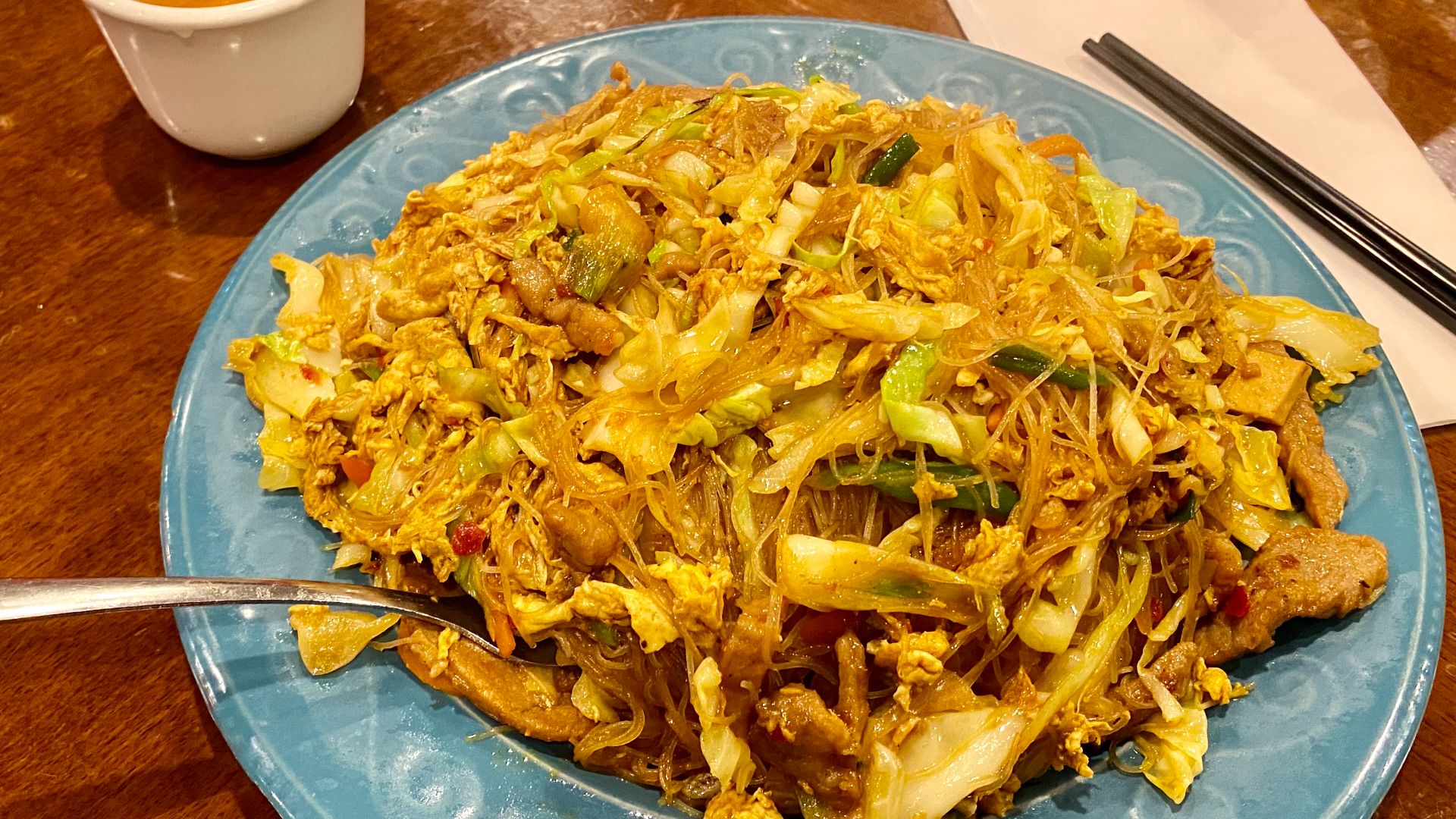
Singapore noodles are famous in Chinese restaurants around the world, yet they're surprisingly difficult to find in Singapore under that name. The curry-flavored rice vermicelli dish is generally believed to have developed in Hong Kong's Cantonese restaurant culture. Naming it after Singapore likely gave the dish a suitably Southeast Asian identity because curry powder was one of its defining ingredients.
12. Dutch Baby Pancakes
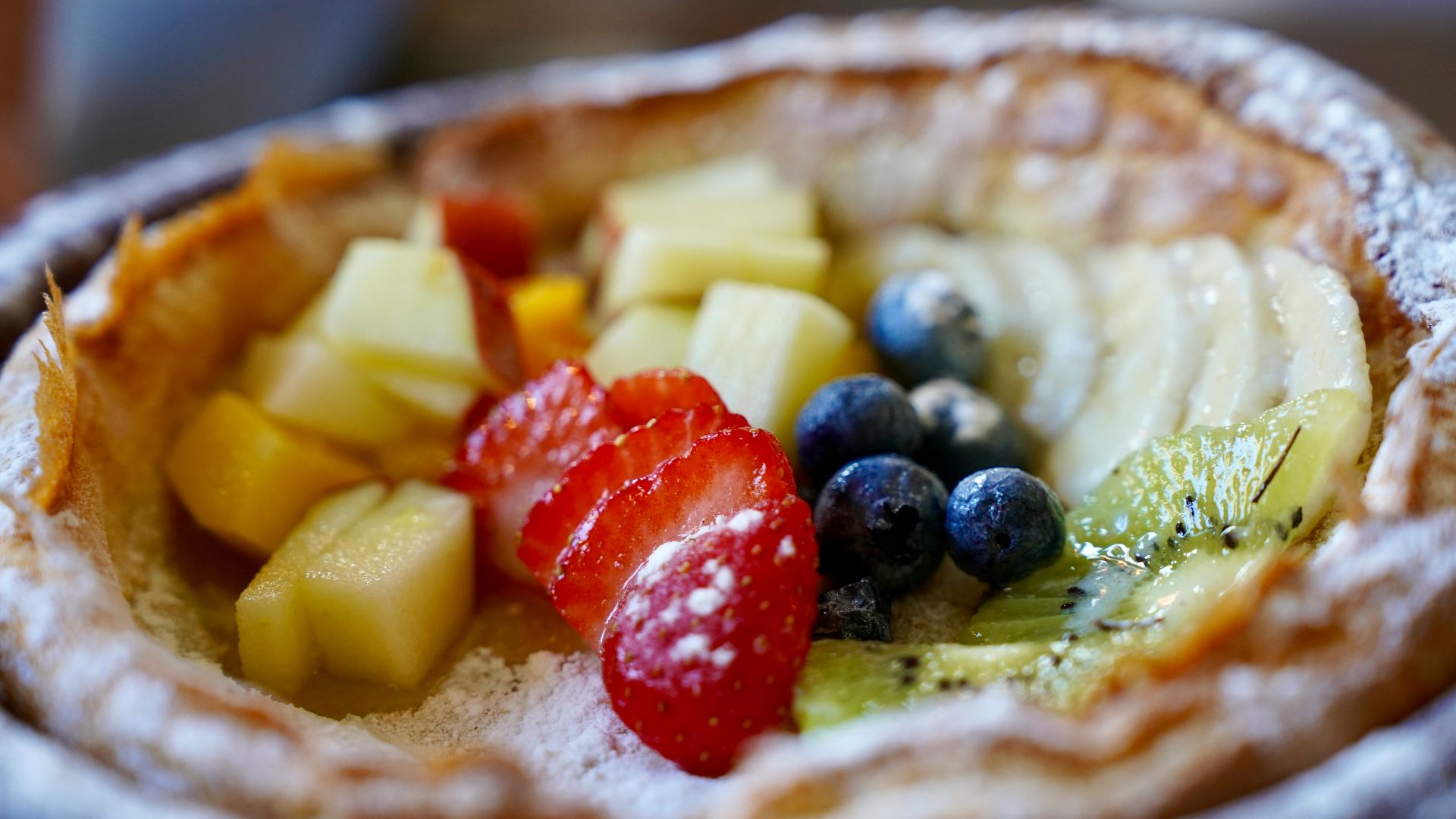
This giant oven-baked pancake wasn't created anywhere in the Netherlands or even close. The modern Dutch baby is generally traced to Manca's Cafe in Seattle during the early 20th century. One explanation says "Dutch" resulted from a corruption of "Deutsch," meaning German, since the pancake resembles German-style baked pancakes.
13. Scotch Eggs
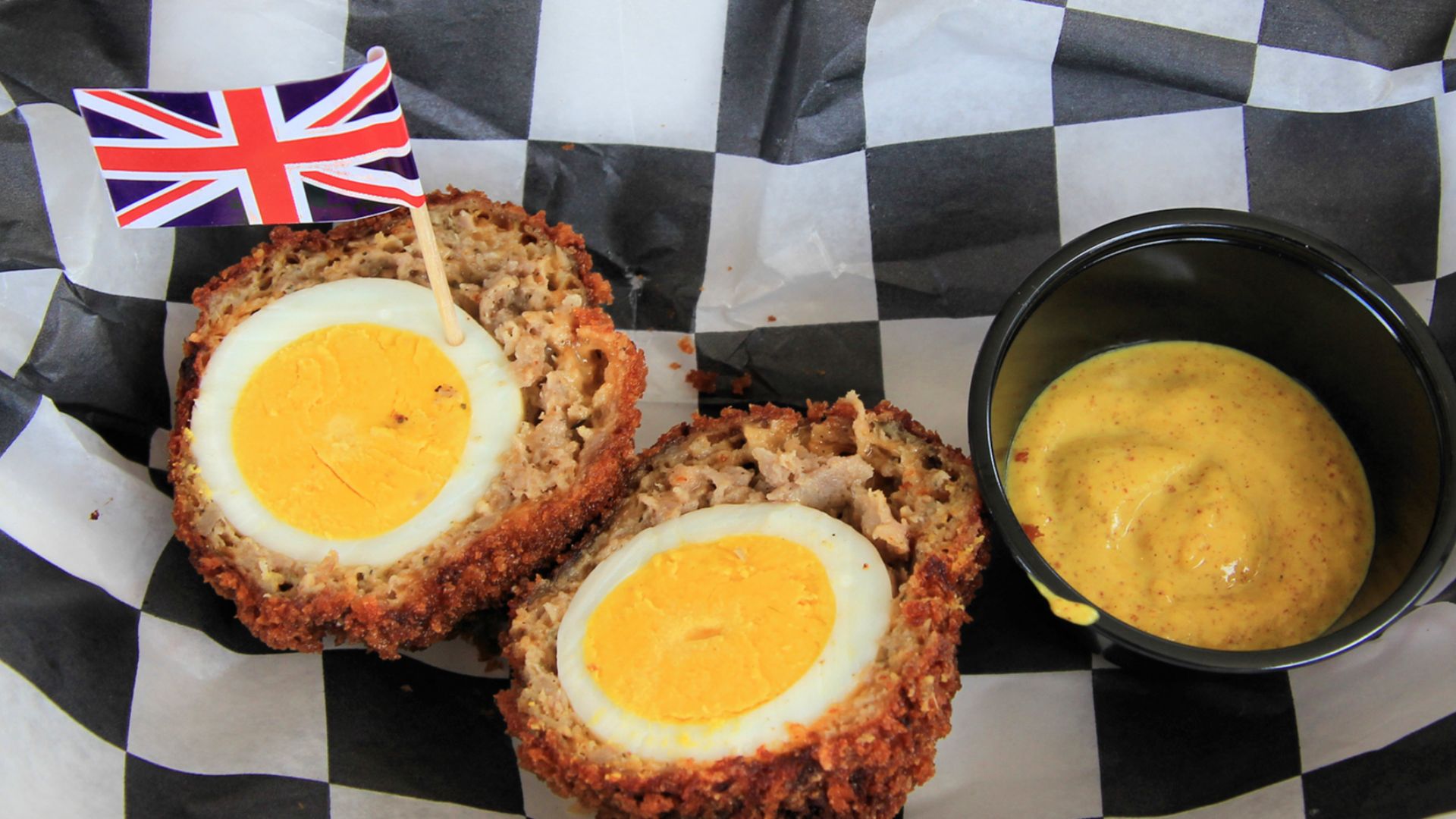
Scotch eggs may sound like pub food straight from the Scottish Highlands, but their documented history points farther south. London's Fortnum & Mason has claimed it was selling boiled eggs wrapped in sausage meat as early as the 1700s, although the exact inventor remains debated. Whatever their precise beginnings, Scotland doesn't have a particularly strong claim to the dish that carries its name.
14. French Dressing
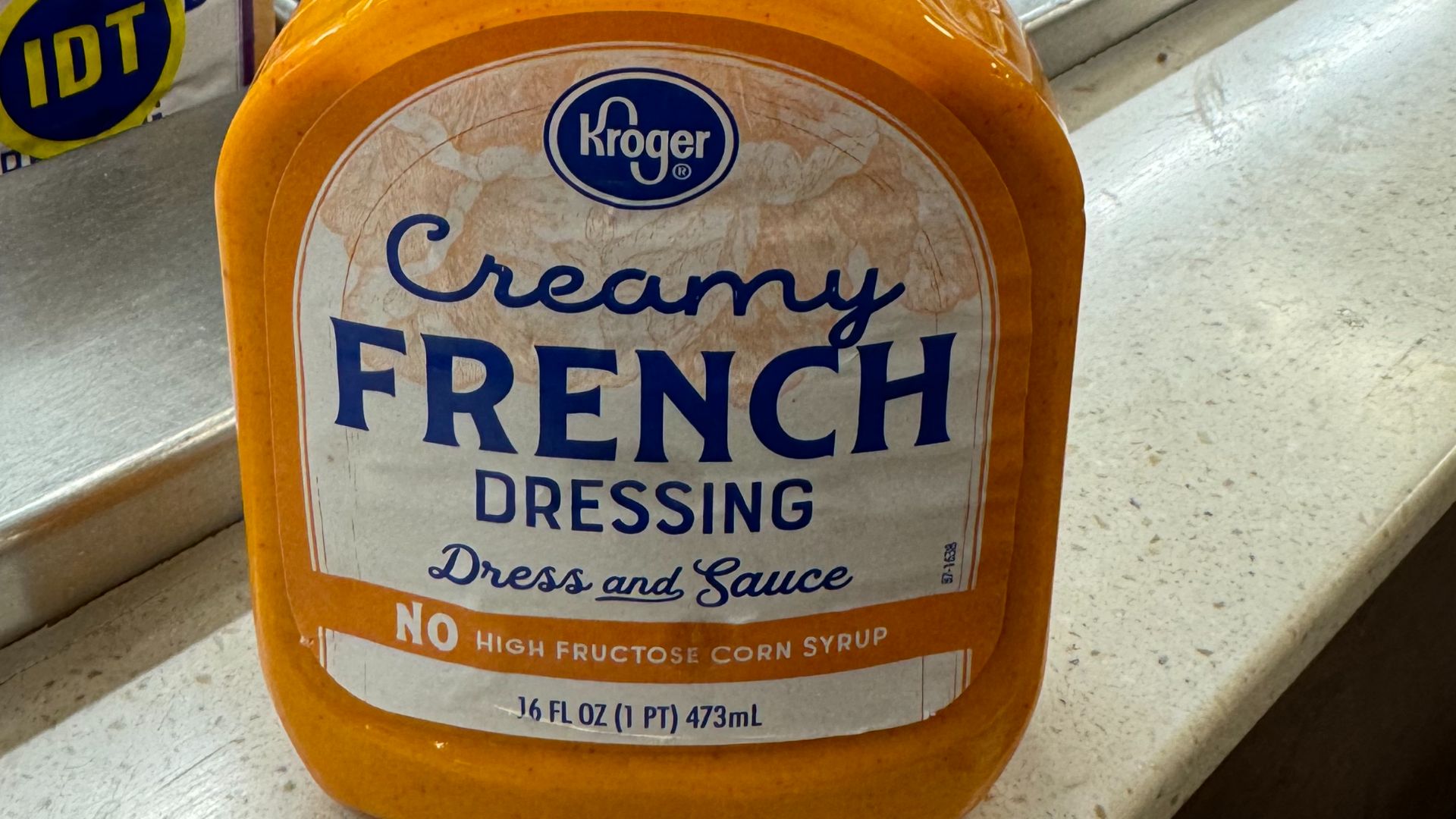
The bright orange bottled French dressing found in American supermarkets bears little resemblance to what you'd typically receive after asking for dressing in France. American versions evolved into a sweet mixture of oil, vinegar, sugar, tomatoes, and seasonings during the 20th century. In France, vinaigrette is the far more traditional salad dressing, so the supermarket favorite is essentially an American invention wearing a French label.
15. Italian Dressing
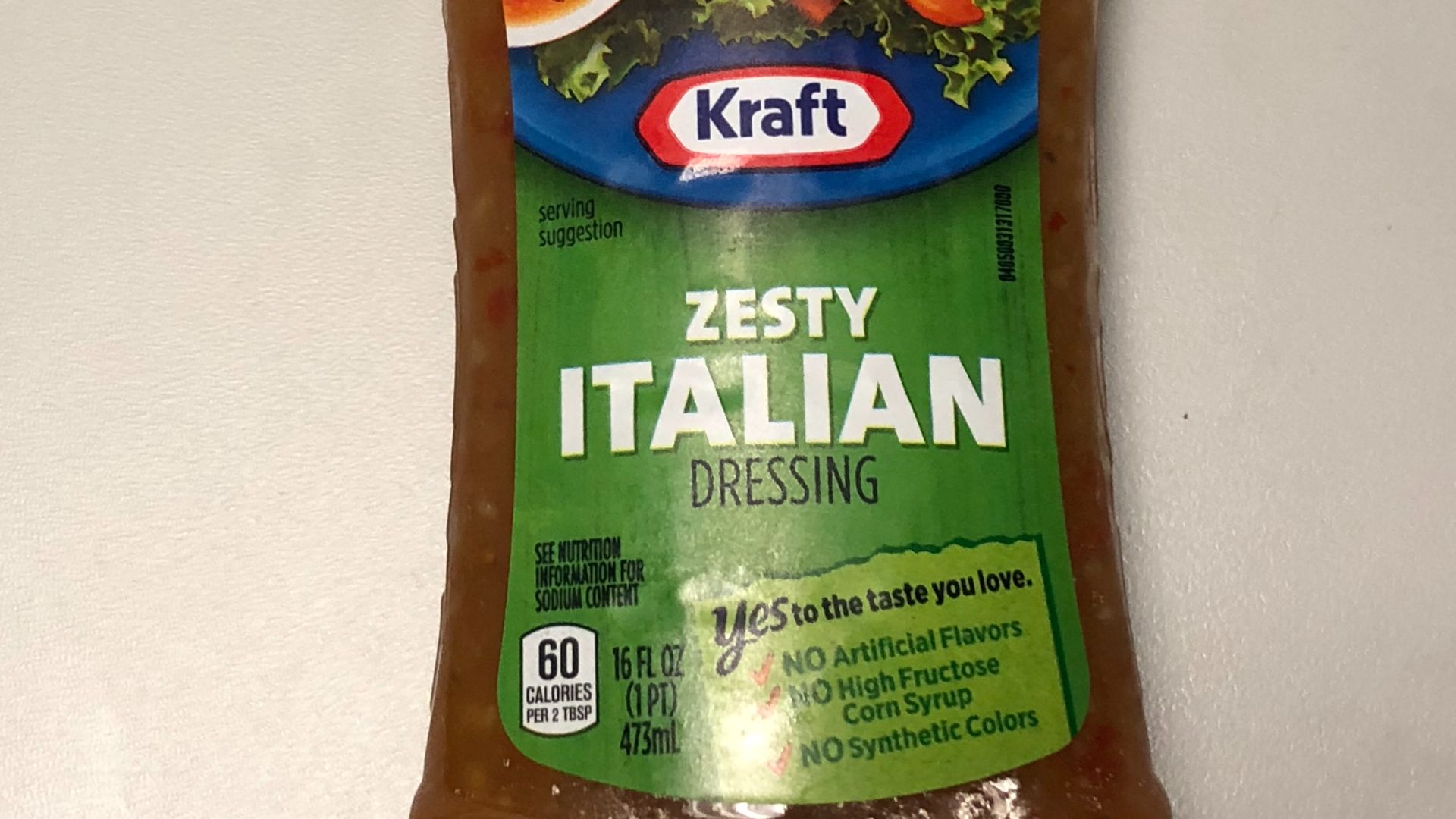
Italian dressing is another supermarket staple whose passport doesn't quite match its name. The familiar American version typically combines oil, vinegar, herbs, garlic, and peppers and became particularly popular through restaurants and commercial brands in the U.S. Italy certainly has countless vinaigrettes and seasoned dressings, but you generally won't encounter one standardized product there called "Italian dressing."
16. Baked Alaska
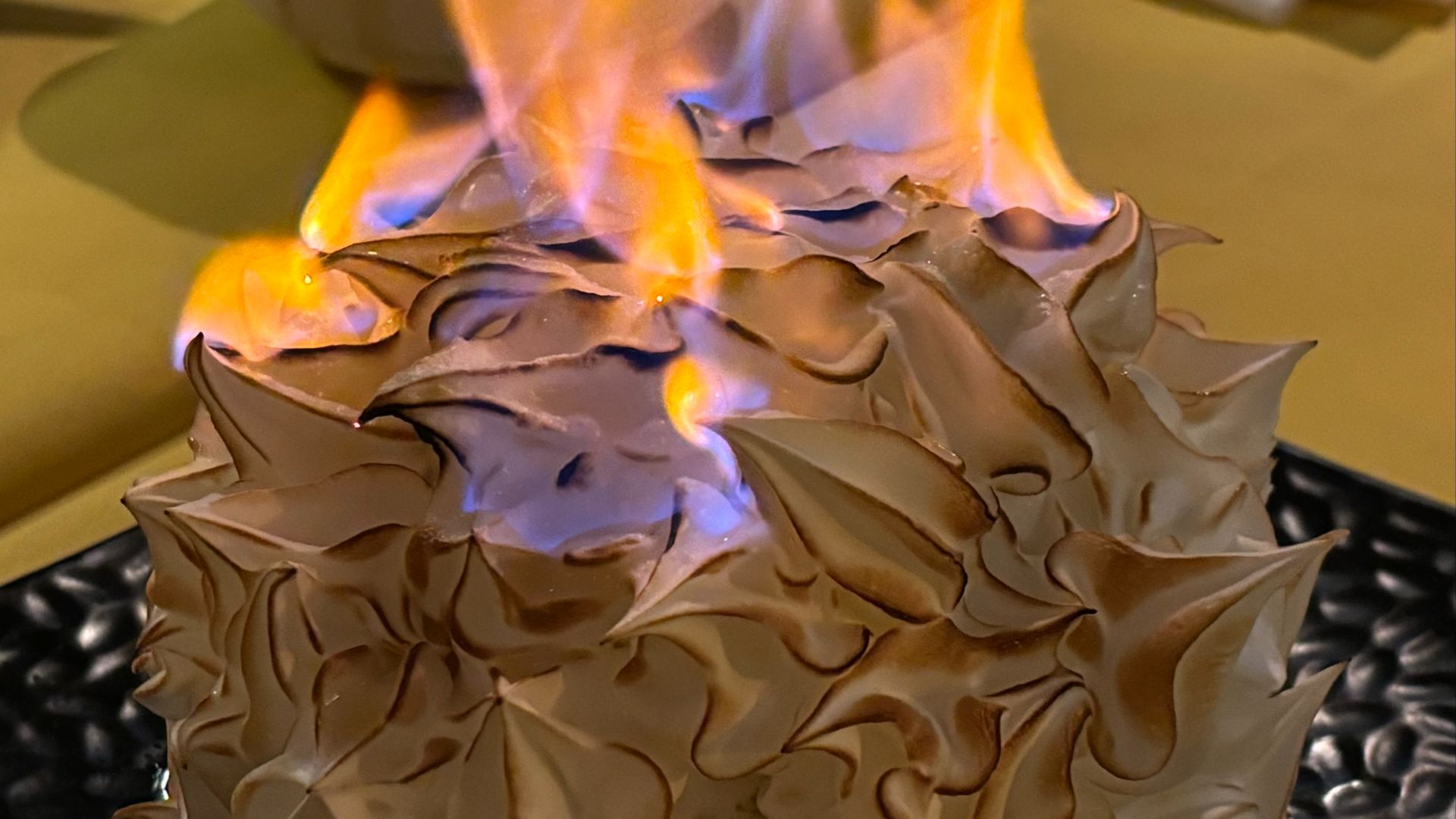
For a dessert named after America's northernmost state, Baked Alaska has much stronger ties to New York. One famous version was served at Delmonico's restaurant in Manhattan and became associated with the 1867 purchase of Alaska from Russia. The dramatic name commemorated a political event rather than identifying where the combination of cake, ice cream, and browned meringue originated.
17. French Toast
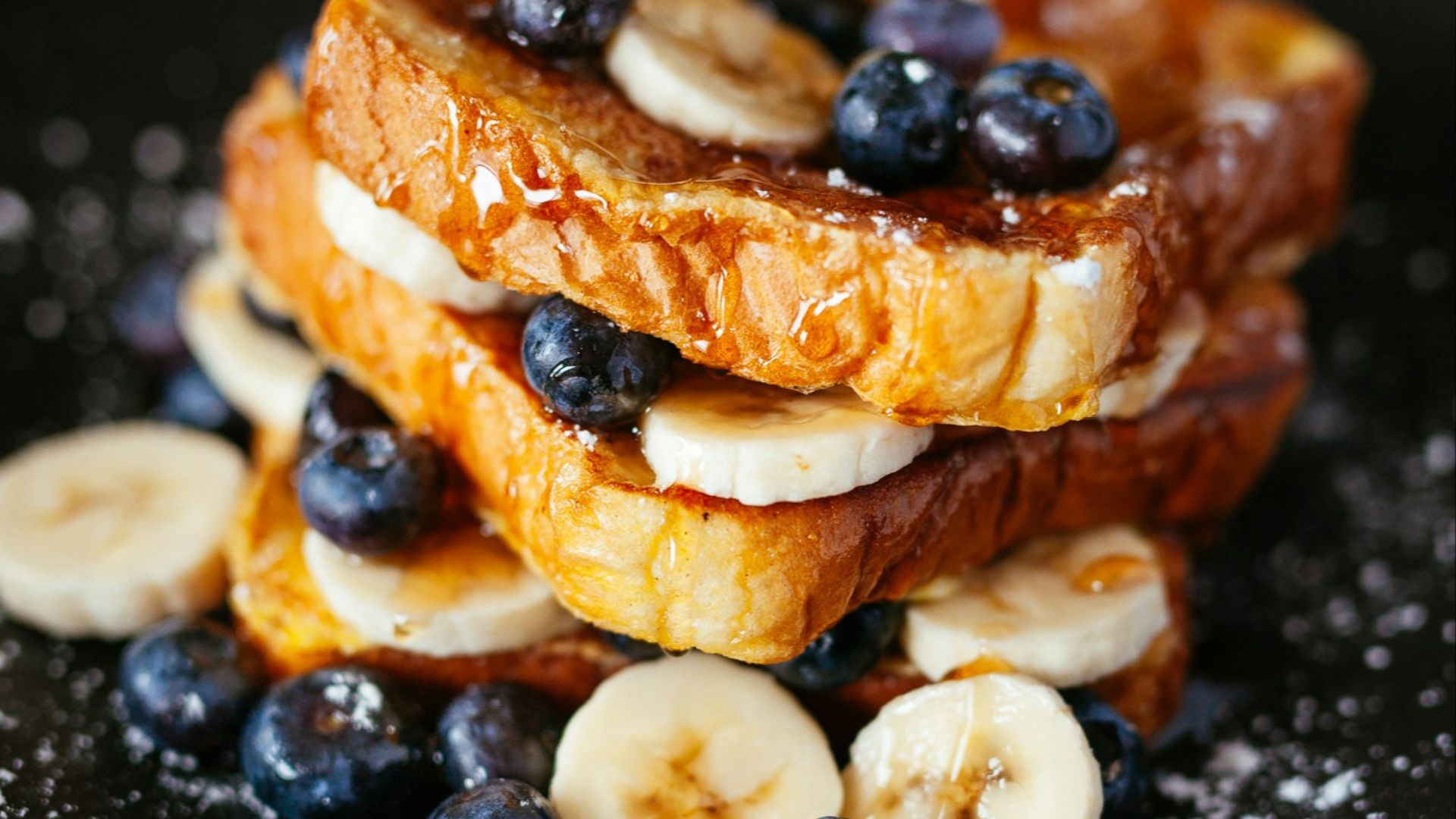
French toast is far older than modern France's claim to the name might suggest. Recipes involving stale bread soaked in milk or eggs and fried can be traced back to ancient Rome, and versions later appeared throughout Europe. France certainly developed its own pain perdu, but calling the entire concept "French toast" gives one country far too much credit.
18. Chinese Chicken Salad
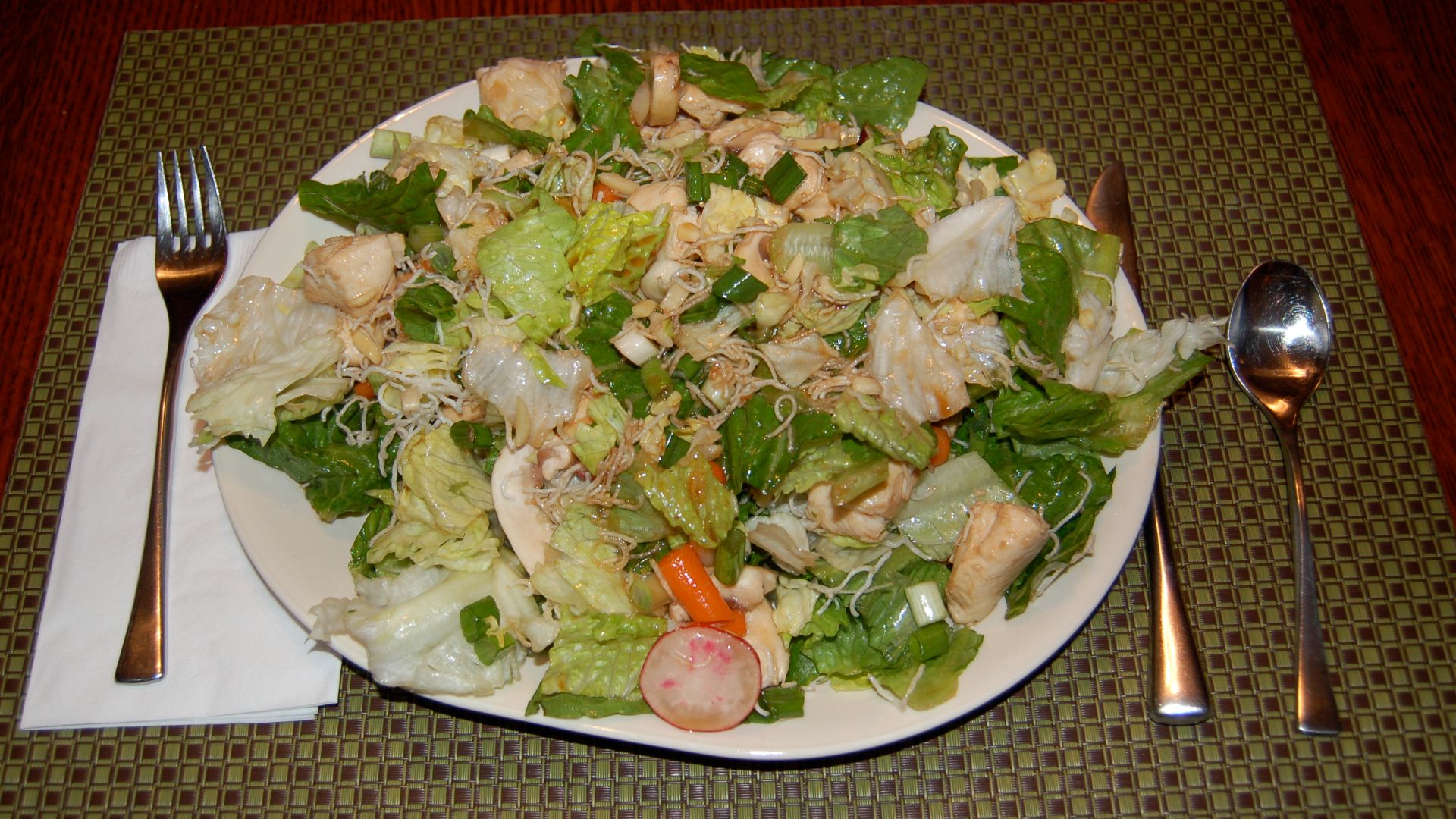
The crunchy Chinese chicken salad served at many American restaurants isn't a traditional Chinese dish in the usual sense. Its modern form developed in the U.S. and became especially fashionable in California in the 1960s and '70s. Ingredients such as crispy noodles, sesame dressing, and mandarin oranges helped give it a broadly "Chinese" identity tailored to American tastes.
19. Cuban Sandwich
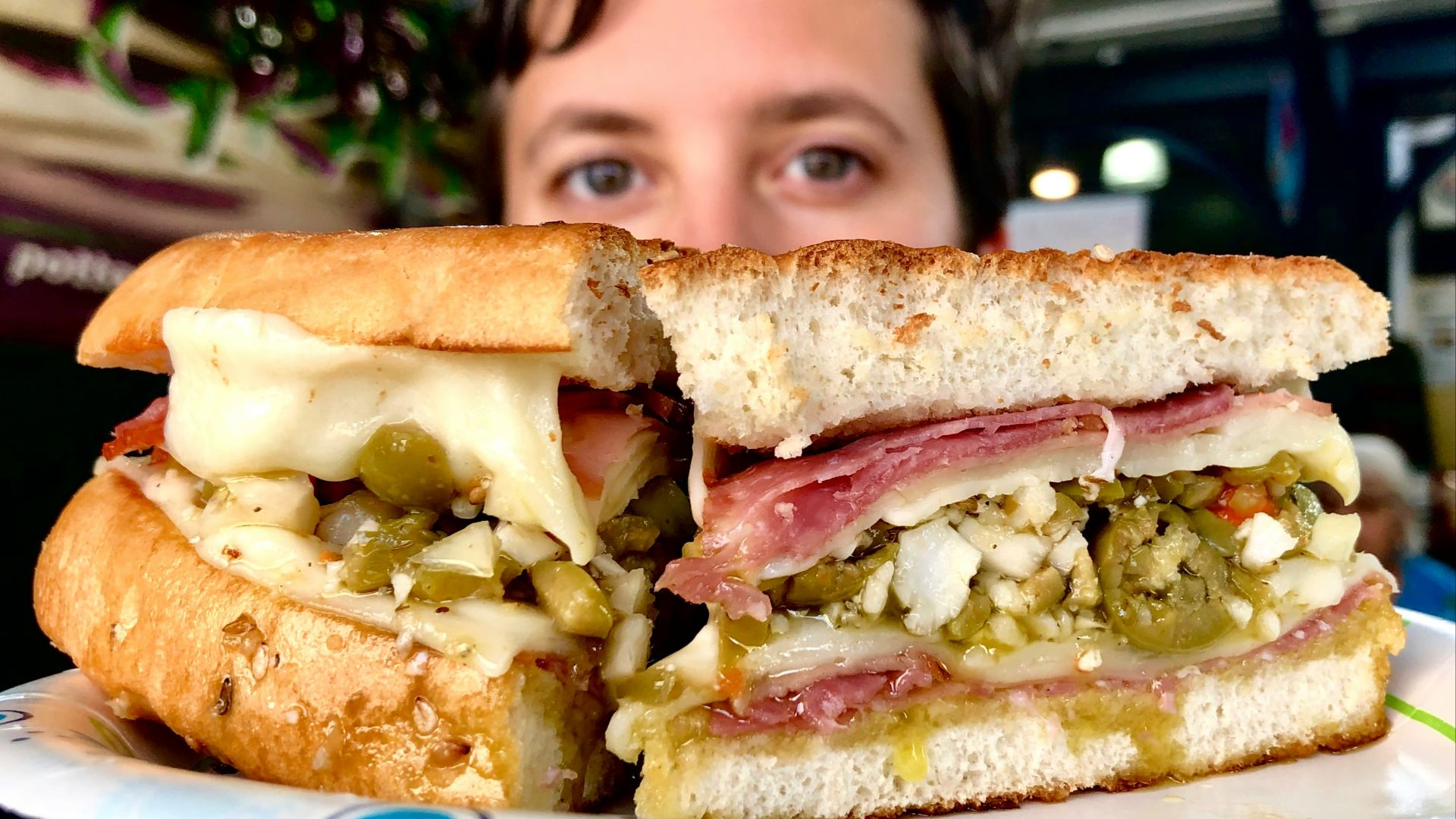
The Cuban sandwich has obvious Cuban influences, but the version we recognize today was shaped largely in Florida. Cuban immigrant communities in Tampa and Key West helped develop sandwiches using roast pork, ham, cheese, pickles, and mustard, with Tampa's version often adding Genoa salami because of the city's Italian population. Its exact history is still debated, but Florida played such an important role that calling it simply a food from Cuba skips a major part of the story.
 Leah Lepillez-Shockley on Unsplash
20. Swiss Rolls
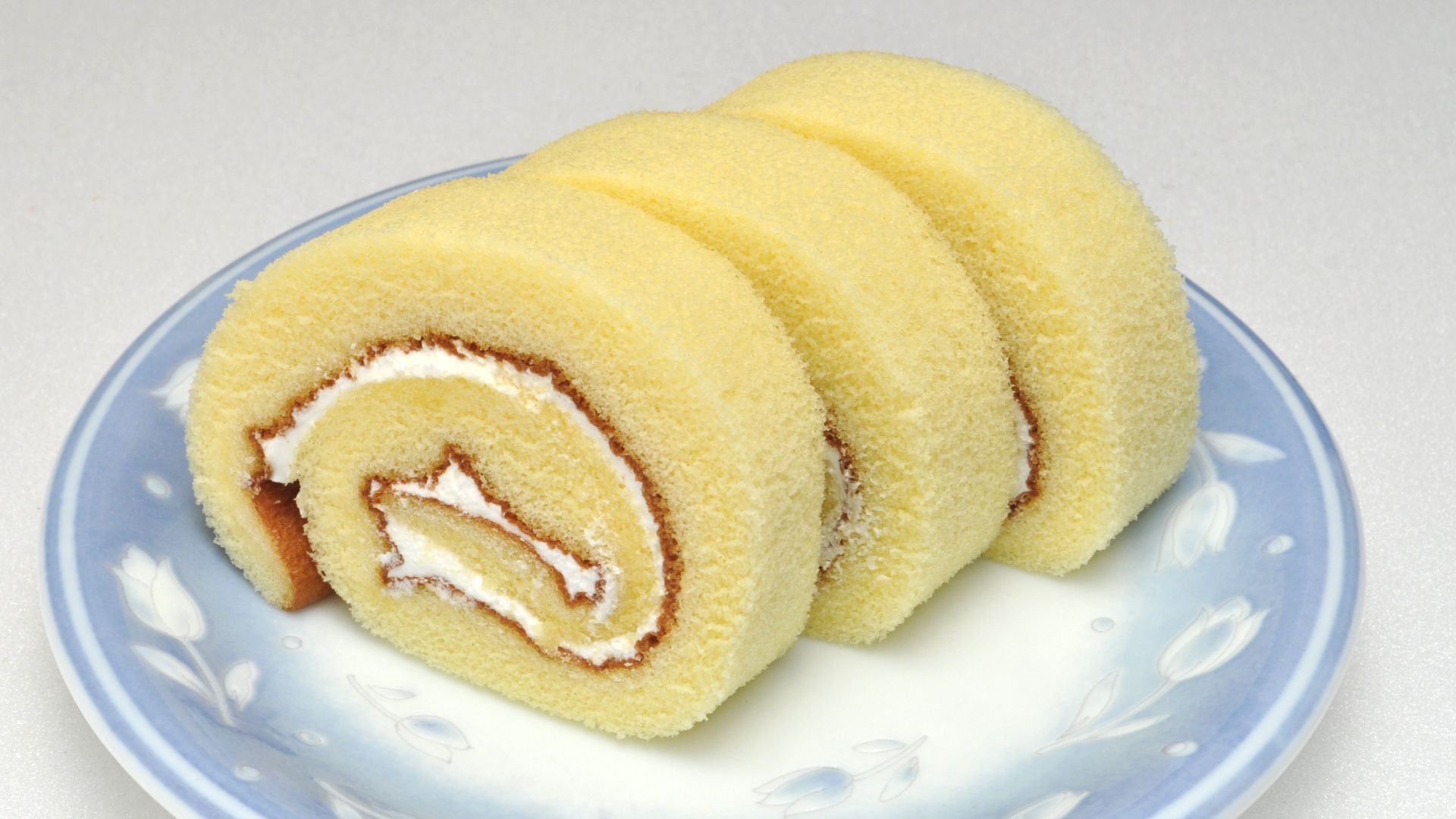
Despite their alpine-sounding name, Swiss rolls aren't generally considered a Swiss invention. Rolled sponge cakes filled with jam appeared in 19th-century European and American cookbooks under several different names, and historians haven't identified Switzerland as their clear birthplace. Even the Swiss don't have a monopoly on this one, which makes the name another reminder that food geography can be wonderfully unreliable.
KEEP ON READING
20 Food Requests Only Spoiled People Ask For

20 Hardest Foods on Earth To Eat

Do Vitamin Supplements Actually Make You Healthier?