20 Foods People Used To Only Eat For Survival But Are Now Trendy
Yesterday’s Hard Times Are Today’s Restaurant Specials
Food has a funny way of changing its social status over time. Plenty of things that once showed up on the table because people were broke, isolated, preserving what they had, or simply trying not to waste anything, are now sold as rustic, artisanal, heritage, or chef-driven. That doesn't mean the old versions weren't good, because many of them were clever, practical, and genuinely delicious from the start. It just means a lot of survival food eventually got a glow-up, a better plate, and a much more expensive menu description. Here are 20 foods that used to only be eaten in dire situations that are now "gourmet."
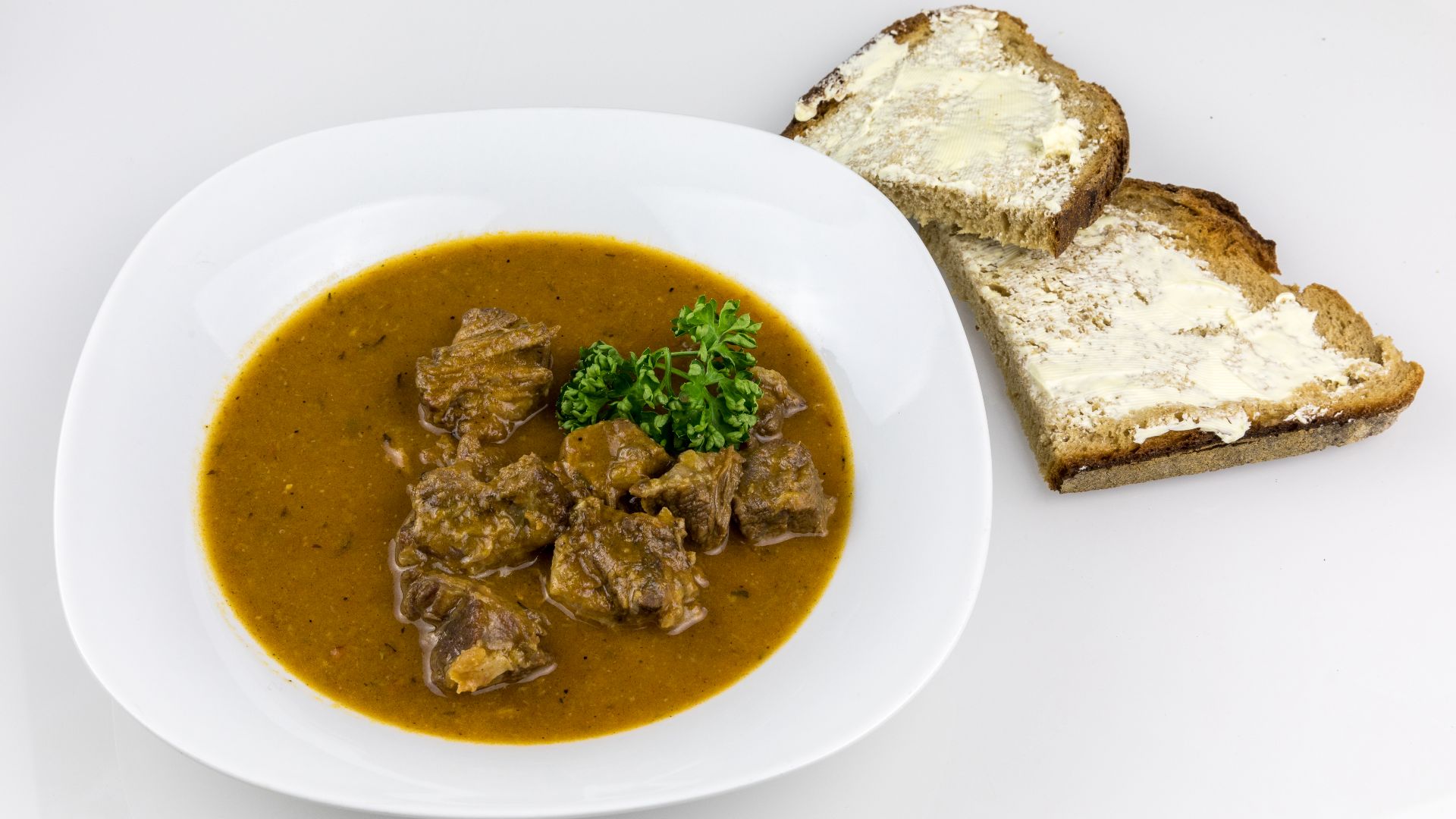
1. Oxtail
Oxtail used to be the kind of cut people relied on because they were making use of every possible part of the animal. It needed long cooking, patience, and a willingness to build flavor from what wealthier diners often ignored. Now it shows up in glossy braises and upscale stews with a price tag that would have surprised a lot of grandmothers.
2. Bone Broth
For a long time, broth made from leftover bones was just sensible kitchen economics. You used what was left, stretched ingredients further, and got one more meal out of what could have been waste. These days, bone broth is marketed like a wellness potion with a minimalist label and a premium cost.

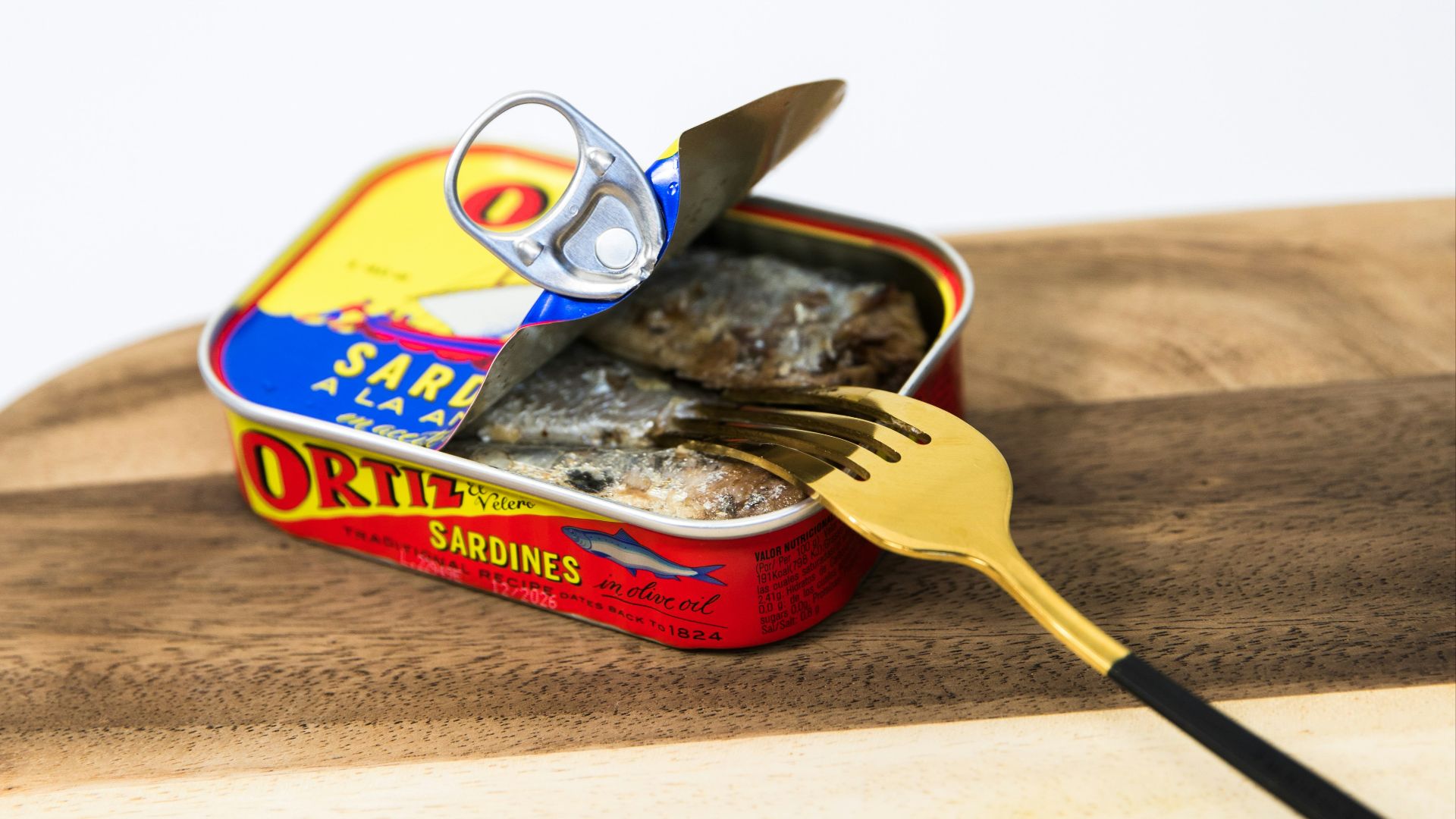
3. Sardines
Sardines were once valued because they were cheap, shelf-stable, and easy to store when fresh food was less reliable. They were practical first and glamorous absolutely never. Now they appear on snack boards, in stylish tins, and on social media next to expensive crackers and chilled wine, which is quite a journey for a fish that spent years getting mocked.
 S O C I A L . C U T on Unsplash
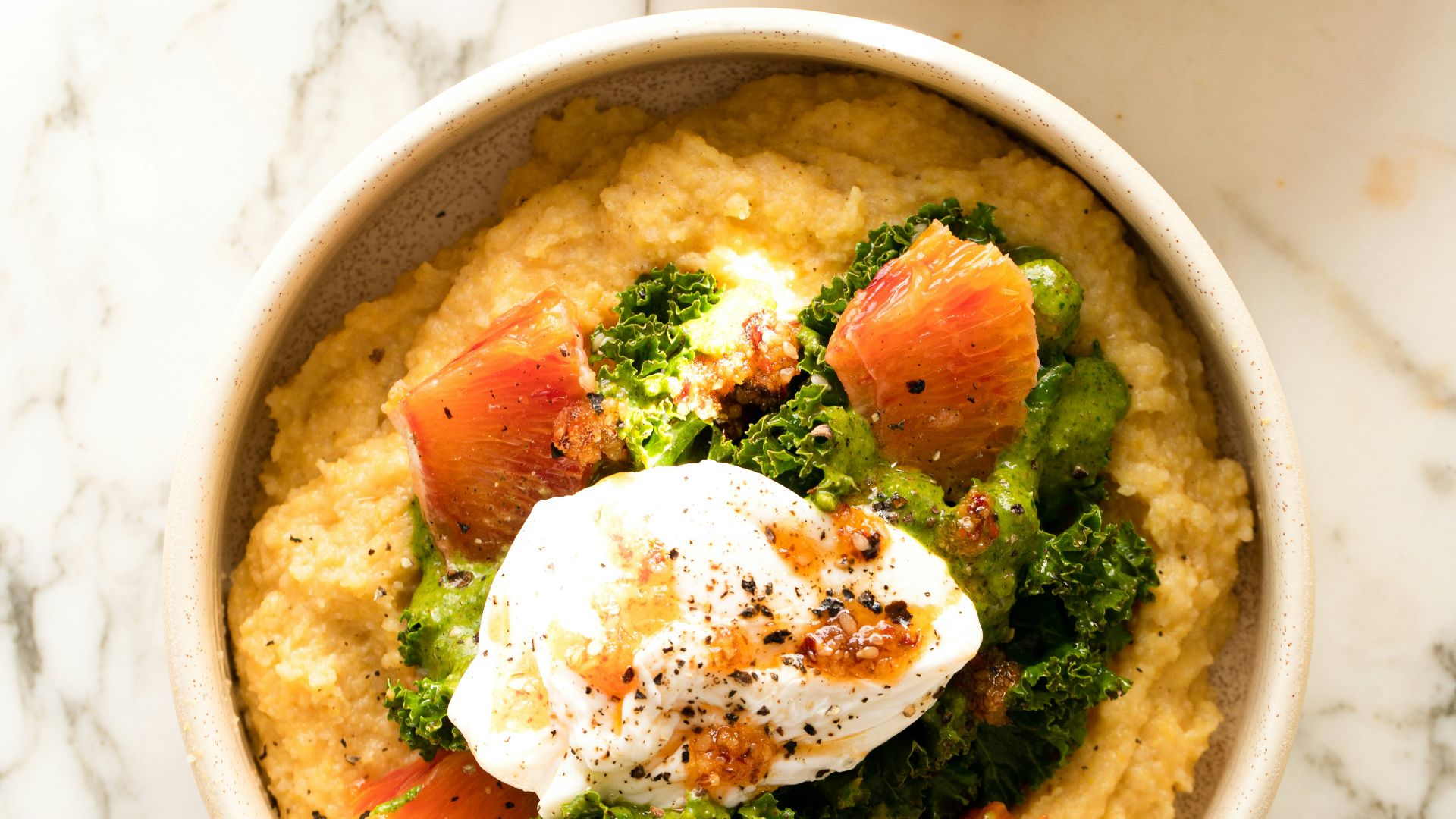
4. Polenta
Polenta has roots as straightforward peasant food that could fill stomachs without requiring much luxury. It was affordable, sustaining, and easy to make in places where people needed something dependable more than refined. Today, it arrives creamy, topped with mushrooms or short ribs, and described with loving detail.
 Bakd&Raw by Karolin Baitinger on Unsplash
5. Ramps
Ramps were once the kind of wild spring food people gathered because it was there, seasonal, and worth bringing home after a long winter. They belonged much more to practical foraging than to stylish restaurant culture. Now they show up in limited-time menus, farmers’ markets, and social media posts like a seasonal luxury everyone is supposed to get excited about immediately.

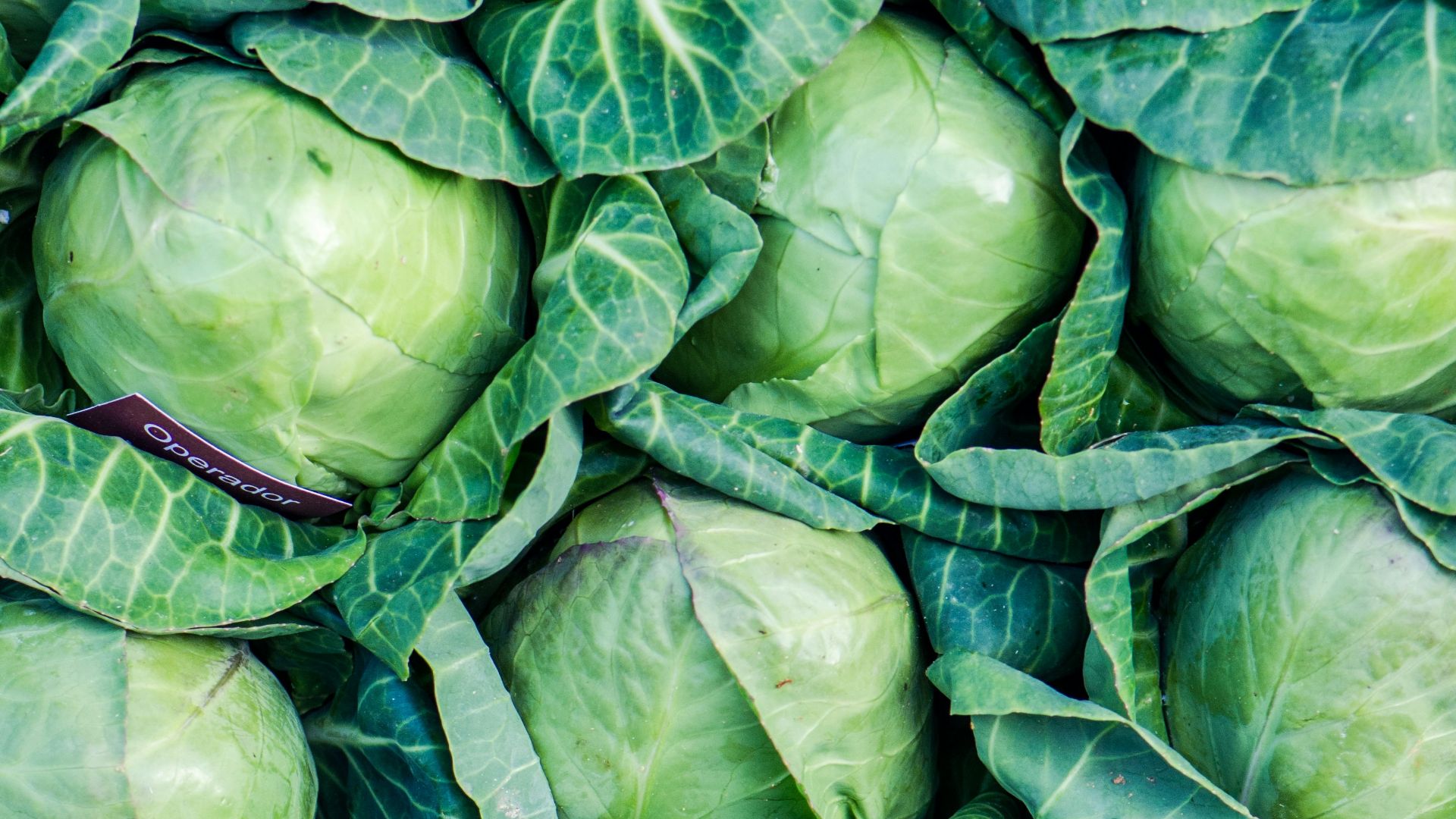
6. Cabbage
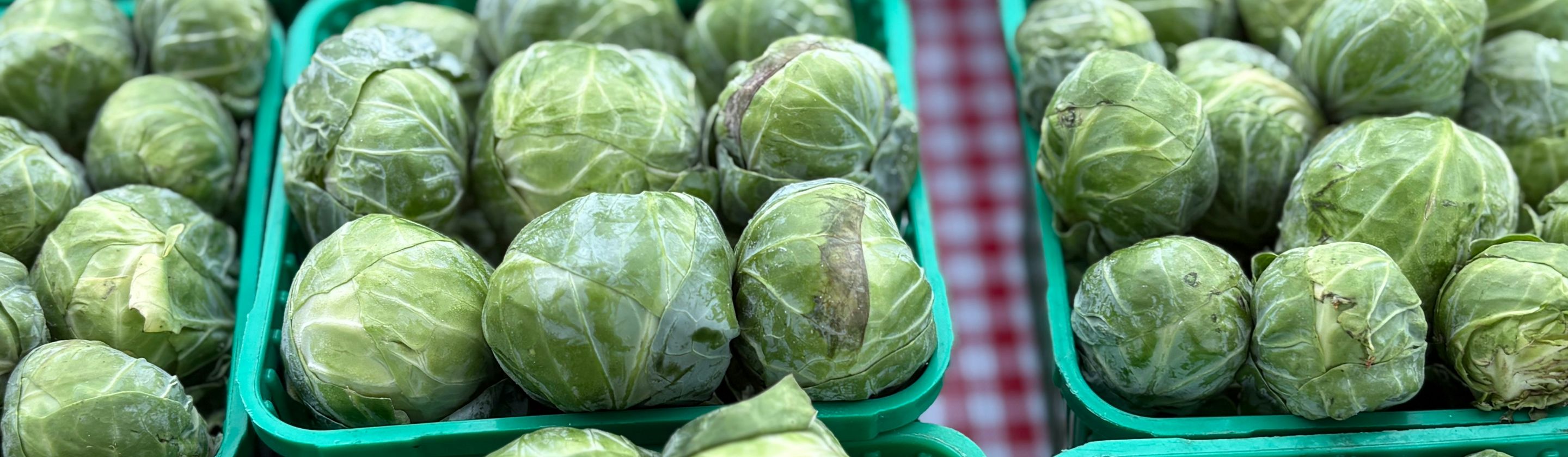
Cabbage spent a very long time in the world of practical eating. It kept well, grew reliably, and could be stretched into soups, slaws, sautés, and all kinds of filling meals when budgets weren't exactly feeling adventurous. Now, charred cabbage, grilled cabbage, and roasted cabbage steaks get treated like serious menu items.
7. Fermented Vegetables
Fermented vegetables began as a form of preservation, plain and simple. People were trying to make harvests last through winter, not build probiotic reputations or elegant little jars for boutique shops. Now, kimchi, sauerkraut, and pickled vegetables are celebrated for flavor, gut health, and cool-factor.
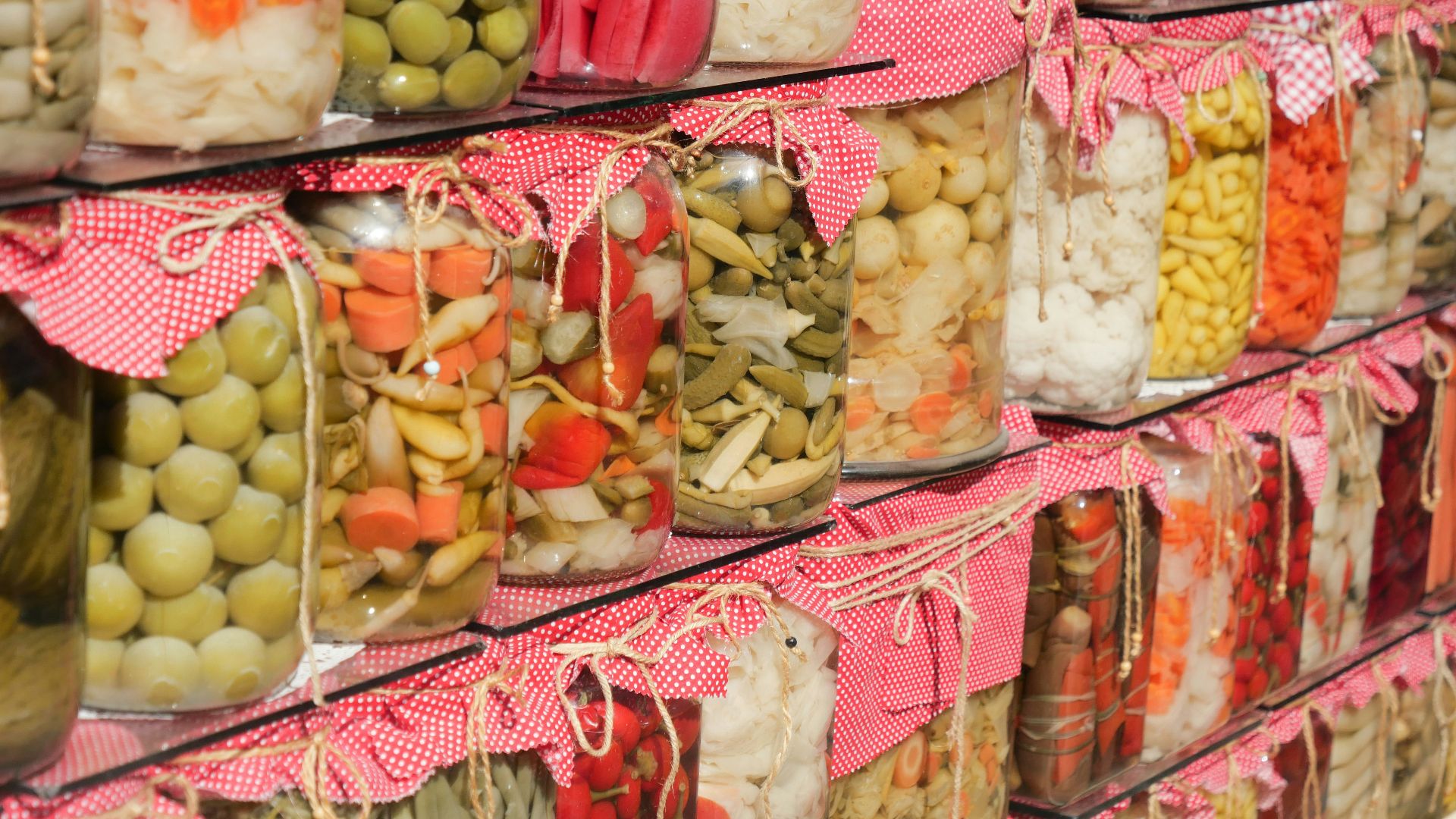
8. Offal
Organ meats were once a matter of using the whole animal because waste was a luxury many people couldn't afford. Liver, tongue, heart, and kidneys were eaten not because it was "cool," but because food was scarce and they had to make use of every part. Now offal appears on ambitious menus as a sign of culinary seriousness and nose-to-tail virtue.
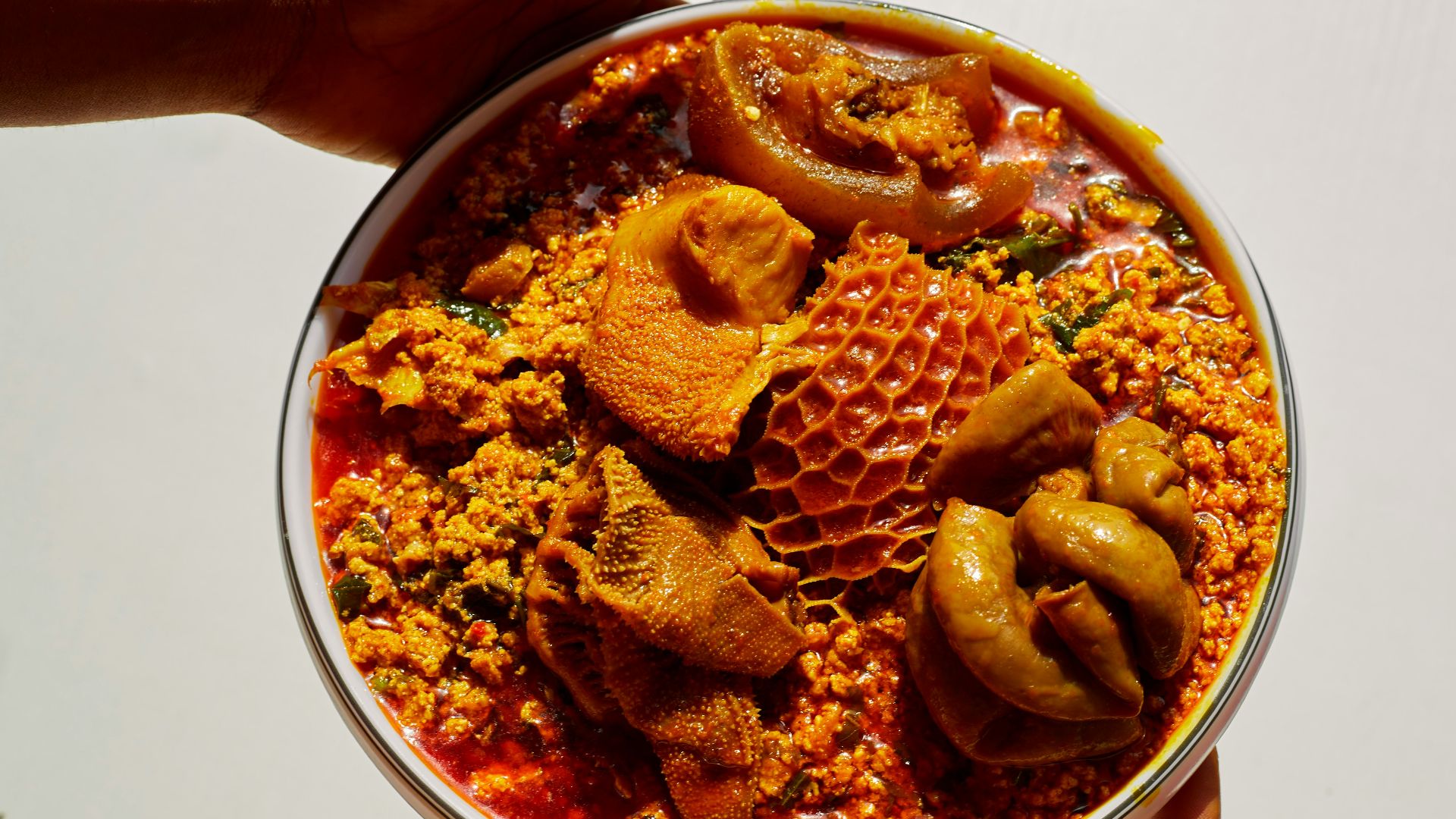
9. Grits
Grits have deep roots as a filling, inexpensive food that could feed people well without demanding much from the pantry. For a long time, they were associated more with necessity and regional practicality than with stylish dining. Now you'll find them loaded with shrimp, cheese, or rich sauces and presented as comfort with taste.
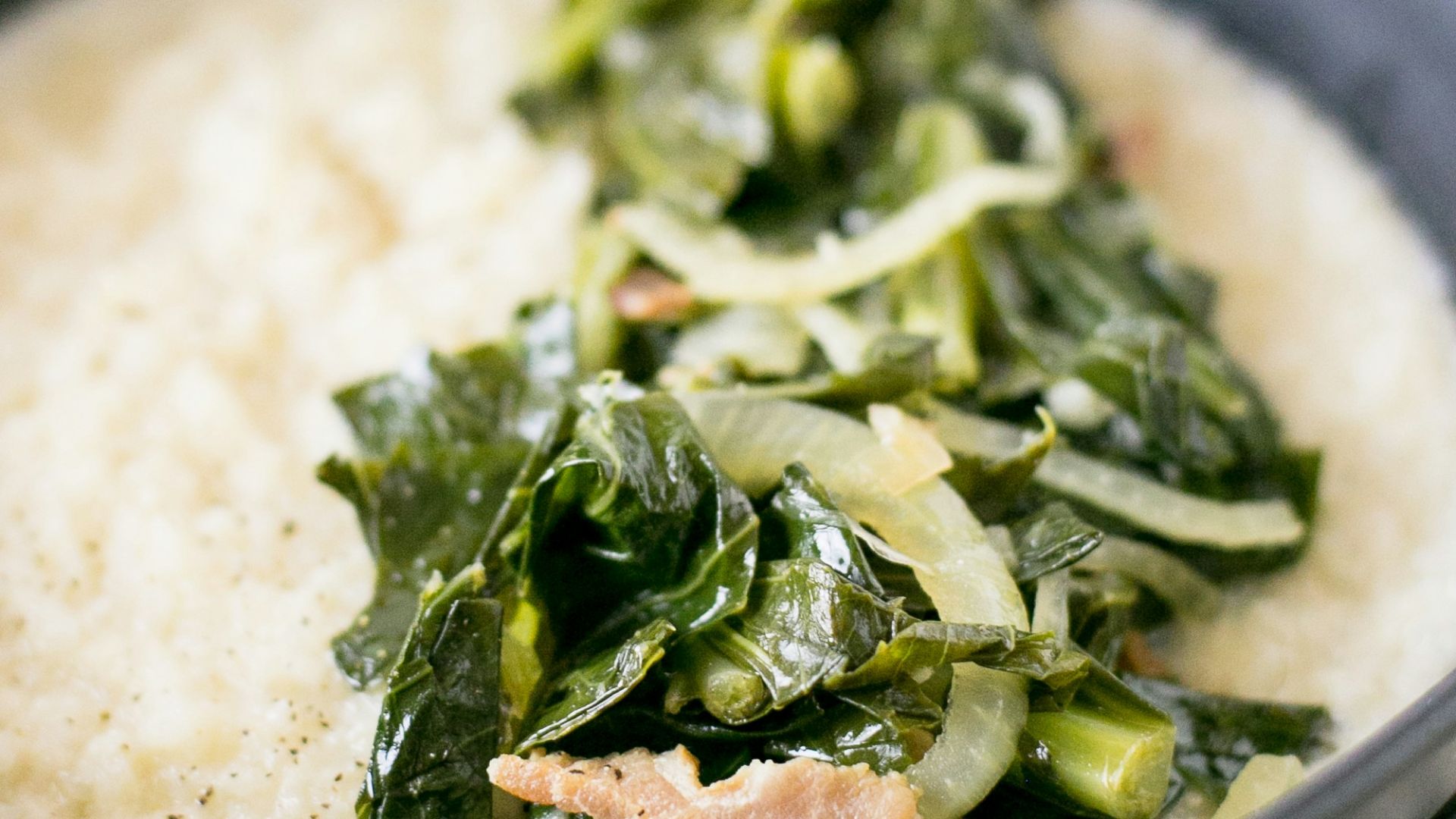
10. Millet
Millet was historically a sturdy grain for people who needed something resilient and reliable, not something glamorous. In many places, it was part of survival-level eating because it grew in difficult conditions and helped communities get through lean periods. Now it appears in grain bowls and health-forward recipes with a much shinier reputation.
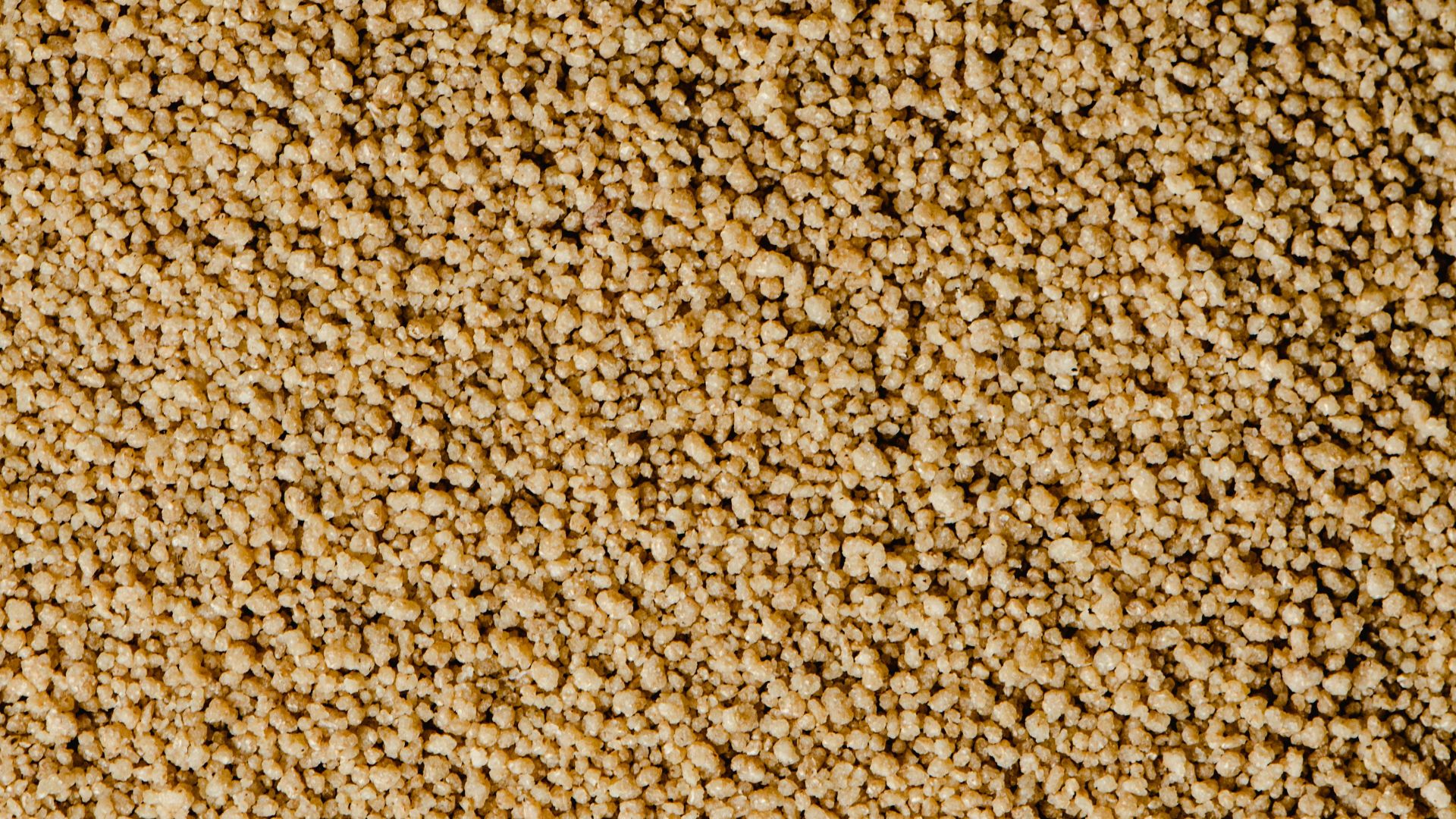
11. Barley
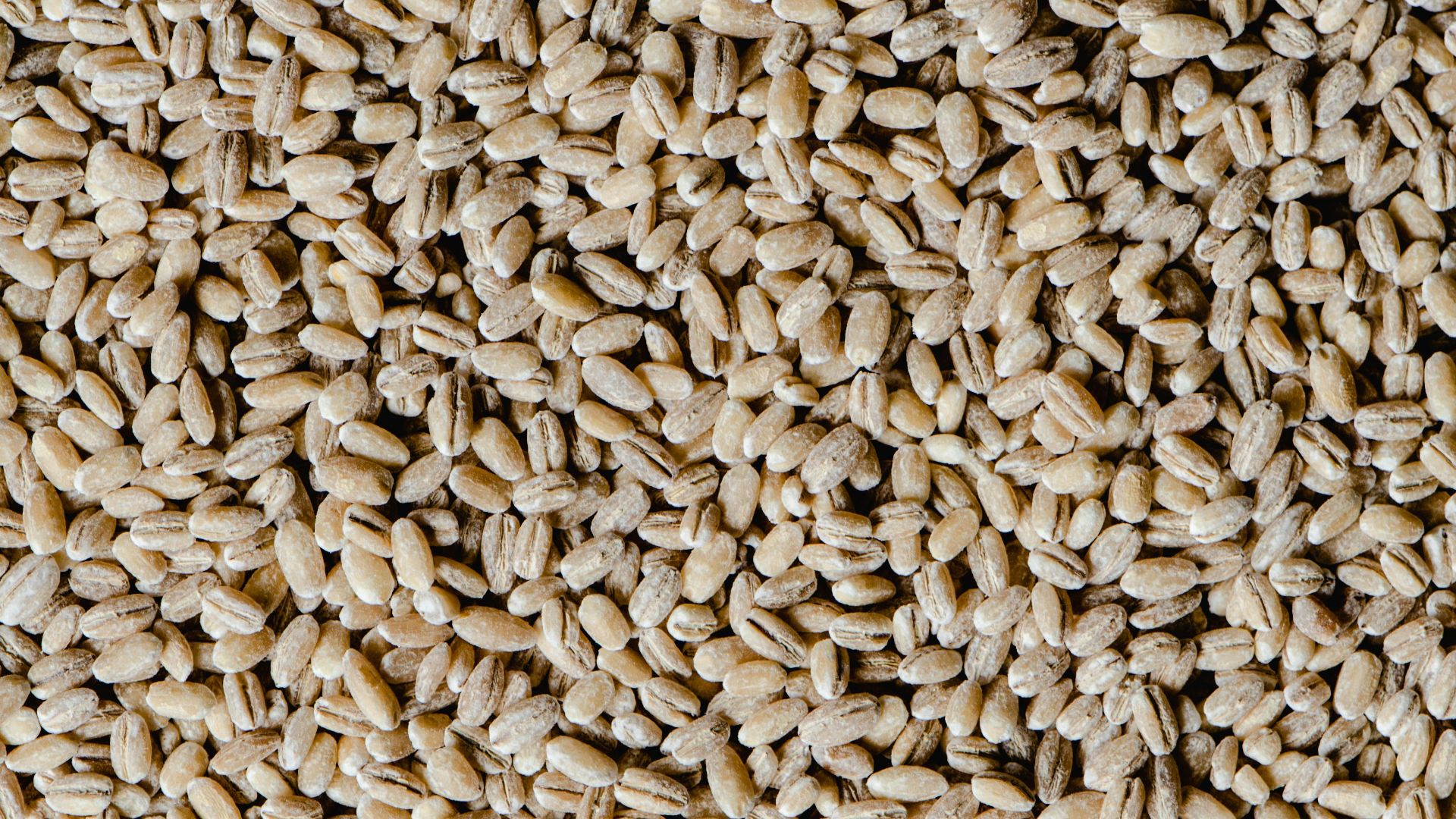
Barley used to belong to soups, porridges, and practical meals that emphasized sustenance over style. It was the kind of grain you leaned on when you needed something hearty and affordable. These days, it gets folded into trendy salads and wholesome menu descriptions that make it sound newly discovered.
12. Lentils
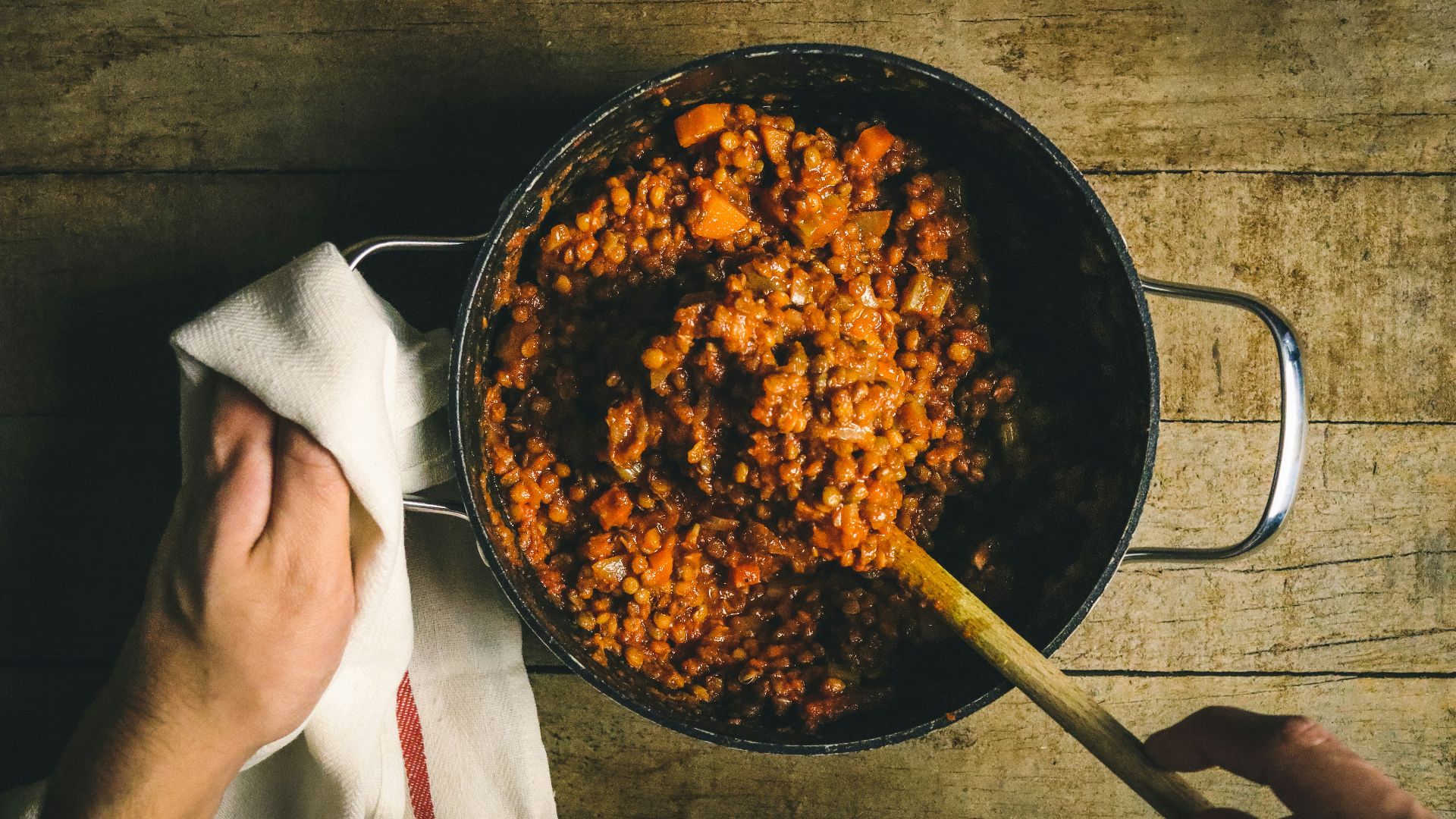
Lentils have always been an efficient answer to the problem of feeding people well without spending much. They cook relatively quickly, store easily, and have helped support households through plenty of lean times. Now they show up in chic bowls, plant-based entrees, and polished side dishes that make them sound almost luxurious.
13. Salt Cod
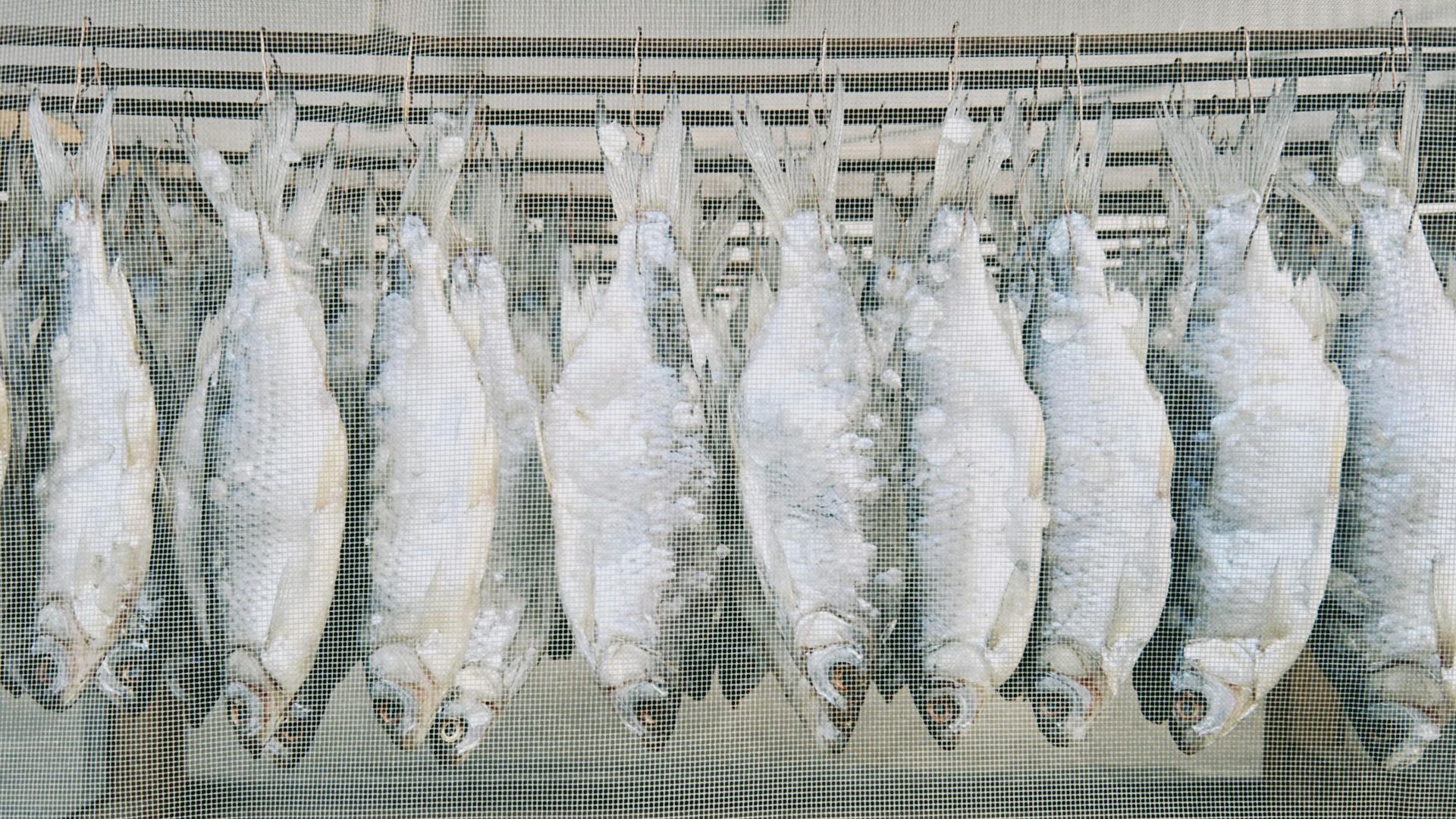
Salt cod came out of necessity, preservation, and trade, not out of a desire to impress dinner guests. It was a way to keep fish edible over long distances and through difficult seasons when fresh food was not an option. Now it gets treated as heritage cuisine with depth, tradition, and curated menu notes.
14. Pickled Herring
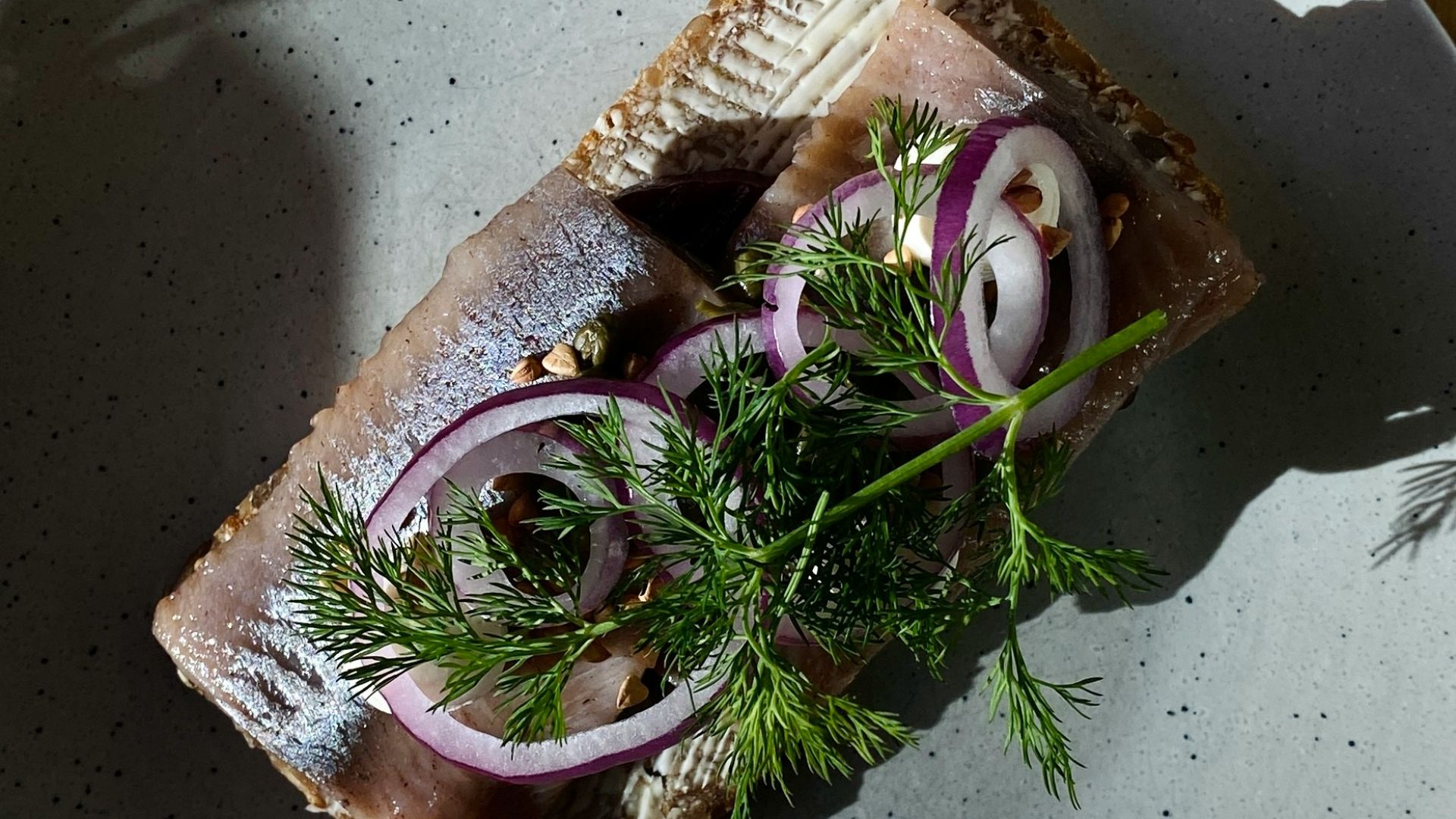
Pickled herring was once about making fish last and keeping people fed in places where preservation mattered. It had practical roots, a strong flavor, and not much interest in pleasing everybody. Now it can show up on elegant boards and in heritage-focused dining spaces where the same intensity reads as character.
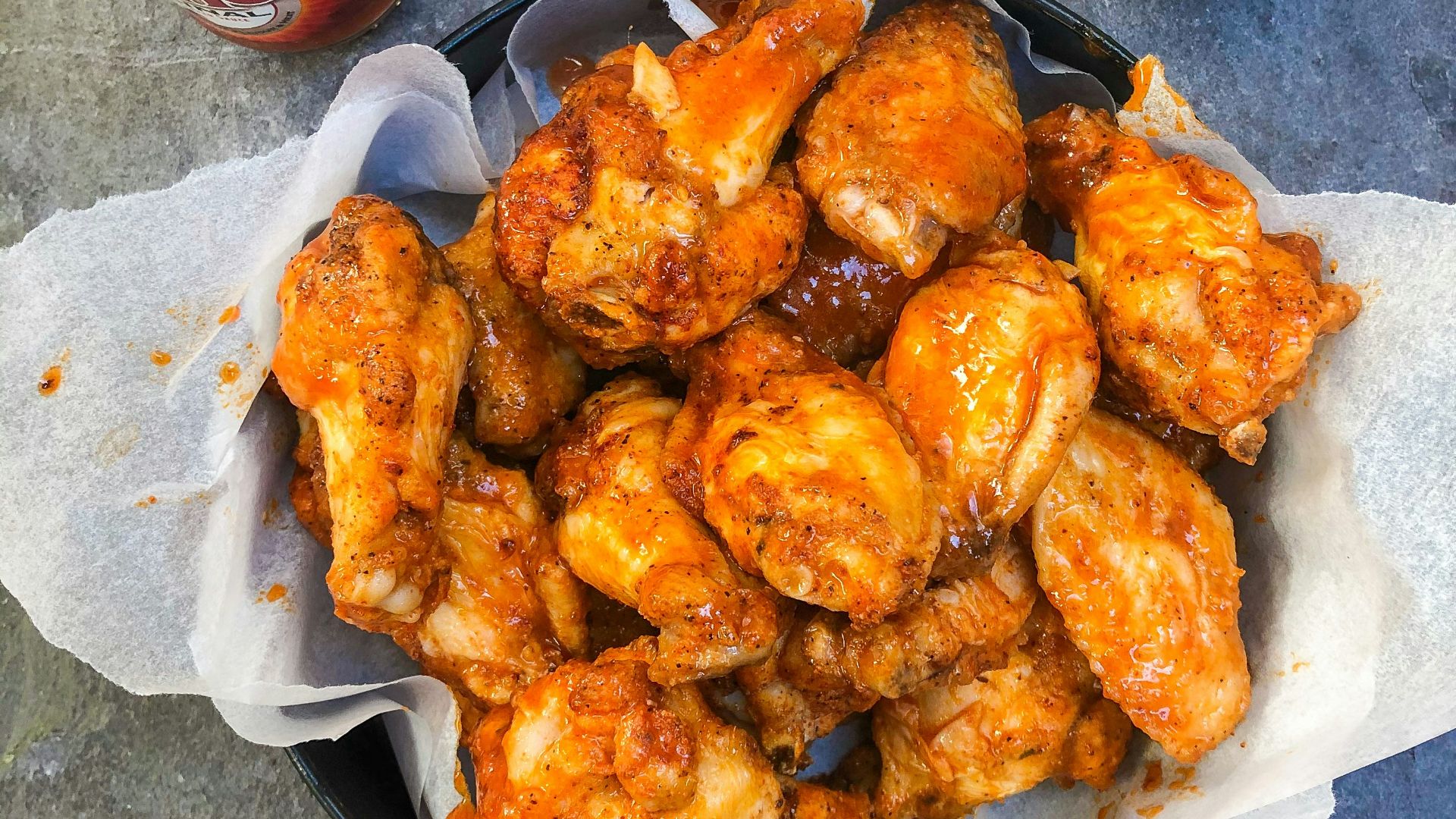
15. Chicken Wings
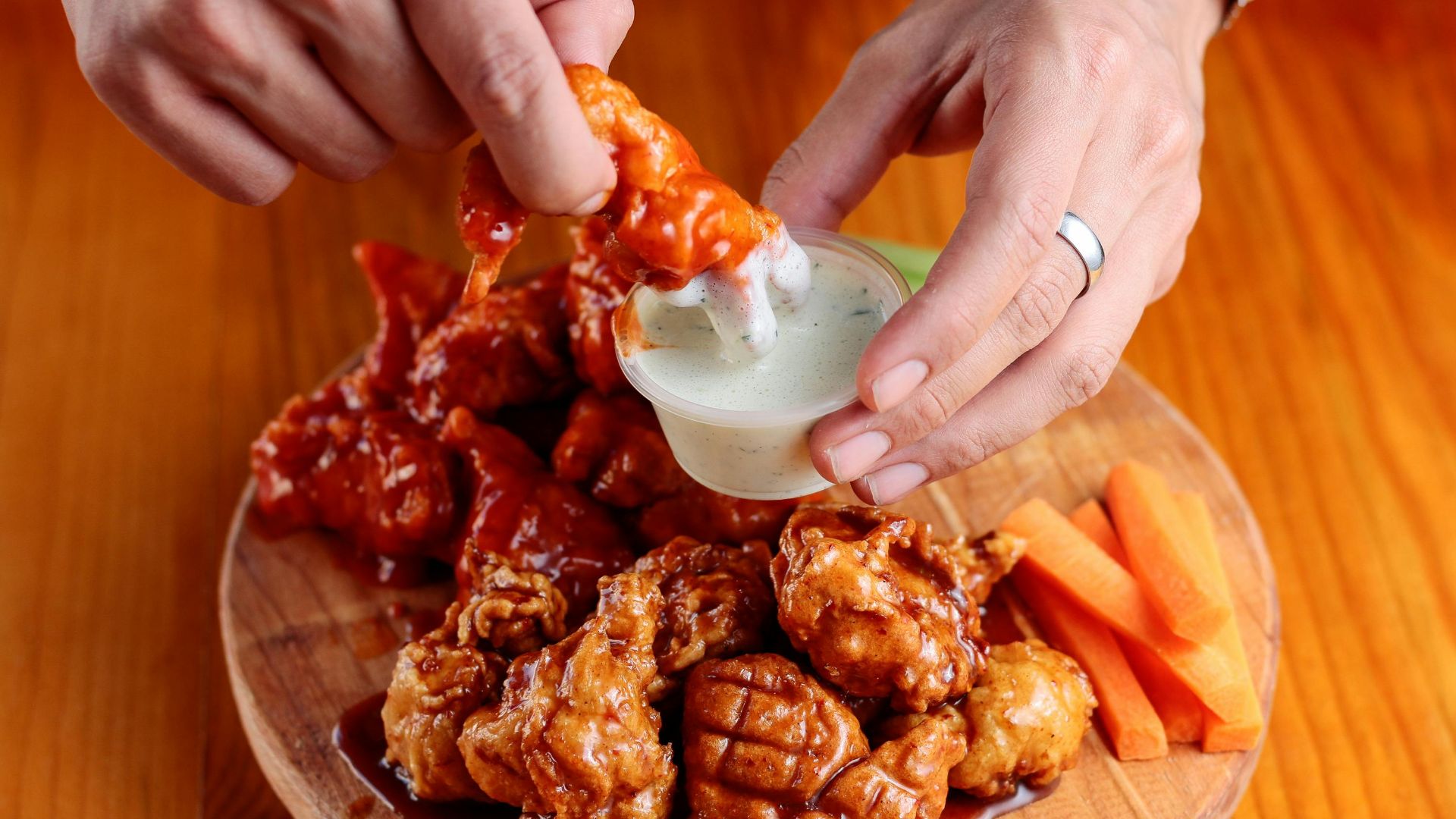
Chicken wings weren't always the beloved sports-bar stars they are now. For a long time, they were one of the cheaper, less desired parts of the bird. Then people figured out what frying, seasoning, and sauce could do, and that was the end of that. It is hard to stay low-status once everybody wants twelve.
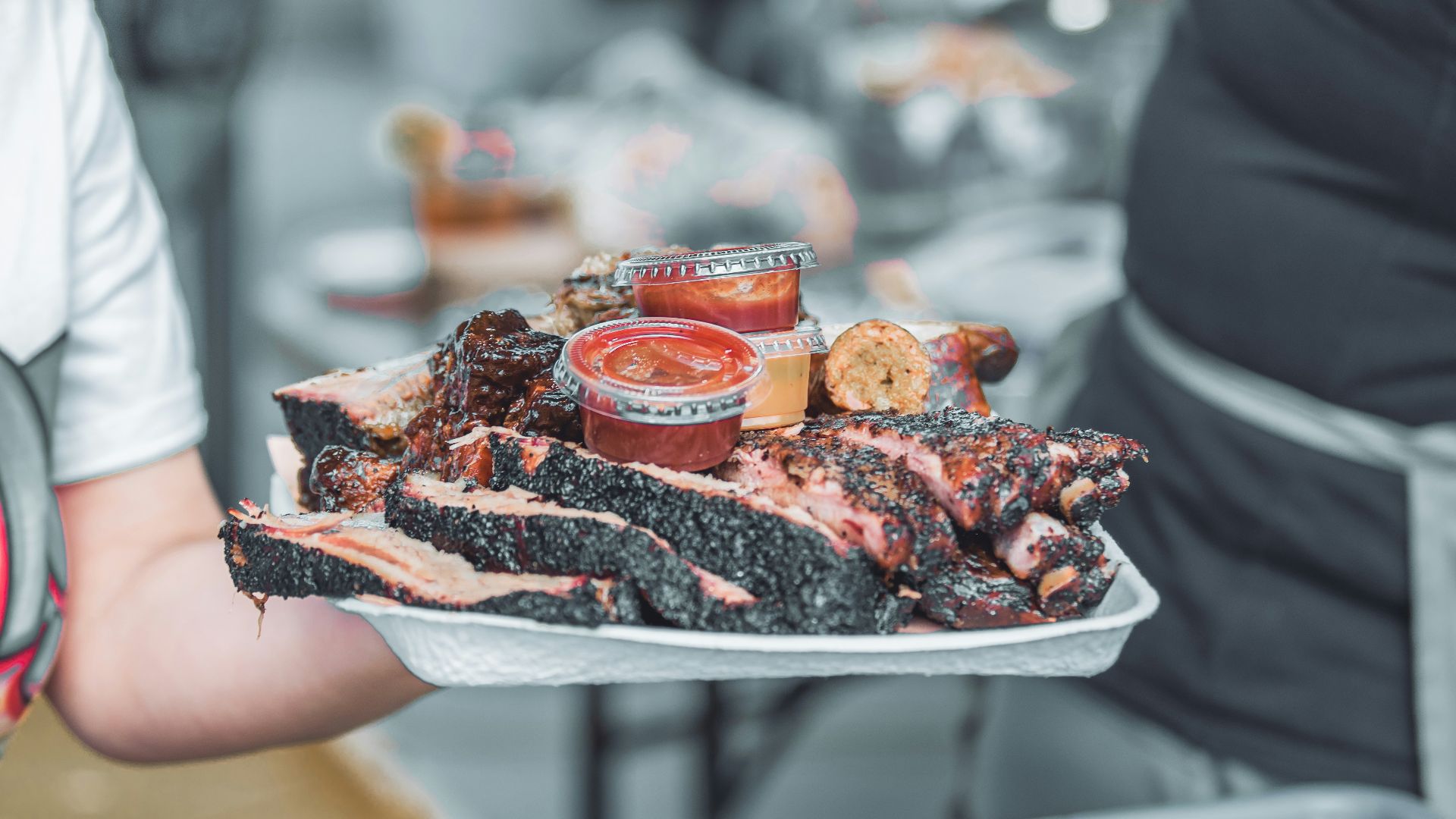
16. Brisket
Brisket used to belong to people who knew how to make a tough cut work because they had to. It needed low heat, time, and enough cooking wisdom to transform something inexpensive into something worth eating. Now it's smoked, sliced, and sold as a centerpiece with serious hype behind it.
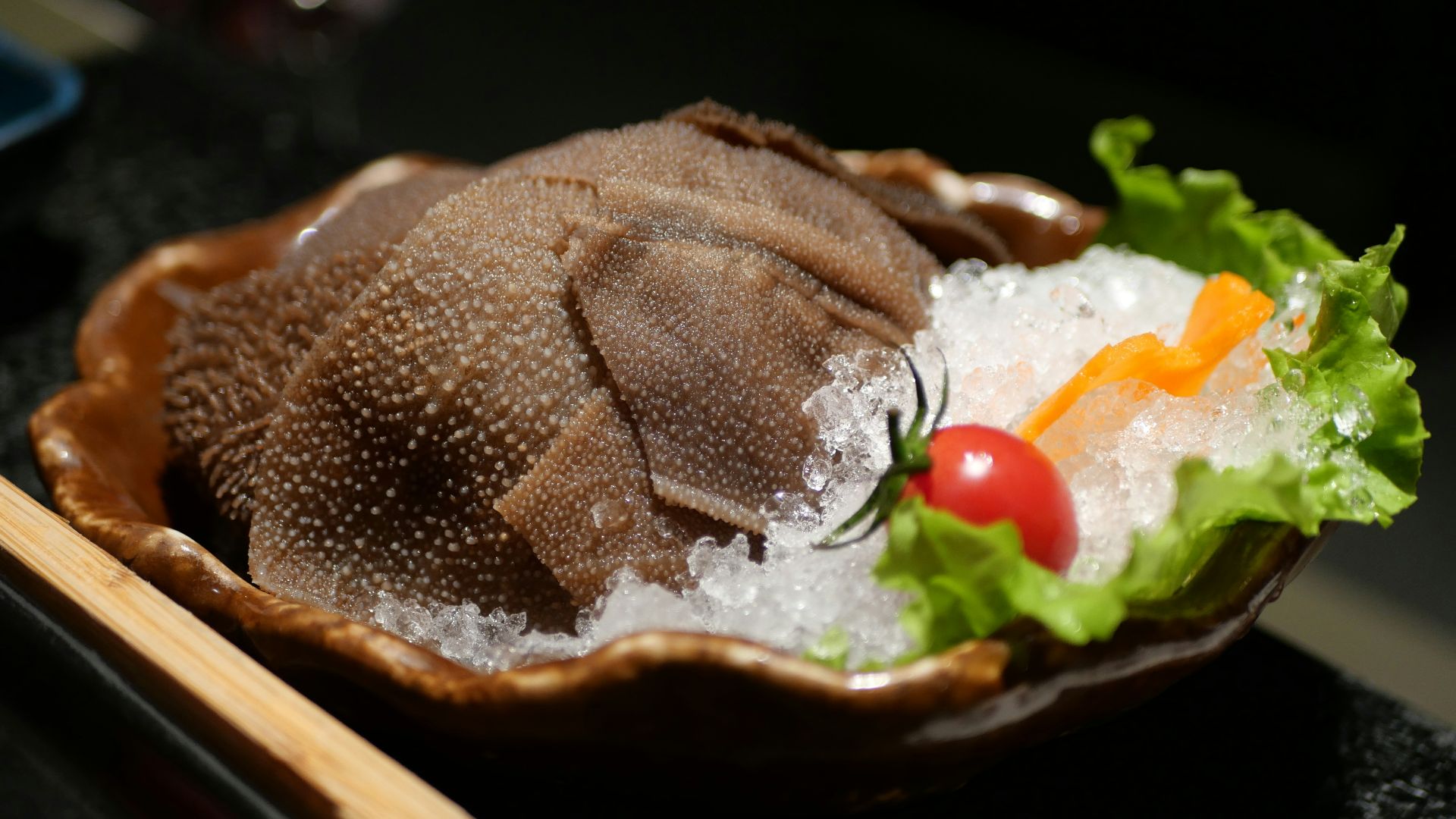
17. Tripe
Tripe is the chewy lining from the stomach of animals like sheep and cows. It's long been part of cuisines built around thrift, practicality, and full-animal cooking. Now it appears in restaurants as a marker of authenticity, bold taste, and culinary bravery.
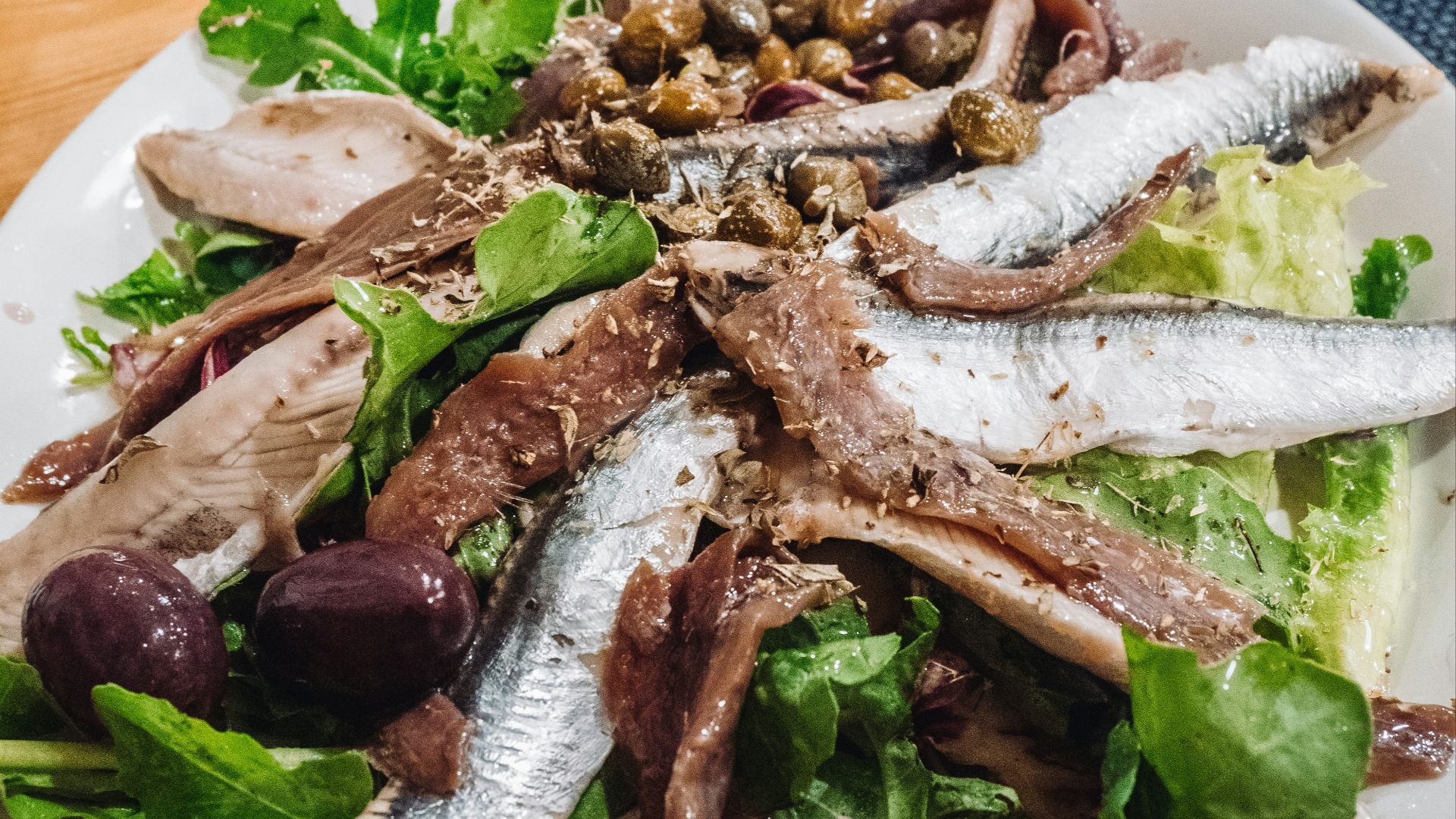
18. Anchovies
Anchovies were once prized mainly because they were preserved, useful, and capable of adding flavor when fresh luxury wasn't available. They helped poor kitchens stretch ingredients and build depth from very little. Today, they're praised by chefs, layered into fashionable dishes, and treated as a sign that the person cooking knows what they're doing.
19. Oatmeal
Oatmeal used to be firmly in the category of practical breakfast that kept people going without spending much money. It was fuel, plain and simple, and nobody was adding artisanal toppings to impress brunch guests. Now oats get dressed up with nut butter, berries, seeds, and drizzles of things that cost much more than the oats themselves.
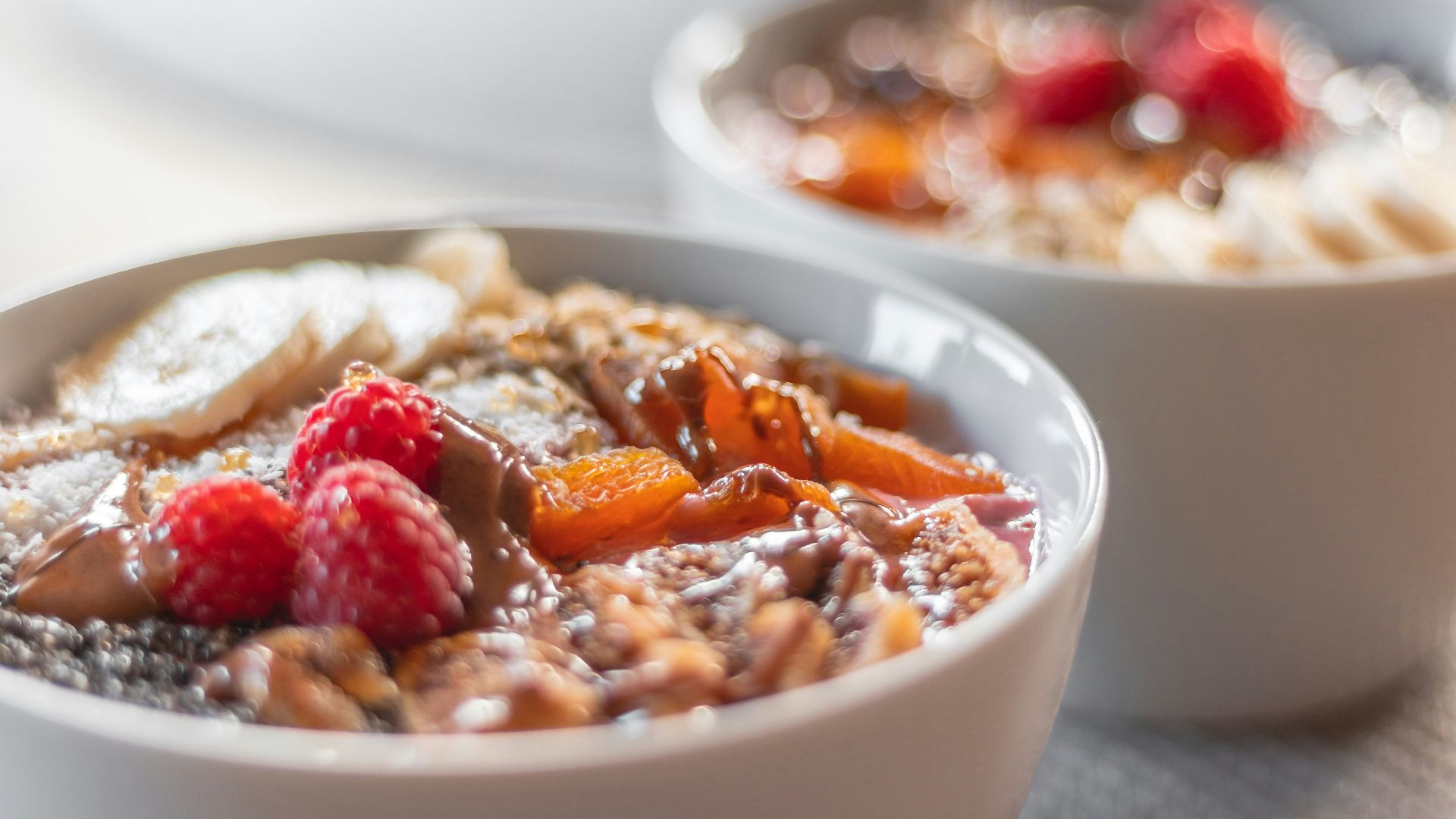 Christian Wiediger on Unsplash
20. Mushrooms Foraged From the Wild
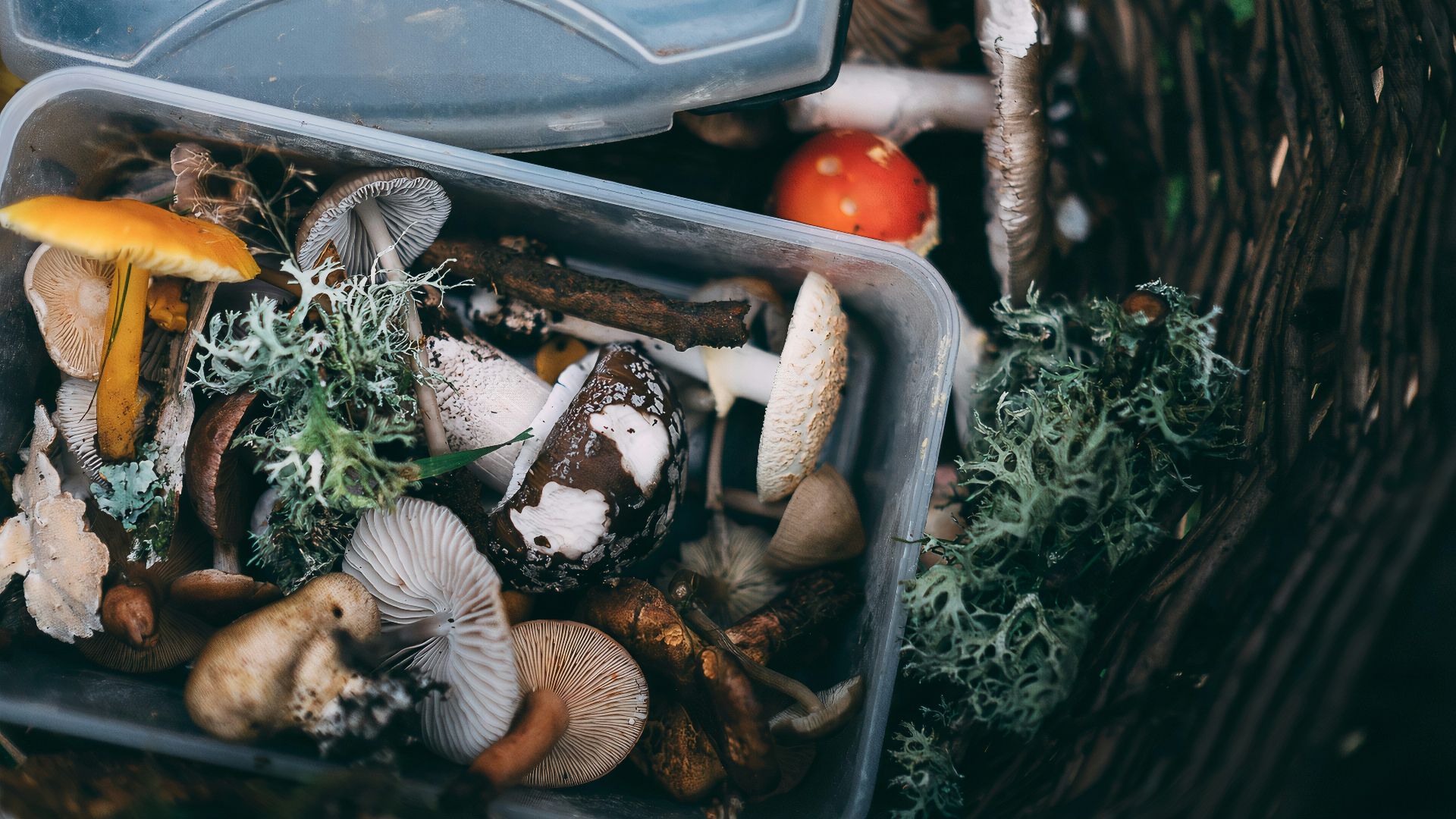
Wild mushrooms were often gathered because people needed food that was available, local, and free if you knew where to look. Foraging was less about earthy charm and more about using what the land offered when times were lean. Now, wild mushrooms are culinary darlings that make a dish sound expensive the second they're mentioned.
KEEP ON READING


20 Foods Used in Fertility Rituals Around the World
20 Foods That Taste Better the Next Day