20 Foods That Taste Different Depending On The Country, Region, Or Household
Food Is Inherently Personal
Food picks up a lot from the place where it’s grown, made, and cooked. Climate, ingredients, fermentation, cooking methods, and old family recipes can all change a flavor you thought you knew inside and out. That’s why pizza in Naples, kimchi in Korea, or potato salad at somebody else’s house can seem familiar while tasting nothing like the version you grew up with. Even everyday foods like butter, honey, coffee, and soy sauce can change quite a bit depending on how they’re made. These 20 foods show just how much a country, region, or family kitchen can shape what eventually lands on your plate.
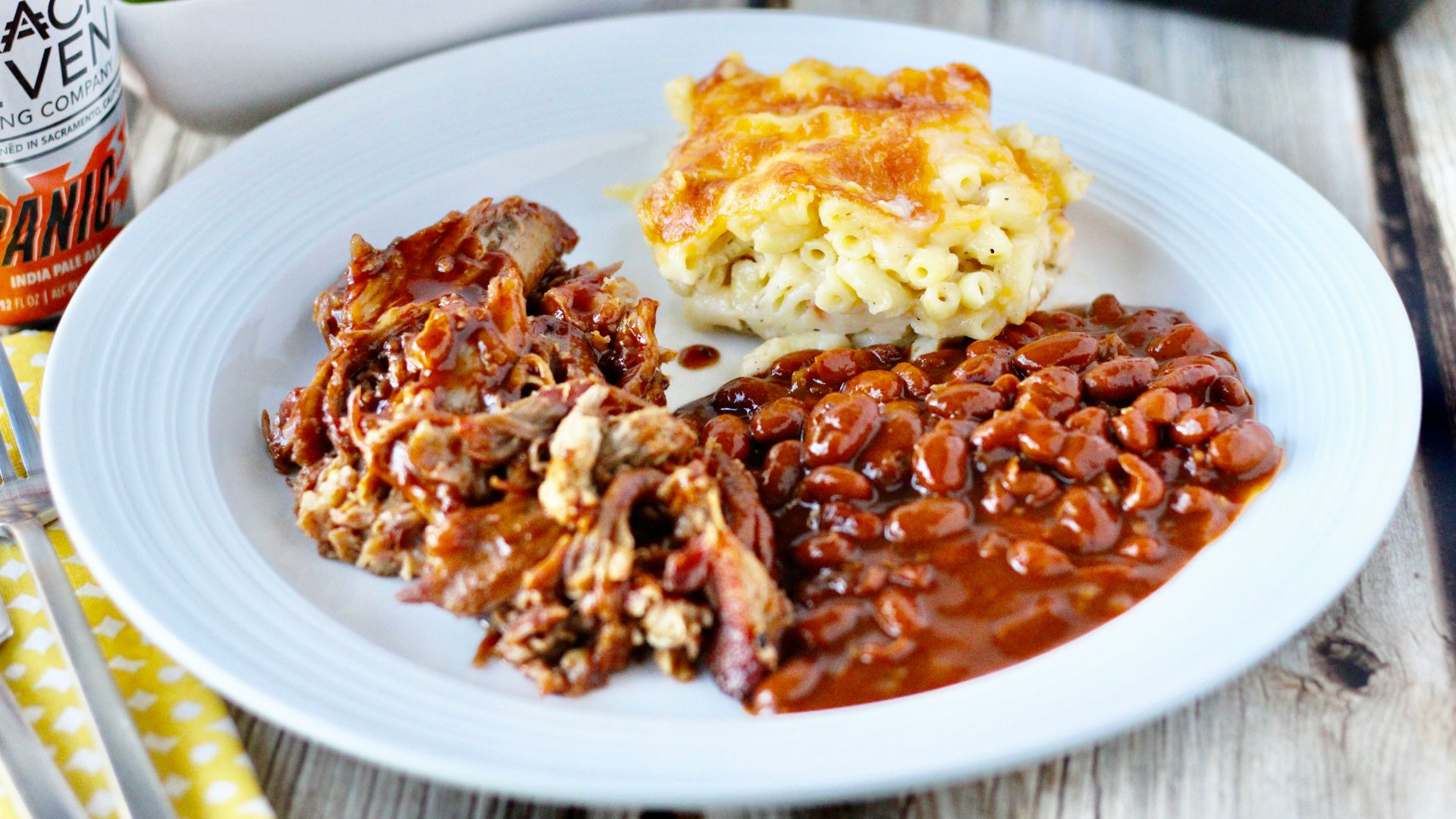
1. Chocolate
Chocolate starts picking up its flavor long before milk or sugar gets involved. The type of cacao, where it’s grown, how it’s fermented, and the way it’s roasted can bring out fruity, floral, nutty, spicy, or deeper roasted flavors.
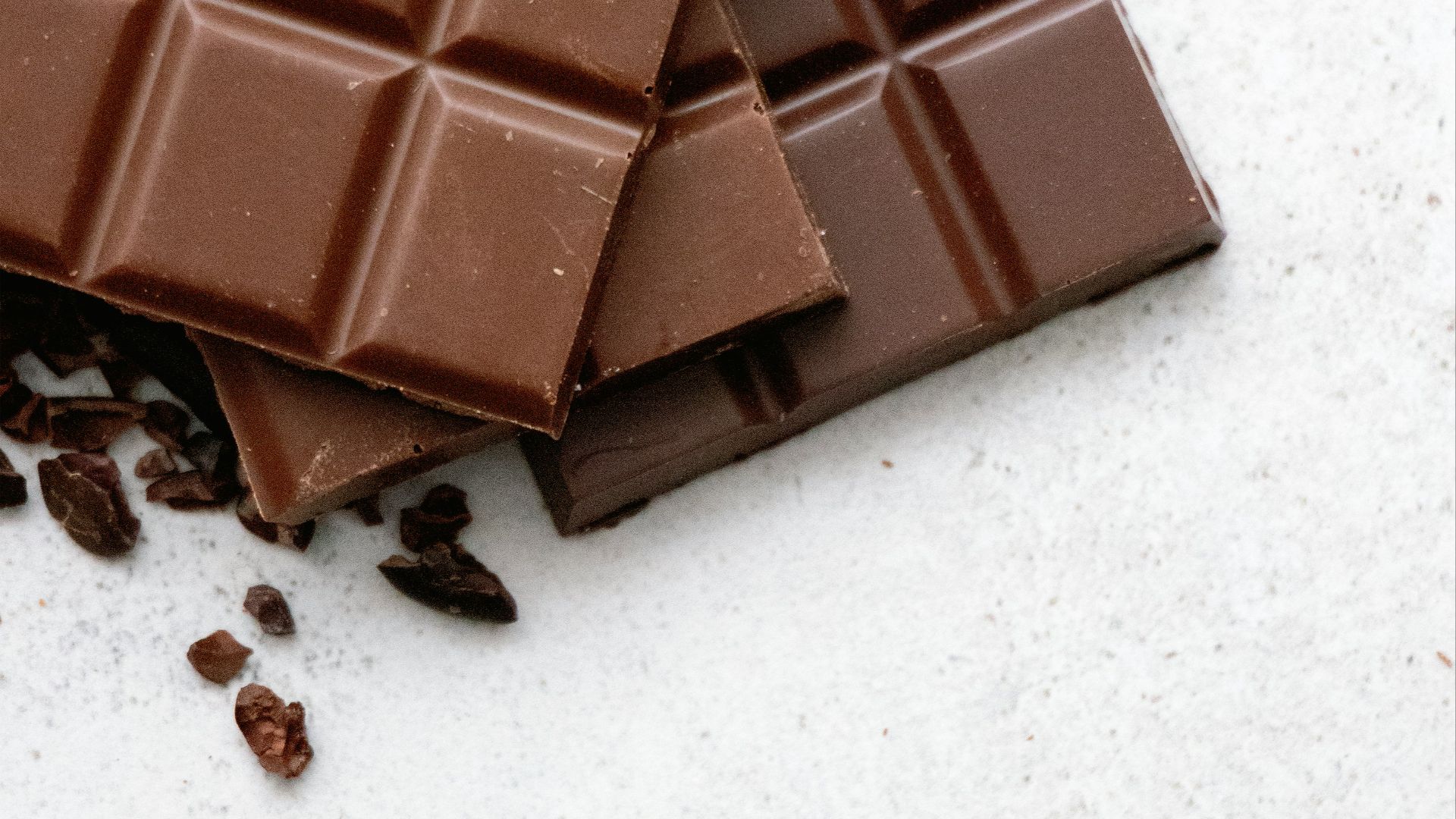
2. Pizza
Pizza may have spread around the world, but regional versions can feel like completely different meals. Think of the differences between traditional Neapolitan pizza versus the Chicago deep-dish.
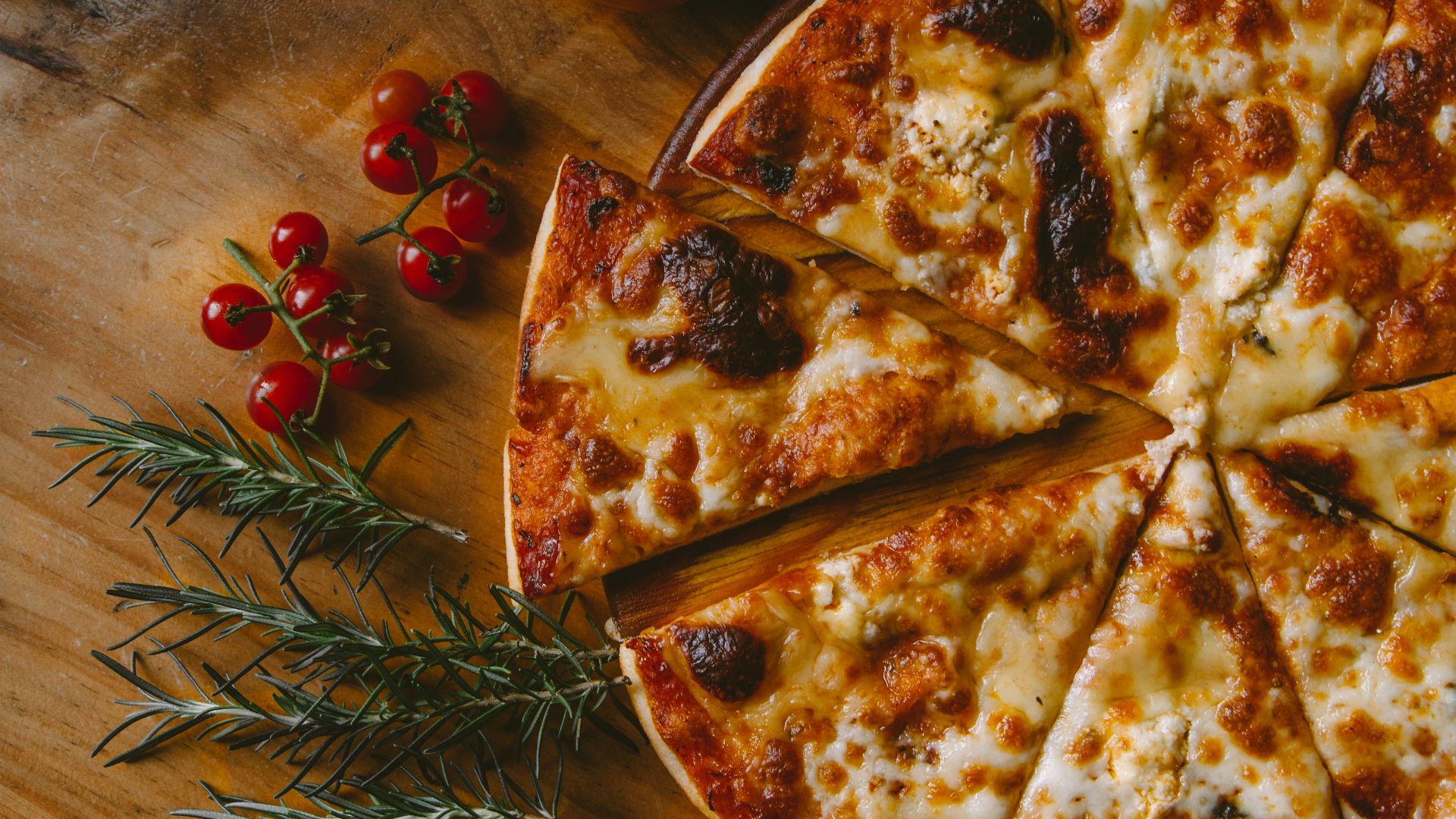
3. Barbecue
American barbecue has rarely remained consistent across the country’s vast geography. Vinegar-forward pork has deep roots in the Carolinas, while mustard-based sauce is strongly linked with South Carolina. Memphis developed a sweeter tomato-based tradition, and Texas became famous for beef barbecue.
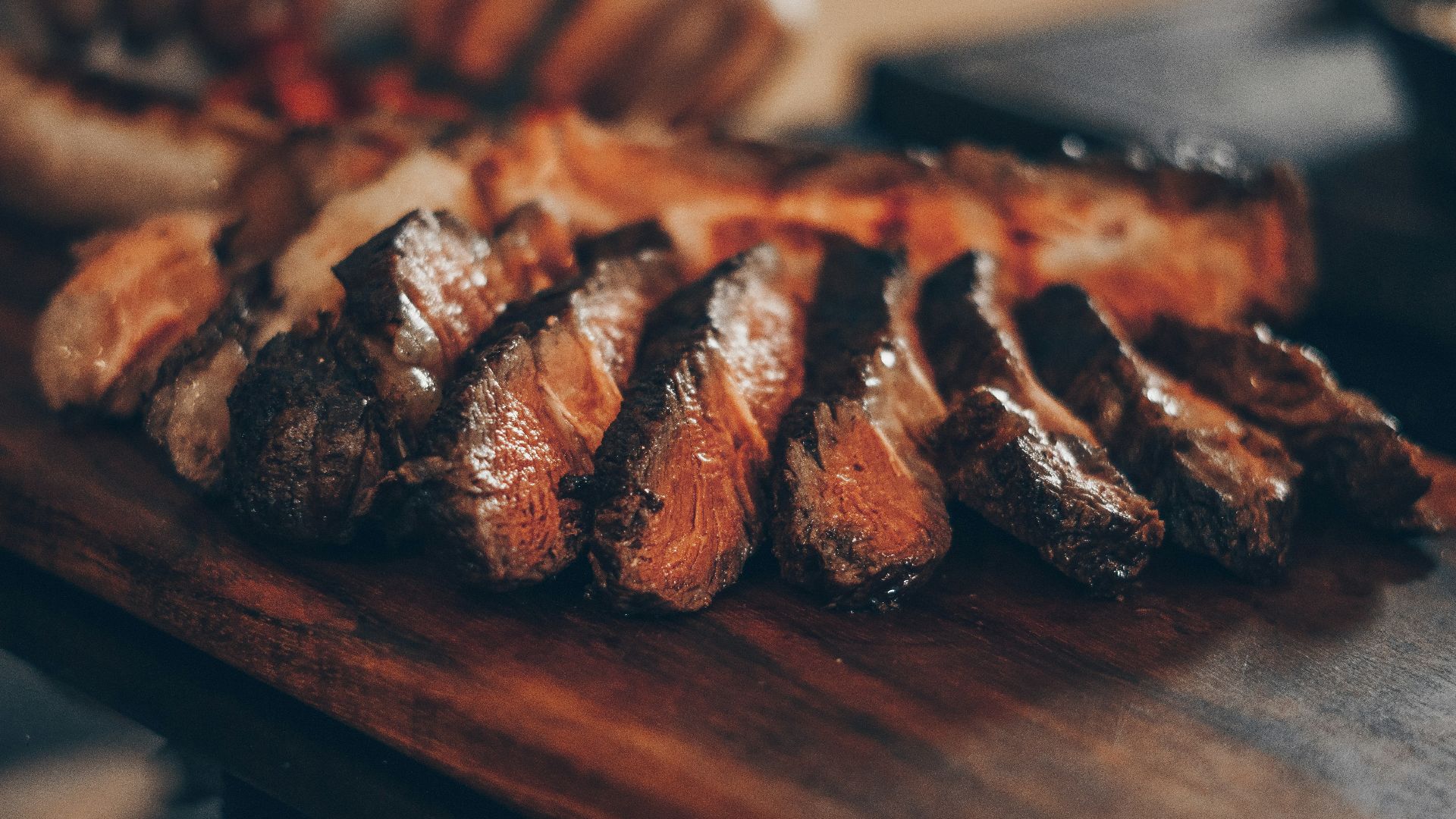
4. Chili
Chili is one of those dishes that rarely looks the same from one kitchen to the next. Texas has a particularly strong history with chili con carne, while cooks elsewhere may add beans, tomatoes, different meats, fresh peppers, dried chiles, or their own spice mixes.
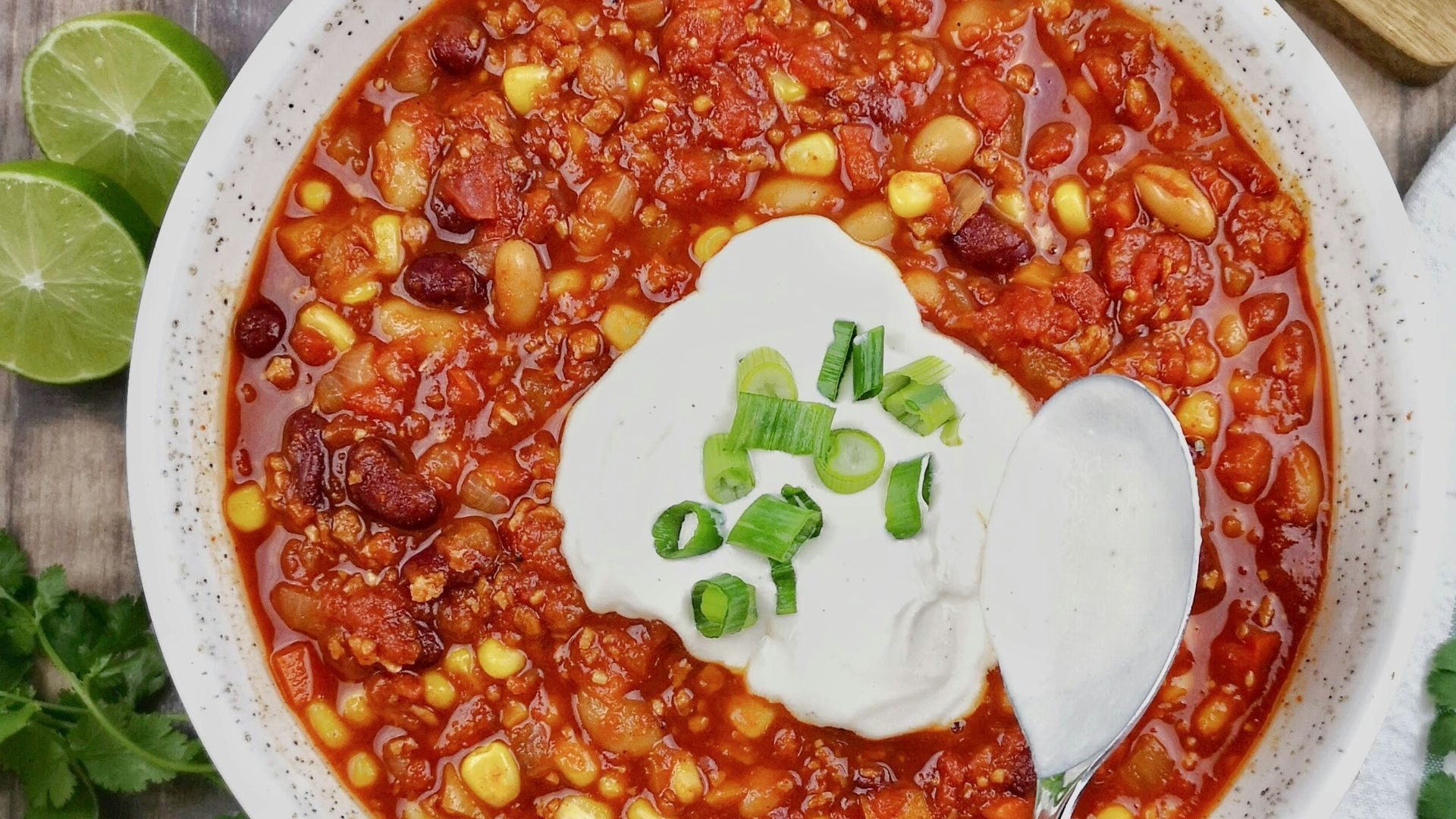 stephanie monfette on Unsplash
5. Cornbread
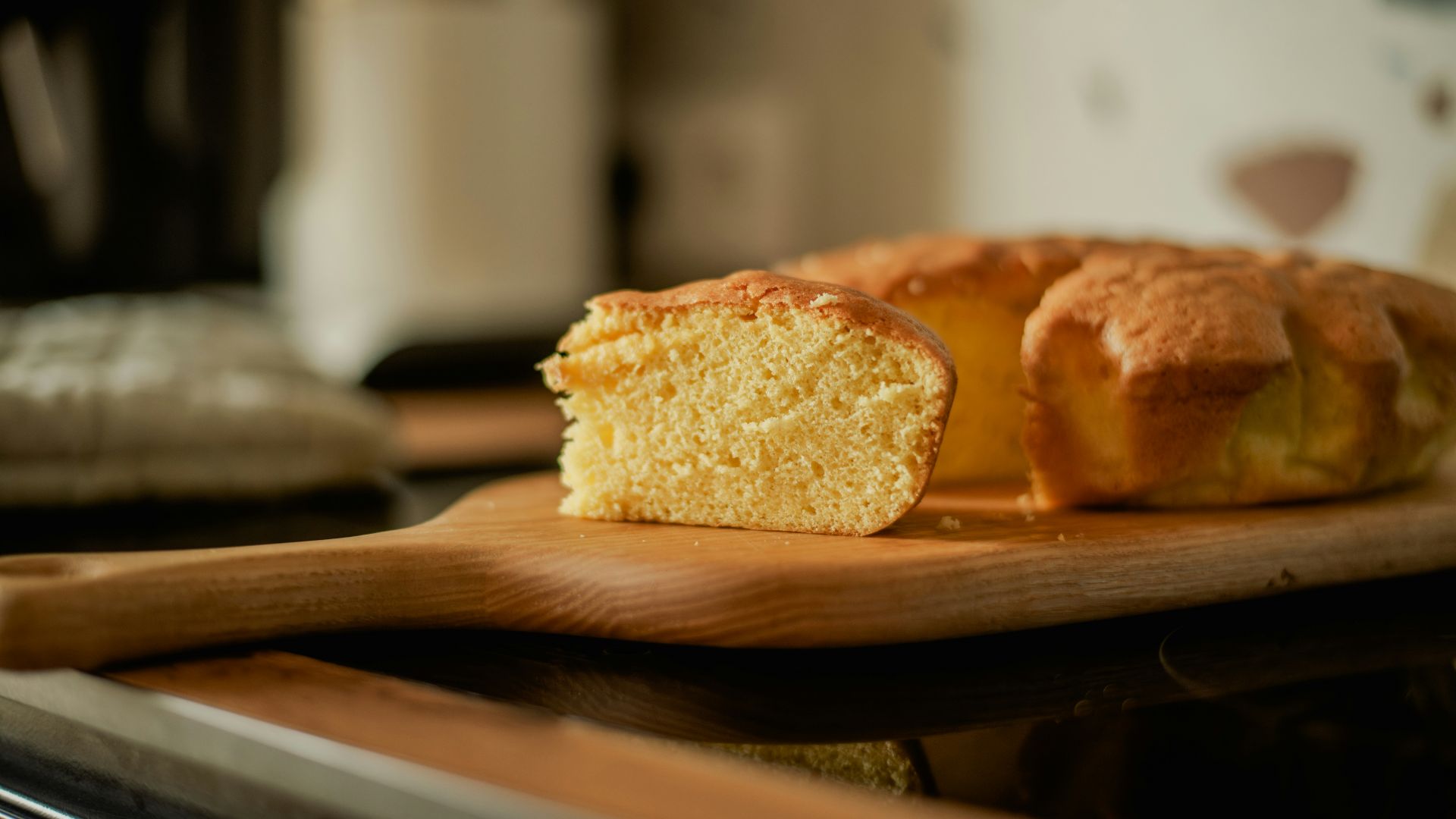
Cornbread should seem simple and straightforward, but you’d be surprised how much variety there is. Southern recipes have long differed over white or yellow cornmeal, whether sugar belongs in the batter, and how much flour, fat, and liquid to use. Those small choices can leave you with cornbread that’s crumbly and savory or a pan that’s noticeably softer and sweeter.
6. Kimchi
Kimchi covers a whole family of fermented foods, so there’s far more to it than one cabbage recipe. Regional and seasonal versions can use napa cabbage, radish, cucumber, chile powder, garlic, fish sauce, herbs, and even fruit. Fermentation time matters too, since a fresher batch can taste crisp and spicy while a longer-fermented one becomes funkier and more sour.
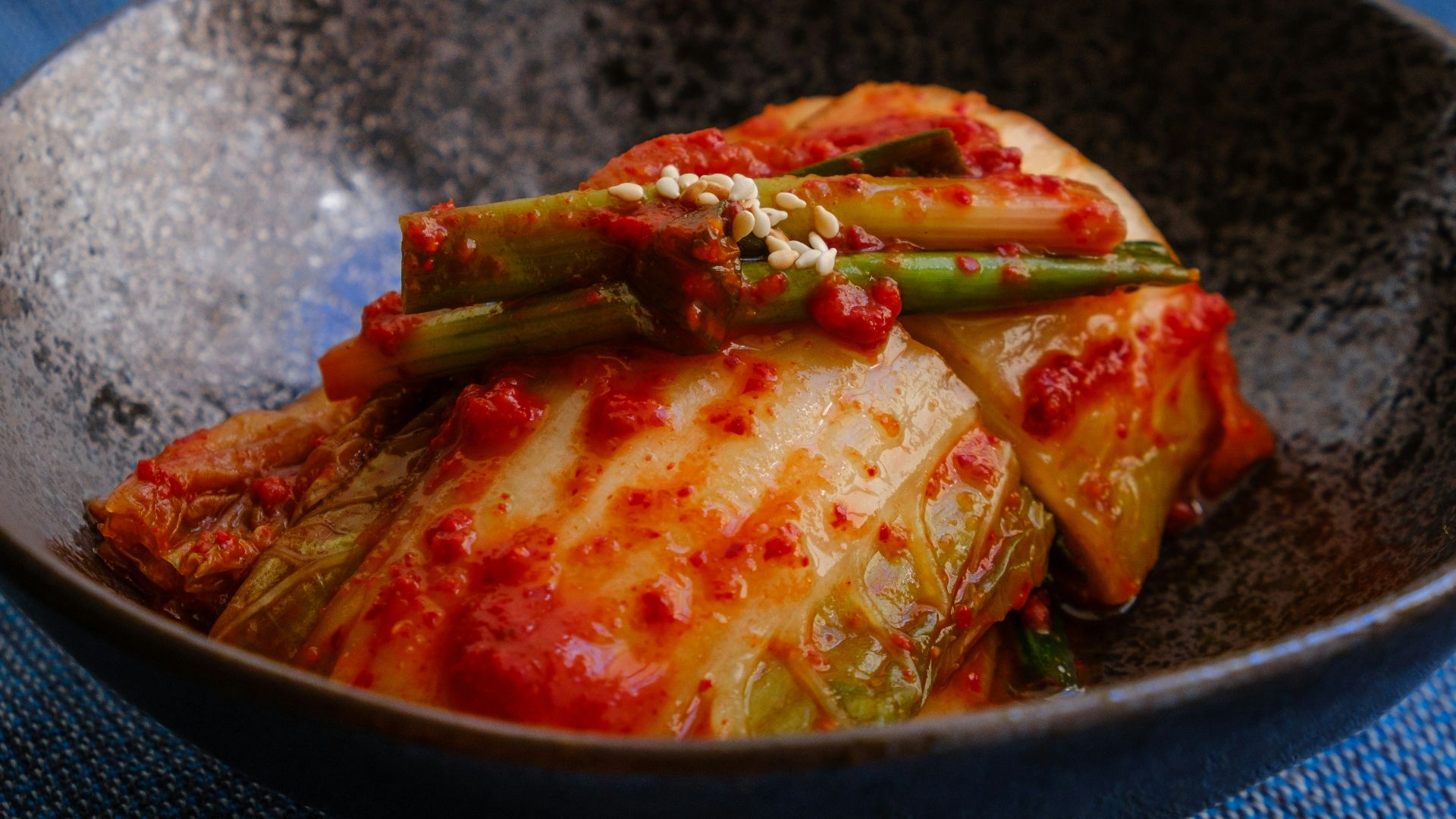 Portuguese Gravity on Unsplash
7. Soy Sauce
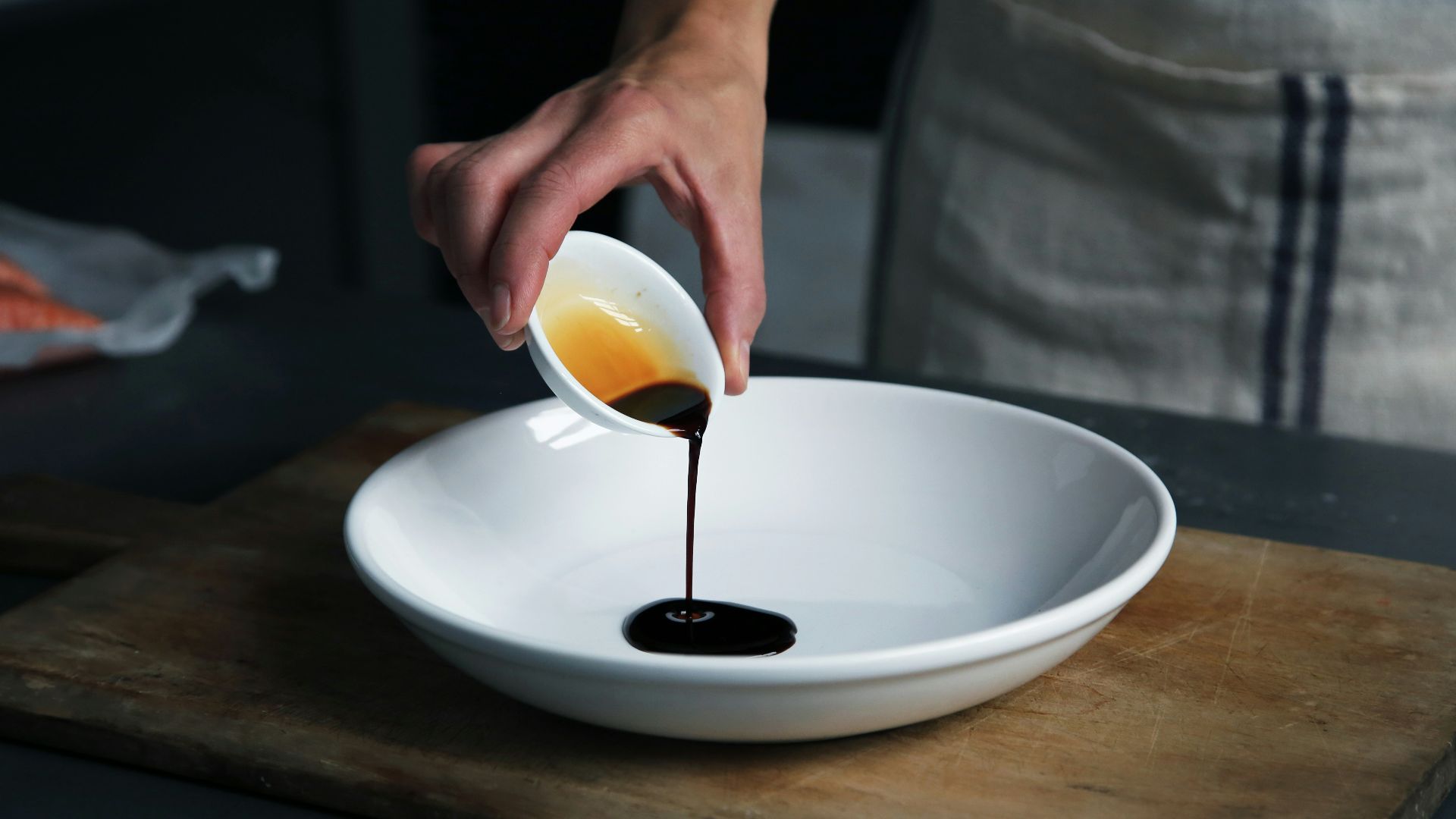
Soy sauce can change quite a bit in color, smell, saltiness, and richness. Japan has styles including dark koikuchi, lighter usukuchi, tamari, saishikomi, and pale shiro soy sauce. Different amounts of soybeans, wheat, and salt, along with changes in fermentation and aging, give each one its own flavor.
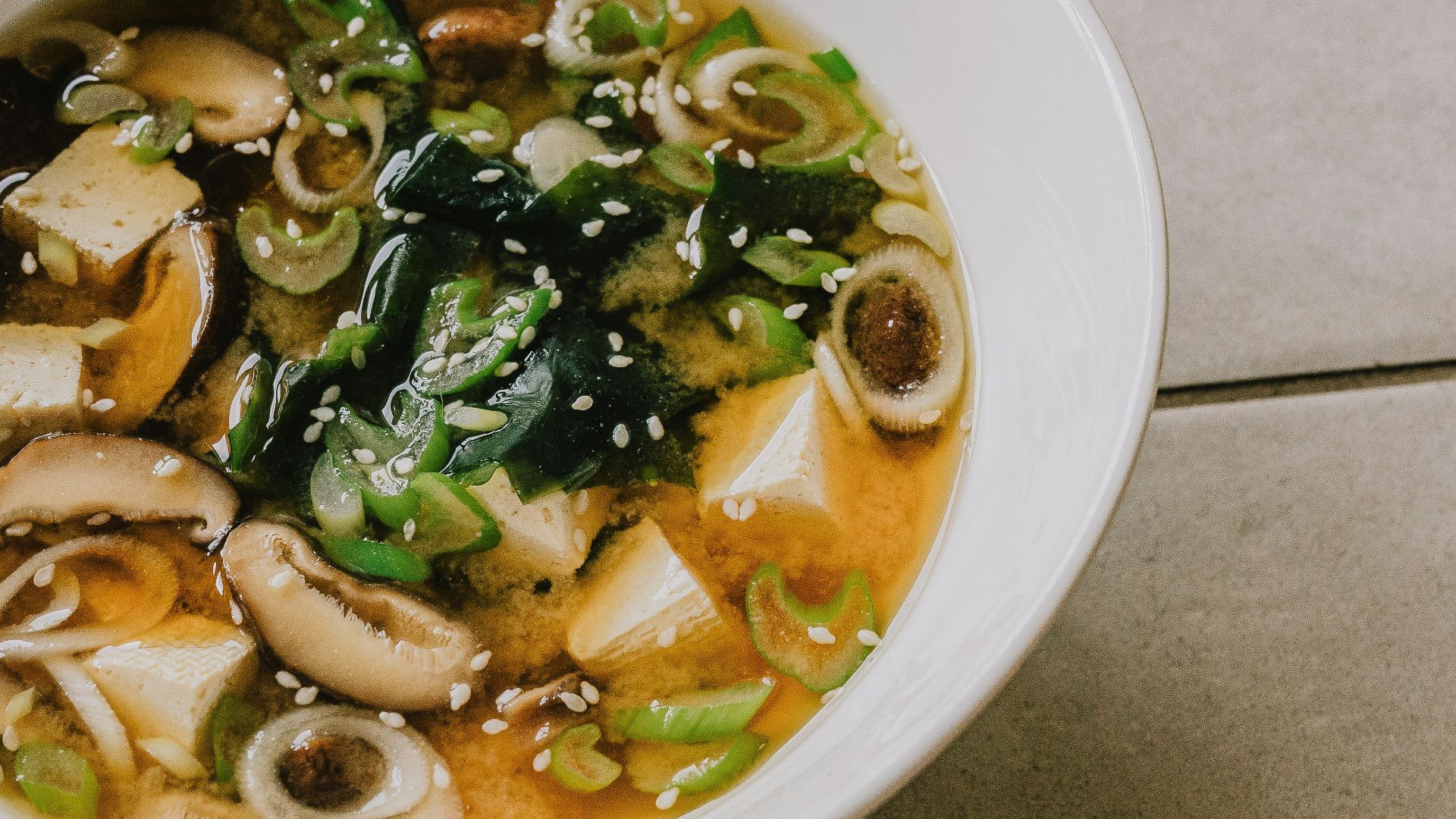
8. Miso
Like soy sauce, Miso also has a wide variety. The type of koji, amount of salt, ingredients, and aging time can all change how it tastes. Rice, barley, and soybean misos range from pale and gently sweet to dark and intensely savory, and regional preferences across Japan have kept those different styles part of everyday cooking.
9. Curry
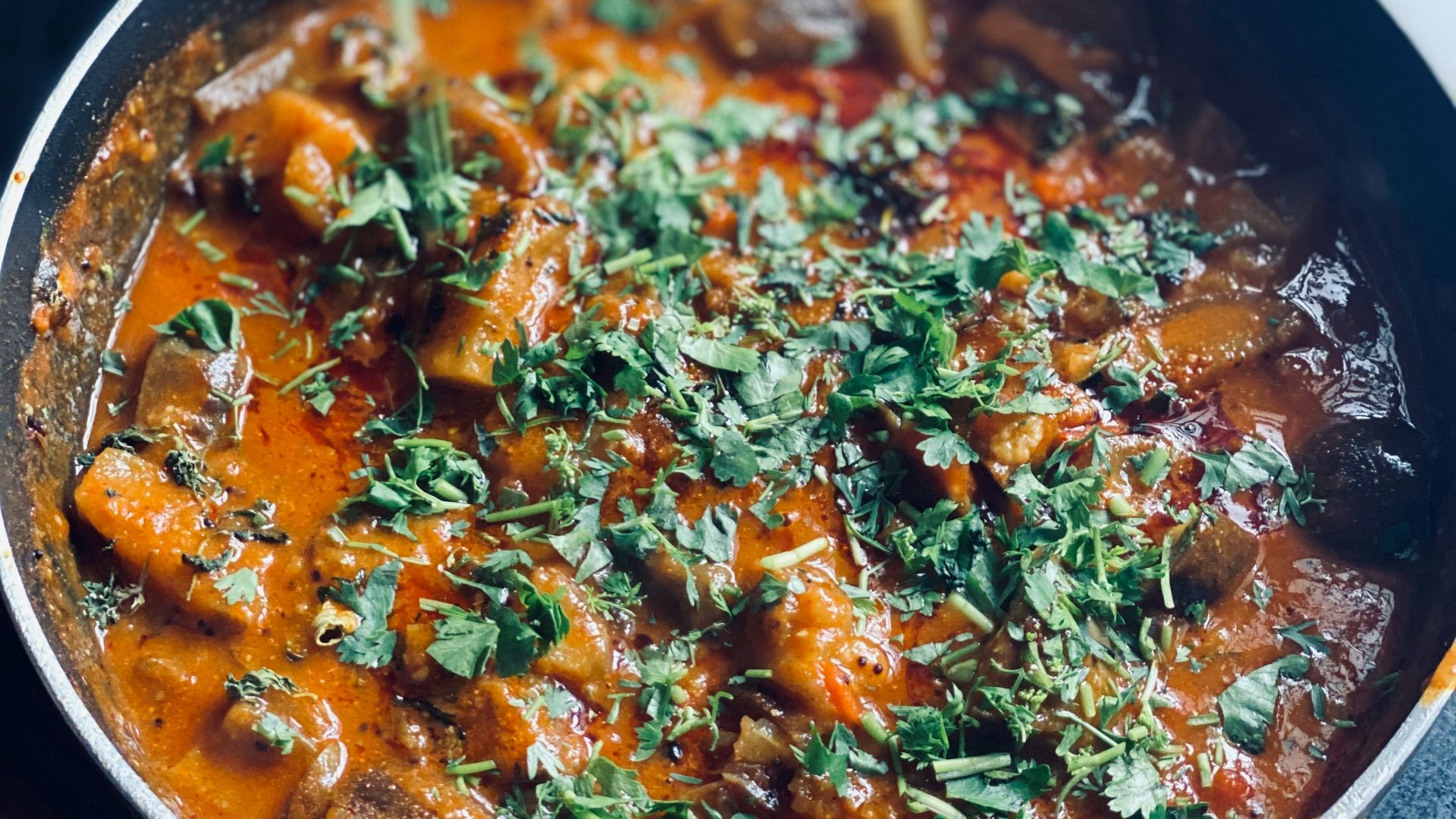
“Curry” covers a huge number of dishes, so the word alone doesn’t tell you exactly what you’re getting. Across South Asia, recipes vary with local spice combinations, vegetables, pulses, meat, coconut, and dairy. Japanese curry has its own style too, commonly using a flour-thickened sauce that’s often served over rice.
10. Coffee
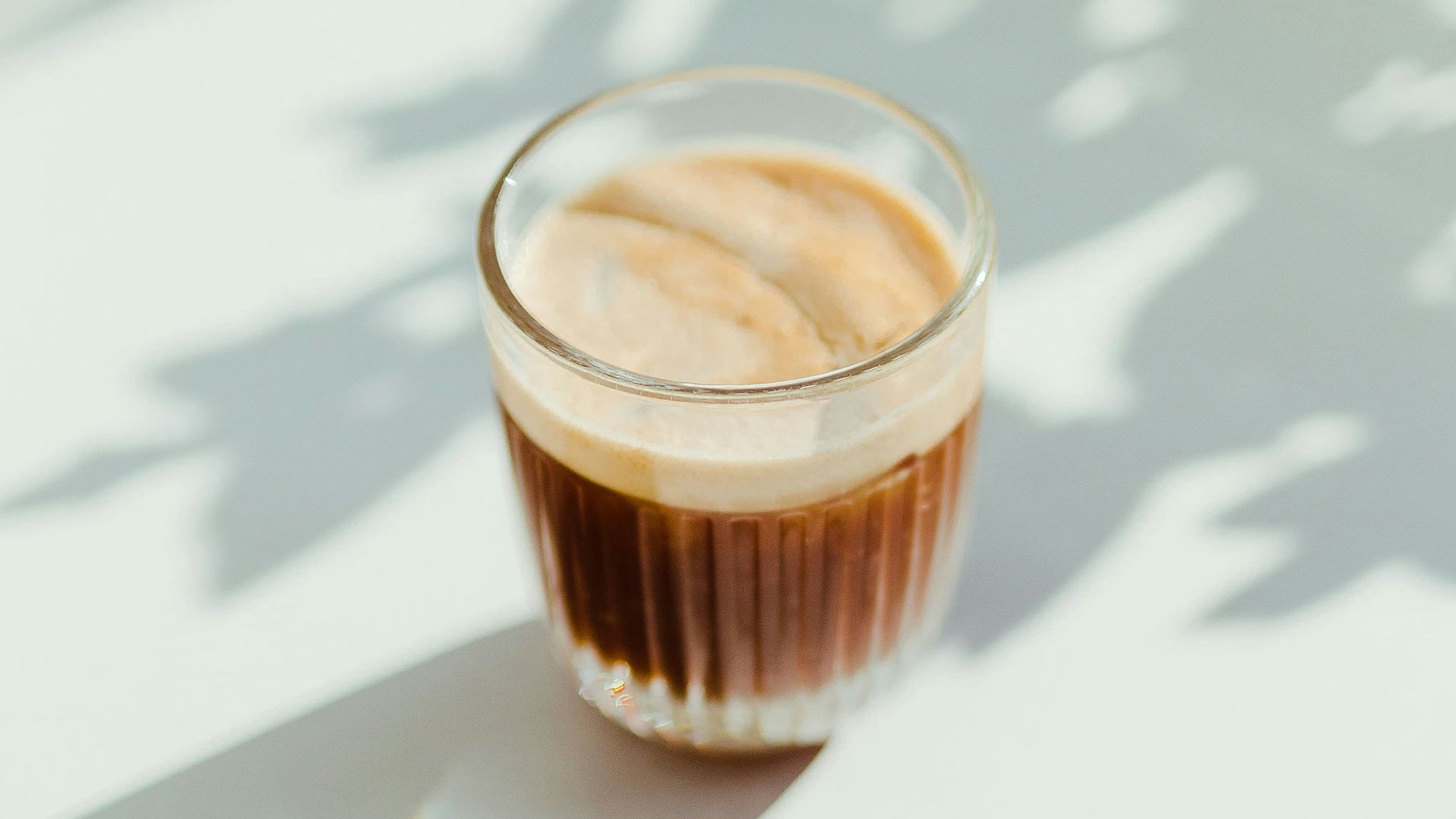
Coffee’s flavor comes from both where it was grown and what happens to it afterward. Origin, variety, altitude, processing, and roast can all affect the way a cup smells and tastes. Once the beans reach your kitchen, grind size, water, brew ratio, and brewing method add even more variation.
11. Tea
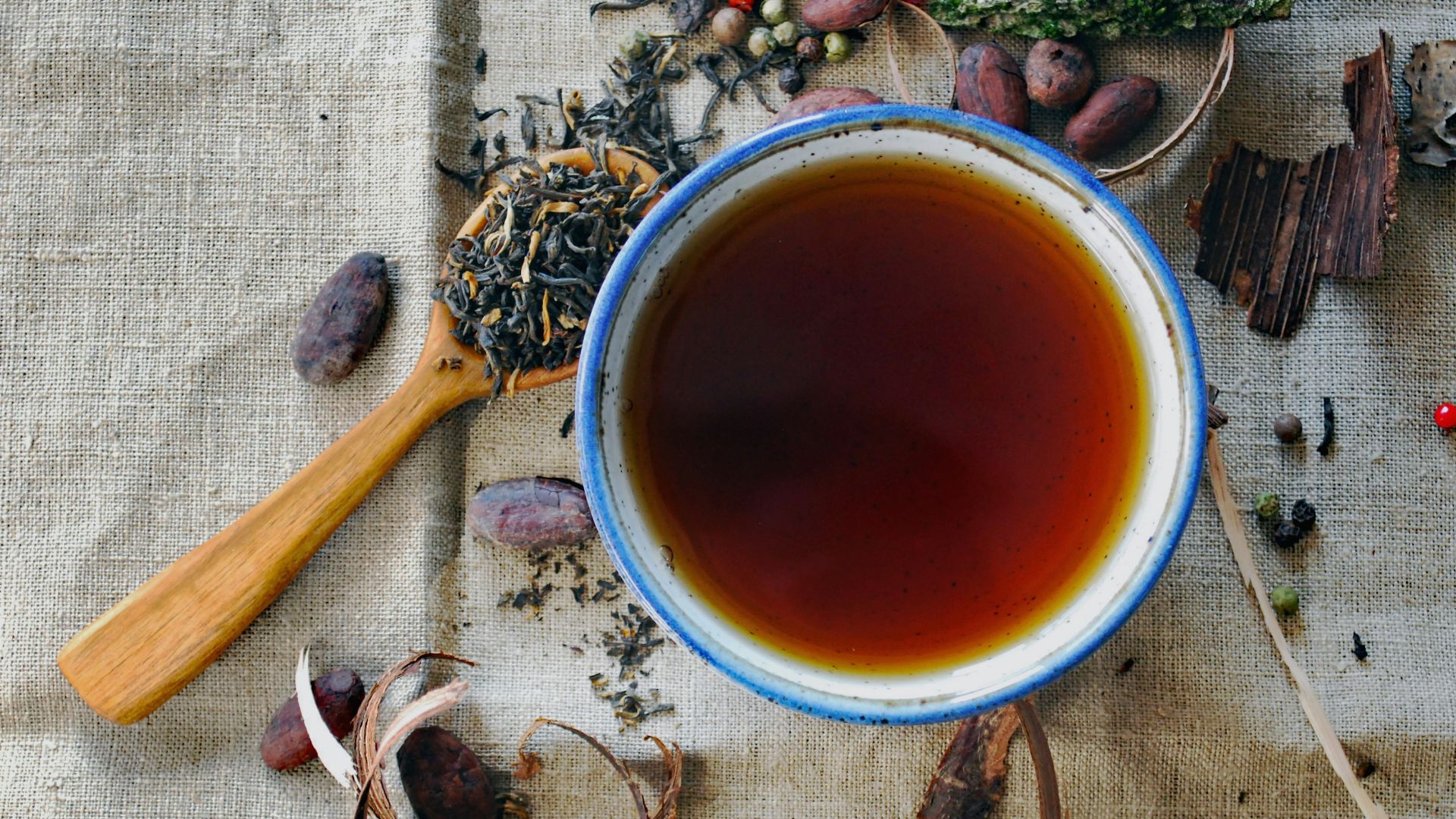
Tea can taste different even when the leaves come from the same growing area. Darjeeling tea, for example, is picked during different seasonal flushes, and those harvest periods bring changes in aroma, body, and overall character.
12. Olive Oil
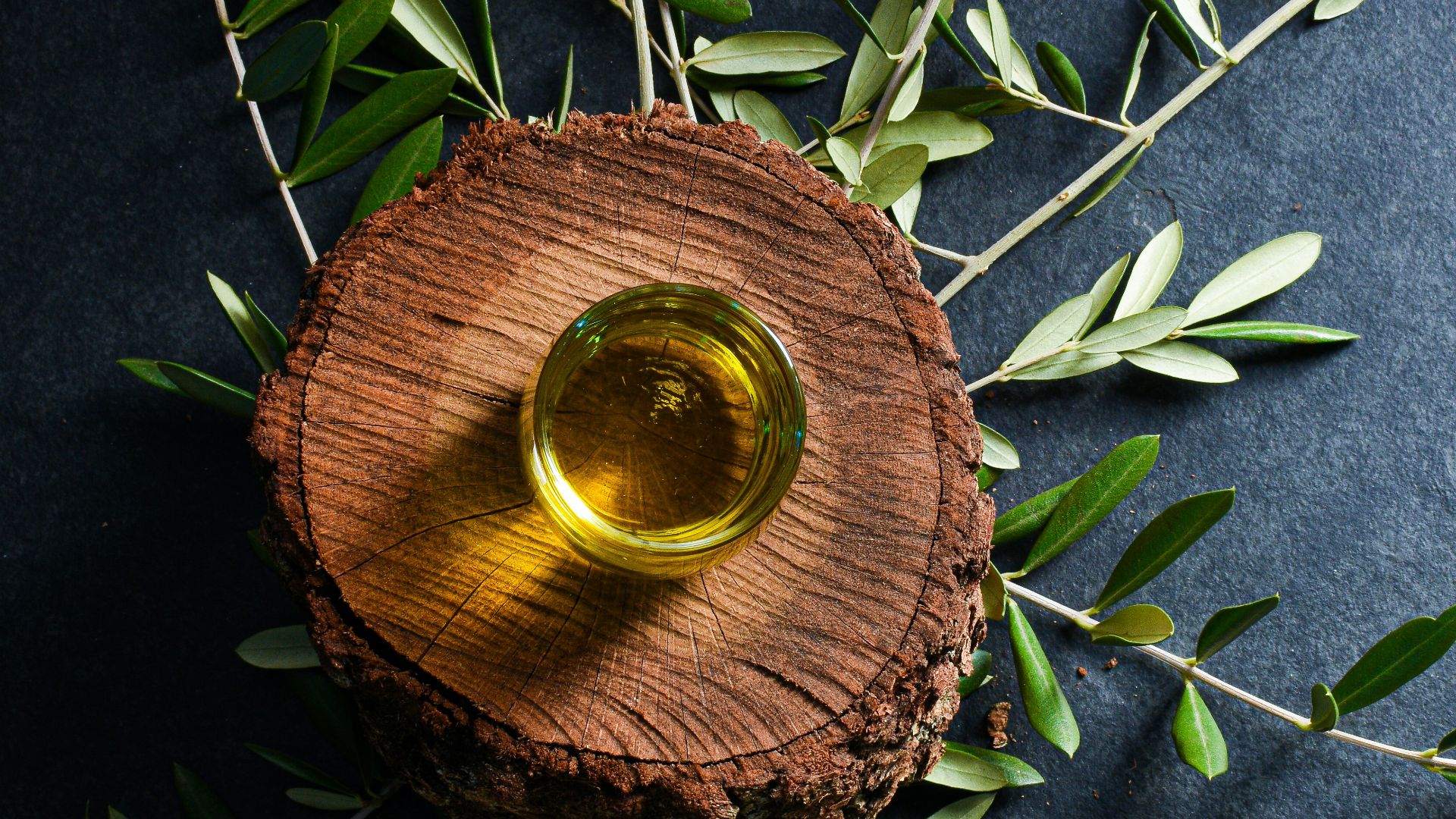
Extra-virgin olive oil can be grassy, fruity, bitter, peppery, delicate, or robust. The olive variety, climate, ripeness at harvest, and way the oil is extracted all play a part in the final flavor. Oils made in different regions can therefore bring noticeably different tastes to something as simple as bread, tomatoes, or a plate of vegetables.
13. Honey
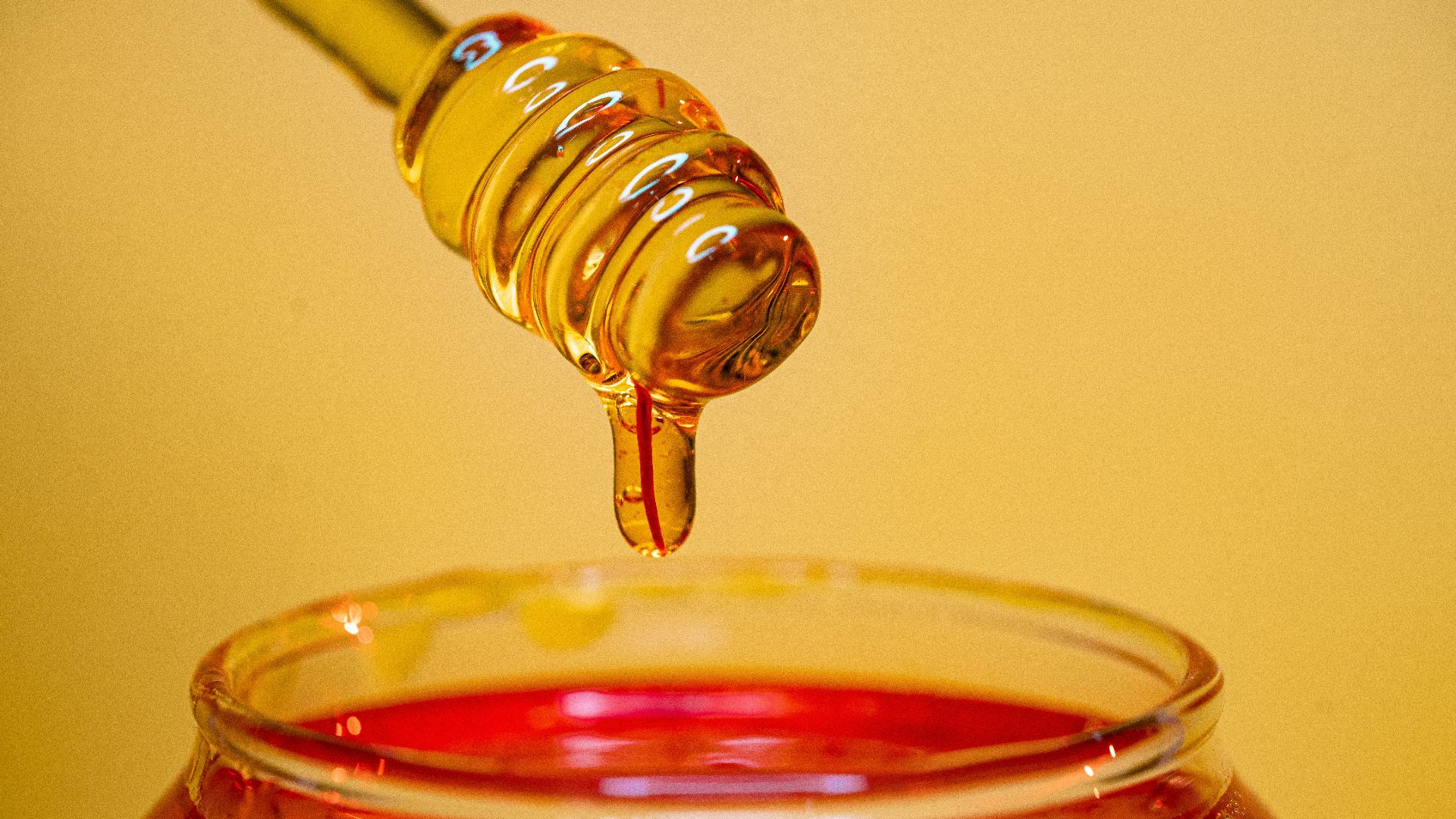
Honey gets much of its flavor from the flowers the bees visit, which gives different kinds their own character. Orange blossom, clover, and other floral sources contribute different aromas and flavors to the finished honey. So, yes, every jar brings sweetness, but they don’t all taste the same.
14. Feta
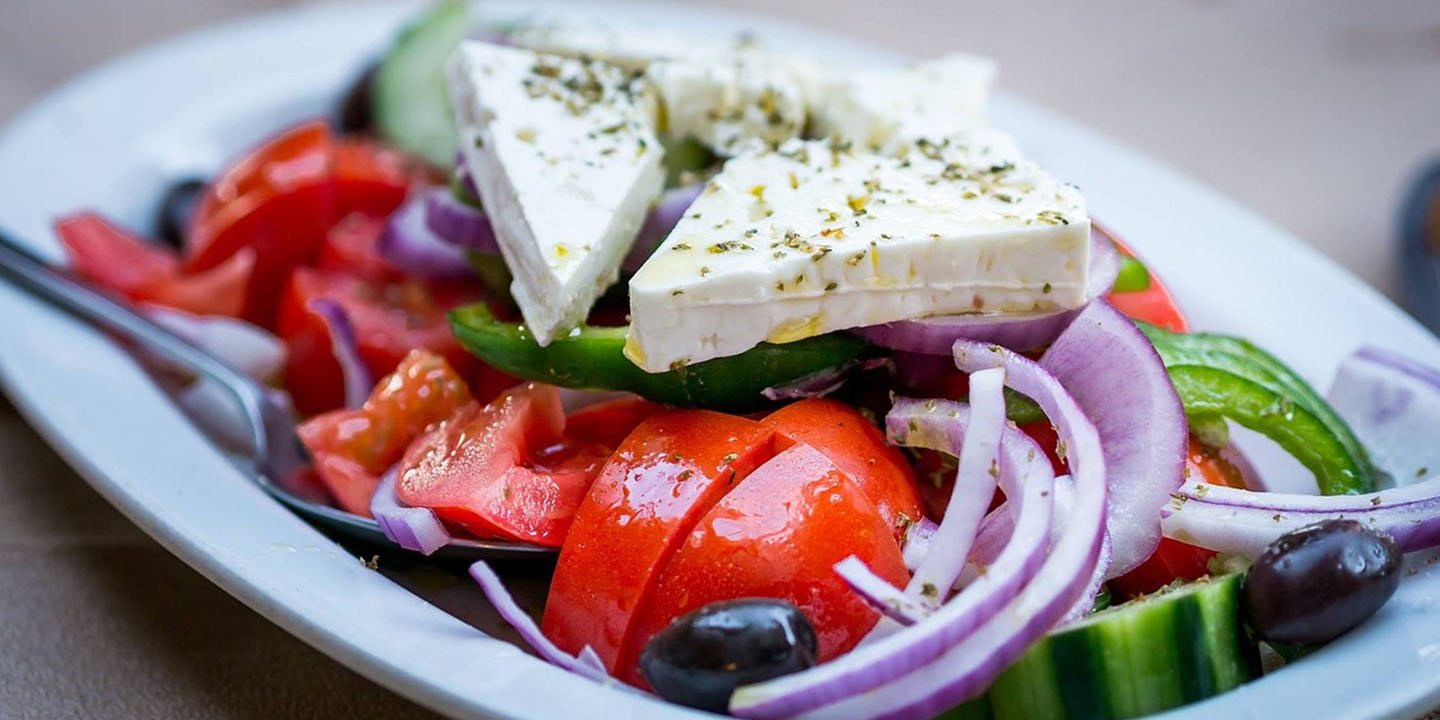
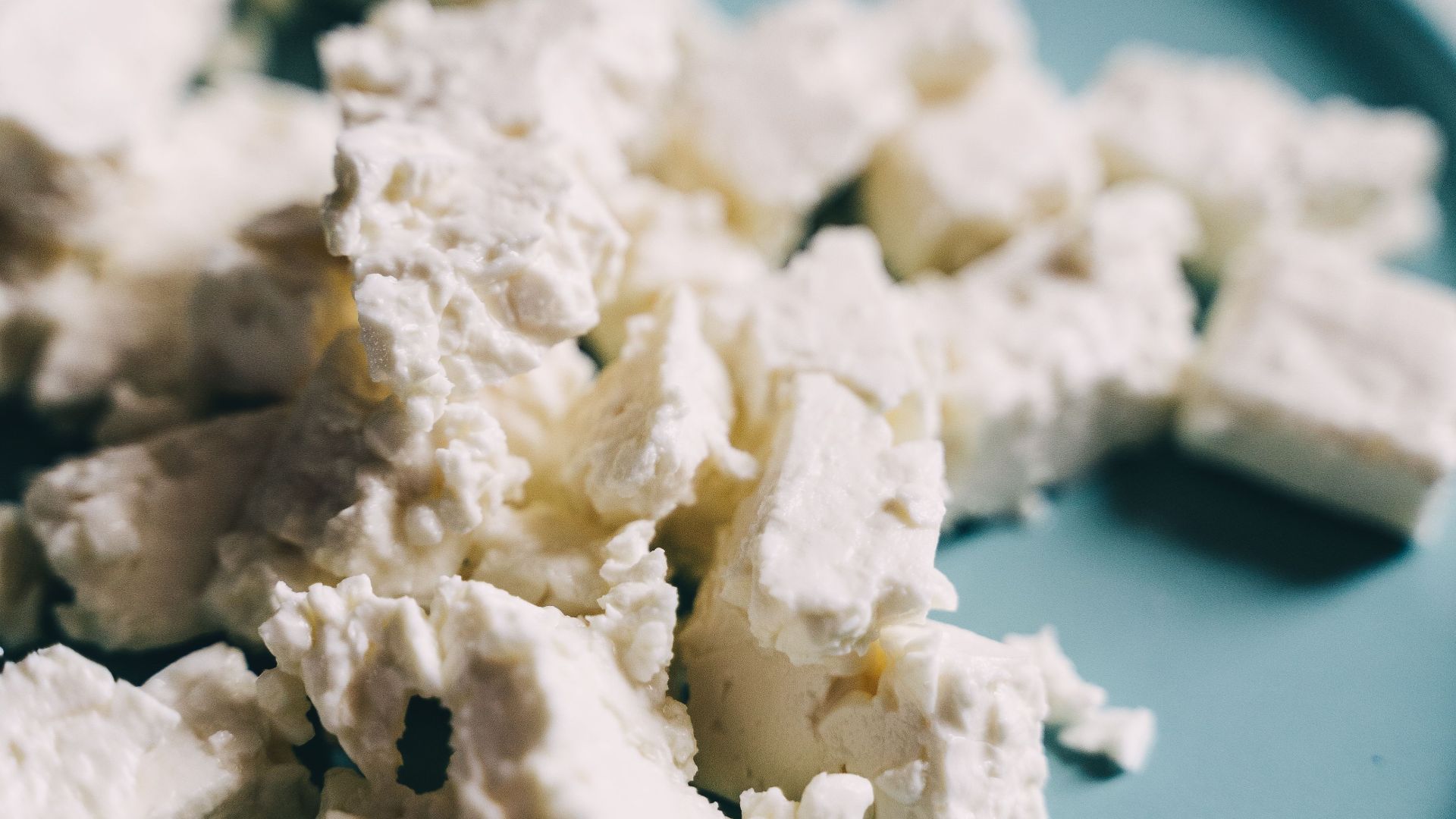
Protected Greek feta has a clear identity tied to both its ingredients and where it’s made. It comes from sheep’s milk or a blend that contains goat’s milk, then it’s salted and ripened. Those steps produce the salty, slightly acidic, and sometimes peppery flavor associated with the cheese, giving it a character that goes well beyond simply being crumbly and white.
15. Butter
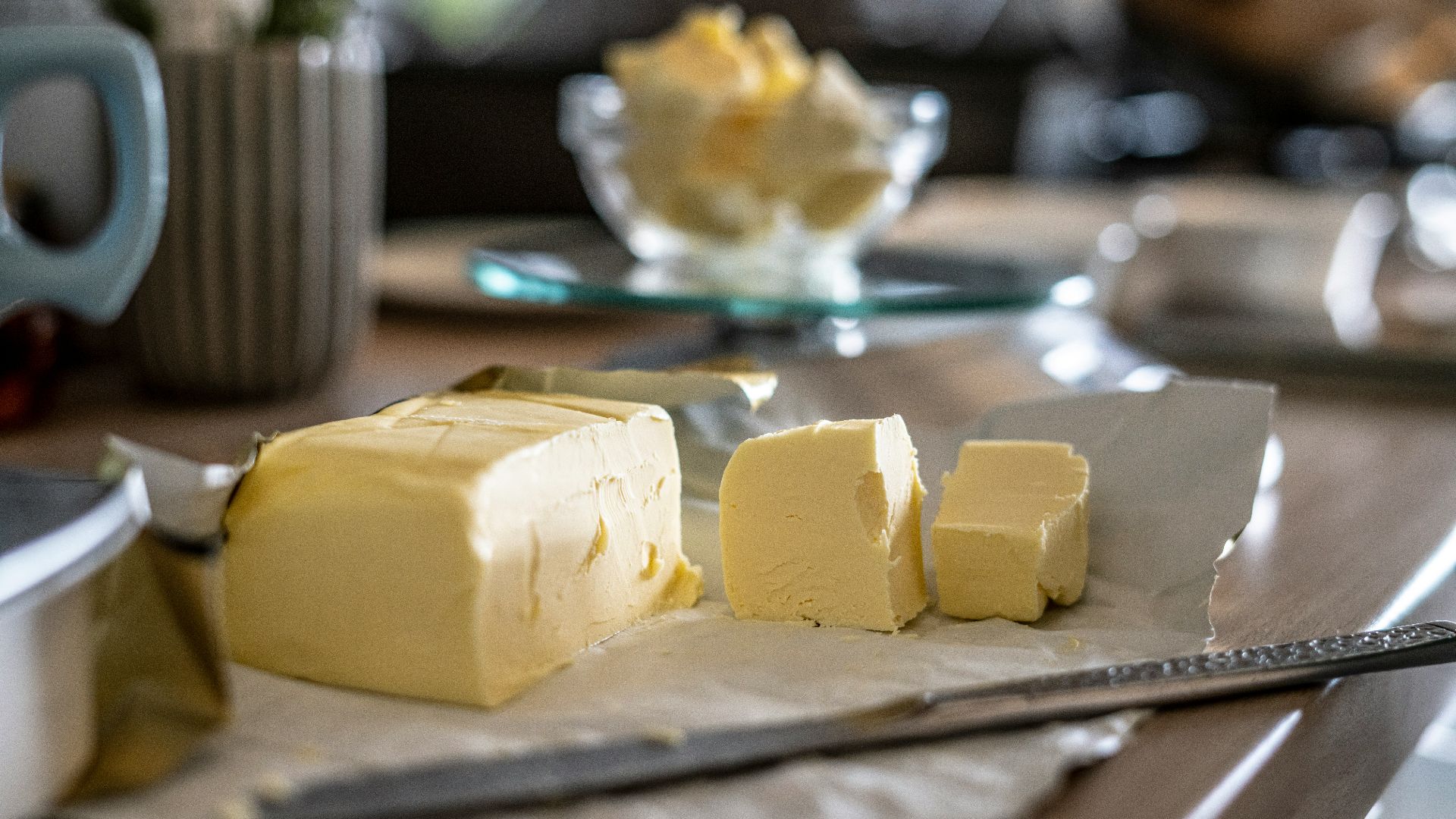
Butter can taste different depending on what happens to the cream before it’s churned. Sweet-cream butter has a clean, creamy flavor, while cultured butter is fermented before churning and develops more acidity along with a tangier, more complex taste.
16. Yogurt
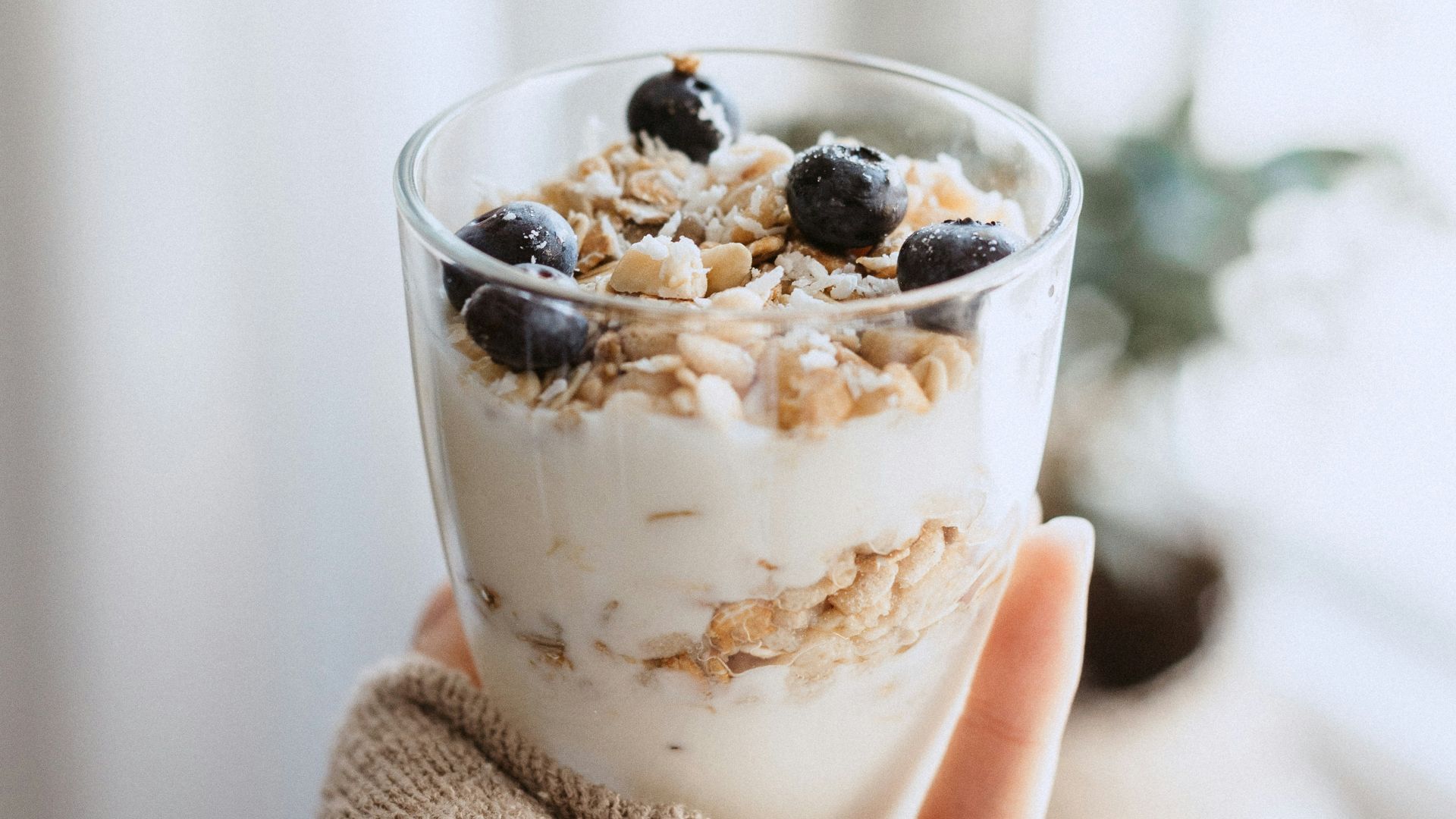
Yogurt and related fermented milk products can range from loose and sharply tart to thick, dense, and mild. The type of milk, bacterial cultures, fermentation, and straining all affect the finished product.
17. Sourdough Bread
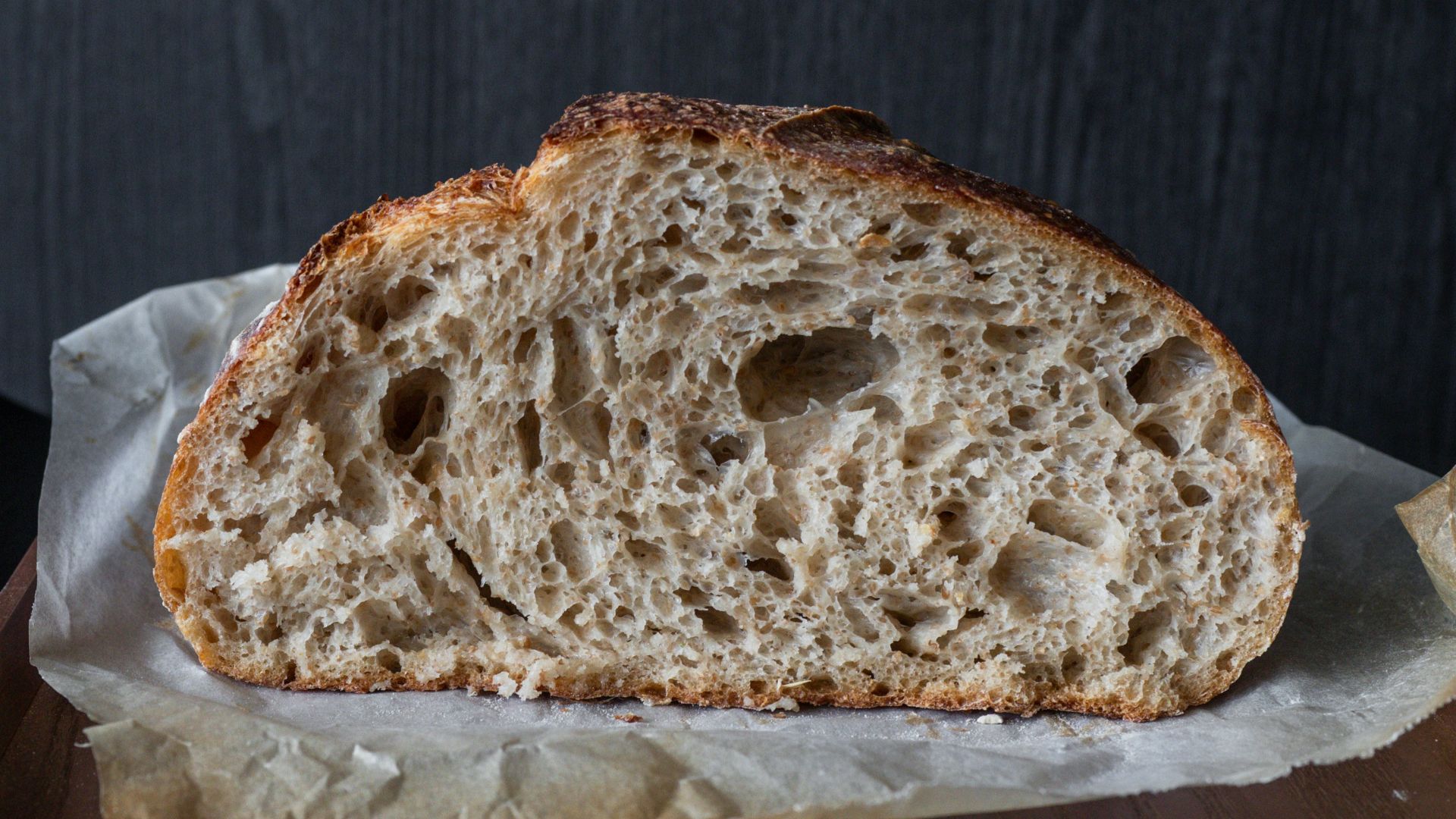
Sourdough starters contain communities of yeasts and bacteria that help create the bread’s rise, smell, acidity, and flavor. The type of flour, feeding schedule, hydration, temperature, and fermentation practices can all change those communities and how active they are. That’s why one baker’s sourdough may taste fairly mild while another loaf develops a much sharper tang.
18. Pickles
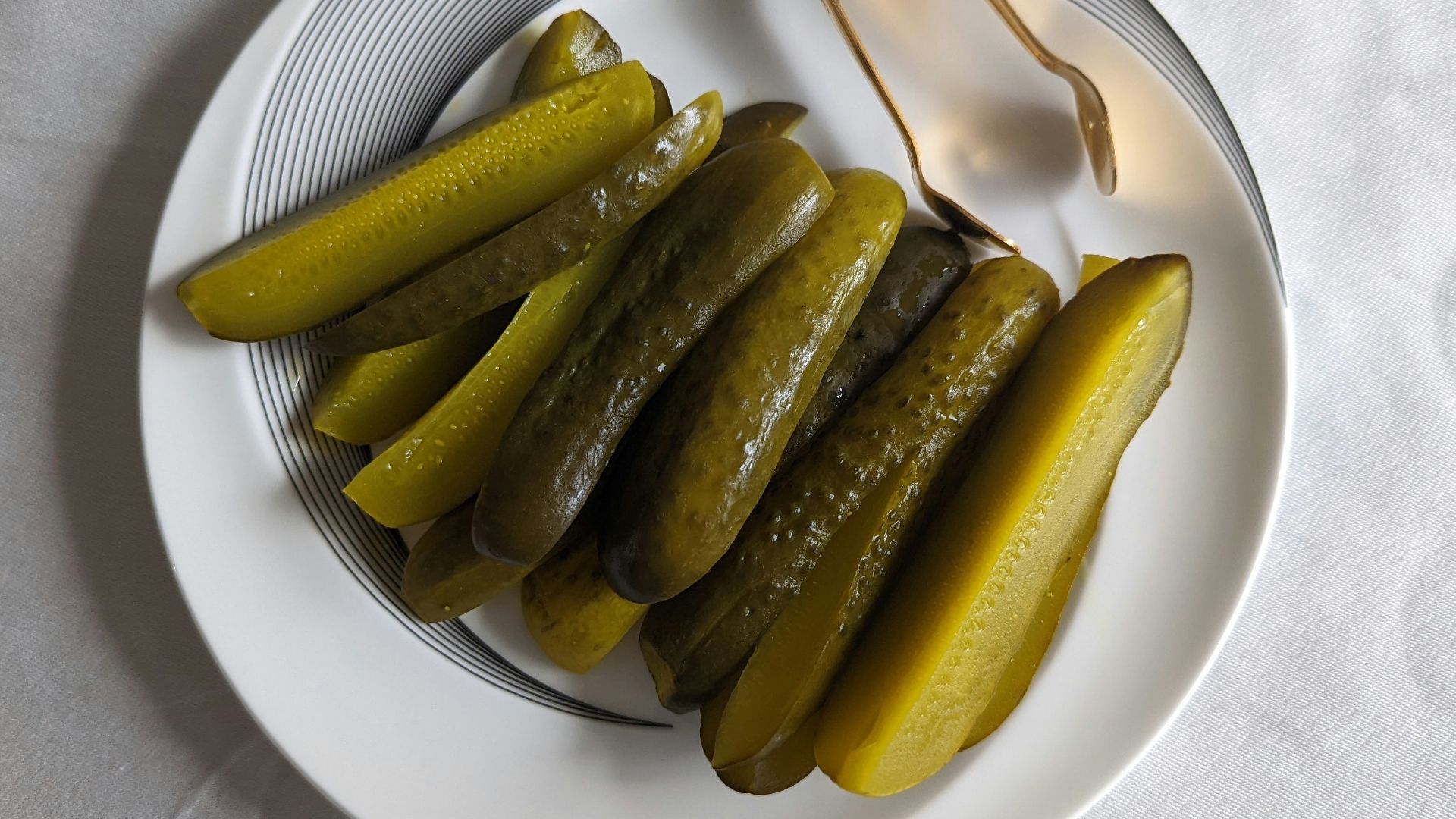
Pickles don’t all get their sour flavor in the same way. Traditional fermented pickles become acidic over time in brine, while quick-process pickles use vinegar instead. Sugar, salt, herbs, spices, and the vegetables being pickled can change things even further, creating jars that taste sour, garlicky, sweet, spicy, or intensely savory depending on the recipe.
19. Mustard
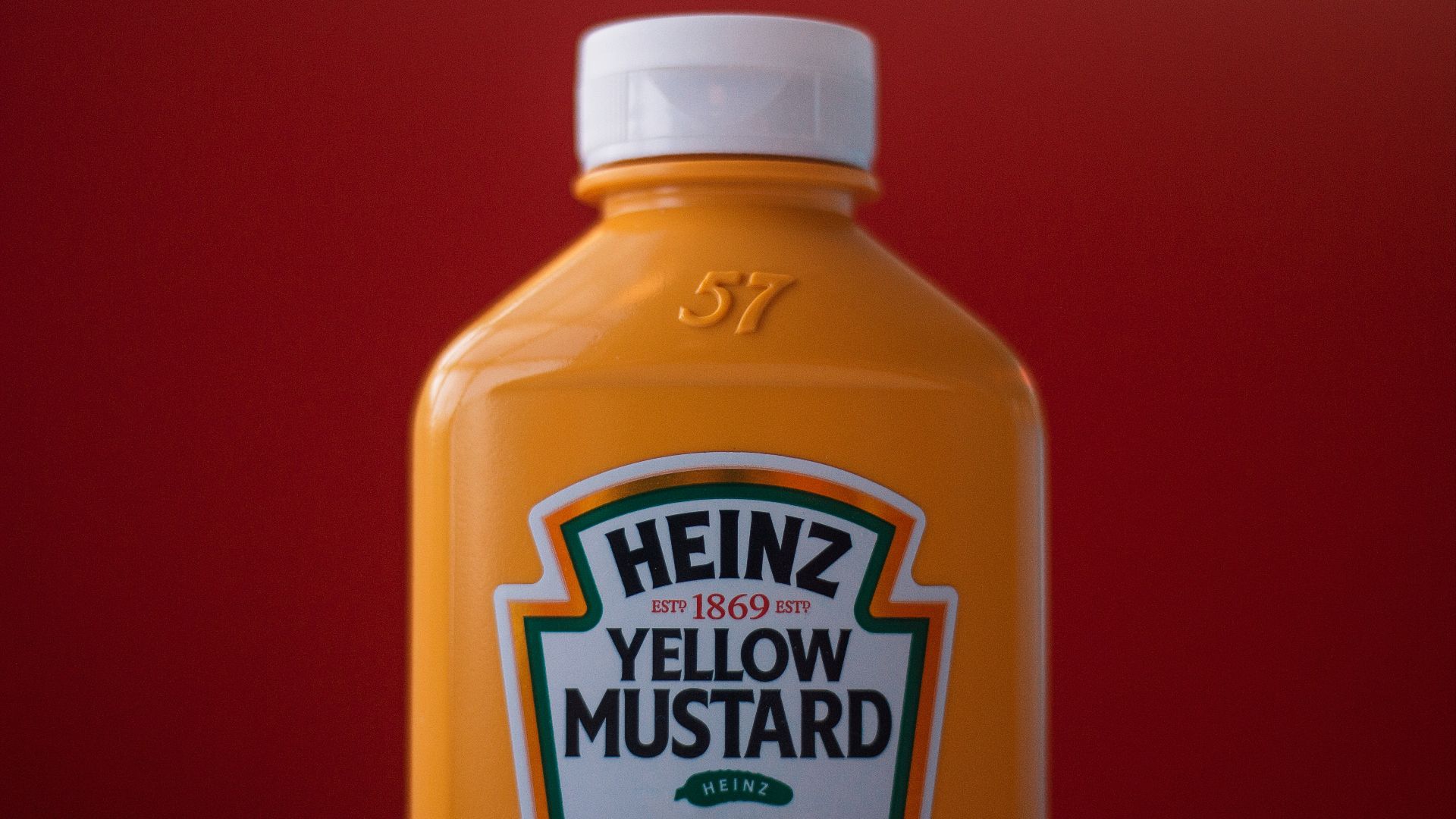
Mustard can go from mild to hot depending on how it’s made. Yellow seeds tend to create milder mustards, while brown and black seeds can bring more heat. Vinegar, wine, water, sweetness, and grinding also make a difference, helping separate mild American mustard, sharp Dijon, hot English mustard, and the varied mustard styles found in Germany.
20. Potato Salad
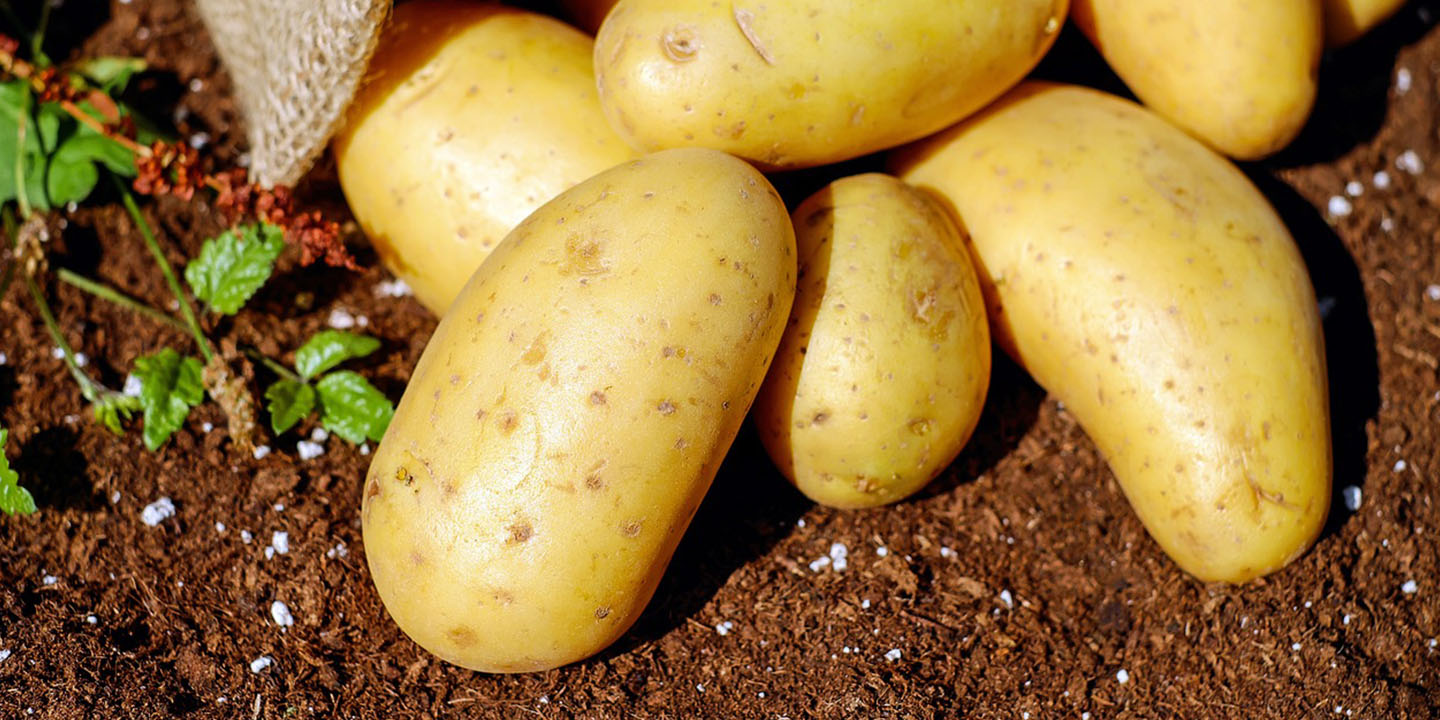
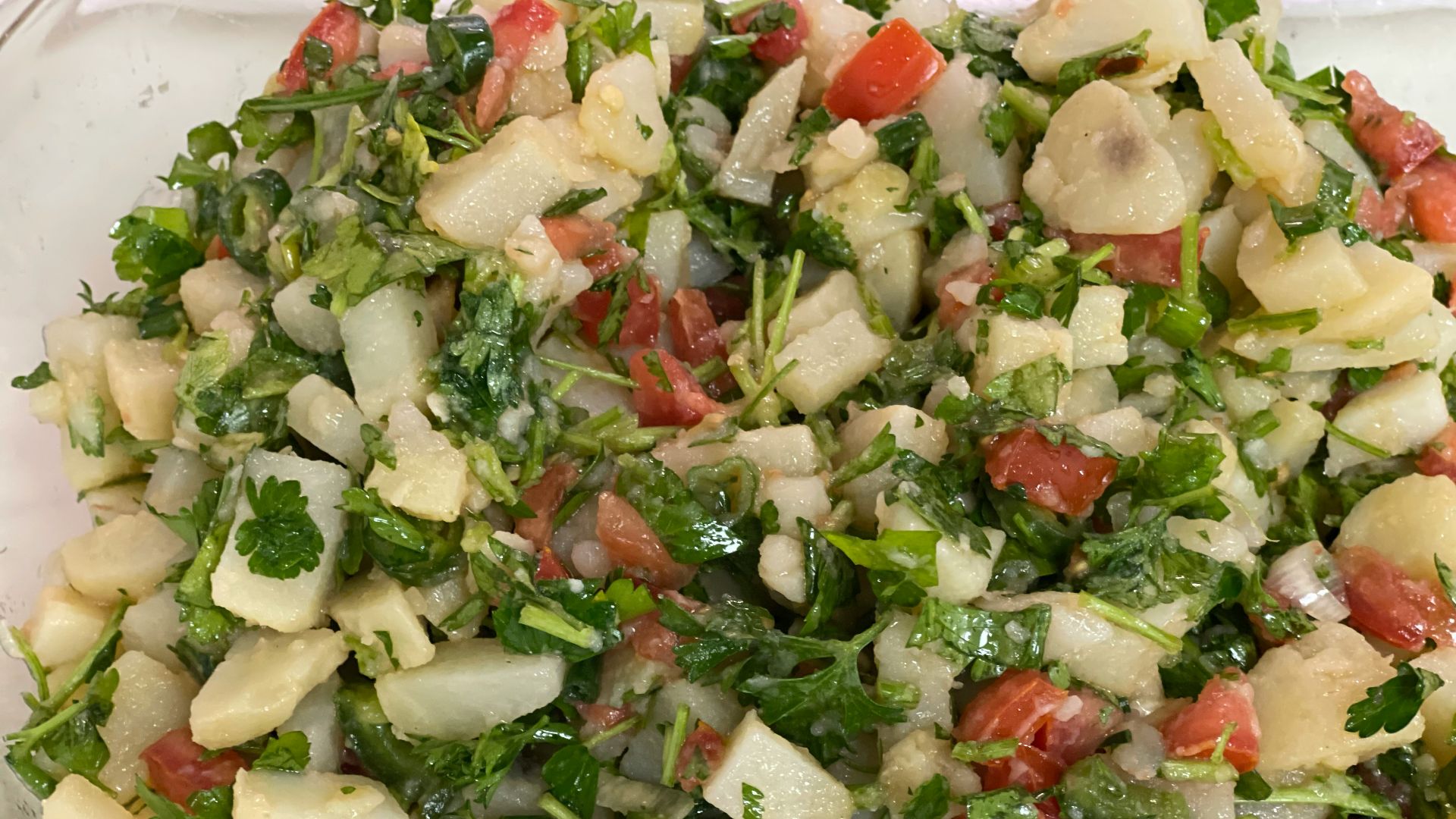
Potato salad might be one of the easiest foods to recognize and one of the hardest to predict. German versions alone include salads dressed with broth, vinegar, and oil as well as creamy preparations. At home, cooks may add mustard, onions, pickles, eggs, herbs, or other family favorites, so one bowl can taste quite different from the next.
KEEP ON READING

The 5 Most Consumed Foods in the Entire World