Strange Starts, Real Snacks
A lot of famous foods did not begin as anyone’s proud plan. They started because something spoiled, someone ran out of ingredients, a rule got enforced, or a cook had to make a decision fast with a room full of hungry people waiting. The odd part is how often the first version probably looked questionable, smelled worse, and still got eaten because wasting food was not an option. Over time, those rough beginnings hardened into tradition, and now we treat them like they were always meant to exist. Here are 20 foods with origin stories that are honestly a little unsettling.
1. Cheese
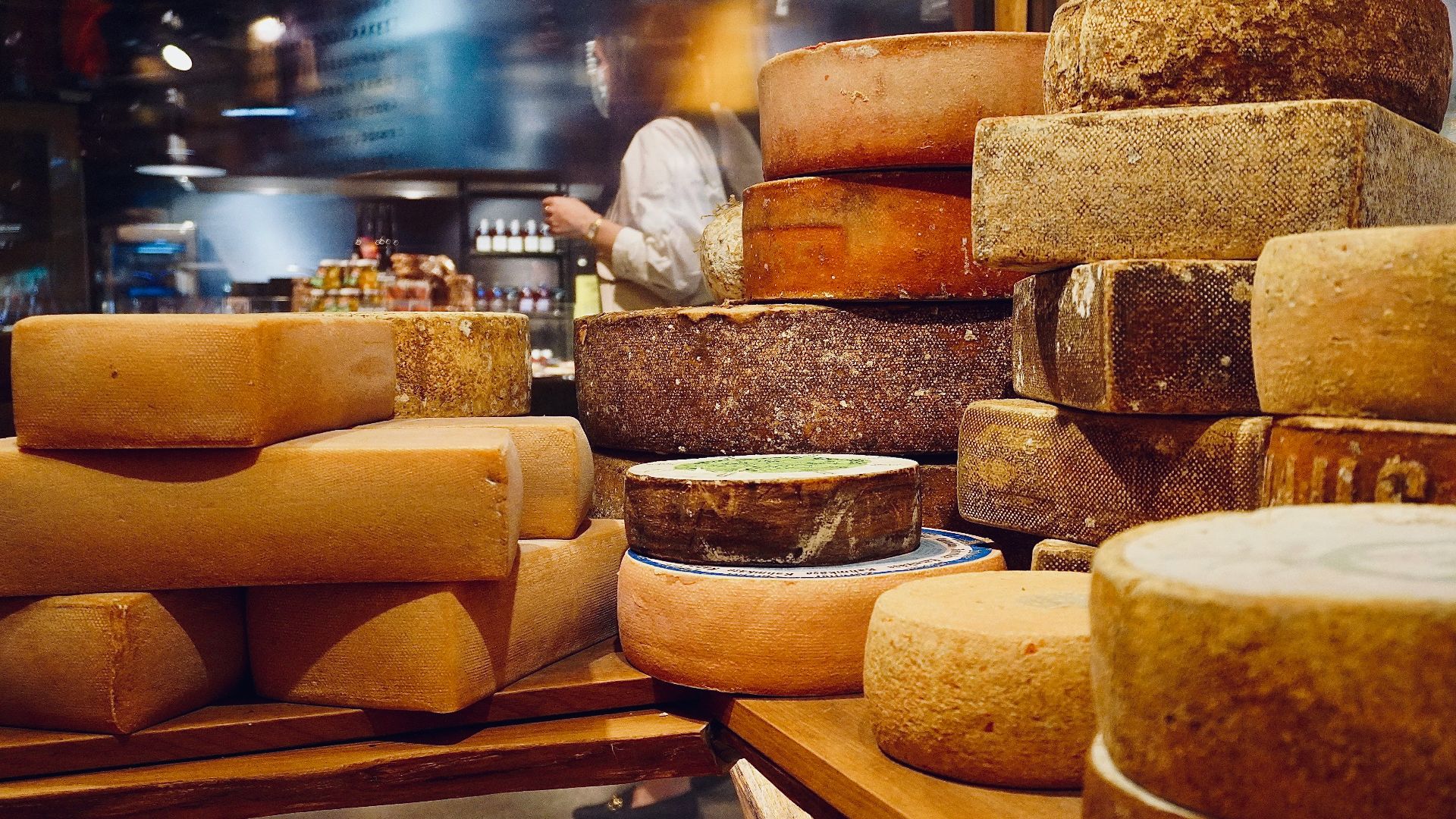
Cheese likely began as milk that curdled during storage and transport, especially when carried in containers made from animal materials. Heat, motion, and enzymes did the work, splitting milk into curds and whey. Someone tried the curds instead of dumping them, and a whole world of cheese followed.
2. Yogurt
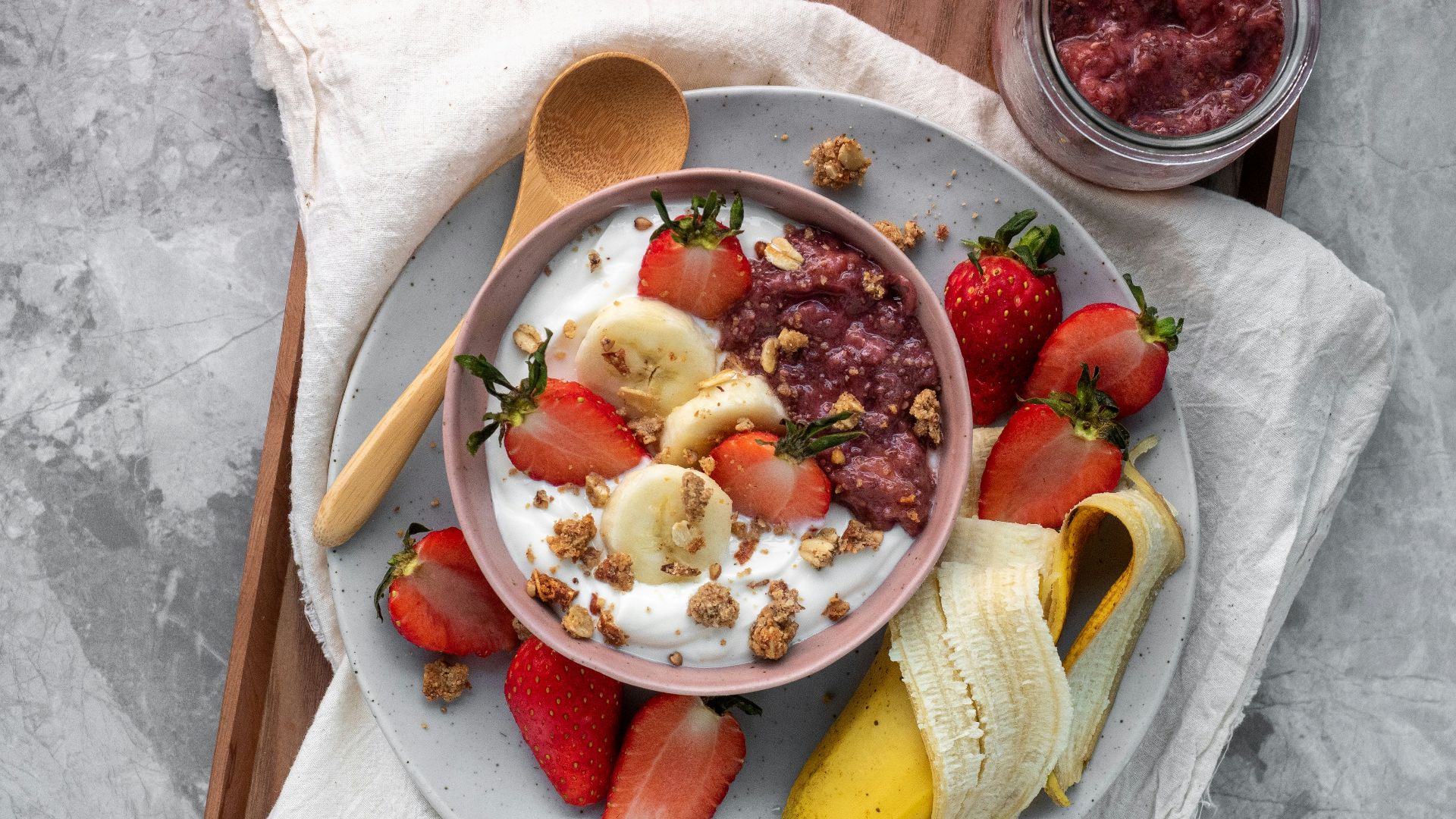
Yogurt came from the basic problem of milk spoiling too quickly. In warm conditions, bacteria naturally thicken milk and make it tangy, which also helps it last longer. What started as preservation turned into a food people now buy in dozens of flavors and pretend is a treat and a health decision at the same time.
3. Worcestershire Sauce
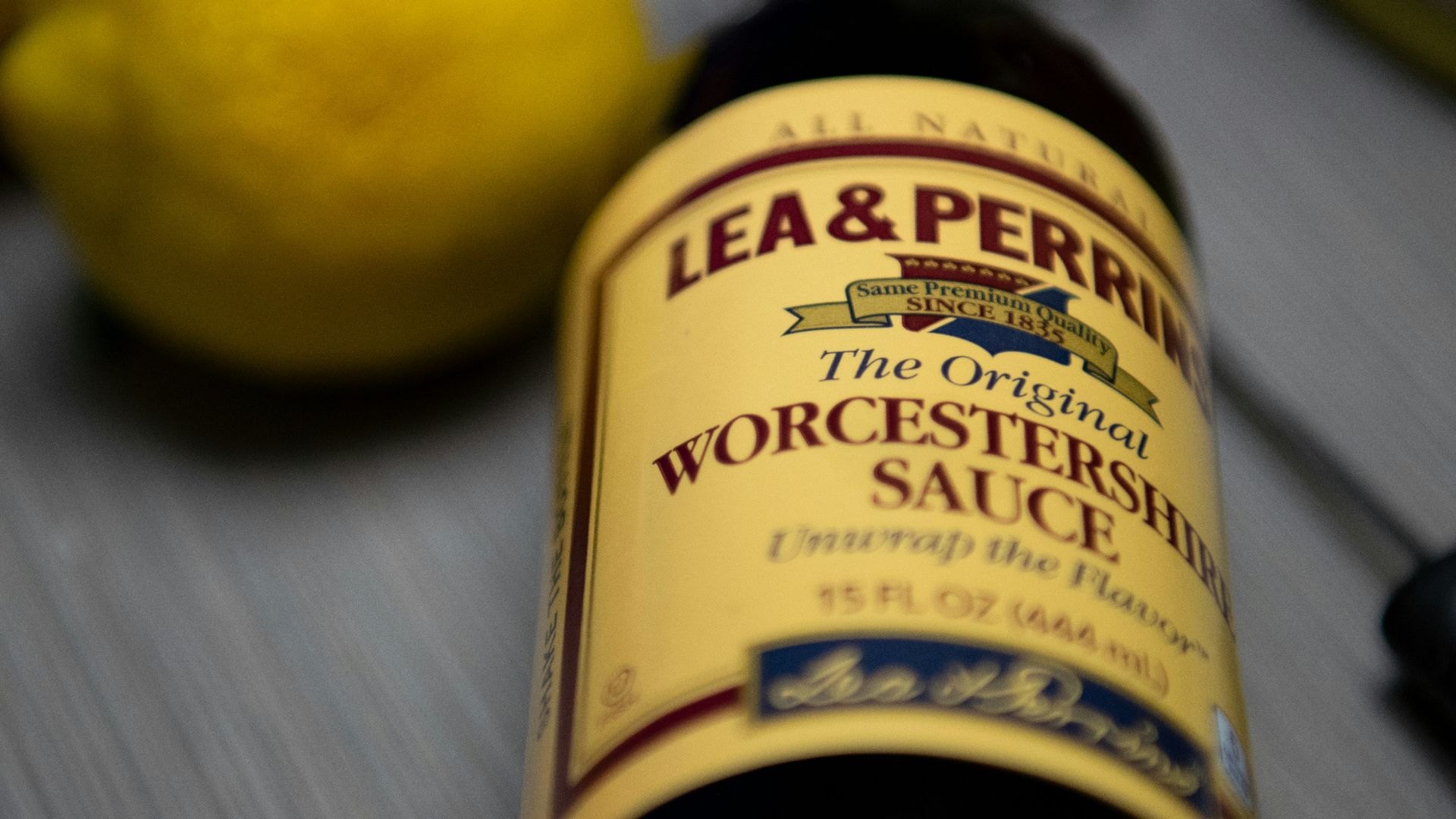
Worcestershire sauce has a classic aging accident behind it. A sauce mixture was reportedly made, tasted bad, and then left alone long enough for time to smooth it out. The final product is basically proof that neglect can sometimes be a recipe.
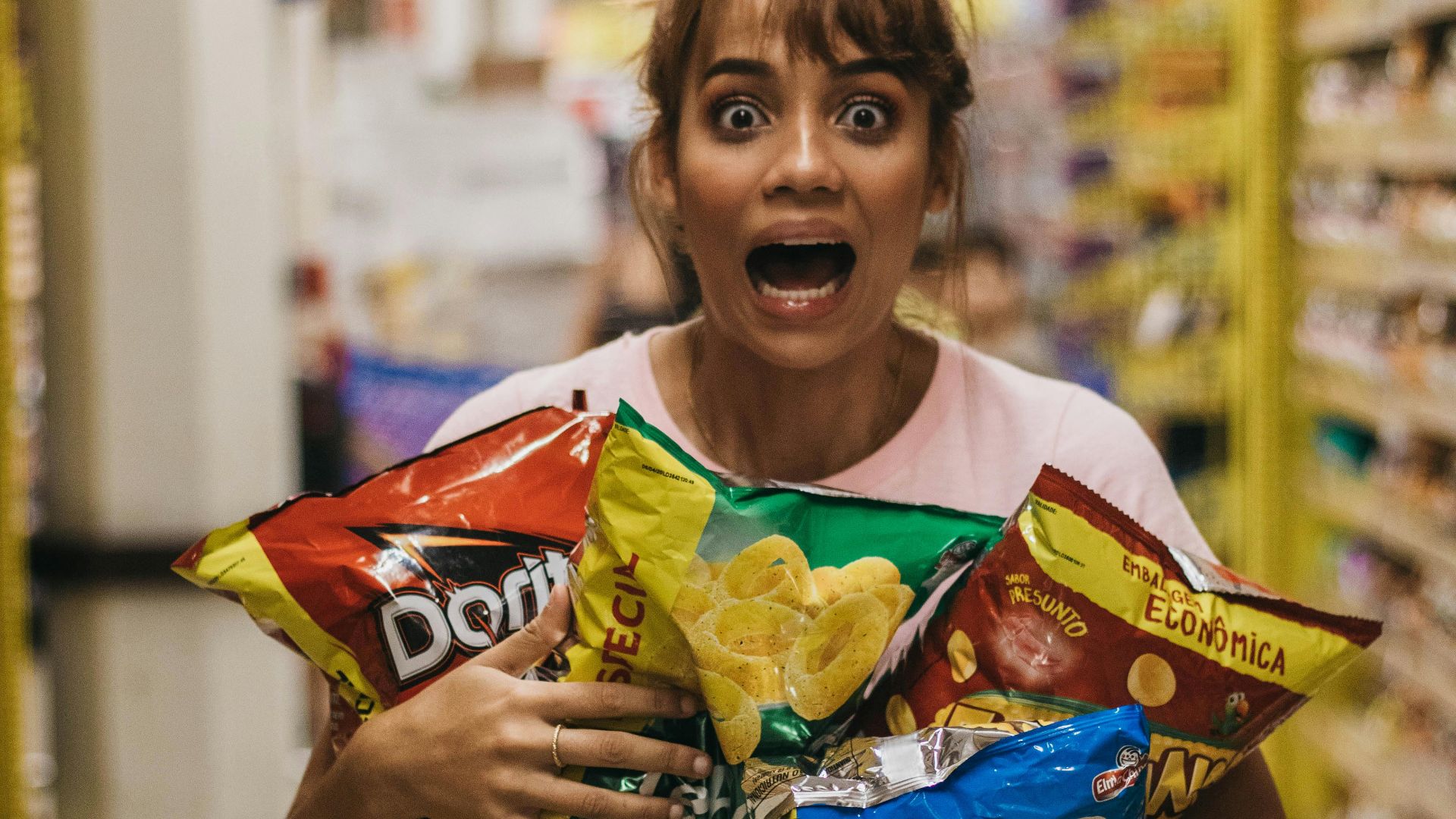
4. Potato Chips
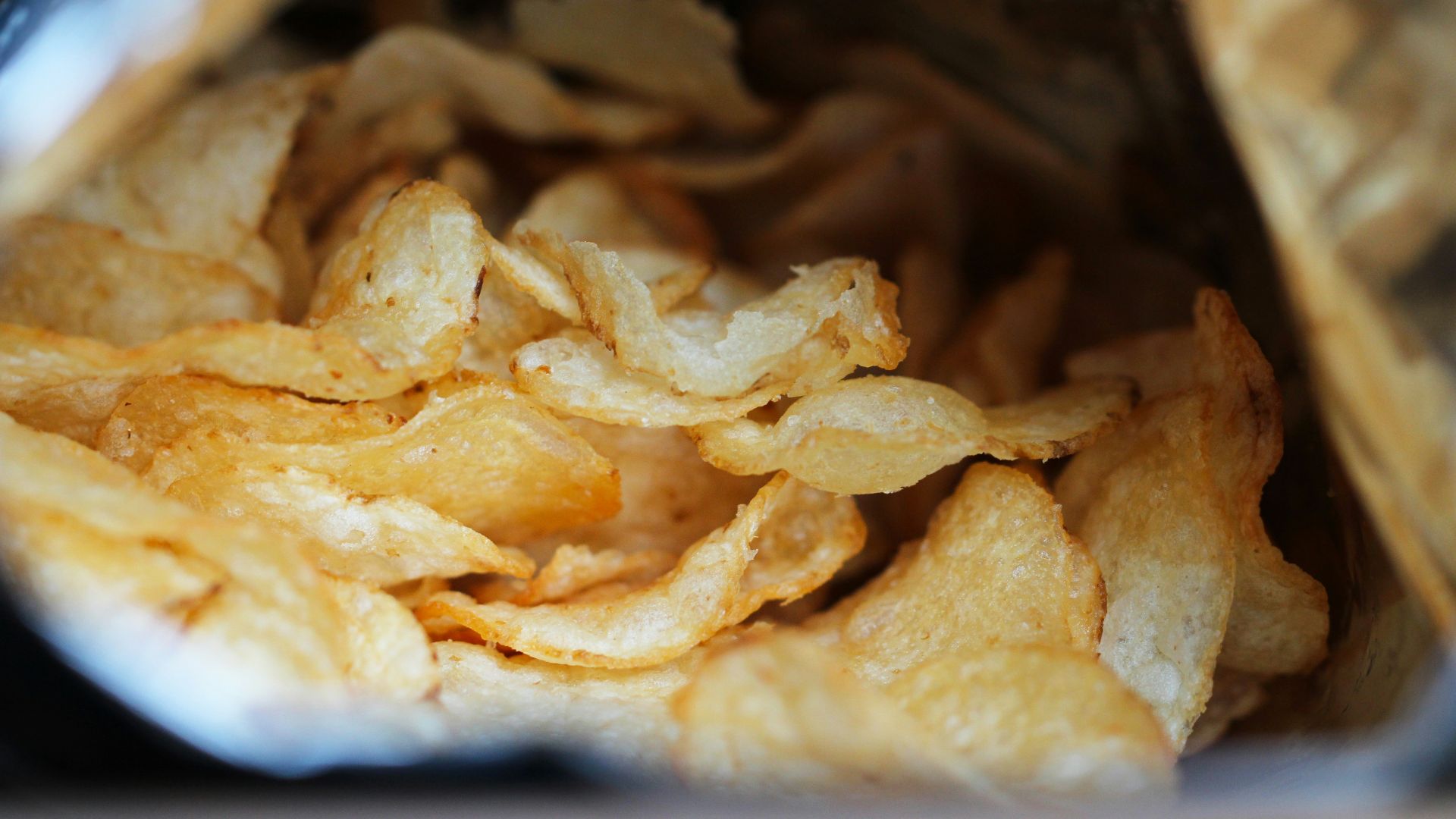
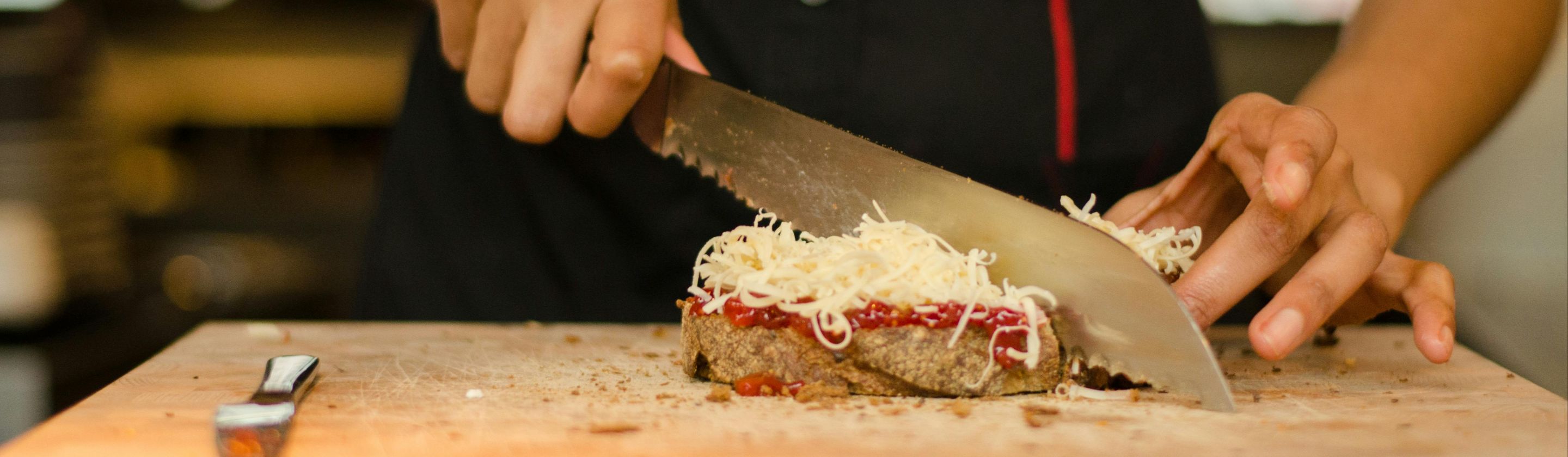
Potato chips are tied to a kitchen irritation that spiraled into a permanent menu item. A customer complained about fried potatoes being too thick and soft, so the cook sliced them extremely thin and fried them until crisp. Instead of proving a point, the cook created a snack people still obsess over.
 Esperanza Doronila on Unsplash
5. Popsicles
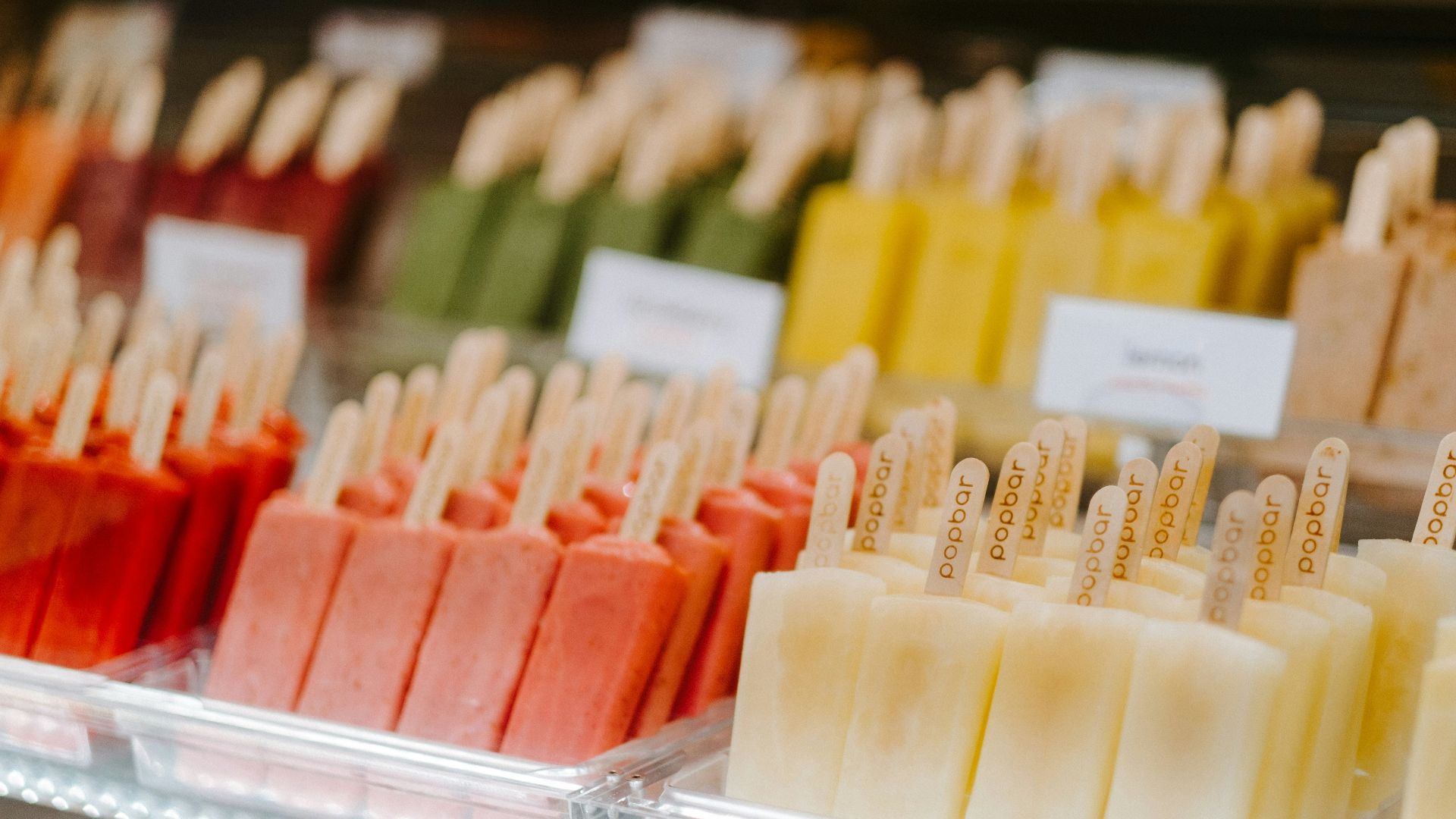
Popsicles were invented through pure forgetfulness and cold weather. A sweet drink got left outside overnight with a stick in it, and it froze into a handheld treat. The origin story feels like a mistake that a kid was smart enough to not throw away.
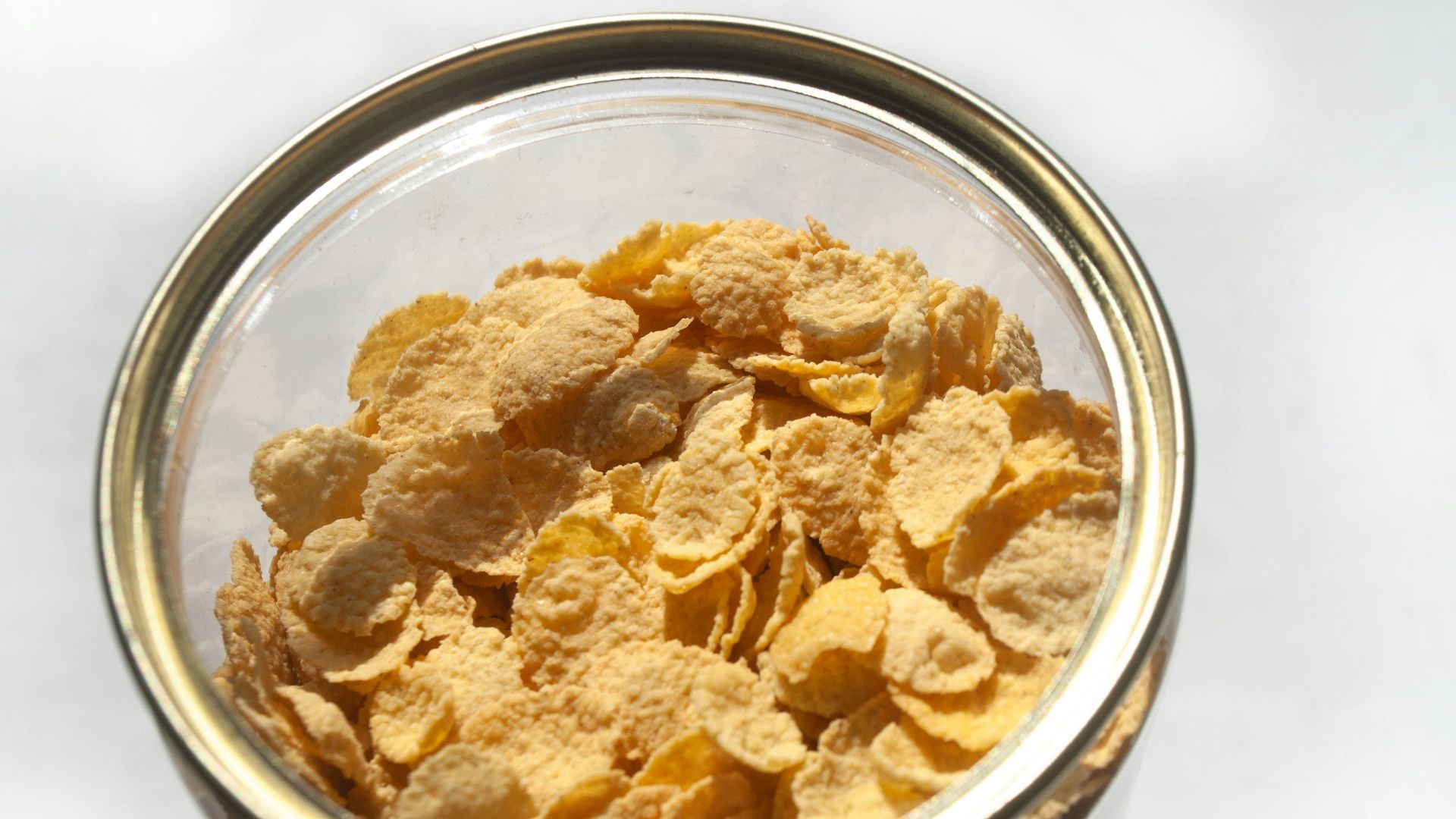
6. Corn Flakes
Corn flakes did not start as a fun breakfast idea. They grew out of a health movement that pushed bland foods as a way to control appetite and behavior. It is strange to think a cereal bowl can trace back to people trying to engineer self-control through crunch.
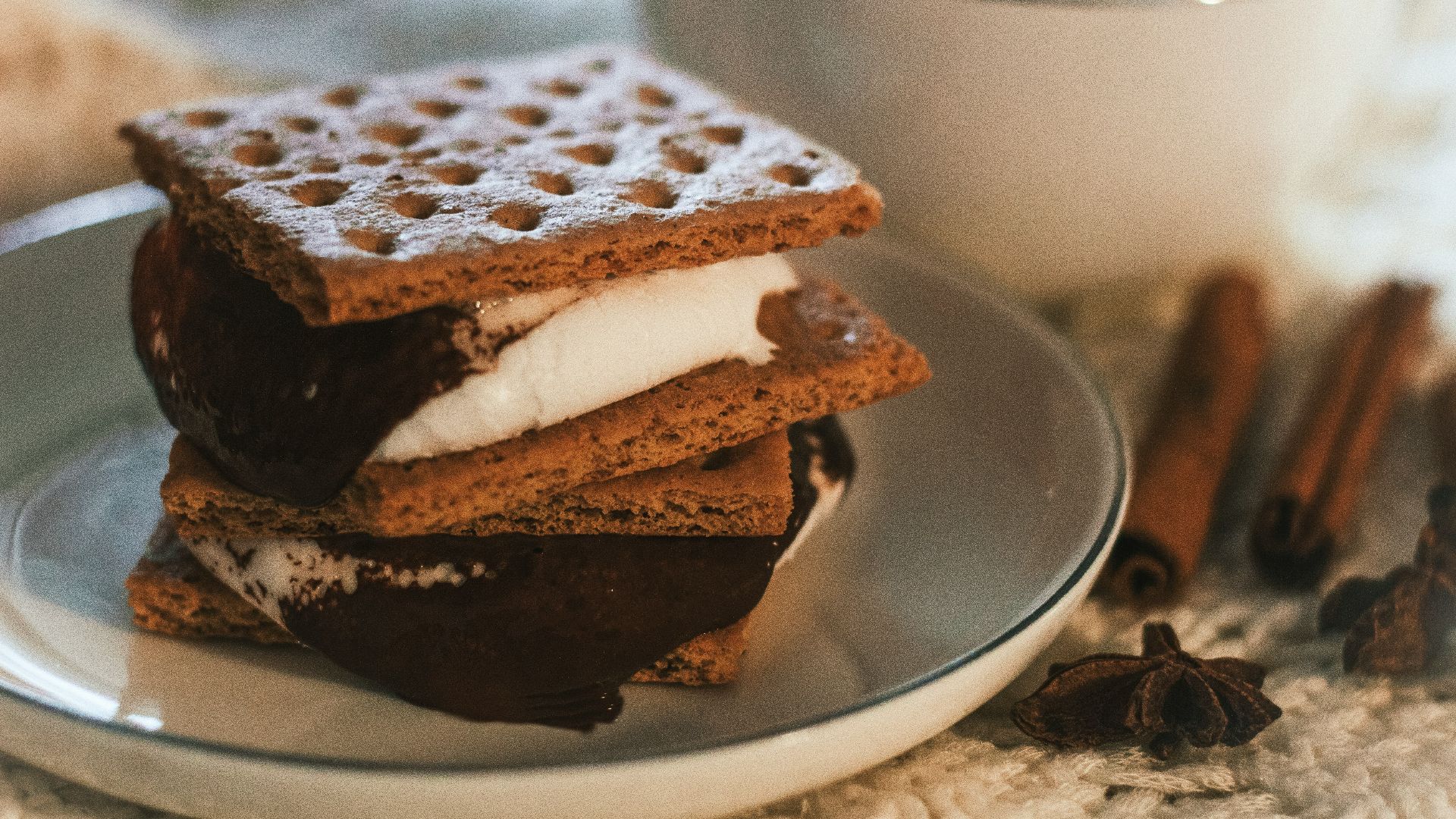
7. Graham Crackers
Graham crackers came from the same plain-food mindset as early cereal culture. They were designed to be simple, restrained, and morally improving, not dessert material. Now they exist mostly as the sturdy base for chocolate and melted marshmallow, which is a pretty dramatic reversal.
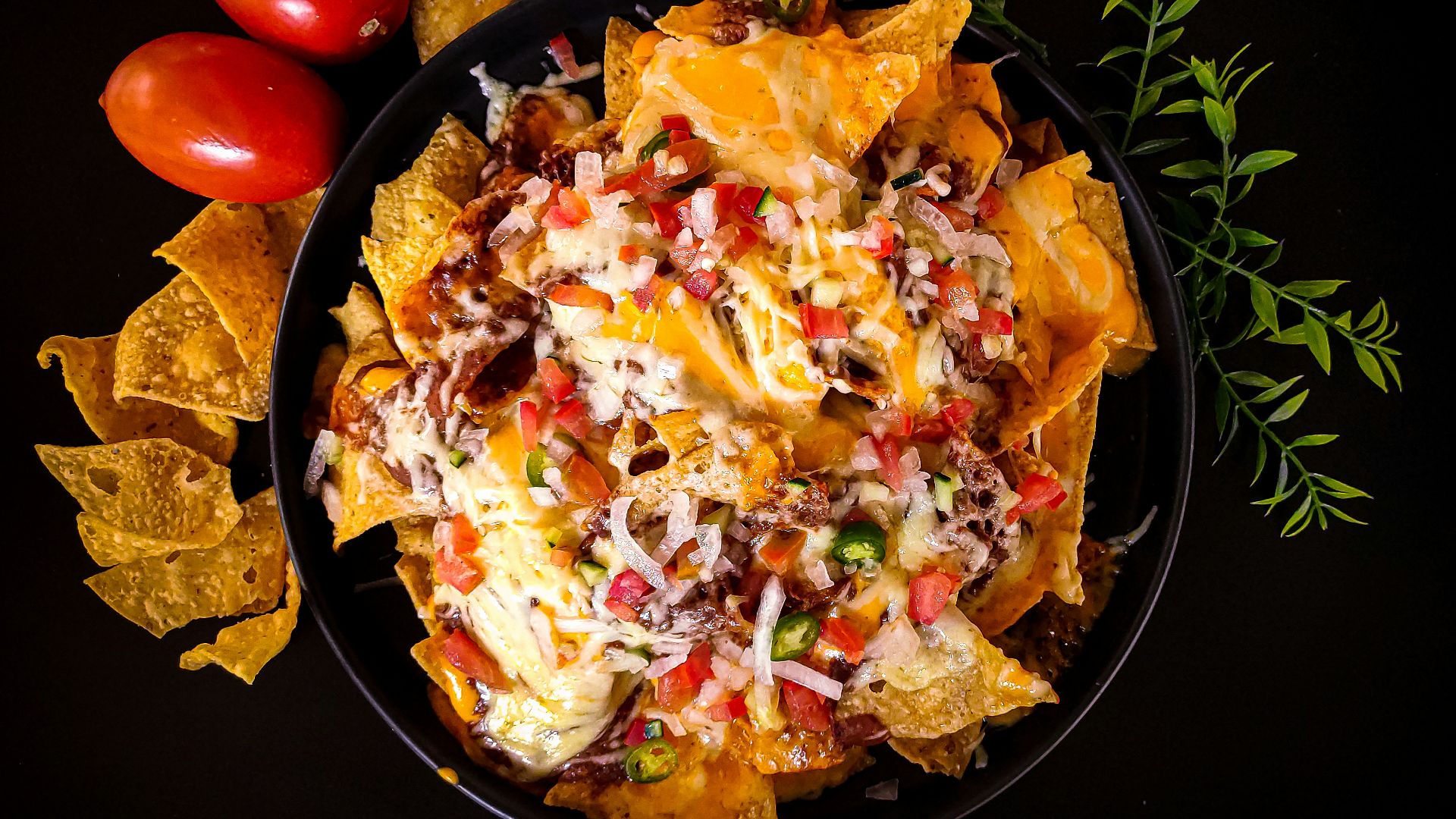
8. Nachos
Nachos started as a quick fix when hungry people needed food and there was not much time or equipment available. Tortilla chips, cheese, and peppers were assembled fast, heated, and served as a practical solution. The food world kept them because the combination is hard to beat and easy to repeat.
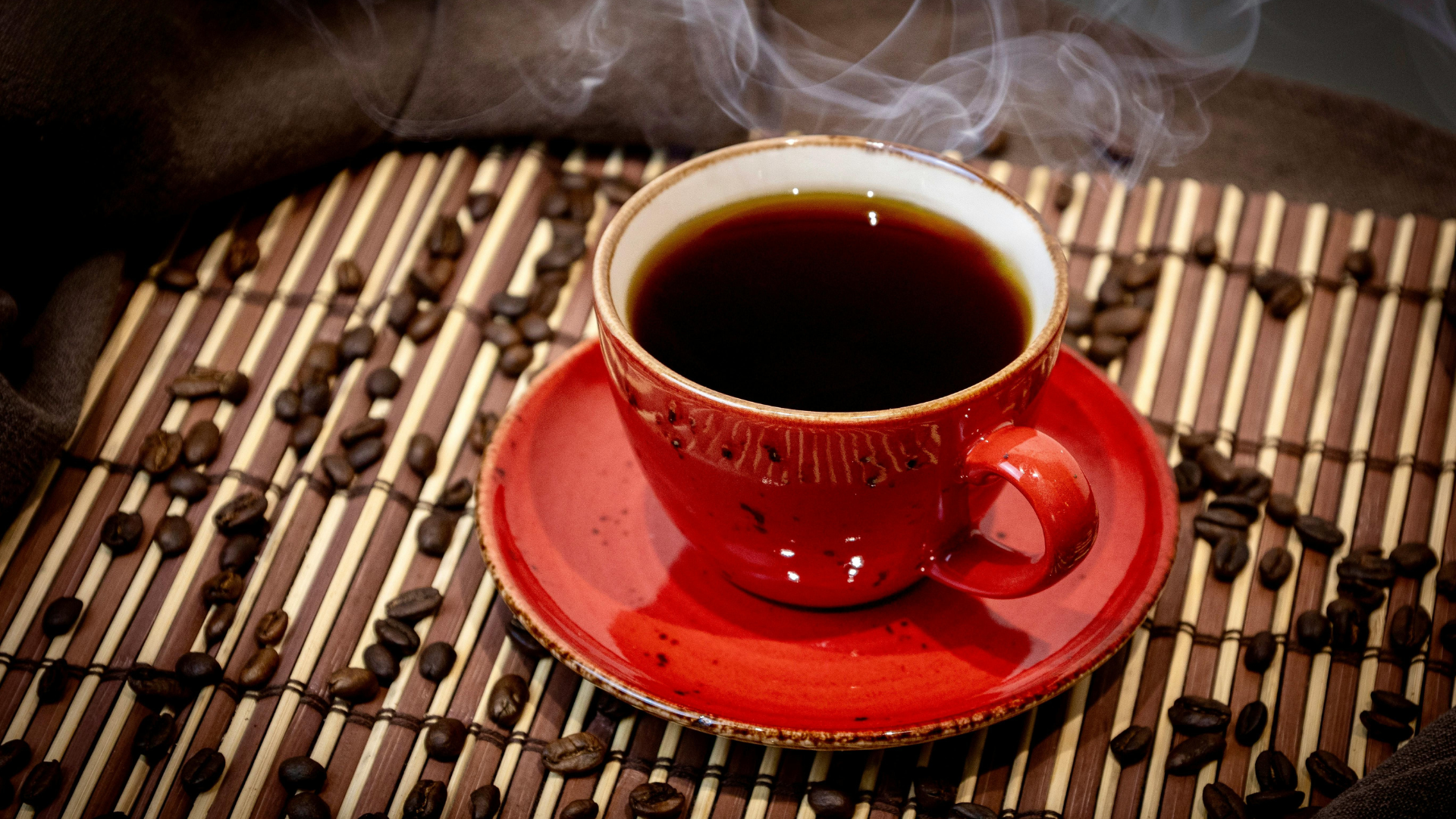
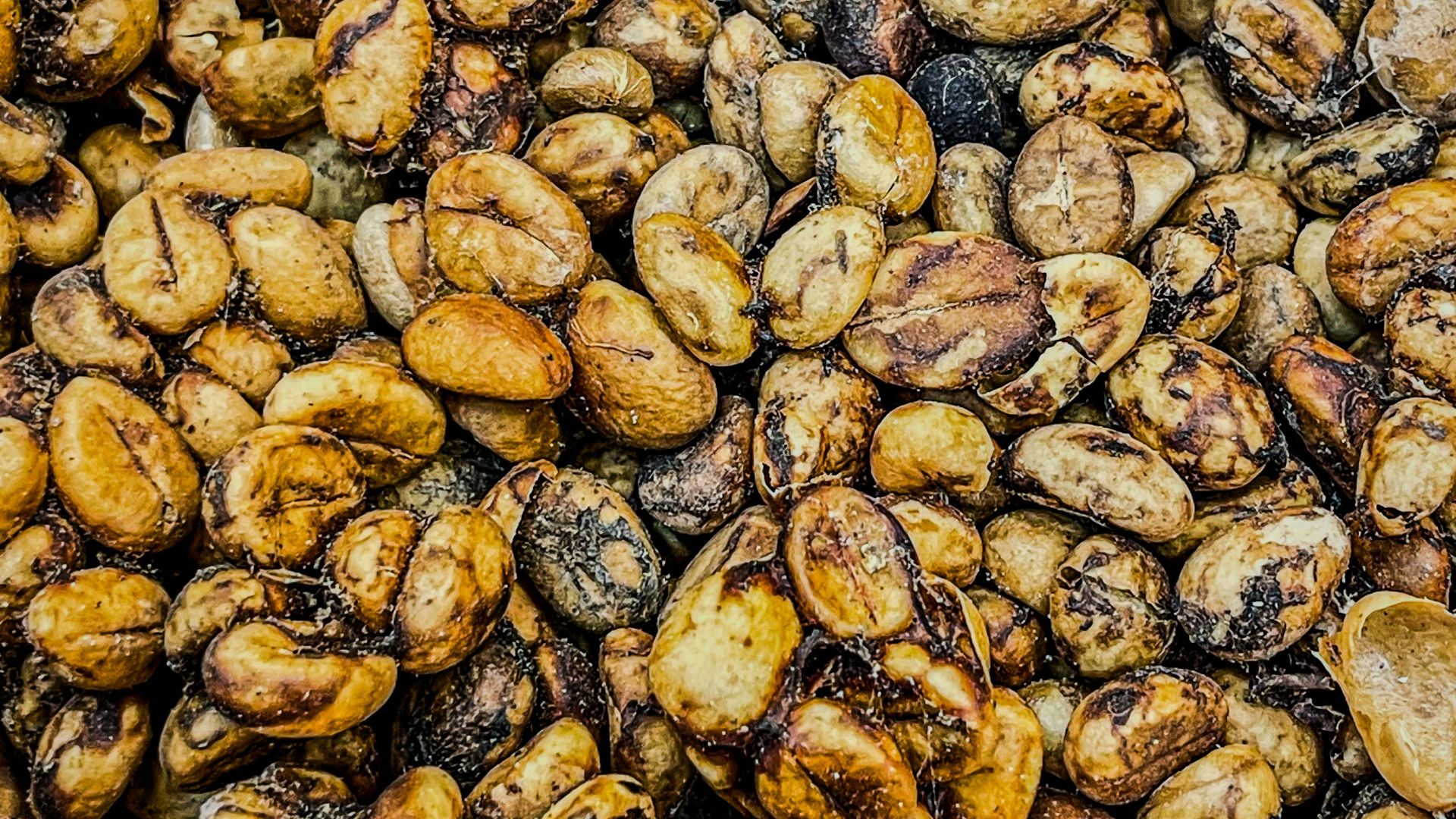
9. Kopi Luwak Coffee
Kopi luwak started as a workaround under colonial plantation rules, when local workers in Indonesia were blocked from harvesting coffee for themselves. They collected coffee cherries eaten by civets, gathered the beans from the droppings, washed them, and roasted them anyway, because coffee was still coffee. The truly unhinged twist is that a survival hack built around poop later turned into a luxury product sold for wild prices.
10. Tarte Tatin
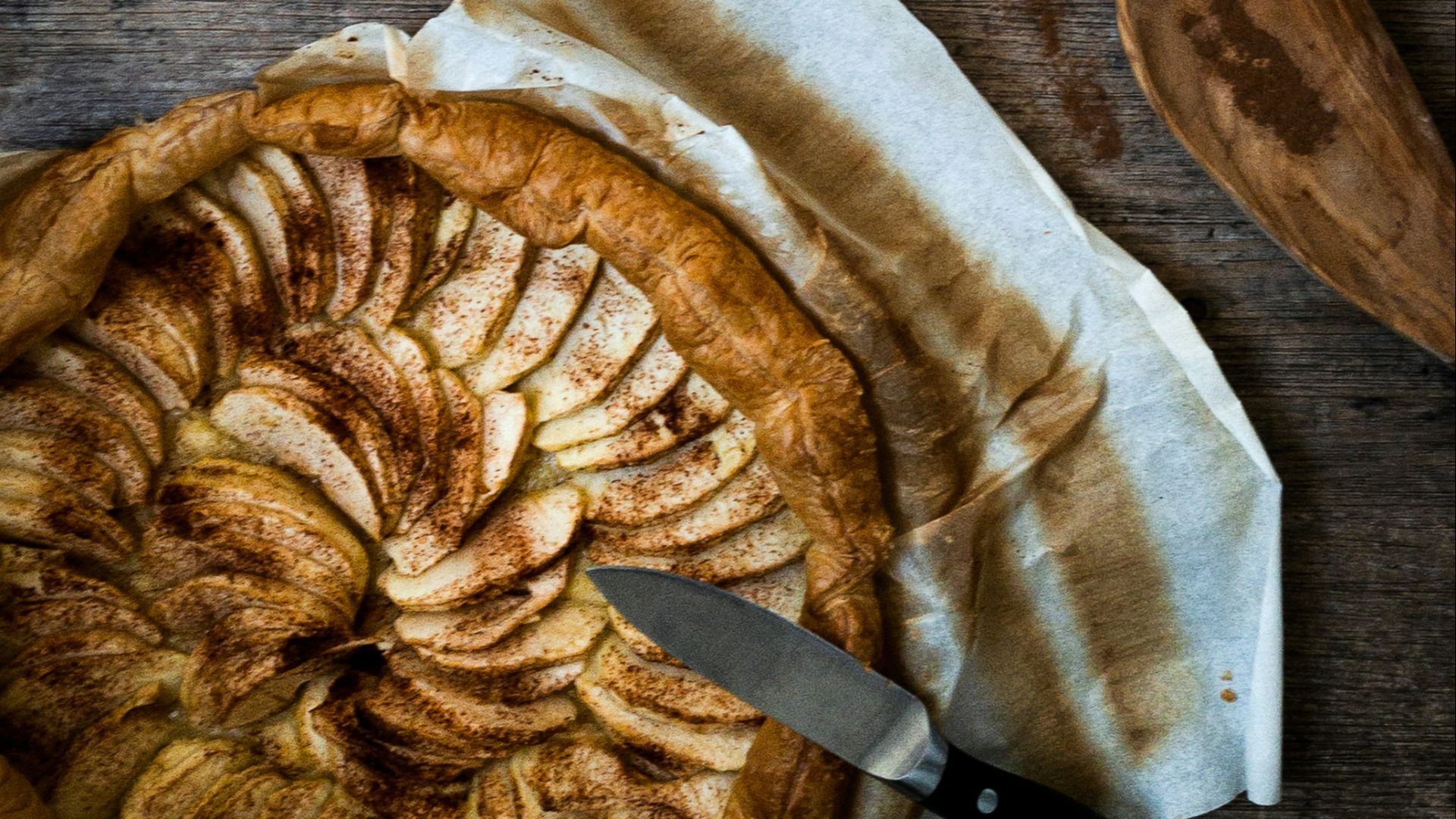
Tarte Tatin is linked to a dessert mistake that turned out better than the original plan. Apples cooked down too far, pastry ended up in the wrong place, and the whole thing was flipped to save it. The result looked elegant enough that the accident became the signature.
11. Surströmming
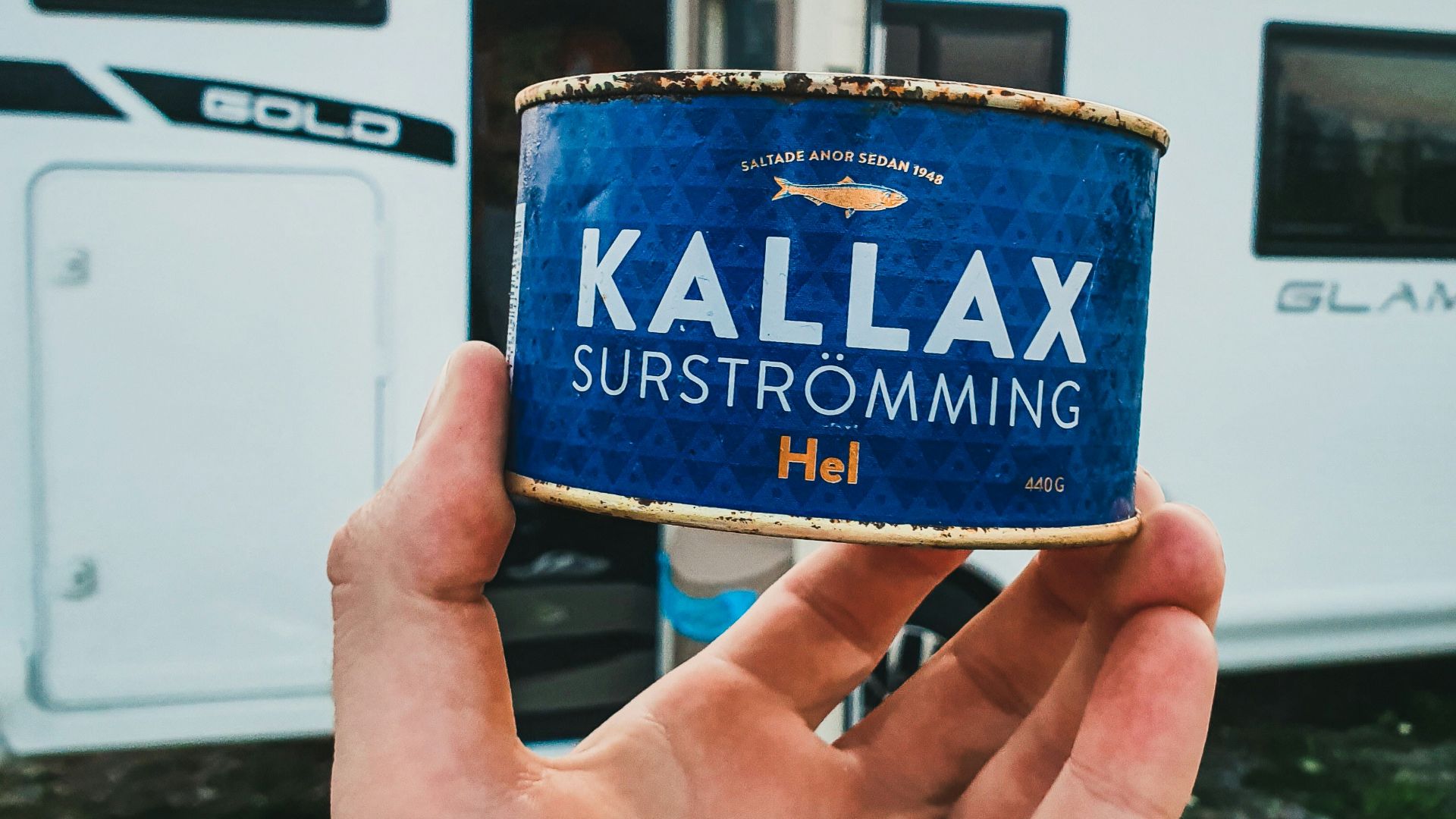
Surströmming exists because people needed to preserve fish even when resources were limited. Fermentation kept herring edible, but it also created a smell so strong it has become part of the food’s reputation. It is a preservation method that crossed the line into a dare and stayed there.
12. Casu Marzu
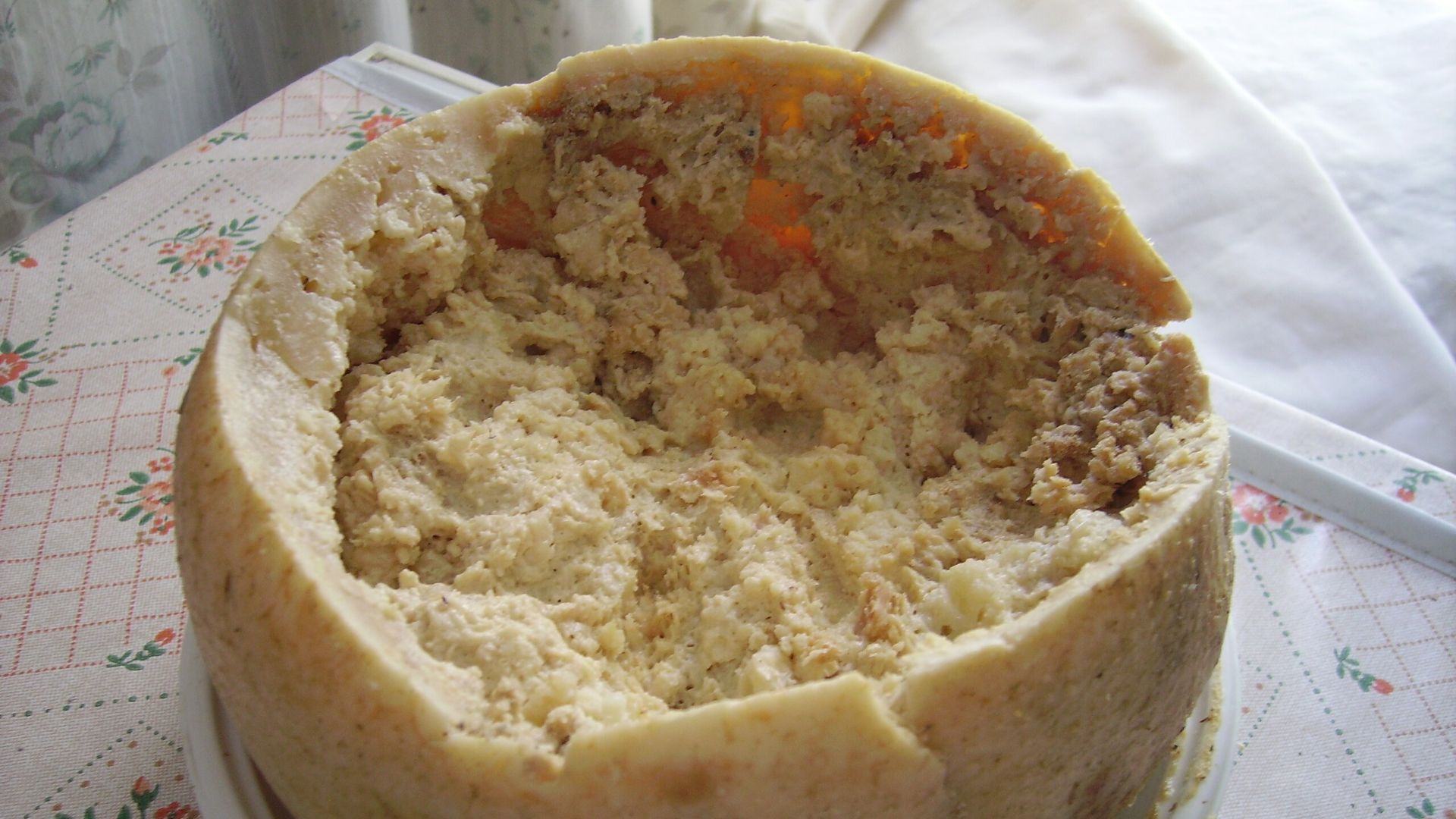
Casu marzu is a Sardinian cheese that involves live larvae breaking the cheese down beyond normal aging. The process makes it soft, pungent, and famous for reasons that make some people immediately step back. The origin story lands somewhere between extreme tradition and a food experiment that never got shut down.
13. Fugu
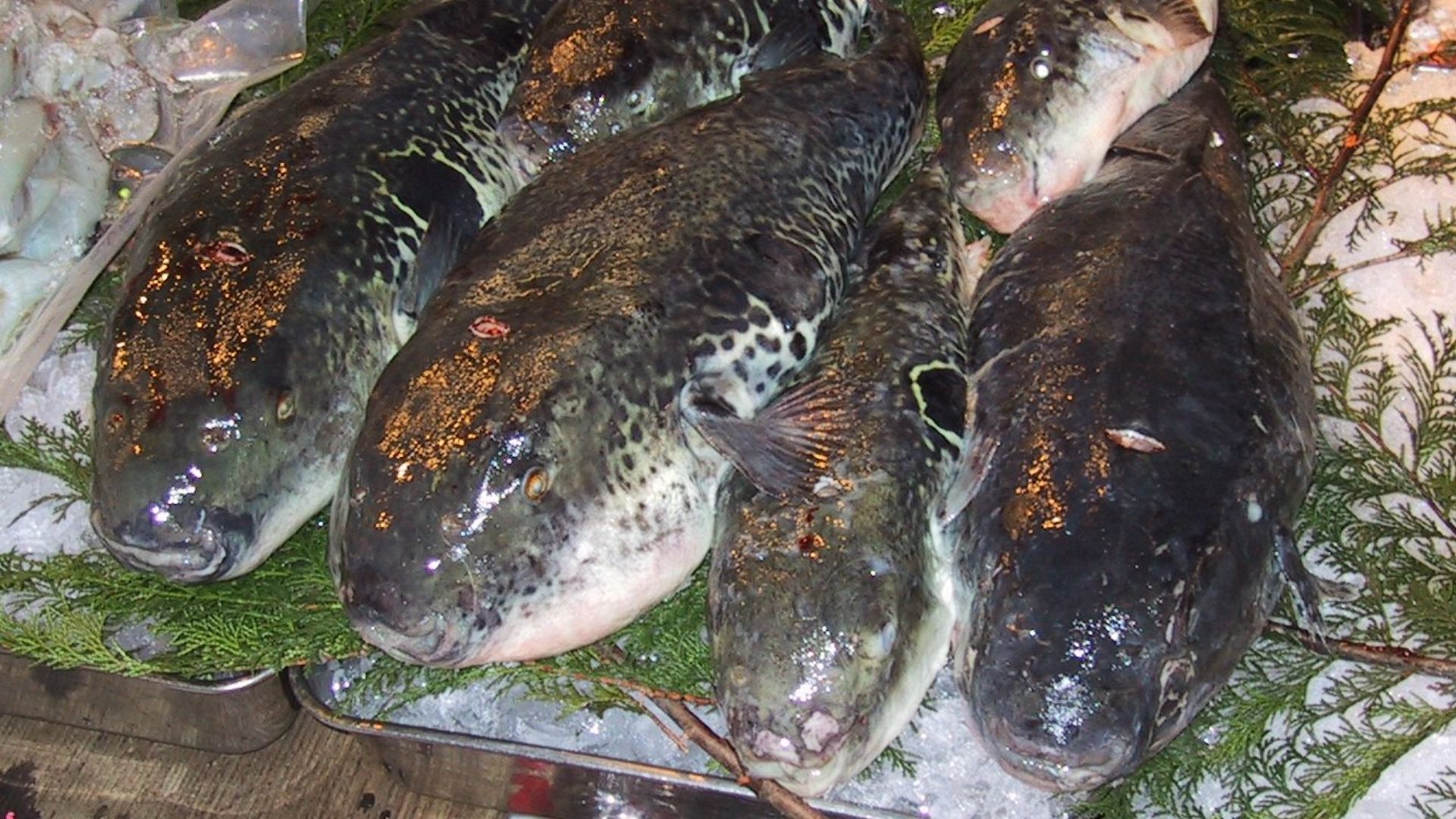
Fugu became a prized dish even though it can be lethal if prepared incorrectly. The fish contains a powerful toxin, so chefs train carefully to serve it safely. The unhinged part is that people decided the risk was worth it and turned danger into luxury dining.
14. Lobster
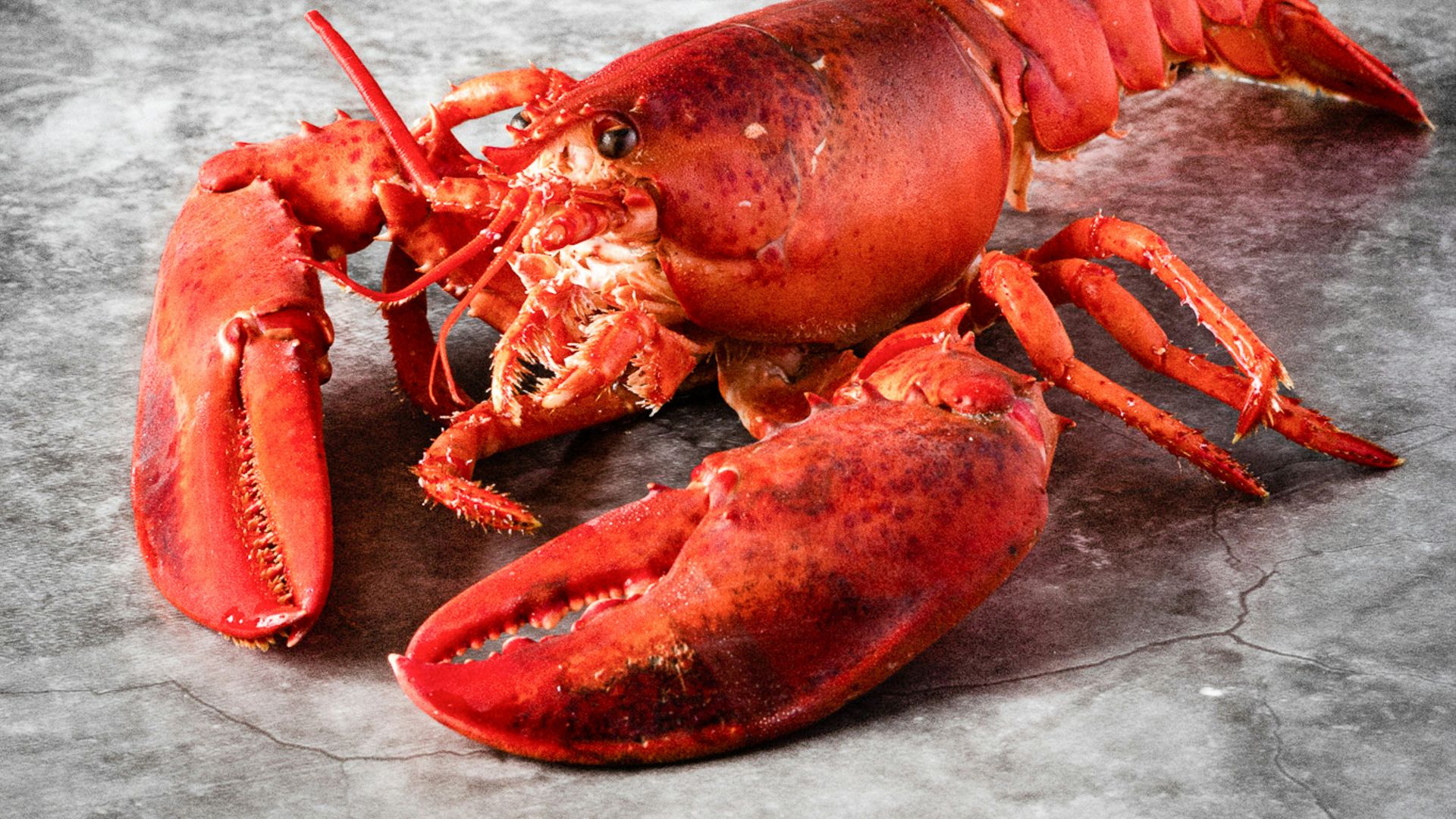
Lobster used to be treated as low-status food in places where it was abundant. It was cheap, common, and not considered special, which is the opposite of how it is marketed today. Its shift into an expensive celebration meal is one of the biggest image makeovers in food history.
15. Spam
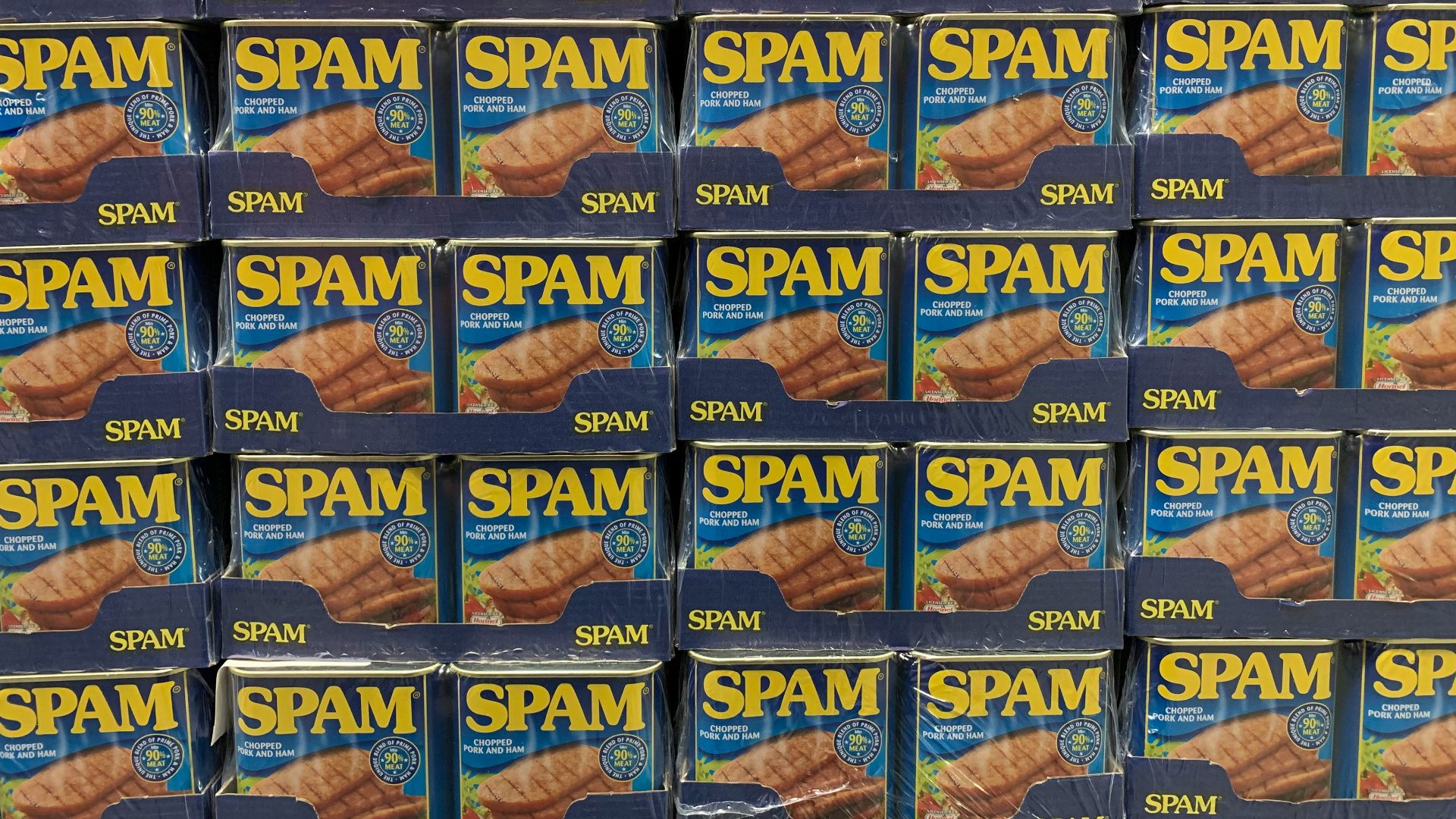
Spam was created to solve a practical problem: affordable, shelf-stable meat that could be shipped and stored easily. It became especially important during wartime and rationing, when reliability mattered more than romance. Its strange legacy is how it moved from emergency staple to beloved ingredient in many cuisines.
16. Hardtack
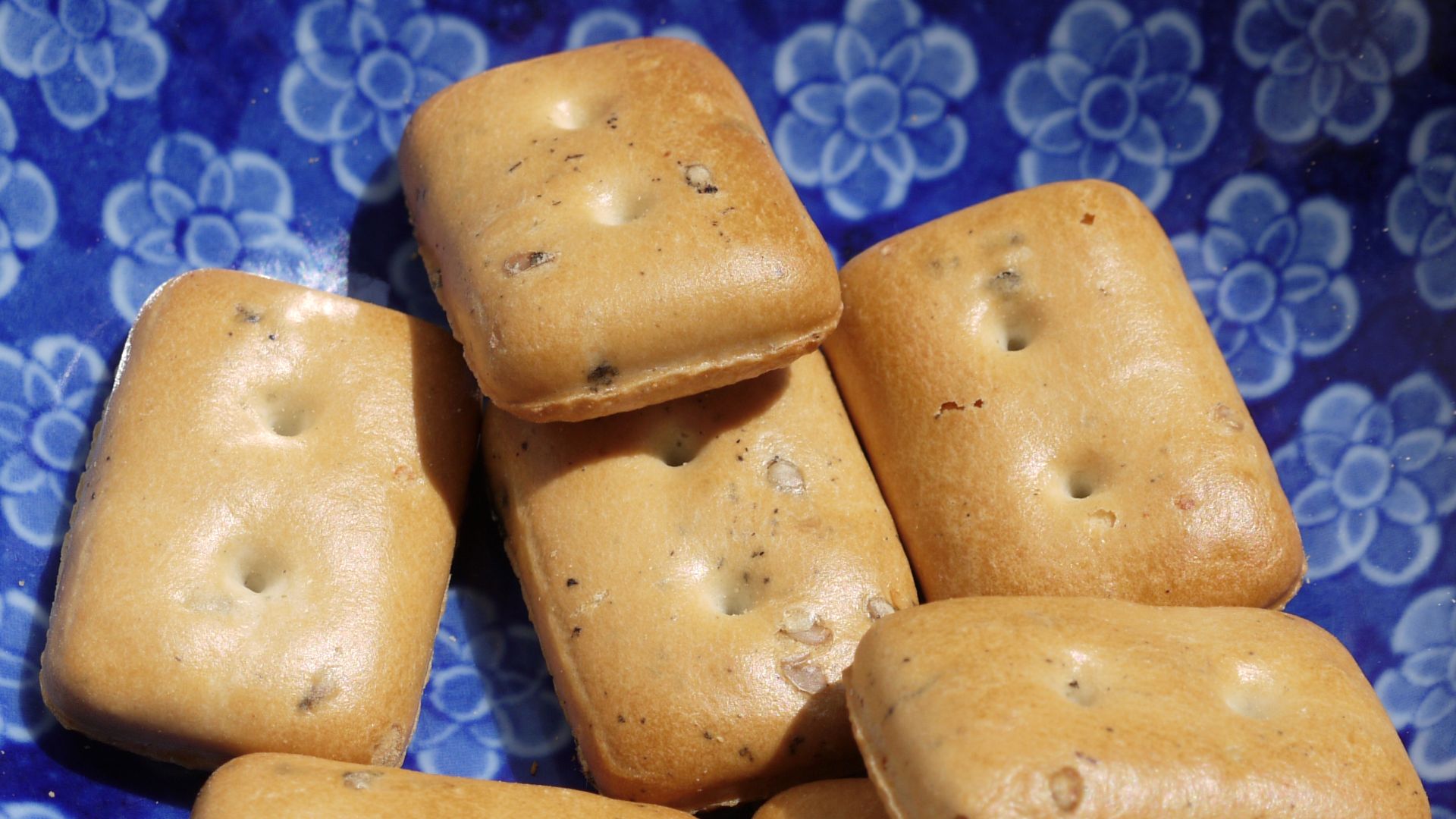
Hardtack is what happens when survival food gets treated like a building material. It was made to last forever on ships and in armies, which meant it was baked into rock-hard slabs that people often had to soak, hammer, scrape, or crumble just to get it down. The truly unhinged part is how normal it became to eat something that routinely broke teeth, hosted weevils, and still counted as dinner.
 commons.wikimedia.org on Google
17. Ketchup
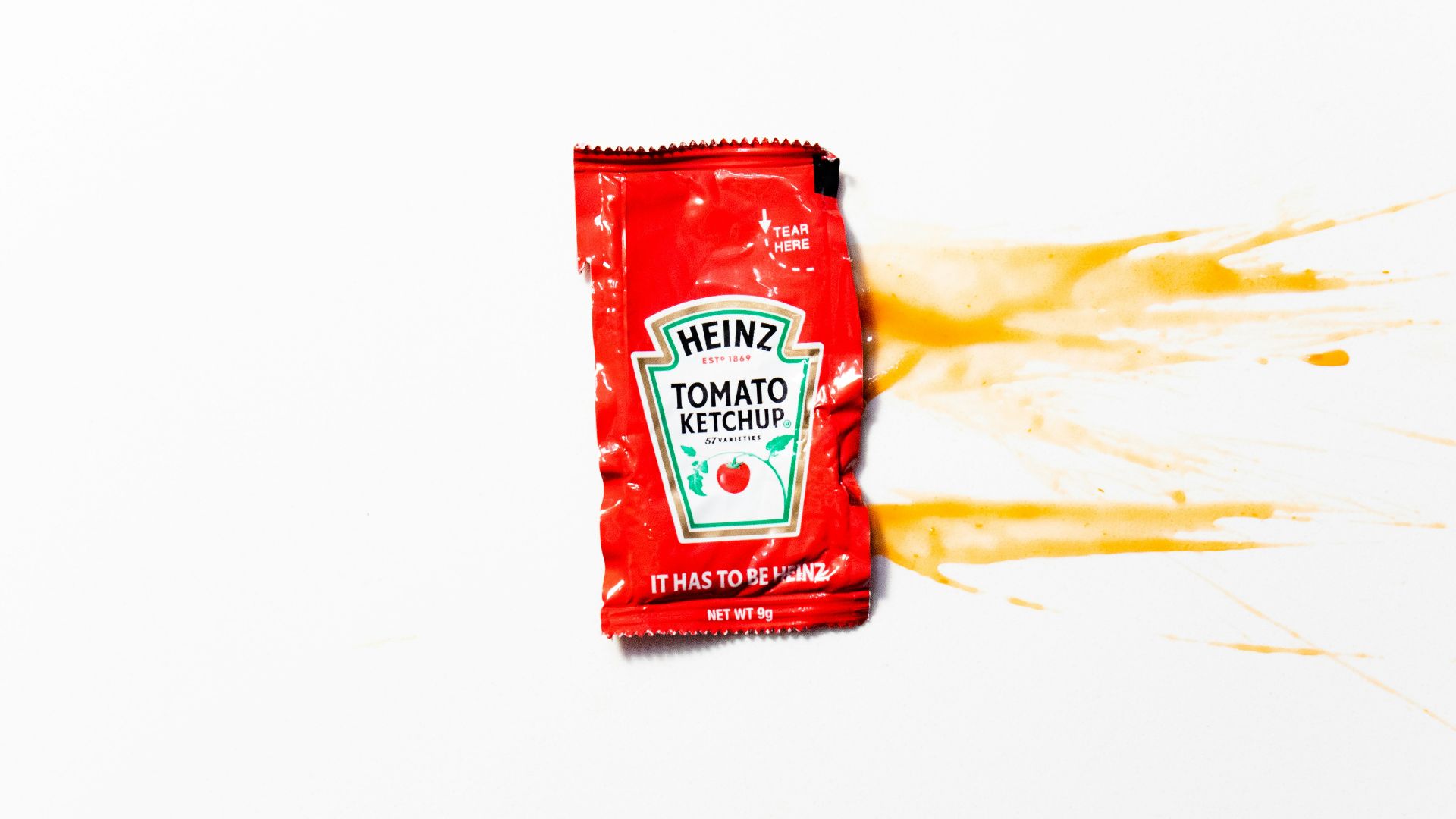
Ketchup did not start as tomato sauce. Early versions were fermented condiments, sometimes fish-based, and the tomato version evolved later as ingredients and tastes shifted. The modern bottle is the endpoint of a long chain of adaptation that started far from fries.
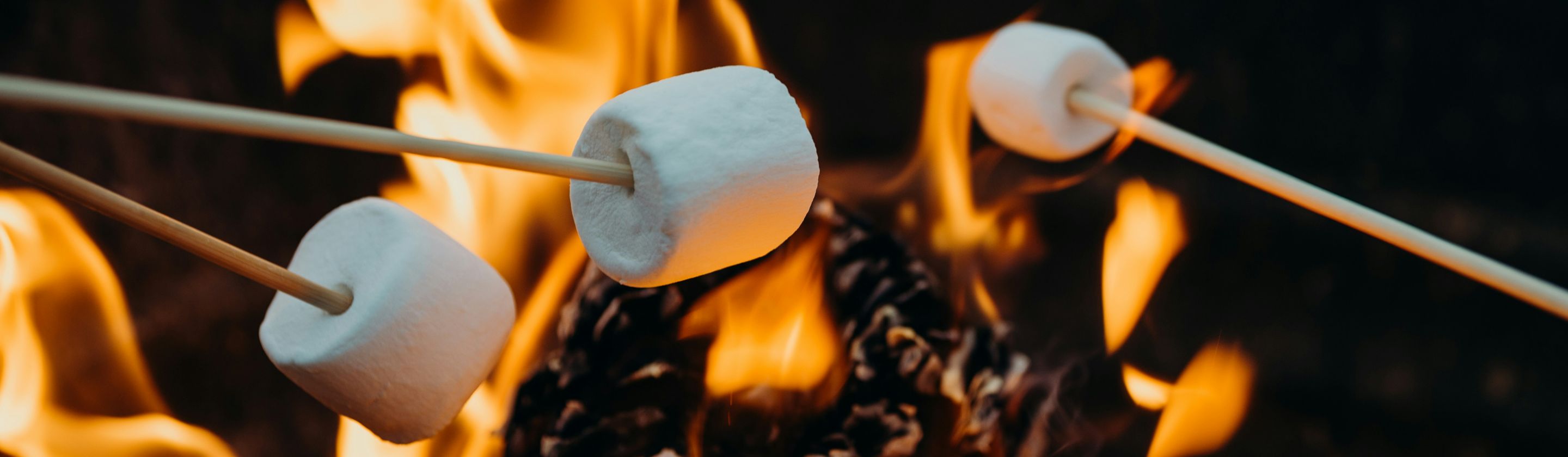
18. Marshmallows
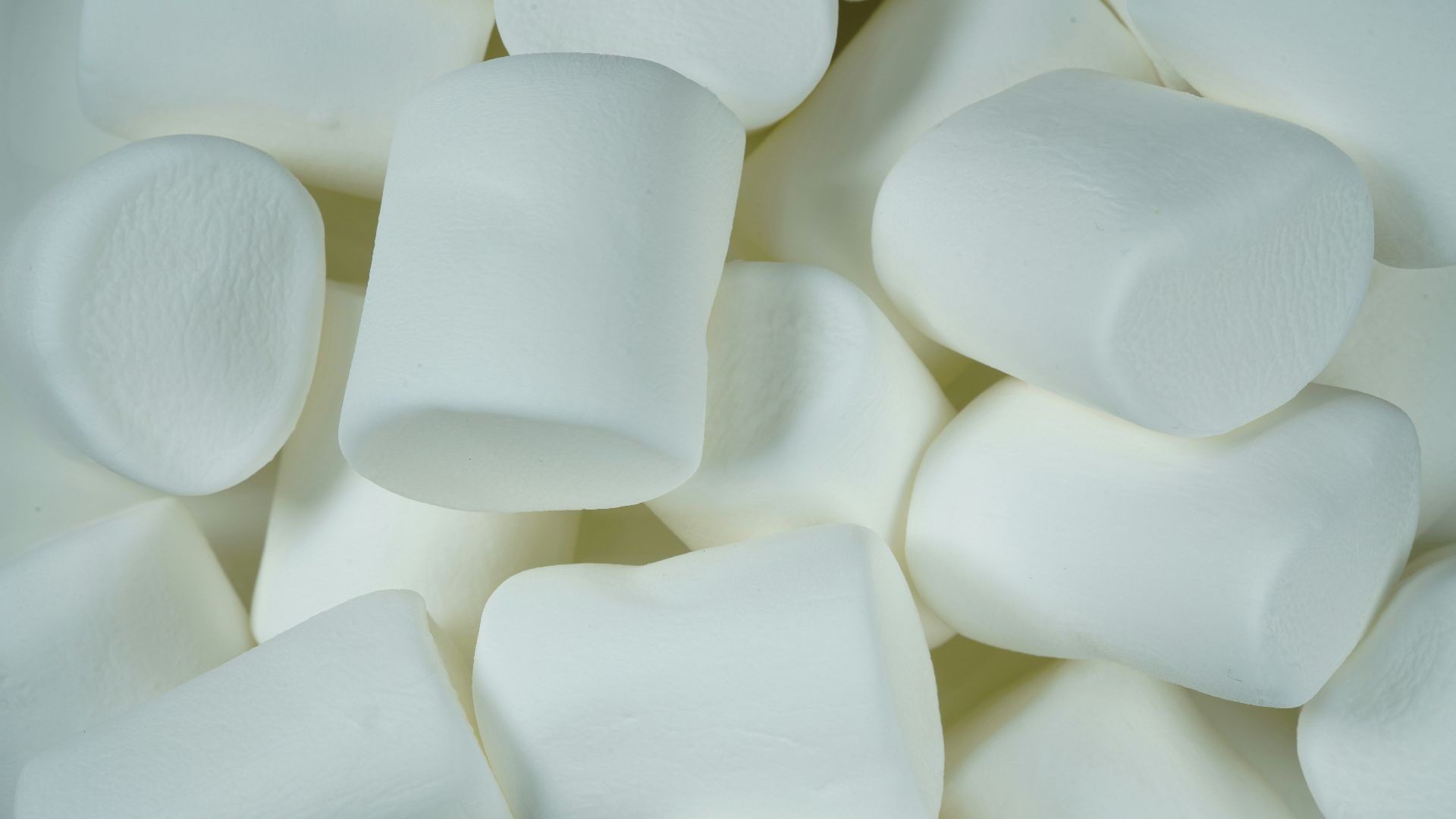
Marshmallows began as a medicinal preparation connected to the marsh mallow plant. Over time, the concept moved away from herbal remedy and toward whipped sugar and gelatin. The jump from throat-soothing paste to campfire candy is sharp, but it explains why the texture still feels oddly engineered.
19. The Sundae
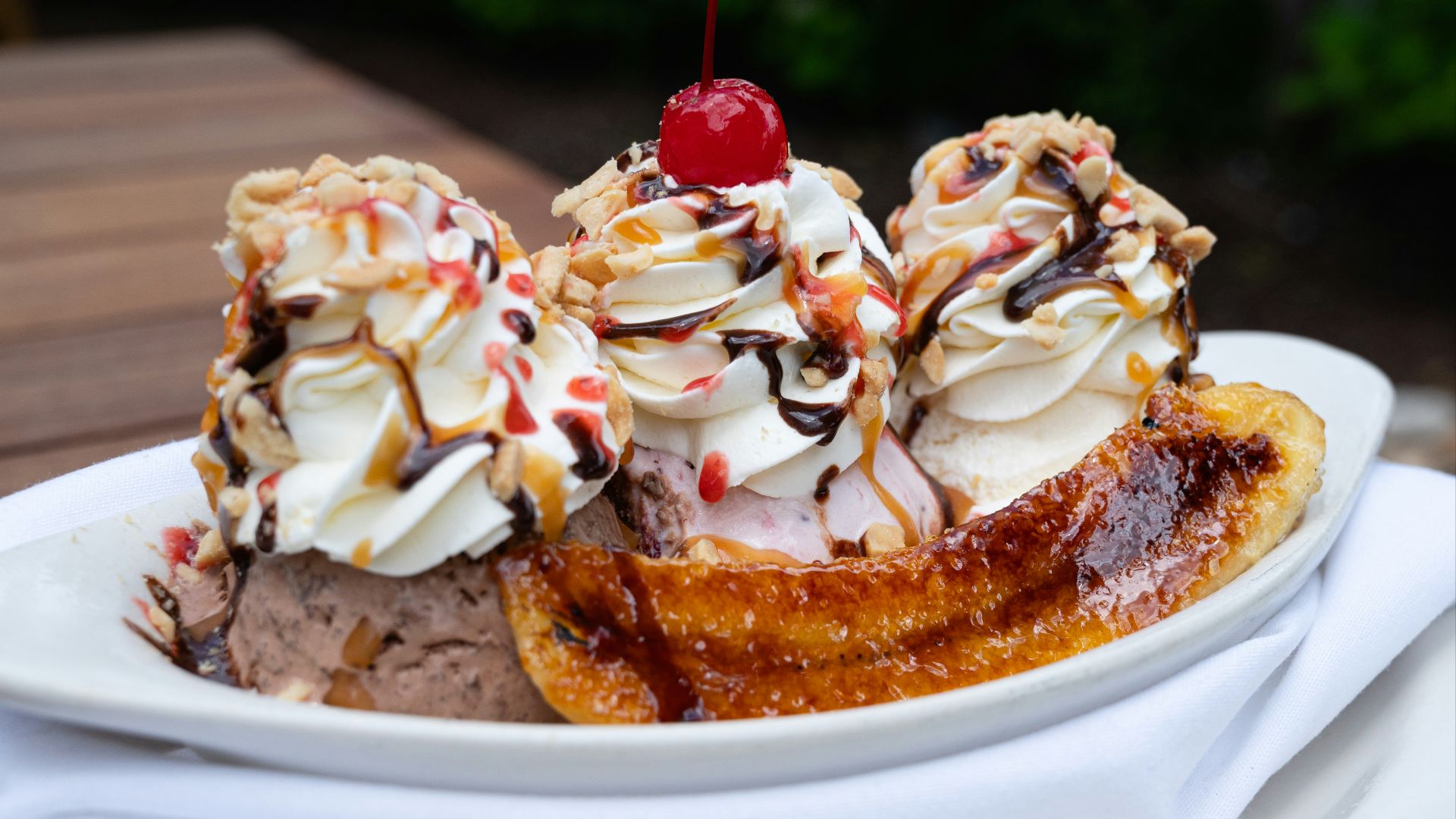
The sundae is tied to rule-following that accidentally created a classic dessert. Restrictions around certain foods on Sundays pushed people toward workarounds involving ice cream and toppings served in a slightly different format. Whether every detail is perfectly documented or not, the sundae still carries the vibe of a loophole you can eat.
20. Jell-O
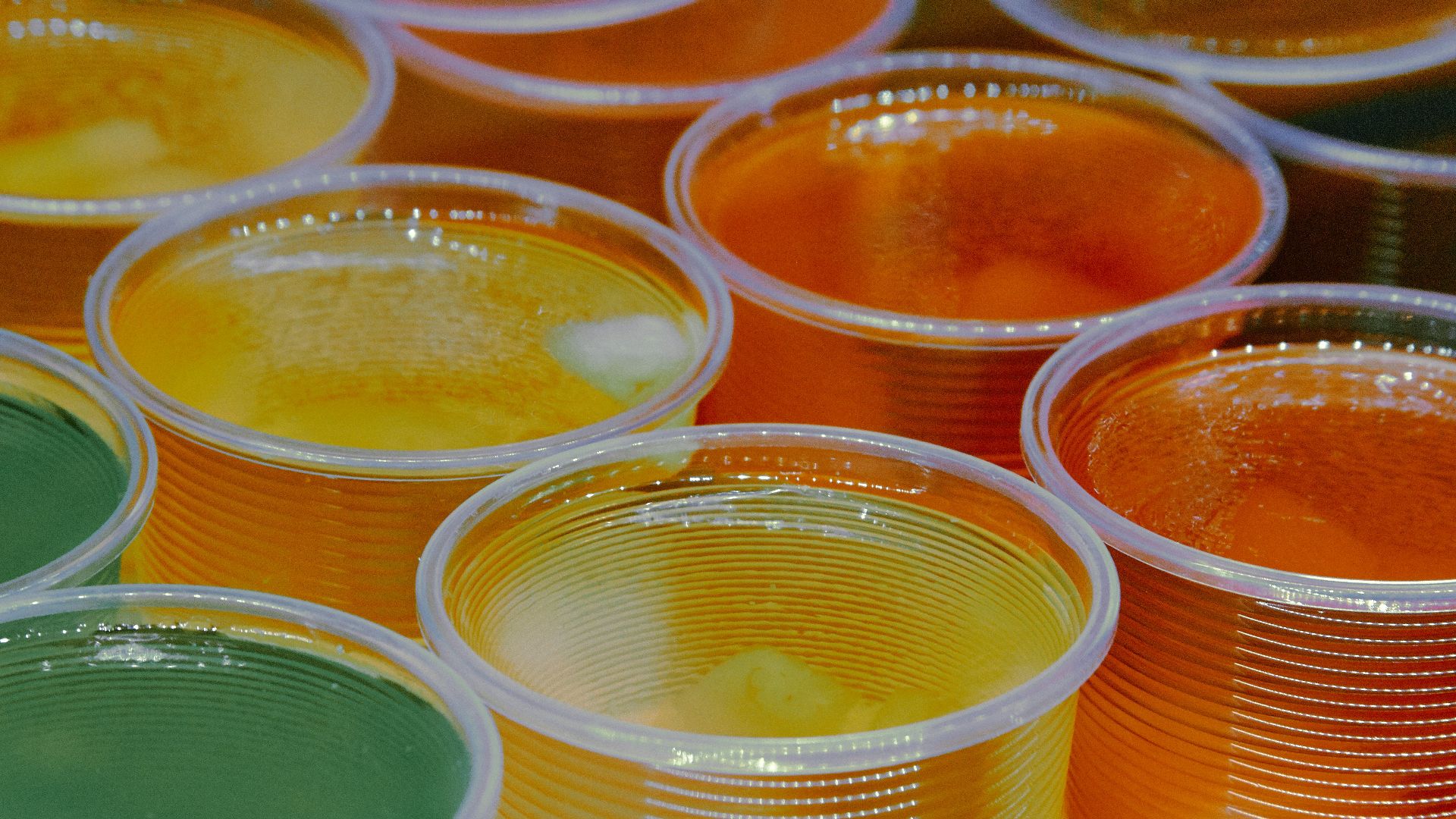
Jell-O comes from gelatin, which is made by extracting collagen from animal parts, and that fact alone surprises a lot of people. Turning that base into bright, sweet, wobbly dessert required serious rebranding and smart flavoring. The result became a household staple that looks cheerful while hiding a pretty intense origin.
KEEP ON READING
20 Foods With Shocking Origins You'd Never Believe
20 Food Requests Only Spoiled People Ask For


Do Vitamin Supplements Actually Make You Healthier?