Soft Foods Can Still Offer Plenty of Variety
On a no-chew diet? Whether you're recovering from dental work, dealing with a sore jaw, or simply need foods that require little work from your teeth, it might seem like your options are severely limited. What can you eat other than ice cream and applesauce and chugging Gatorade? Thankfully, there are plenty of familiar foods with naturally soft textures that still provide essential nutrients while packing in lots of flavor. So put that bowl of tasteless soup down, and dig into these 20 picks instead.
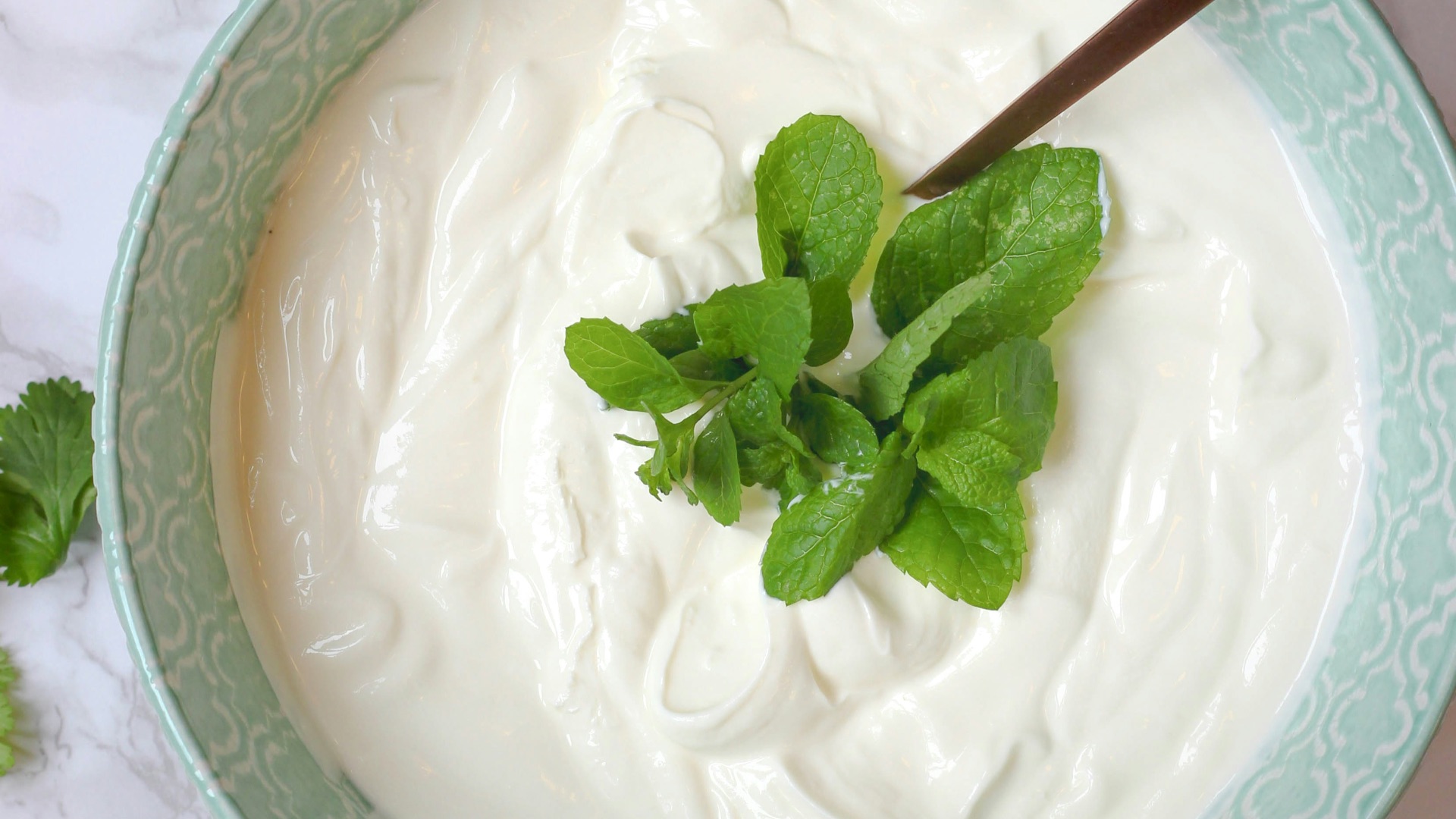
1. Greek Yogurt
Greek yogurt is one of the easiest foods to eat when chewing isn't an option because its thick, creamy texture requires almost no effort. It also tends to contain more protein than regular yogurt, which can help make a small serving feel more substantial. Choose a smooth variety without granola, nuts, fruit chunks, or other mix-ins that would require chewing.
 micheile henderson on Unsplash
2. Applesauce
Applesauce gives you the flavor of fresh fruit in a form that's much easier to manage. Unsweetened versions are a good choice if you'd rather avoid the added sugar found in some packaged varieties. You can eat it chilled, at room temperature, or slightly warmed depending on what feels most comfortable.
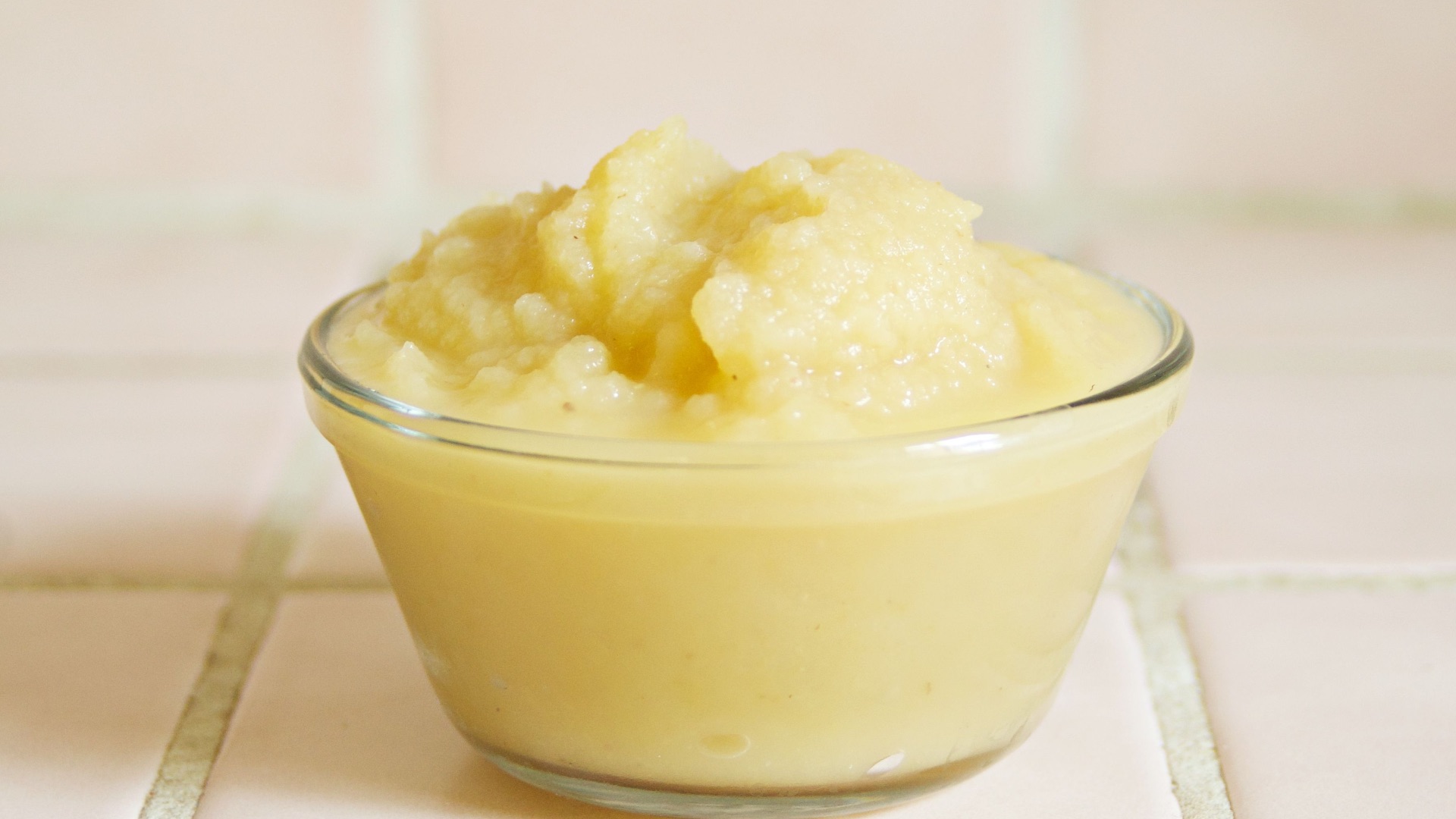
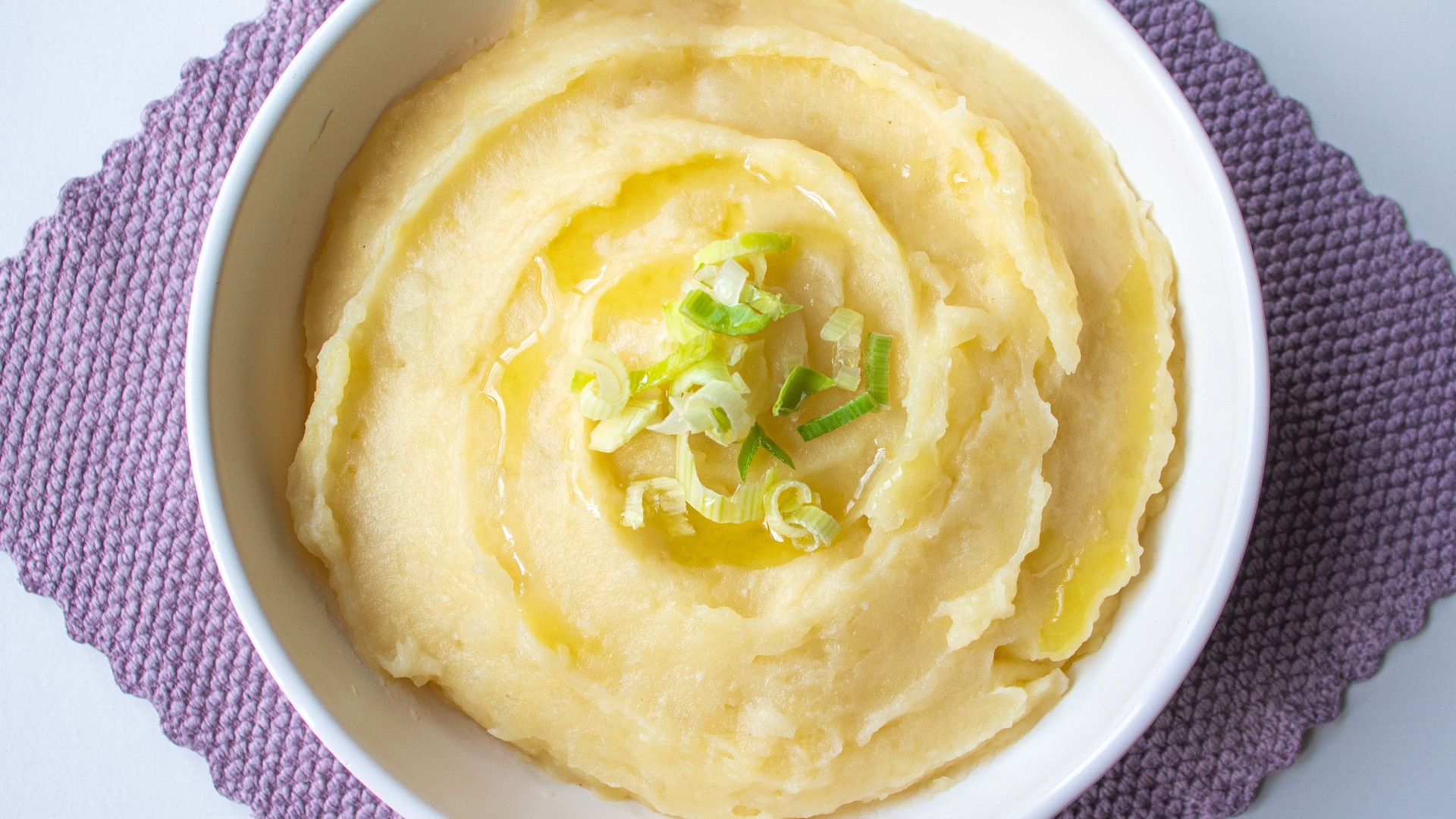
3. Mashed Potatoes
Few foods fit a no-chew diet as naturally as well-prepared mashed potatoes. Adding milk, butter, broth, or another liquid can make them especially smooth and prevent a dry or sticky consistency. For extra nutrition, you can also puree cooked cauliflower, carrots, or other soft vegetables into the potatoes.
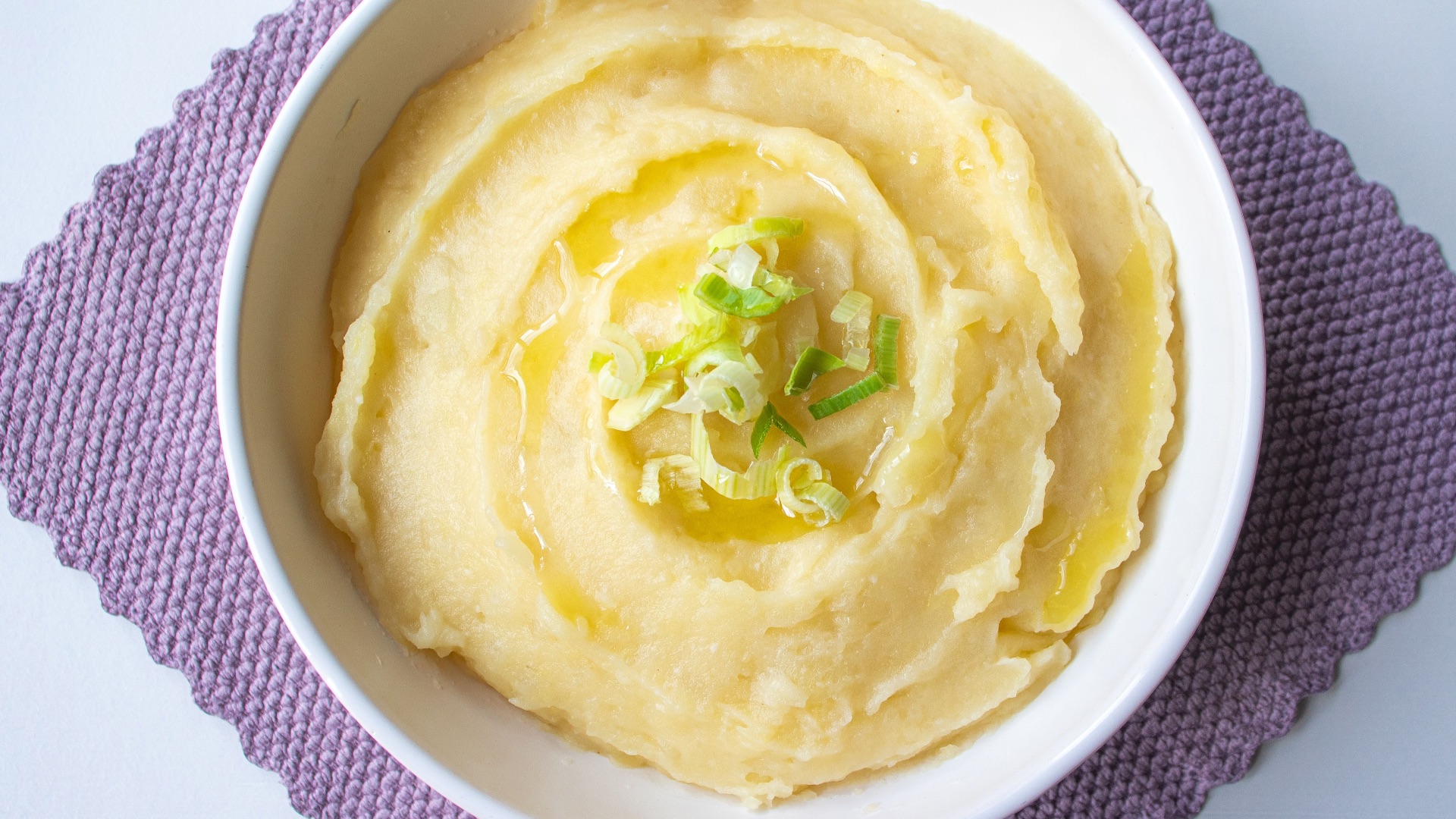
4. Smoothies
A smoothie can combine several foods in a single drink, which makes it especially useful when you're struggling to put together complete meals. Fruit, yogurt, milk, nut butter, avocado, and finely blended oats can all be incorporated depending on your dietary needs. Blend everything thoroughly so you're not left with seeds, ice pieces, or bits of fruit that still need to be chewed.
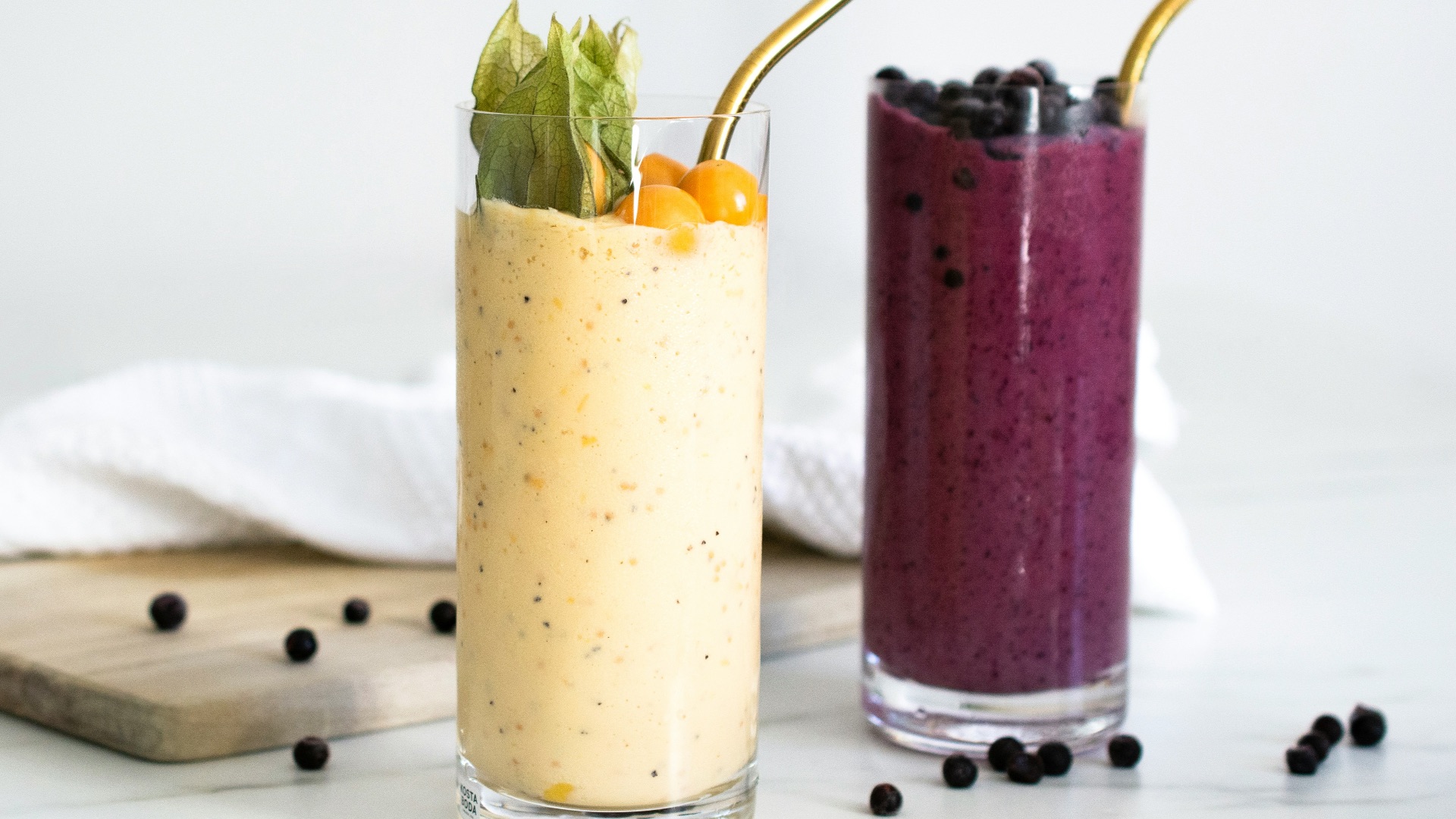
5. Scrambled Eggs
Soft scrambled eggs can provide plenty of protein without demanding much from your teeth or jaw. Cooking them slowly and keeping them slightly moist produces a softer texture than eggs that have been cooked until firm and dry. Cheese, milk, or a little cream can make the finished dish even smoother.
6. Pudding
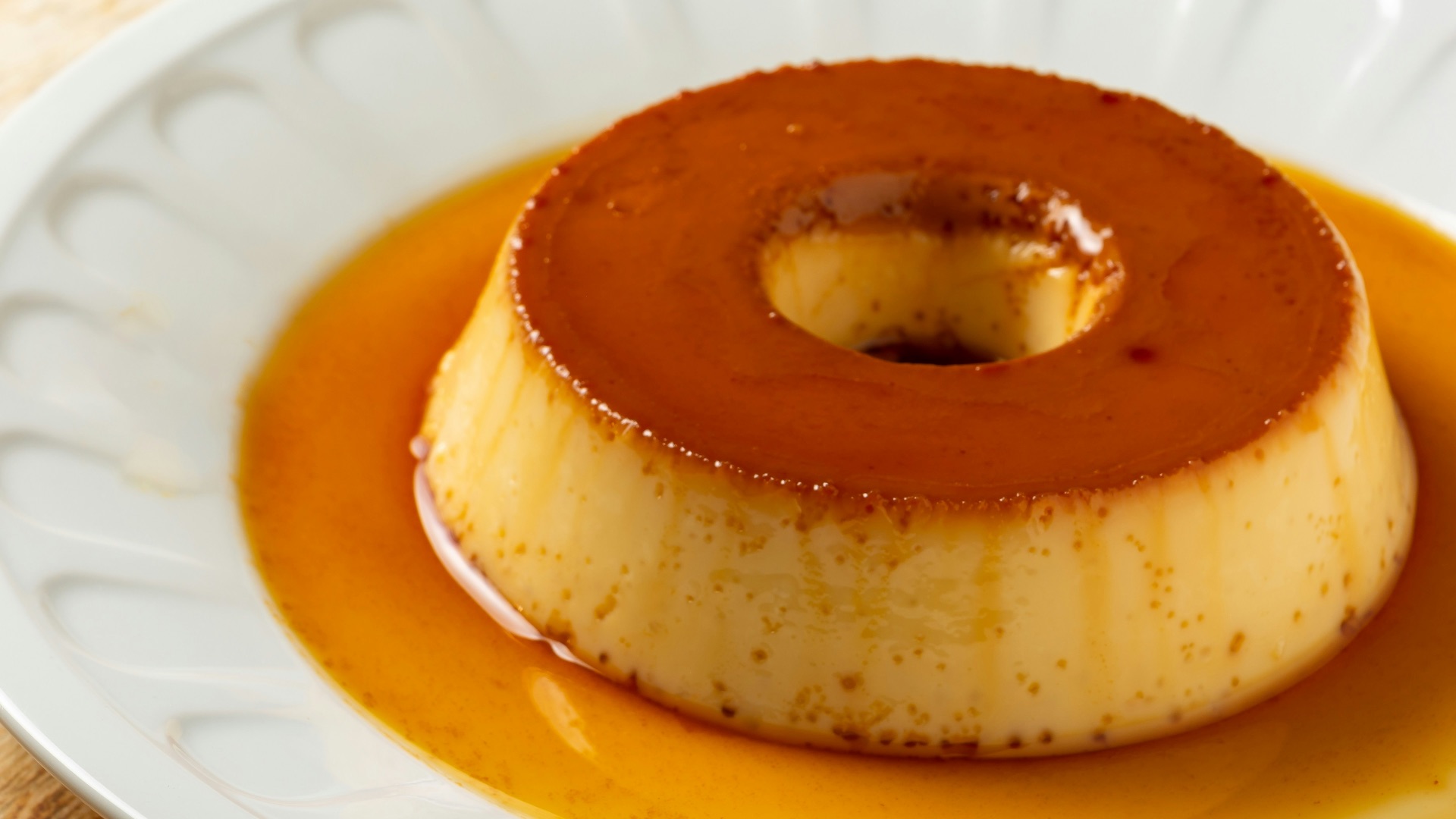
Pudding is easy to swallow and comes in enough flavors to keep things from becoming monotonous. While it's usually thought of as dessert, versions made with milk can also contribute some protein and calcium. If you're relying heavily on soft foods, consider pudding an occasional addition rather than the main source of your daily nutrition.
7. Creamy Soups
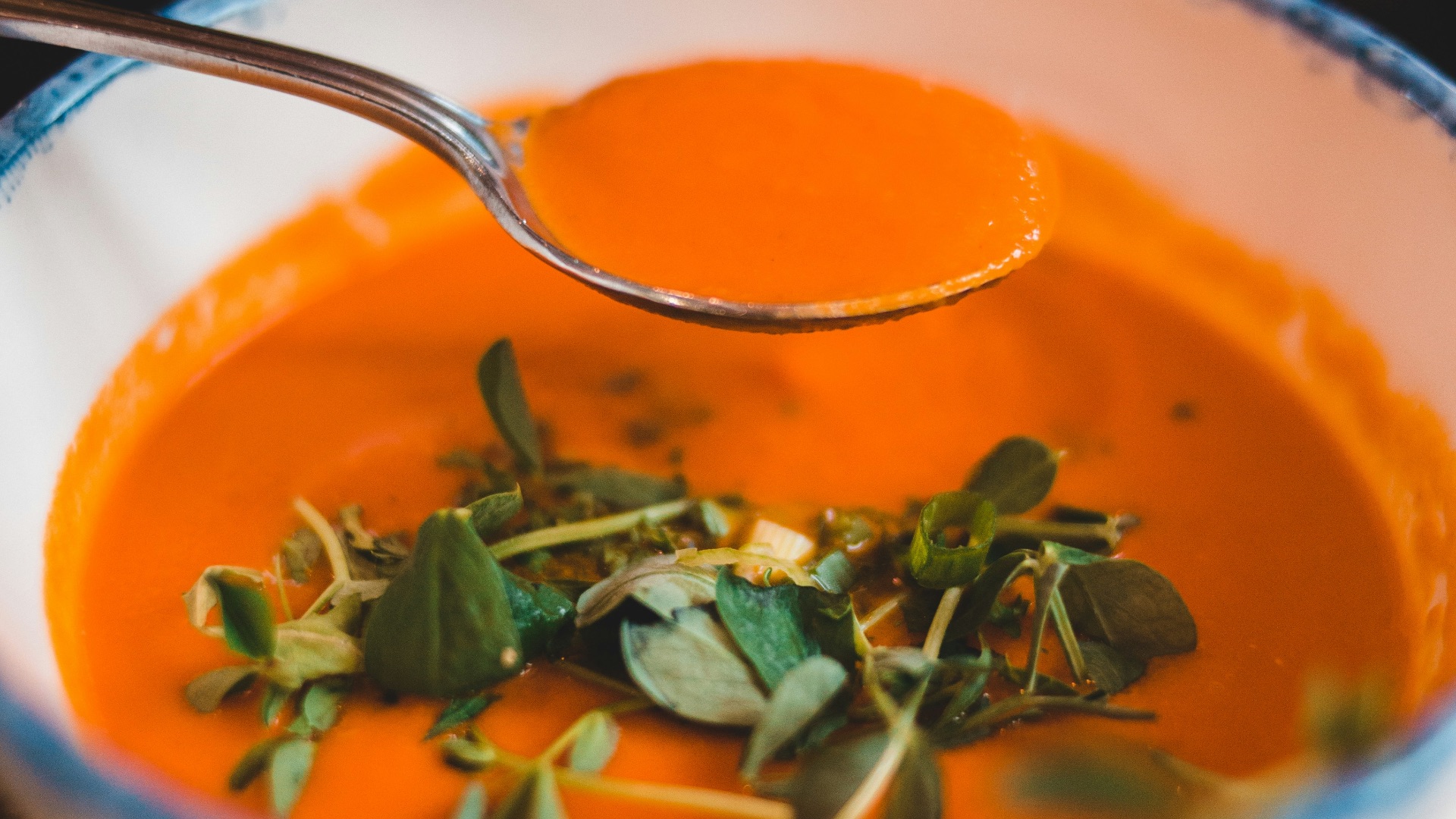
Smooth soups are an easy way to eat vegetables, beans, or other nutritious ingredients without having to chew them first. Tomato, butternut squash, potato, carrot, and pureed lentil soups can all work particularly well. Make sure any vegetables, meat, noodles, or garnishes have been completely blended if you need a truly no-chew consistency.
8. Cottage Cheese
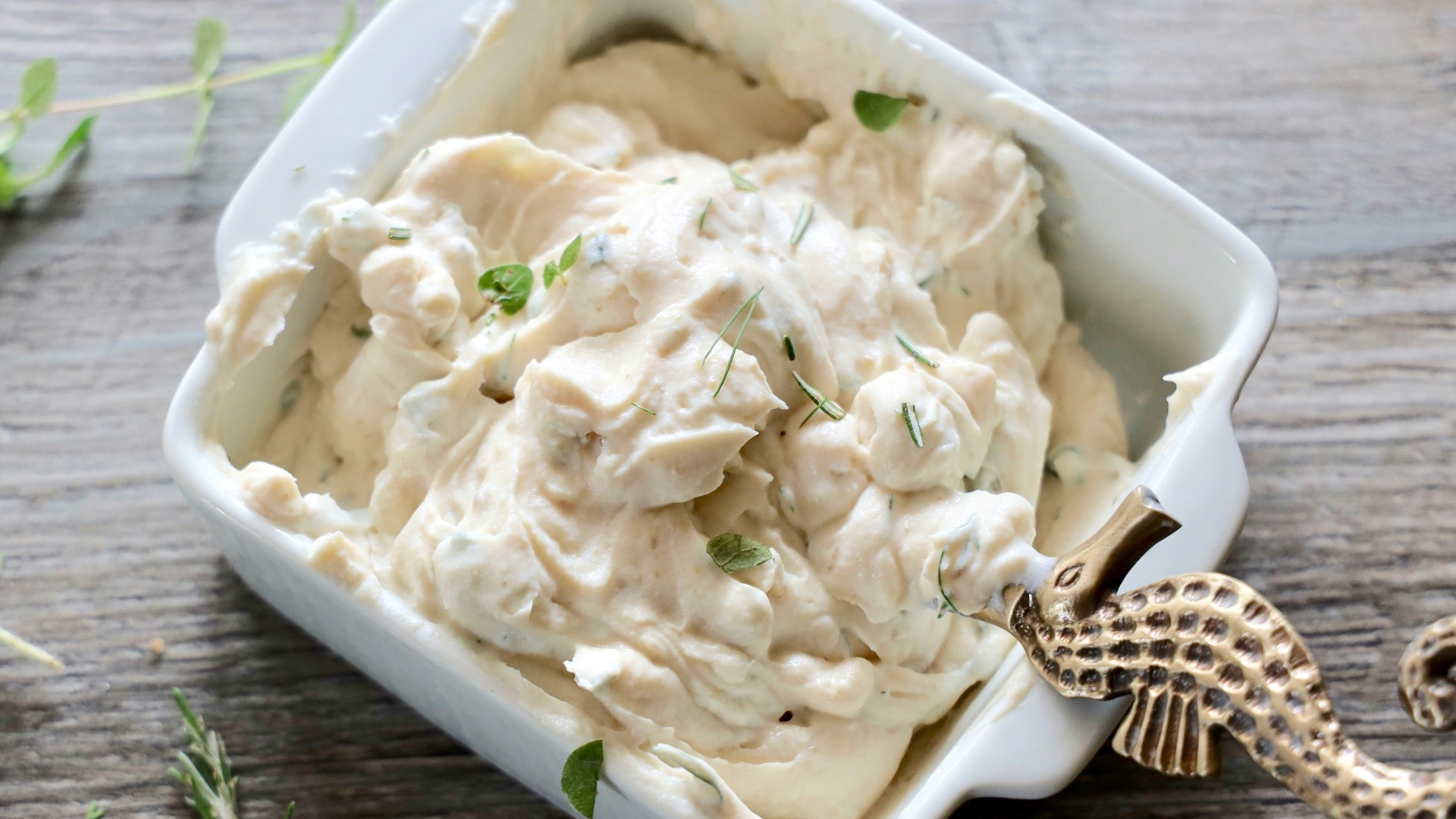
Cottage cheese is naturally soft and provides a convenient source of protein, but its curds may not suit everyone who needs to avoid chewing completely. Blending it for a few seconds turns it into a much smoother, creamier food. You can eat it on its own or combine it with pureed fruit for additional flavor.
9. Oatmeal
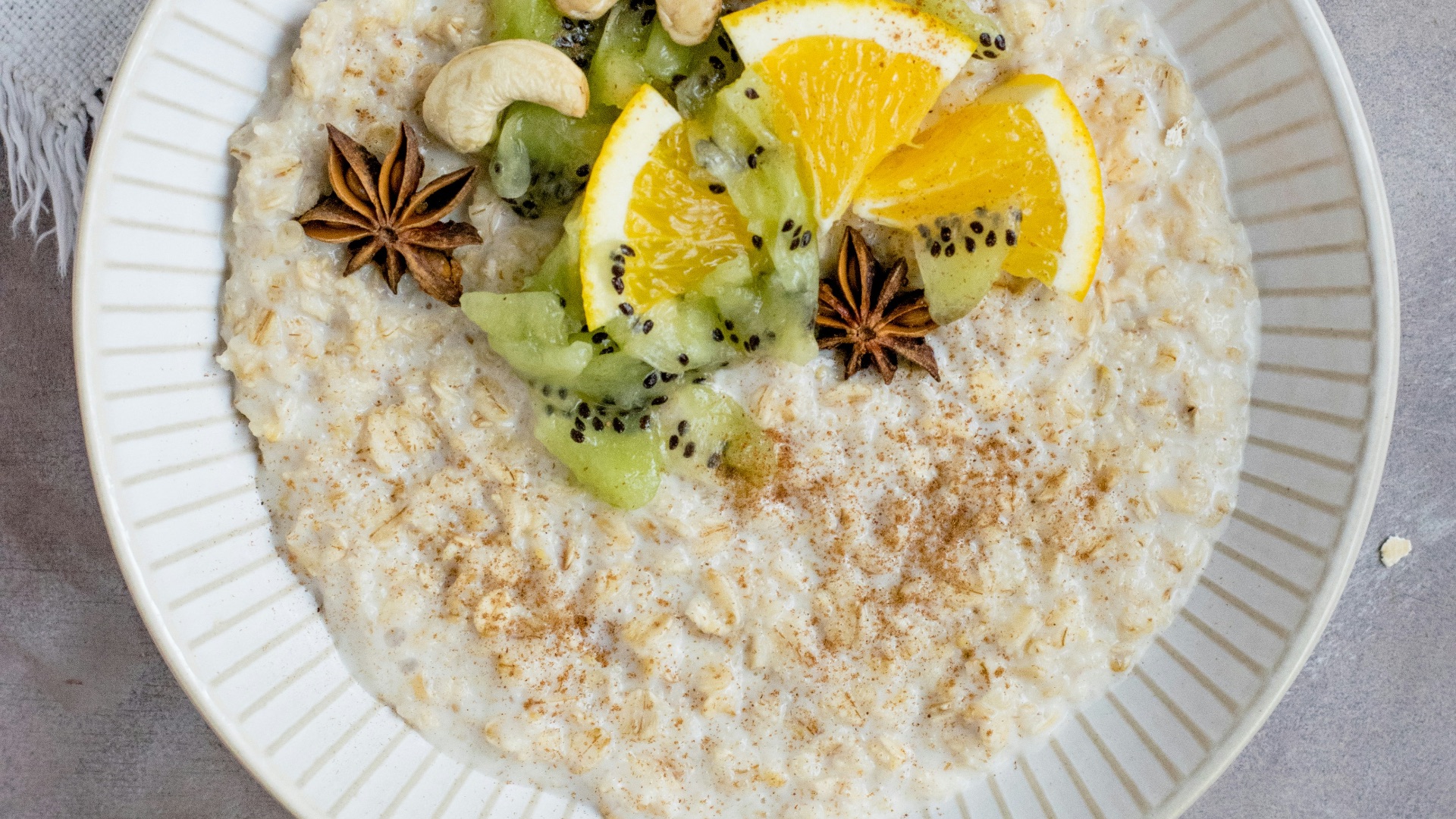
Oatmeal becomes extremely soft when it's cooked with enough liquid, making it a comforting option for breakfast or a light meal. Cooking it longer than usual can help break down the oats further if even minimal chewing is uncomfortable. Stirring in mashed banana, yogurt, or smooth nut butter adds both flavor and additional nutrients without introducing crunchy pieces.
10. Avocado
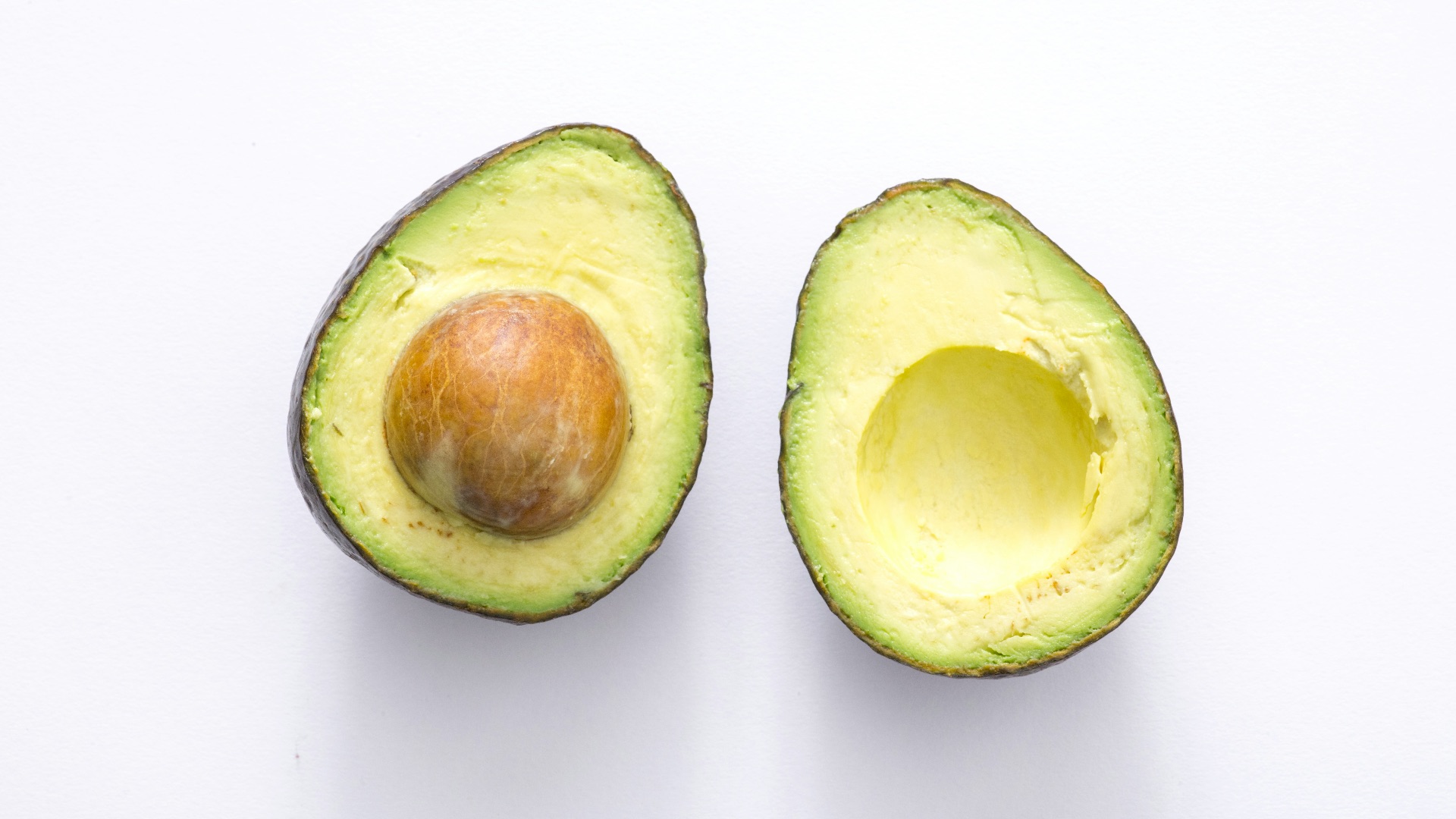
A ripe avocado is soft enough to mash into an almost completely creamy consistency. It's particularly useful when you want to add calories and unsaturated fats without increasing the volume of food you're eating very much. Mash it thoroughly with a fork, or blend it if you need to eliminate every remaining piece.
11. Hummus
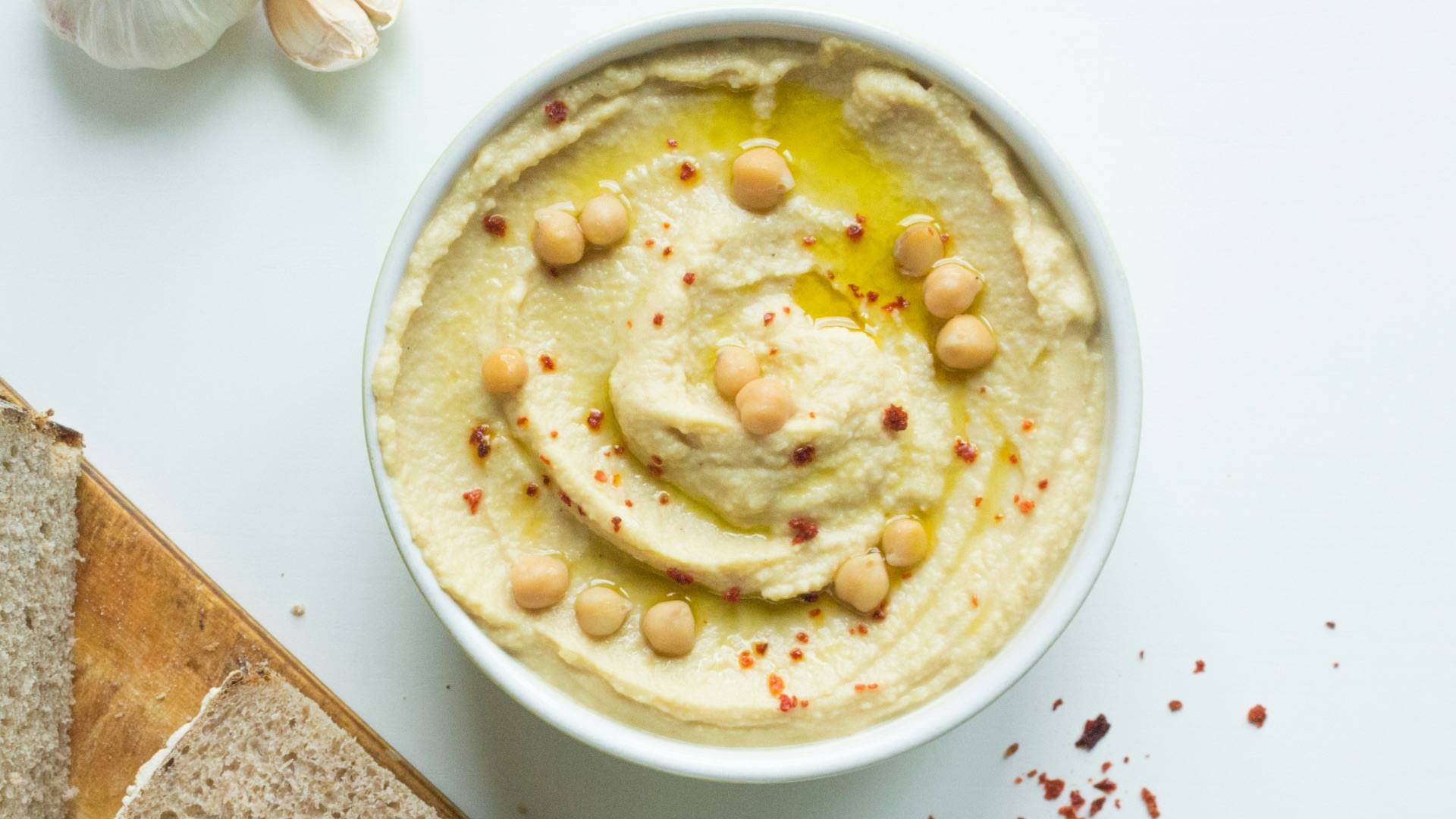
Hummus is already blended smooth, so you don't have to do much preparation before eating it. Made primarily from chickpeas and tahini, it provides a combination of plant-based protein, carbohydrates, and fat. Instead of pairing it with chips or raw vegetables, which require plenty of chewing, you can eat it by the spoonful or incorporate it into another soft dish.
12. Custard
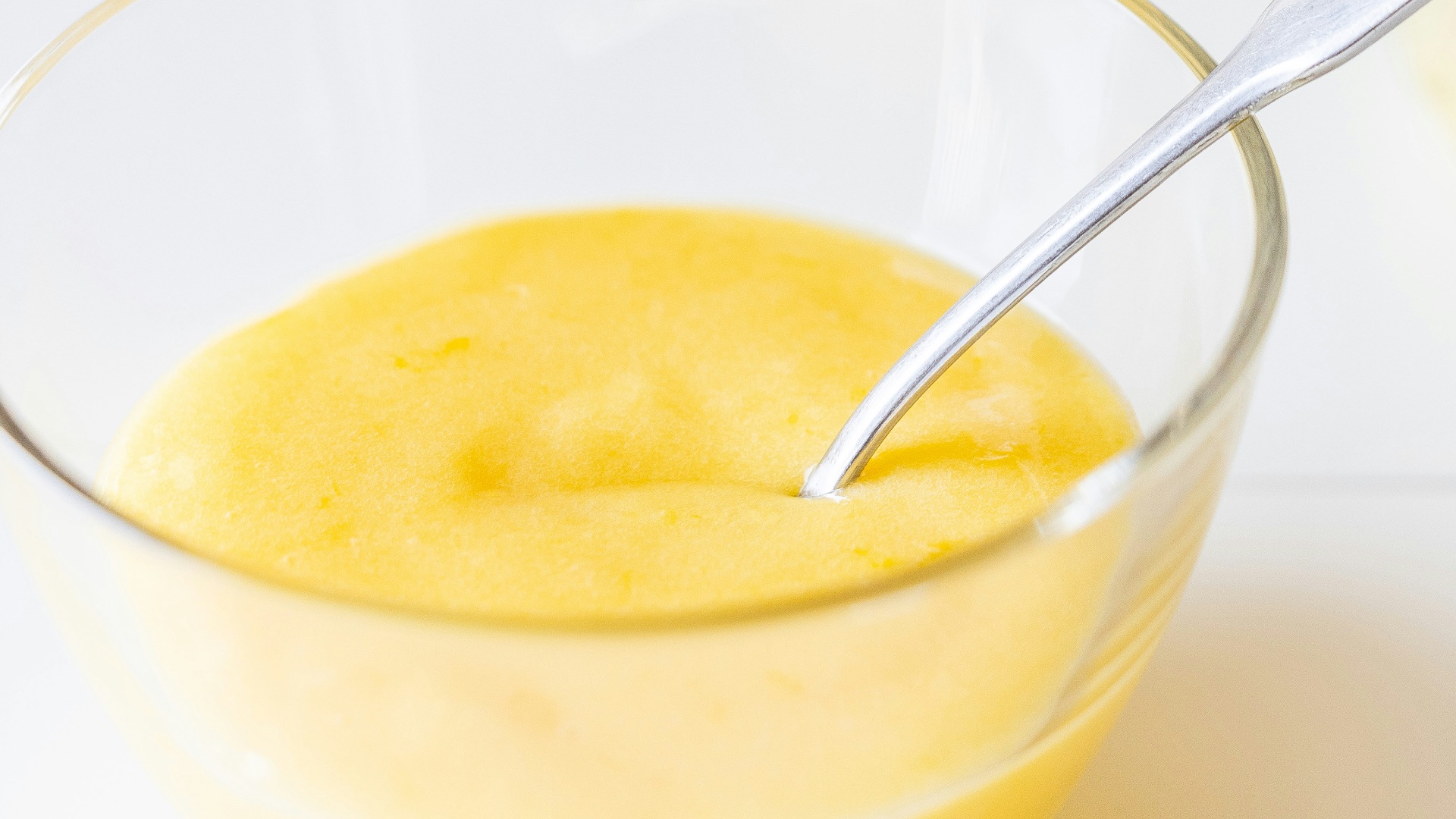
Custard has a silky consistency that makes it particularly easy to eat when your teeth or jaw need a break. Because traditional custard is made with eggs and milk, it can provide some protein along with its sweetness. Avoid versions topped with nuts, brittle caramel, cookie pieces, or other hard ingredients.
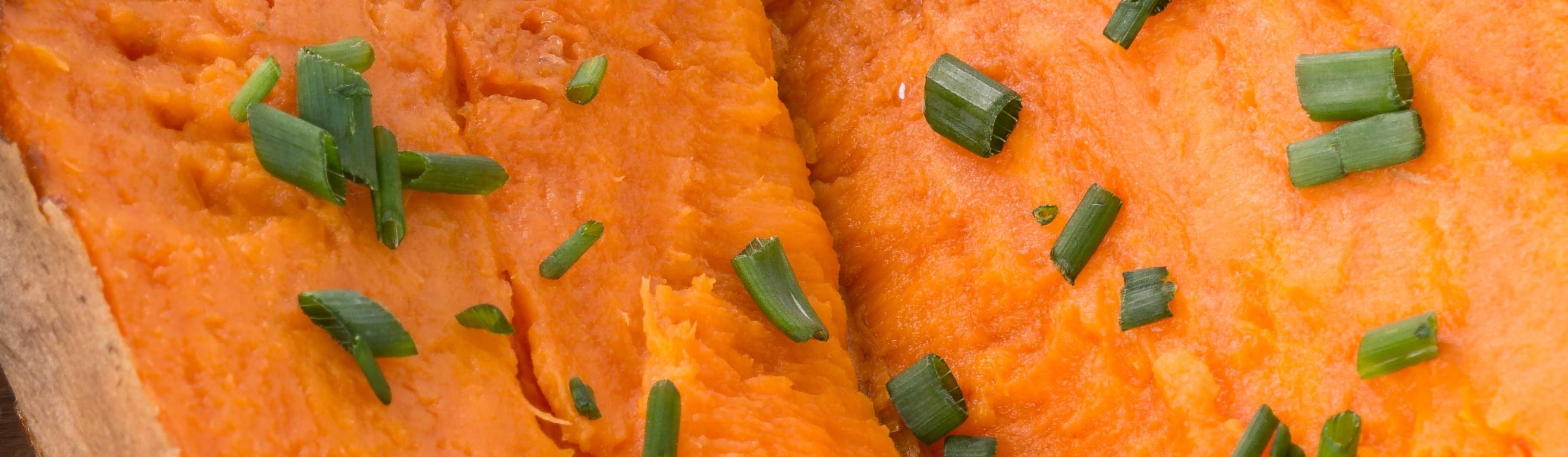
13. Pureed Sweet Potatoes
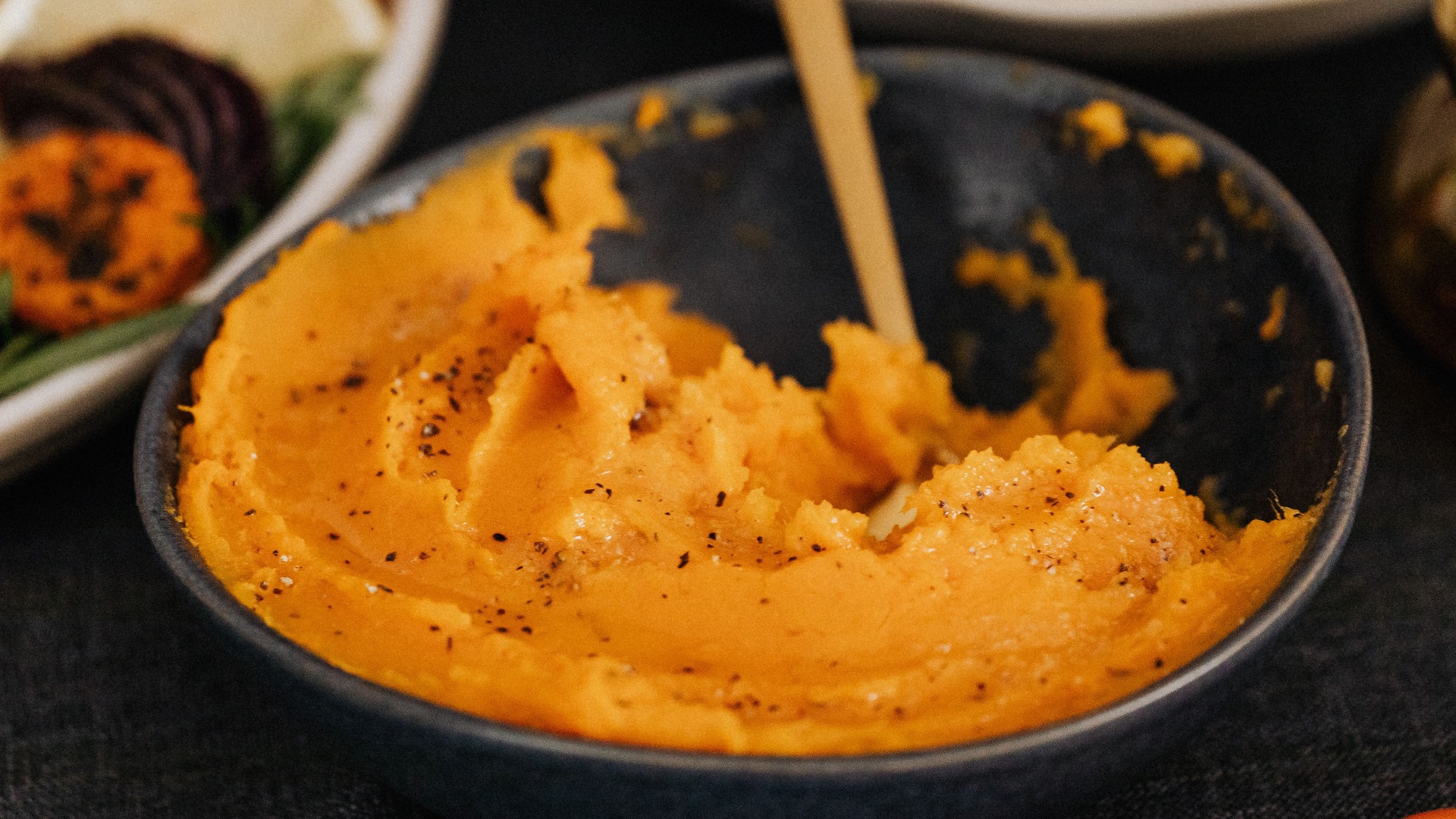
Sweet potatoes become exceptionally tender once they're fully cooked and can easily be mashed or blended until smooth. Their naturally sweet flavor means they don't need much seasoning to taste satisfying, although butter, cinnamon, or a little milk can be added if you like. They also provide nutrients such as beta-carotene while giving you a more substantial alternative to dessert-style soft foods.
 https://kaboompics.com/ on Pexels
14. Smooth Nut Butter
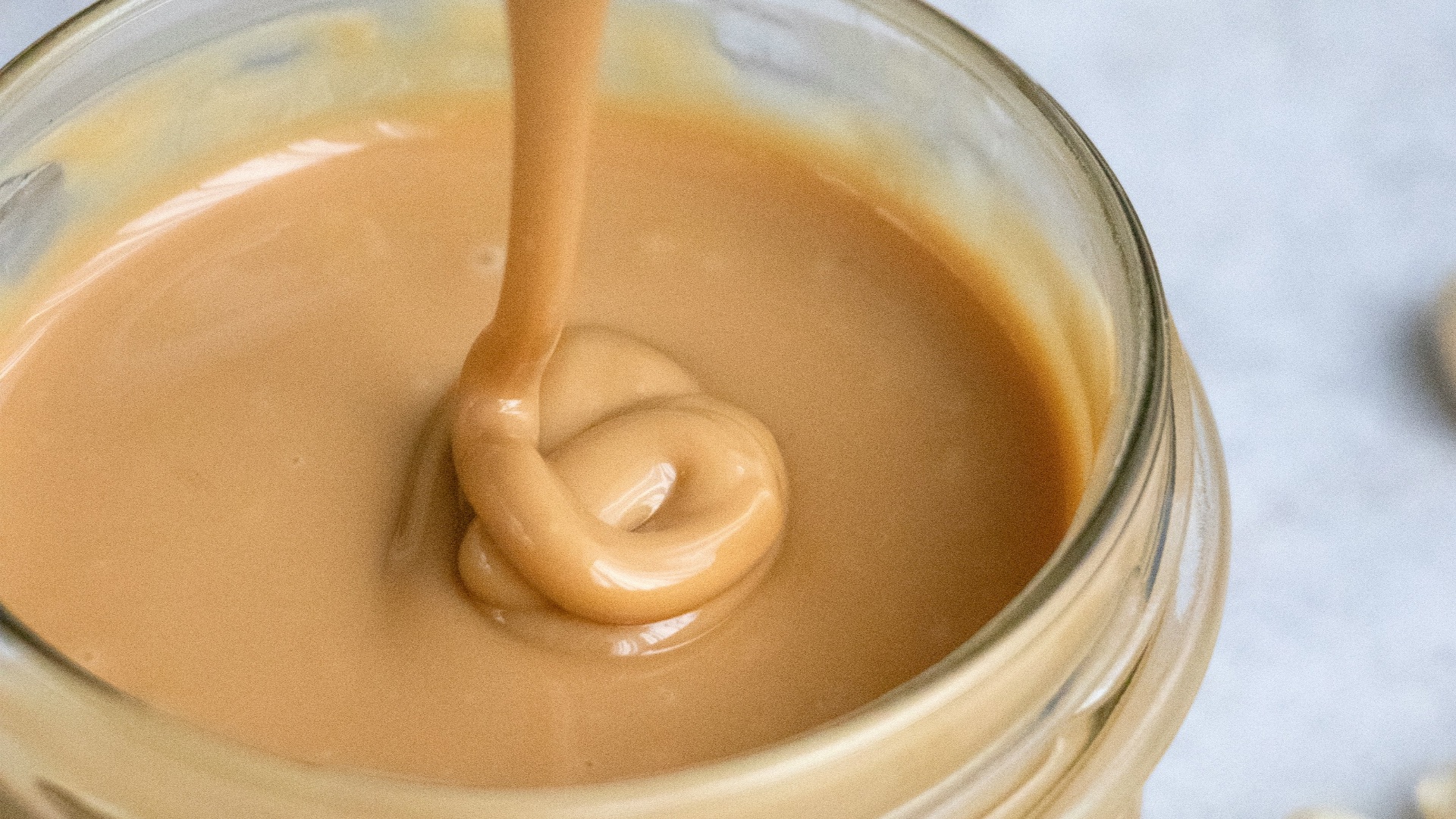
Peanut, almond, and other nut butters can add protein, fat, and calories to meals without requiring you to chew whole nuts. Since nut butter can be thick and sticky on its own, it may be easier to stir it into oatmeal, yogurt, smoothies, or another softer food. Choose creamy varieties rather than crunchy ones so you don't unexpectedly encounter pieces of nuts.
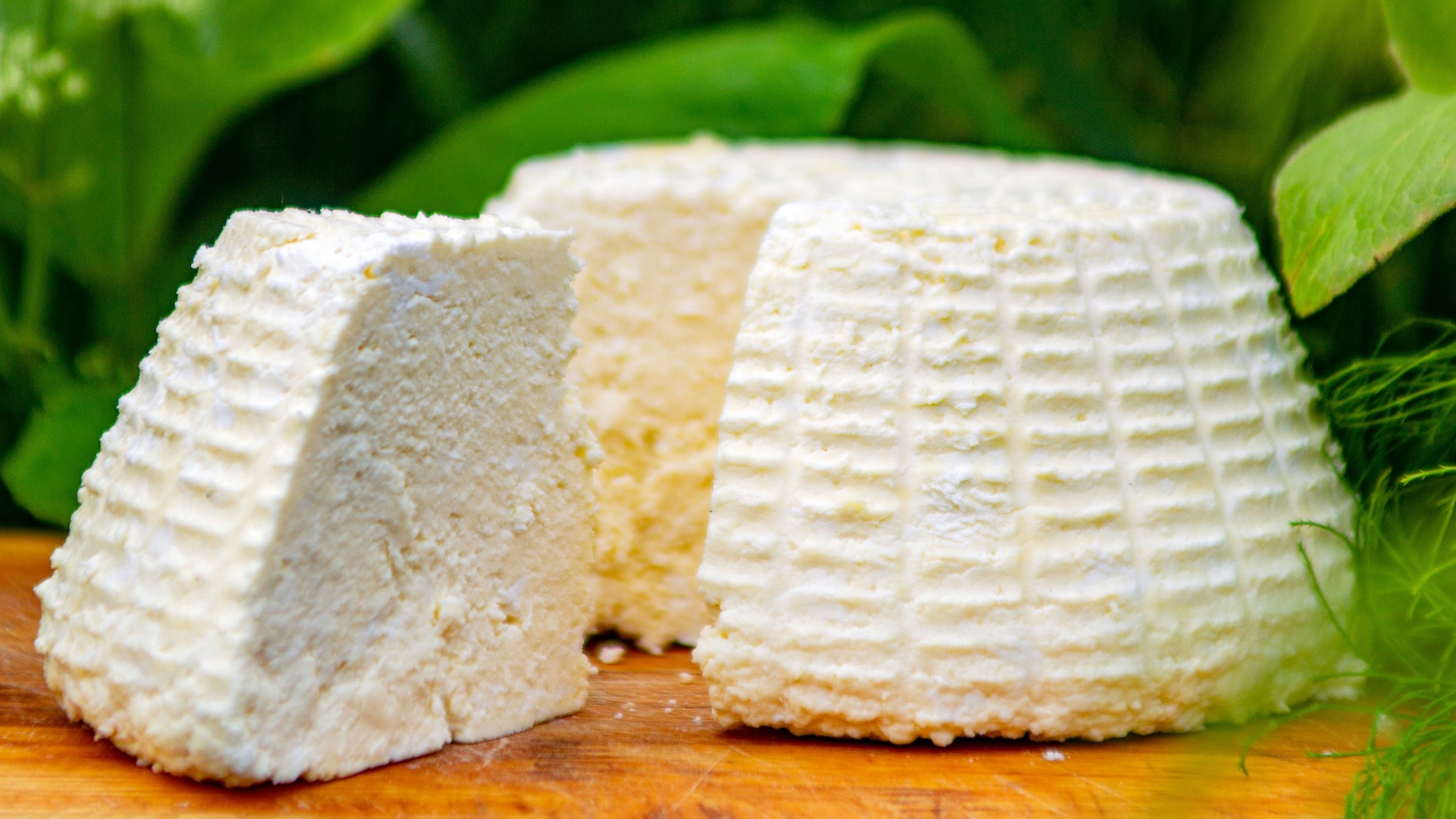
15. Ricotta Cheese
Ricotta has a mild flavor and delicate texture that works well in both sweet and savory dishes. You can eat it plain, blend it with soft fruit, or season it with herbs for something less sweet. If the natural graininess bothers you, blending the ricotta briefly can produce a noticeably smoother texture.
 Aleksey Melkomukov on Unsplash
16. Pureed Beans
Beans don't have to be eaten whole to retain their protein, fiber, and other nutrients. Black beans, white beans, chickpeas, and pinto beans can all be cooked until tender and blended with broth or water into a smooth puree. Seasoning them with mild spices, herbs, or a little cheese can help make them feel more like a complete savory meal.
17. Cream of Wheat
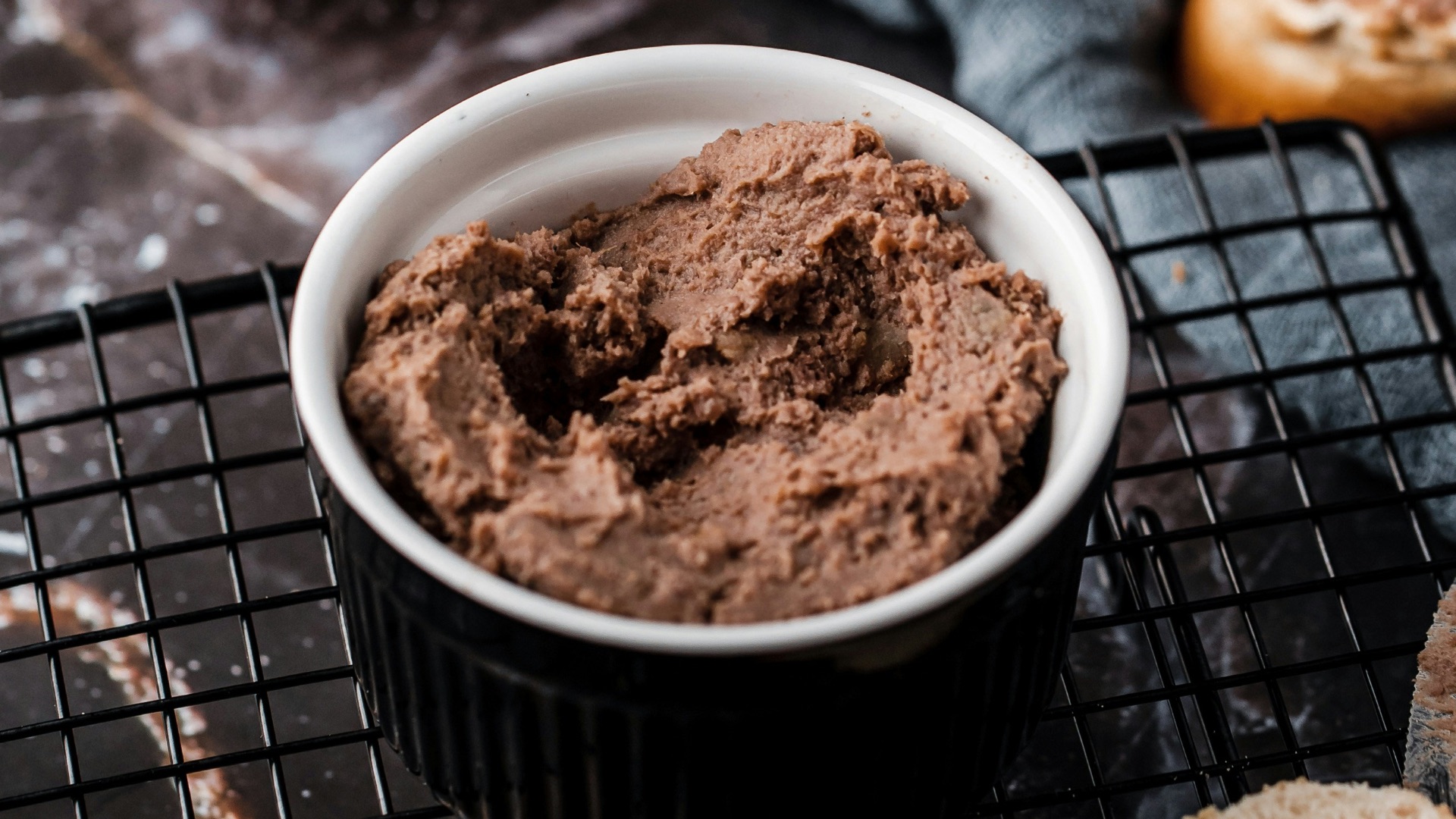
Cream of Wheat and similar hot cereals cook into a smooth consistency that requires virtually no chewing. The neutral flavor also makes it easy to customize with milk, cinnamon, honey, pureed fruit, or other soft additions. Adjust the amount of liquid until the cereal reaches a consistency that's comfortable for you to eat.
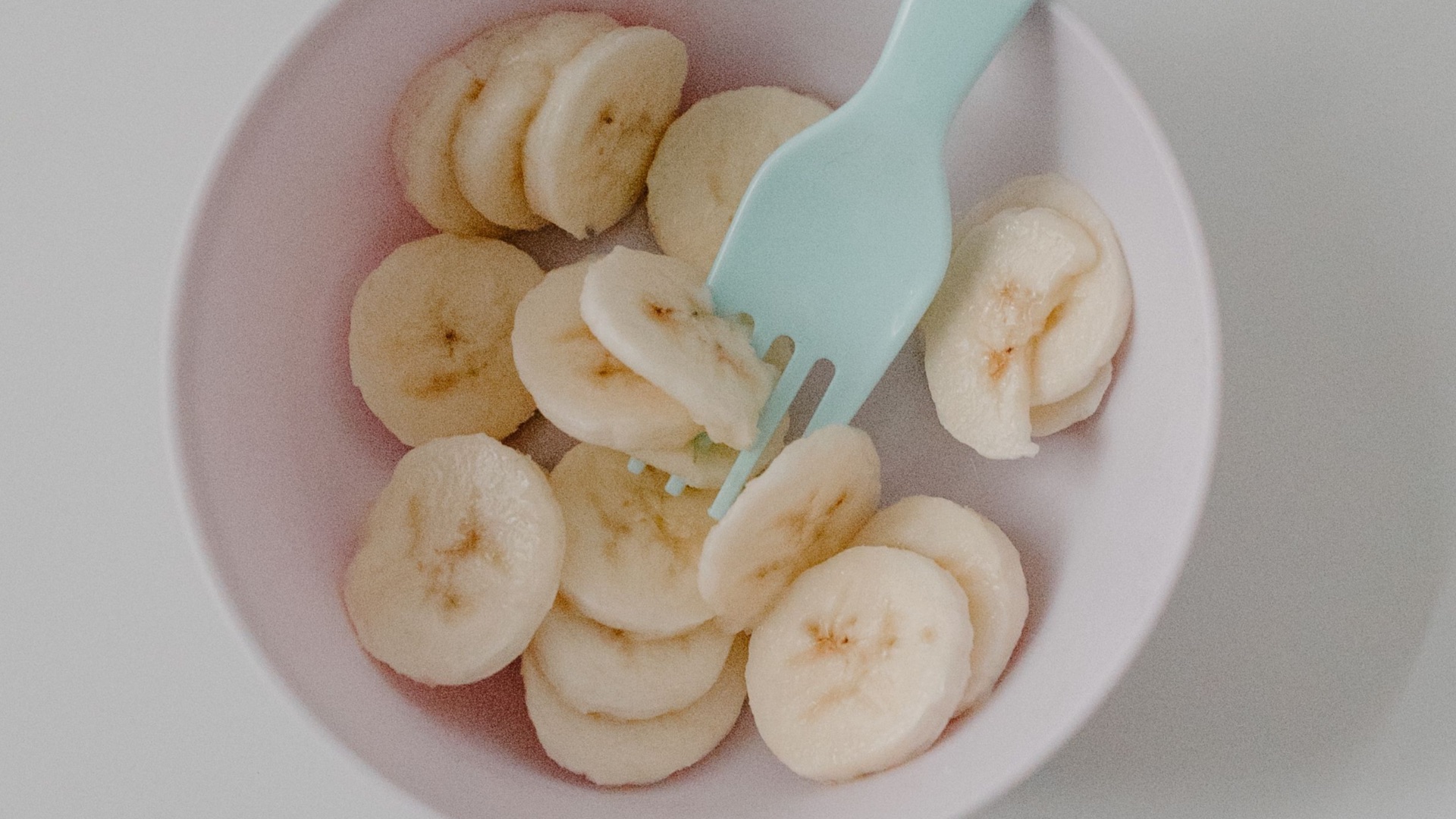
18. Mashed Banana
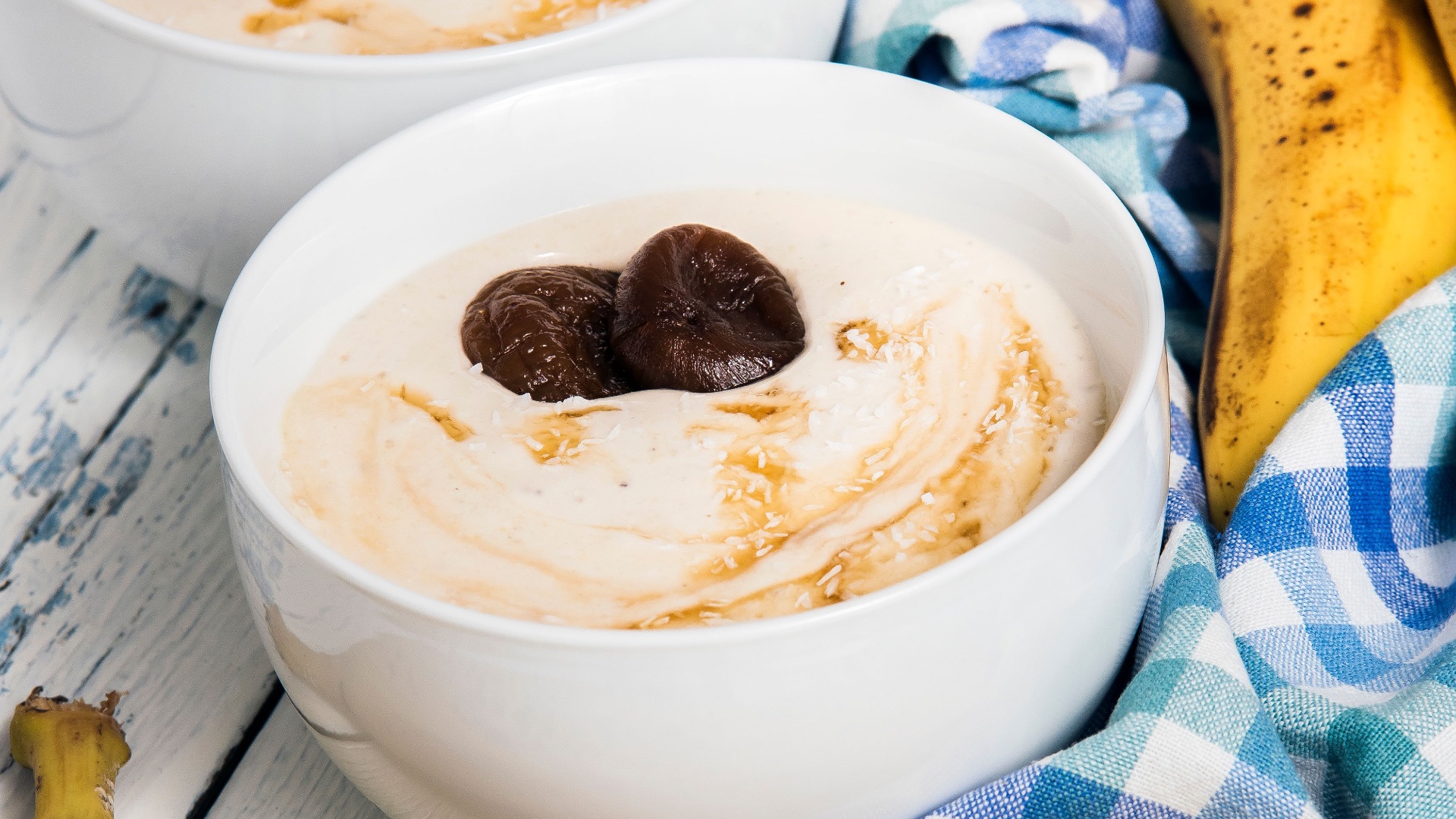
A very ripe banana can be mashed until it's soft enough to eat without chewing. It's convenient on its own, but it can also be stirred into yogurt, oatmeal, pudding, or smoothies when you want a little natural sweetness. Choosing bananas with plenty of brown spotting generally gives you a softer texture than you'd get from firmer, less-ripe fruit.
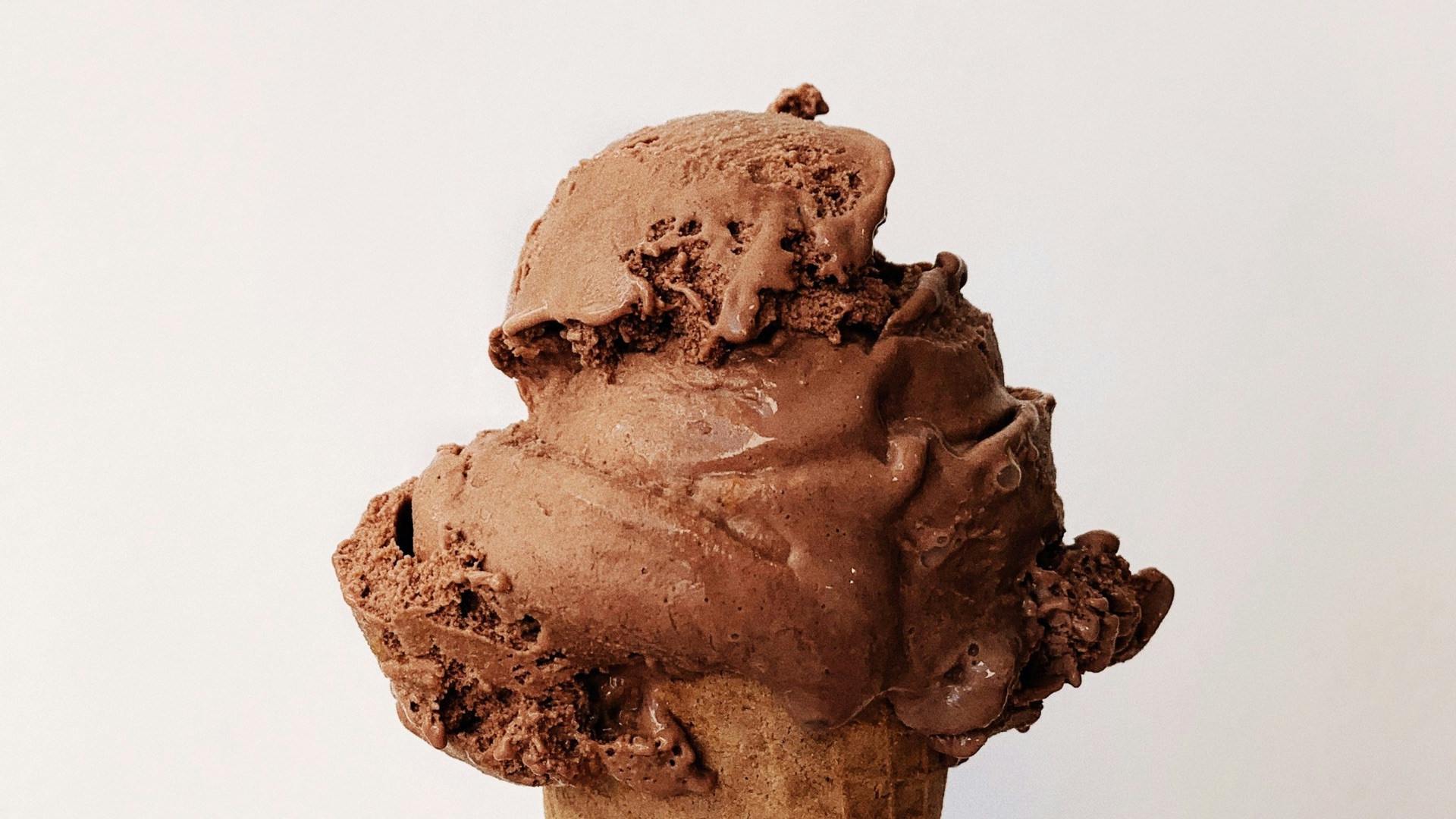
19. Ice Cream
Ice cream requires no chewing once it's allowed to soften slightly, which can make it an appealing treat when your mouth is sore. Cold foods may also feel soothing for some people after certain dental procedures, although you should follow any specific instructions given by your dentist. Stick with smooth flavors and skip varieties containing nuts, candy pieces, cookie chunks, or other solid additions.
20. Pureed Fruit
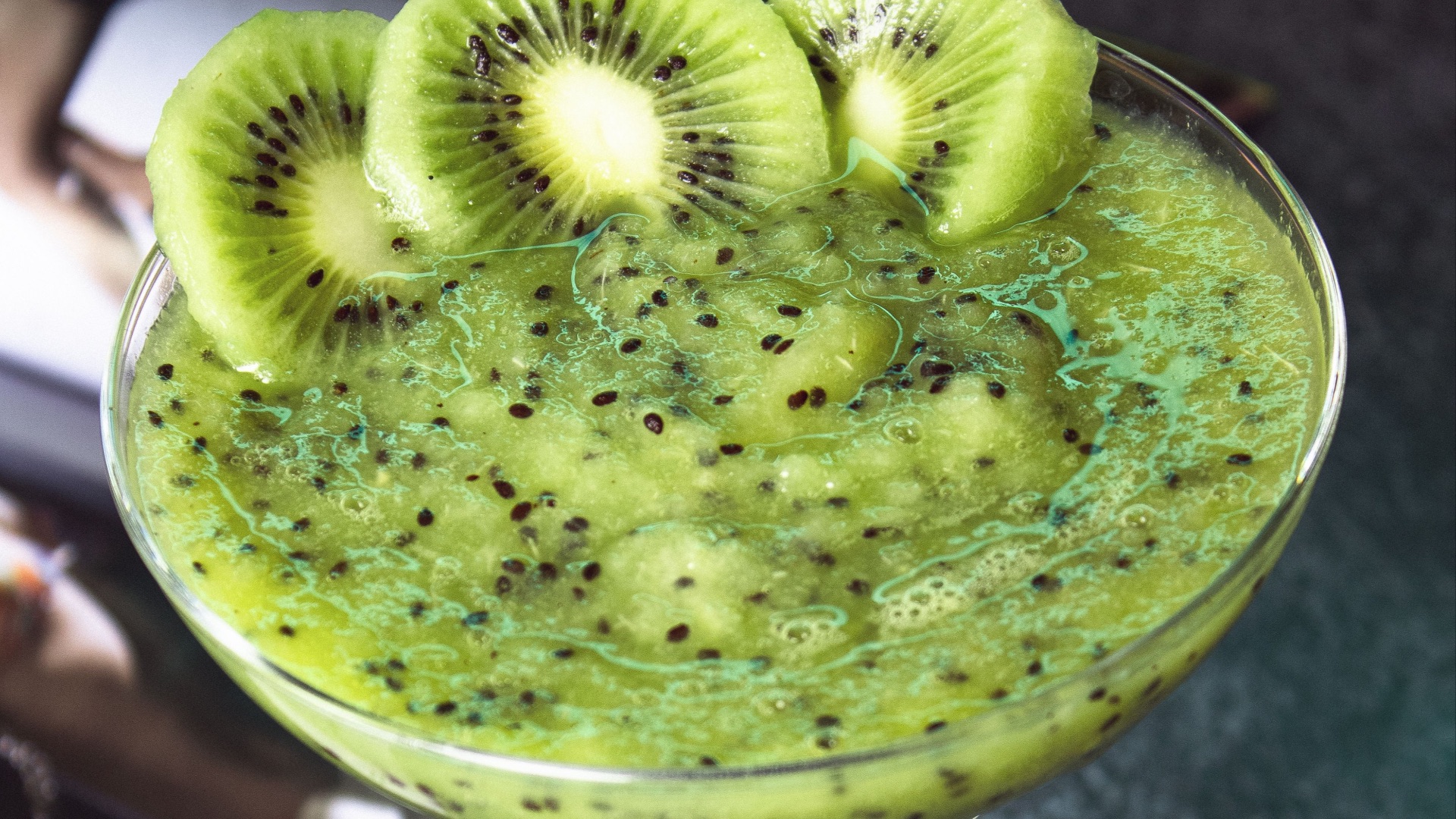
Many fruits can be blended into a completely smooth puree, giving you more variety than applesauce alone. Peaches, pears, mangoes, berries, and melons can all work, although seeds and fibrous skins may need to be strained out depending on the fruit and your needs. Using ripe or cooked fruit usually produces the softest result and allows you to enjoy different flavors without having to bite or chew.