The Everyday Stuff Most Of The World Doesn't Get
Living in the U.S. comes with a set of defaults so ordinary that most people never stop to notice them. A full glass of ice water at a restaurant barely registers, but it's the kind of thing that would count as a genuine perk almost anywhere else. Plenty of these habits started as convenience and turned into full-blown expectations, backed by decades of retail competition that raised the baseline for what normal service even means. Some of it comes down to cheap land and cheap gas, and some of it comes down to just how much choice got built into everyday shopping. Here's 20 things that barely register here and would feel like a small luxury almost everywhere else.
1. Free Tap Water At Restaurants
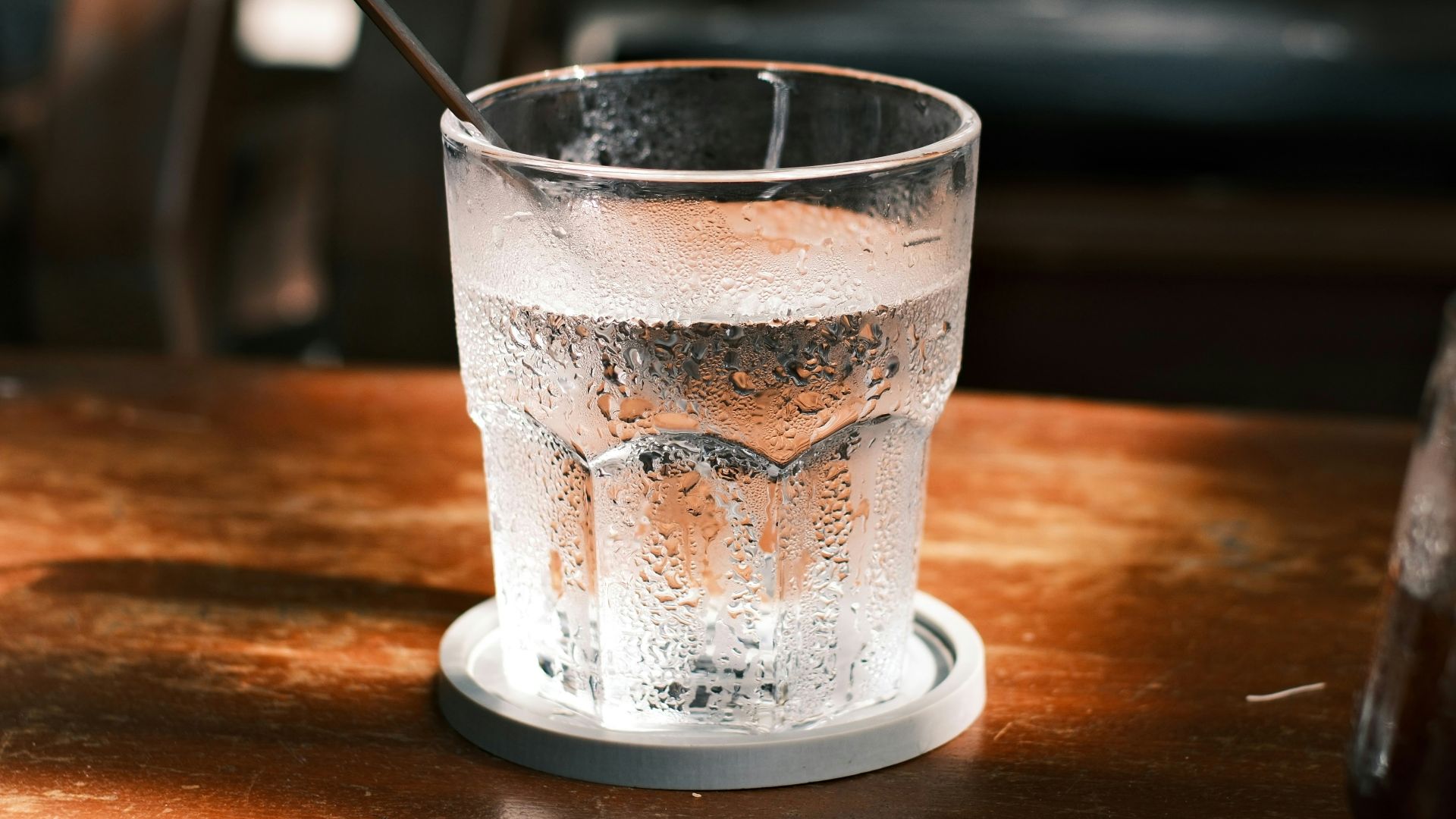
Sitting down and getting a full glass of water without paying a cent for it feels like nothing, but in a lot of countries that glass shows up on the bill or doesn't show up at all. Some restaurants abroad charge for tap water specifically to push people toward bottled options with a real markup. A pitcher on the table, refilled without being asked, is a small thing that doesn't travel well.
2. Free Soda Refills
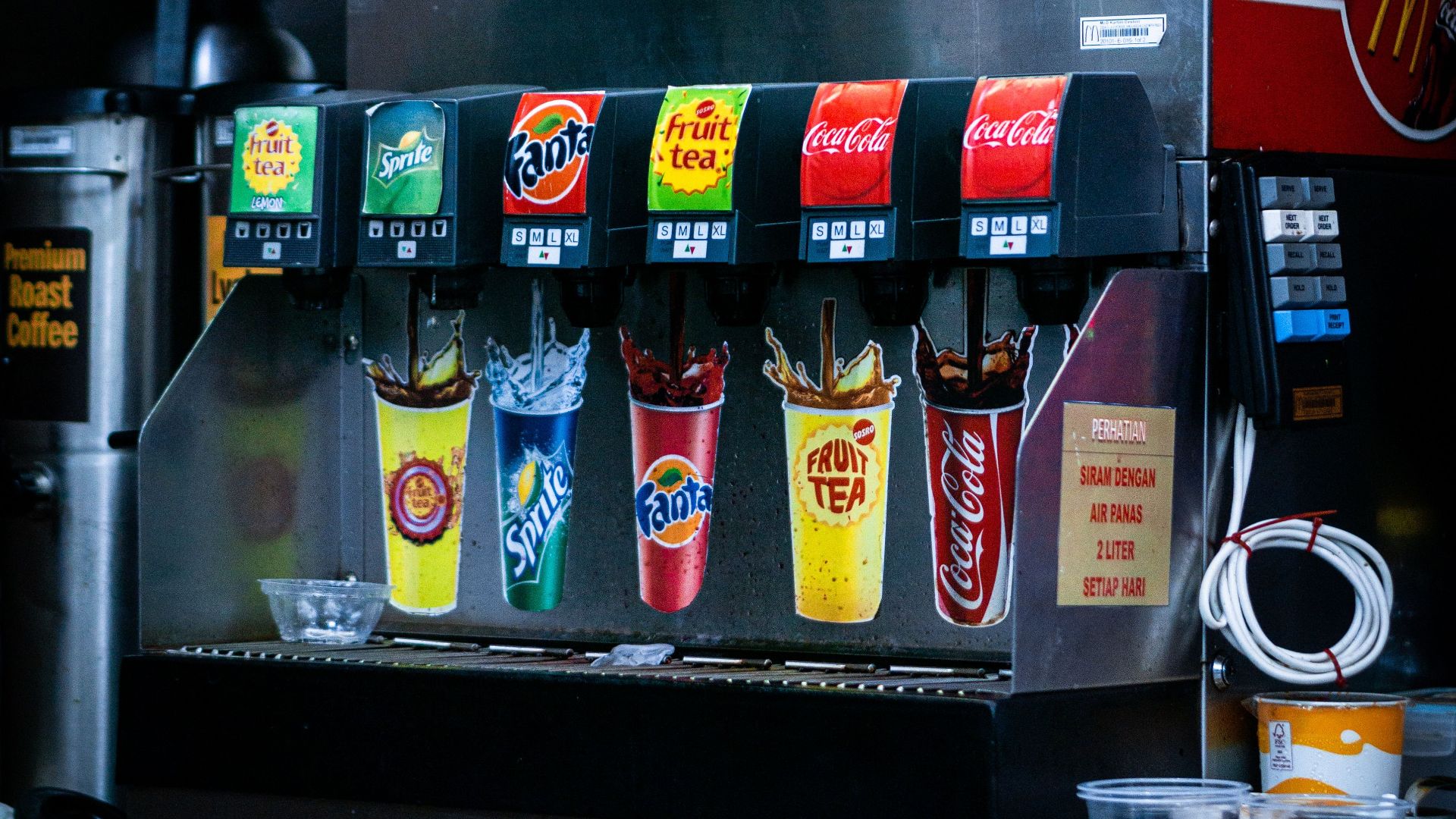
Ordering one soda and drinking three of them for the same price is standard at most American chain restaurants, and refills usually keep coming without a second thought from the server. In much of Europe and Asia, a second soda means a second charge, full price, no exceptions. The bottomless glass is really a marketing habit that stuck around long enough to feel like a right.
3. Ice In Nearly Every Drink
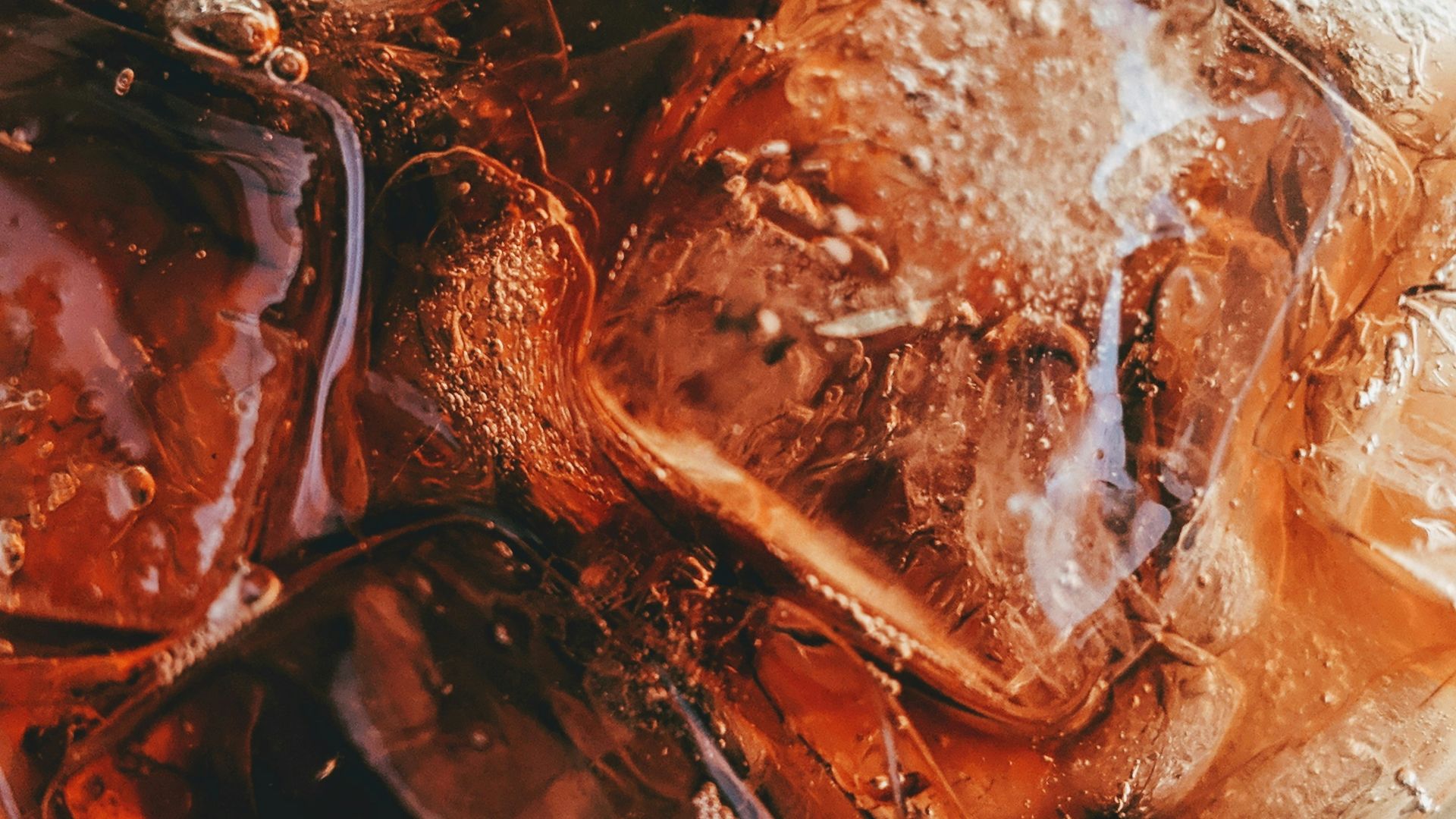
A glass loaded with ice before the drink even hits it is such a given in the U.S. that people notice its absence more than its presence. Plenty of countries serve drinks lukewarm or with a couple of cubes at most, treating a full glass of ice as wasteful rather than generous. What reads as basic hospitality here reads as excess almost everywhere else.
4. Air Conditioning As A Baseline Expectation
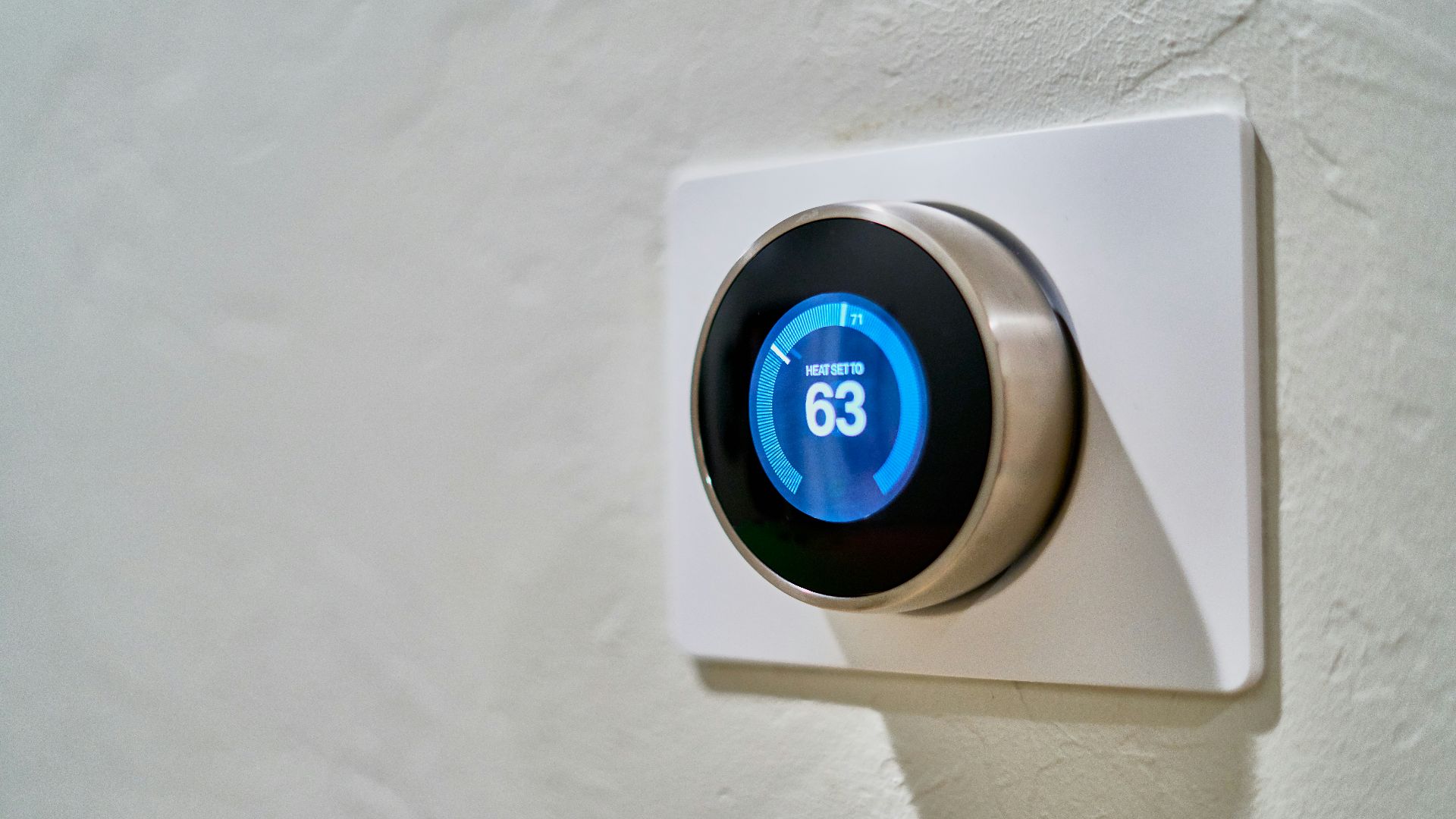
Homes, cars, offices, and even city buses run cool air as a matter of course across most of the country, especially in hot regions. In large parts of the world, air conditioning is still a purchase people save for, not something baked into a rental unit or a base-model car. Walking into a chilled room in July doesn't feel like a feature here, it feels like the floor.
5. Free Public Restrooms
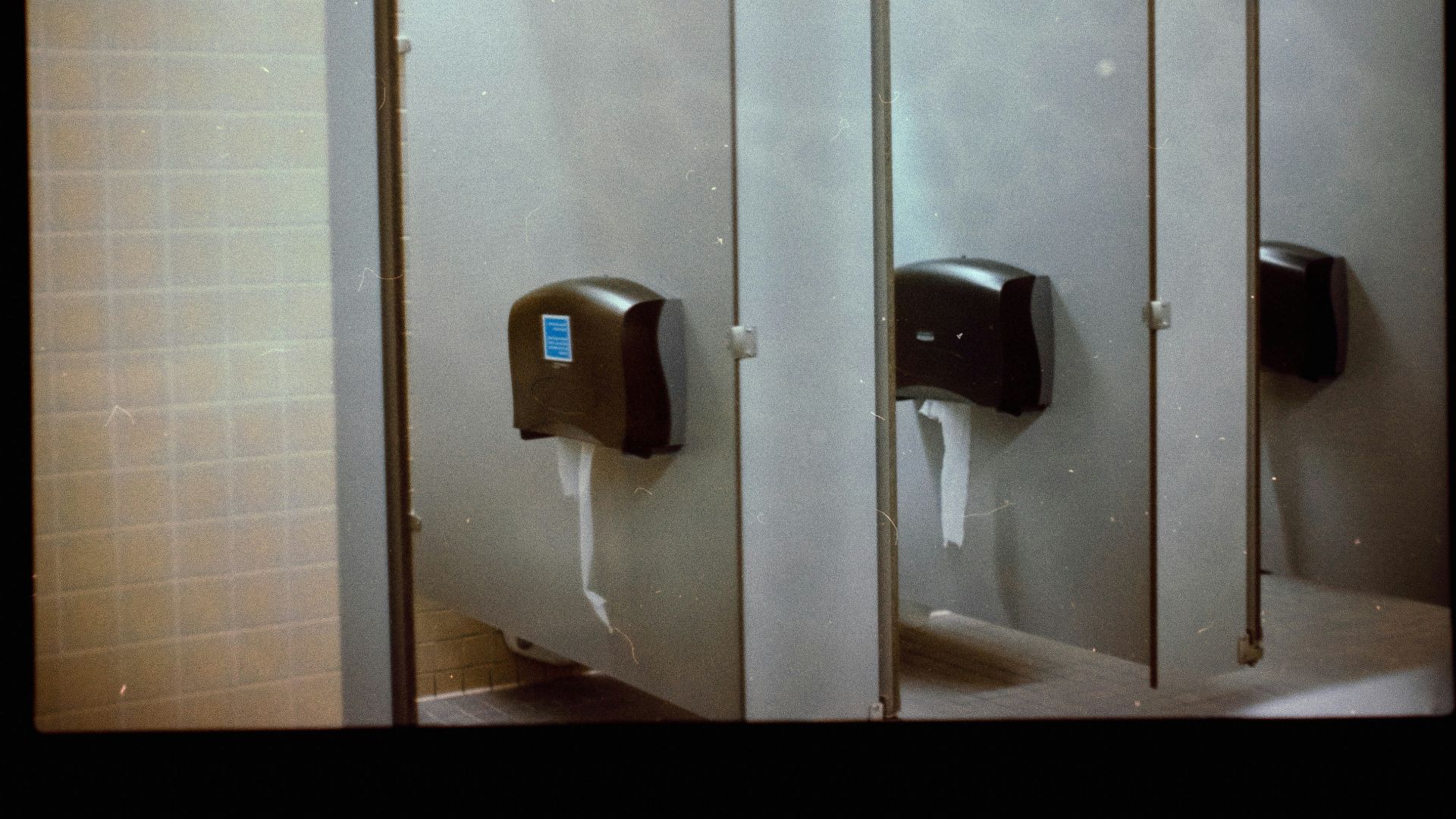
Stores, gas stations, pharmacies, and restaurants generally let people use the bathroom without paying, and most of those bathrooms come stocked with toilet paper and soap. In a lot of European cities, a public restroom means a coin slot, an attendant, or both. Free and stocked isn't a given outside the U.S., even in places with plenty of tourists passing through.
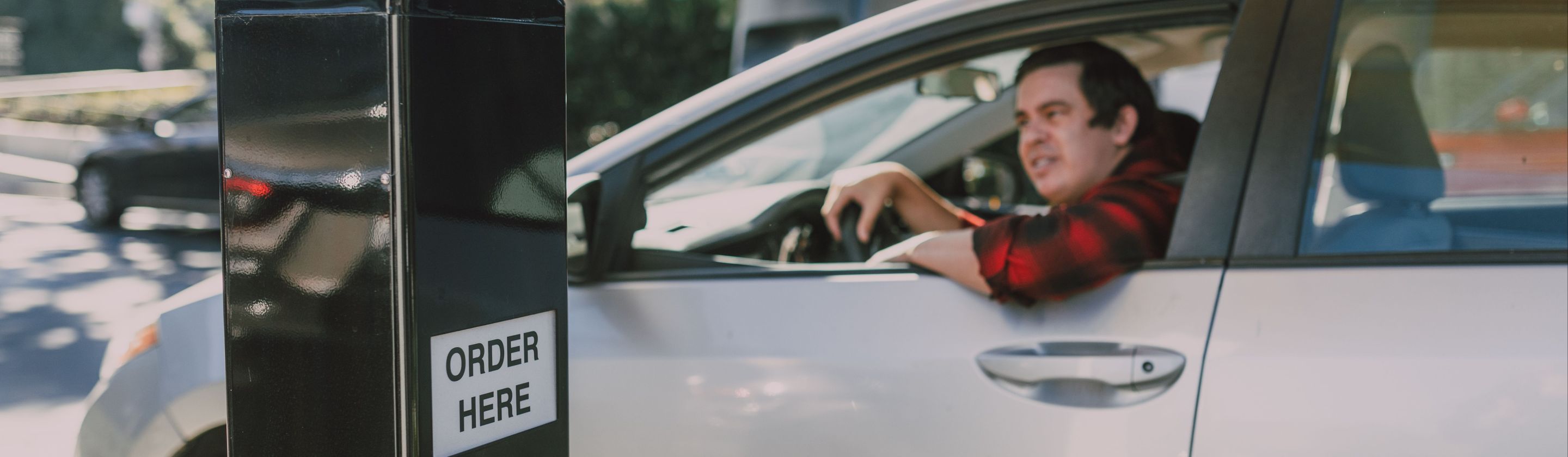
6. Drive-Thru For Almost Anything
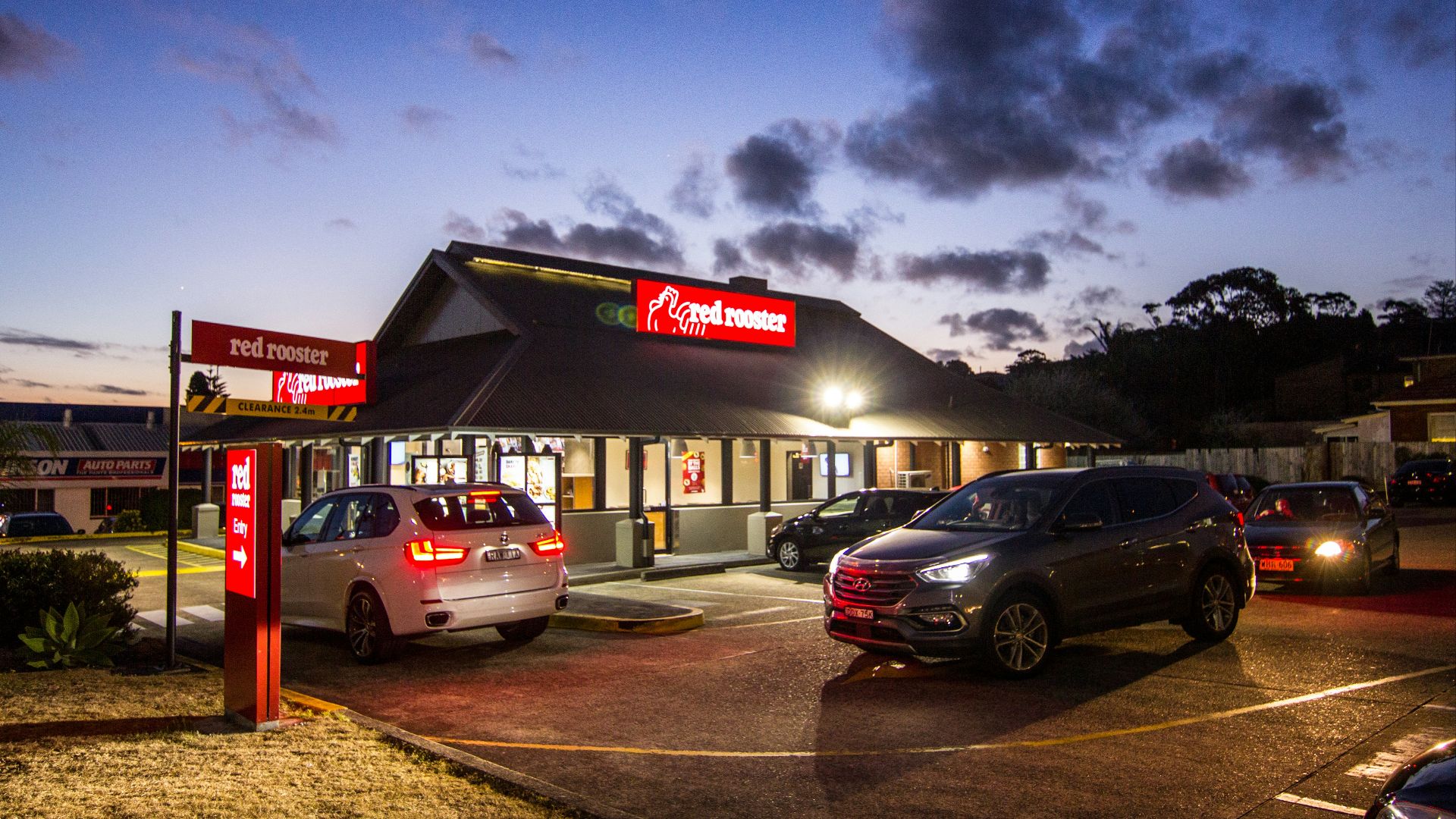
Coffee, fast food, pharmacies, even banks and Christmas tree lots run drive-thru windows built around the idea that getting out of the car is optional. That kind of convenience assumes a level of car ownership and road infrastructure a lot of countries simply weren't built around. Staying in the driver's seat for an entire errand is a very specific kind of normal.
7. Free Parking At Most Stores
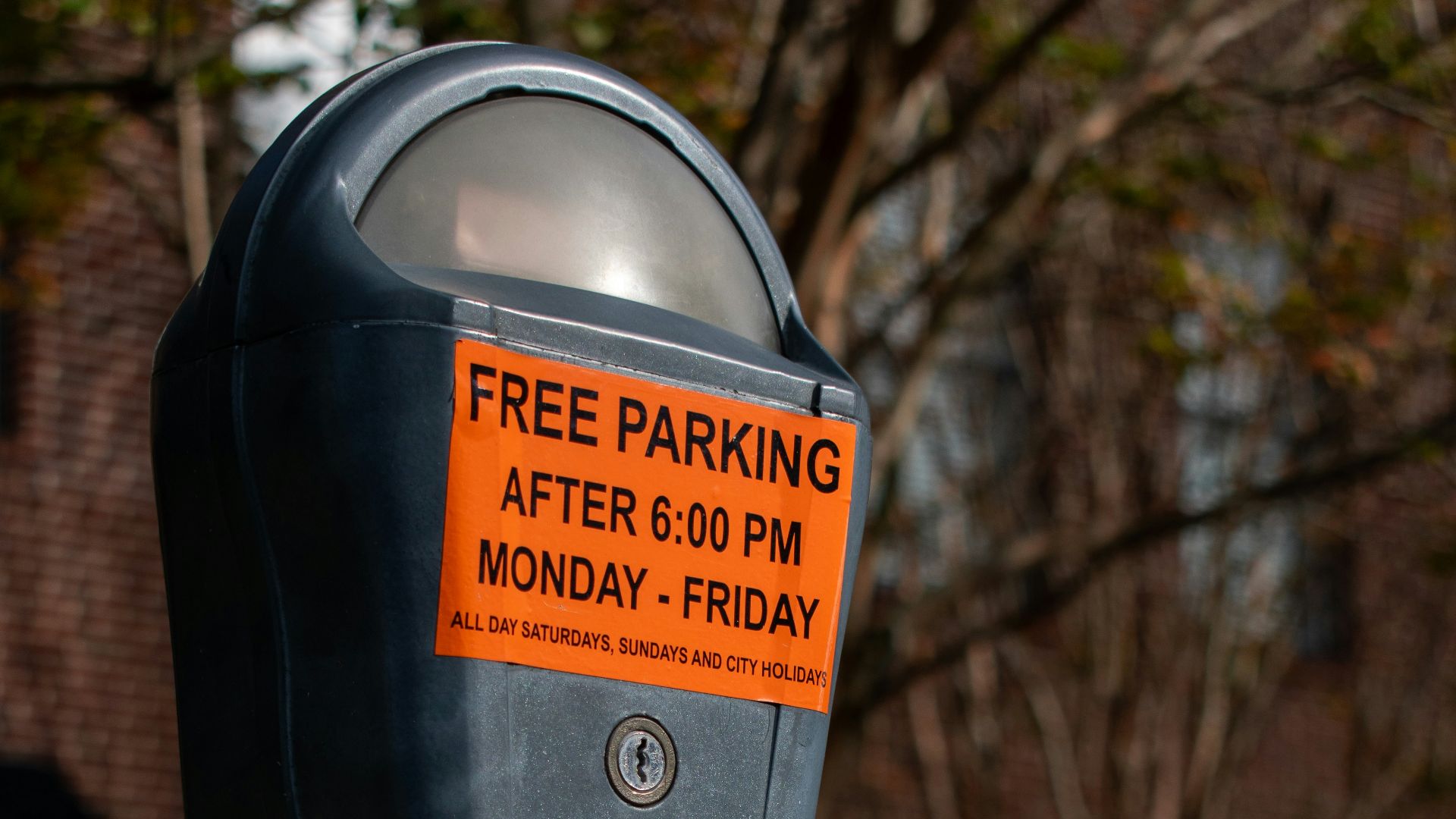
Pulling into a lot the size of several city blocks and parking for free is such a given at American stores that a paid lot feels like a rip-off. In cities across Europe and Asia, parking is often scarce, metered, or both, and a shopping trip factors that cost in from the start. Space is cheap enough here that giving it away for free barely registers as a perk.
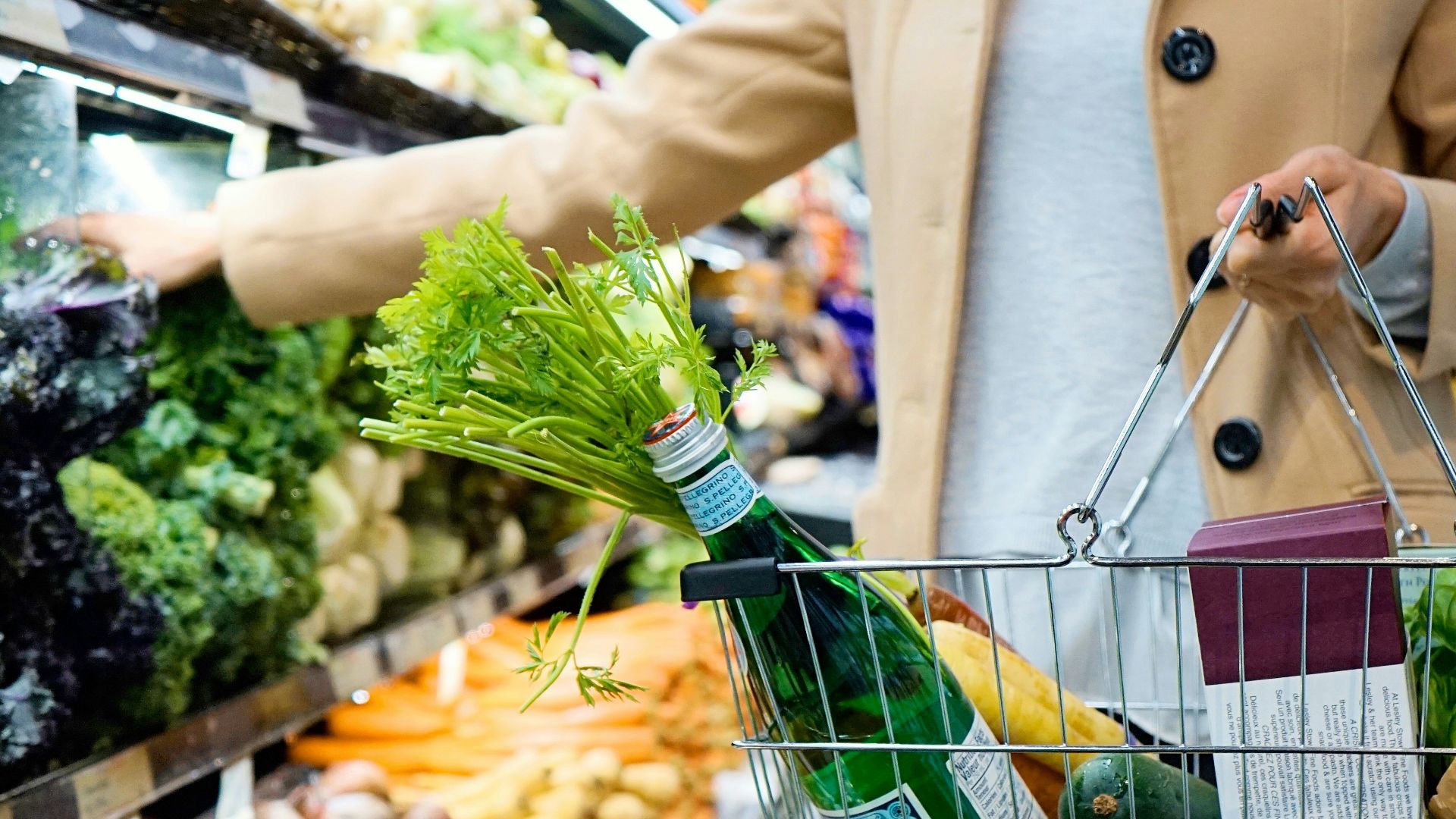
8. Huge, Late-Night Grocery Stores
A supermarket the size of an airport terminal, open until midnight or later, is unremarkable in most American suburbs. In plenty of other countries, grocery stores close early or shut down entirely on Sundays, and many don't carry the sheer volume of options packed onto a typical American shelf. Grabbing milk at 11 p.m. without planning ahead is a convenience a lot of the world doesn't have.
9. Free Samples While Shopping
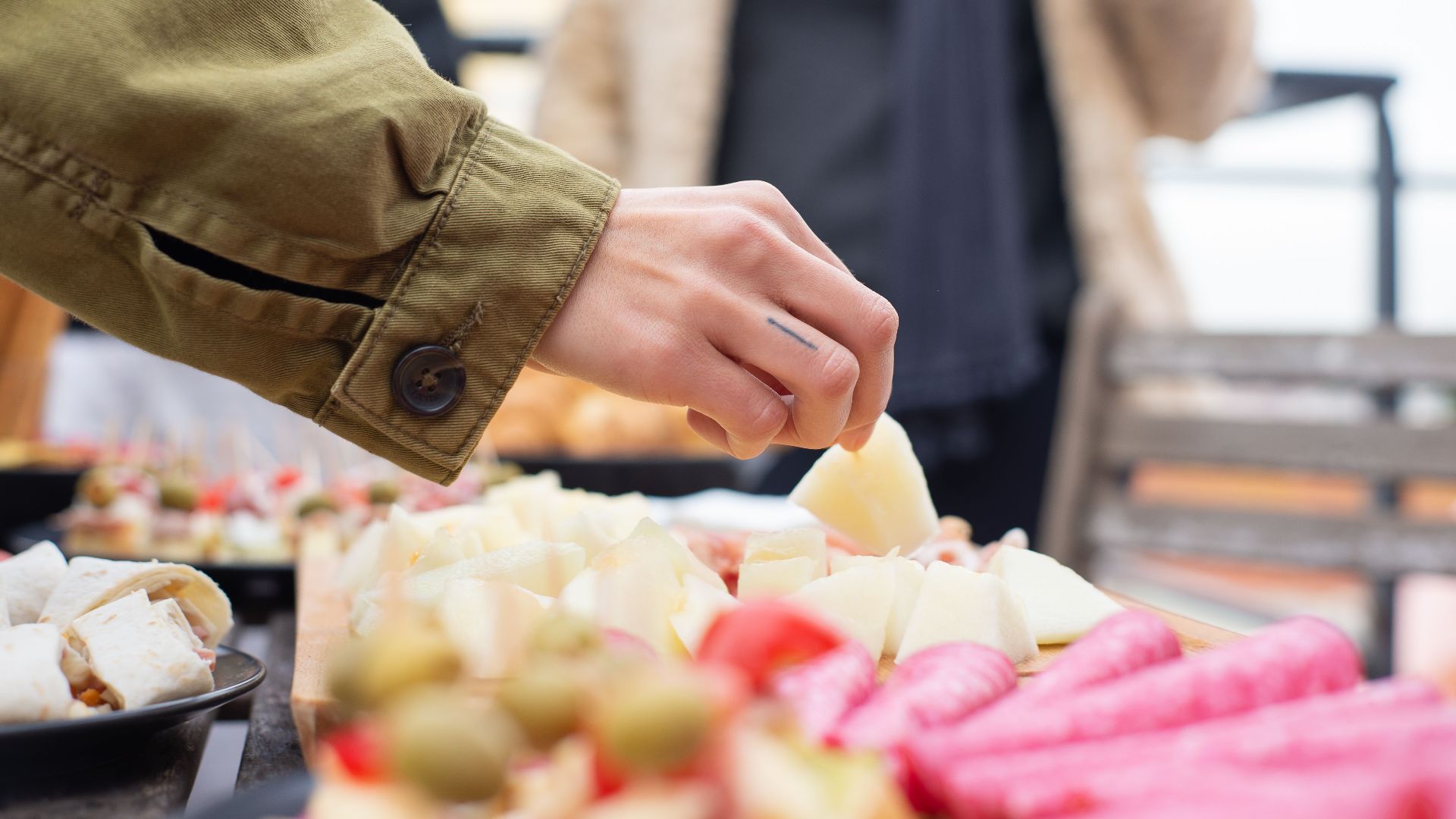
Wandering a store and getting handed food to taste before buying anything is common enough here that people barely register it as a gift. It's a marketing cost stores build in on purpose, but the casual, no-strings way it's offered isn't universal at all. Elsewhere, a free taste usually comes with a purchase attached, not a stranger handing over a cup at the end of an aisle.
10. No-Questions-Asked Returns
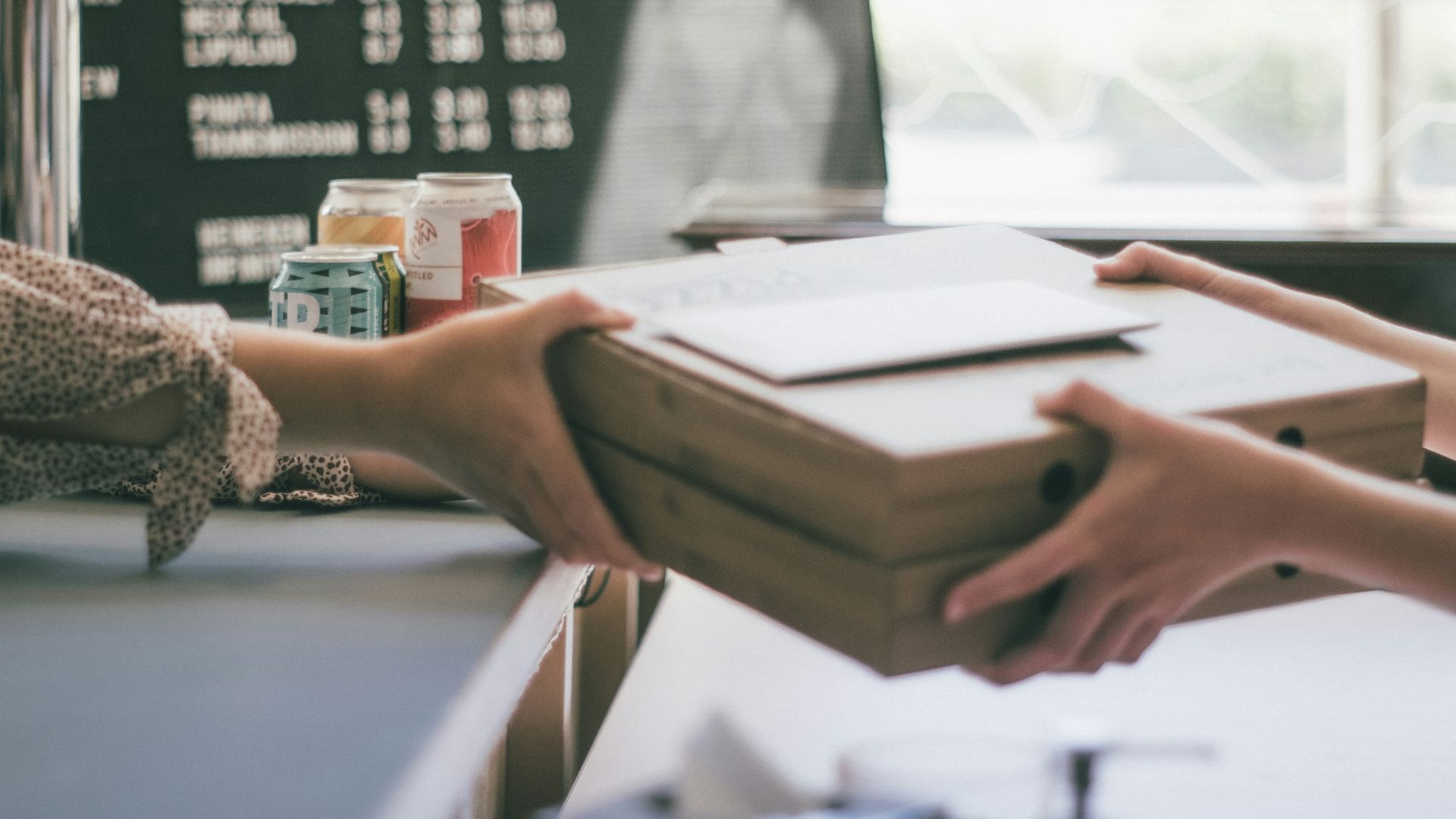
Bringing something back to a store weeks later, no receipt, no real explanation, and walking out with a refund is a policy plenty of Americans take for granted. Return policies in a lot of other countries are far stricter, sometimes limited to store credit or defective items only. The flexibility here is less about generosity and more about competition, but it still adds up to a real perk.
11. Space At Home
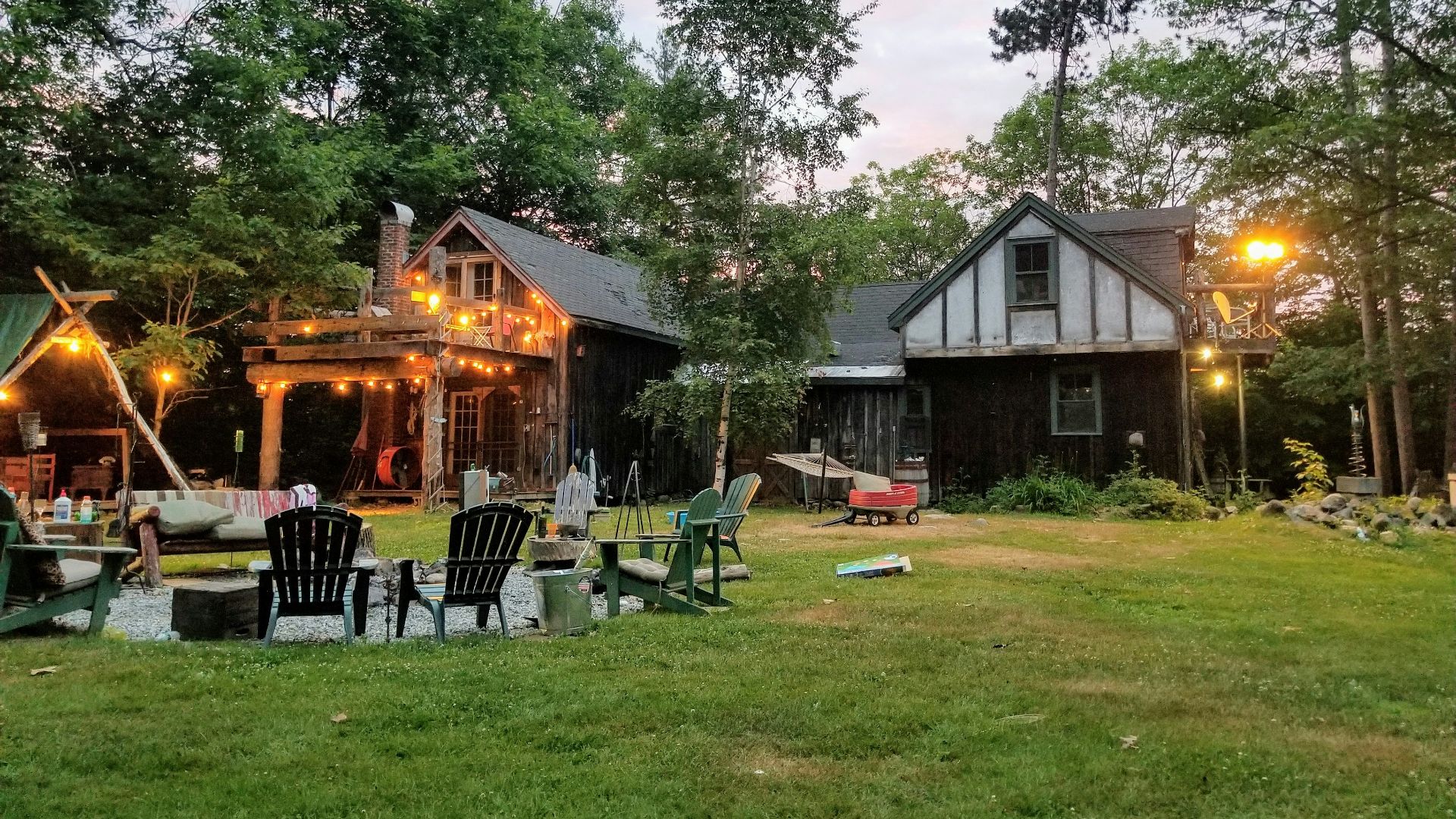
A house with a yard, a garage, and rooms to spare is the default image of American housing, even in plenty of mid-size cities. In much of the world, that kind of square footage is reserved for the genuinely wealthy, while most people live in far smaller apartments by comparison. Having a spare room just to store things nobody uses is a specific kind of American excess.
12. Big Personal Vehicles As The Norm
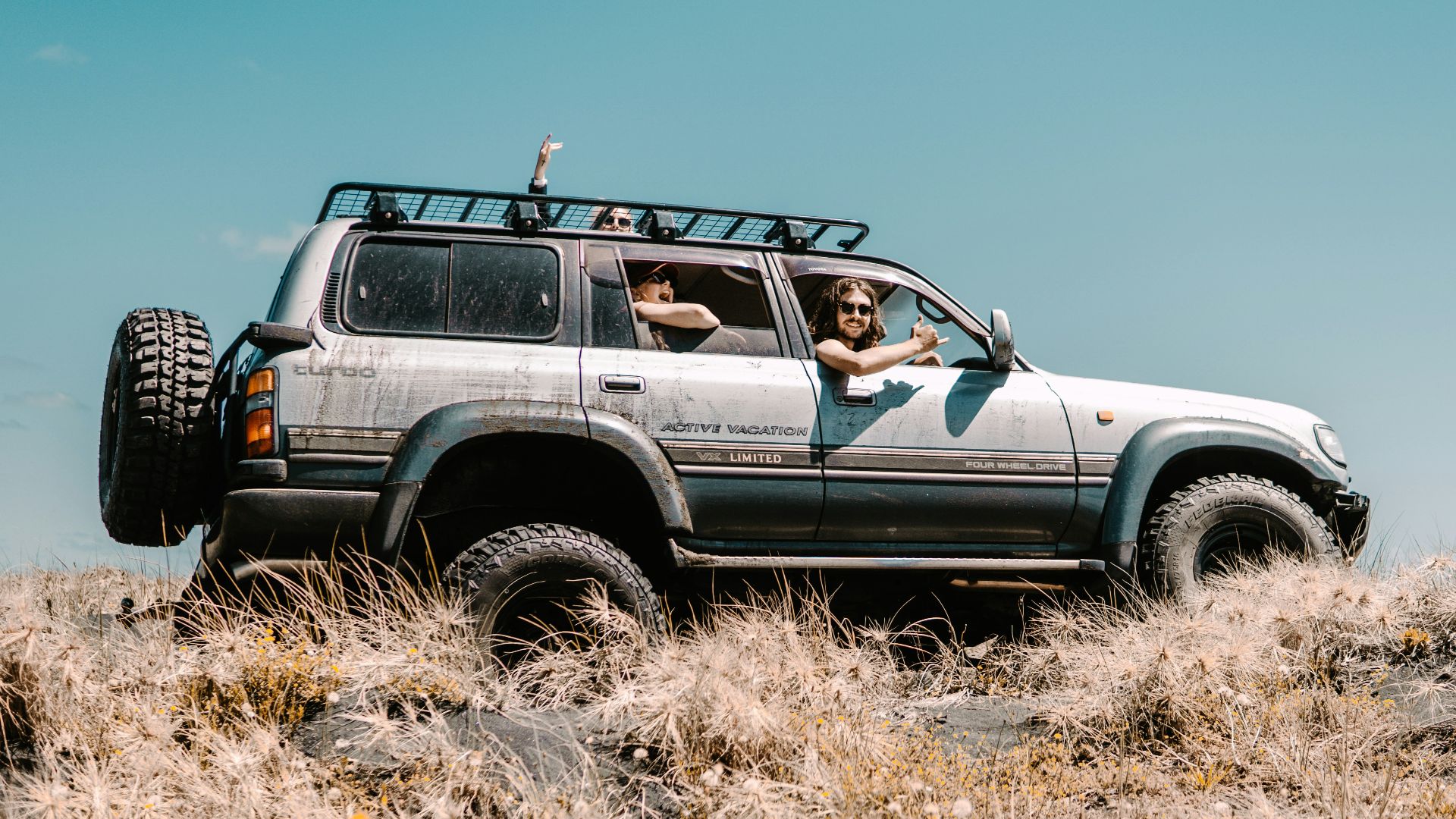
A full-size truck or SUV as a daily driver, often just for one person's commute, is common enough here to blend into traffic. In a lot of countries, fuel prices, narrow streets, and taxes on larger engines make that kind of vehicle a rare, expensive choice. Driving something with that much room to spare is a habit that cheap gas made possible.
13. Enormous Product Variety
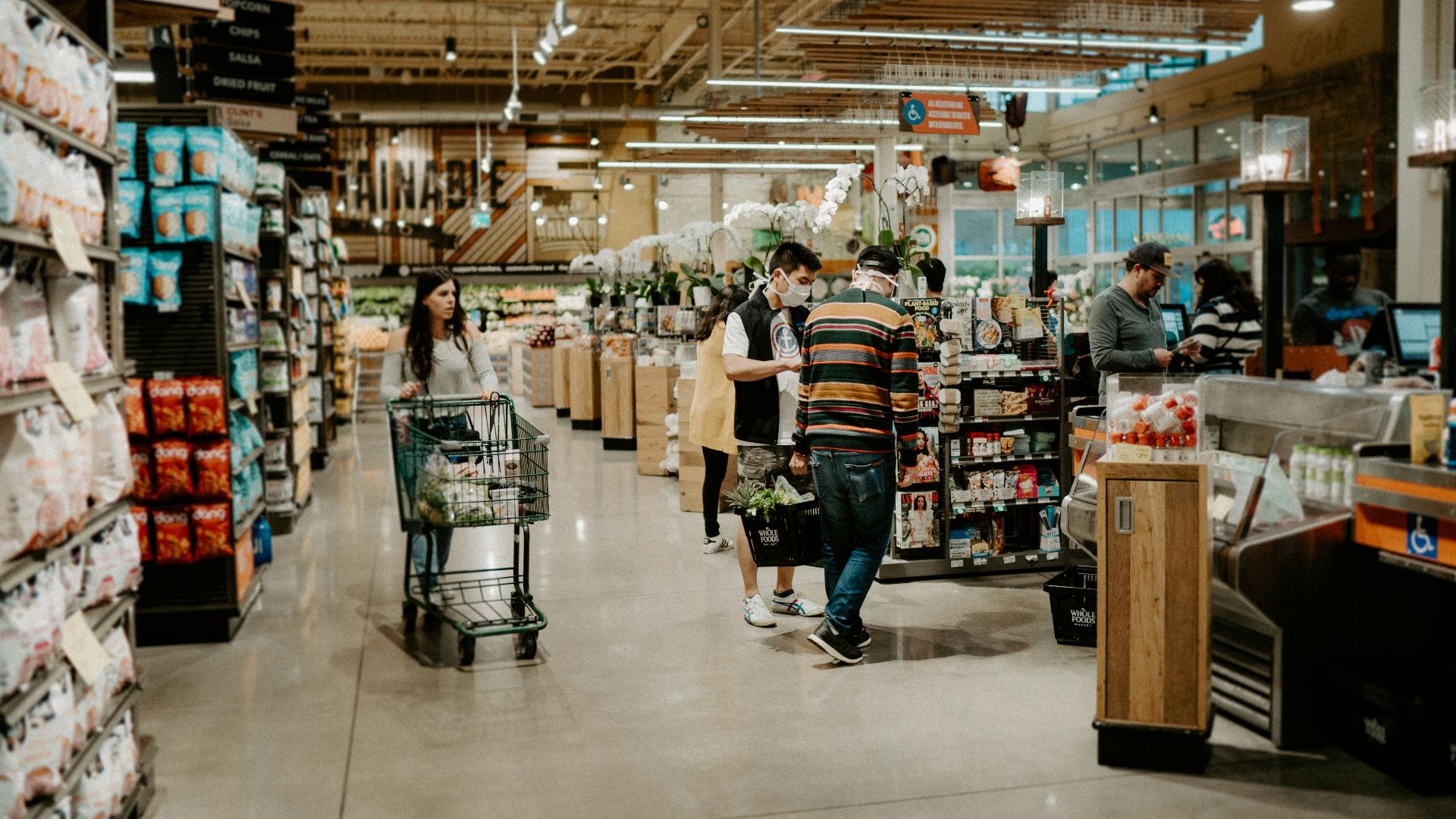
Walking down a cereal aisle and finding forty options, or a coffee shop with a dozen milk alternatives, is baseline in American retail. Plenty of stores abroad carry a fraction of that variety, favoring a handful of solid options over a wall of near-identical choices. That much shelf space dedicated to one category is its own kind of luxury, even if it makes picking one thing take longer than it should.
14. Fast, Cheap Home Delivery
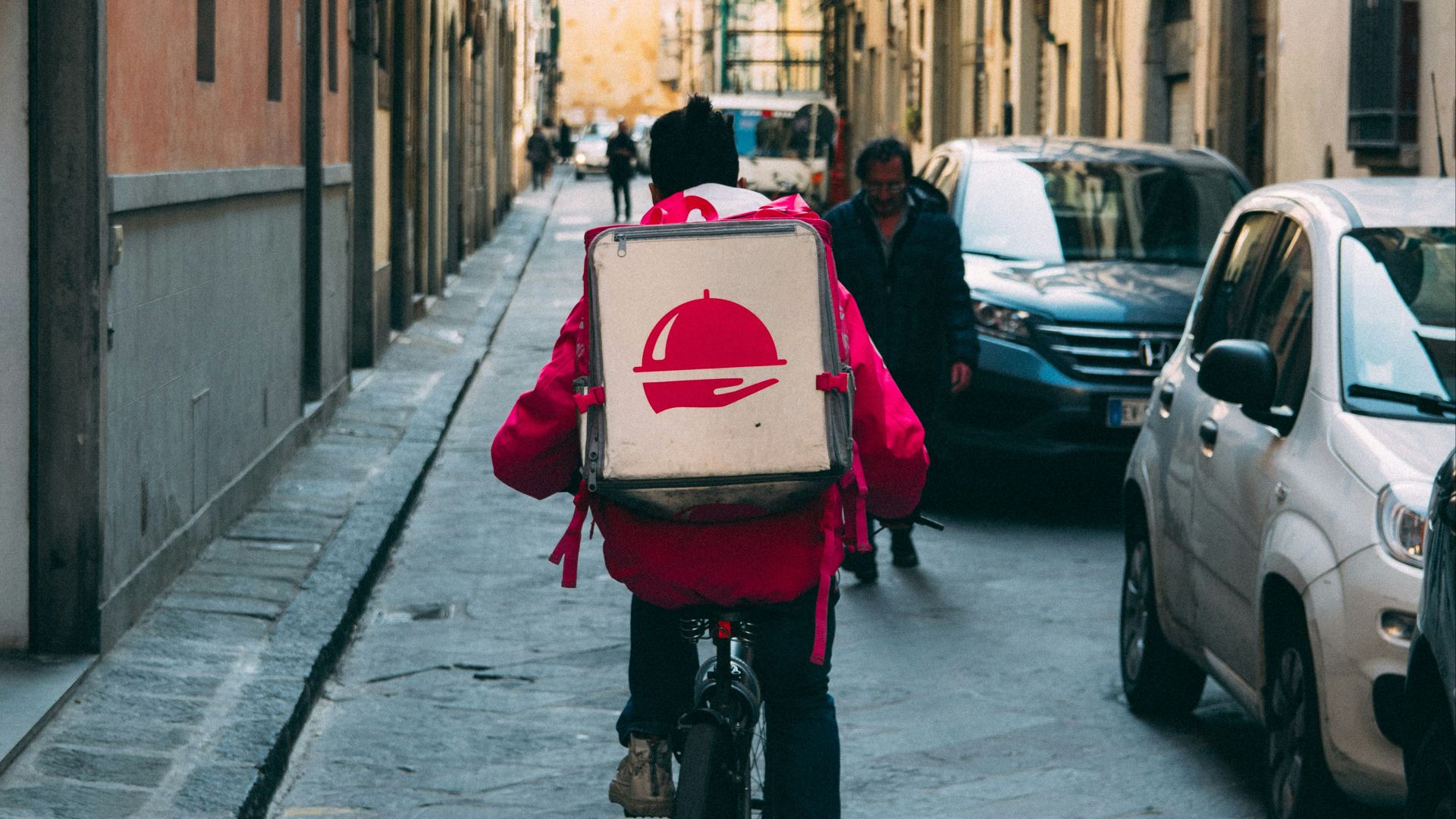
Ordering something online and getting it the next day, often for free, has become such a basic expectation that a week-long shipping window feels broken. In a lot of countries, delivery still costs extra and takes noticeably longer, especially outside major cities. Speed at that price point took years of infrastructure and competition to build, and it isn't the norm most places have access to.
15. Free WiFi Nearly Everywhere
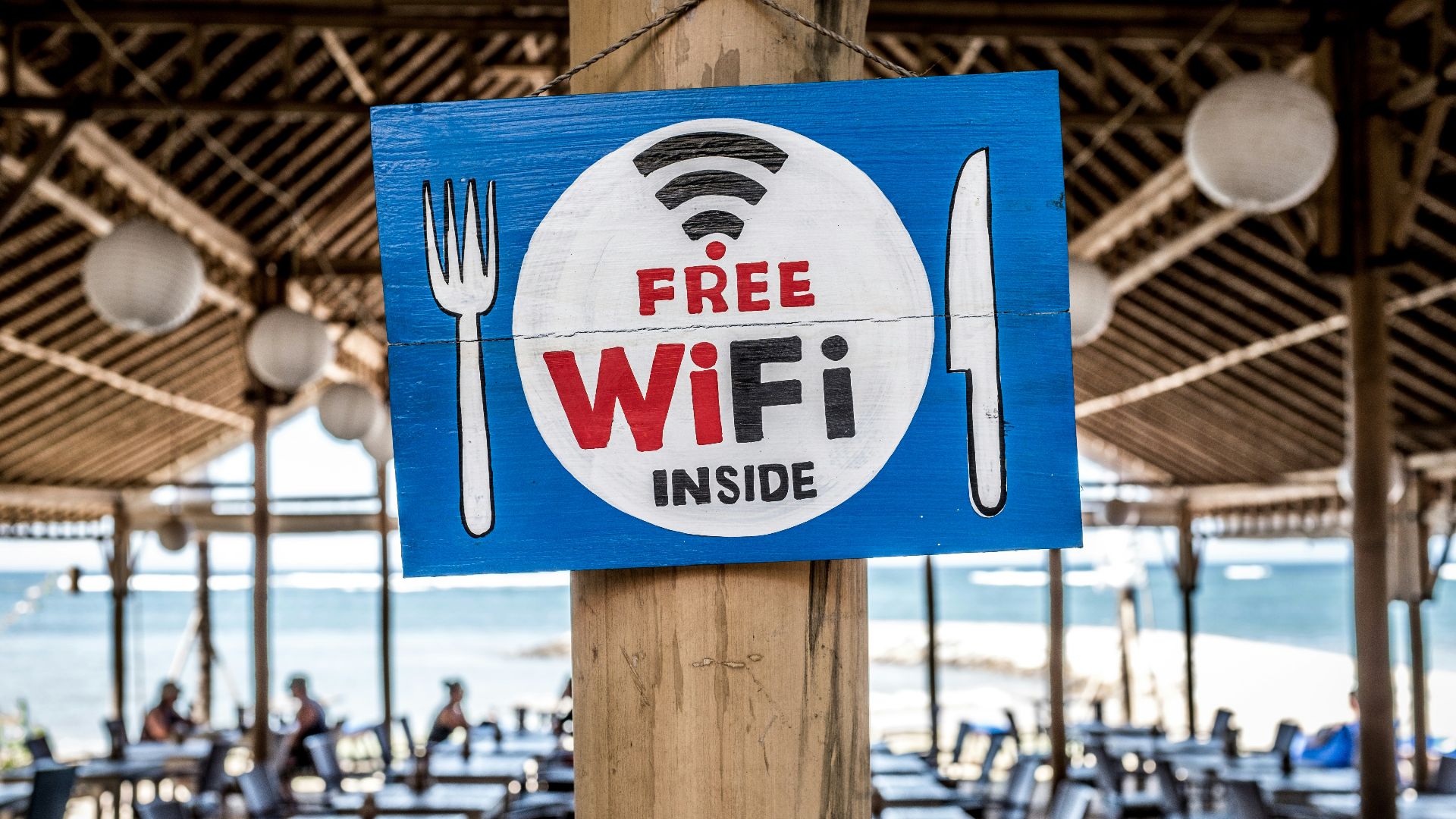
Cafes, waiting rooms, even some public parks offer free WiFi without asking for so much as an email address in a lot of the country. Elsewhere, free WiFi is spottier, slower, or gated behind a purchase, and mobile data can be far more expensive relative to income. Connecting without thinking twice about it is a convenience that doesn't travel evenly.
16. Casual Dress Almost Anywhere
Showing up to a casual restaurant, a flight, or even plenty of office jobs in jeans and sneakers barely raises an eyebrow in the U.S. In a lot of other countries, dress codes carry more weight, and showing up underdressed to a similar setting can read as disrespectful. The freedom to not think about what an outfit says about you is its own kind of comfort.

17. Central Heating And Cooling As Standard
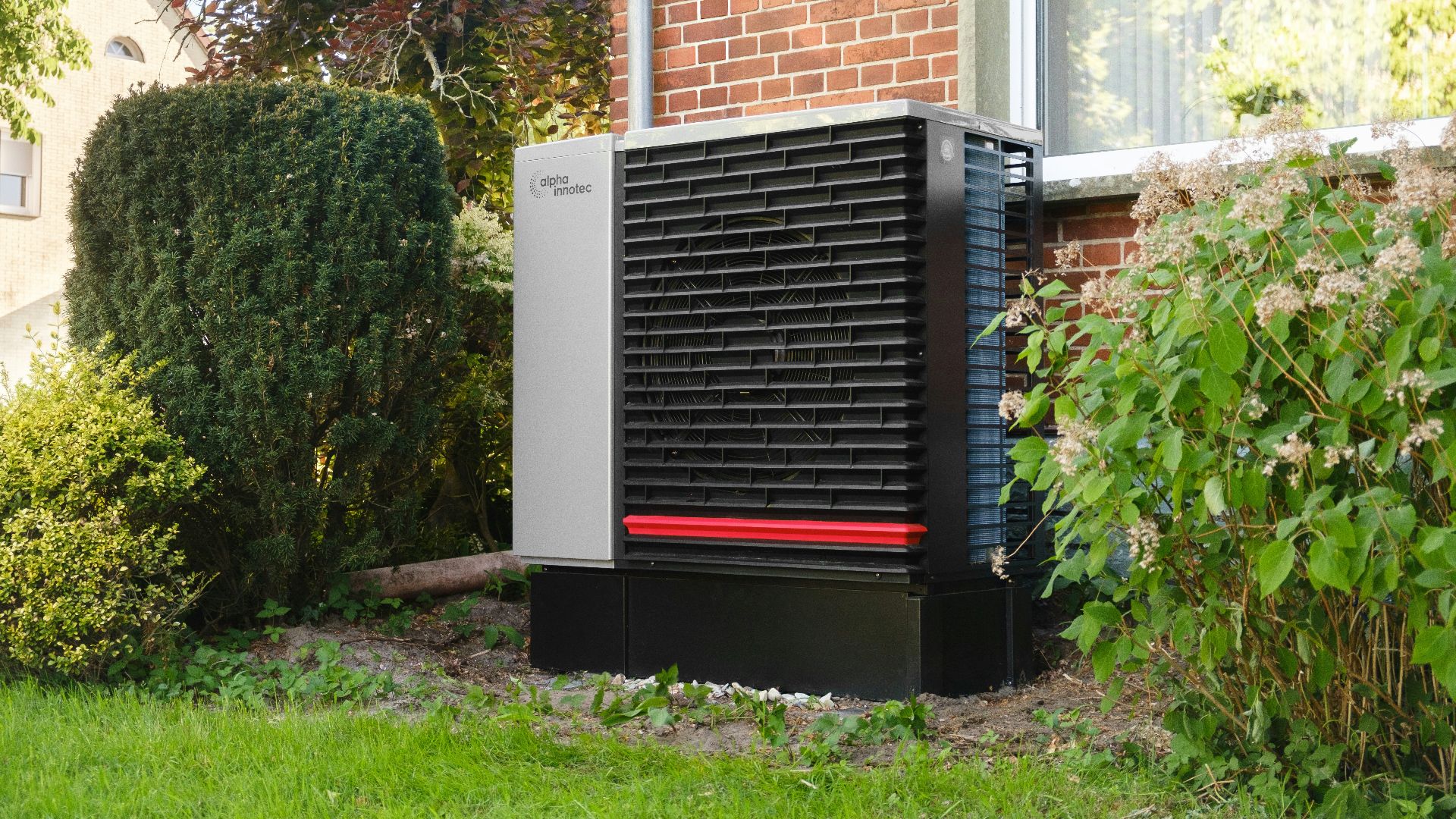
Whole-home climate control built into the house itself, keeping every room at roughly the same temperature year-round, is standard in most American construction. In plenty of countries, heating one room with a space heater or opening a window for relief is still the norm, even in newer buildings. Not having to think about temperature room to room is a comfort that took a lot of infrastructure to become invisible.
18. Free Condiments Without Limits
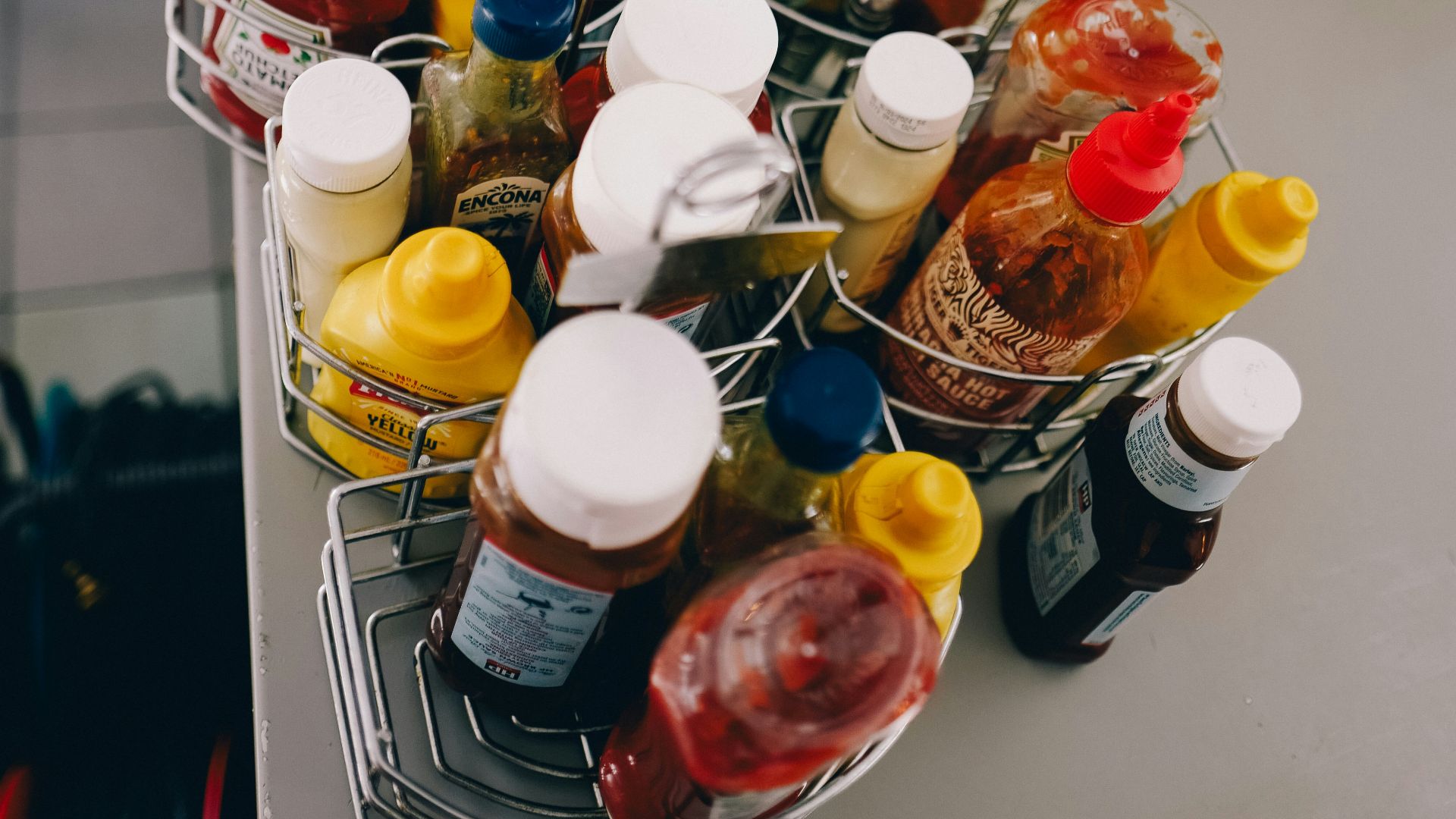
Grabbing a fistful of ketchup packets or napkins at a fast food counter, more than anyone actually needs, doesn't draw a second look in the U.S. Plenty of countries charge for condiments or ration them per order, treating extras as something to request rather than take freely. The assumption that there's more where that came from is a very specific kind of abundance.
19. Big Personal Refrigerators
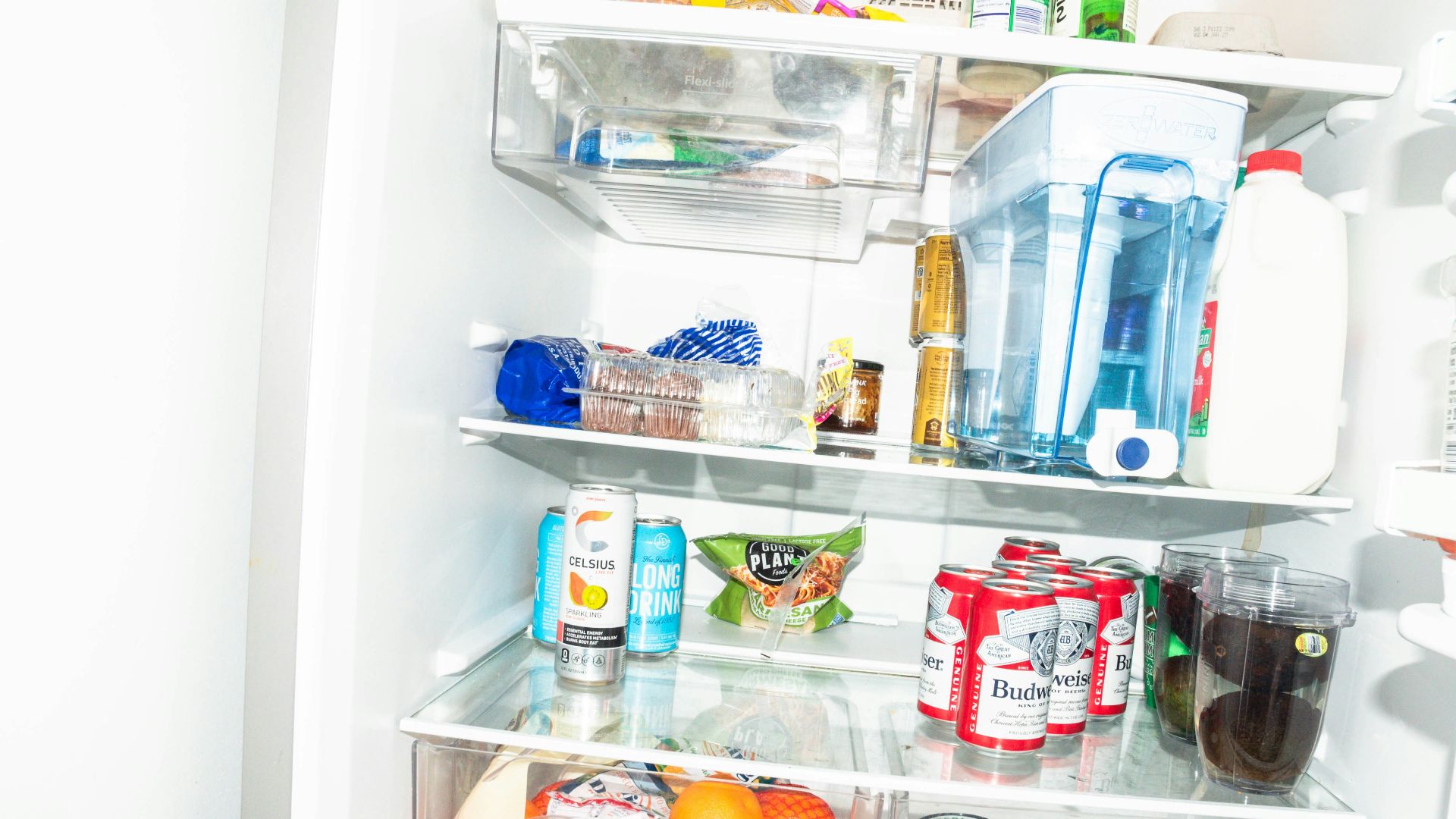
A fridge large enough to stock a week of groceries, plus a separate freezer, is standard kitchen equipment in most American homes. In a lot of the world, smaller fridges are the norm, which means more frequent shopping trips and less room for backup supplies. Having that much cold storage just sitting in the kitchen is a comfort most people elsewhere don't build their routines around.
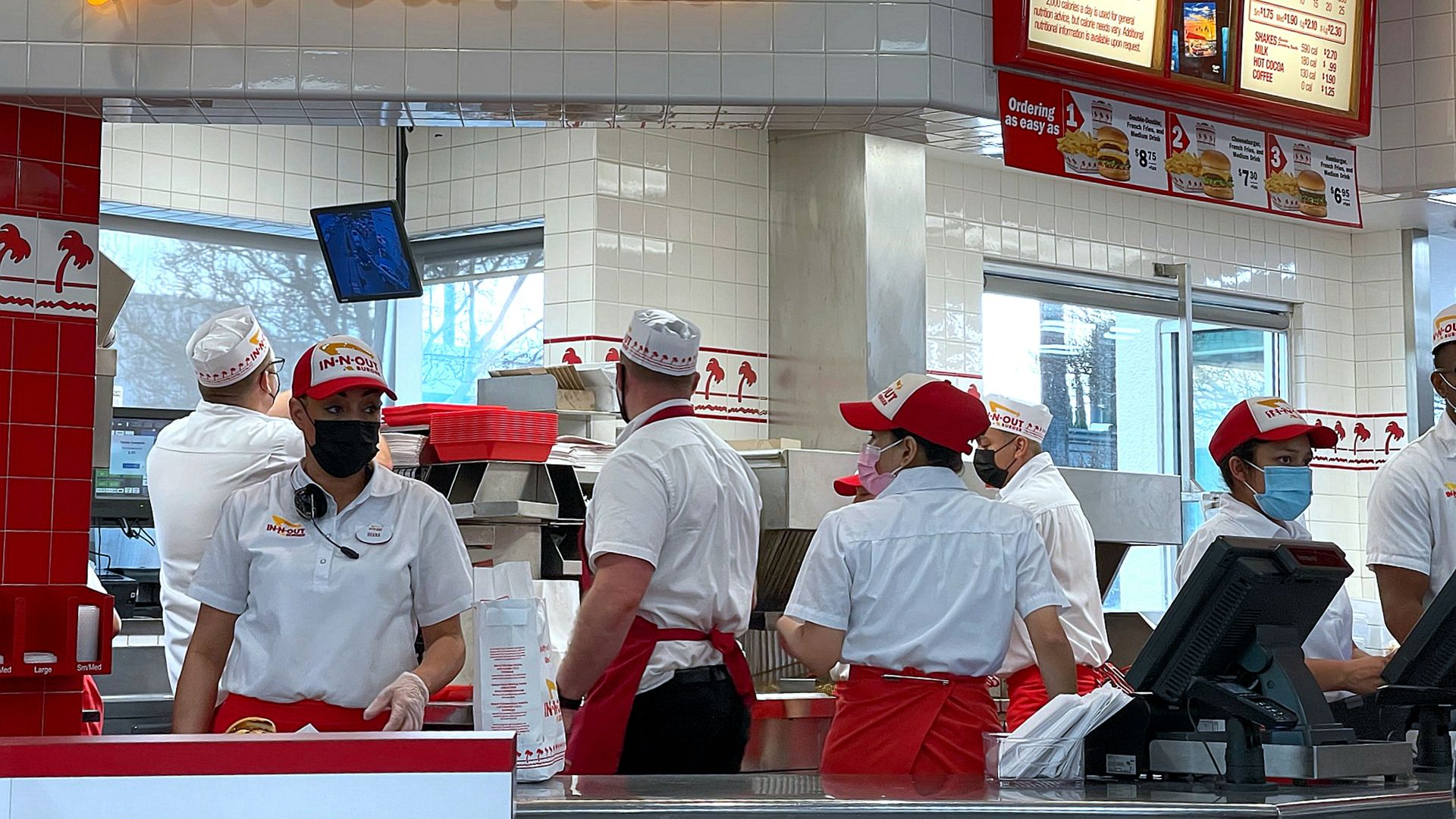
20. Cheap, Fast Fast Food
A full combo meal, ready in minutes, for a price that barely dents a paycheck, is baked into daily life across the country. In plenty of other places, eating out, even at a quick-service spot, costs a bigger share of an average income and takes longer to get. The speed and price together make fast food a genuine convenience here in a way it isn't everywhere.