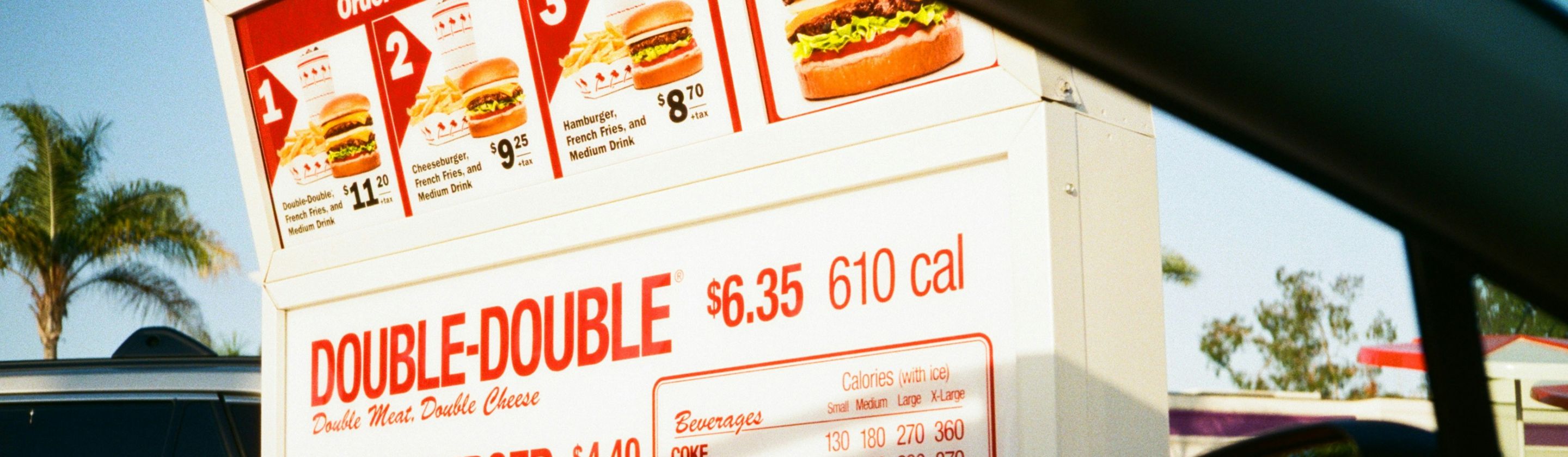
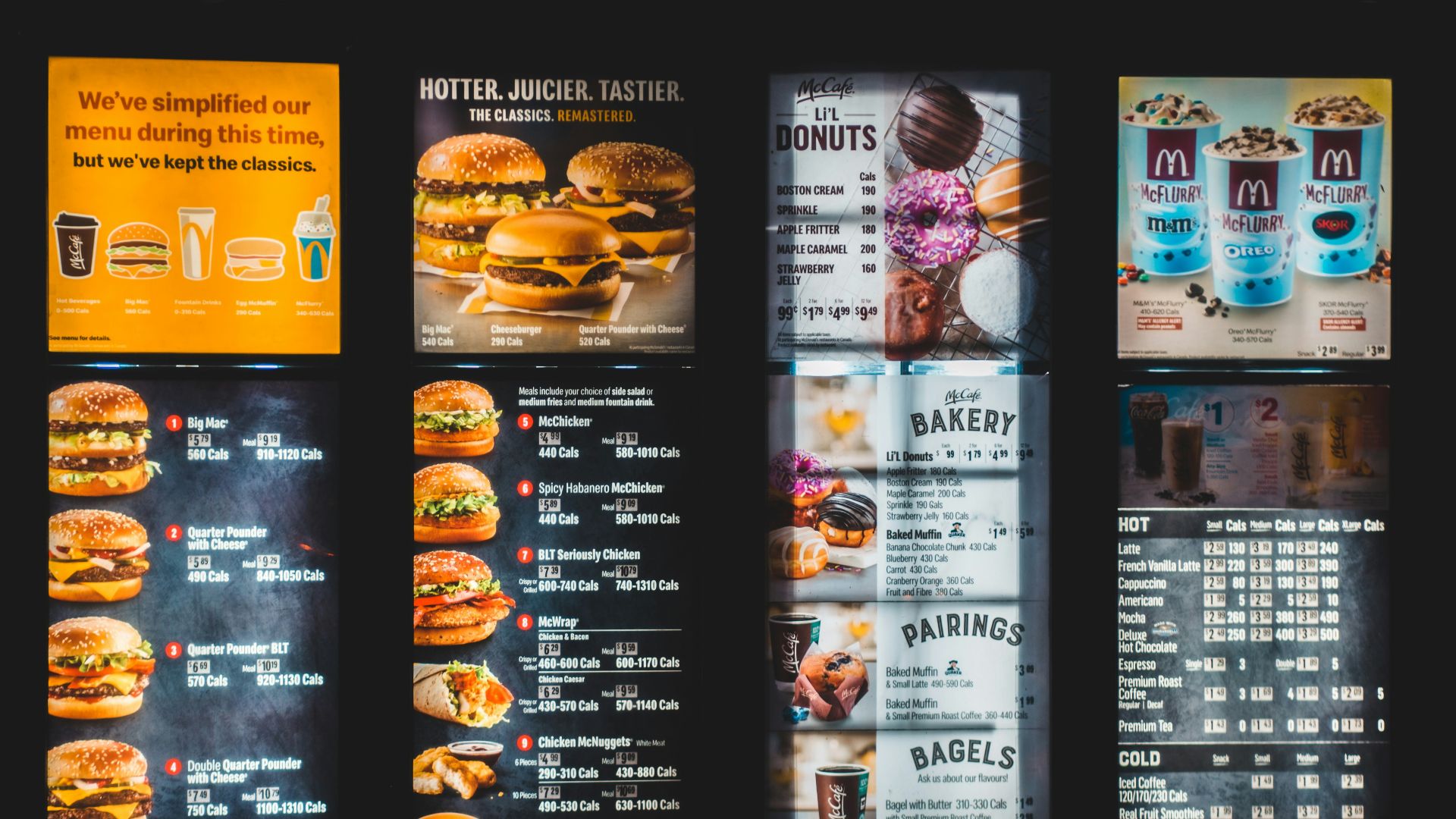
Fast-food menus once seemed determined to grow indefinitely, with new sandwiches, specialty sides, desserts, and endless variations competing for space on crowded menu boards. More recently, though, many chains have been trimming permanent selections, simplifying promotions, or concentrating attention on a smaller group of familiar products. It isn’t happening uniformly across every restaurant, but menu simplification has become an important operational strategy as chains deal with higher costs and customers who increasingly expect both speed and value.
At the same time, smaller permanent menus don’t necessarily mean fast food is becoming less creative. Restaurants can introduce limited-time products through apps and digital menu boards without keeping every experiment available permanently, while unsuccessful items can disappear relatively quickly. The result says plenty about modern eating habits: people still enjoy variety, but they also want ordering to be simple, recognizable, convenient, and reasonably priced.
Smaller Menus Can Make Restaurants Easier to Run
Every additional permanent menu item can create work behind the scenes, particularly if it requires unique ingredients, equipment, packaging, or preparation procedures. Fast-food restaurants are built around consistency and speed, so an overly complicated menu can make those goals more difficult to achieve during busy periods. Removing poorly selling or labor-intensive items can therefore simplify kitchen operations without necessarily changing the products most customers order.
Ingredient management becomes easier as well when restaurants can build more dishes from the same core components. Keeping fewer specialized ingredients in stock can reduce operational complexity and limit the chance that food purchased for unpopular dishes goes unused. Chains can still offer variety by rearranging familiar proteins, sauces, breads, toppings, and sides into new combinations rather than maintaining completely separate ingredient lists.
Training is another consideration, especially in an industry that depends on employees preparing orders quickly and consistently. Taco Bell, for example, has publicly emphasized simplifying restaurant operations even while continuing to introduce new products. A streamlined system can make it easier for employees to learn procedures, assemble orders accurately, and keep service moving when customers arrive through the counter, drive-thru, delivery platforms, and mobile apps.
Value Has Become More Important Than Endless Choice
Restaurant customers have become increasingly price-conscious, putting pressure on fast-food companies to make their value offers easy to understand. Industry reporting in recent years has repeatedly highlighted the competition among major chains over affordable bundles, discounts, and entry-level menu prices. Instead of promoting dozens of unrelated products, restaurants can focus attention on a smaller assortment of recognizable meals that communicate their price more clearly.
Too much choice can also make a supposedly simple value proposition surprisingly complicated. In 2026, McDonald's acknowledged that elements of its U.S. value strategy had become confusing as different promotions and price points overlapped. That example shows why a large assortment isn't automatically better for customers, particularly if figuring out the cheapest way to order starts requiring more effort than deciding what to eat.
Consumers still expect variety, but they're often getting it differently than they did from traditional menu boards. Limited-time offers allow chains to create excitement without permanently expanding their kitchens, while value menus give budget-conscious customers a predictable set of options. The modern fast-food menu is consequently becoming less like a permanent catalog and more like a smaller core selection surrounded by products that rotate in and out.
Digital Ordering Is Changing What a Menu Looks Like
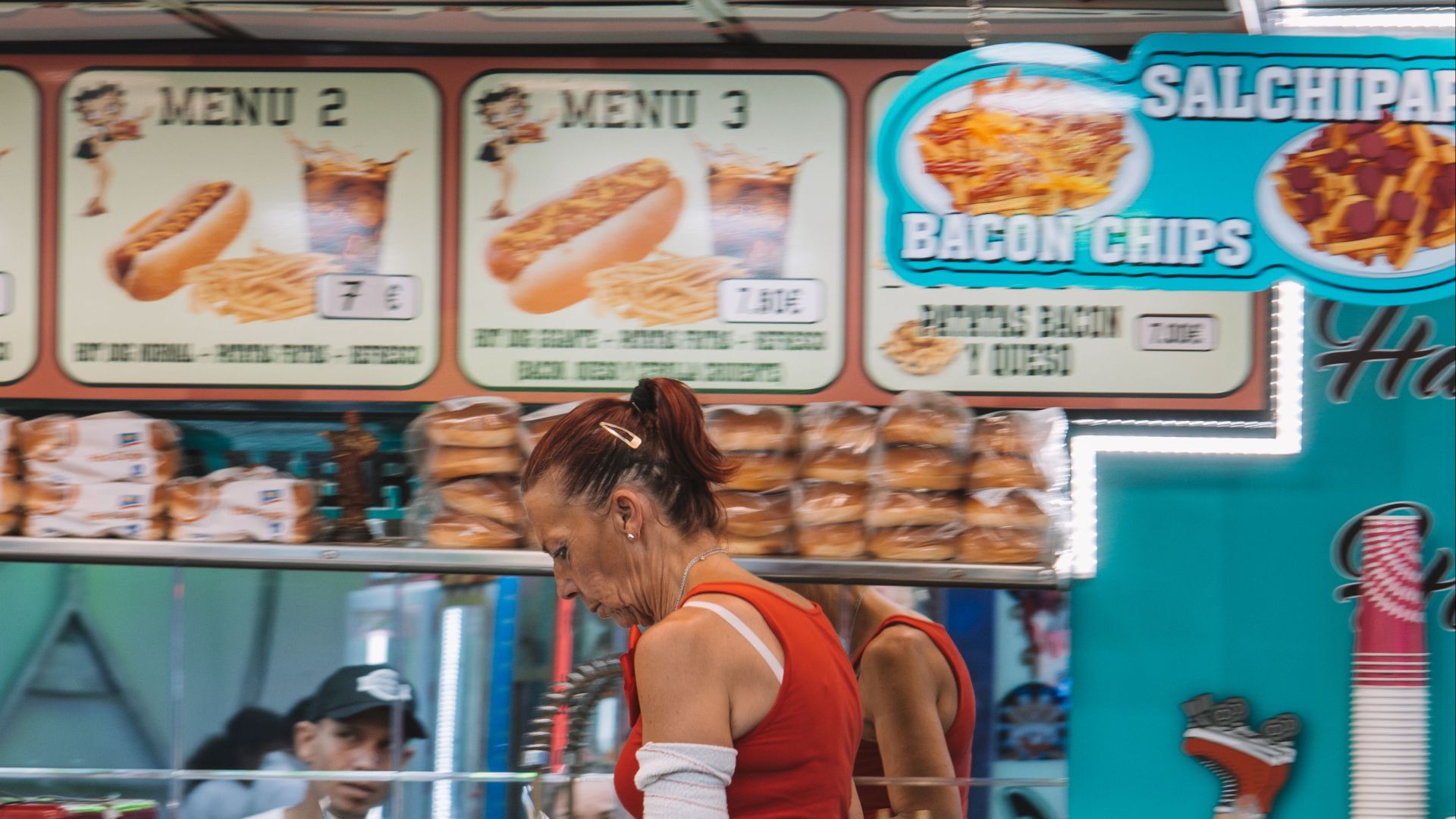
Apps have made it possible for restaurants to organize choices in ways that wouldn't fit comfortably on a physical board above the counter. Digital menus can highlight popular combinations, personalized offers, limited-time products, and loyalty rewards while keeping less important information out of the customer's immediate view. Restaurants can also change digital layouts much more easily as pricing, promotions, or customer preferences shift.
This matters because customers no longer encounter one identical menu in every situation. Someone using a restaurant app may see loyalty offers and customized recommendations, while a drive-thru customer encounters a much tighter selection designed to support a quick decision. A smaller visible menu can therefore coexist with considerable customization behind the screen, which makes the apparent reduction in choice somewhat deceptive.
The shrinking fast-food menu ultimately reflects a balancing act between variety and simplicity. Chains still need new products to attract attention, yet they also need kitchens that can operate efficiently and prices that customers can understand without studying several overlapping promotions.
For diners, that shift suggests that more choice isn't always the main priority. Familiar favorites, straightforward value, quick ordering, and occasional novelty can be more appealing than a permanent menu packed with dozens of slightly different possibilities. Fast food isn't abandoning variety so much as reorganizing it, keeping the everyday menu relatively focused while moving experimentation, customization, and discounts into limited promotions and increasingly digital spaces.
KEEP ON READING