Nutrition Can’t Fix Everything
Healthy eating would be much easier if every nutrient-packed food also tasted wonderful, wouldn’t it? But you know it goes: everything you love is apparently horrible for you, and everything you hate is the best thing since sliced bread. Well, there’s obviously some nuance there, but some superfoods are, in fact, bitter, sour, metallic, grassy, slimy, or simply difficult to swallow. You can respect them, but you can also admit that these 20 foods need a little coaxing to go down.

1. Spirulina
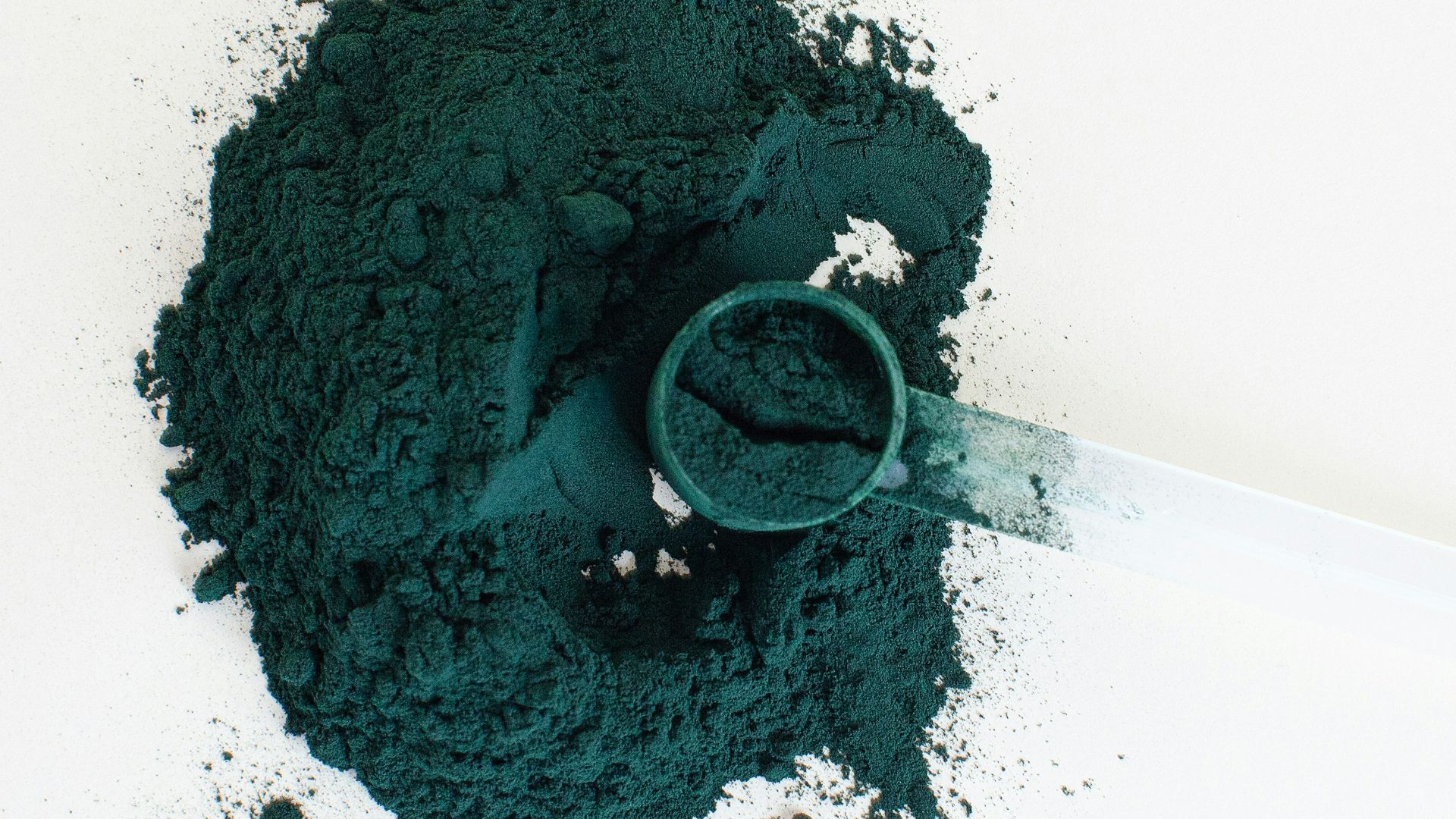
Spirulina is packed with protein, iron, and several vitamins, which explains why it turns up in so many smoothies. Unfortunately, its concentrated algae flavor can make even a fruit-forward powder taste like someone scraped the bottom of a pond. Blending it with banana and pineapple helps, but no one adds spirulina for better flavor.
 Supliful - Supplements On Demand on Unsplash
2. Wheatgrass
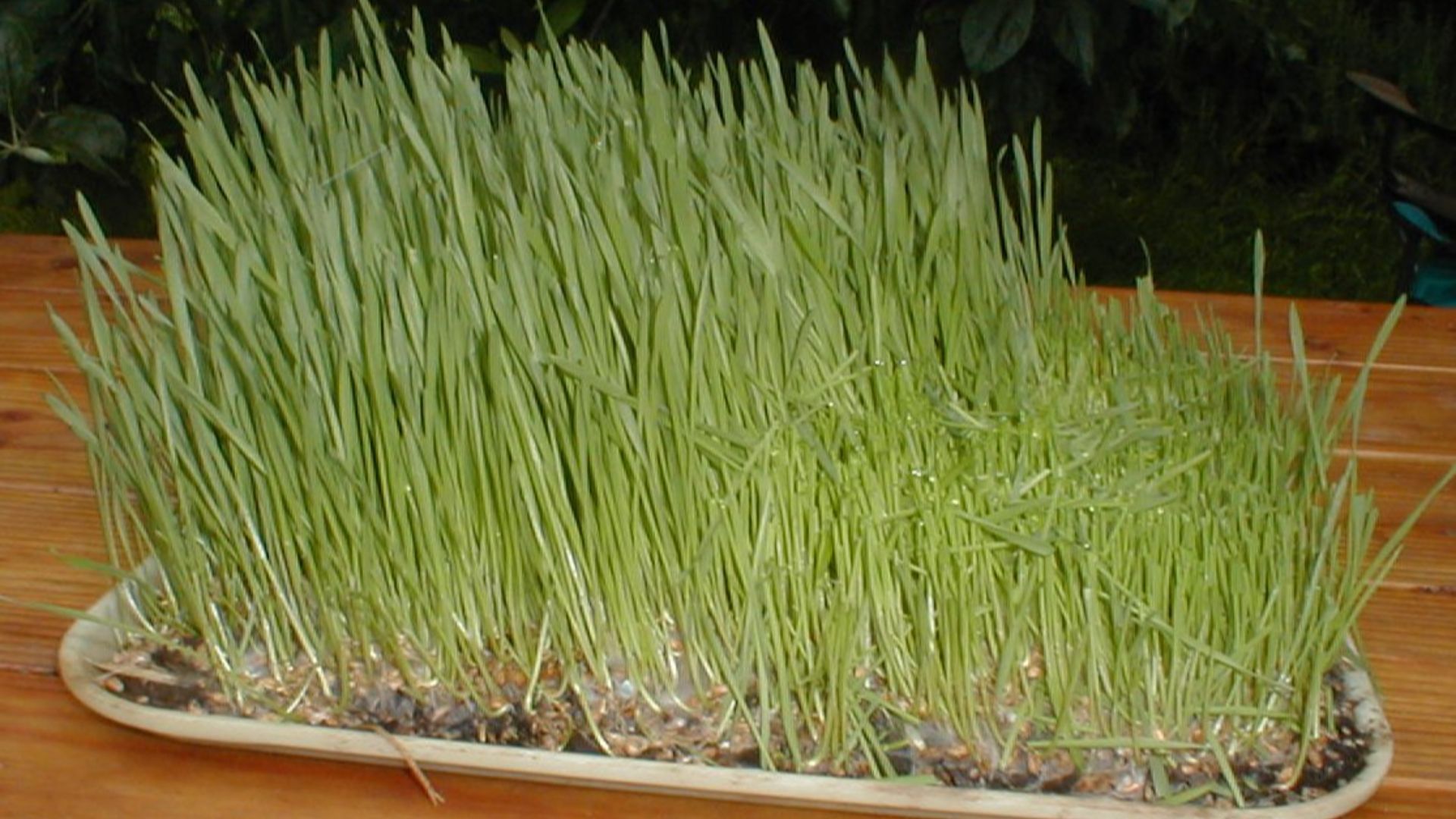
There’s a reason you see wheatgrass in tiny shots—consuming anything else is nearly impossible. Its intense grassy flavor is only accompanied by a bitterness that lingers long after you’ve swallowed. The vitamins may be good for you, but chasing the shot with orange juice is the only wise move.
3. Unsweetened Acai Puree
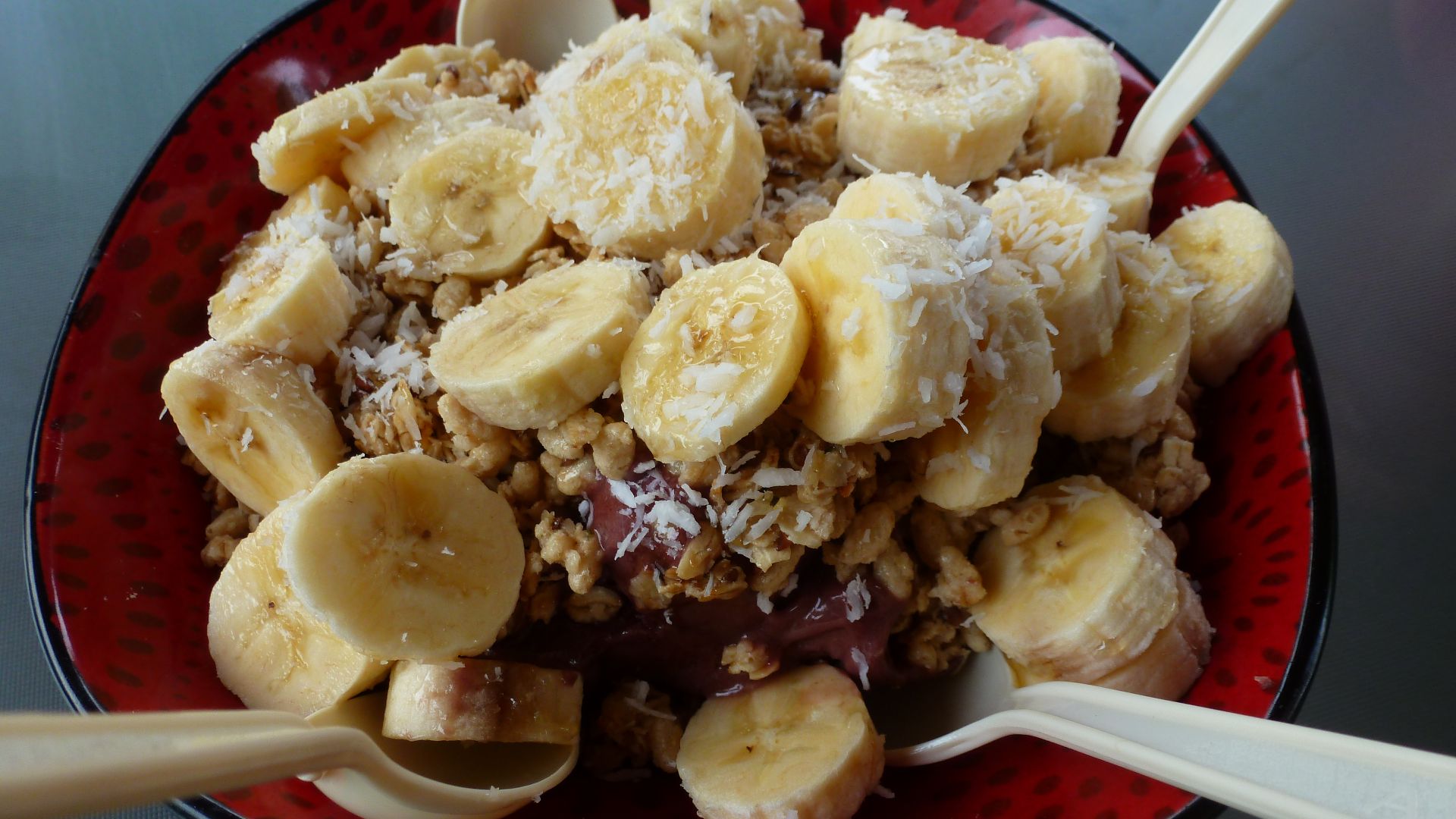
Acai bowls have a sweet reputation, but we need to be honest here: most of that appeal comes from bananas, honey, and granola. Plain, unsweetened acai puree? It’s earthy, tart, and noticeably bitter when eaten on its own.
 Phil Whitehouse from London, United Kingdom on Wikimedia
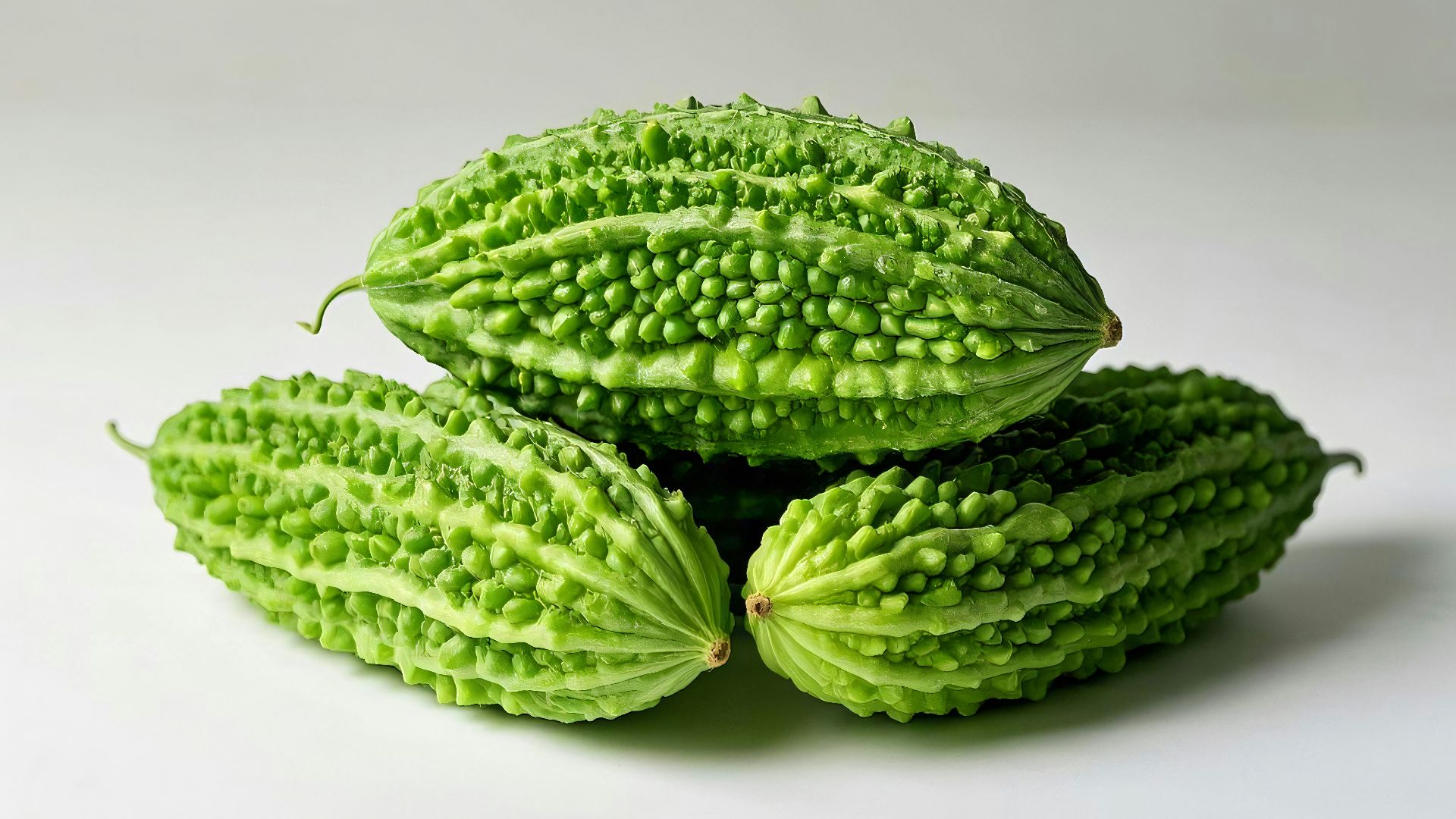
4. Bitter Melon
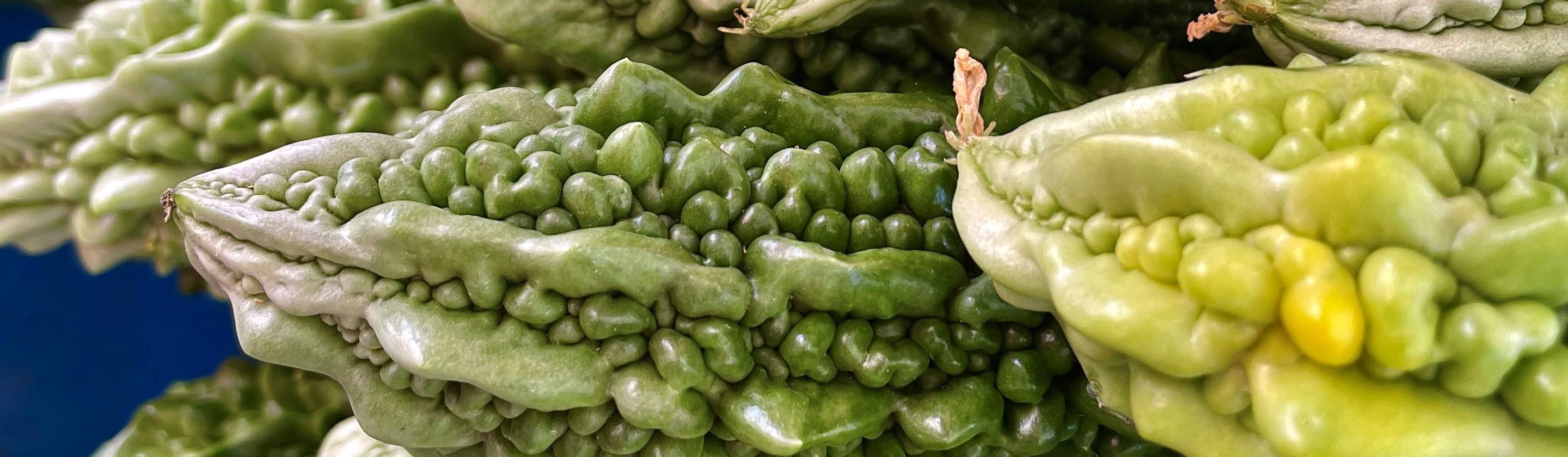
There’s no misleading advertising for bitter melon; its name tells you exactly what to expect. That said, knowing what you’re in for hasn’t stopped people from trying to salt, cook, or stuff it, and even then, the vegetable retains a sharp bitterness that can overwhelm the rest of a dish.
 Novariandy Chandra on Unsplash
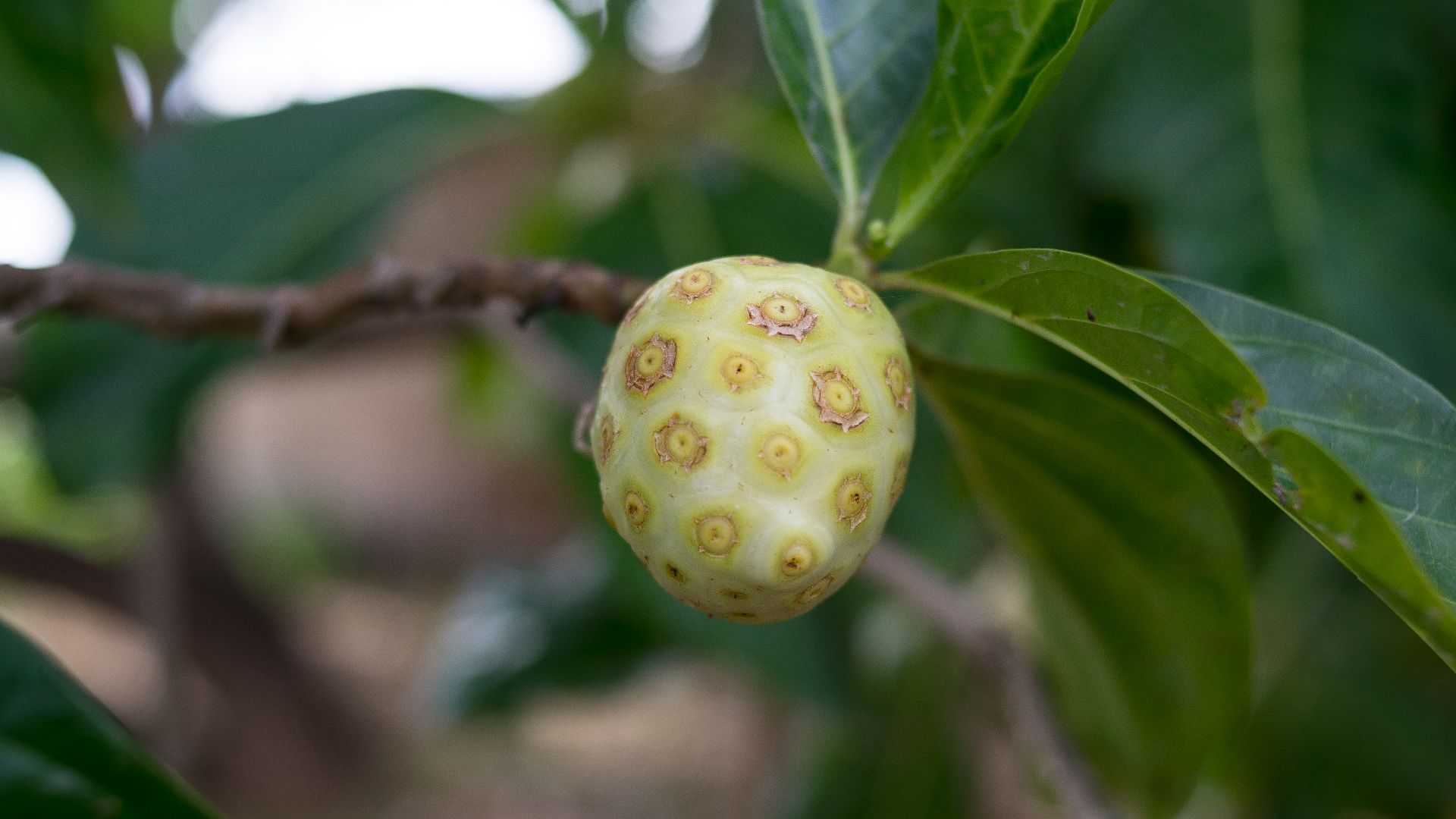
5. Noni Fruit
What was once used in traditional Polynesian diets is now sold in juices and wellness products all over your local grocery store. However, you might want to rethink just downing the stuff. Fresh noni smells extremely pungent, while its bitter, sour flavor has been compared to spoiled cheese by people brave enough to try it. Manufacturers mix the juice with grape or berry flavors to make it easier, but that’s not to say it is.
6. Natto
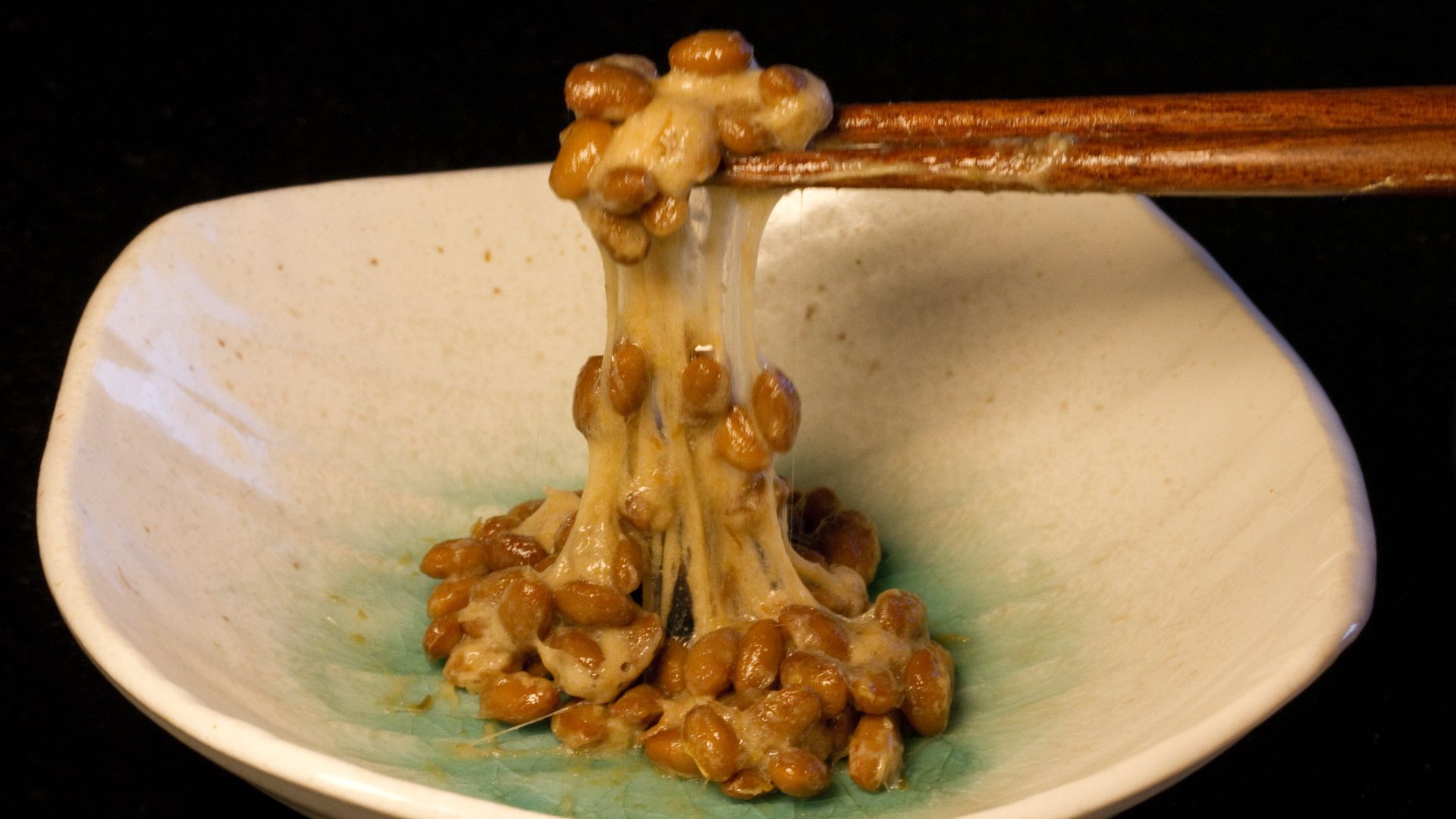
Natto offers all kinds of good stuff for you: protein, fiber, and vitamin K2, making it one of Japan’s most famous nutritious breakfasts. The fermented soybeans, however, have a powerful odor, a strong savory flavor, and sticky strands that stretch between the beans and your chopsticks.
7. Plain Kefir
Flavored kefir can taste wonderfully fruity, but that’s only if you add stuff to it. Plain kefir removes that layer of sweetness, leaving behind fermented tang that’s somehow even sharper than regular yogurt. Some varieties also carry a faint yeasty quality that catches new drinkers off guard.

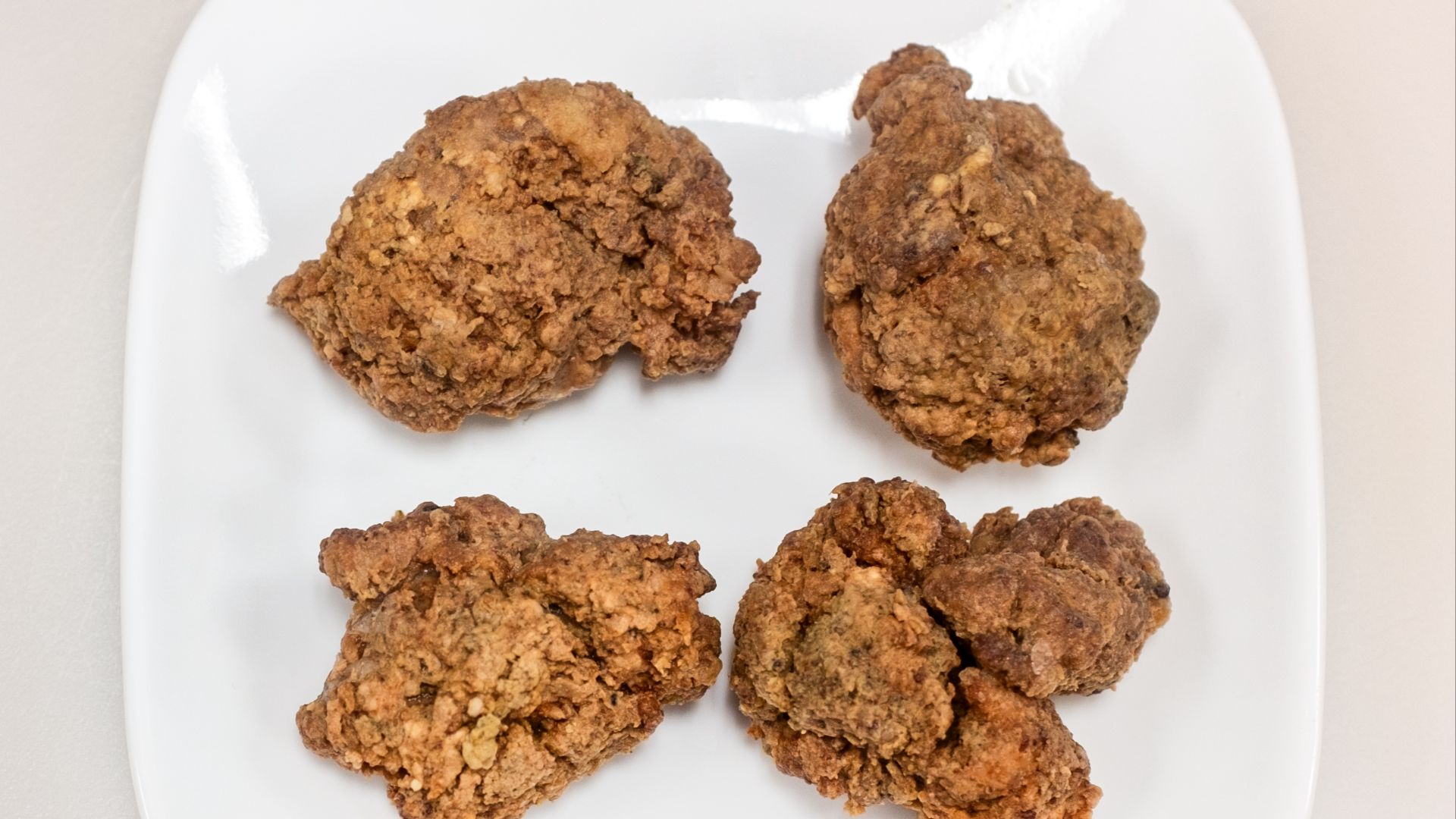
8. Liver
Alright, we all knew this was going to wind up on the list! Few foods demonstrate the difference between nutritious and delicious as clearly as liver. It has tons of iron, protein, vitamin B12, and a considerable amount of vitamin A, but its taste and dense texture turn away almost every diner. Frying it with onions can only do so much.
9. Sea Moss Gel
Sea moss gel has become a pretty popular addition to smoothies. How could it not? It contains minerals and can thicken drinks without dairy! On its own, though, the texture and oceanic flavor make each spoonful more challenging than you’d expect.
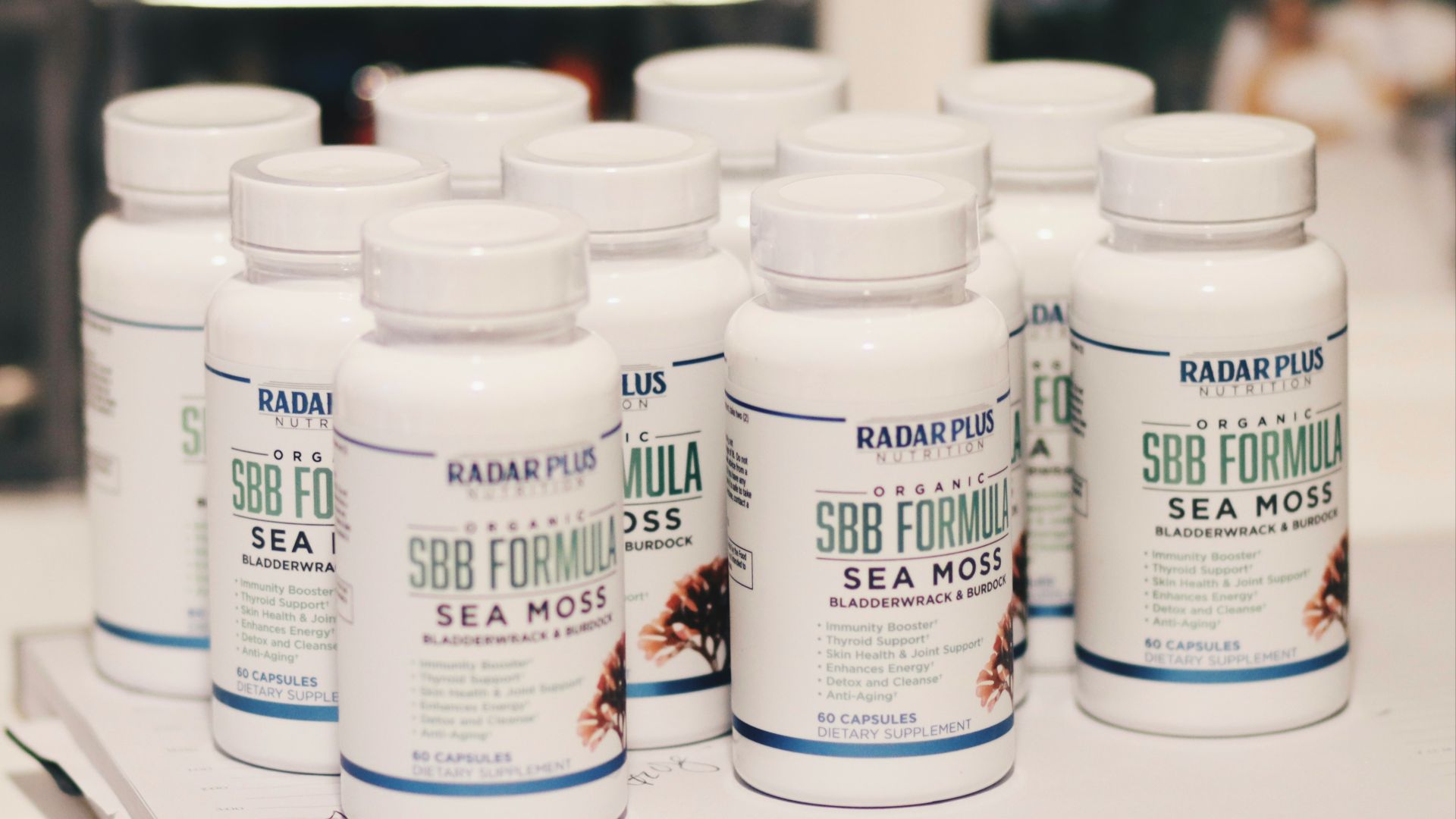 Hey Beauti Magazine on Unsplash
10. Chlorella
Chlorella is another type of algae promoted for its protein, chlorophyll, vitamins, and minerals. It all sounds good up front (and it is), but the powder has a concentrated flavor that manages to be grassy, bitter, and fishy at the same time. Capsules exist for a reason!
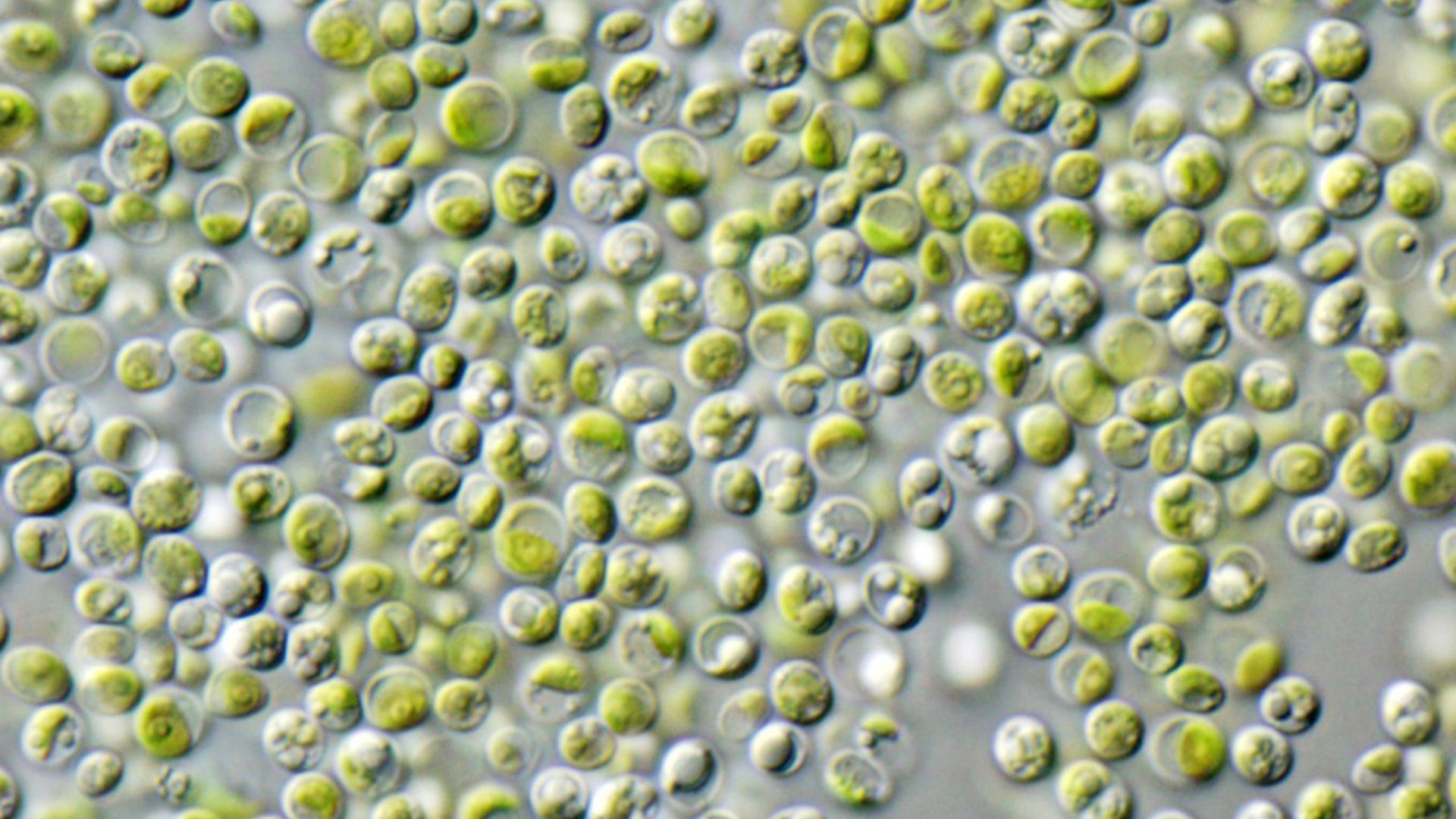 ja:User:NEON / User:NEON_ja on Wikimedia
11. Unsweetened Protein Powder With Water
You’ve likely scooped a spoonful of protein powder now and then—it doesn’t taste terrible, does it? That’s only when it’s flavored! Mixed only with water, many unsweetened varieties become thin, chalky drinks with an awful aftertaste and none of the richness people expect from a shake.

12. Blackstrap Molasses
Don’t get this confused for regular ol’ table syrup. Okay, sure, blackstrap molasses has iron, calcium, magnesium, and potassium, but that doesn’t mean it’s sweet. The flavor is intensely bitter, smoky, and almost medicinal.

13. Raw Dandelion Greens
Yes, you can actually eat dandelion greens, and yes, they’re also an acquired taste. If you can stomach them raw, they have plenty of vitamins A, C, and K, plus fiber and minerals. Eating them raw, however, does reveal an assertive bitterness that makes an ordinary salad far less inviting.

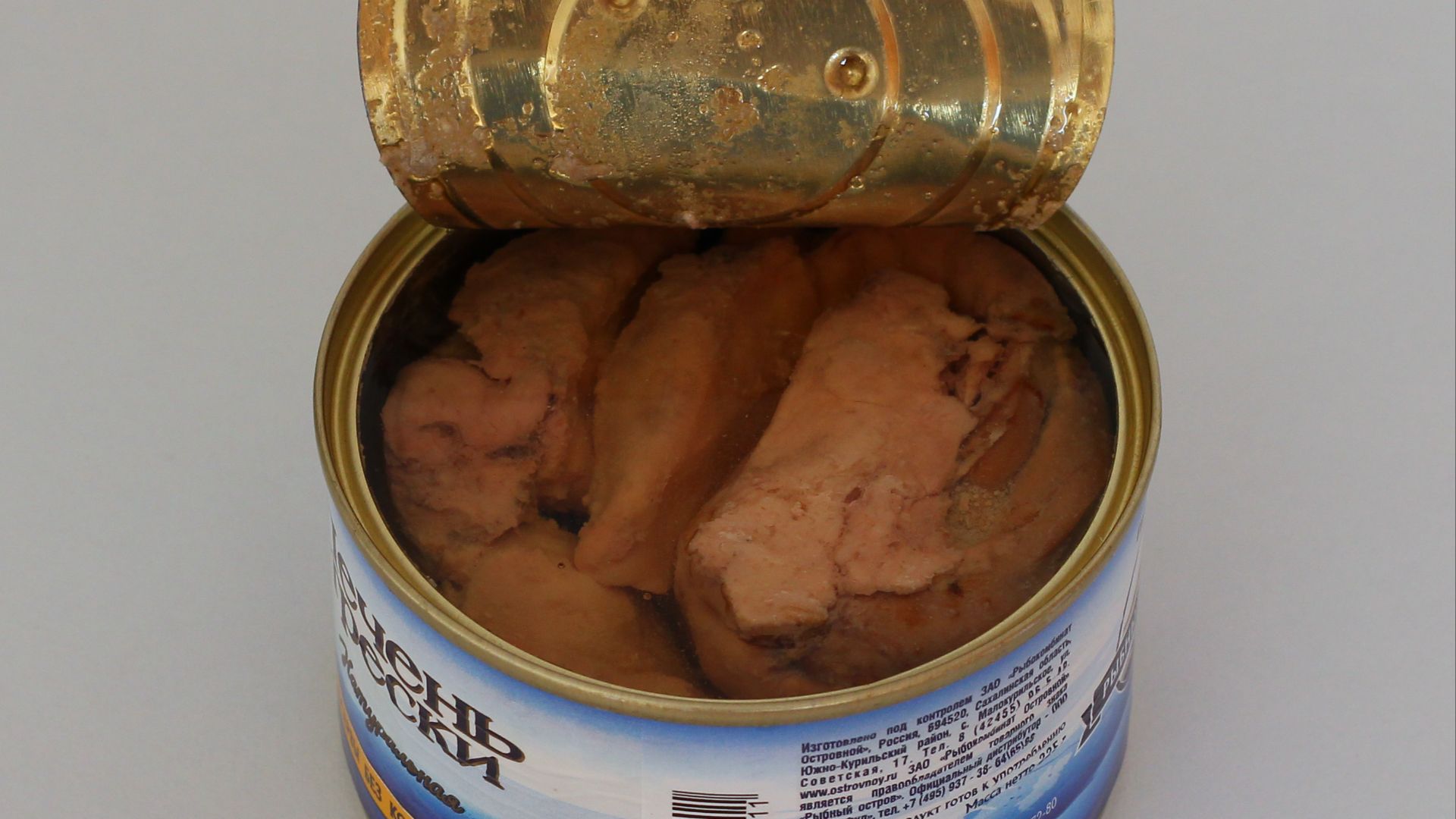
14. Cod Liver
Cod liver is rich in omega-3 fatty acids and supplies vitamins A and D in significant amounts. It sounds like it would be a home run, but unfortunately, the soft texture and concentrated fish flavor are pretty difficult, even for people who love seafood. Do yourself a favor and spread it on toast with lemon and herbs to make it easier on yourself.
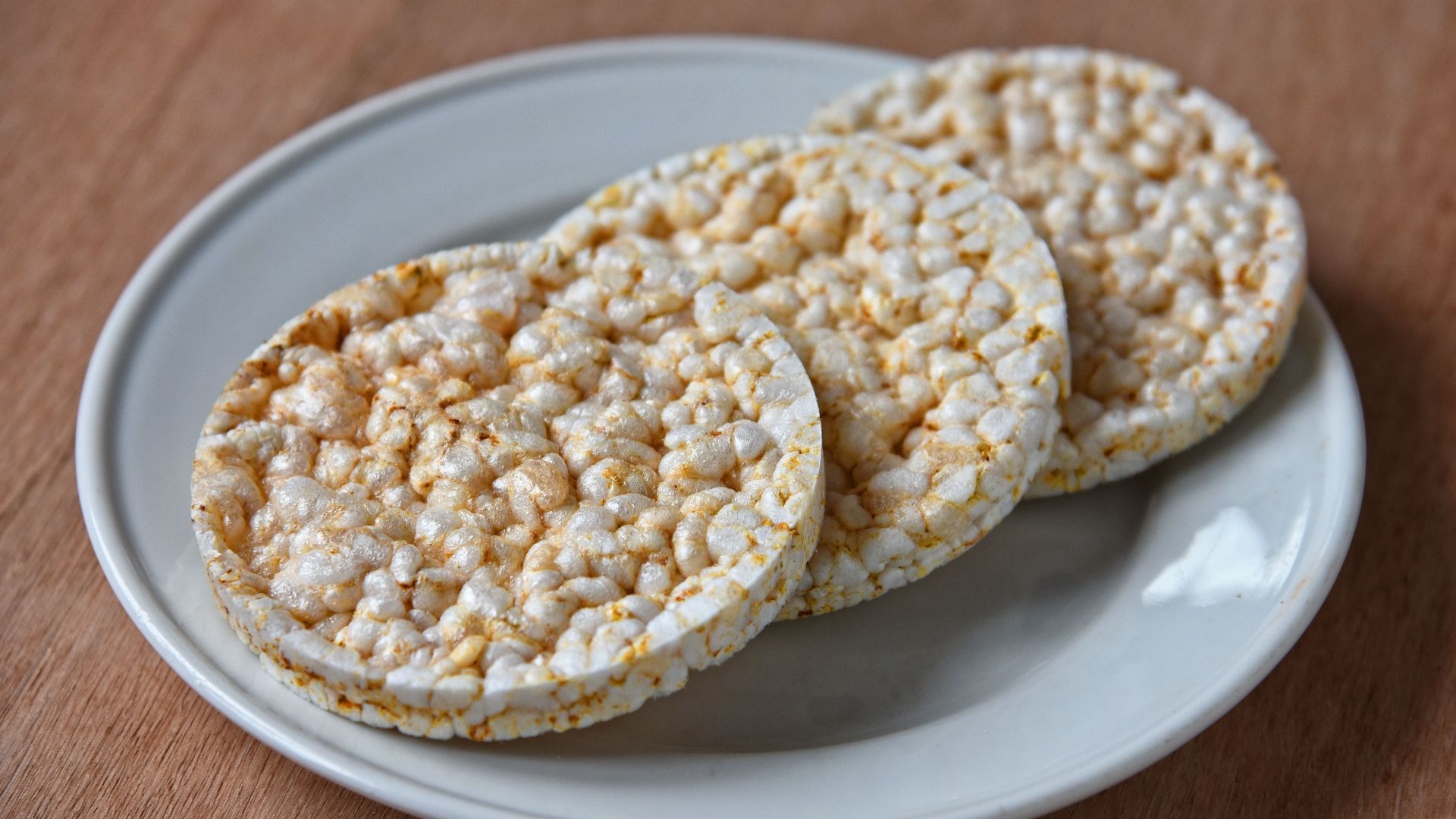
15. Unsalted Rice Cakes
Rice cakes are low in calories and provide a convenient base for more nutritious toppings. Well, you’re going to need a ton of toppings because eaten plain and unsalted, they’re dry, airy, and completely devoid of flavor. Now’s the perfect time to bust out the peanut butter.
16. Plain Hemp Hearts
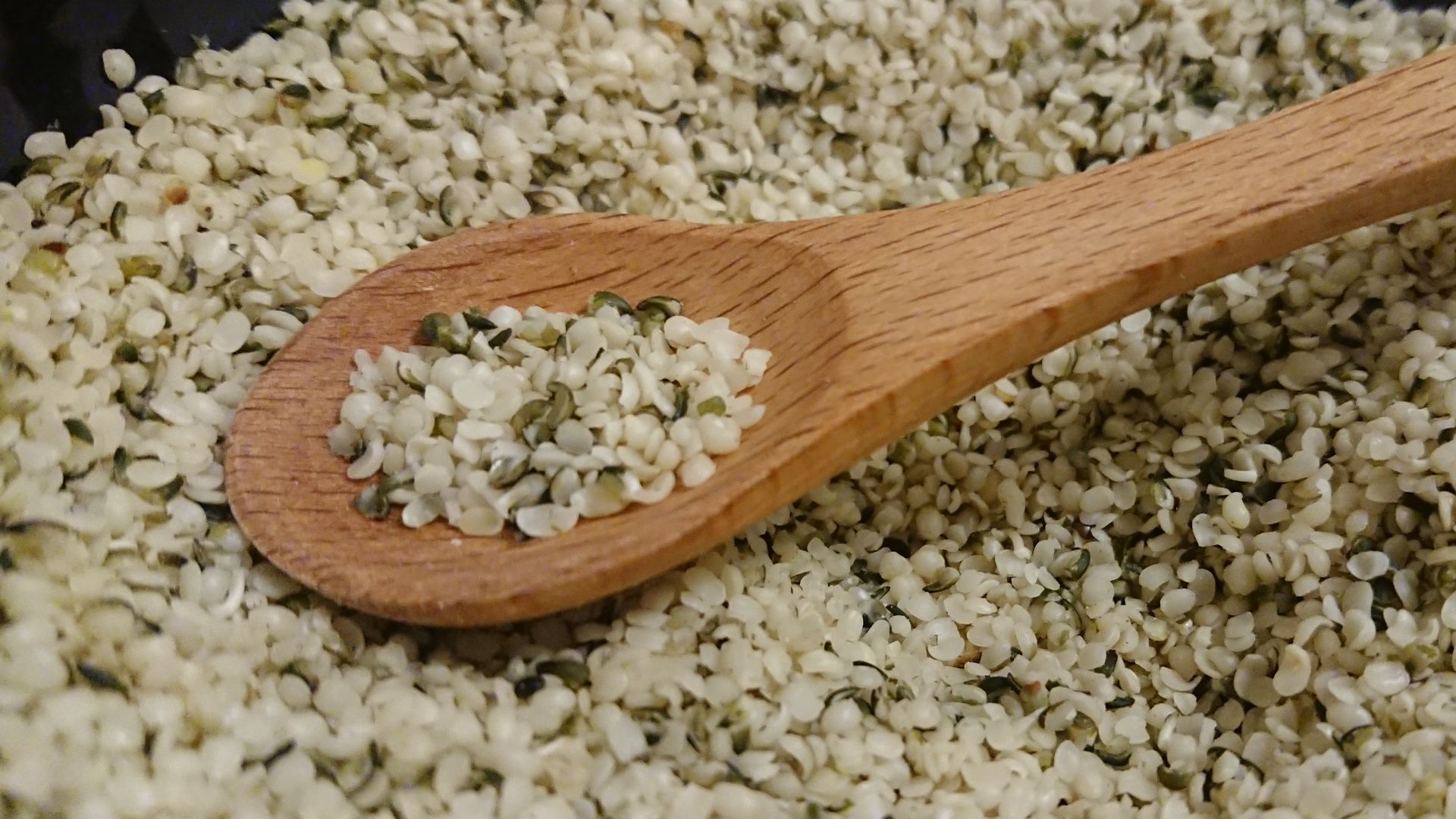
Hemp hearts contain lots of good things for your overall health, like protein, healthy fats, magnesium, and other useful nutrients. The thing is, their mild nuttiness sounds appealing until you eat a spoonful and notice the slightly grassy aftertaste. That, and the soft, gritty texture.
17. Unsweetened Cranberry Juice
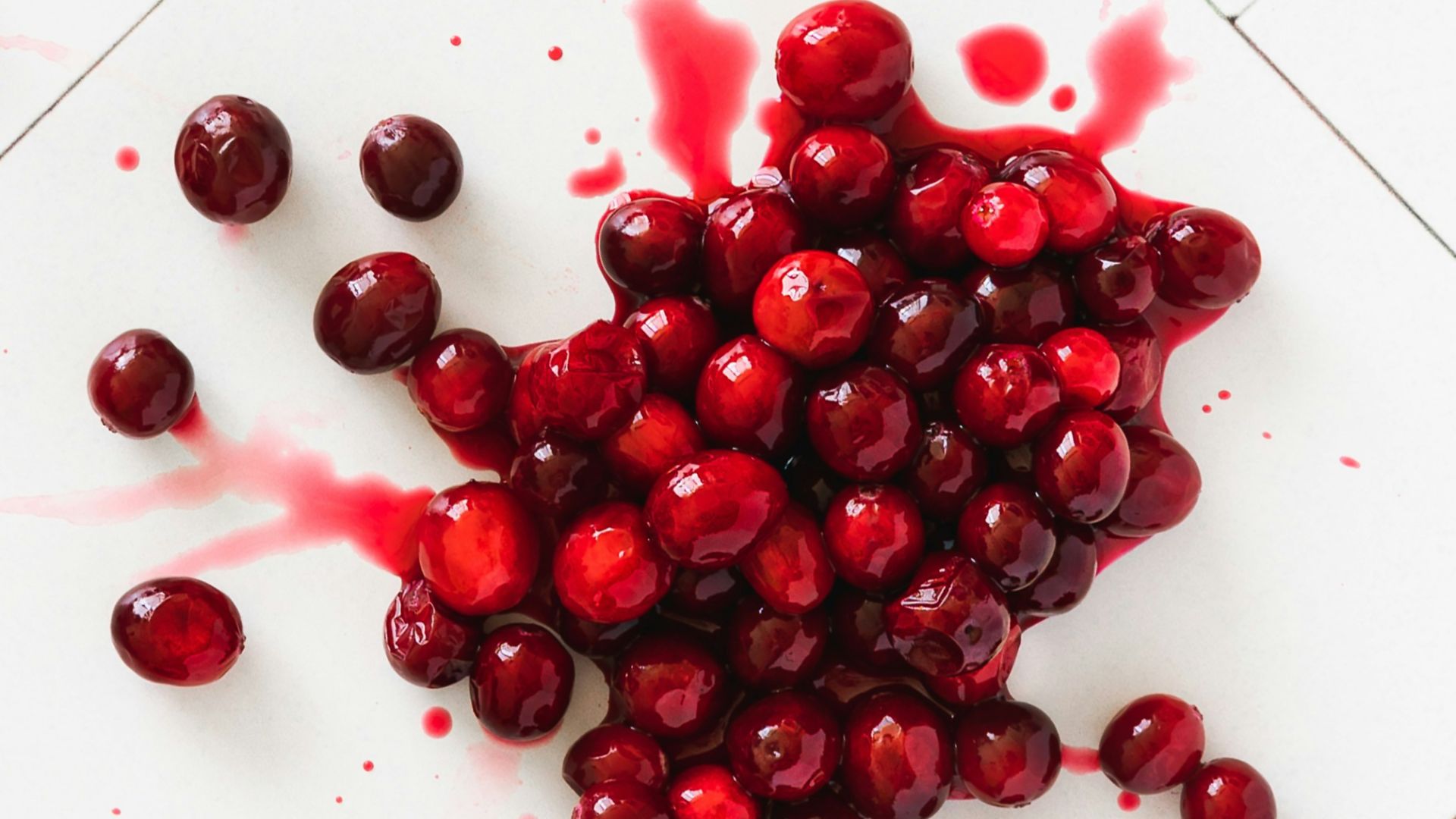
It’s easy to assume that cranberry juice automatically tastes good, but those cocktails you love so much have tons of added sugar. They need it, too—cranberries are exceptionally tart on their own. The unsweetened version is acidic, mouth-drying, and bitter enough to make a small sip feel much larger.
 Natallia Nagorniak on Unsplash
18. Plain Nutritional Yeast
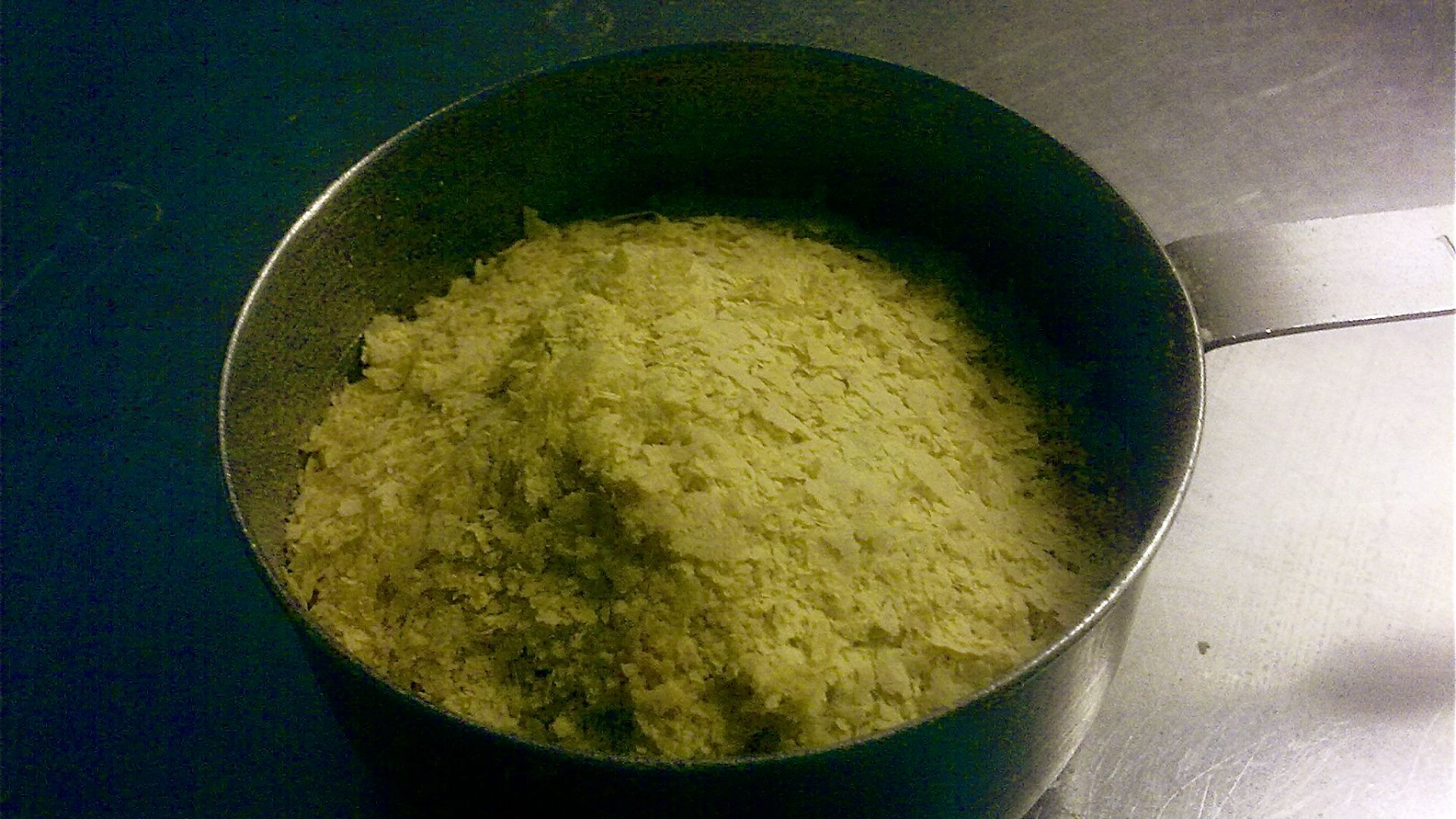
Nutritional yeast is popular in plant-based cooking because it contains protein and often comes fortified with B vitamins. That is, if you can get over the flavor. Although fans describe it as cheesy, eating the flakes by themselves has more of a dry, dusty texture and a distinctly funky aftertaste.
19. Aloe Vera Juice
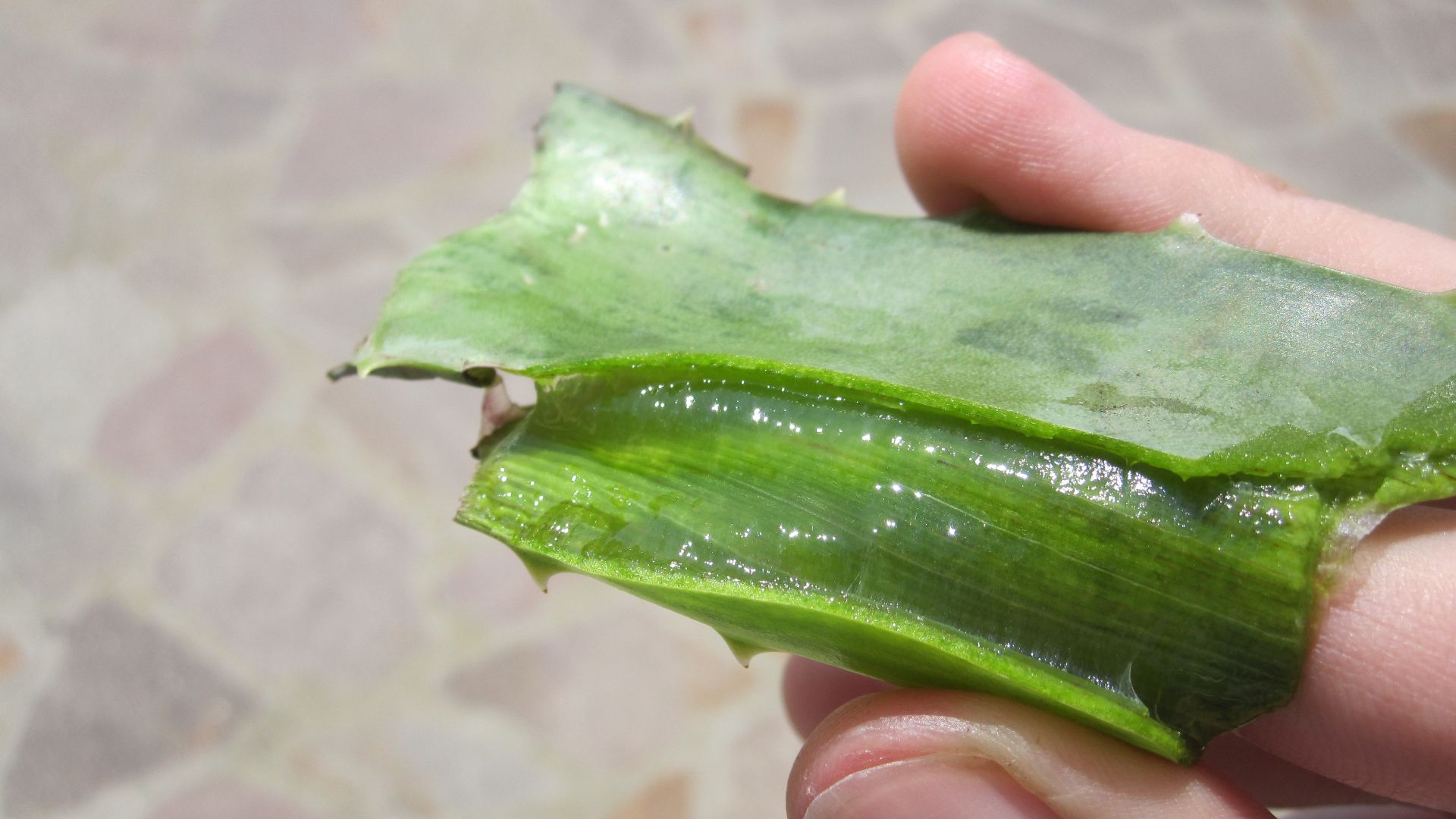
In case you haven’t seen it on shelves yet, aloe vera juice is actually sold as a wellness beverage and is sometimes even promoted as a source of antioxidants. Pure versions, though, can be bitter, vegetal, and strangely medicinal. It’s even worse when they contain very little added flavoring.
20. Cruciferous Green Juice
A green juice made from kale, broccoli, cabbage, and Brussels sprouts? You’ll get the nutrients, but you’ll also have to suffer through an intensely bitter and sulfurous taste, especially when there isn’t enough apple or ginger to balance it.
KEEP ON READING

The 10 Best Fried Chicken Sandwiches & The 10 Worst



20 Iconic Cereal Mascots You'll Never Forget