The Counters That Carry The Weight Of Local Memory
Some restaurants become famous because the food is excellent. Others last long enough to become part of a city's own self-image, holding onto old street grids, neighborhood rituals, immigration stories, and family histories even as everything around them changes. These places aren't just old. They're still doing active cultural work for the cities around them. Here are 20 you should take the time to check out.
 Ken Lund from Reno, Nevada, USA on Wikimedia
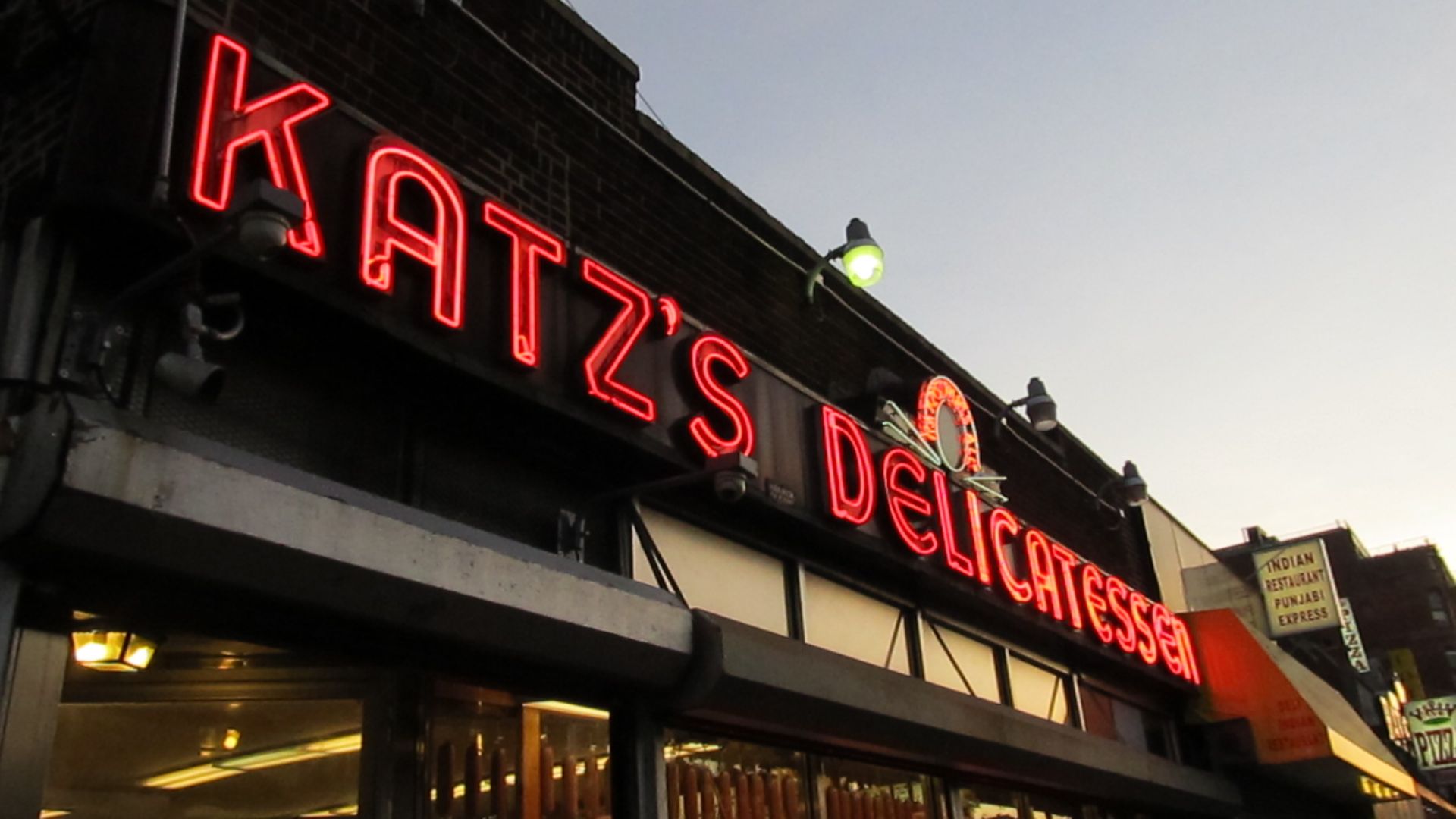
1. Antoine's, New Orleans
Antoine Alciatore founded Antoine's in 1840, and it moved to its current St. Louis Street location in 1868. Its long family ownership became central to its identity, especially in a city where food traditions are tied to lineage as much as recipes.
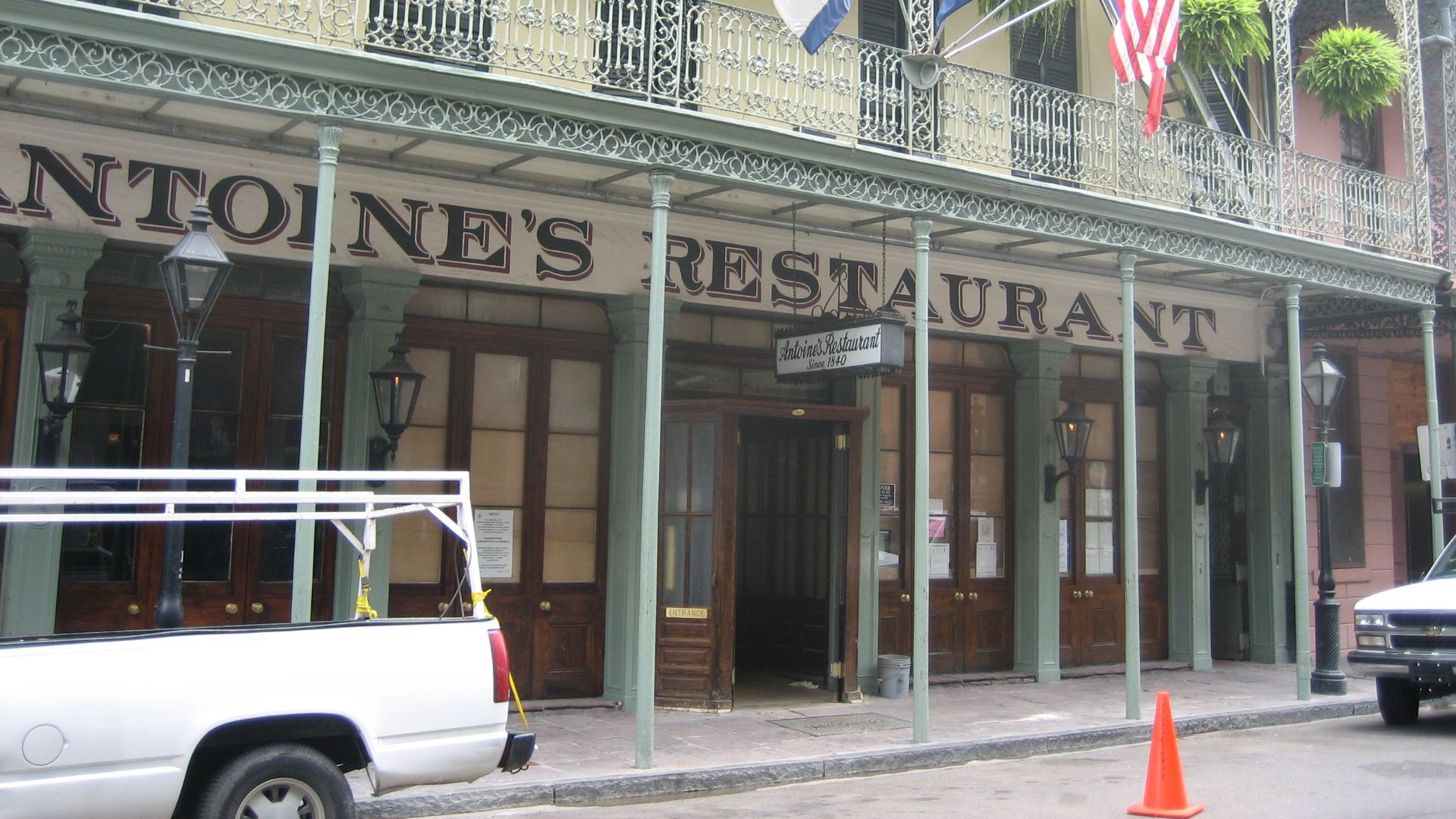
2. Union Oyster House, Boston
Union Oyster House has been serving diners since 1826, but the building itself dates to around 1716. The restaurant sits inside one of the oldest surviving pieces of downtown Boston, which is why it is like a natural extension of the city's colonial and maritime identity.
 Sayamindu Dasgupta on Wikimedia
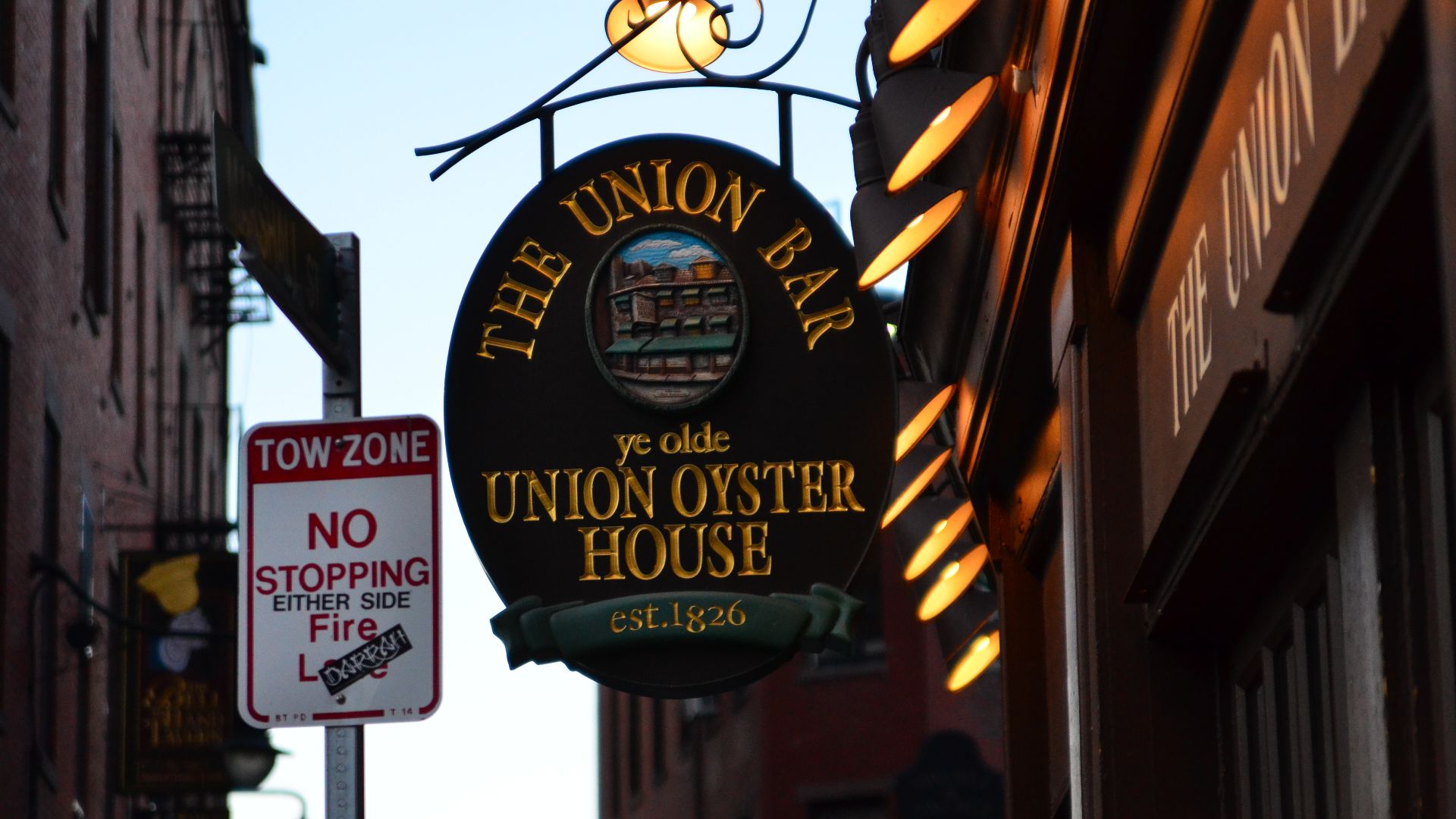
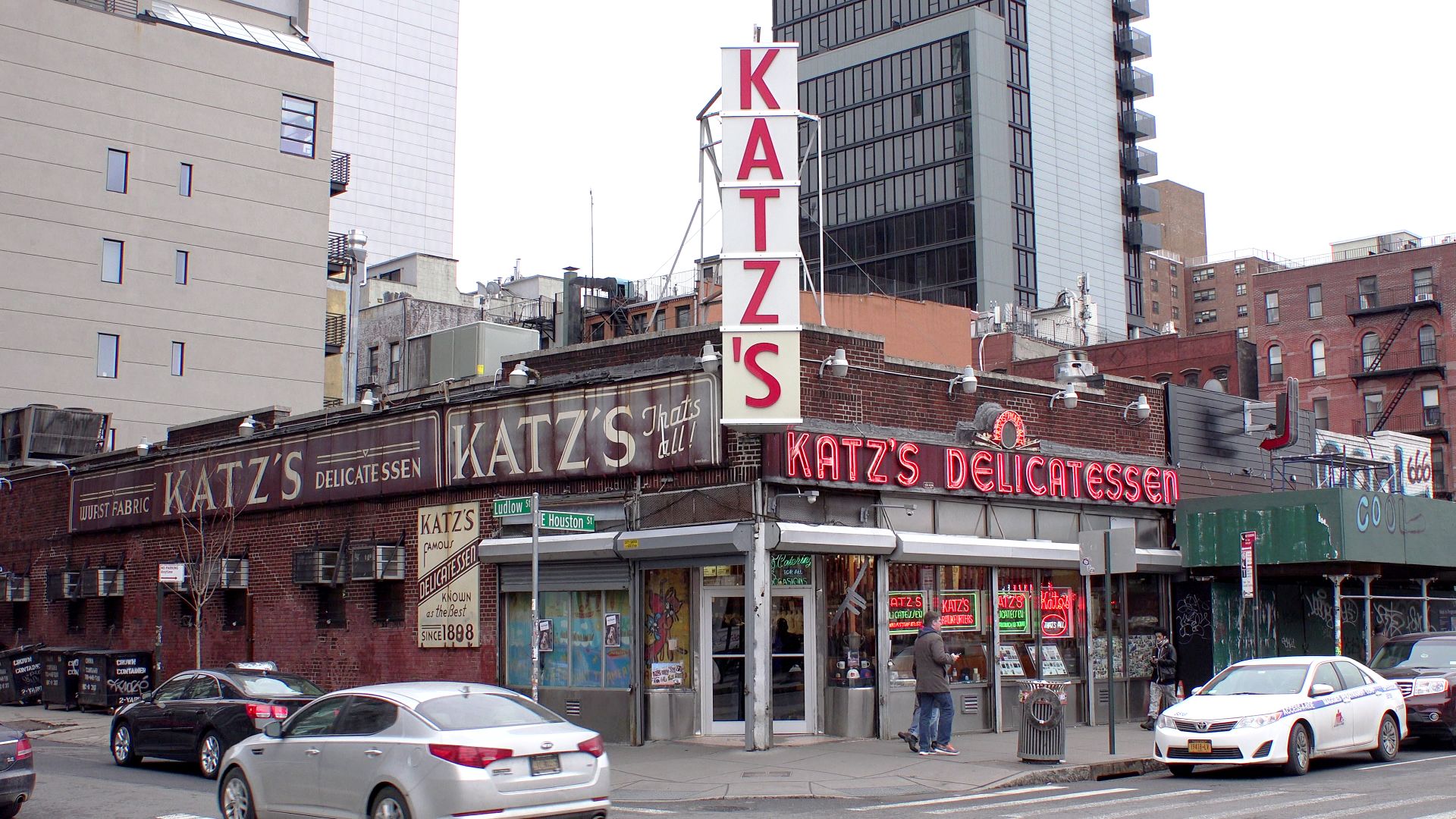
3. Katz's Delicatessen, New York City
Katz traces its history to 1888 and remains one of the defining landmarks of the Lower East Side. Katz represents an era of immigrant New York, particularly the neighborhood's Jewish deli culture, where food businesses doubled as community anchors for newly arrived families.
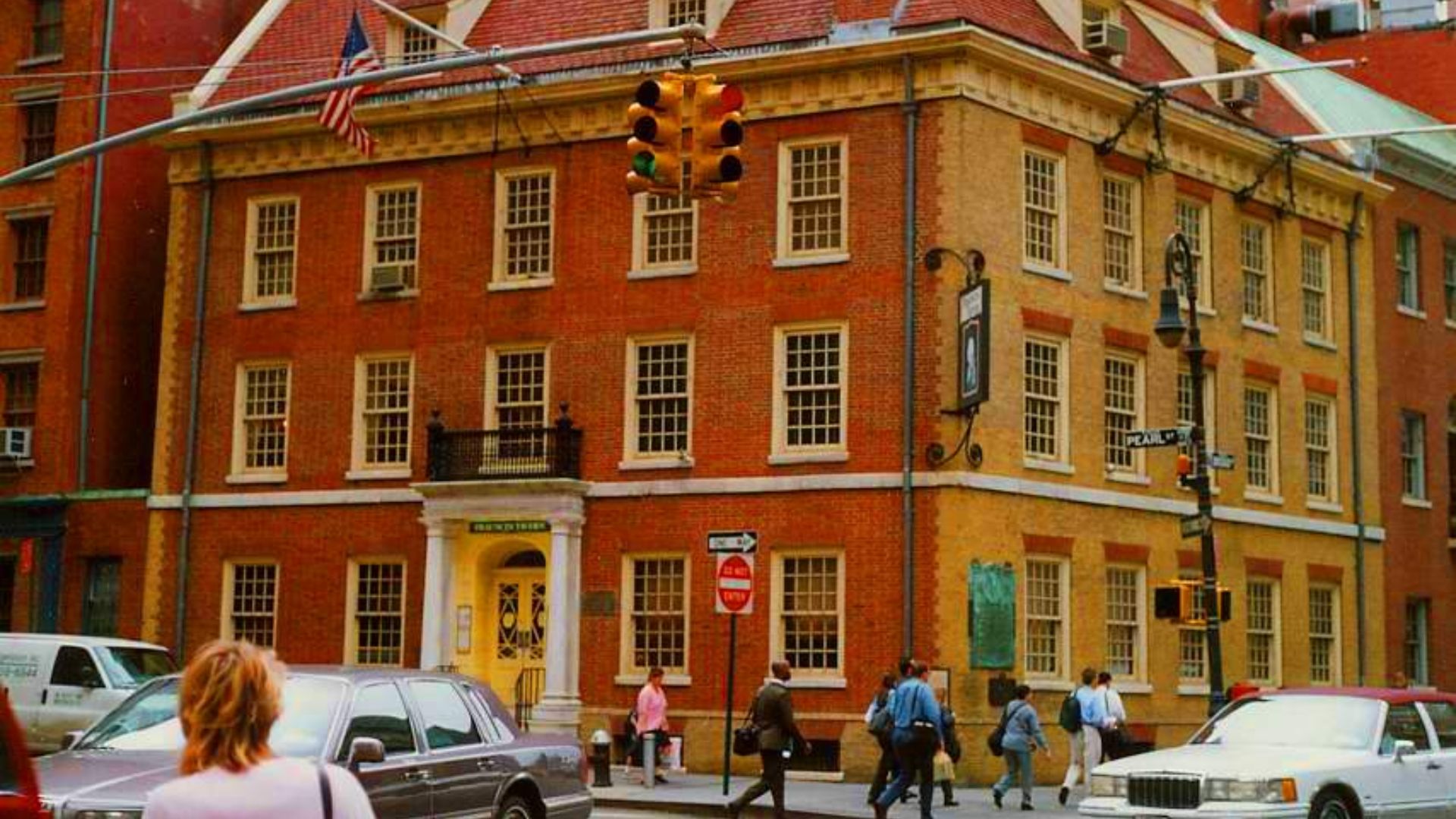
4. Fraunces Tavern, New York City
The building was originally constructed in 1719 as a private home, then converted into a tavern by Samuel Fraunces in 1762. It quickly became a significant site in Revolutionary-era New York. It's a civic landmark that also happens to serve food, which is a rare thing to pull off for more than 250 years.
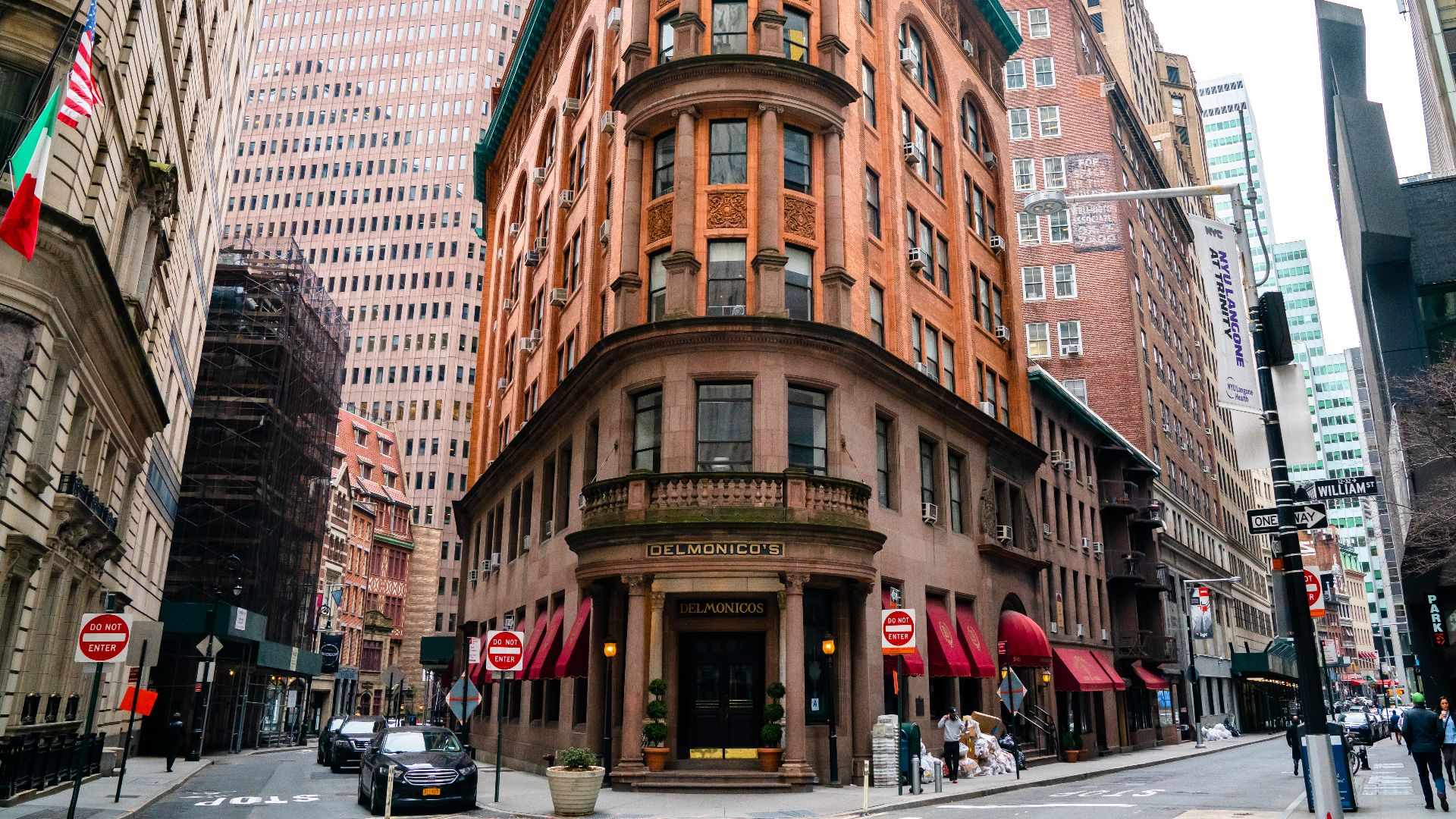
5. Delmonico's, New York City
Delmonico's began in 1837 as a small shop run by the Delmonico brothers, selling pastries, coffee, wine, and cigars before growing into one of the country's most influential restaurants. It became associated with the rise of formal American restaurant culture, the idea that going out to eat could be a public performance of status.
 Billie Grace Ward from New York, USA on Wikimedia
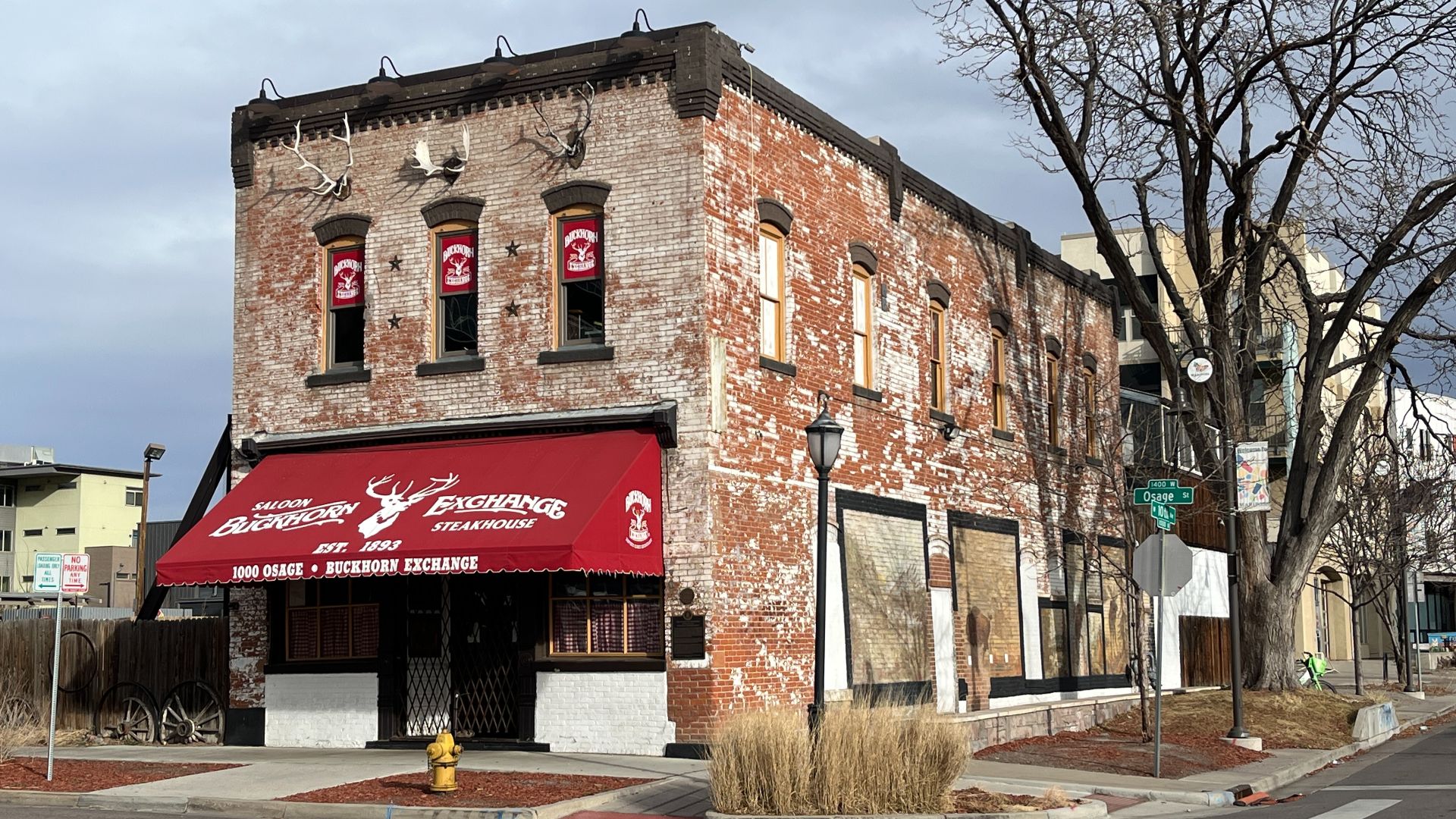
6. Buckhorn Exchange, Denver
Buckhorn Exchange opened in 1893 and has long operated as part steakhouse, part Old West museum. It remains one of Denver's clearest surviving connections to the frontier era, when saloons, cattle routes, and railroad traffic were central to who the city was.
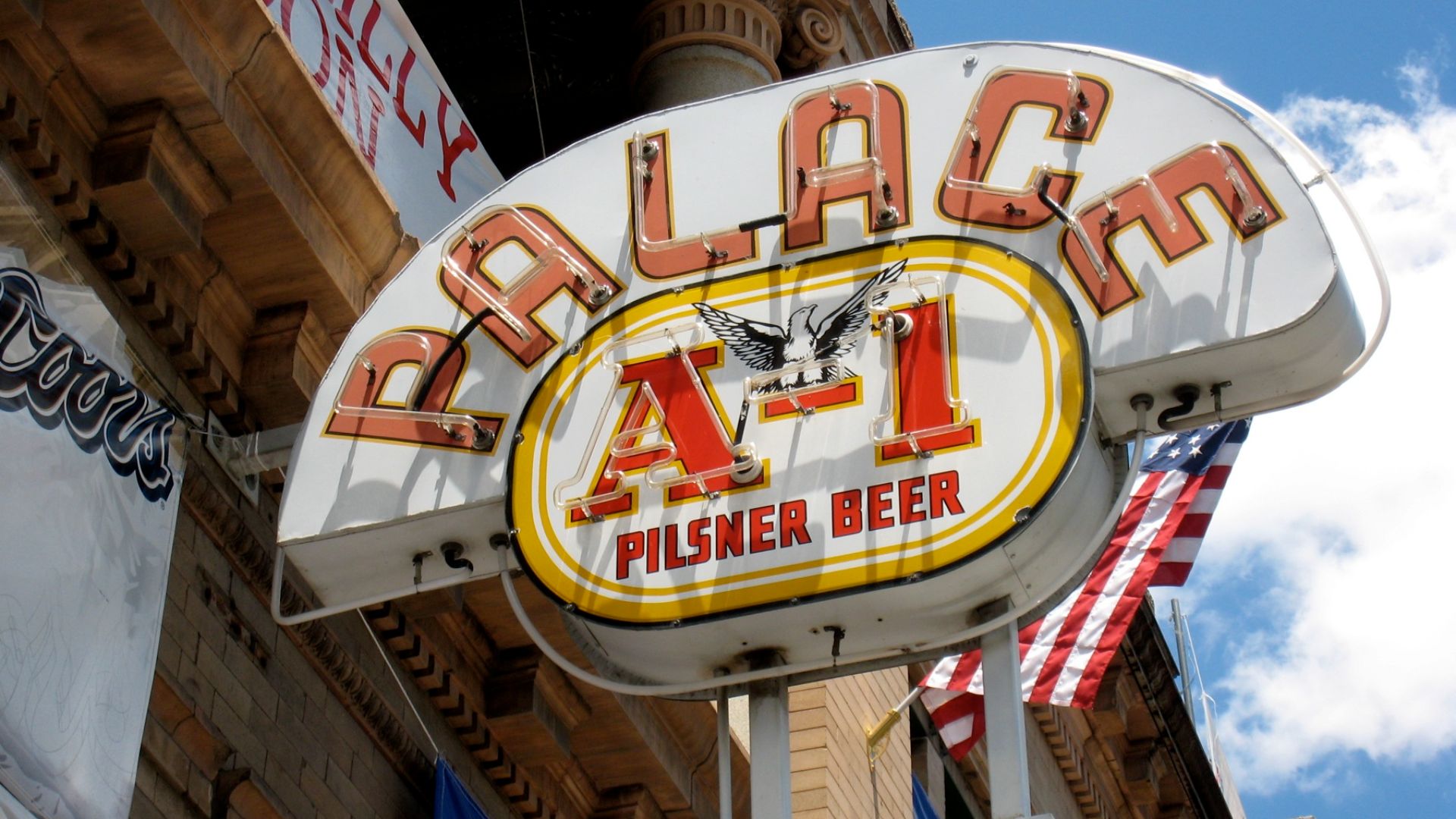
7. The Palace Restaurant And Saloon, Prescott
The Palace commonly promotes 1877 as its founding, though archival research from Sharlot Hall Museum has traced the roots of the present-day Palace back to 1874, with several early saloons in the mix before the Great Fire of 1900 reshaped Whiskey Row. What's certain is that the current Palace was rebuilt after that fire and still anchors Prescott's frontier identity in a way newer Western-themed places simply can't replicate.
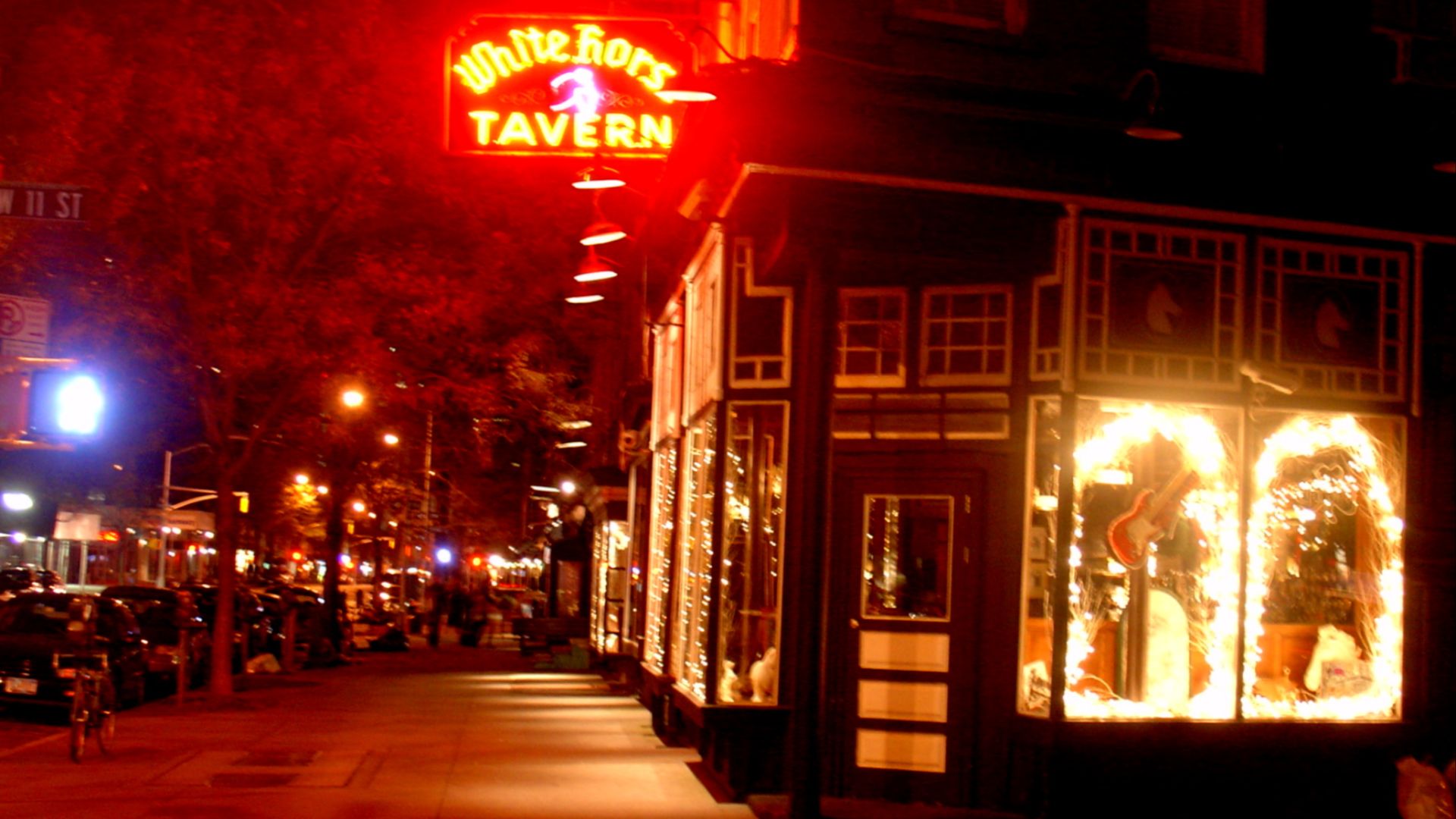
8. White Horse Tavern, Newport
White Horse Tavern's building dates to 1652, with its conversion into a tavern taking shape by 1673. In Newport, where preservation is practically a local language, White Horse helps define the city's sense of historical continuity.
 Johndhackensacker3d on Wikimedia
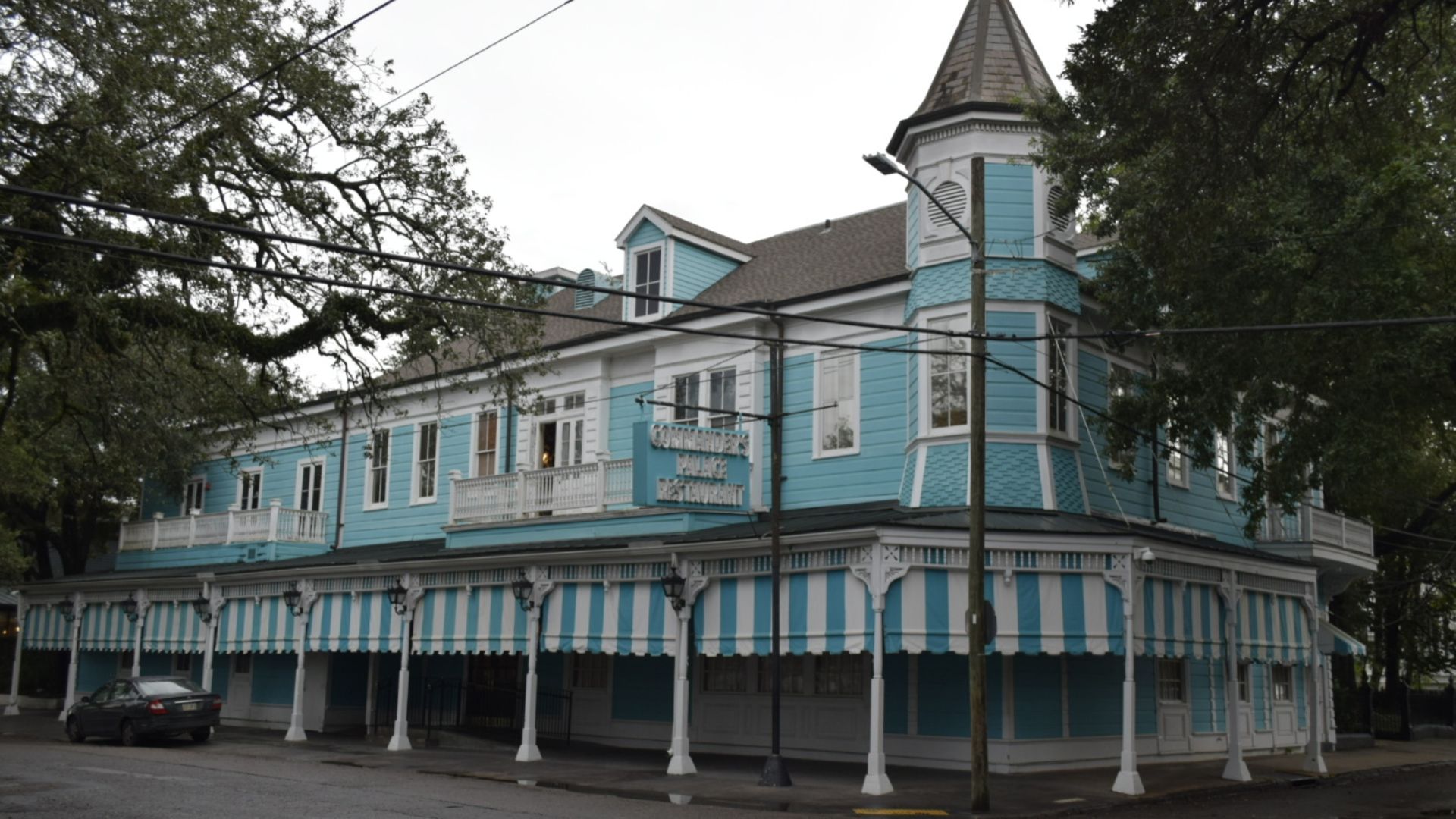
9. Commander's Palace, New Orleans
Emile Commander opened a small saloon at Washington Avenue and Coliseum Street in 1893, and it soon evolved into a restaurant serving the Garden District. The Brennan family took over in the 1970s and transformed it into a central institution of New Orleans dining, moving it from a local landmark into national culinary prominence without cutting it loose from its neighborhood roots.
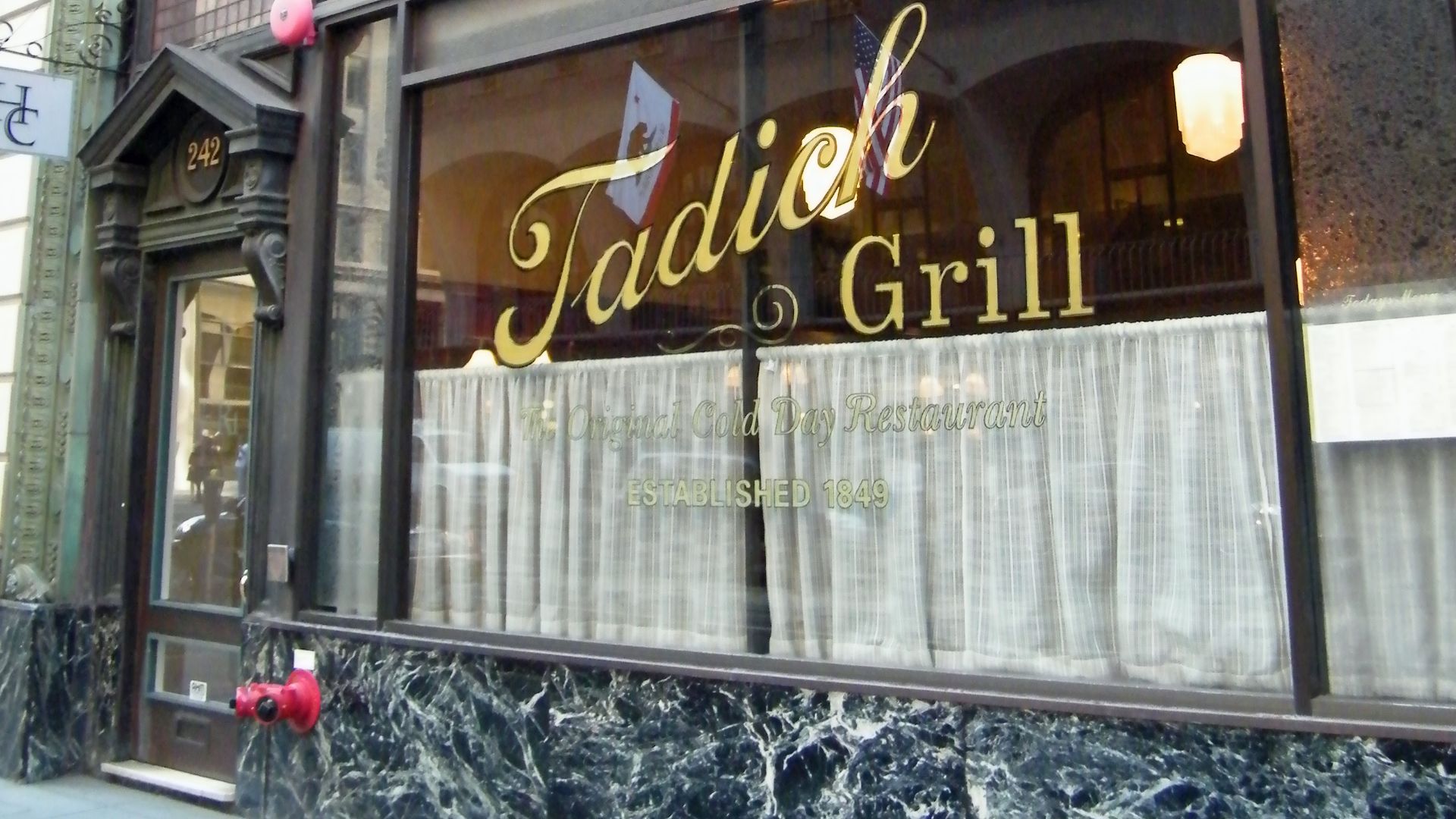
10. Tadich Grill, San Francisco
Tadich Grill traces its beginning to 1849, placing it right inside the Gold Rush era that helped make San Francisco what it became. Its history is tied to the city's old waterfront and Croatian immigrant food traditions that shaped its seafood-heavy menu.
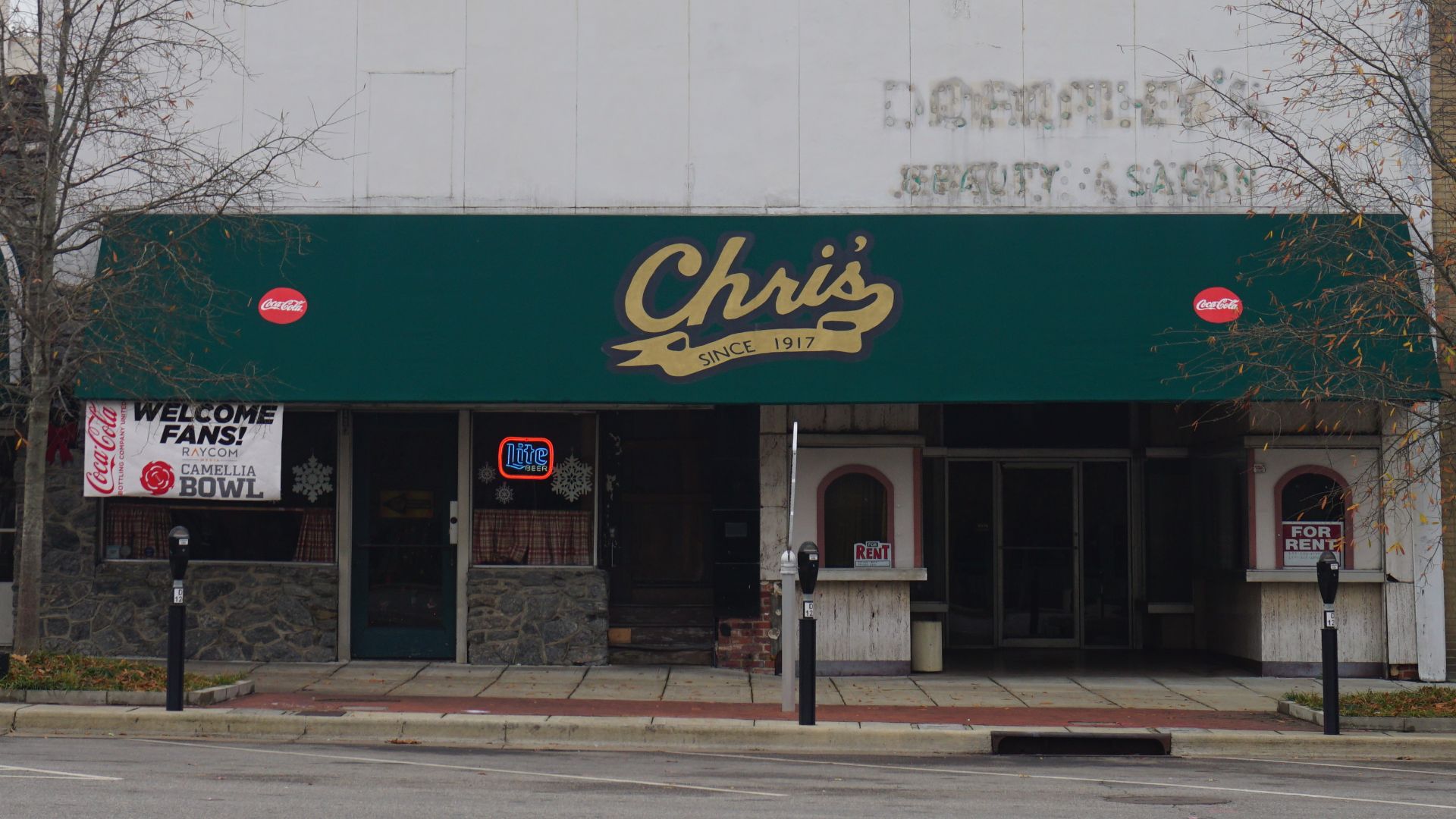
11. Chris' Famous Hotdogs, Montgomery
Chris' opened in 1917 and has spent more than a century serving generations of locals in downtown Montgomery. In a city with a deep love of public memory, this simple restaurant is well-loved for its history.
12. McGillin's Olde Ale House, Philadelphia
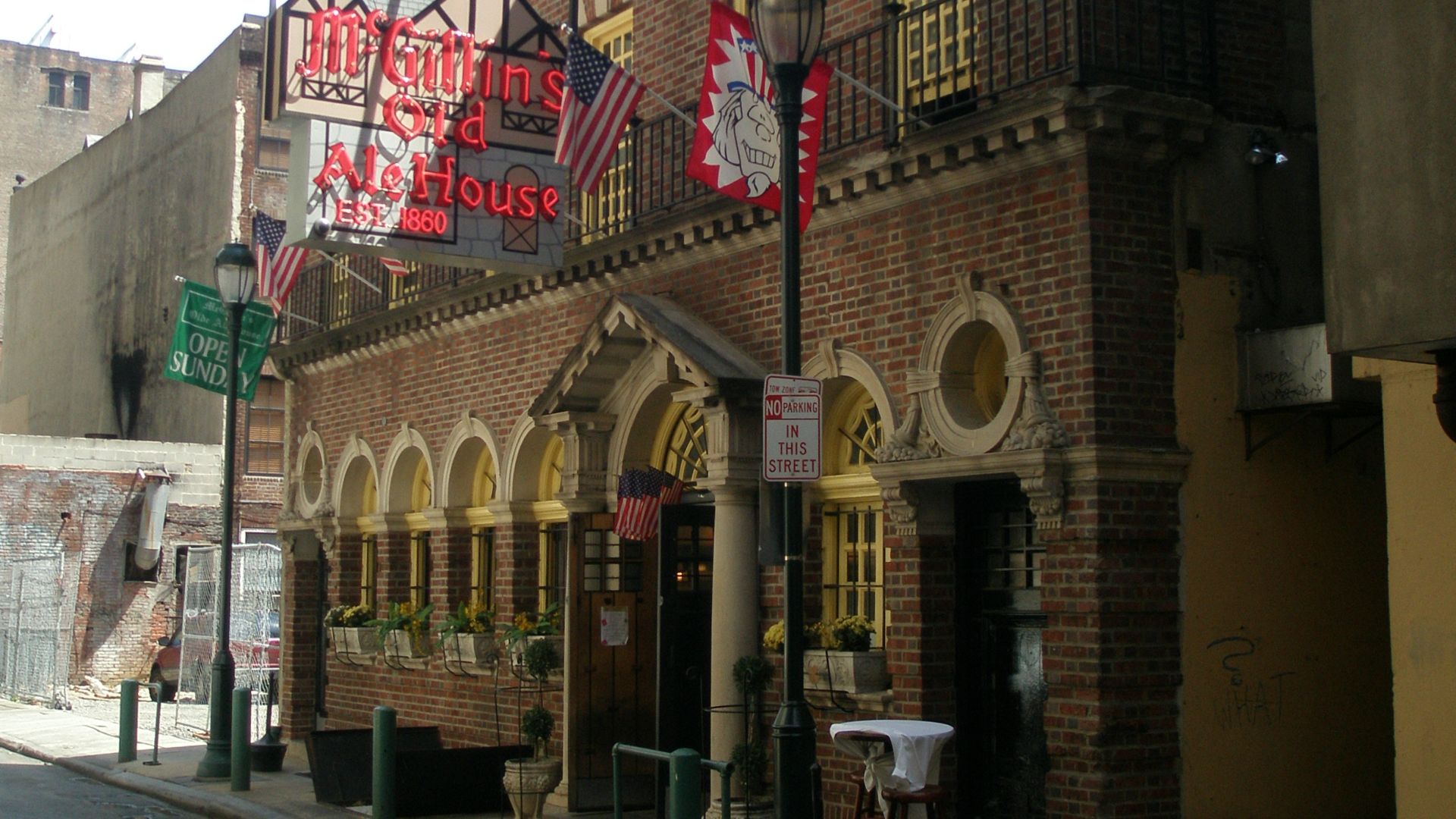
McGillin's opened in 1860 as the Bell in Hand Tavern, founded by Catherine and William McGillin, and it's been running ever since. That continuity through the Civil War, Prohibition, and Philadelphia's repeated waves of neighborhood change is what gives the place its unusual authority.
13. Mystic Pizza, Mystic
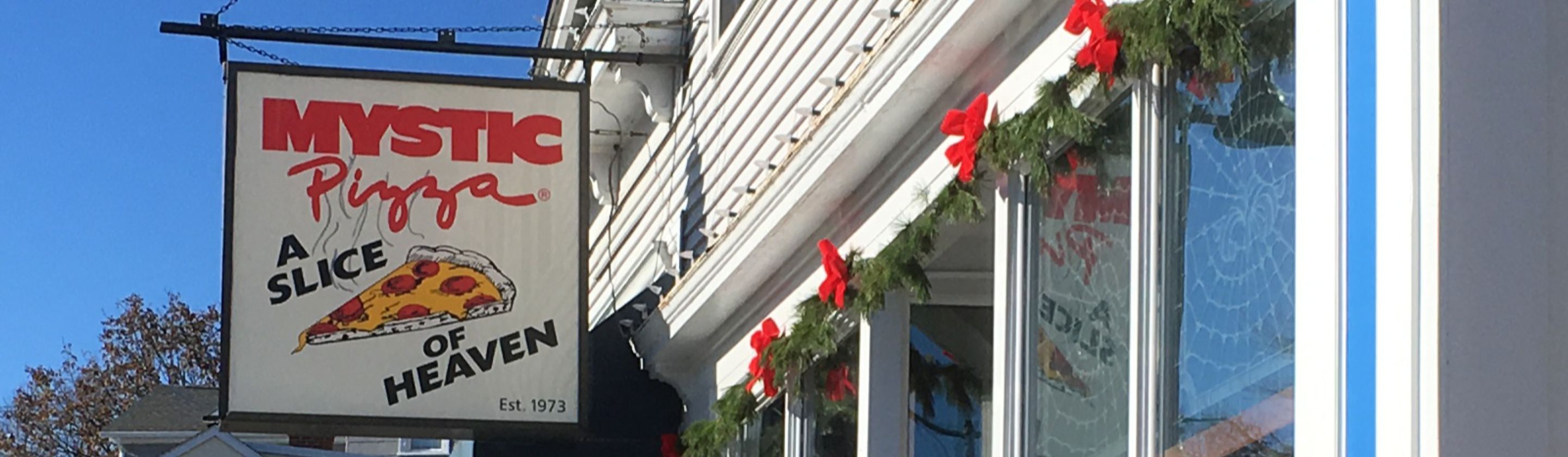
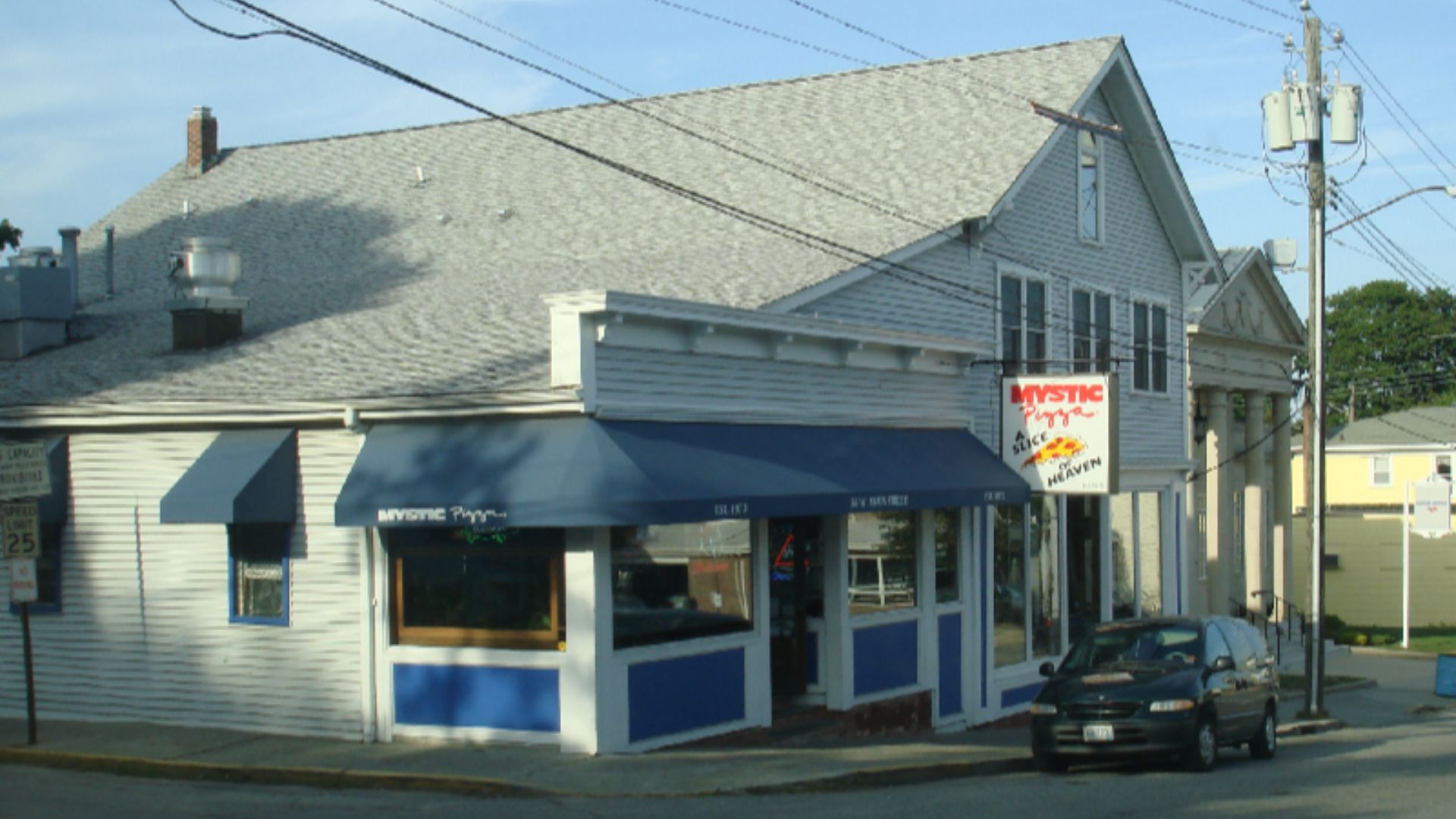
Mystic Pizza opened in 1973, which makes it much younger than most places on this list. Everything changed when screenwriter Amy Jones used it as the setting for the 1988 film of the same name.
14. Mrs. Wilkes Dining Room, Savannah
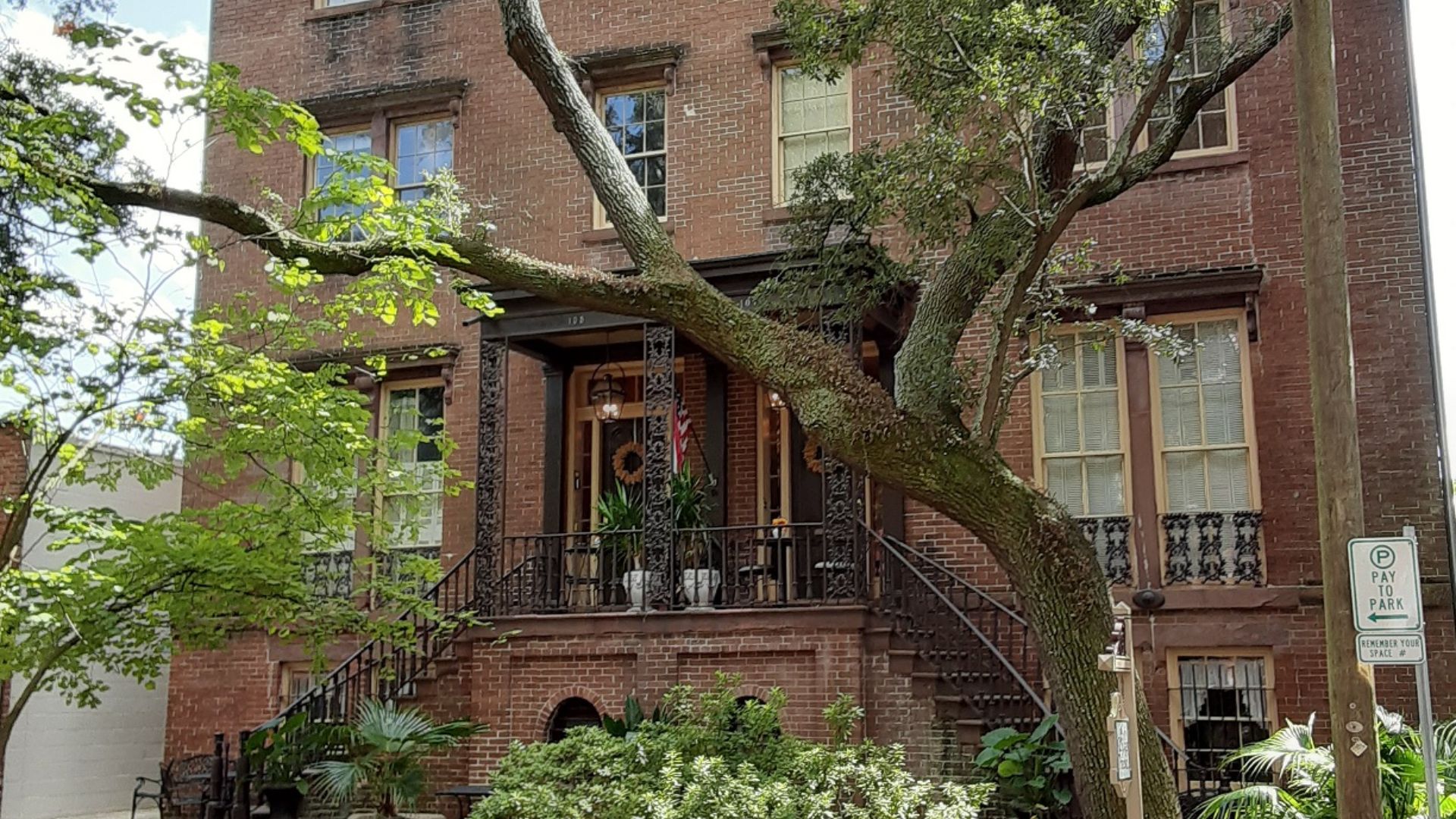
Sema Wilkes took over a downtown Savannah boardinghouse in 1943, and the restaurant's style still reflects those roots. The boardinghouse table was never just about food. It was about shared space, routine, and the ordinary mechanics of Southern urban life before the area experienced a tourism burst.
15. Old Ebbitt Grill, Washington, D.C.
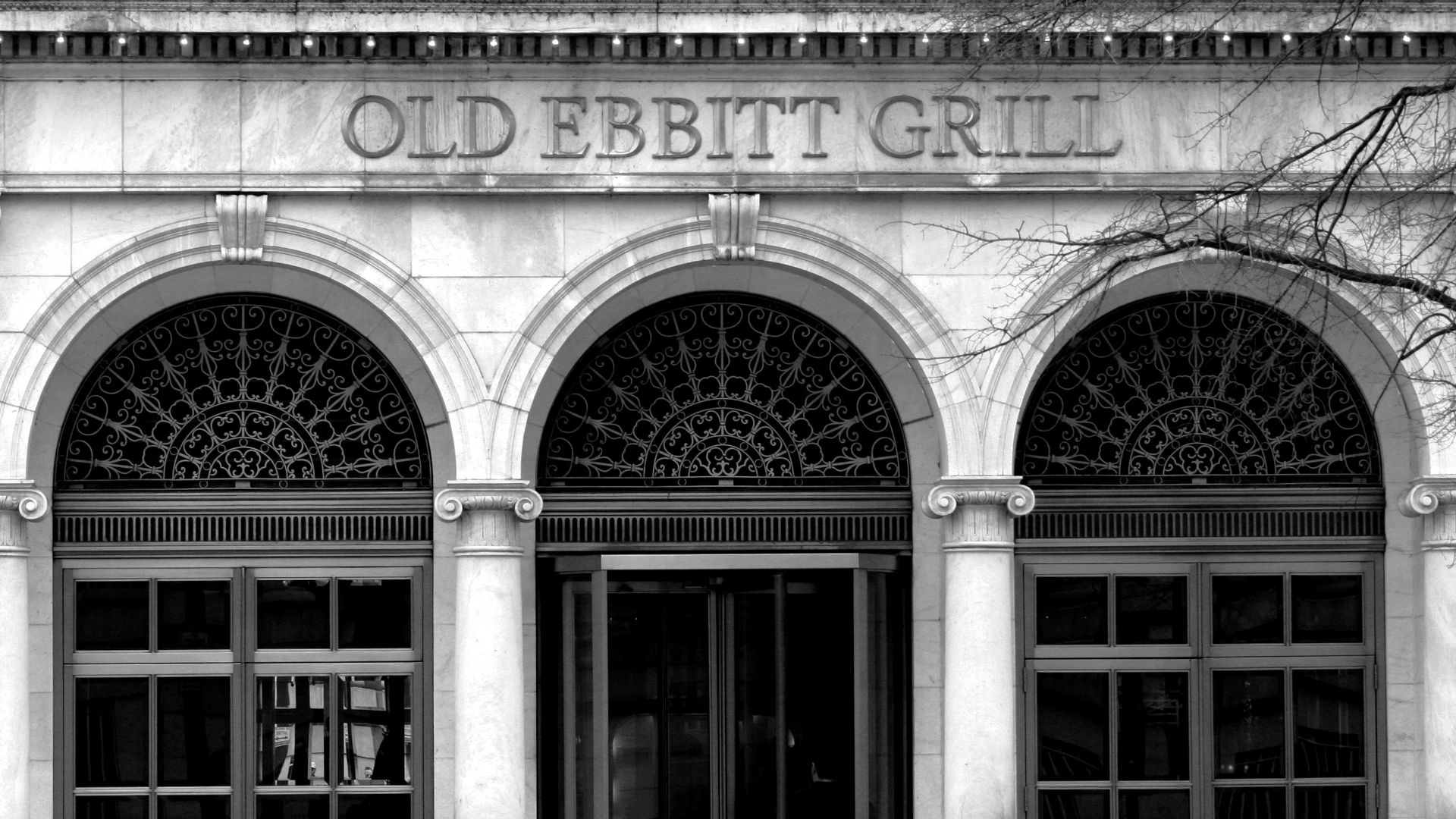
Old Ebbitt Grill traces its history to 1856, when innkeeper William E. Ebbitt bought a boarding house that later became tied to a series of hotel and restaurant operations. Presidents, officeholders, and lobbyists all became part of its lore over time.
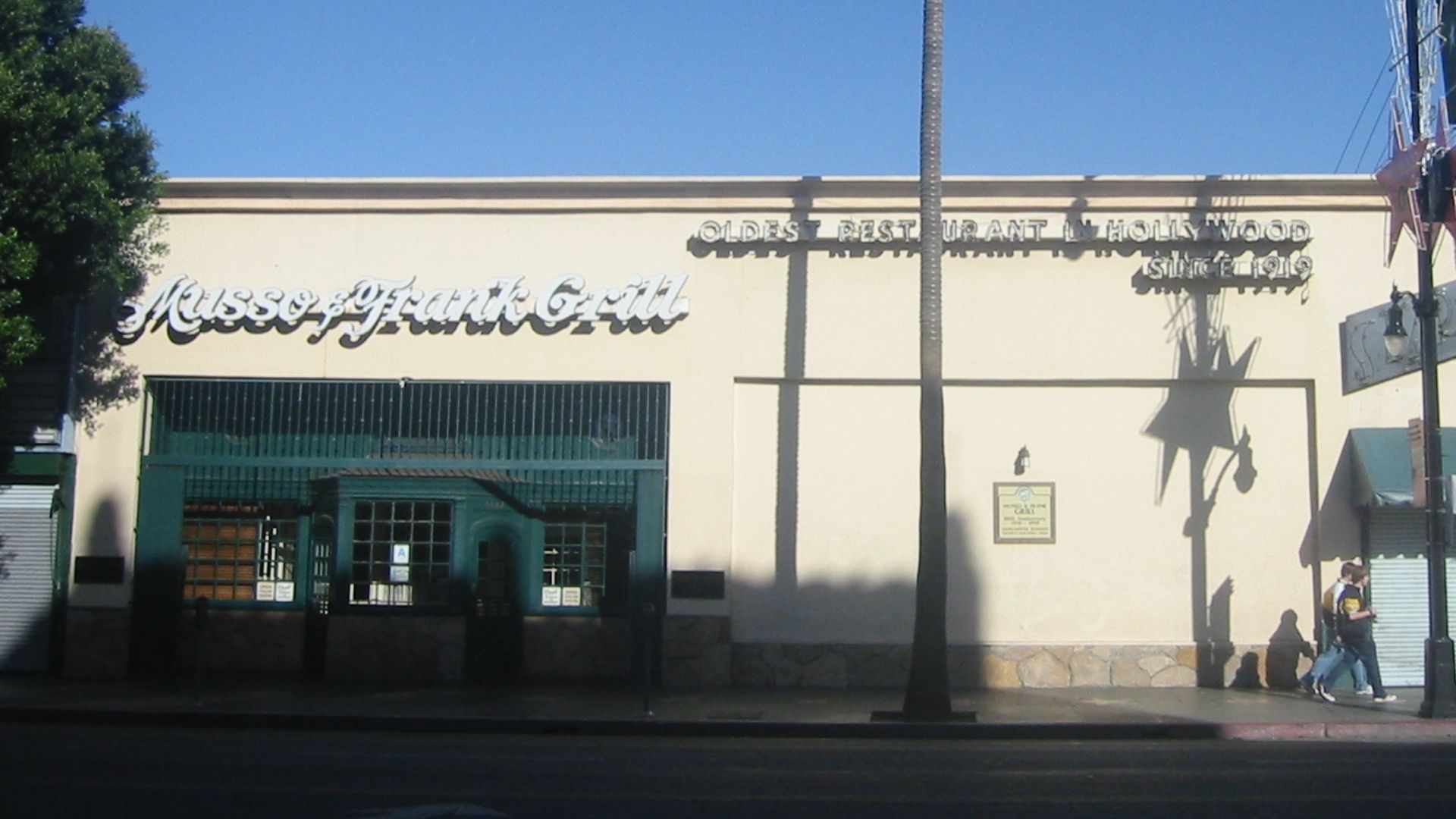
16. Musso & Frank Grill, Hollywood
Musso & Frank opened in 1919 and became one of the fixed points of early Hollywood almost immediately. Its history includes a partnership between Frank Toulet and Joseph Musso, as well as decades of writers, actors, and dealmakers treating the restaurant as an unofficial office. By the 1930s, it was already central to Hollywood life.
 Gary Minnaert (Minnaert)) on Wikimedia
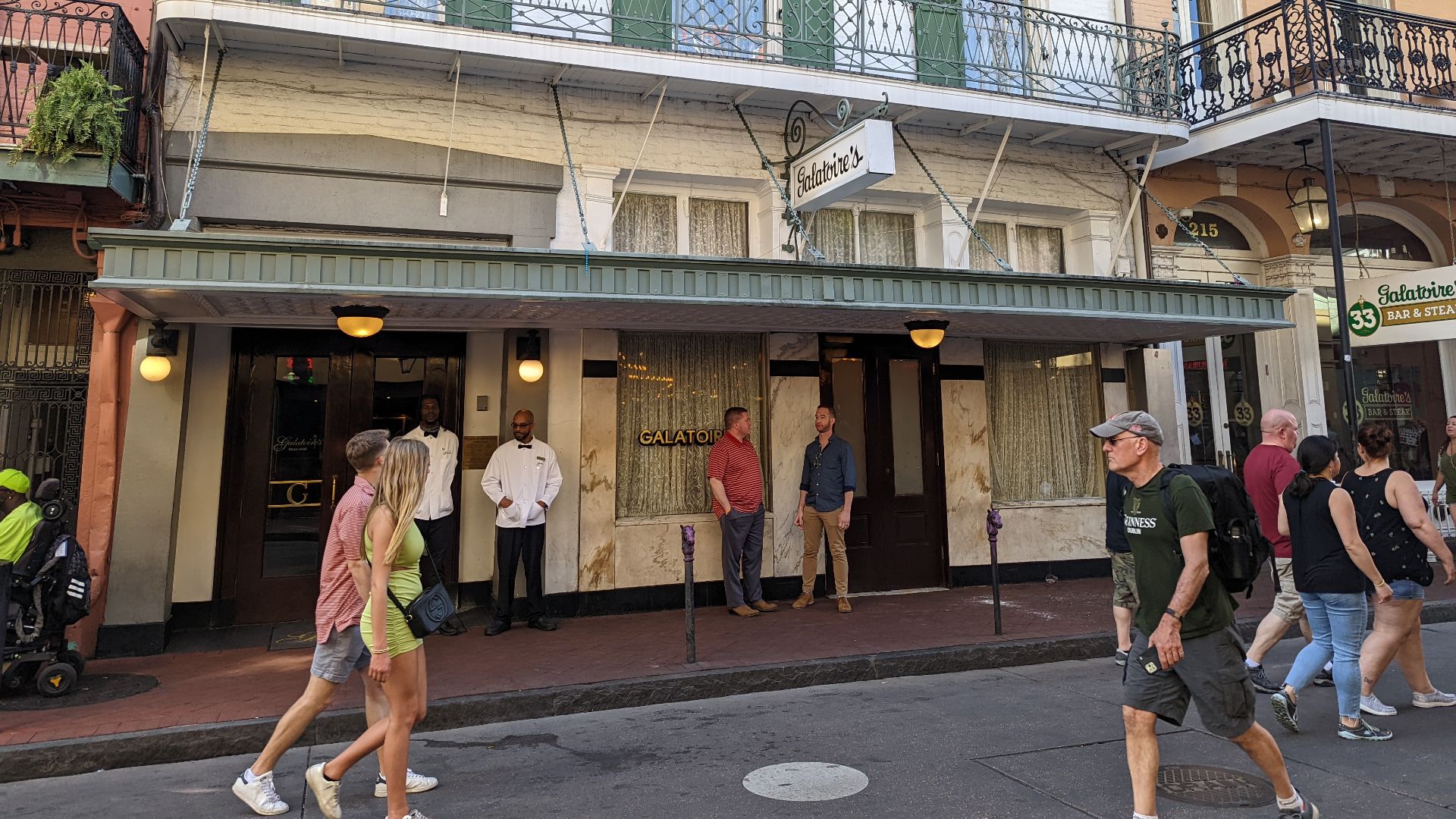
17. Galatoire's, New Orleans
Jean Galatoire founded Galatoire's on Bourbon Street in 1905, bringing dining customs shaped by his French background and translating them into a New Orleans institution. Its history is bound up with continuity, not just in recipes but in etiquette, service rhythms, and the social rituals of the area.
 Carnaval.com Studios on Wikimedia
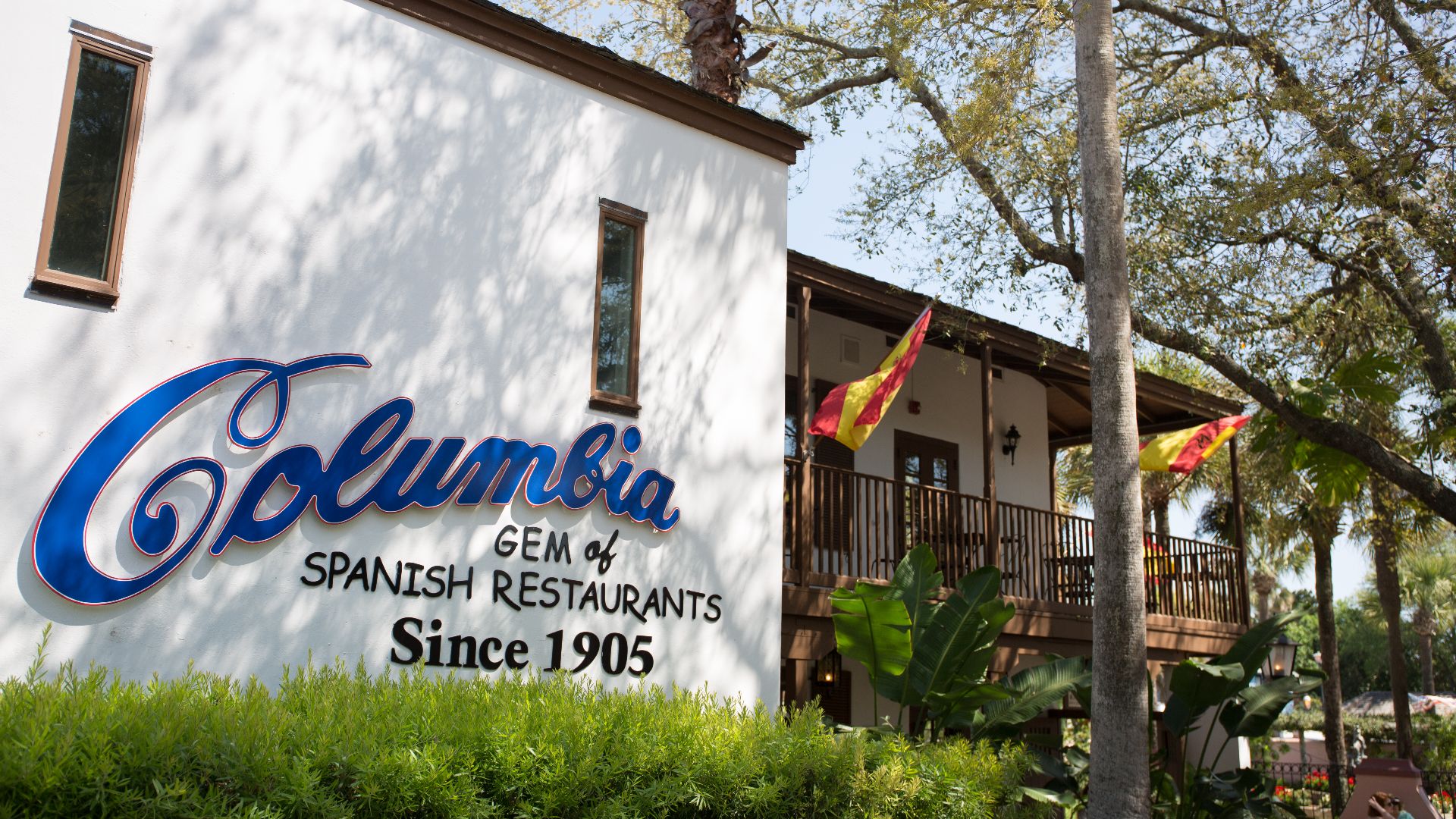
18. Columbia Restaurant, Tampa
Casimiro Hernandez Sr. opened the Columbia Saloon in 1903 before it became the Columbia Restaurant in 1905. It eventually expanded to cover an entire city block in Ybor City, becoming one of the most significant family-run restaurant businesses in Florida.
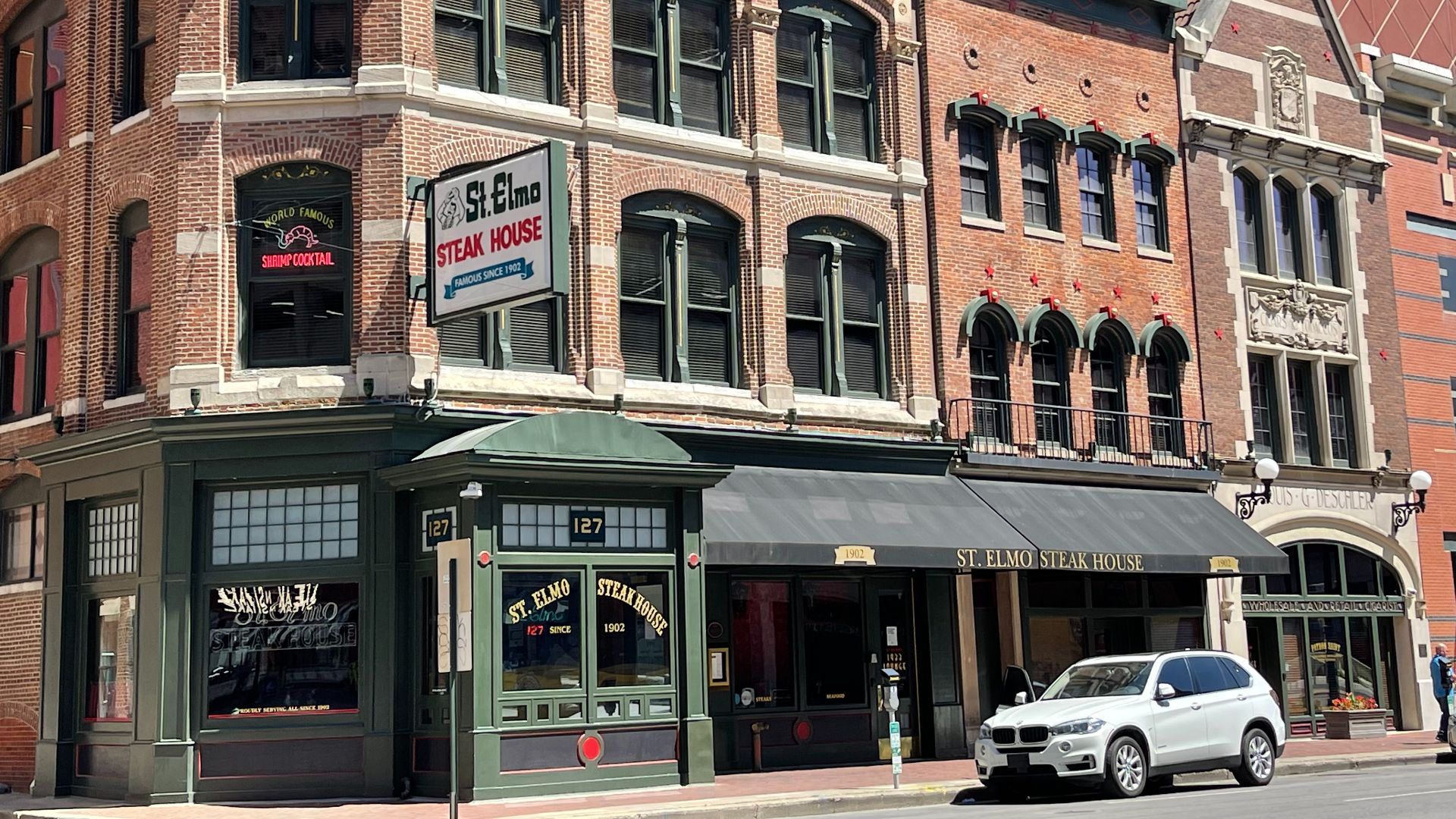
19. St. Elmo Steak House, Indianapolis
Joe Stahr opened what was first known as Joe Stahr's Tavern and the St. Elmo Buffet in 1902. The restaurant passed through several ownership eras, including the Roth and Huse families, before becoming one of Indianapolis' signature dining rooms.
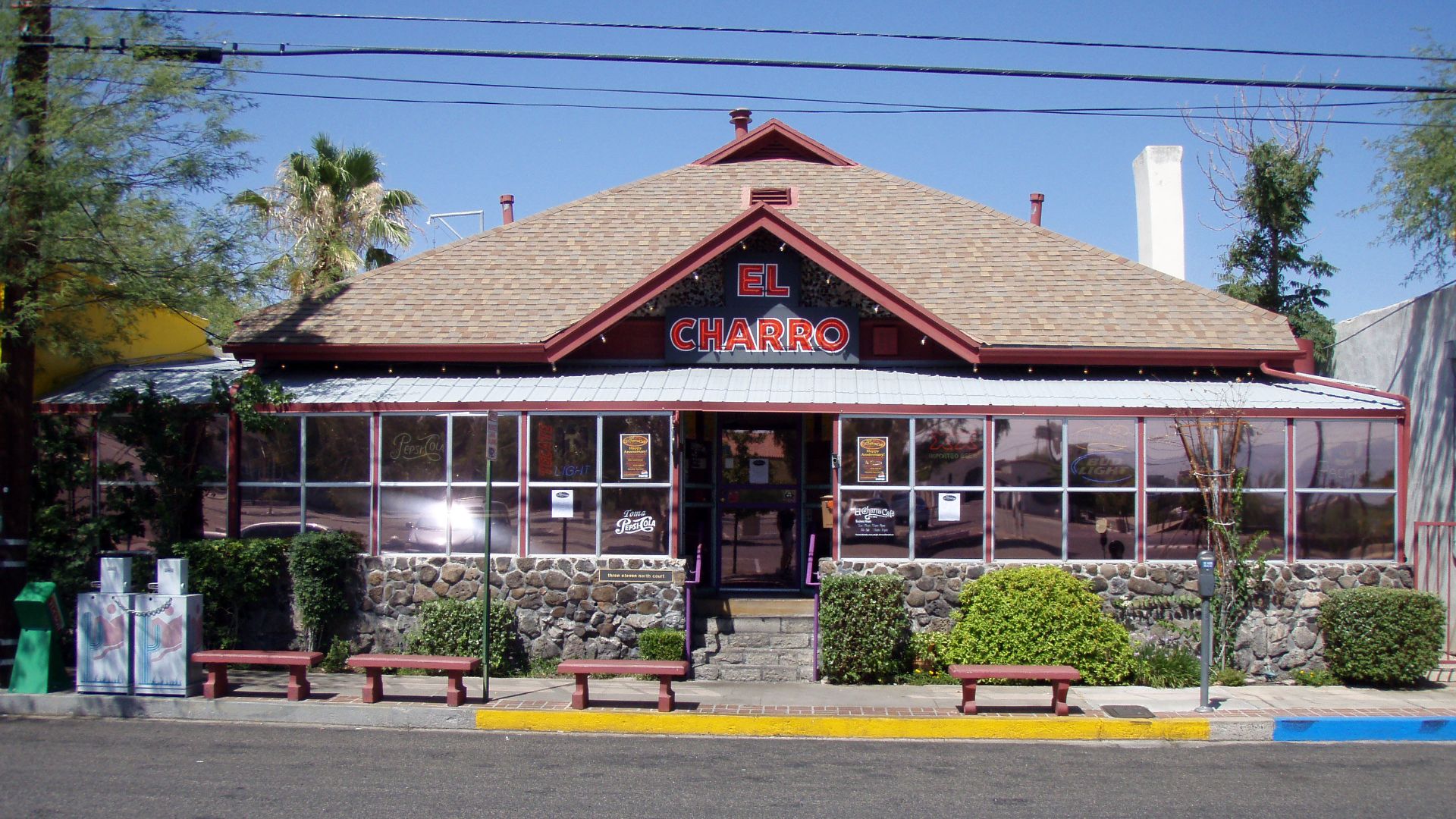
20. El Charro Café, Tucson
El Charro Café was established in 1922 and has remained in the same family ever since. The restaurant's story is tied to Tucson's Mexican and Sonoran food traditions, and its long family ownership has made it a cultural marker. For more than a hundred years, it's helped define what Tucson thinks its own food heritage looks and tastes like.