Turtle Island Delicacies
Before colonial borders existed, the vast land many Indigenous peoples call Turtle Island was already a map of sophisticated flavors and deep-rooted traditions. These dishes aren't just artifacts of the past; they're living expressions of a connection to the earth that's lasted for millennia. As you explore these twenty historical dishes, you'll see how ingenious early cooks were at turning local flora and fauna into nourishing, flavorful meals.
1. Succotash
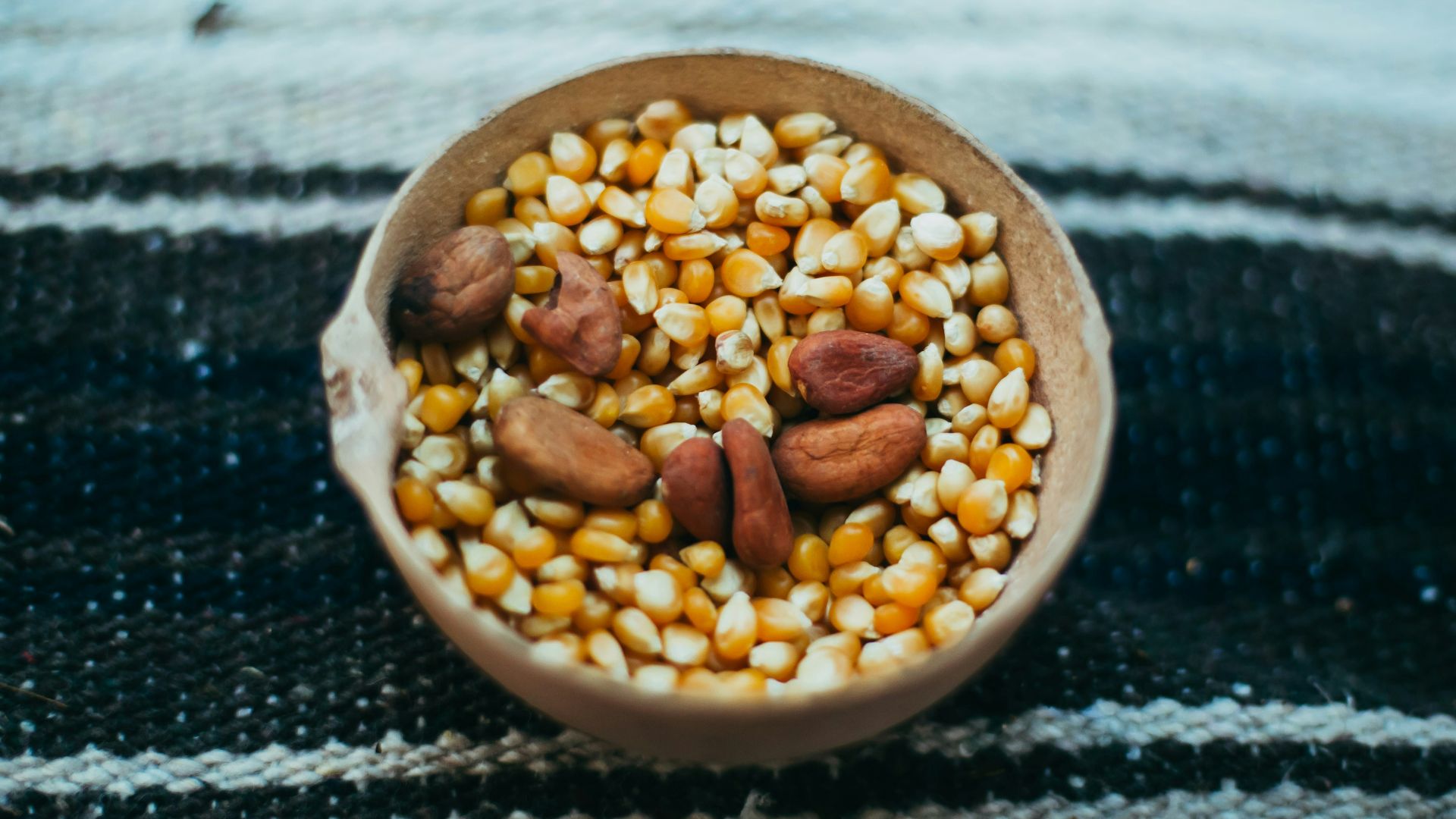
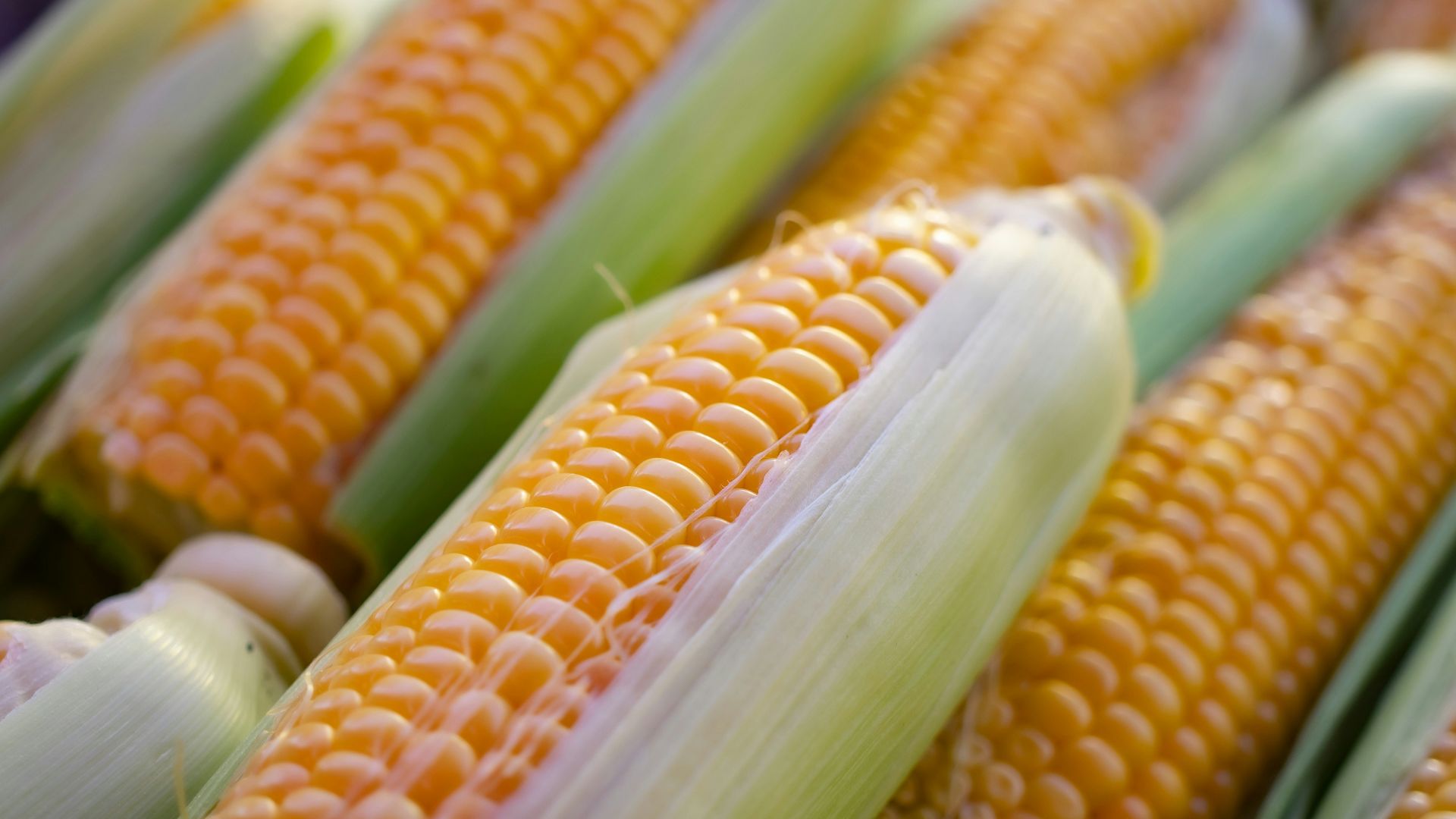
This is a timeless dish, but did you know it originated with the Narragansett? Corn and lima beans combine to make a complete protein, sustaining entire villages during winter. Butter and cream are common additions today, but early succotash recipes kept it simple to let the sweetness of the corn shine through.
2. Three Sisters Stew
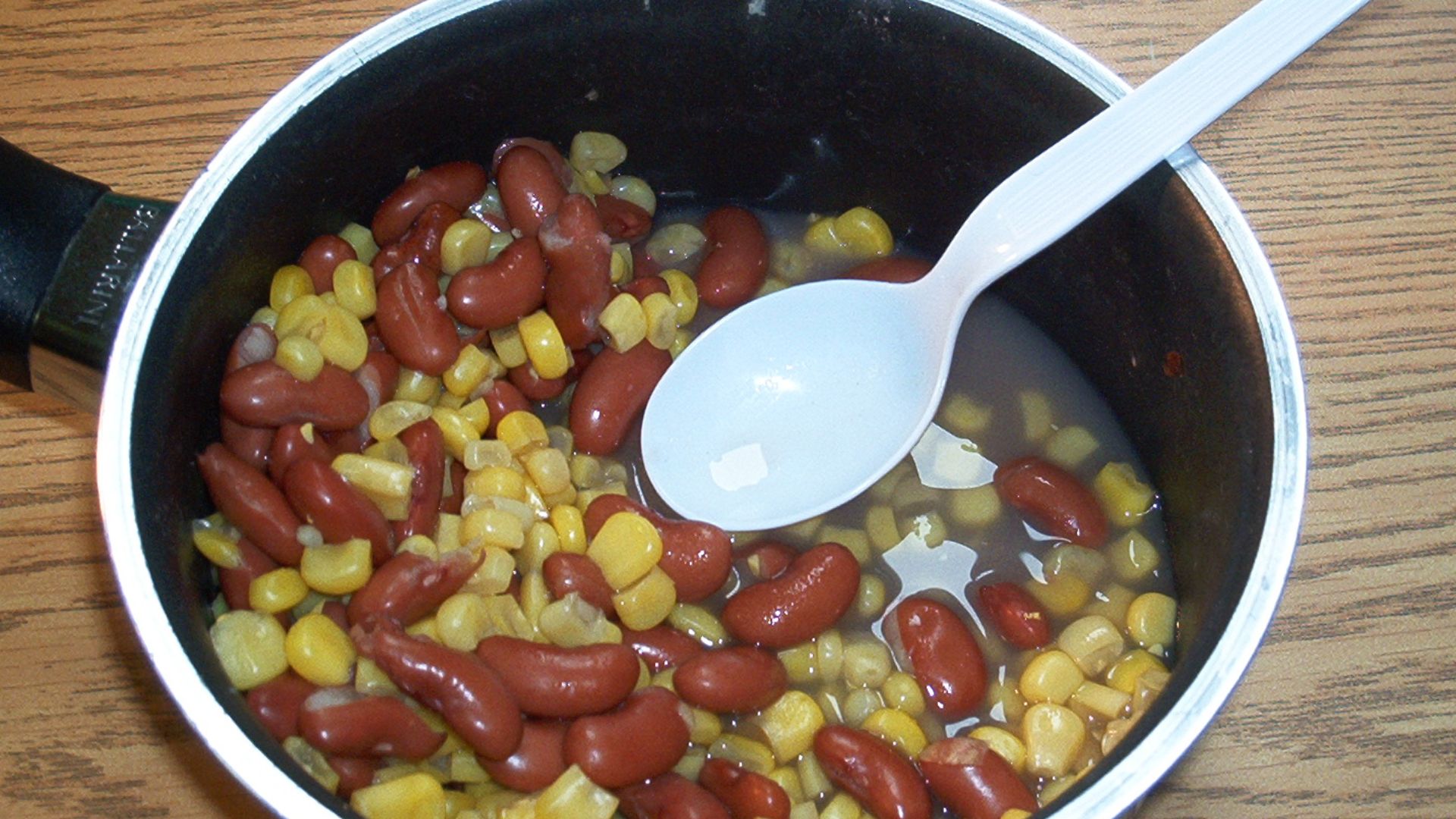
Corn, beans, and squash are known as the Three Sisters because they’re often grown side-by-side in companion planting systems. Cook them together to form a stew base symbolic of Haudenosaunee spiritual and physical sustenance. This is comfort food at its finest.
3. Pemmican
Want a filling snack that won’t spoil while you’re traveling long distances? You’d better pack pemmican if you were a Great Plains hunter-gatherer. Made by pounding dried bison meat into a powder and mixing it with melted fat and Saskatoon berries, this mixture can be stored for months without refrigeration.
4. Bannock
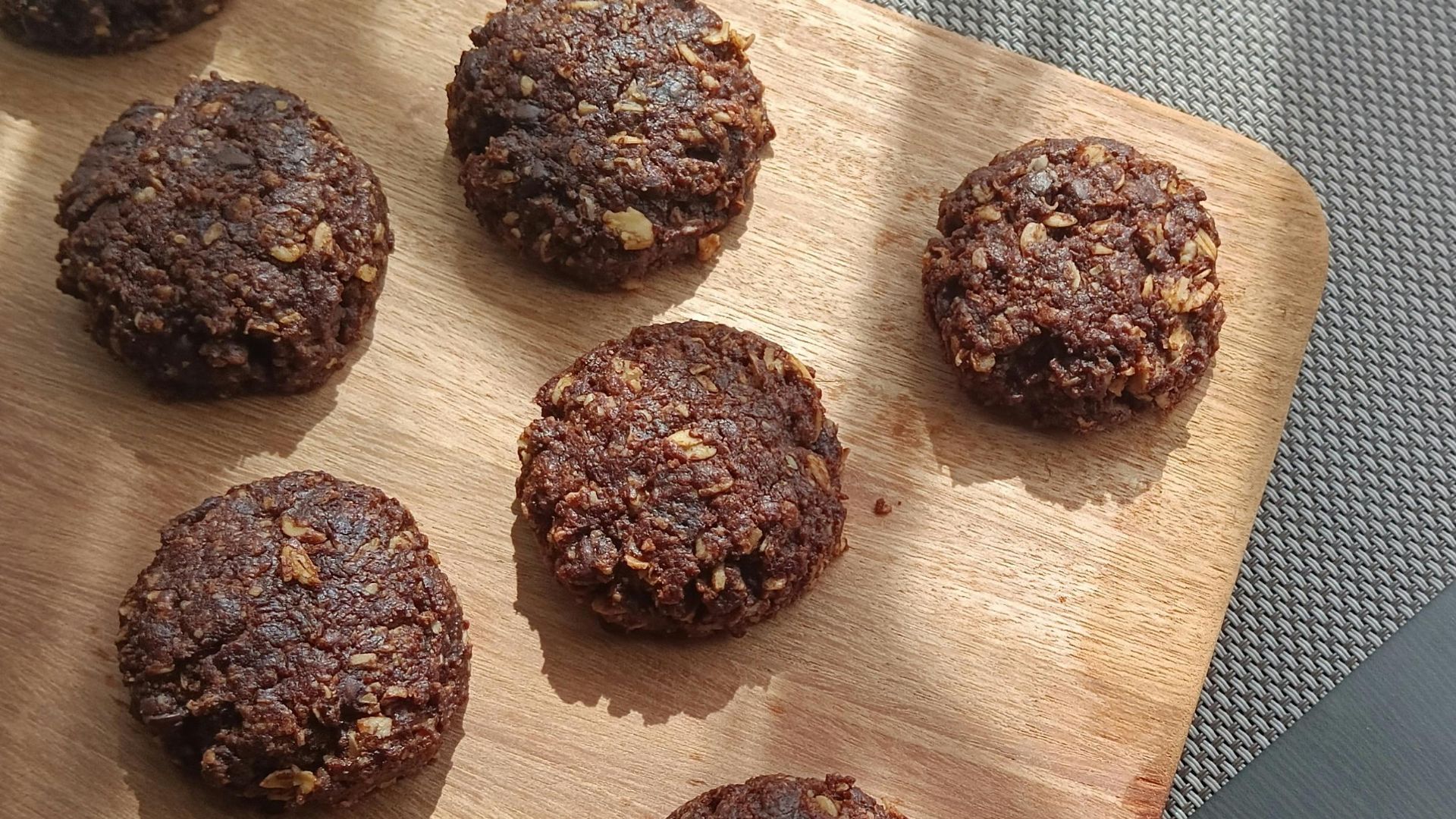
While the modern version often uses wheat flour introduced by traders, Indigenous ancestors prepared similar flatbreads using flour made from roots or ground corn. You'd typically cook it over an open flame or fry it in a pan until the outside gets that perfect golden crunch. It remains a beloved staple because it’s incredibly versatile and fills your kitchen with a warm, inviting aroma.
 Wouter Supardi Salari on Unsplash
5. Wojapi
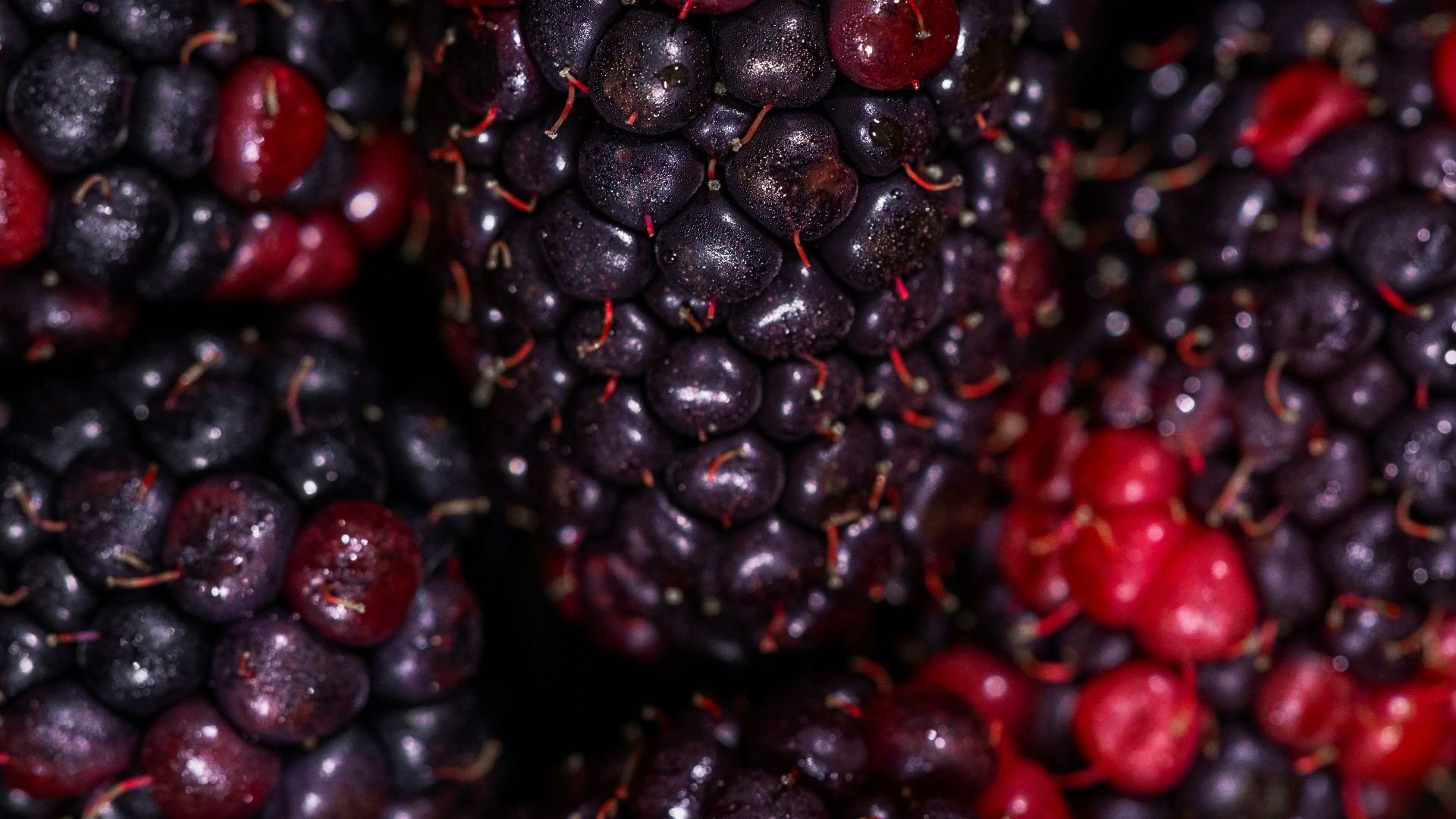
This thick berry sauce is a traditional Lakota treat that relies on the natural sugars of wild chokecherries or buffalo berries. You don't need much more than the fruit and a bit of water to simmer it down into a rich, velvety consistency. It’s frequently served alongside frybread or meat, offering a vibrant pop of color and a tart flavor profile to any plate.
6. Cedar-Planked Salmon
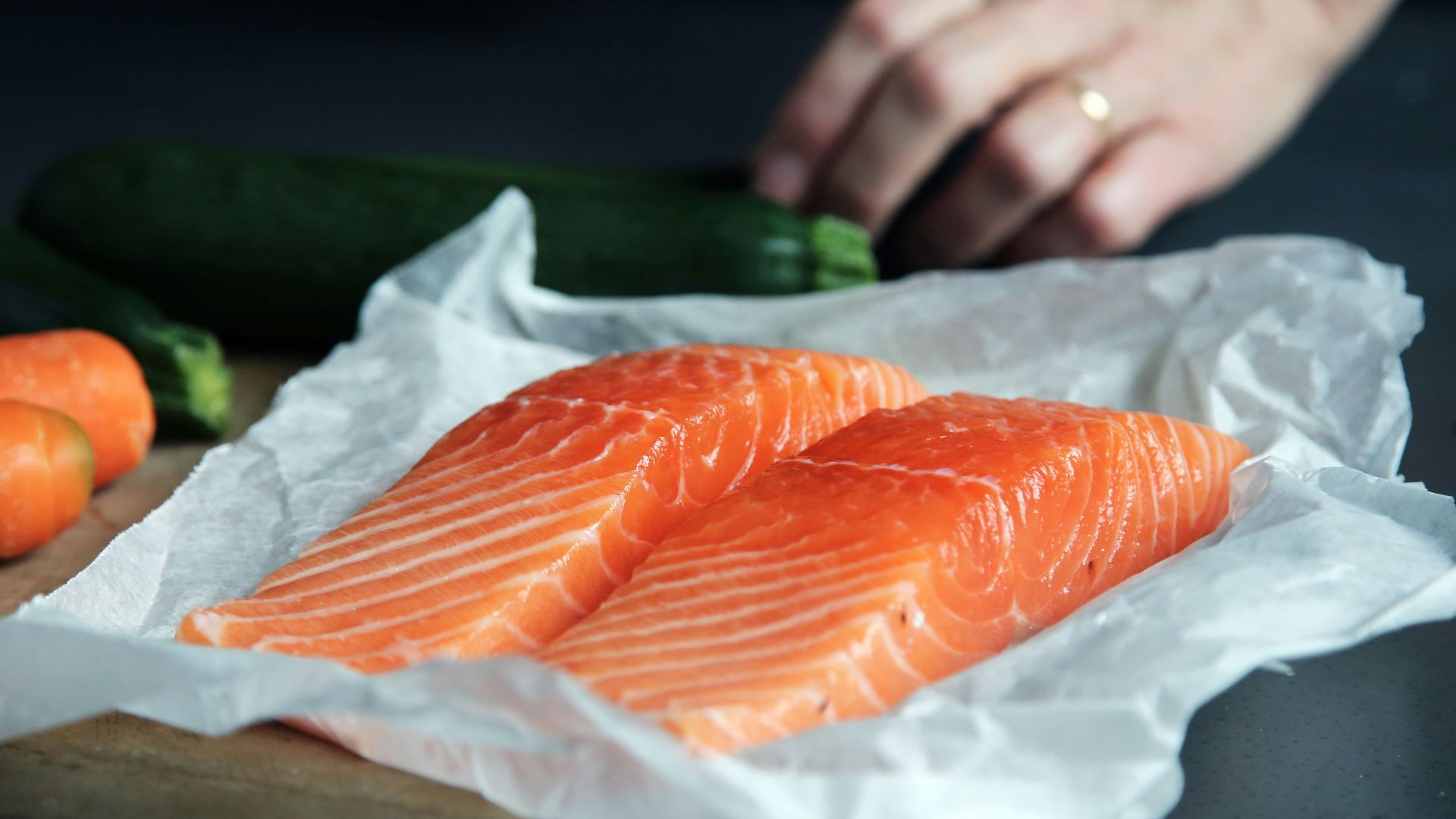
Indigenous groups in the Pacific Northwest mastered the art of roasting fish by securing it to aromatic cedar wood. As the heat hits the wood, it infuses the salmon with a smoky, earthy essence that you just can't replicate in a standard oven. This method isn't just about the taste; it’s a beautiful way to honor the relationship between the forest and the sea.
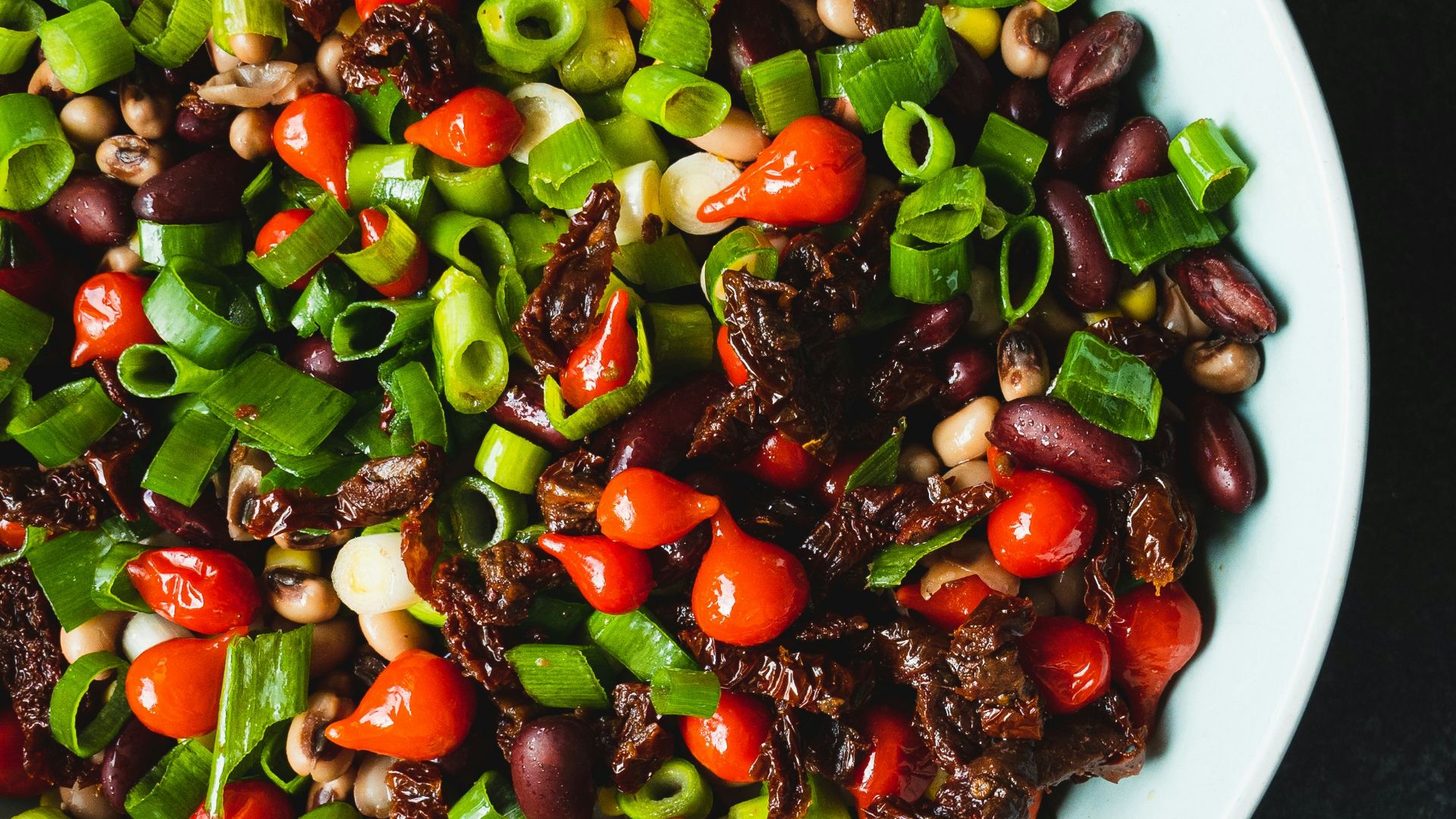
7. Tepary Bean Salad
The tepary bean is a hardy crop native to the American Southwest that has been cultivated for over 5,000 years.
Salty and nutty, they hold up exceptionally well in salads with wild greens and oil-based dressings. Plus, they’re packed with fiber.
8. Acorn Mush
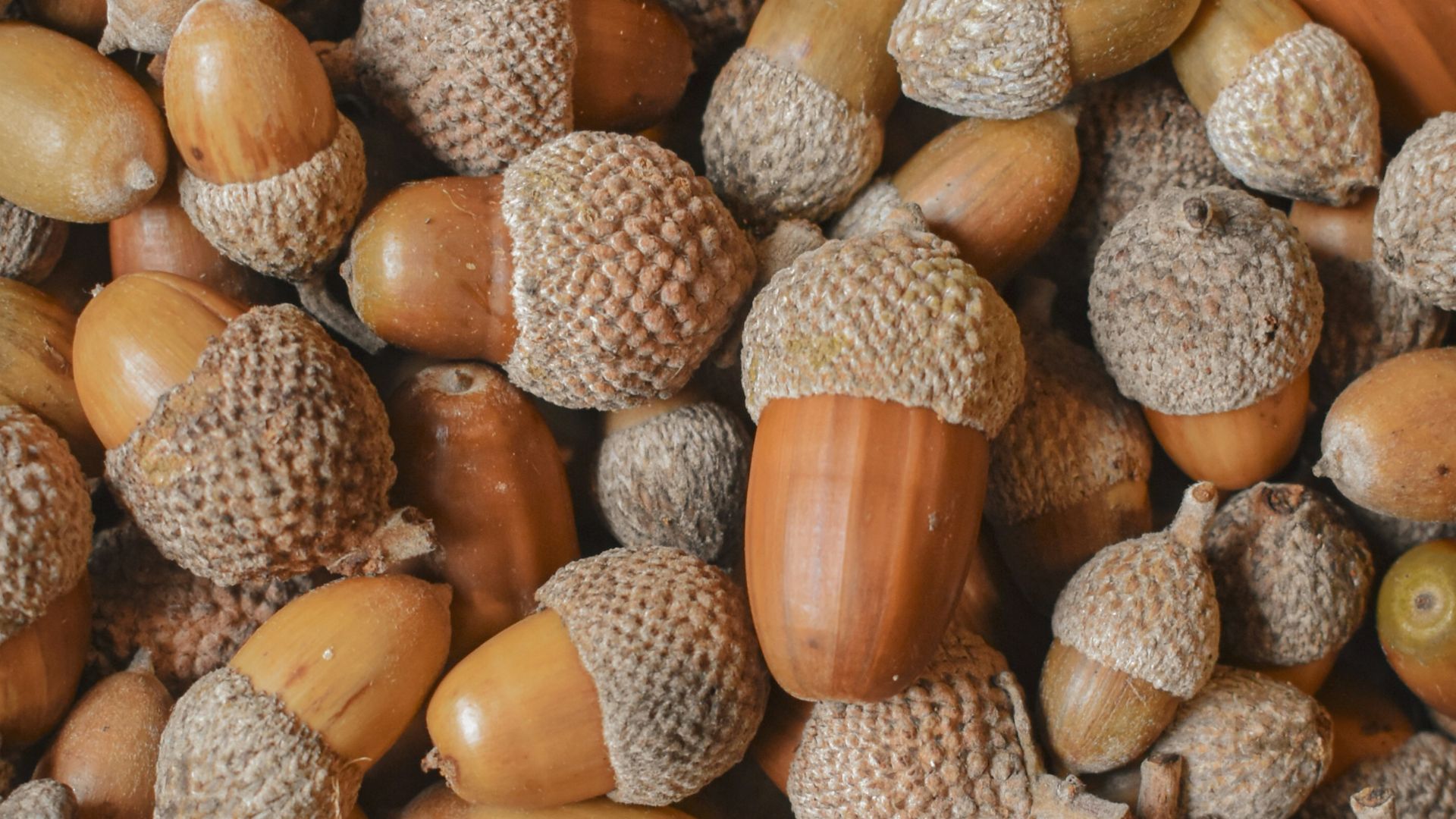
Before you can enjoy this California staple, you have to carefully leach the tannins out of the acorns to remove their bitterness. Once the nuts are ground and boiled, they turn into a thick, nutritious porridge that was a primary calorie source for many West Coast tribes. It’s a labor-intensive process, but the resulting earthy flavor is a true testament to the patience of ancestral cooks.
9. Wild Rice Pilaf
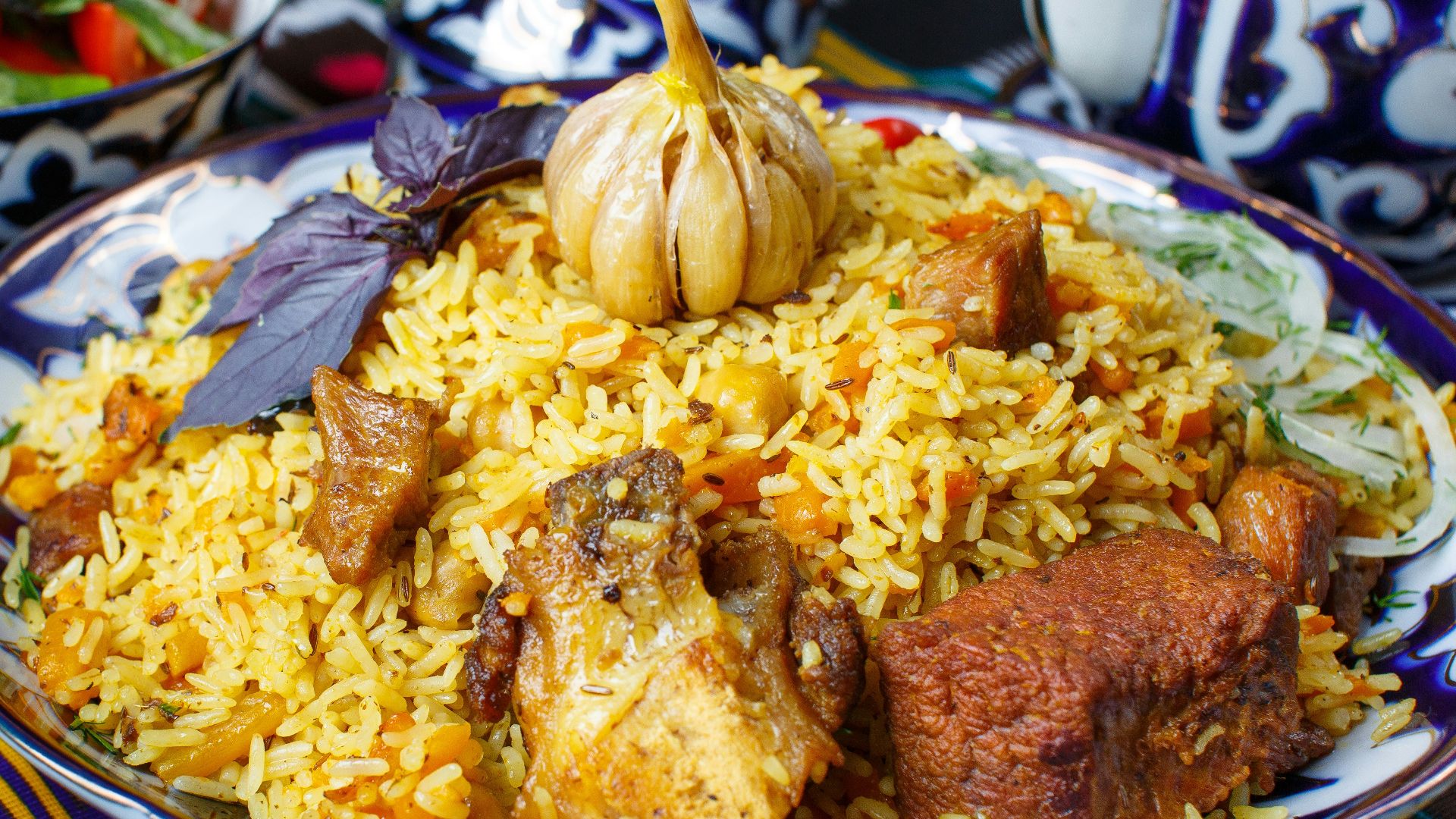
Known as Manoomin by the Anishinaabe, or “wild rice” people, this nutritious grain grows in water and is harvested by canoe. Wild rice has a chewier texture and woodier flavor than its beige counterpart. To really make it pop, cook your rice with mushrooms or venison stock.
10. Corn Husks Tamales
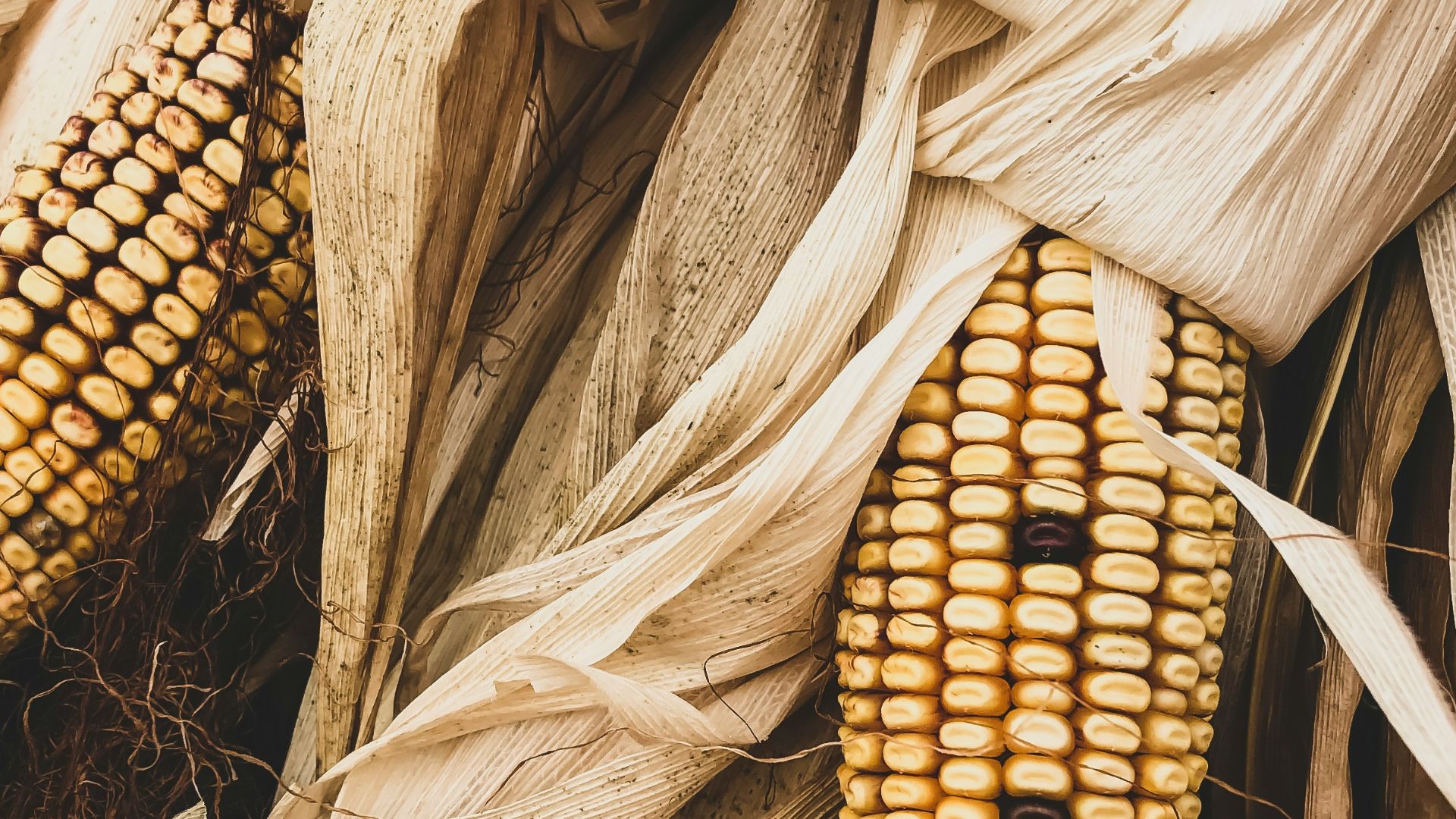
Long before they became a modern street food favorite, tamales were steamed in husks by various cultures across the southern reaches of Turtle Island. You take a dough made from nixtamalized corn and fill it with anything from beans to squash blossoms. These portable packages served as the perfect meal for travelers who needed something easy to carry and eat on the go.
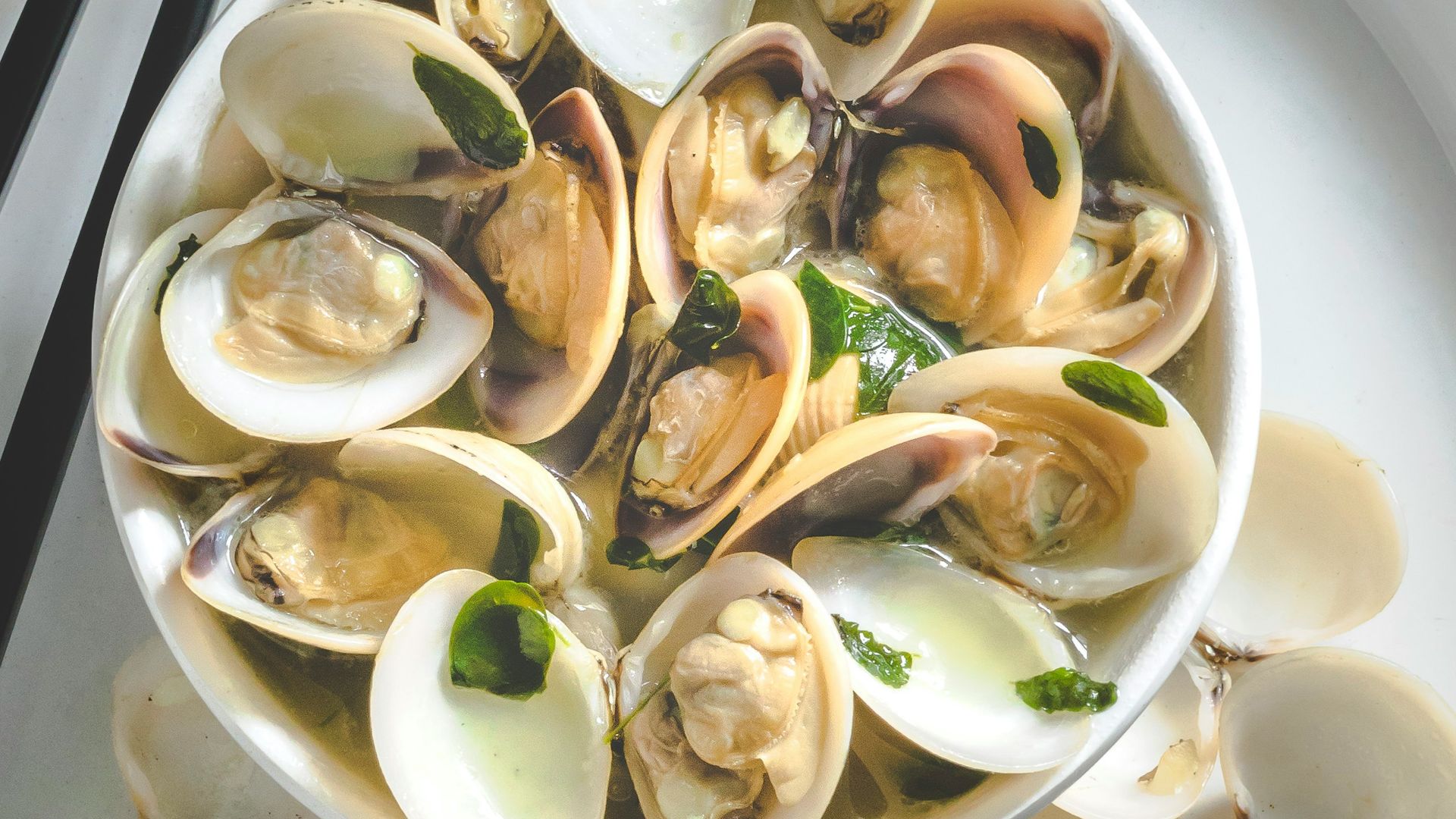
11. Clam Bake
The Wampanoag people perfected the technique of steaming shellfish by layering clams and lobsters with seaweed over hot stones.
This creates a natural pressure cooker effect that traps all the briny juices and infuses the seafood with a salty, oceanic steam. You’re essentially tasting the history of the Atlantic coast every time you participate in one of these traditional outdoor feasts.
12. Roasted Camas Bulbs
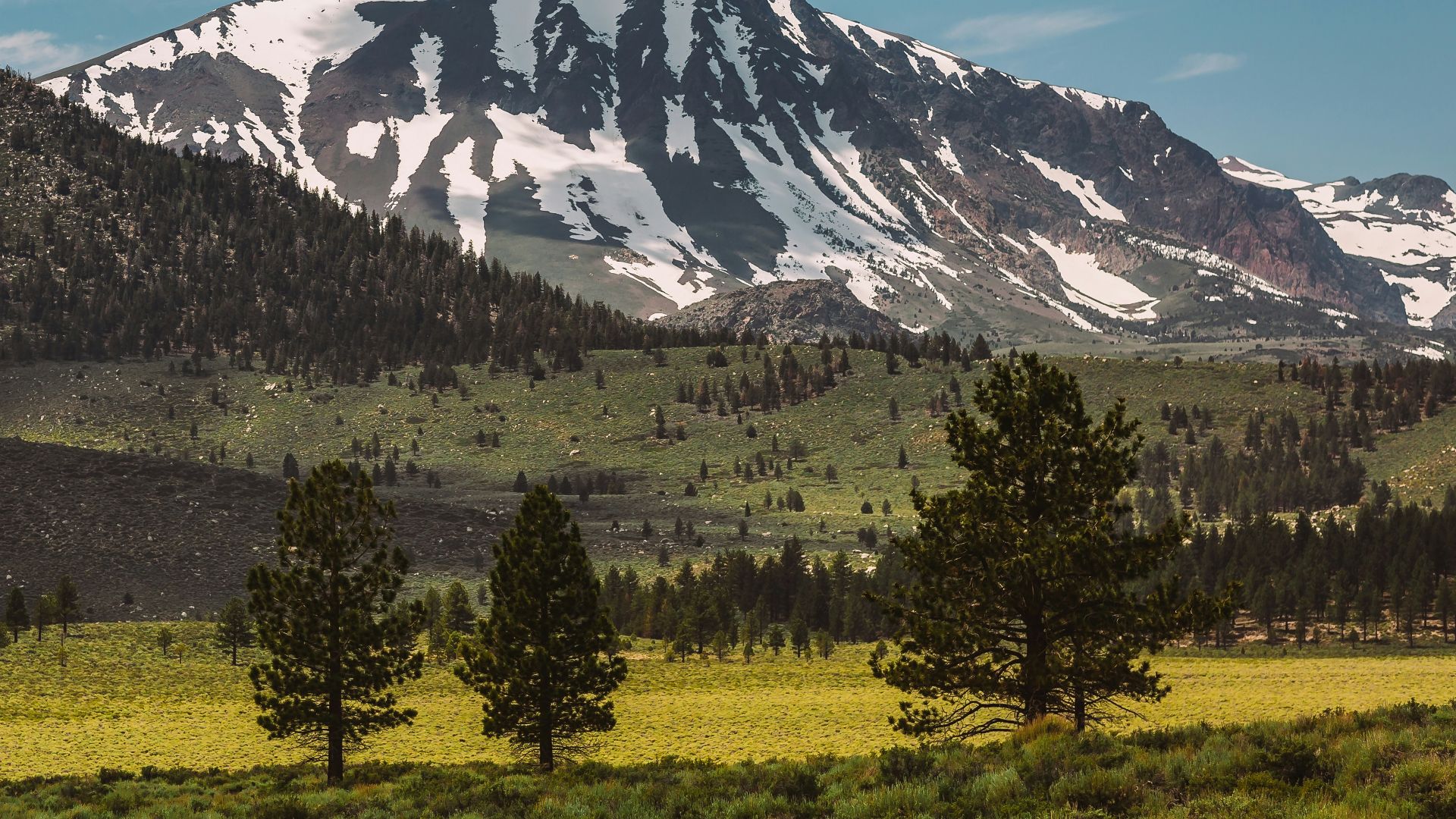
The roots of this flower were pit-roasted by members of the Nez Perce and other tribes of the plateau for several days. Camas bulbs have a sweet, rich flavor that many describe as similar to a sweet potato. This process was used to convert the otherwise starchy bulbs into sugars.
13. Saguaro Fruit Jam
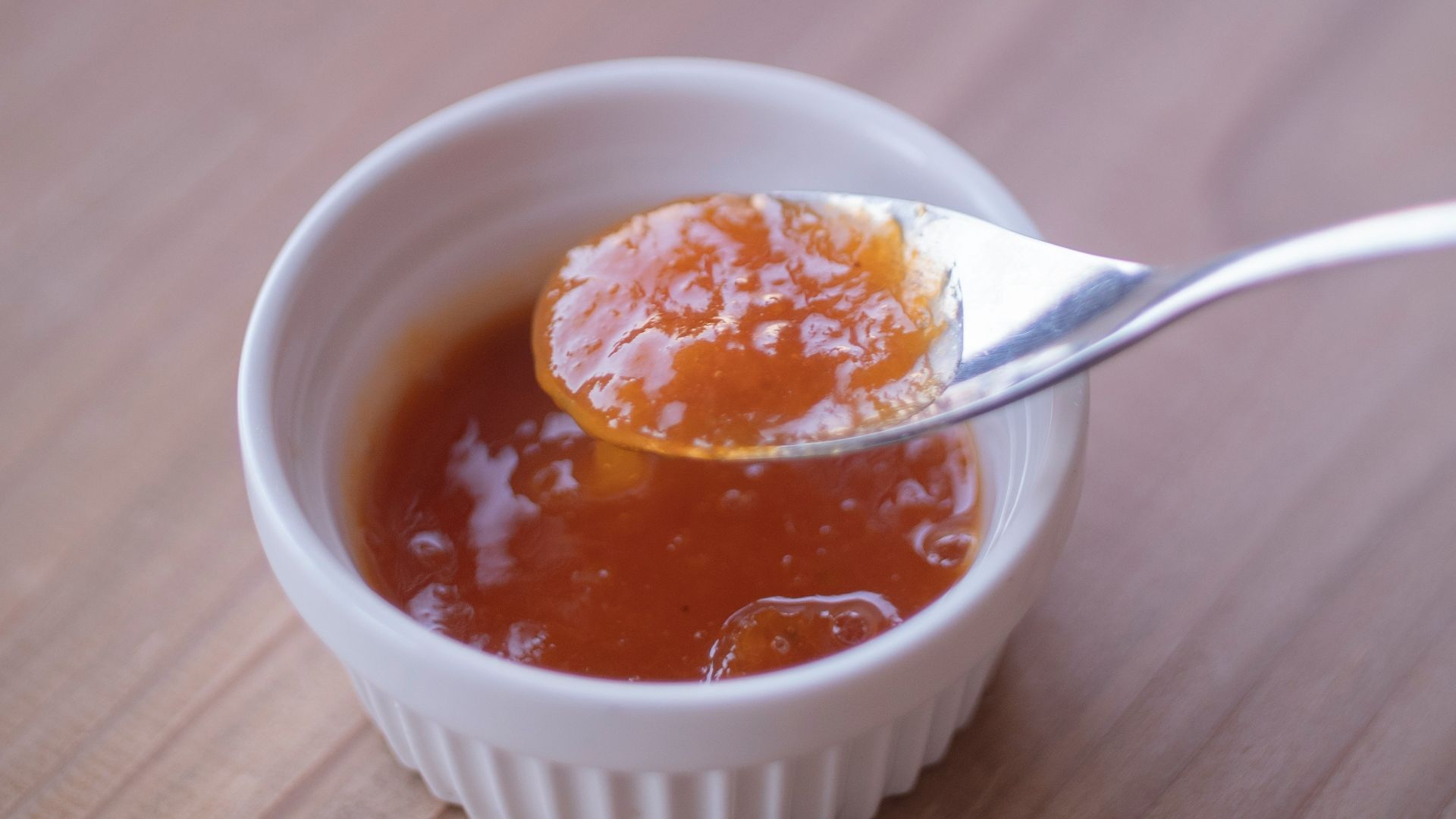
Tohono O’odham harvest saguaro cactus fruit by using long rib bones from the cactus. After boiling the pulp down to your desired thickness, you’ve got yourself a handy sweet syrup or jam to get you through those hot desert months. The harvesting of saguaro fruit is celebrated with ceremonies that welcome the summer rain.
14. Maple Sugar Candy
Anishinaabe and Haudenosaunee communities were the first to tap maple trees and boil the sap into various stages of sweetness. You can pour the thickened syrup directly onto clean snow to create a quick, chewy candy that's a favorite for kids and adults alike. It’s a wonderful way to celebrate the end of winter while enjoying one of nature’s most iconic treats.

15. Buffalo Tongue
While many people today might be hesitant to try it, buffalo tongue was considered a prized delicacy by many Plains nations.
You’d typically slow-boil it until it becomes incredibly tender and rich in flavor. It represents the "nose-to-tail" philosophy of Indigenous hunting, where every single part of the animal is used with respect and gratitude.

16. Hominy Grits
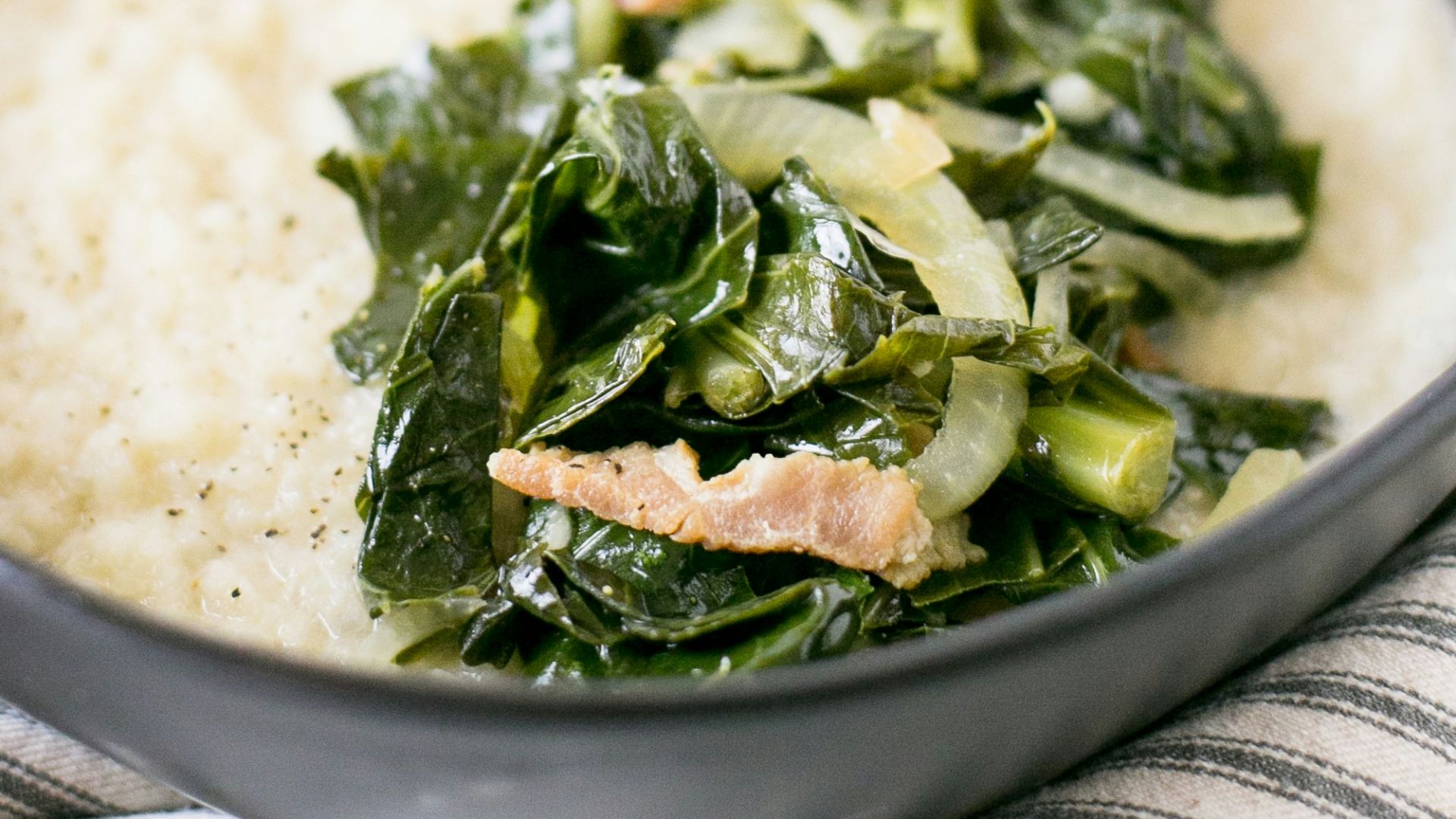
By soaking corn kernels in an alkaline solution, Indigenous cooks created hominy, which is much easier to digest and more nutritious. You grind these treated kernels into a coarse meal that becomes a creamy, satisfying dish when boiled with water or broth. It’s a foundational food that eventually became a staple across the entire American South.
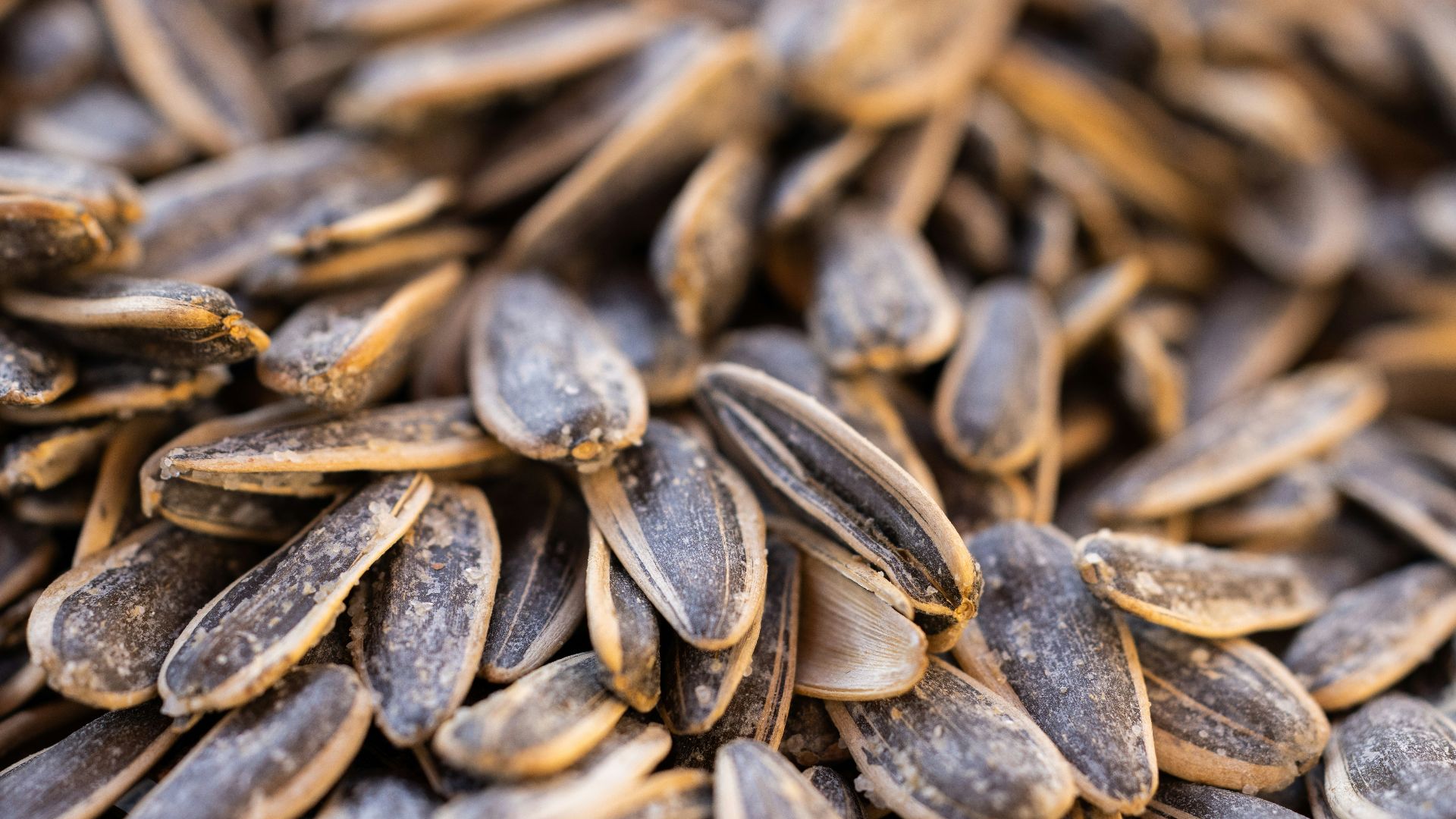
17. Sunflower Seed Cakes
Did you know sunflowers are indigenous to North America! Their seeds were ground into meal and baked into small cakes packed with nutrients. You get a yummy, nutty flavor and heart-healthy fats from these nutrient-dense bars.
18. Quahog Chowder
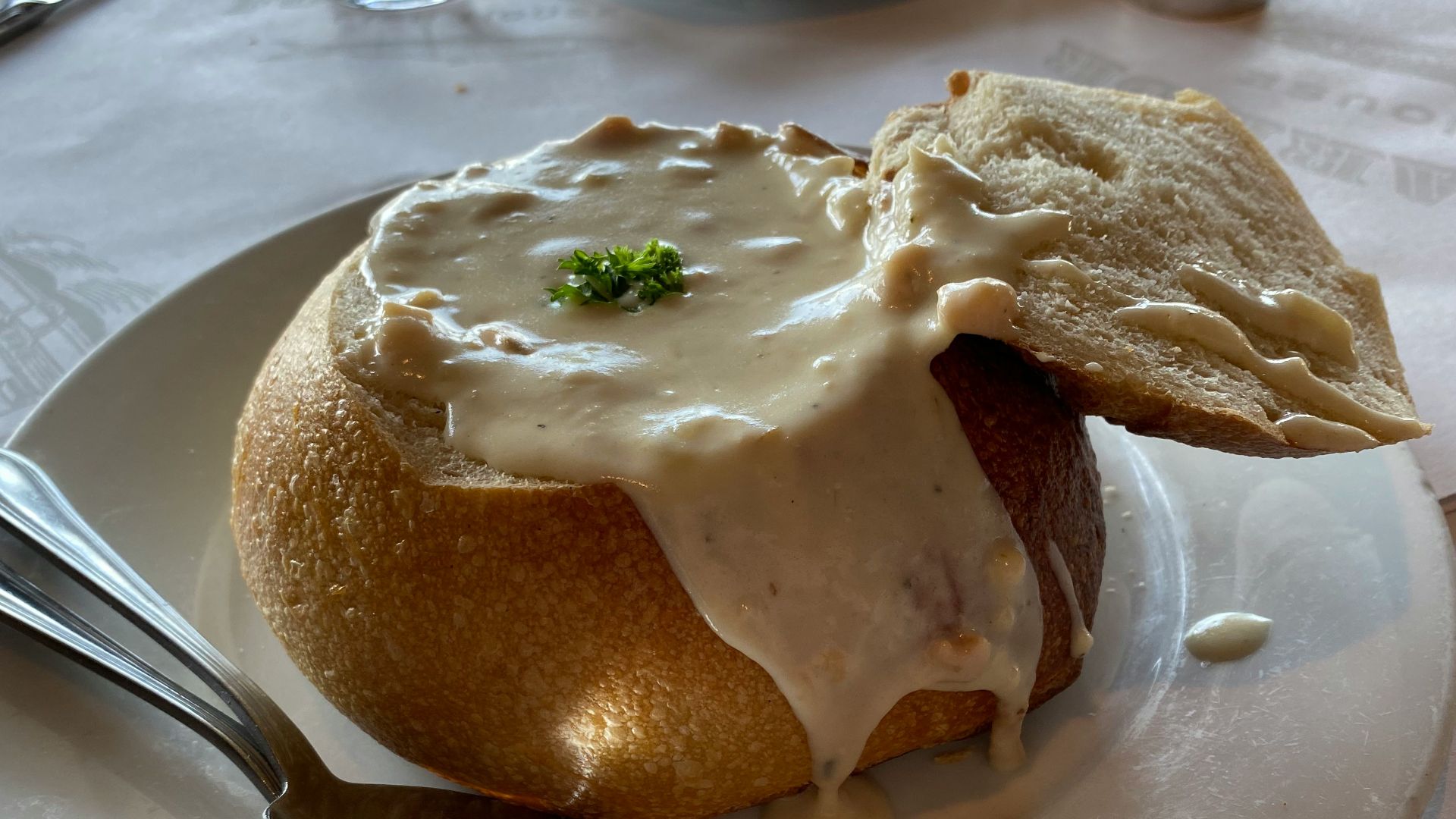
Coastal tribes used the tough meat of the large quahog clam to create savory, warming soups long before dairy was added to the mix. You’d find a clear, flavorful broth filled with chopped clams, sunchokes, and various wild herbs. This dish truly captures the essence of the shoreline and provides a light yet filling meal.
19. Pine Nut Soup
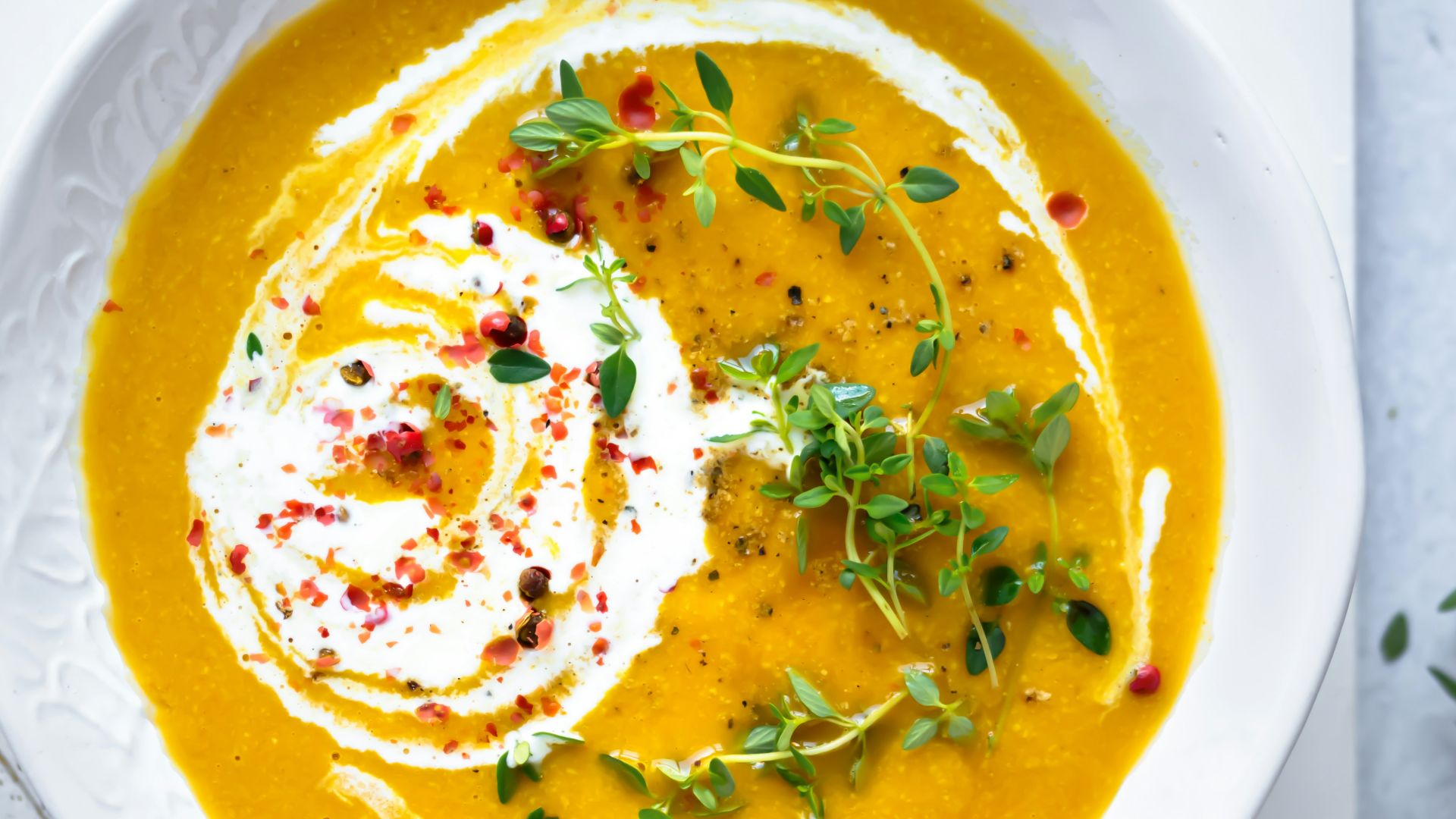
Pinon nuts were a critical resource for Great Basin tribes and provided fats and proteins during lean winter months.
Grind the roasted nuts into a paste, add water, and voila! You have yourself a creamy soup with a mild, buttery flavor.
20. Smoked Turkey
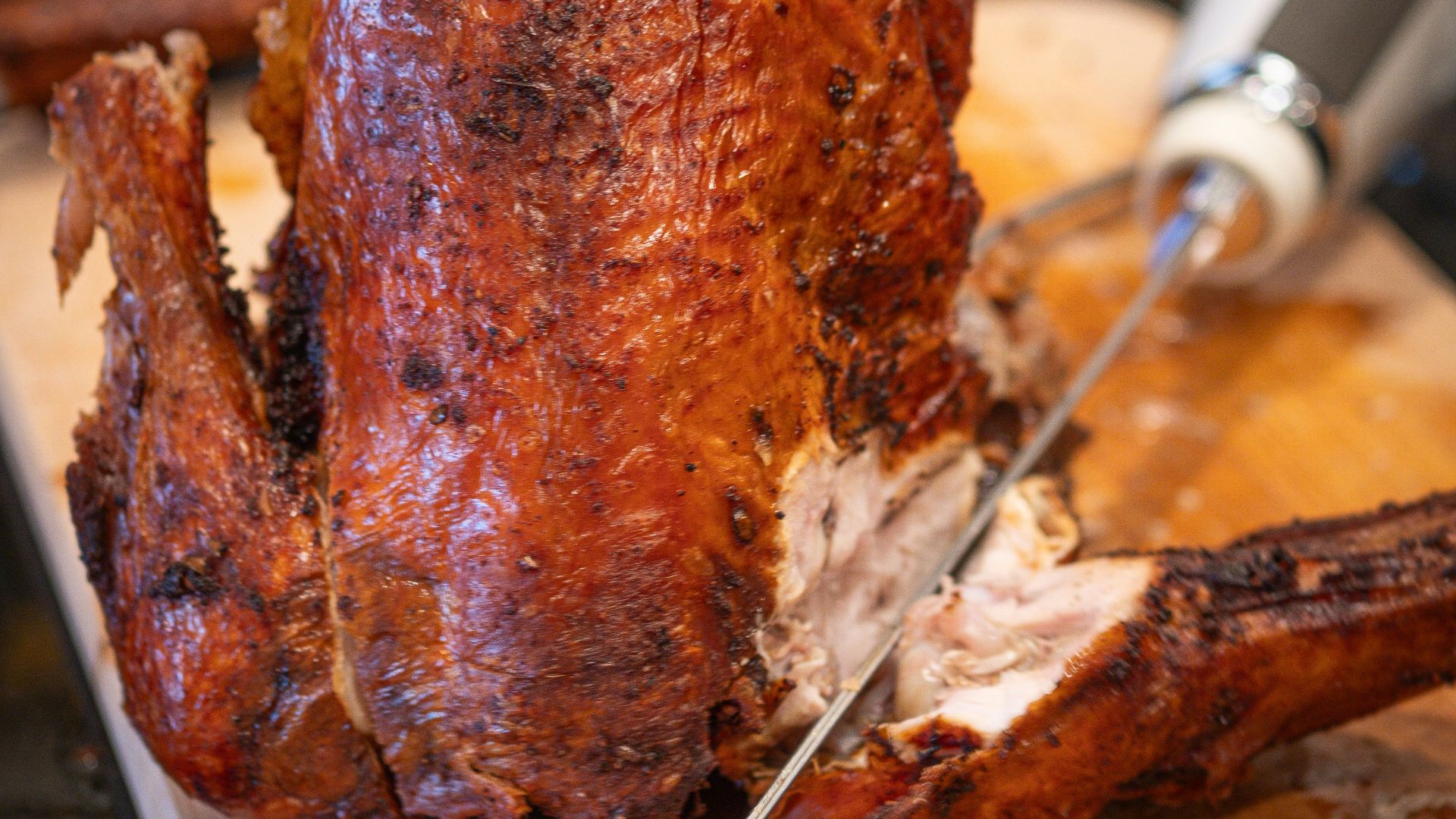
Wild turkeys were plentiful in the eastern woodlands, and like venison, could be easily preserved by smokers. Unlike commercially-raised birds today, wild turkey has a strong gamey flavor and lean meat. You can eat it as-is, or toss some in a pot with beans to cook down.
KEEP ON READING

The Most Popular Signature Dishes Around the World