Salt Smarter, Not Harder
Salt seems like the simplest ingredient in your kitchen, and in many ways that’s true. But for something so easy, it remains one of the easiest to misuse without even realizing it. The difference between a balanced dish and a flat one comes down to when and how you add salt, not just how much you use. Once you understand a few small adjustments, you’ll notice your cooking becomes more consistent, more flavorful, and far more satisfying without needing extra effort. Come with us as we help you in the kitchen!
1. Pasta Water
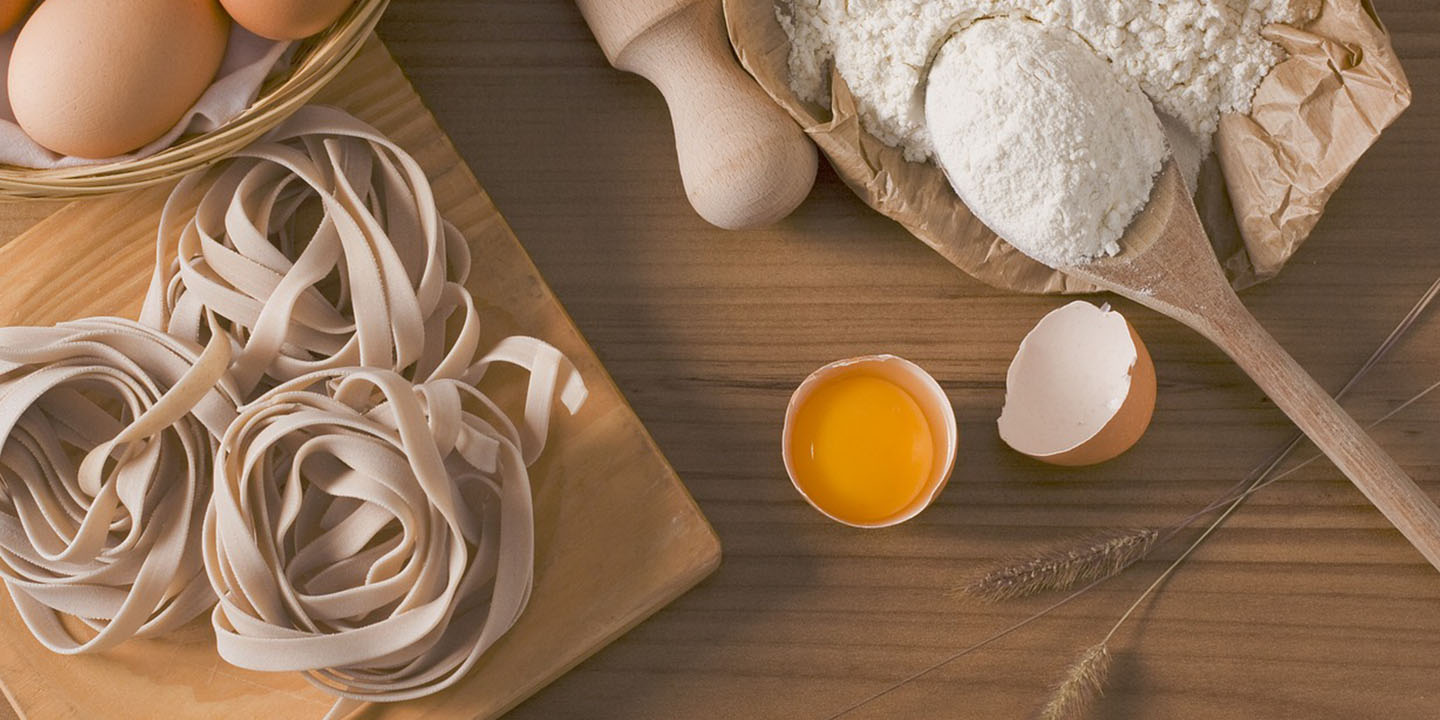
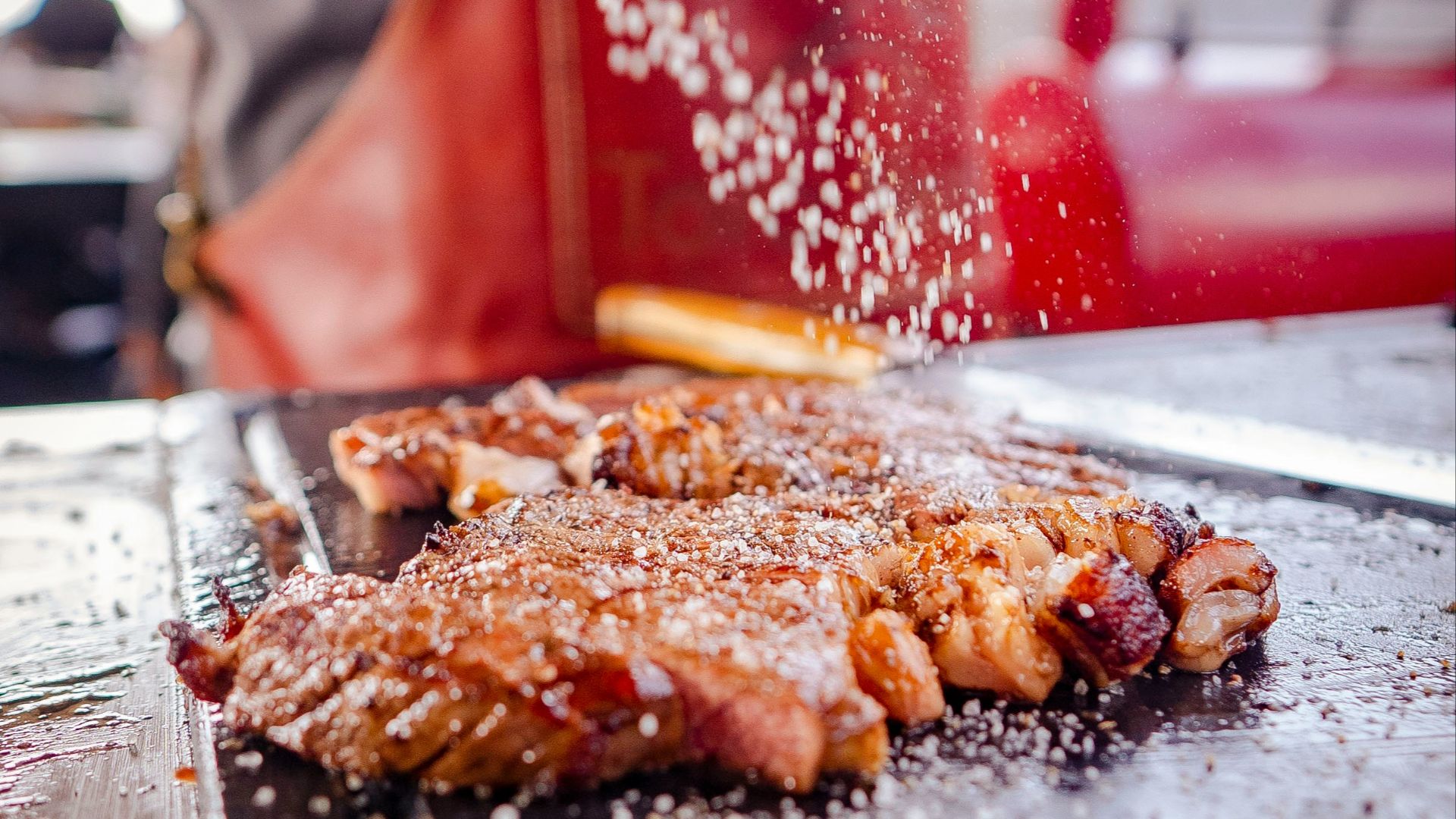
Most people don’t add enough salt to their pasta water, which might not seem like a big deal, but that mishap leads to dull noodles—even when they’re paired with a rich sauce. You should salt the water once it reaches a boil, using enough that it tastes lightly seasoned but not overwhelming. Since pasta absorbs water as it cooks, this actually ensures the flavor is built into the noodles.
2. Steak
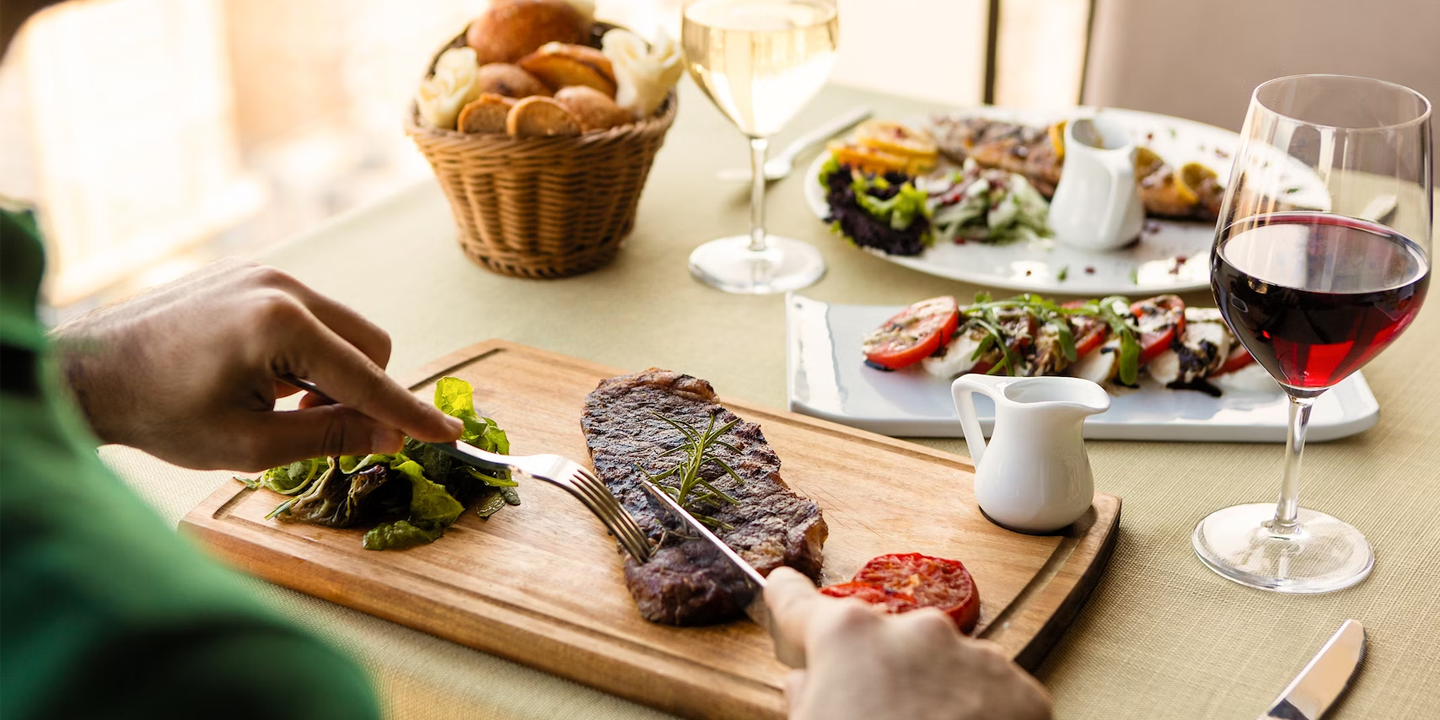
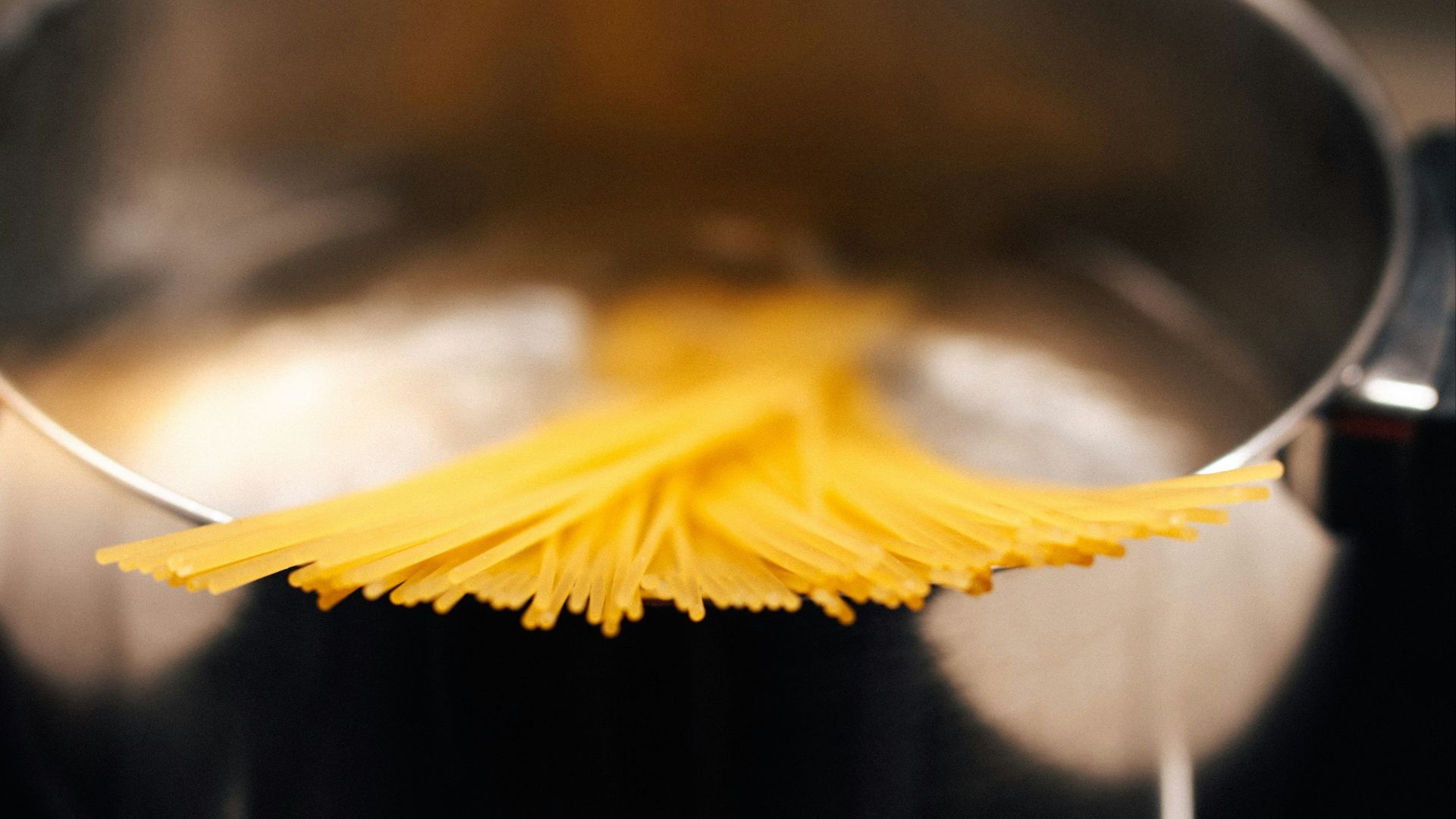
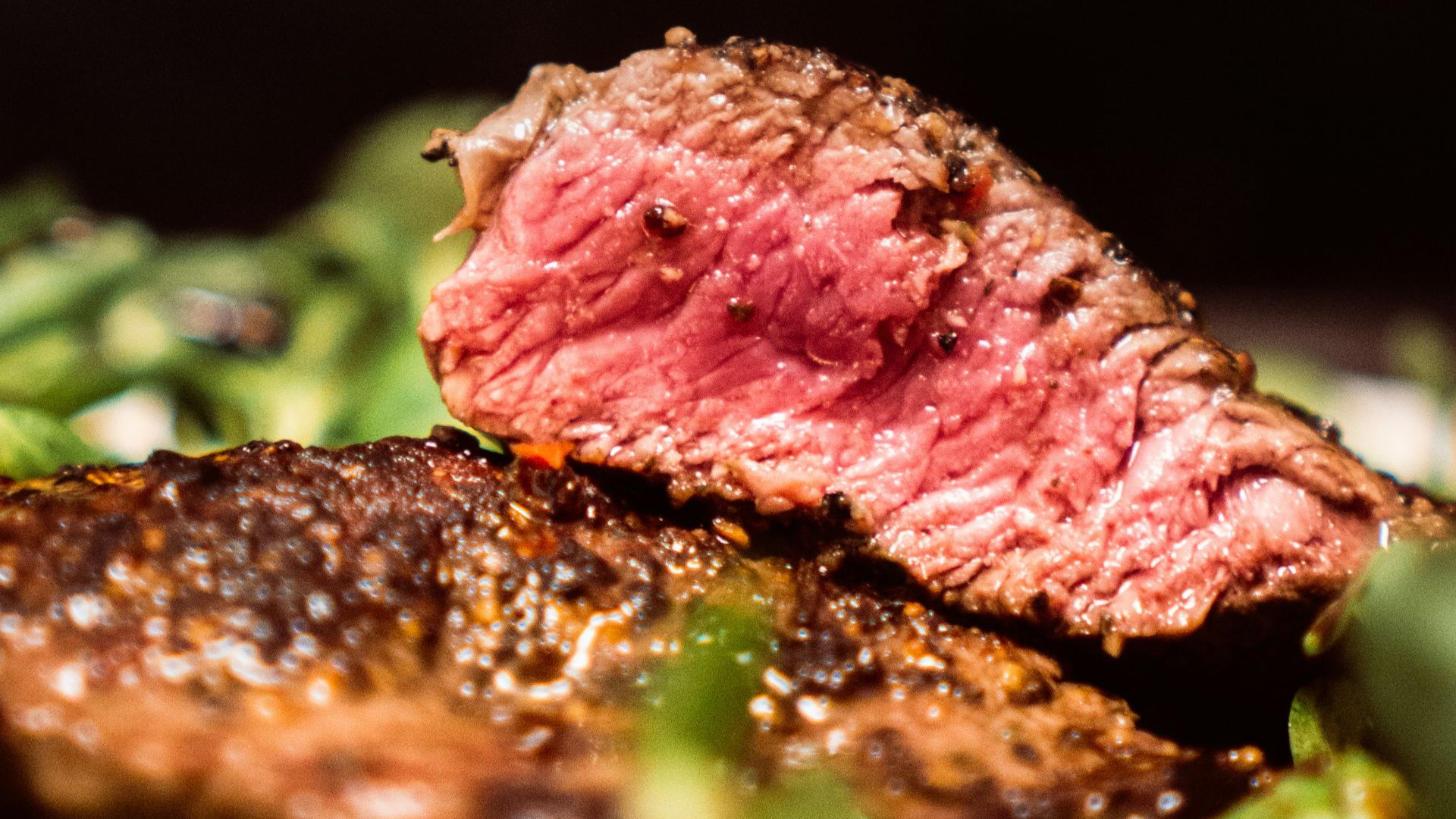
Salting steak right before cooking limits how deeply the seasoning can penetrate the meat. If you salt it at least 40 minutes ahead (or even the night before), the salt has time to draw out moisture and then reabsorb. That means more flavor for you.
3. Scrambled Eggs
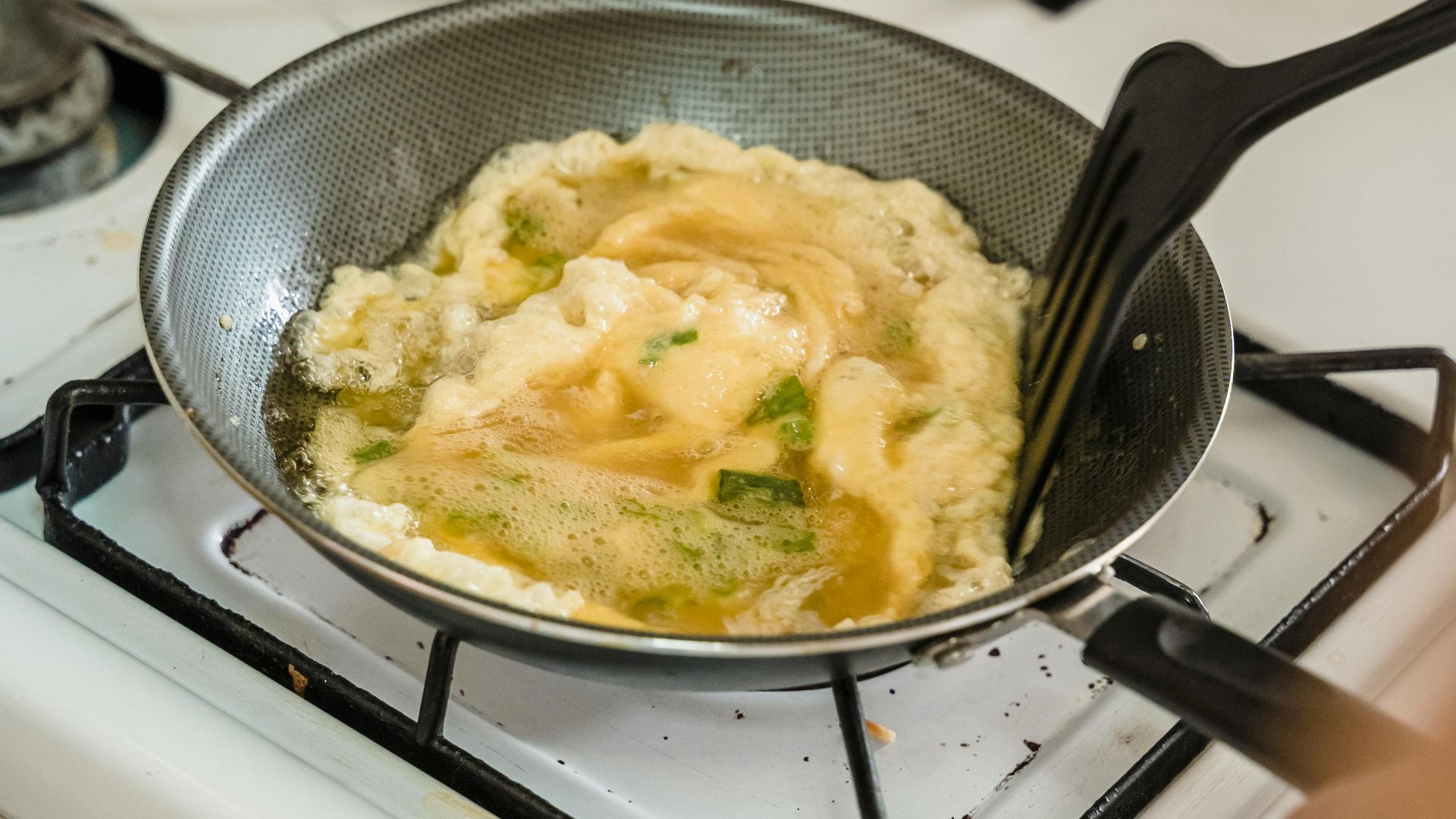
Hey, we all like salt on our eggs, but you need to know when to add it! Eggs can release excess moisture if you salt them too early and let them sit before cooking. To avoid that gross, watery texture, season them just before they go into the pan. A small amount goes a long way, too; eggs amplify saltiness more than many other ingredients.
4. Tomatoes
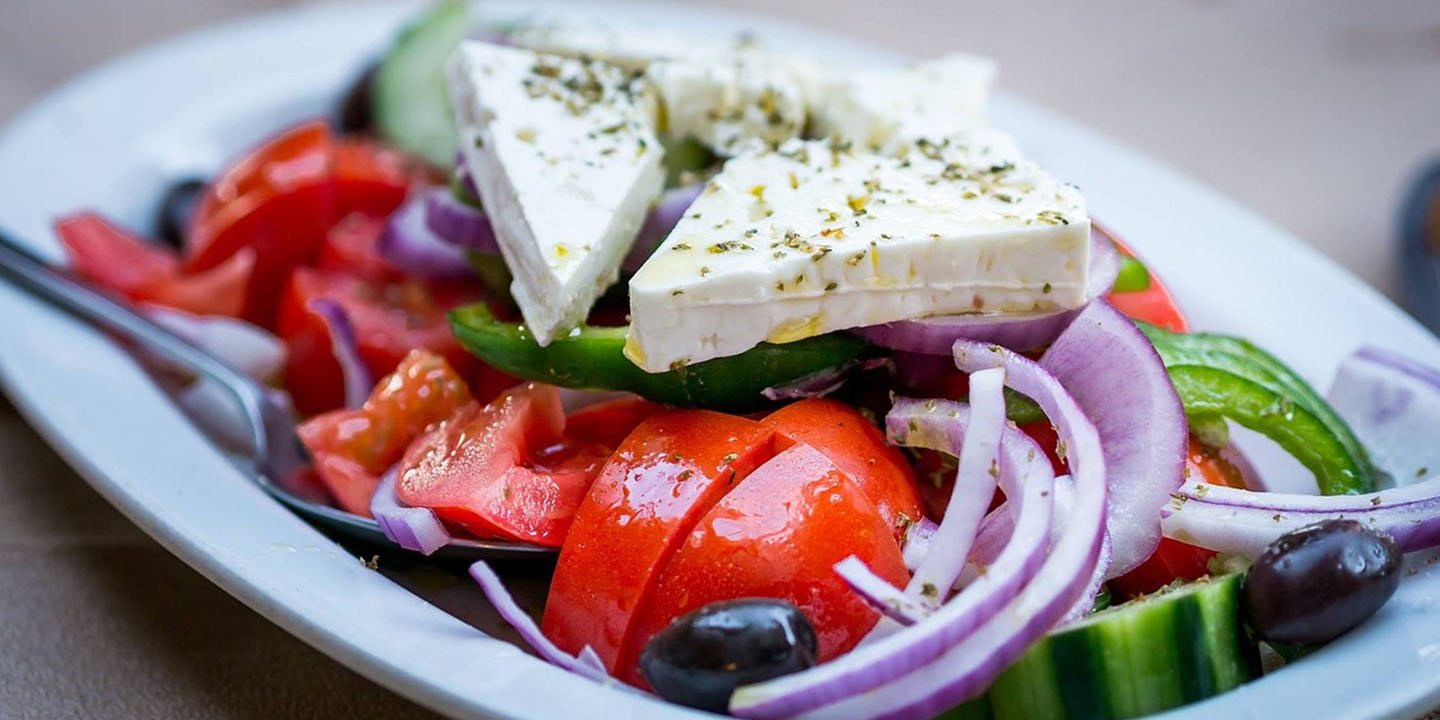
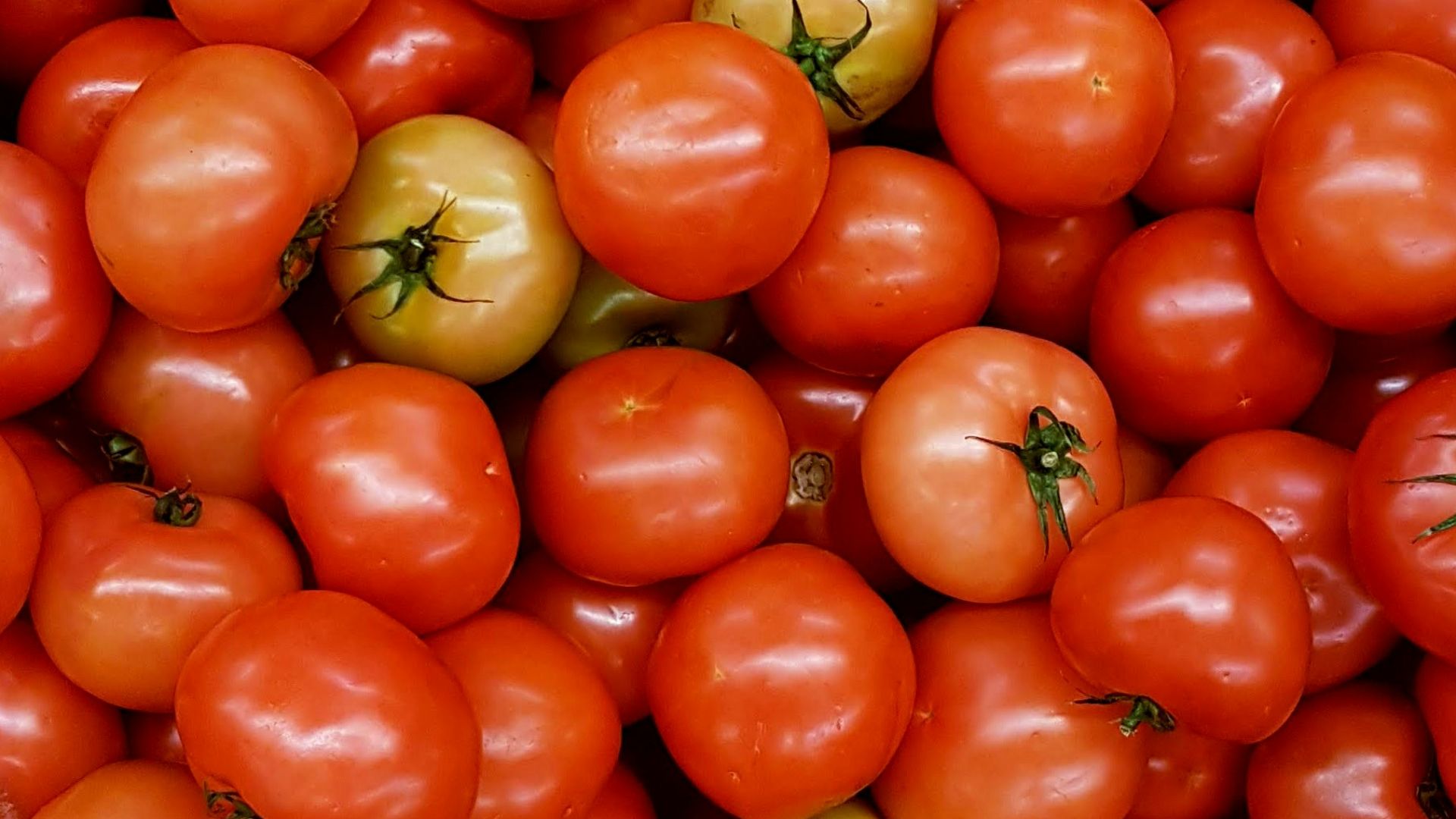
Tomatoes’ acidity isn’t enough to carry a plate; they benefit from being salted before they’re added to a dish. A light sprinkle followed by a few minutes of resting draws out excess water and intensifies their flavor. Try it for popular dishes like salads, sandwiches, and fresh salsas!
5. Mushrooms
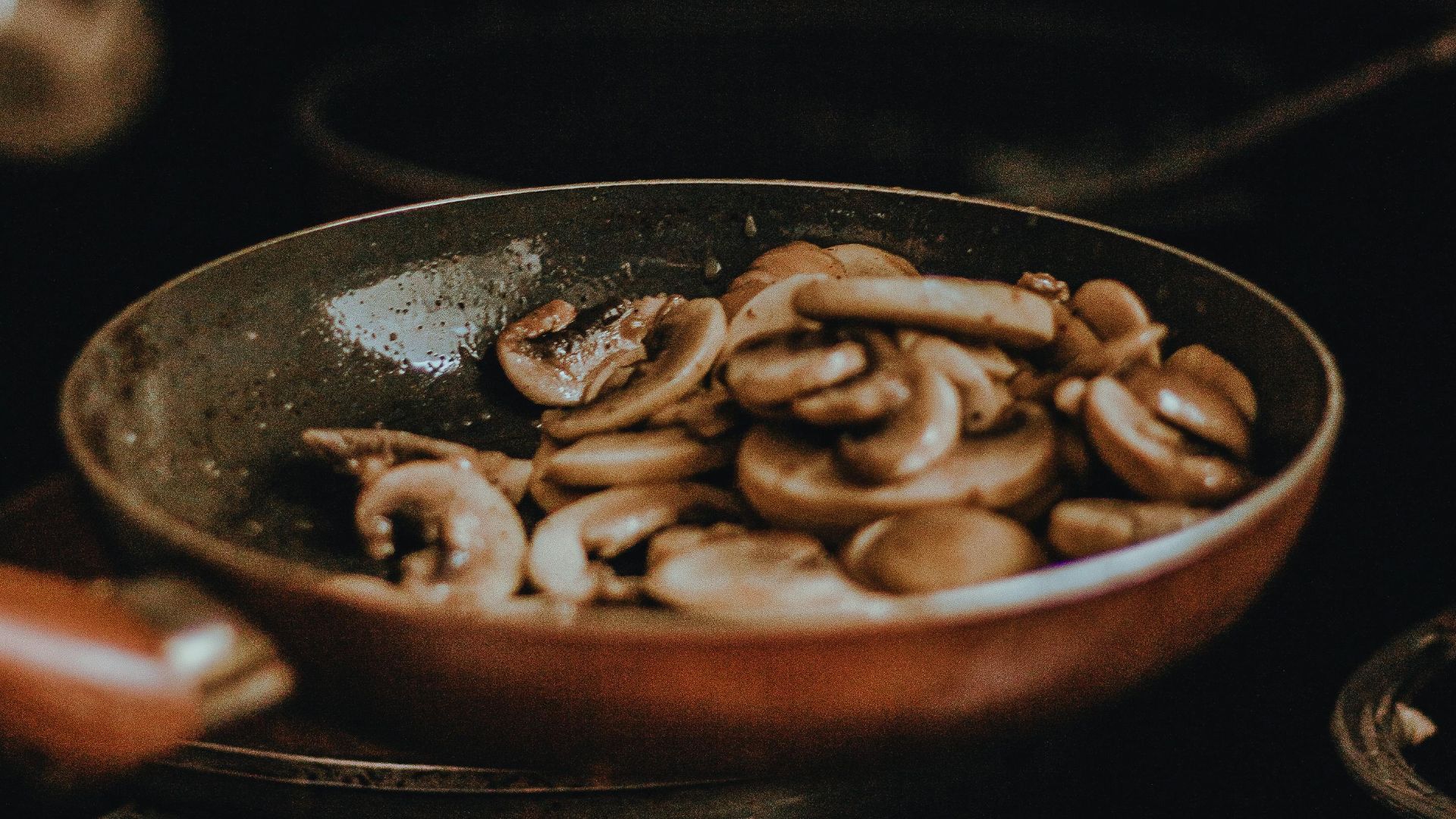
Believe it or not, adding salt too early when you’re cooking mushrooms can cause them to release water before they’ve had a chance to brown. Don’t worry, it’s easy to avoid! Let them cook undisturbed until they start to caramelize, then season them toward the end.
6. Potatoes
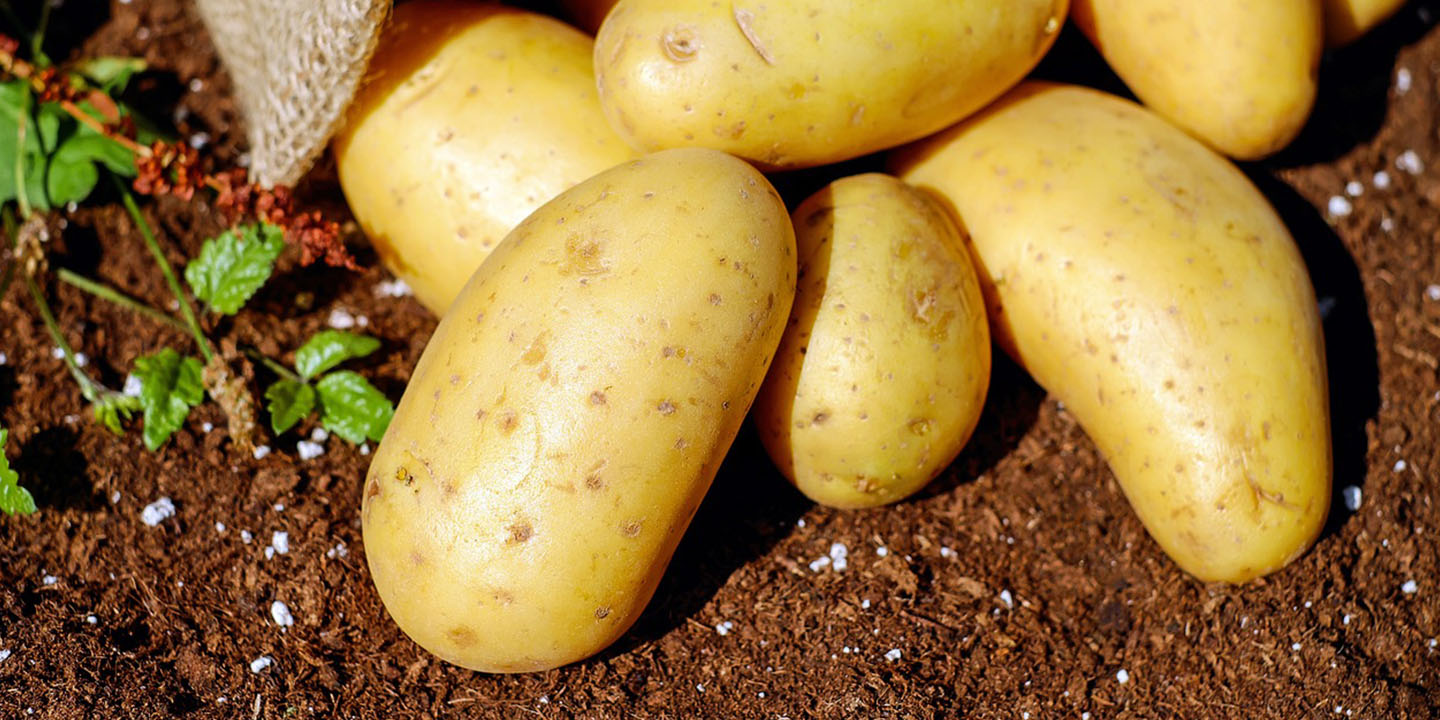
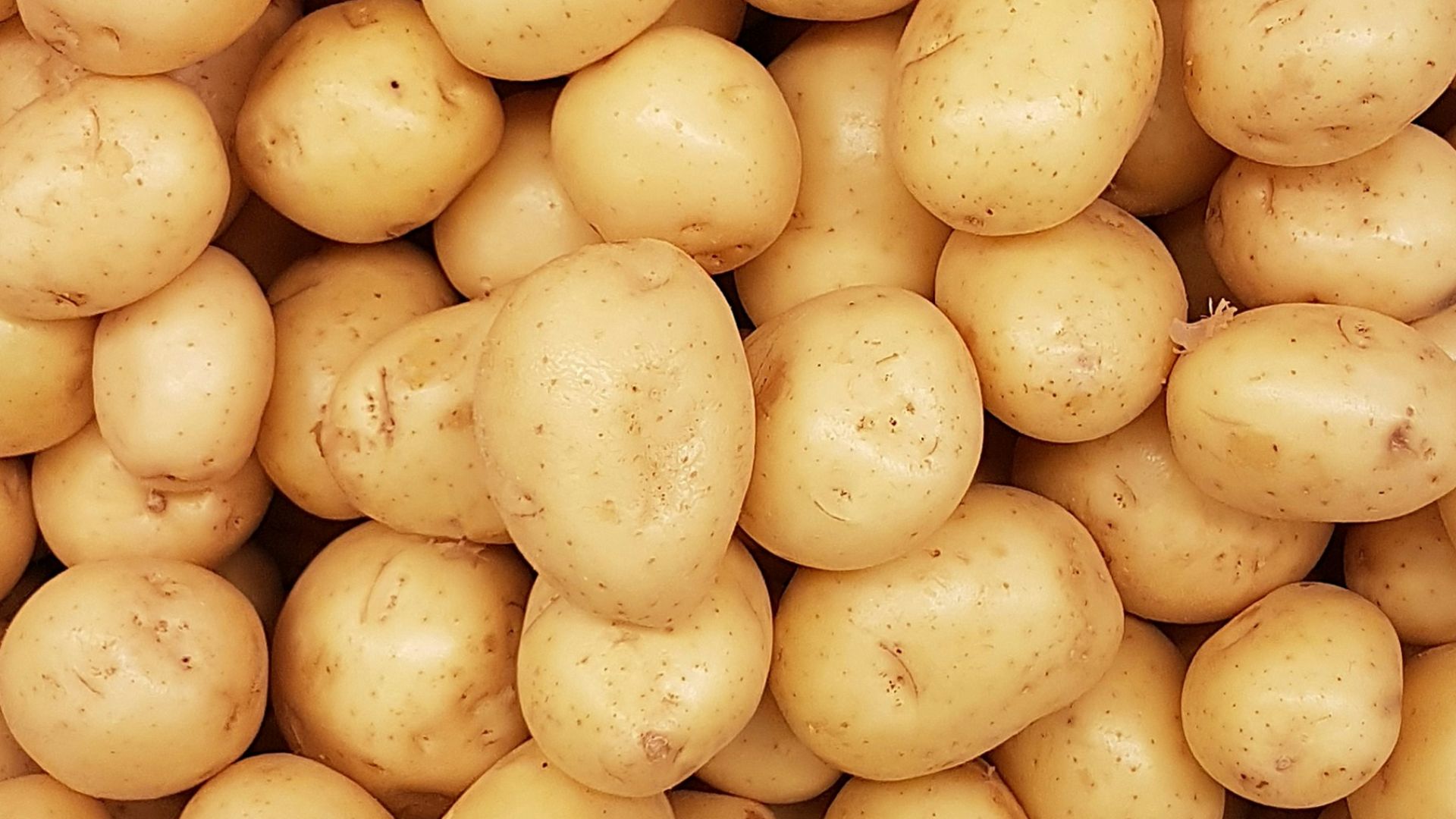
Potatoes aren’t much without salt, but because they’re dense and starchy, surface seasoning after cooking doesn’t reach the interior. That’s why you need to salt the water when boiling or parboiling, which allows the potatoes to absorb flavor throughout.
7. Beans
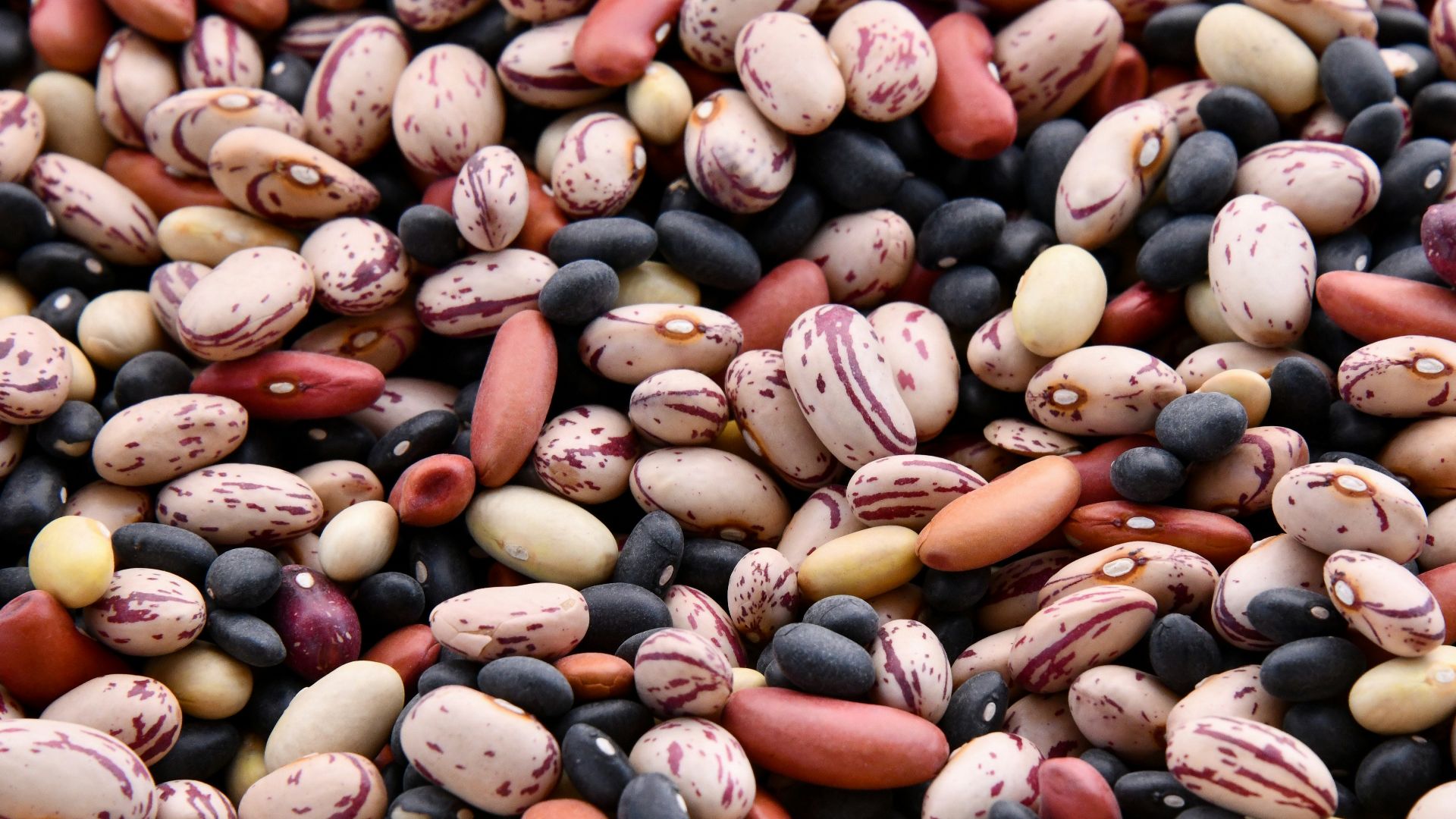
There seems to be a long-standing belief that salt makes beans tough, but that’s an old wives’ tale. In reality, adding salt during cooking actually helps beans develop flavor more evenly as they soften. You just need to be careful if other salty ingredients are involved—you don’t want an overpowering dish.
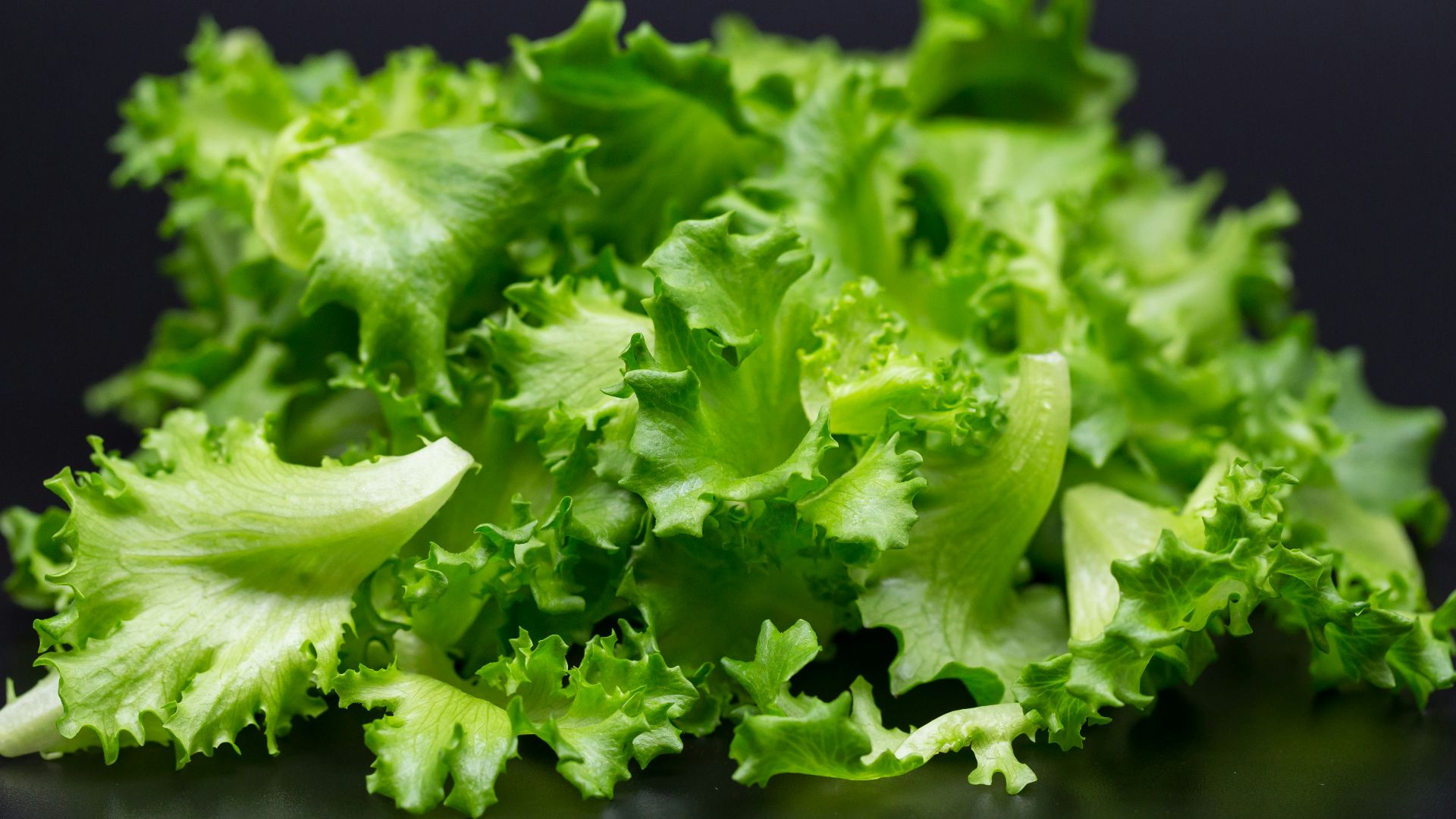
8. Salad Greens
Directly salting salad greens won’t do what you think. Rather than add flavor, that move only causes them to wilt and lose their crisp texture. Instead, season the dressing before tossing it with the greens. Mixing everything just before serving preserves freshness while still delivering a good flavor.
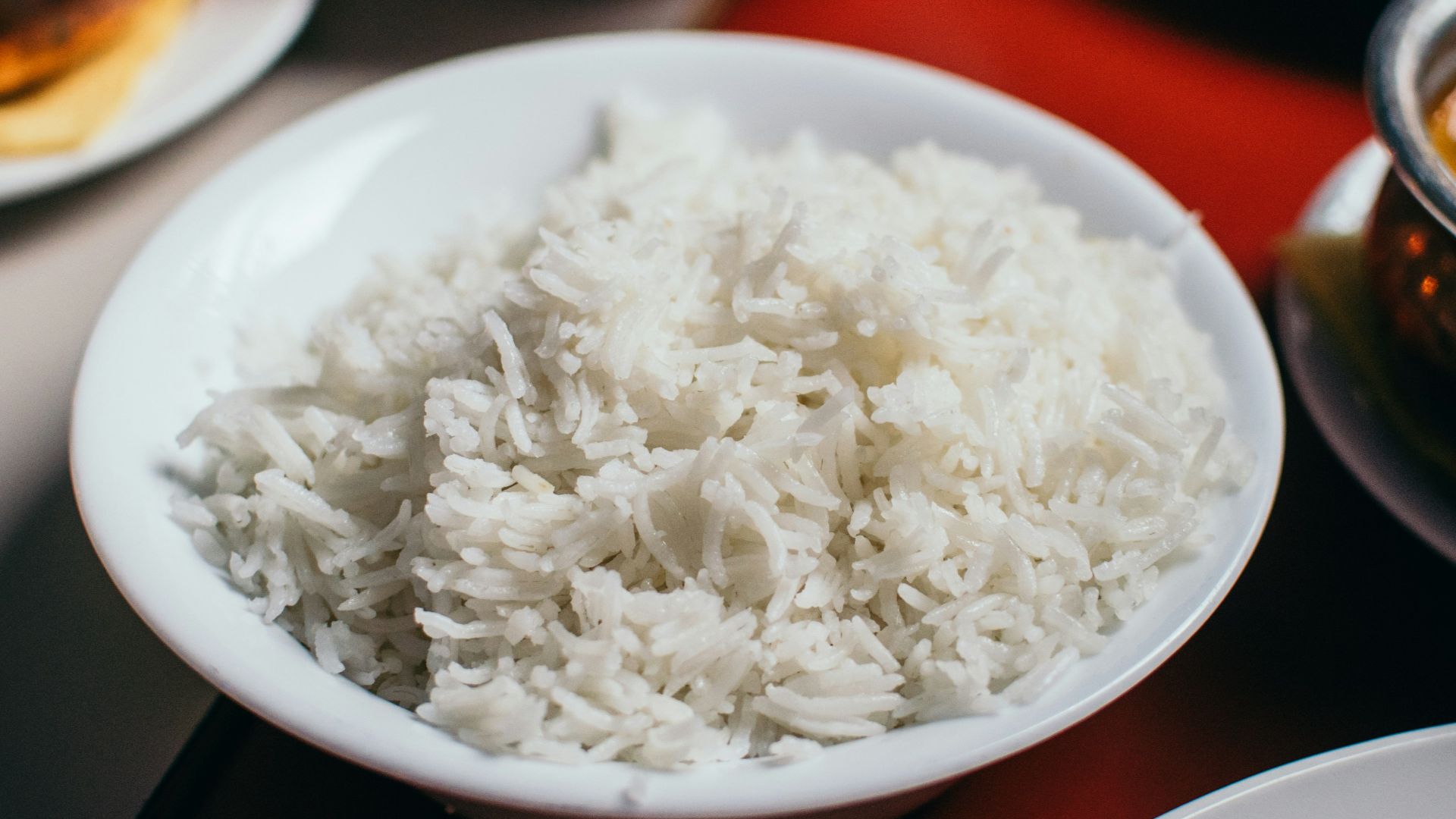
9. Rice
Rice is one of those dishes we make all the time, but that doesn’t mean it’s cooked correctly every time! When it’s made without salt, it often tastes incomplete, even if you plan to add sauces later. Do yourself a solid and add salt to the cooking liquid so each grain absorbs flavor as it cooks.
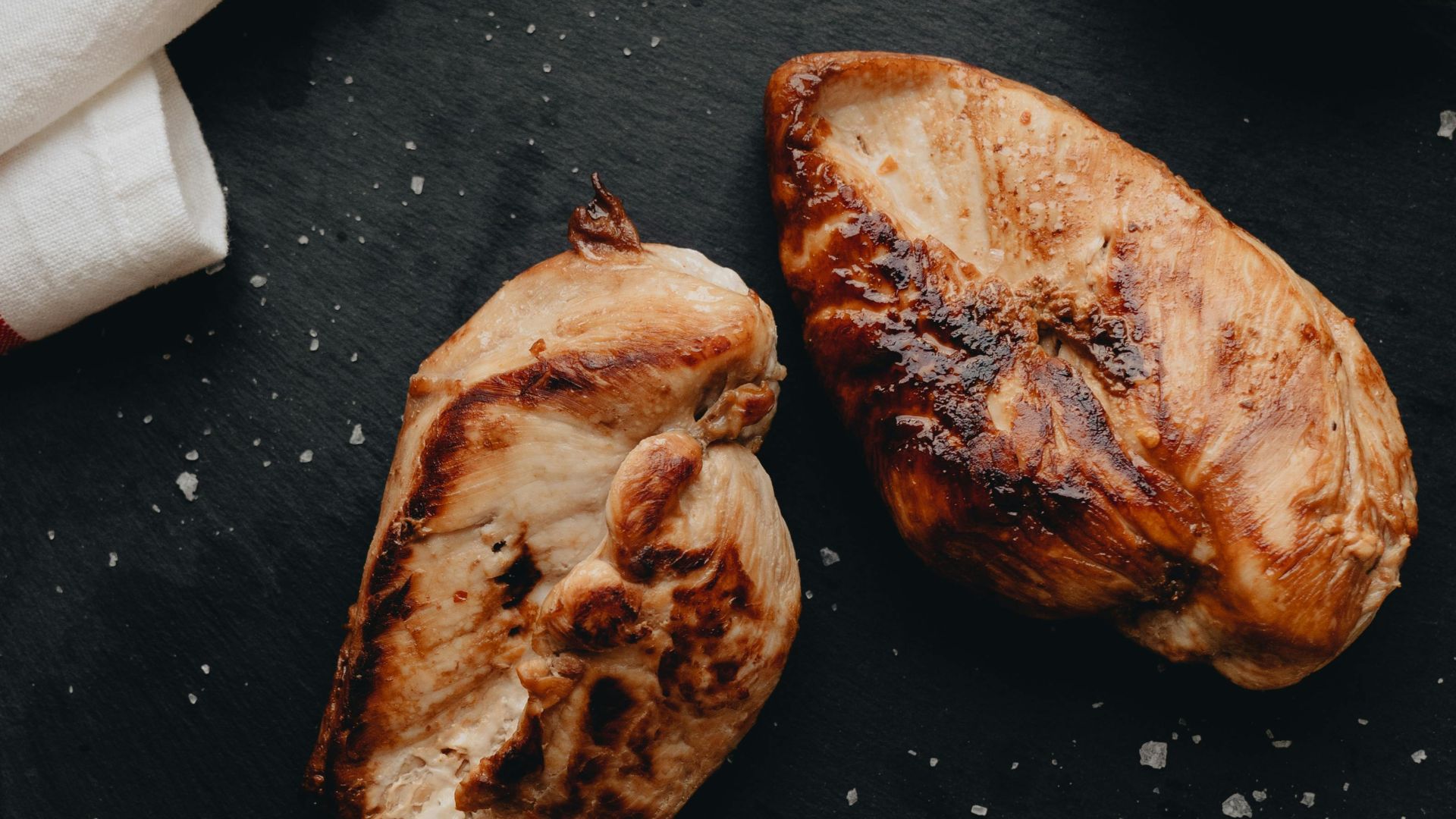
10. Chicken
Chicken can easily end up underseasoned if you only add salt right before cooking. You need to let it brine, and that means giving it time to sit with salt allows the seasoning to penetrate deeper into the meat. Even a short rest of 30 minutes can improve both flavor and moisture retention.
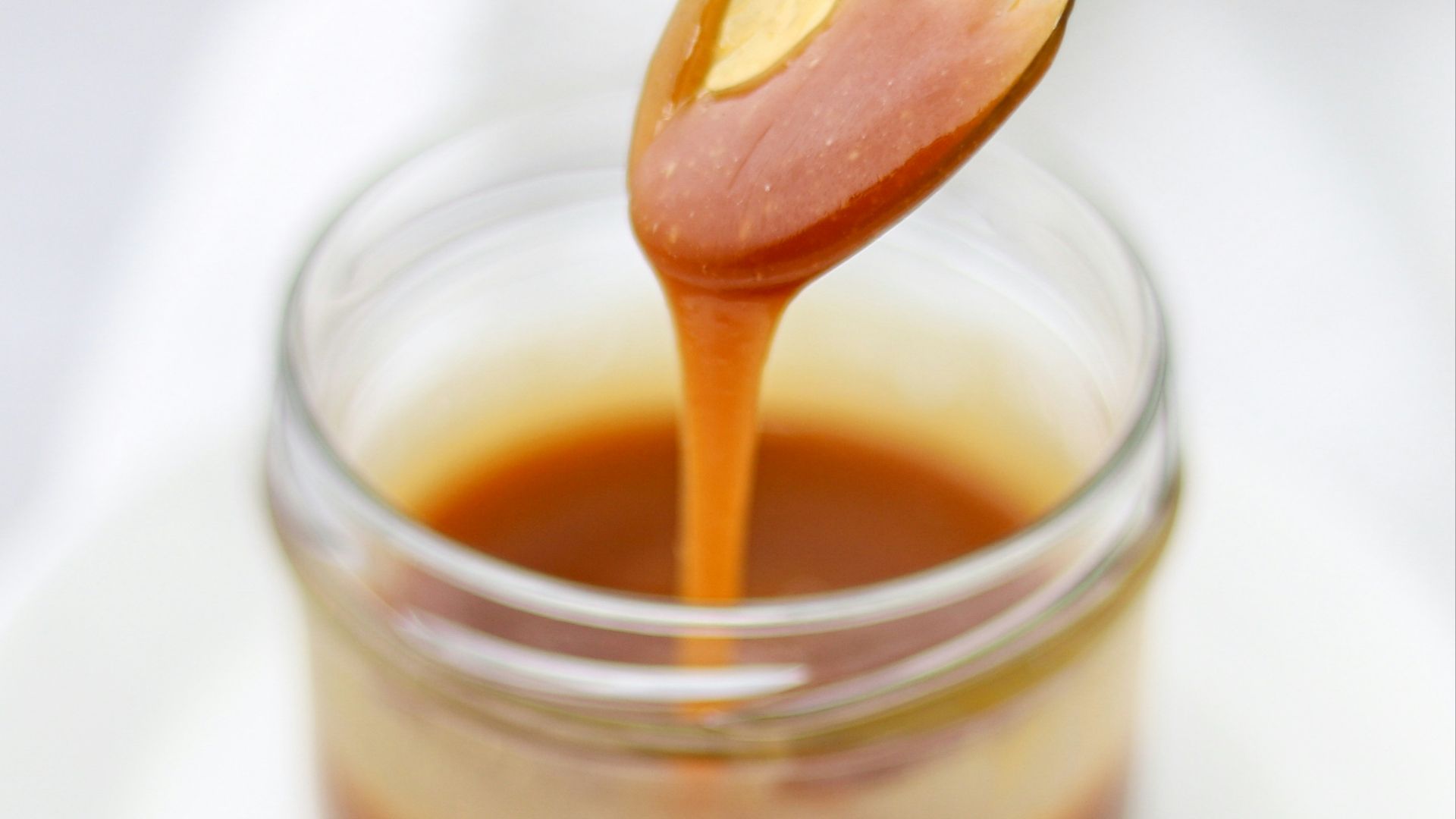
11. Caramel
You wouldn’t think caramel needs much salt, but you’d be wrong to avoid it altogether! It needs a careful hand when it comes to salt, so it’s best to add it gradually after the caramel has formed and the other ingredients are incorporated. To avoid any salty surprises, you can always taste as you go.
12. Popcorn
Sprinkling salt over finished popcorn doesn’t really do much. If anything, it just causes uneven distribution, and most of it settles at the bottom. The trick is to use finely ground salt so it sticks more easily to the kernels. Tossing the popcorn while it’s still warm and slightly coated in butter also improves how well the seasoning grabs on.

13. Fish
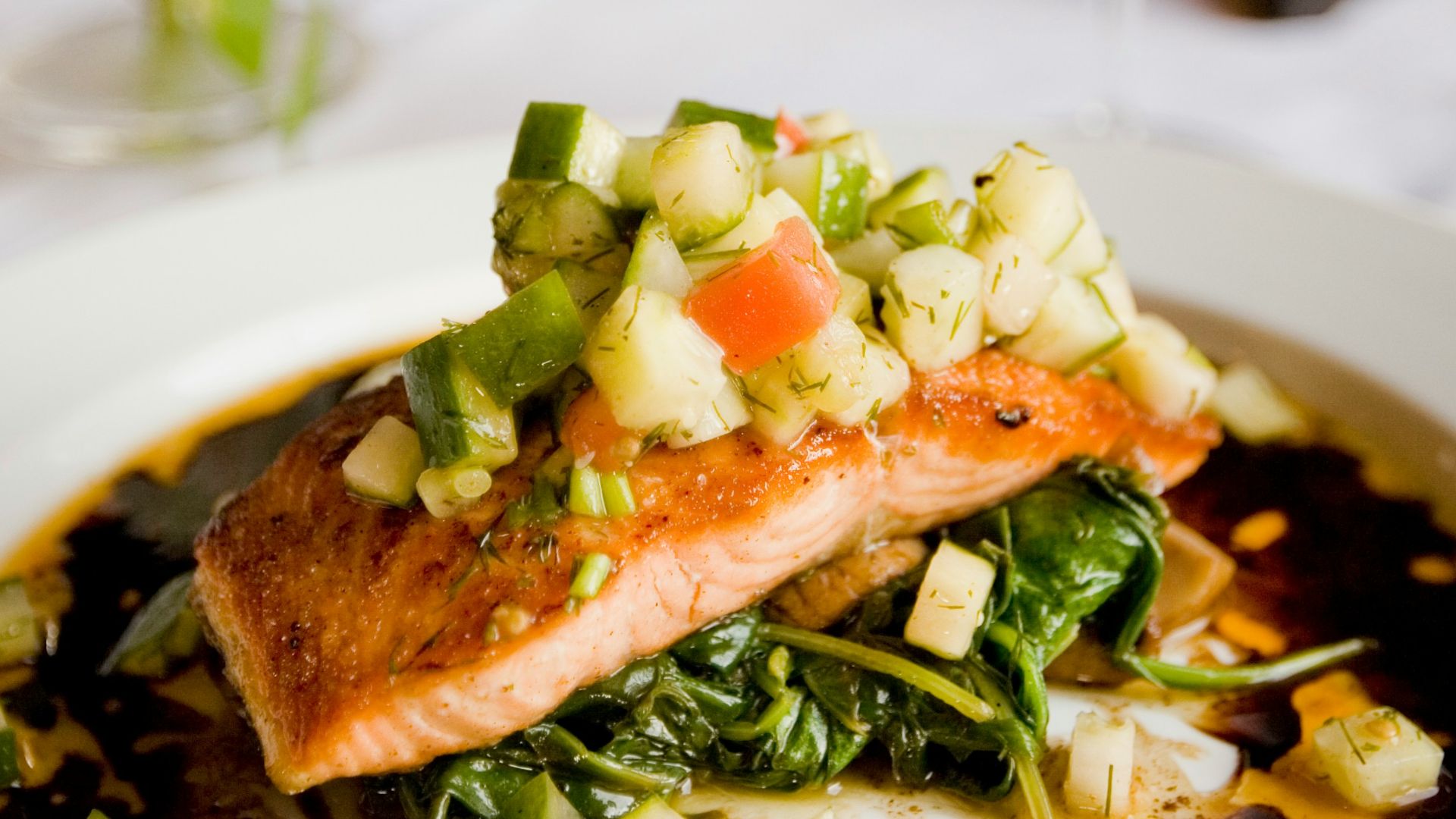
Fish is incredibly delicate, and heavy salting can negatively affect its texture. It’s better to season it shortly before cooking unless you’re intentionally curing it. A light, even application enhances the natural flavor without overwhelming it.
14. Avocado
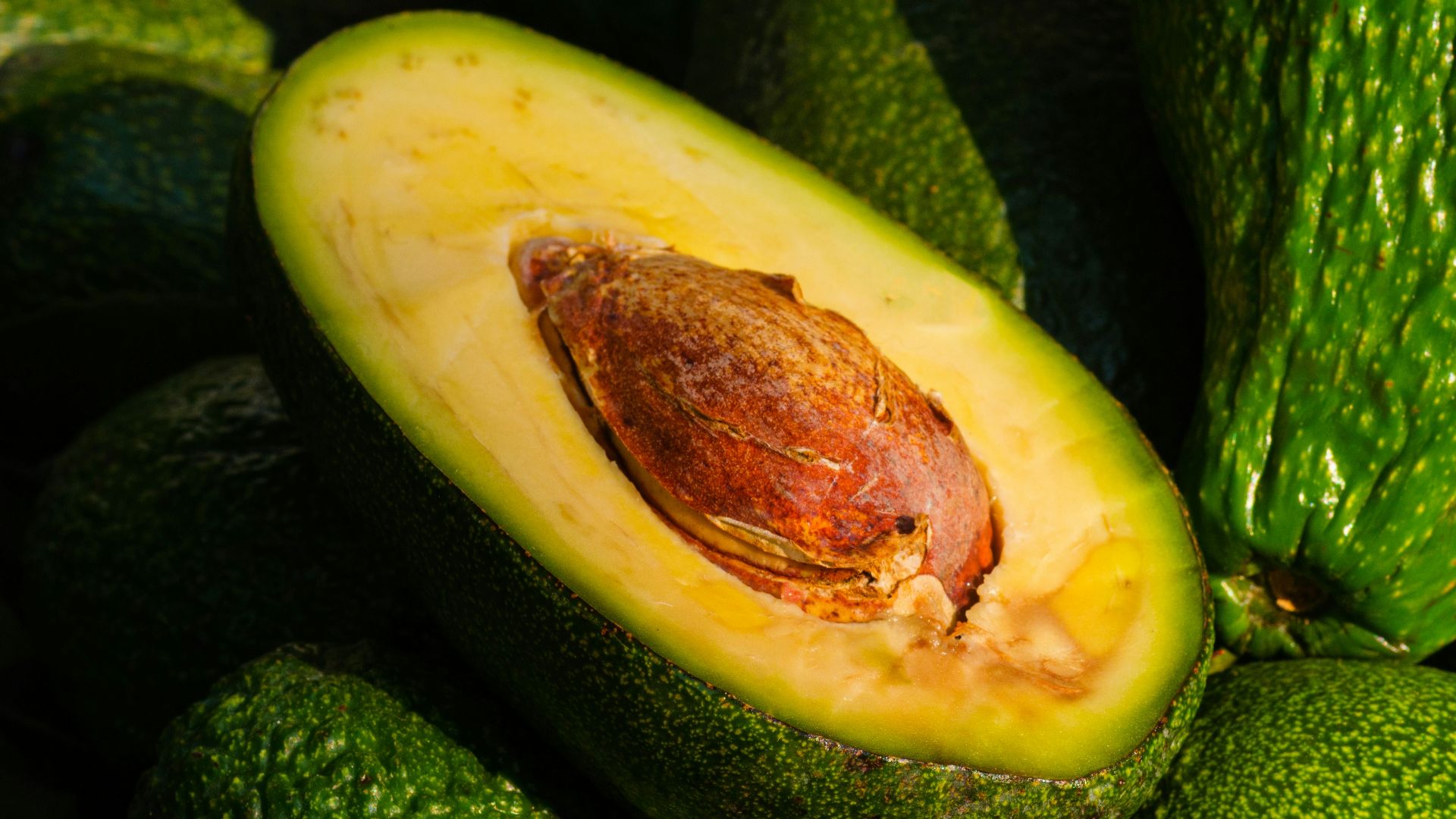
Avocado is another finicky ingredient, and it, too, needs more thoughtful seasoning than just a quick pinch on top. Salt it evenly across the exposed surface so every bite has proper flavor. You can even pair it with a bit of acid, such as lemon or lime.
15. Oatmeal
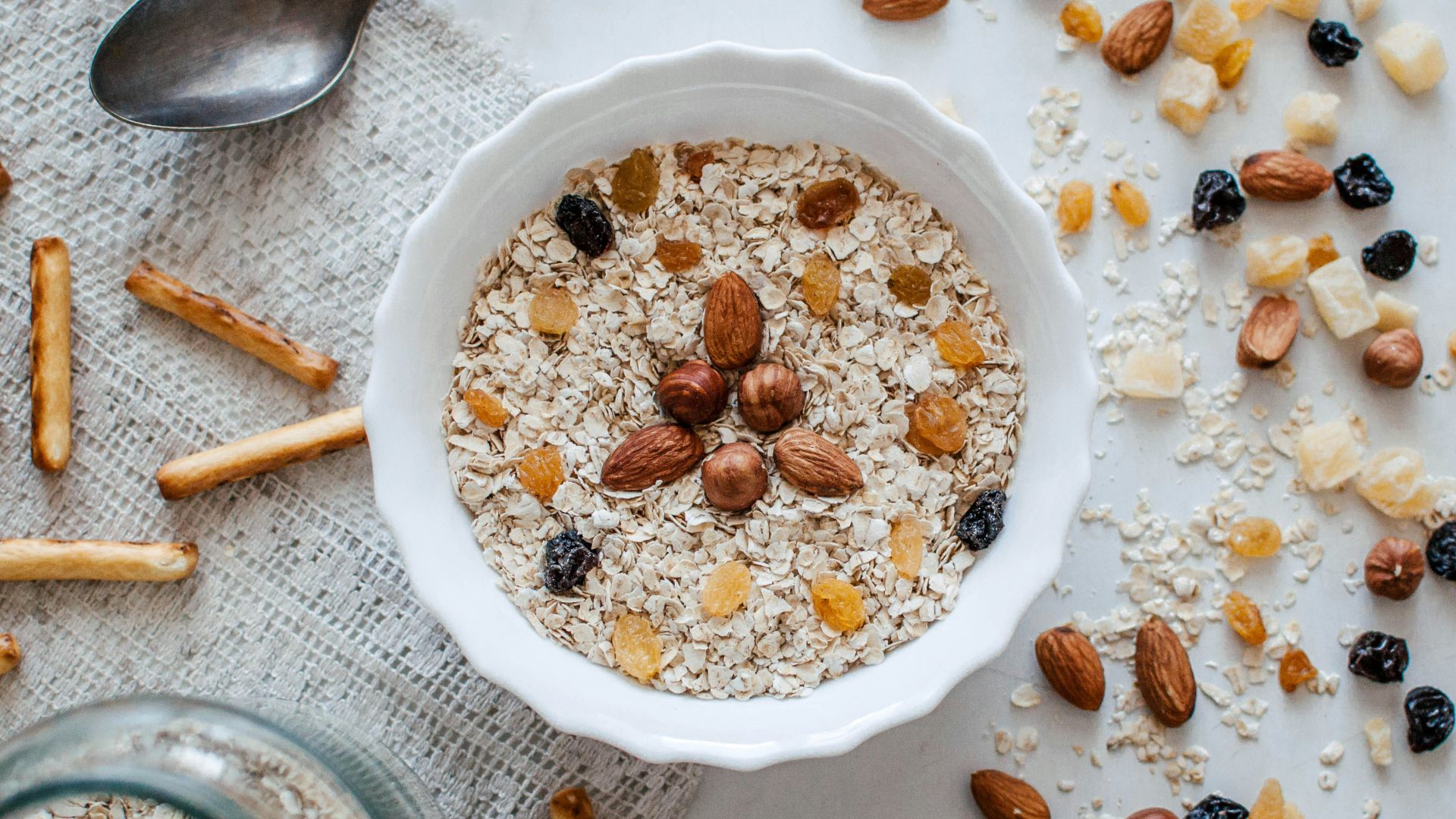
Don’t get it twisted—even sweet oatmeal benefits from a small amount of salt during cooking! Adding it early brings out the natural flavor of the oats and any other ingredients you decide to toss in. Without it, the result will likely taste pretty one-dimensional.
16. Roasted Vegetables
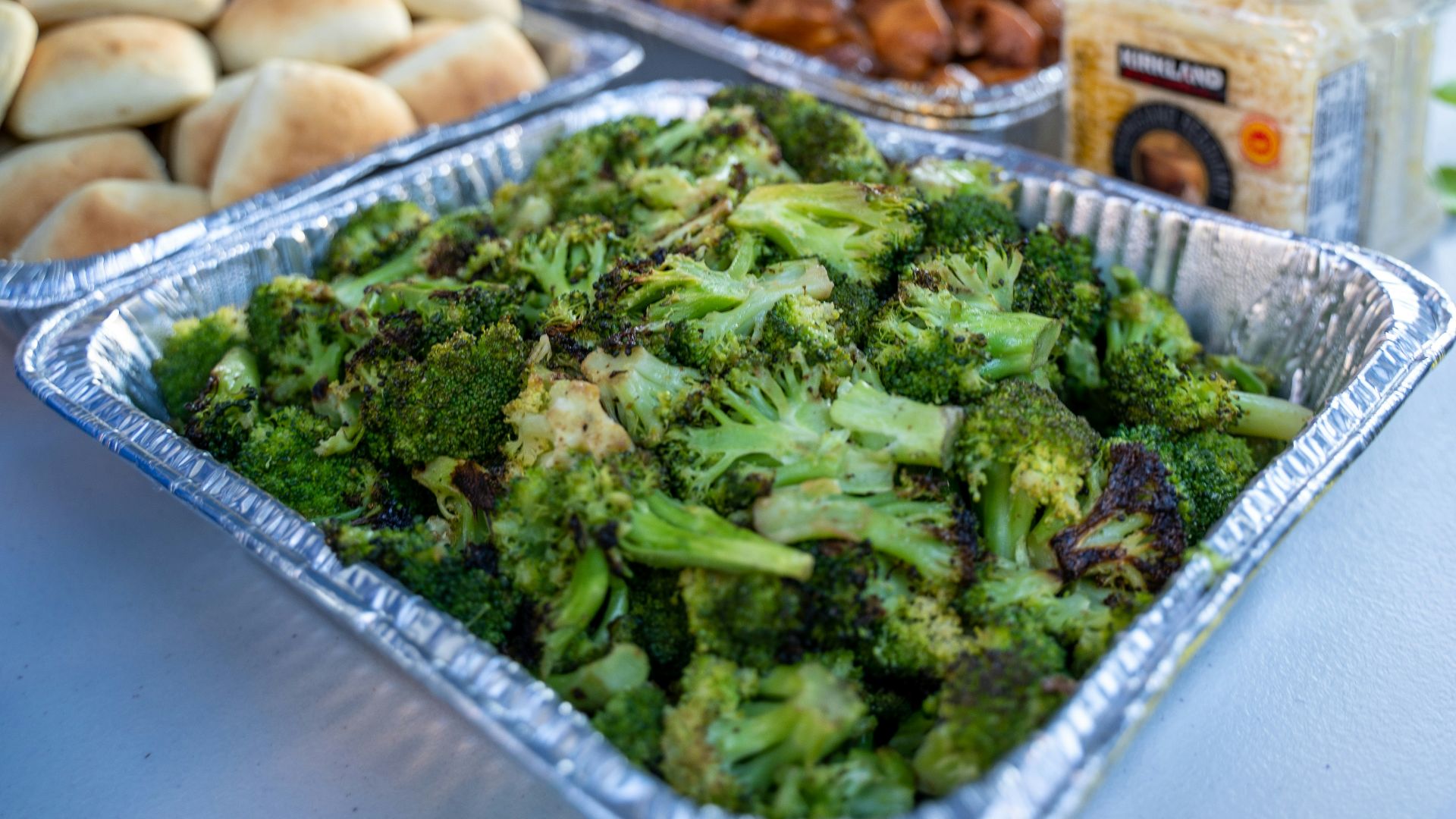
Roasted vegetables should be seasoned before they go into the oven, not after they come out. Remember: salt works together with heat and oil to develop flavor as the vegetables cook. That means a small finishing touch should be added at the end, but most of the seasoning should take place in the beginning.
17. Ground Meat
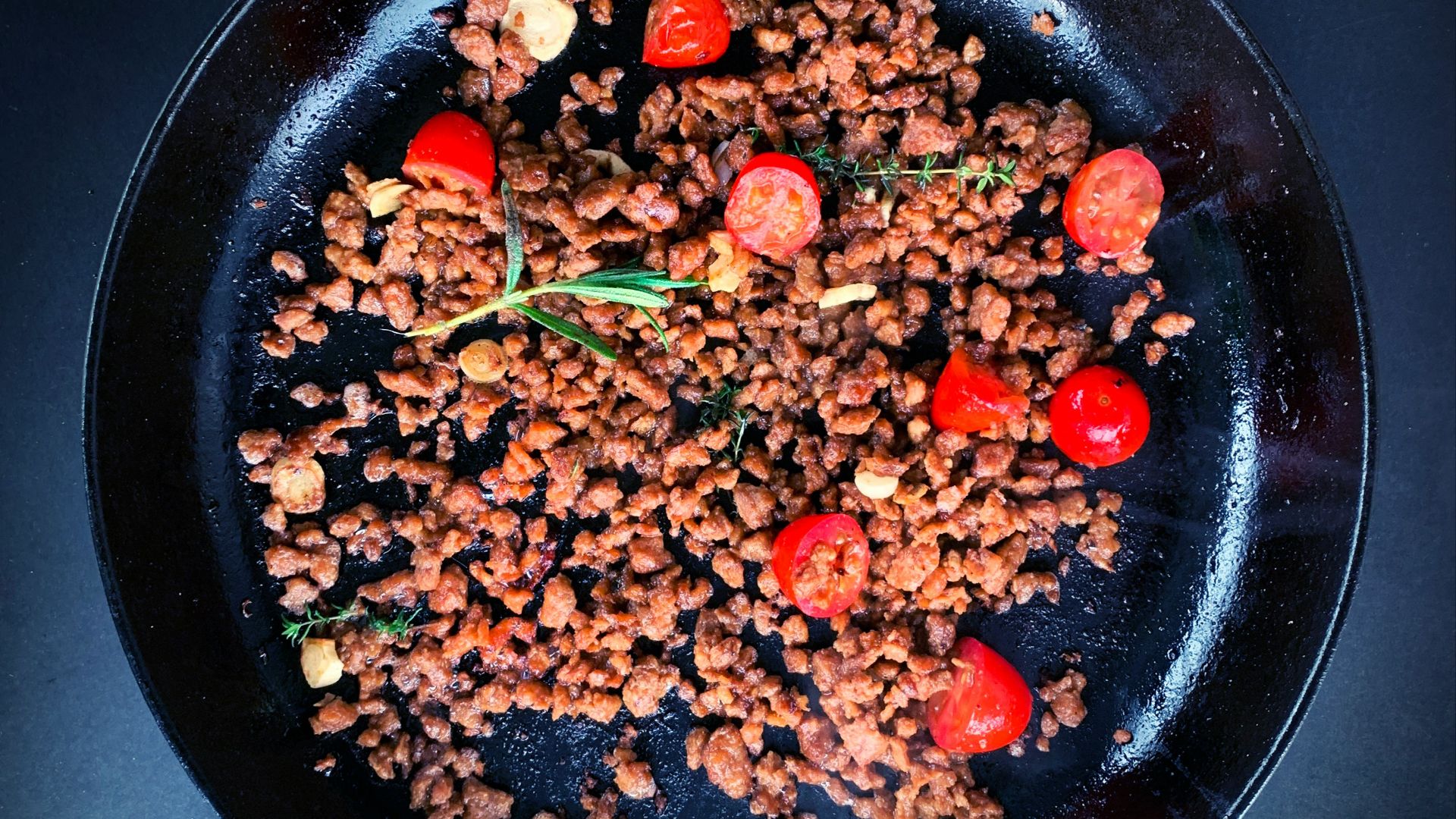
Ground meat needs a different approach depending on what you’re making. For burgers, it’s best to salt the outside just before cooking to keep the texture tender. But for items like meatballs or meatloaf, you can mix salt into the meat gently.
18. Chocolate Desserts
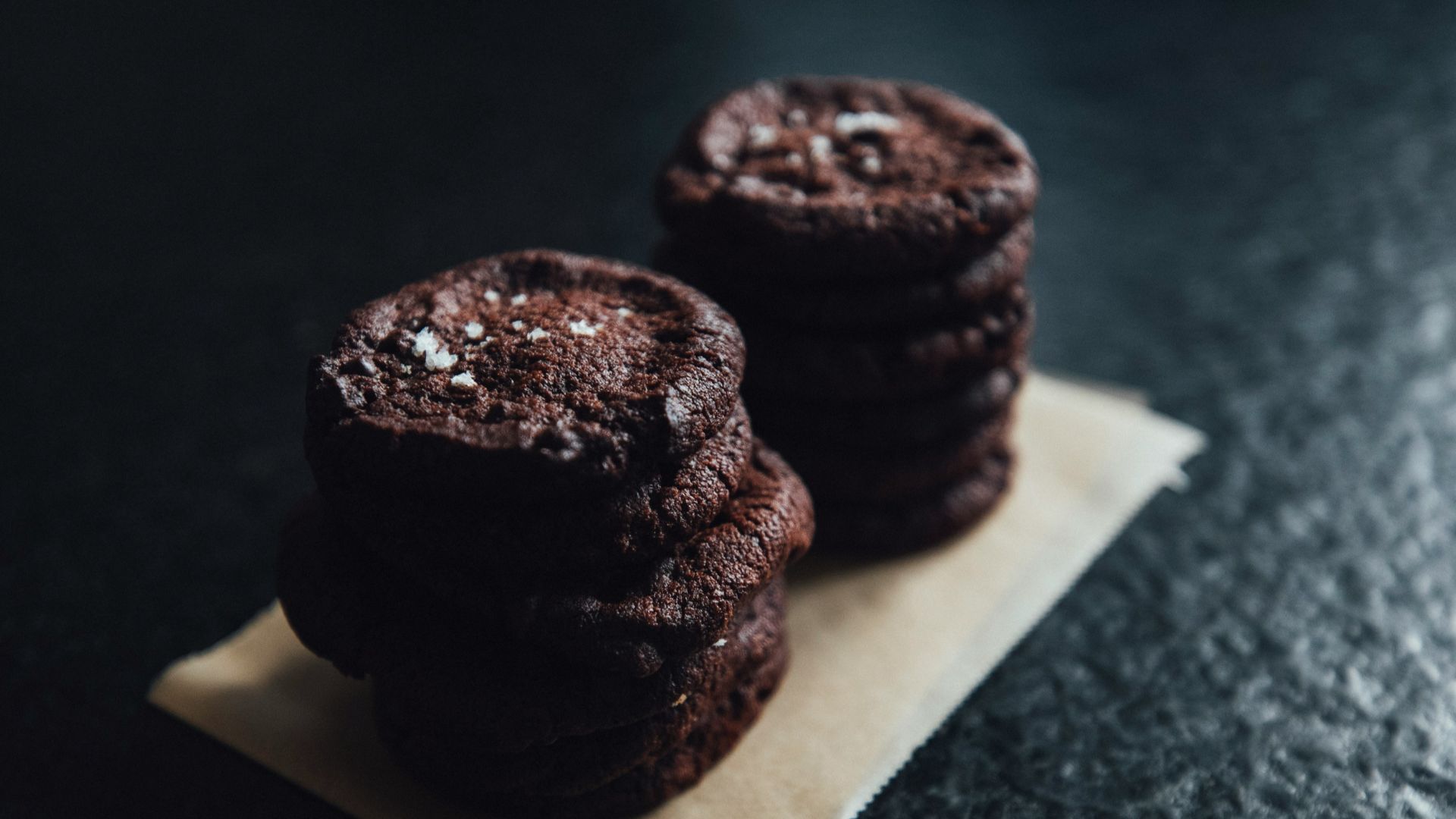
Oh, you thought chocolate couldn’t benefit from a sprinkle of salt? Wrong! Chocolate desserts often rely on a hint of the stuff to enhance their flavor. Adding a measured pinch to batters, doughs, or ganache will actually coax out the cocoa.
19. Cucumbers
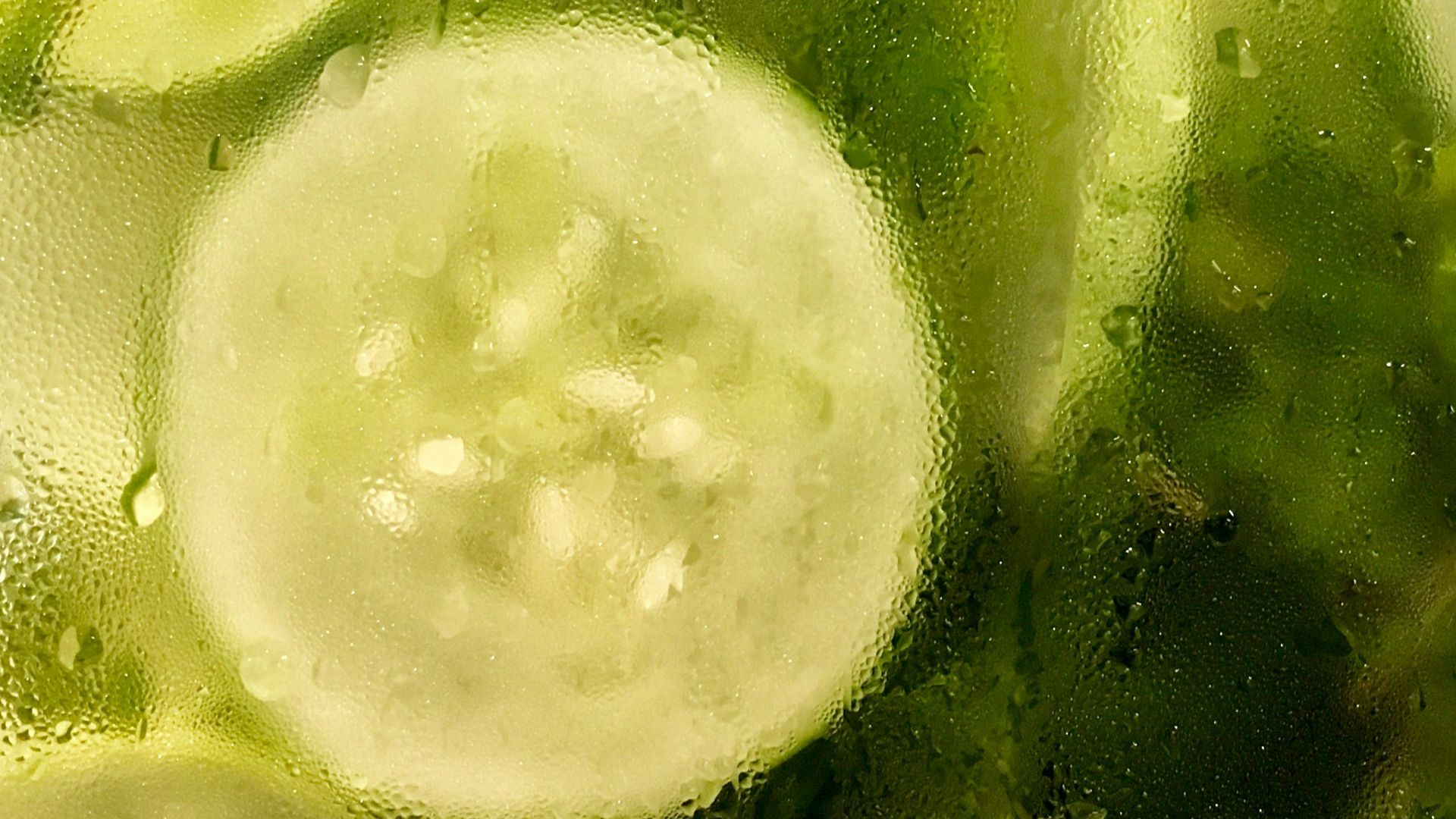
Cucumbers release a lot of water when they’re salted, which can be a double-edged sword depending on the dish. For things like creamy salads or quick pickles, salting them in advance and draining the liquid improves texture. But if you want to keep them crisp for a fresh salad, it’s you need to season them before serving.
20. Soup
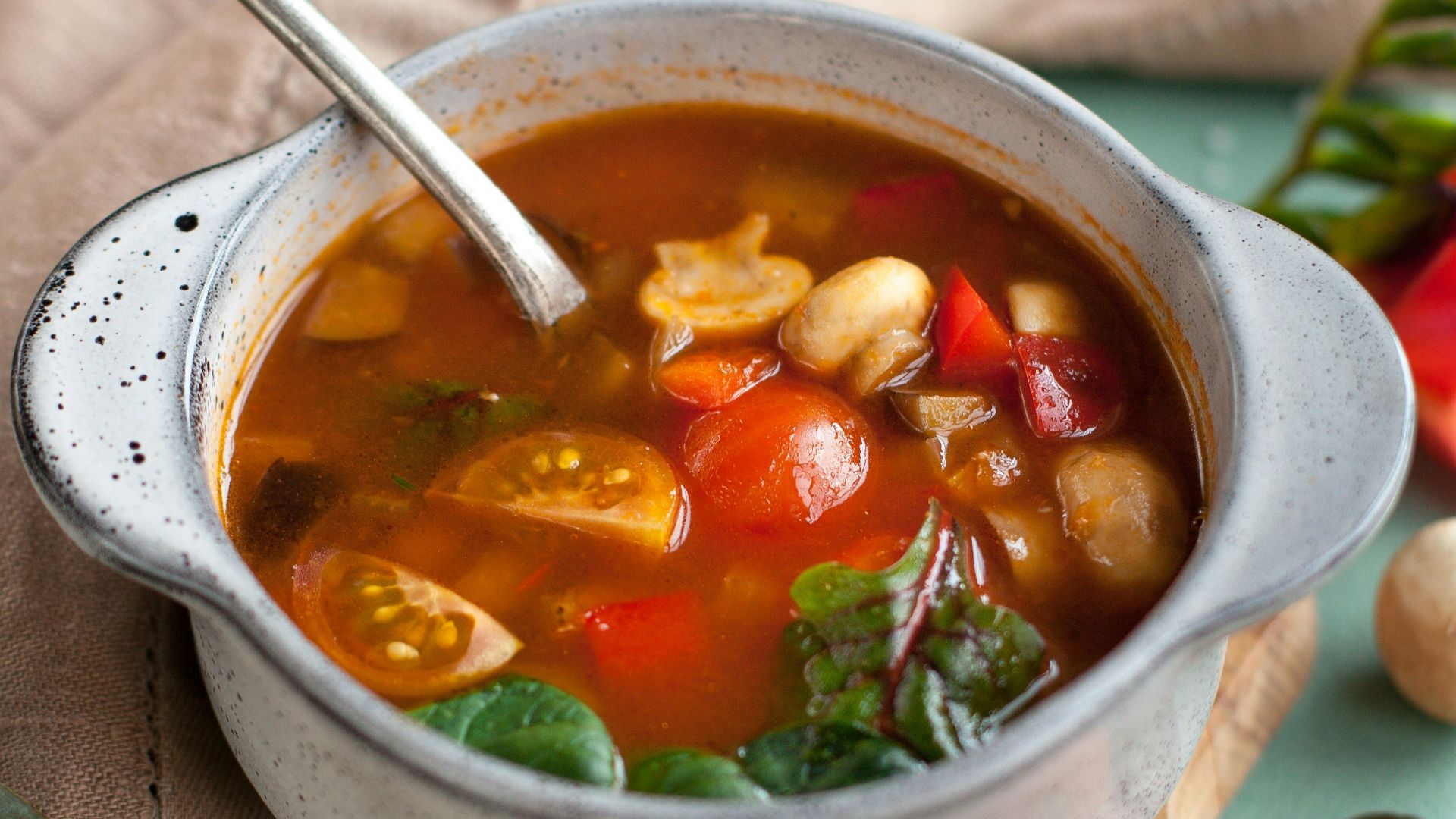
We know, we know! Soup has enough sodium, doesn’t it? Well, only from the store. The homemade stuff develops flavor over time, so salting it all at once at the end can lead to uneven results. Adding salt in stages allows each ingredient to be properly seasoned as it cooks.
KEEP ON READING

The 5 Most Consumed Foods in the Entire World