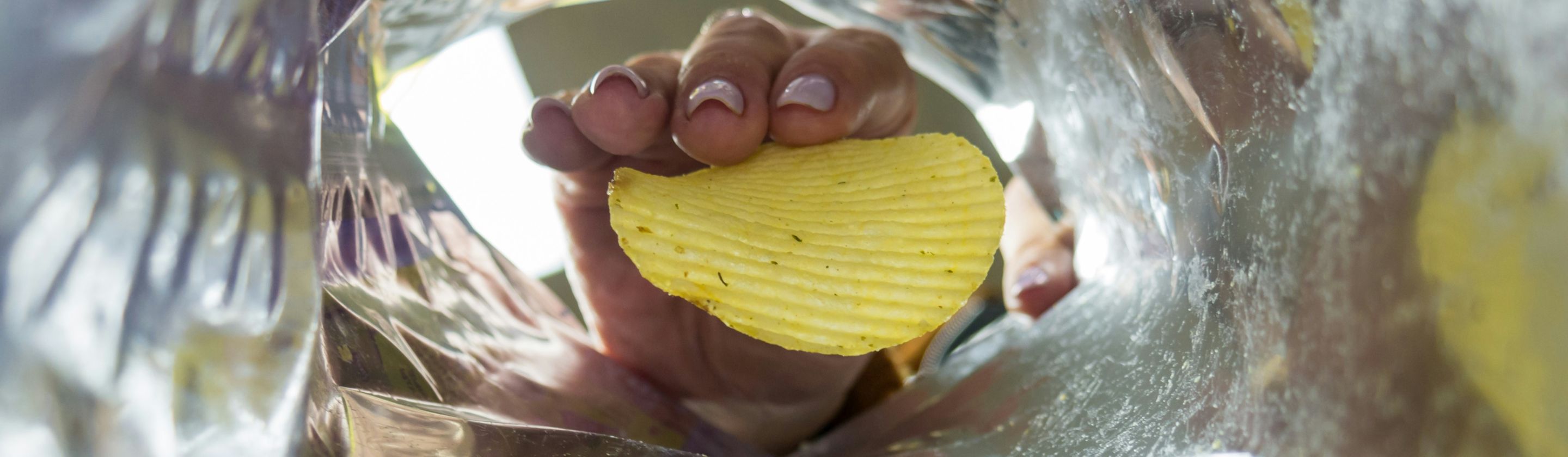
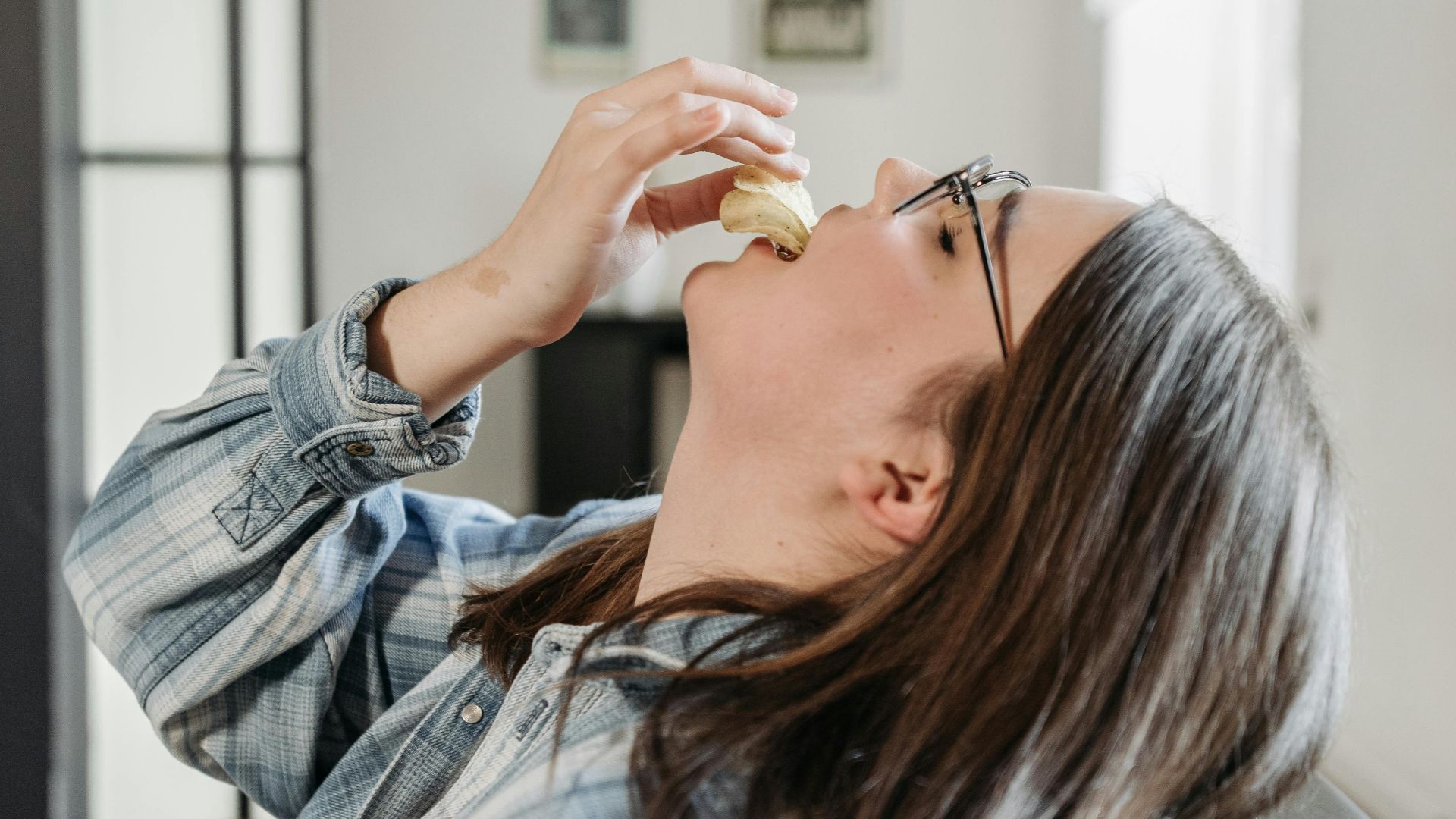
You’ve had dinner, cleaned up the kitchen, and settled in for the night, when all of a sudden, it hits you. That need for something salty and crunchy. Sure, you just ate - but what better way to polish off a meal than with a couple of chips?
You’re not the first person to feel this way. Late-night cravings are common among folks, especially people who eat dinner earlier in the evening. The question we’d like to try to answer today is why it happens. You know that you’re full, you know that you don’t actually need to have a handful of salt, but you want it anyway. If you’re trying to better understand your body’s needs, you’ve come to the right place.
The Need For Sodium
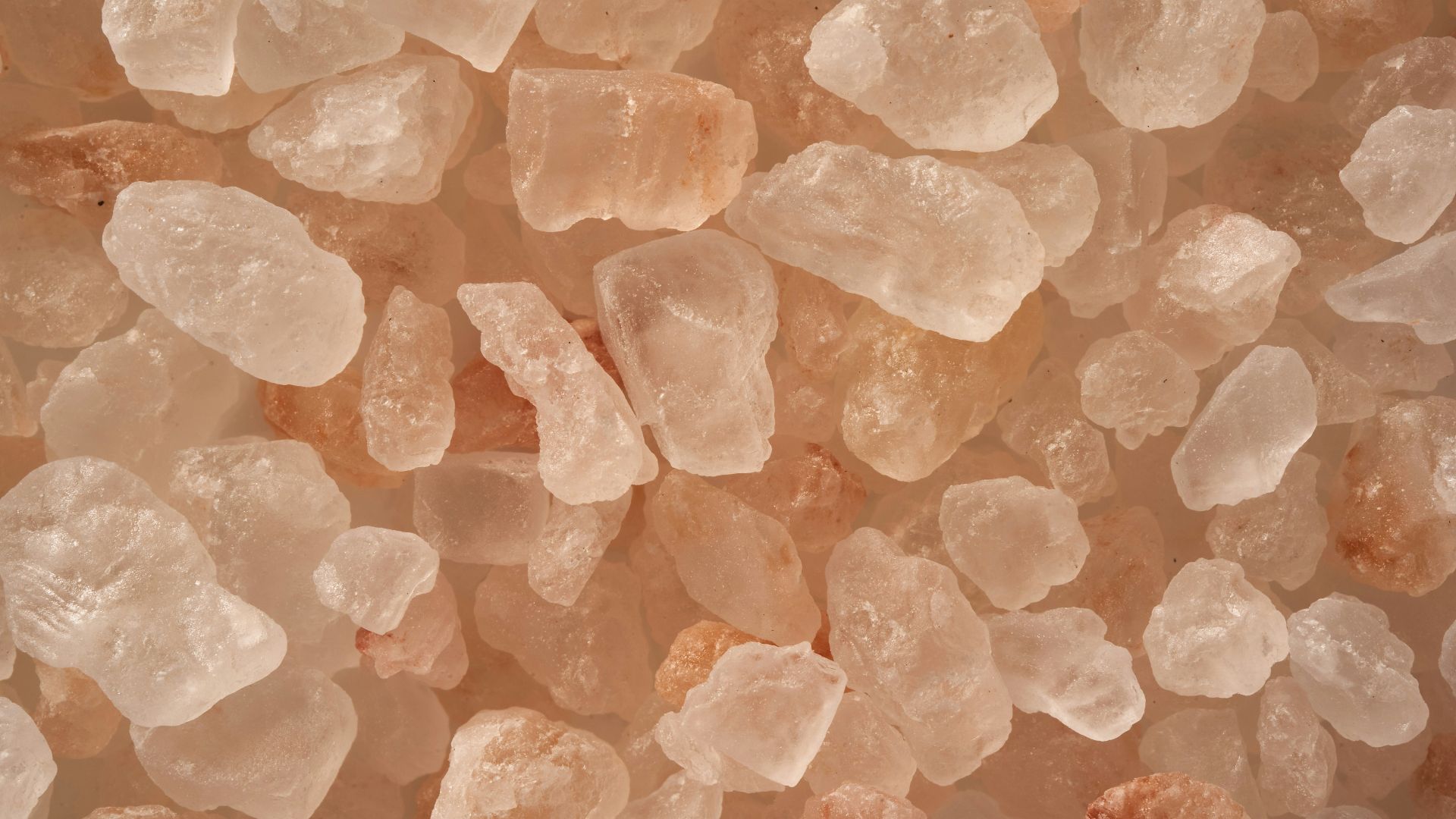 Wolfgang Hasselmann on Unsplash
Sodium balances hydration and helps to maintain the proper function of nerves and muscles, which is why salt cravings shouldn’t be brushed off. The body needs the “right” amount of salt for proper function and fluid retention, even though most Americans get too much of it. That’s the hard part: your body needs sodium, while the modern snack aisle has made it very easy to overdo it.
Research on sodium appetite describes salt cravings as an innate response that can happen when your sodium levels are depleted, involving hormones such as aldosterone and angiotensin II. So you could be dealing with plain old cravings, but it could also mean that you don’t have enough salt in your body.
That said, most people aren’t living in a salt-scarce wilderness anymore. The FDA says more than 70% of dietary sodium comes from packaged and prepared foods, not from salt added at the table. So even when a craving starts from something understandable, a packaged snack has a lot more sodium than you probably meant to eat.
Personal Habits
Maybe you’re good on salt, but how are your stress levels? Stress can make salty comfort food sound especially good. Stress eating is tied to hormone levels, including cortisol, and having too much cortisol has been linked with food cravings.
Sleep can make that pull harder to shrug off. A lack of sleep can affect cortisol, leptin, ghrelin, and serotonin, which can make hunger cues stronger and self-control weaker, especially around the foods you crave. A controlled sleep-restriction study also found higher ghrelin levels and more snacking calories after sleep restriction.
Personal habits deserve plenty of blame, too. If your night usually ends with a show, a couch, and something salty, your brain remembers it as a part of your routine, which can be just as hard to break. Cleveland Clinic also lists boredom as one reason people crave salt and points out that salty foods are often convenient and ready-made, which is exactly why they win when you’re tired.
Listening To Your Body
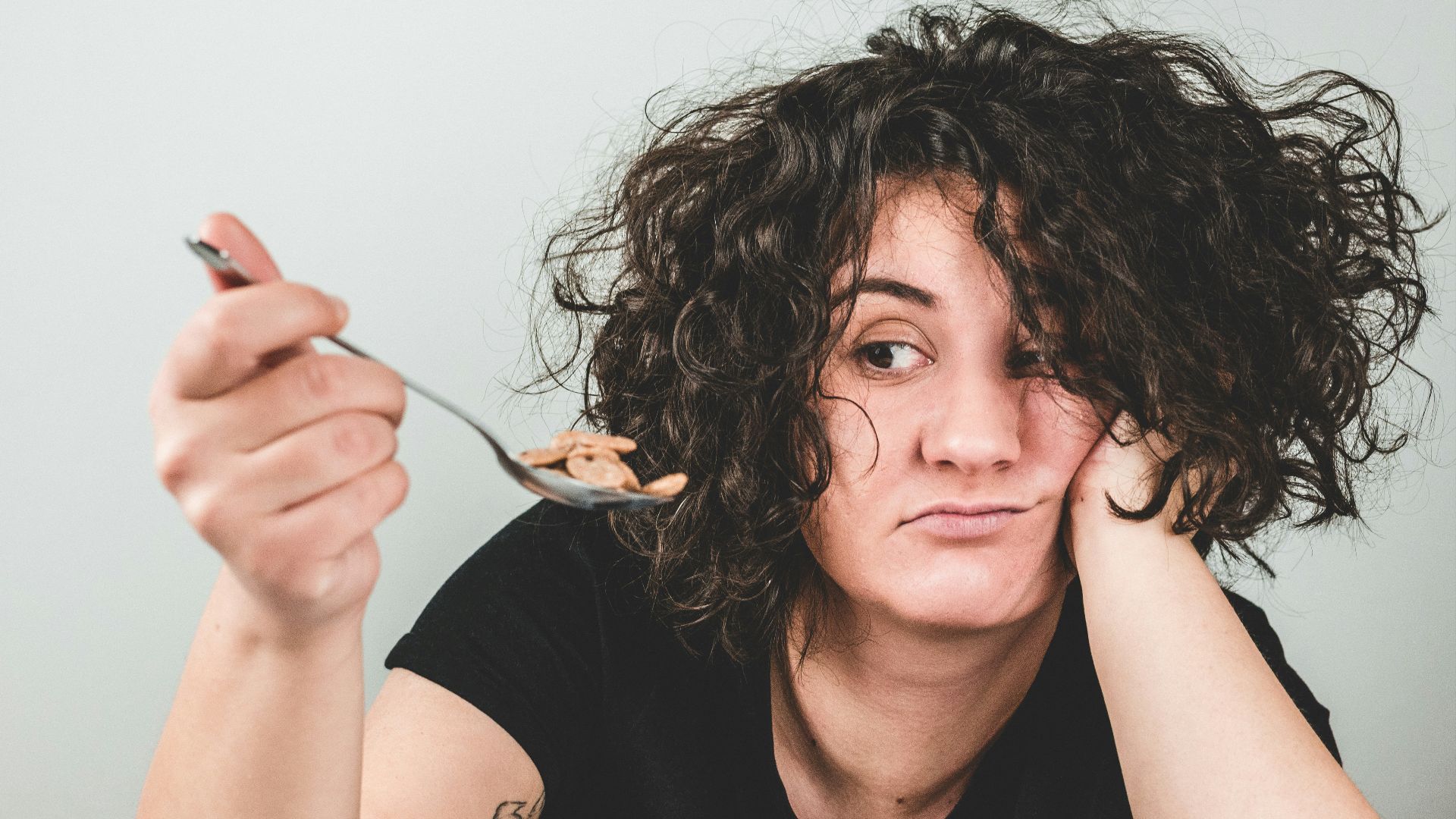
The goal isn’t to treat every craving as a test of willpower. A good way to approach these cravings is to pause and check the basics: whether you’re thirsty, whether dinner had enough protein and fiber, and whether you’re actually hungry or just reaching for a familiar end-of-day cue. It’s important to pay attention to hunger cues versus cravings and staying hydrated, since the two can be easy to mix up.
Getting better acquainted with portion sizes and the nutrition label helps as well. The FDA says the recommended Daily Value for sodium is less than 2,300 milligrams per day. When it comes to snacks or meals, consuming 5% or less of your Daily Value is considered low sodium per serving, while 20% Daily Value or more is considered high. Since serving sizes can be smaller than what people actually eat, checking the label can save you from accidentally overdoing it.
A smarter swap can still feel like a real snack. Instead of reaching for the chip bag, you could choose lower-sodium options such as sunflower or pumpkin seeds, low-sodium nuts or pretzels, and hummus with vegetables or pretzel thins. Salty snack options like popcorn, seeds, nuts, and seasoning-forward choices are also useful, providing you with crunch or flavor that actually keeps you full.
In terms of your sleep, better sleep habits can help lower the odds that you’ll struggle with late-night cravings. The CDC recommends going to bed and waking up at the same time every day and keeping the bedroom quiet and cool. Before you go to bed, it’s also recommended that you turn off electronic devices at least 30 minutes before you go to sleep, avoid large meals and alcohol, avoid caffeine in the afternoon or evening, exercise regularly, and maintain a healthy diet. Better sleep won’t make you immune to snacks, but it can help you regulate your habitual cravings.
Late-night cravings are usually occasional and manageable. A glass of water, a healthier snack, or a better bedtime rhythm may be enough to keep them from running the evening. If salt cravings are intense, frequent, or accompanied by symptoms such as dizziness, ongoing fatigue, excessive thirst, very low blood pressure, or a general feeling of being unwell, they might be tied to an underlying condition, so it’s worth talking with a healthcare professional.
KEEP ON READING
You’re Storing Tomatoes Wrong in This Heat
You’re Storing Potatoes Wrong in This Heat
You’re Storing Peppers Wrong in This Heat
You’re Storing Carrots Wrong in This Heat