20 Foods With Wikipedia Rabbit Holes Stranger Than the Dish Itself
Food Gets Weird Fast
Some foods don’t seem like they’re hiding much. You see a cracker, a cheese, a canned meat, or a spoonful of peanut butter, and your brain files it under snacks, pantry staples, or things you eat when dinner has gone off the rails. What you might find surprising is how some of these foods came about. A search for any simple kitchen staple will lead you down a path about fur traders, 17th-century ale, Appalachian foraging, military rations, Victorian thrift, and colonial food systems. That’s food history: the ordinary stuff often has the messiest trail behind it. These 20 foods all look simple enough at first, then get much more interesting the more you learn about them.
1. Pemmican
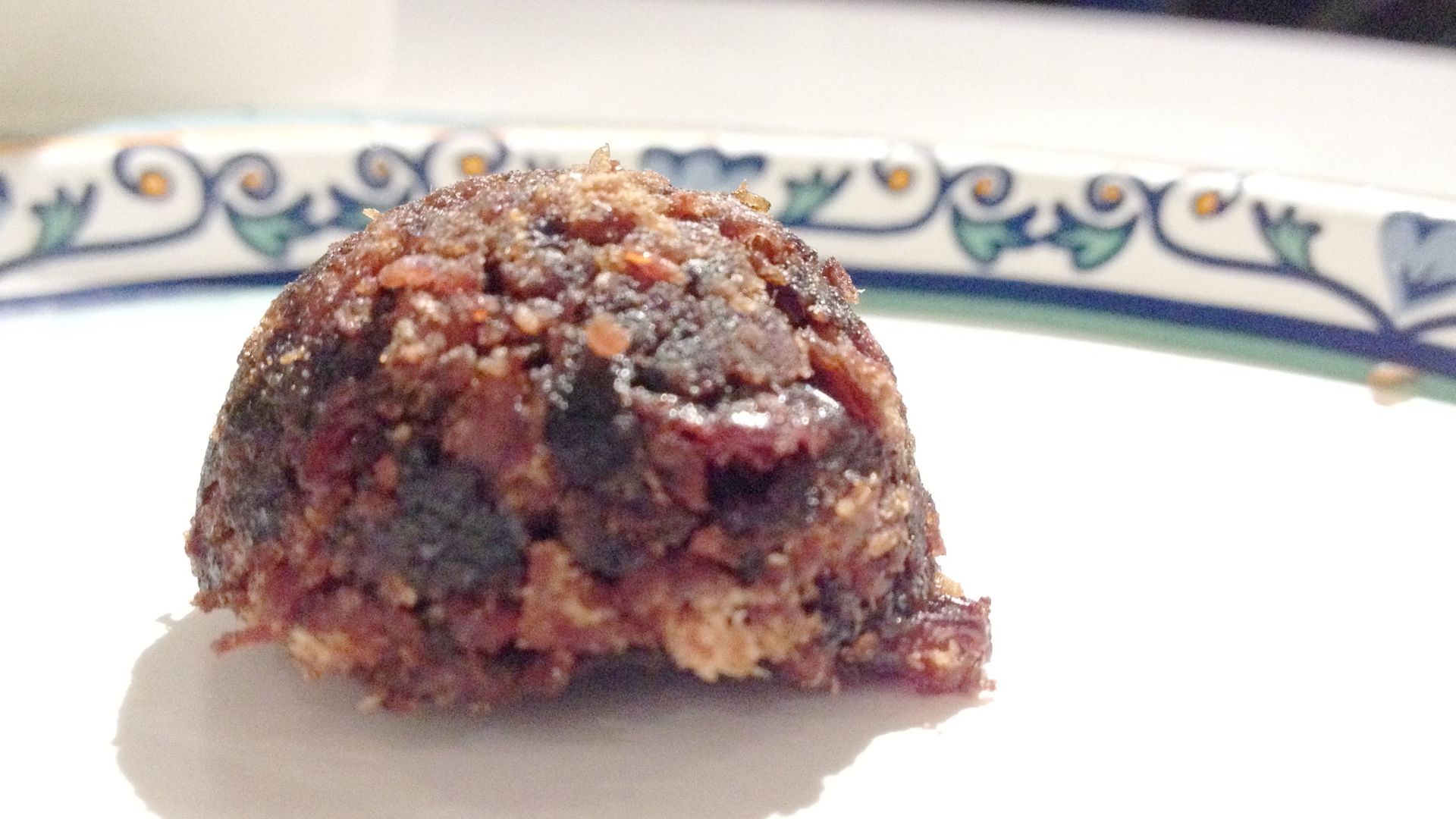
Pemmican was built for movement, cold, and long stretches without fresh food. Made from dried meat mixed with rendered fat, and sometimes berries, it gave Indigenous communities, Métis traders, fur traders, and explorers a dense food that could travel across northern North America without falling apart in a pack.
2. Casu Marzu
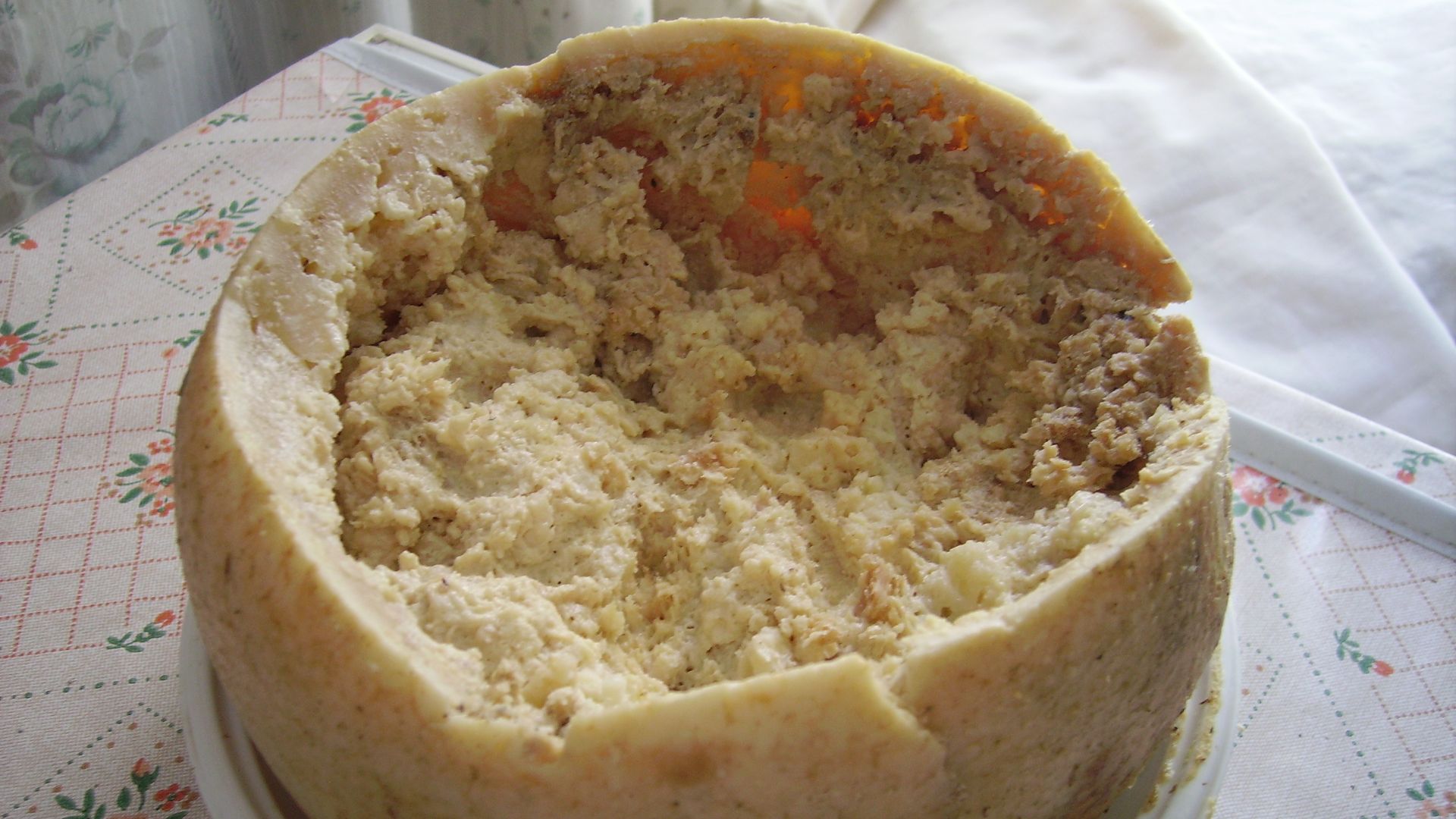
Casu marzu is a Sardinian sheep’s milk cheese that ferments with the help of live larvae. To some Sardinians, it’s a local specialty tied to skill and memory; to food-safety officials, it raises obvious health concerns, which puts this cheese in a very odd cultural position.
3. Century Eggs
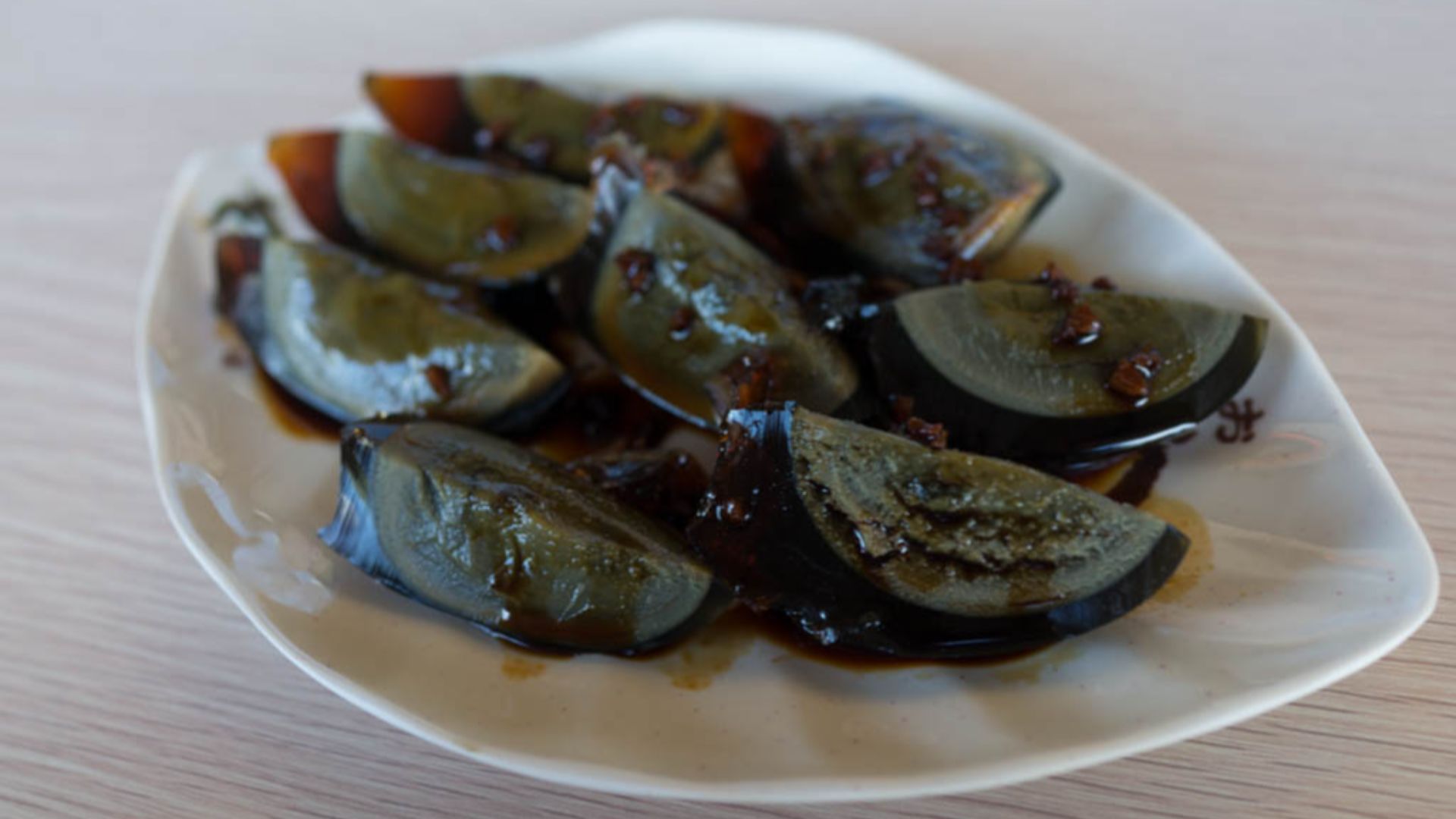
Century eggs don’t take a century, so at least the name is mercifully misleading. They’re preserved in an alkaline mixture that changes the whites into a dark, jelly-like layer and turns the yolks creamy, rich, and sharply savory.
4. Tarrare
Tarrare was a performer and soldier in 18th-century France. What made him especially interesting was his diet, which was anything and everything. He couldn’t satiate his hunger. Doctors attempted to treat his condition with laudanum, wine vinegar, and tobacco pills, but nothing did the trick. It’s said that he might’ve even engaged in acts of cannibalism.
 Unknown authorUnknown author on Wikimedia
5. Hardtack
Hardtack was made from flour, water, and sometimes salt, then baked until it became almost aggressively durable. There’s nothing particularly interesting about the food, but what comes to mind is how people made this meal edible. Whether it was coffee, soup, or fat, Civil War soldiers made do.

6. Spam
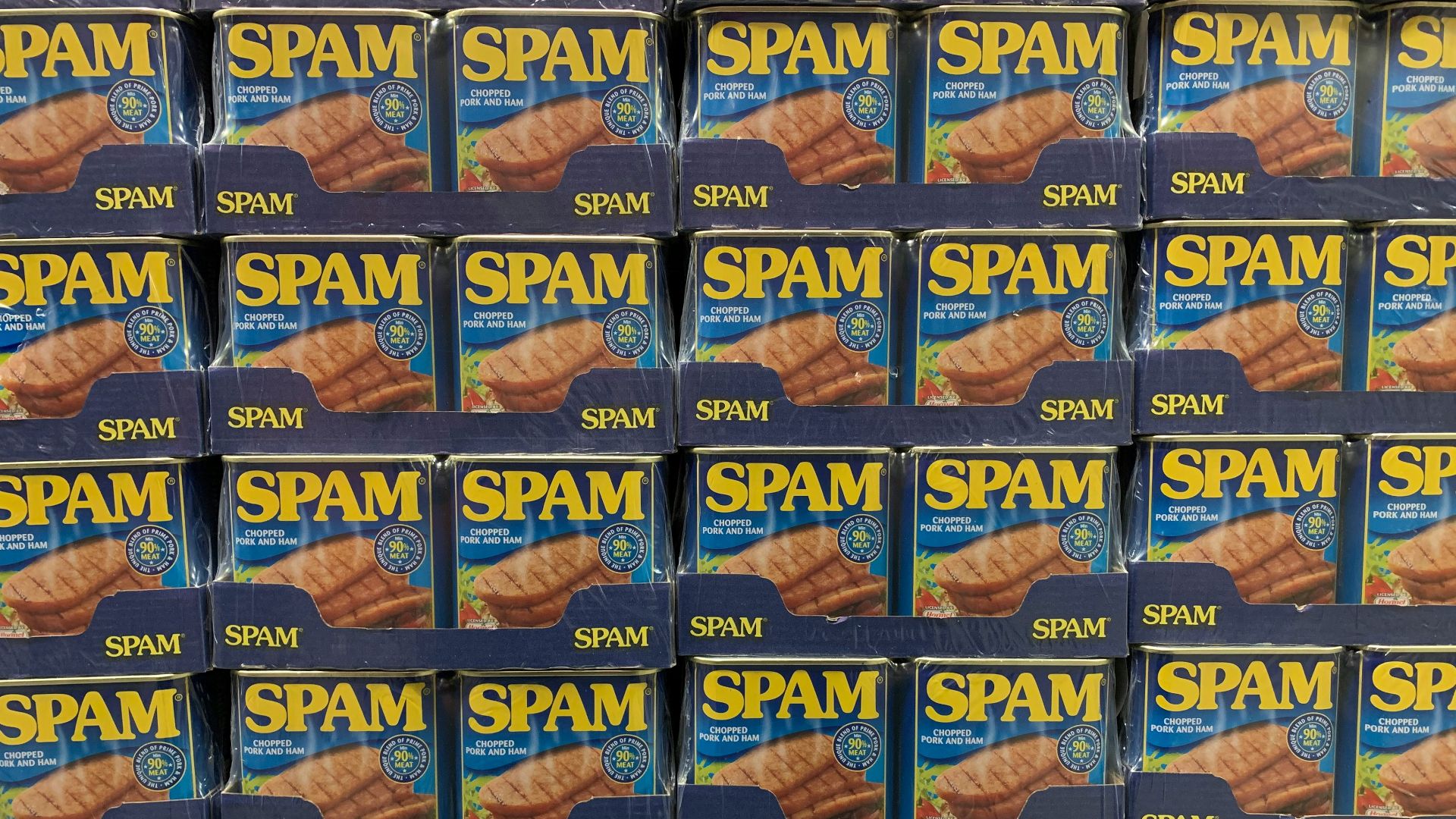
Spam came out in 1937, then became closely tied to wartime food supply during World War II. It was shelf-stable, easy to ship, and cheap enough to feed a lot of people under rough conditions. In Hawaii, Spam became part of everyday cooking through dishes like Spam musubi, where rice, nori, and a slice of fried Spam turned a military-era product into comfort food with real cultural weight.
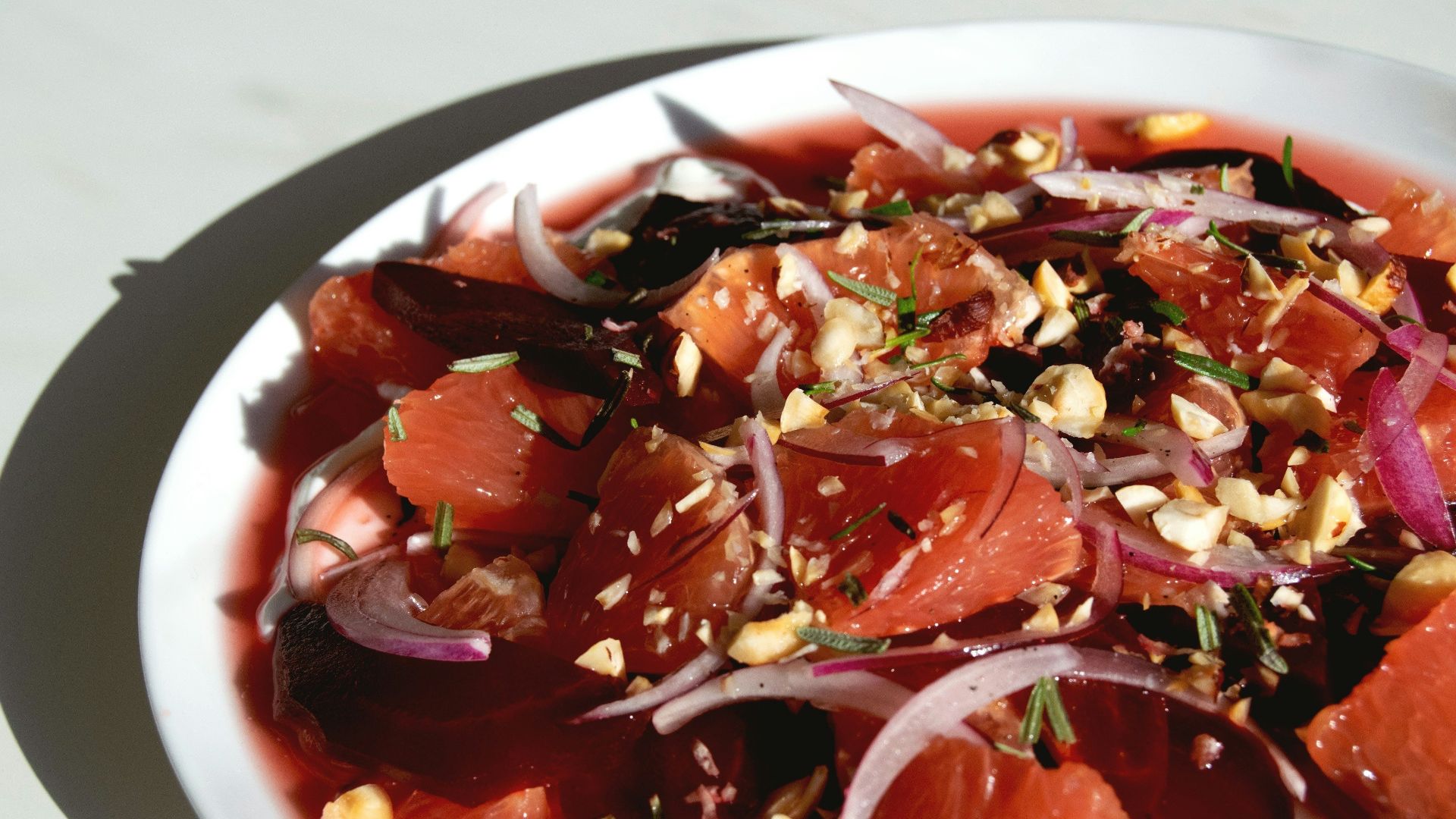
7. Poke Sallet
Poke sallet comes from pokeweed, a plant found in parts of the American South and Appalachia. Young shoots were traditionally boiled through repeated changes of water, as it was discovered that the plant is toxic if prepared carelessly.
 Neringa Skorupskiene on Unsplash
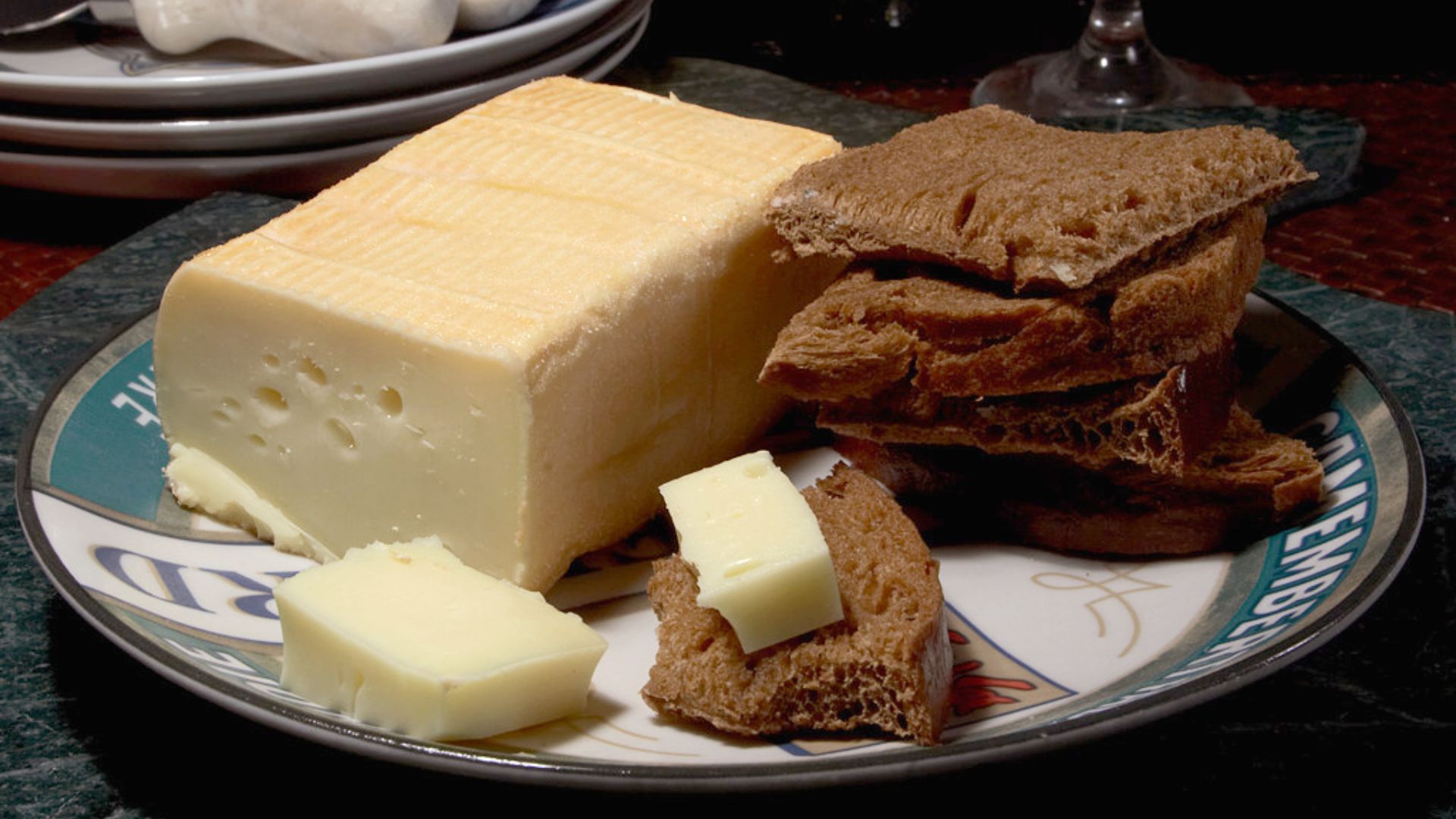
8. Limburger Sandwich
A limburger sandwich is usually bread, strong cheese, and often onion, with rye showing up in many old-school versions. The cheese’s smell became more famous than its flavor, but it's well-loved in areas like Wisconsin.
 Original photo by John Sullivan. Edit own work. on Wikimedia
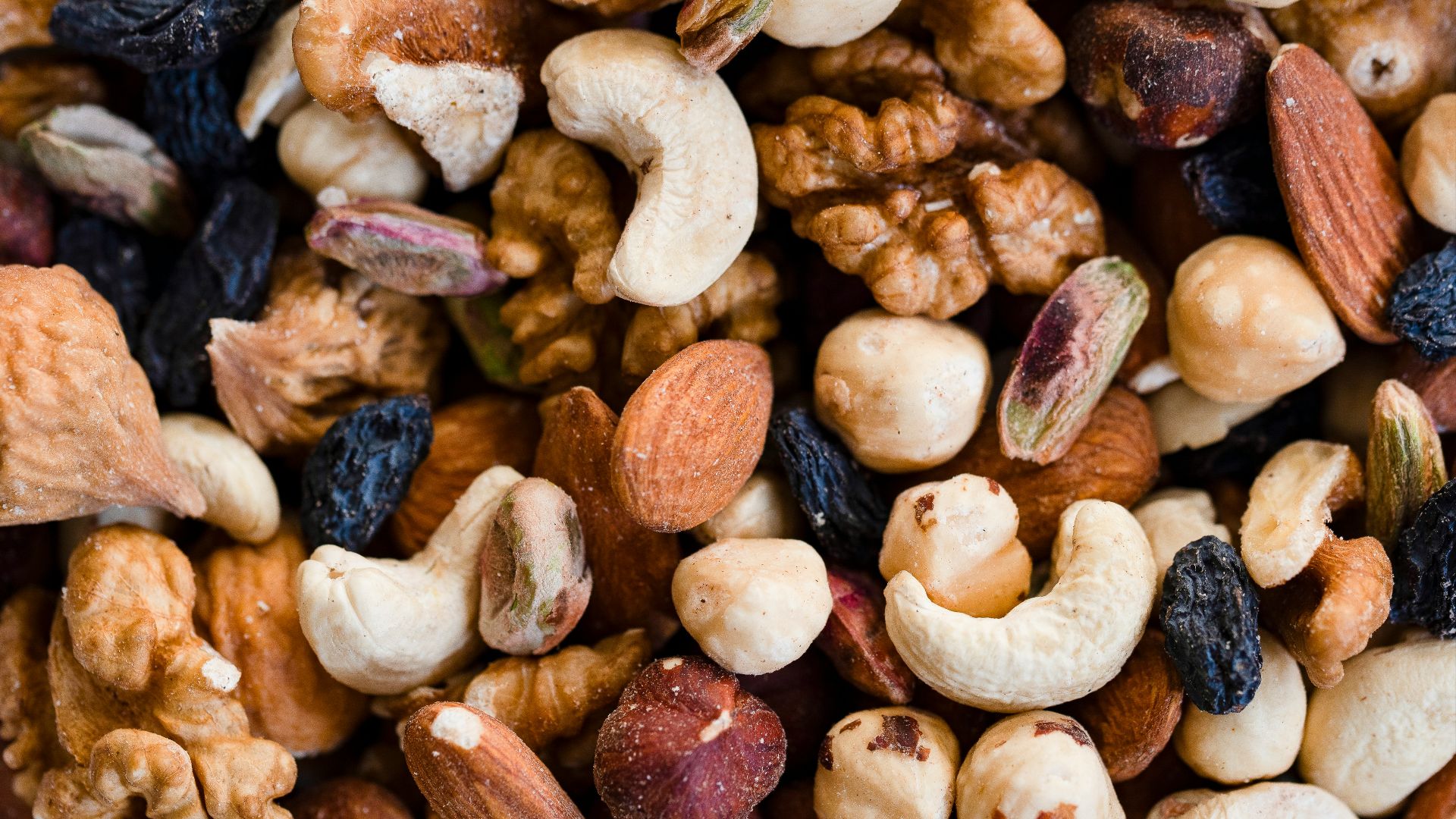
9. Trail Mix
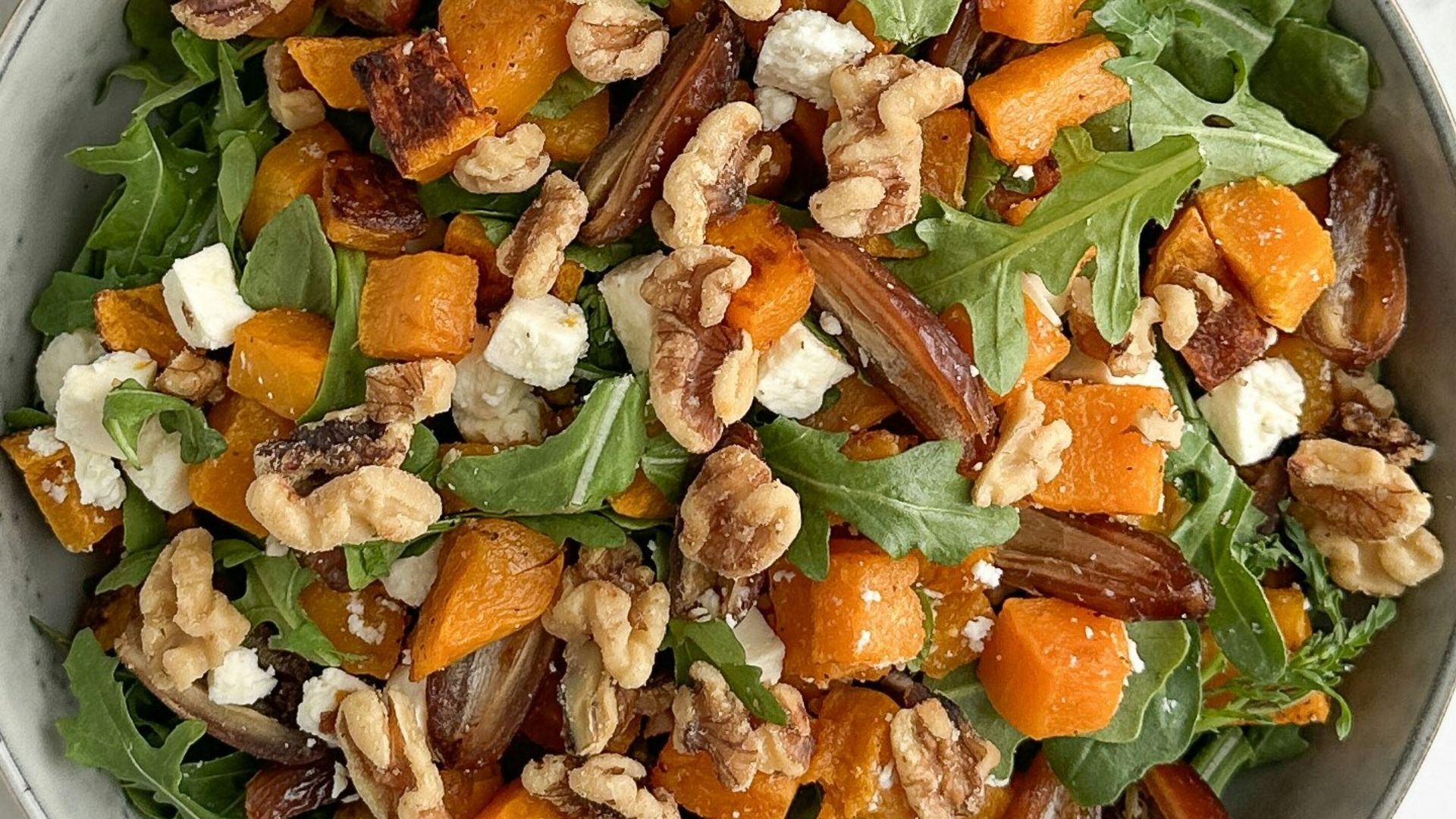
Trail mix now sits as a travel staple, beside protein bars, camping gear, and airport snacks, looking very normal and very expensive. The basic idea is much older and simpler: mix portable foods like nuts, dried fruit, seeds, and chocolate so people can keep moving.
10. Jerky
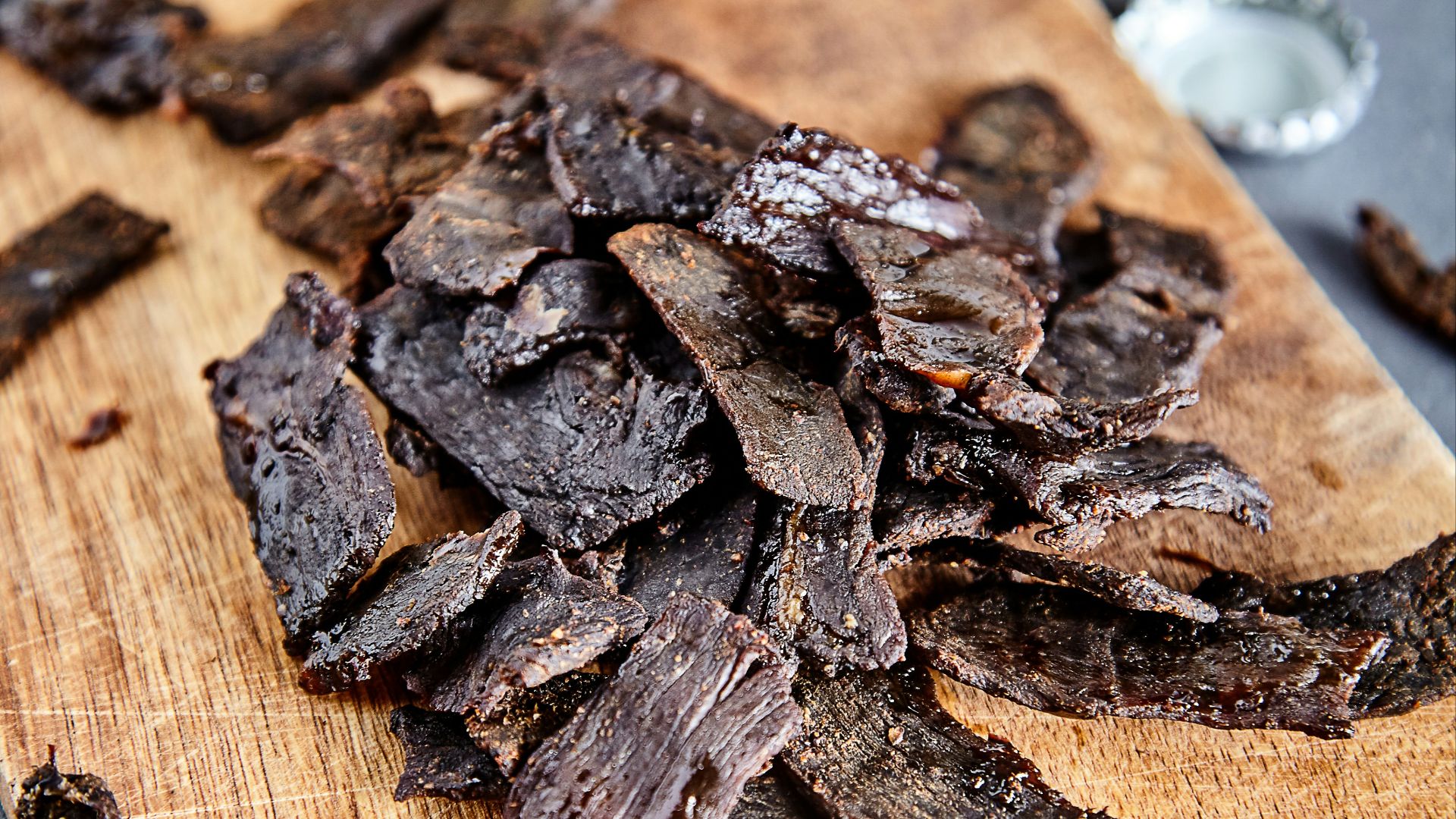
Jerky is an incredibly old invention. The word is commonly linked to ch’arki, a Quechua term connected to dried meat. While we use it as a road trip snack today, drying and salting meat was a part of food preservation long before electricity was invented.
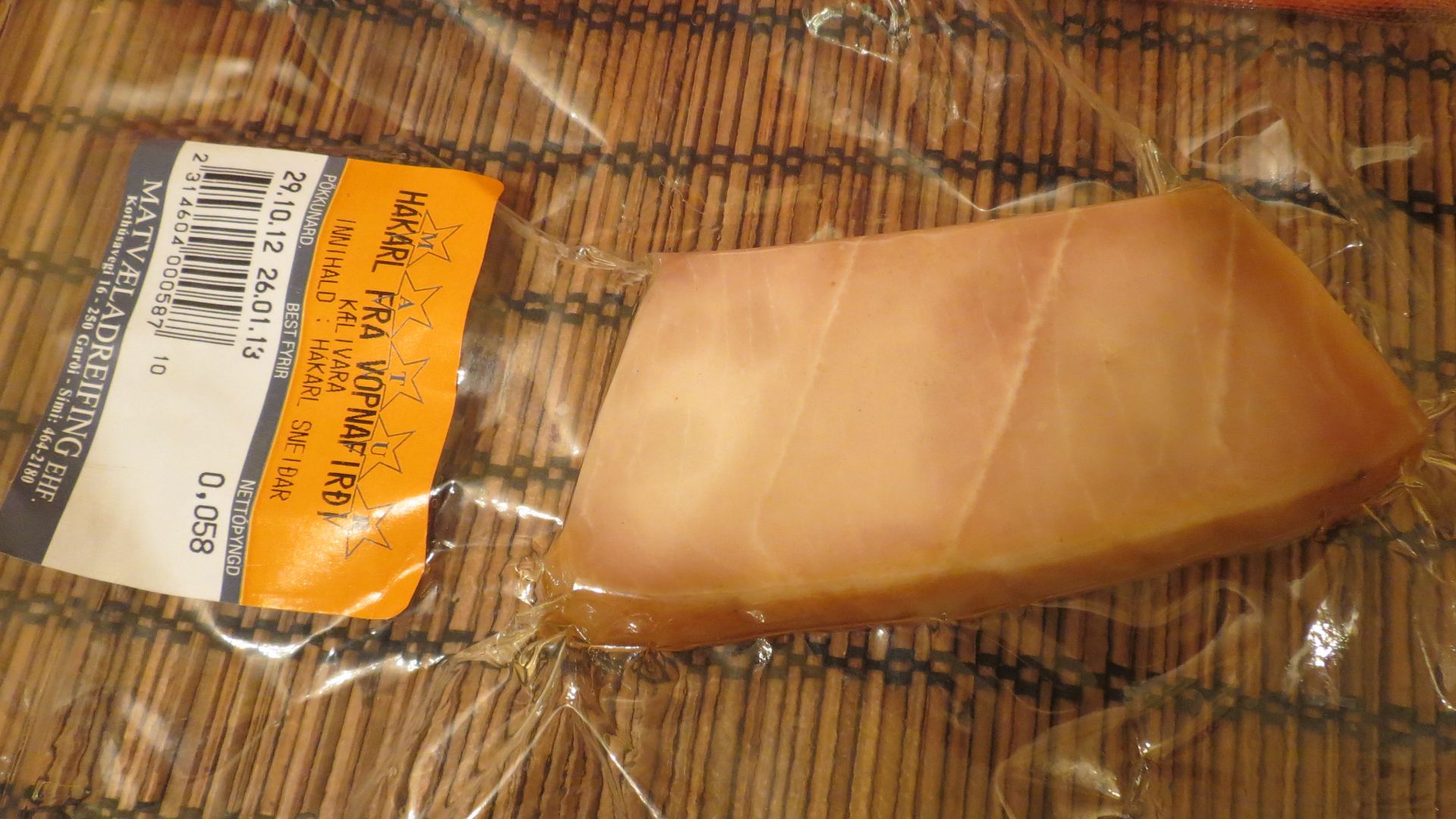
11. Hákarl
This meal consisted of Greenland shark buried underground for months, then air-dried, which produces eye-watering ammonia fumes. The toxic flesh becomes edible only after nature's brutal curing. One whiff will definitely clear your sinuses.
12. Balut
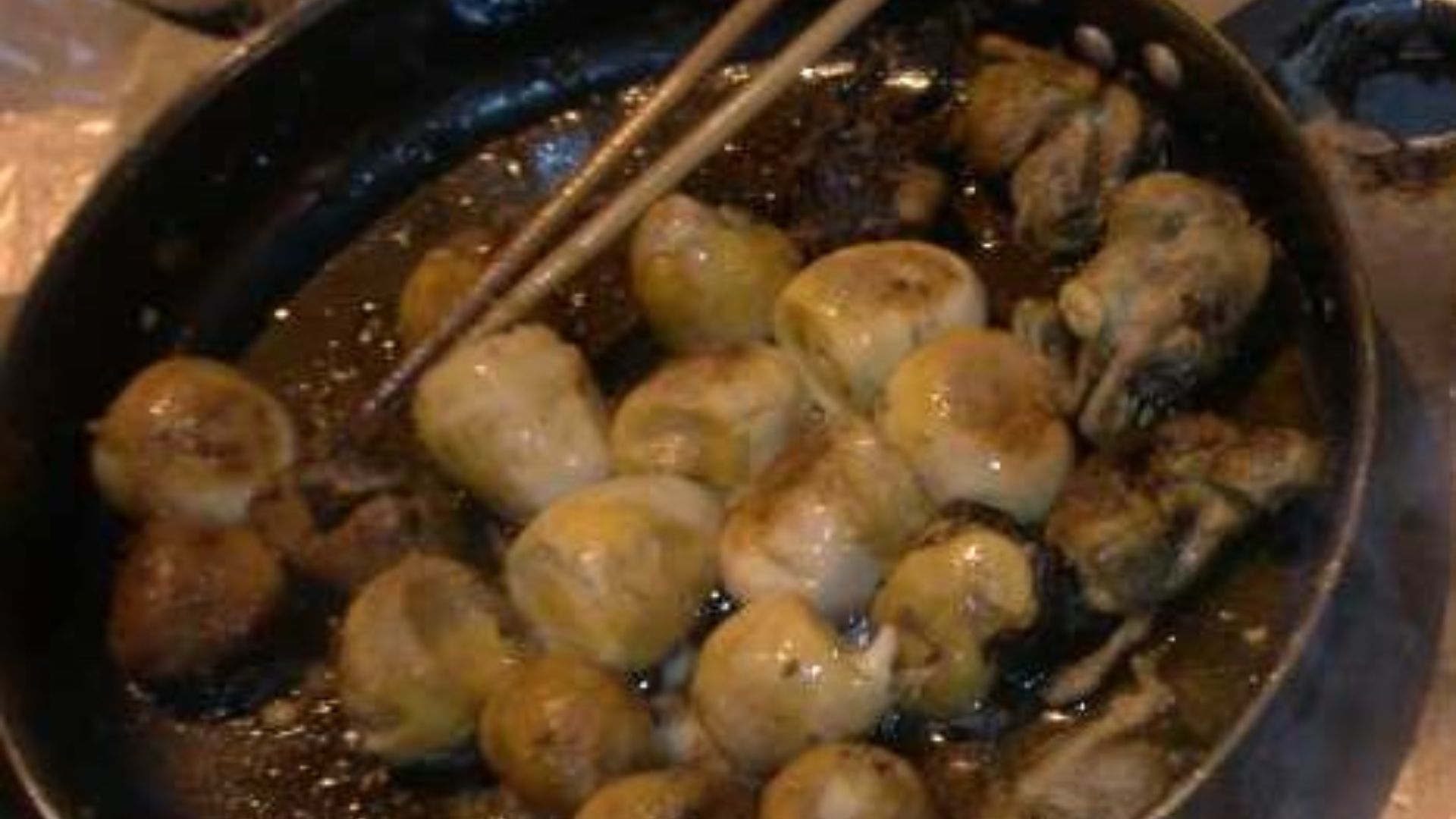
Balut is a fertilized duck egg, usually incubated for about 18 days before it’s boiled or steamed and eaten from the shell. The food is found in several parts of Asia, but in the Philippines, it has become especially tied to street-food culture, late-night vendors, and places such as Pateros, which is often associated with the country’s balut industry. The egg usually contains warm broth, yolk, and a partially developed embryo.
13. Kopi Luwak
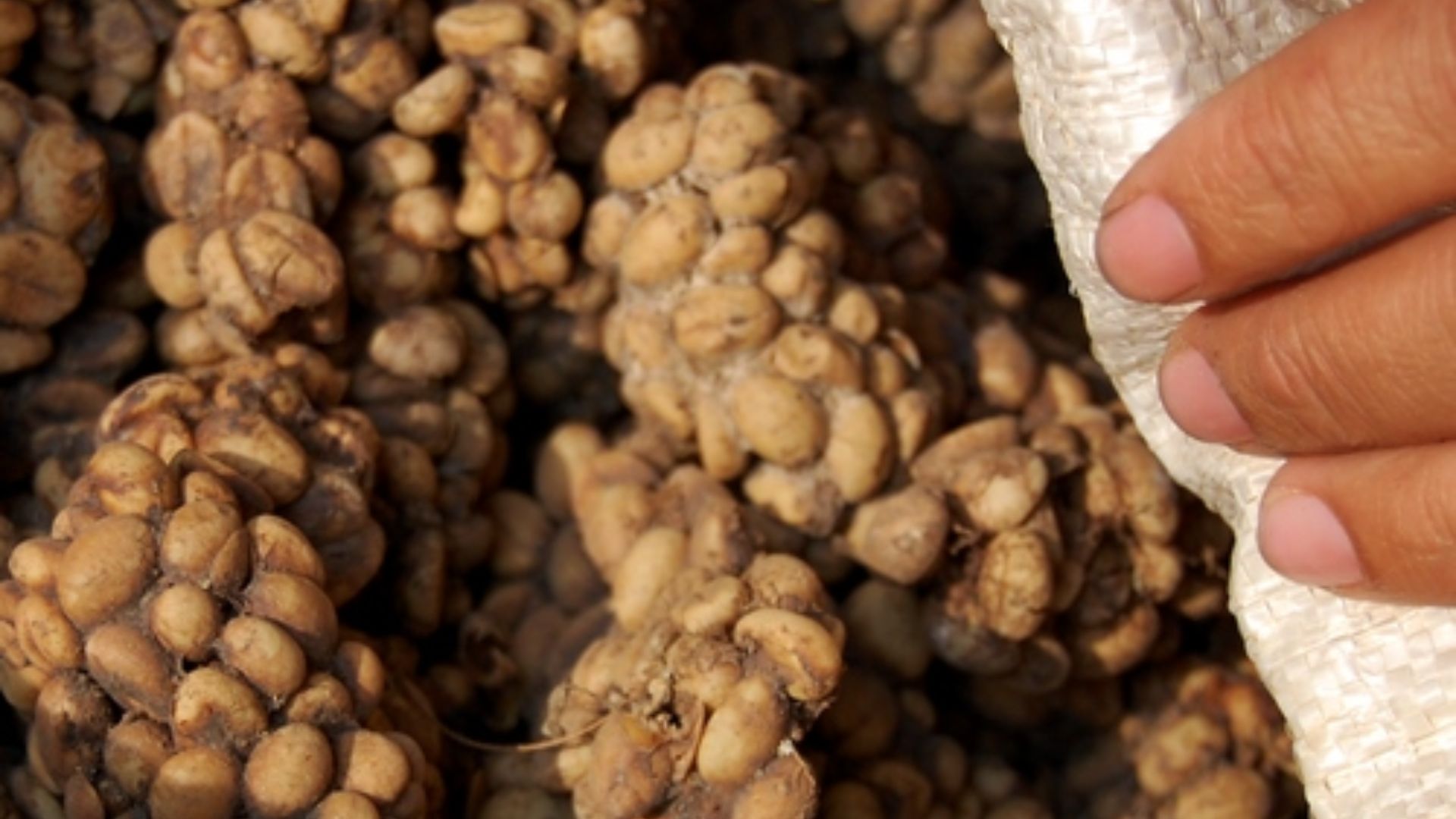
Kopi luwak is coffee made from beans collected after Asian palm civets eat and excrete coffee cherries. The beans pass through the civet’s digestive system before they’re cleaned, processed, roasted, and sold, which is how this coffee earned both its luxury reputation and its less glamorous nickname as “civet coffee.”
 Wibowo Djatmiko (Wie146) on Wikimedia
14. Fugu
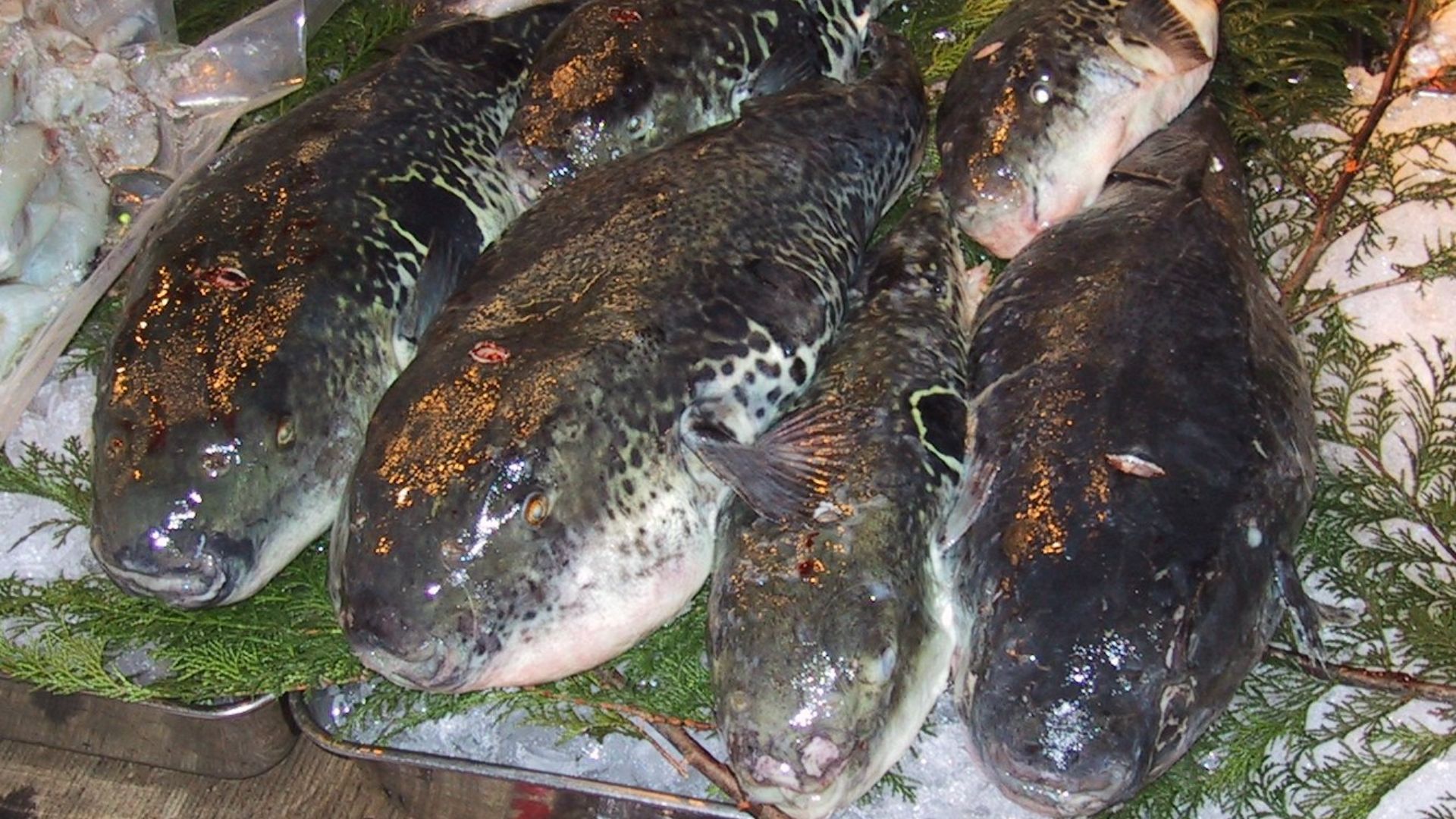
Fugu is the Japanese name for pufferfish, a delicacy famous for both its delicate flavor and its potential danger. Some pufferfish contain tetrodotoxin, a powerful neurotoxin found especially in organs such as the liver, ovaries, intestines, and skin, depending on the species. When prepared incorrectly, it can cause numbness, paralysis, respiratory failure, and death.
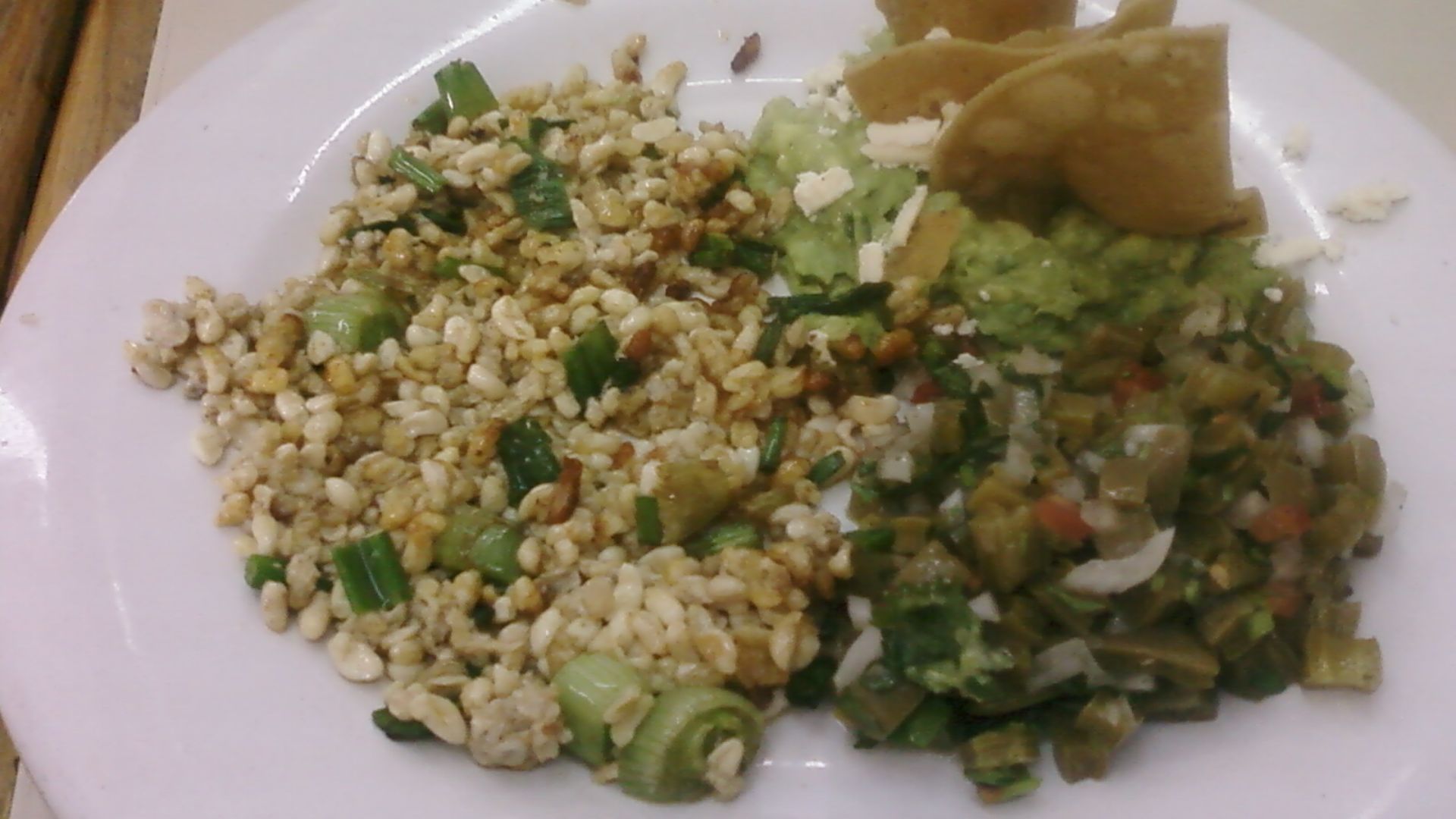
15. Escamoles
Escamoles are the edible larvae and pupae of ants, often harvested from nests around maguey or agave roots in central Mexico. They’re sometimes called “Mexican caviar,” partly because they’re seasonal and labor-intensive to collect.
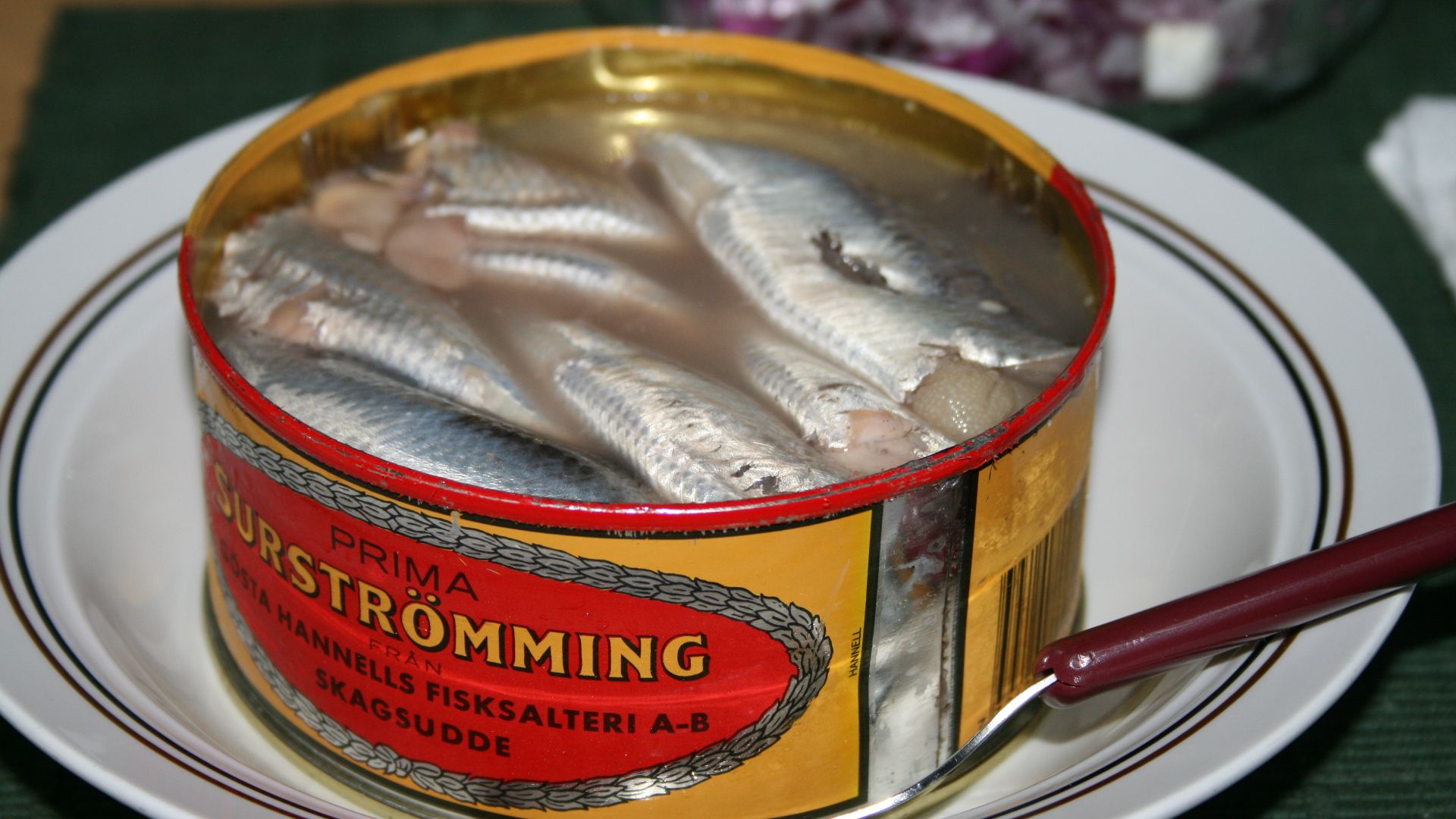
16. Surströmming
Surströmming is fermented Baltic herring from northern Sweden, famous for its very specific smell. The tradition is often traced to a 16th-century salt shortage, when fish preservation methods had to stretch limited supplies. The herring continues fermenting in the can, which is why tins are usually opened outdoors.
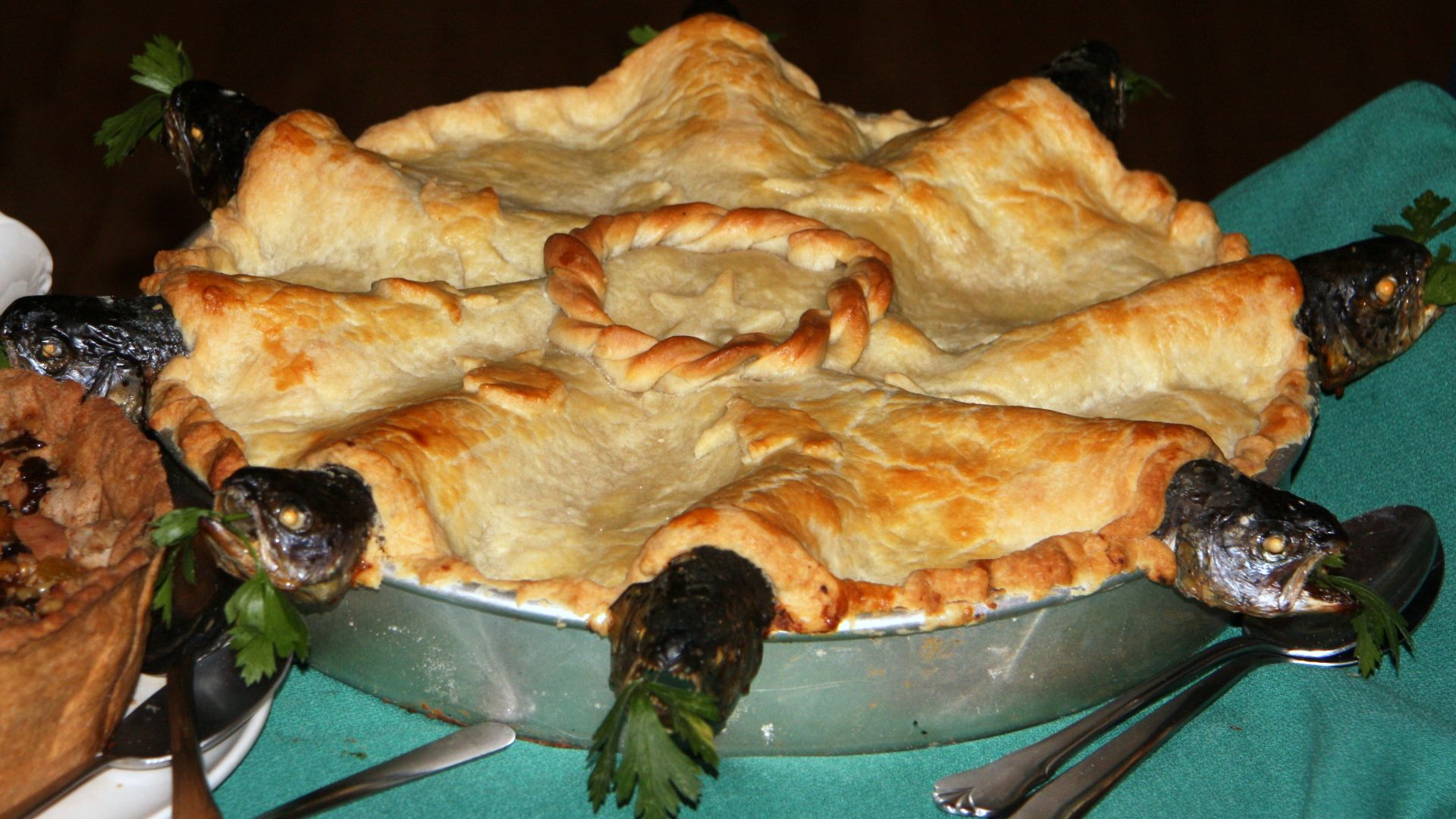
17. Stargazy Pie
Stargazy pie is a Cornish fish pie traditionally associated with Mousehole, Cornwall. Its most famous feature is visual: whole pilchards or sardines are baked under pastry with their heads poking through the crust, making them look as if they’re gazing upward.
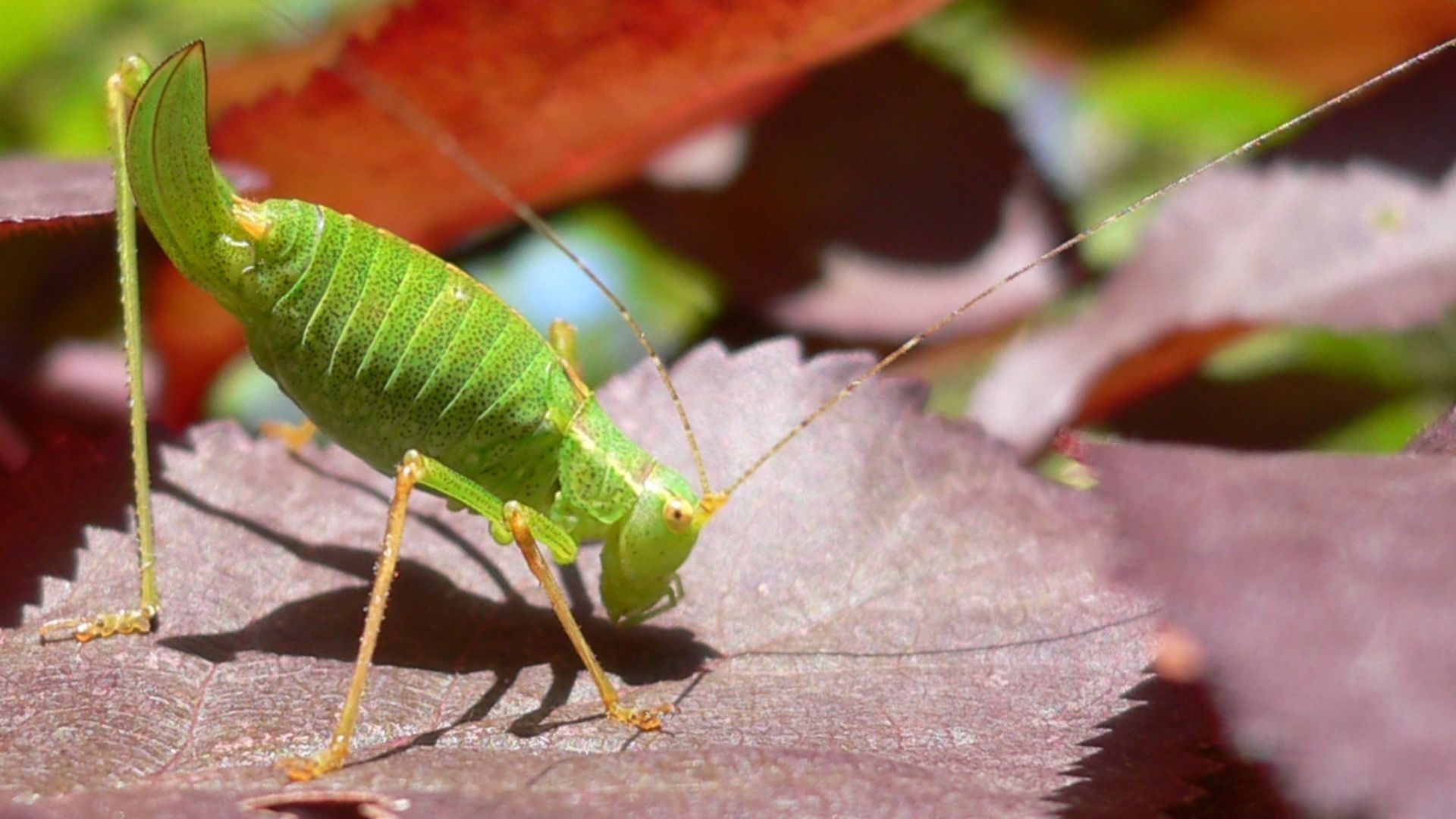
18. Orthopterans
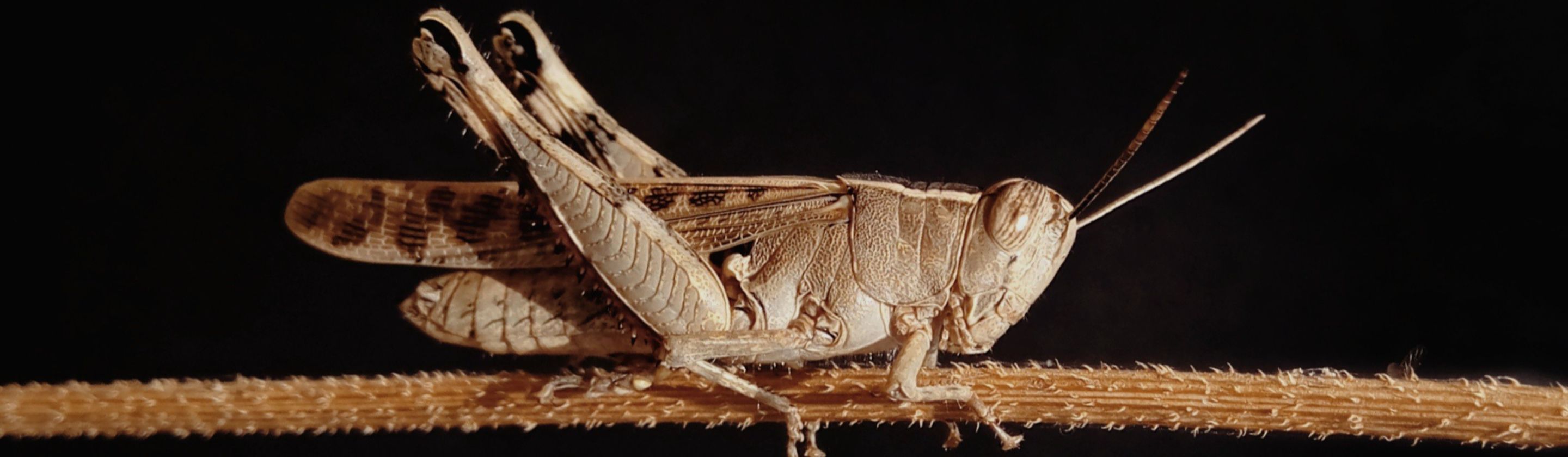
Crickets, grasshoppers, and related insects have been eaten in many cultures for generations. In Mexico, chapulines, or toasted grasshoppers, are especially associated with Oaxaca, where they’re often seasoned with chile, lime, garlic, or salt and eaten as snacks or tucked into tacos.
19. Virgin Boy Eggs
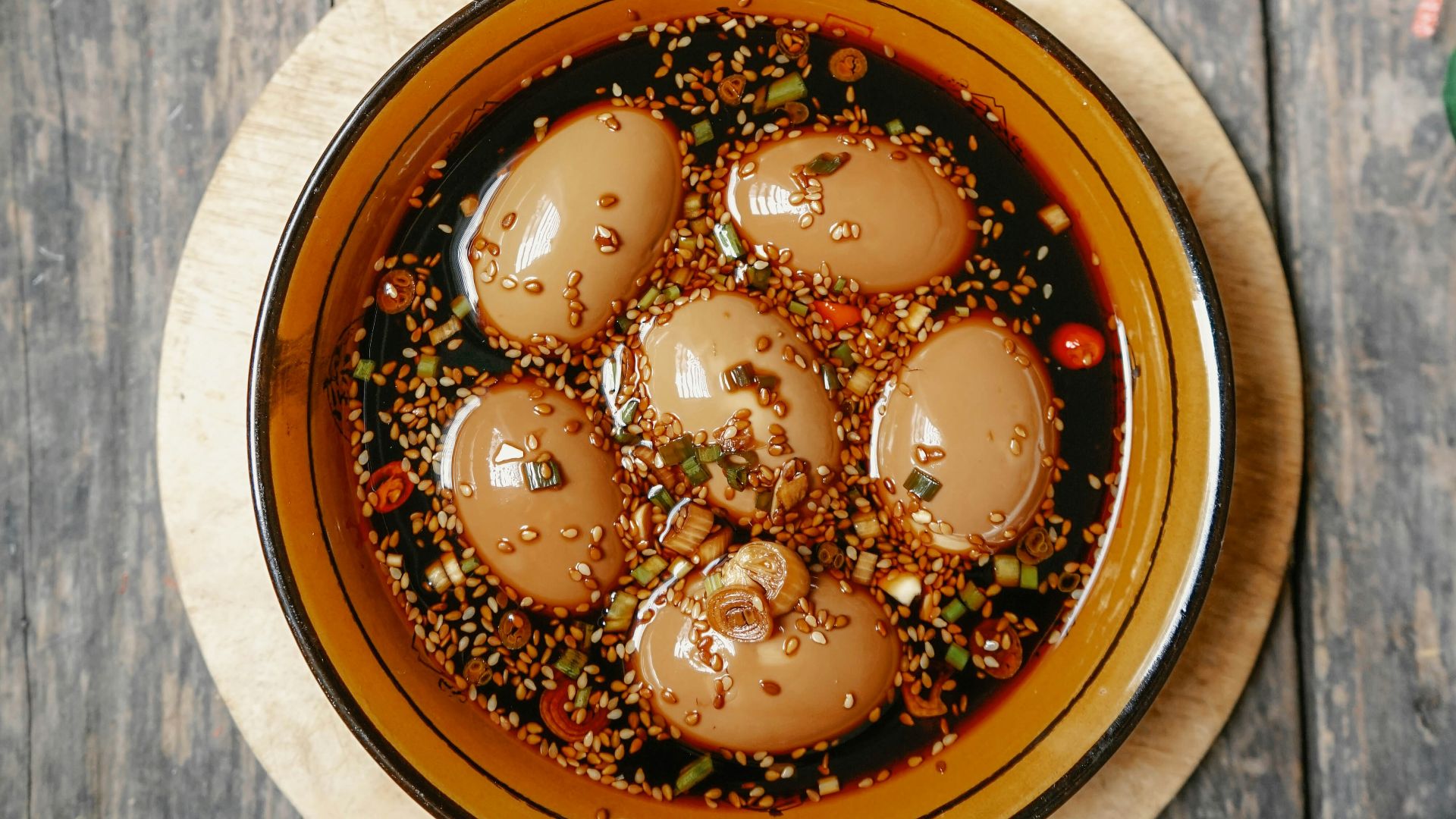
Tongzi dan, often translated as “virgin boy eggs,” is a traditional dish from Dongyang in China’s Zhejiang province. The eggs are simmered in the urine of young boys, traditionally under 10, and are especially associated with spring. Supporters have long claimed the eggs offer health benefits, including protection against seasonal fatigue or heat, but those claims are not supported by modern medical guidance.
20. Cock Beer
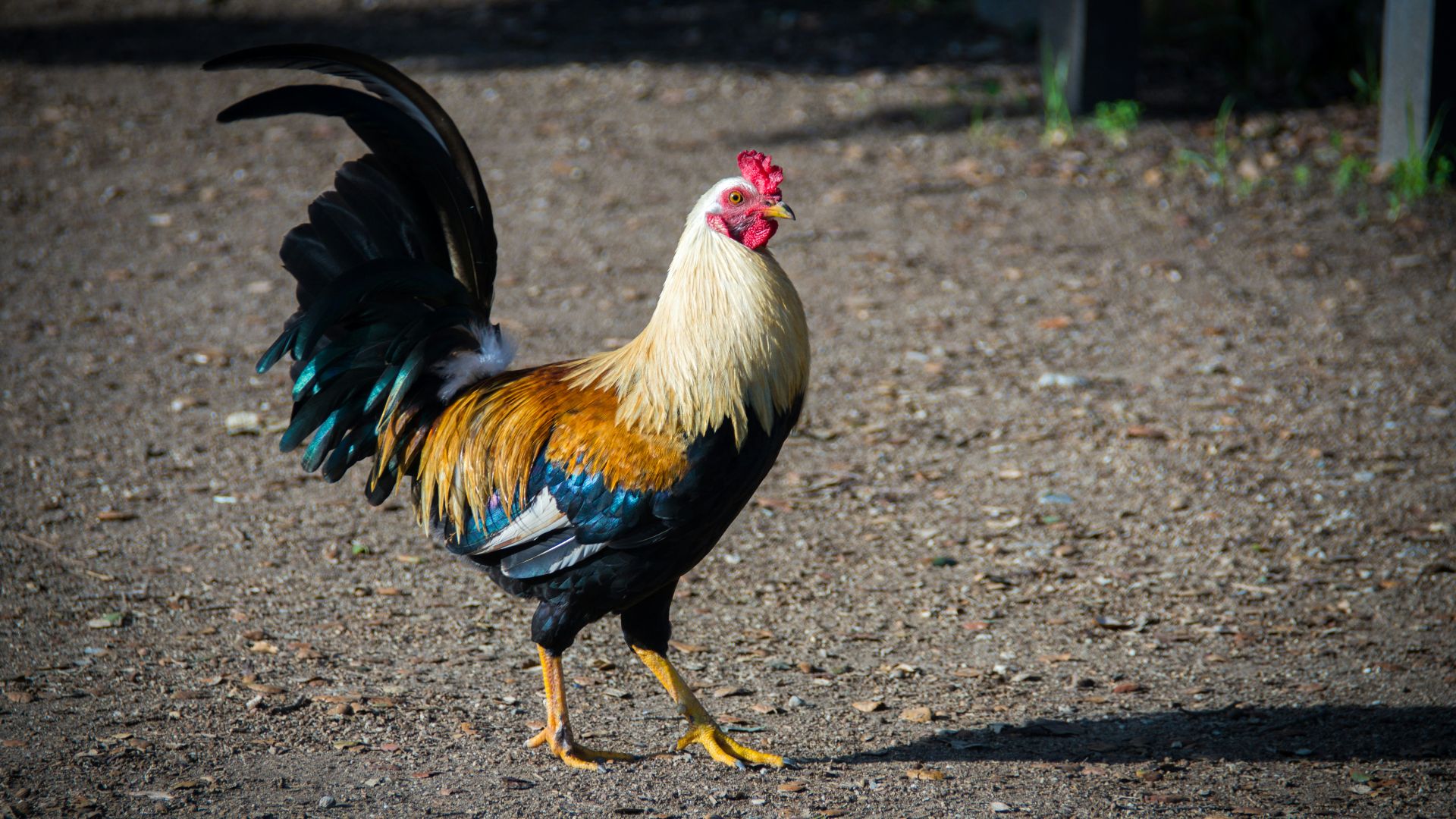
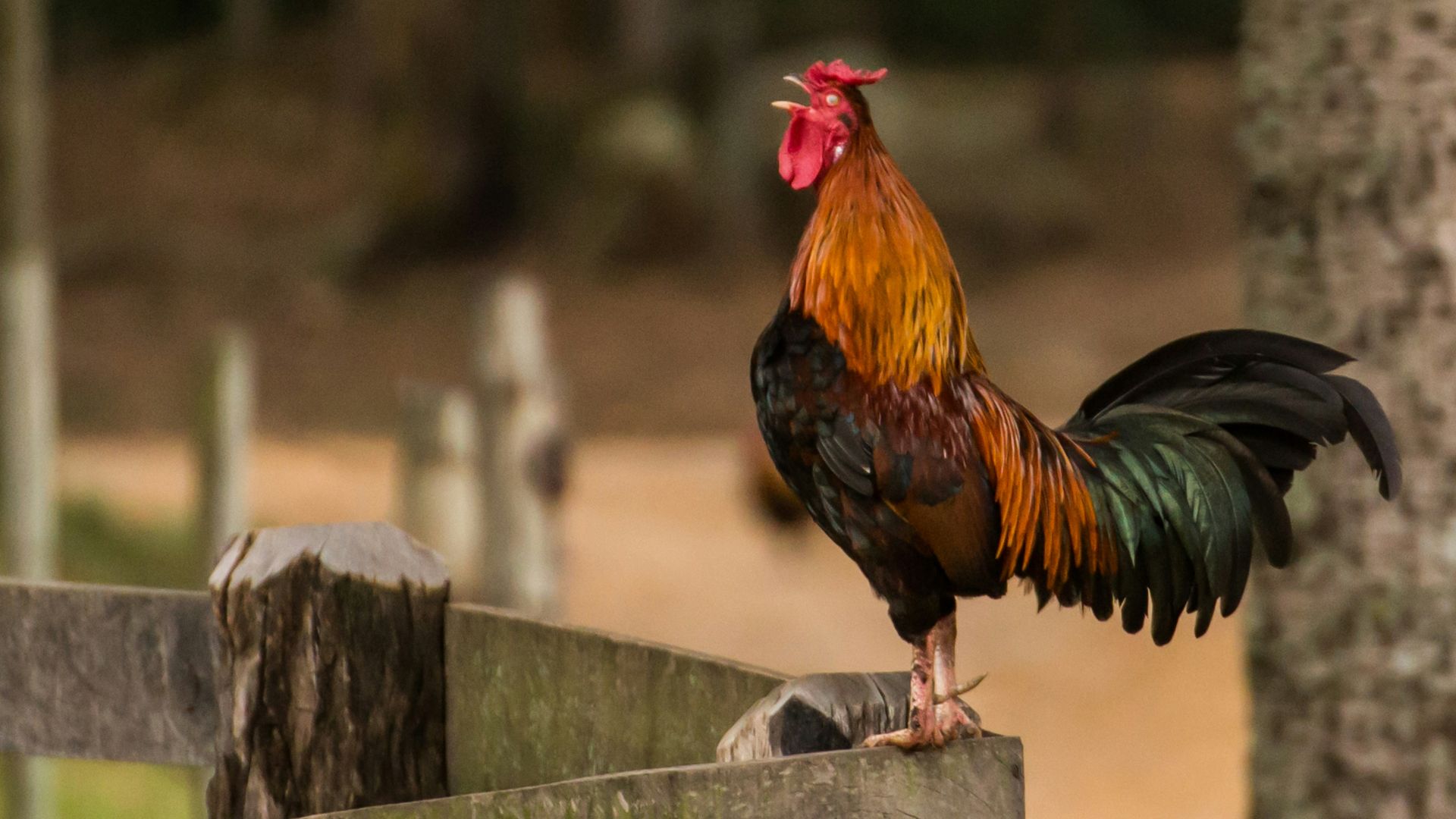
Cock ale, sometimes called cock beer, was a real historical English drink associated mainly with the 17th and 18th centuries. Surviving recipes describe ale infused with rooster, often along with spices, dried fruit, and sometimes sack or wine. The drink also carried a reputation as a strengthening or “provocative” brew, linked to old ideas about health, vigor, and aphrodisiac effects. Today, it mostly survives as a historical curiosity.