Fast Food Soda Tastes Better, And the Reason Is Way More Calculated Than You Think
Fast Food Soda Tastes Better, And the Reason Is Way More Calculated Than You Think
That first fast-food soda really does feel different. It’s colder, fizzier, and somehow more satisfying than the can waiting in your fridge, which is why people keep circling back to this debate.
A lot of those reasons are small on their own. Temperature, pressure, filtered water, syrup ratio, melting ice, and even the straw all shape the final sip in ways most people never think about. Put them together, though, and you get a drink that feels unusually dialed in, which is exactly what the chains are going for.
Why Fountain Soda Starts Ahead
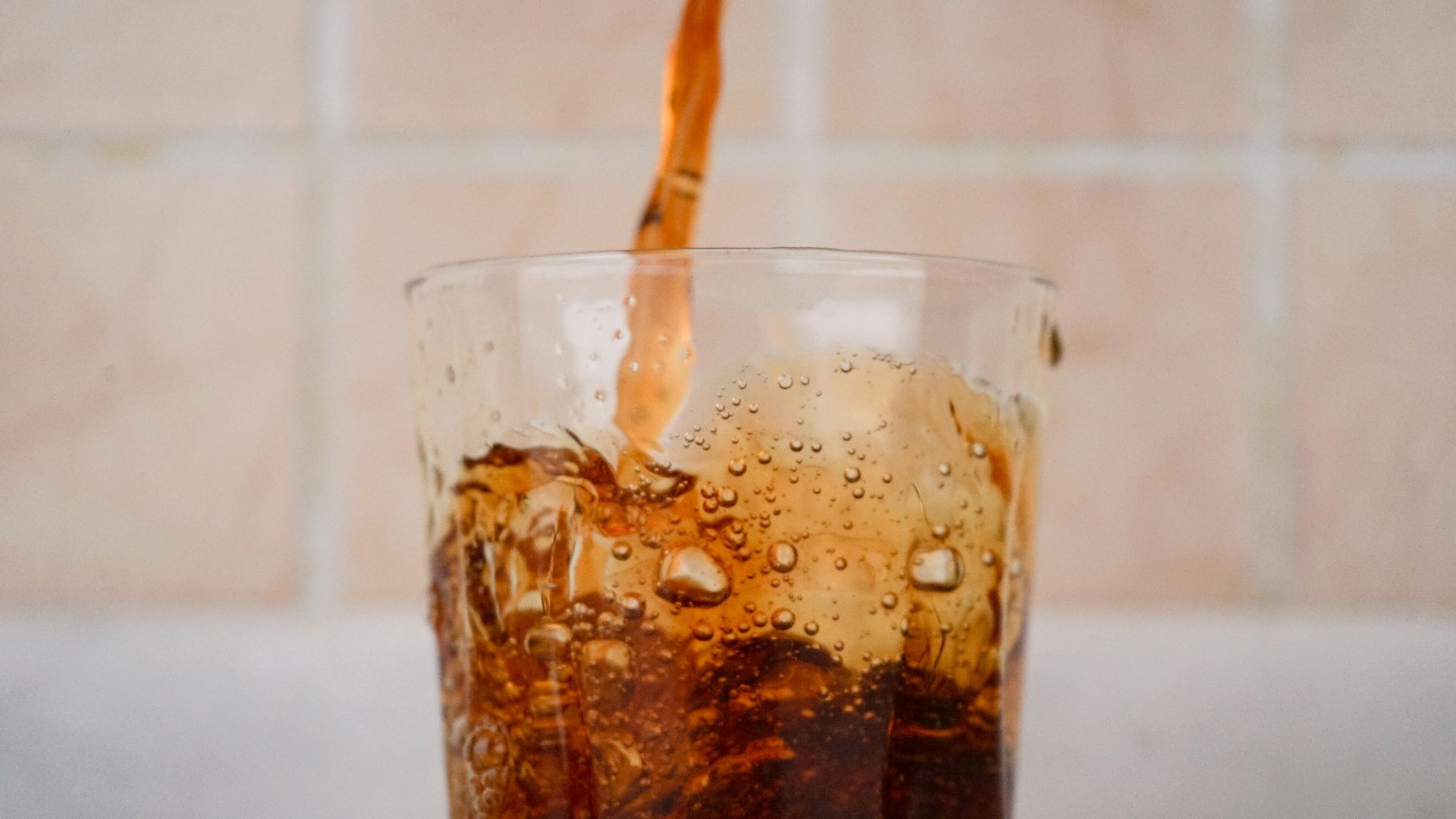
Fountain soda already has one big advantage before you even pick up the cup. It isn’t arriving as one finished drink that was sealed somewhere else and left sitting until you opened it. The University of Michigan’s chemical engineering reference says soft drinks are made by blending syrup and treated water, often at about a 5:1 ratio, and then carbonating that mixture under pressure and at cooler temperatures to maximize fizz.
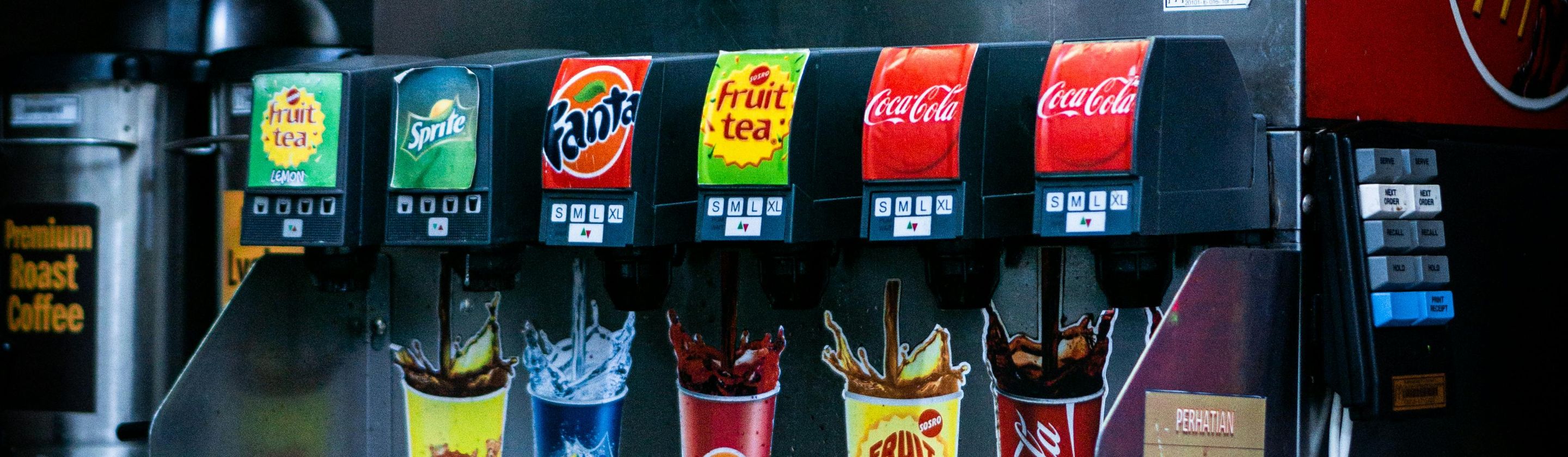
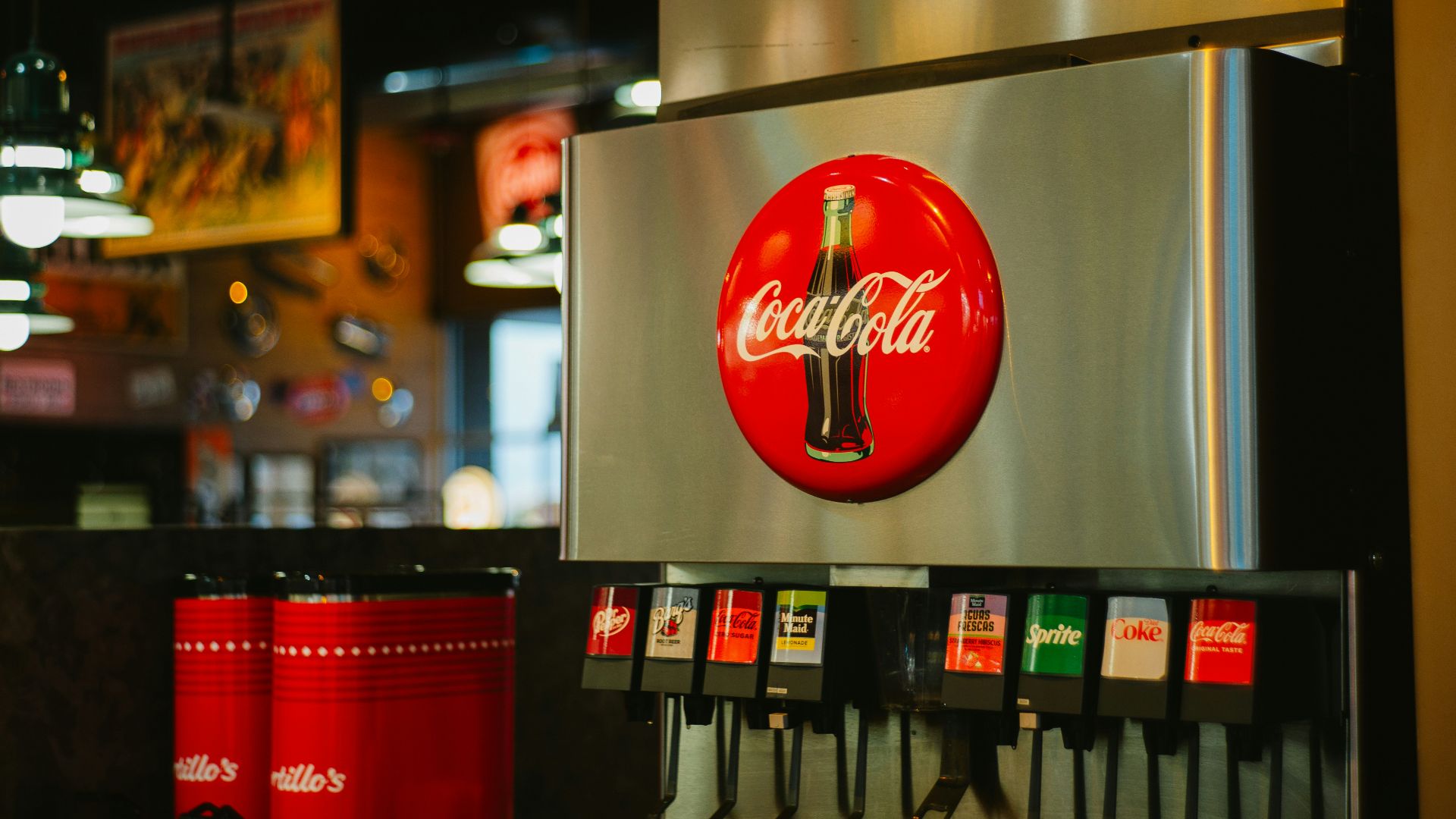
That setup gives restaurants more control right up to the moment the drink is served. Coca-Cola’s history of Freestyle dispensers describes the machine as using concentrated ingredients that are mixed with water and sweetener on the spot. So while the drink is still recognizably the same product, the final pour is happening under much tighter serving conditions.
McDonald’s has been unusually open about what it does with those conditions. The company says its water and Coke syrup are both pre-chilled before they enter the fountain dispenser, that all the water is filtered before it reaches the machine, and that the beverage system is kept cold. That’s not some romantic myth about the drive-thru. That’s just the company explaining its own process out loud.
The result isn’t a secret alternate Coke, and that part matters. What changes is the handling, not the identity of the drink. A fountain system lets a chain control the drink later in the process, and that can make it feel brighter and more lively than something that was packaged earlier and starts losing carbon dioxide the second you open it.
Cold And Carbonation Matter More Than Most People Realize
The cold is doing a lot of work here, and not just because warm soda is a little tragic. The American Chemical Society says more gas dissolves in cold water than in hot water, and the University of Florida says carbonation depends mainly on CO2 pressure and temperature because carbon dioxide is more soluble at lower temperatures. In other words, colder soda hangs onto its fizz better.
That helps explain why the first sip can feel so sharp. The University of Florida says that once a container is opened, dissolved CO2 starts escaping as the beverage moves toward equilibrium with the atmosphere. The American Chemical Society makes the same point more simply, noting that gas escapes faster in warm water than in cold water, which means temperature has a direct effect on how lively the drink still feels.
Ice matters for the same reason, and it isn’t there just to bulk up the cup. McDonald’s says its syrup ratio is set to allow for ice melt, which means dilution is part of the plan from the start. That’s a pretty telling detail, because it shows the company isn’t treating ice like an afterthought. It’s part of the formula for how the drink is supposed to taste once it reaches you.
That balance changes the experience more than people give it credit for. A very cold drink can feel cleaner and more refreshing, while a little planned dilution keeps the sweetness from getting too heavy. That’s part of why a fast-food soda can taste more crisp than syrupy, even when it’s the same brand you’d buy somewhere else.
The Small Details Aren't That Small
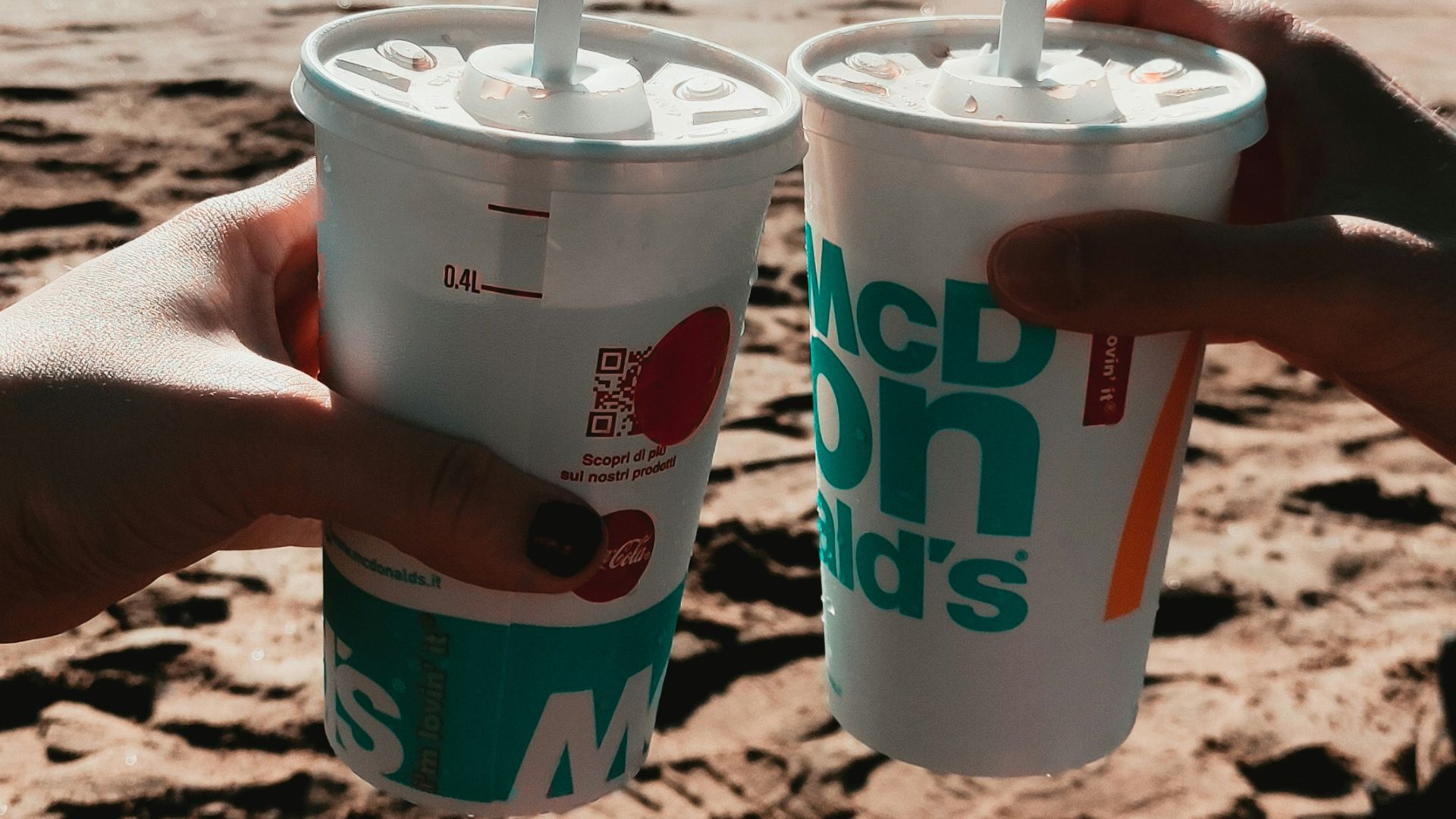
The easiest mistake is assuming there must be one magic trick behind all this. There isn’t. The drink works because several controlled details are stacking on top of each other, and chains are very good at repeating them the same way over and over. That’s less exciting than a secret ingredient story, maybe, but it’s a lot more believable.
Then there’s the straw. McDonald’s says the company says its straw is slightly wider than a typical straw, so more Coke flavor can hit your taste buds. That’s such a tiny detail, and also such a revealing one. Even the sipping itself is being thought through.
That’s really the larger story here. Fast-food soda tastes better to a lot of people because the whole experience has been tuned, quietly and carefully, to keep it tasting that way. The filtered water, the pre-chilled syrup, the cold system, the ice calibration, the broader straw, all of it works together to make the drink feel more exact than you expect from something handed to you in a paper cup.
And that’s the calculated part. The chains aren’t just selling soda. They’re selling a version of soda that feels hyper-reliable, and exactly the way your brain wants it to taste at that moment. Once you know how much engineering is packed into one cold cup, it gets a little harder to pretend the drink is just there to wash down the fries.