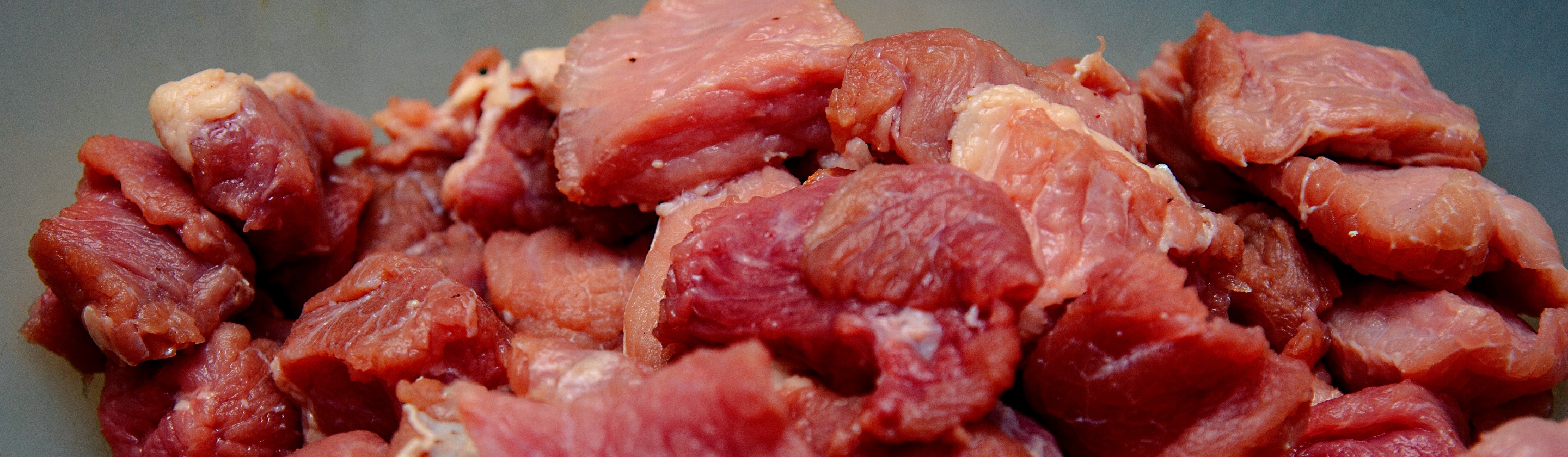
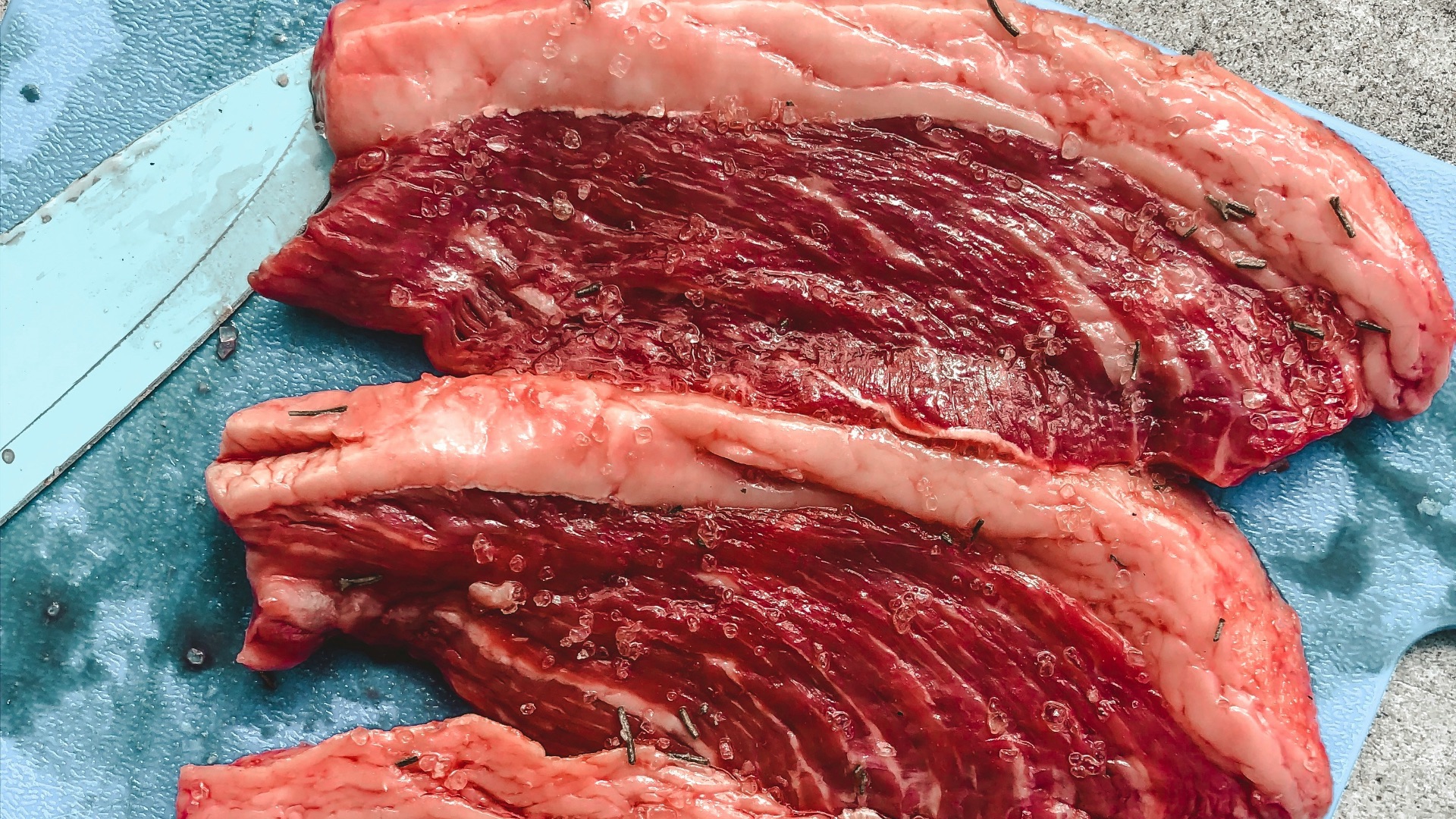
How do you prep your protein? Do you turn the kitchen tap on, run your steak under it, and then pat it dry with paper towels before seasoning it? Believe it or not, a lot of home cooks wouldn't bat an eye at that process and still rinse raw meat before cooking because it feels "cleaner." Yet, no matter how common that habit is, food-safety guidance has been clear for years: washing raw meat and poultry doesn’t remove risk; rather, it can actually make your kitchen less safe. The U.S. Department of Agriculture (USDA) says rinsing raw meat or poultry can spread bacteria through splashing, increasing the chance of cross-contamination rather than preventing it.
To compound the problem, if you're not regularly washing your kitchen sink or your counters, you're exposing yourself to harmful bacteria, and that can spread to your hands, clothes, and other food you're eating (think fruit and raw veggies) without you realizing. The next time you're prepping protein, follow this guide.
Washing Raw Meat Spreads More Than It Removes
When you rinse chicken, beef, pork, or lamb under the faucet, the water doesn’t just hit the surface of the meat; it splashes outward in tiny droplets that can land on the sink, faucet handles, countertops, dish racks, utensils, and any food sitting nearby. You probably don't even notice this, given that you're too focused on washing your protein. But according to the USDA, that splatter can carry bacteria around the kitchen, which is why washing raw meat isn’t recommended in the first place.
That risk isn’t just theoretical. In fact, USDA-backed research found that 60% of participants contaminated the inner sink after washing raw chicken, and 26% transferred bacteria from the poultry to ready-to-eat salad lettuce afterward. In other words, even if you think you can avoid contamination by being careful or strategic, just know that it probably won't work in your favor.
Many people may also assume that water, vinegar, lemon juice, or salt somehow “cleans” the meat enough to make a difference. It doesn’t work that way, though; USDA guidance says washing, rinsing, or brining meat and poultry in vinegar, lemon juice, or salt water does not reliably destroy bacteria. From a safety standpoint, those steps may change flavor or texture, but they do not and should not replace proper cooking.
What Actually Makes Meat Safe to Eat
Of course, the only step that reliably kills harmful bacteria on raw meat and poultry is cooking it to a safe internal temperature. That’s why food-safety agencies emphasize certain temperatures instead of relying on specific colors. In fact, the U.S. Food and Drug Administration warns that color and texture are unreliable indicators of safety, which means you can’t depend on appearance alone to decide whether meat is done.
So what temperatures should you cook your protein to? For poultry, the CDC says the safe internal temperature is 165°F, measured with a food thermometer in the thickest part of the meat. USDA guidance also states that whole cuts of beef, pork, lamb, and veal are generally safe at 145°F, while ground meats should reach 160°F because grinding can spread bacteria throughout the product.
This is also why rinsing meat before cooking gives people false confidence. You may feel as though you’ve reduced the danger, but the real protection comes from heat, not from water at the sink or how thoroughly you scrub down your protein. Once you understand that, the kitchen routine gets simpler: keep raw meat contained, avoid contaminating surfaces, and cook it properly instead of trying to wash away a problem that water can’t and won't solve.
A Better Way to Prep
If you open a package of meat and notice extra liquid or residue, don't immediately jump to the kitchen sink, even if that's your first instinct. Instead, USDA guidance suggests that if there’s something on raw poultry you want to remove, you can pat the area with a damp paper towel and throw the towel away immediately, then wash your hands thoroughly. That keeps splashing to a minimum and avoids sending raw juices around the sink area.
You should also treat the surrounding area as part of the prep process, not an afterthought. The CDC recommends washing utensils, cutting boards, and countertops with hot, soapy water after they’ve been in contact with raw meat or poultry, and cleaning hands before and after handling food. Once that becomes routine, skipping the rinse stops feeling wrong and starts feeling like the more informed choice.
The bottom line is simple: washing raw meat doesn’t make it safer, contrary to what you might think, and in many cases it makes your kitchen harbor more harmful bacteria. If your goal is to reduce risk, focus on containment, cleaning, and correct cooking temperatures instead. That’s the method backed by current food-safety guidance, and it’s the one your dinner actually depends on.
KEEP ON READING

The Most Popular Chocolate Bars in the USA

The Most Popular Candies in the USA